"What a thousand acres of Silphiums looked like when they tickled the bellies of the buffalo is a question never again to be answered, and perhaps not even asked." -Aldo Leopold
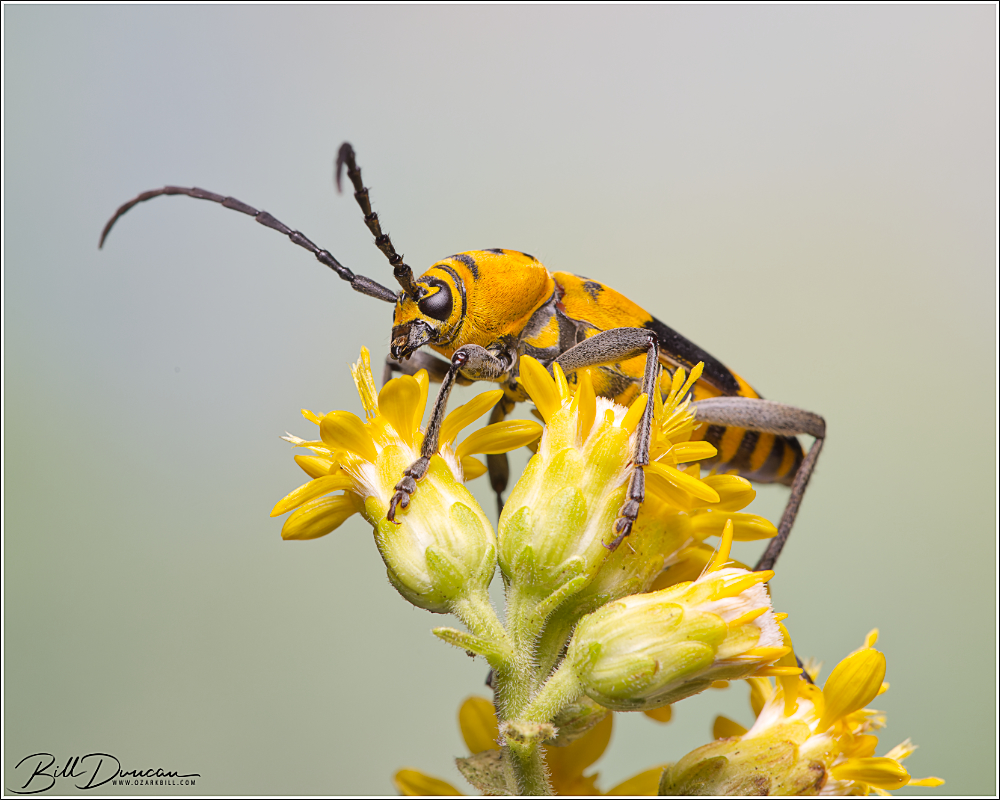
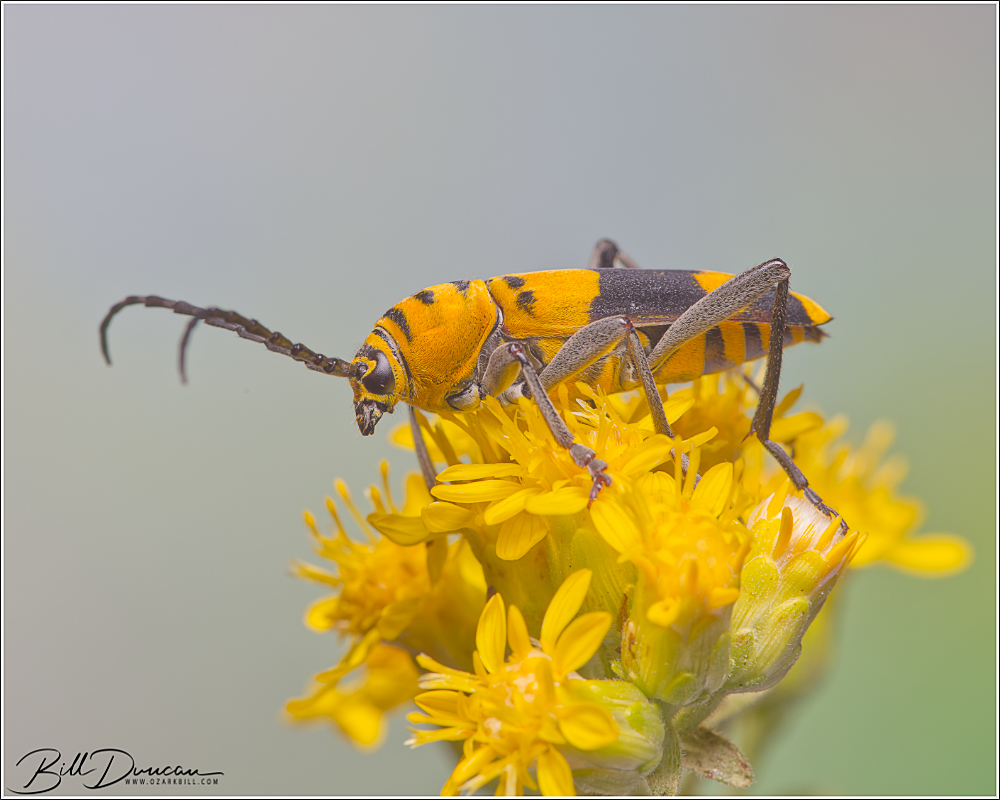
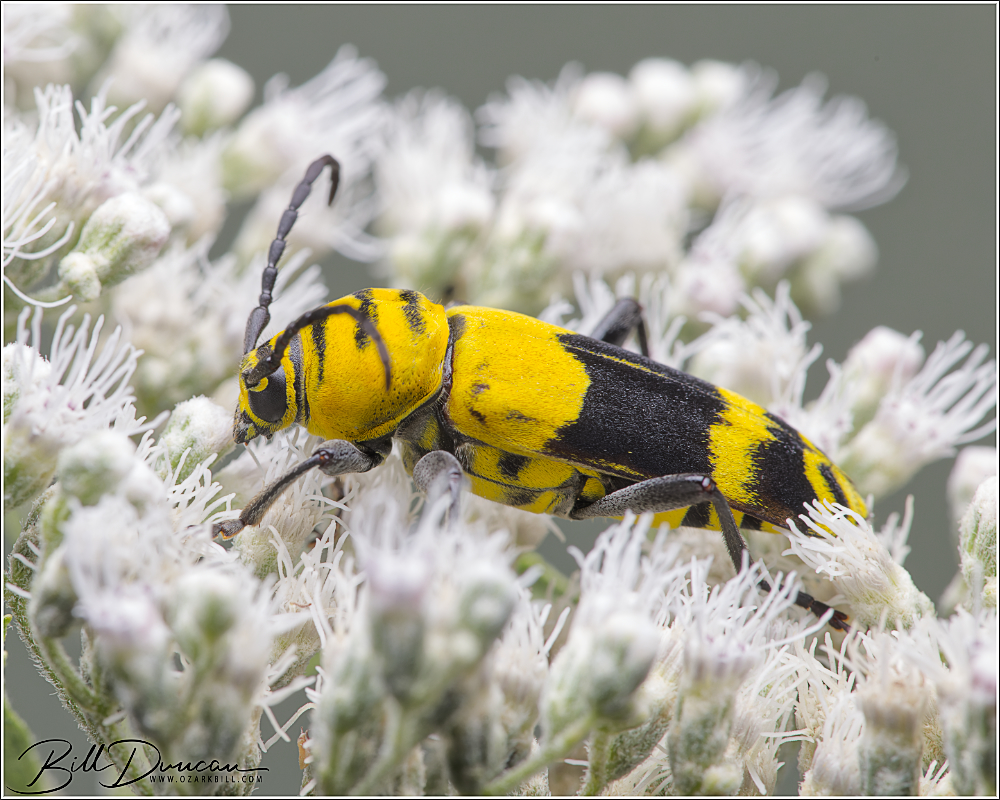
Many thanks to Andy Reago & Chrissy McClarren who made the really nice find of these two amazing long-horned beetles, the amorpha borer, Megacyllene decora. While hunting rare birds at Columbia Bottom, C.A., we luckily ran into these guys and were able to take advantage by getting some photos. This was the first time I have seen this species in person.
Friends and I had a couple of really fun blacklighting sessions at Engelmann Woods Natural Area in June and July. Neither evening was as great as it could be but each was definitely worth the time and mosquito bites. Here are just a few of the fascinating arthropods that came to visit.
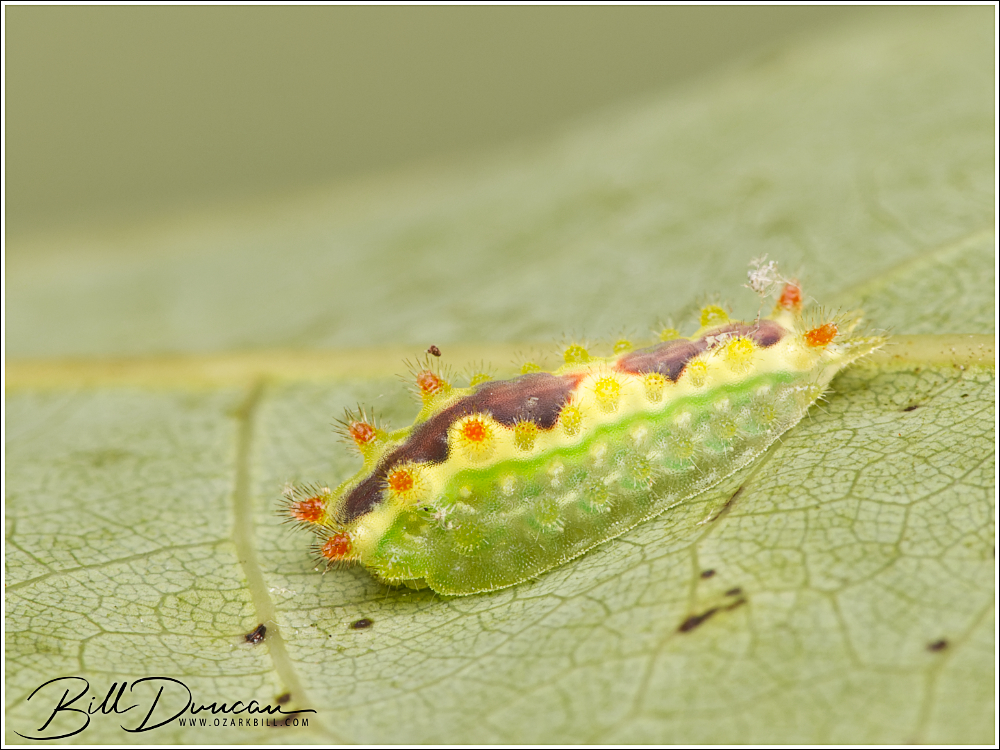
Slug moths (Family Limacodidae) are often the first to arrive at the sheets. We found a couple of adults and I was quite surprised to find a pretty late-stage purple crested slug (Adoneta spinuloides) larvae in late June. Typically, any slug moth cats are very small if you can find any at all in early summer.
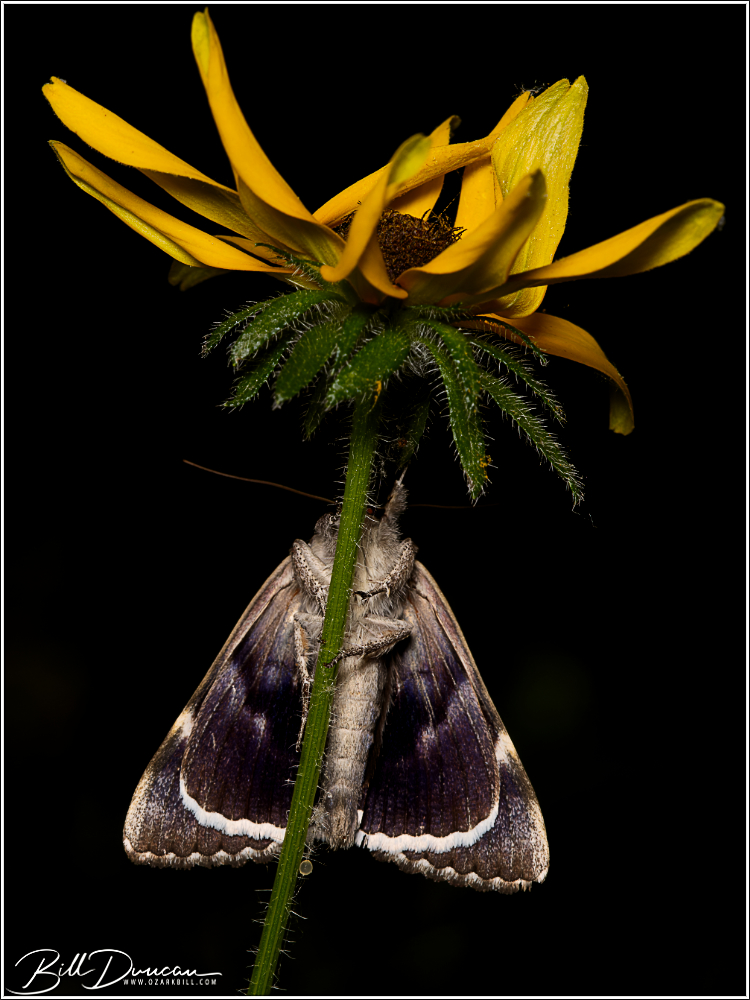
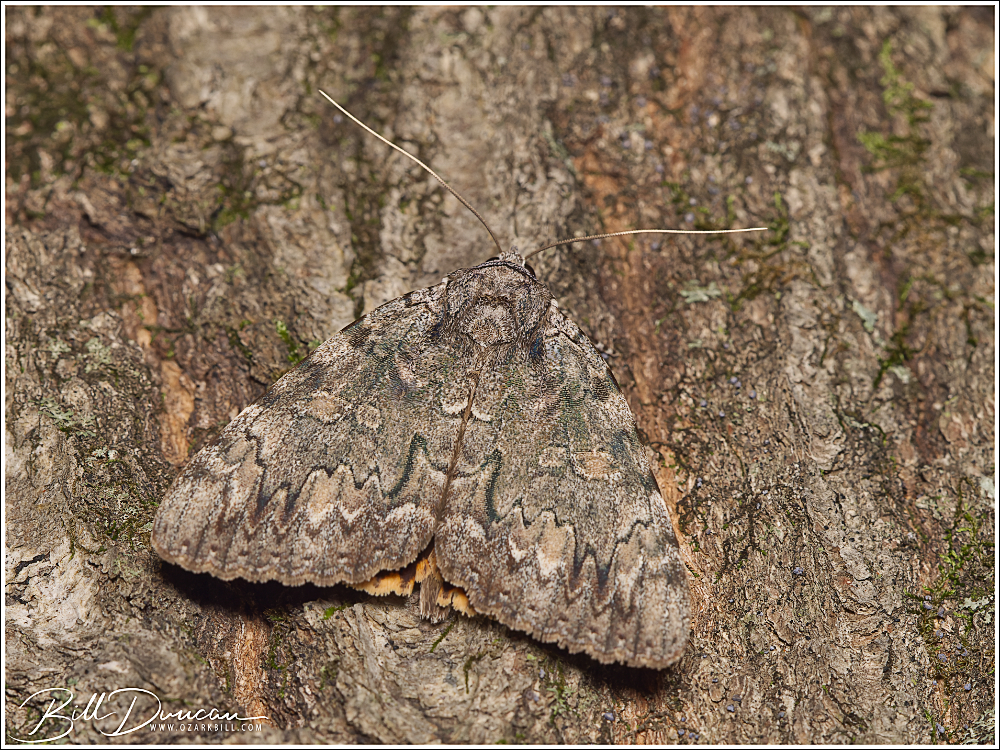
We had very nice diversity in underwing moths (Eribidae Catocala sp.). I believe we had identified six different species over the two nights. Here are a few of these.
We had only a single sphinx moth that would settle down for some photo opportunities. This is the common but still interesting Virginia creeper sphinx (Darapsa myron).
Darapsa myron (Virginia creeper sphinx)
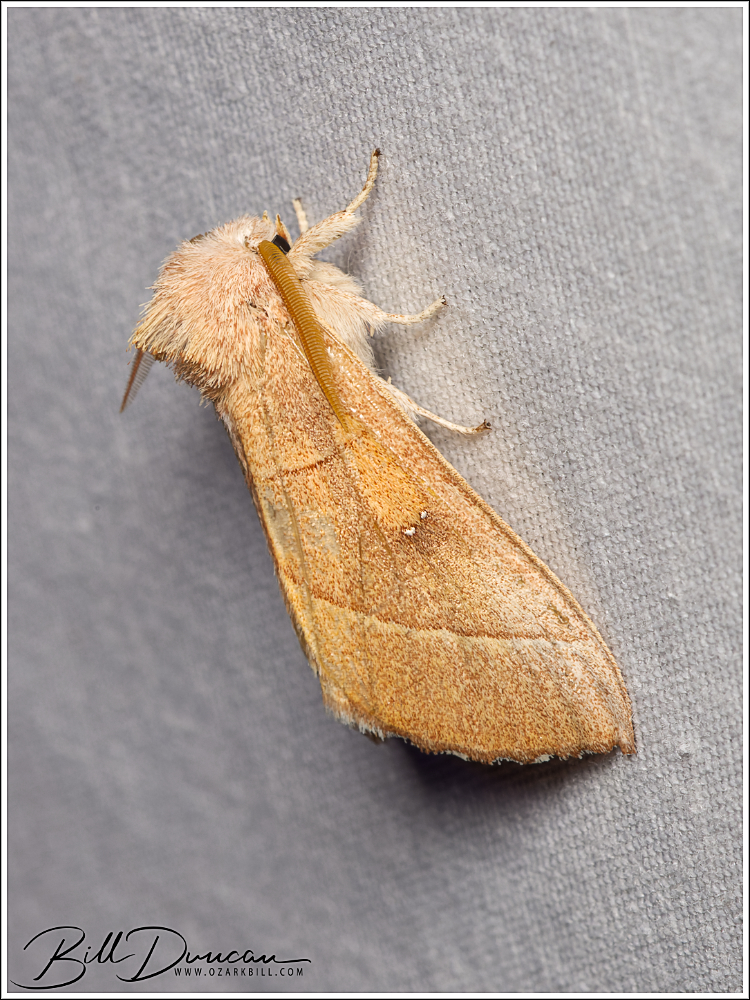
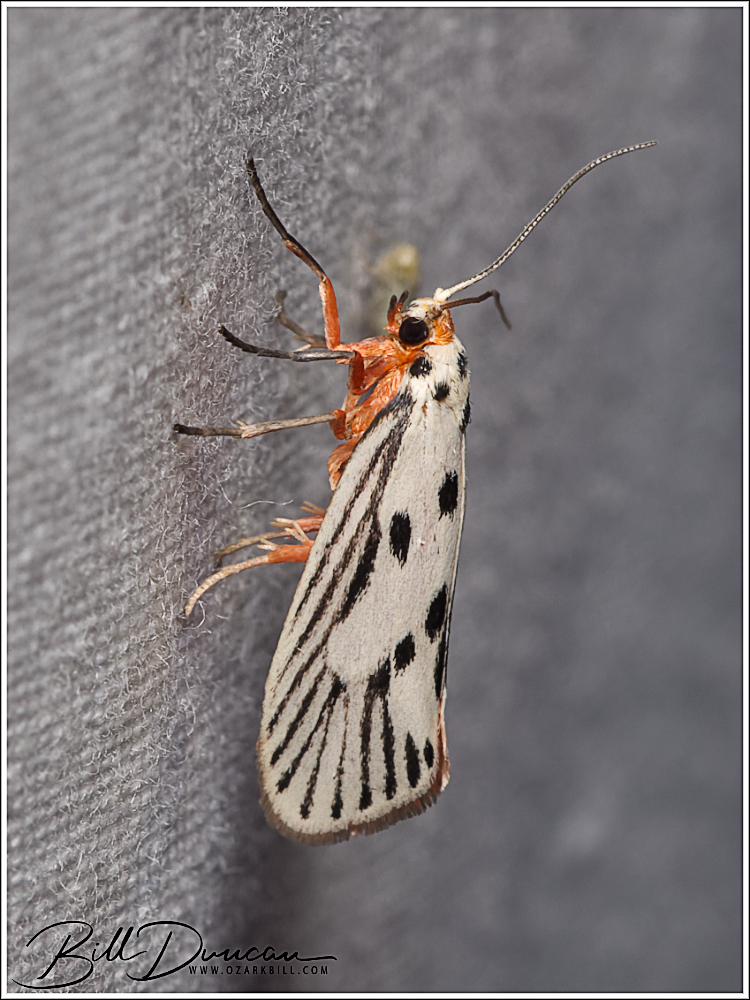
Probably my favorite find from these two nights was this Euerythra phasma (red-tailed specter) in the Family Erebidae.
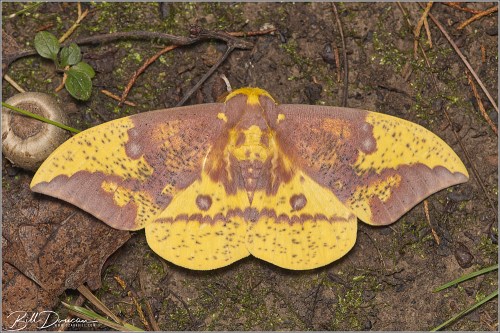
Of course, it really isn’t a blacklighting night without at least a couple of Saturniids. One of the highlights of our July night was having five imperial moths (Eacles imperialis) all show up at once shortly after I fired up the big metal halide bulb.
Eacles imperialis (imperial moth)
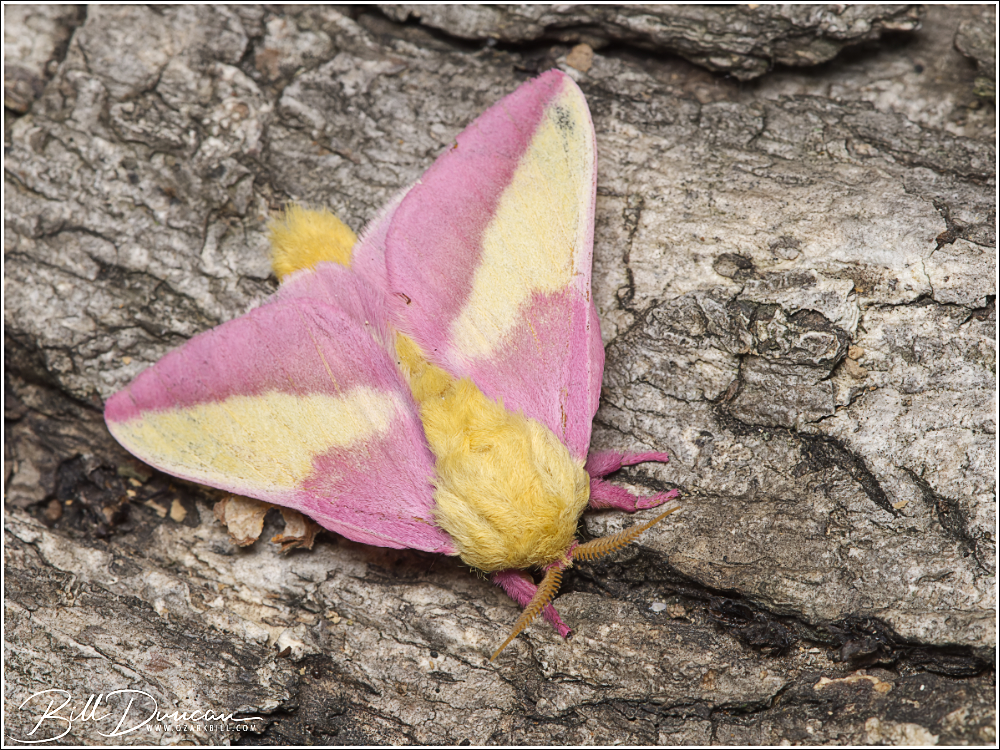
Dryocampa rubicunda (rosy maple moth)Dryocampa rubicunda (rosy maple moth)
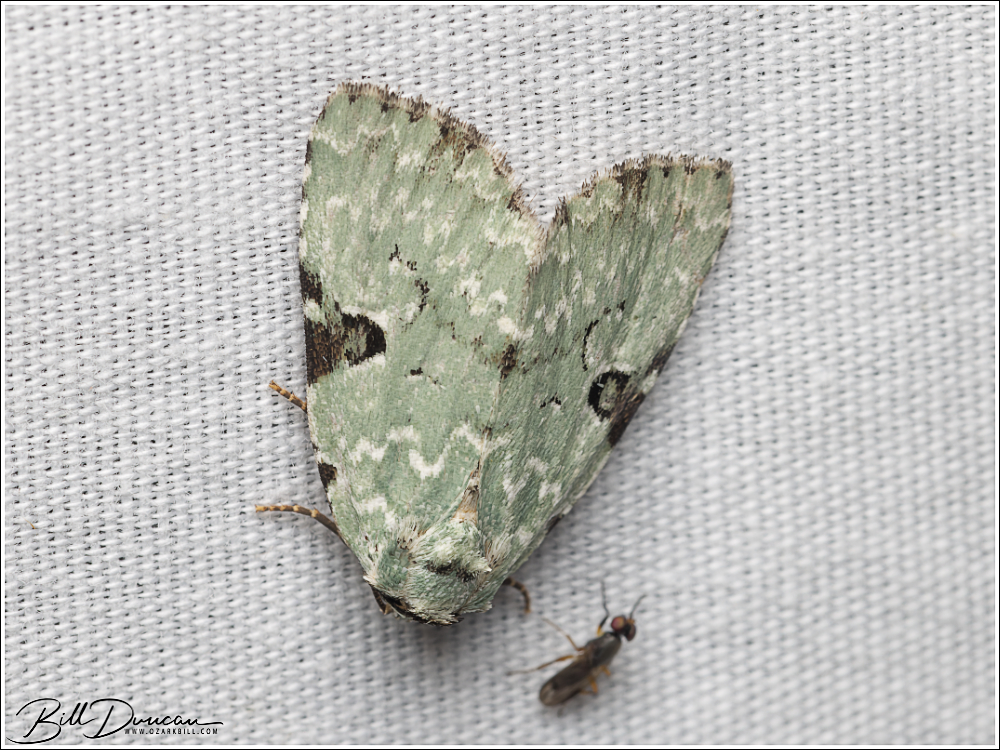
I’ll wrap up the moths with a couple of colorful little one.
Pantographa limata (basswood leafroller) F. Crambidae
Lactura pupula (bumelia leafworm moth) F. Lacturidae
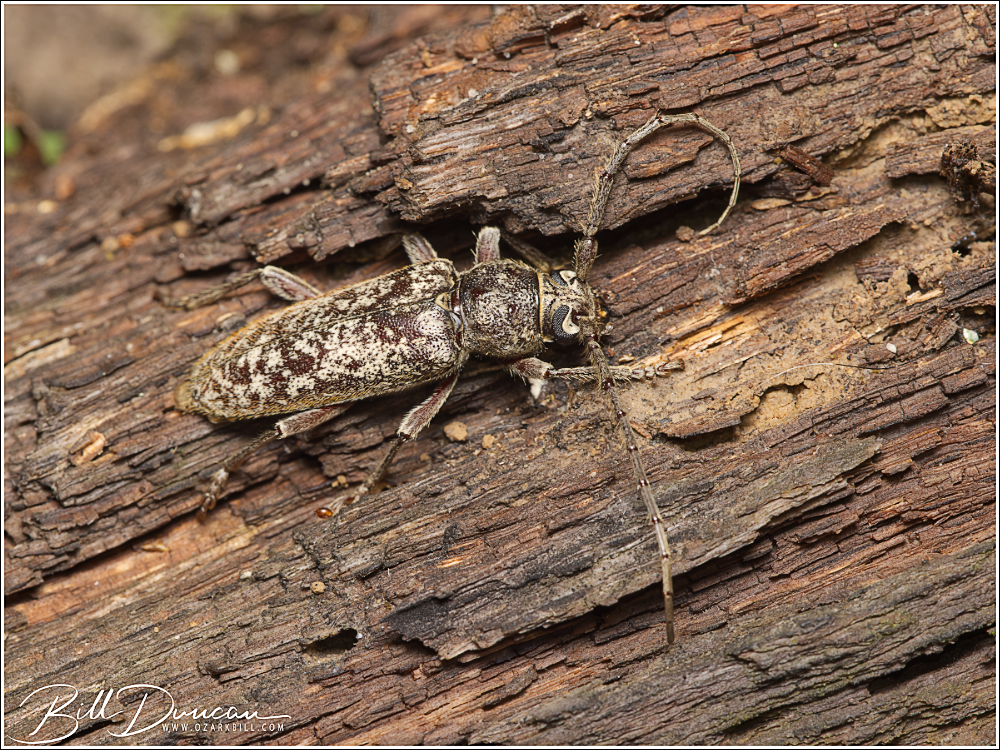
Of course we find other types of insects that are drawn to our lights, including these three species of Cerambycid beetles.
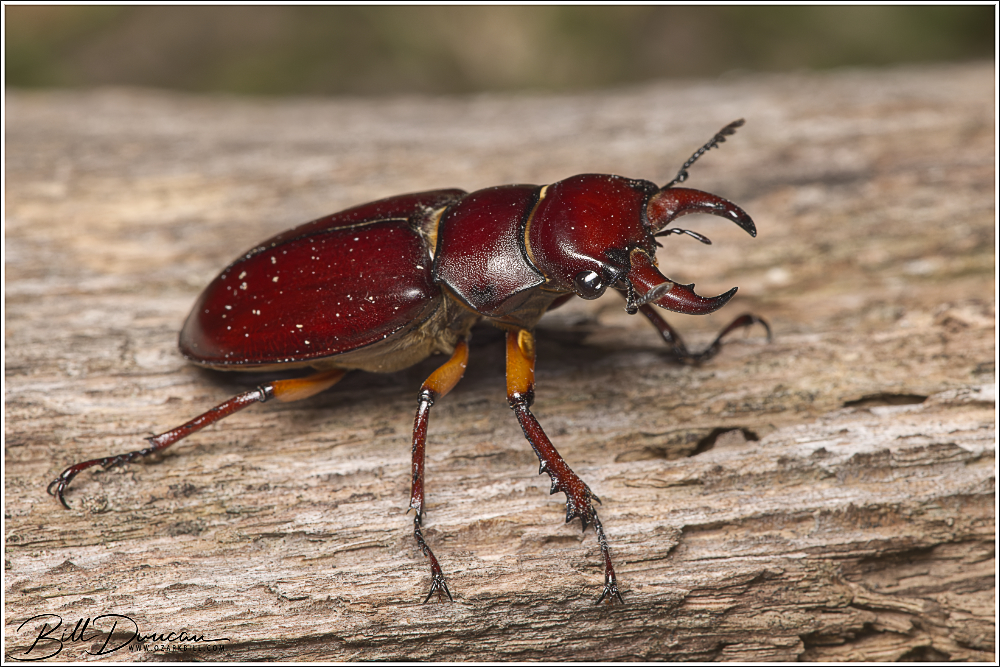
Thankfully this stag beetle wasn’t too serious about biting us.
Lucanus capreolus
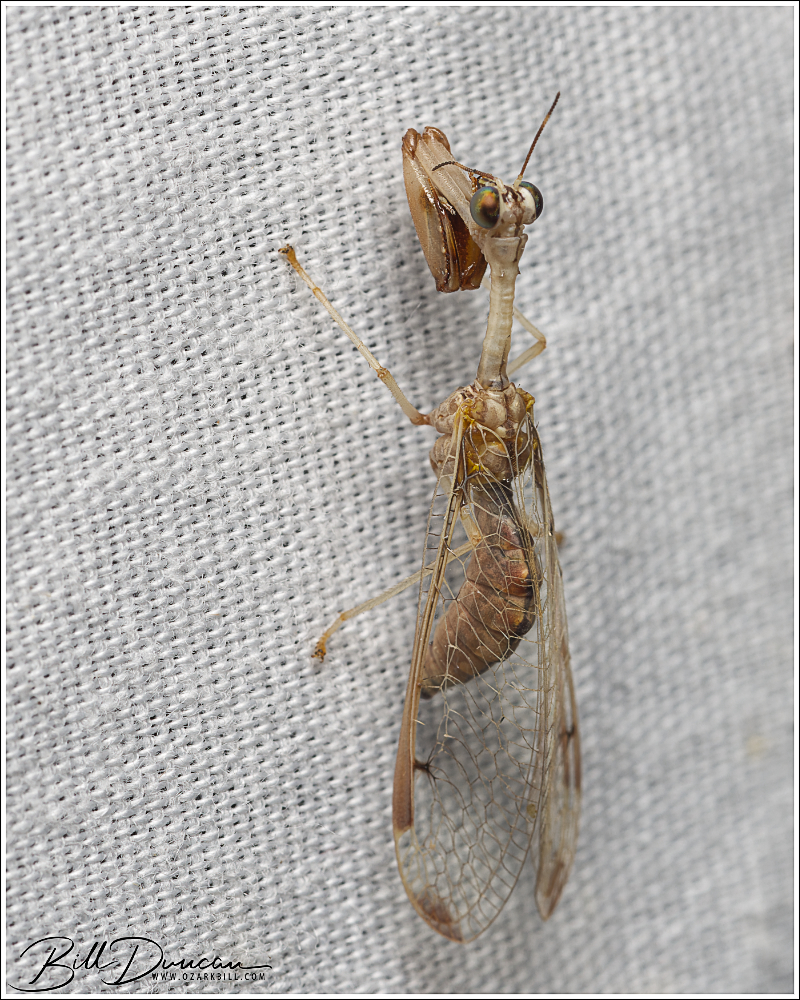
We found three species of mantid flies (Mantispidae). Unfortunately, I neglected to photograph the rarest of these.
Dicromantispa interruptaZeugomantispa minuta
This wraps up most of the first couple of blacklighting sessions of the season. I hope to get a few more in before the season is over. Thanks for visiting.
In February, the Webster Groves nature Study Society’s Nature Photography Group headed to the Sophia M. Sachs Butterfly House in Chesterfield. We paid for after-hours access and were delighted with the opportunities presented to us. Many thanks to Casey Galvin, group leader for the Nature Photography Group, for organizing this visit, and to Chris Hartley from the Butterfly House for being a lovely host. Chris patiently dealt with our needs, requests and questions, while wrangling our subjects for us. He and the Butterfly House provided us a wonderful experience of photographing some remarkable arthropods from around the world. Here are some of my favorite photos from the evening.
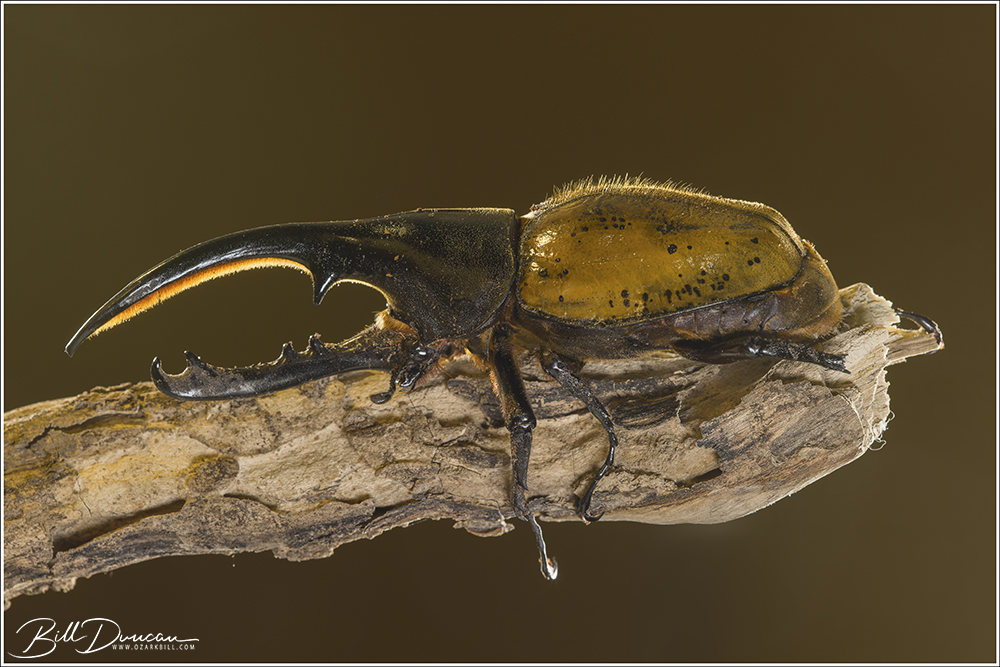
Hercules Beetle (Dynastes hercules) F. Scarabidae. The hercules beetle, found in the neotropics, is the longest extant beetle species in the world.
Rainbow Stag Beetle (Phalacrognathus muelleri) F. Lucanidae. This beetle is found in northern Australia and New Guinea. The mites that can be seen on this beetle do no harm to it. They tag along to pick up a free meal from their sloppy host.
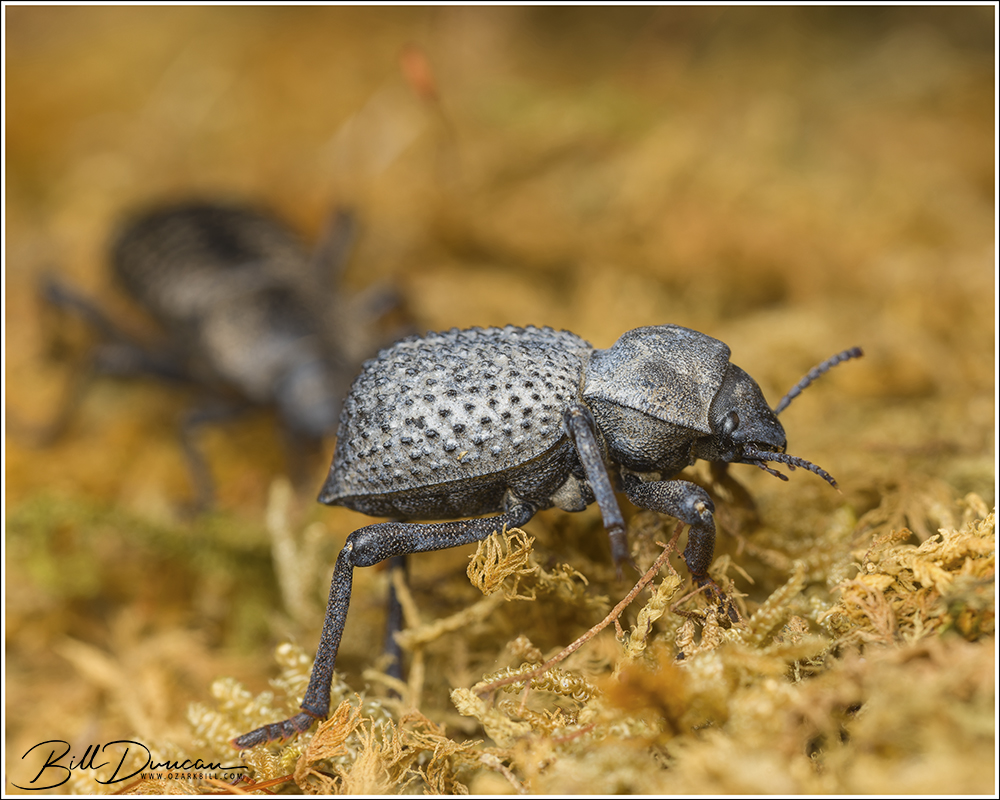
Death-Feigning Beetles (Asbolus verrucosus) F. Tenebrionidae. Found in the desert southwest U.S., these beetles feign death when harassed. After a minute or two they right themselves and continue on their business.
Flamboyant Flower Beetle (Eudicella gralli) F. Scarabaeidae. Found in tropical Africa, this beetle is a sure stunner.
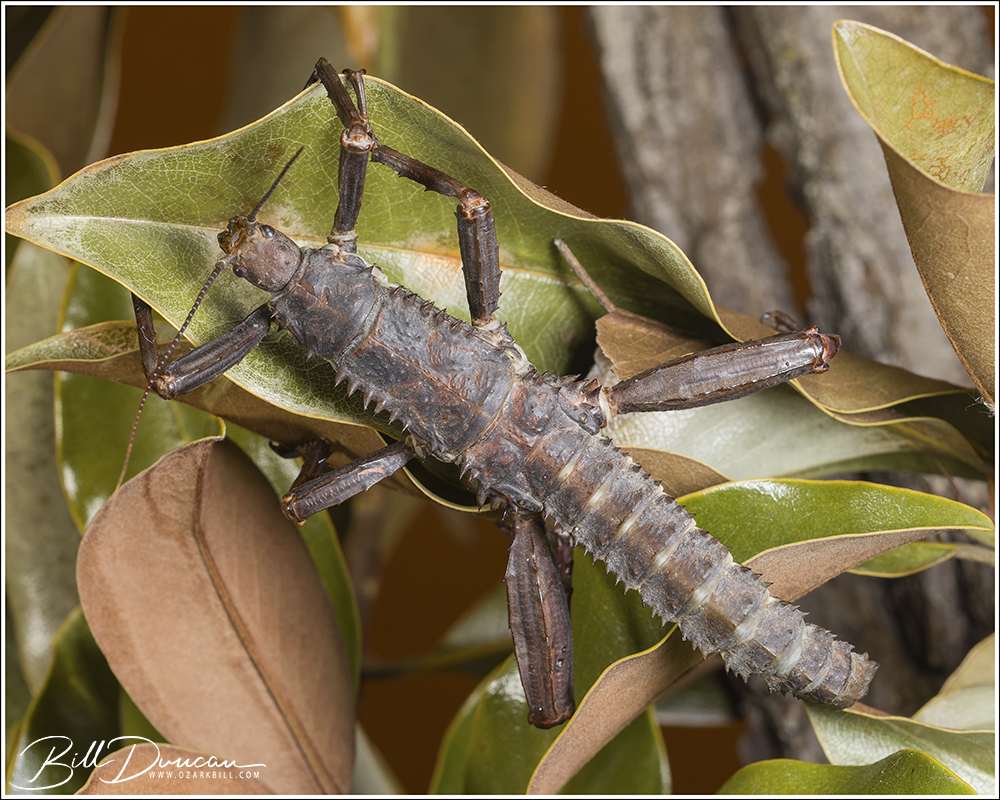
Spiny Stick Insect (Eurycantha calcaratta) F. Lonchodidae. These giant phasmids are endemic to humid rainforests in Australasia.
Curly-haired Tarantula (Tiltocatl albopilosum) F. Theraphosidae. This handsome spider is native to Central America.
That’s all from this outing. Interested in joining in one one of these WGNSS outings? Feel free to contact me or check us out at http://www.wgnss.org to learn more.
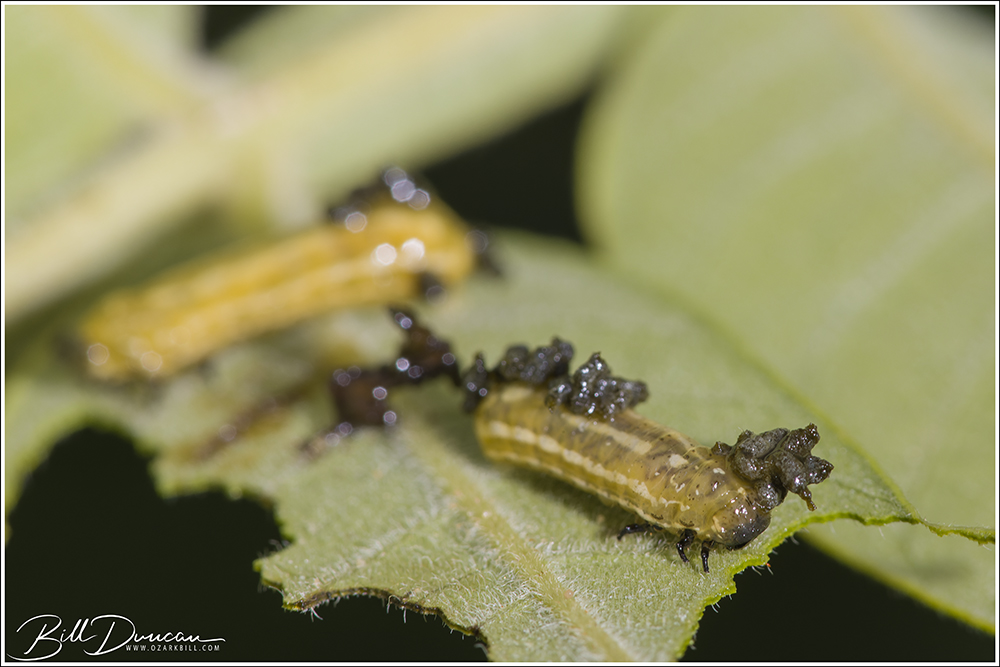
Today’s post features lovely little Chrysomelid beetle larvae. These were found at Taberville Conservation Area in St. Clair County, MO in June of this year. Blepharida rhois – the sumac flea beetle, create “shields” by retaining their feces as a means of protection from would-be predators. It has been discovered that chemicals from their sumac (Rhuss spp.) host plants, along with partial metabolites from the digestive process, act as swell deterrents in avoiding ant predators. When fed a diet of lettuce, the shields’ protective abilities were lost.*
*Vencl, F., Morton, T. The shield defense of the sumac flea beetle, Blepharida rhois (Chrysomelidae: Alticinae). Chemoecology8, 25–32 (1998). https://doi.org/10.1007/PL00001800
Belepharida rhois – the sumac flea beetle with protective shields composed of their own frass
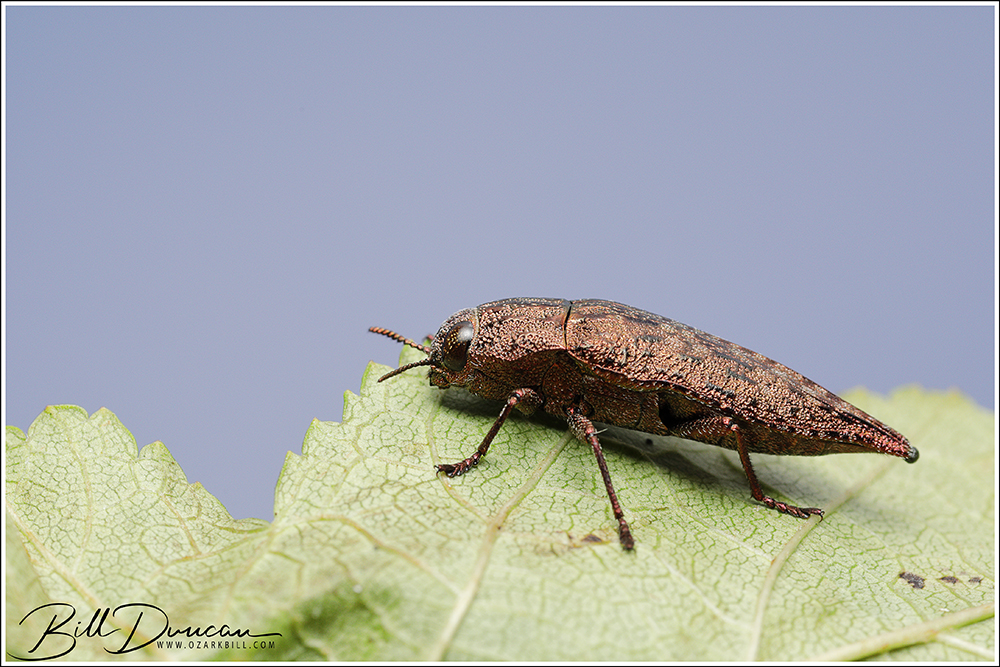
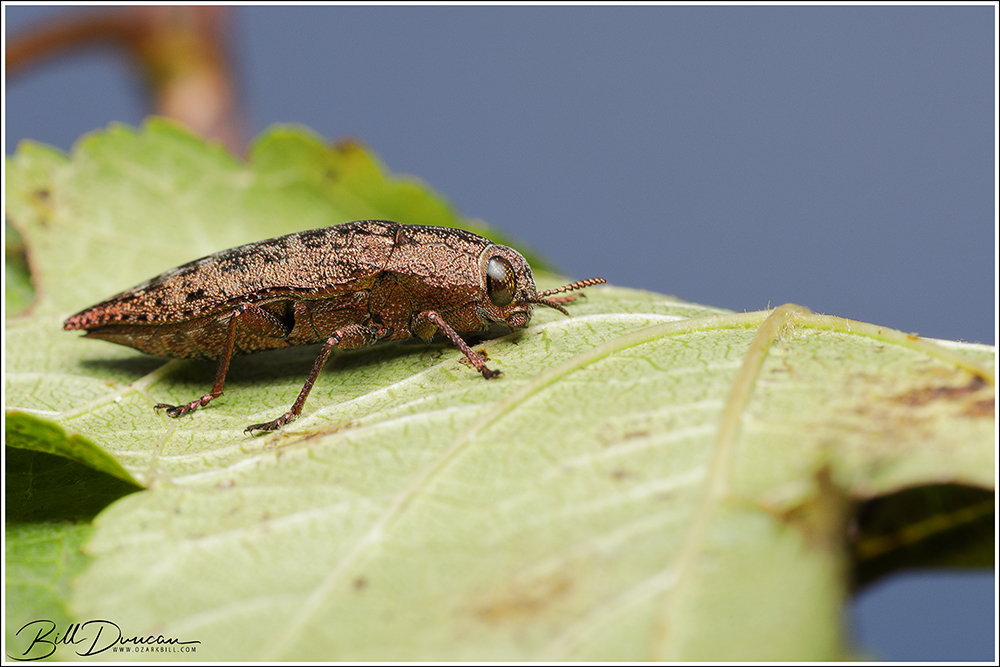
Dicerca pugionata (Buprestidae) photographed at Victoria Glades Conservation Area, Jefferson County, MO.
Many thanks to Ted MacRae for introducing me to another stunner of a beetle. On more than one occasion Ted has taken me and others out to the field to find one of the strikingly beautiful and rare beetles that he knows so well. This time the treasure we sought was the jewel beetle, Dicerca pugionata (Buprestidae), also known as the Witch-hazel Borer. Witch-hazels (Hamamelis spp.) may be the preferred host plant but they are also found on alders (Alnus spp.) and ninebark (Physocarpus opulifolius). In this opportunity, we went to a specific patch of ninebark at Victoria Glades where Ted had found them previously.
Dicerca pugionata (Buprestidae) on its host plant, ninebark (Physocarpus opulifolius)
The Languria bicolor (Erotylidae) is placed in the tribe Languriini (lizard beetles). Larvae of lizard beetles develop within the stems of plants and adults feed on the tissues and pollen of the same or nearby plants. This individual was found in July 2021 at the Beaumont Scout Reservation, St. Louis County, Missouri.
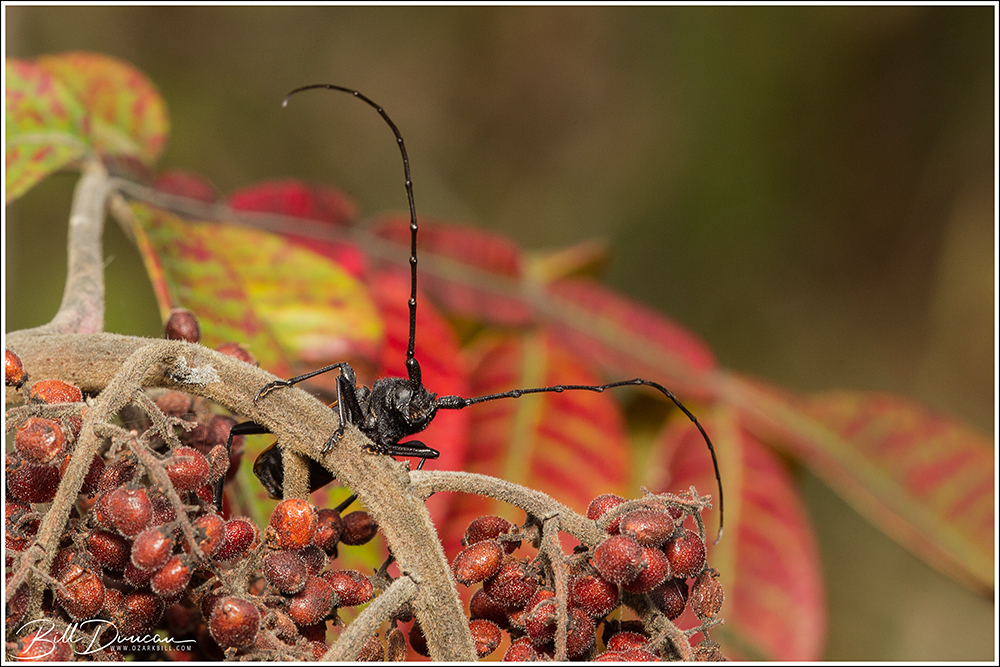
For the second year in a row, a special beetle that has been described by our own Ted MacRae as “one of the rarest and most beautiful species of longhorned beetle to occur in Missouri” was found during the joint field trip of the WGNSS Entomology and Nature Photography groups at Hughes Mountain Natural Area. Tragidion coquus, purported to be spider wasp mimics, mine in dead oak branches and can be found in flight between June and November. I wasn’t happy with my photos of last year’s specimen (also a female), so I was thrilled to be able to take the time and set her on some foliage with fall colors. It was an almost disaster as she was able to take flight before we were finished. But, having the quick reflexes of a Marvel superhero, I was able to catch her out of the air with a quick grab with just a slight kink in her antennae in consequence.
This golden tortoise beetle (not golden during this photo shoot) was found during an insect survey that some WGNSS members participated in at the Litzsinger Road Ecology Center.
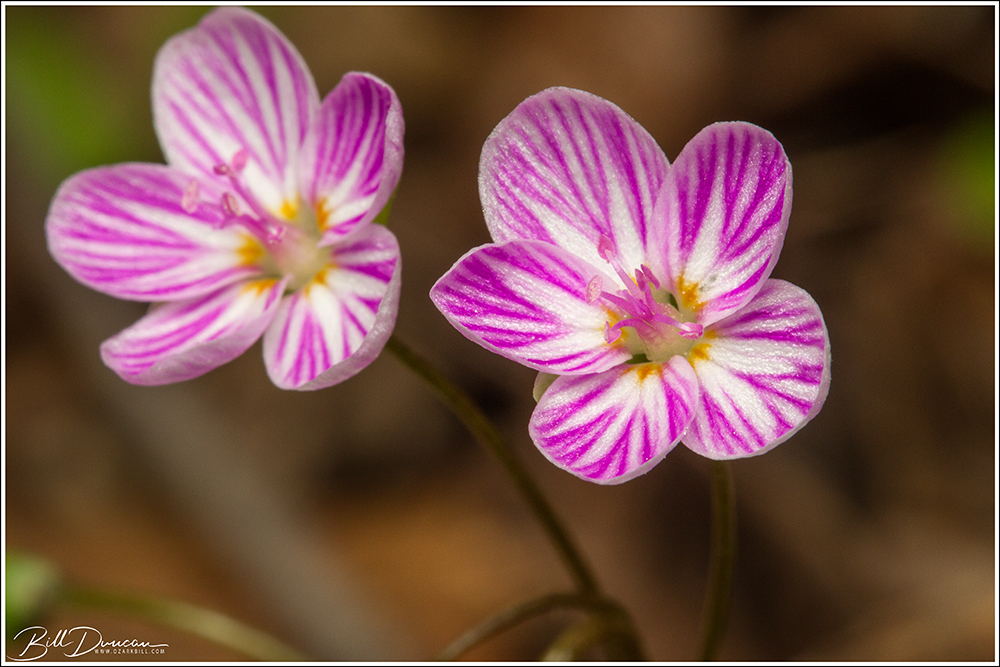
These images were taken during a trip with Ted MacRae and Chris Brown this past April at Tingler Prairie Conservation Area in Howell County, MO. The first shows an exceptionally colored spring beauty (Claytonia virginica) in peak bloom.
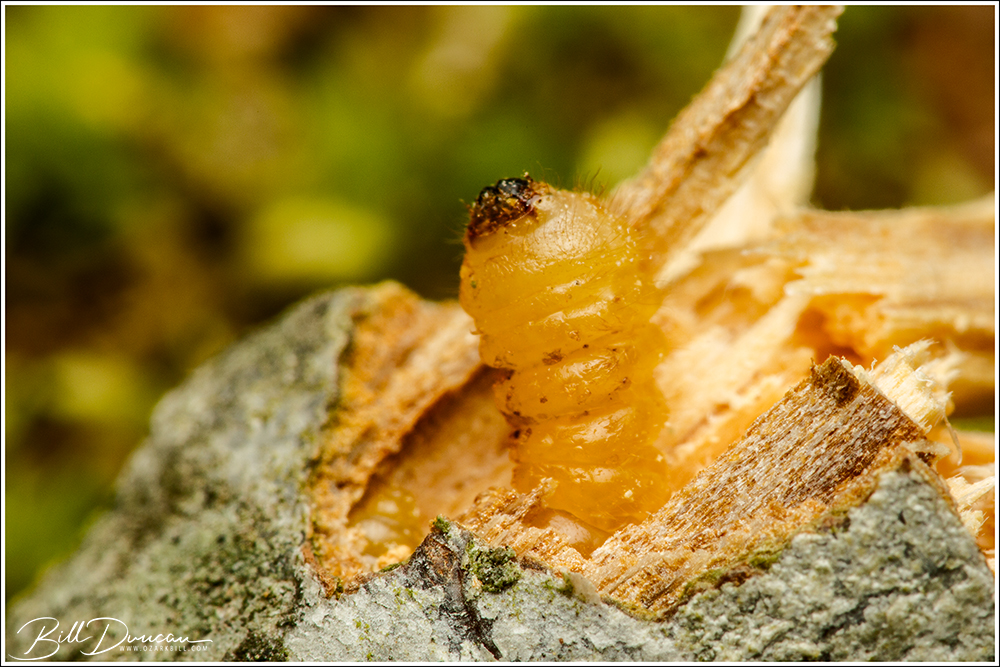
Elaphidionoides villosus (oak twig pruner)
This beetle larvae was something I had read about for years. Ted found several oak twigs that the mother beetles prune to serve as safe nurseries for their developing offspring as they rest on the forest floor. Ted delicately opened up the gallery to expose its occupant so we could take some photos.
Metallic Dung Beetle (Canthon viridis)
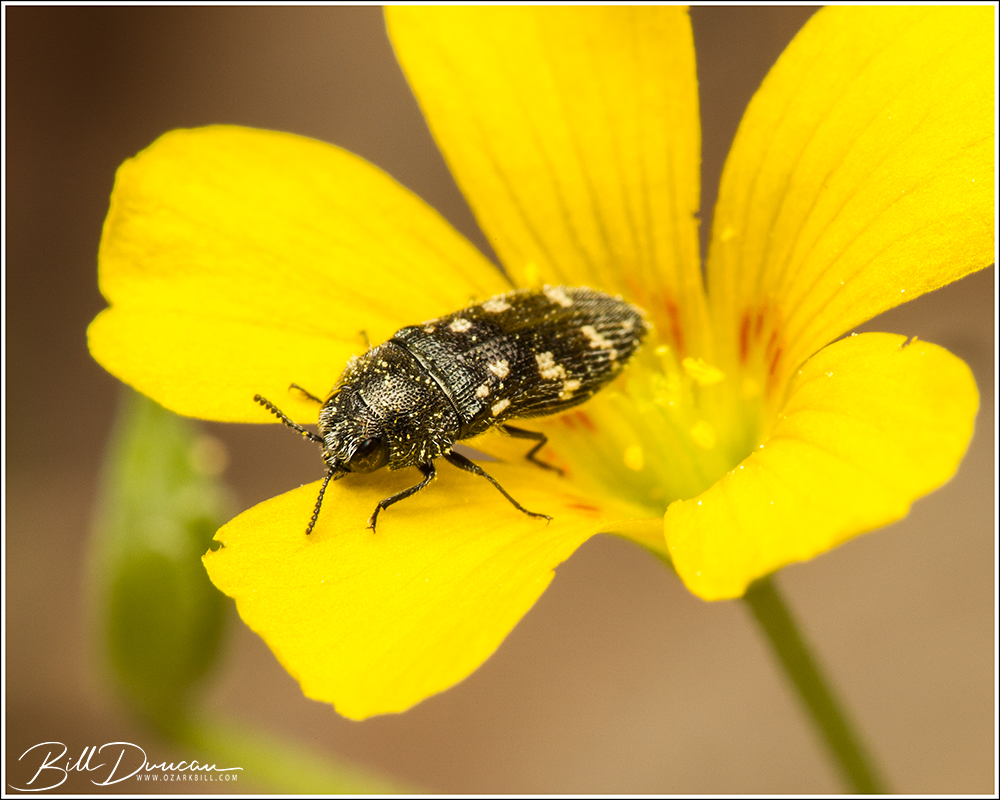
Buprestidae – Acmaeodera sp.
These Buprestid beetles were gorgeous as they foraged in the wood sorrel. Once in a while, they would stand still long enough to let us photograph them.
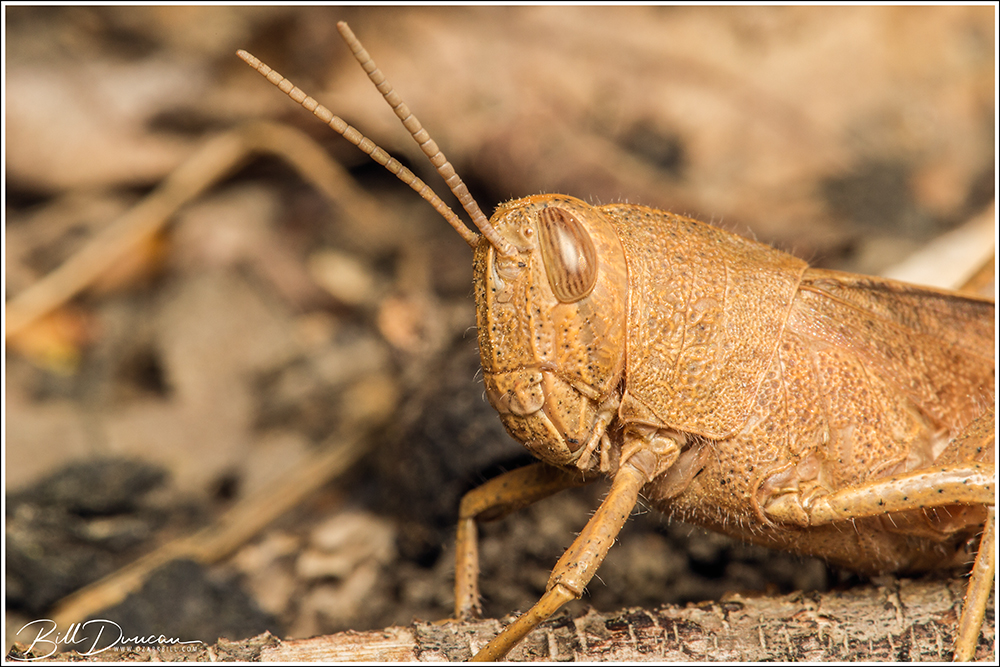
Arphia sulphurea ??
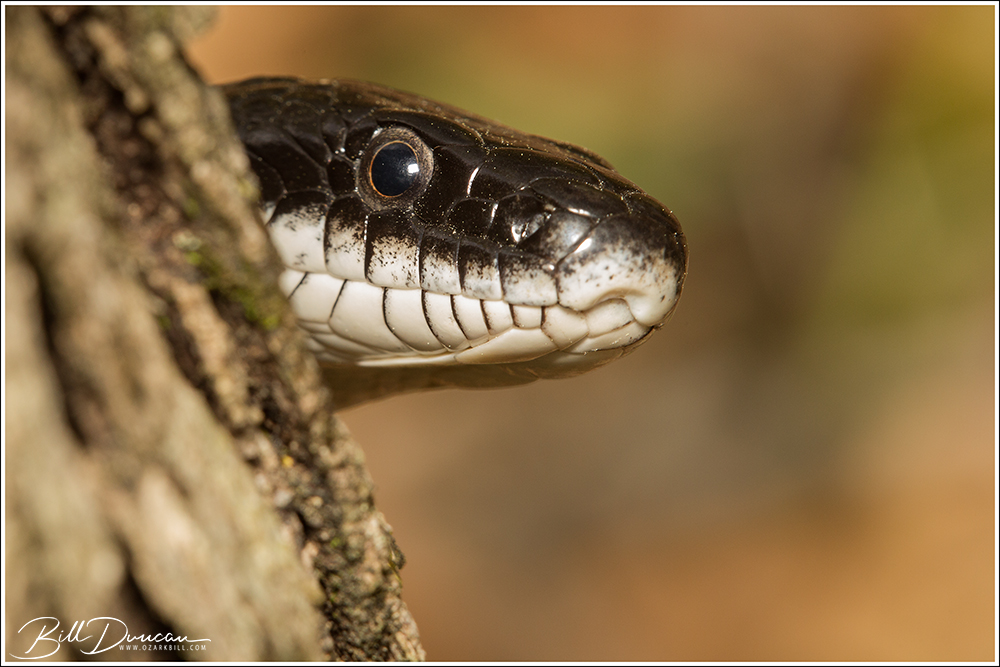
Black Rat Snake (Pantherophis obsoletus)
Finally, we found this black rat snake as it attempted to climb a tree near the trail. Maybe caught a whiff of something higher up?


























 A Thousand Acres of Silphiums