"What a thousand acres of Silphiums looked like when they tickled the bellies of the buffalo is a question never again to be answered, and perhaps not even asked." -Aldo Leopold
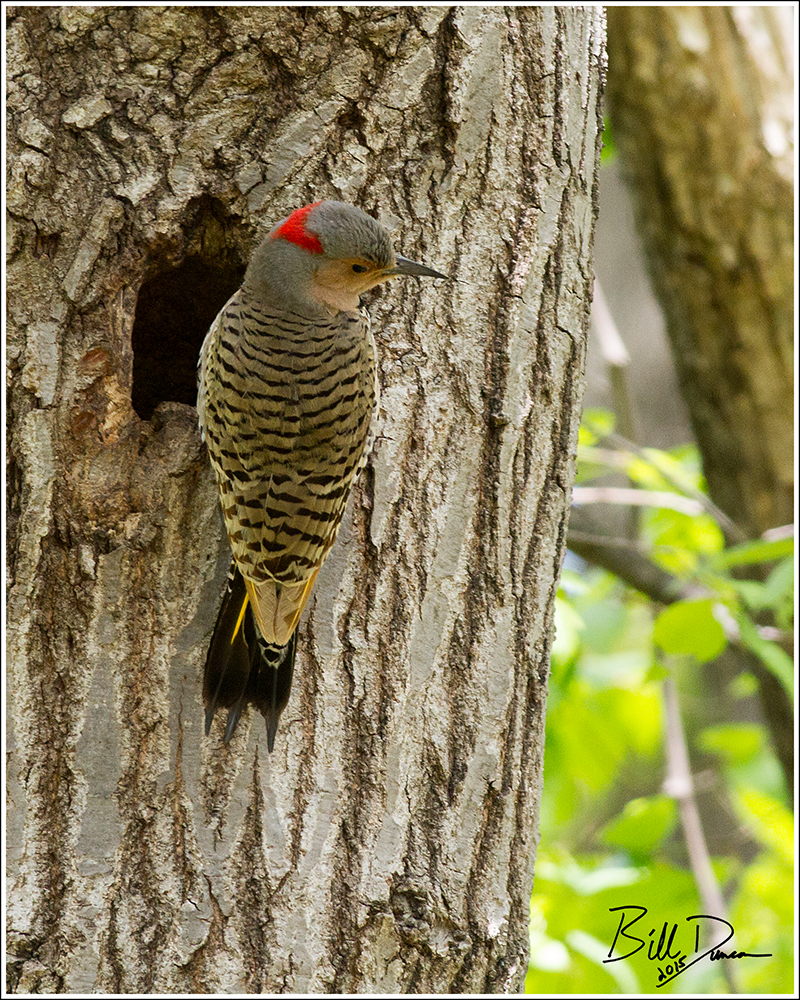
Earlier this spring I watched with anticipation as a pair of Flickers inspected a potential nest cavity in a wood lot where I work. I watched over several mornings as they came and went and made a ruckus. Here, the male admires the view from the front door.
Northern Flicker – Female
The female is pictured above, inspecting the potential nest sight.
No Thanks!
But alas, for whatever reason, the pair decided this wasn’t the spot for them this year. Ah well.
With unique coloration and behavior, the Ruddy Turnstone is a shorebird that does not take a second guess to identify. The photograph above captures this conspicuous behavior for which these birds have earned their name. They do turn anything that they can – looking for any type of small invertebrate that may be hiding underneath. Anything includes dead fish or other animals, shells or trash washed up on a beach.
Ruddy Turnstone
These guys typically migrate along the coasts and finding them in the interior is not that common. Although we missed out on finding any Buff-breasted Sandpipers during this visit, we were glad to have the opportunity to watch these guys in action.
This Great Egret is in full breeding plumage and has acquired the green mask that are indicative of adult birds. This one has also sustained an injury to its bill, perhaps from an aggressive encounter with another male?
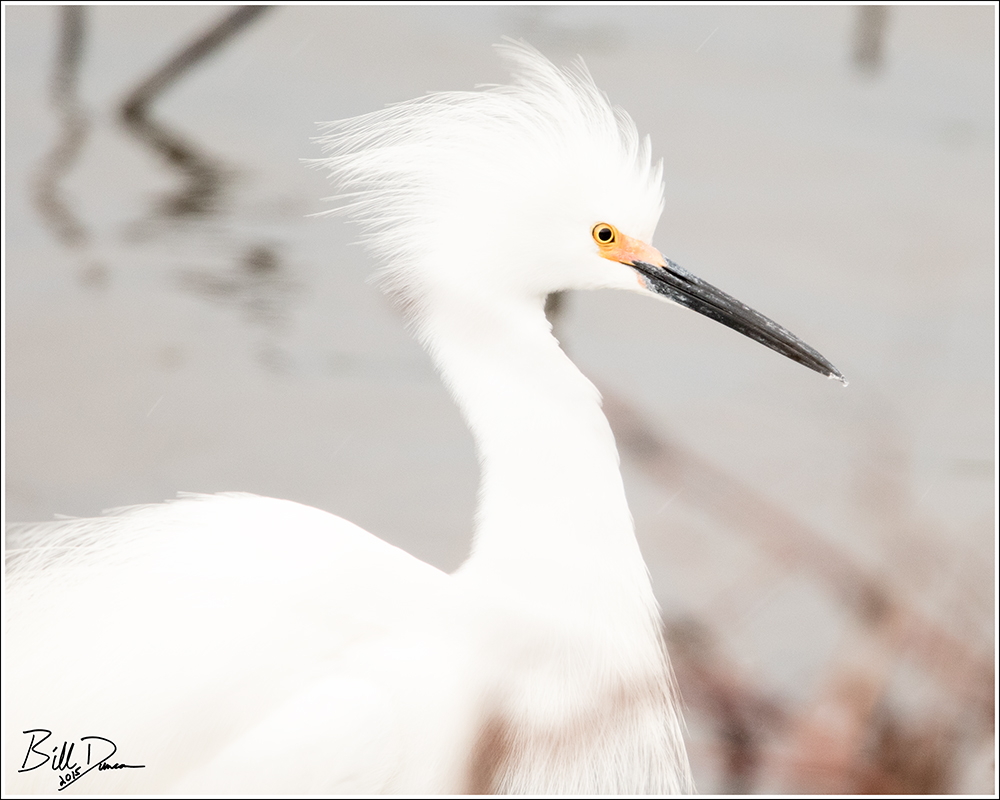
Snowy Egret
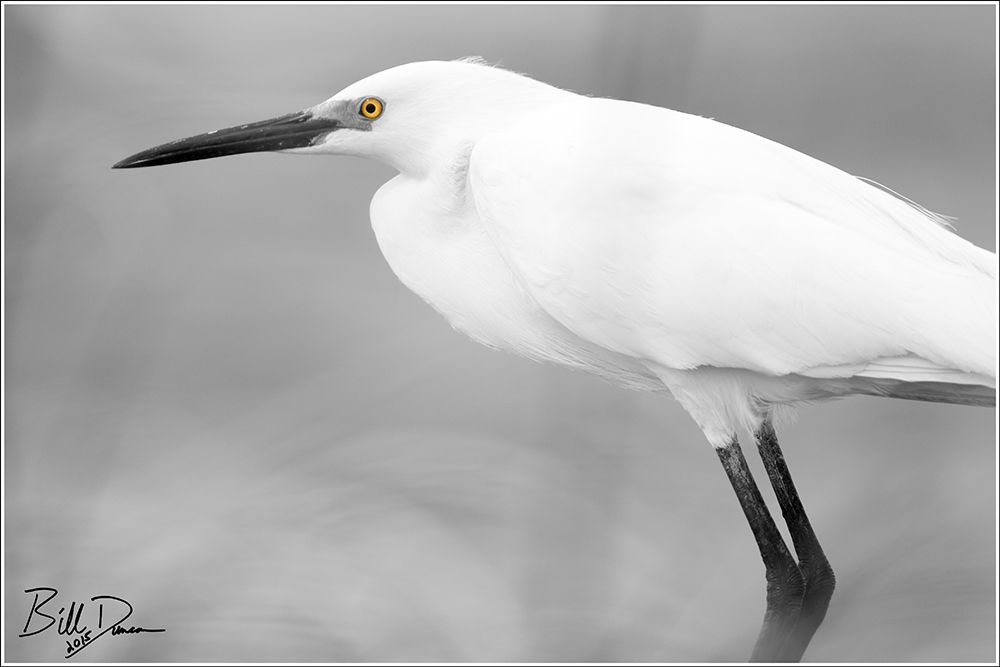
What is more striking than a Snowy Egret?
Snowy Egret
Finally, I realized I haven’t included too much in terms of habitat shots of Quivira. Here is a pano of one of the more productive sections of the reserve. It’s a pity to think of how much of this habitat has been lost on this continent. How many care or even know?
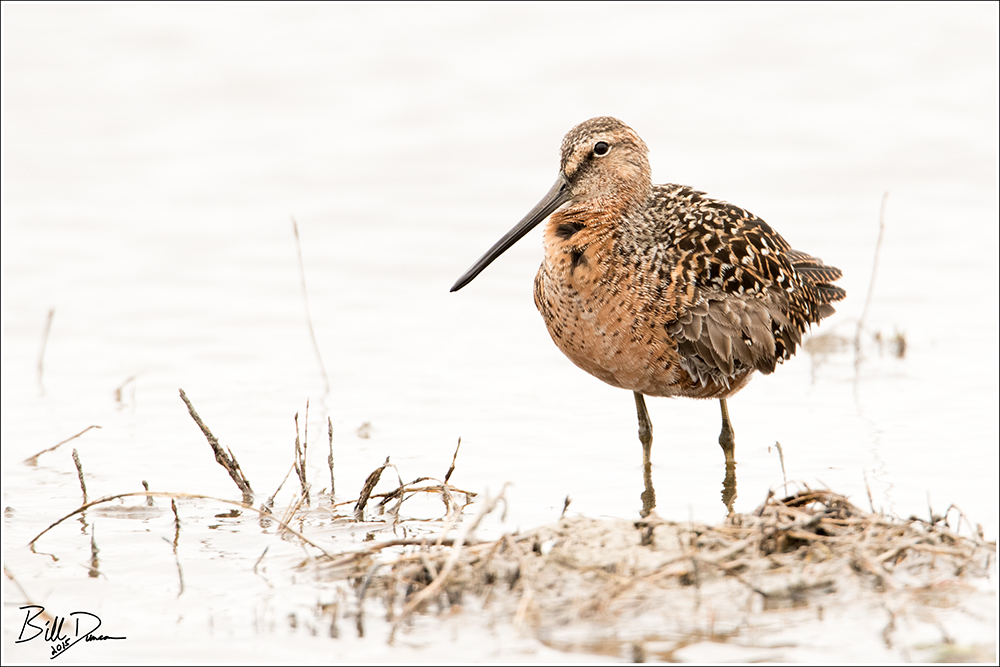
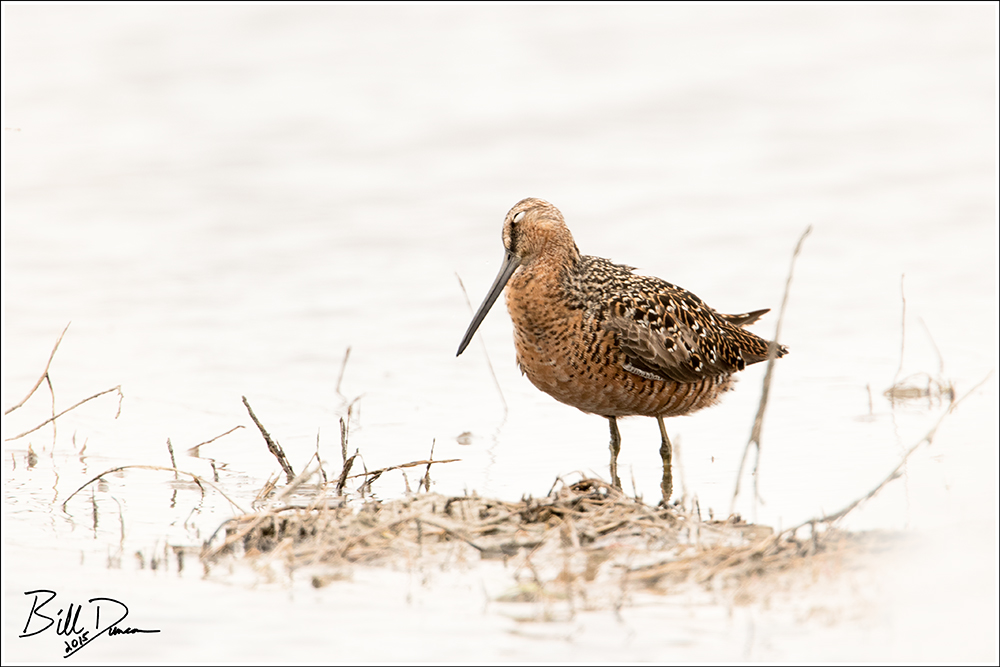
Considered conspecifics for decades, both the Long-billed and Short-billed Dowitchers breed in the high arctic. Differences in plumage, migratory routes and breeding isolation, followed by allozyme and mtDNA evidence suggested separate species status. The Long-billed, pictured in this post was the only Dowitcher species Steve and I were find at Quivira. This is not altogether surprising due to the Long-billed’s preference for freshwater during migration and the Shirt-billed’s tendency to stick to marine environments.
Long-billed Dowitcher
The long, thick legs and bill give indication as to the depth of water in which these birds feed and they probe for prey using a rapid up and down motion that is quite reminiscent of the action of a sewing machine.
Most of the waterfowl had long since migrated north by the time Steve and I visited Quivira in May, but we were able to find a few. We encountered a few Eared Grebe and with the winds as high as they were, the waves were impressive in such shallow bodies of water.
Eared Grebe – Winter
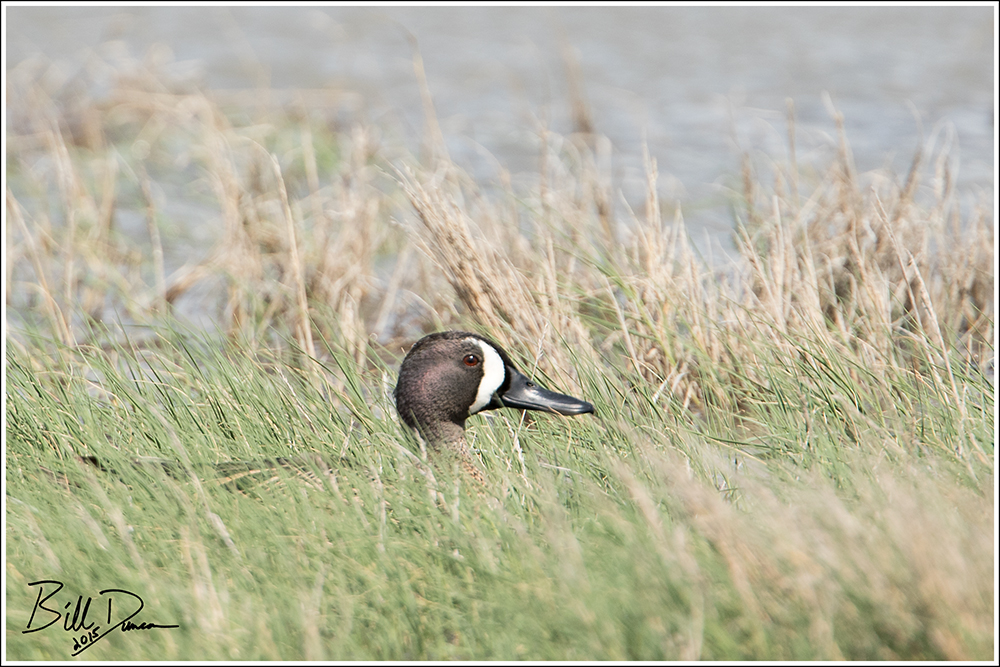
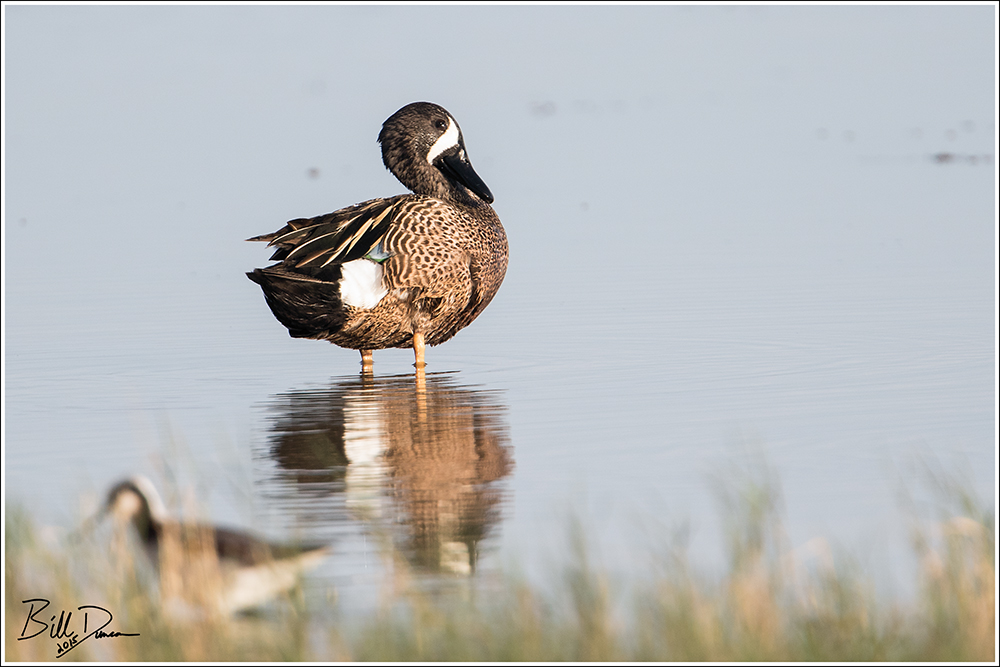
Blue-winged Teal were the most abundant of the waterfowl.
Blue-Winged TealBlue-winged Teal
Finally, we watched this gorgeous pair of Canada Geese in golden hour light. They seemed more appropriate here than in any other setting I had ever seen them before.
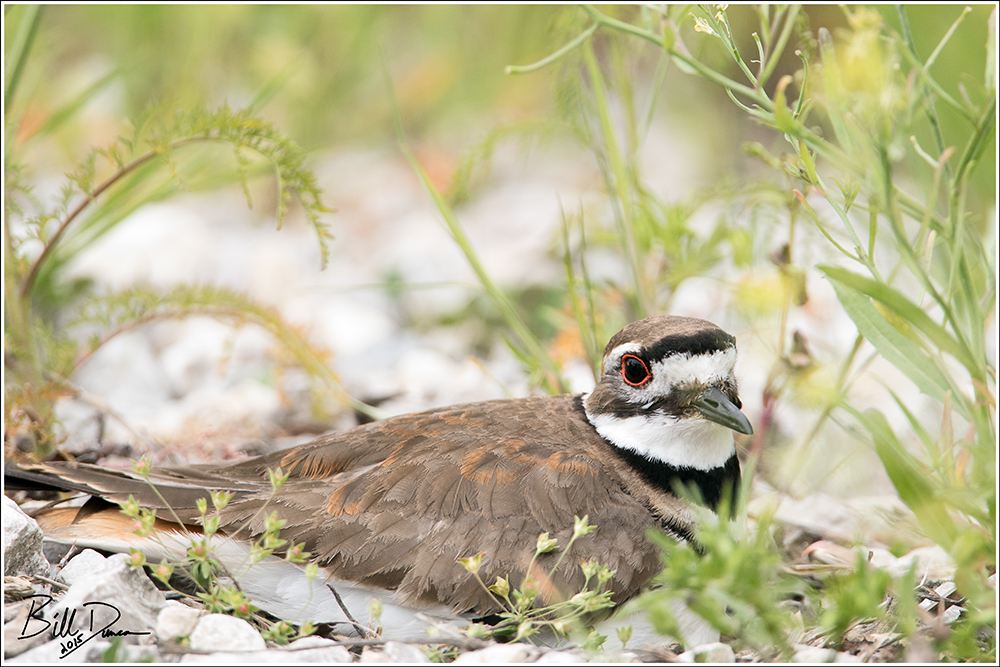
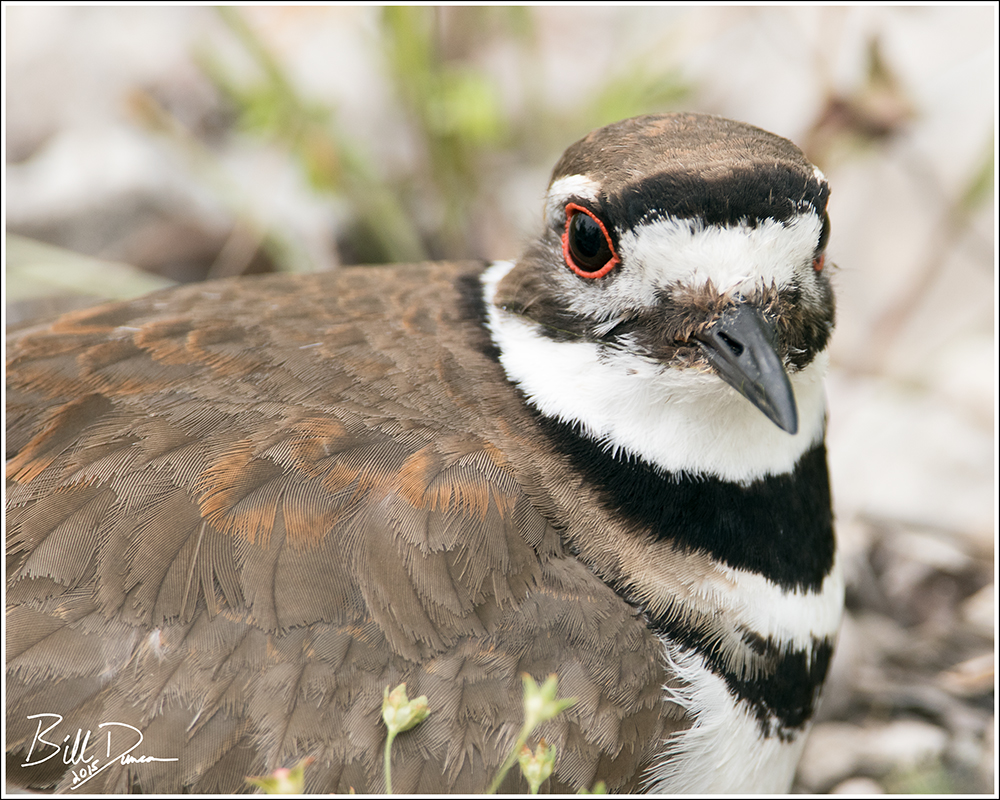
Sarah and I found this girl on her eggs this spring at Clarence Cannon NWR. According to Harrison (Peterson Field Guides – Eastern Birds’ Nests), the male of the species will “make various scrapes in the ground” and one is chosen by the female to deposit and incubate her eggs. As most of us familiar with the bird know, the Killdeer will usually nest far from water and often within human disturbed habitat. This girl’s nest was along the side of a gravel road within the refuge.
I found myself on the second day a little further from Ponce, where I visited what has been described as the most important habitat in the Caribbean for migratory and resident shorebirds – the Salt Flats of Cabo Rojo NWR.
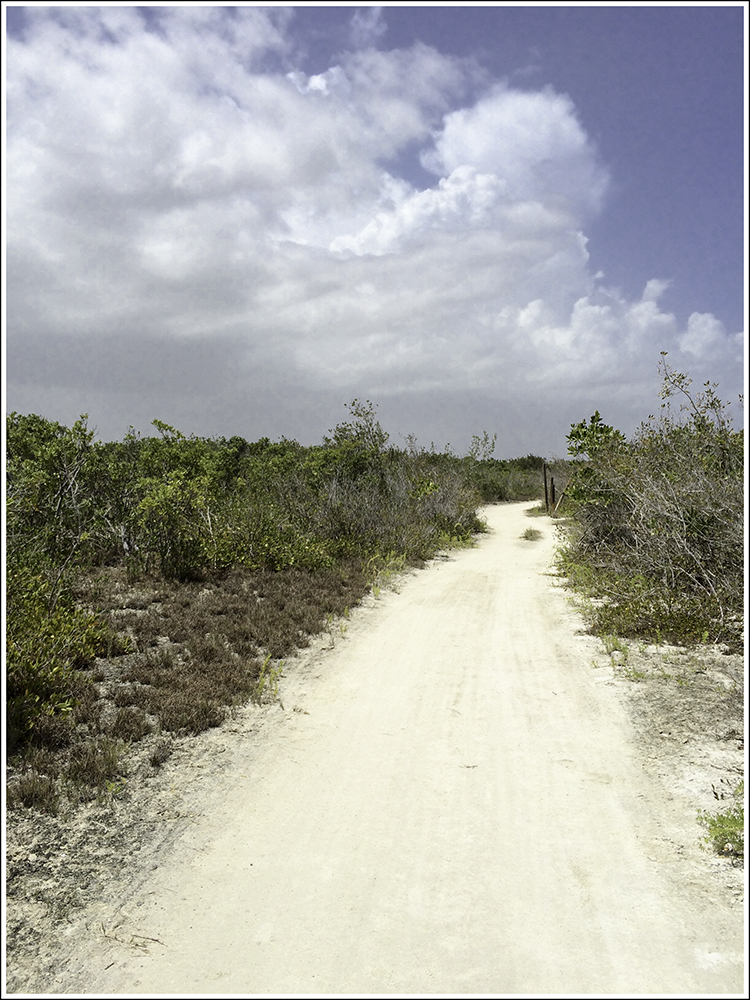
Cabo Rojo Trails
The refuge was first established in 1974, when it was comprised of a patch of subtropical dry forest near the coast in the southwestern tip of the island. This patch of nearly 600 acres was gifted to the US Fish and Wildlife Services by the CIA, of course. Unfortunately, this initial plot of land and the nice looking visitor’s center that is run by the USFWS is closed on Sundays, the day of my visit. Within the tall wire fence, the forest and savanna habitat looked very inviting. Immediately upon exiting the car to deposit some used coffee I watched as a pair of striking Puerto Rican Woodpeckers flew directly over me to land in a tree, bathed in the light of the golden hour, just on the other side of the fence. Of course they would not stay put while I put the camera together.
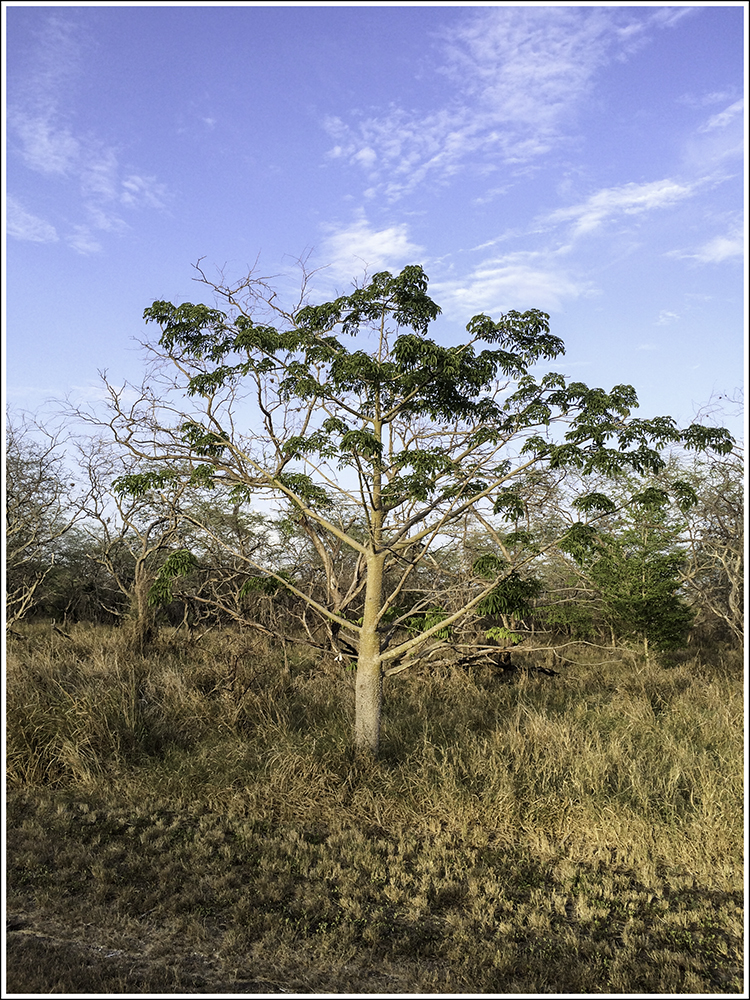
Subtropical Dry Forest
Subtropical Dry Forest is characterized by low annual rainfall (~30-35″ annually), high temperatures of over 100 F and plants adapted to such climatic conditions. Within such habitat plants normally achieve heights of 15″ on average. Plants are further adapted to these hot, xeric conditions by having small, waxy leaves – often shaped into thorns to dissuade herbivores.
Cactus
Several cactus where found throughout the refuge. The photo above captures not only cactus, but a dry-adapted lichen, known as tropical mistletoe, that was quite common as well.
The Salt Flats
In 1999, approximately 1300 acres of salt flats were added to the refuge. These salt flats are very important for overwintering shorebirds, but I was a bit late for this as the majority of these birds were already headed north to the arctic tundra. However, I was able to find a few straggling migrants as well as nesting species – including several endemics of Puerto Rico.
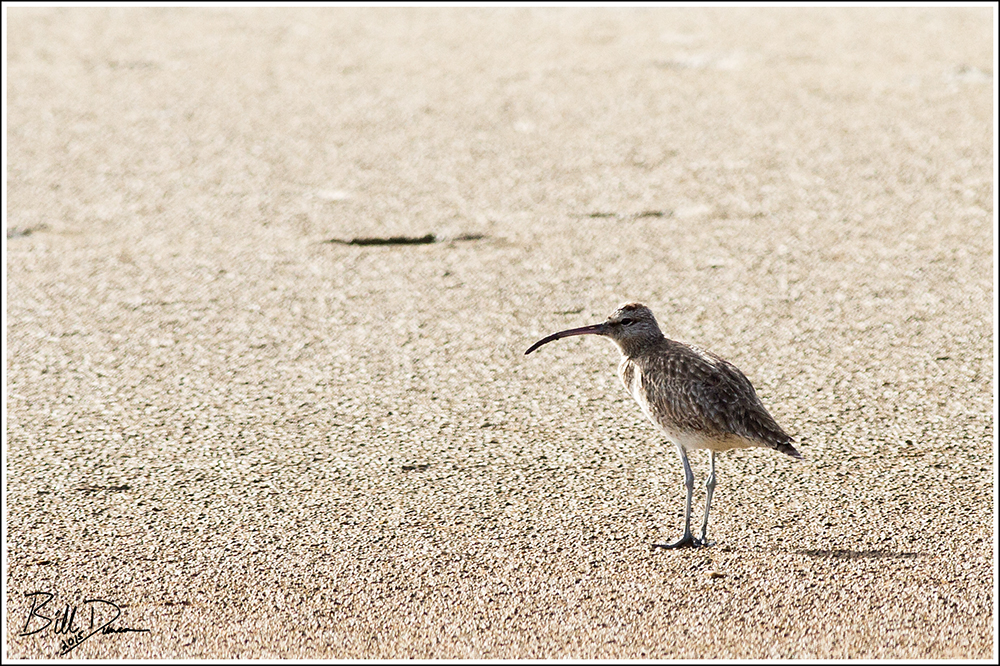
WhimbrelWhimbrel
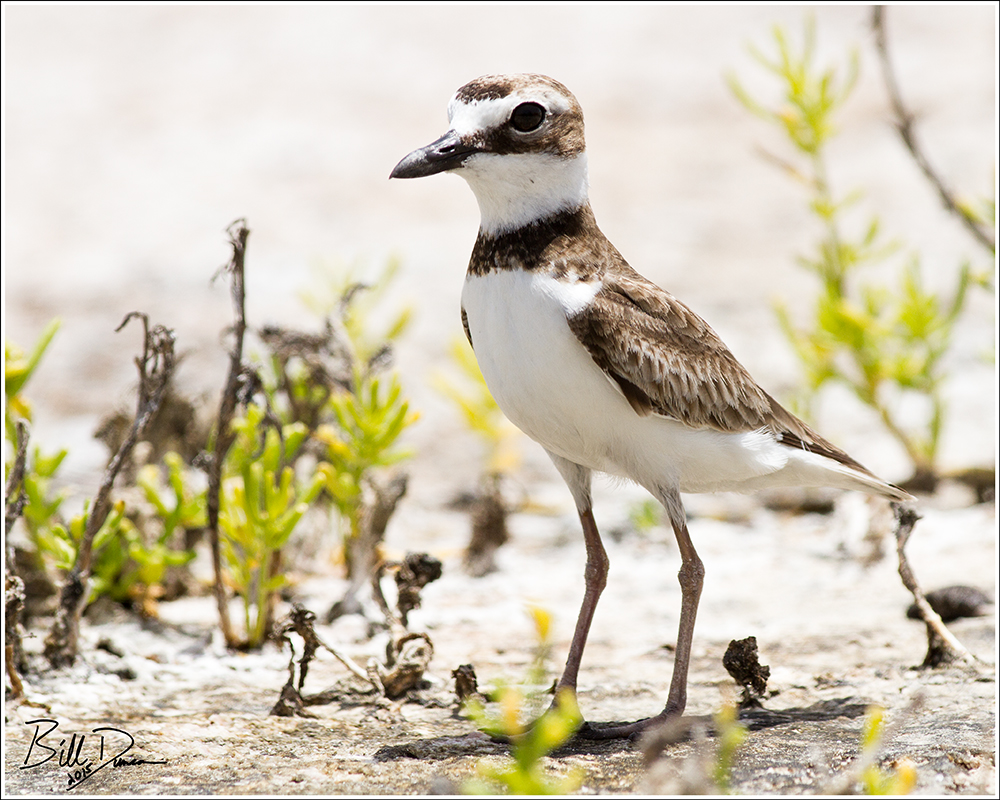
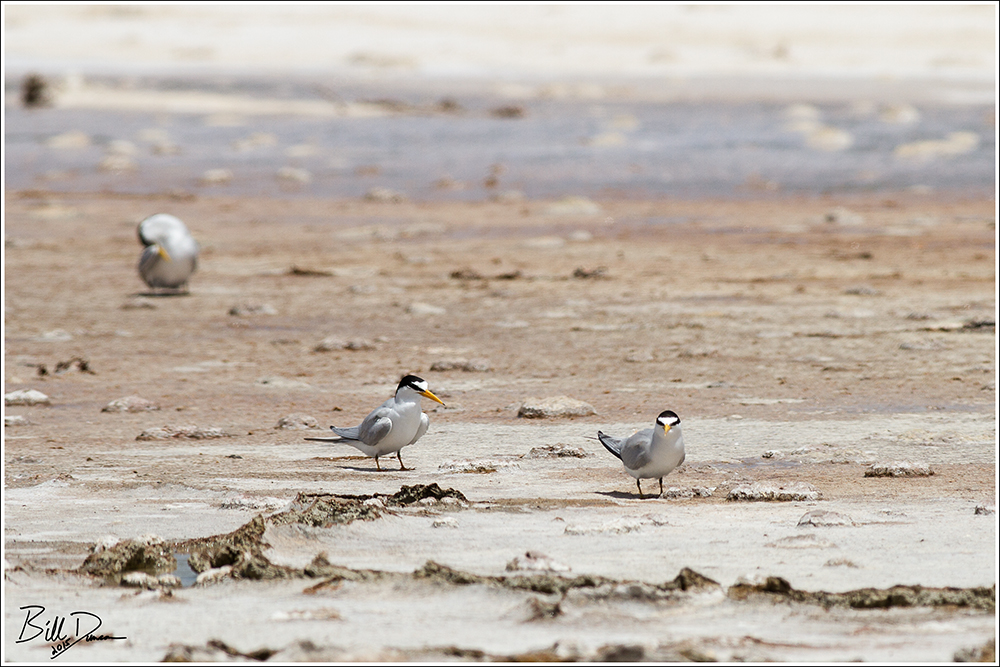
The Salt Flats are considered Important Bird Areas by Birdlife International and the Western Hemisphere Shorebird Reserve Network. This area serves as important nesting grounds for the Black-necked Stilt, Antillean Nighthawk, Least Tern and both Wilson’s and Snowy Plovers, among others.
Snowy Plover
This refuge is also important habitat for the federally endangered Yellow-shouldered Blackbird. This author considers himself fortunate to find one bird, but was crushed by not being able to get a photograph. 😦
Least TernLeast Tern
One plant that I encountered over most of my travels on this corner of the island was very common within Cabo Rojo – Wild Cotton (Gossypium hirsutum). This wild relative of cultivated cotton is perennial in nature and adapted for salty, sandy soils.
Wild Cotton
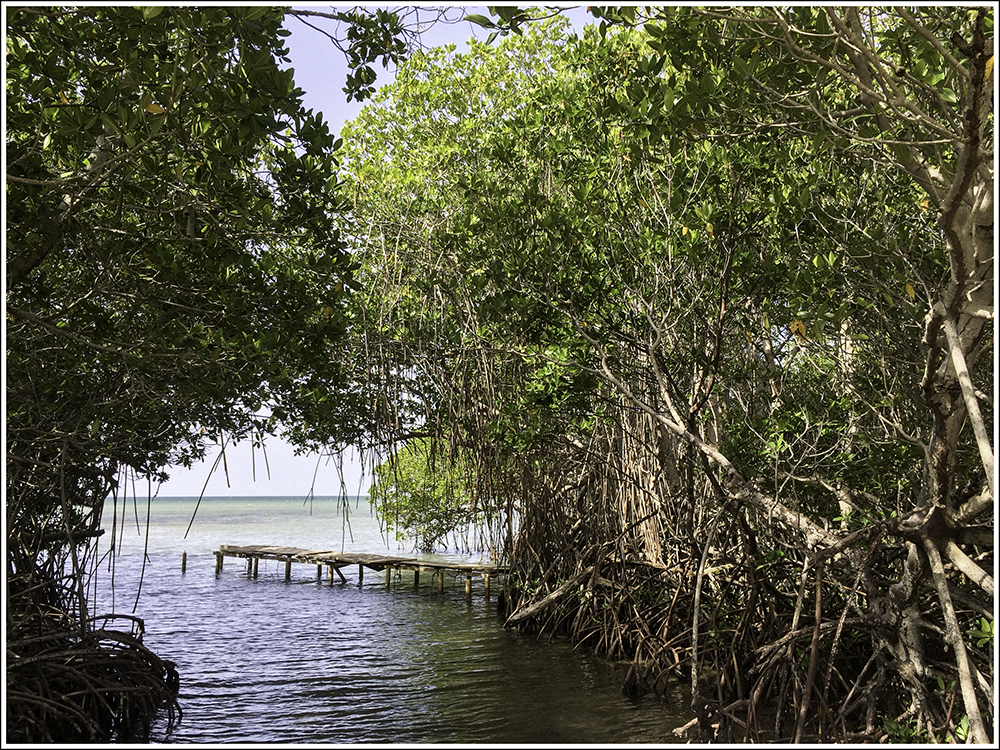
There is quite a length of trails throughout the salt flats and the native islanders used these for recreation activities like running and bike riding as well as means to get to different beaches around this section of coast. Near the area where I parked was some very attractive mangrove groves that attracted the Yellow Warbler.
Mangrove Pier
Four species of mangrove are commonly found on the island: Red, Black, White and Button. Tide lines and preference/tolerance of submerged roots is the primary reason behind how the different species are composed along Puerto Rico’s coastlines.
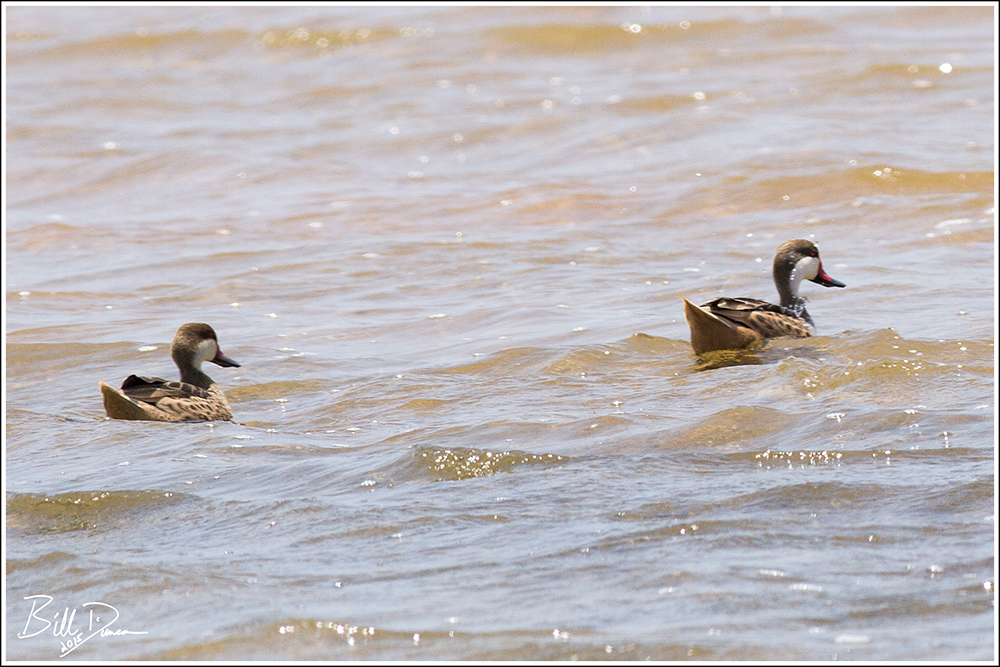
White-cheeked Pintail
With only approximately 500 pairs known on the island, I was quite fortunate to find and photograph these White-cheeked Pintail.
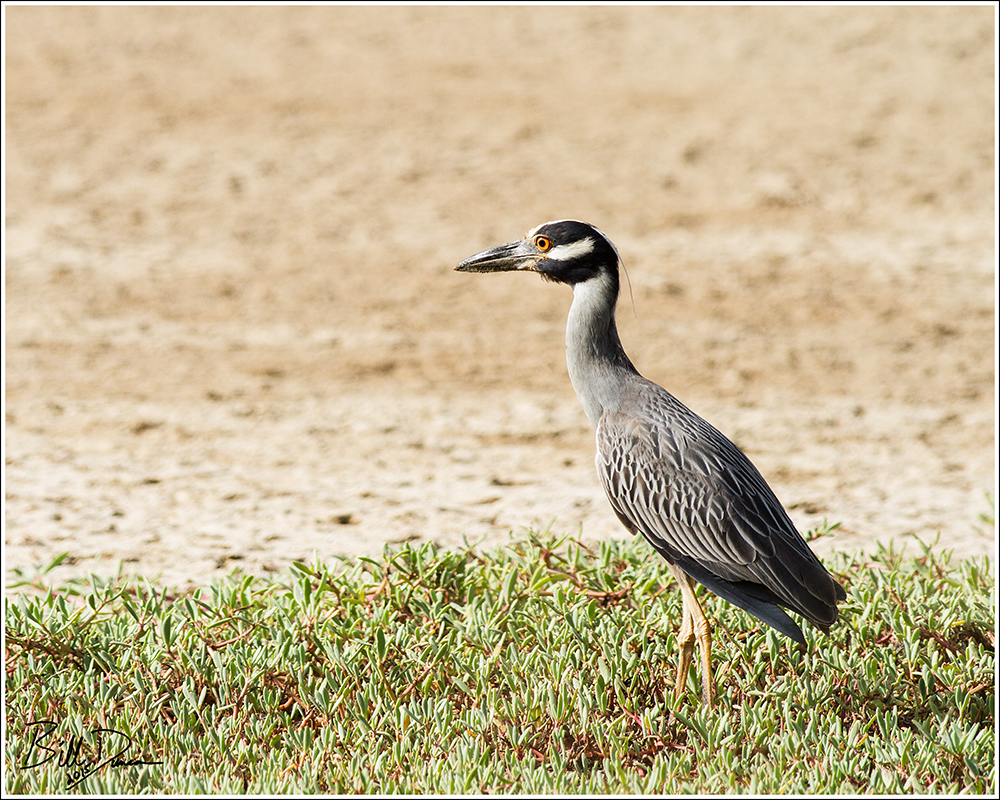
Smooth-billed AniCaribbean ElaeniaYellow-crowned Night Heron
Towards one end of the salt flats were some of the workings that produced the salt for non-food purposes. I could not determine if the works were still in production, or if it was left mainly for show.
Salt Production
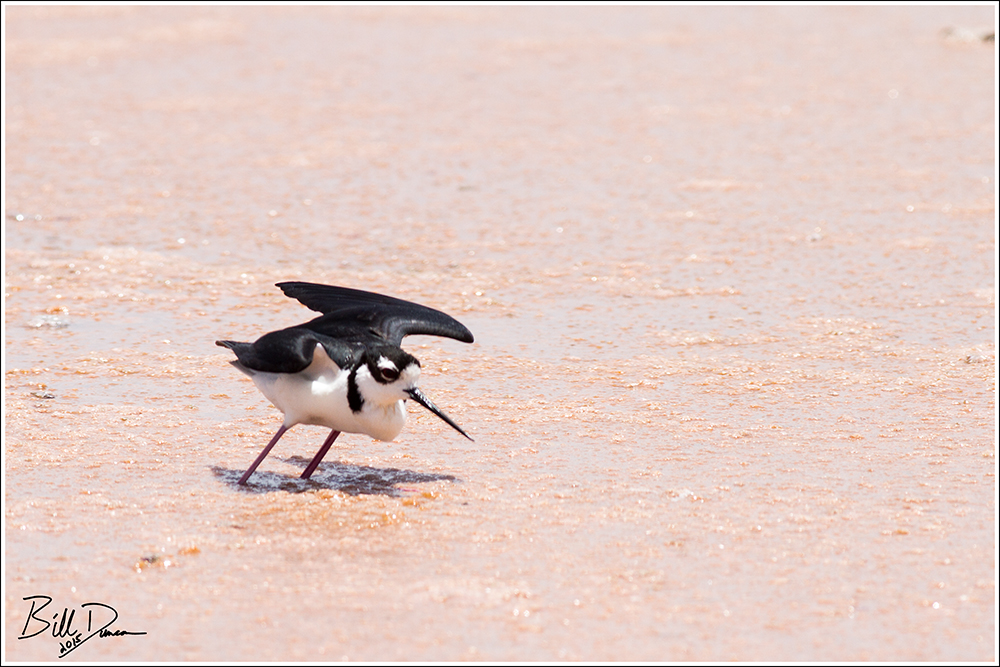
I observed only the Black-necked Stilt utilizing this area, as the next two images suggest, they are quite tolerant of the saline conditions.
Black-necked StiltBlack-necked Stilt
I never found a nest or chicks, but the way these guys were harassing me during this part of my hike, I would be surprised if there was not some sort of nesting activity going on nearby.
Black-necked Stilt
So, that was Cabo Rojo. I would love to visit during a weekday when the dry forest/savanna section is open and when the few narrow roads that wind through this narrow bottleneck are not clogged with vacationing islanders.
Next time, I will recap the last day of my visit where I ventured a bit north in latitude to visit the Tolkienesque mountain rainforest known as the Elfin Woods of Maricao State Forest.
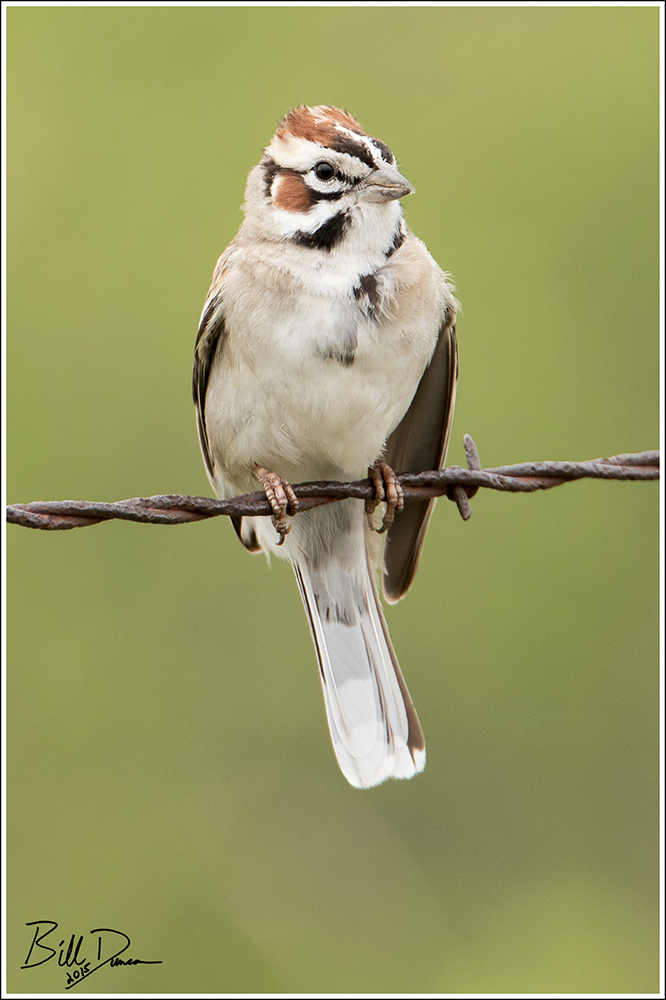
The sparrows were not to be outdone by other groups of birds. Steve and I were fortunate to find a number of interesting sparrows. Unfortunately most were difficult and uncooperative, at least when light was good. The Lark Sparrows, although gorgeous, were giving us a little confusion with their unfamiliar song.
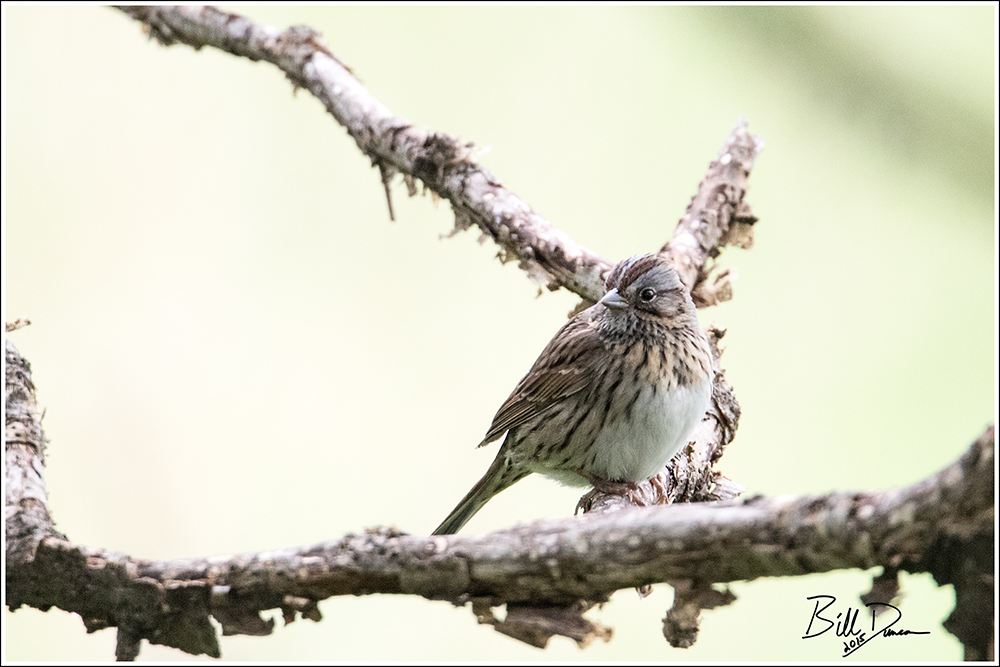
Lincoln’s Sparrow
While moving through the woodlots of Quivira, we found a couple of sneaky, tricksy Lincoln’s Sparrows.
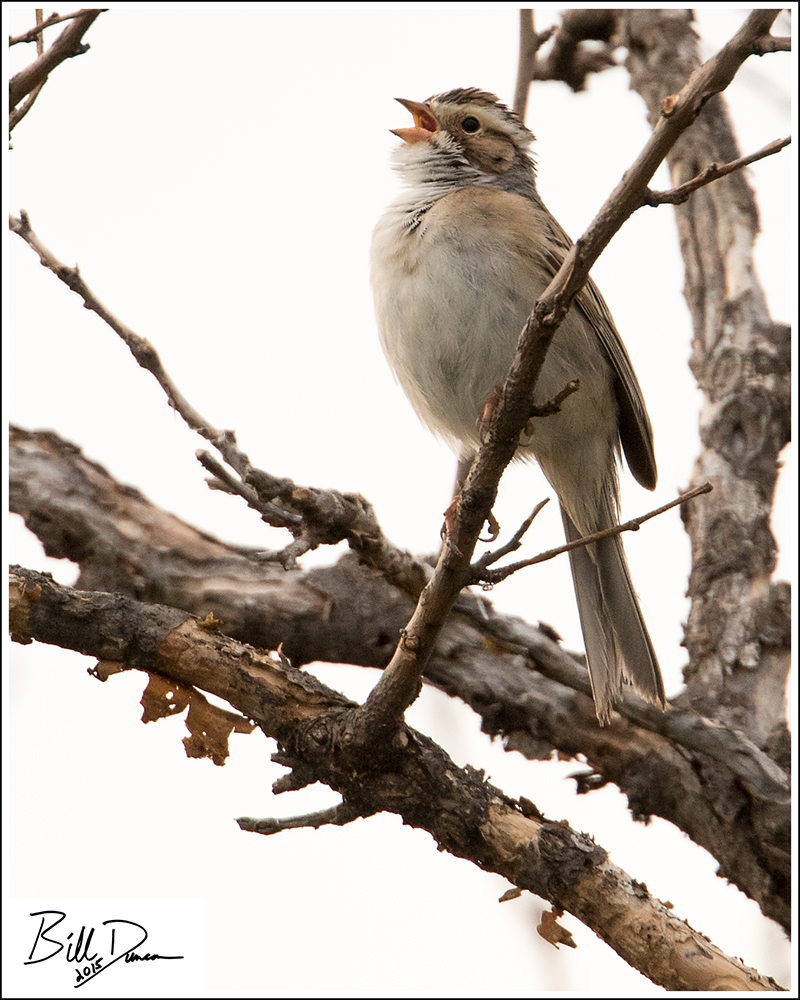
Clay-colored Sparrow
My first time hearing the song of Clay-colored Sparrow. Their insect-like trills were somehow quite appealing and I looked forward to hearing them in the mornings.
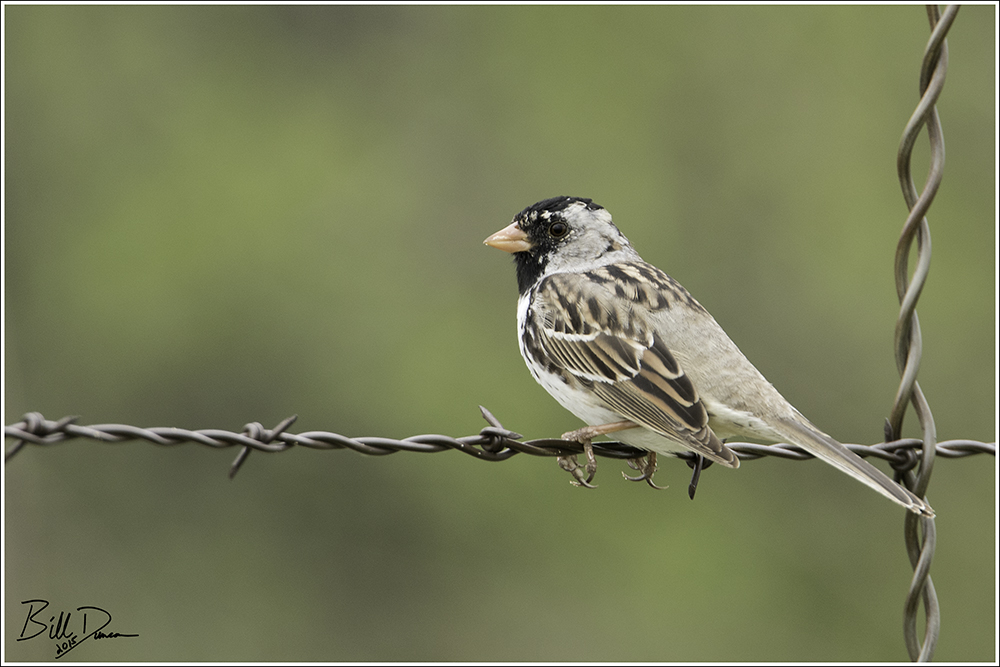
Harris’s Sparrow
The Harris’s Sparrow is another classic western sparrow found at Quivira.
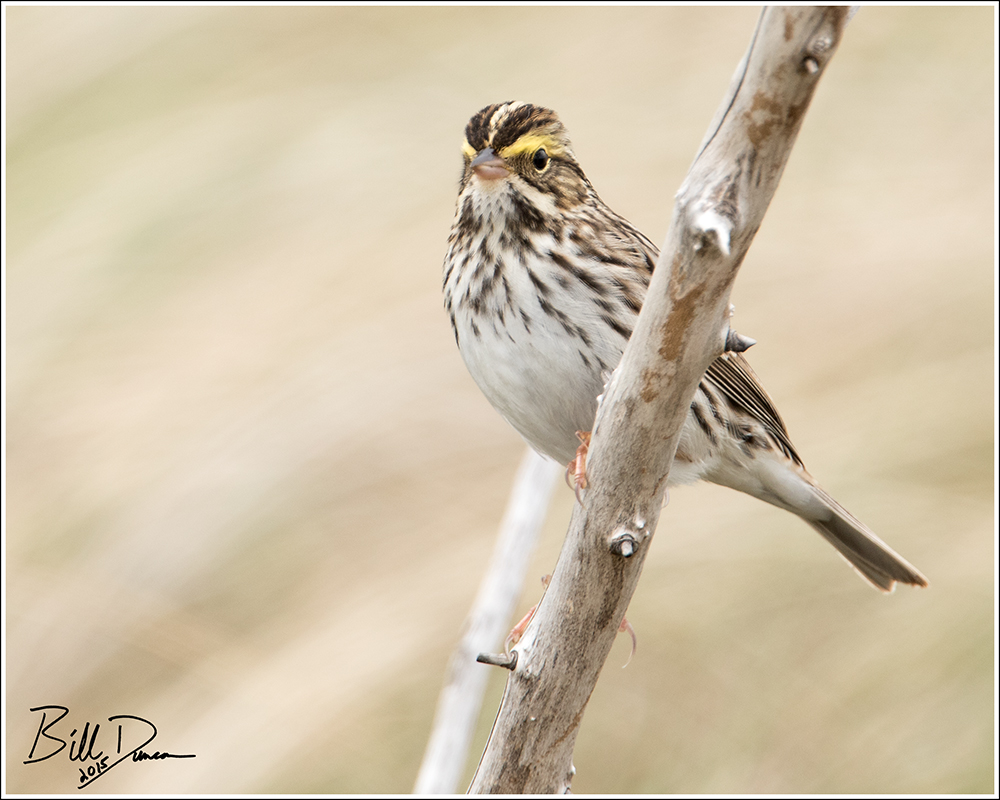
Savannah Sparrow
Finally, the Savannah Sparrow, which can be found in different forms across the continent.
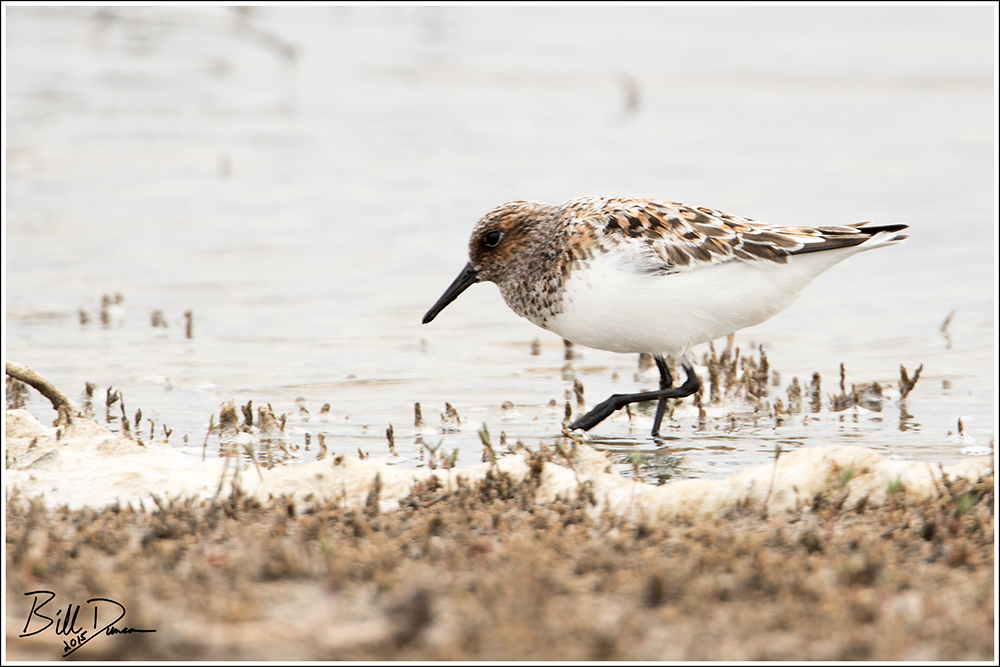
A medium sized, markedly-colored Calidris sandpiper, the Sanderling is one of the most highly traveled migrant birds on the planet. Breeding only in the far north arctic, some Sanderlings will winter as far south as Cape Horn of South America. Individuals in breeding plumage are easily identified with close enough inspection by looking for the rusty-gravel coloration. Winter and juvenile forms are contrasty black and white. All birds lack a back toe, which are typically found on shorebirds.
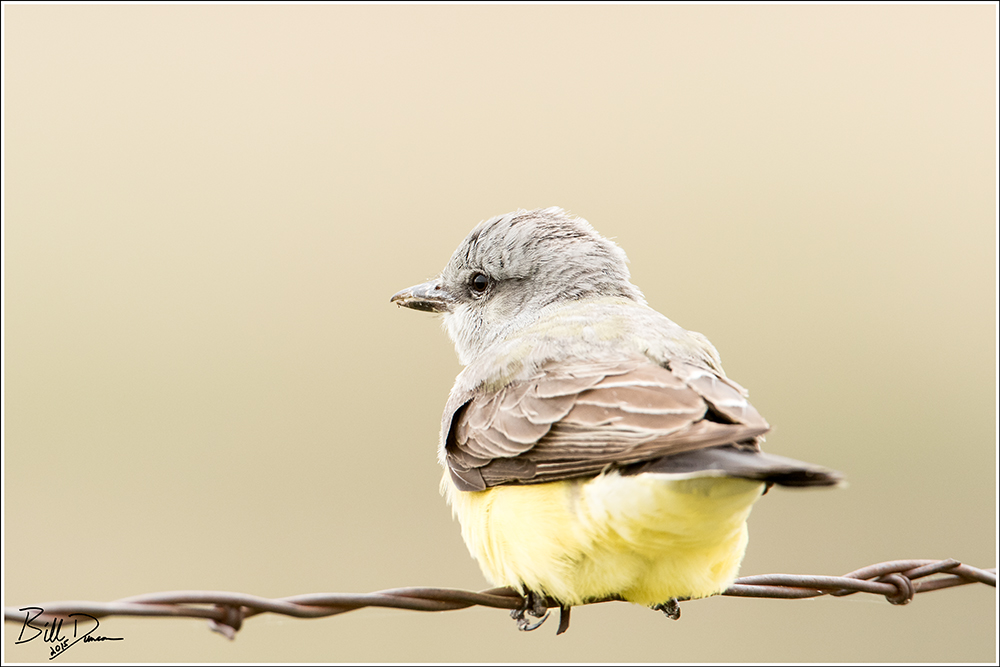
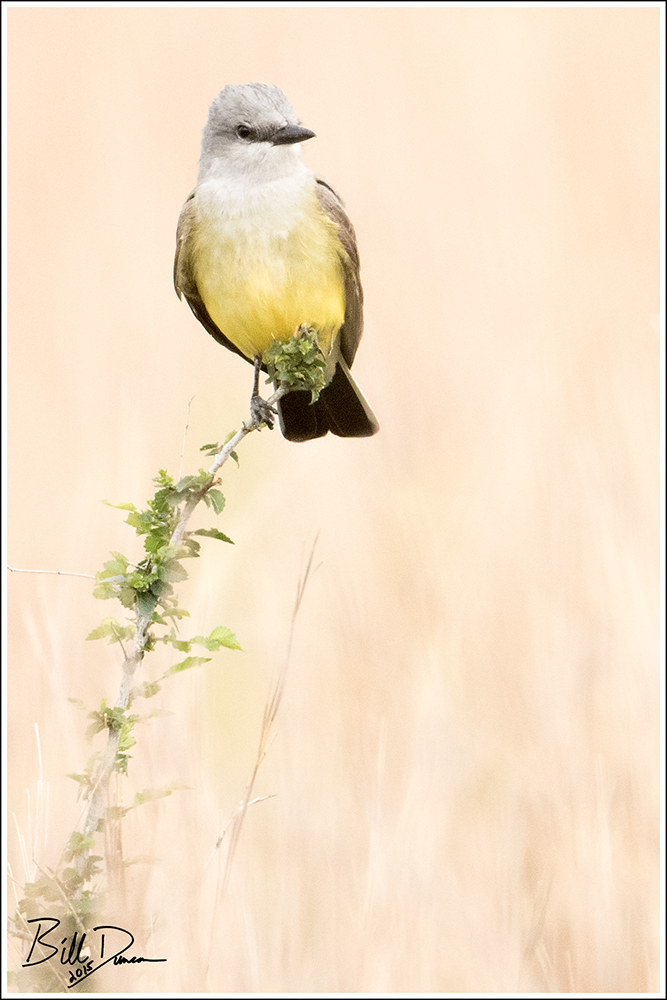
Much like the Meadowlarks, Steve and I observed an abundance of both Eastern and Western Kingbirds. We were surprised by the close proximity of the assumed territories. The typical super-aggression shown by the Eastern Kingbirds did not seem to be delivered to either the Westerns or conspecifics.




















 A Thousand Acres of Silphiums