"What a thousand acres of Silphiums looked like when they tickled the bellies of the buffalo is a question never again to be answered, and perhaps not even asked." -Aldo Leopold
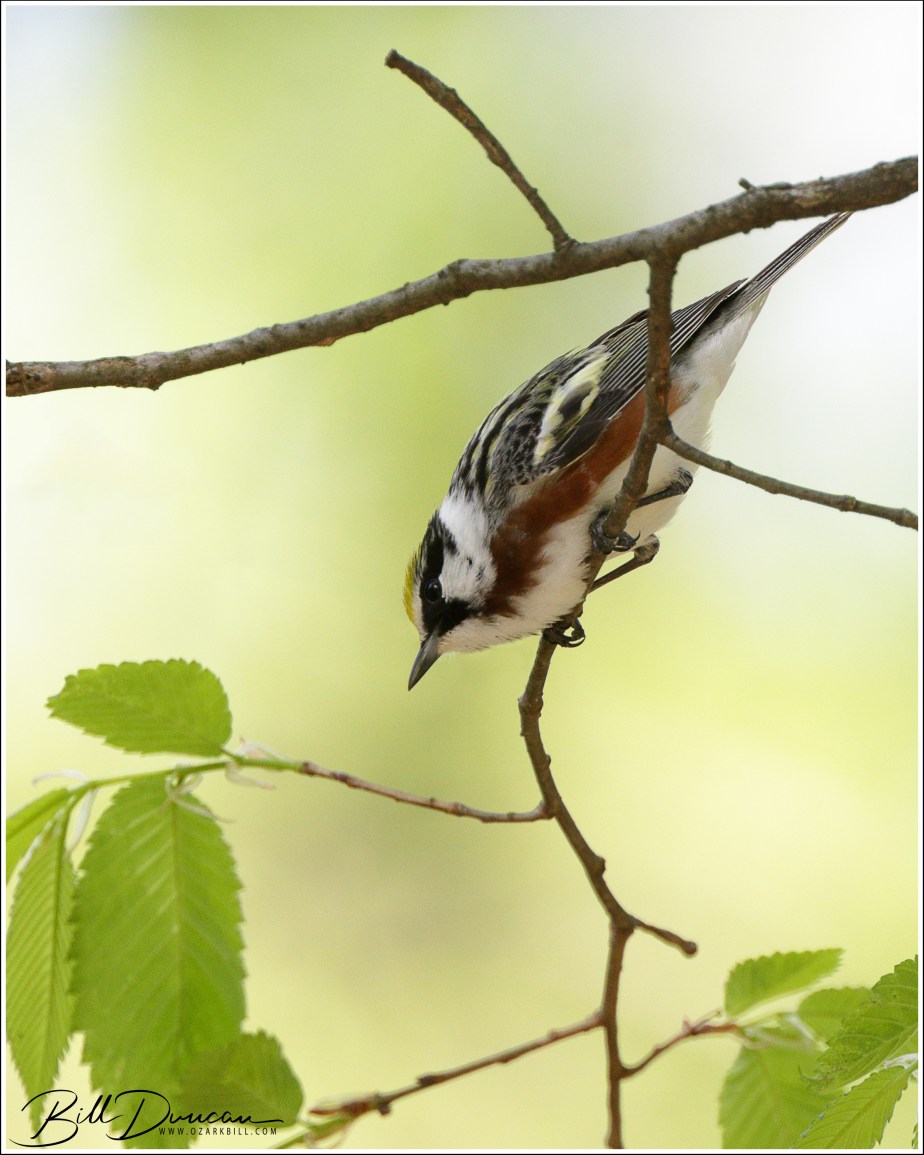
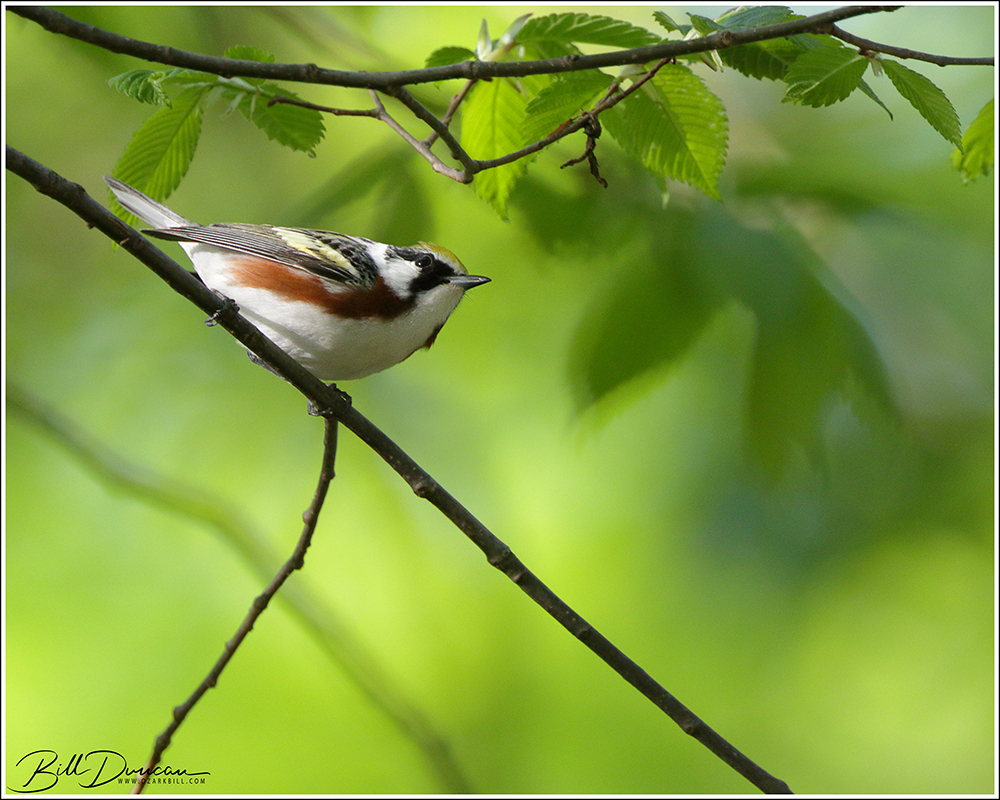
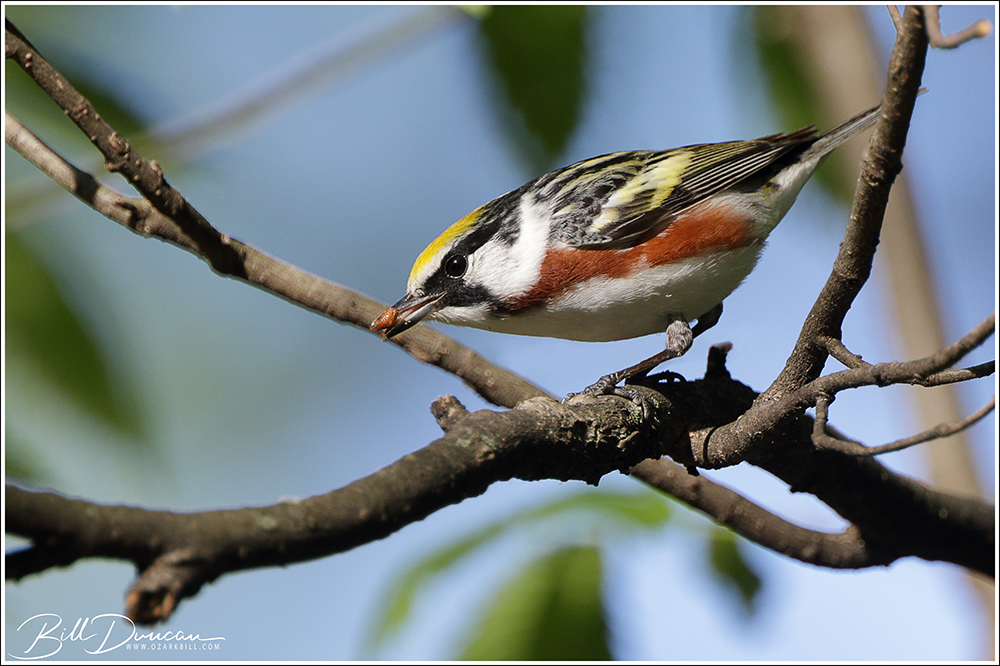
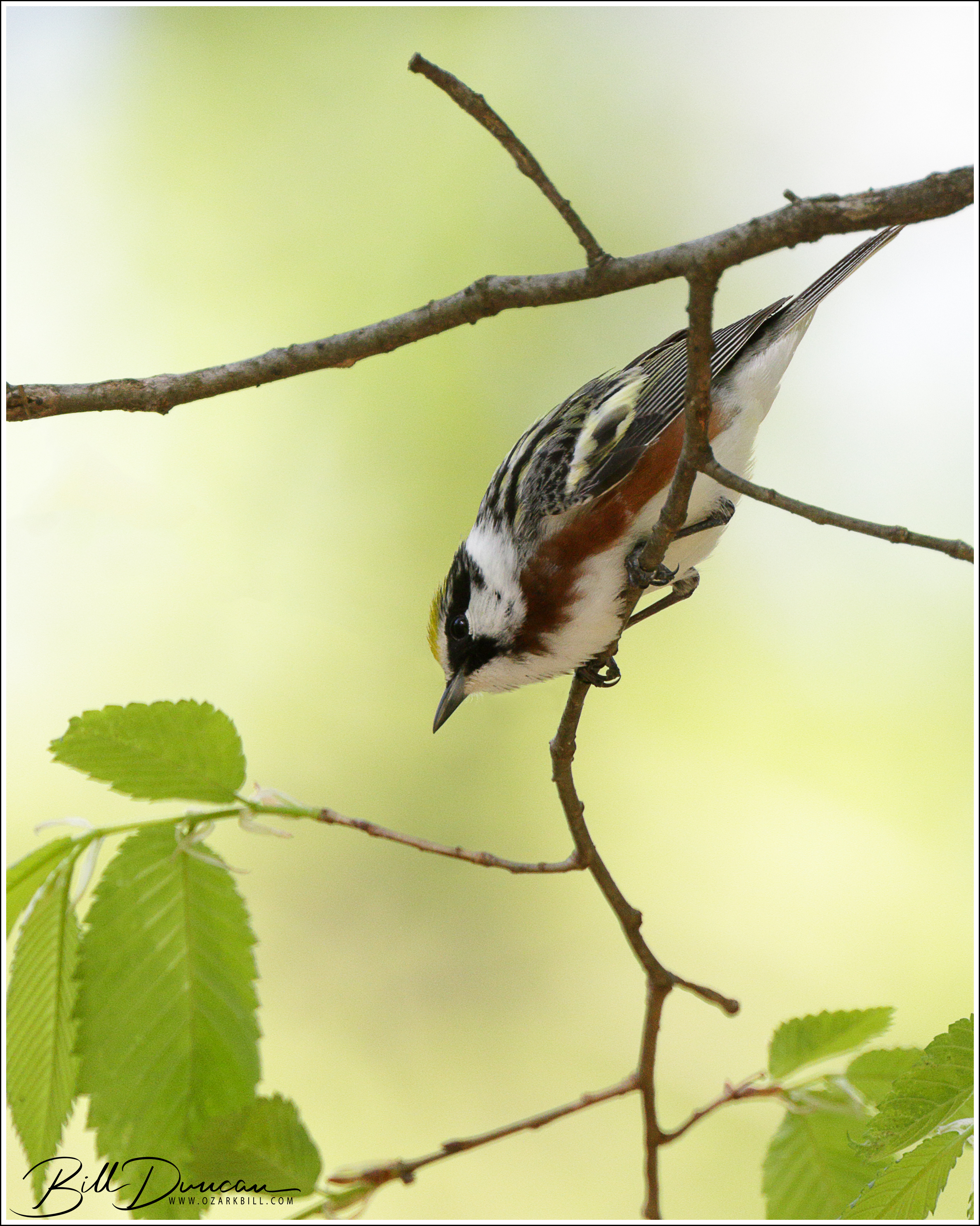
It looks as though I may get only one opportunity for Tower Grove Park this spring, but it was a good one. I’m glad it was a nice morning for Kathy Duncan’s first visit. We had quite a few cooperative birds at the water feature of the Gaddy Bird Garden where these photos of Chestnut-sided Warblers were taken.
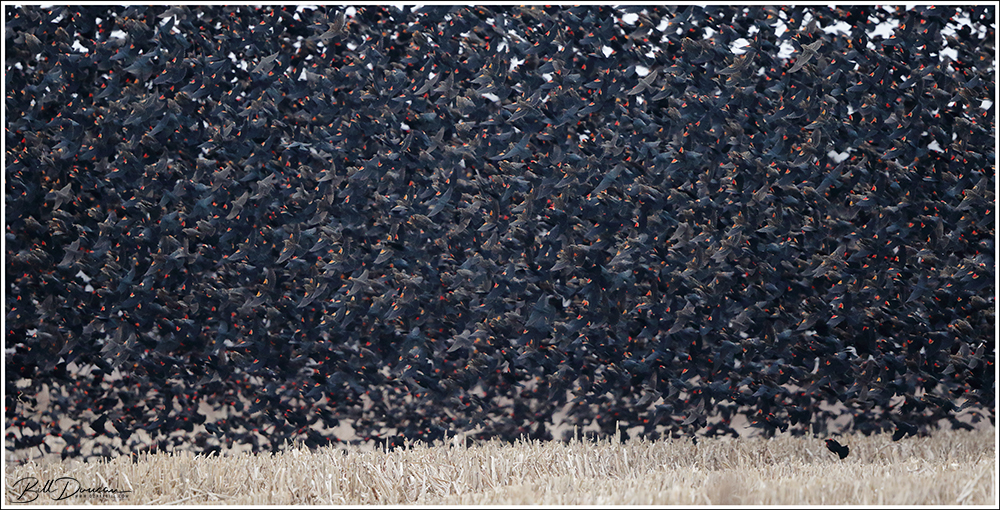
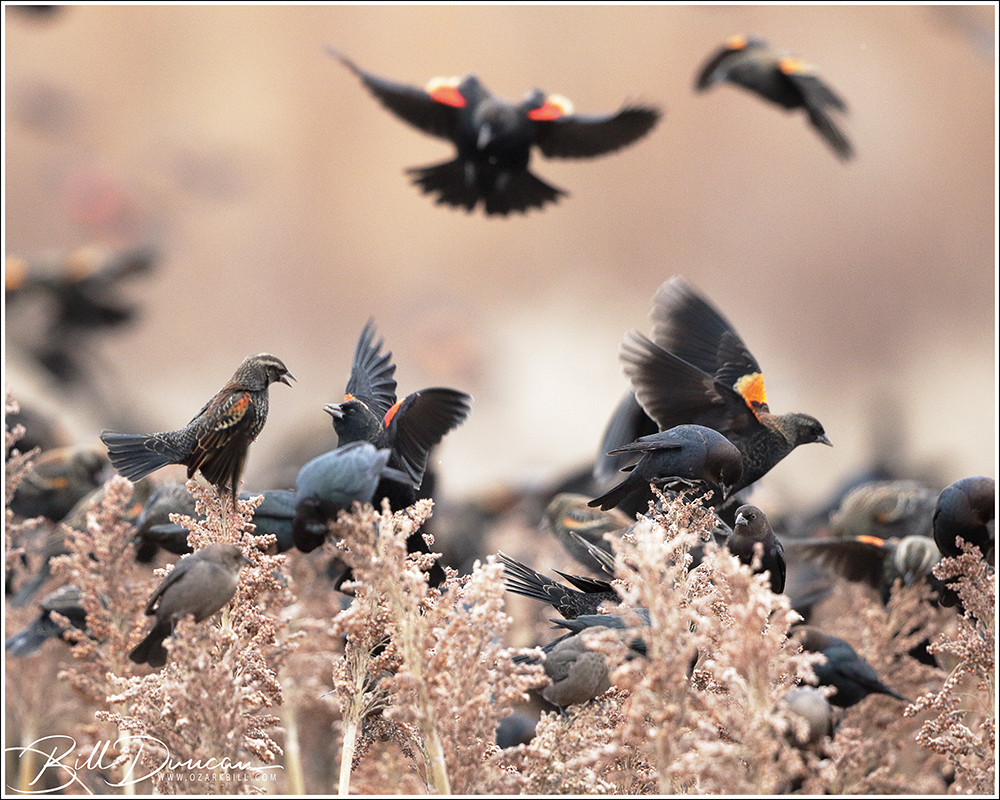
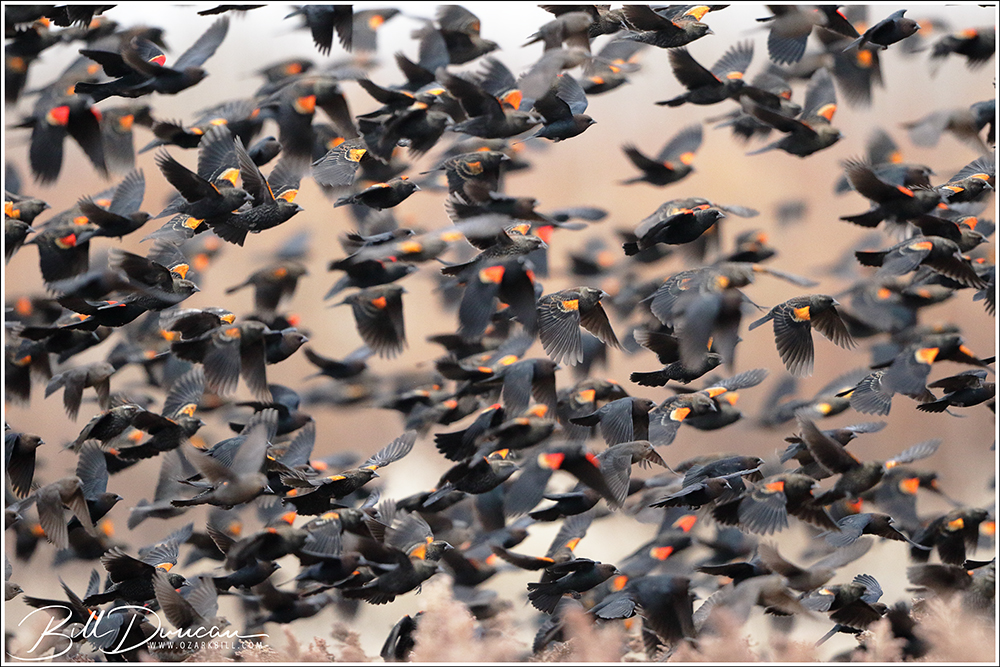
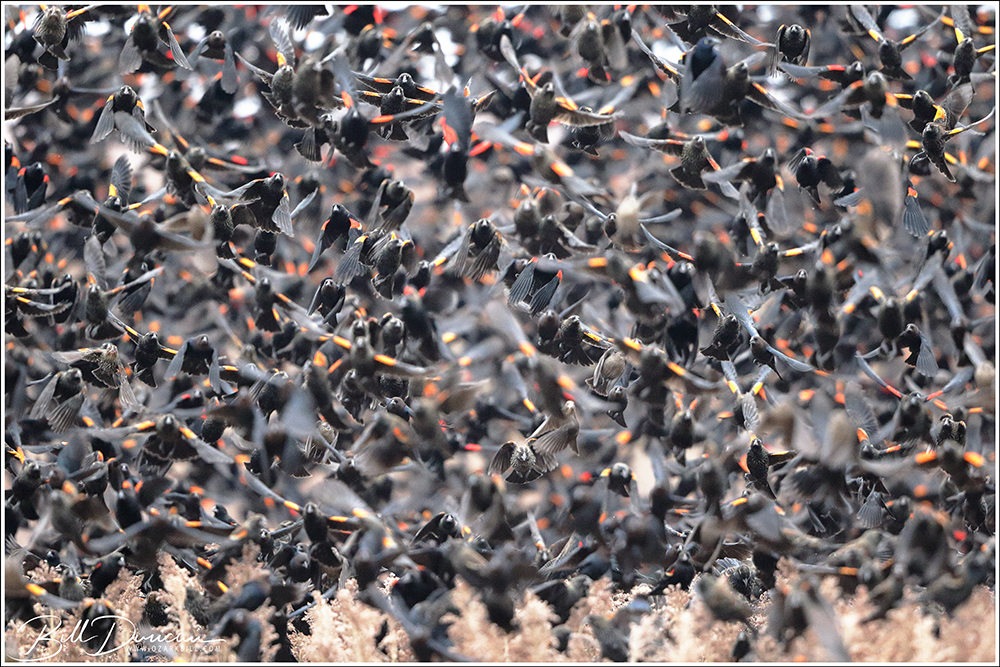
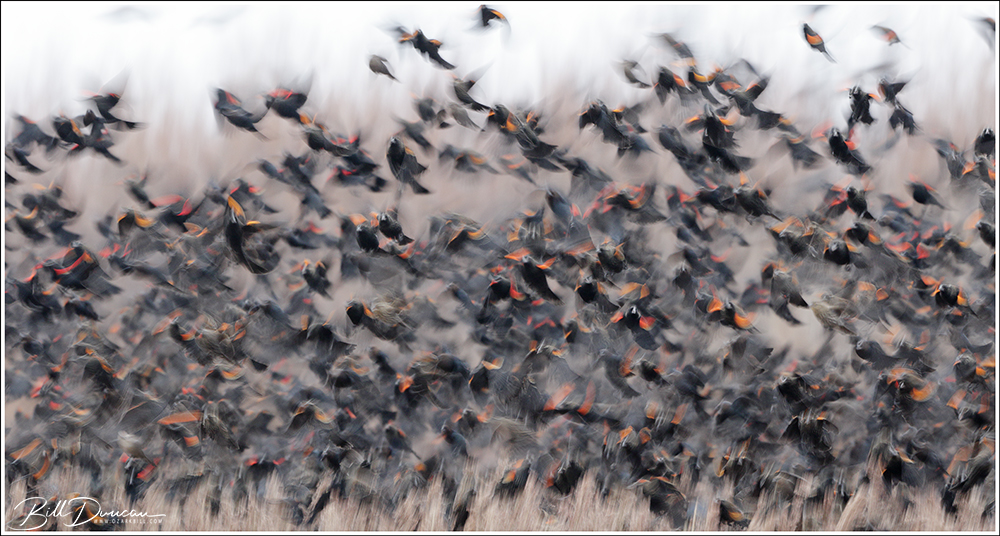
Images of a large flock of blackbirds taken at Columbia Bottom Conservation Area back in January, 2021. Mostly composed of Red-winged Blackbirds, this flock contained thousands to tens of thousands of birds.
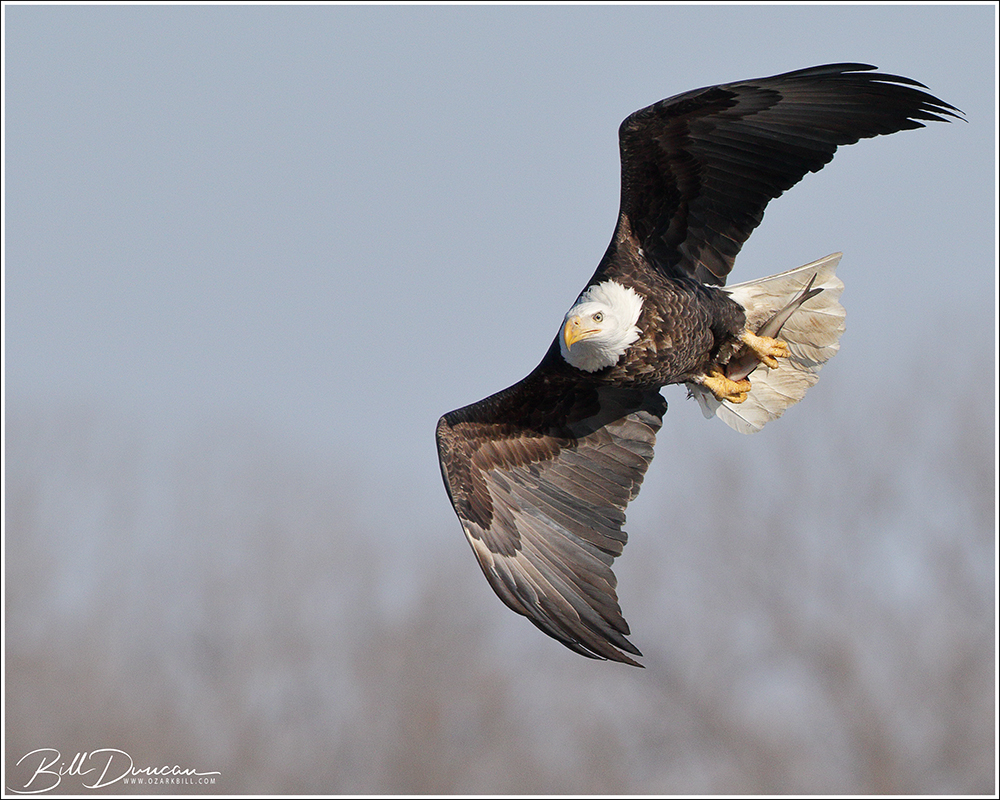
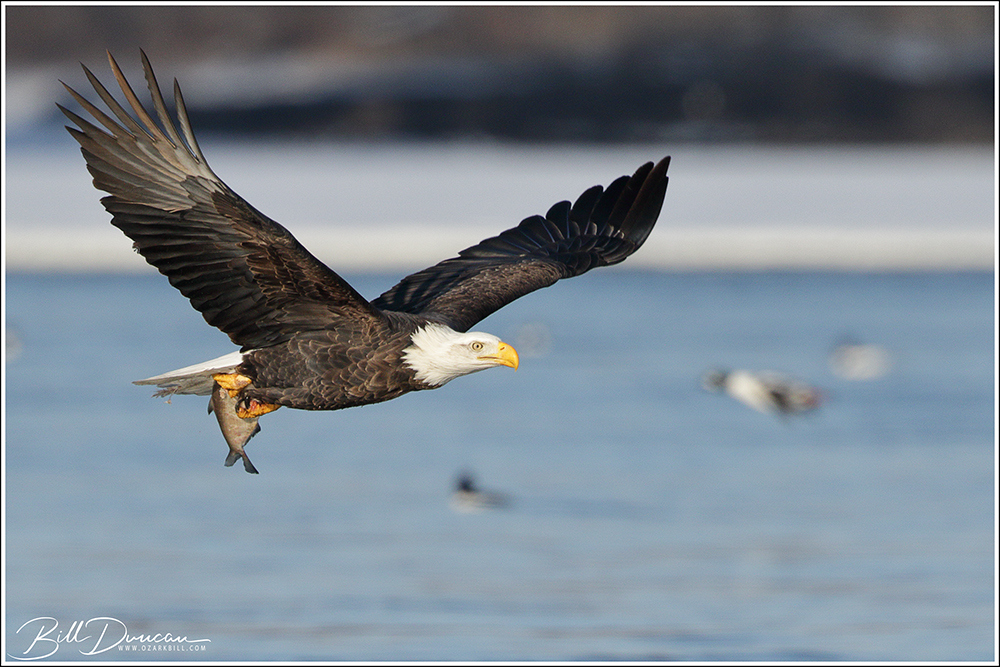
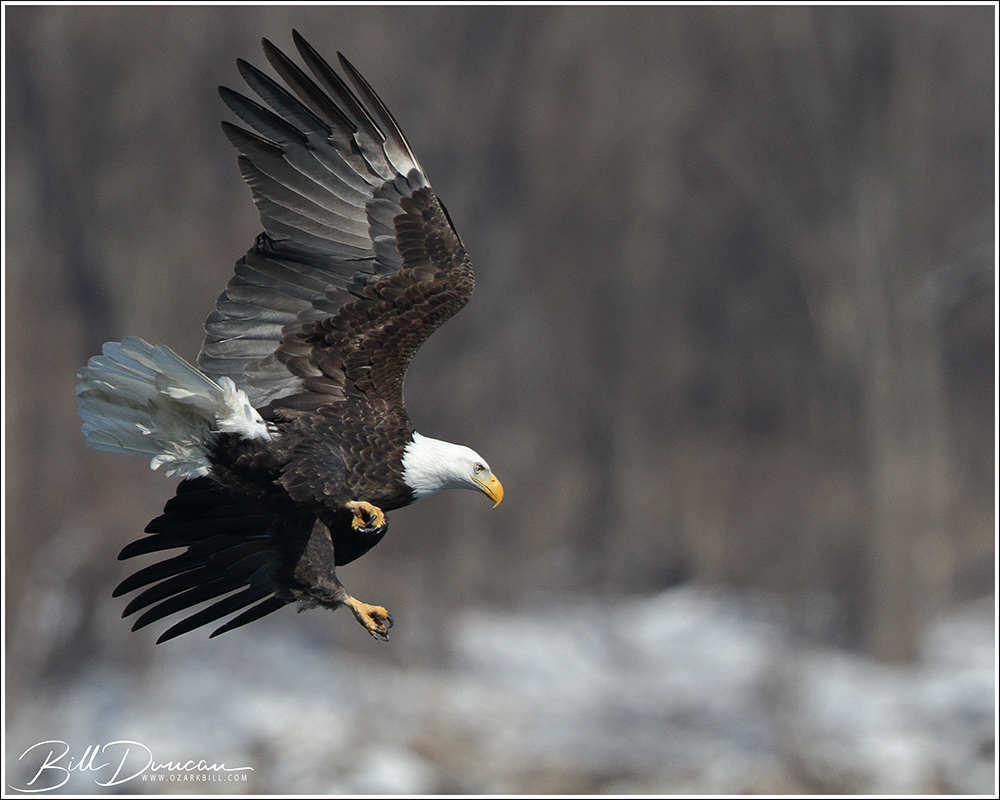
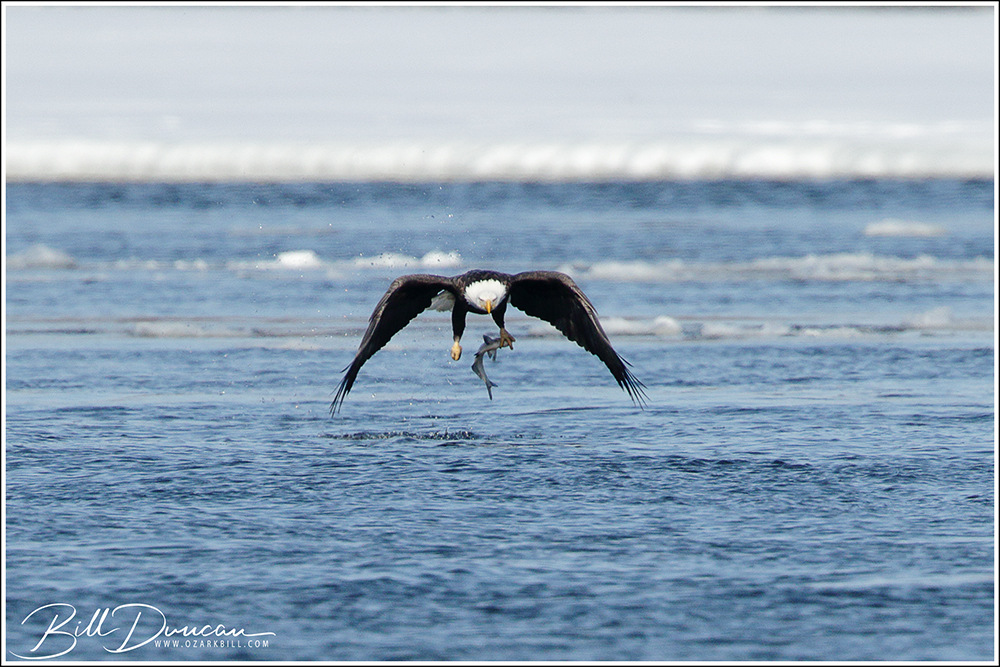
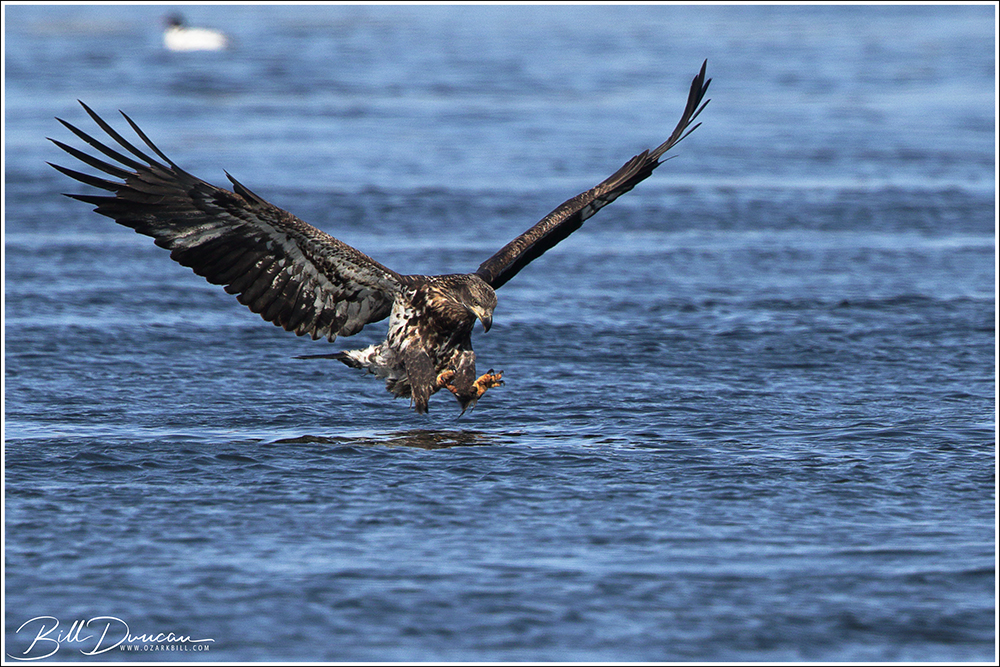
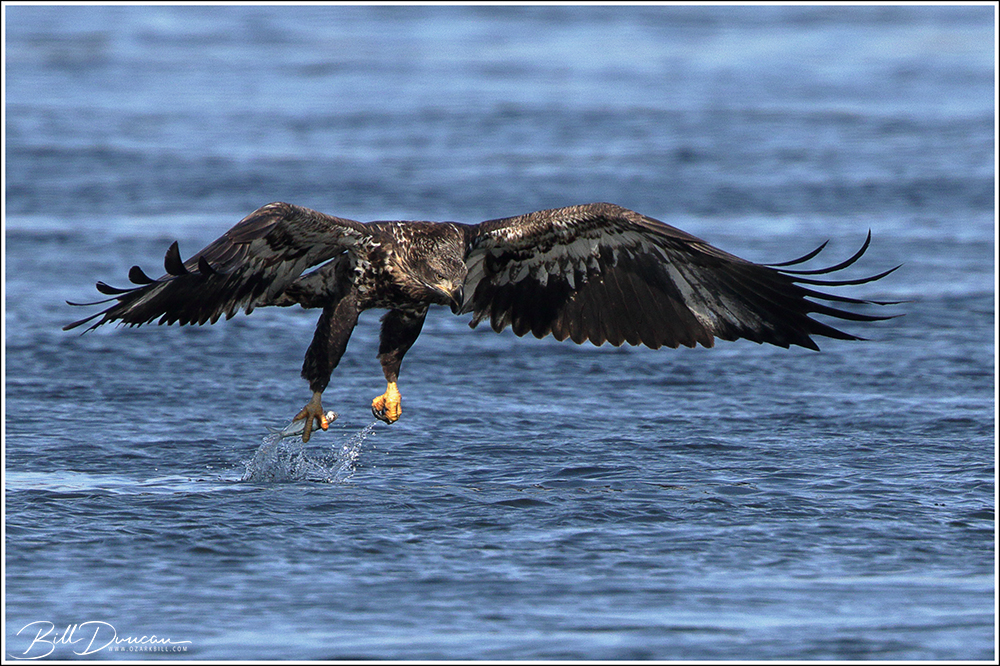
We actually had a couple weeks of a deep freeze, old-fashioned winter during the 2020/2021 season. It was enough to get a lot of ice on our rivers and lakes but it didn’t seem to be quite long enough to bring the eagles into Lock and Dam #24 in big numbers. A couple friends and I tried during the last couple days of the deep freeze and although we had fewer than 12 birds, there were opportunities that made it worth our time. Here are a couple photos of a juvenile eagle (a 1.5 to 2.5 year old bird) that I captured as it came to the water to catch a fish that was stunned following its passage through the dam.
A catch!
Check back soon as I will be posting more photos of eagles and other birds that were making their living in the open waters beneath Lock and Damn #24.
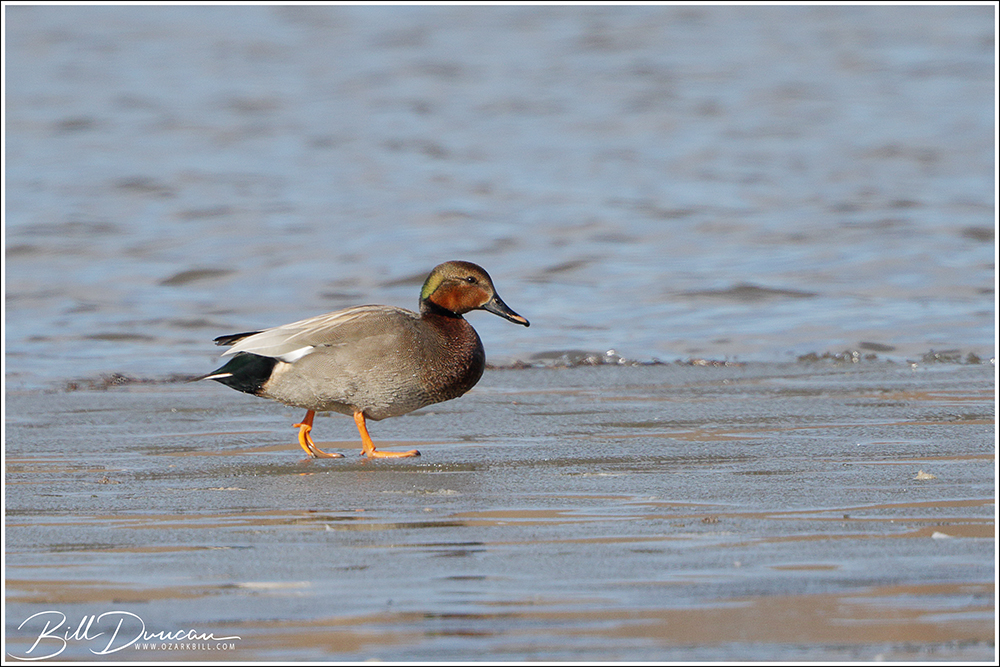
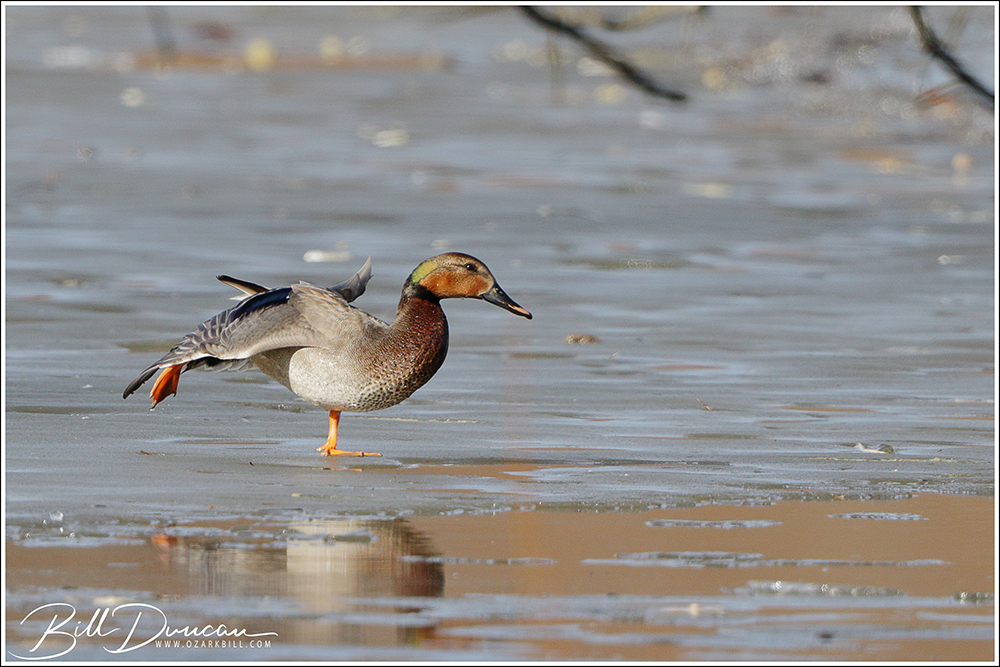
The Brewer’s Duck is a hybrid between a Mallard and a Gadwall
Although I cannot count it as a new species on my lists, I do believe this bird is worthy of a little attention. The “Brewer’s Duck” has been noticed for centuries, even being painted by J. J. Audubon himself. But, he called it the “Bemaculated Duck”, an apparent misspelling of the descriptor, bimaculated, meaning “marked with two spots.” The Brewer’s Duck is an intergeneric hybrid between a Mallard (Anas platyrhynchos) and a Gadwall (Mareca strepera).
This bird was originally spotted at Bush Conservation Area on February 23rd by Michelle Davis and reported via eBird and MOBIRDS. These photos were taken on February 24th.
The Brewer’s Duck is a true blending of its two-species heritage and they apparently are quite variable in appearance.
In the above photo, the blue speculum patch can be seen, coming from the Mallard. The fine lines of the Gadwall can be seen on the breast and sides. The head is a mixture of both species. Some green can be seen towards the back of the head, although this could only be seen at just the right angle to the sun. The bill is also a mix of the yellow Mallard’s and the all black Gadwall. In my opinion, the feet are more reminiscent of the color of the Gadwall’s feet.
A nice comparison of Mallard, Brewer’s and Gadwall drakes.
So far I have been unable to find out much about the Brewer’s Duck from books or internet sources and I have lots of questions. This bird seemed to mostly associate with Gadwalls. Is this common, or does it depend on which species was the mother? Does the parentage have to be directional? Are they fertile? How common are they?
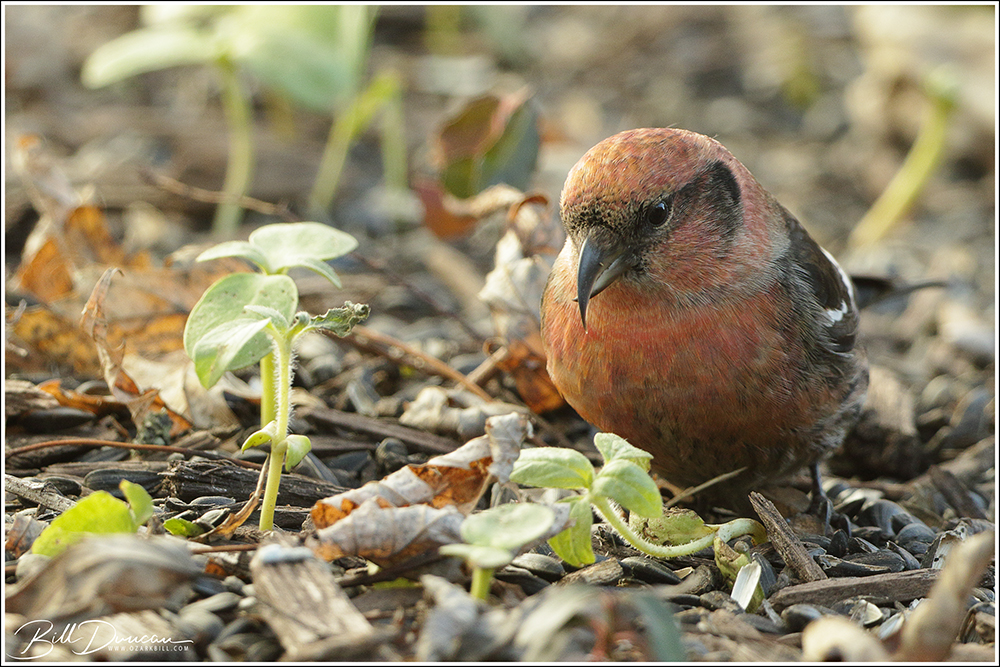
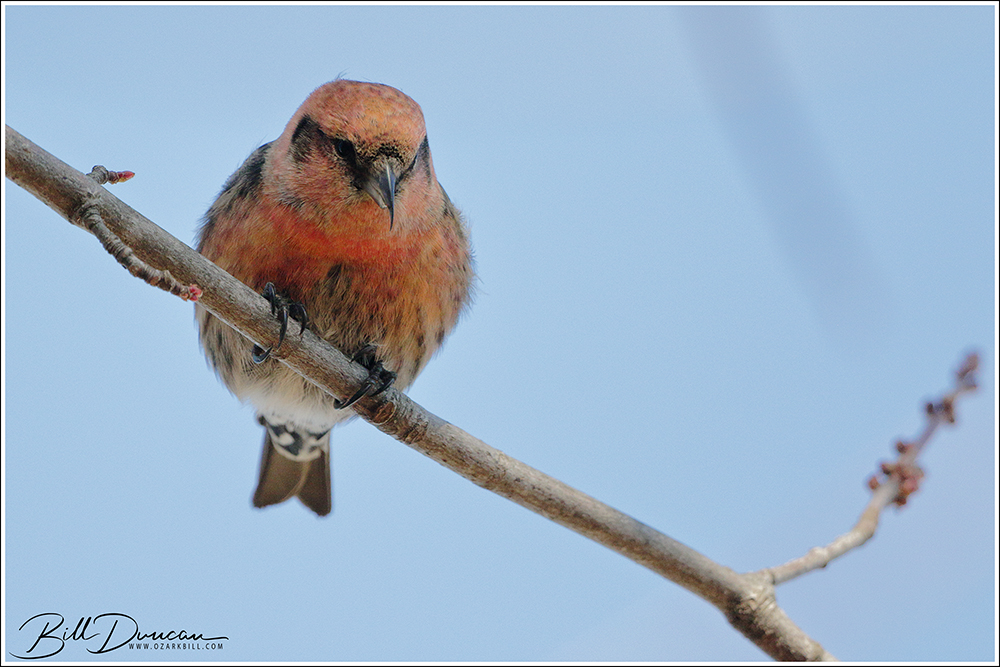
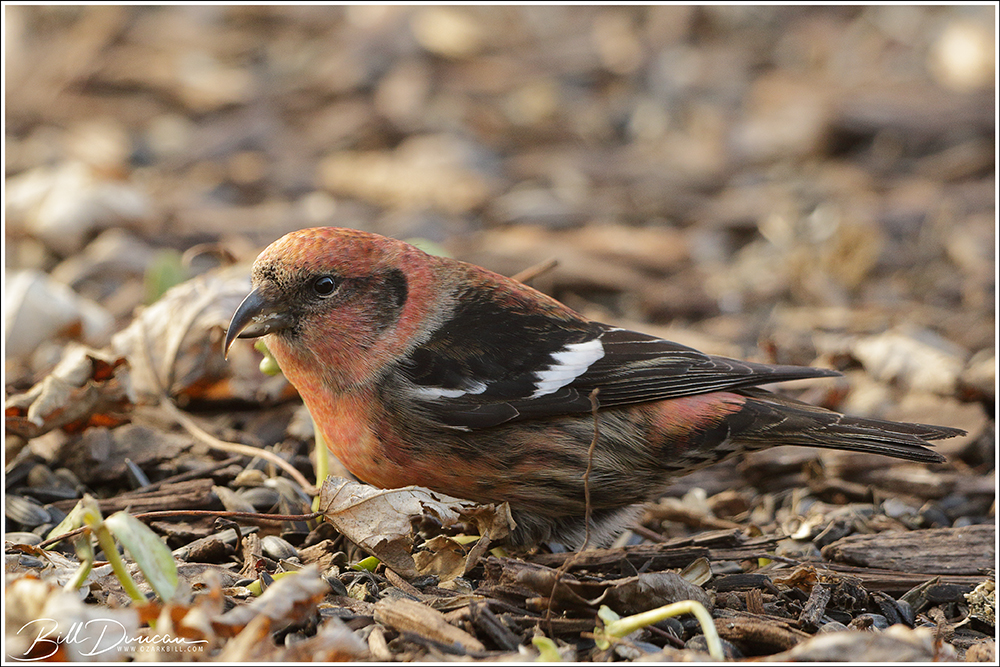
I haven’t been much focused on chasing down new birds to photograph lately, so my count for “Missouri and Contiguous States” hasn’t grown very rapidly during the past few years. With the news that a White-winged Crossbill, a bird with only a handful of records in the state, was visiting a feeder at the offices of the Missouri River Bird Observatory in Arrow Rock, MO, Sarah and I thought it worth going after.
A White-winged Crossbill taking a break between visits to the feeder.
A very cooperative bird, indeed. We stayed on the patio and watched as it came to feed underneath the feeders along with great winter species like Red-breasted Nuthatch and Purple Finches.
The remarkable White-winged Crossbill.
Hopefully this winter continues to bring the winter “invasion” even if we don’t wind up with much of a winter at all.
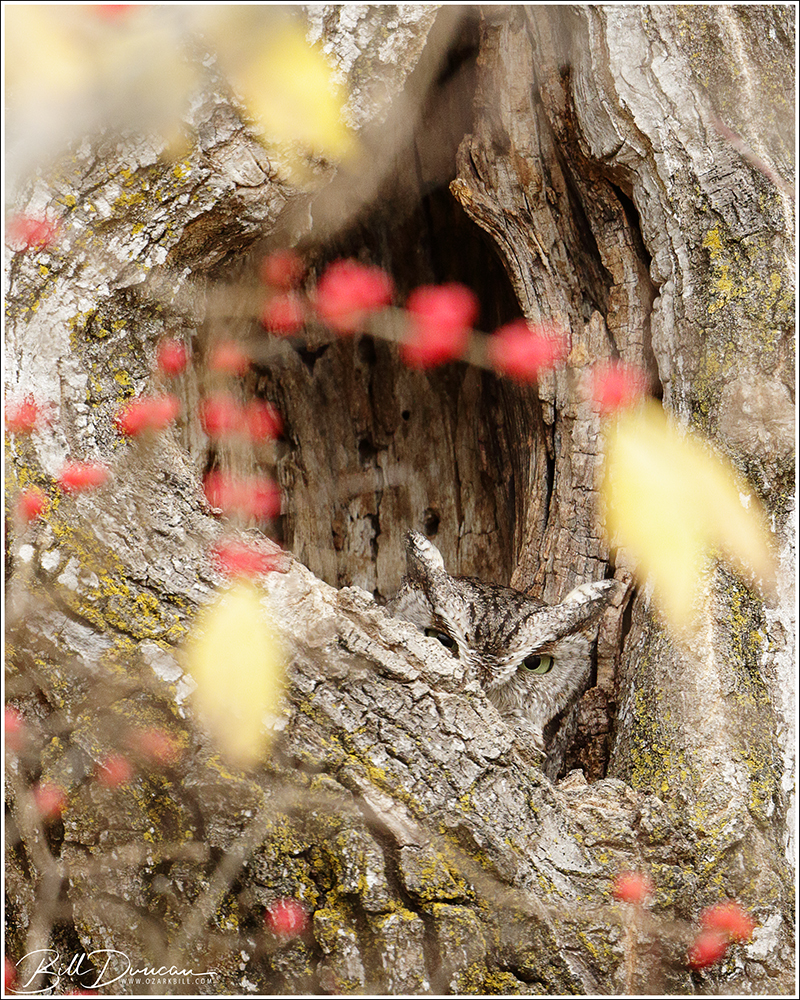
A gray morph Eastern Screech Owl examines its surroundings from the entrance to its roost tree.
This year it looks like the popular roosting tree at the Grafton, IL Visitor’s Center is playing host to this gray morph Eastern Screech Owl. I have photographed red morph individuals in previous years that were using this same cavity. You can find a few photos of those here and here. There have been reports of brown or “chocolate” morphs being found here or in another nearby location over the past couple of years, but as of yet, I have not been able to photograph that color morph.
My friend Dave and I made this visit and were fortunate to find this bird somewhat active. For a Screech Owl in the daytime, this is fortunate indeed. By “active” I simply mean it would move in and out of its tree cavity and open its eyes to have a look around once in a while.
An Eastern Screech Owl giving us a lookover.
We were told by a local constable that the name they have given the bird was “Winky,” which I find to be pretty apt for an owl. One thing we noticed during this visit is that the unobstructed viewing lanes are becoming harder to find due to the encroachment of the bush honeysuckle growth. Dave and I could only find two lanes that worked well for photography purposes. If I can confirm they do not use this cavity in the summer, I would like to return to do a little landscaping.
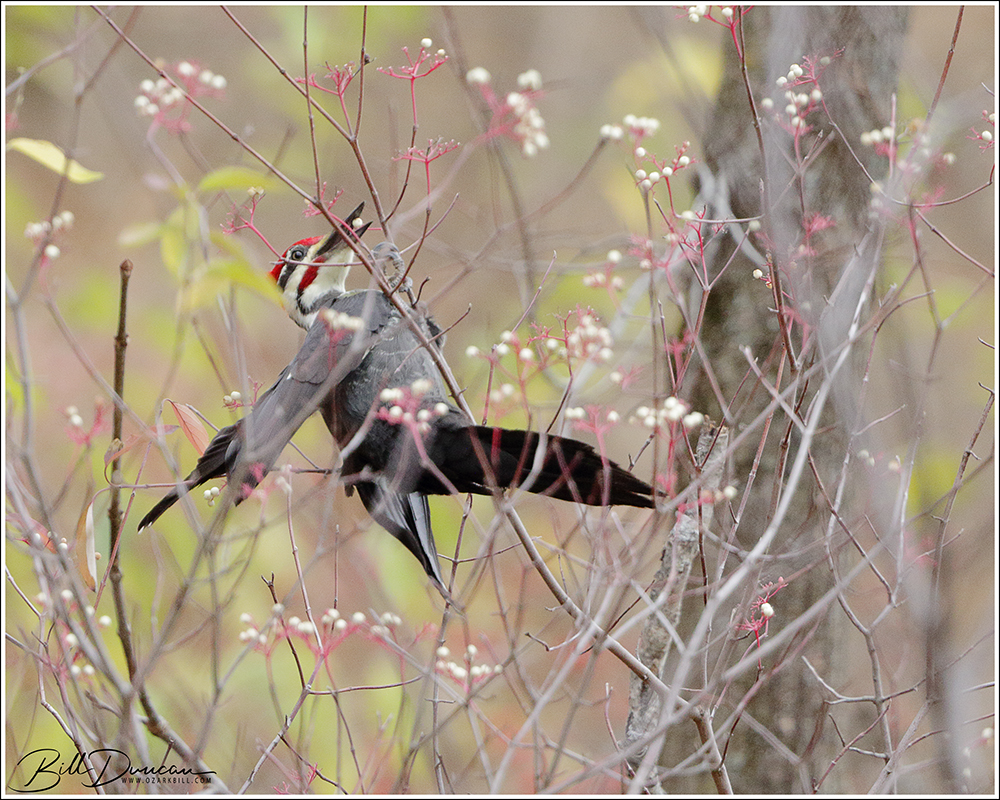
While we waited for the owl to return from its hiding inside the tree, we had a nice opportunity to photograph a Pileated Woodpecker that had flown in to forage among the dogwood berries.
Pileated Woodpecker eating a dogwood (Cornus sp.) berry.






 A Thousand Acres of Silphiums
