It’s Spring Again!

As much as I love the change of seasons generally, nothing can beat the excitement and enjoyment of the arrival of spring. I simply can’t get out of doors enough during April and May. This past weekend Miguel and I had a great time in hunting newly arrived birds and newly emerged plants at a few of our favorite spots not too far from home. Here are a few photos from our day out.

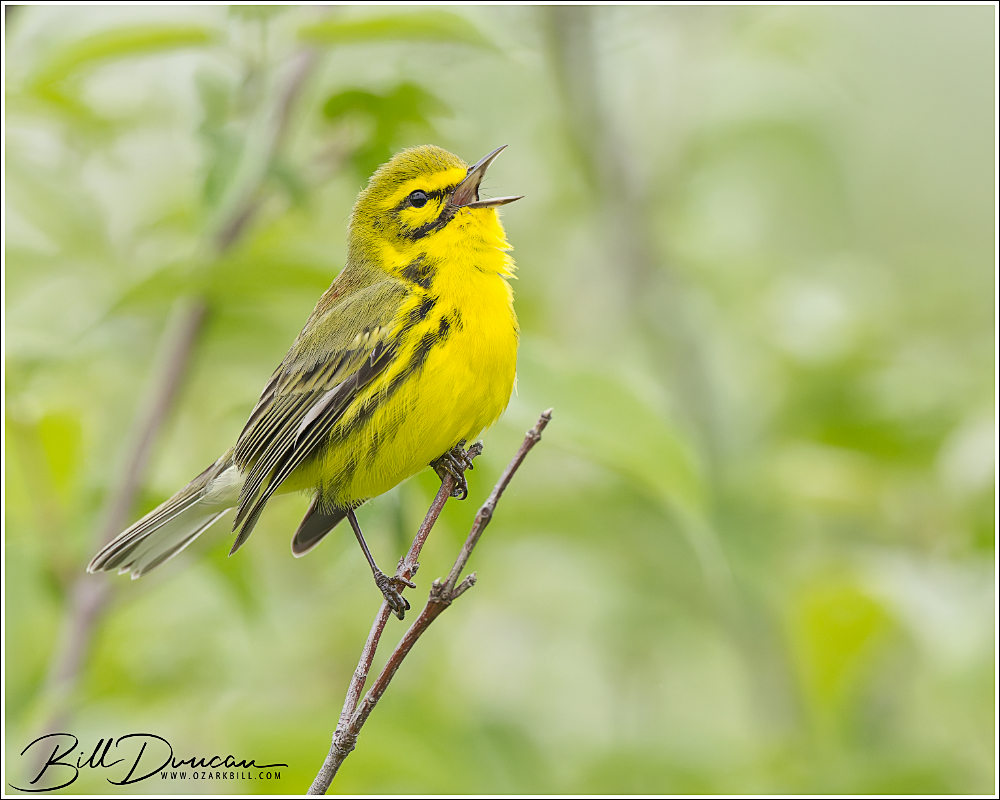
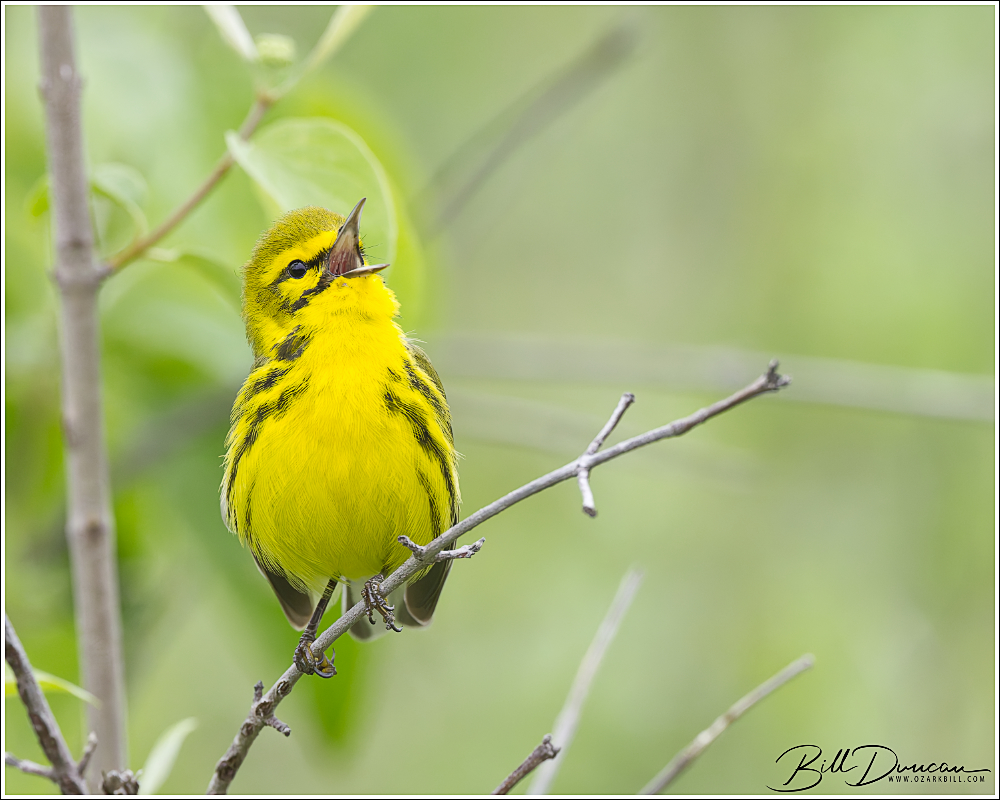
First, a beautiful male Prairie Warbler from Weldon Springs Conservation Area.
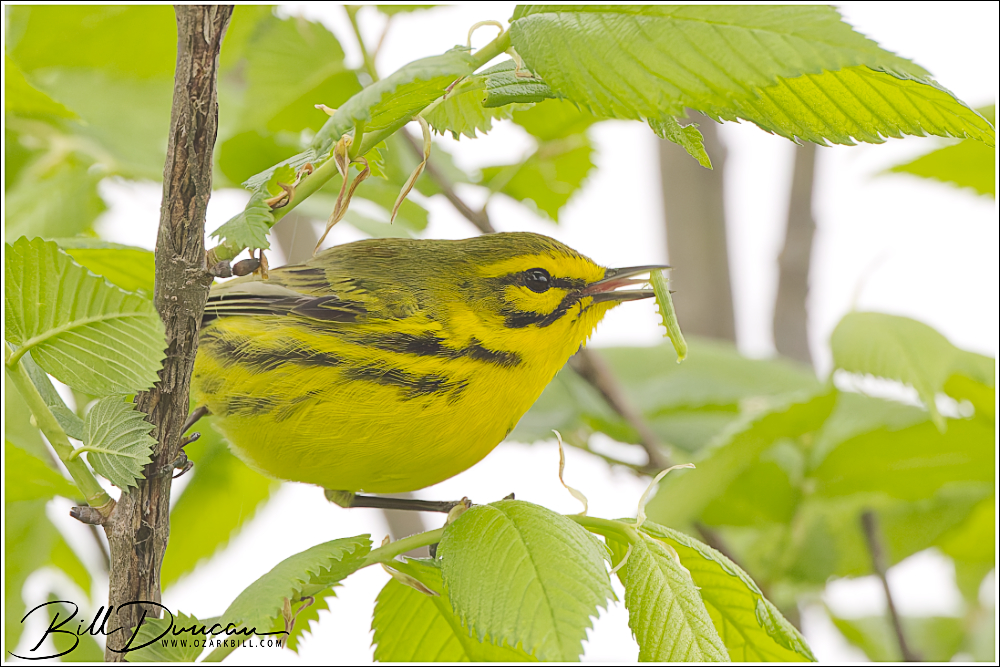
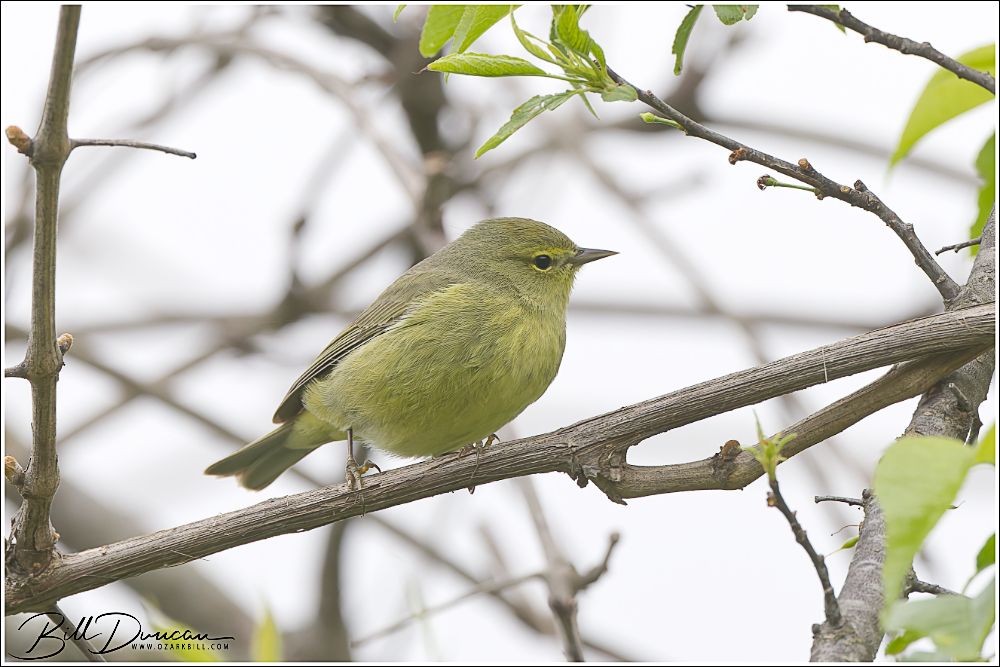
Orange-crowned Warbler photographed at Bush Wildlife Conservation Area

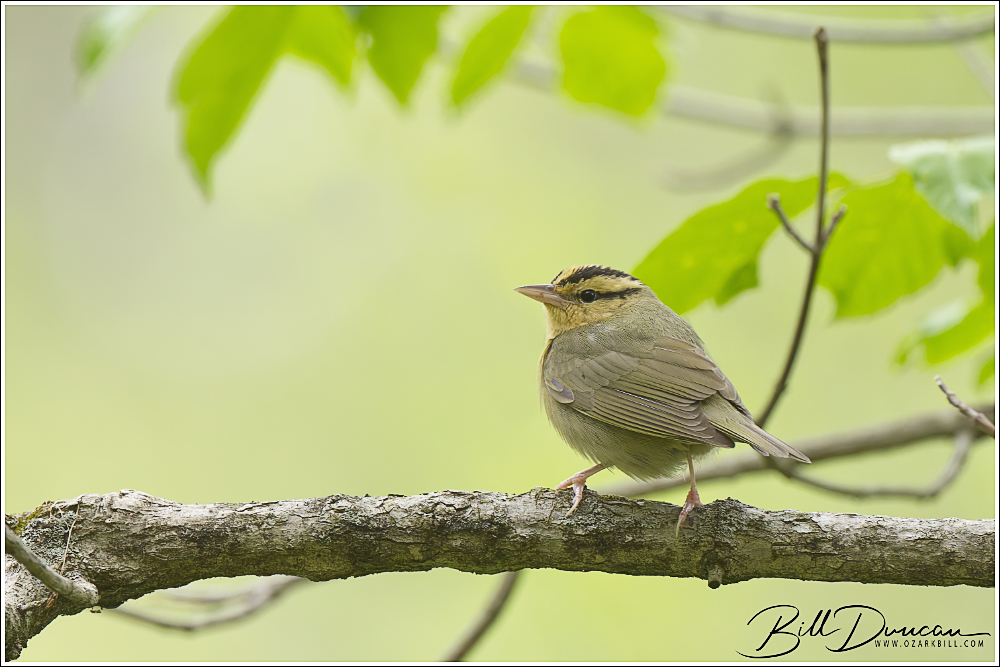
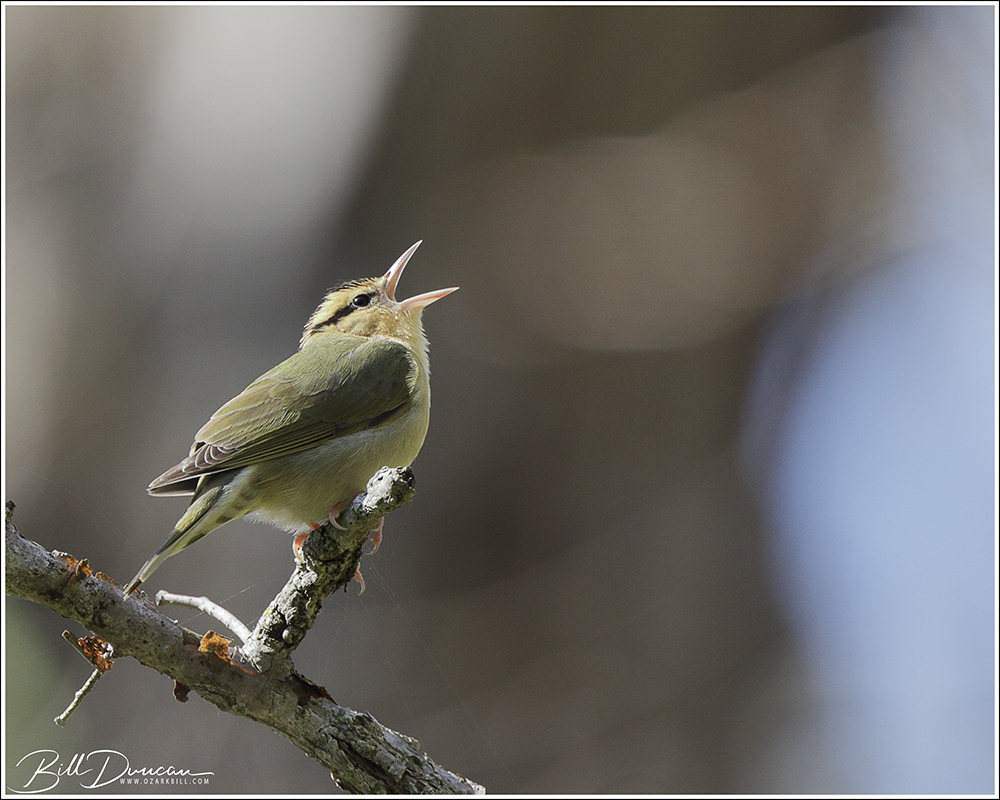
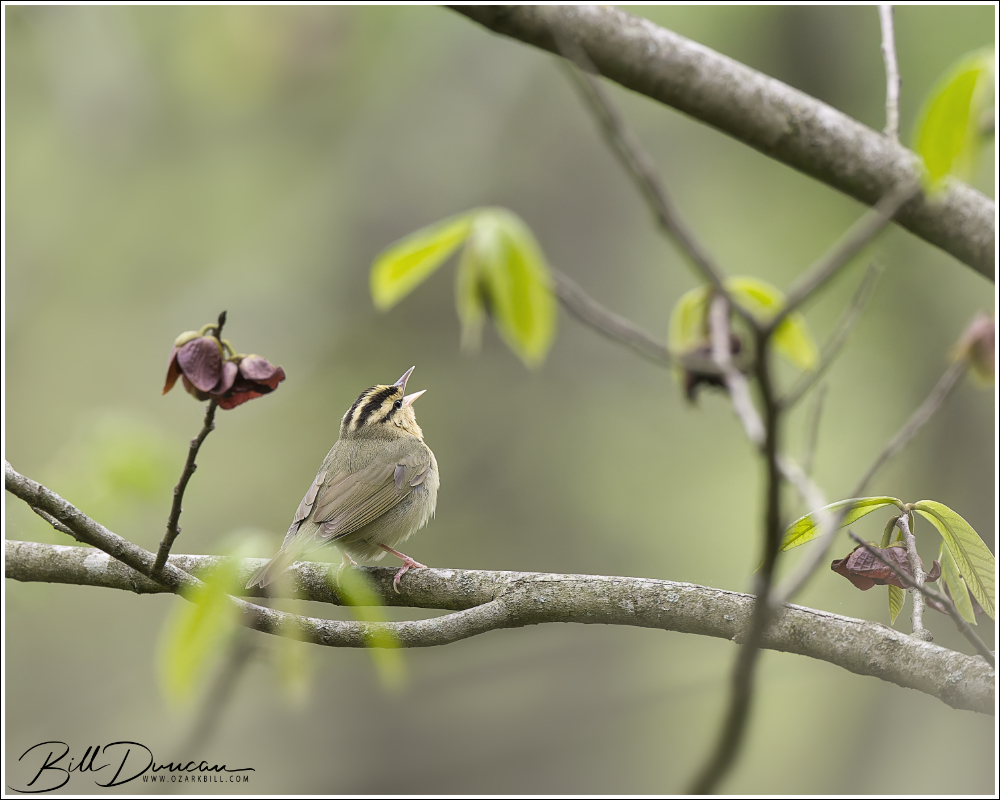
A Worm-eating Warbler also found at Bush Wildlife C.A.
After a brick-fired pizza for lunch, we crossed the river to another favorite nearby location – Engelmann Woods Conservation Area. Here we were hoping to find the Wister’s coralroot orchid for Miguel to scratch off his list. During a good year, hundreds of flowering stems of this species can be found here. This year we found 15-20 stems just by looking along a mile or so along the trail.

Corallorhiza wisteriana (Wister’s coralroot)

Finally, we were able to find three stems of the parasitic Orobanche uniflora (one-flowered broomrape) mere inches off of the trail.

Orobanche uniflora (one-flowered broomrape)

Hoping you find the time to get out and enjoy this wonderful spring!

-OZB
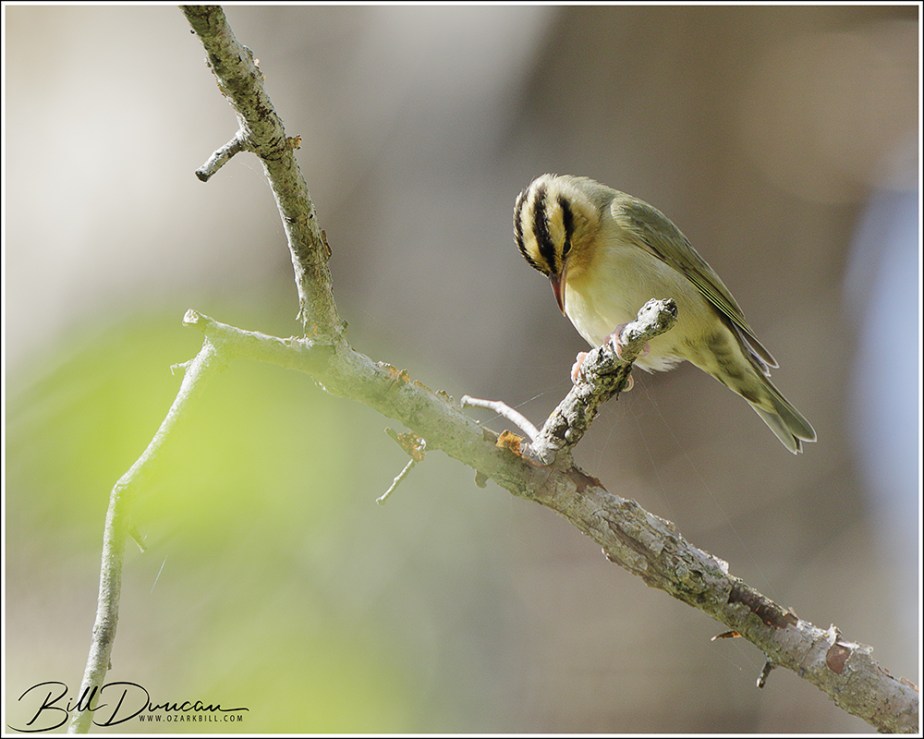
Worm-eating Warbler – April 2021

This spring has been flying by. With great cool and wet weather, the spring ephemeral wildflower season has been one of the best I’ve experienced and in the past two weeks the bird diversity has been on the rise. Just today, I had a Wood Thrush, a Cooper’s Hawk and a Barn Swallow from my suburban yard alone! This morning I found a Sedge Wren in the grasses at Beckemeier Conservation Area among about half a dozen warblers.

I hope you are getting out to enjoy some of this action and I want to share a few photos of one of my many favorites, this Worm-eating Warbler that is already setting up territory at Bush Wildlife Conservation Area.

Thank you for visiting!
-OZB

Nesting Birds of Missouri – Worm-eating Warbler

From Harrison on the Worm-eating Warbler nest: “On the ground, concealed under drifts of leaves, usually protected overhead by shrubs, briars, saplings.  Built of skeletonized leaves; lined with hair moss (Polytrichium), fine grass, hair.  Typically on hillside or bank of ravine.”  As cryptic as the birds themselves, the nest of a Wormy would only be found with the combination of utmost patience and fortune.  If found, it has been reported that one can get quite close to the nest, the female only flushing if touched!

Click here to listen to the Worm-eating Warbler song.

Worm-eating Warbler
Worm-eating Warbler

Worm-eating Warbler
Worm-eating Warbler