This Indigo Bunting was found in mid-August of this year at Little Creve Coeur Ecological Area in St. Louis County, MO. This is either an immature male or an adult male that quickly molted into nonbreeding colors.

"What a thousand acres of Silphiums looked like when they tickled the bellies of the buffalo is a question never again to be answered, and perhaps not even asked." -Aldo Leopold
This Indigo Bunting was found in mid-August of this year at Little Creve Coeur Ecological Area in St. Louis County, MO. This is either an immature male or an adult male that quickly molted into nonbreeding colors.
We had a great time this past Saturday when the WGNSS Entomology and Nature Photo Groups got together for our great caterpillar hunt at Pickle Springs C.A. in Ste. Genevieve County, MO. Of course I was primarily looking for the Limacodidae – the slug moth caterpillars. We’ve had better results with the slugs, but we did find five species over the course of the day, including a spun-glass slug (Isochaetes beutenmuelleri) and this saddleback (Acharia stimulea). Unfortunately, I was the only one to see this one as I spent some time by myself in the late afternoon looking through hundreds of young oak trees at Hawn State Park.
As always, we did find a few other species of interest, unexpected things and, as of now, unidentified creatures. I will be posting more from this trip in the near future.
I decided to go for stacking this nice saddleback. With so many details and intersecting lines, I knew this might be a risky attempt. I think they turned out pretty nice.
As much as I like the convenience and price of my wireless Godox flash system, it does come with some aggravations. One thing that frustrates me is the ease in which the controls can be inadvertently changed when carrying the system around on a strap. Then, the flash doesn’t work and I have to take the time to figure out what happened and make the necessary adjustments. Or, after powering the transmitter and flash down, the settings in one or the other change for some reason.
Another thing that drew my attention when putting these stacks together is the variable light output when taking a stack of images like these. Despite everything in the camera and flash units being on full-manual control, the illumination provided by the flash varied noticeably from one image to the next. This is something I never noticed when using my Canon branded speedlights. Thankfully, the differences between exposures, in the slivers that are used to make up these final images, is not noticeable at all. So, maybe I’m complaining about nothing.
Here is the first stack, also featured at the top of the post. The head of the caterpillar is facing you but is not visible as it is covered in the protective hood. Additional protection is also afforded by the obvious sharp tubercles that can break off into any would-be predator, injecting toxins that burn and irritate, an experience that I think is very similar to that of brushing up against nettles.

The next stacked image is an overhead view. I am putting this one in as a full-sized jpeg file. So, be sure to click on the image to see the details up close! The remnants of the mucous-like silk they secrete as the glide about the leaf surface can be seen towards the bottom of the image.

Dave and I found this cooperative female Dickcissel at Heron Pond in Riverlands Migratory Bird Sanctuary in August of 2023.

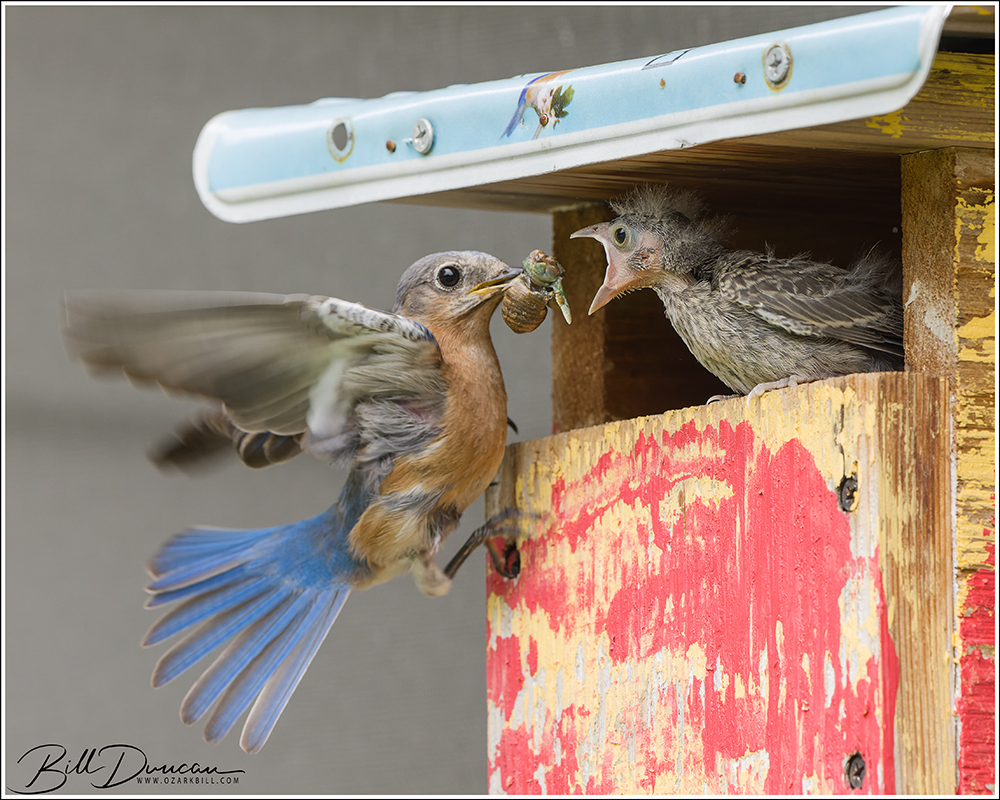
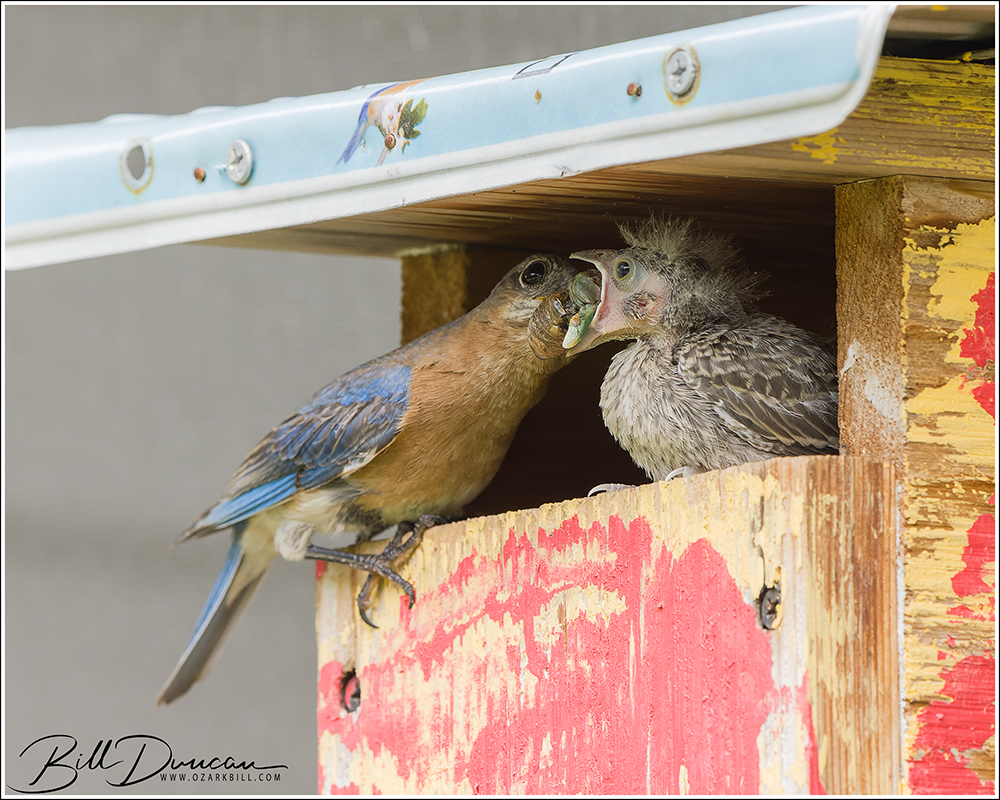
Here are some more photos of the nest I shot this spring that I thought I would share.

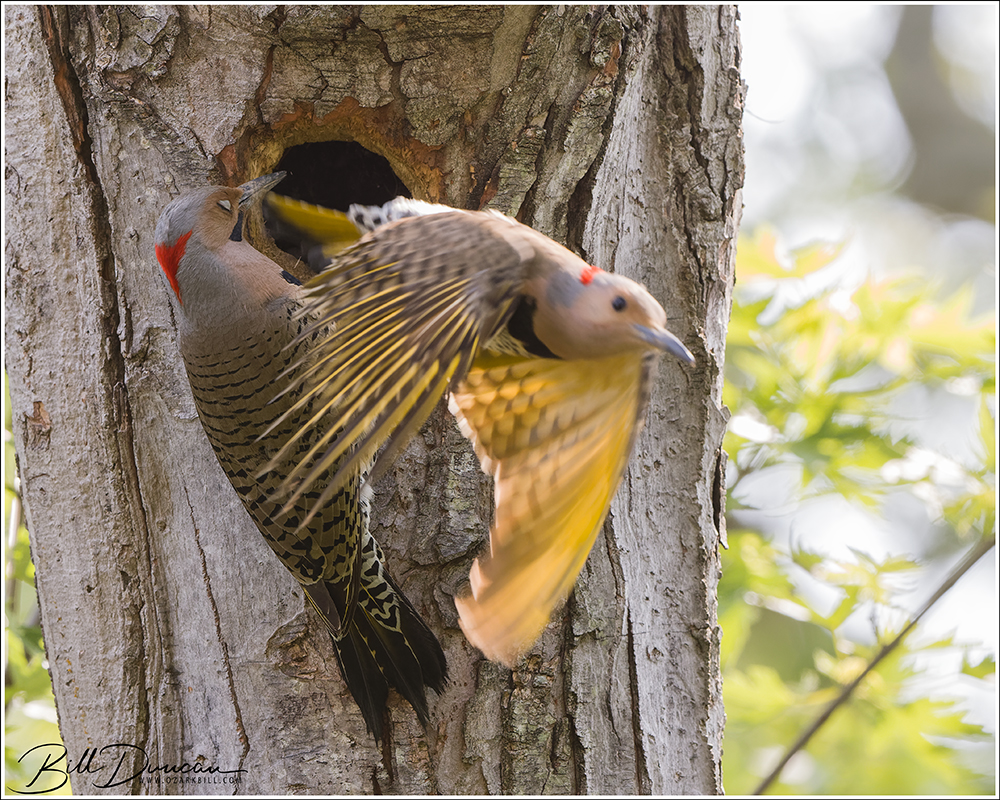


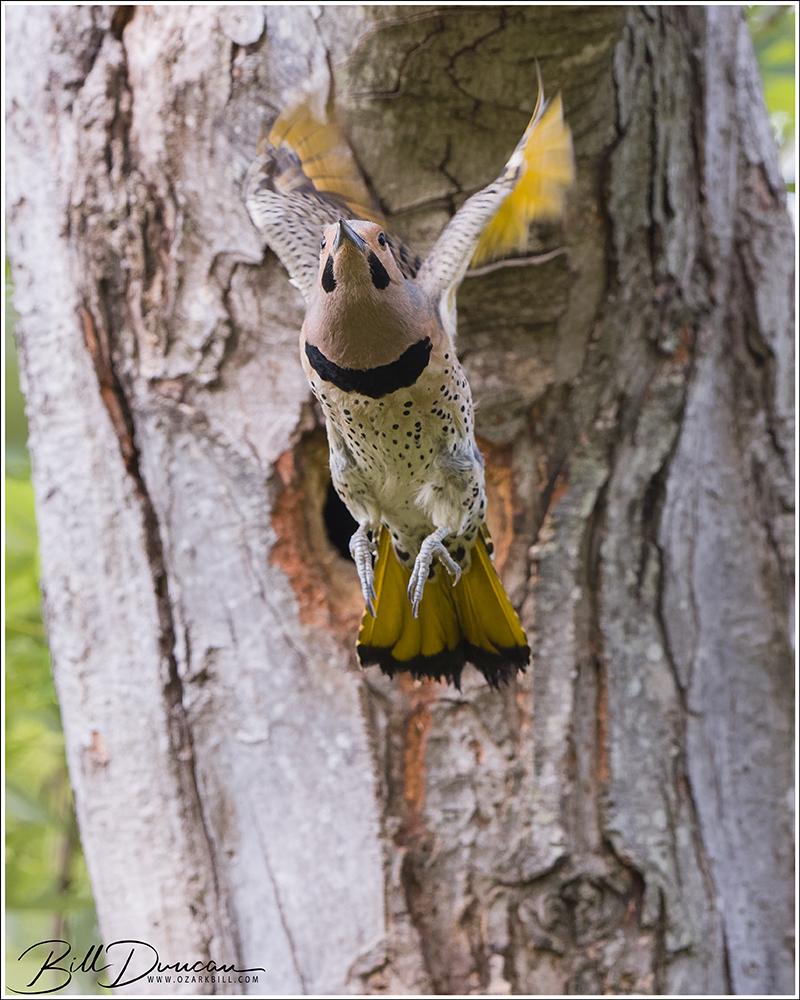
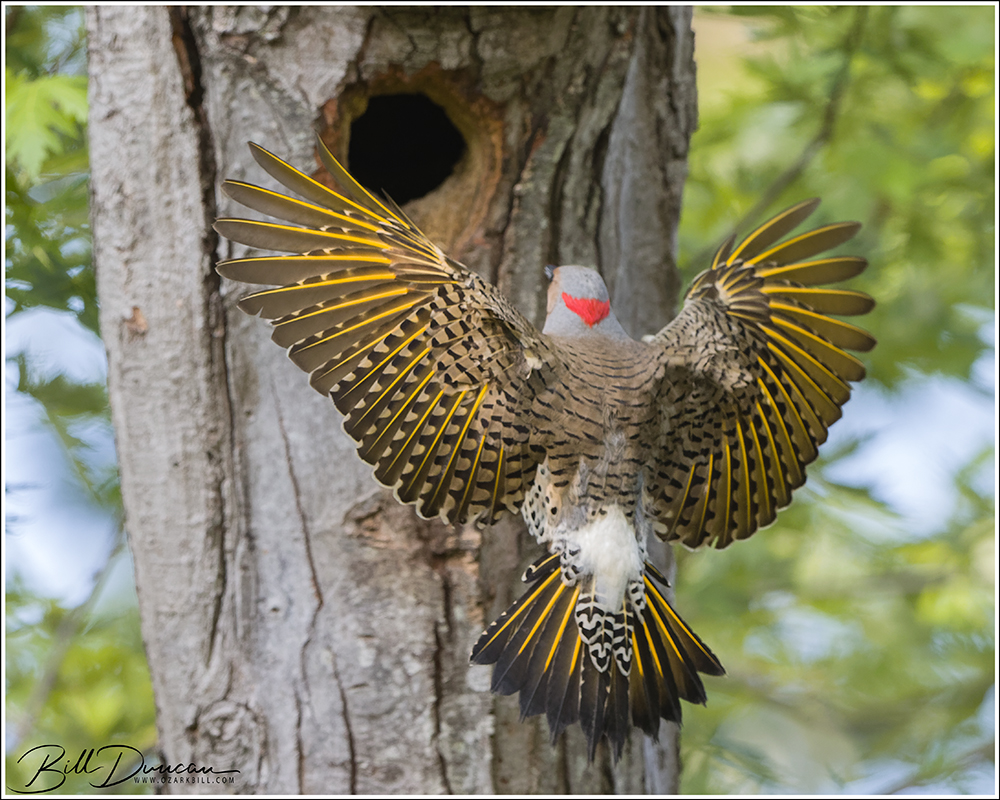
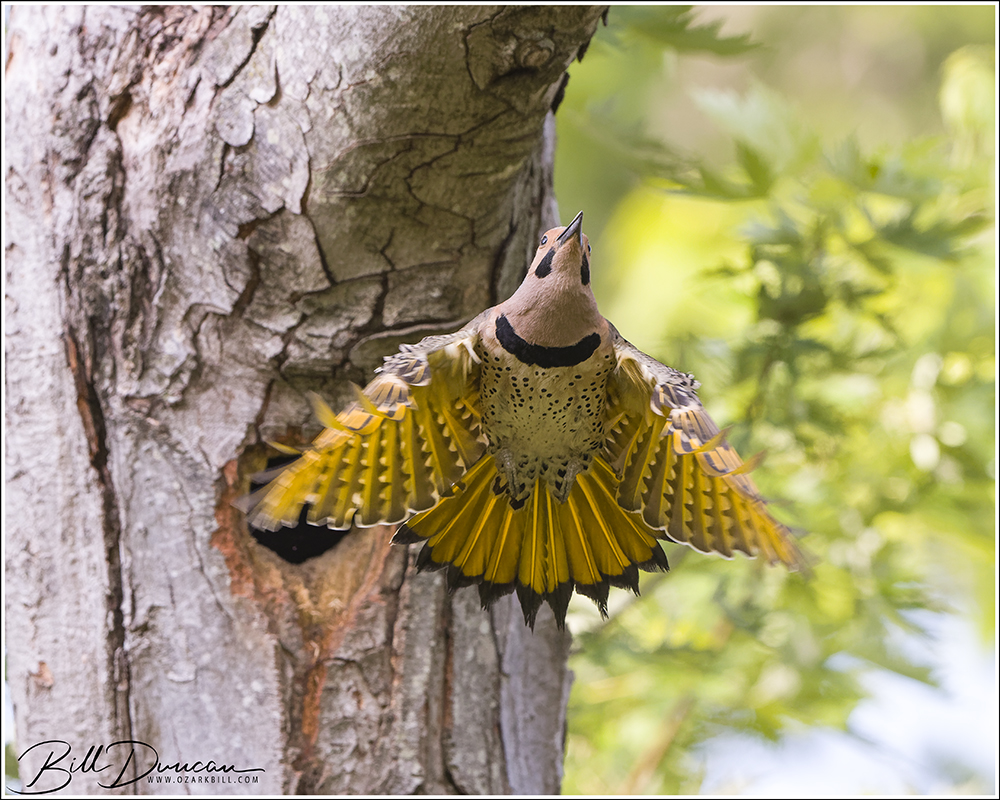
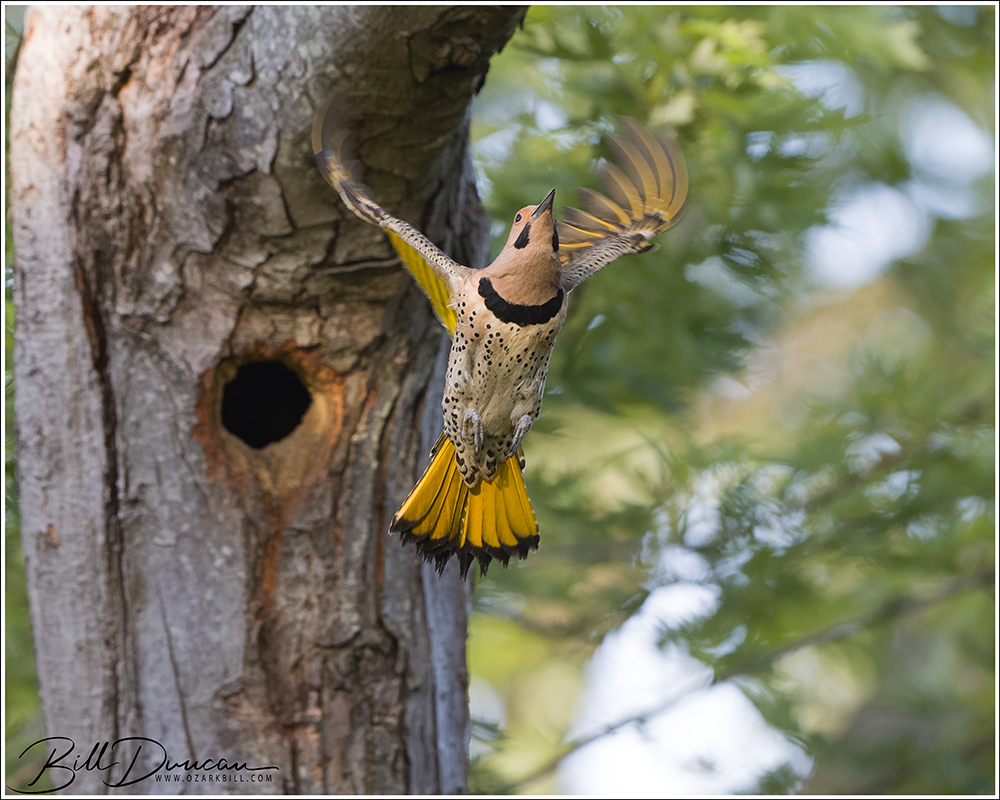
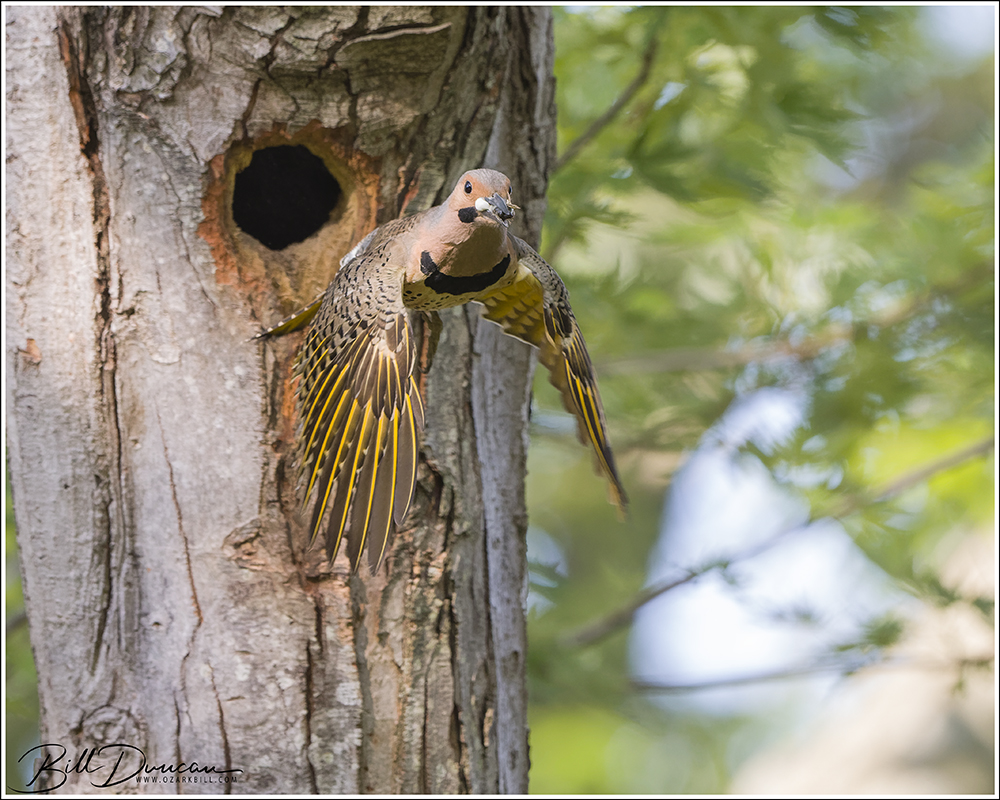
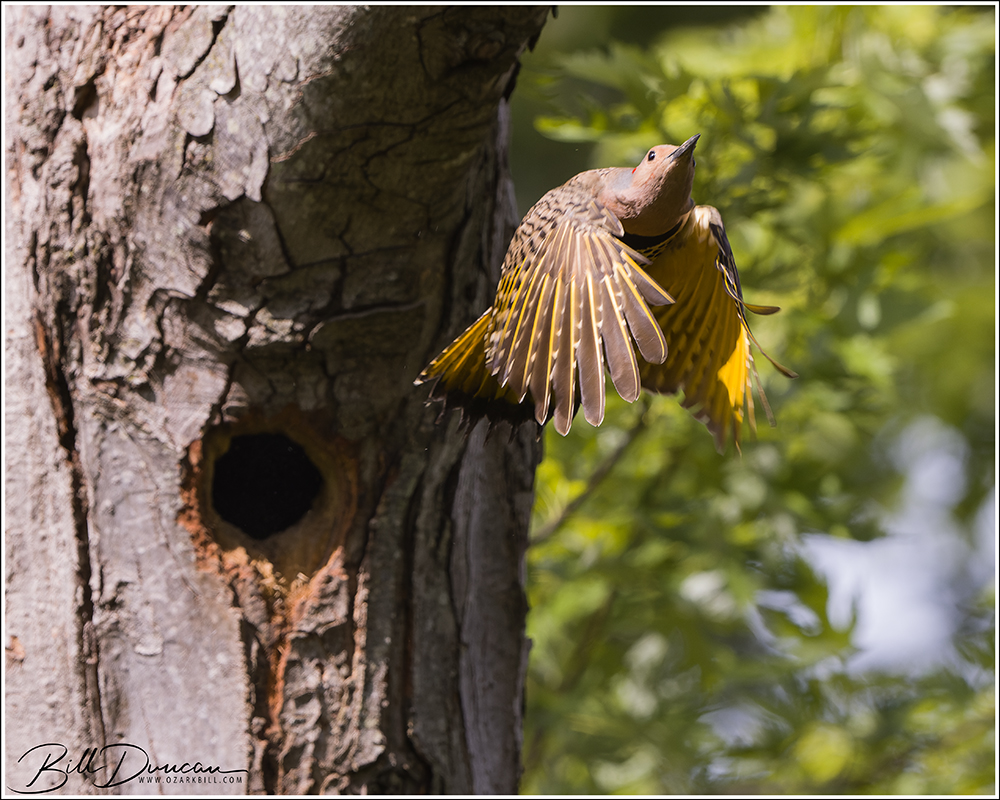


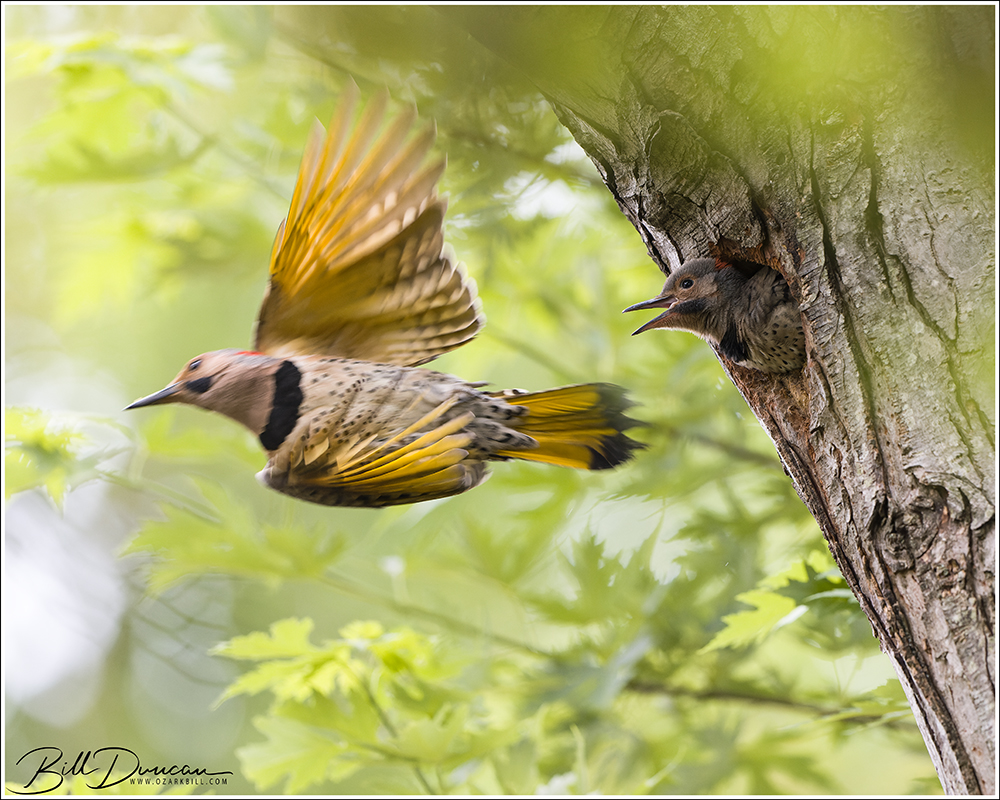


The Bluebirds had another great year. I was much to busy to do the typical monitoring I normally like to do, but they did have three clutches this year with a total of 12 fledged birds (3, 5 and 4 eggs in 1st, 2nd and 3rd nests). Immediately after putting up the nest box in early March, a pair took control and made their first nest. After completing this, I cleaned the box and began a daily routine of removing nesting material from the non stop Eurasian Tree Sparrows. I removed nests 1-2 times per day, often removing up to eight inches of nest and sometimes with an egg or two. They were relentless. This went on for at least six weeks. I was wondering why the Bluebirds didn’t come in and take over so I could have a break when I finally decided to have a look in the Wren box, which they did use in a previous year. Yep, inside I found five young chicks (nest 2). I took advantage of this and was able to take a few photographs that I am sharing here. They then went back to the Bluebird box for their third nest. These chicks fledged a couple weeks ago.
I knew the ETS would be back to this box in a heartbeat like they do every late summer and fall, so I removed the Bluebird box for the season. I think three clutches for the season is great, although it wouldn’t have surprised me to see that the Bluebird pair might try for a forth. But, I think it might be better not to push the female too far and let her build some fat for the winter.


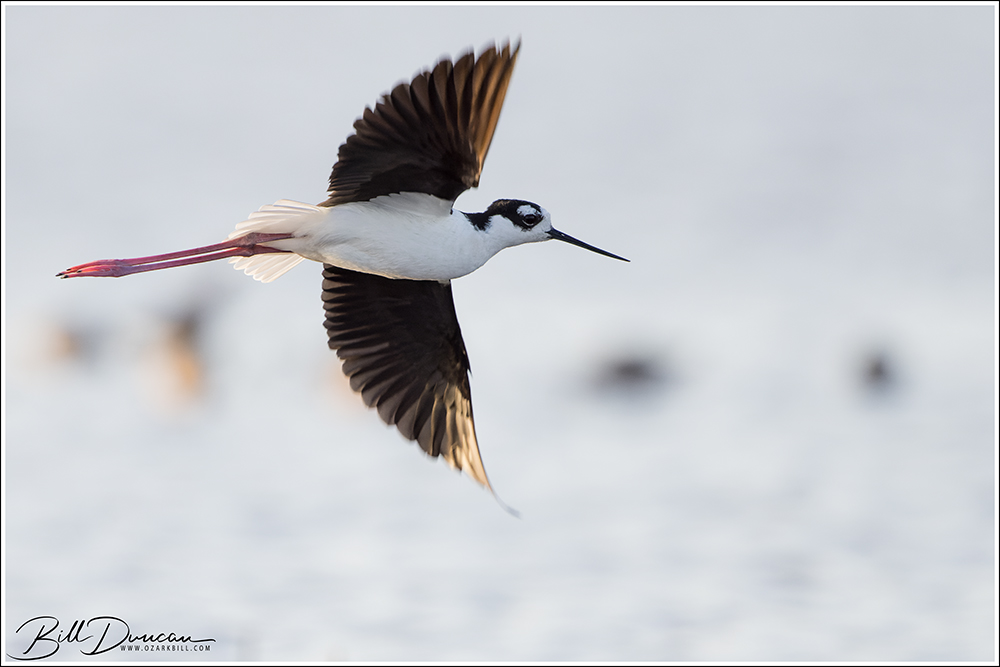
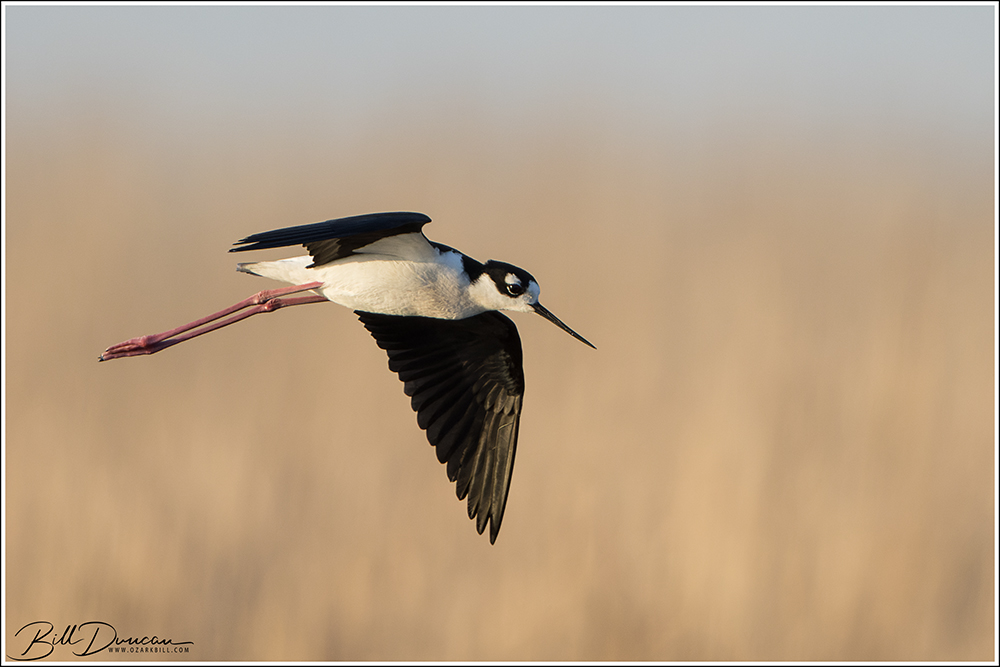
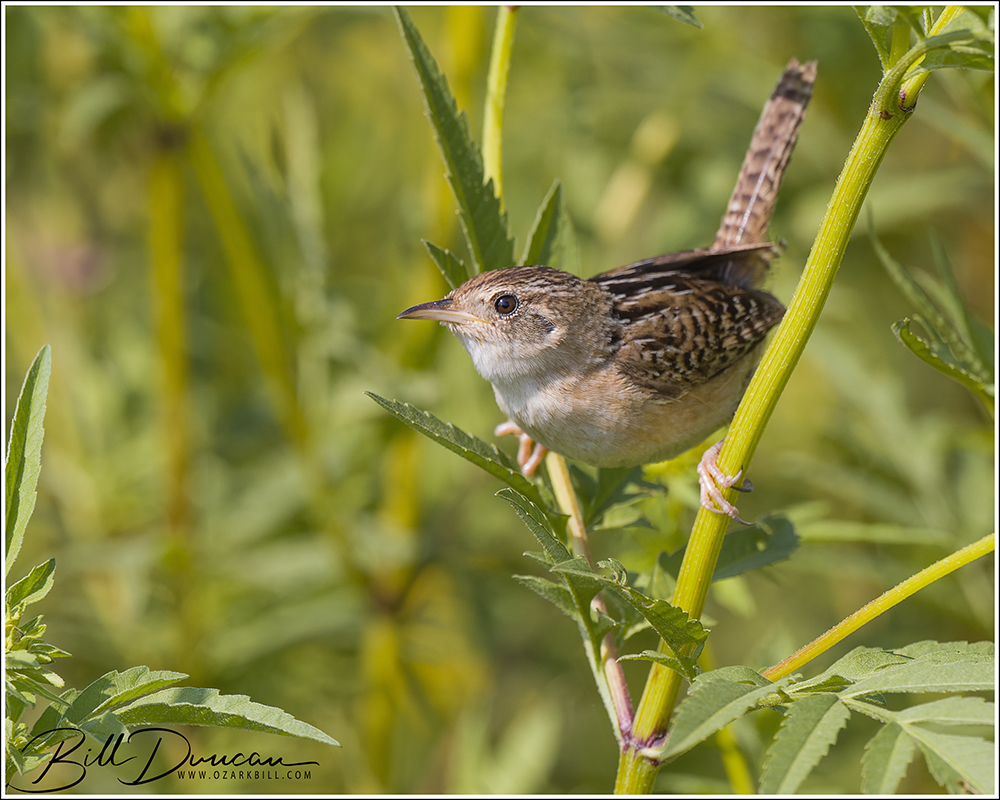
I’ve photographed Sedge Wren on numerous occasions and it never gets old. These guys seemed more numerous than I ever remember in eastern Missouri this year. This past Saturday I spent a few hours at BK Leach and Riverlands Migratory Bird Sanctuary and found more than 40 during my travels, including sure pair territories. I’m glad the grasslands are to their liking this year. No Marsh Wrens, however.




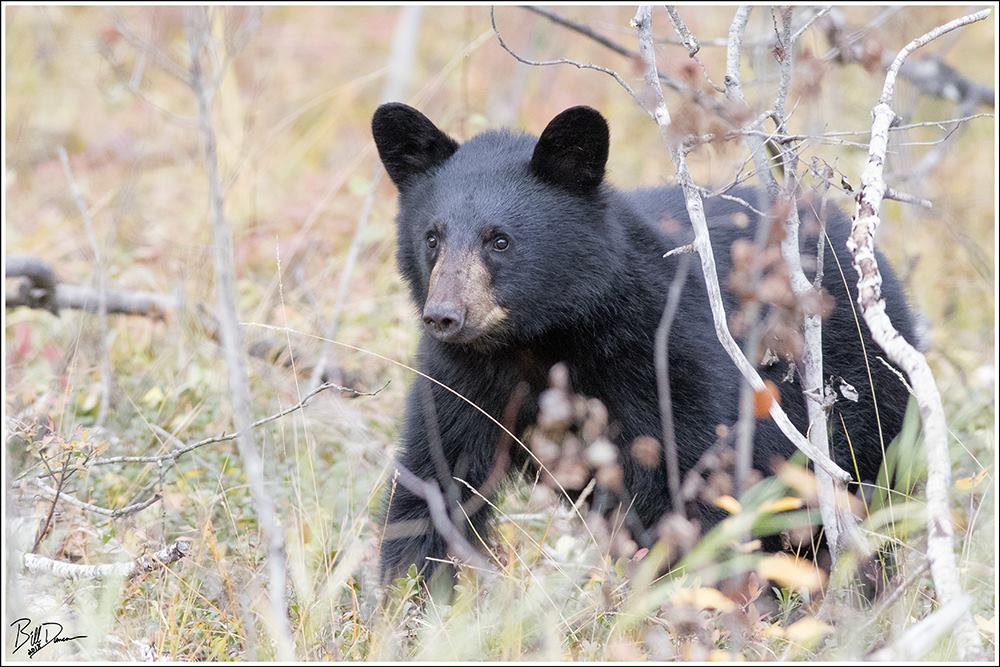
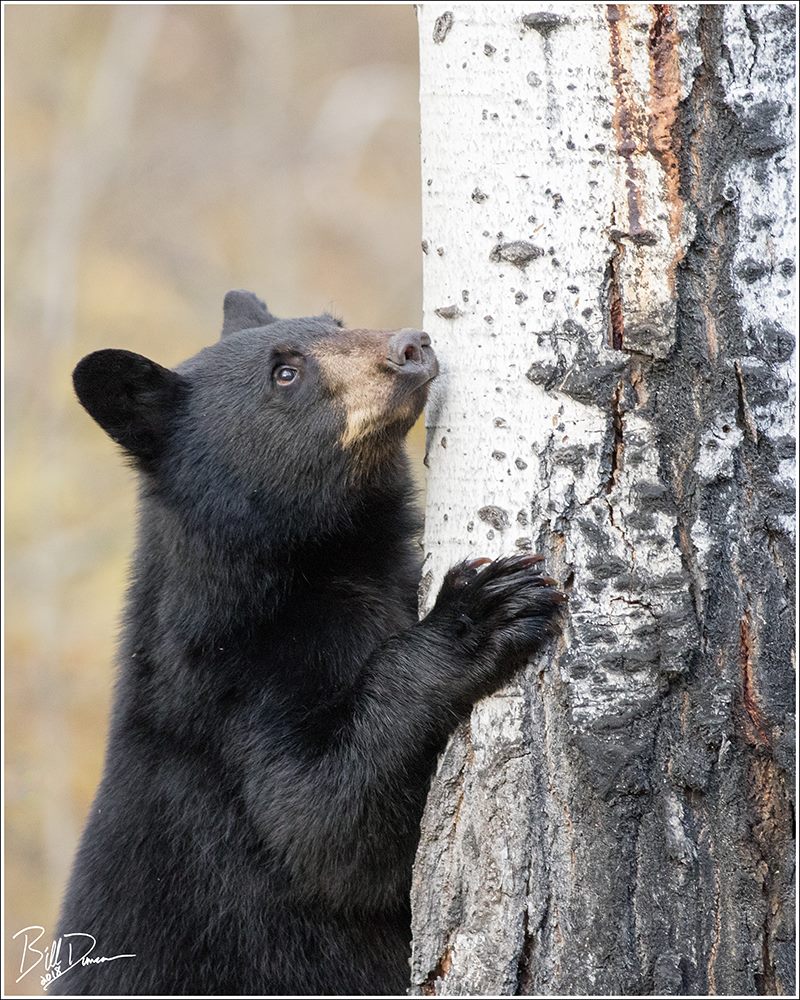
Another set from the bowels of Facebook that I want to capture on the blog. These were taken on a work trip to inspect Canola fields in Saskatchewan. We had some extra time to visit Prince Albert National Park where I had the opportunity to photograph my first bears – this mom and her cub.

Spent some time recently looking for mink in a St. Louis County park. No luck on the mink but this vocal Cooper’s Hawk flew in for a minute on this perch and allowed me to get a few shots. This species was named after the American naturalist, William Cooper, who was a contemporary of John James Audubon and Charles Lucien Bonaparte.

This season Casey and I have been focusing on trying to find some of the more rare and harder to find skipper butterflies in the family Hesperiidae. We’ve come up short a few times – there are several who seem to be on severe declines in our area and may be extirpated from previous well-known sites. Here are a few we had luck with finding and worked our tails of to get a few photos.
Atrytonopsis hianna (dusted skipper)
This striking skipper was found in the glades of Jefferson County, MO in May of 2023.


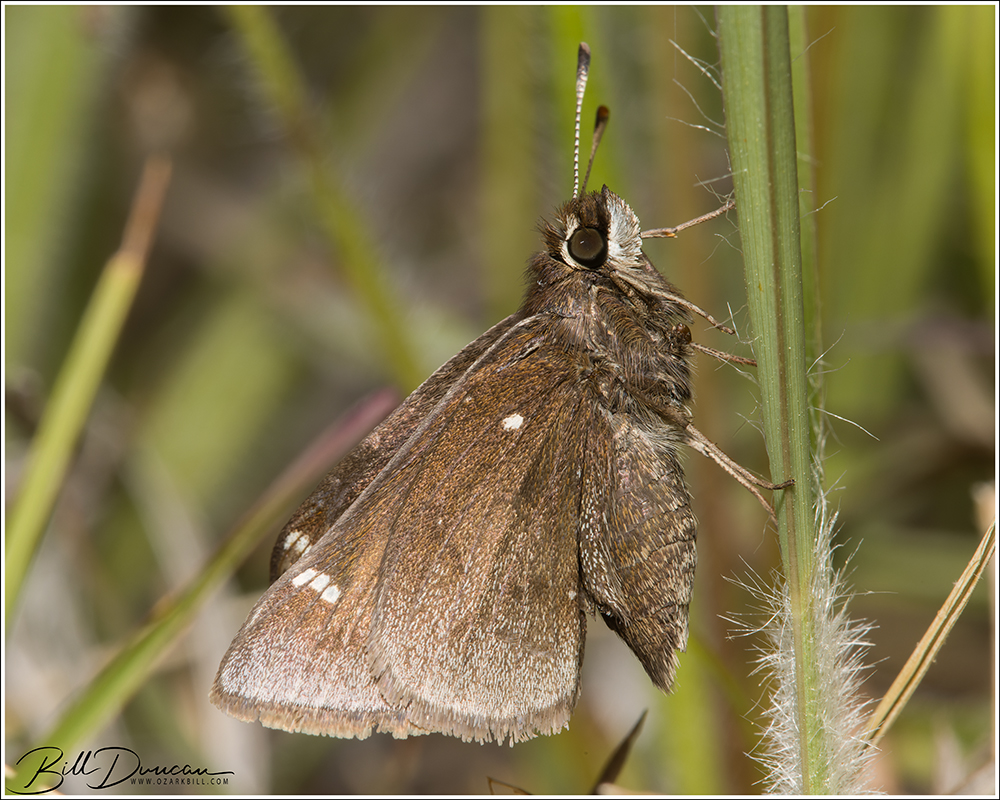

Problema byssus (byssus skipper)
Classified as vulnerable by the Xerces Society, the byssus skipper uses eastern gamma grass and big bluestem as its host and is threatened by the continued loss of prairie and grassland habitat throughout its range.

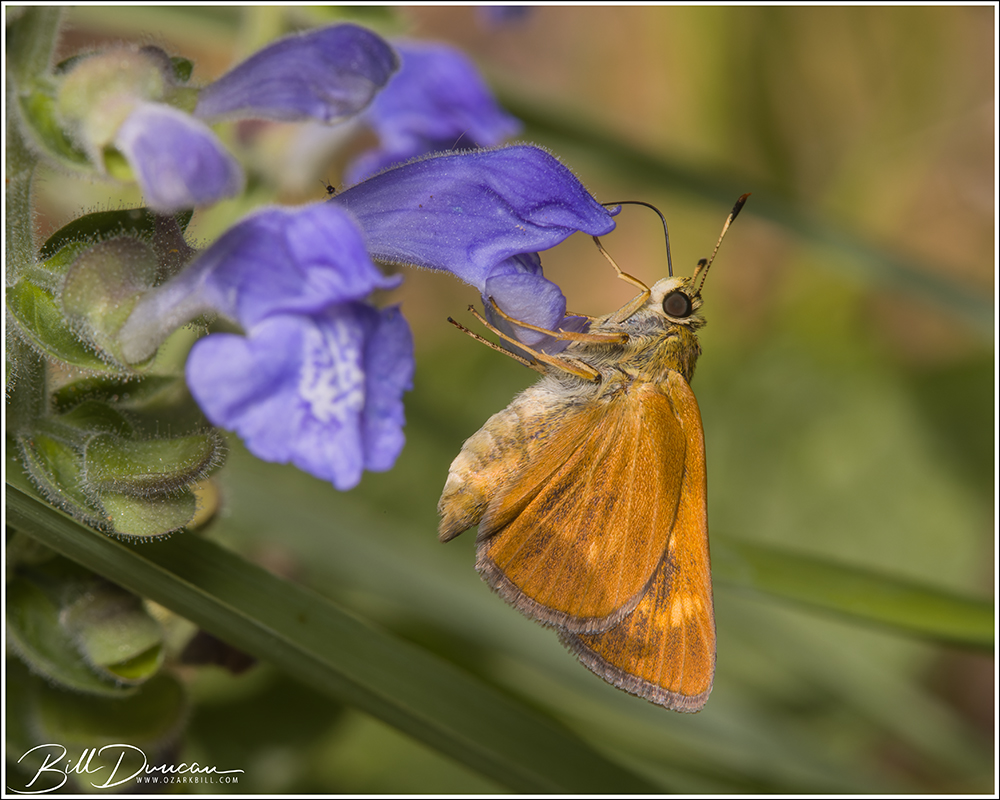


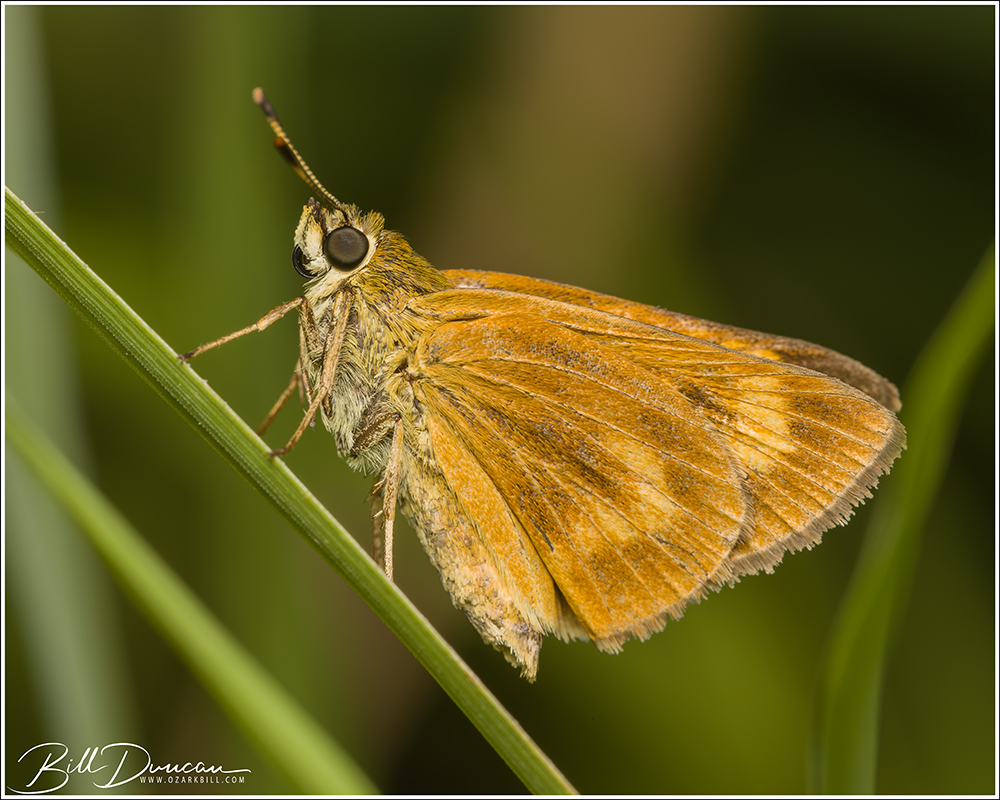
Euphyes dukesi (Duke’s skipper)
Uncommon throughout its fragmented range, the Duke’s skipper uses sedges in moist fields, marshes and forests for its host. This species is highly vulnerable to ongoing draining and development of these habitats. Casey and I refound this particular population in St. Charles County and we were happy to find a few in ditches alongside heavily trafficked roads.

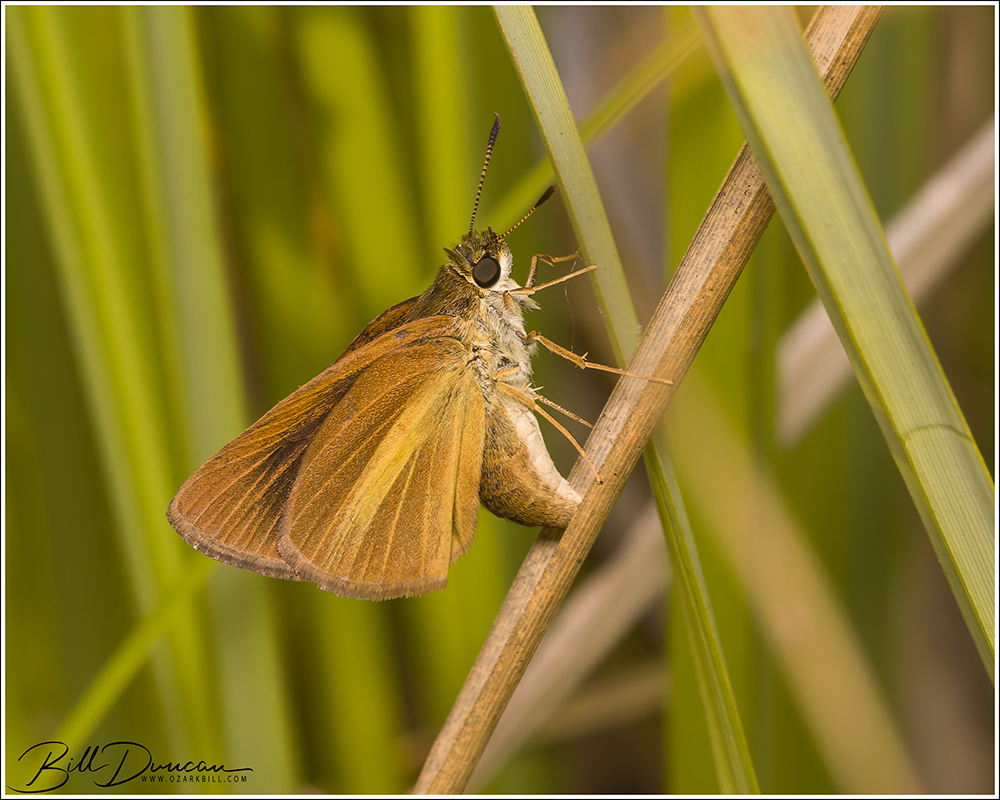
Amblyscirtes hegon (pepper and salt skipper)
With a very large range, covering most of the eastern U.S., the pepper and salt skipper is nevertheless difficult to find and photograph.




 A Thousand Acres of Silphiums