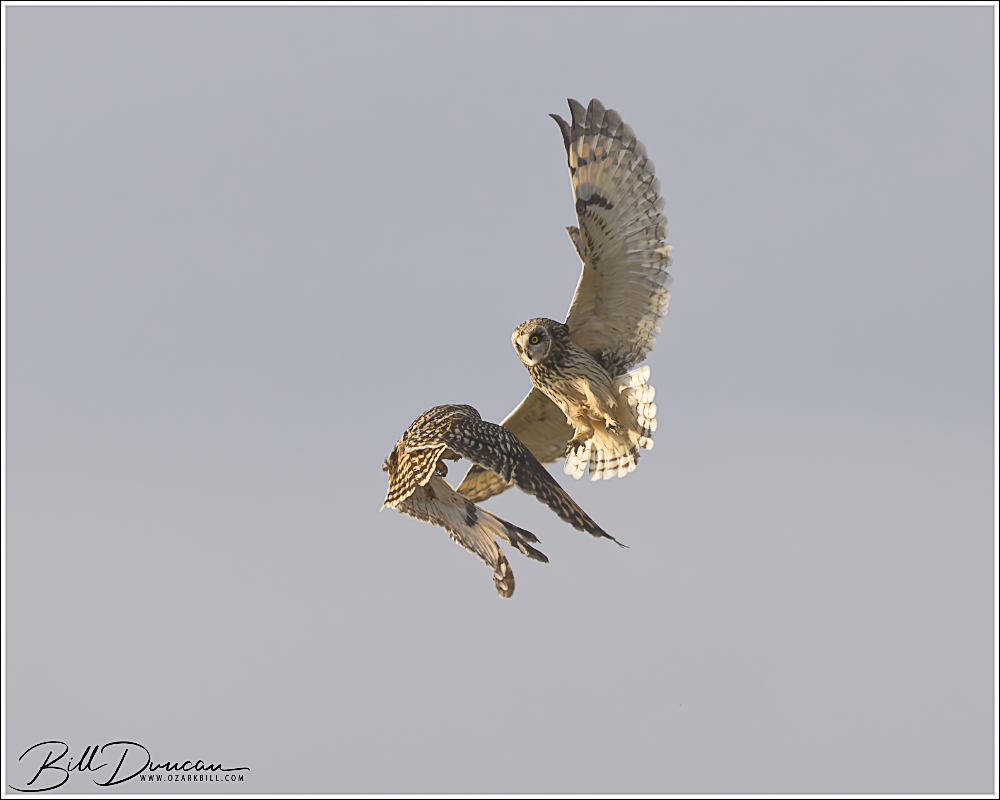
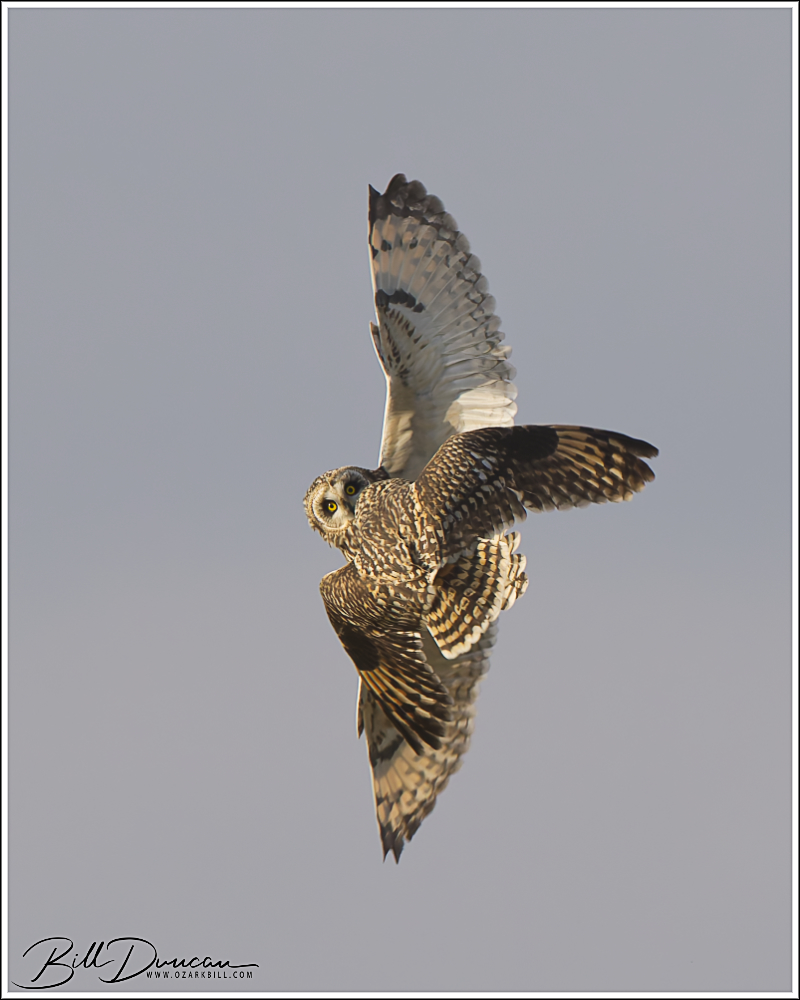
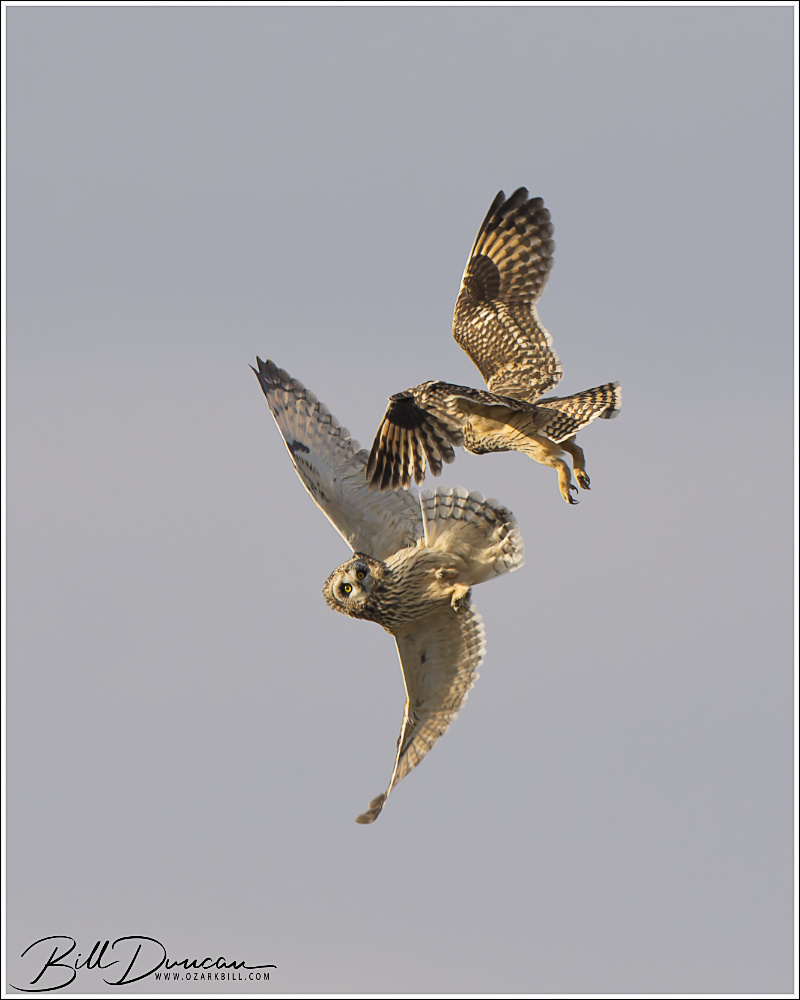
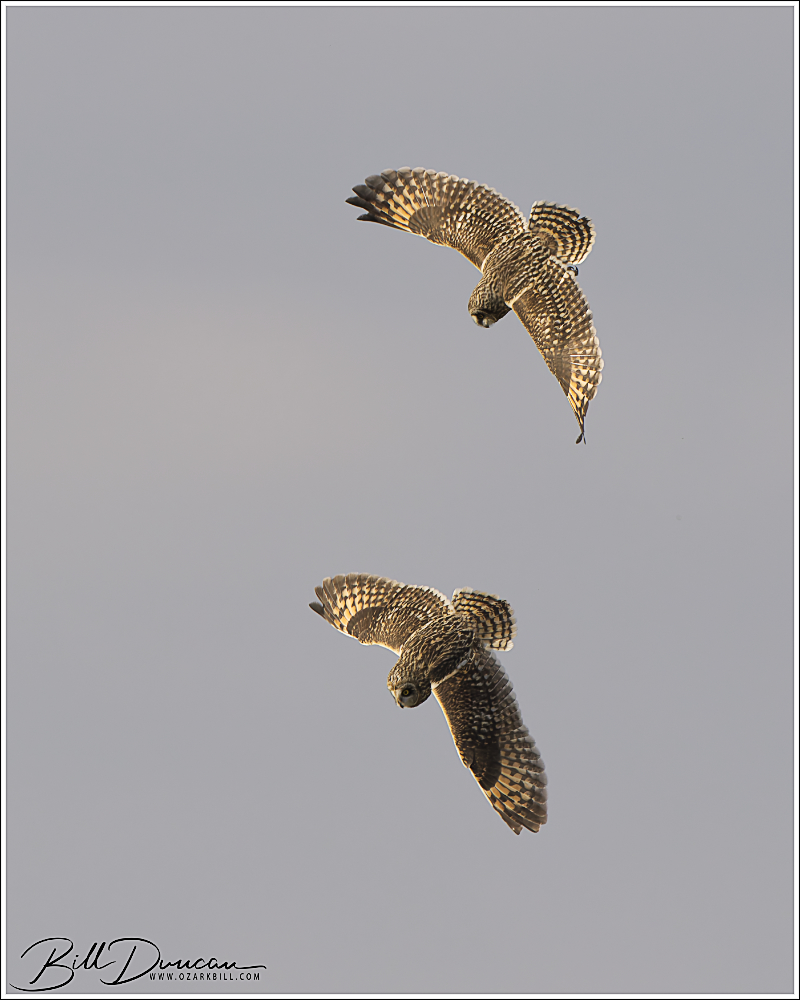
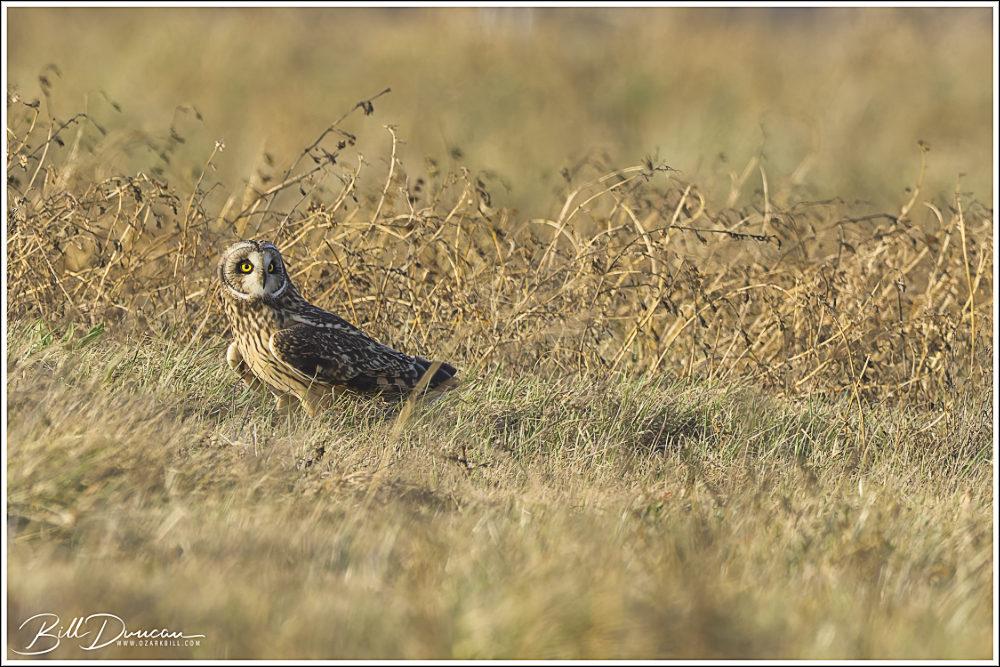
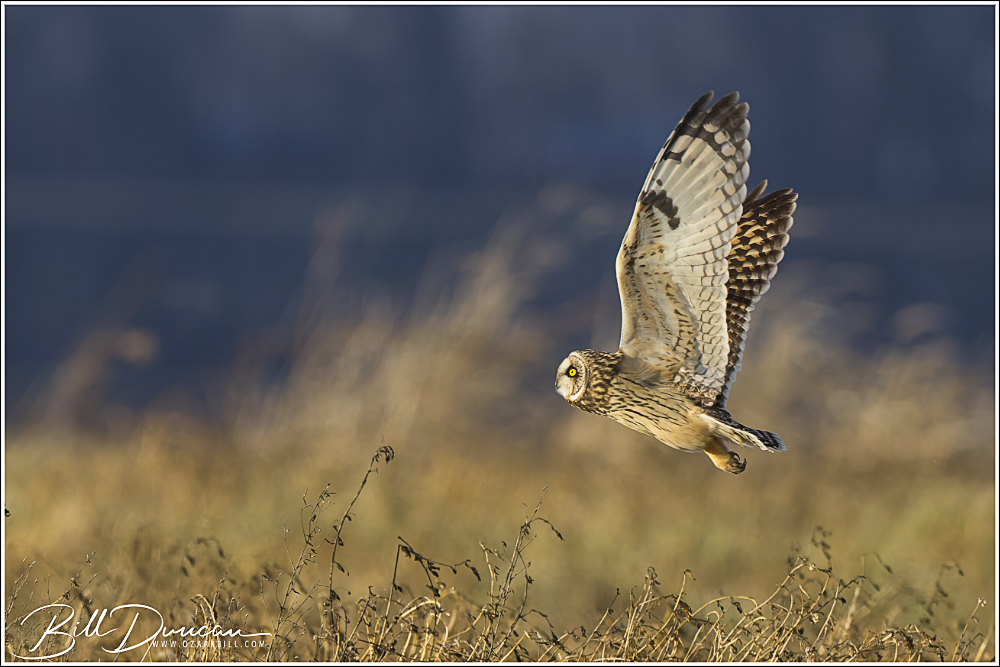
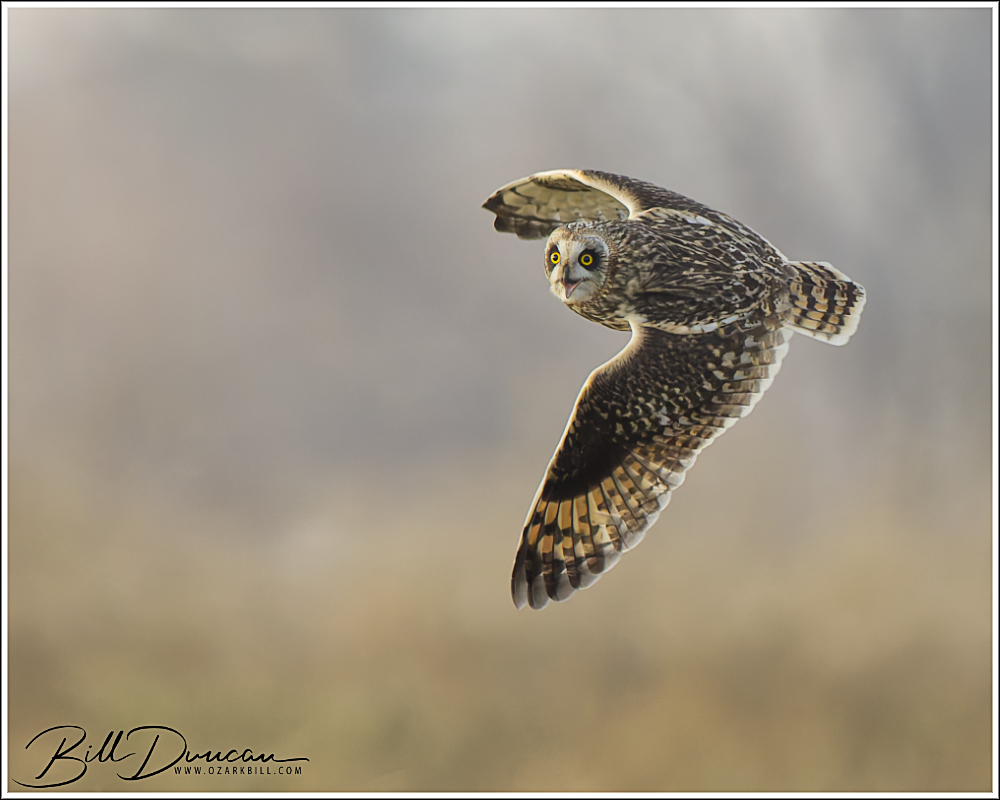
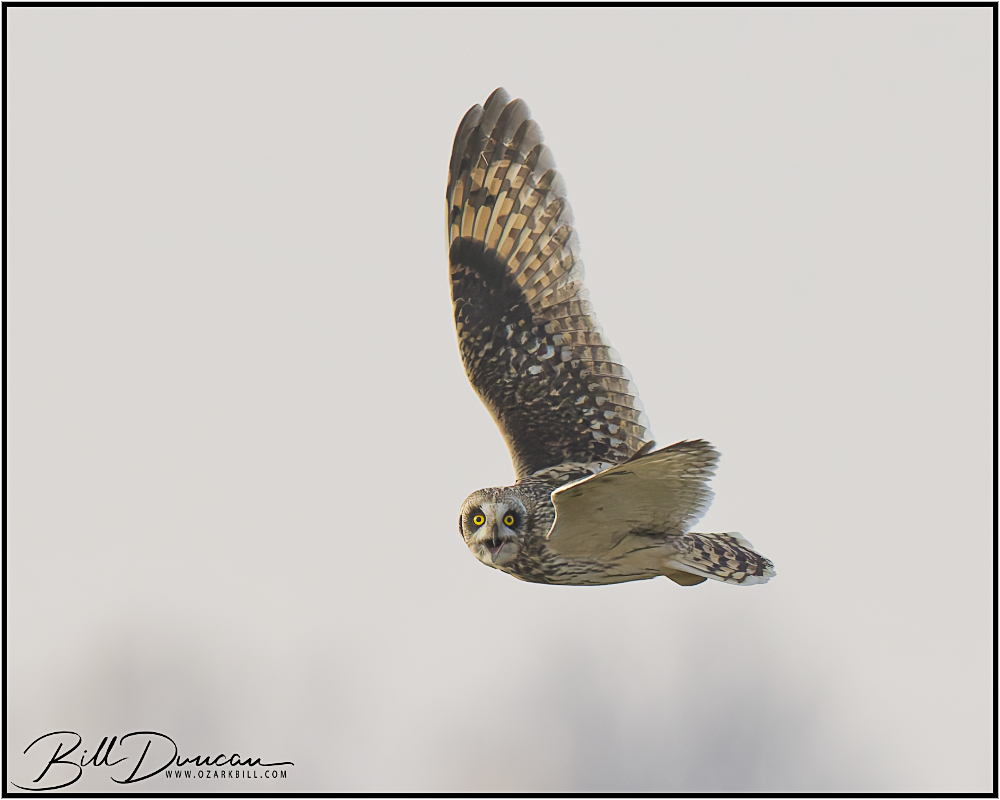
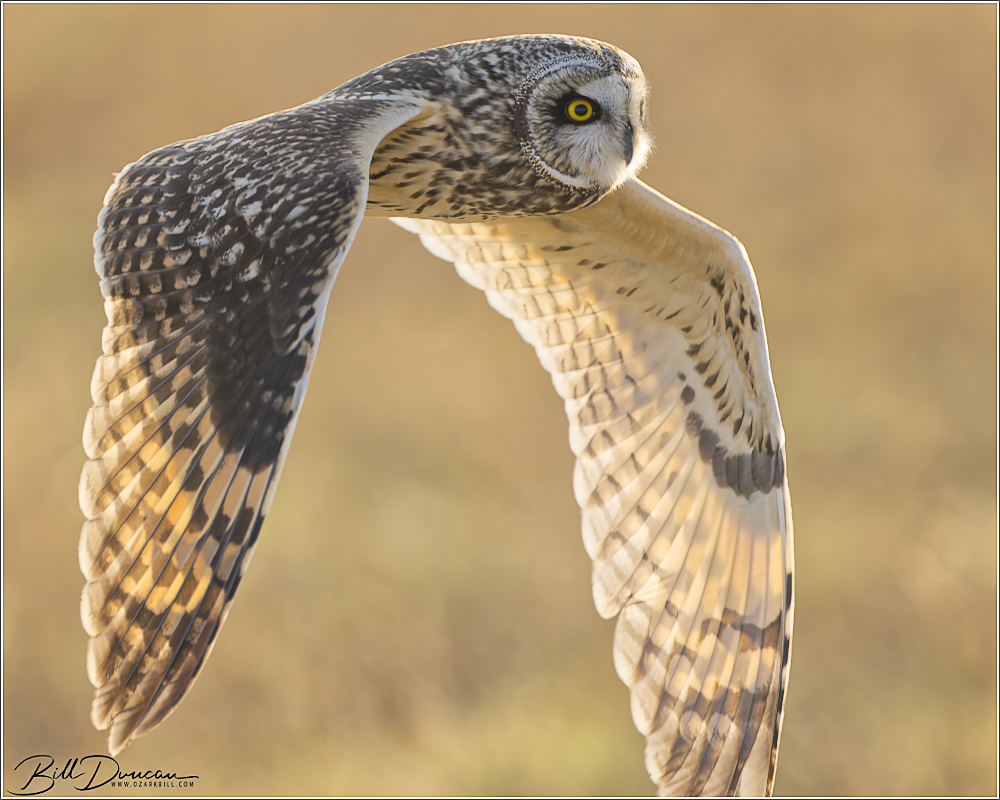
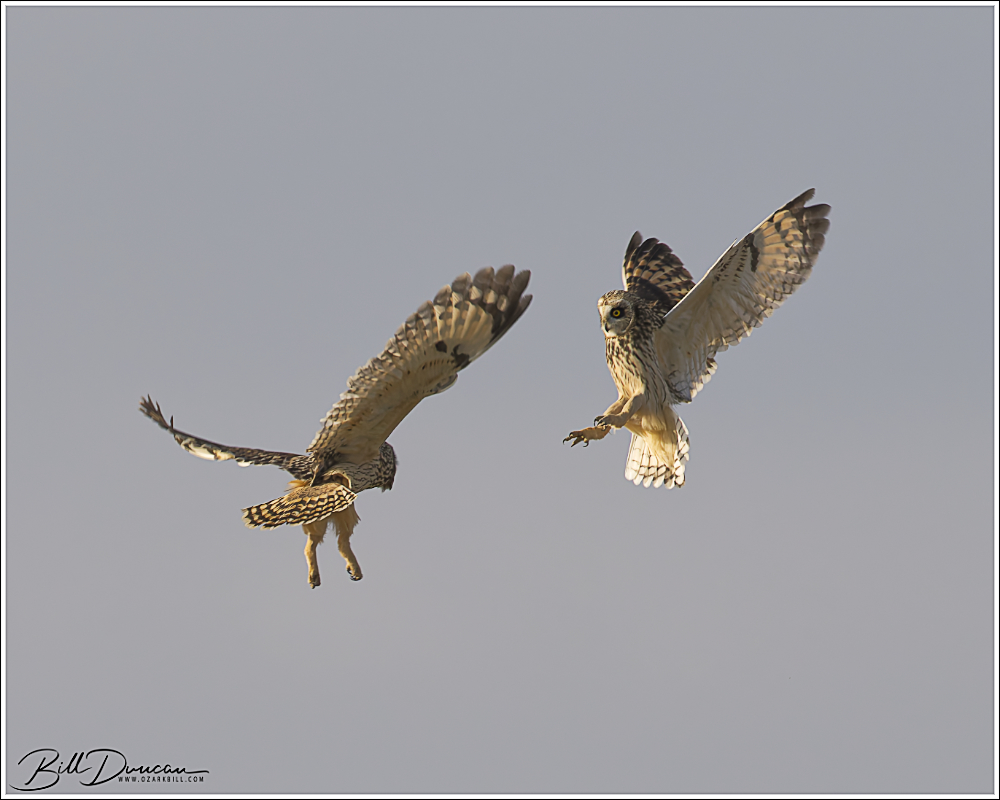
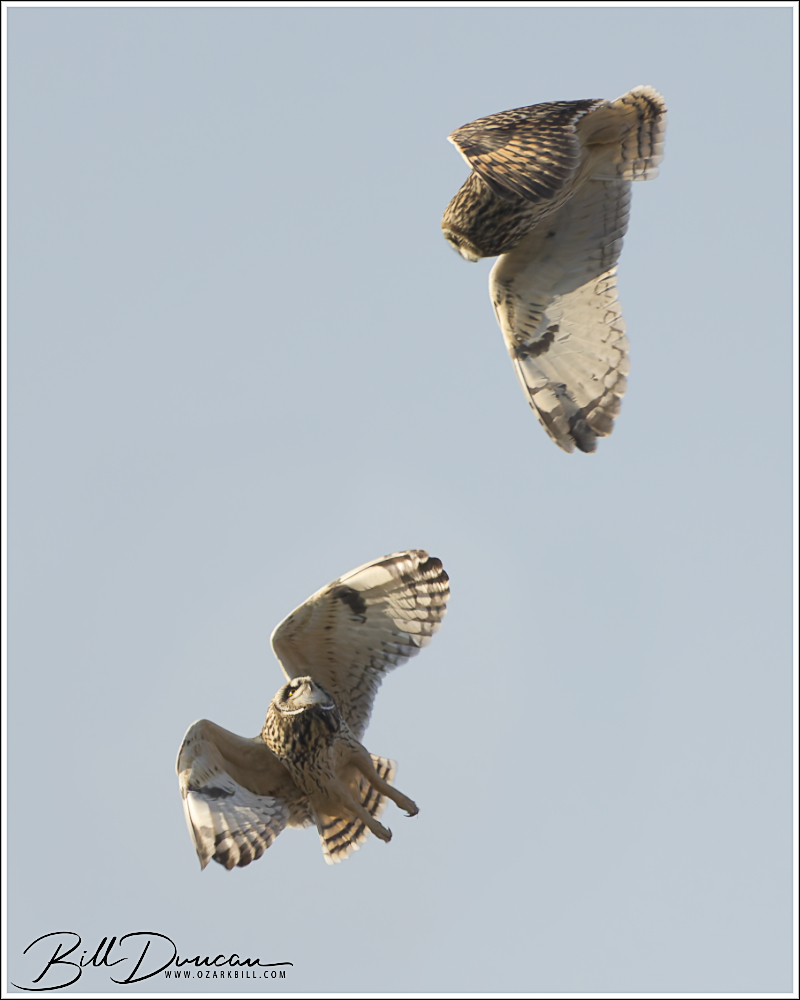
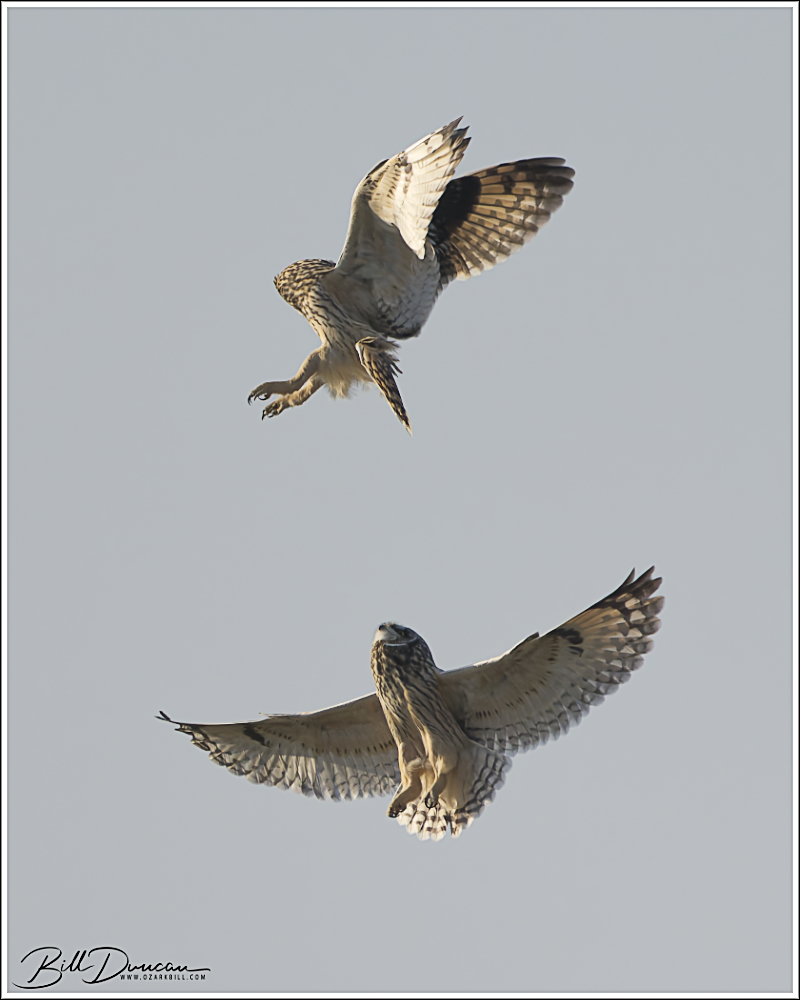
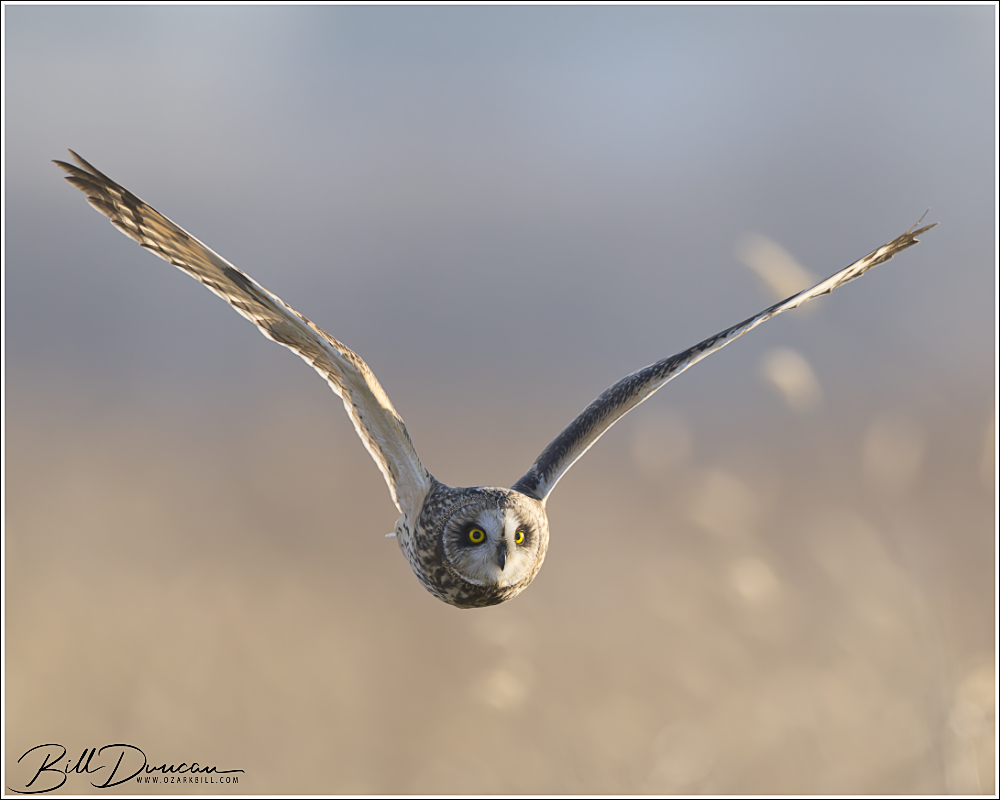
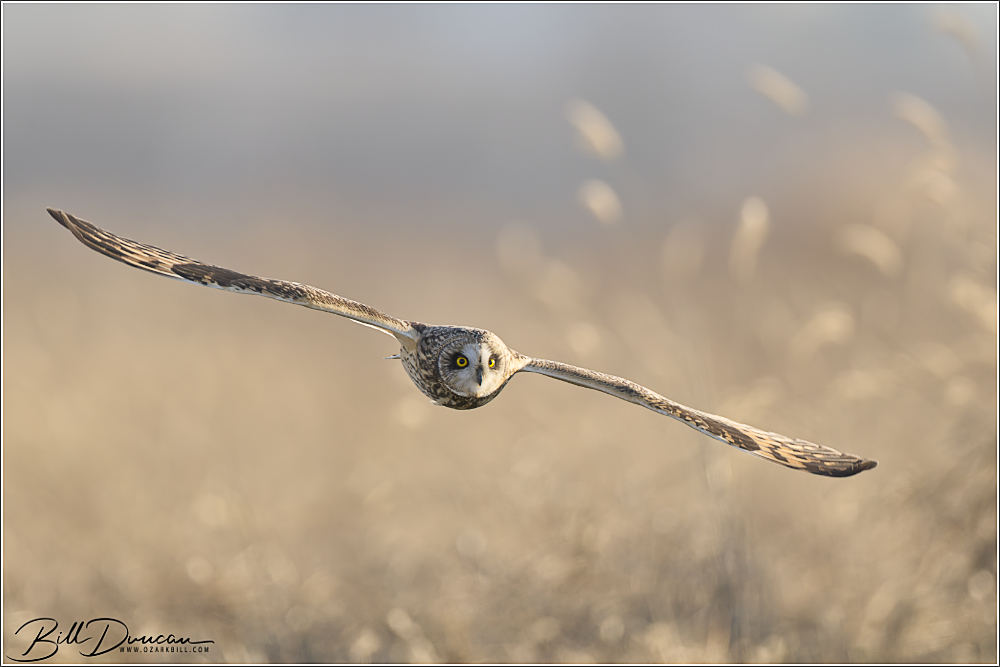
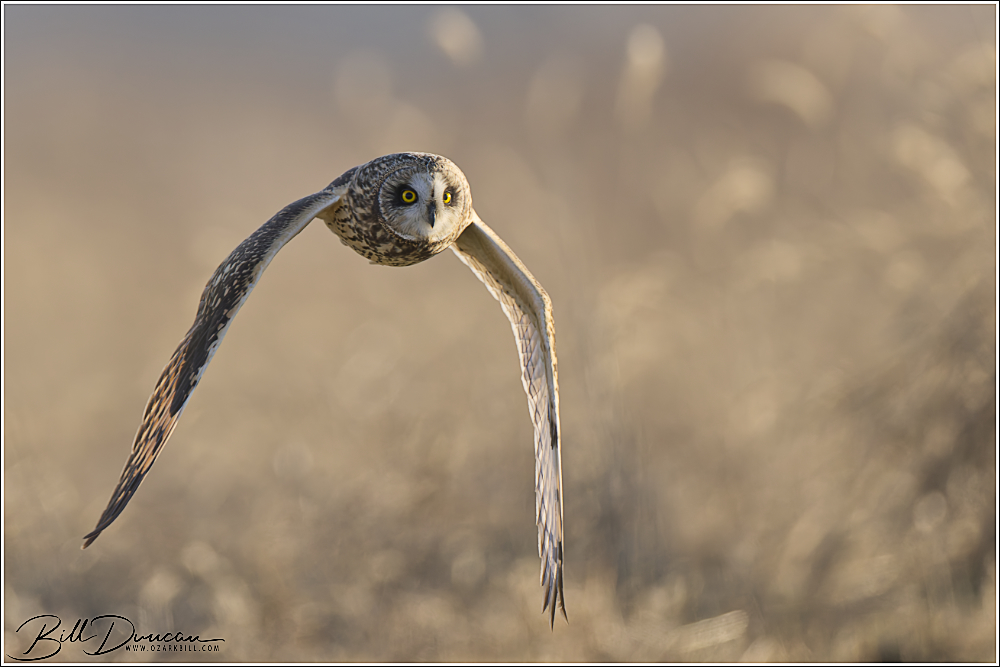
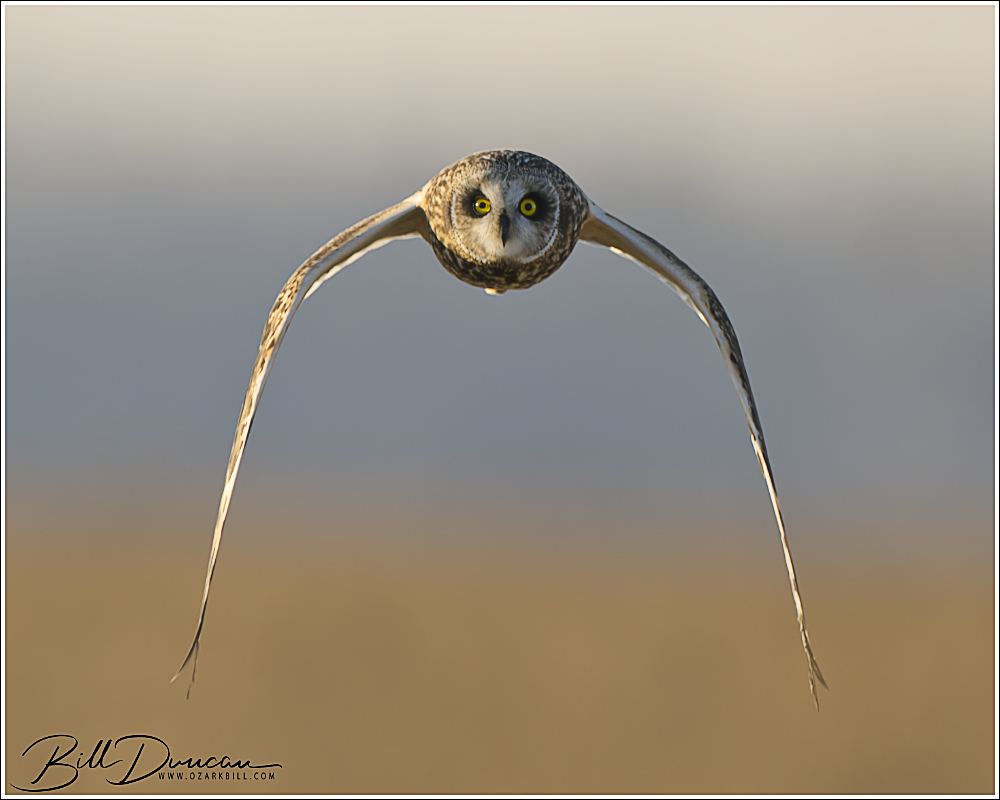
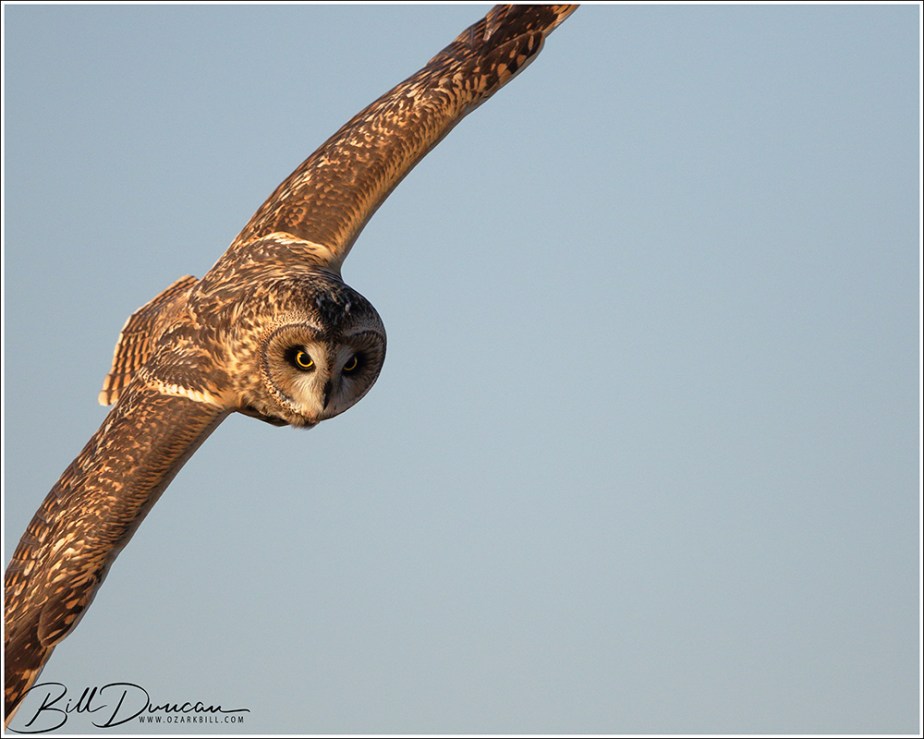
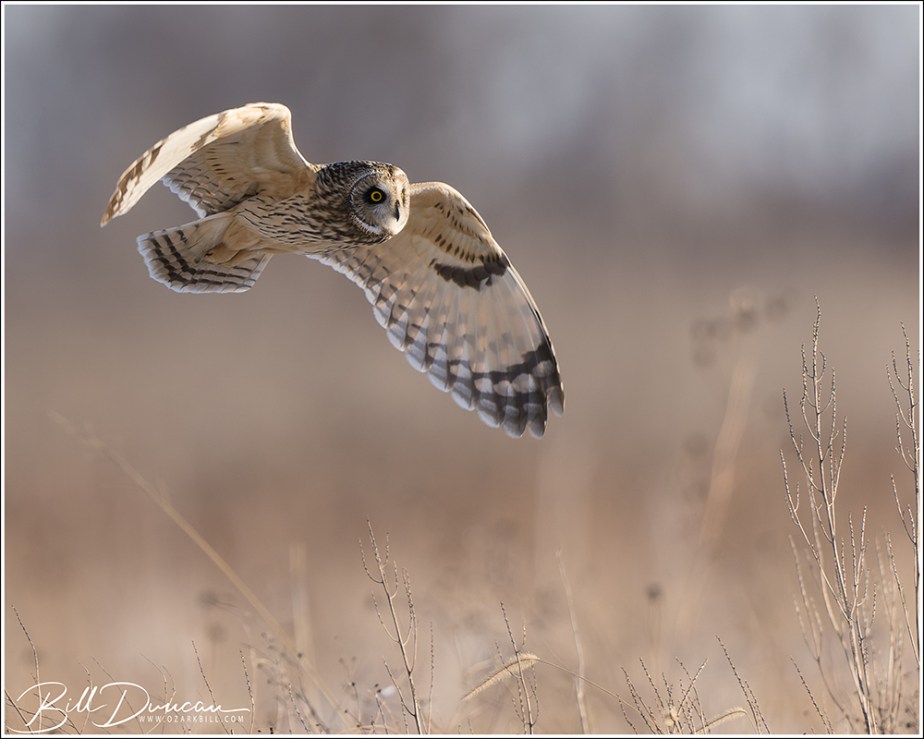
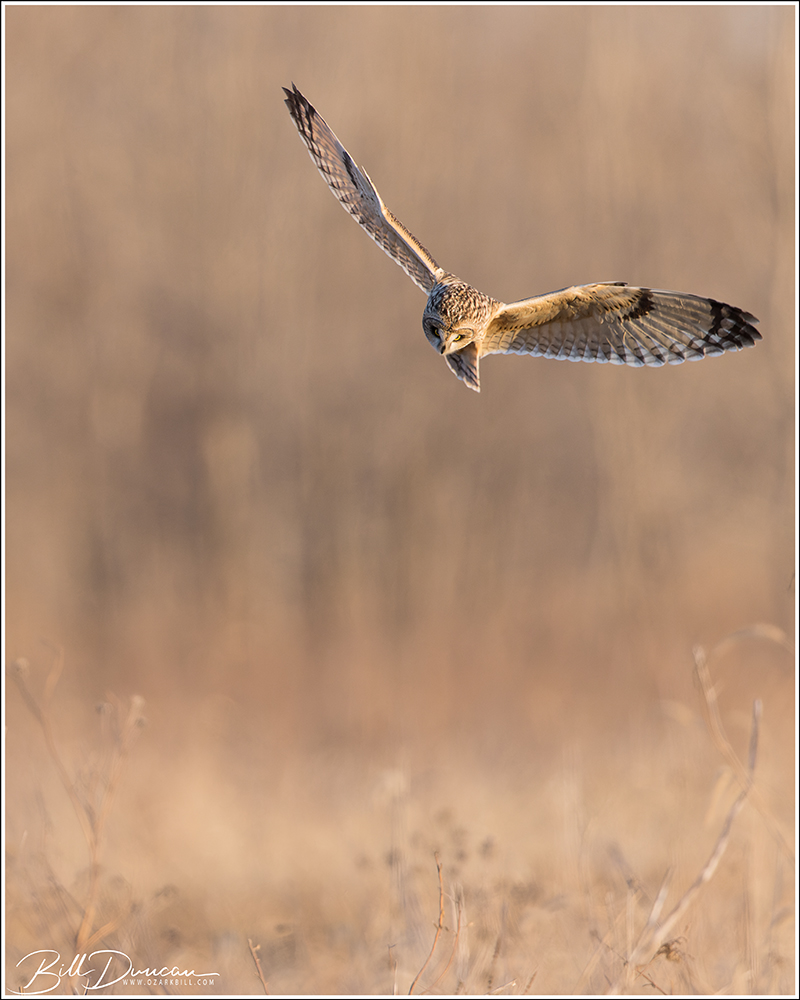
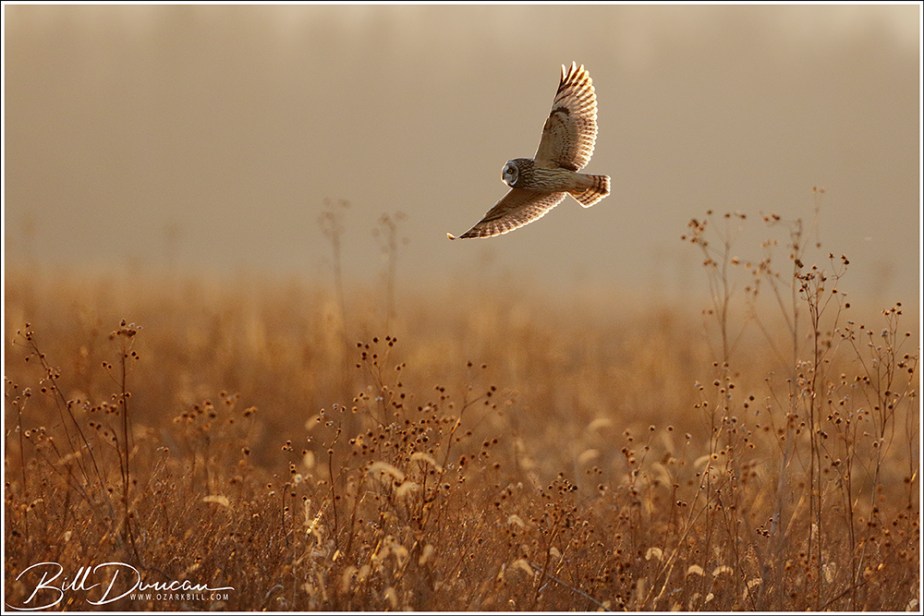
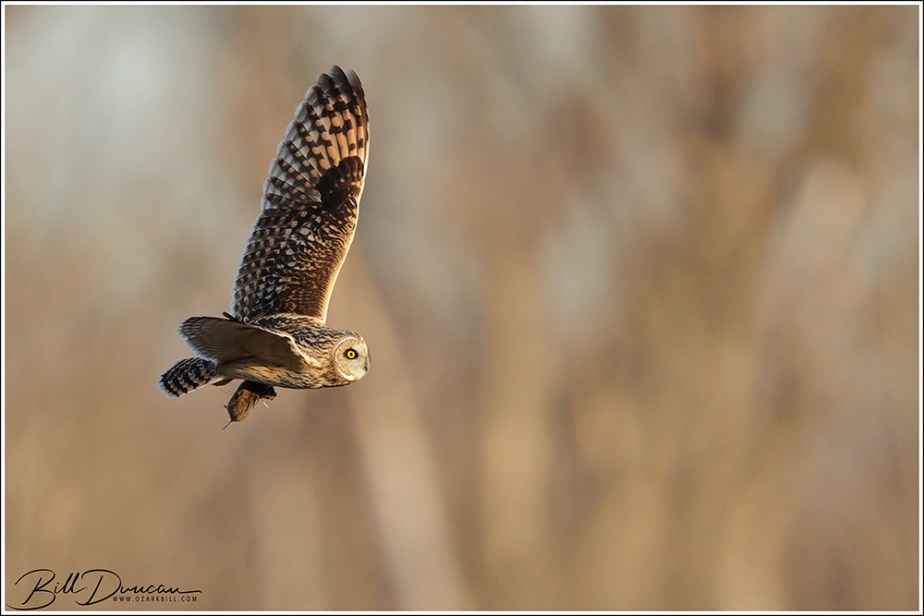
Here are some of my favorites from a couple trips to a new-to-me Short-eared Owl location in southeastern Illinois.
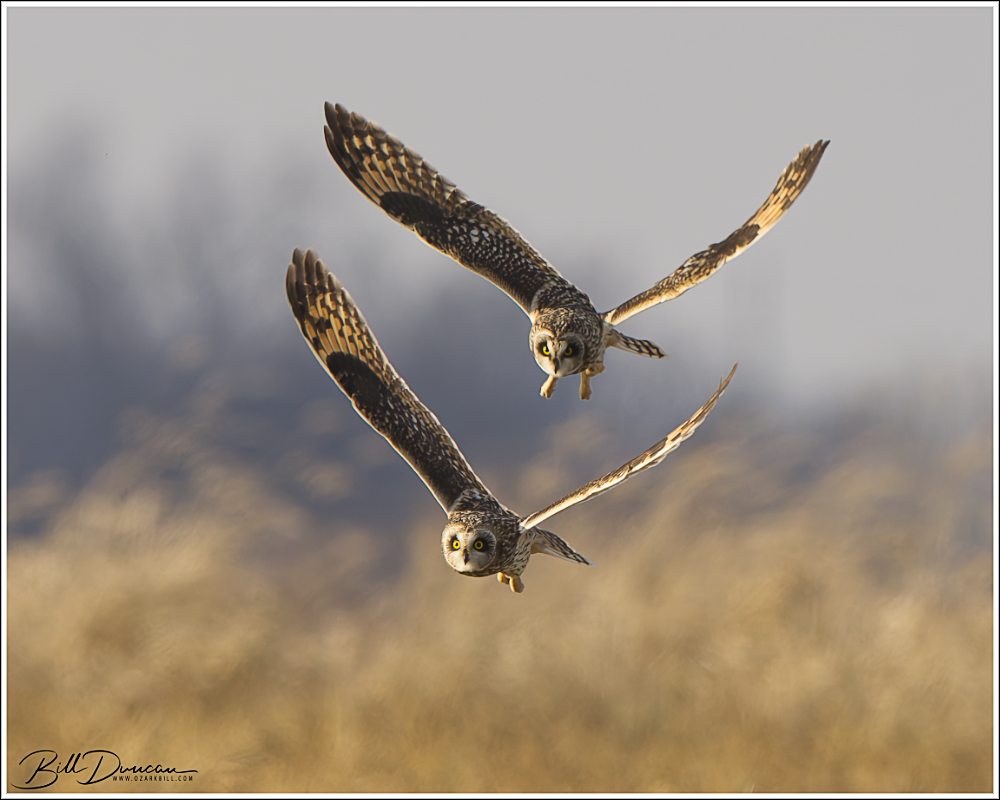

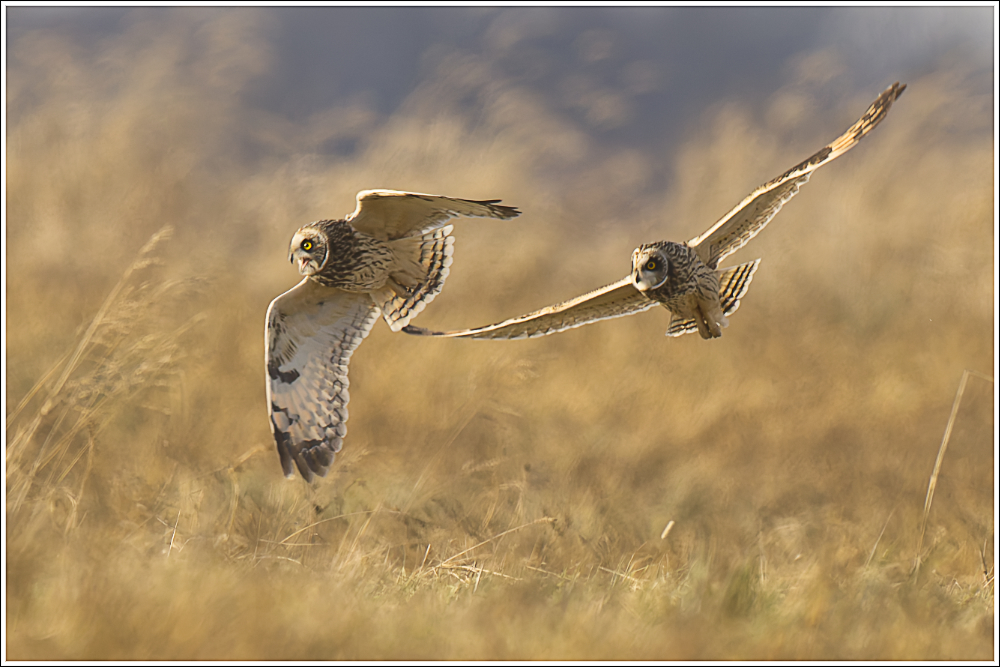
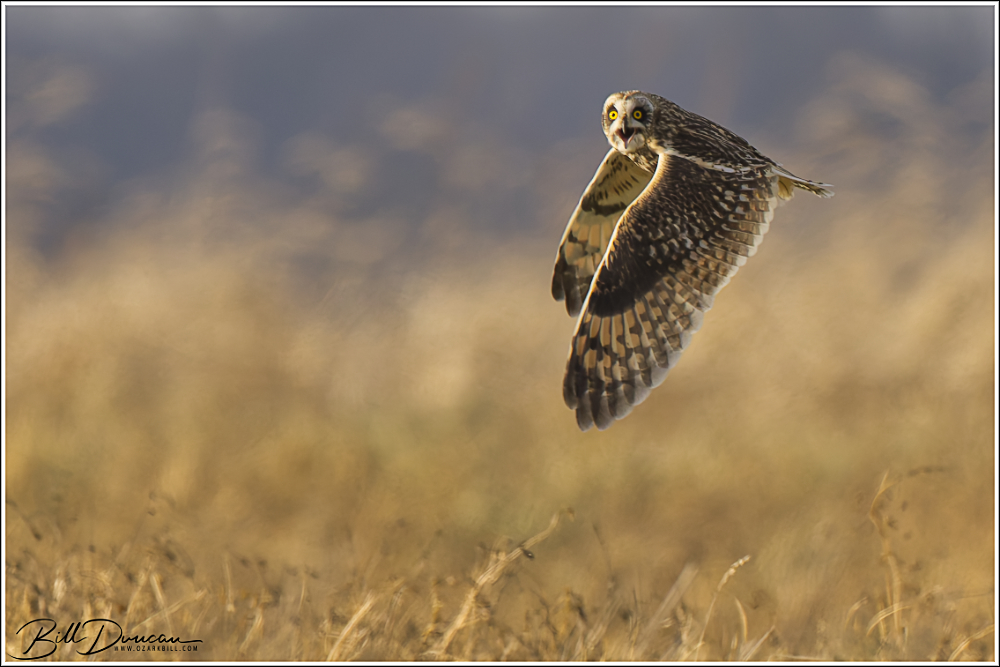
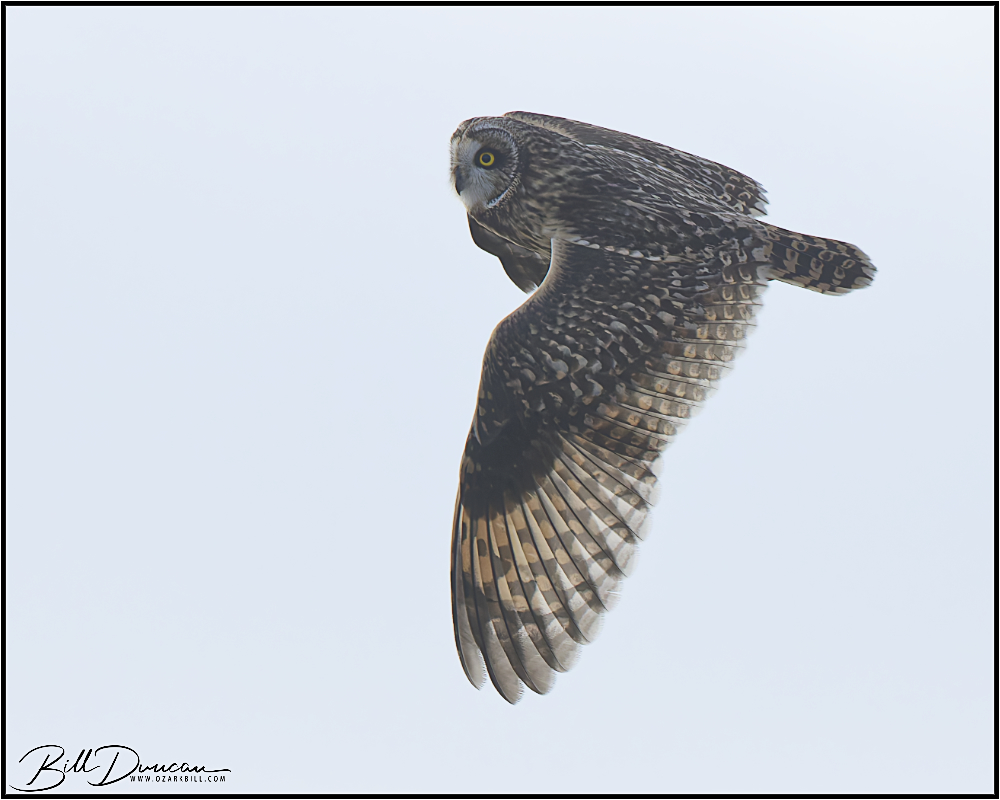
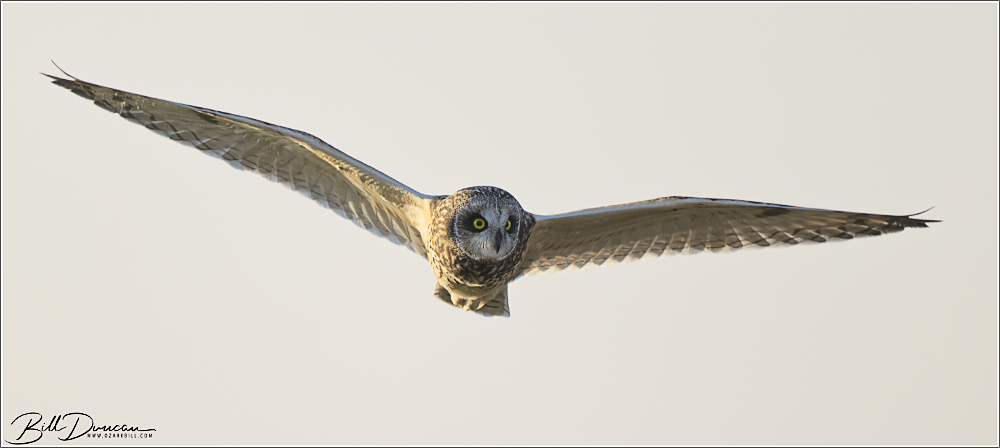
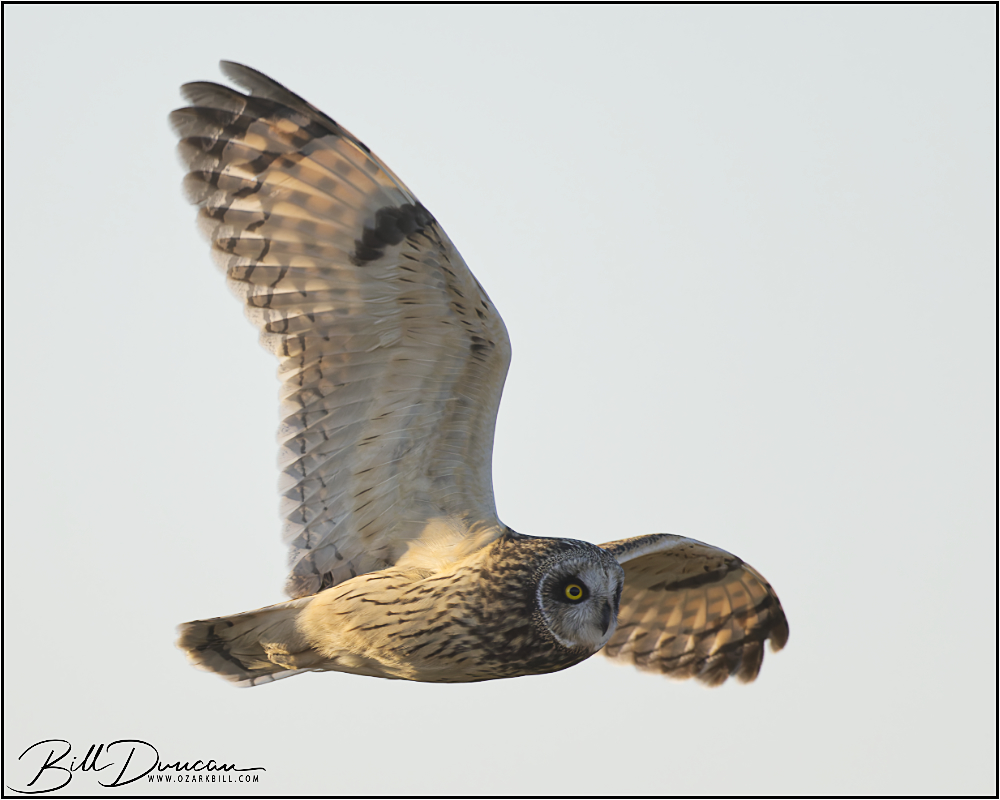
"What a thousand acres of Silphiums looked like when they tickled the bellies of the buffalo is a question never again to be answered, and perhaps not even asked." -Aldo Leopold
Here are some of my favorites from a couple trips to a new-to-me Short-eared Owl location in southeastern Illinois.
Despite being a pretty disappointing season for winter birds so far, due to not being much of a winter season, one saving grace has been the unprecedented appearance of a number of Short-eared Owls that have set up shop in the grasslands at Riverlands Migratory Bird Sanctuary near the confluence of the Mississippi and Missouri Rivers. It seems as though every birder and photographer in the bi-state area has heard about this and show up regularly to view the spectacle.
Finding the opportunity to be there in good light with the birds cooperative has been a challenge for me over the past month or so they have been here. But, I did have some luck under less than optimal skies. Despite poor lighting and the birds being a little further away than I would like, I was able to manage a few images I can live with. I’m hoping to have a few more opportunities before the season is over.
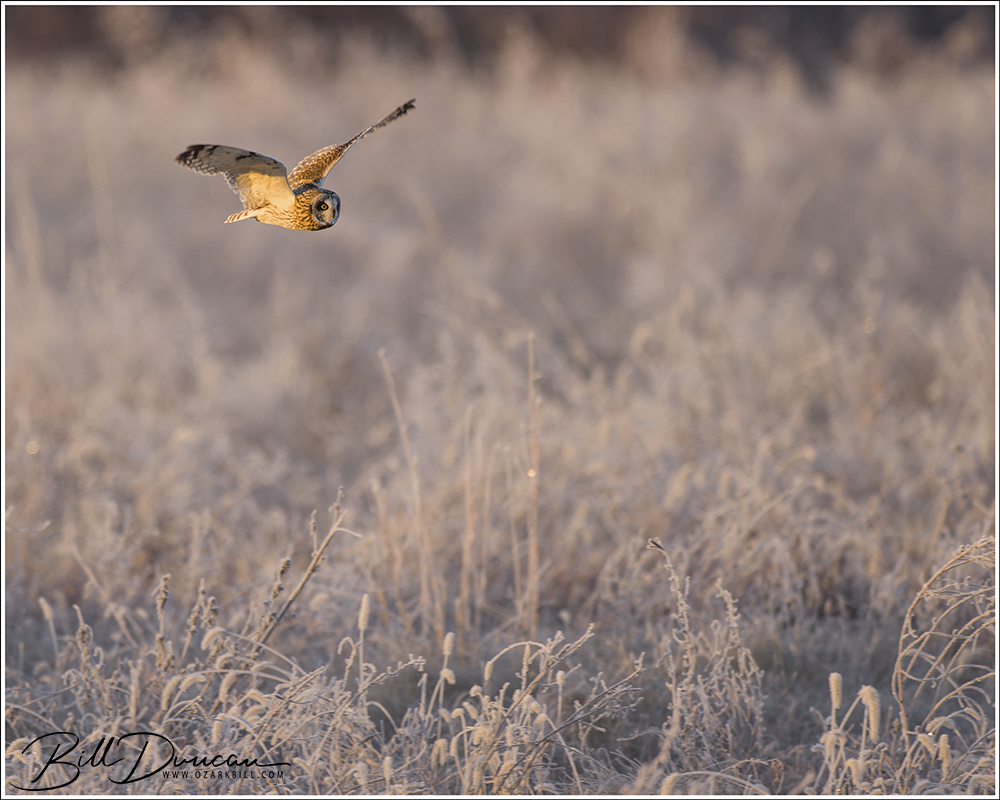
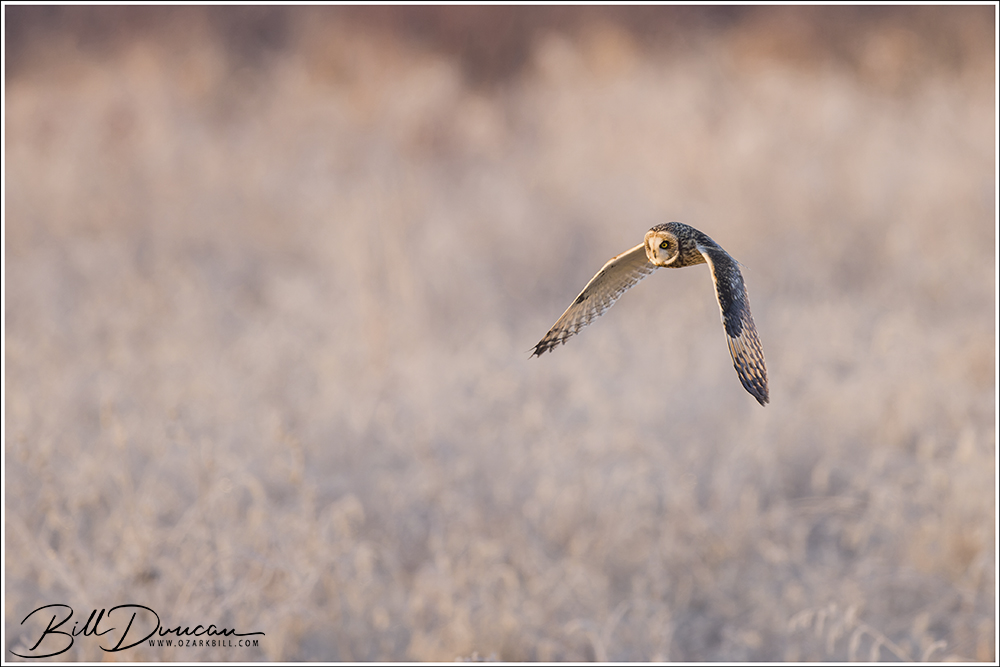


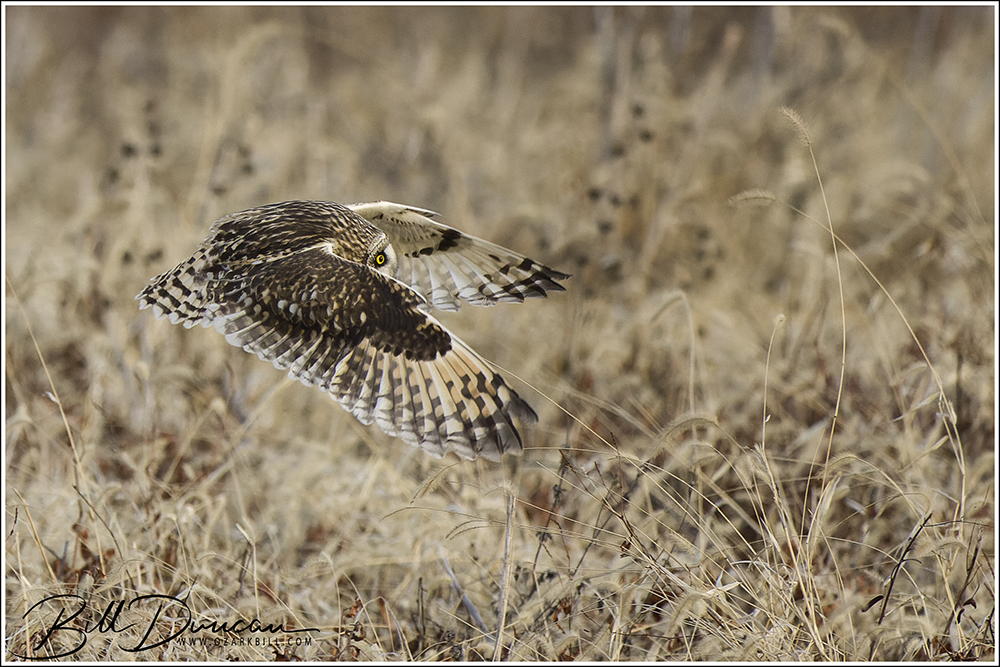

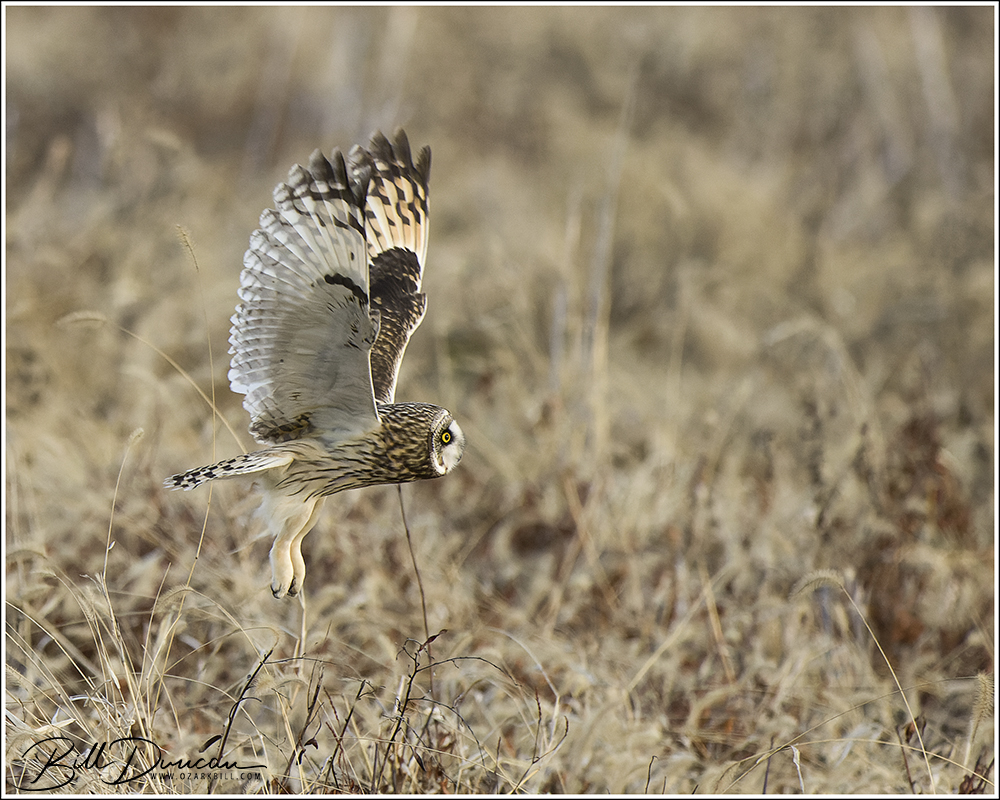
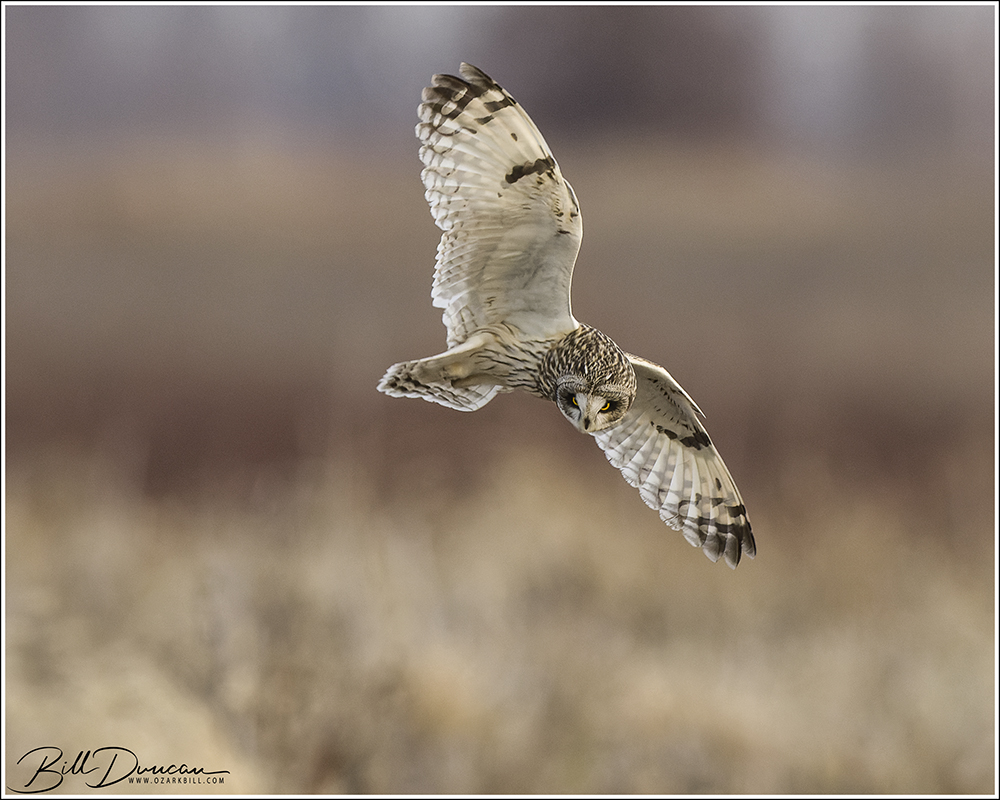
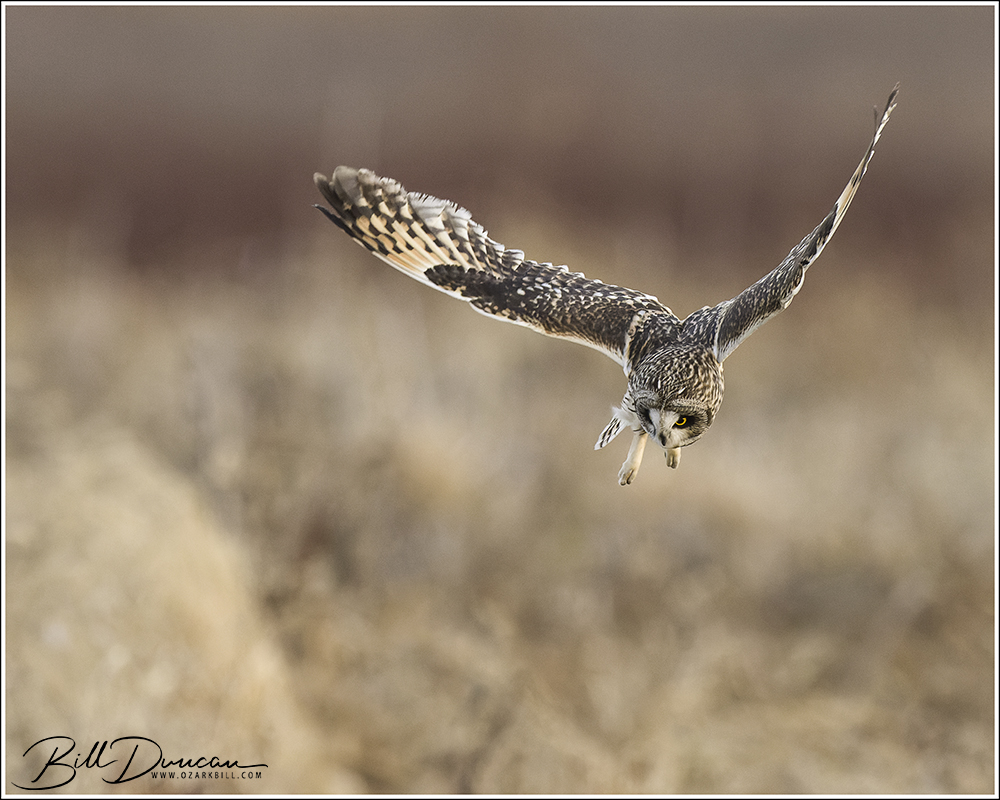

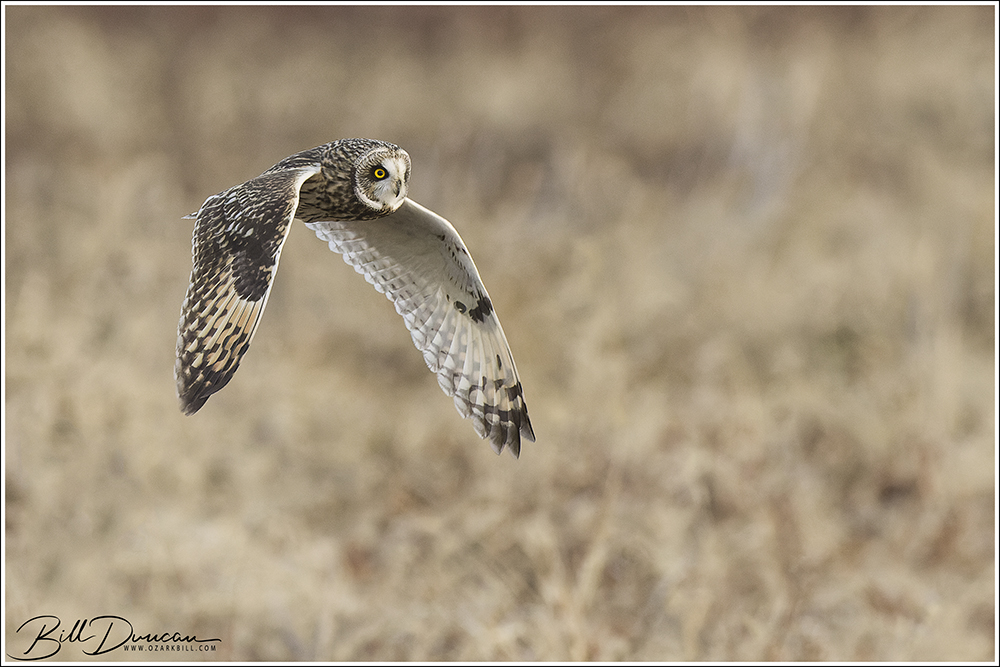
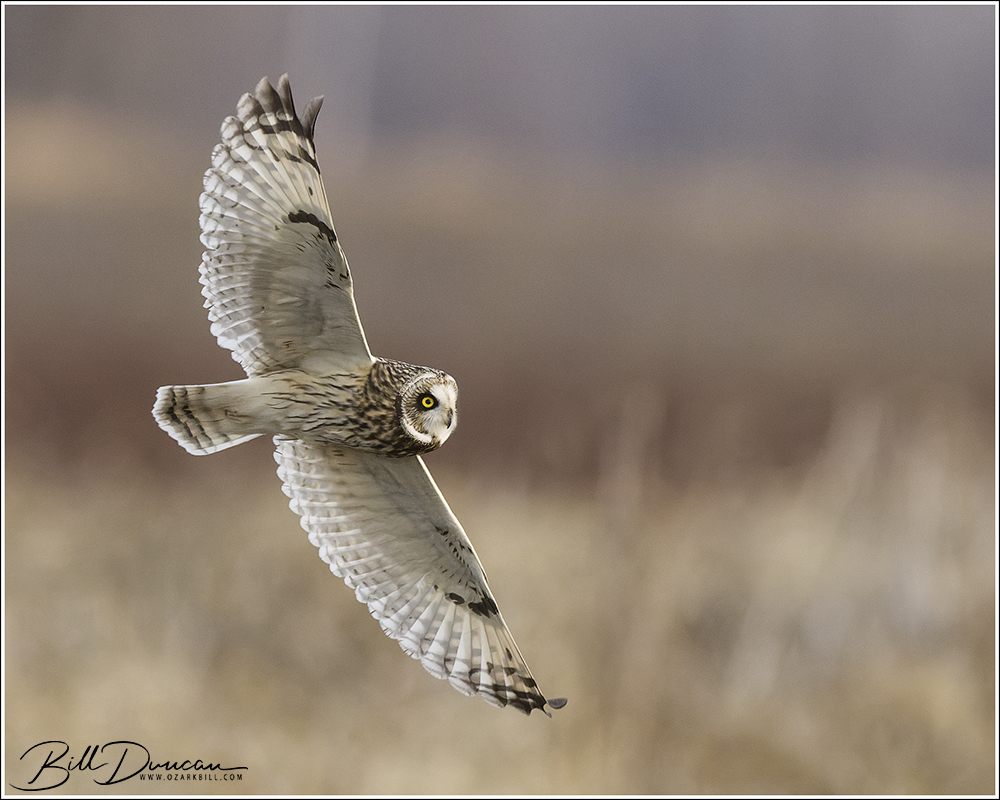
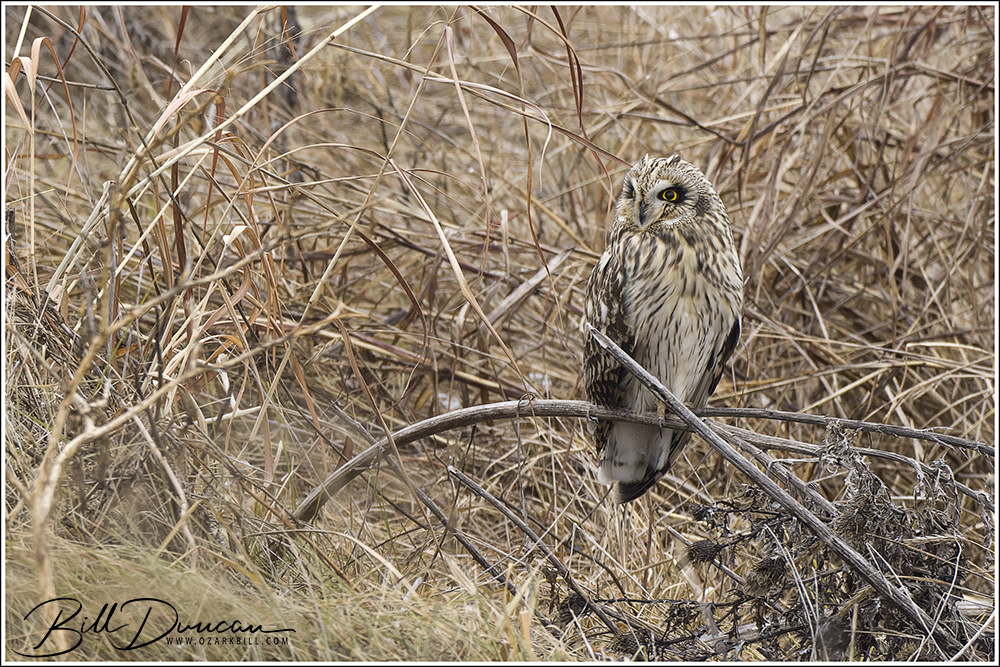

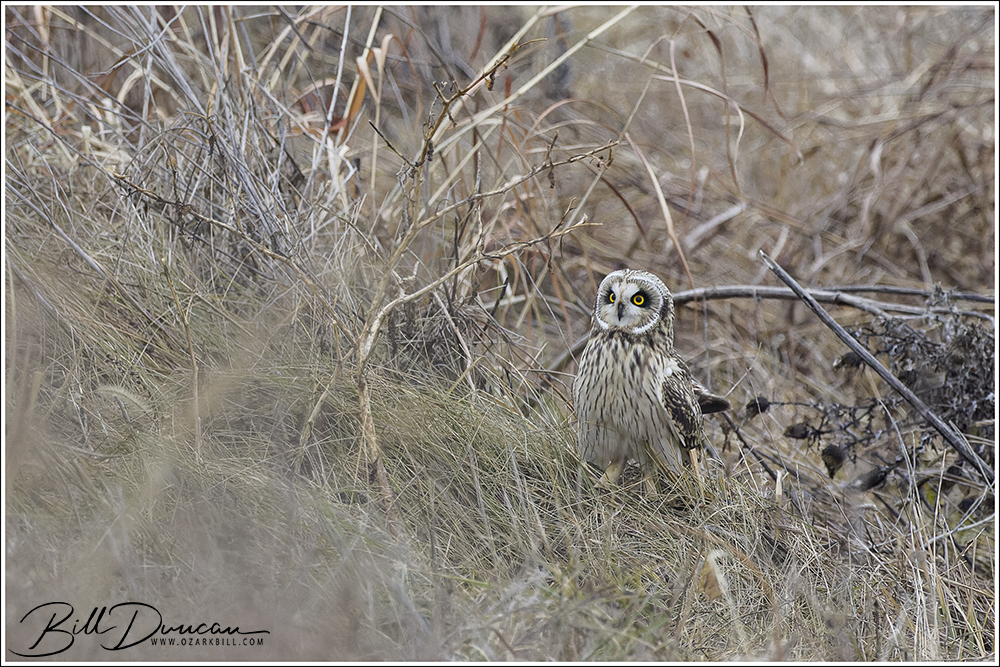
As these guys may be starting to trickle back into the state any day now, I thought I’d better finish up on the spectacular times we had with these birds last winter. Here’s hoping for a repeat this winter!
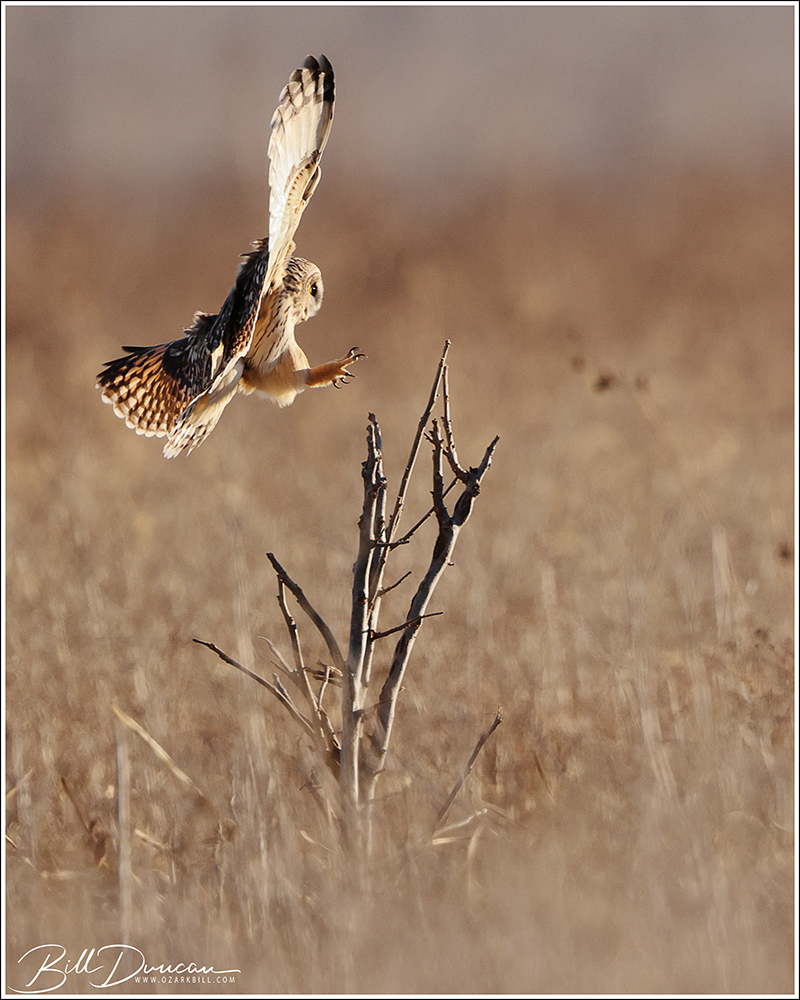
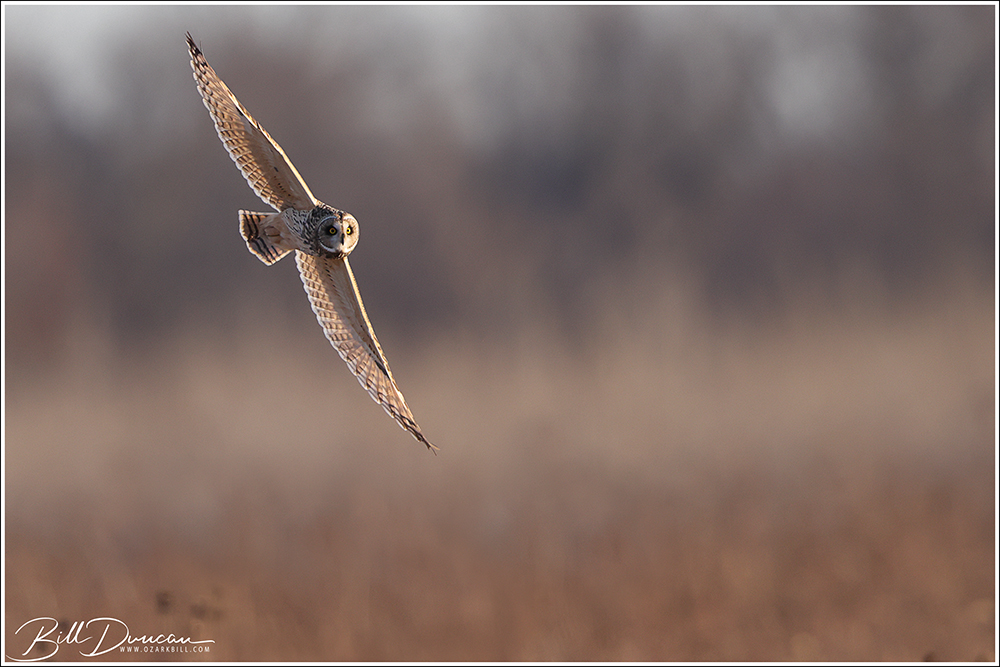
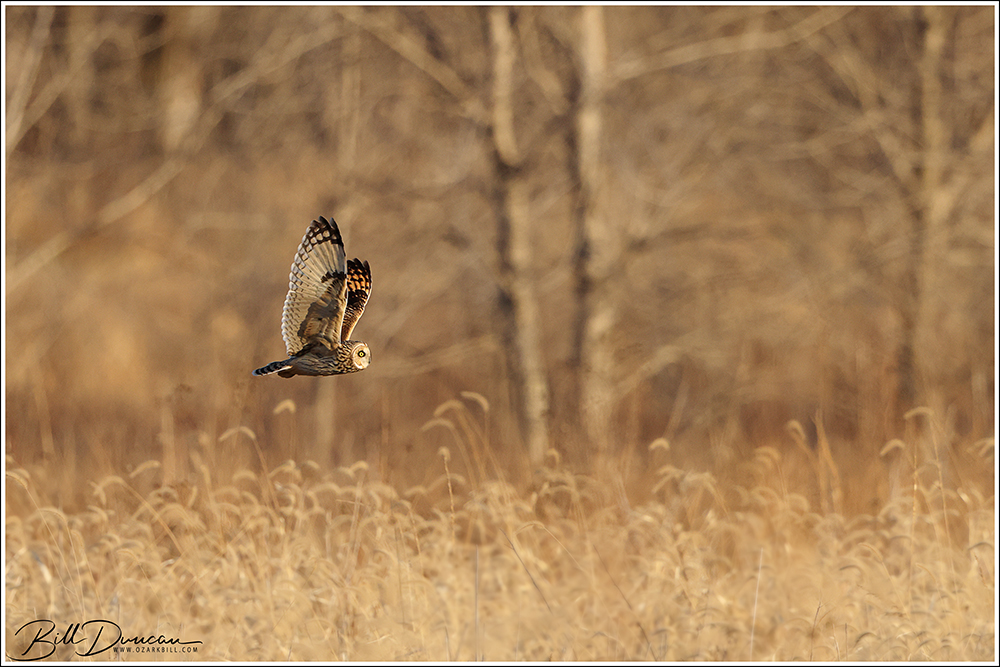
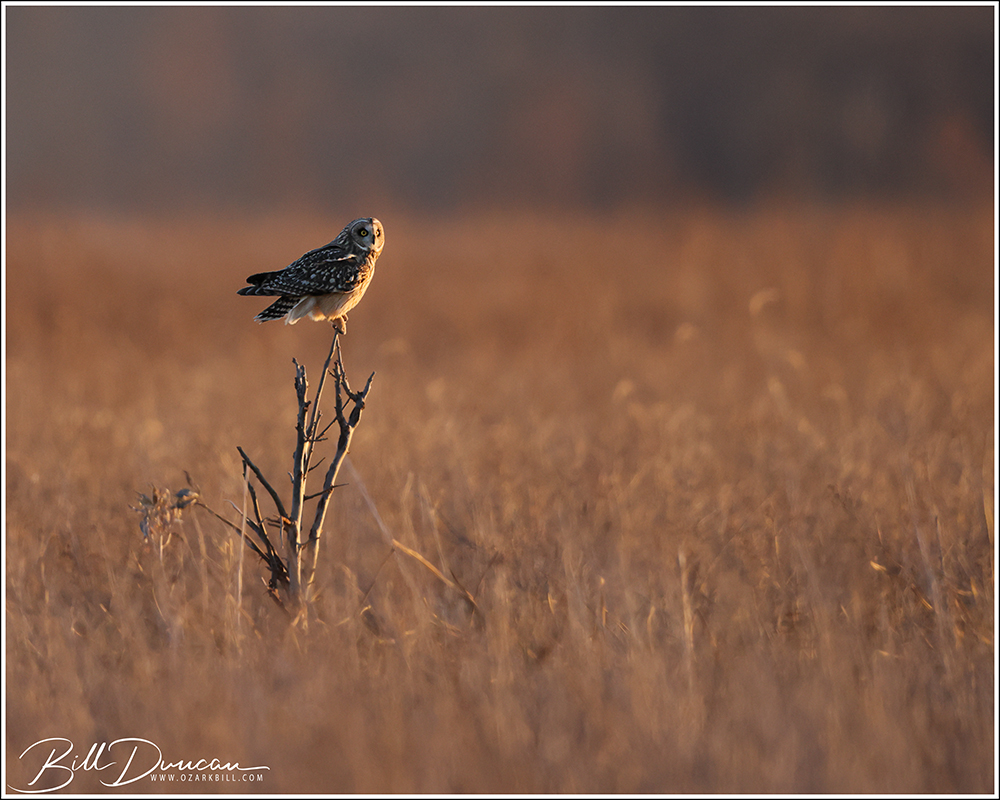
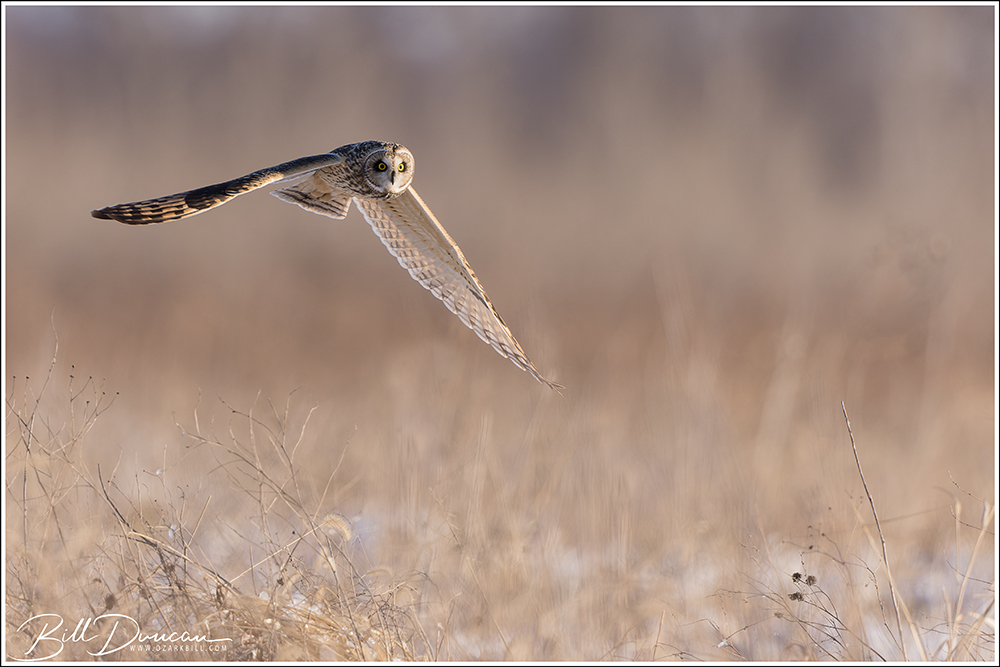
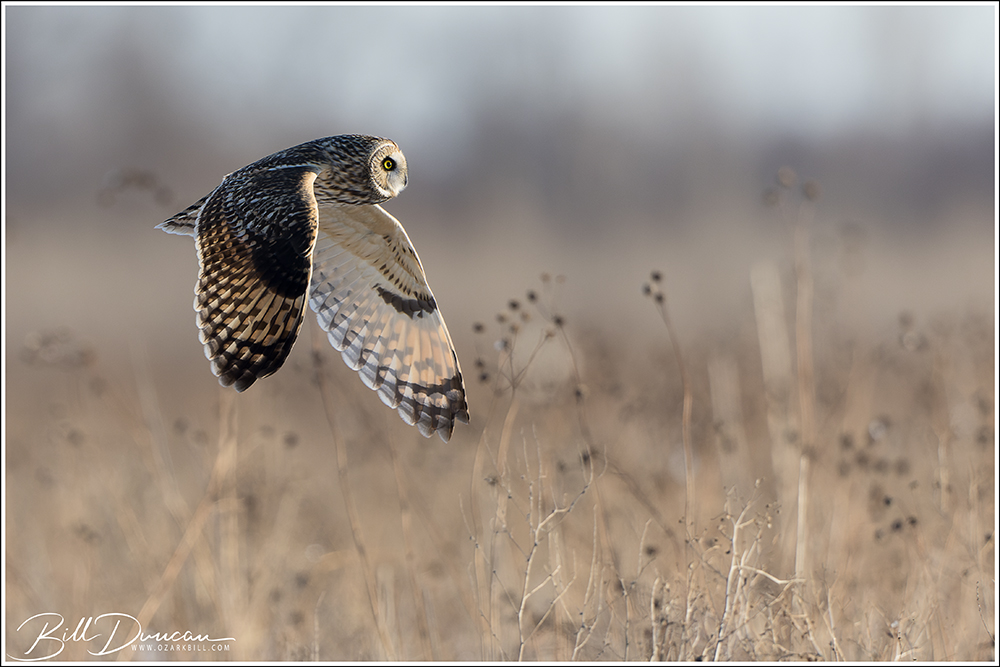
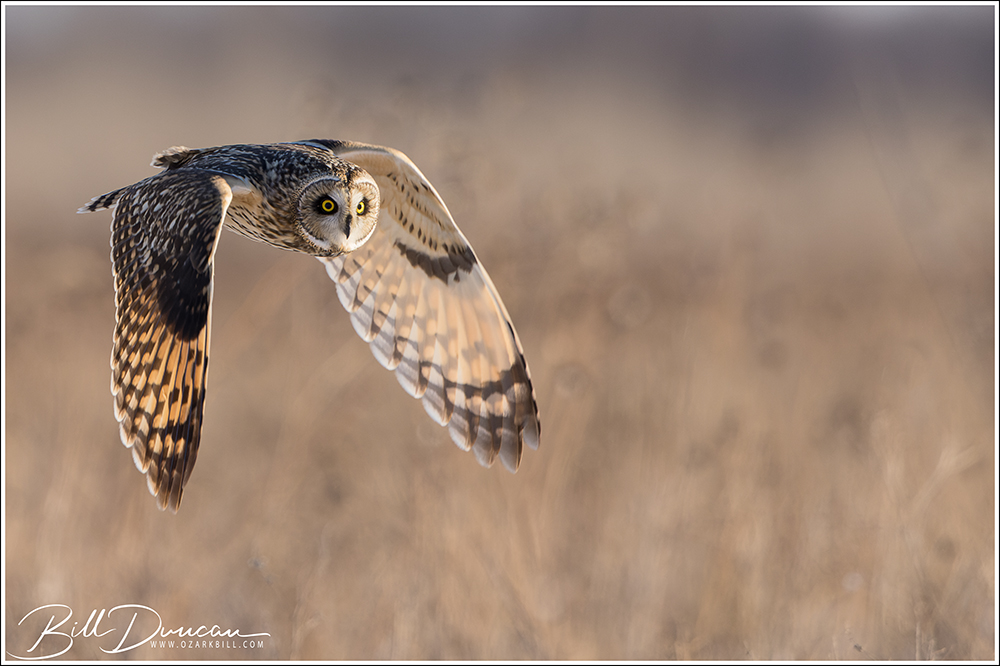
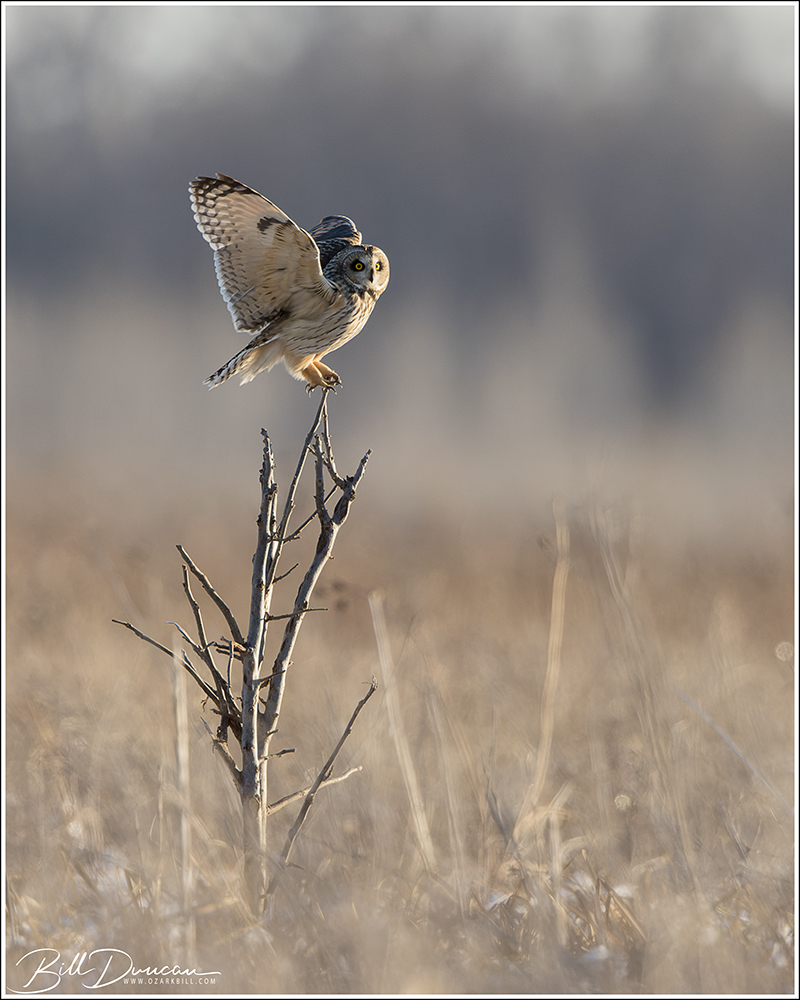
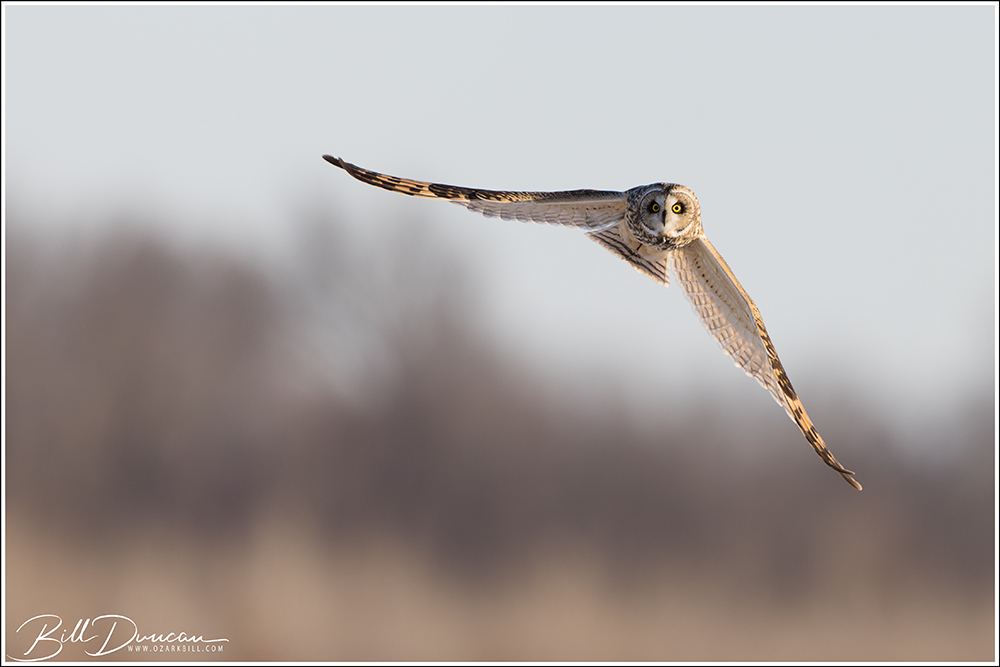
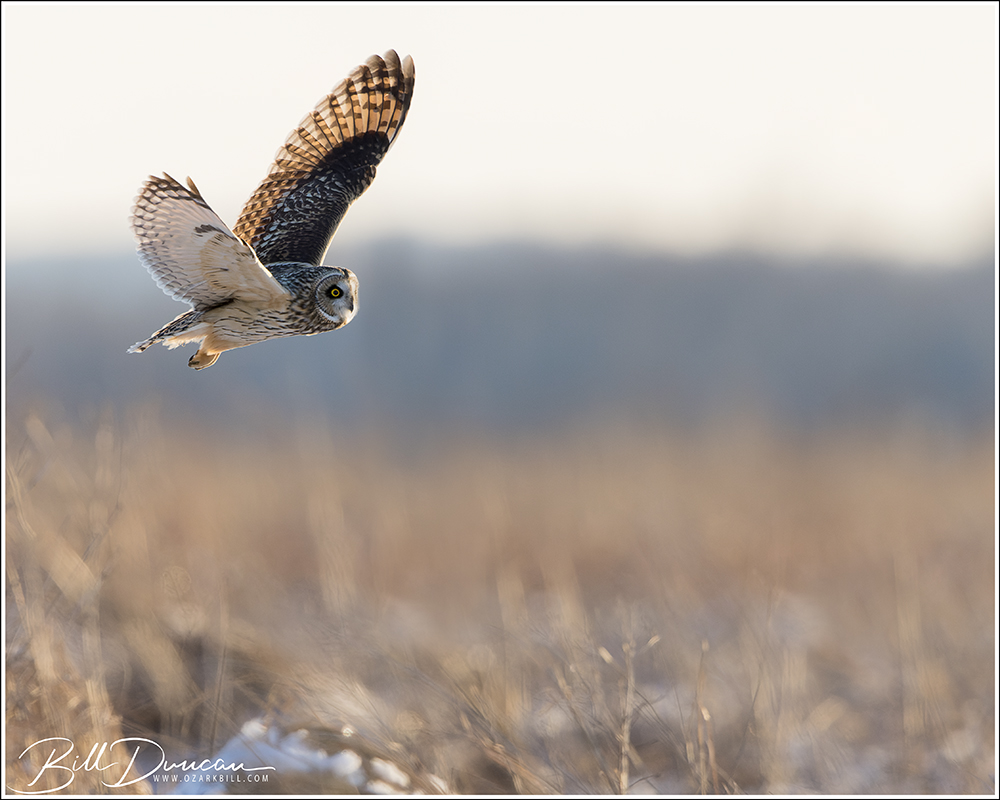

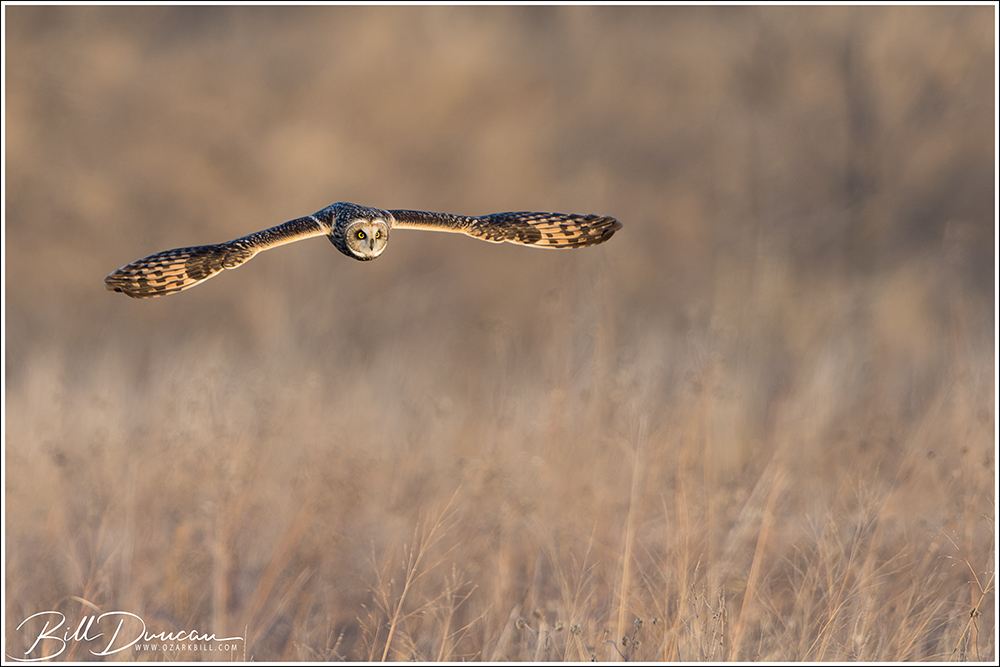
A few more SEOW from last winter.
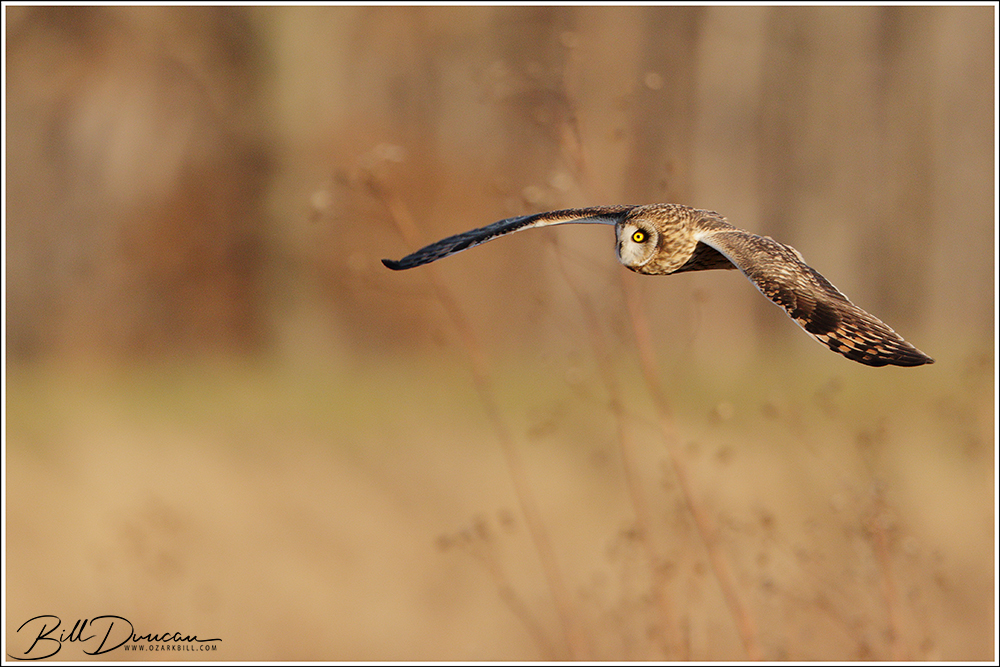
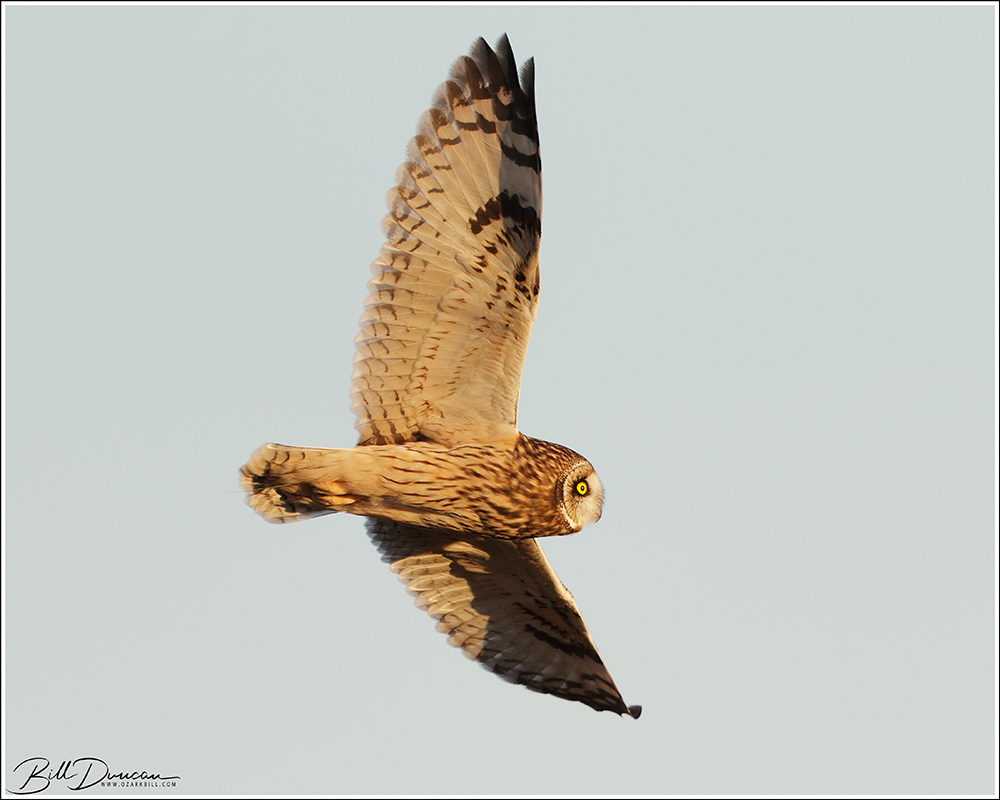
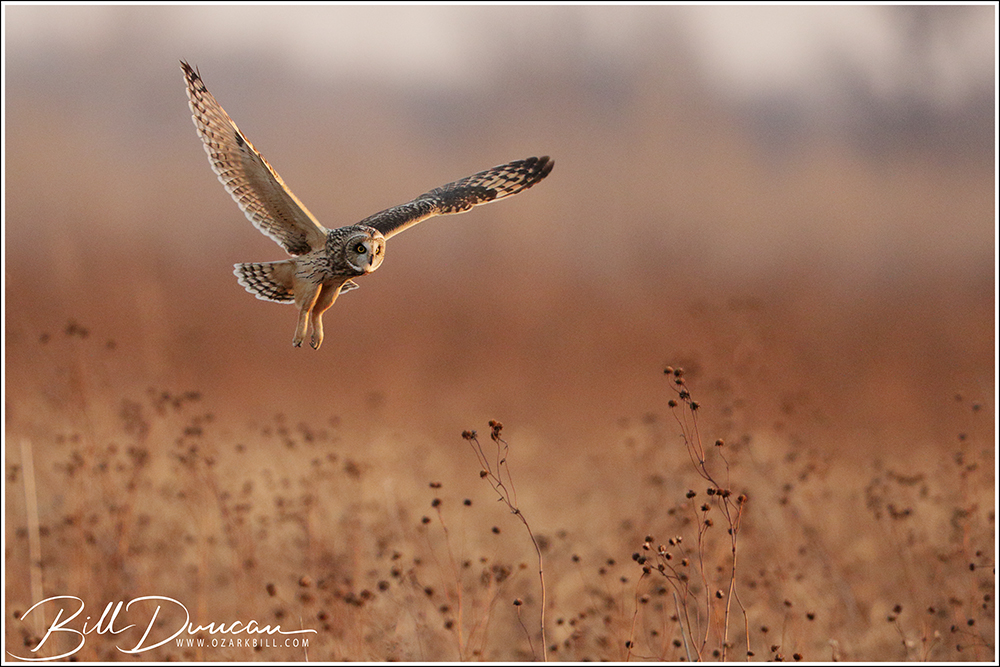
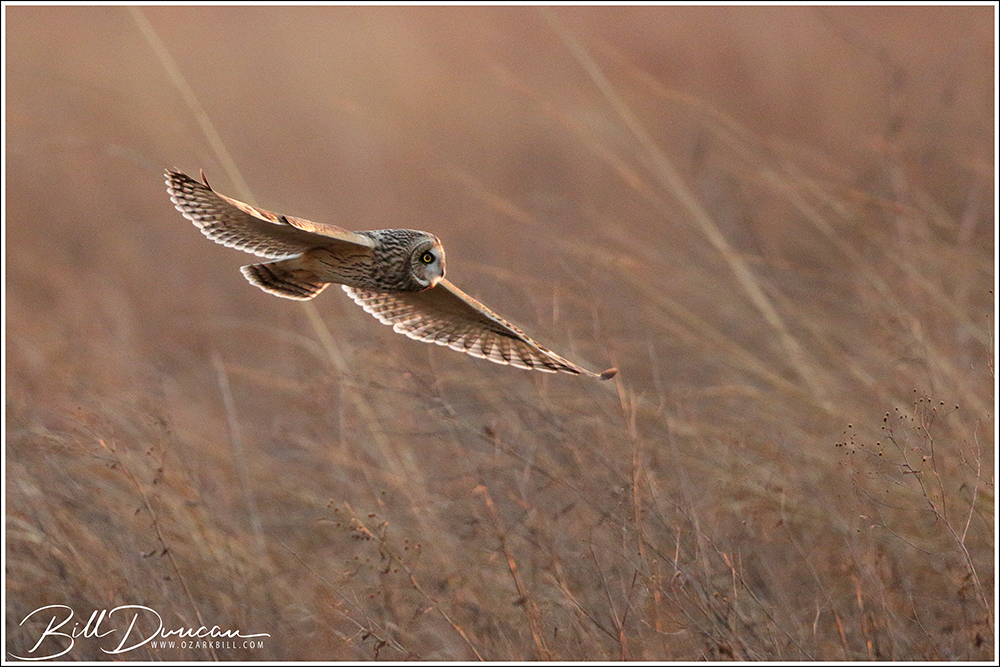
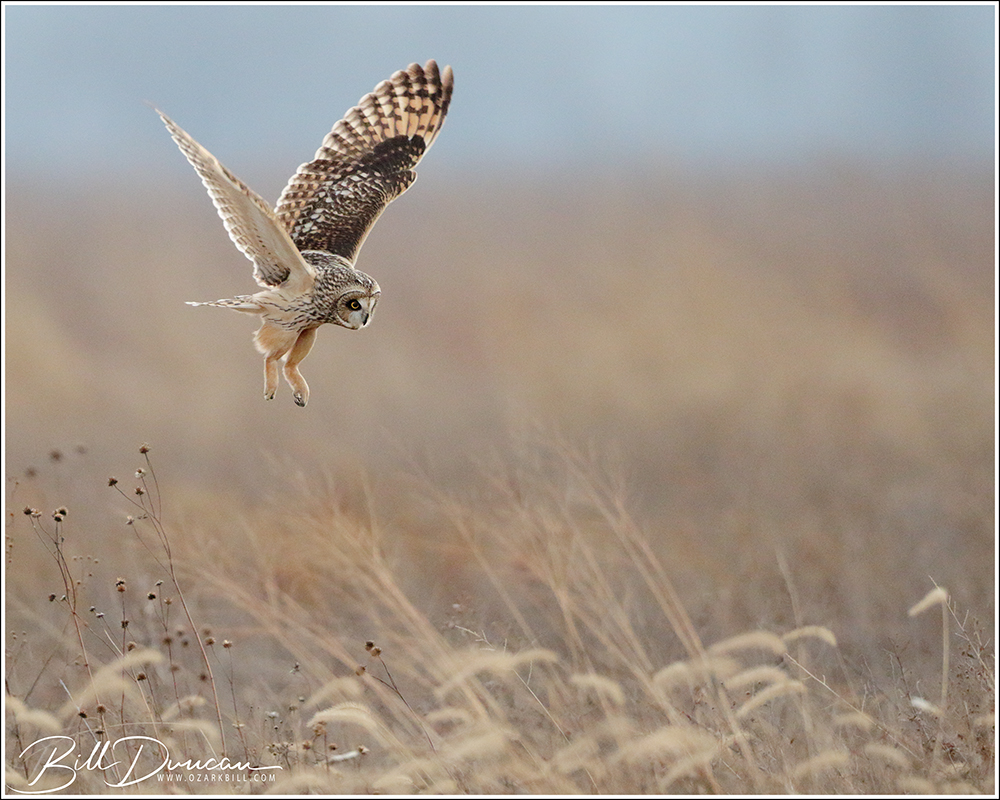
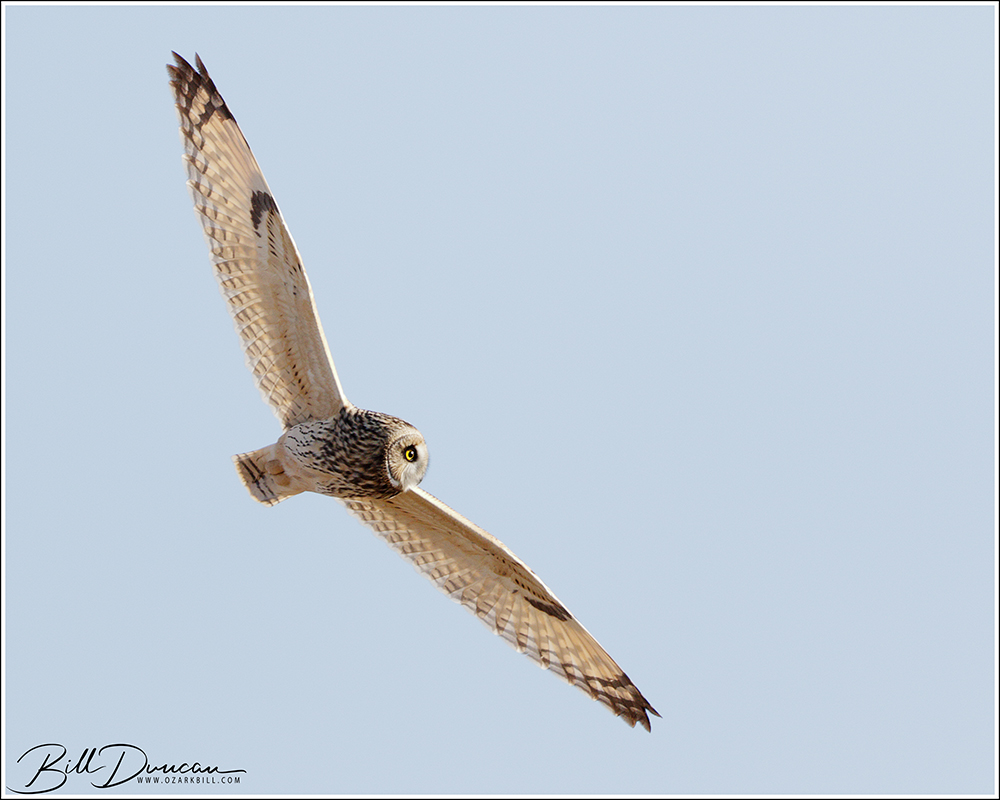
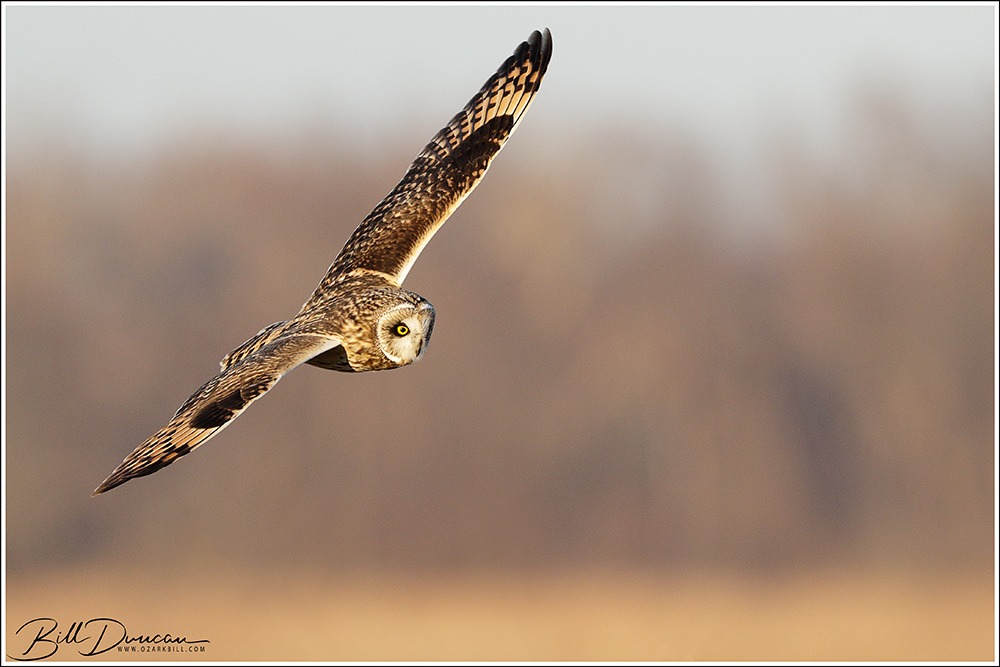
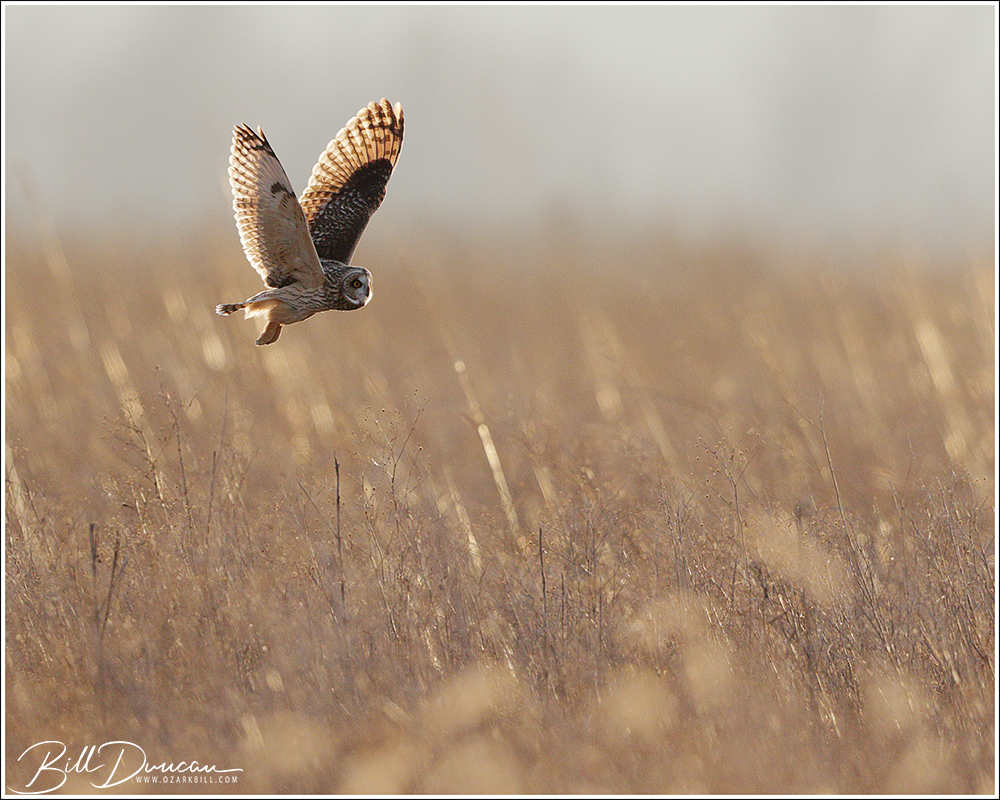
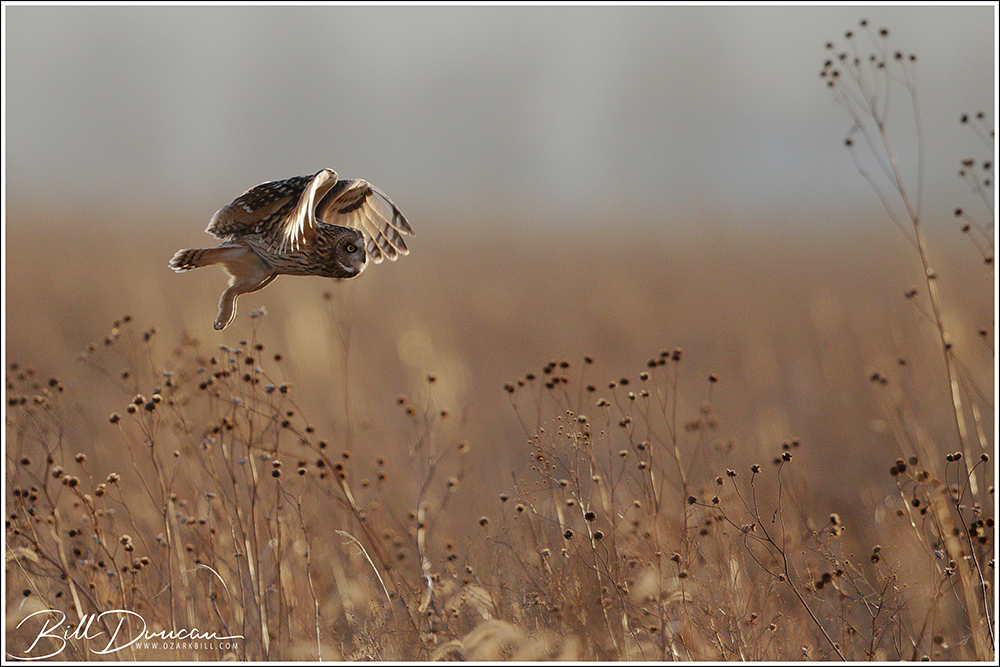
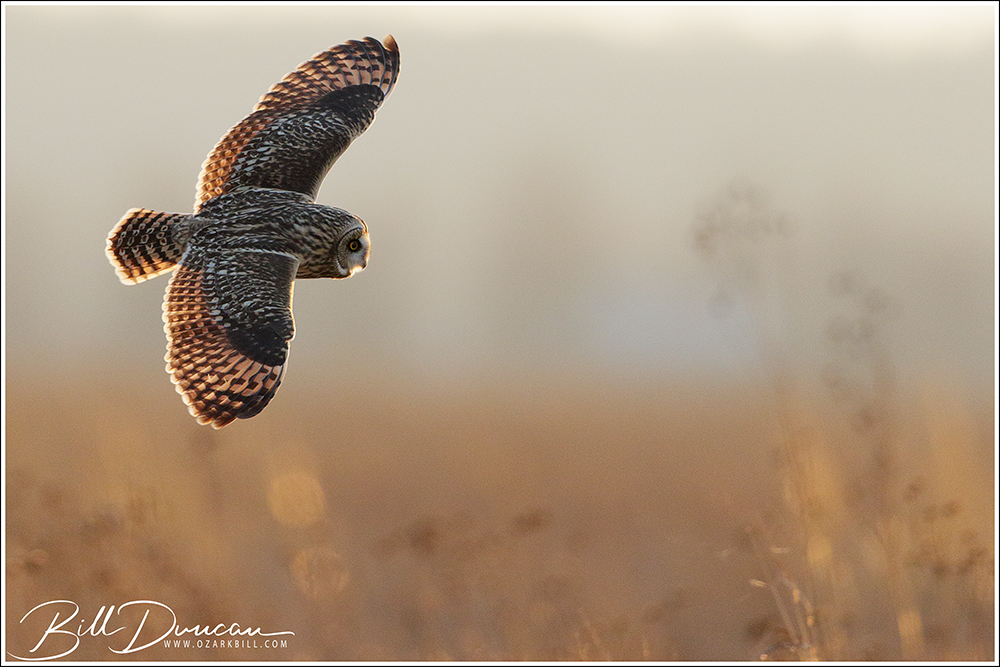
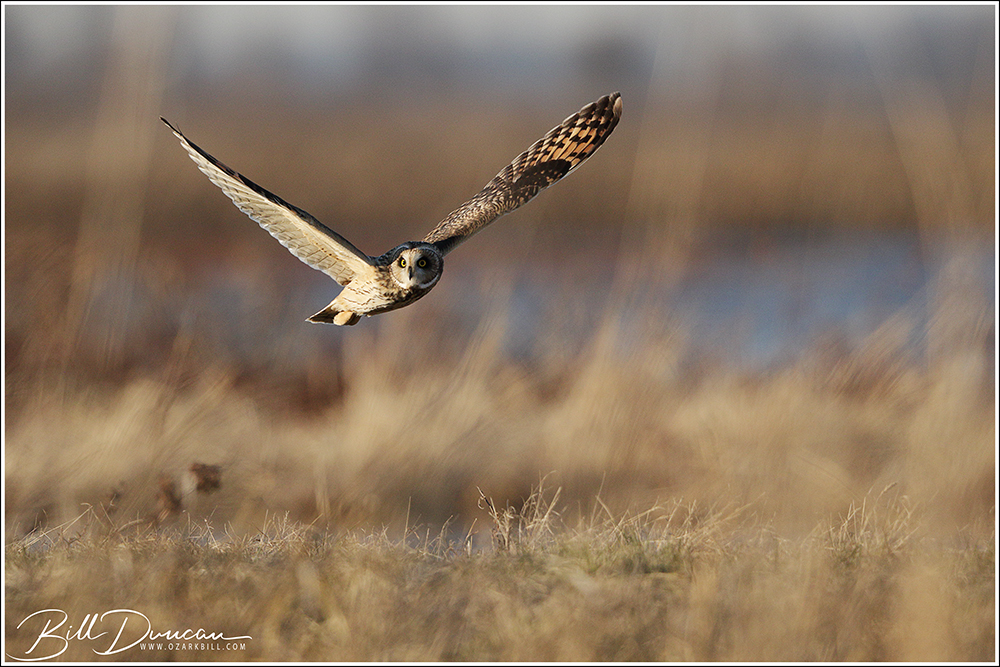
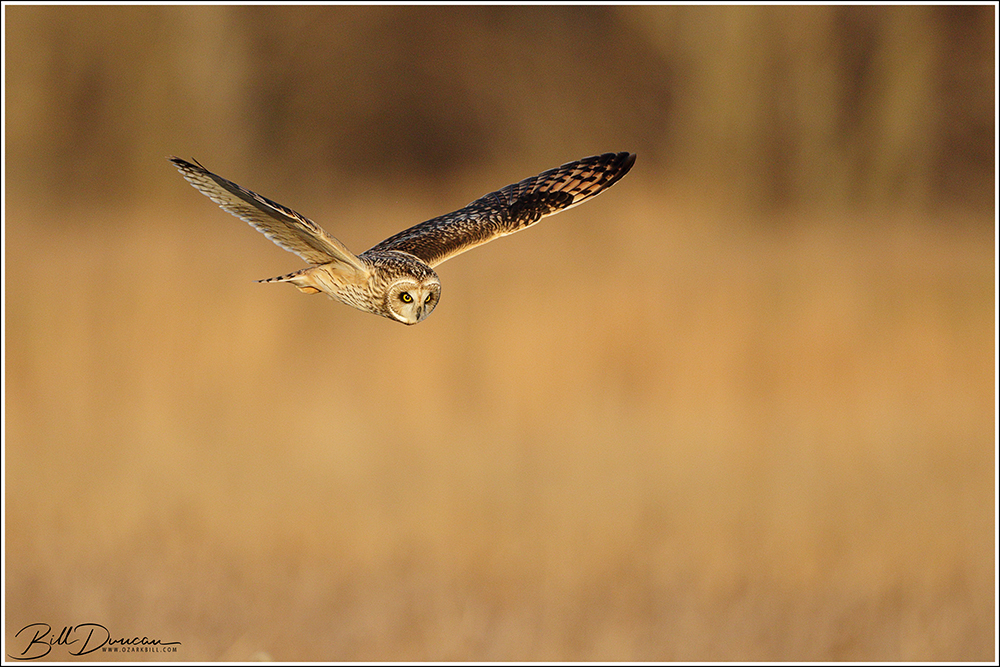
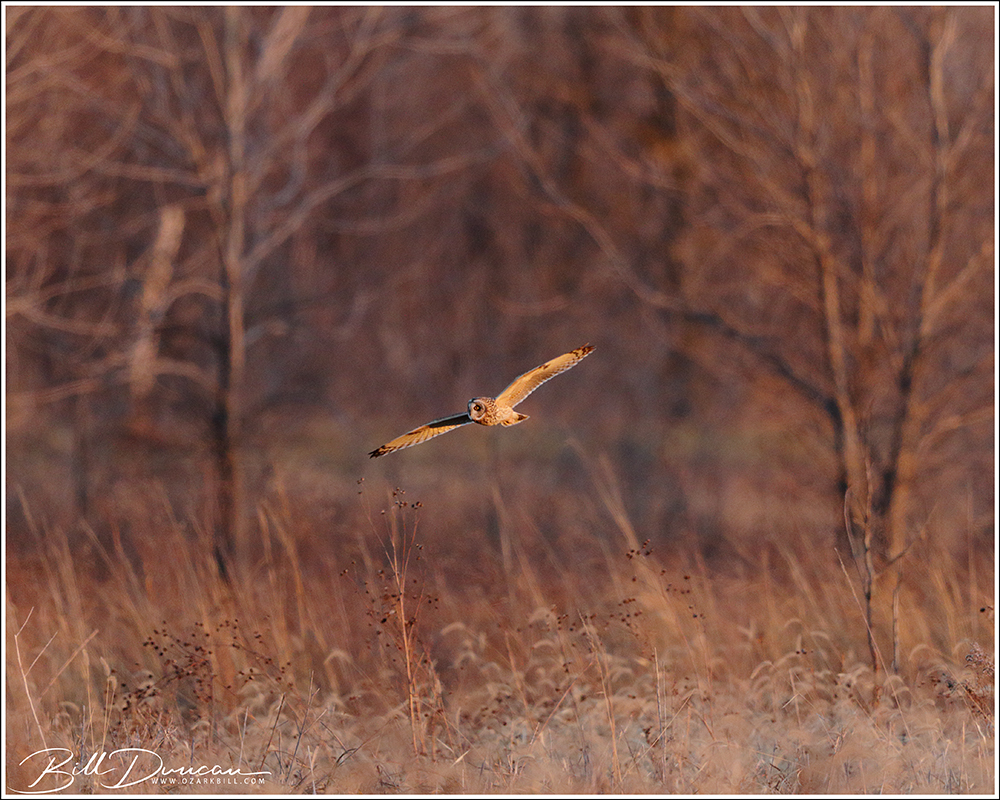
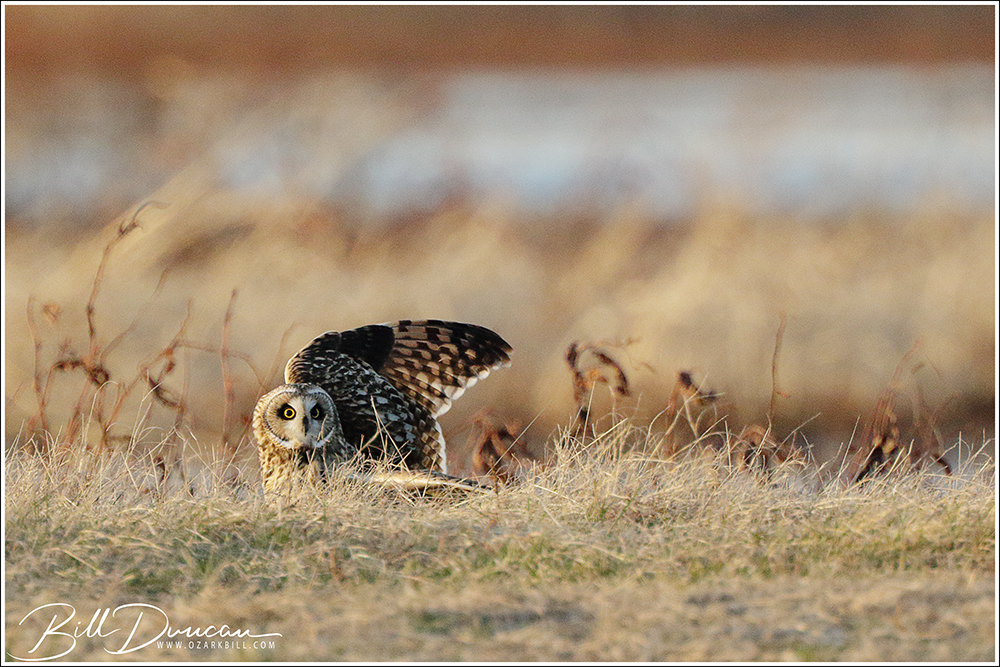
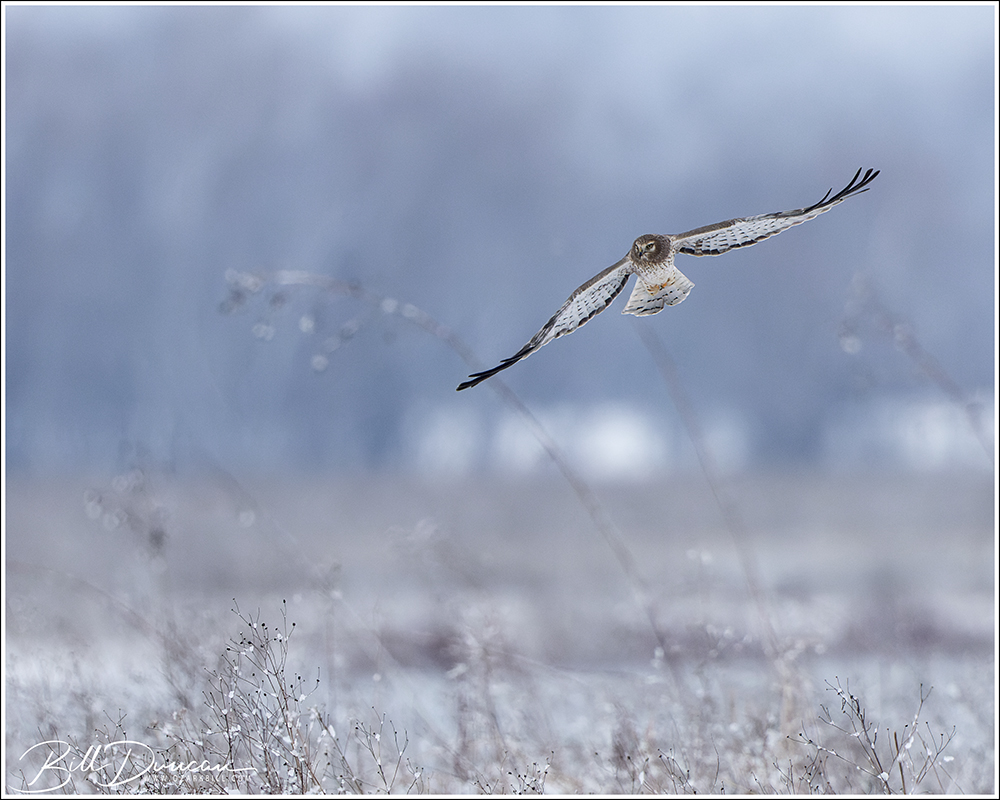
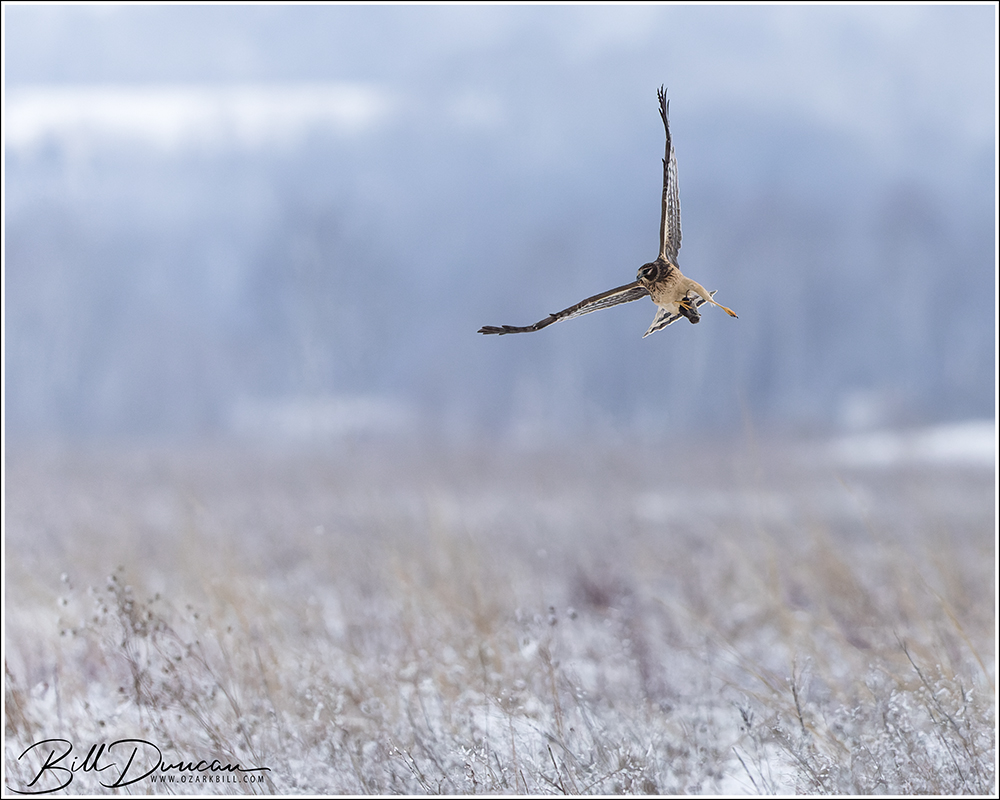
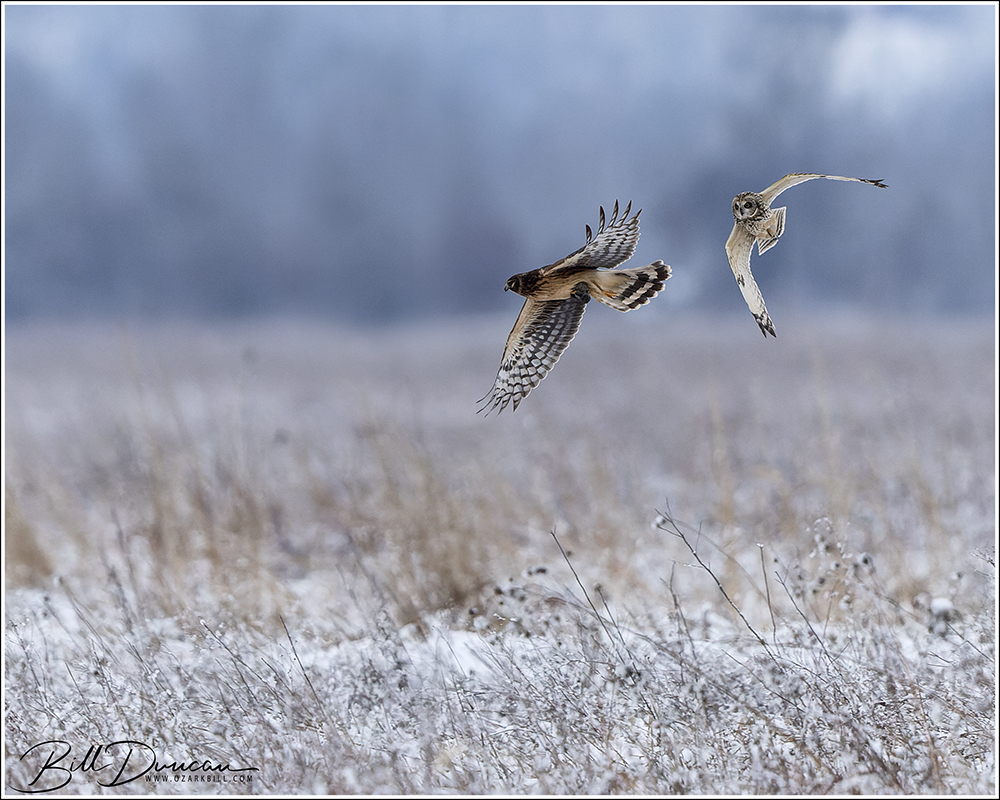
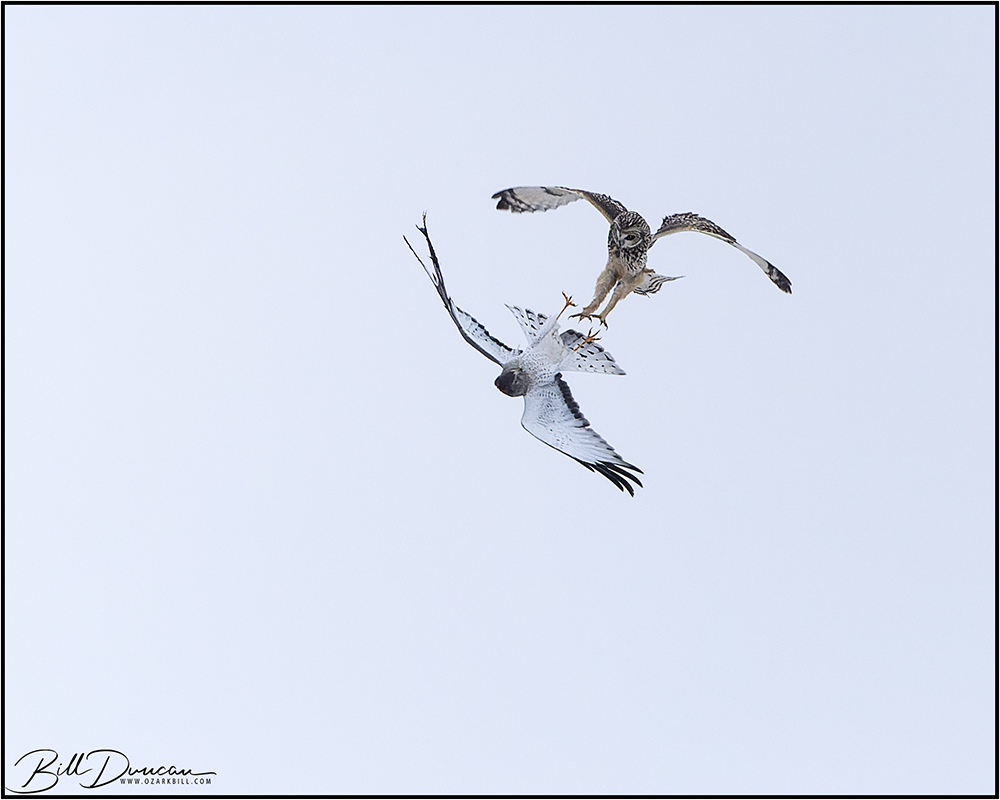
A few from a couple snow days this past January. Some of the first outings with the Canon R5. On one day, light levels were quite low and birds were at a great distance. Tried shooting with and without teleconverter to get more light. Difficult circumstances.
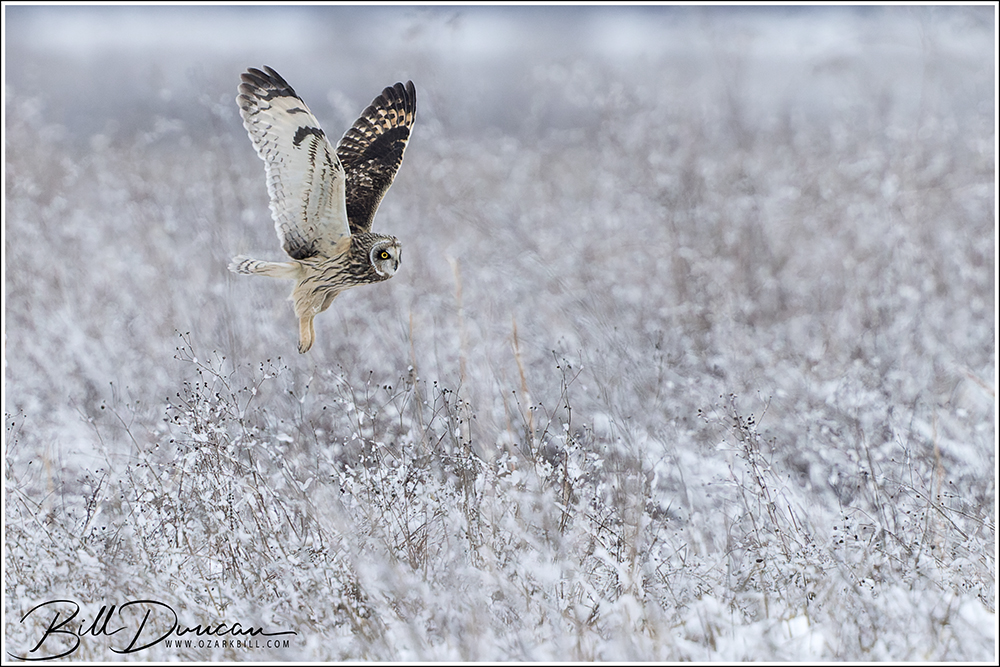
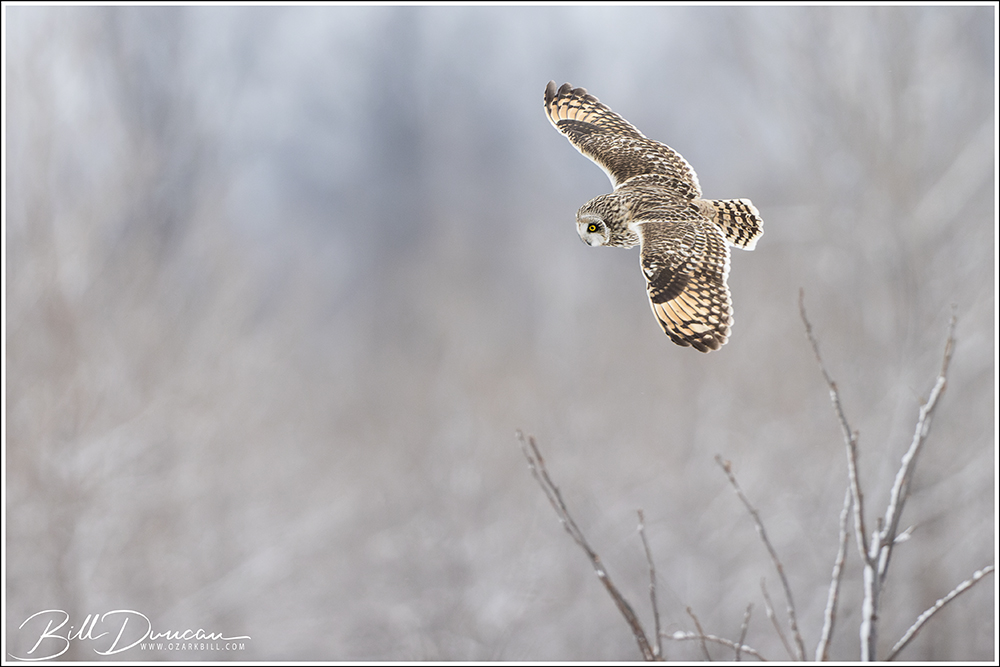
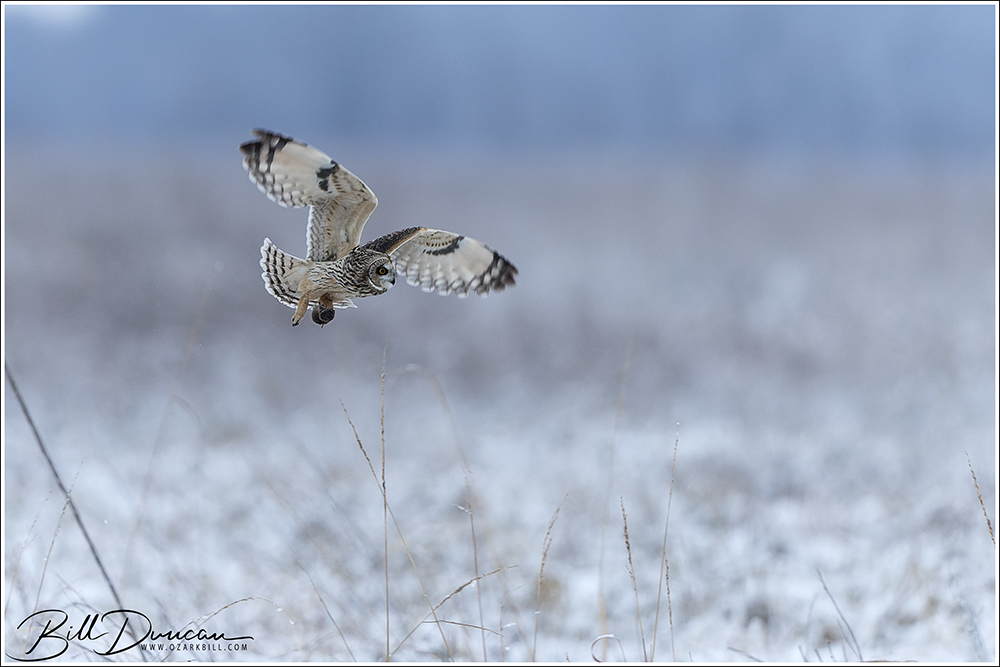
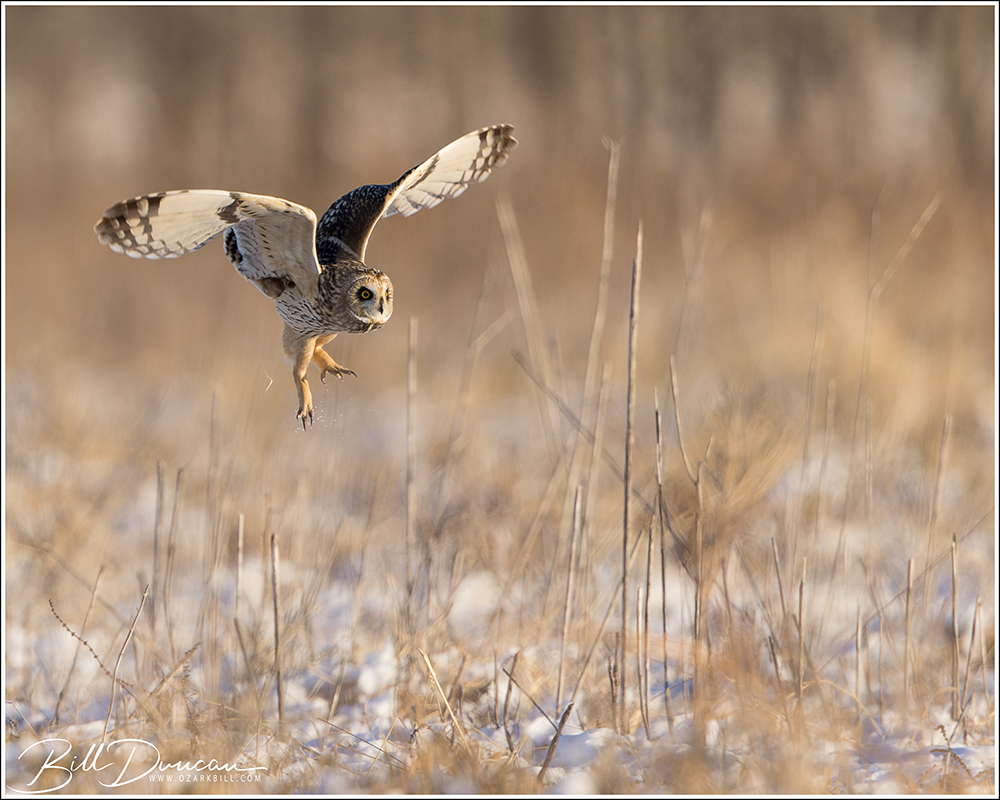
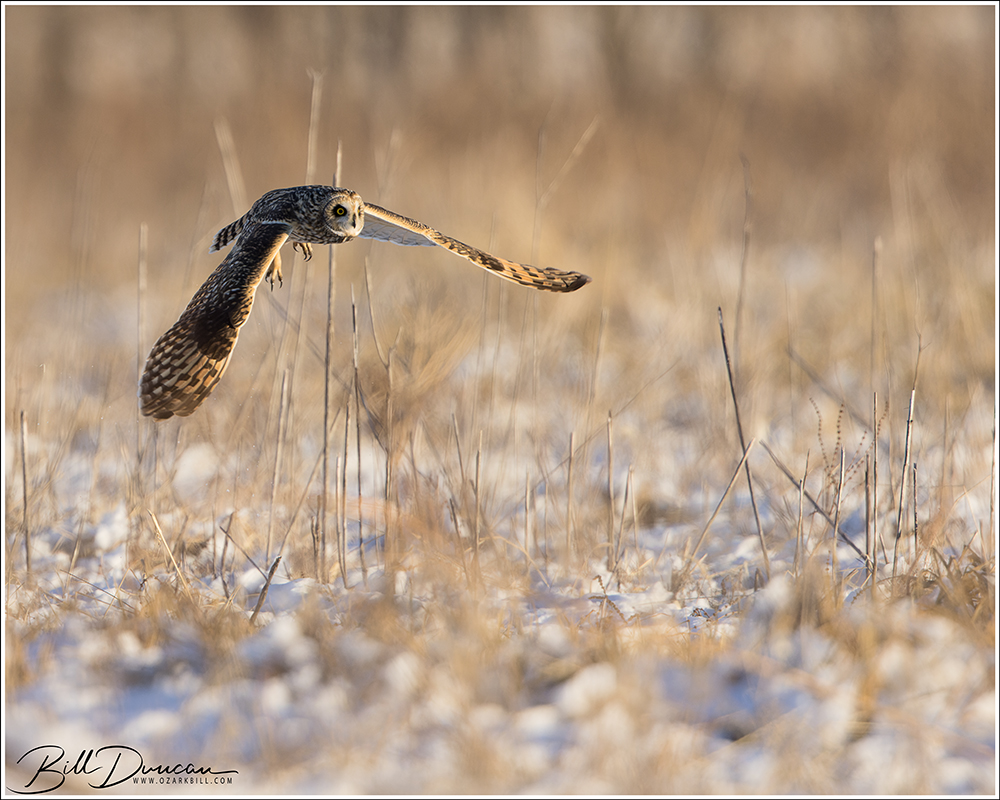
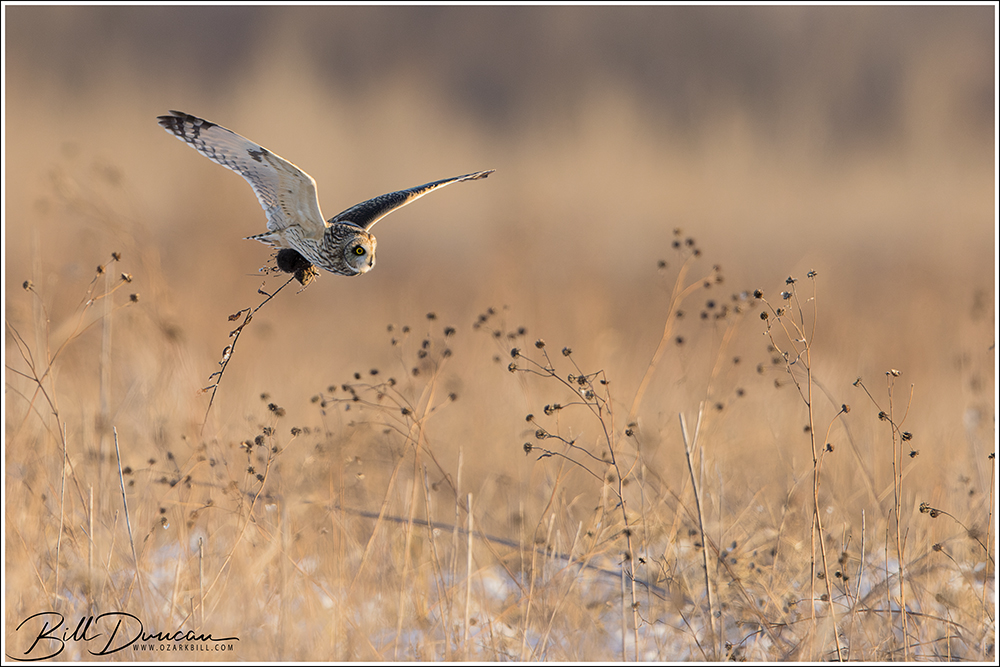
Ozark Bill
It’s been a while since I shared some, so here you go…
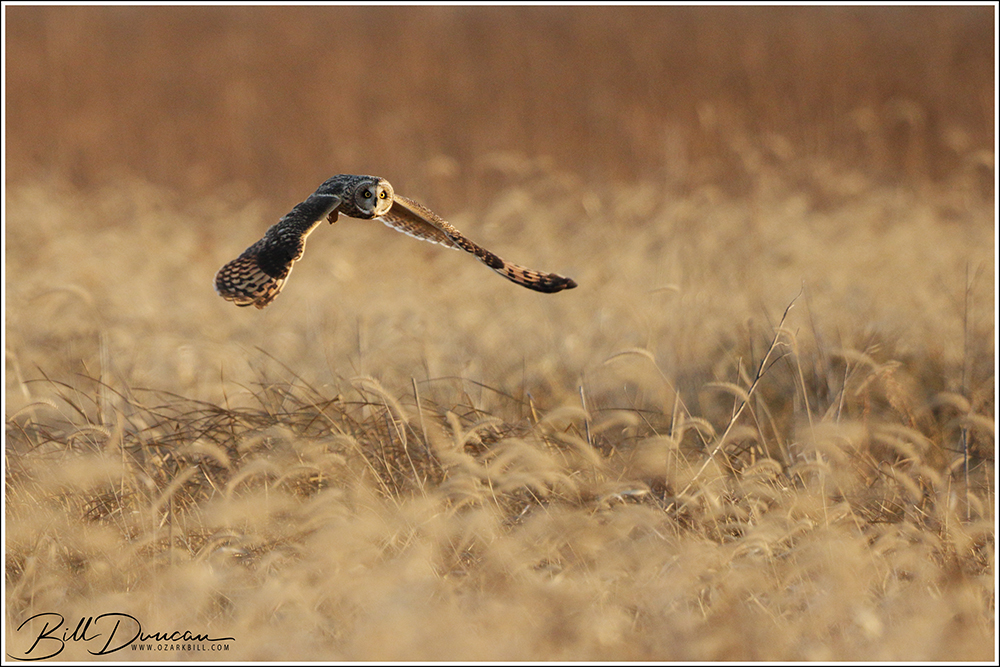
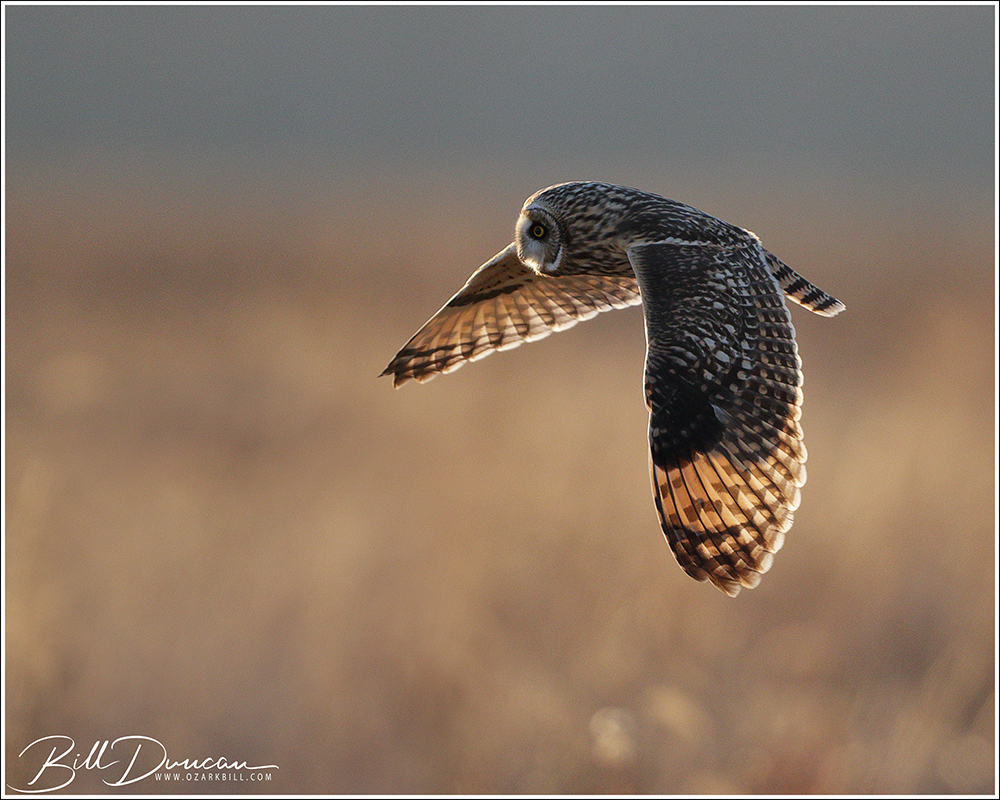
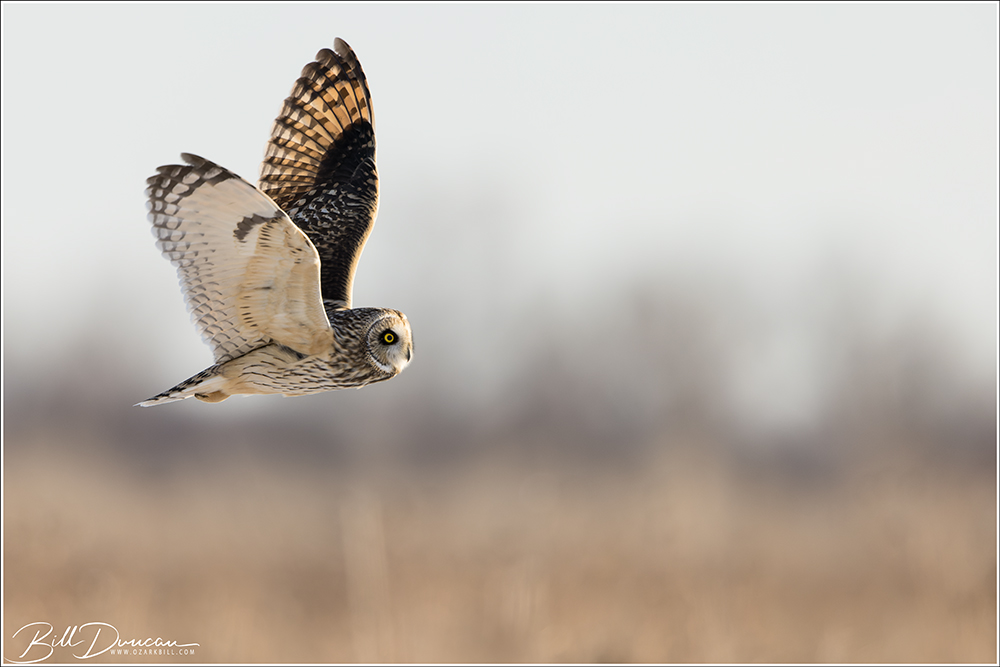
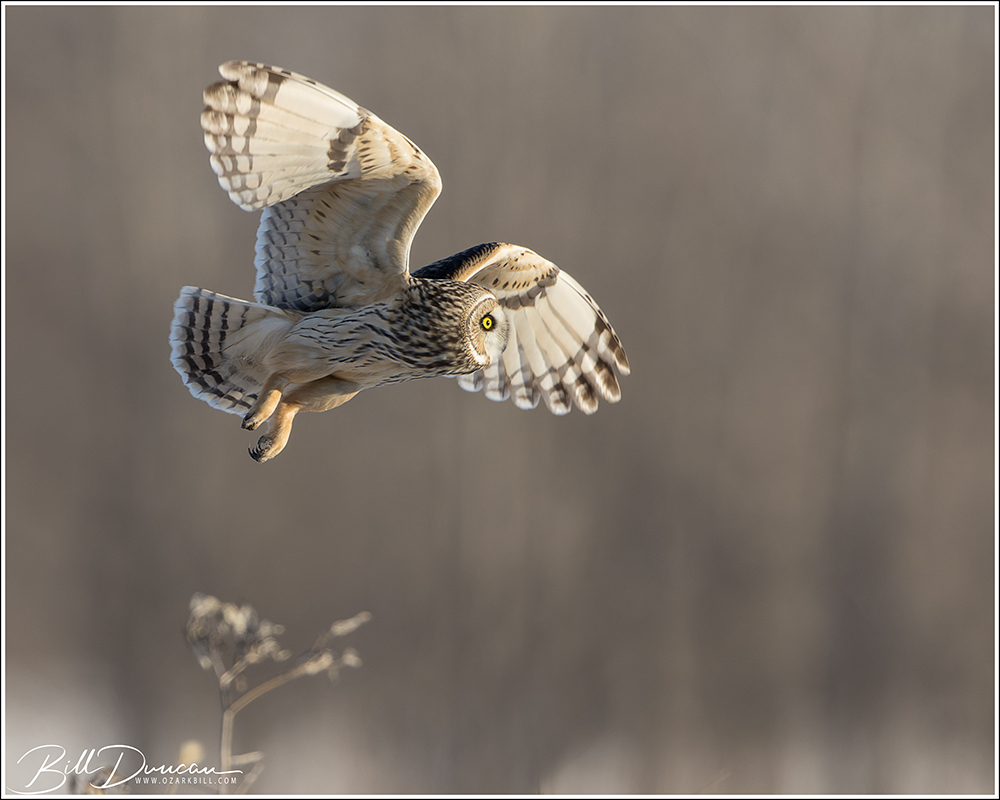
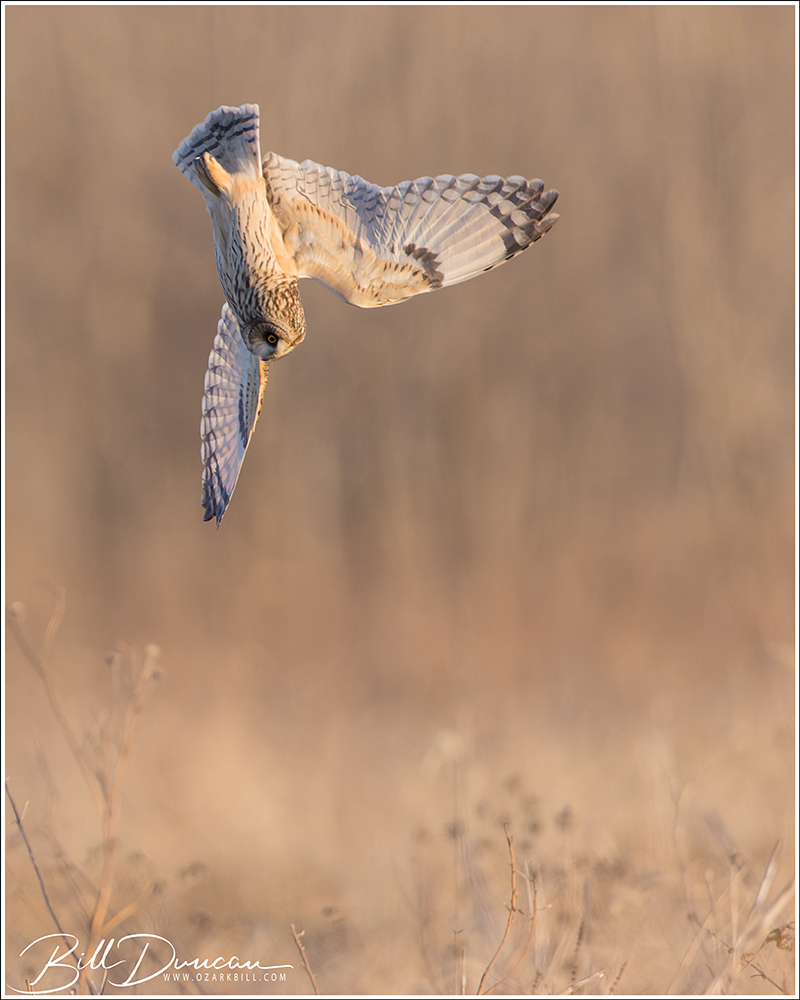
I processed a heap of these images. I might as well share them.
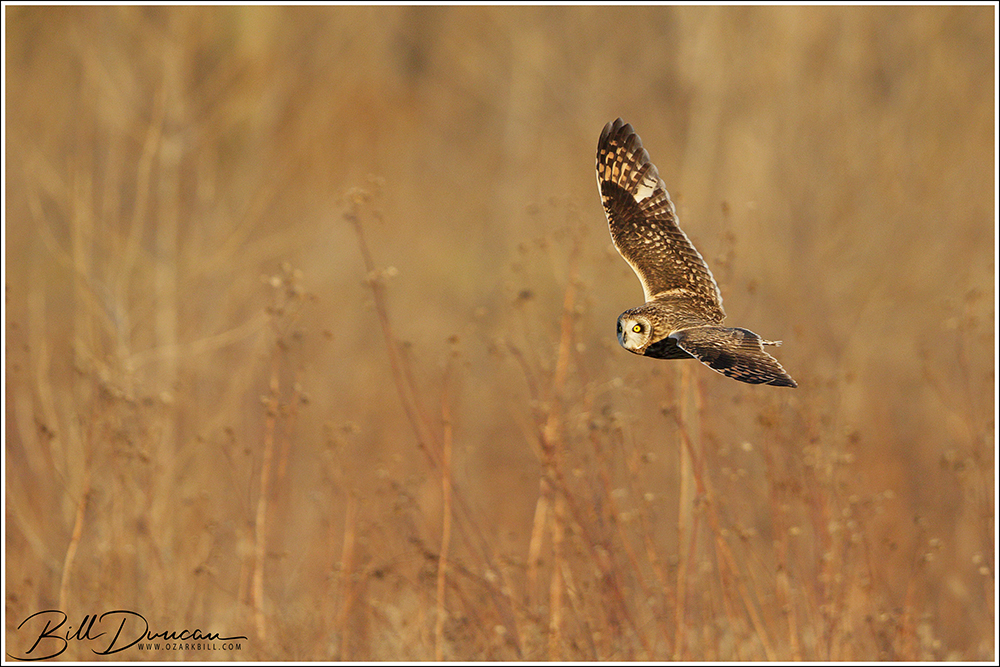
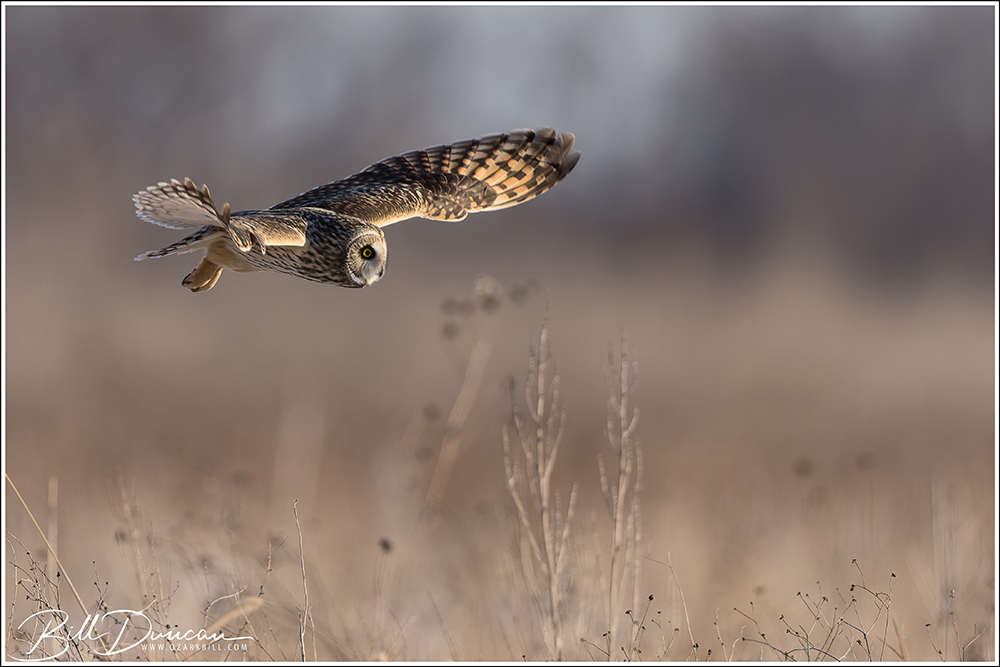
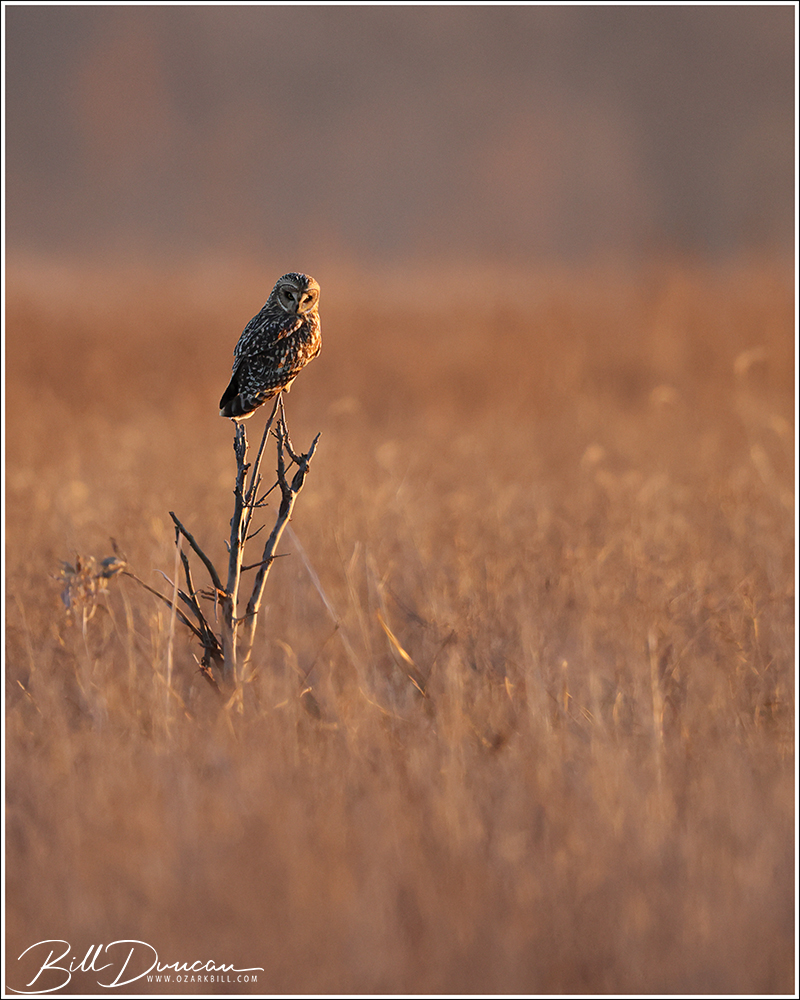
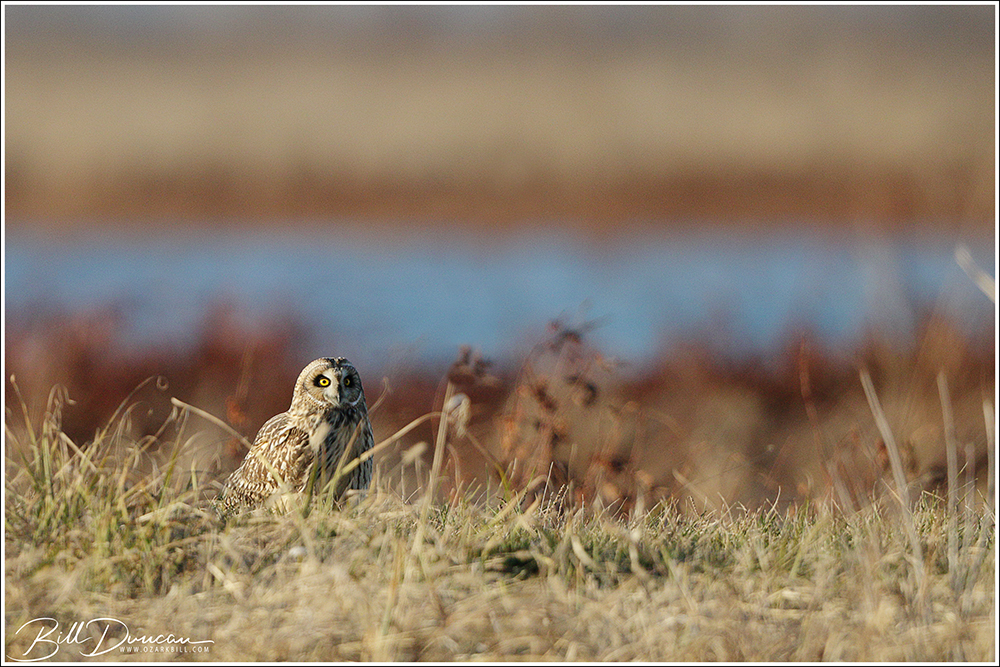
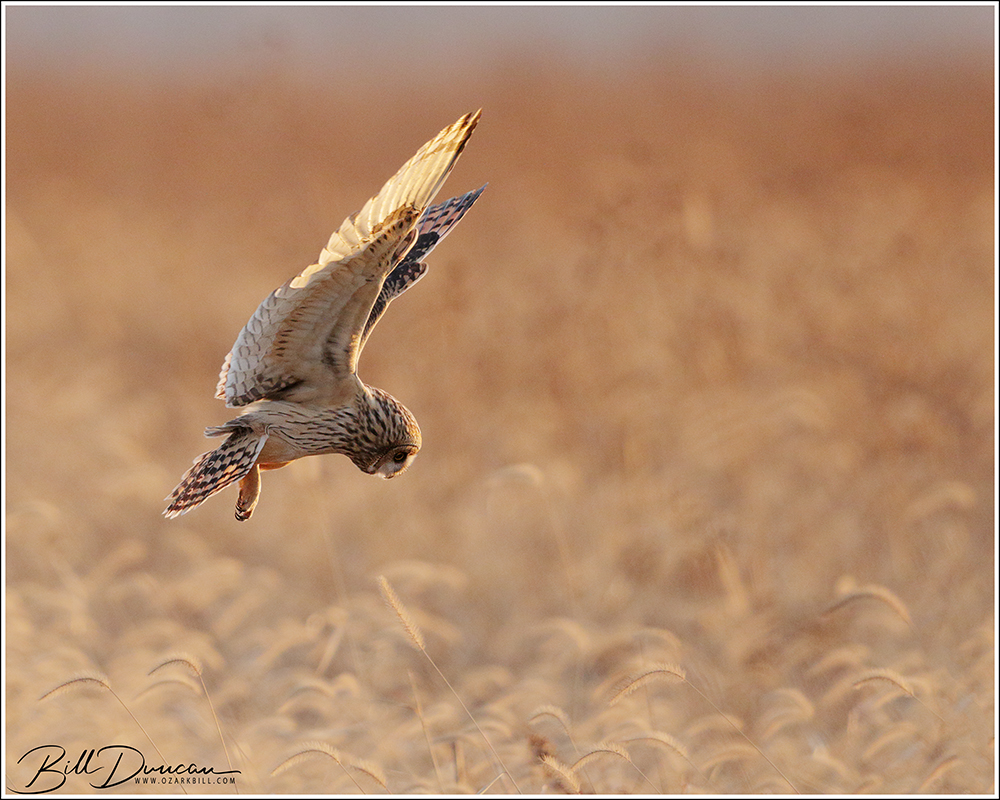
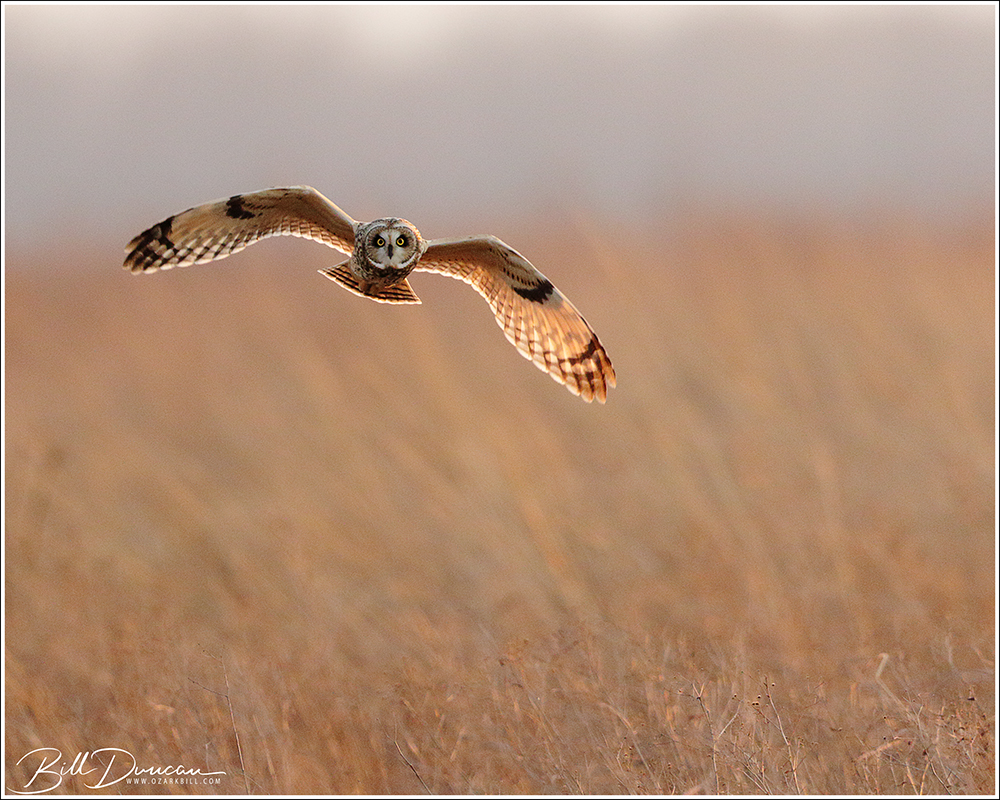
Another thing that makes Short-eared Owls so fascinating to observe is their vocalizations. These birds make sounds in a variety of ways. First, is their primary “hoot”. I have never heard this in person because this is primarily used by males in advertising for mates and establishing territories in the nesting season. You can, however, hear the barks and screams given by both males and females on their wintering grounds. The screams seem to be primarily given while in flight and the barks can be given in flight or while perched. I do not know the purposes of these two call types but will put this on my list to research. Another sound these birds deliver is the wing clap. This seems to be primarily used by males in their courtship flights and I have not observed this yet in Missouri.
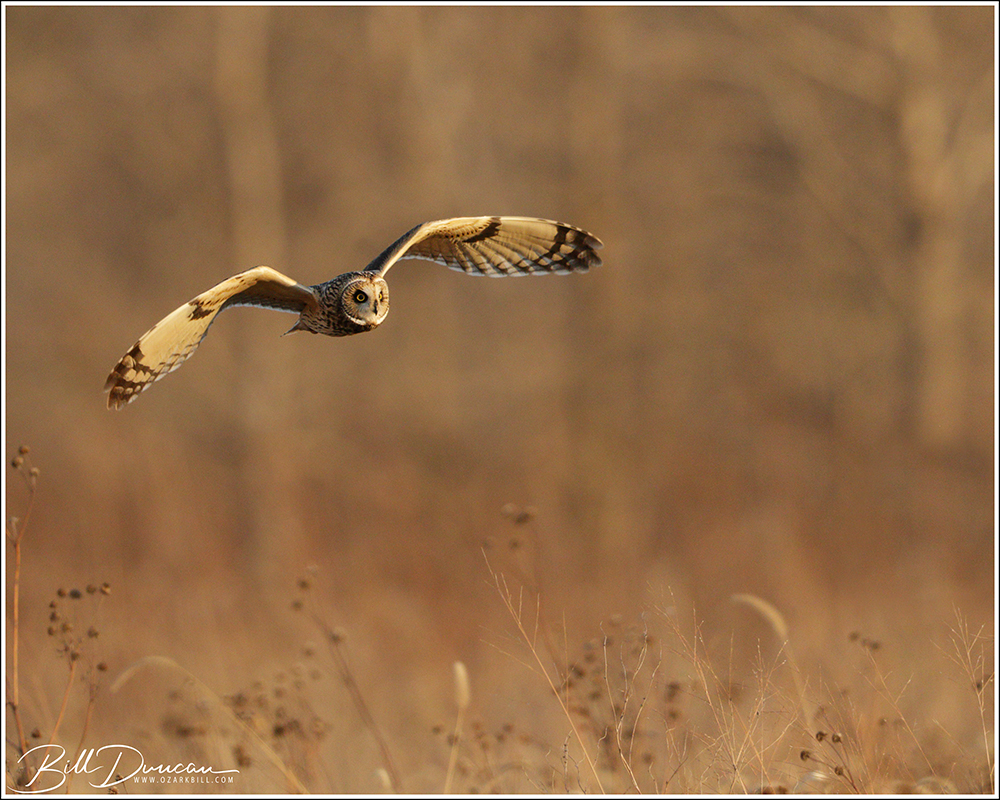
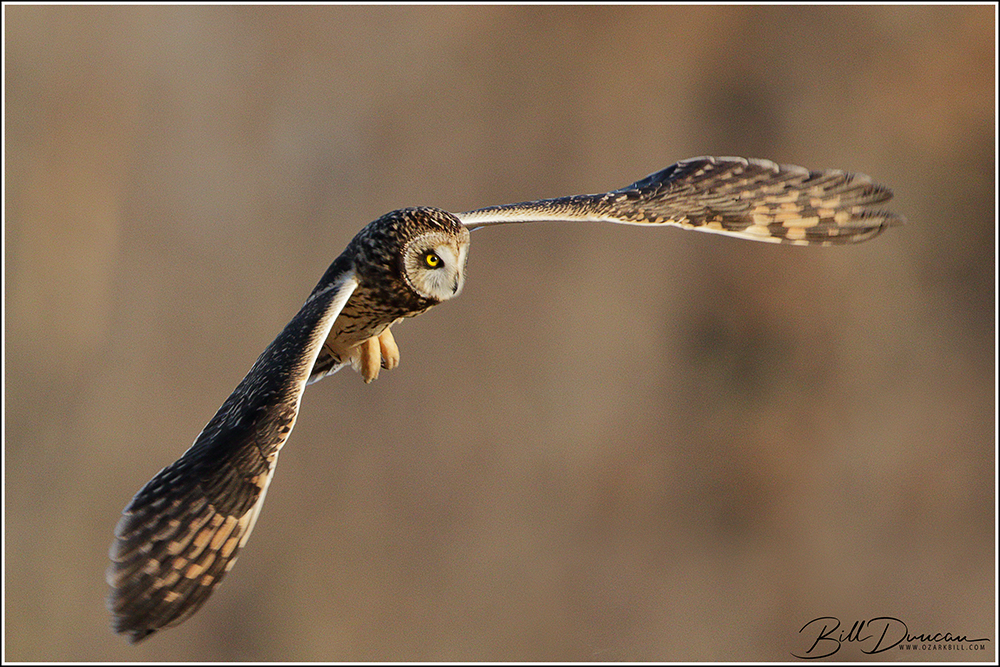
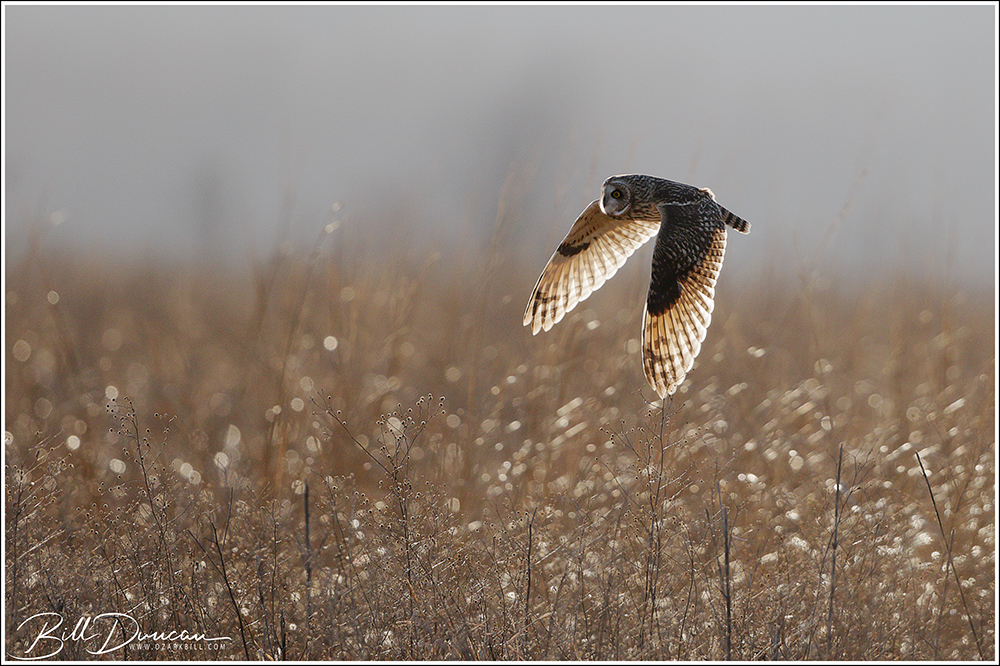
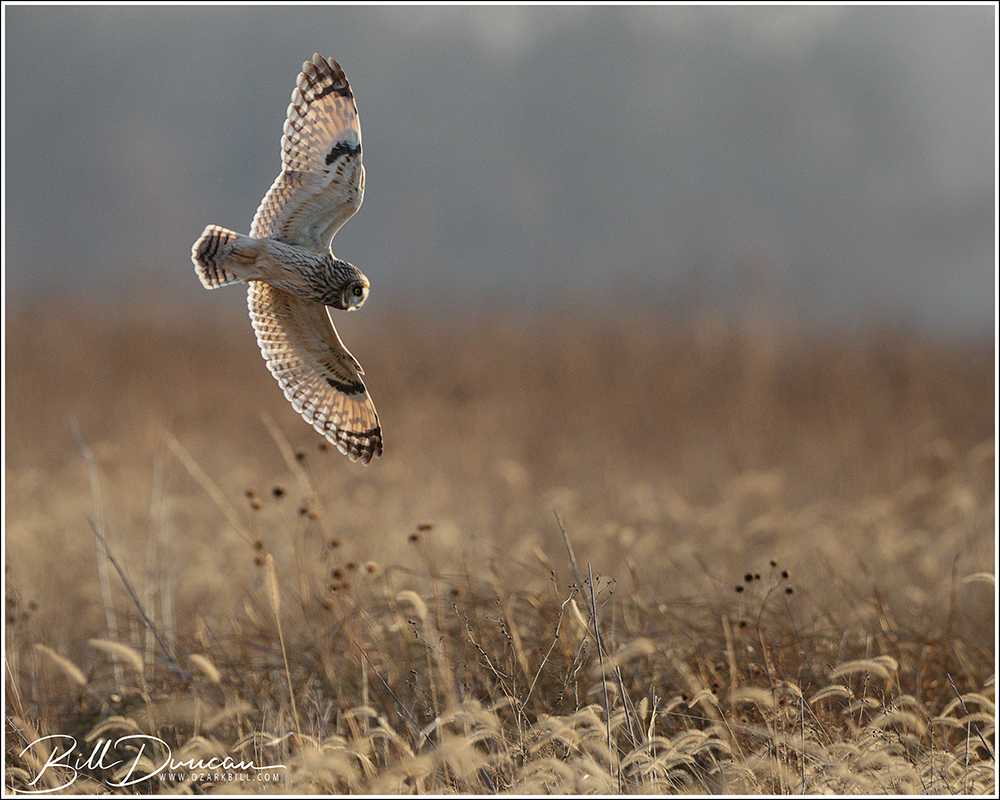
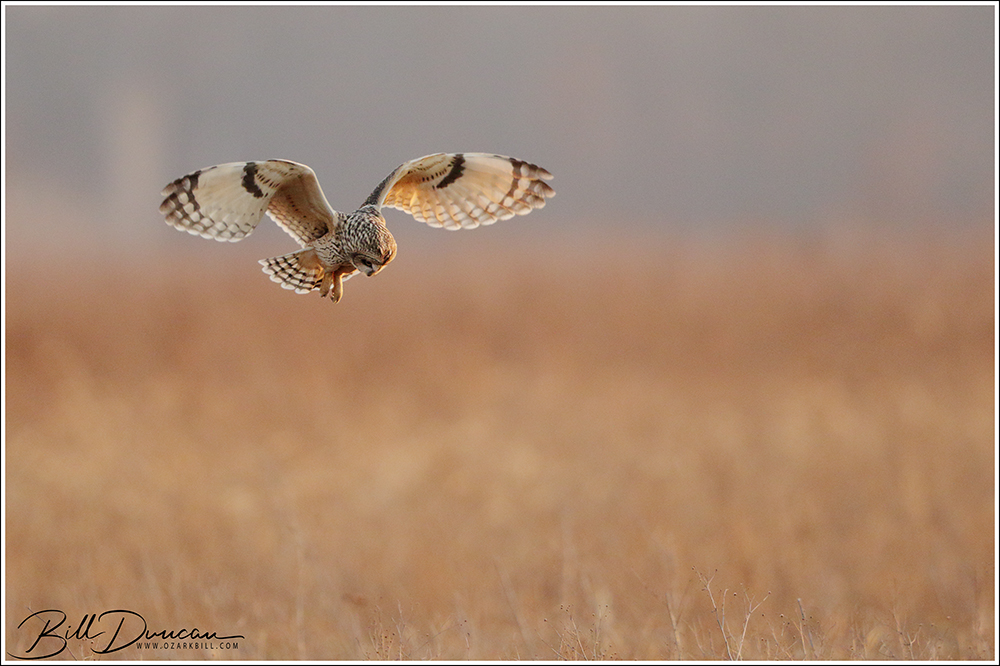
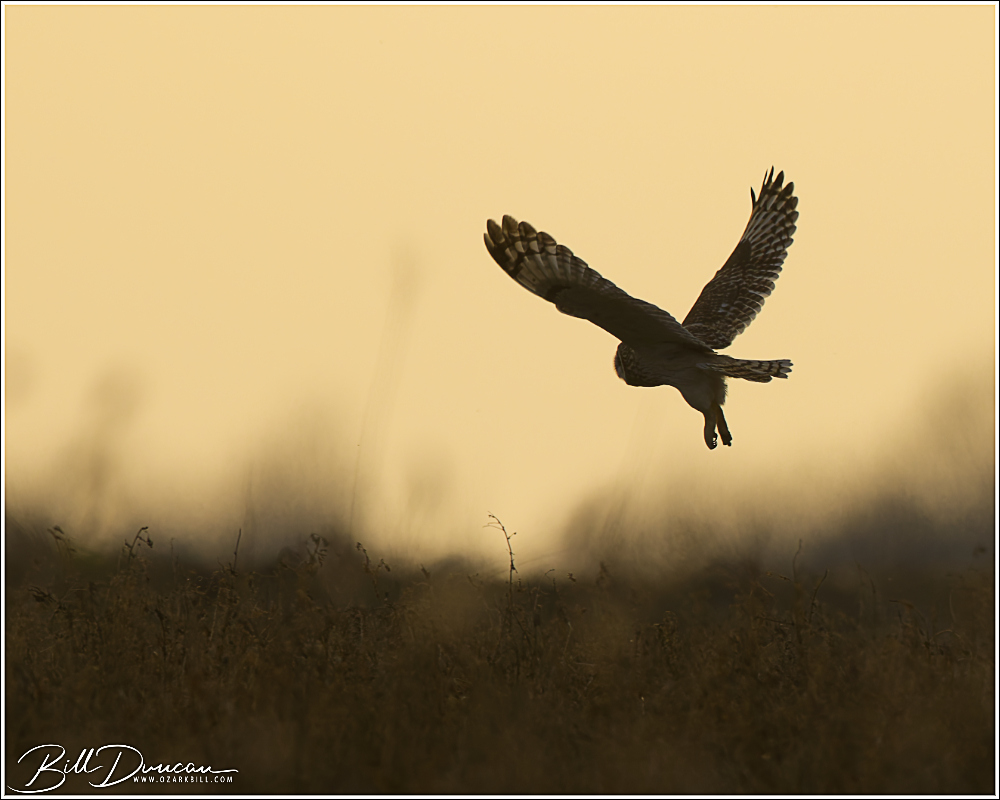
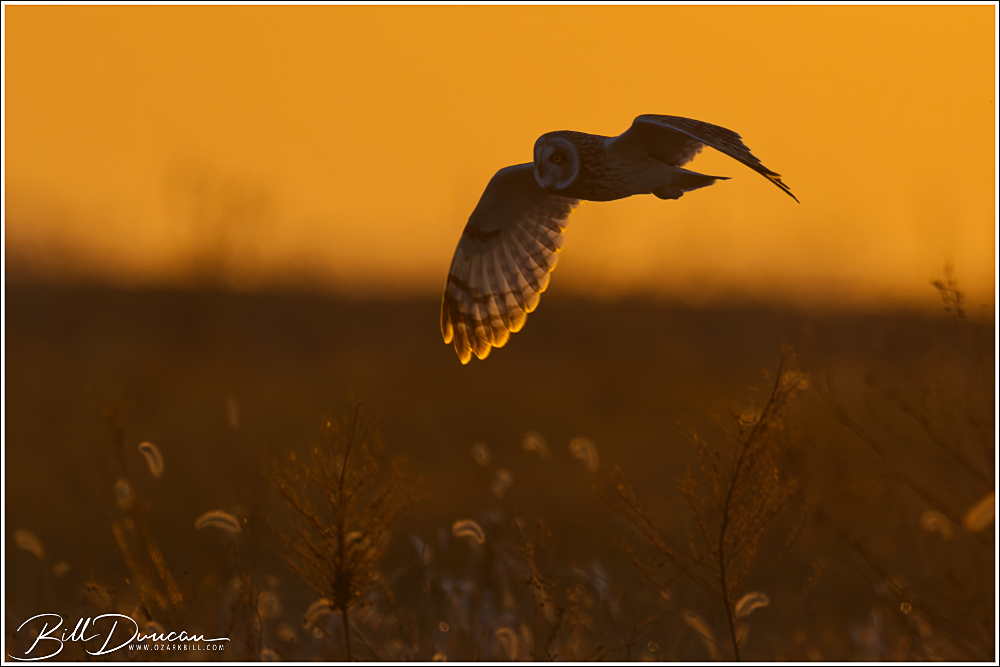
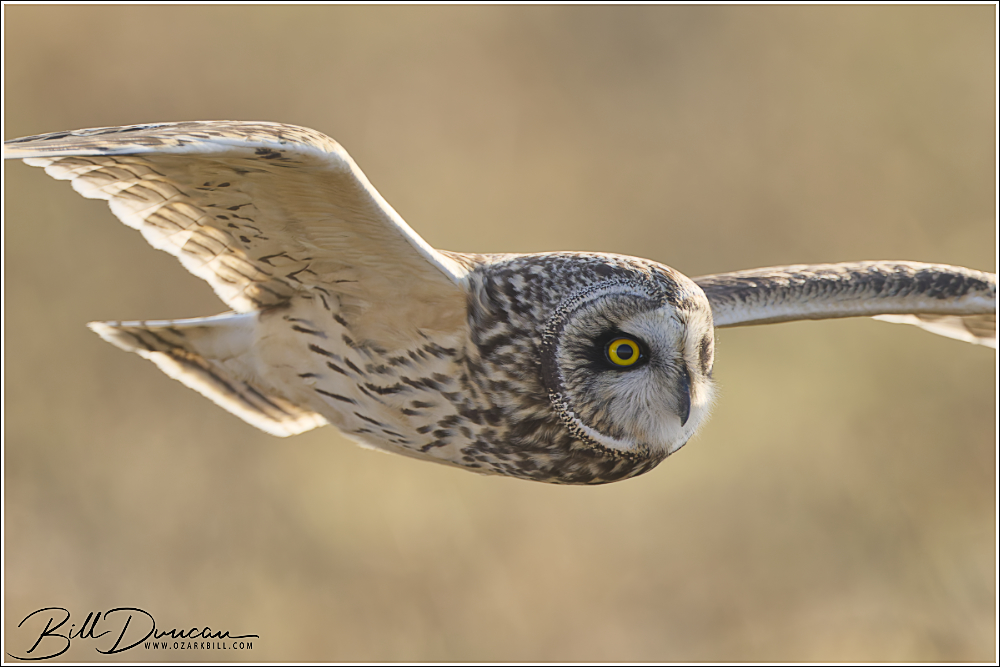
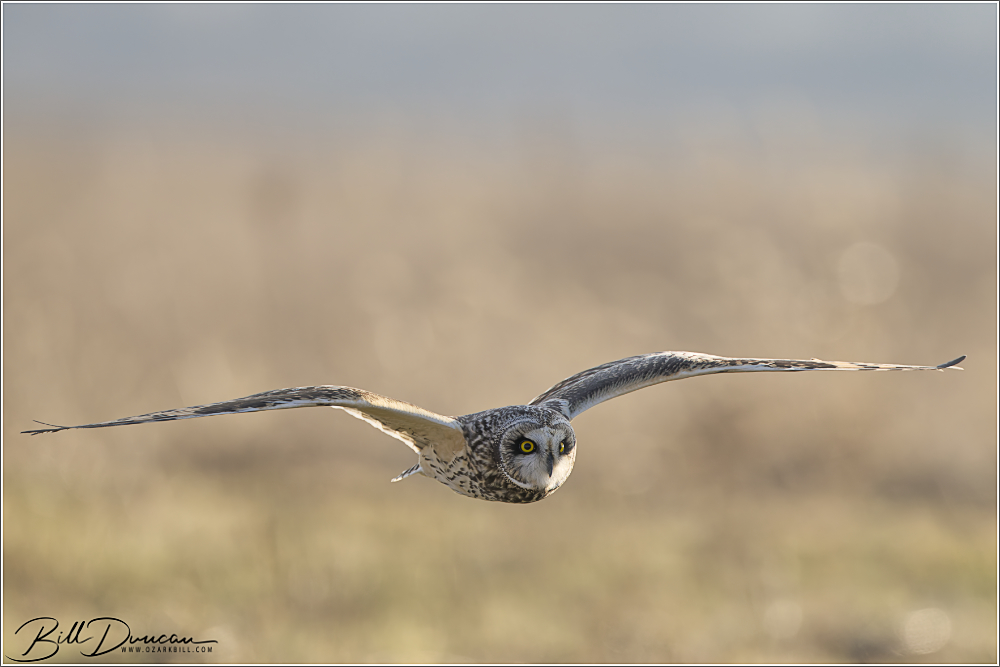
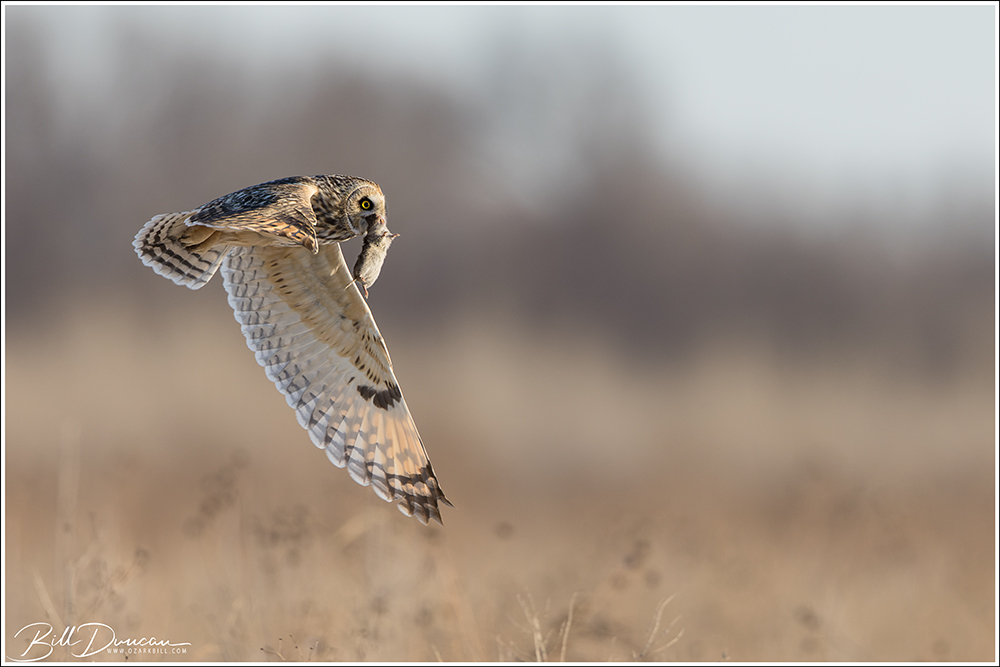
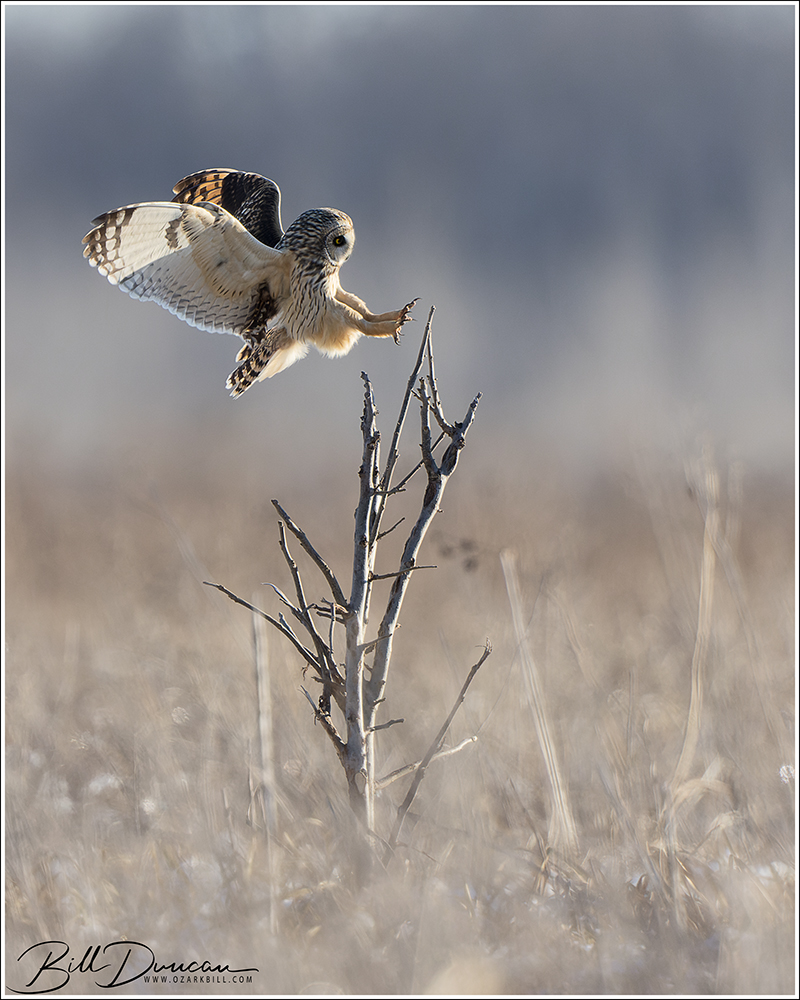
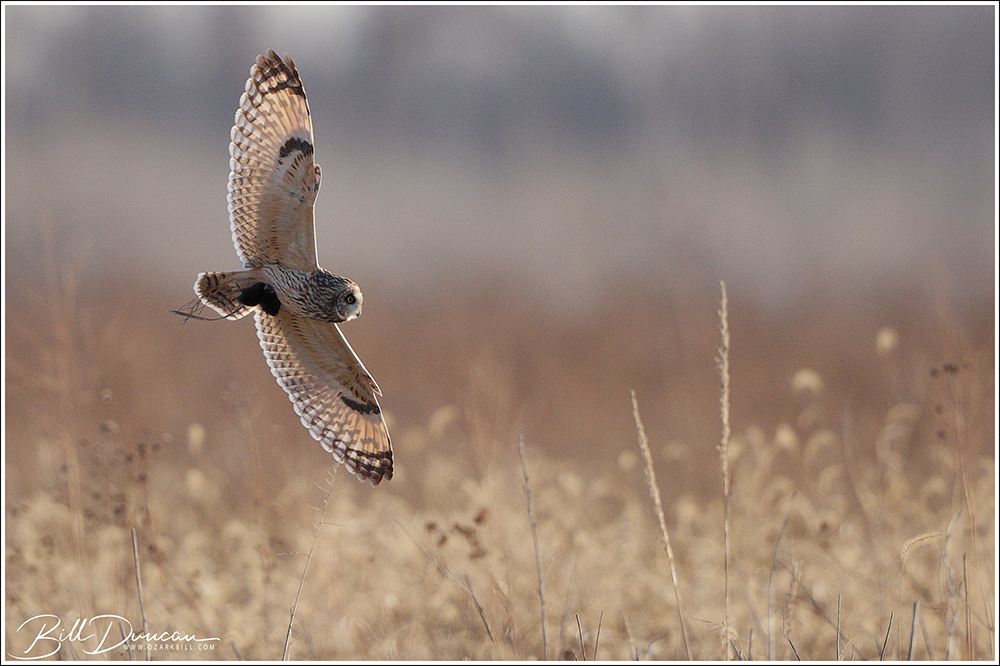
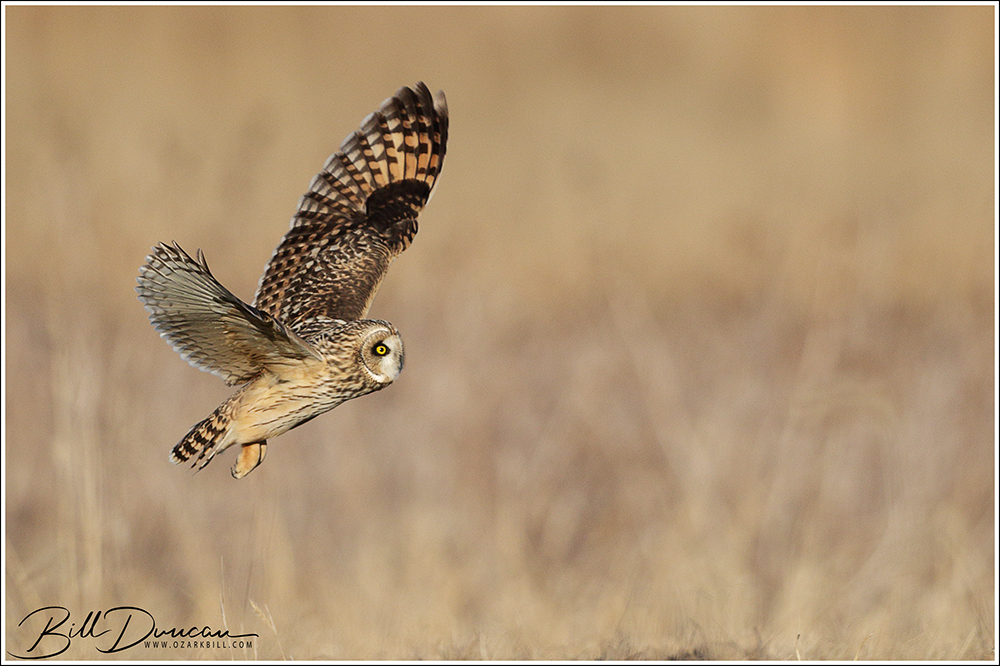
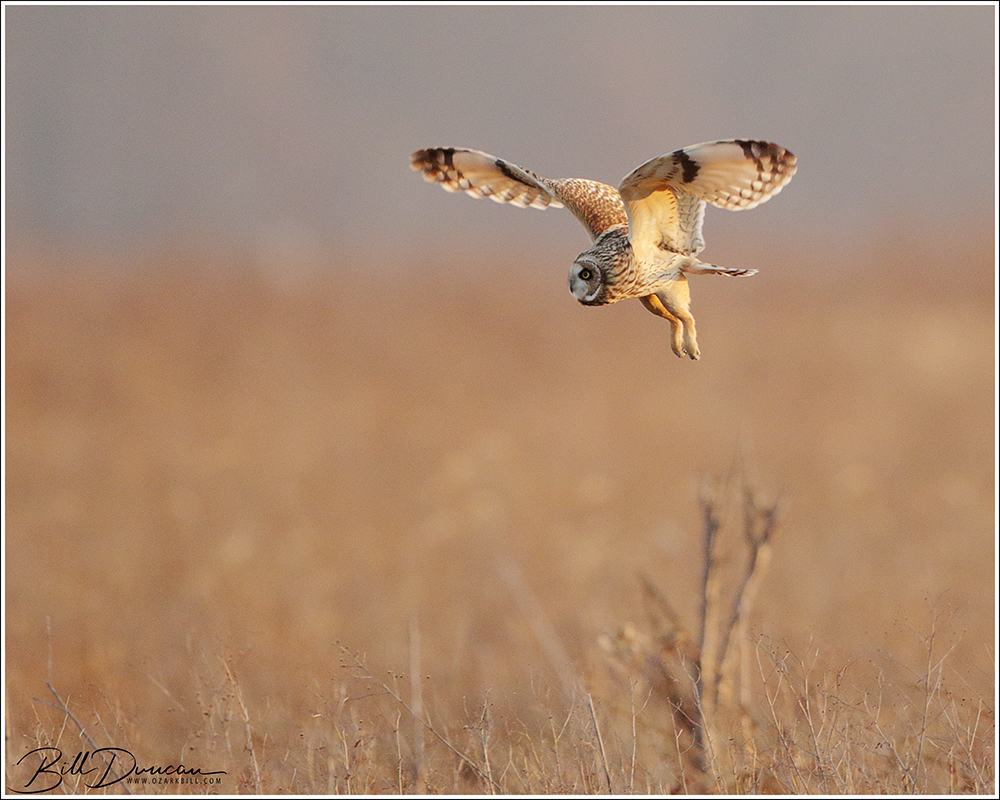
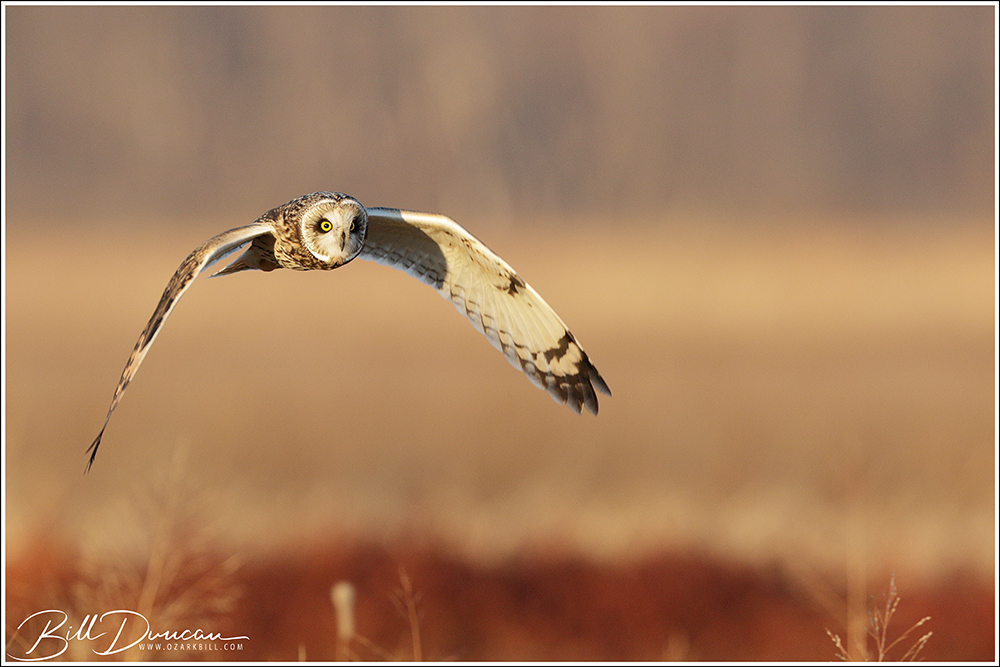
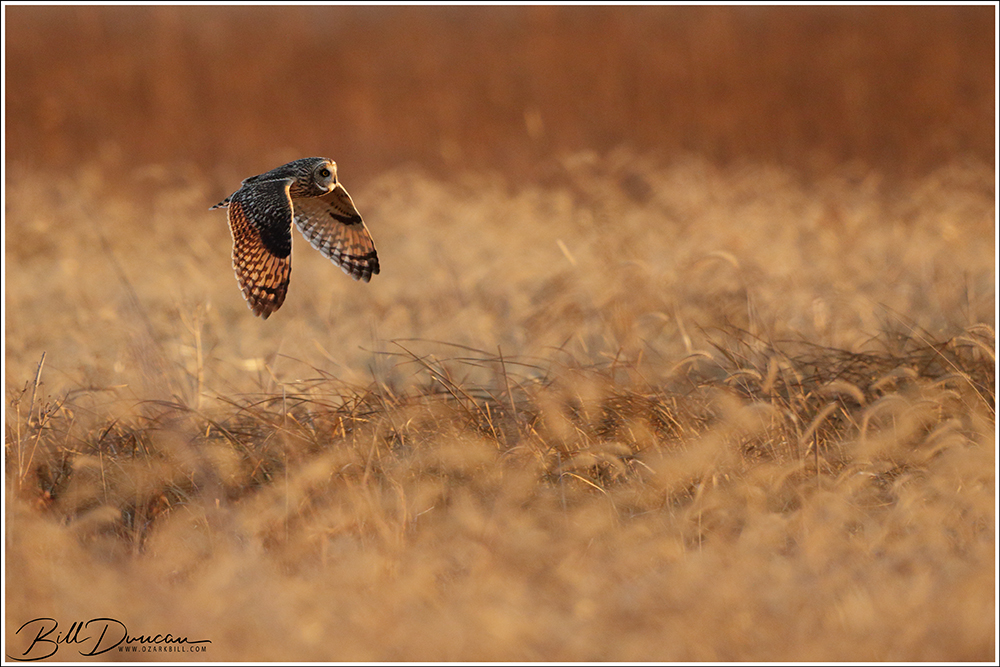
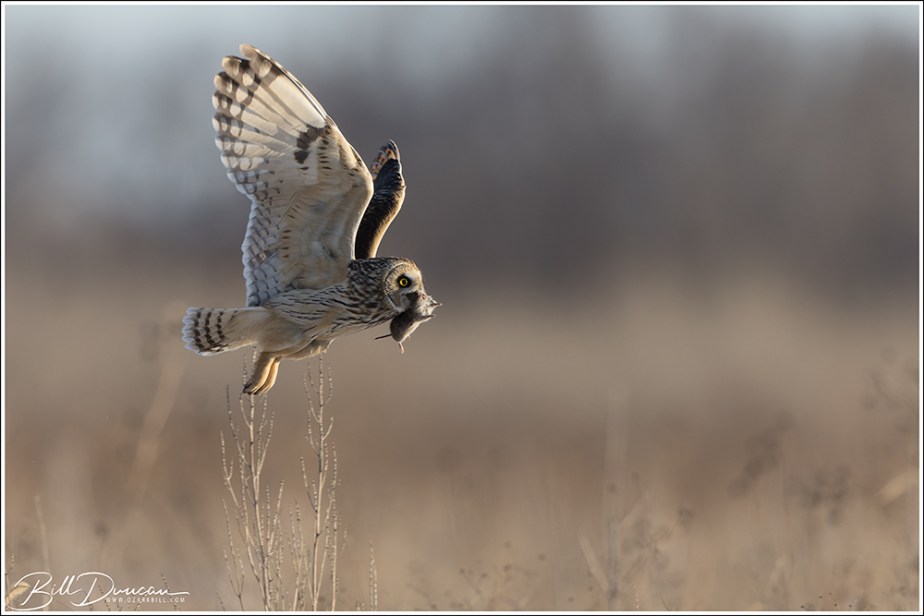
The Short-eared Owl is a unique flyer. Birder and author Pete Dunne described them as a “…pale beer keg on wings.” Just as apt, but completely different, many have described their flight as like that of a moth, with long, straight wings that give a buoyant and unpredictable pattern that is often mixed with long periods of gliding. They have the tools of a successful hunter and although they lack the speed and power of their neighbors – the Northern Harriers, their ability to fly agilely and without making a sound, allows them to pick up their rodent prey without much apparent effort.

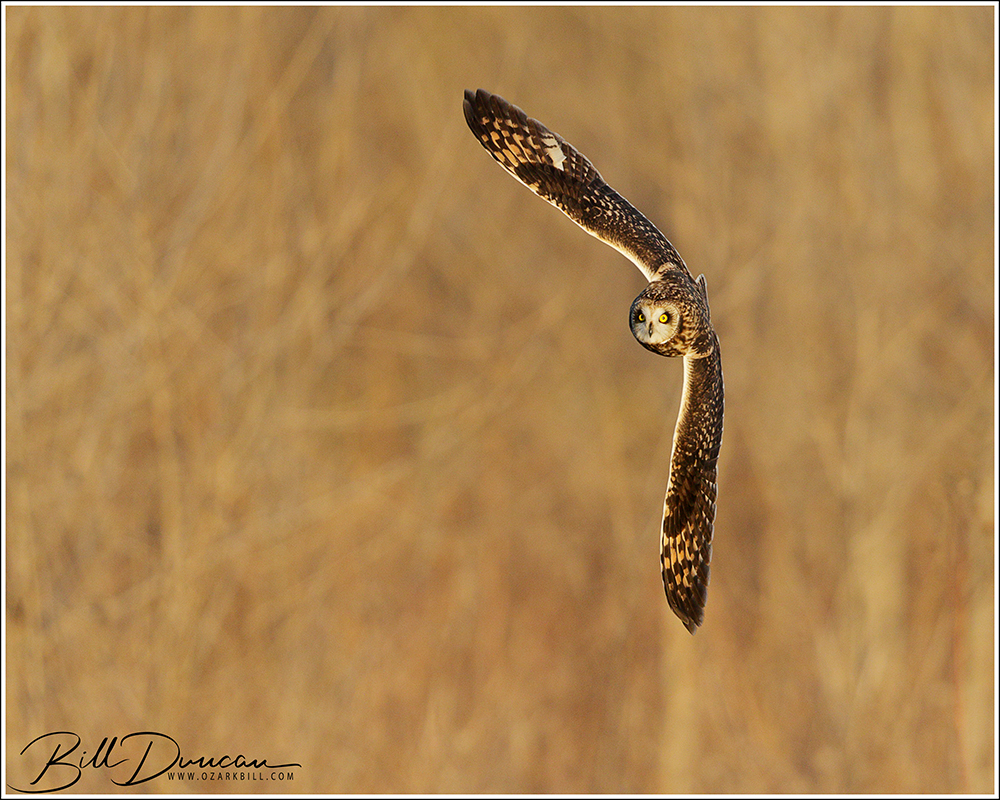
 A Thousand Acres of Silphiums