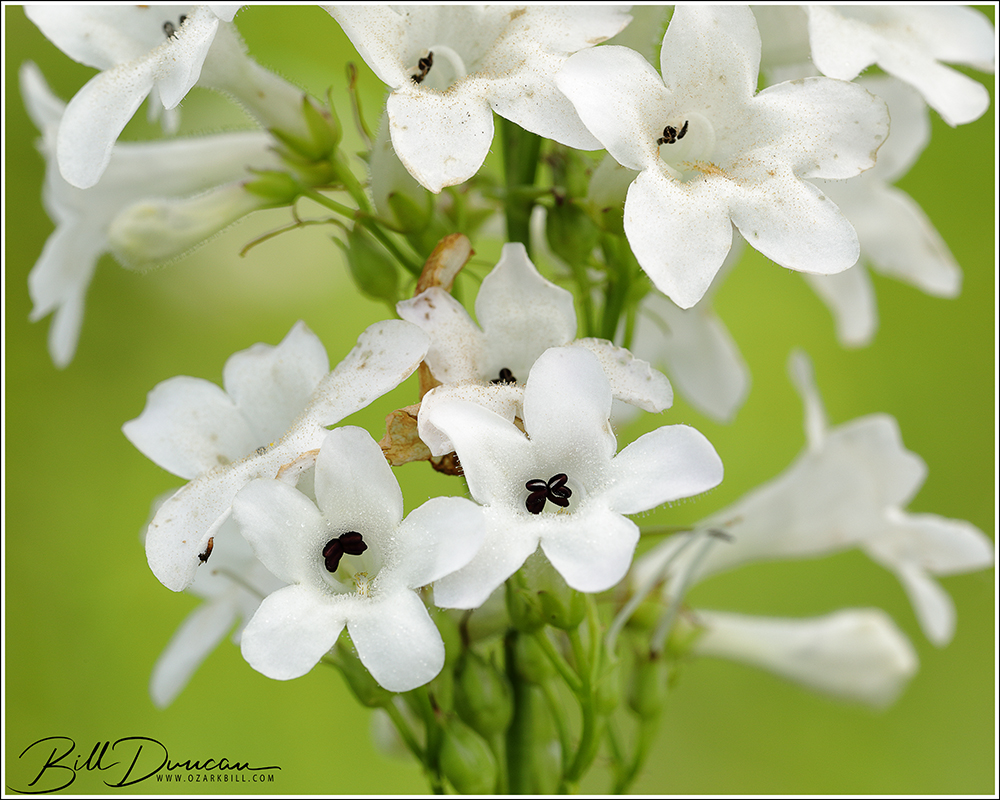
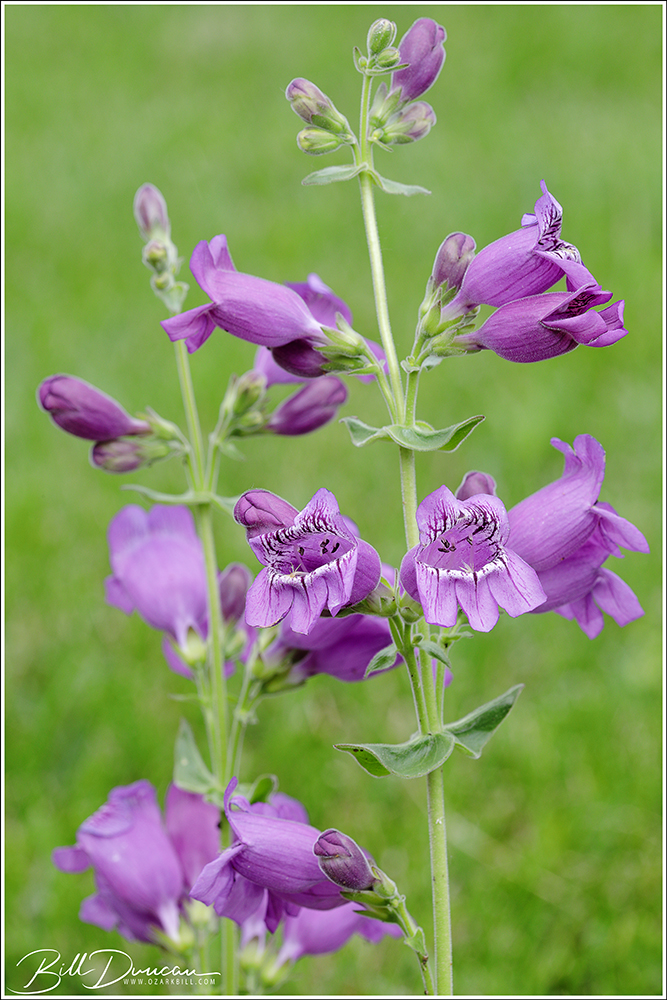
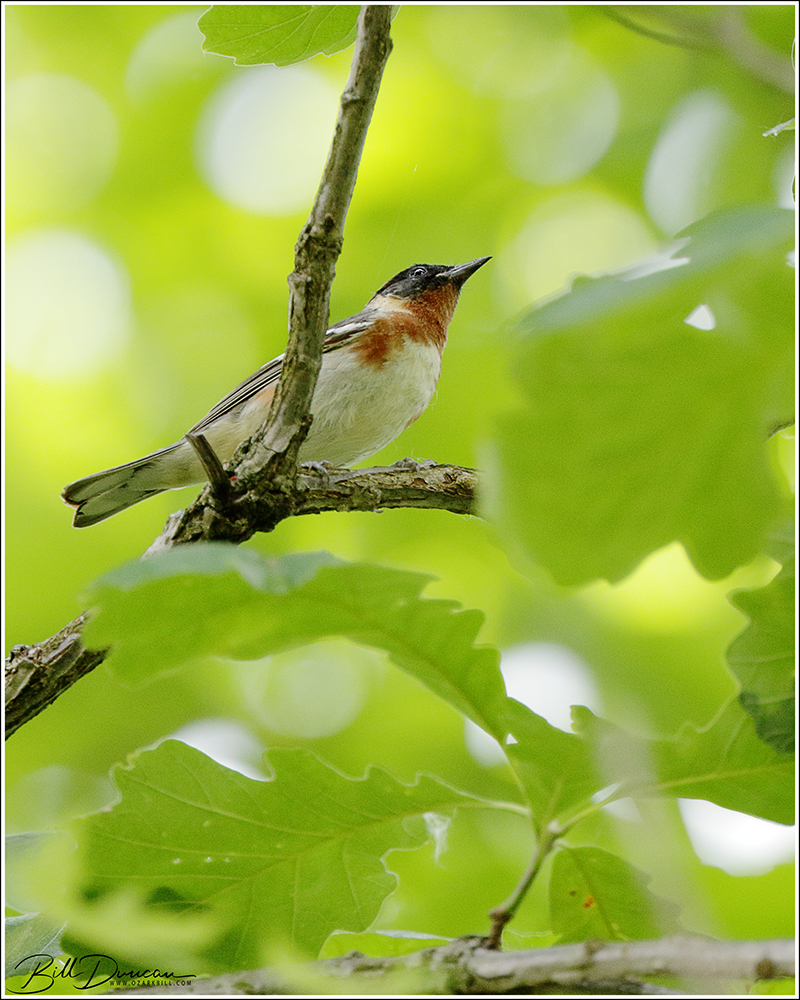
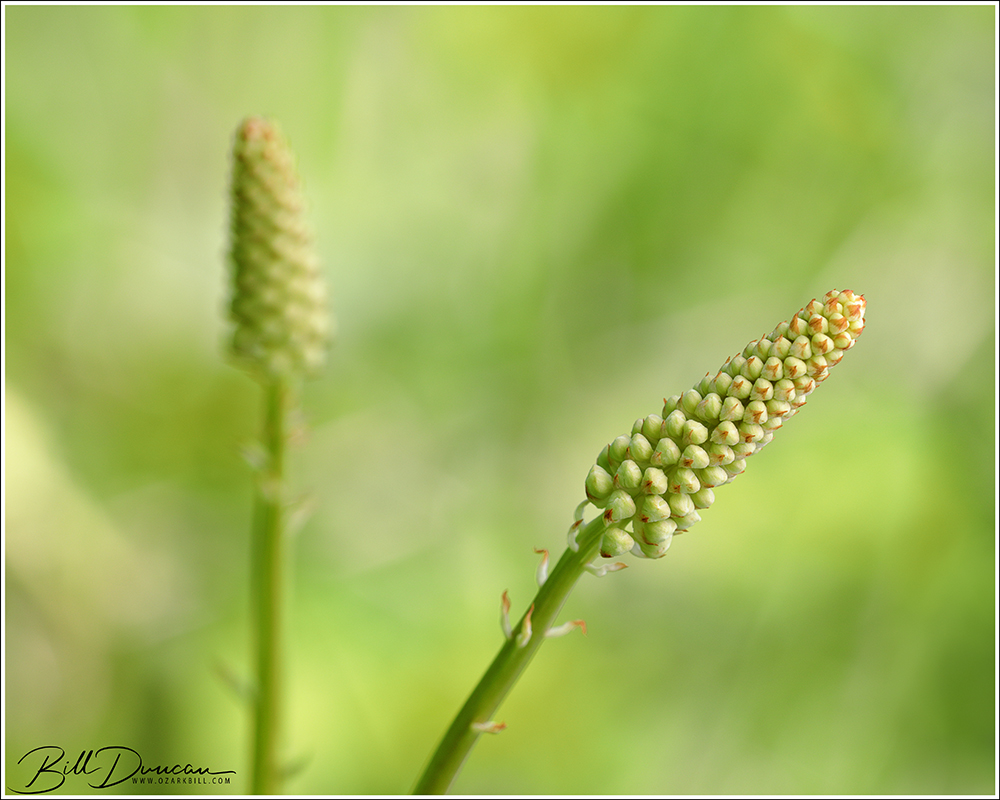
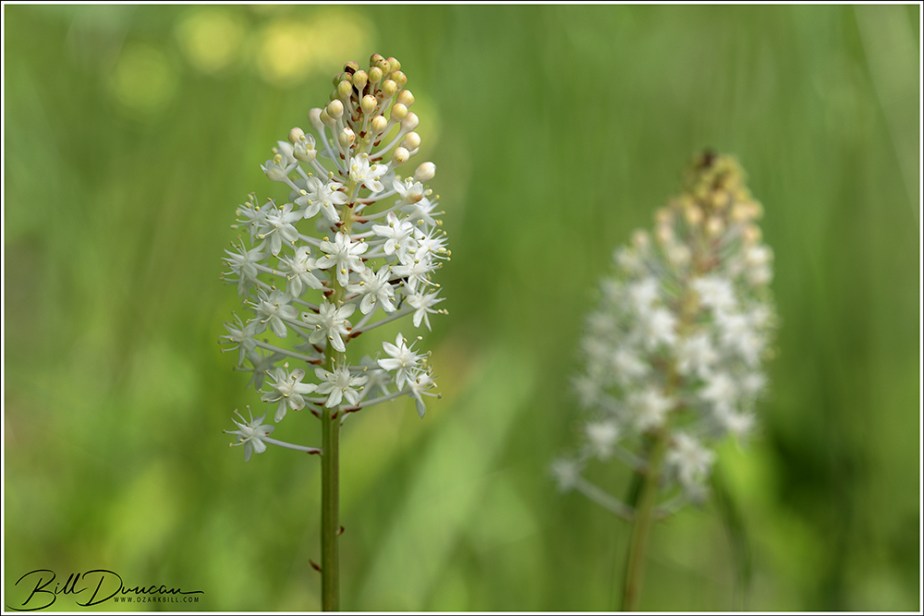
"What a thousand acres of Silphiums looked like when they tickled the bellies of the buffalo is a question never again to be answered, and perhaps not even asked." -Aldo Leopold
In continuing my work from last year, this year I was able to capture a few Aphaenogaster rudis moving the diaspores of Dicentra cucullaria (Dutchman’s breeches). Although this was the best year I’ve ever seen for D. cucullaria, getting everything to work just right in order to photograph this process was difficult. I was often short on the time needed to do this. Also, the cool temps we had this spring made it a bit difficult to find the foraging ants, even when the supply of diaspores I had at my disposal were ample.
The 2021 season has started with great success. The following orchids were found in Stoddard County on a trip with Pete Kozich, Casey Galvin and Stephen Dilks. Many thanks to all of you for your parts in finding these and several other fascinating plants on this day. It was a pleasure botanizing with you.
Another early-blooming trillium that is rare in Missouri. These Trillium pusillum var. ozarkanum were photographed in late March in southwestern Missouri.
This spring has been flying by. With great cool and wet weather, the spring ephemeral wildflower season has been one of the best I’ve experienced and in the past two weeks the bird diversity has been on the rise. Just today, I had a Wood Thrush, a Cooper’s Hawk and a Barn Swallow from my suburban yard alone! This morning I found a Sedge Wren in the grasses at Beckemeier Conservation Area among about half a dozen warblers.
I hope you are getting out to enjoy some of this action and I want to share a few photos of one of my many favorites, this Worm-eating Warbler that is already setting up territory at Bush Wildlife Conservation Area.
Originally described in 2006 as Claytonia ozarkensis, this plant was considered a near-endemic to the Ozarks, being found in Missouri, Arkansas and Oklahoma. Yatskievych et al. (2013) further defined this form and re-described this as C. arkansana. This species is known from only three counties in Arkansas and is classified as G2, or globally imperiled due to its required specialized habitat. C. arkansana is only found on sandstone bluffs and ledges. An interesting adaptation this plant has required to ensure its offspring remain in this required habitat is by negative phototropism of the pedicle after flowering. As the fruits develop, the pedicle turns away from light so that the seed may be dispersed in the cracks and bluff ledges where they need to germinate.
I want to thank Casey Galvin and John Oliver for helping me find this fascinating plant!
Yatskievych, G., R.J. Evans, and C.T. Witsell. 2013. A reevaluation of the Ozark endemic Claytonia ozarkensis (Montiaceae). Phytoneuron 50: 1-11.
In my 15 or so years of paying attention to important things like this, I have never seen spring ephemerals having a better year than this one. Places within the St. Louis metro area, such as Englemann Woods Natural area and Beckemeier Conservation Area are loaded with wildflowers right now. Whether this is because of the cool and mild spring we have been having so far, or some other reasons, I don’t know. Here are a few photos taken this week at Beckemeier C.A. I hope you get out to enjoy these yourself.
A bluff face covered in ice along the the Little St. Francis
A few images from our recent deep freeze. Casey and I visited the St. Francois Mountains and collected some images along the Little St. Francis River and Little Rock Creek.
Nice shelf ice formed along the river. Hip boots and metal cleats, along with thinking about where you step, are all recommended.
Looking down river
Looking upstream, the ice-shrouded bluffs (~125 feet tall) can be seen through the trees.
A close up look at the frosted bluff face of this rugged river bed.
Finally, a small, ice-crowned shut-in along Little Rock Creek. More interesting shut-ins are found further upstream but those will have to wait for another day.
A buck with small, deformed antlers. Antler growth like this is usually caused by injury or poor nutrition.
Tonight I’m finishing off the neighborhood deer photos from 2020. This buck pictured in the first two photos was a bit odd. Not just because of the aberrant antlers, but he also did not mind my close approach or my following him as he browsed.
Same oddball buck stretching to reach wild grapevine.
A young buck in velvet.
A forky at dawn.
The curious fawn, never too far from mother, browsing in the background.
A velvet IN fog.
A young doe giving attention to her tarsal glands.
On the first of September this fawn still looks to mother for reassurance.
A fortunate position led to a rather regal portrait for this suburban prince.
A few more white-taileds from August. Have a look at the next three images. I’m hoping someone with some knowledge in the genetics of these guys might have some idea what is going on with the buck on the right. With his rack and size, he obviously has the genes, but he looks so different from what I think we would agree is a more typical buck next to him. In addition to the shapes of their heads and faces, their coats are vastly different as well. Thanks for sending any thoughts you might have about what these difference might be caused by.
A couple of different bucks. These are the largest and most impressive of the lot that I found in the neighborhood this year.
Another look at these juxtaposed bucks.
Another look at the contrasting colors and facial shapes of these two buddies.
A brave white-tailed deer fawn stands on its own, not concerned by the photographer.
2020 was a decent year for me in finding and photographing white-tailed deer. It started in the summer a I walked the high-voltage line cuts that run through our neighborhood. These turf fields, the wood lots and scrub fields that run along this area and our yards are home to a good size population of these deer. As I get more into landscaping our yard with native plants, I’m sure I’ll develop issues with these guys, but they are a lot of fun to watch and photograph.
Four bucks and a baby.
Typically, summer bucks in velvet are not easy to see in the daytime. They typically stick to a small area, eat the abundant greenery and try not to damage their sensitive new headwear. Suburban bucks are different. In fact, I had much easier times finding bucks this summer in the neighborhood than I did during the rut season when they are typically easier to find and get close to.
I came across this doe early one morning when walking up this gravel trail.
I tell them its not polite to stare but they never listen.
Great light for a portrait.
The back-lighting here causes the velvet of this buck’s developing antlers to glow.
This curious fawn, photographed the same morning as the previous image, actively pursued me and eventually got closer than the minimum focusing distance of my lens!
I found these three in the turf fields later in the day and the season than the rest of their herd. I imagine mom wanted to refuel for as long as she could before heading to the woods.
That’s all for this set. Stay tuned and check back later to see more from the neighborhood this summer as well as images I took during the rut.