
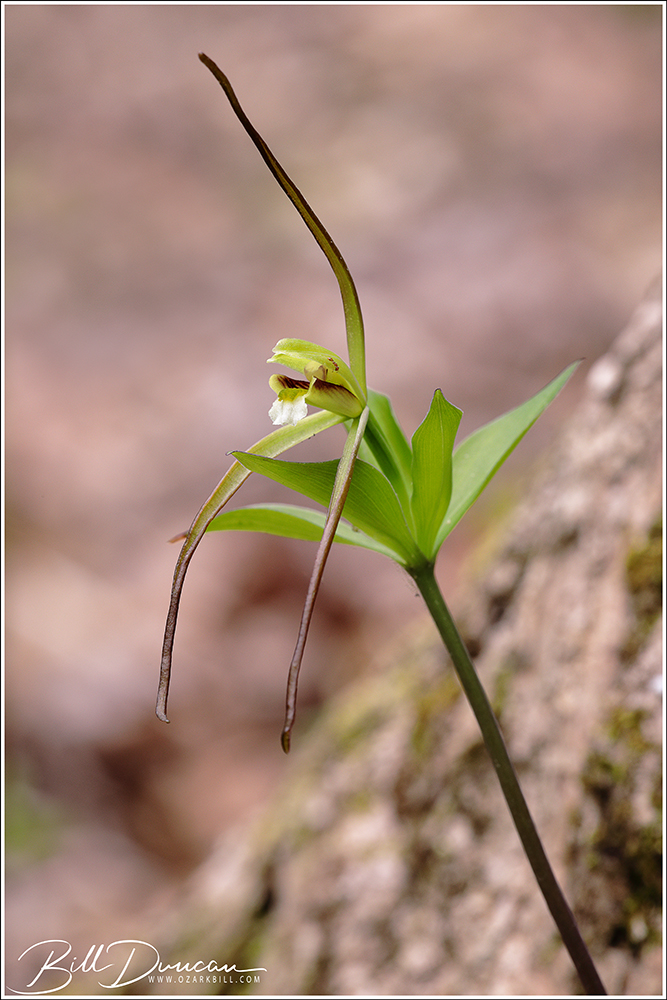
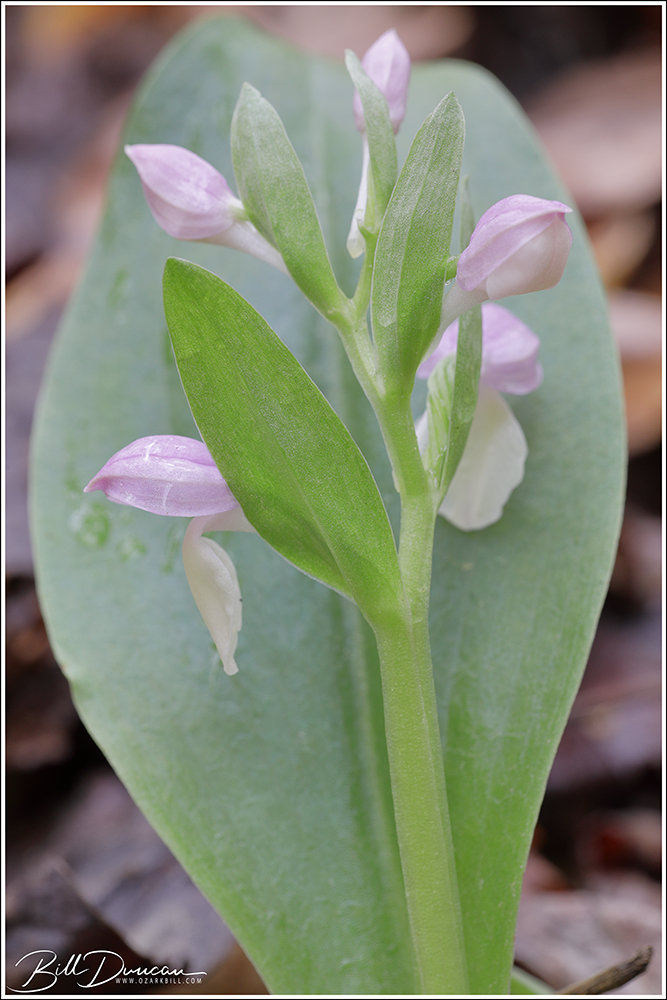
I shared images of this orchid last year. However, with an opportunity to visit one of its special homes this past weekend with a couple of friends, I couldn’t pass up the chance to see them again. I’ll be sharing photos of new orchids soon.
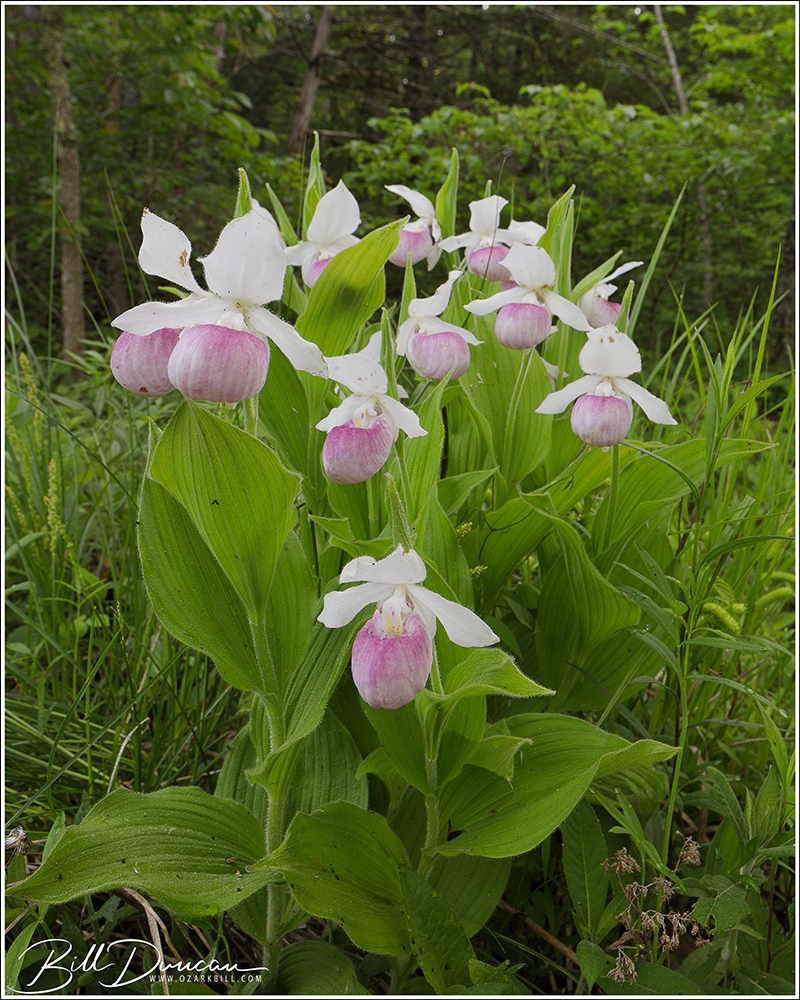


"What a thousand acres of Silphiums looked like when they tickled the bellies of the buffalo is a question never again to be answered, and perhaps not even asked." -Aldo Leopold
I shared images of this orchid last year. However, with an opportunity to visit one of its special homes this past weekend with a couple of friends, I couldn’t pass up the chance to see them again. I’ll be sharing photos of new orchids soon.
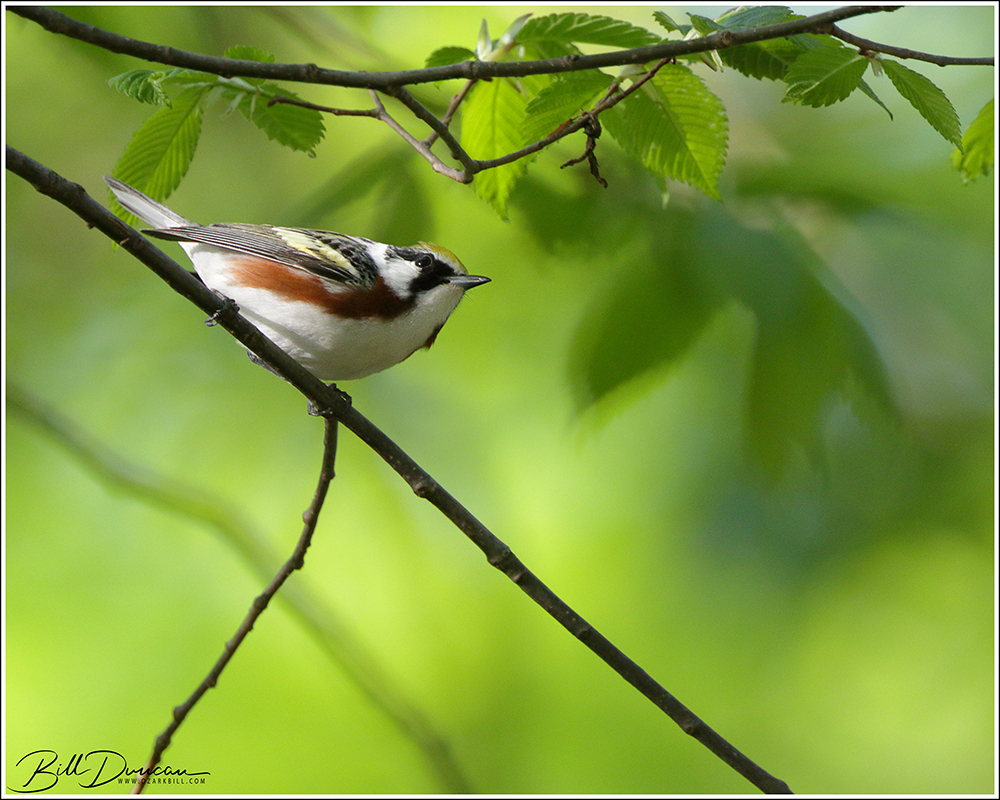
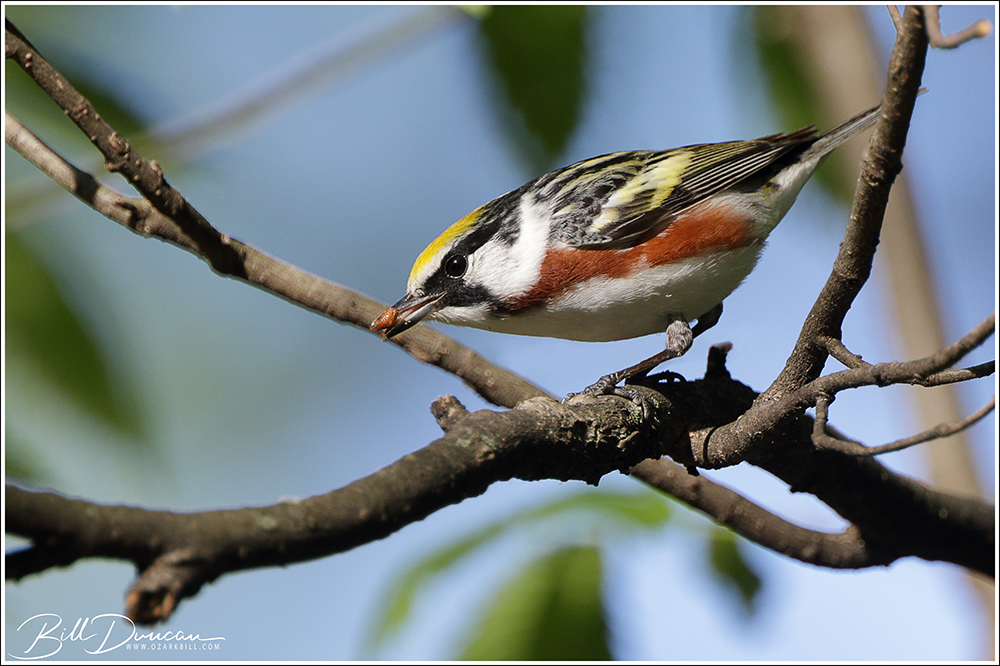
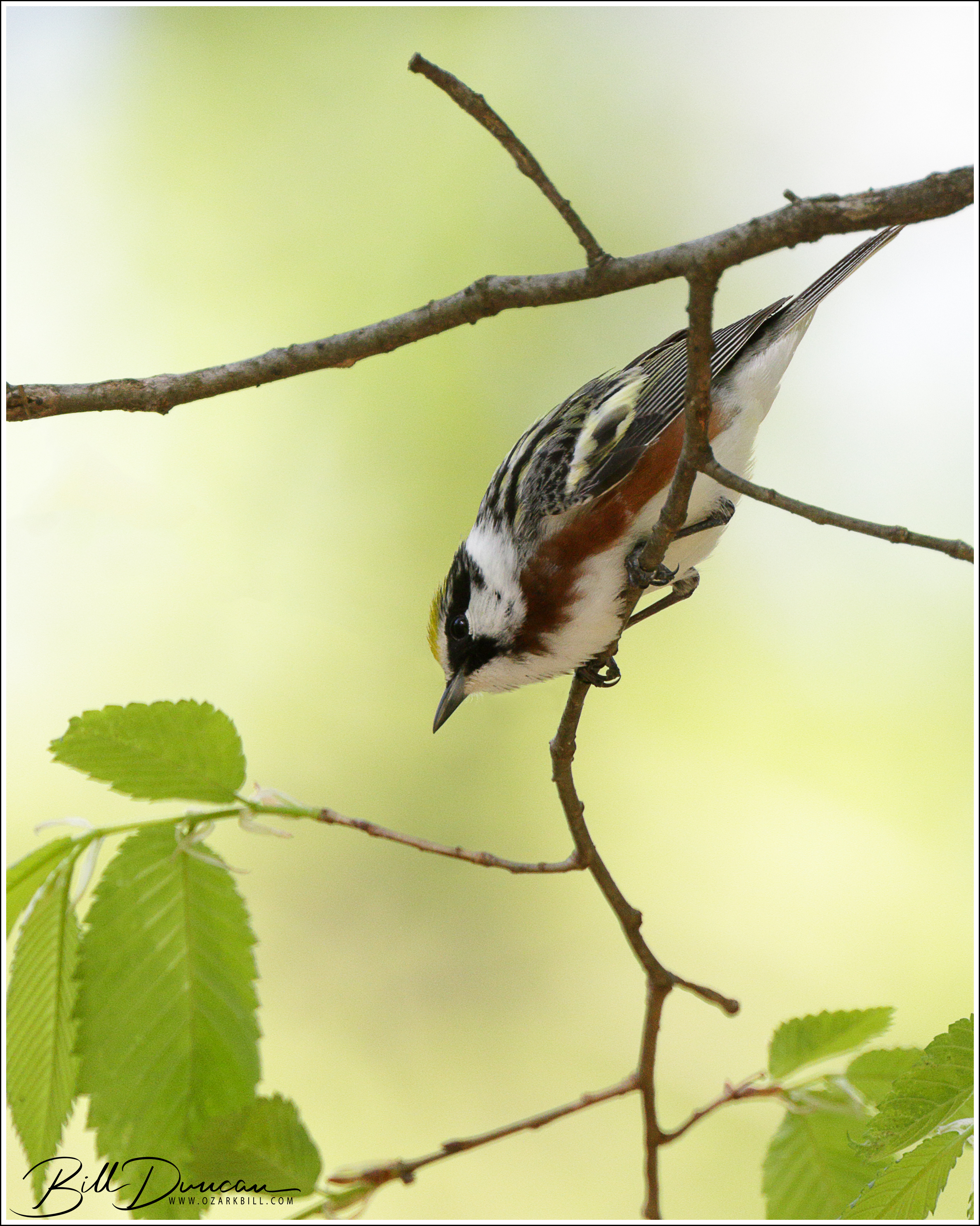
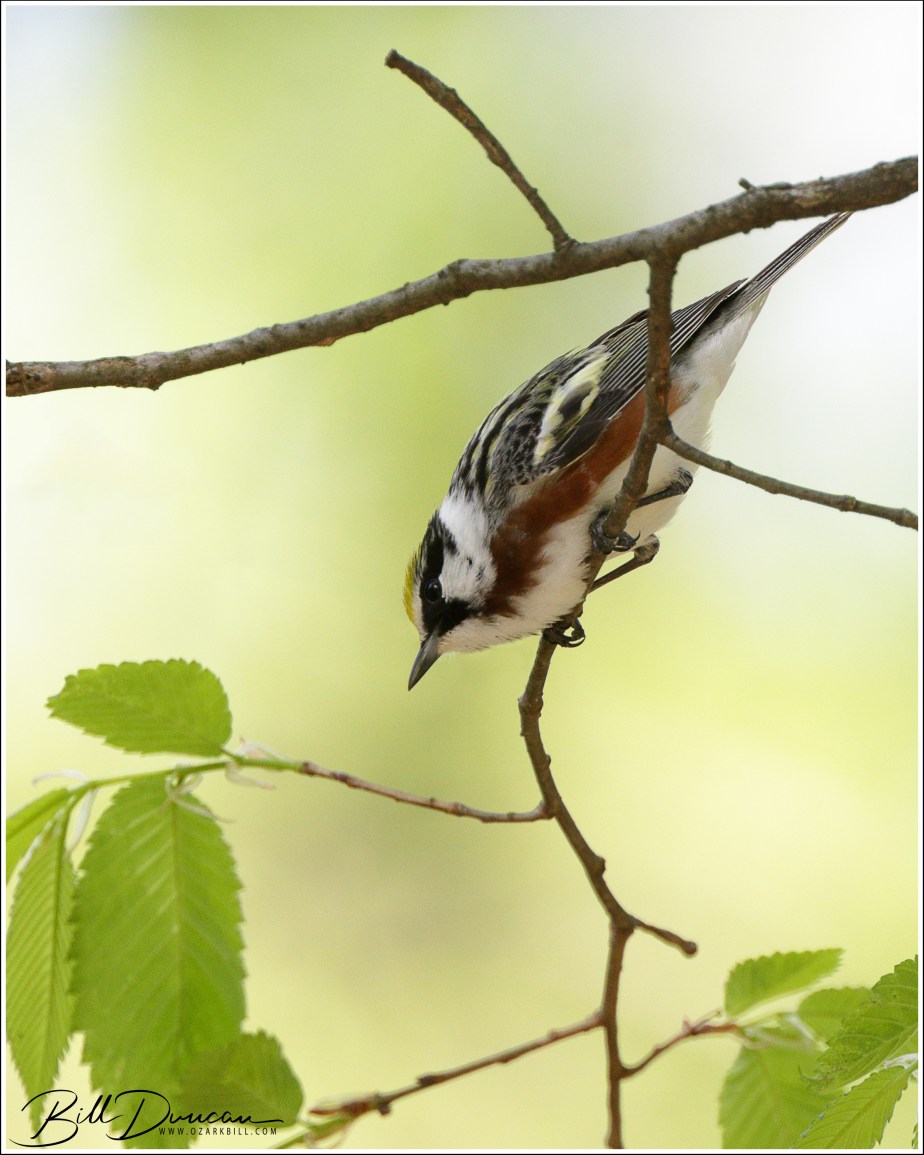
It looks as though I may get only one opportunity for Tower Grove Park this spring, but it was a good one. I’m glad it was a nice morning for Kathy Duncan’s first visit. We had quite a few cooperative birds at the water feature of the Gaddy Bird Garden where these photos of Chestnut-sided Warblers were taken.


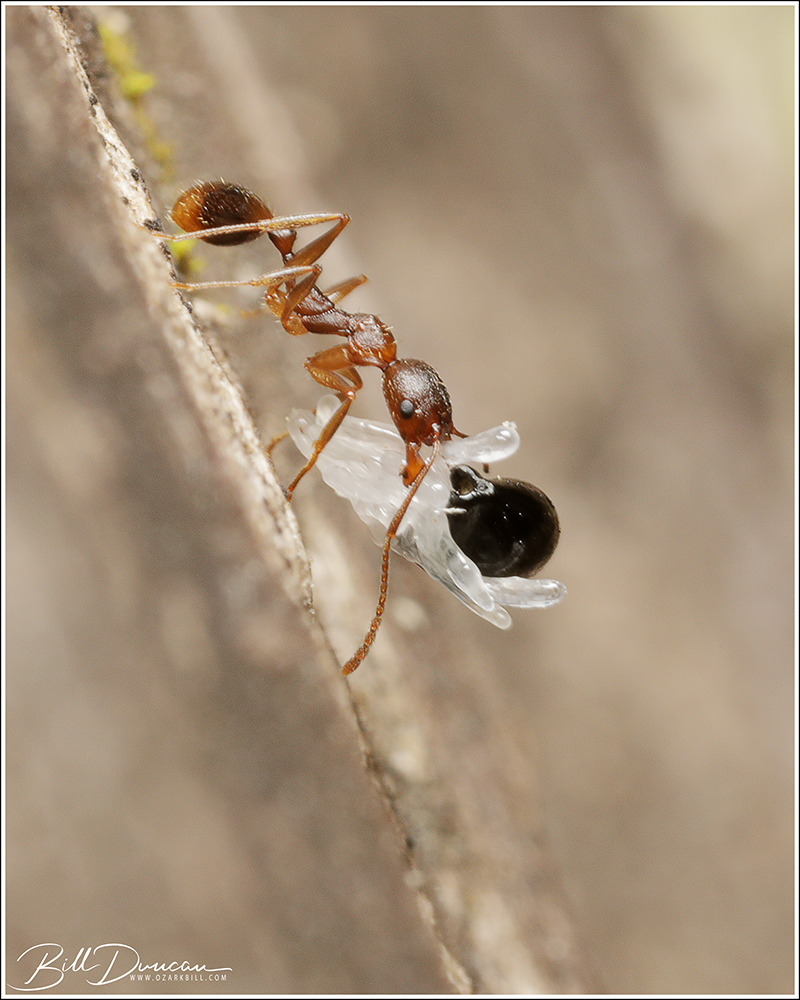
In continuing my work from last year, this year I was able to capture a few Aphaenogaster rudis moving the diaspores of Dicentra cucullaria (Dutchman’s breeches). Although this was the best year I’ve ever seen for D. cucullaria, getting everything to work just right in order to photograph this process was difficult. I was often short on the time needed to do this. Also, the cool temps we had this spring made it a bit difficult to find the foraging ants, even when the supply of diaspores I had at my disposal were ample.

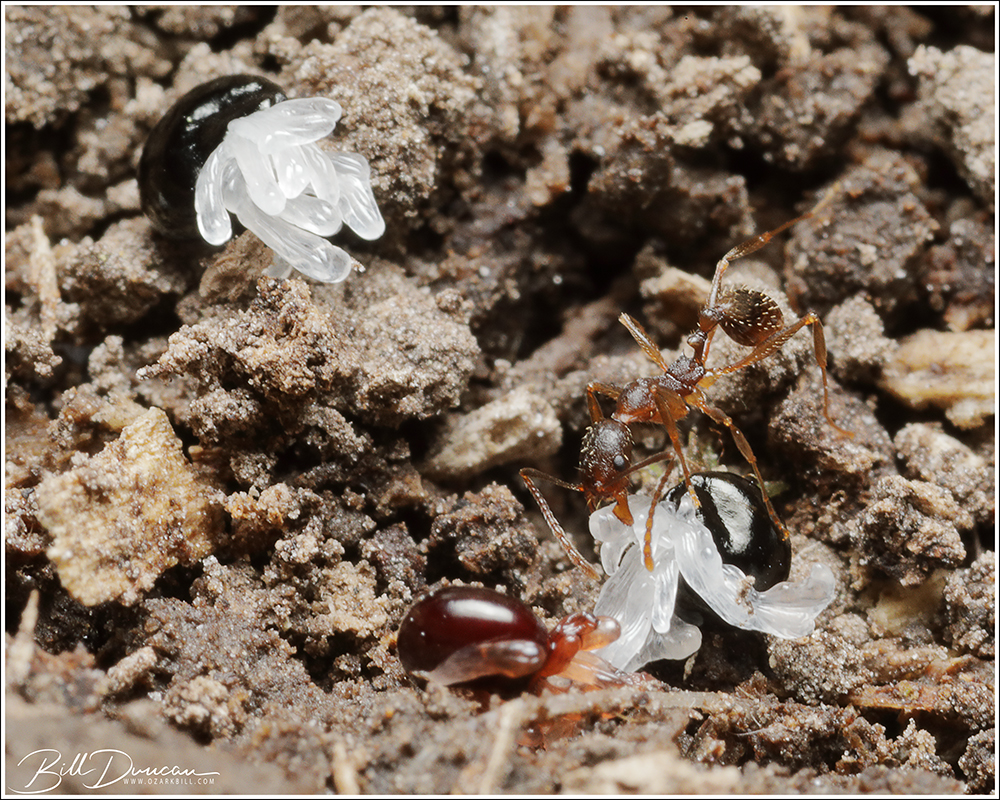
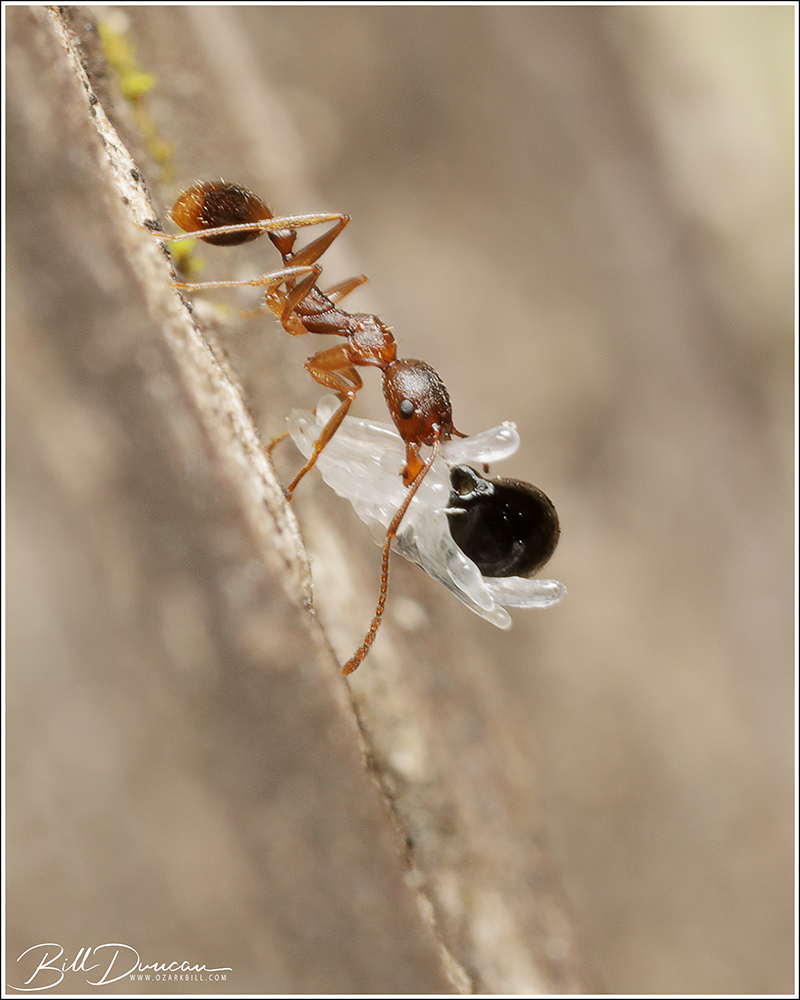
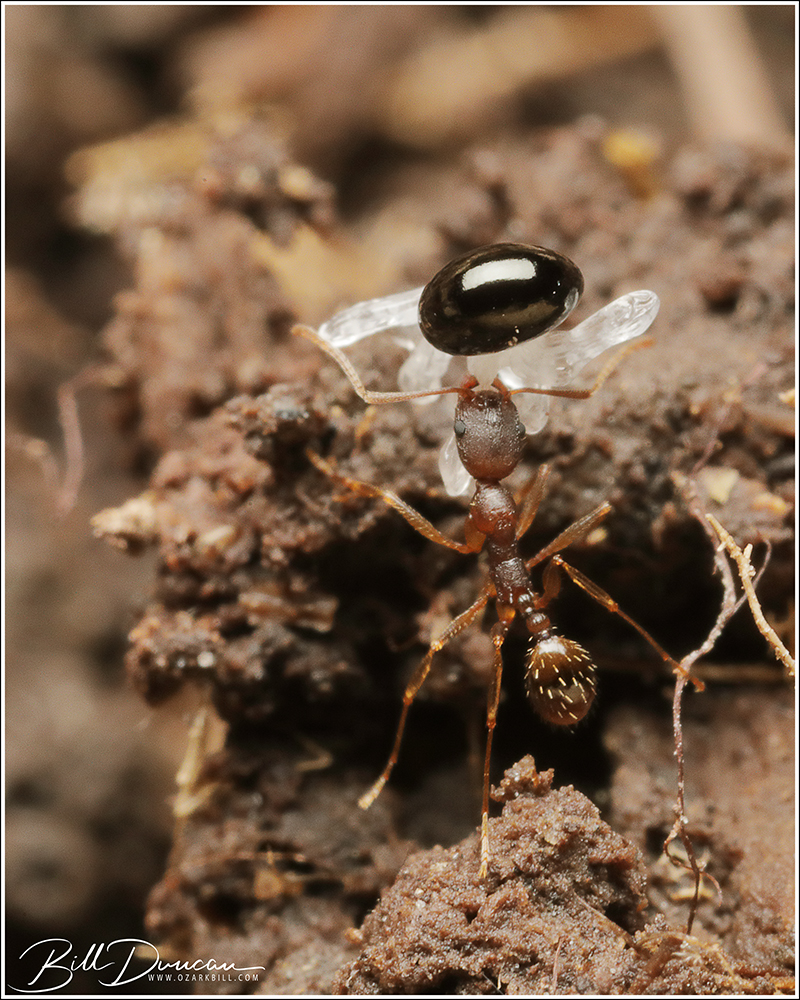
-OZB
The 2021 season has started with great success. The following orchids were found in Stoddard County on a trip with Pete Kozich, Casey Galvin and Stephen Dilks. Many thanks to all of you for your parts in finding these and several other fascinating plants on this day. It was a pleasure botanizing with you.


Another early-blooming trillium that is rare in Missouri. These Trillium pusillum var. ozarkanum were photographed in late March in southwestern Missouri.
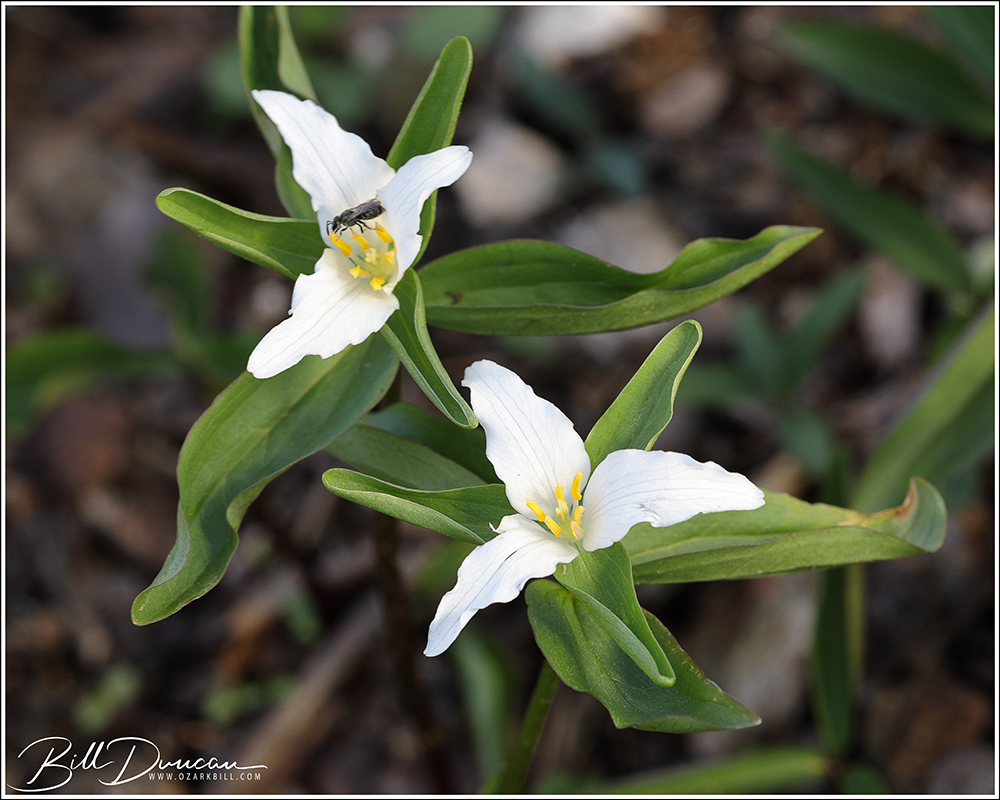
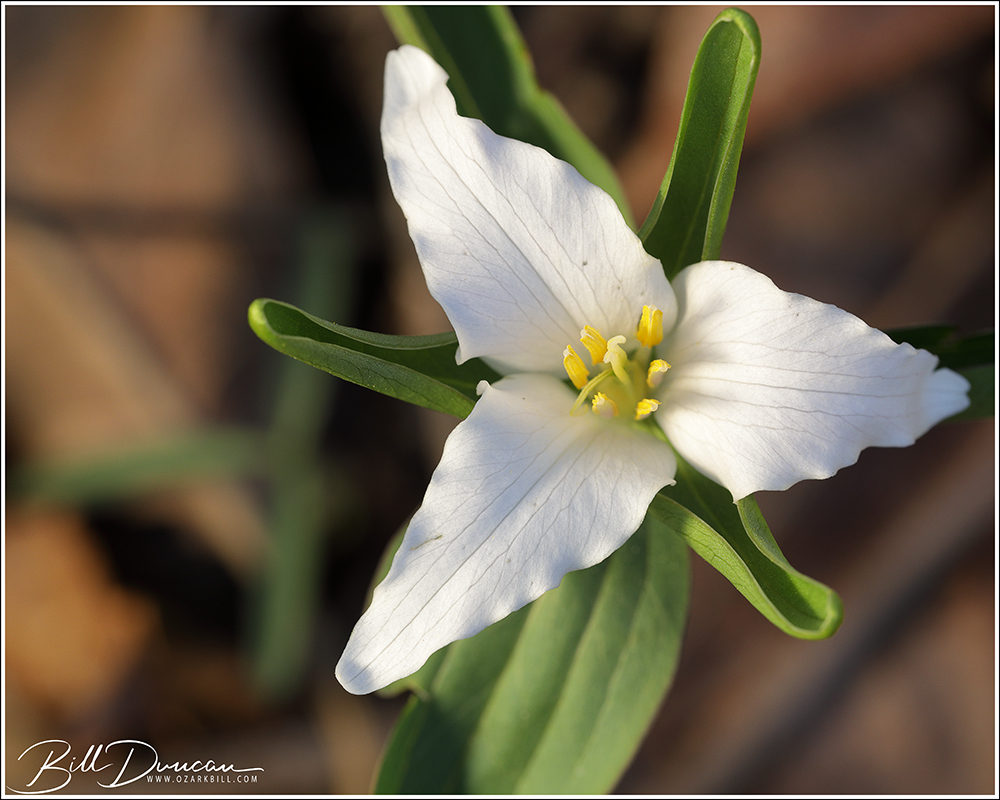
This spring has been flying by. With great cool and wet weather, the spring ephemeral wildflower season has been one of the best I’ve experienced and in the past two weeks the bird diversity has been on the rise. Just today, I had a Wood Thrush, a Cooper’s Hawk and a Barn Swallow from my suburban yard alone! This morning I found a Sedge Wren in the grasses at Beckemeier Conservation Area among about half a dozen warblers.
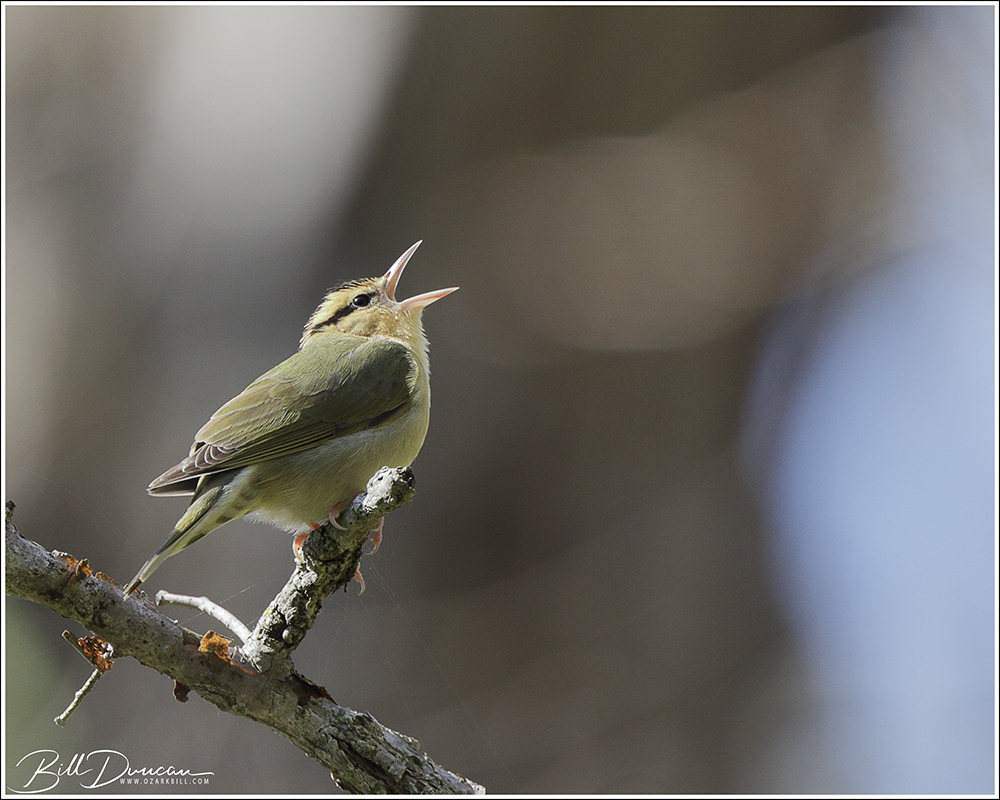
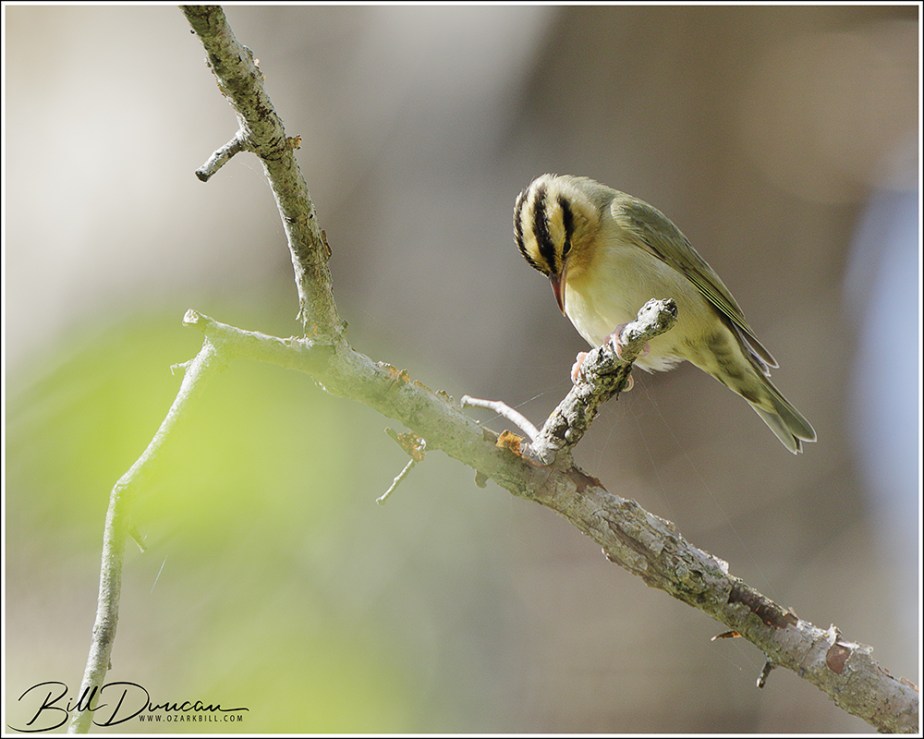
I hope you are getting out to enjoy some of this action and I want to share a few photos of one of my many favorites, this Worm-eating Warbler that is already setting up territory at Bush Wildlife Conservation Area.


Thank you for visiting!
-OZB
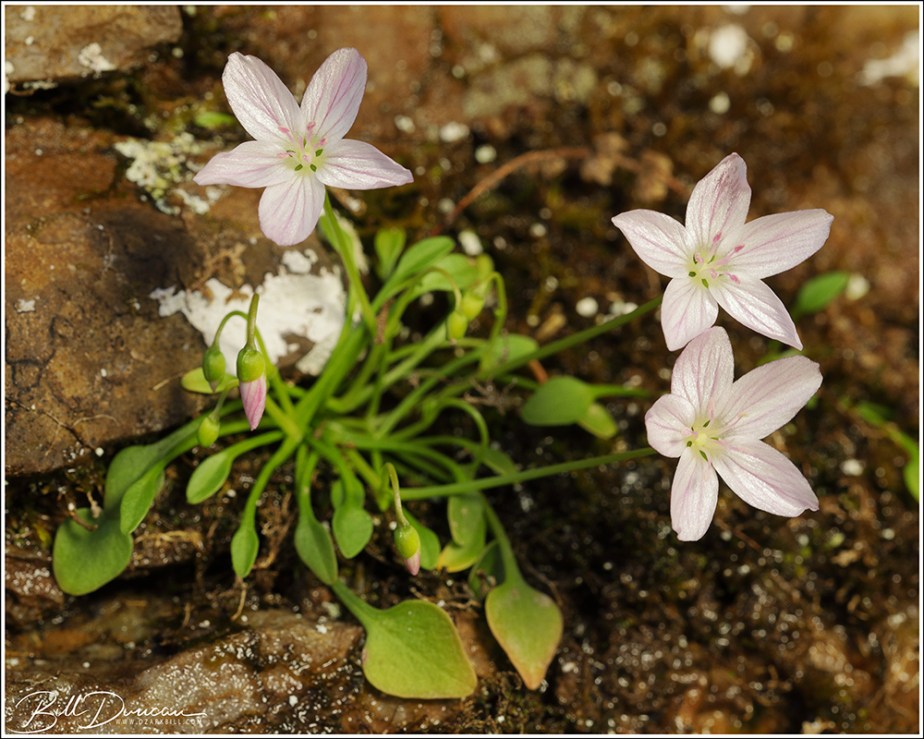
Originally described in 2006 as Claytonia ozarkensis, this plant was considered a near-endemic to the Ozarks, being found in Missouri, Arkansas and Oklahoma. Yatskievych et al. (2013) further defined this form and re-described this as C. arkansana. This species is known from only three counties in Arkansas and is classified as G2, or globally imperiled due to its required specialized habitat. C. arkansana is only found on sandstone bluffs and ledges. An interesting adaptation this plant has required to ensure its offspring remain in this required habitat is by negative phototropism of the pedicle after flowering. As the fruits develop, the pedicle turns away from light so that the seed may be dispersed in the cracks and bluff ledges where they need to germinate.
I want to thank Casey Galvin and John Oliver for helping me find this fascinating plant!
Yatskievych, G., R.J. Evans, and C.T. Witsell. 2013. A reevaluation of the Ozark endemic Claytonia ozarkensis (Montiaceae). Phytoneuron 50: 1-11.

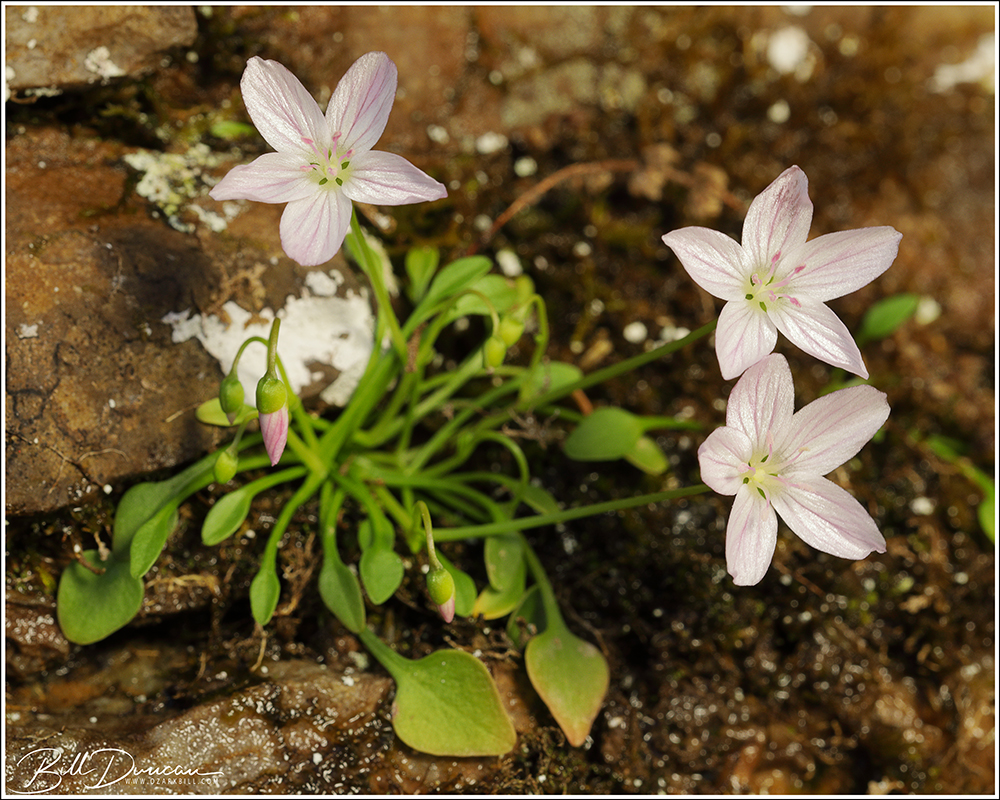


In my 15 or so years of paying attention to important things like this, I have never seen spring ephemerals having a better year than this one. Places within the St. Louis metro area, such as Englemann Woods Natural area and Beckemeier Conservation Area are loaded with wildflowers right now. Whether this is because of the cool and mild spring we have been having so far, or some other reasons, I don’t know. Here are a few photos taken this week at Beckemeier C.A. I hope you get out to enjoy these yourself.
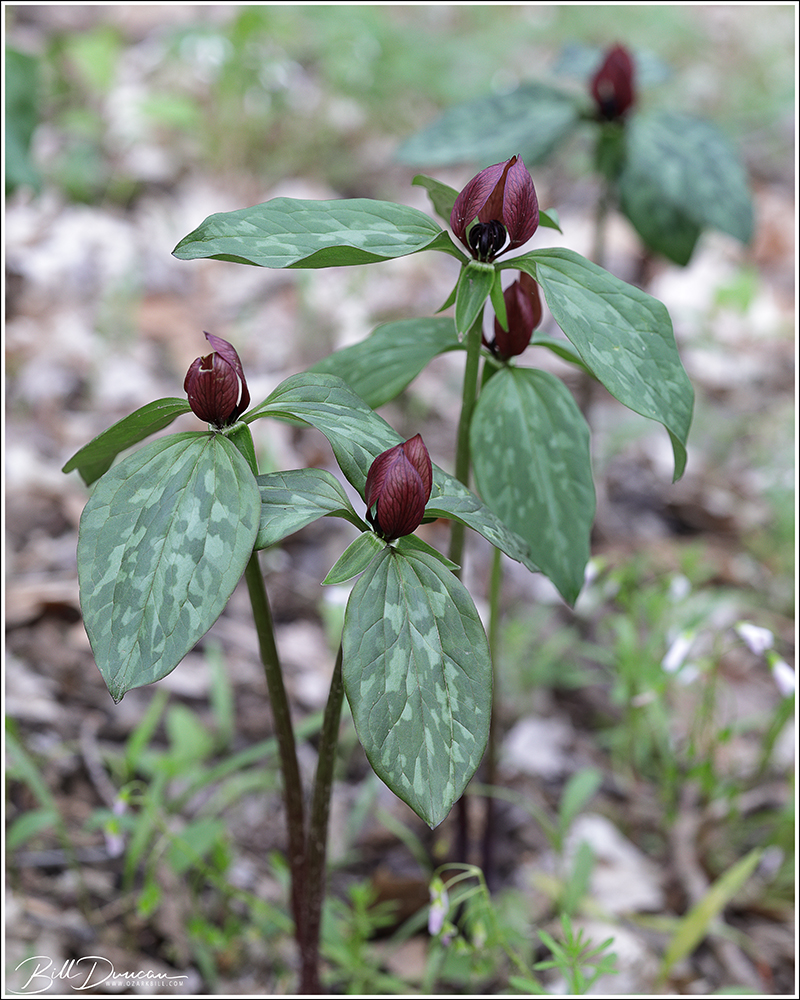

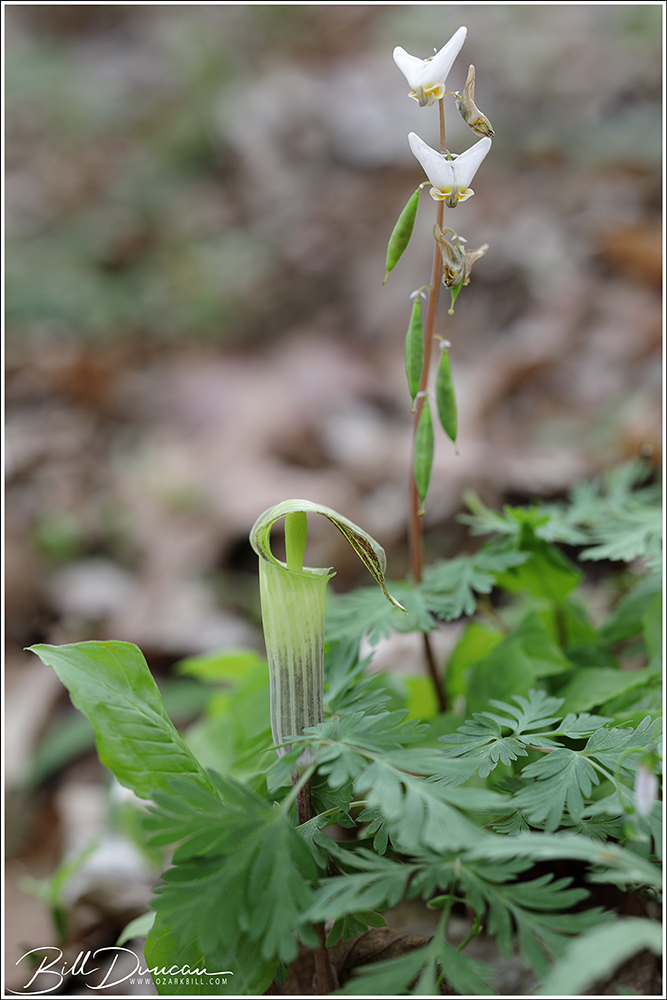


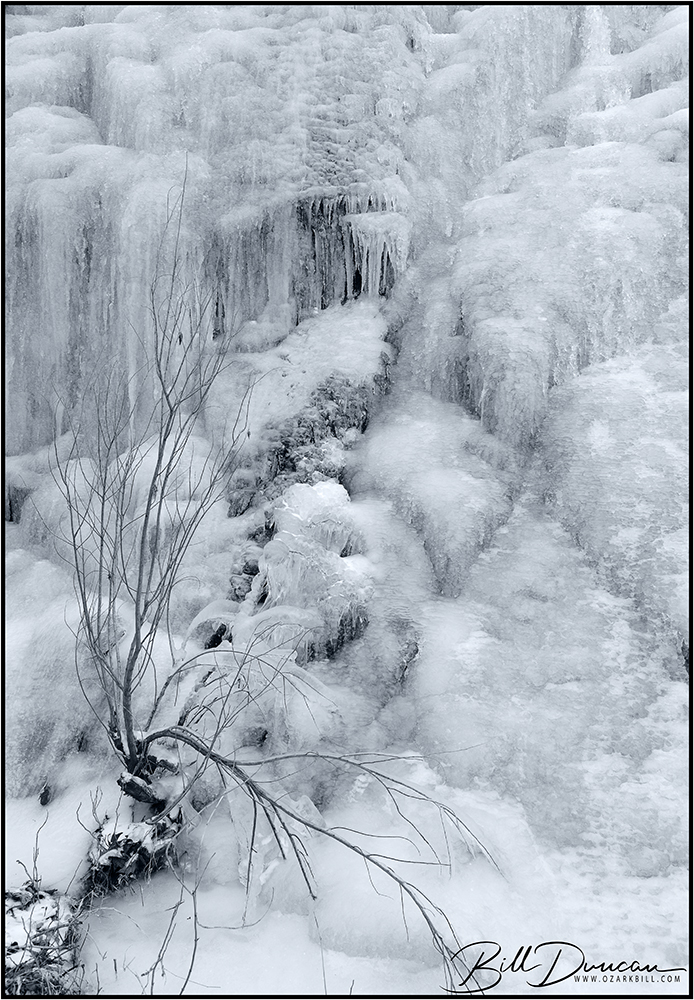
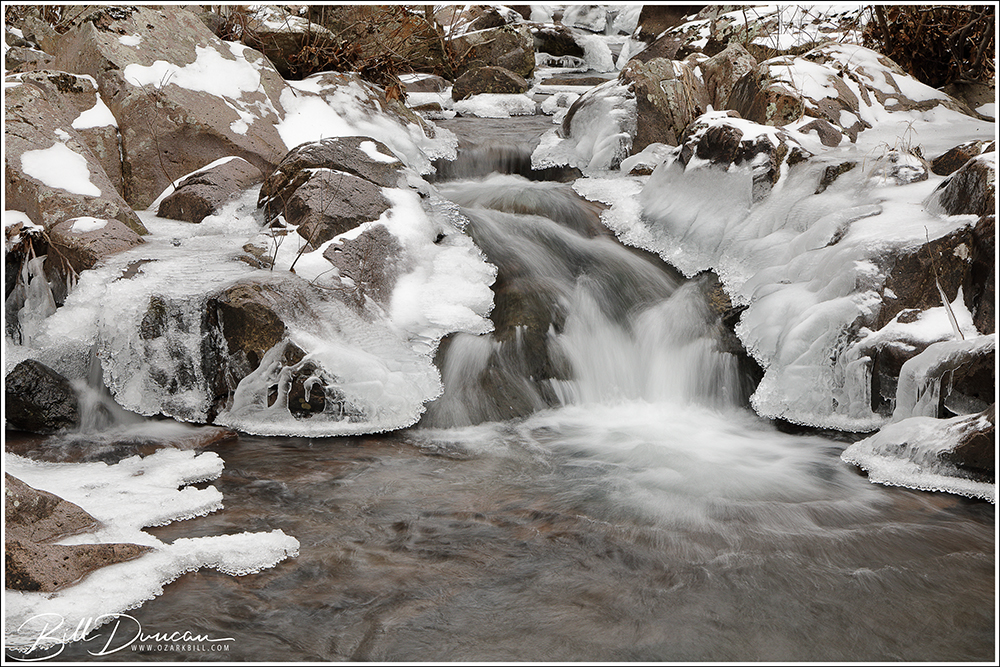
A few images from our recent deep freeze. Casey and I visited the St. Francois Mountains and collected some images along the Little St. Francis River and Little Rock Creek.
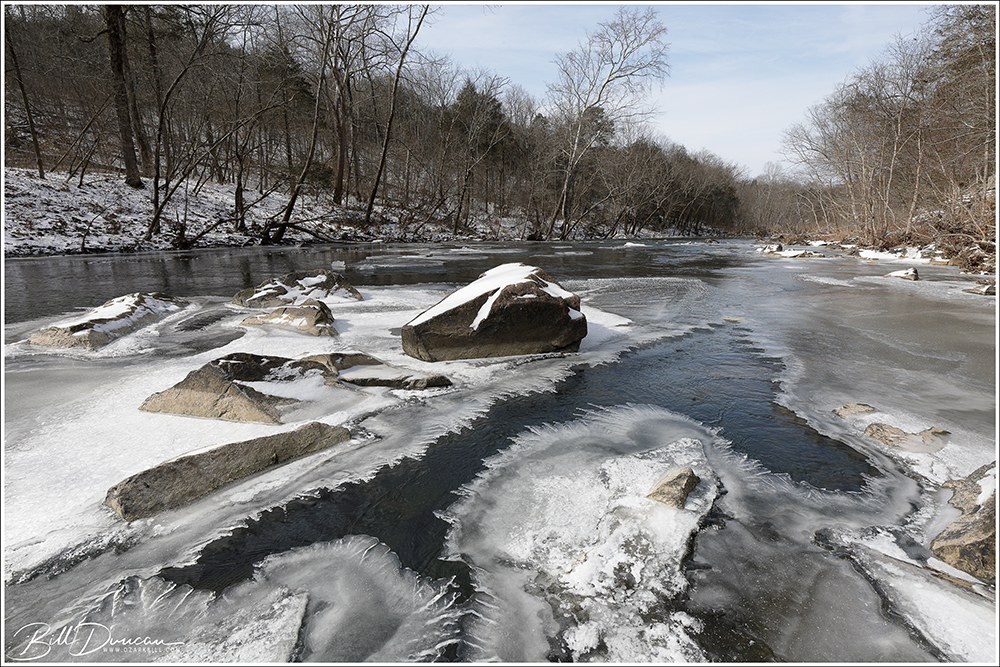
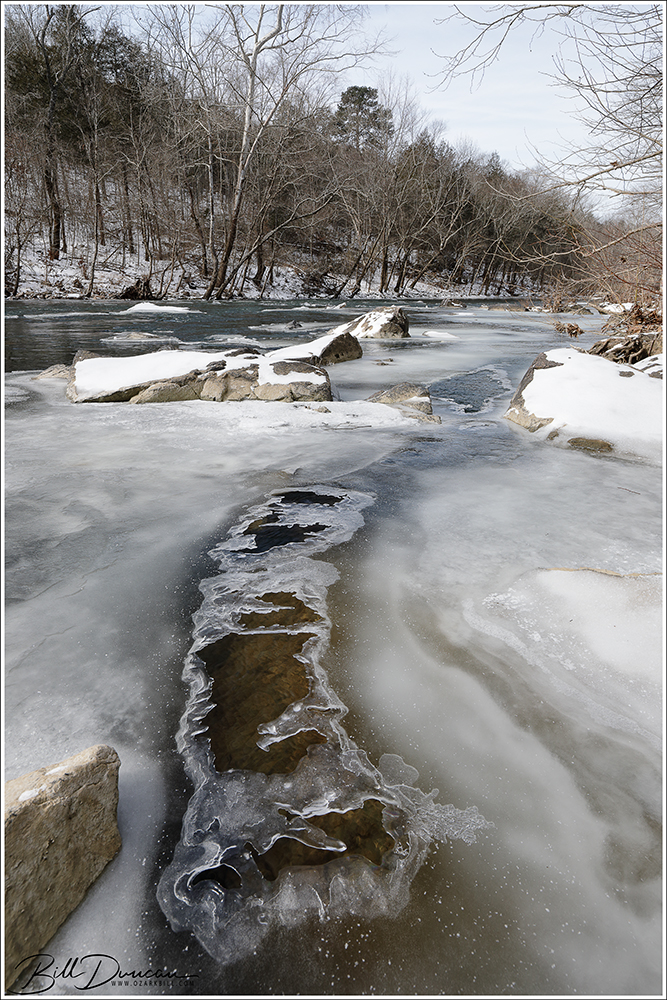
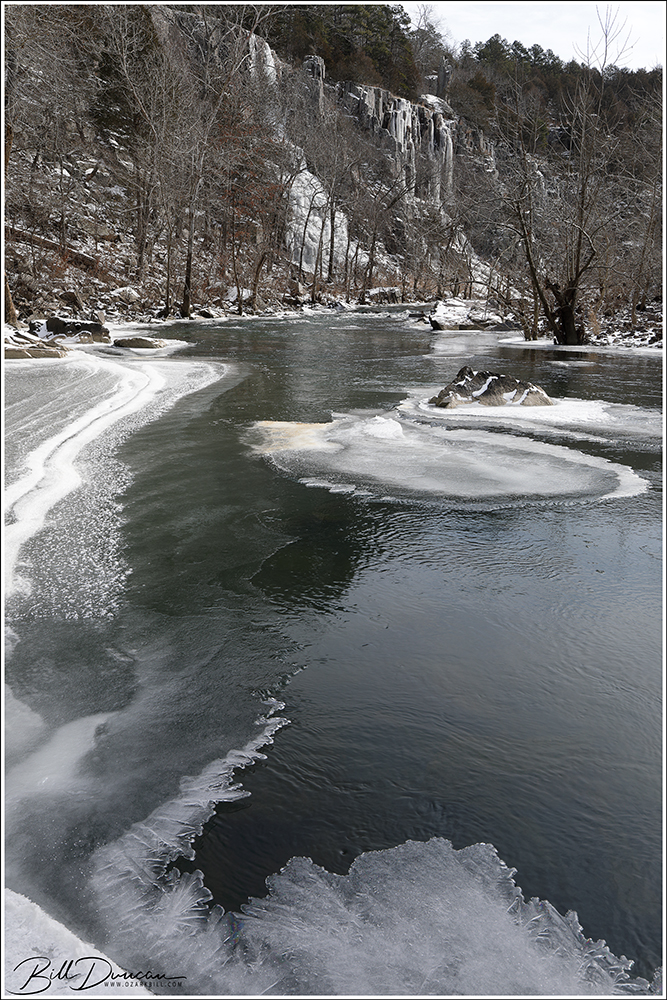
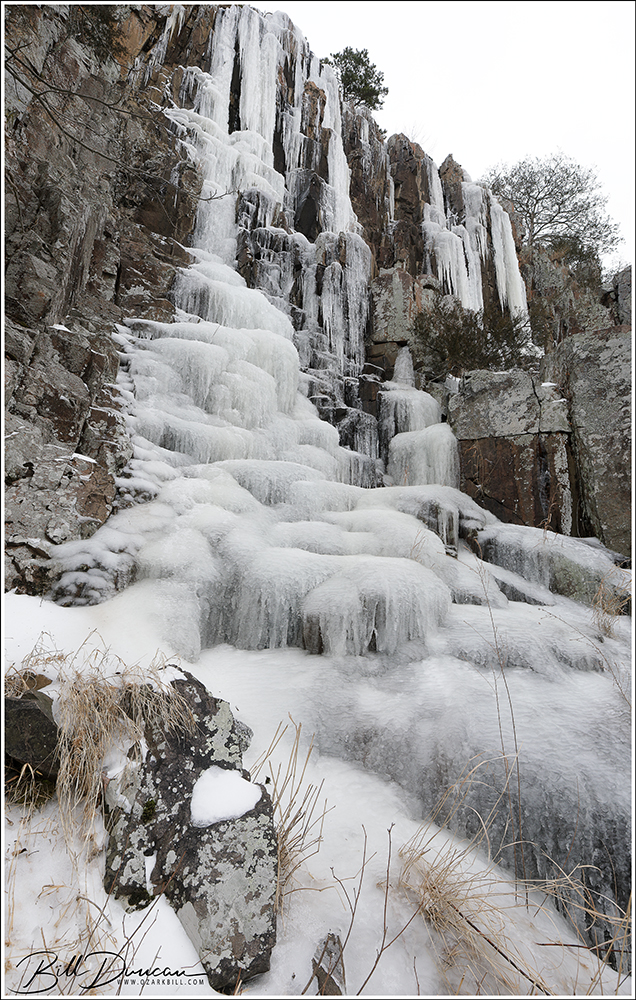
-OZB

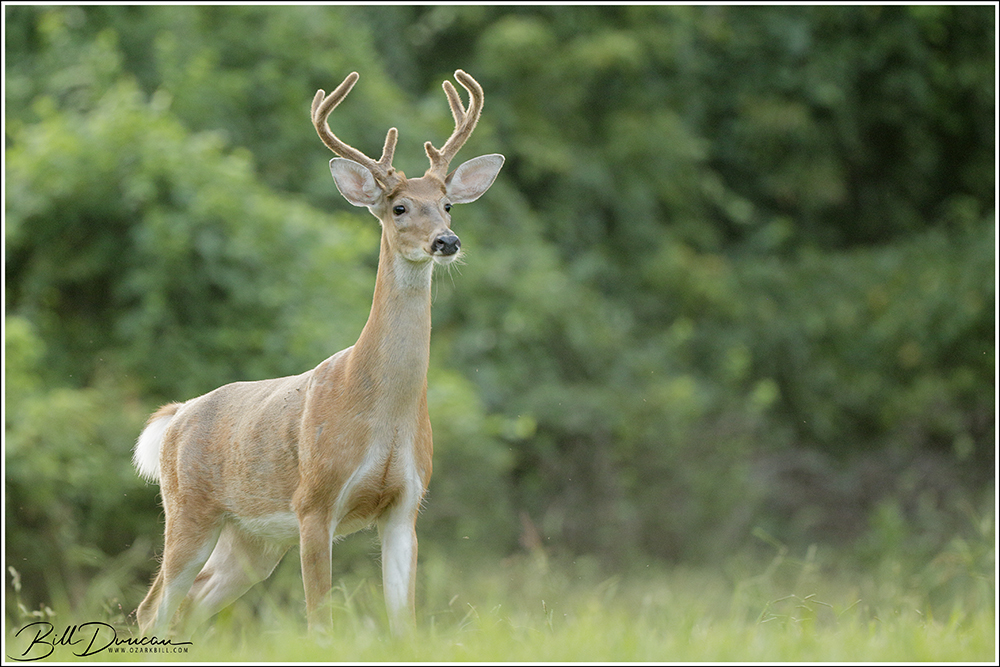
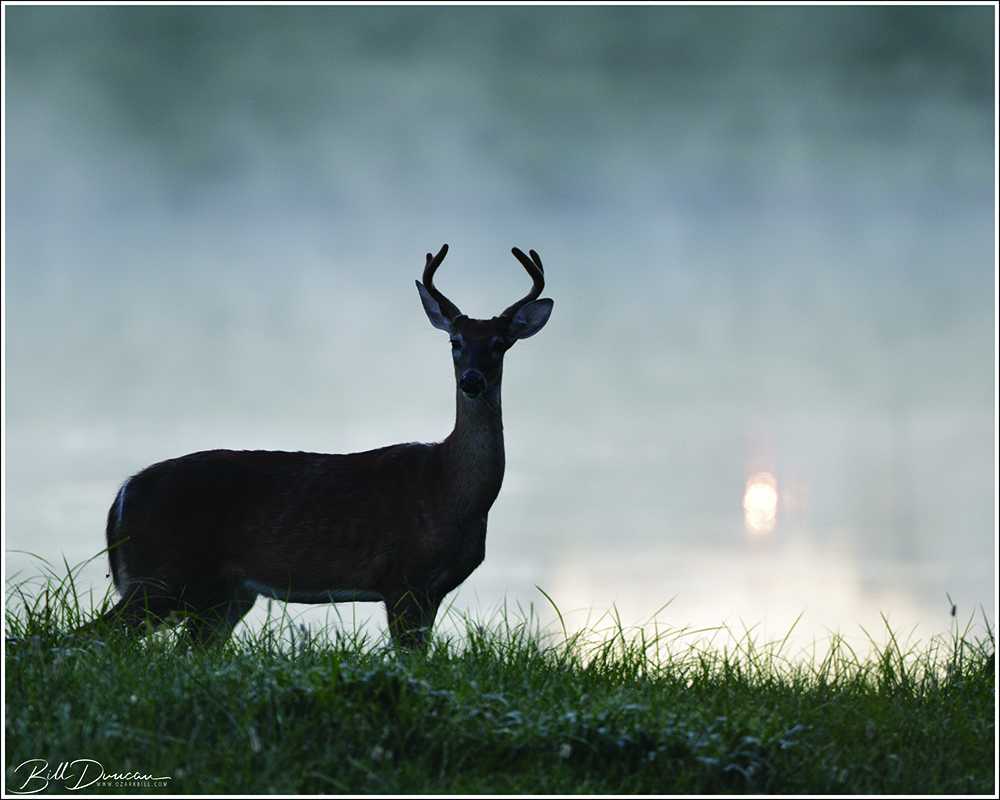
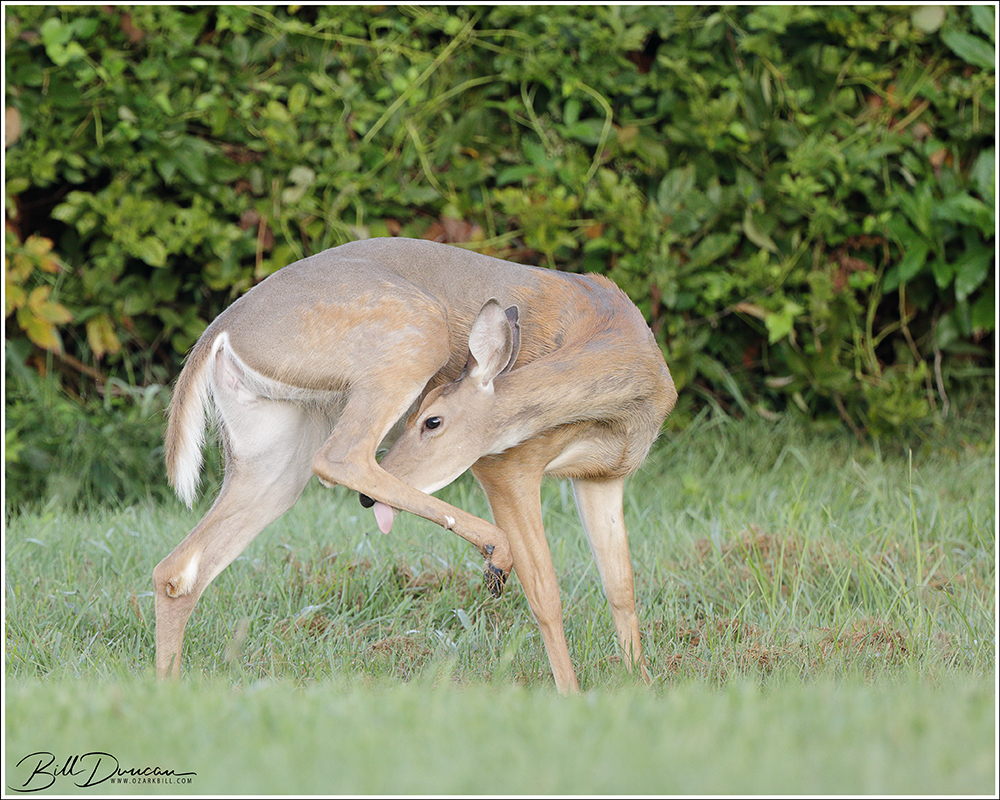
Tonight I’m finishing off the neighborhood deer photos from 2020. This buck pictured in the first two photos was a bit odd. Not just because of the aberrant antlers, but he also did not mind my close approach or my following him as he browsed.




-OZB

 A Thousand Acres of Silphiums