
Found within the family Berytidae, the Stilt Bugs seem to me to be quite the intimidating predator. Eat your heart out H.G. Wells.
Thanks for stopping by…
OZB
"What a thousand acres of Silphiums looked like when they tickled the bellies of the buffalo is a question never again to be answered, and perhaps not even asked." -Aldo Leopold
Found within the family Berytidae, the Stilt Bugs seem to me to be quite the intimidating predator. Eat your heart out H.G. Wells.
Thanks for stopping by…
OZB
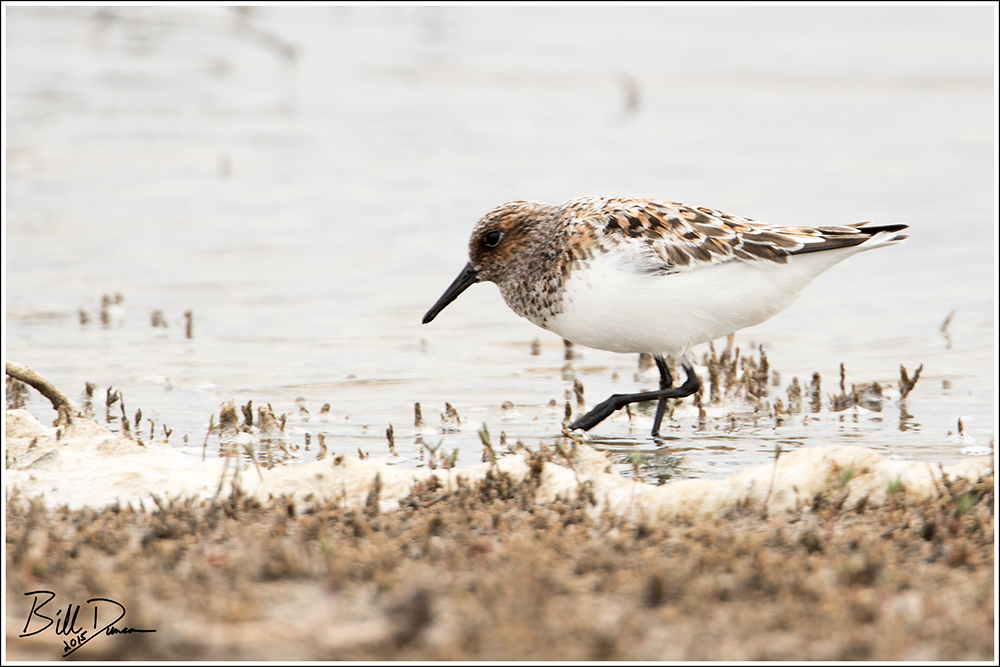
A medium sized, markedly-colored Calidris sandpiper, the Sanderling is one of the most highly traveled migrant birds on the planet. Breeding only in the far north arctic, some Sanderlings will winter as far south as Cape Horn of South America. Individuals in breeding plumage are easily identified with close enough inspection by looking for the rusty-gravel coloration. Winter and juvenile forms are contrasty black and white. All birds lack a back toe, which are typically found on shorebirds.

Thanks for visiting…
OZB
Oh tell me where did Katy live,
And what did Katy do?
And was she very fair and young,
And yet so wicked, too?
Did Katy love a naughty man,
Or kiss more cheeks than one?
I warrant Katy did no more
Than many a Kate has done.
-Oliver Wendell Holmes-

Thanks for the visit…
OZB

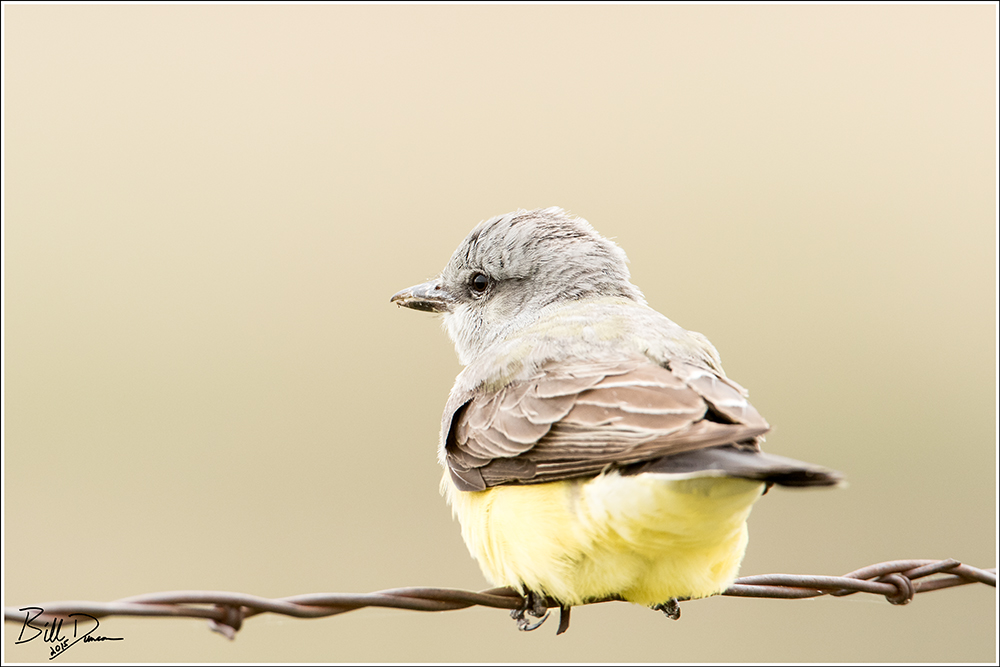
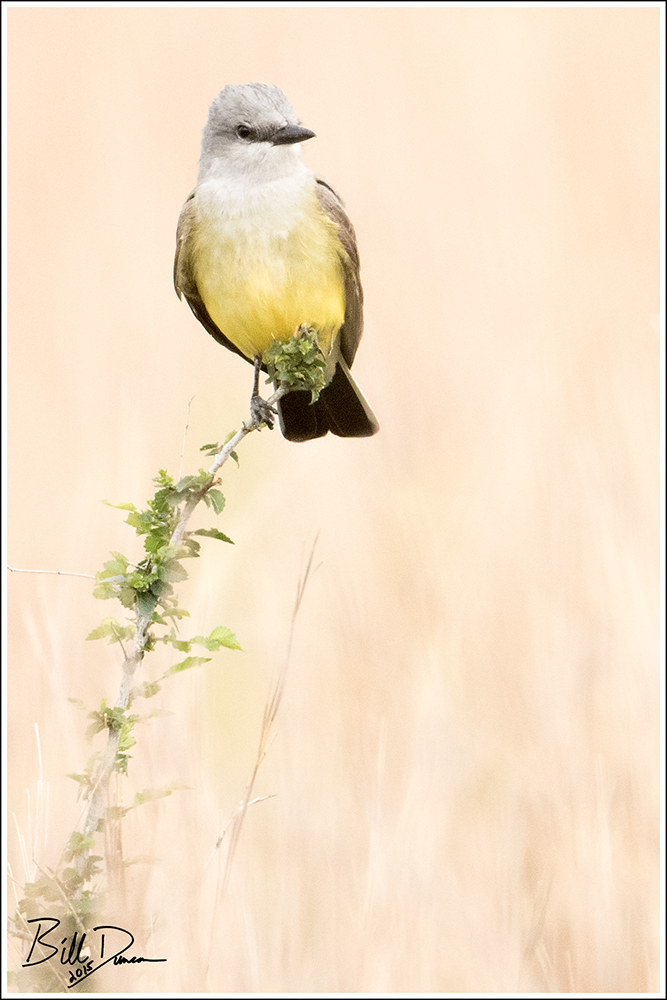
Much like the Meadowlarks, Steve and I observed an abundance of both Eastern and Western Kingbirds. We were surprised by the close proximity of the assumed territories. The typical super-aggression shown by the Eastern Kingbirds did not seem to be delivered to either the Westerns or conspecifics.
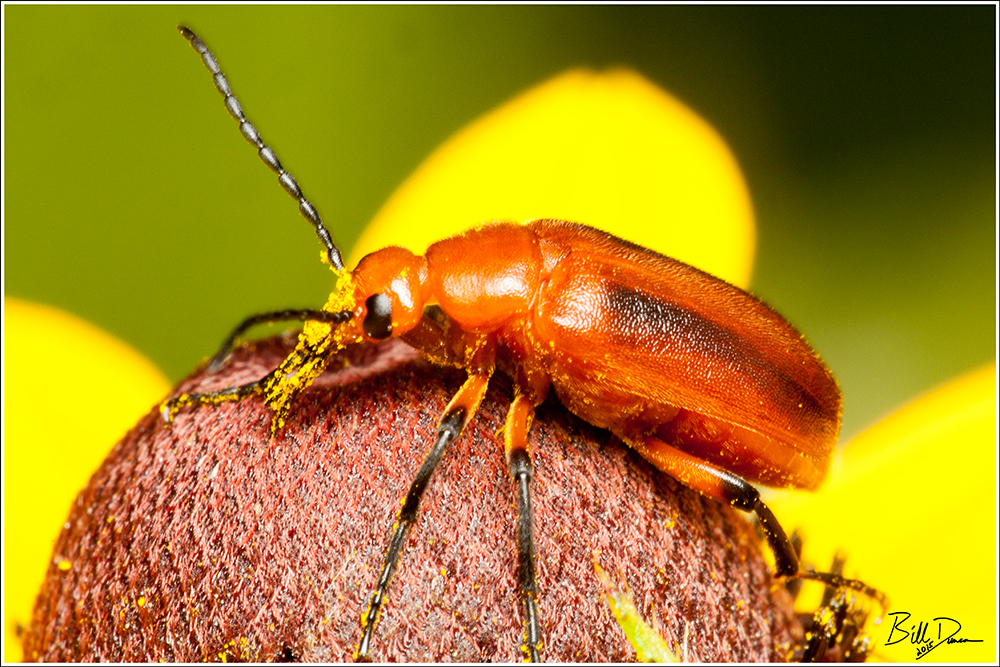
How fascinating a beetle. Did you know this group of beetles begin their lives as kleptoparasites – stealing food from the the nests of solitary bees? As adults these beetles are primarily nectar and pollen feeders and use the specialized mouth parts visible in this photograph to collect their food – primarily from the flowers of Asteraceae. If that were not enough, these guys get their names from a defensive chemical they produce called cantharidin which can produce severe chemical burns and blisters when sprayed on skin and severe poisoning if ingested. This chemical has proven an effective treatment against diseases such as cancers and leishmaniasis. This guy was found at Shaw Nature Reserve.
Thanks for visiting.
OZB
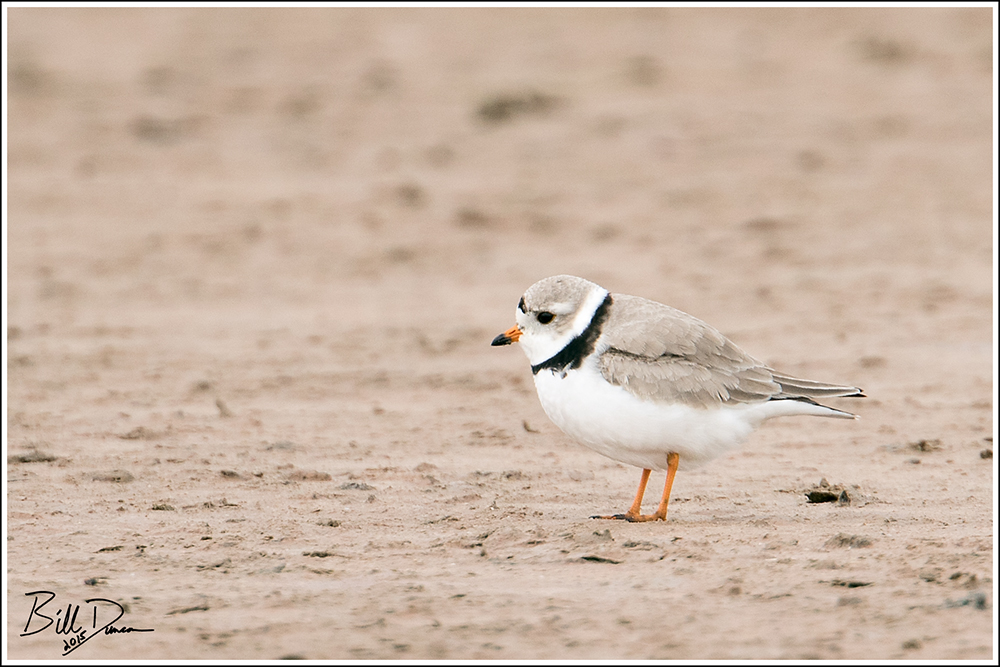
The Piping Plover, or as Pete Dunne has named them – the Sand Wraith, was one of the more special birds that Steve and I were able to view and photograph at Quivira this spring. The Piping can be identified by its top color of dry sand (vs. the wet sand-colored top of the Semipalmated Plover) and its bright yellow-orange legs (vs. the gray-legged Snowy Plover).

There are currently an estimate of ~2500 pairs of Piping Plover left on the planet – causing this species to be listed on the endangered species list. Unlike most of the shorebirds – who pass over most of North America on their migration north to nest in the arctic tundra, the Piping Plover dares to nest on Atlantic coasts and sandy shores of lakes of the northern plains. It is here where its nesting needs have been overlooked by the desires of man who has converted its coastal habitat to development and flooded its fresh-water beaches and whose dogs and cats have made easy meals of its eggs and chicks.
Thanks for visiting
OZB

I’m not sure why they named them this. Obviously the more appropriate name would be Bison Treehopper. 😉

This guy was shot at Shaw Nature Reserve this summer.
OZB

Cousin to the slightly smaller Piping Plover and the ubiquitous, double-striped Killdeer, the handsome species that is the subject of this post is the Semipalmated Plover. Semipalmated refers to this bird’s semi-webbed toes.

I find it interesting that these birds are typically tolerant of feeding among other shorebird species such as Piping plovers and Peep Sandpipers, but will not tolerate conspecifics during migration, aggressively defending a feeding territory.
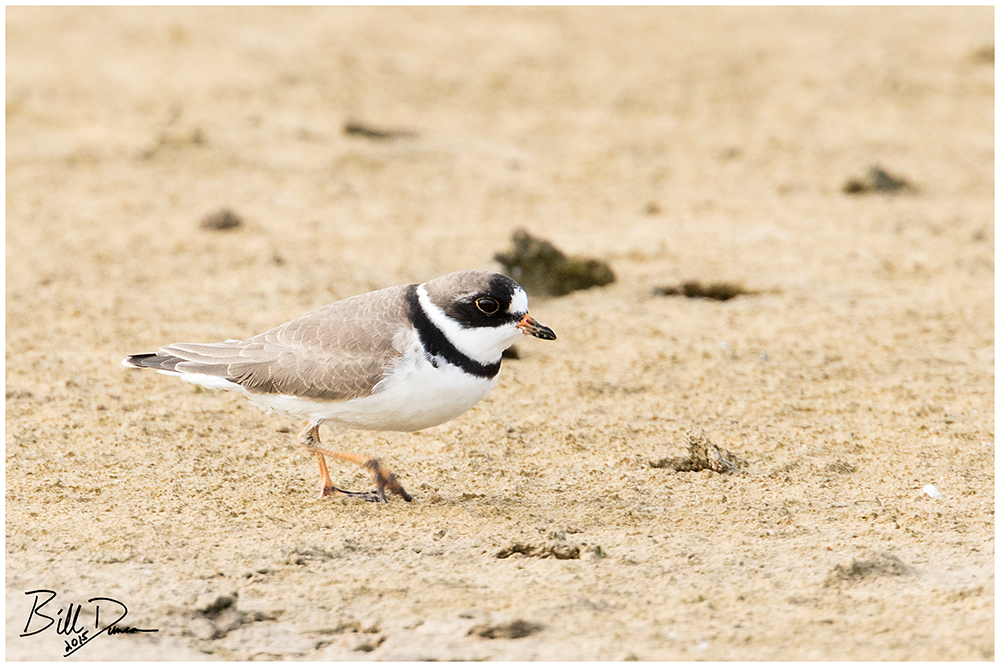
I have read it described that the Semipalmated Plover is the color of wet sand, while its similar looking cousin, the Piping Plover, is the color of dry sand. Stay tuned next time we visit Quivira NWR when I plan on showcasing this species.
OZB
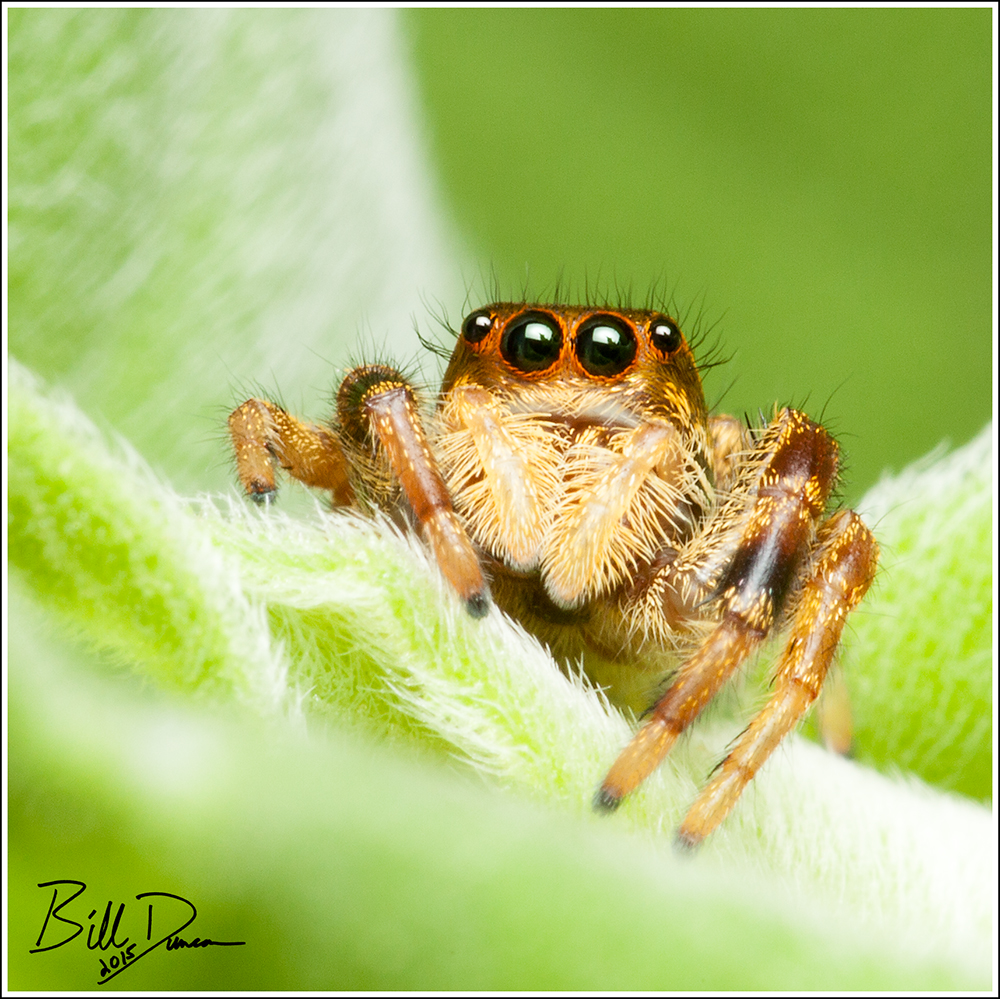
I’ve always loved jumping spiders. It is hard not to assume a higher level of intelligence as these guys follow every movement you make and will turn to face the camera, your finger or your face in order to keep an eye on you. They are tremendous predators and loaded with all sorts of great behaviors, including elaborate dances in order to attract mates. I have found a few species in the backyard but they all are tricky in getting a usable photograph.

See you next time.
OZB
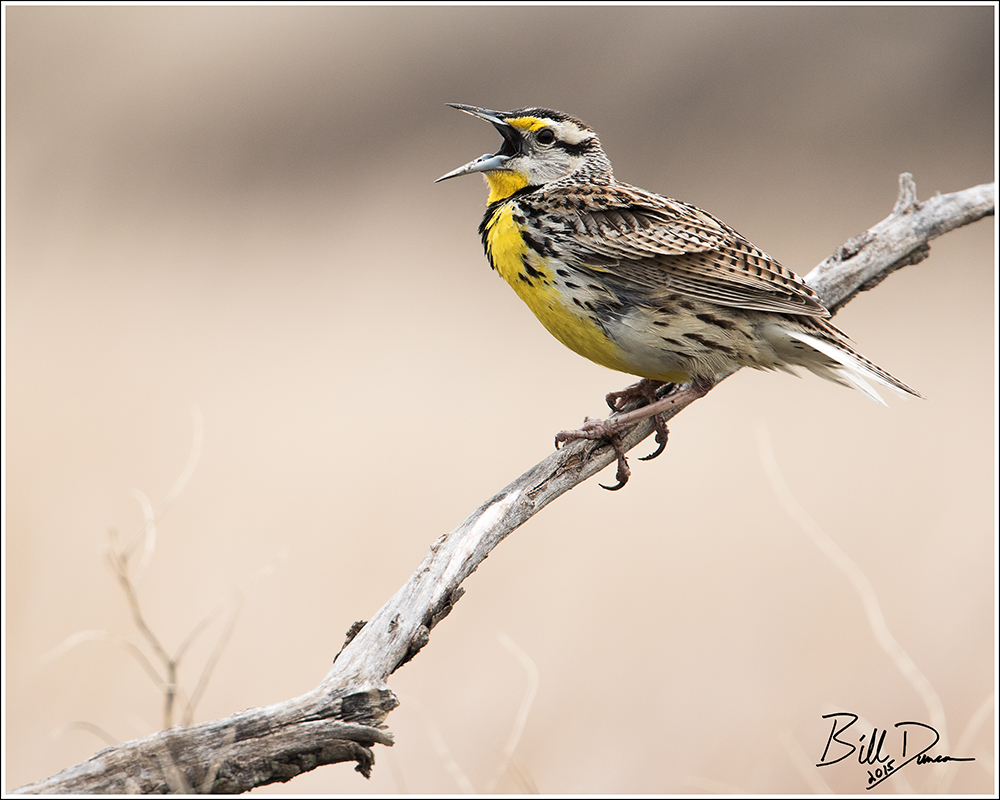
Located in south-central Kansas, Quivira NWR lies within the overlap of the ranges of both Eastern and Western Meadowlarks. We had observed both species (mostly Eastern) in a past trip or two to western Missouri, but Steve and I were immersed in an almost 50/50 mix of the two at Quivira. According to the literature, these guys participate similarly in their respective habitats, although Westerns prefer things a bit drier. Visually, the two species are quite similar and depending on the season may be difficult for even the most experienced birder to be certain of their ID based on solely visual cues. I believe the two images presented here do represent some of these subtle visual differences. The Western appears to be less contrasty and lighter in color overall than the Eastern. Pay close attention to the sub-moustachial area in the two birds pictured. In the western, the yellow from the chin spills over into this area, but remains a clear and distinct white in the Eastern. Lastly, the head stripes of the Eastern are darker than those of the Western.
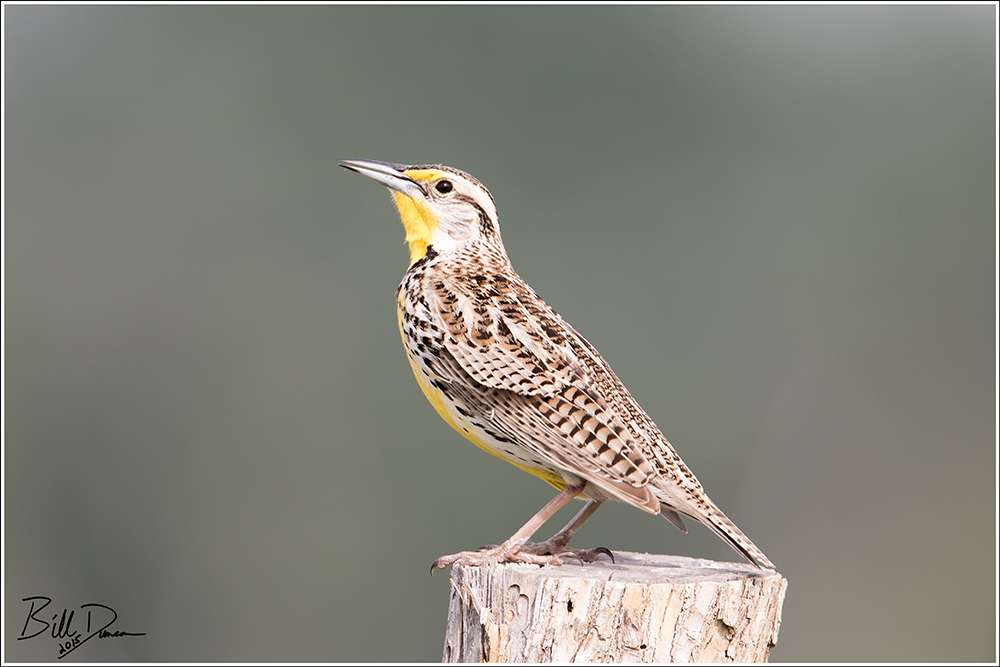
Advertisement songs and calls are quite distinct between the two species and should always be sought for best identifications. I was quite confident in this knowledge and sure that I had this down until I read recently, that because these are songbirds after-all, and songbirds learn their songs, there may be some similarities – especially where the two ranges overlap. So, maybe the calls are the only true tool we have?
Thanks for your visit.
OZB
 A Thousand Acres of Silphiums