
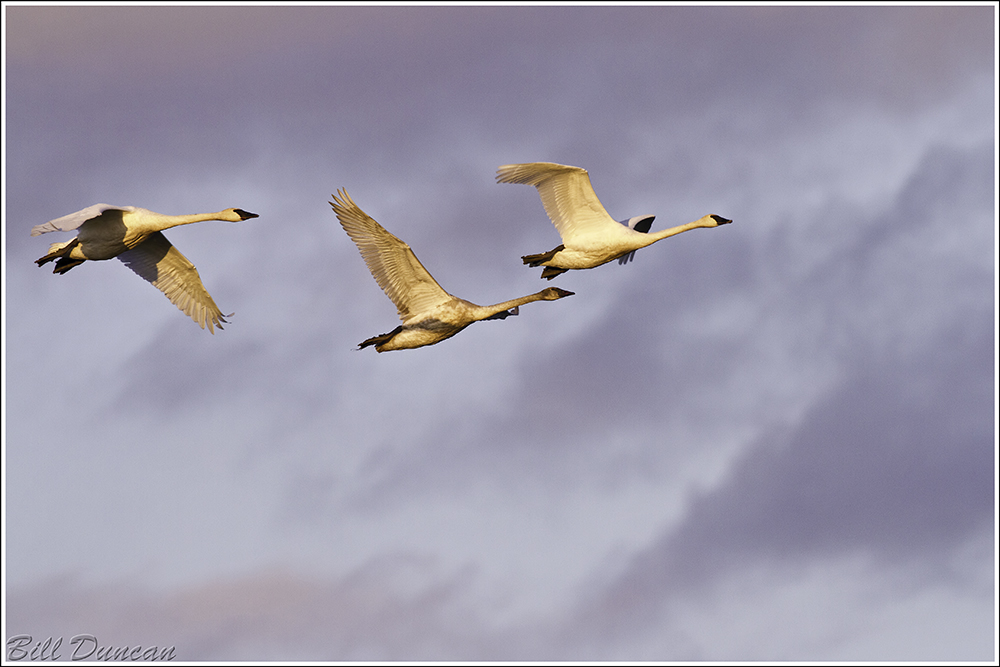
Technical details: Canon EOS 7D camera, EF500mm f/4.5L USM lens, ISO 800, f/5.6, 1/1600 sec
Technical details: Canon EOS 7D camera, EF500mm f/4.5L USM lens, ISO 640, f/5.6, 1/1600 sec
"What a thousand acres of Silphiums looked like when they tickled the bellies of the buffalo is a question never again to be answered, and perhaps not even asked." -Aldo Leopold
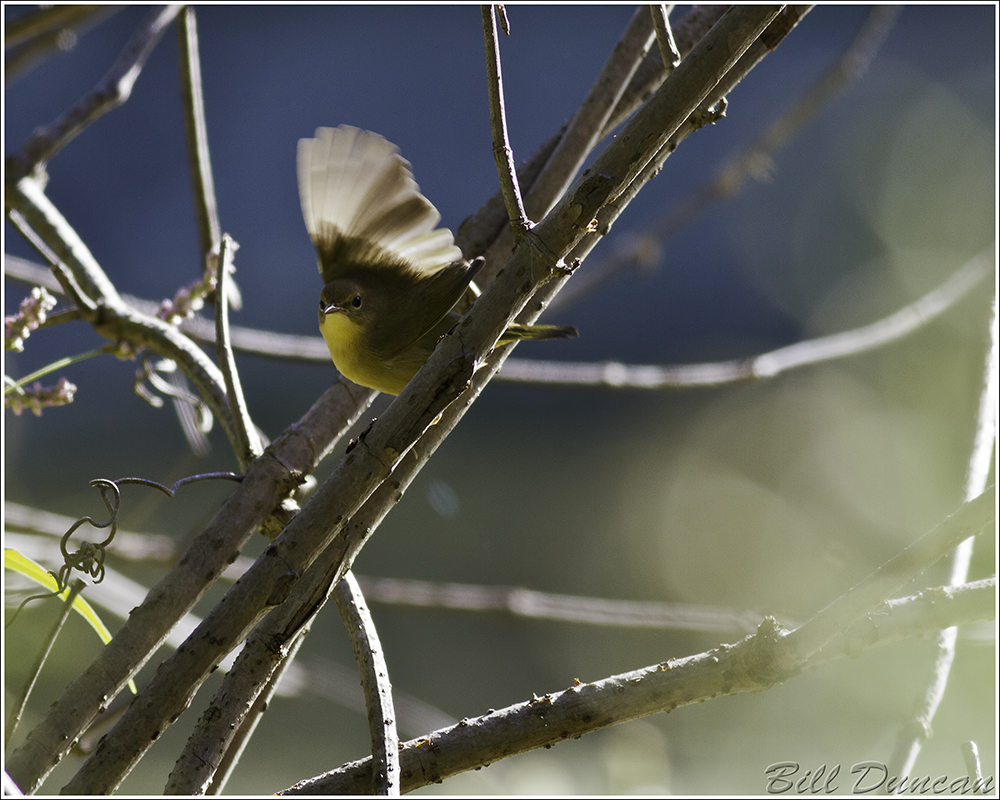
I caught this Common Yellowthroat in some interesting light this past autumn.
Did you know…?
The House Finch was originally a western species. During the past 80 years or so human activities (introductions, habitat changes) have helped this bird spread over much of the North American continent.

The BTGW nests primarily in conifers such as white pines, spruce and hemlocks in Canada’s boreal forests. Did you know…? A major source of wood pulp for the paper and tissue industry are the trees that are harvested from the boreal forests of the world. There are two easy things we can all do to limit our burden on these resources.
1) Recycle: Recycling is quite easy in much of the country and has a significant role in limiting the need for virgin wood pulp. Also consider purchasing products made from recycled paper products.
2) Limit use of unnecessary paper products: A horrible player here are solicitous catalogs and junk-mail. There are ways we can drastically reduce the pounds of this we receive in a year’s time. https://www.catalogchoice.org/ The disposable paper towels and other sanitary wipes are other industries that use significant percentages of wood pulp. There are many ways we can reduce usage of these products as well.
Yes, wood pulp is a renewable resource, and yes, humans are part of planet and will always be users of these resources. However, what many do not realize is that replanting trees is not the same as replanting natural habitat. Many bird species, including several wood warblers will only nest in specific, old-growth trees. These habitats have taken hundreds of thousands of years to develop the complex interactions of this original, world wide web. Planting a monoculture of cultivars developed to best meet the needs of man comes nowhere close to replacing the splendid diversity or wilderness aspects of these places hold.
“The only conclusion I have reached is that I love all trees, but I am in love with pines.”
-Aldo Leopold-

“Black-throated Green Warbler, September 2012”
Did you know? The Missouri program of The Nature Conservancy has protected nearly 150,000 acres of critically important natural habitat? Their science-based approach to choosing important and biologically diverse habitats combined with their ability to work with private individuals, governments, corporations and a variety of other organizations has enabled them to protect forests/woodlands, savannahs/prairies and freshwater habitats across our great state. Their annual update was released recently and in it are a few photographs I donated for it’s use. Please have a read to see what The Nature Conservancy has been up to in Missouri this past year. And please, do give some thought of making a charitable donation for your new-years plans.
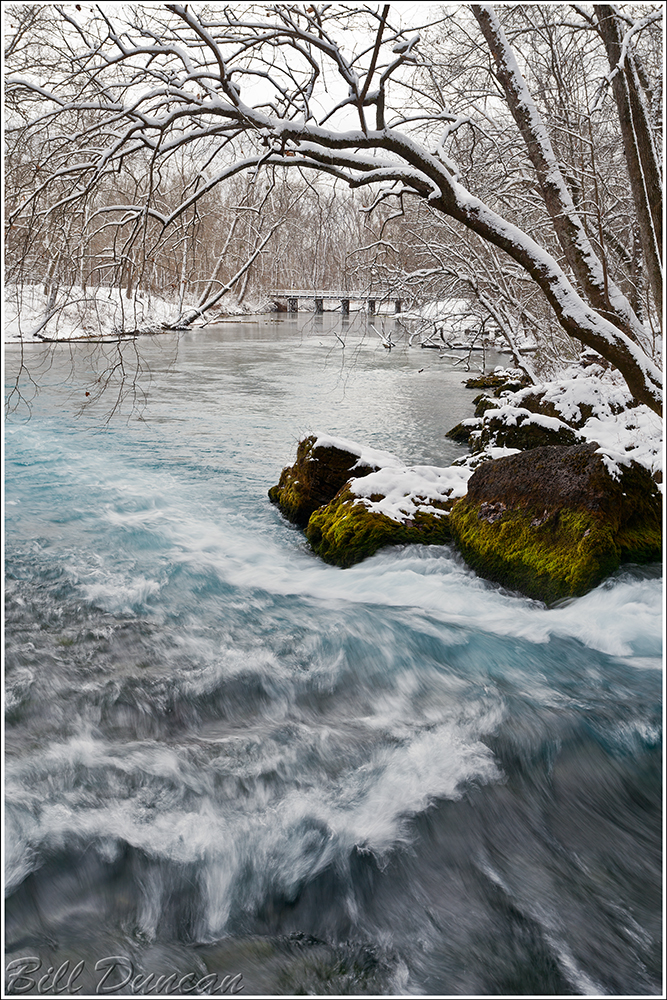
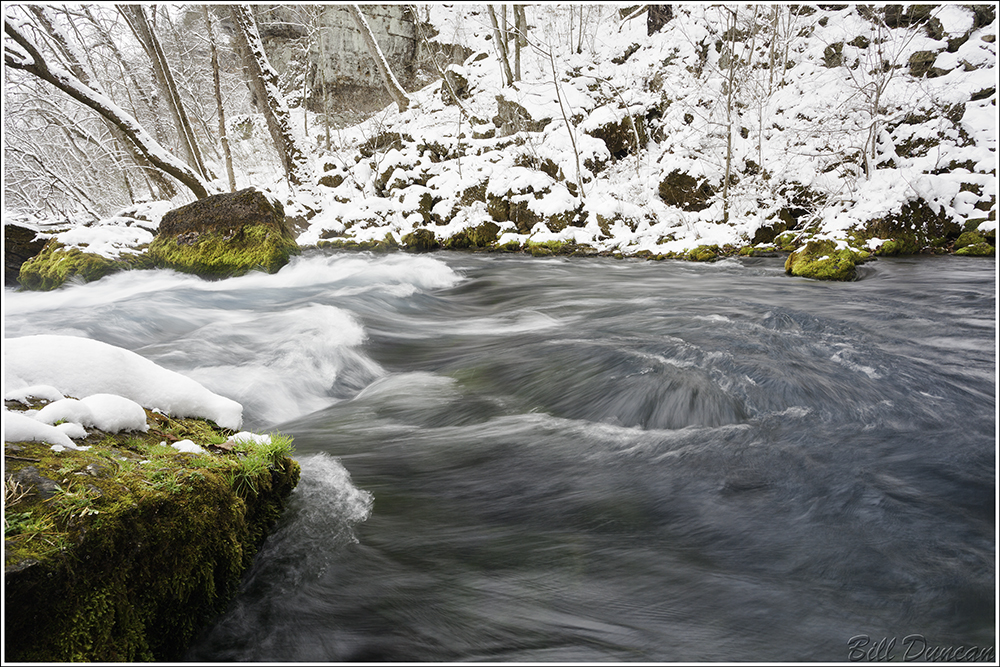
Technical details: Canon EOS 5D Mark II camera, EF17-40mm f/4L USM @ 40mm, ISO 100, f/14, 1/10 sec
I realize I missed the focus on this one, but the little guy was posed so nicely. I figured this was a species that would take a lot of time and patience to capture, and I was very surprised to get this much.

“Wilson’s Warbler, Autumn 2012”
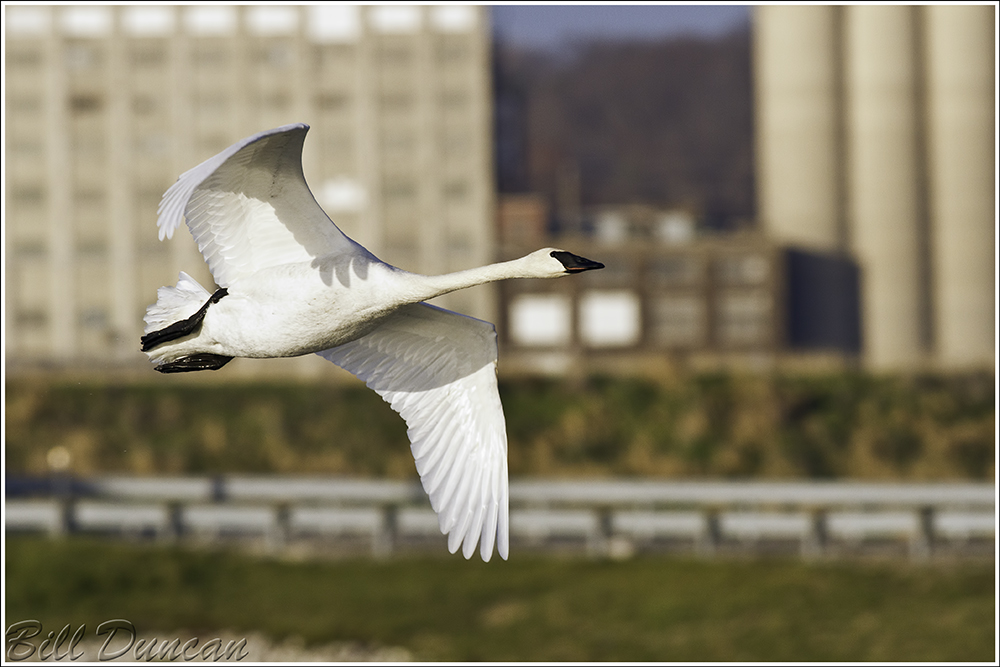
A few images taken of the Trumpeter Swans at RMBS, near the town of Alton.
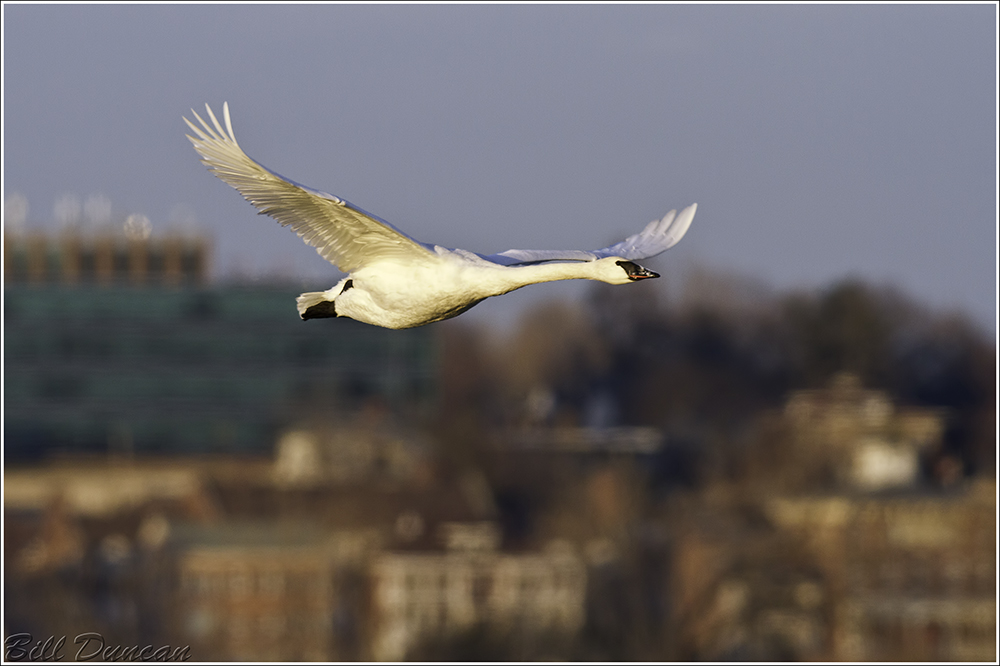
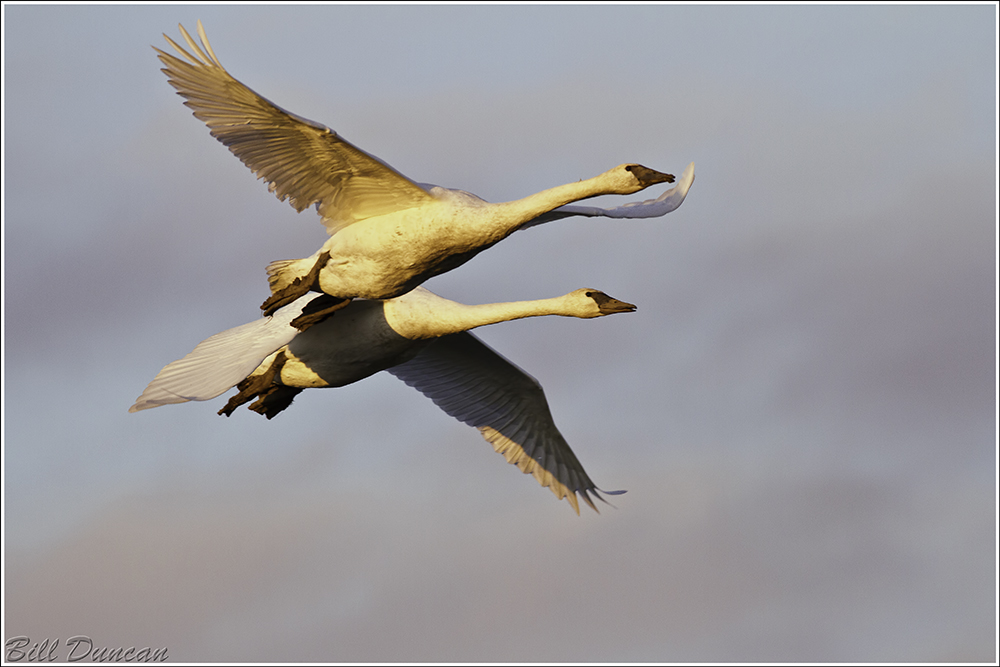

Thanks so much to everyone who contacted me with pointers to solve my problems with inconsistent colors between applications. Converting to sRGB profile immediately before saving as a JPEG did the trick. Now I have another thing to add to my workflow, but it’s definitely worth the extra step. This problem has hounded me for a couple of months. Thanks! I am posting a corrected version of the previous posts’ image. Of course, I forgot to save a final TIFF of the original, so they are not technically identical. I had to start from the original CR2 file, but they are very close. It should be a good learning experience to view both versions in multiple web browsers. I am using a very old version of IE, however, and maybe the latest versions won’t have this difference?
Happy New Year, my friends.

“Warm Flight (revisited)”
I have recently become aware of a concerning issue with presenting my photographs in the digital medium and I am begging for someone to help me. I have noticed that there are dramatic differences in color temperatures and overall contrasts depending on what web browser or photo viewing software is used to view my images. Take this one for instance. I primarily use Firefox for my web browser and using it the image looks exactly as I finished it in Photoshop, nice and warm with contrasts that make it pop a bit (trust me, that day was anything but warm with temps in the high teens). If you have the means, view this image in Firefox and Internet Explorer. Can you see the differences? In IE, the temps are much cooler and the image is overall muddy with low contrasts. I have also seen differences in software used to view JPEGS. In “Windows Photo Viewer” the image is exactly as I processed, but in “Quick Time” it is just as I described in IE. Most disturbingly, every mobile device (ipod, smartphone, etc…) in which I have viewed my images has also displayed them in this cooler, mushy form.
I am very much a novice in terms of working with file formats, image modes, color profiles and everything related. I am hoping someone out there can help me with this as you can see this looks to be a major problem. If you can give me some incite, I will be eternally grateful. I will even offer up your choice of one of my daughters. Well, I don’t have any real daughters, but we do have four cats, and they are quite cute I assure you. 😉
Here is some info about my settings and workflow in case it might help: Convert from RAW in LR3 (ProPhoto RGB, 16-bit), move to PS CS6, work in TIFF (RGB, 16-bit), save as JPEG. I am reasonably comfortable that I am working on a well-calibrated, acceptable quality monitor on a Windows platform.
Thanks for anything you can provide!

“Warm Flight”
Fire and Ice
by Robert Frost
Some say the world will end in fire,
Some say in ice.
From what I’ve tasted of desire
I hold with those who favor fire.
But if it had to perish twice,
I think I know enough of hate
To say that for destruction ice
Is also great
And would suffice.
Will the world ultimately end in fire or ice, desire or hate? I don’t know, but a multitude of fascinating theories exist for the origin of life on earth. I’ve recently read an interesting theory that suggests ice-cold conditions were more conducive for the origin of the first complicated molecules. Although cold temperatures are a detriment to most life on earth, several potential problems are alleviated by this as well. An interesting read if you like. Pictured below is the main boil of water that is released from Big Spring located in the Missouri Ozarks
 A Thousand Acres of Silphiums