"What a thousand acres of Silphiums looked like when they tickled the bellies of the buffalo is a question never again to be answered, and perhaps not even asked." -Aldo Leopold
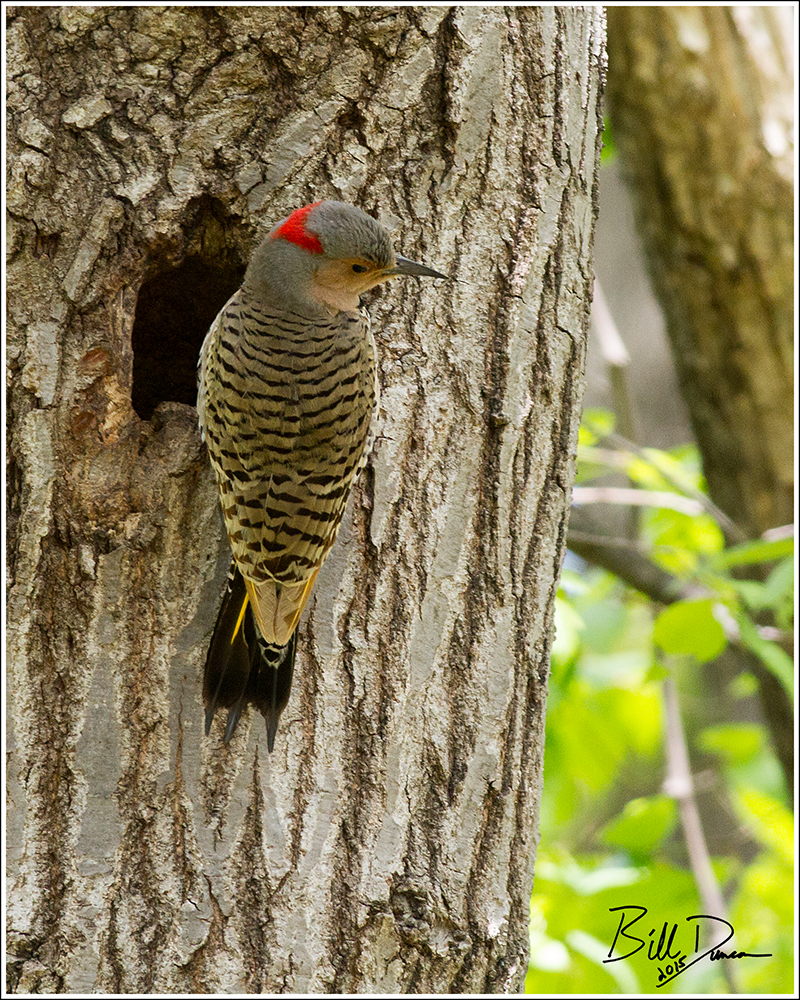
Earlier this spring I watched with anticipation as a pair of Flickers inspected a potential nest cavity in a wood lot where I work. I watched over several mornings as they came and went and made a ruckus. Here, the male admires the view from the front door.
Northern Flicker – Female
The female is pictured above, inspecting the potential nest sight.
No Thanks!
But alas, for whatever reason, the pair decided this wasn’t the spot for them this year. Ah well.
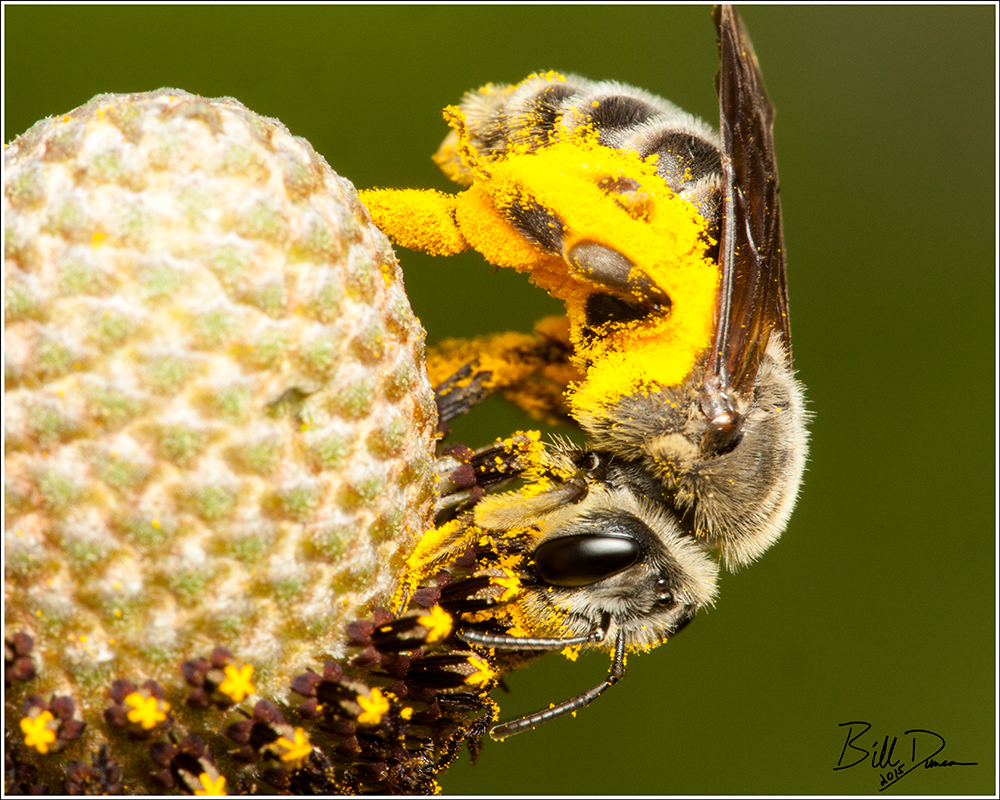
Tonight we have a couple of native bees photographed this summer at Shaw’s Nature Reserve. I may very well be incorrect, but I believe the bee pictured above is a Mining bee in the family Andrenidae. I would love to know how much pollen is taken away in a season by these guys.
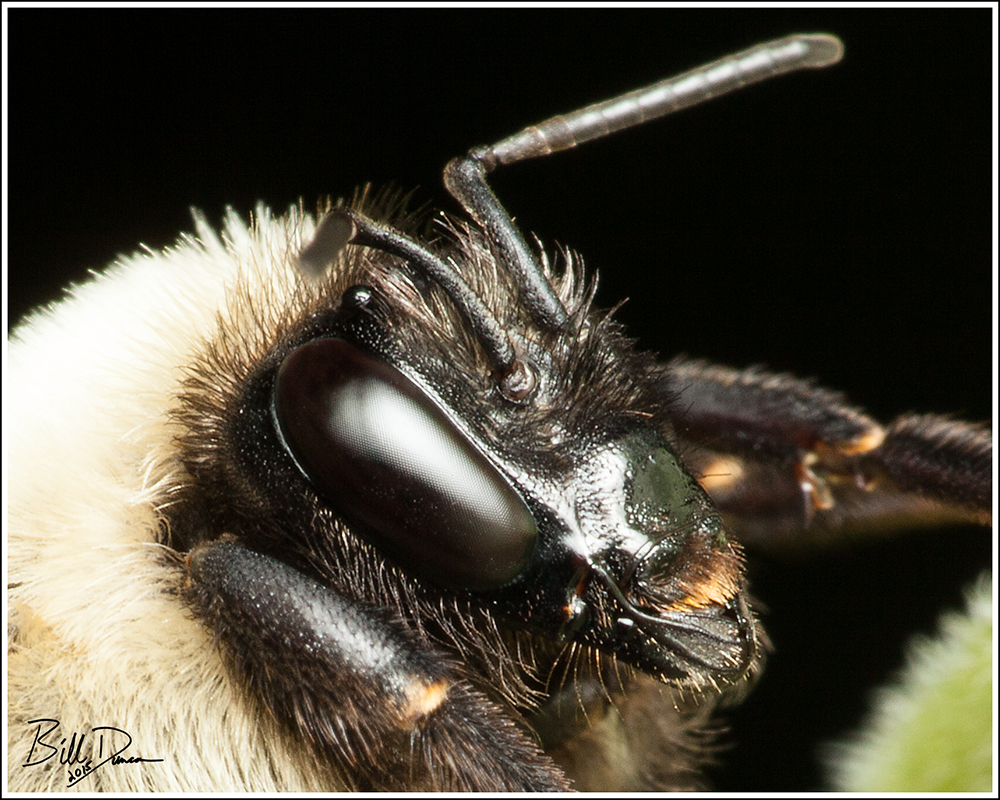
Sweat Bee
The final two photos show a sweat bee (Halactidae). These are quite challenging to photograph, but worth the effort.
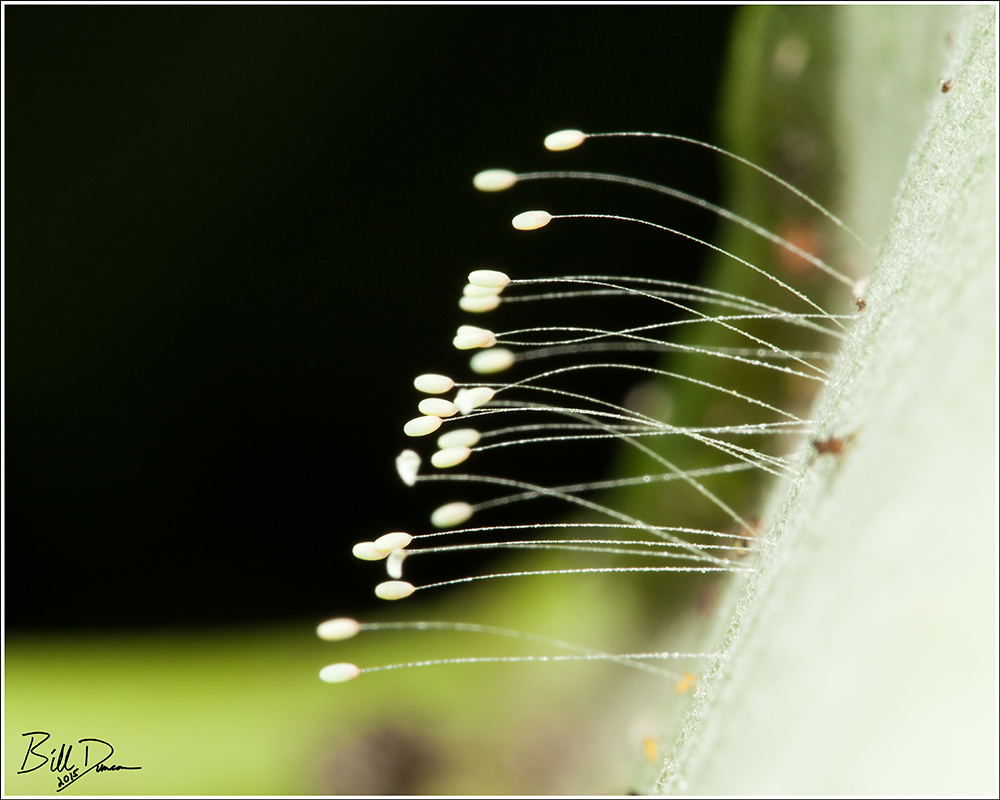
The Lacewing (order Neuroptera, roughly translated to “nerve-wings”) insects are important predators of economic pests. Lacewing larvae are voracious predators that prey upon soft-bodied arthropods such as aphids, scale and whitefly. I have not yet been able to photograph one of these killer larvae yet, and that may be due to their tendency to cover themselves in pieces of trash (including parts of their victims) they find in their environment as camouflage. Another interesting bit of information about these insects is how their eggs are deposited. The photograph below shows the eggs deposited on long thread-like stalks, which have been hypothesized to be deterrents to not only predation, but cannibalism as the larvae hatch and immediately begin to look for something to eat.
The Redbud Bruchid (Gibbobruchis mimus), as its name suggests, is one of those perfect examples of insect-plant specialization. The larvae of this species will only grow on the seeds of Redbud trees and perhaps on those of a relative or two.
Redbud Bruchid
Being extremely small (2.5 – 3 mm), these cute guys are quite the challenge to photograph. Adults feed on plant tissues (flower petals, pollen, nectar, etc…) and I typically have seen them feeding on my Echinacea flowers.
Redbud Bruchid
The guy above can be seen creating or adding to a hole in a flower petal. I much prefer them to the exotic invasive Japanese Beetles that tend to leave nothing behind.
Redbud Bruchid
The Bruchids are a subfamily or “tribe” found within the quite large family – the Chrysomelidae, known as “Leaf Beetles”.
Redbud Bruchid
If you know the size of an individual blossom of the Common Milkweed (Asclepias syriaca), the image above will give you a good idea on just how small these little guys are.
Even with a couple great guides, I still am having troubles identifying the Bumble Bees. Getting the right image makes a big difference and I need to remember to take photos from multiple angles in order to get sure IDs. Missouri is home to ten species of bumblebee and I imagine identification will get easier with practice.
Bumble Bee
The native wildflowers in my yard are huge attractants for all bees, and especially bumblebees. The long-tongued bumblebees and honeybees cover the Echinacea and Silphium in the garden, while the smaller, shorter tongued species are mostly attracted to the Rudbeckia.
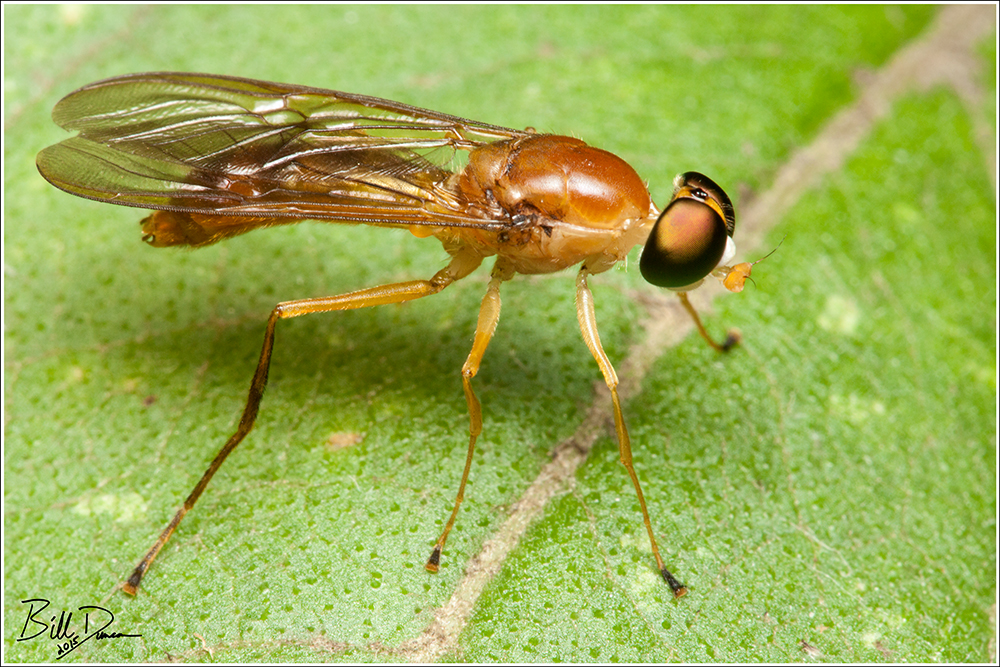
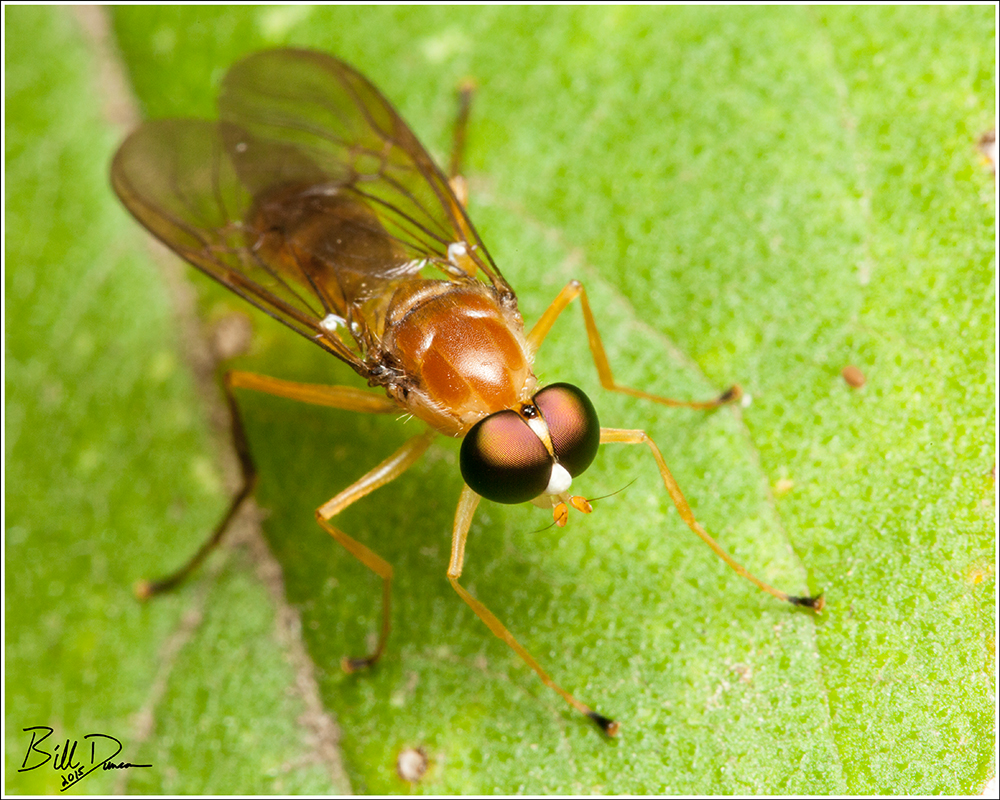
This species of soldier fly (Ptecticus trivittatus) is attracted to rotting vegetation and can often be found around compost heaps. This guy was seriously into some cucumber scrap I threw into the yard.
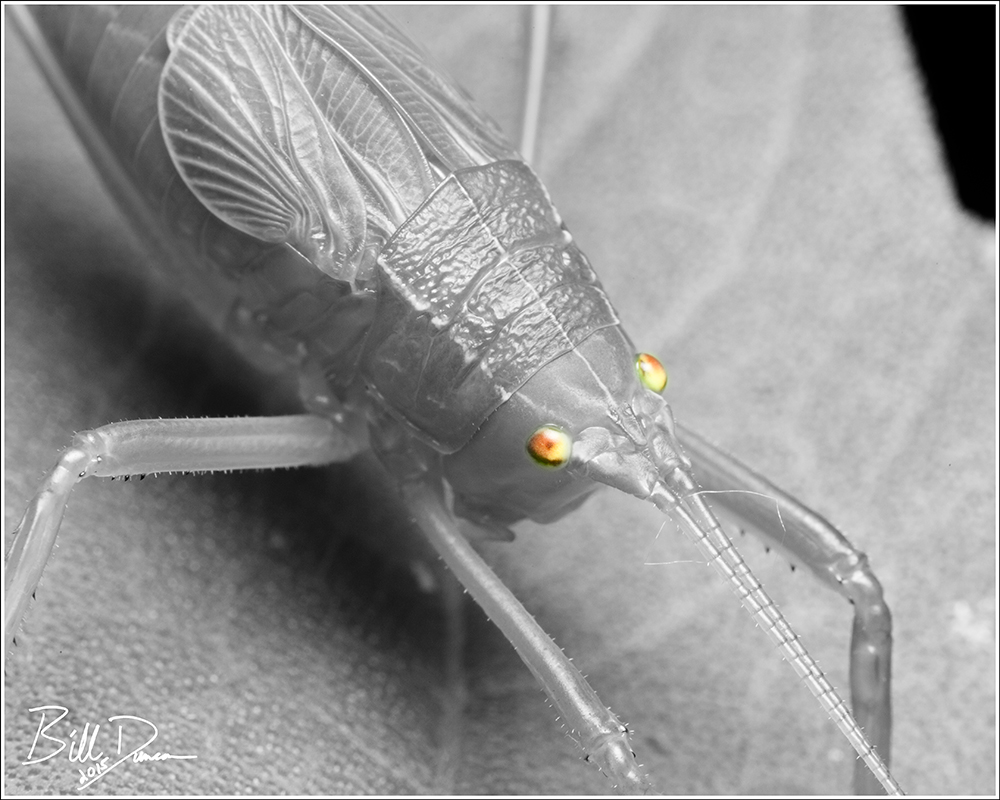
Oh tell me where did Katy live, And what did Katy do? And was she very fair and young, And yet so wicked, too? Did Katy love a naughty man, Or kiss more cheeks than one? I warrant Katy did no more Than many a Kate has done.
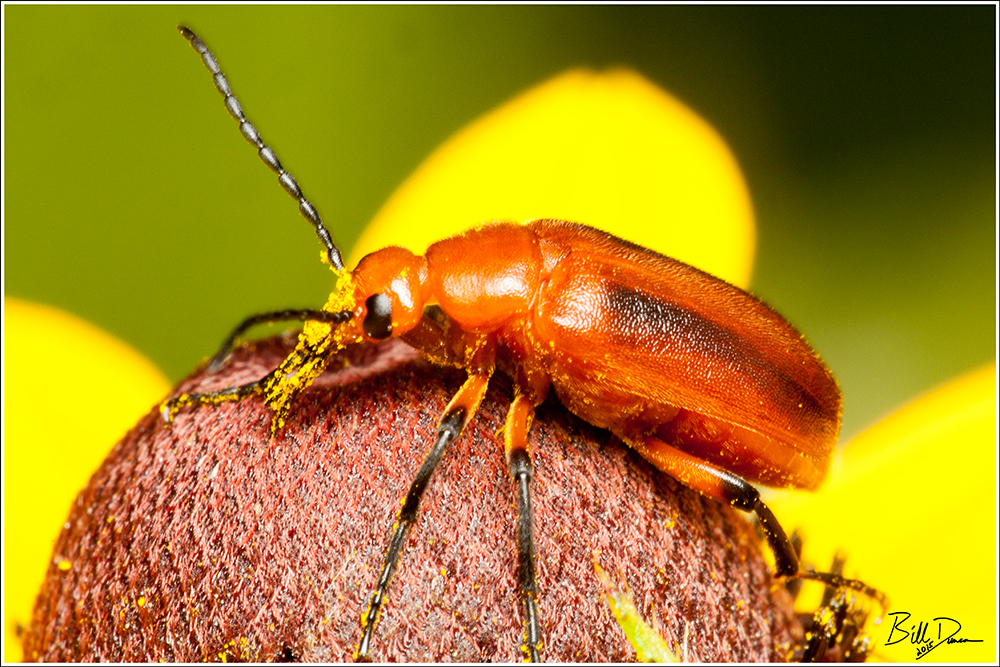
How fascinating a beetle. Did you know this group of beetles begin their lives as kleptoparasites – stealing food from the the nests of solitary bees? As adults these beetles are primarily nectar and pollen feeders and use the specialized mouth parts visible in this photograph to collect their food – primarily from the flowers of Asteraceae. If that were not enough, these guys get their names from a defensive chemical they produce called cantharidin which can produce severe chemical burns and blisters when sprayed on skin and severe poisoning if ingested. This chemical has proven an effective treatment against diseases such as cancers and leishmaniasis. This guy was found at Shaw Nature Reserve.












 A Thousand Acres of Silphiums