A few more from Lock & Dam #24 from winter of 2020/2021.
"What a thousand acres of Silphiums looked like when they tickled the bellies of the buffalo is a question never again to be answered, and perhaps not even asked." -Aldo Leopold
A few more from Lock & Dam #24 from winter of 2020/2021.
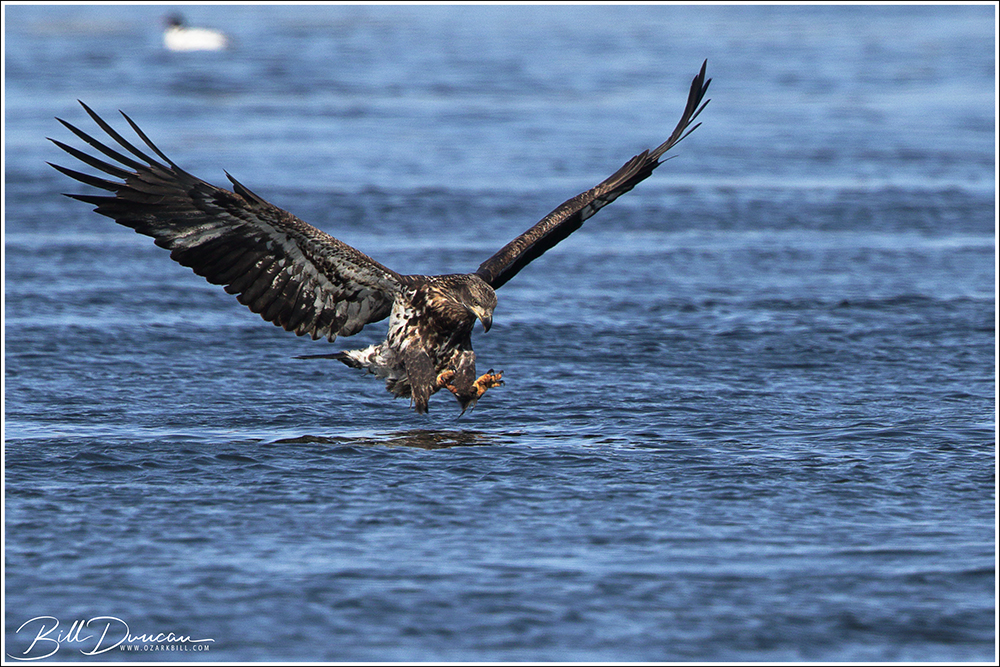
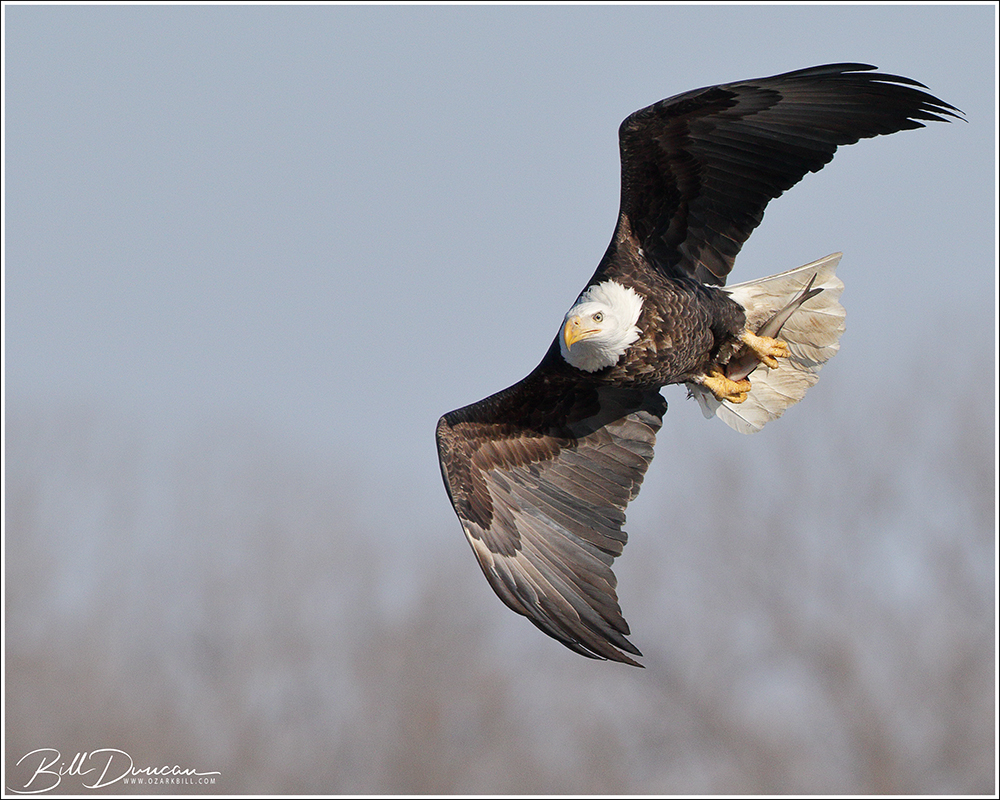
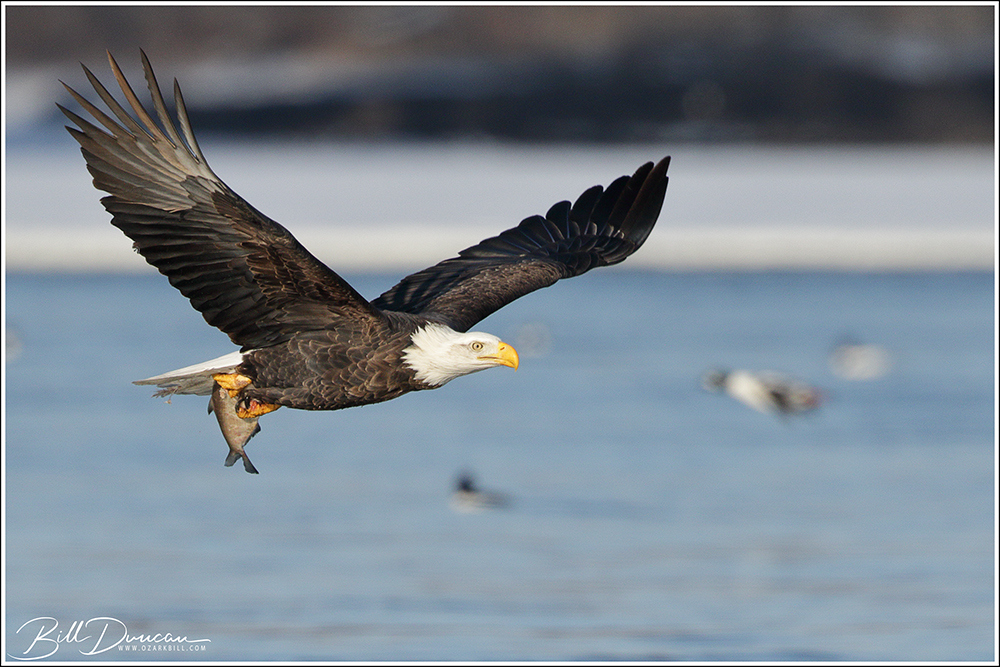
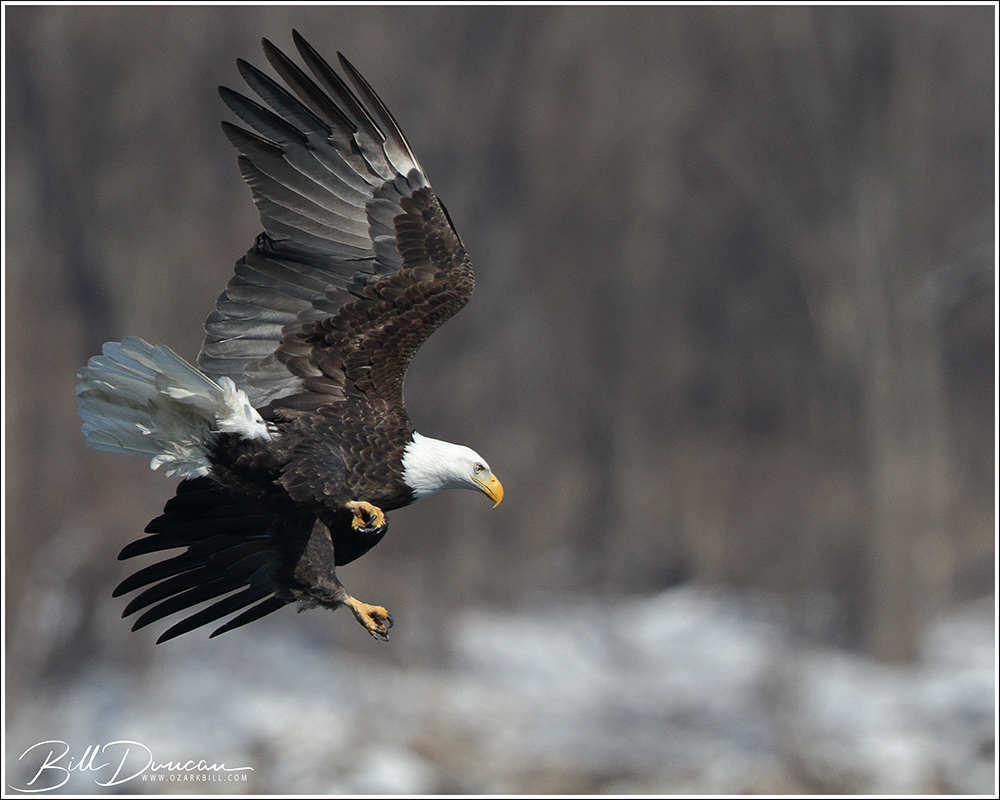
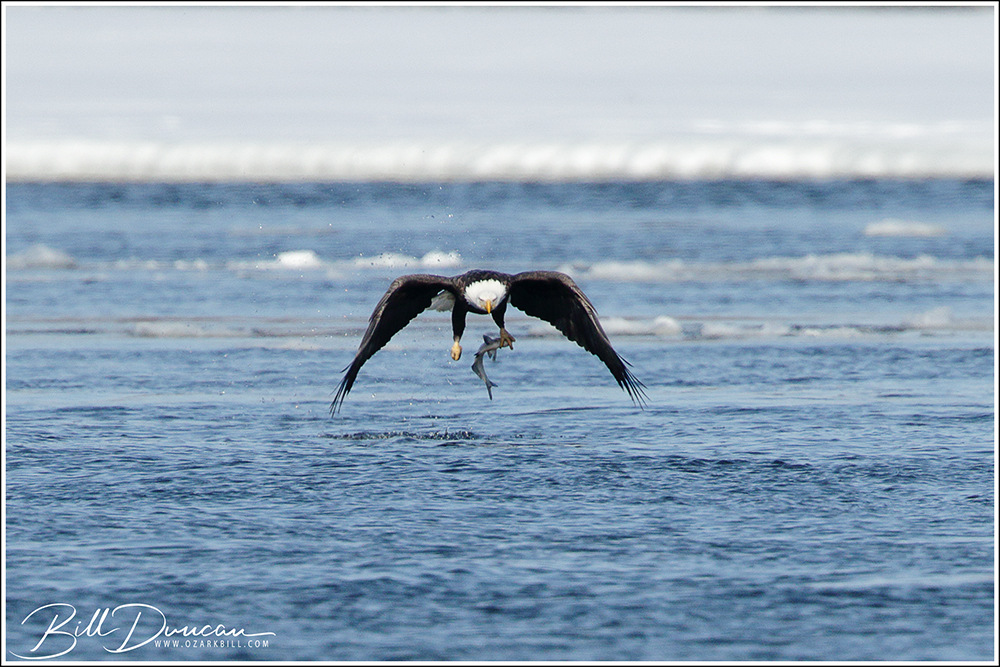
We actually had a couple weeks of a deep freeze, old-fashioned winter during the 2020/2021 season. It was enough to get a lot of ice on our rivers and lakes but it didn’t seem to be quite long enough to bring the eagles into Lock and Dam #24 in big numbers. A couple friends and I tried during the last couple days of the deep freeze and although we had fewer than 12 birds, there were opportunities that made it worth our time. Here are a couple photos of a juvenile eagle (a 1.5 to 2.5 year old bird) that I captured as it came to the water to catch a fish that was stunned following its passage through the dam.
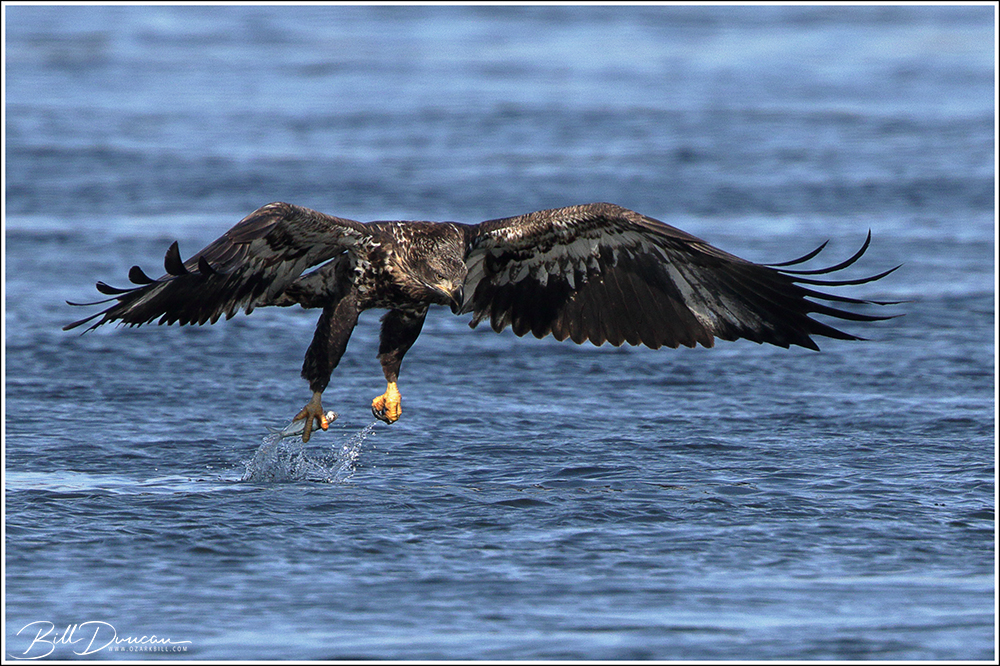
Check back soon as I will be posting more photos of eagles and other birds that were making their living in the open waters beneath Lock and Damn #24.
-OZB
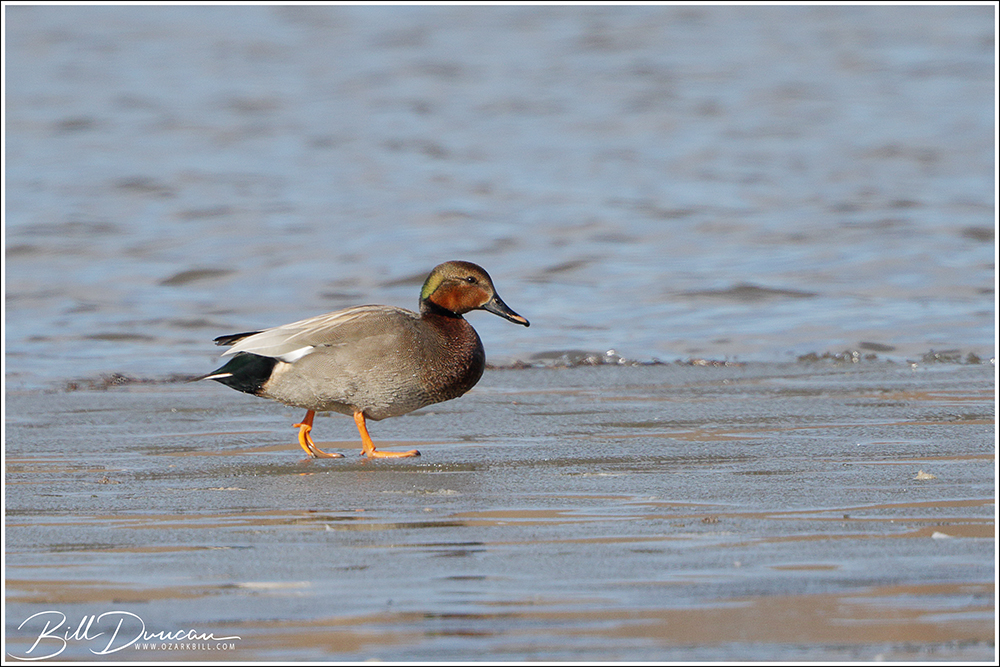
Although I cannot count it as a new species on my lists, I do believe this bird is worthy of a little attention. The “Brewer’s Duck” has been noticed for centuries, even being painted by J. J. Audubon himself. But, he called it the “Bemaculated Duck”, an apparent misspelling of the descriptor, bimaculated, meaning “marked with two spots.” The Brewer’s Duck is an intergeneric hybrid between a Mallard (Anas platyrhynchos) and a Gadwall (Mareca strepera).
This bird was originally spotted at Bush Conservation Area on February 23rd by Michelle Davis and reported via eBird and MOBIRDS. These photos were taken on February 24th.
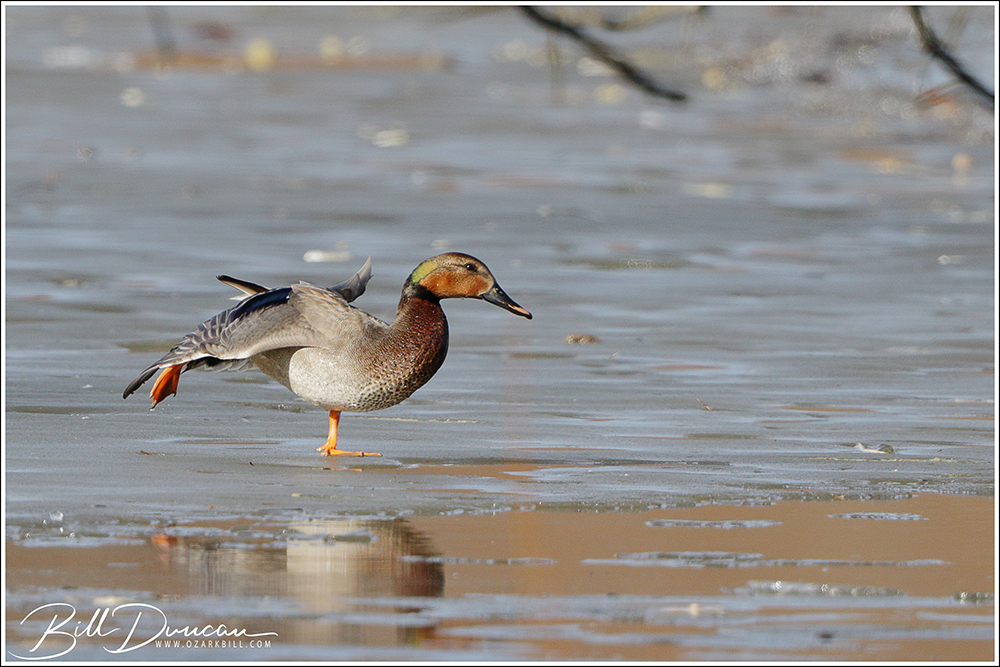
In the above photo, the blue speculum patch can be seen, coming from the Mallard. The fine lines of the Gadwall can be seen on the breast and sides. The head is a mixture of both species. Some green can be seen towards the back of the head, although this could only be seen at just the right angle to the sun. The bill is also a mix of the yellow Mallard’s and the all black Gadwall. In my opinion, the feet are more reminiscent of the color of the Gadwall’s feet.

So far I have been unable to find out much about the Brewer’s Duck from books or internet sources and I have lots of questions. This bird seemed to mostly associate with Gadwalls. Is this common, or does it depend on which species was the mother? Does the parentage have to be directional? Are they fertile? How common are they?
Thanks for the visit!
-OZB

Tonight I’m finishing off the neighborhood deer photos from 2020. This buck pictured in the first two photos was a bit odd. Not just because of the aberrant antlers, but he also did not mind my close approach or my following him as he browsed.

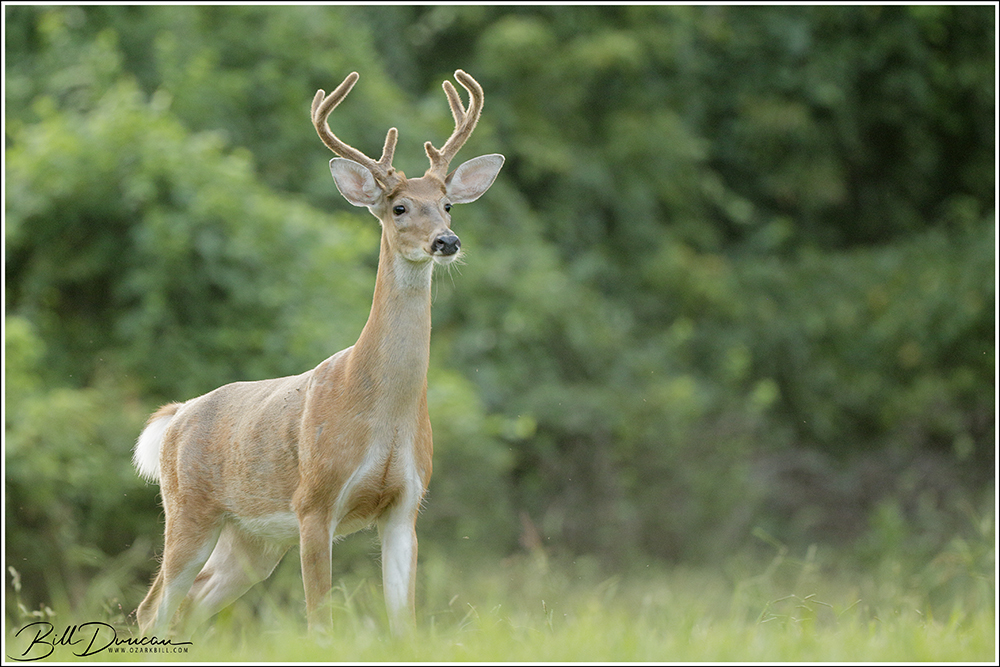
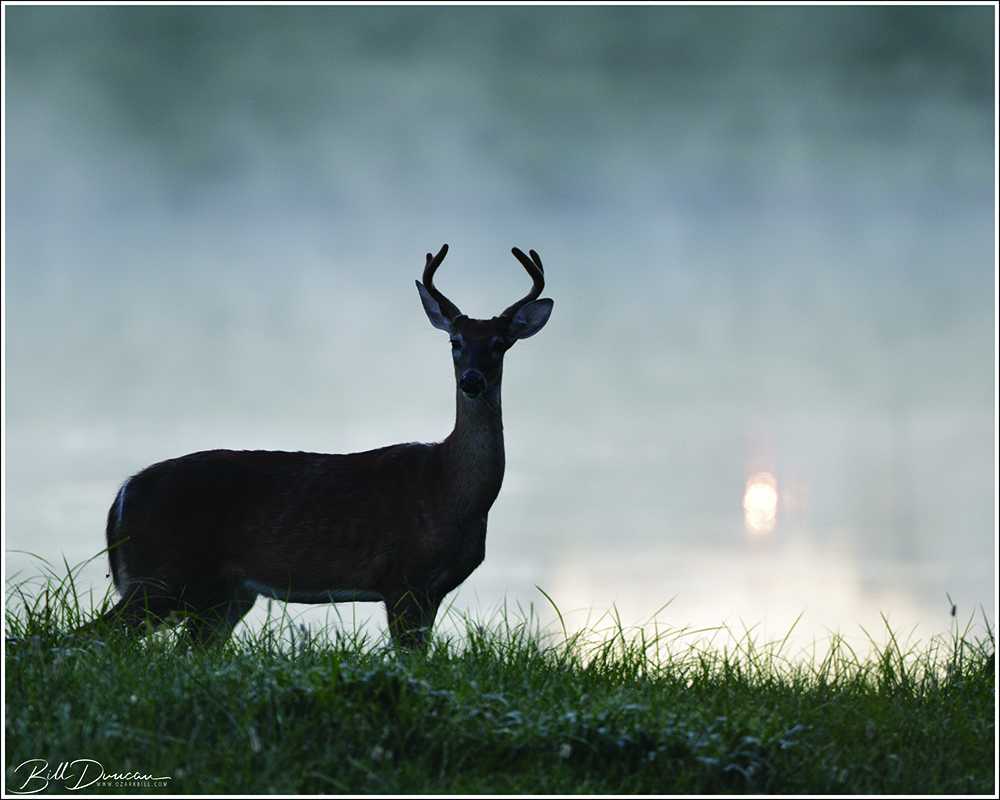


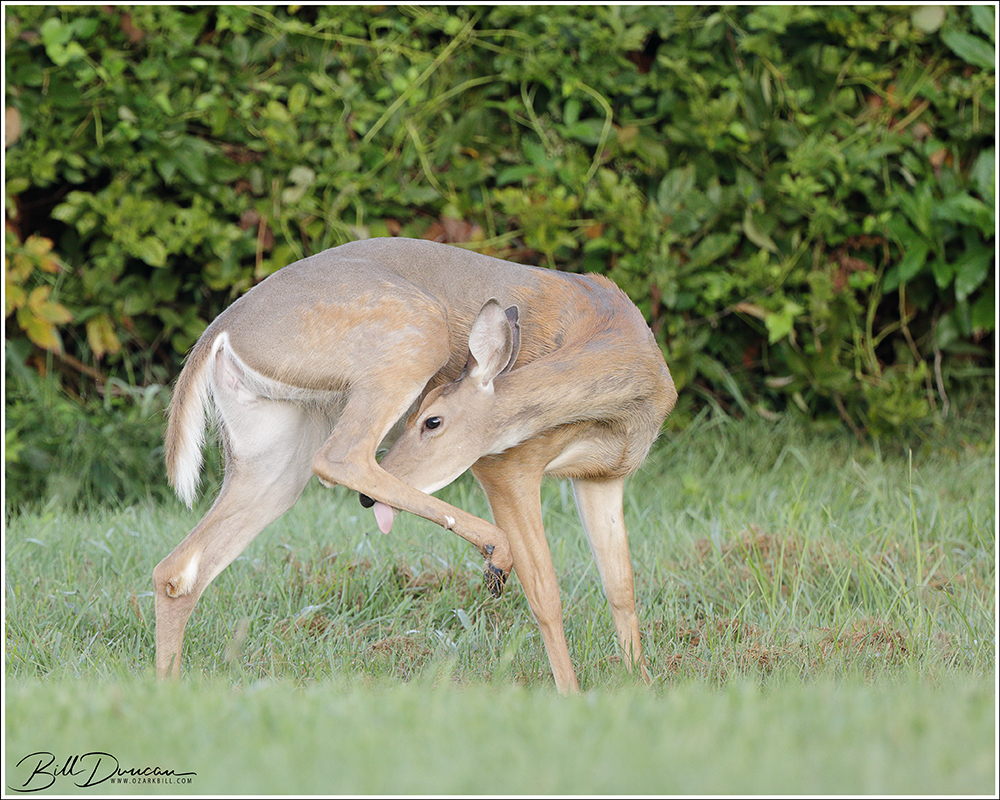

-OZB

A few more white-taileds from August. Have a look at the next three images. I’m hoping someone with some knowledge in the genetics of these guys might have some idea what is going on with the buck on the right. With his rack and size, he obviously has the genes, but he looks so different from what I think we would agree is a more typical buck next to him. In addition to the shapes of their heads and faces, their coats are vastly different as well. Thanks for sending any thoughts you might have about what these difference might be caused by.

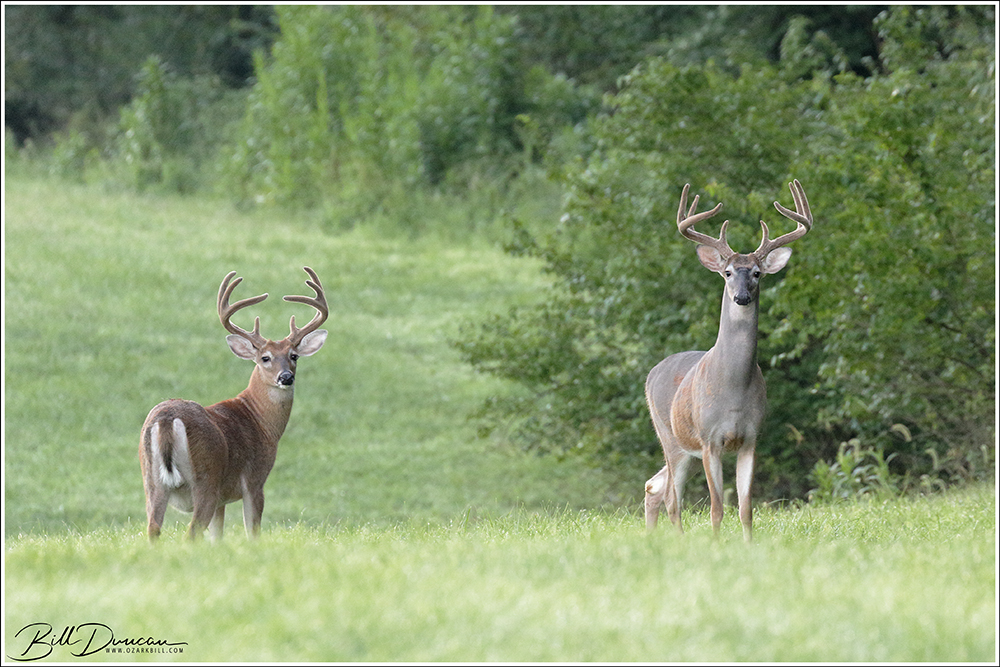


-OZB

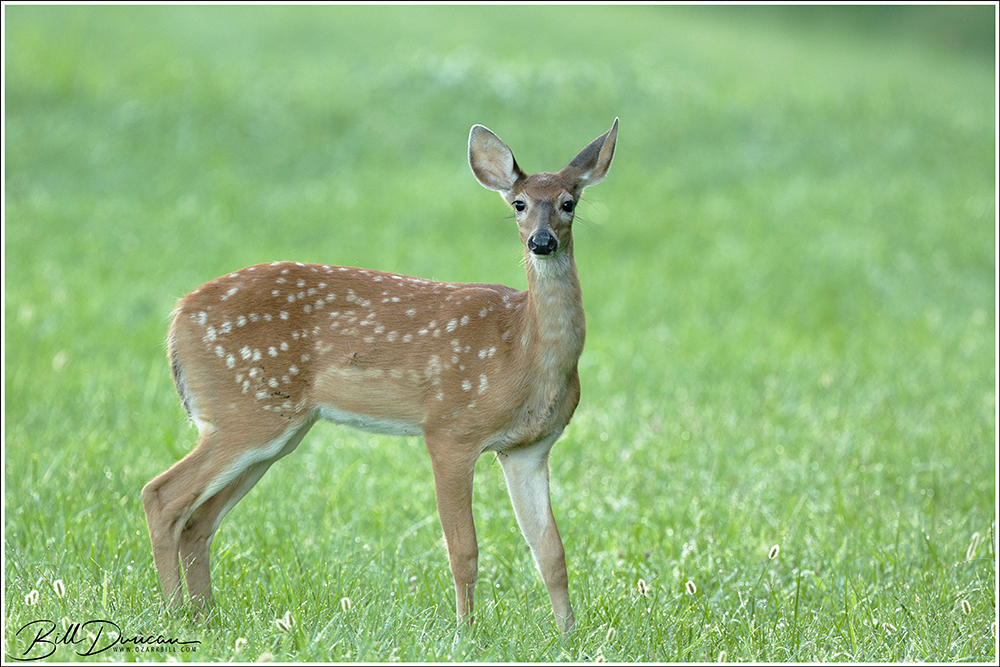
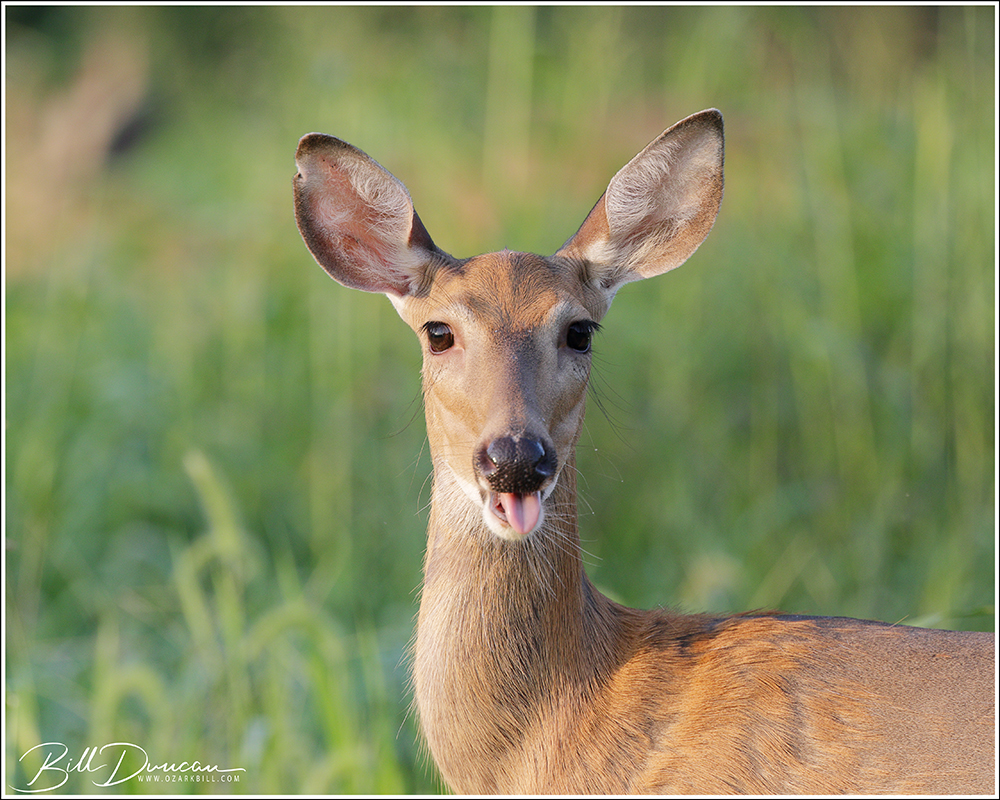
2020 was a decent year for me in finding and photographing white-tailed deer. It started in the summer a I walked the high-voltage line cuts that run through our neighborhood. These turf fields, the wood lots and scrub fields that run along this area and our yards are home to a good size population of these deer. As I get more into landscaping our yard with native plants, I’m sure I’ll develop issues with these guys, but they are a lot of fun to watch and photograph.

Typically, summer bucks in velvet are not easy to see in the daytime. They typically stick to a small area, eat the abundant greenery and try not to damage their sensitive new headwear. Suburban bucks are different. In fact, I had much easier times finding bucks this summer in the neighborhood than I did during the rut season when they are typically easier to find and get close to.
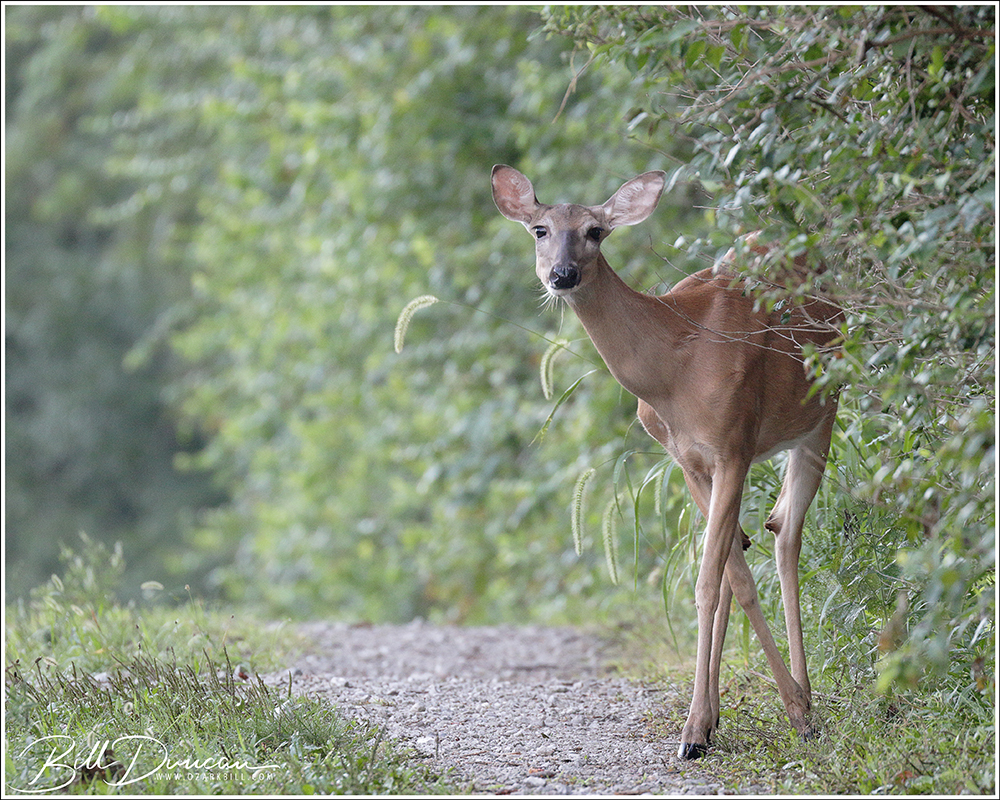

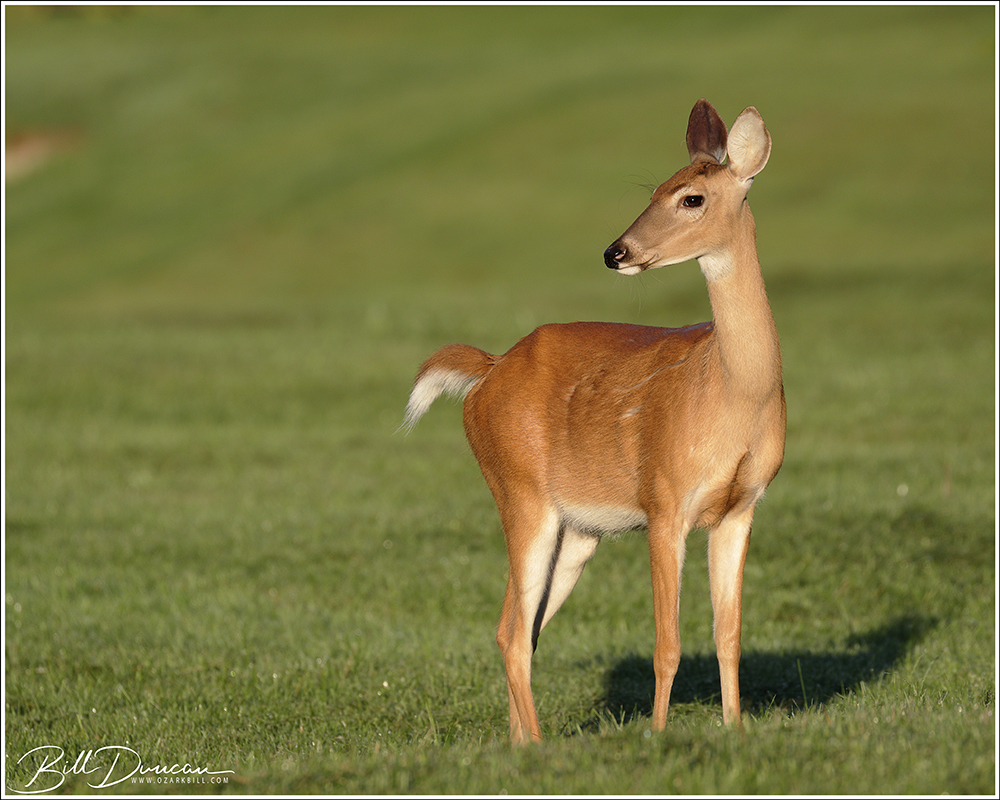

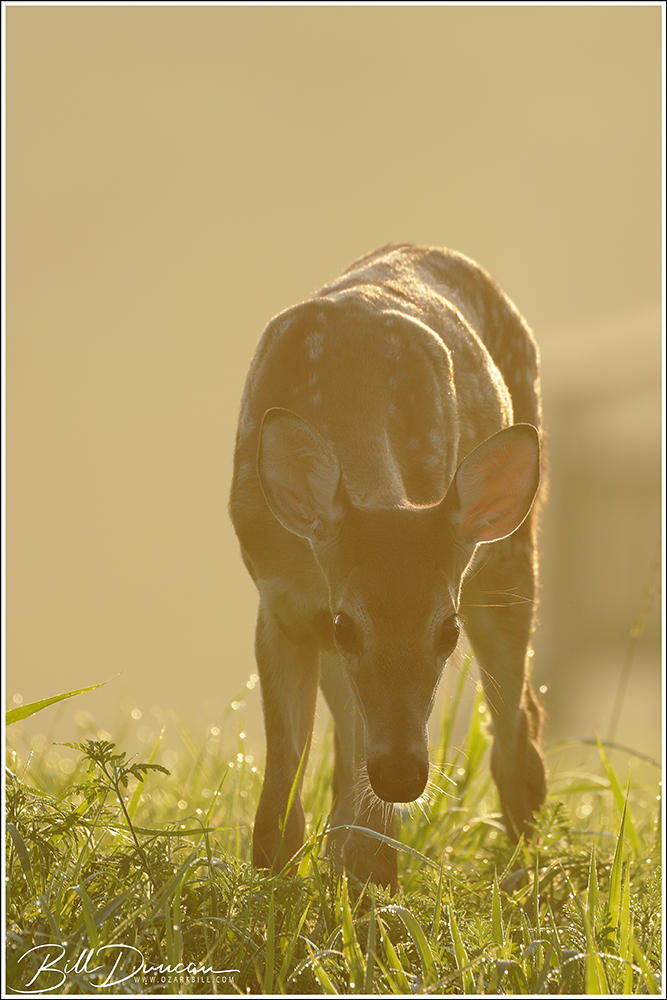

That’s all for this set. Stay tuned and check back later to see more from the neighborhood this summer as well as images I took during the rut.
-OZB
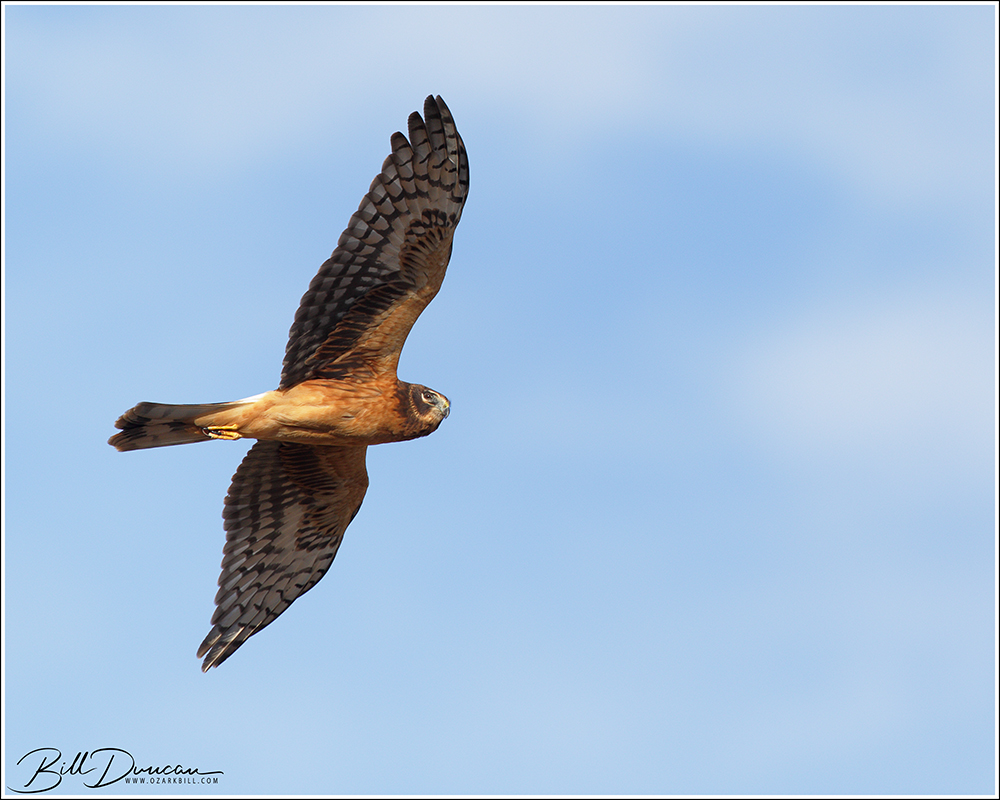
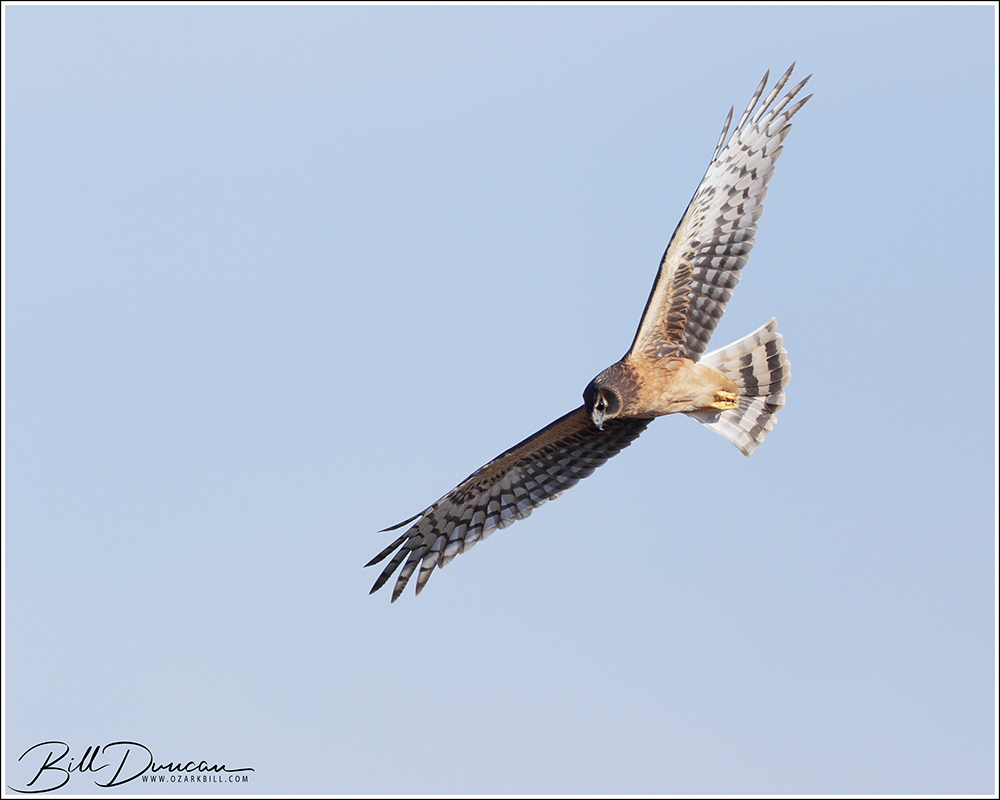
Sometimes it’s better to be lucky than good. In fact, with the Northern Harrier, a bird with keen eyesight and talent for being as far from people as they possibly can, I’d say being lucky is the best thing to be.
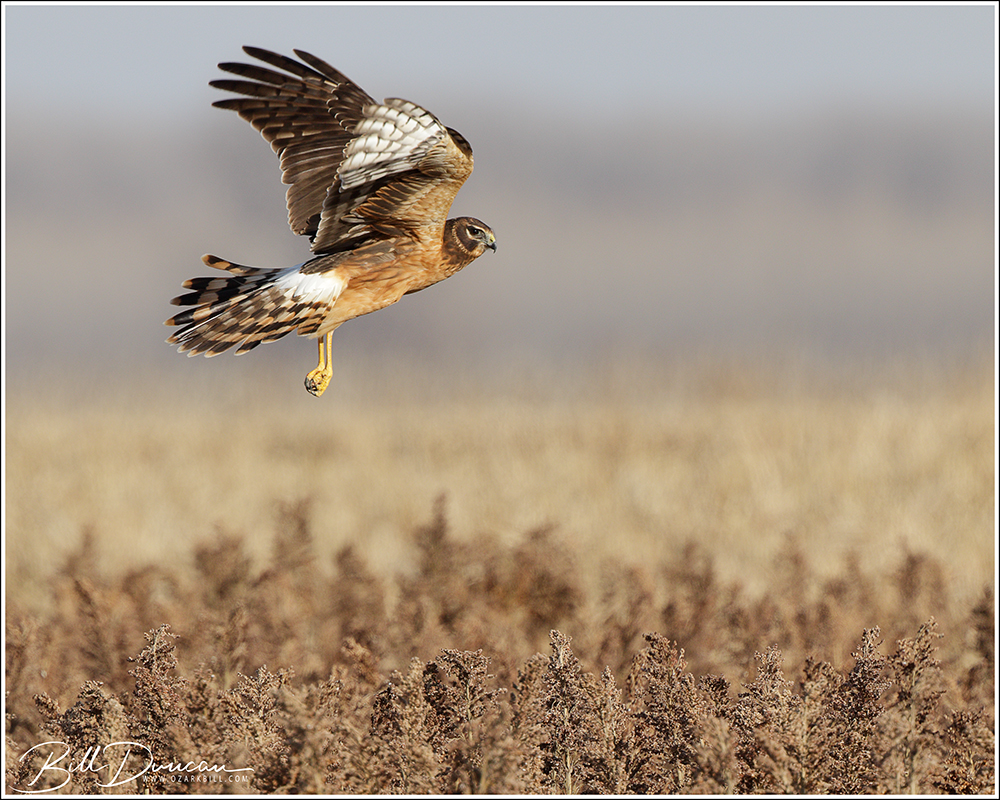
During a recent trip to Columbia Bottom C.A., I spotted this formel (an old-school name for a female hawk or raptor) flying back and forth over this small patch of sorghum that was planted near an equipment shed and a small patch of woods that were both near an easy place to park. I doubted I would have the time to get close enough without being seen, but thought I’d give it a try.
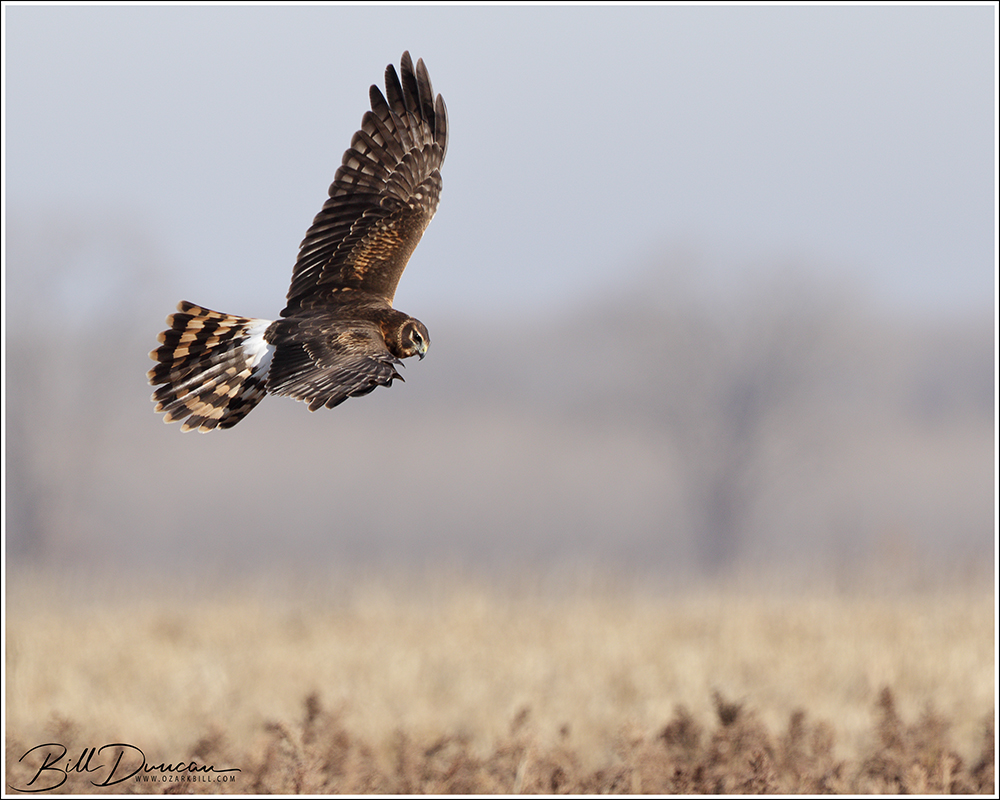
I realized I was in a promising position in which I could move perpendicular to the course the bird was moving. I just needed to make sure I was either hunkered into the scrub-lined woods on the one side, or plastered against the equipment shed on the other. I did this without either being seen by the bird or at least by not being considered a threat.
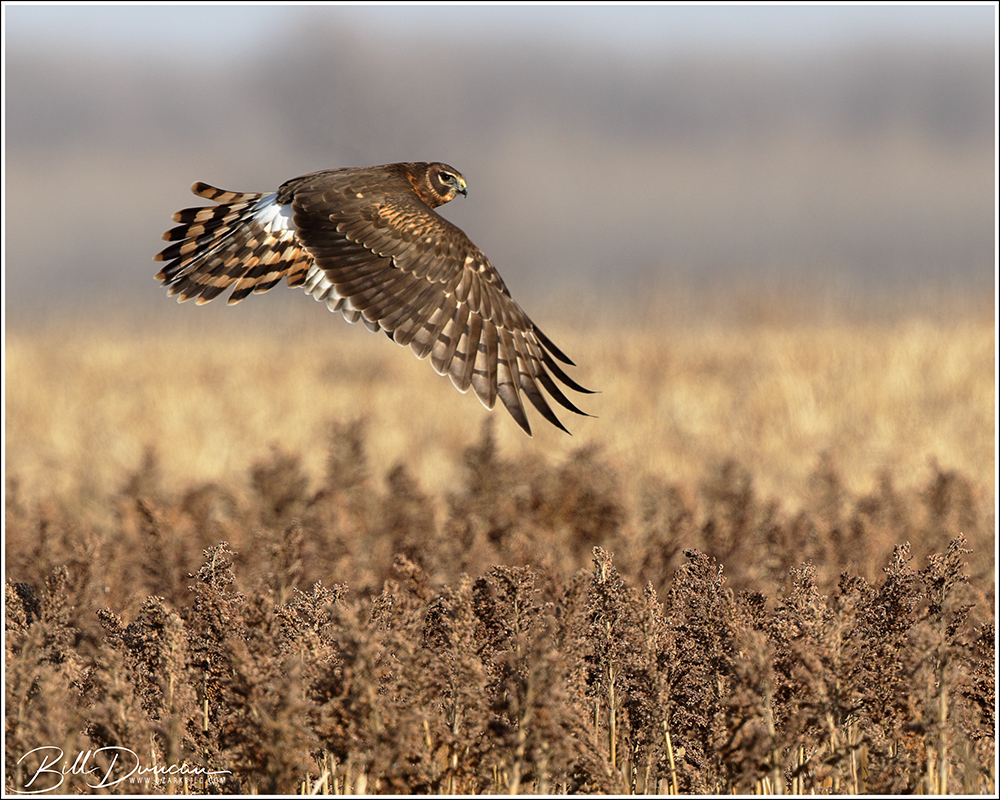
When I was close enough that I felt I could put my 400 mm f/4 lens to good use, I was ready to shoot the next time she came by. I was able to get some shots on a couple or three passes before she started to move to other locations. Unfortunately, I did not have my camera settings optimized for such an occasion. I left a lot of potential aperture (DOF) and shutter speed on the table (these were mostly shot at ISO 100). But, I am happy with what I was able to get while being sure I did not make the bird too uncomfortable in the process.
-OZB
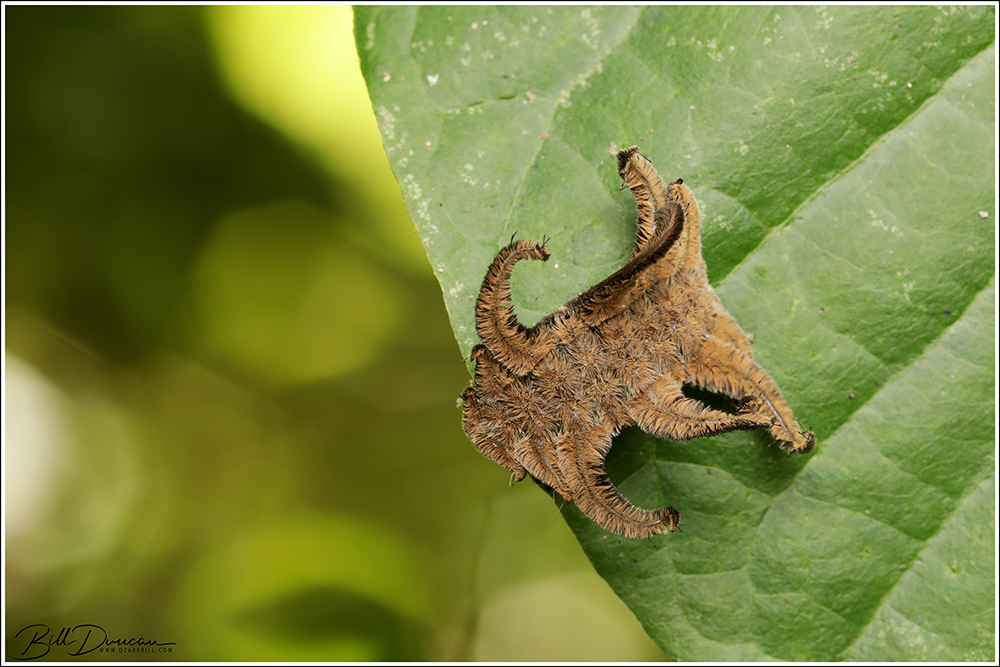
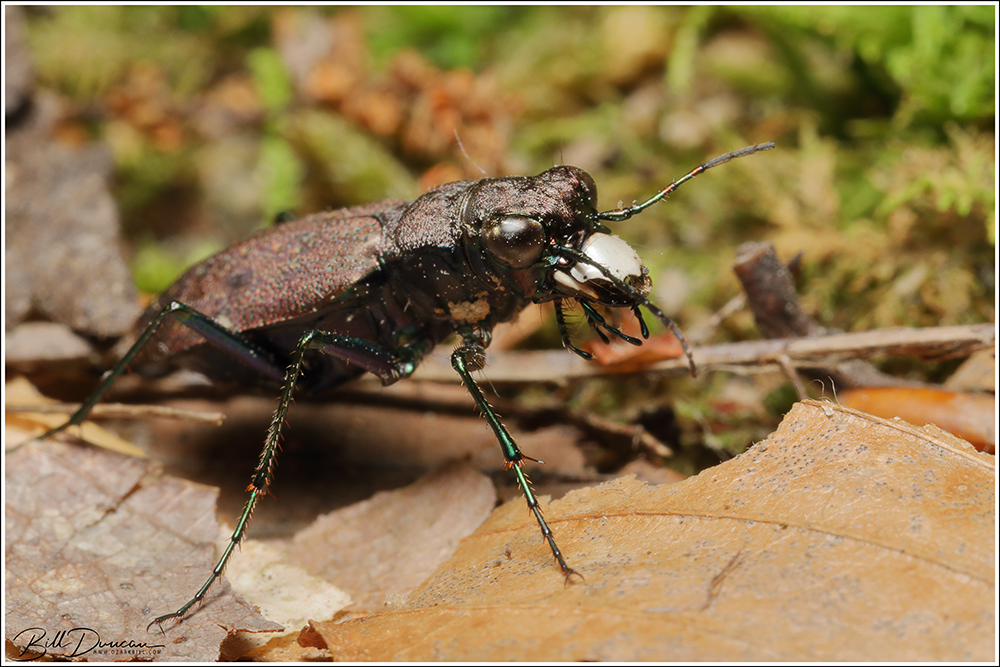
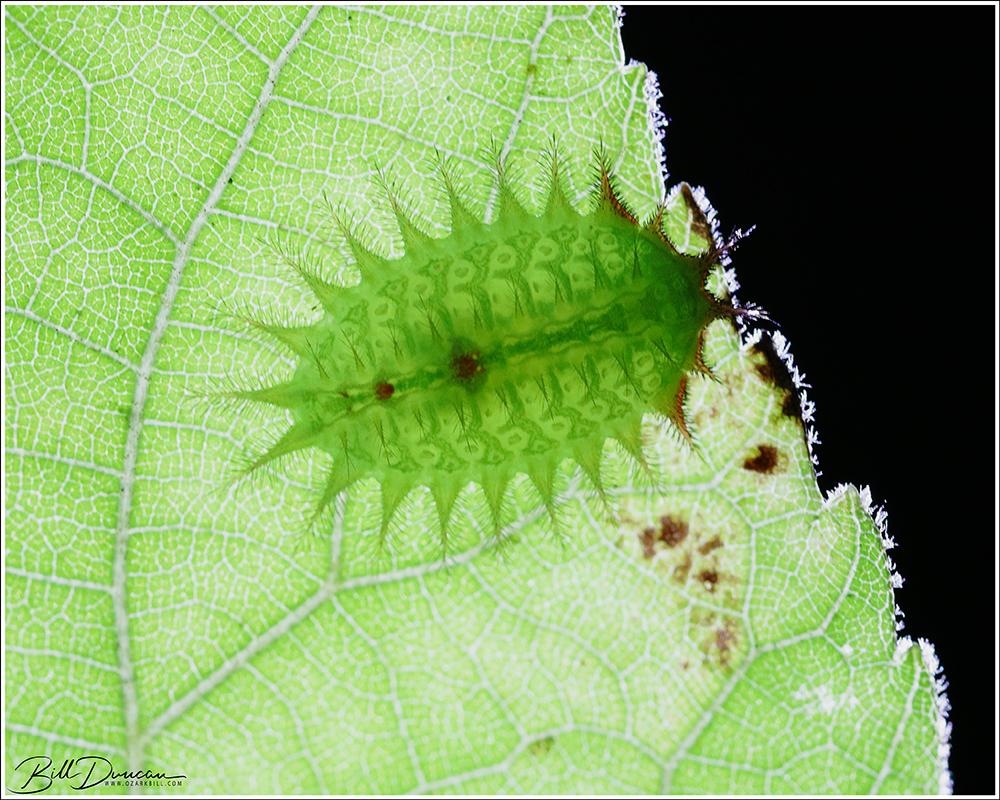
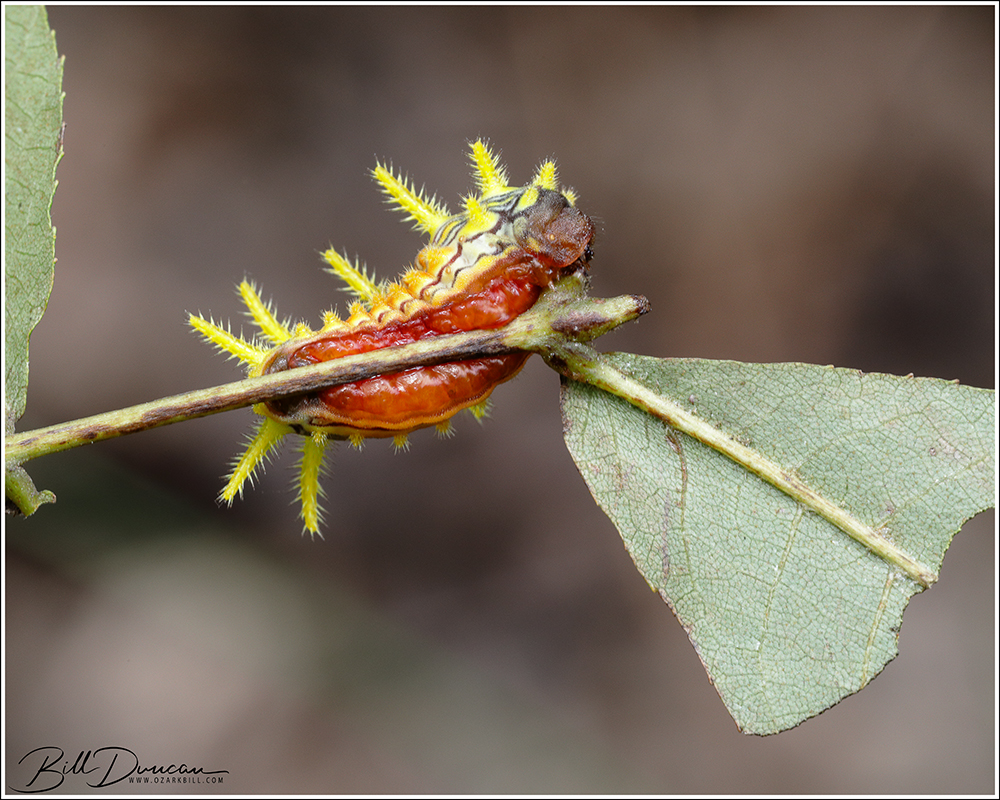
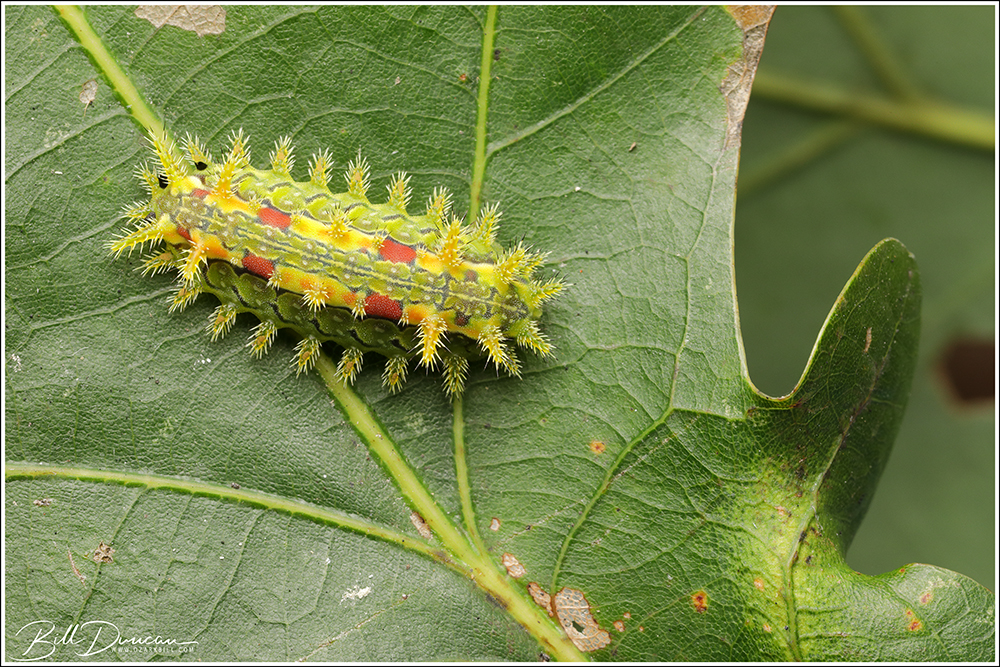
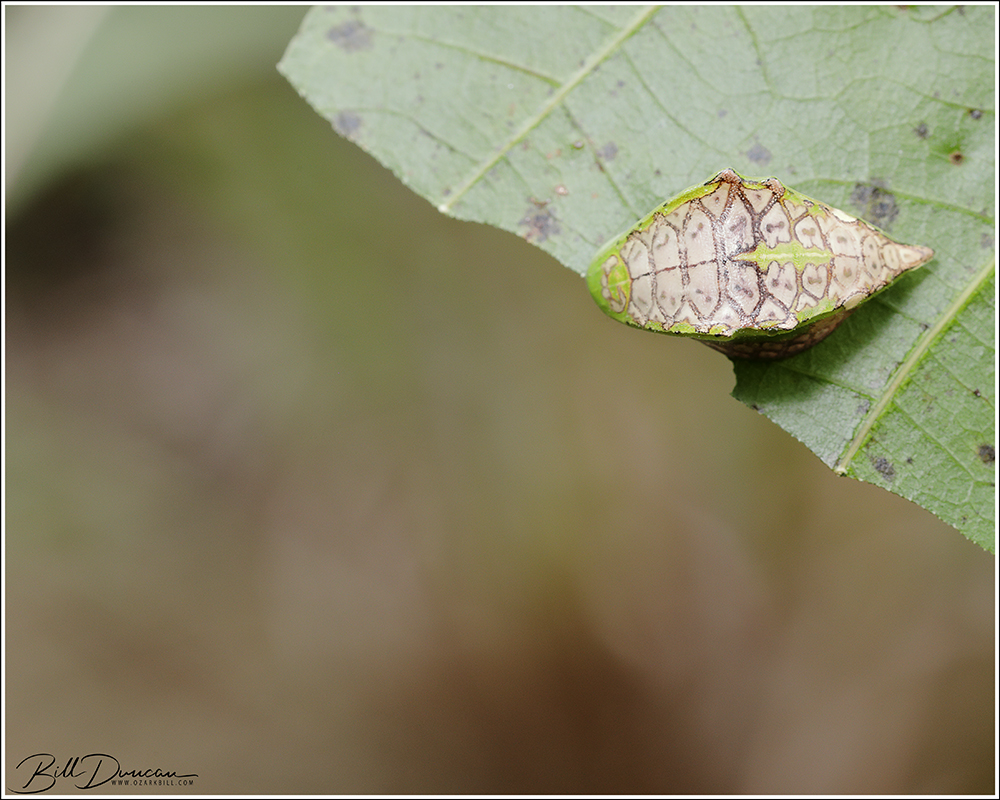
As it seems I say every year, I did not find the time to go out looking for insects as much as I had hoped for in 2020. Here are a few of my favorites from this past season. As always, please correct any inaccurate species identifications if you are in the know. I try my best, but can always be wrong. Thanks.
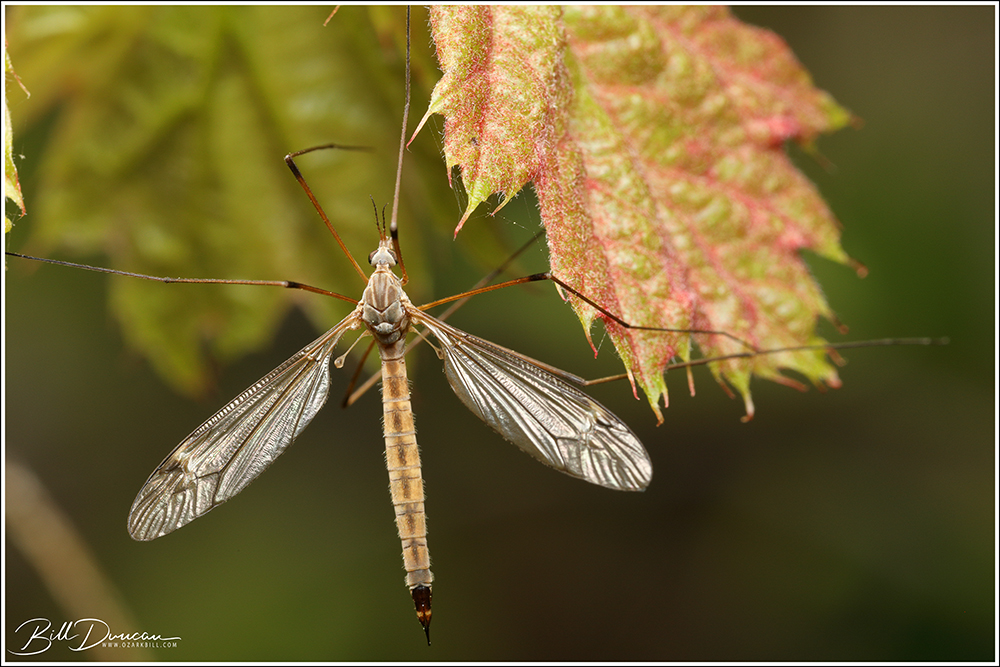

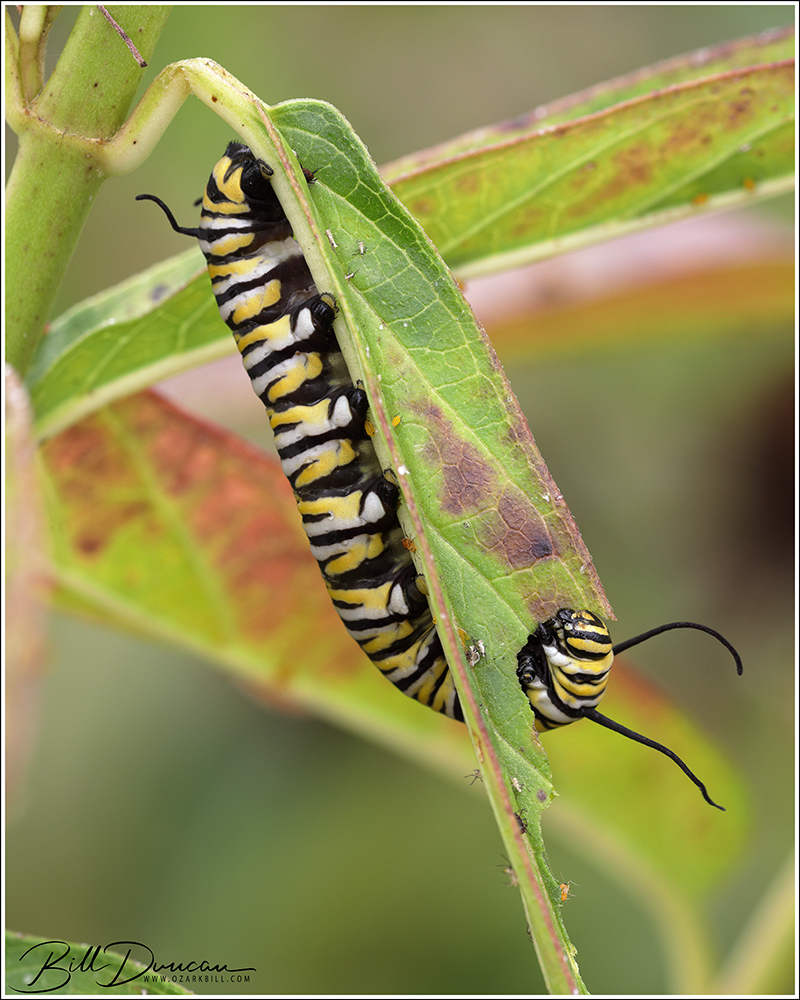


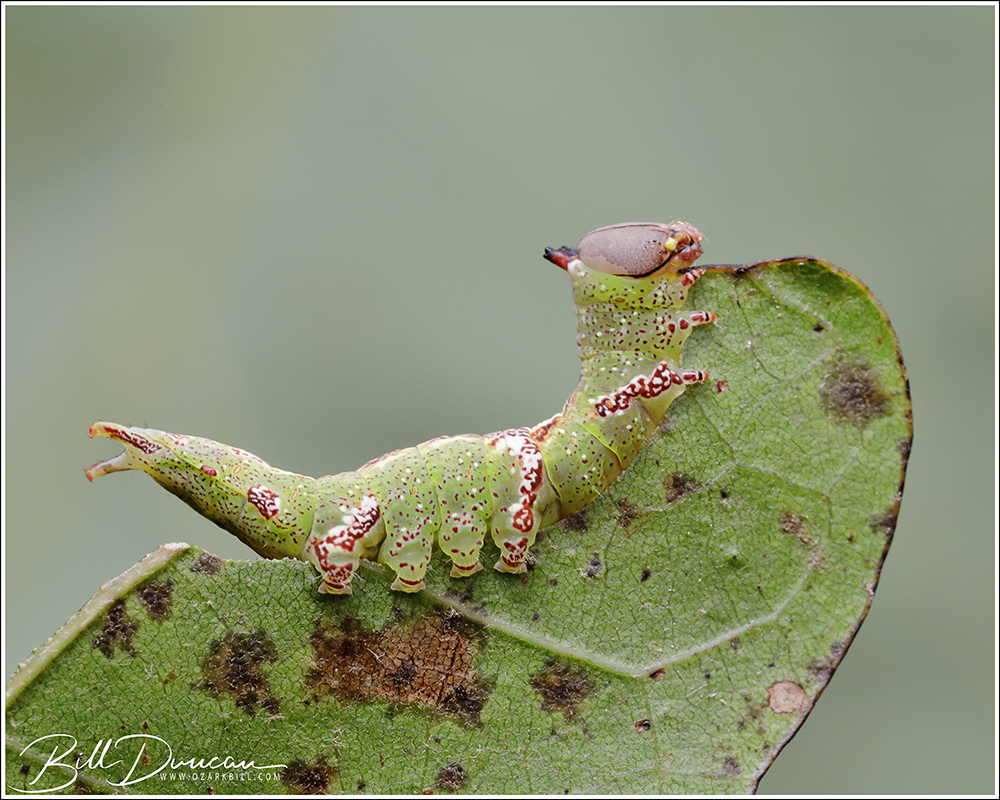
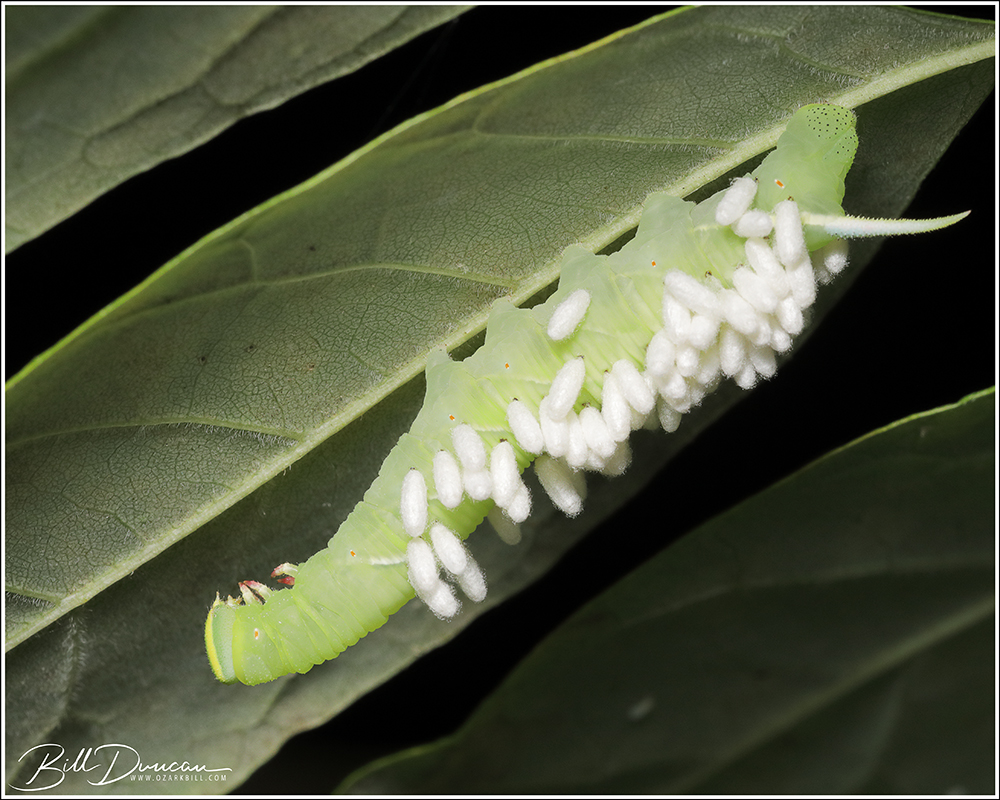



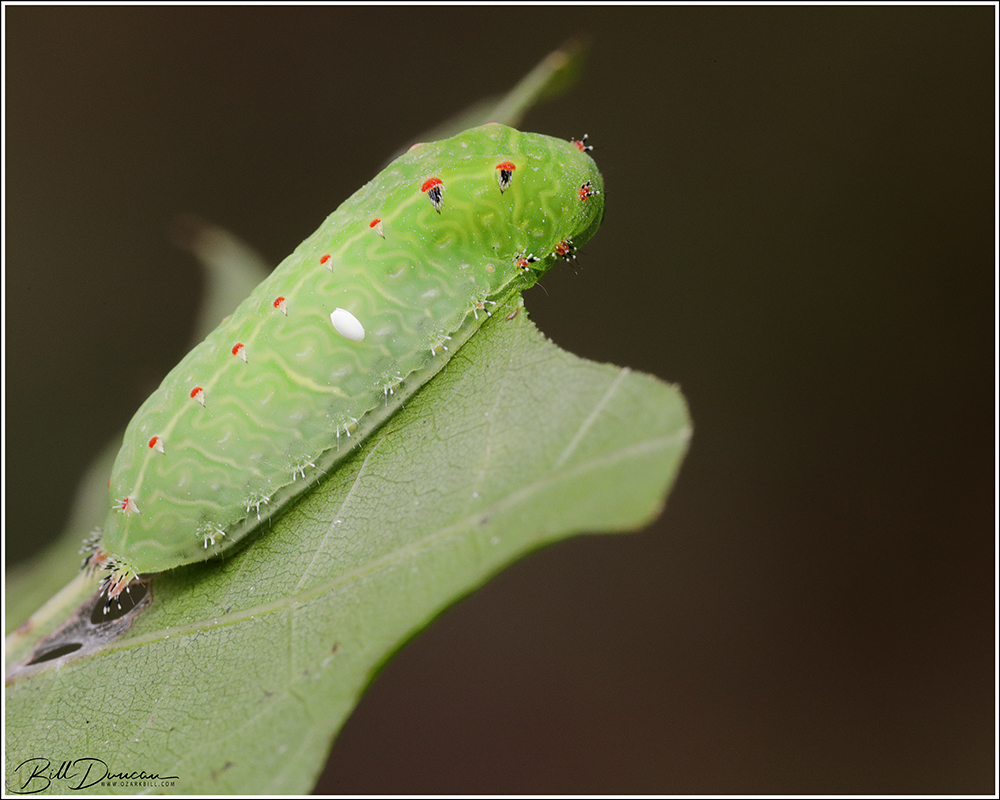
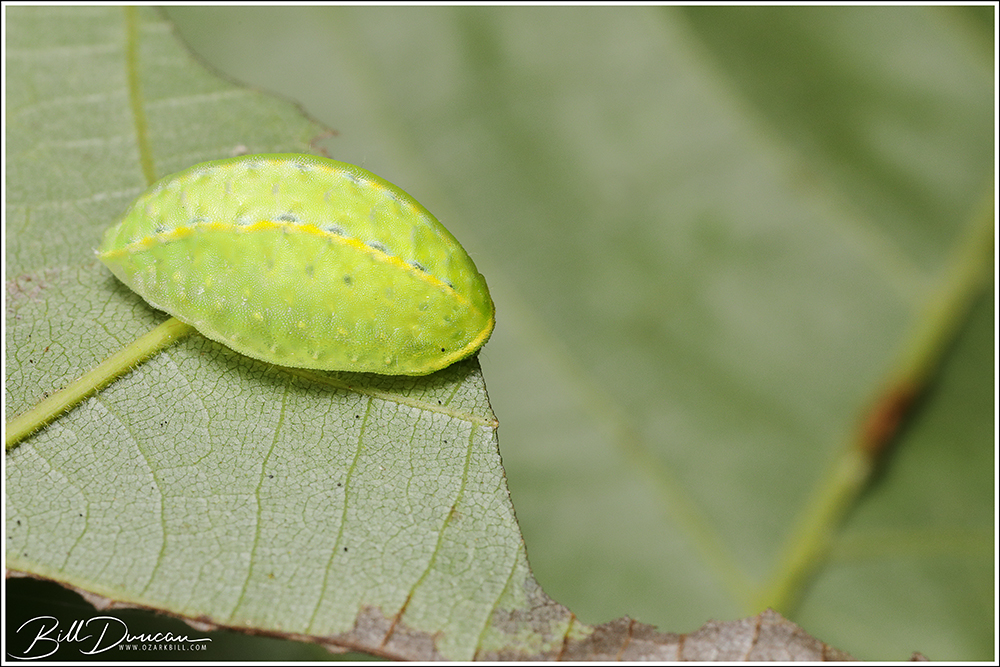
Thanks for the visit and wishing you a great 2021 filled with more insects!
-OZB

Here’s a bit of a wrap-up on 2020 with a selection of miscellaneous birds that didn’t fit into any other blog posts.

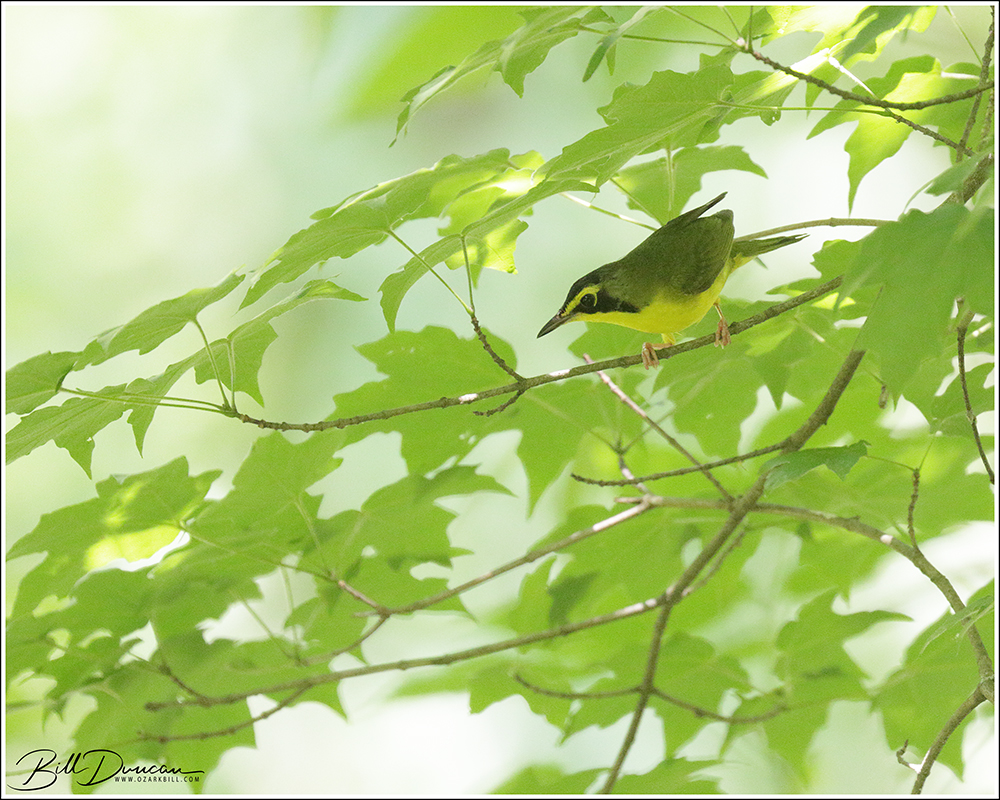
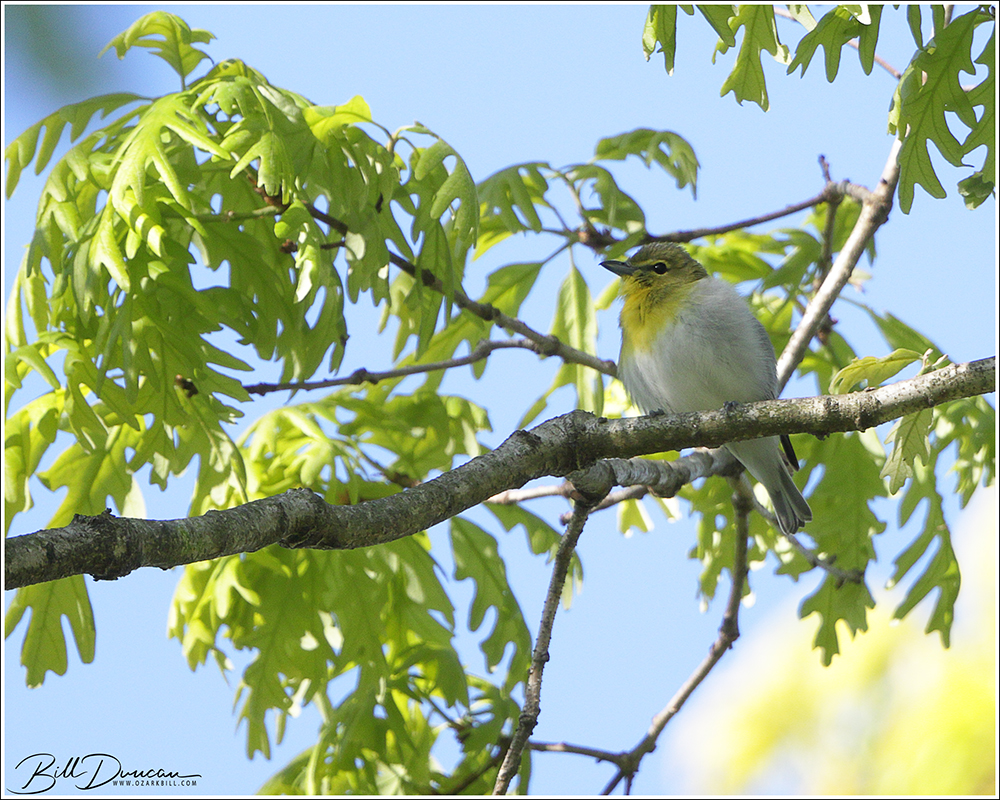


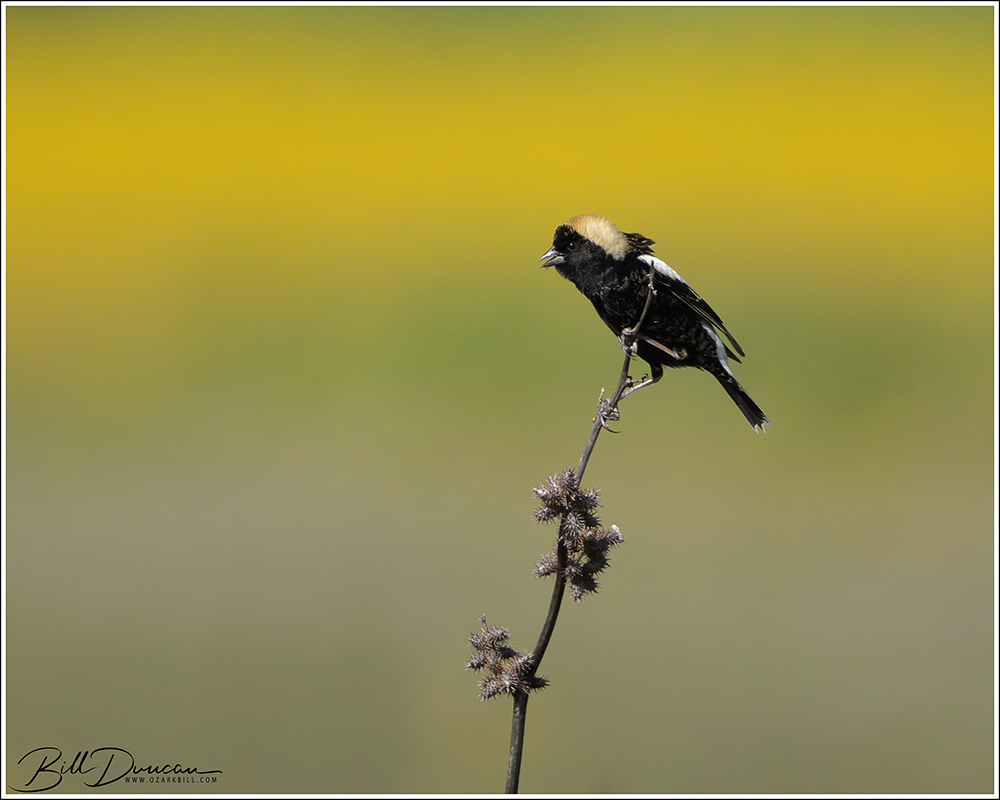
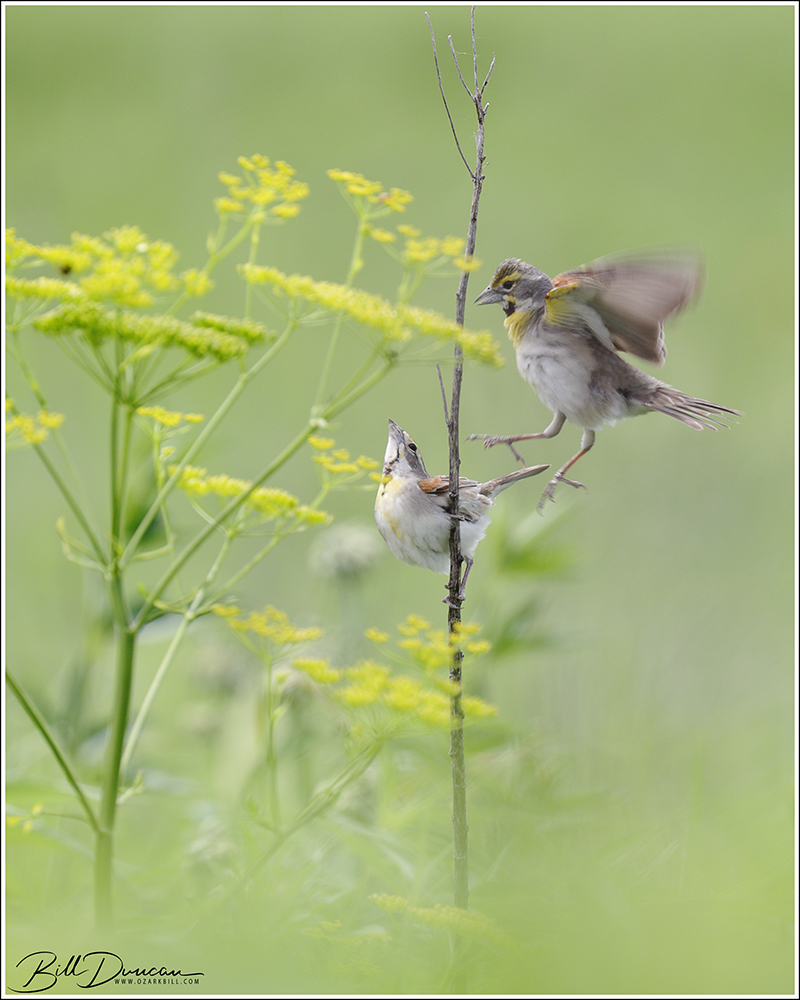
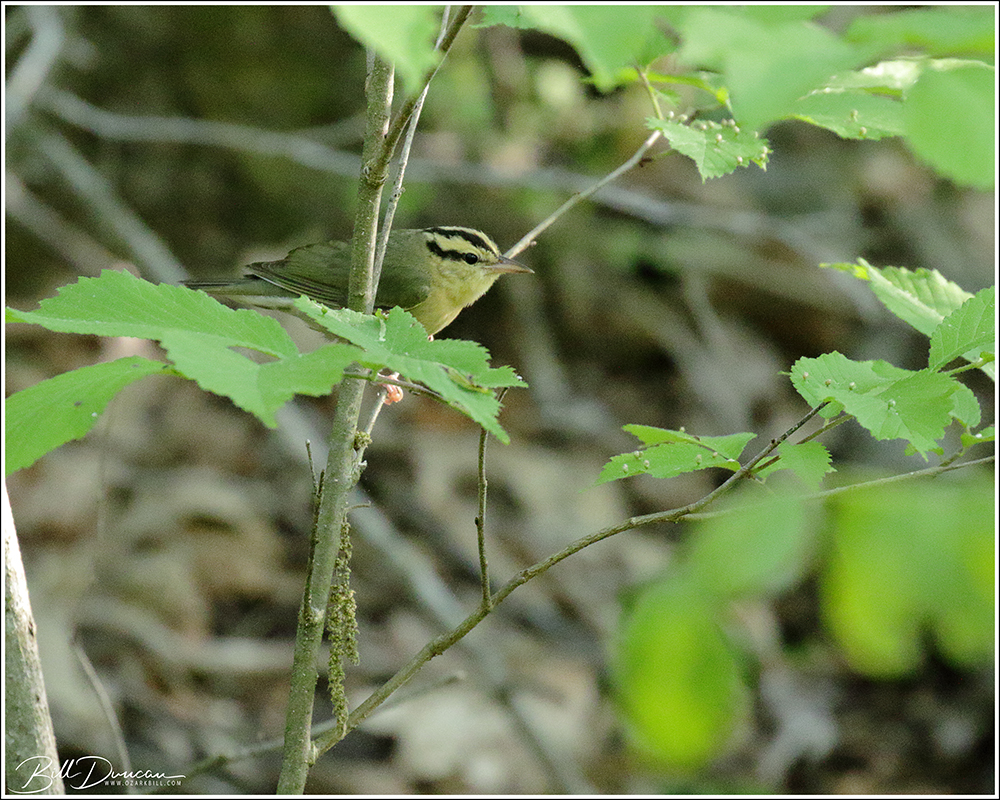


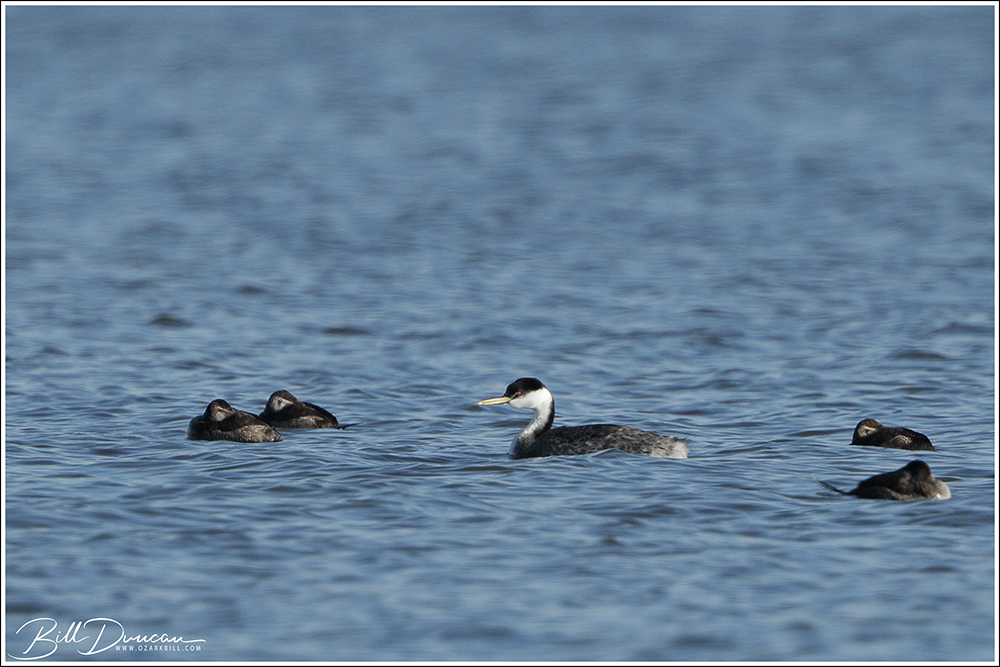

I likely have several other bird photos from 2020 that need processing, but this is all I have for now. Thanks for the visit.
-OZB
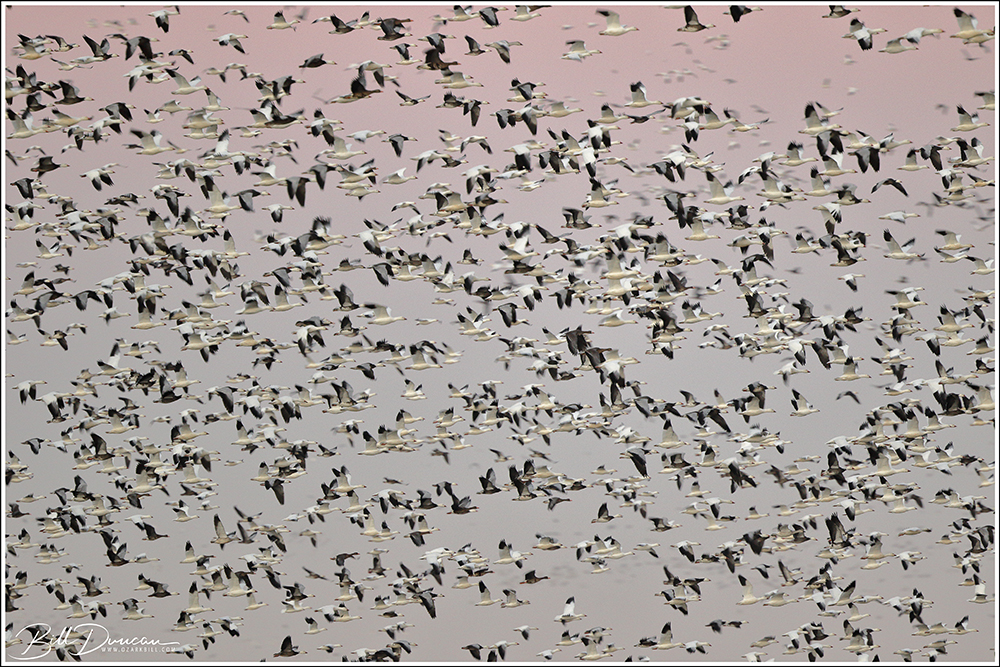
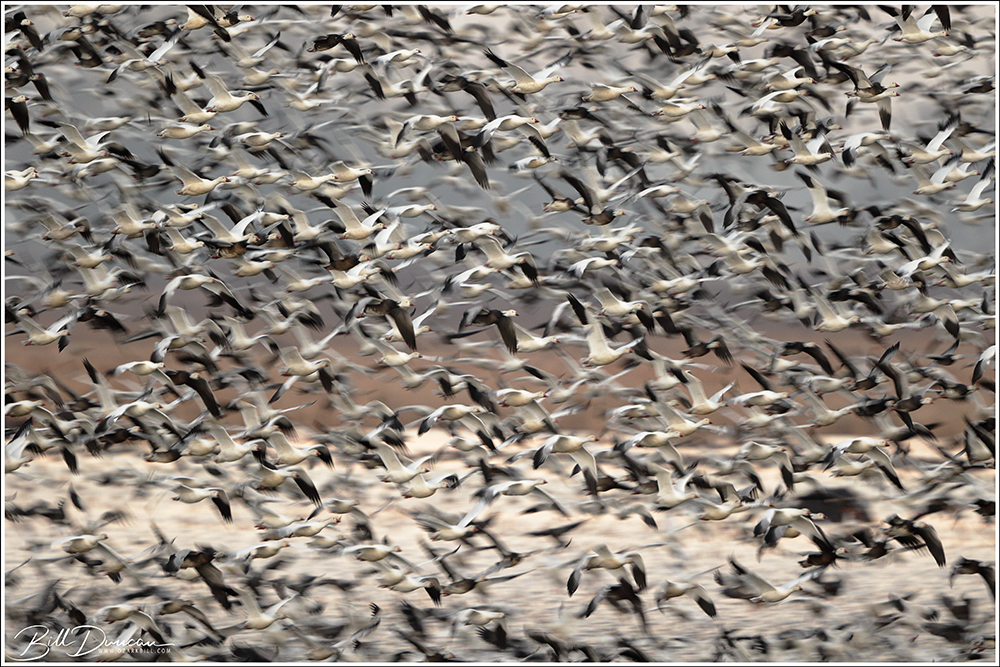
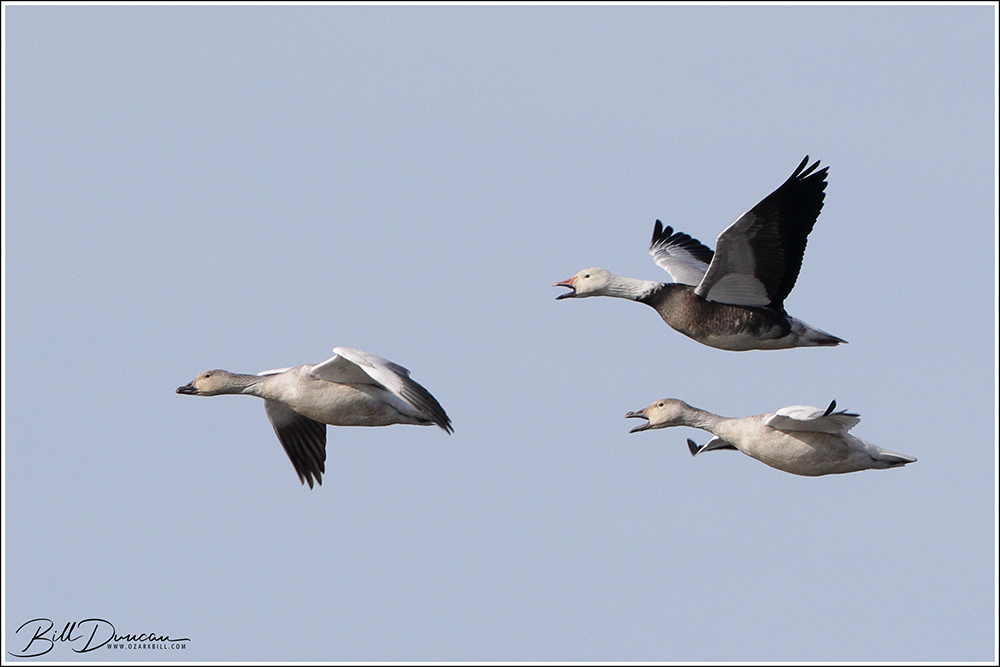
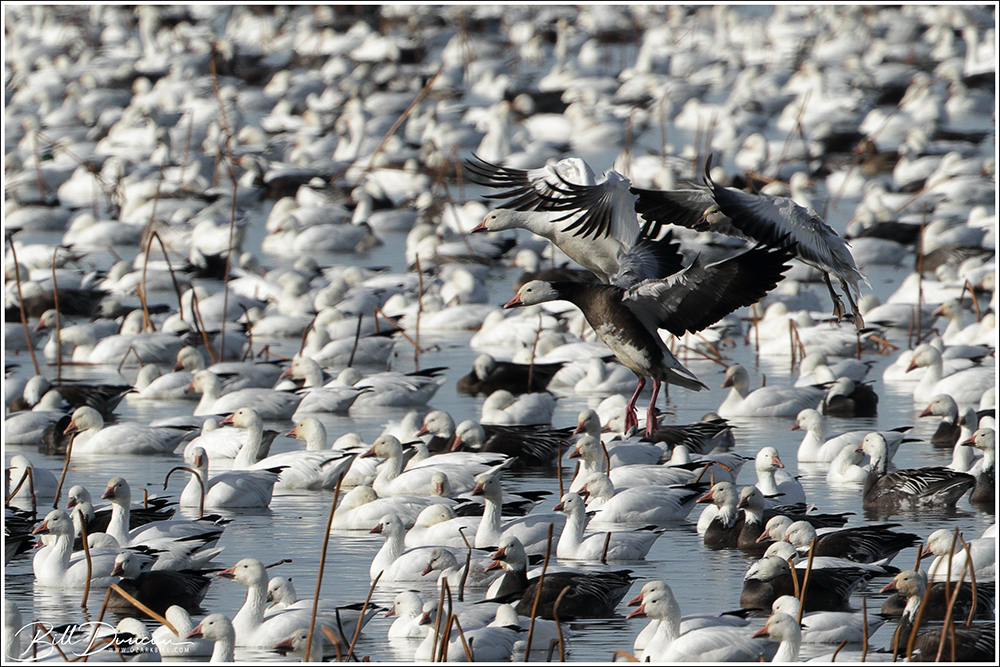
A visit to Loess Bluffs NWR in Holt County near the far northwestern tip of Missouri is a must for any nature enthusiast who has the means to do so. I’ve made this trip approximately seven times during the Thanksgiving week over the past ten or so years. You can see more photos I’ve taken at this location here, here, here, and here. This year, since the pandemic limits so much of social gatherings and we hoped visitor numbers would be low, we made the trip on a very warm Thanksgiving day itself. Today, I am sharing some of my favorite images made during this visit.
Not wanting to stay in a hotel during the great pandemic, we decided to make this a long day trip. We left St. Louis around 1:00 am. This gave us plenty of time to make the ~5 hour drive with stops and allowed for a quick nap before first light when we arrived.
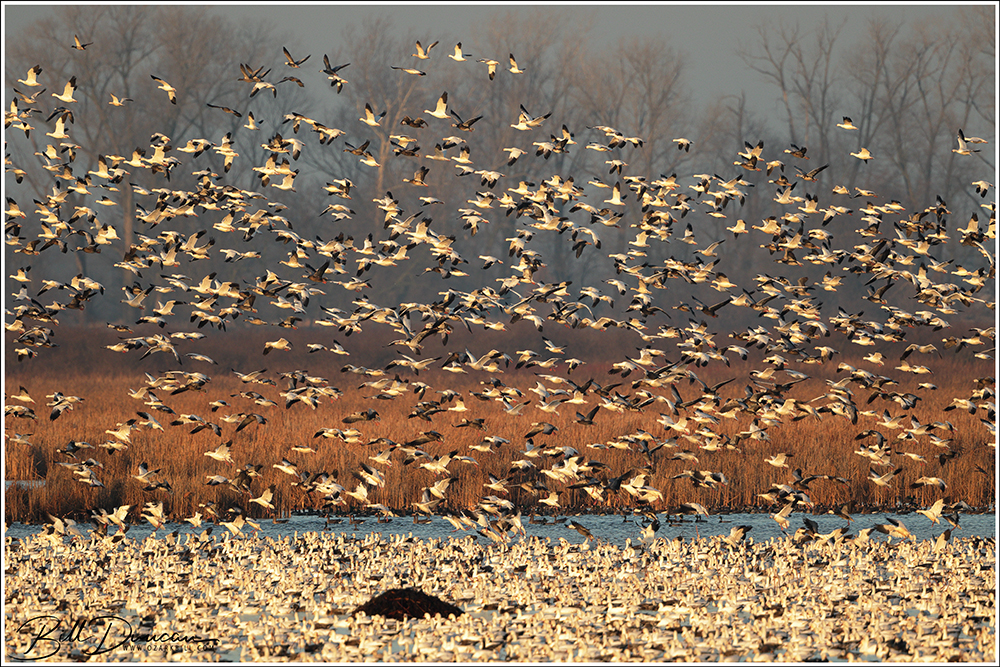
I highly recommend to anyone making the visit to be sure and be here for as much of the day as you can, whether it is one full day or over the course of days. I always find it amusing to watch photographers arrive 2-3 hours after sunrise or leave before last light. By doing so, you are missing some of the best light of the day and perhaps the most activity of the birds and other wildlife.
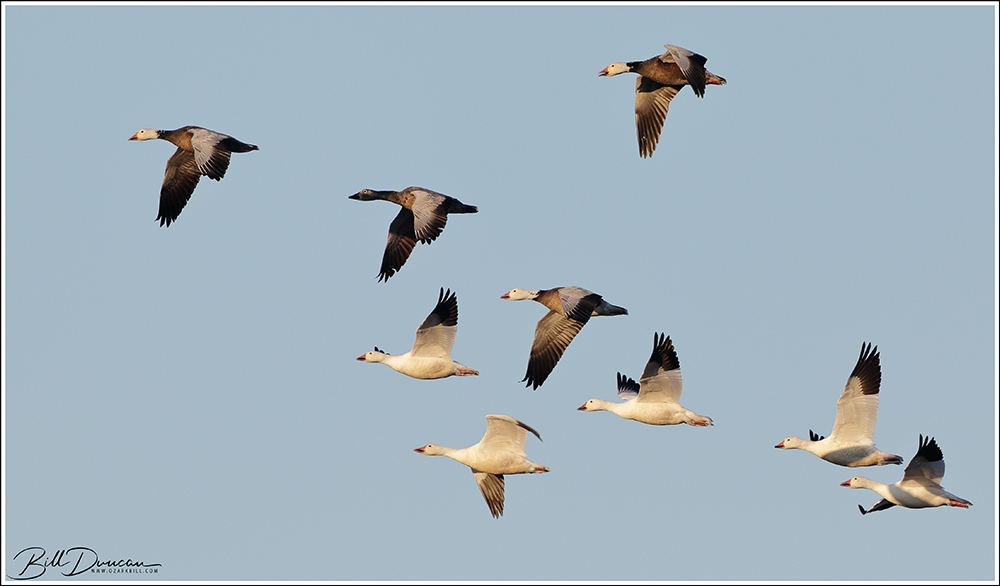
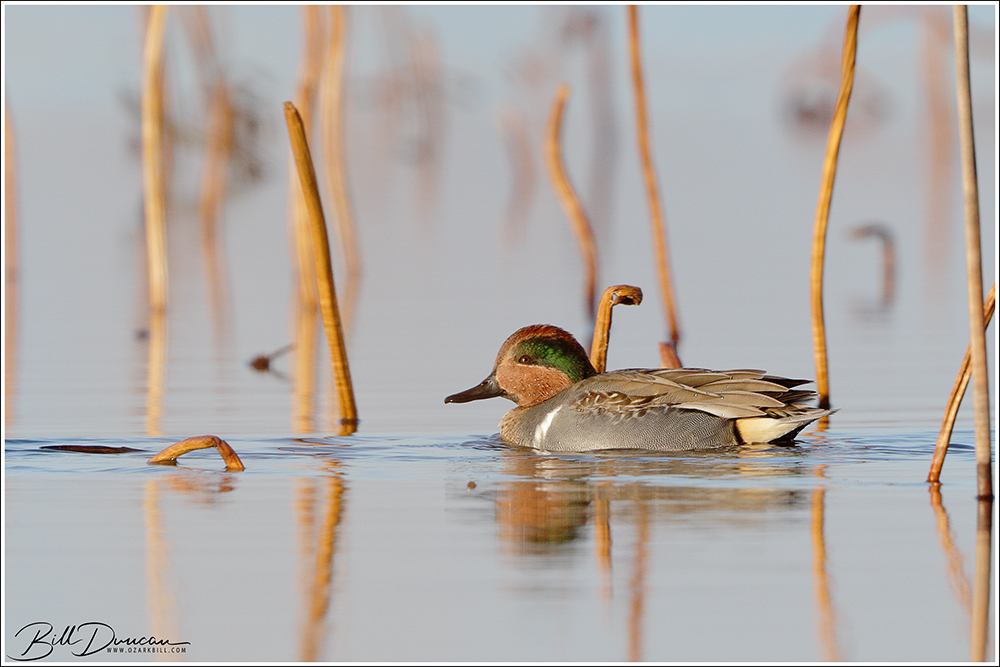
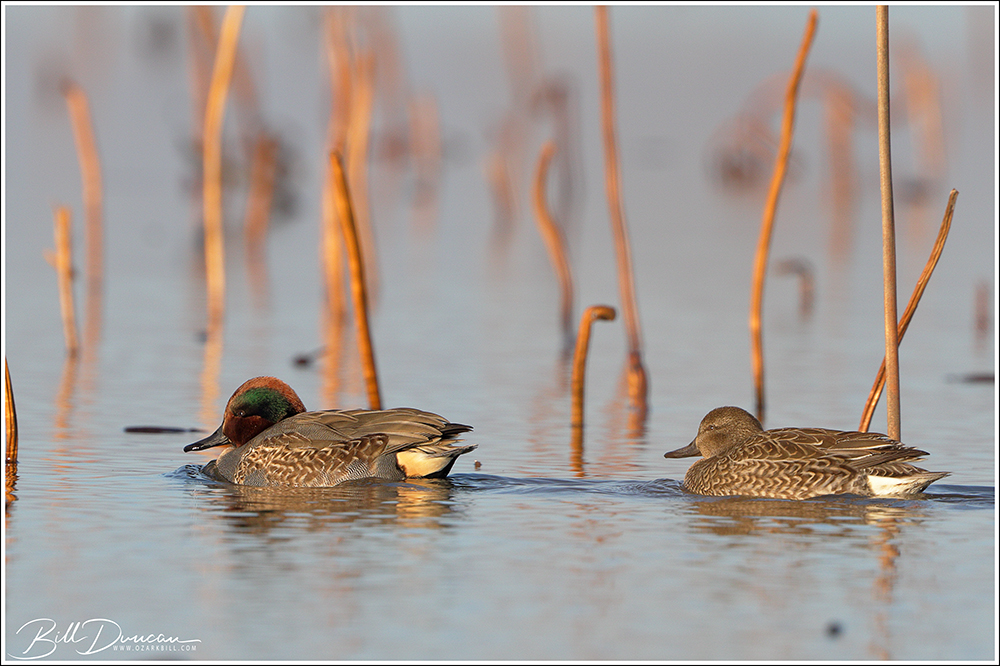
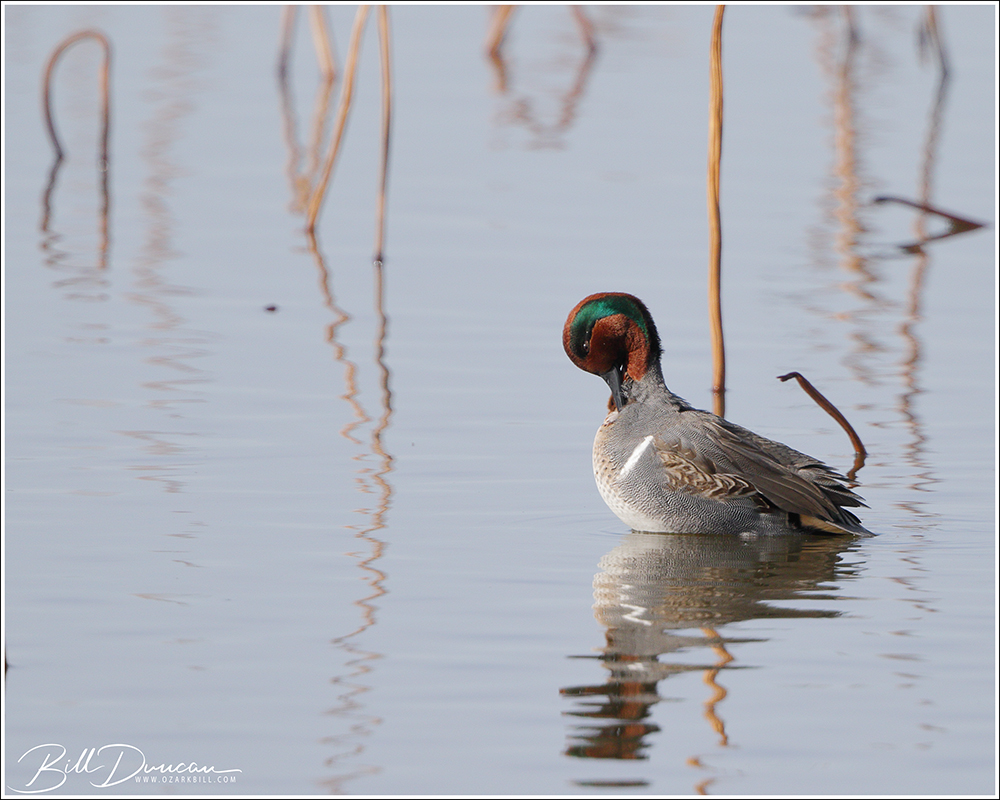
Snow Geese may be the main attraction, but they are not the only species worth paying attention to. Approximately 25,000 Green-winged Teal were present on the refuge on the day of our visit. Not only that, but they were focused on foraging near the eastern banks of the large pools of the refuge, allowing easy access for getting a little closer.
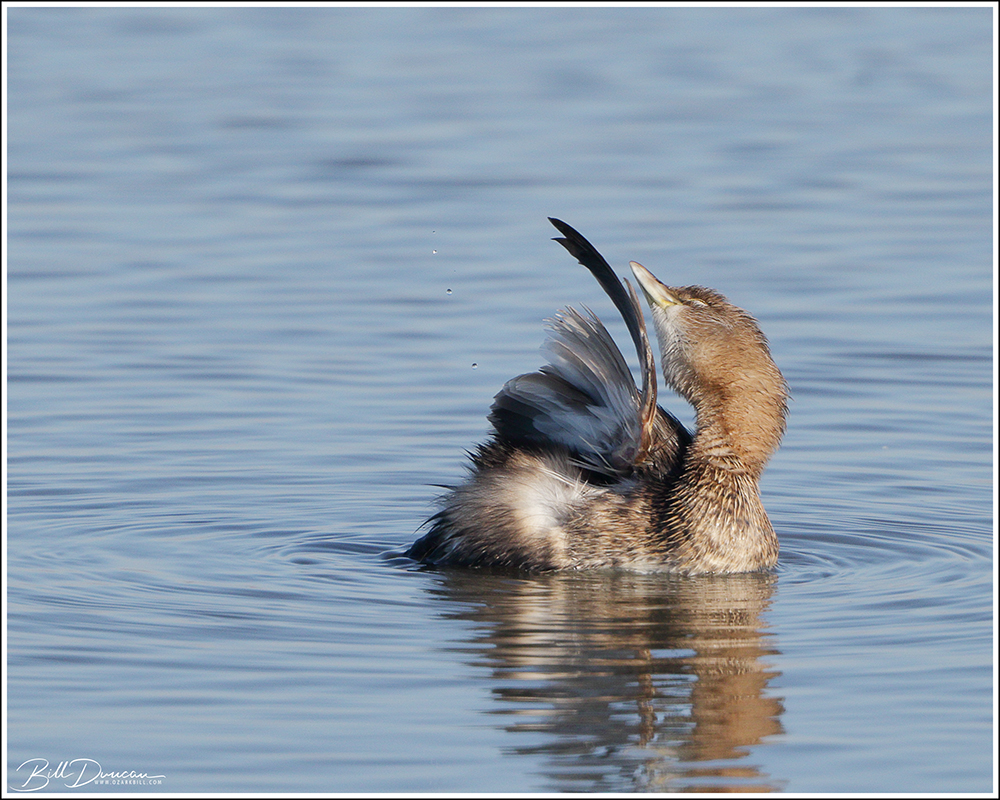
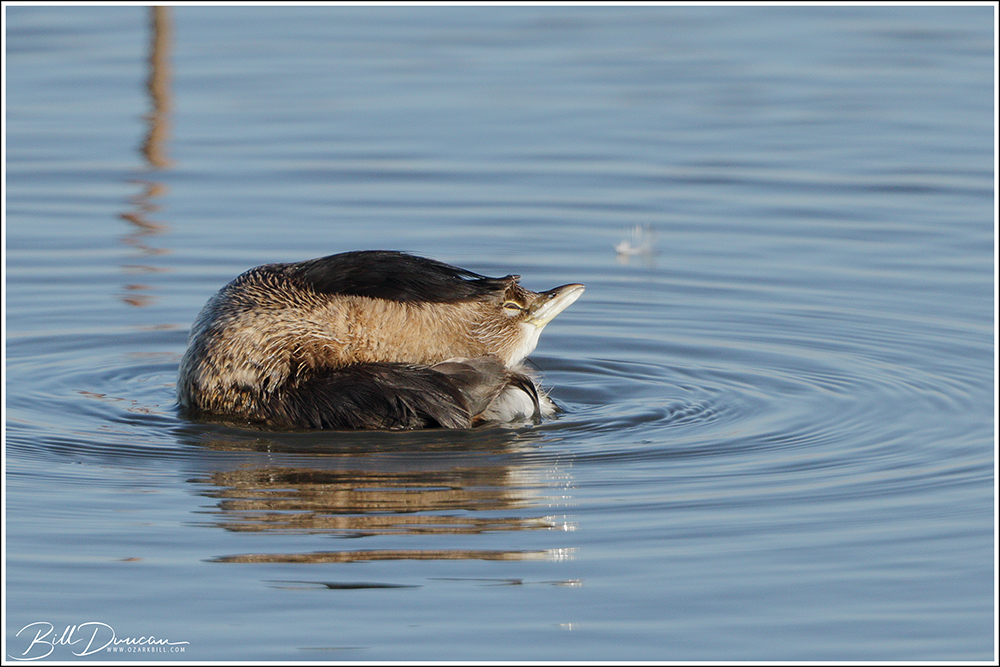
We found this Pied-billed Grebe preening near the road and stopped to shoot way too many photos of it.
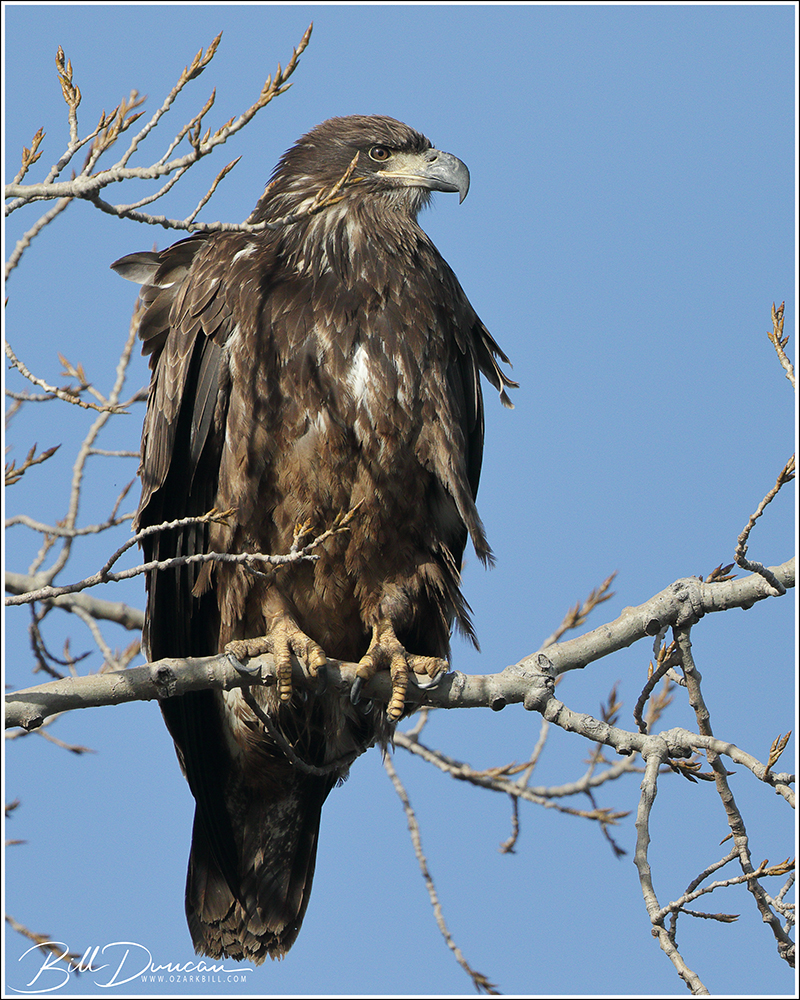
I have had much better success with raptors on other visits but we did find a few Bald Eagles. These birds are always present on the reserve at this time of year. I was surprised there were not more of these and other scavengers. We found at least a dozen goose carcasses in the pools of the refuge, likely the result of mid-air collisions as the blizzards blast off into the air.
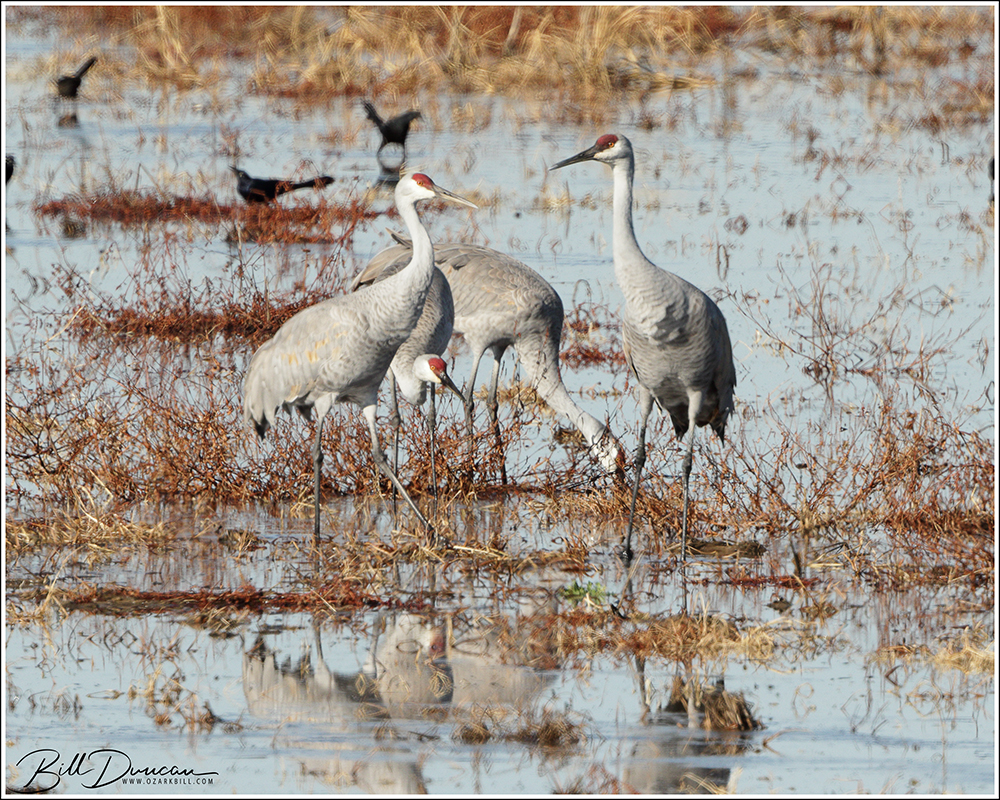
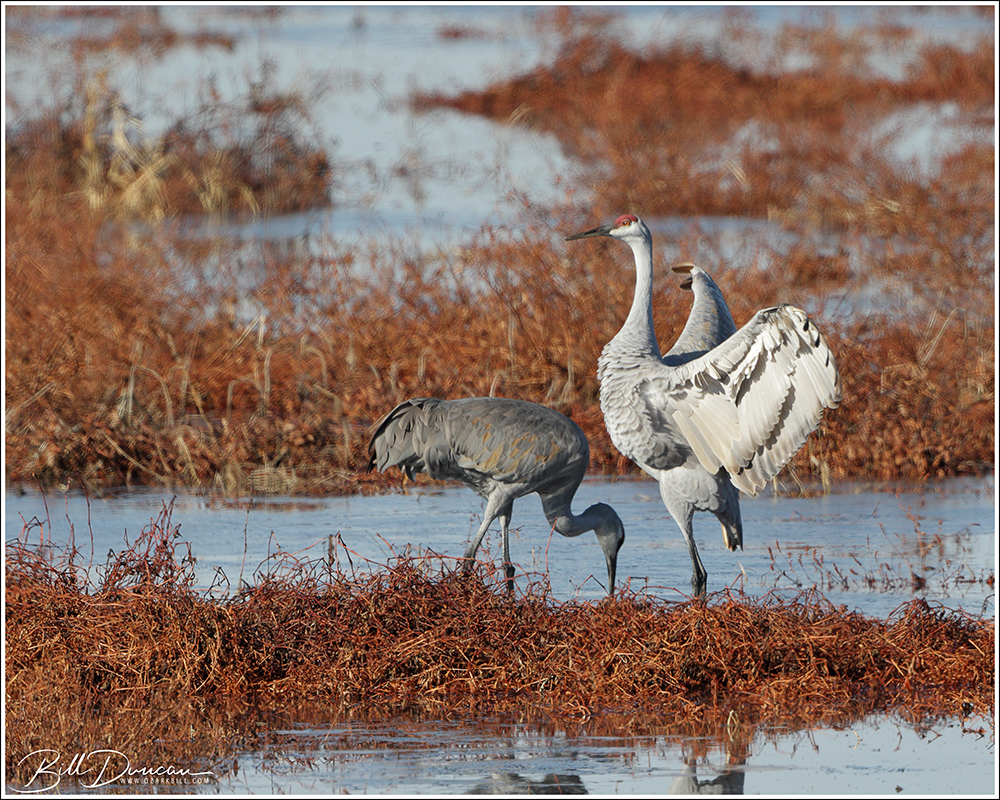
I have spotted Sandhill Cranes at the refuge during previous trips, but not in the numbers we saw this year. With a final count of near 35 birds, it was very nice to see. Unfortunately distance and light angle limited our photographic option.
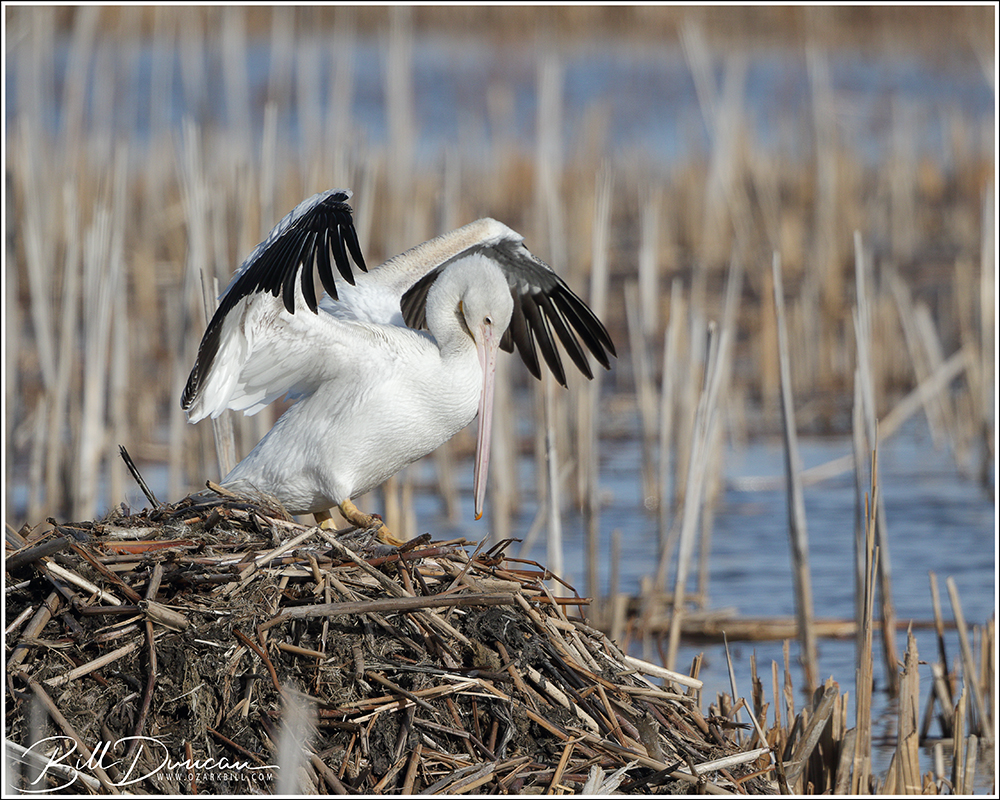
Muskrat mounds are always worth a closer inspection as you make the drive around the refuge. Not only will you likely find muskrat, but several species of birds like to perch upon the them.
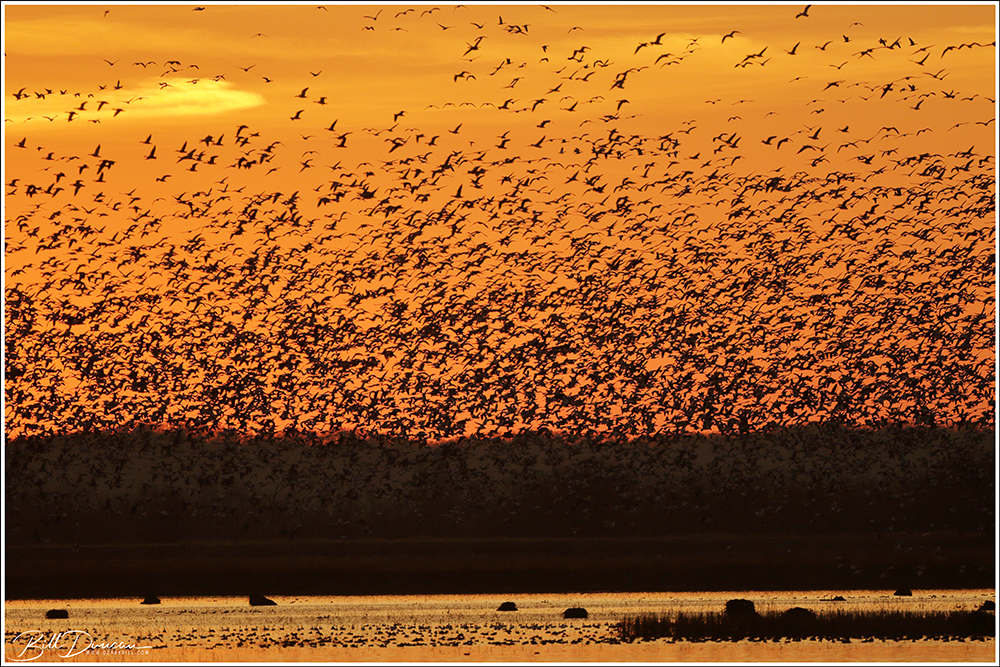
Of course daylight is at a minimum this time of year and it’s always surprising to notice how quickly the sun begins to set. This is a fantastic location for sunsets and the snow geese are just as active as they have been all day.
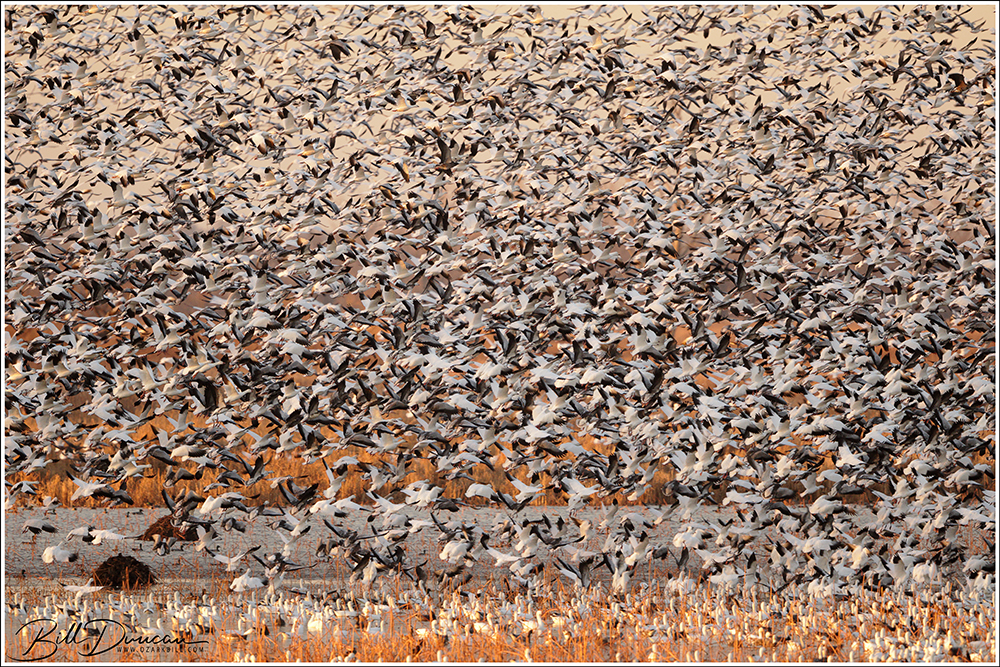
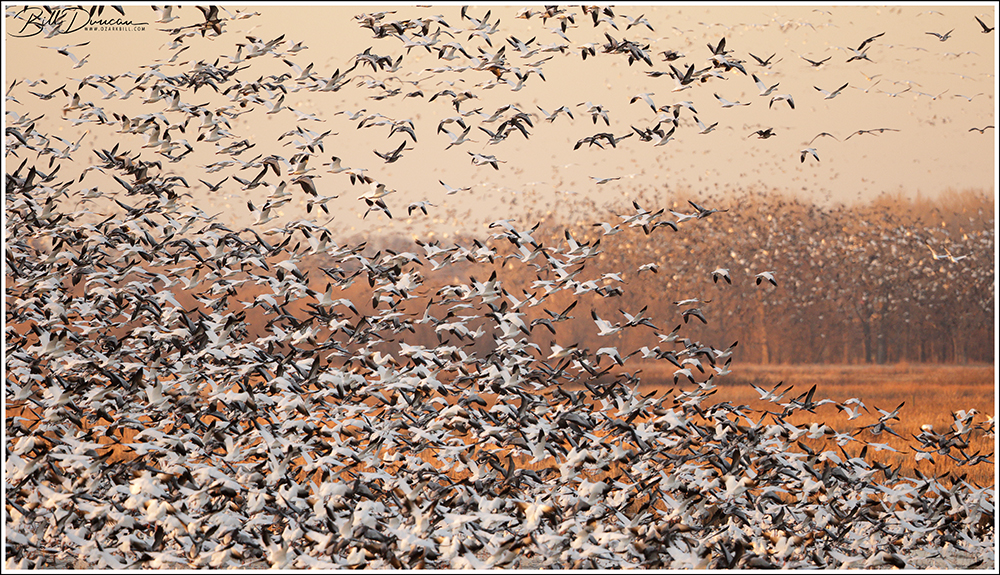
Hopefully these images might persuade you to go and see this spectacle for yourself. It is a natural wonder of the world found in Missouri and should not be missed!
-OZB


