"What a thousand acres of Silphiums looked like when they tickled the bellies of the buffalo is a question never again to be answered, and perhaps not even asked." -Aldo Leopold
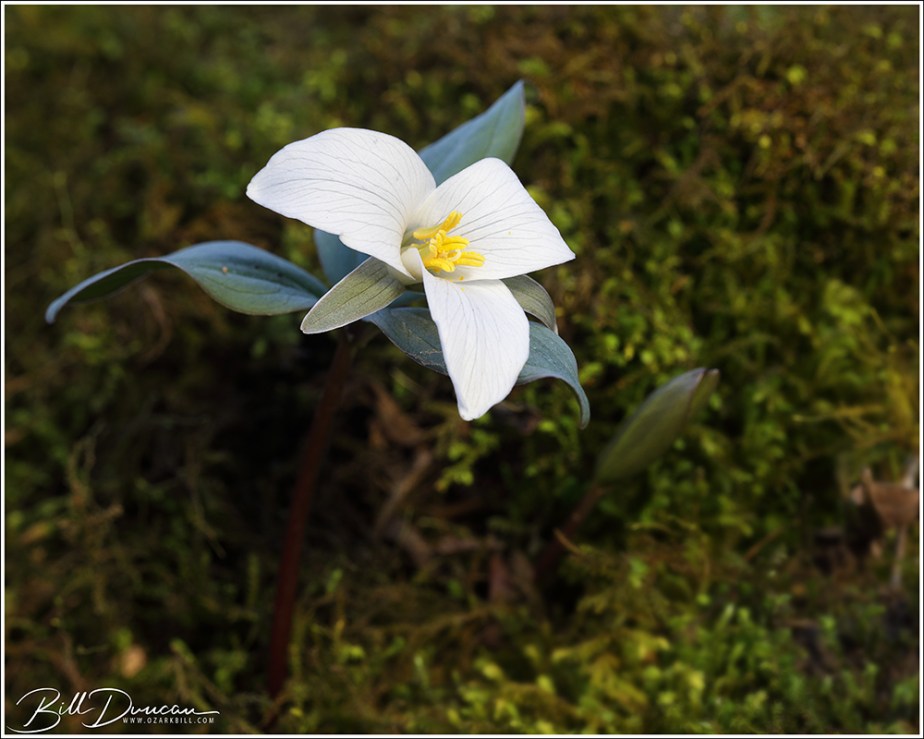
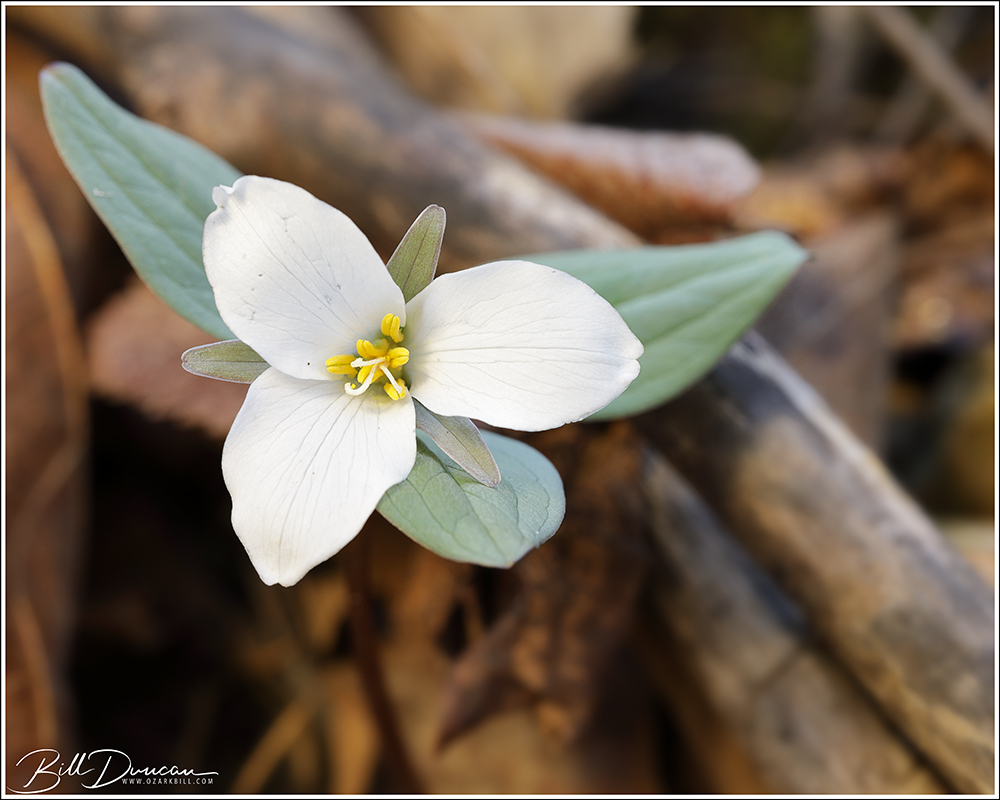
Many thanks to Casey Galvin for showing me these little guys. Snow trillium are the first trillium to bloom in Missouri and one of the first blooming wildflowers in the state. Potentially being found in bloom with snow on the ground, snow trillium begins blooming in mid-March. Photographed at Battle of Athens State Historic Site on 20, March, 2021.
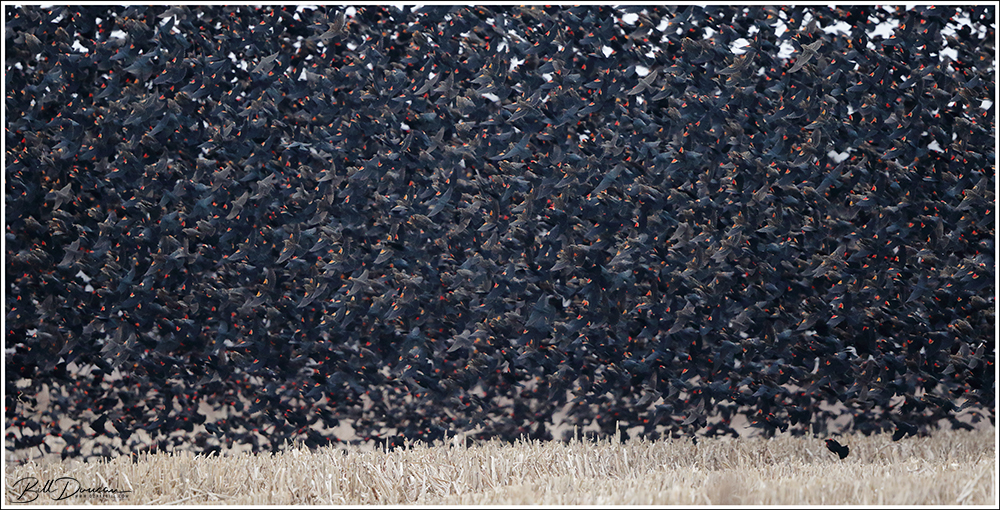
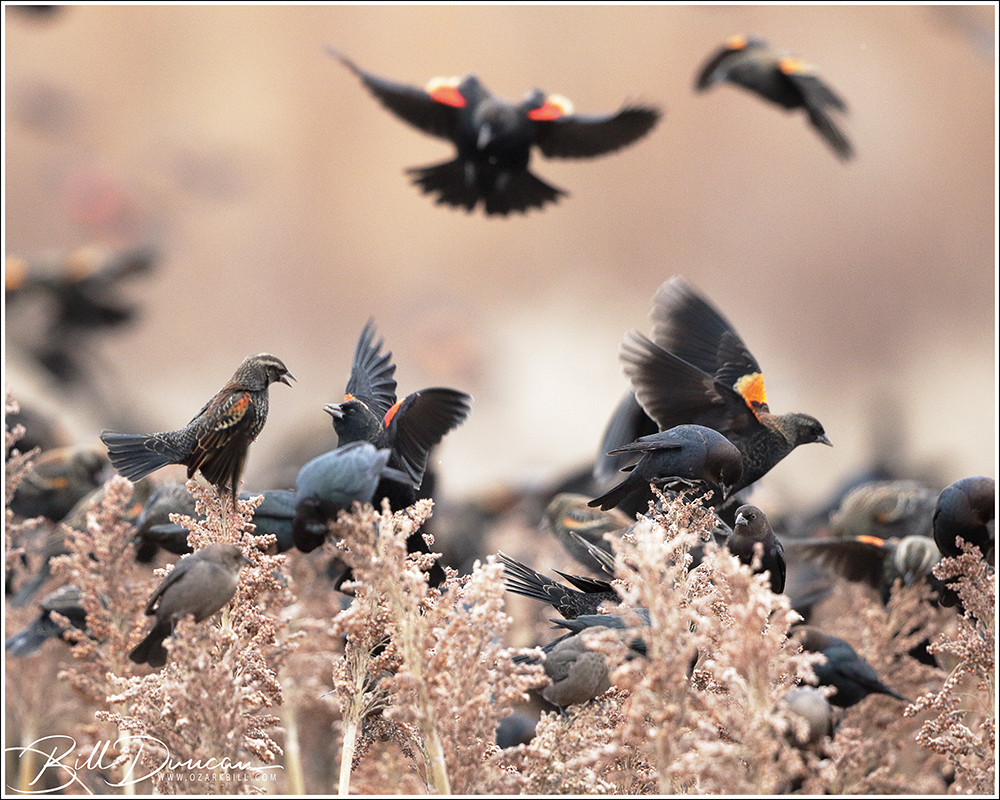
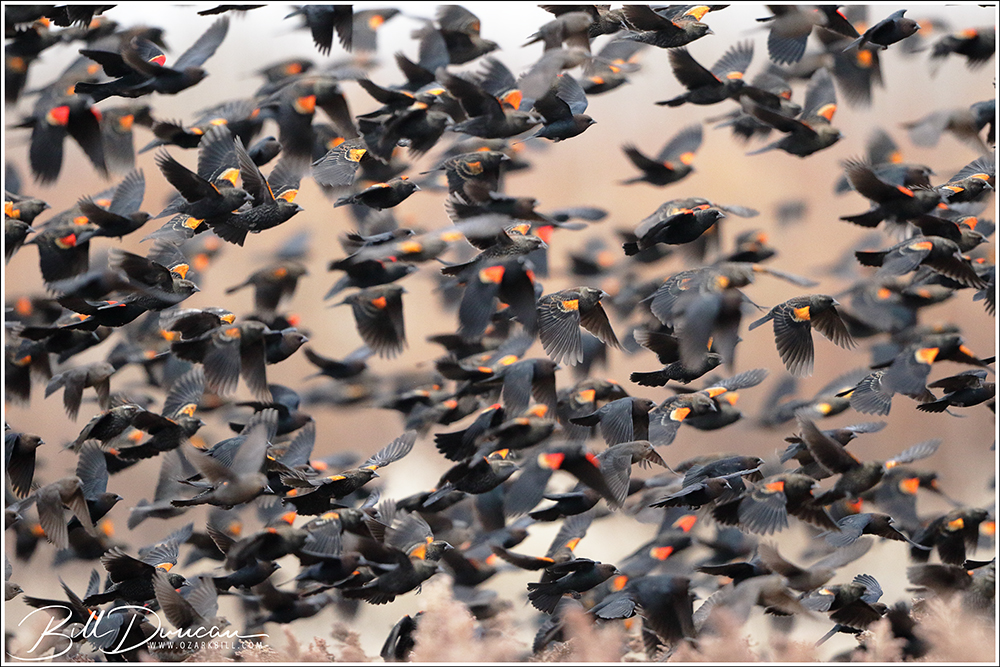
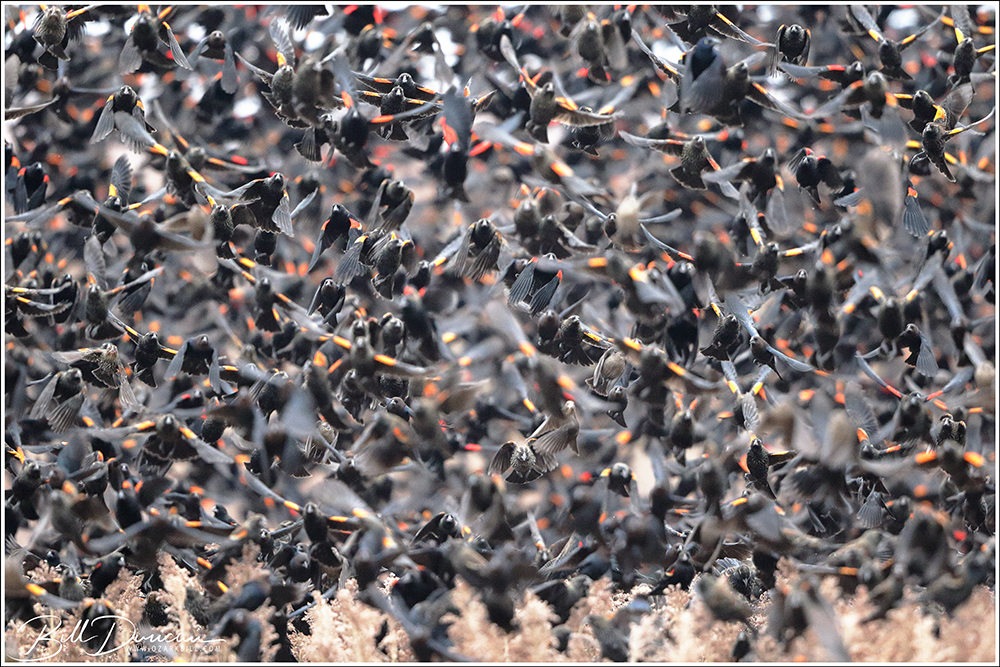
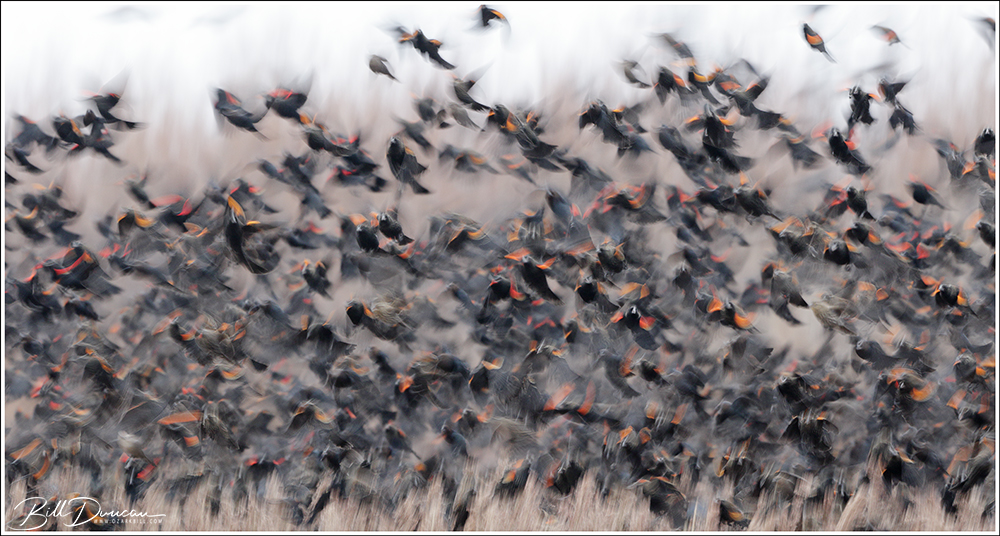
Images of a large flock of blackbirds taken at Columbia Bottom Conservation Area back in January, 2021. Mostly composed of Red-winged Blackbirds, this flock contained thousands to tens of thousands of birds.
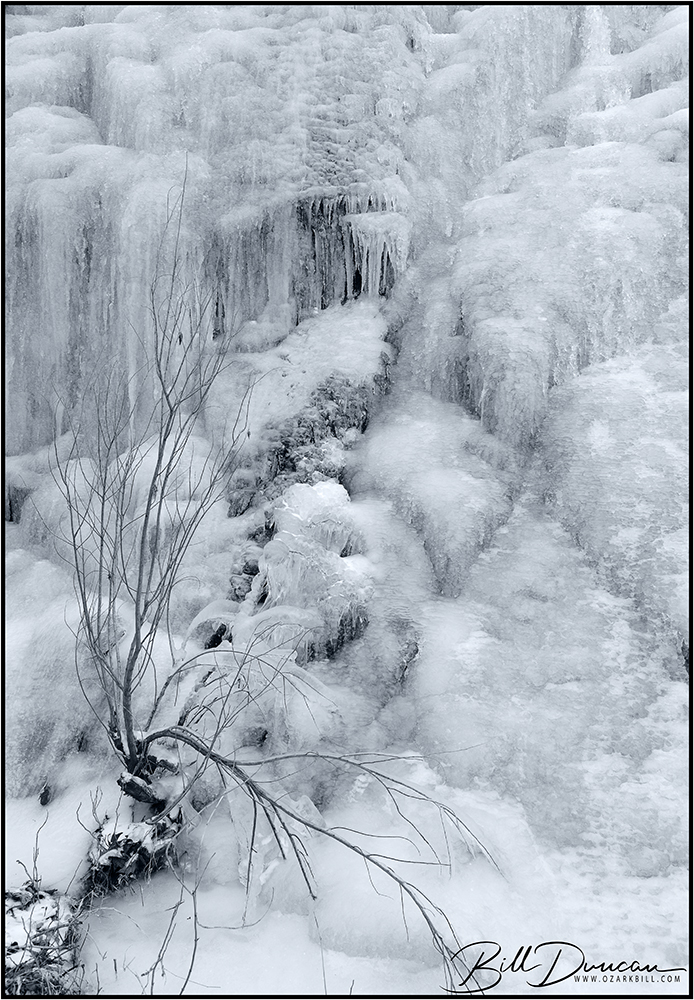
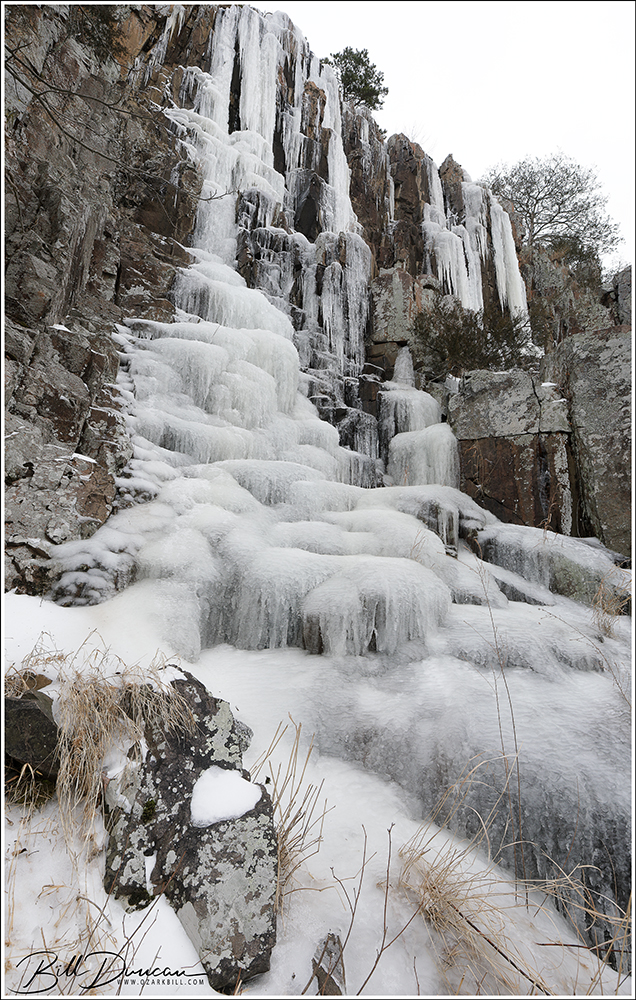
A bluff face covered in ice along the the Little St. Francis
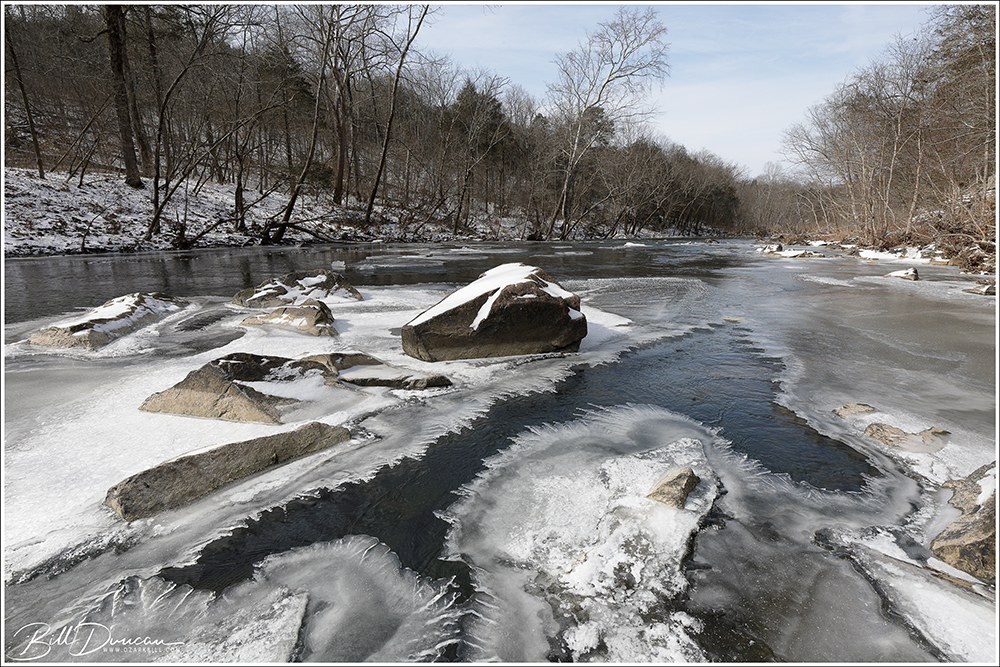
A few images from our recent deep freeze. Casey and I visited the St. Francois Mountains and collected some images along the Little St. Francis River and Little Rock Creek.
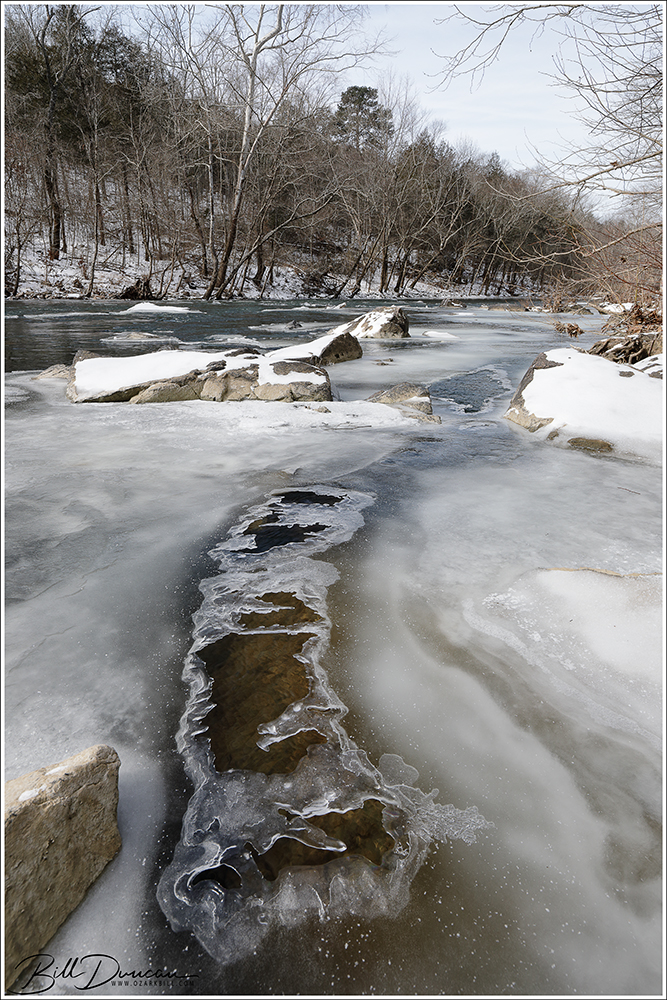
Nice shelf ice formed along the river. Hip boots and metal cleats, along with thinking about where you step, are all recommended.
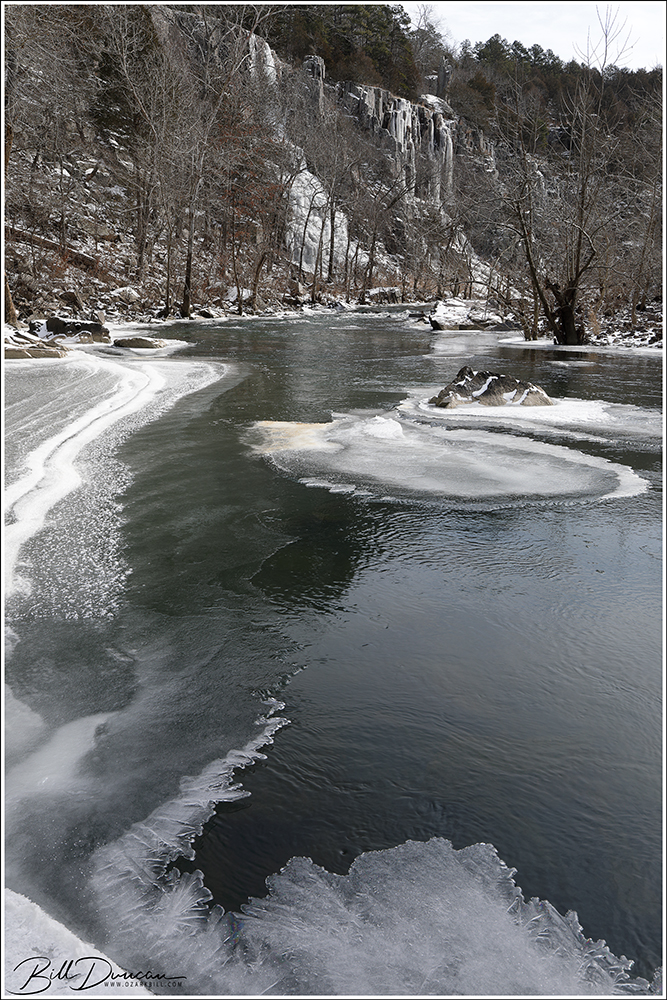
Looking down river
Looking upstream, the ice-shrouded bluffs (~125 feet tall) can be seen through the trees.
A close up look at the frosted bluff face of this rugged river bed.
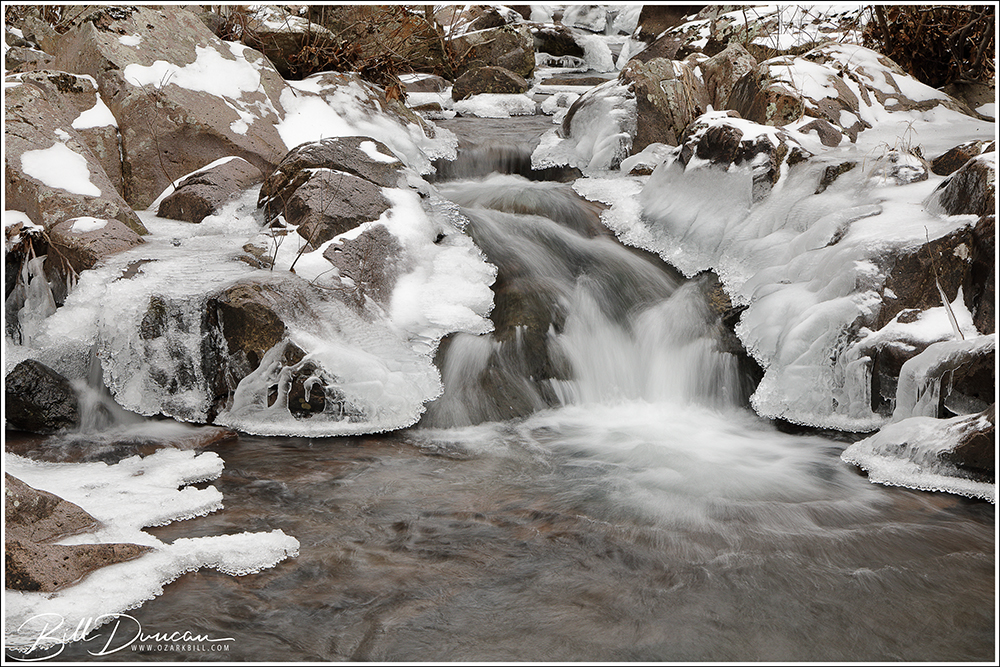
Finally, a small, ice-crowned shut-in along Little Rock Creek. More interesting shut-ins are found further upstream but those will have to wait for another day.
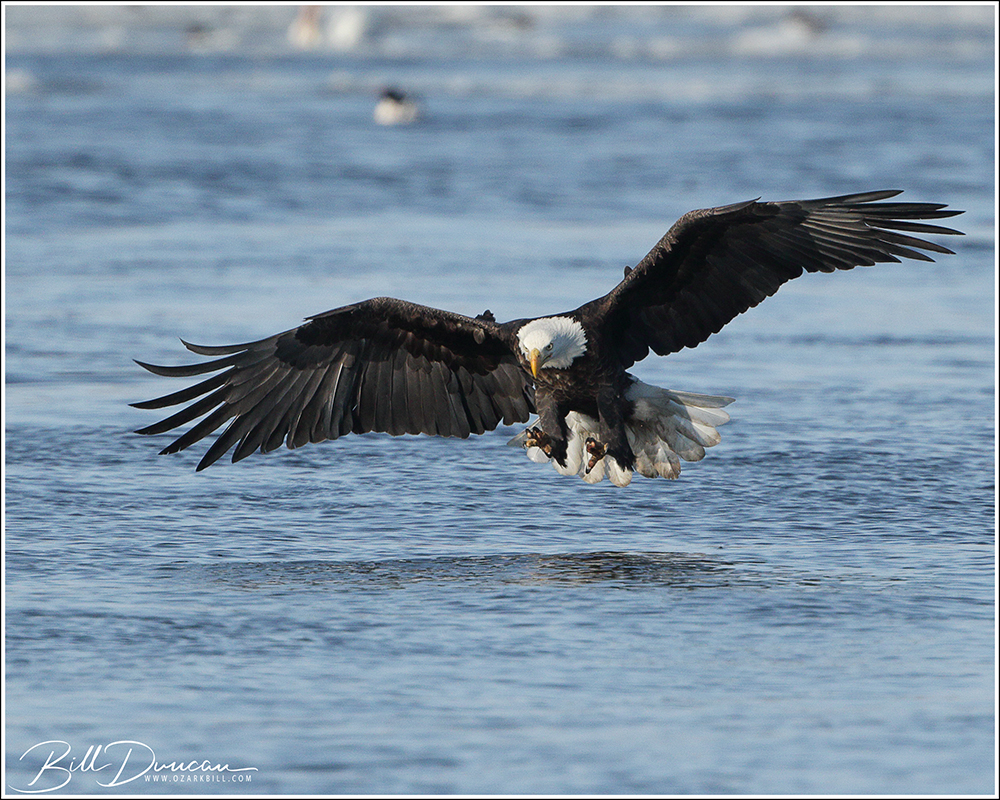
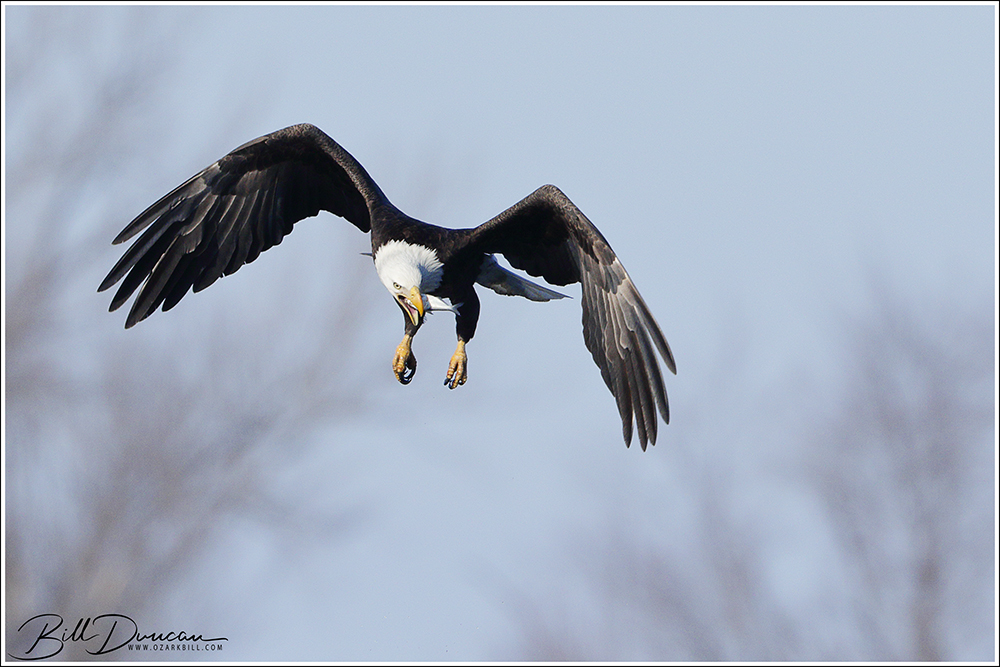
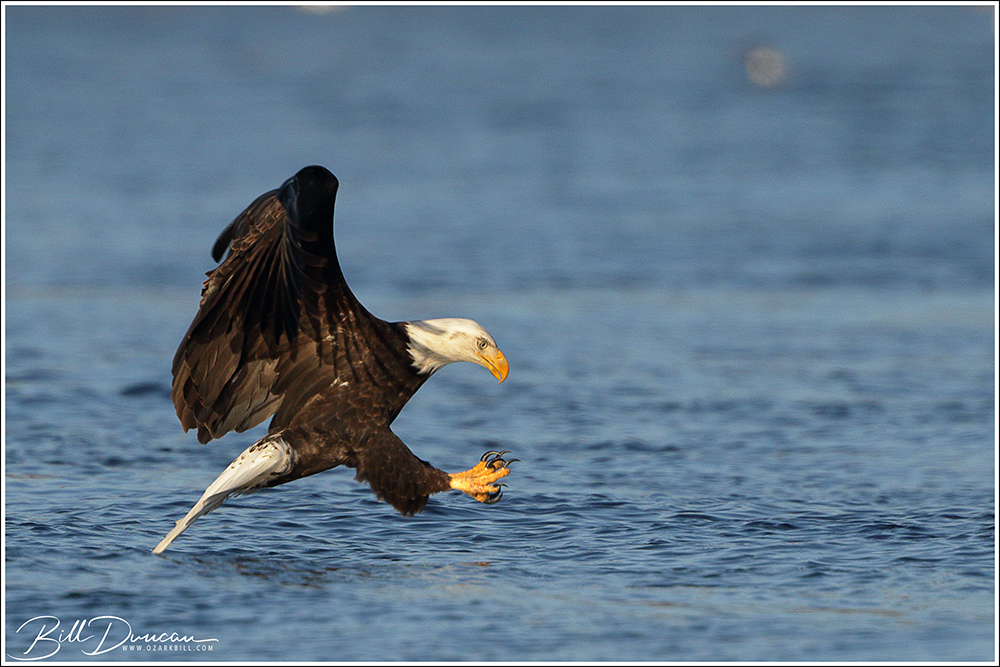
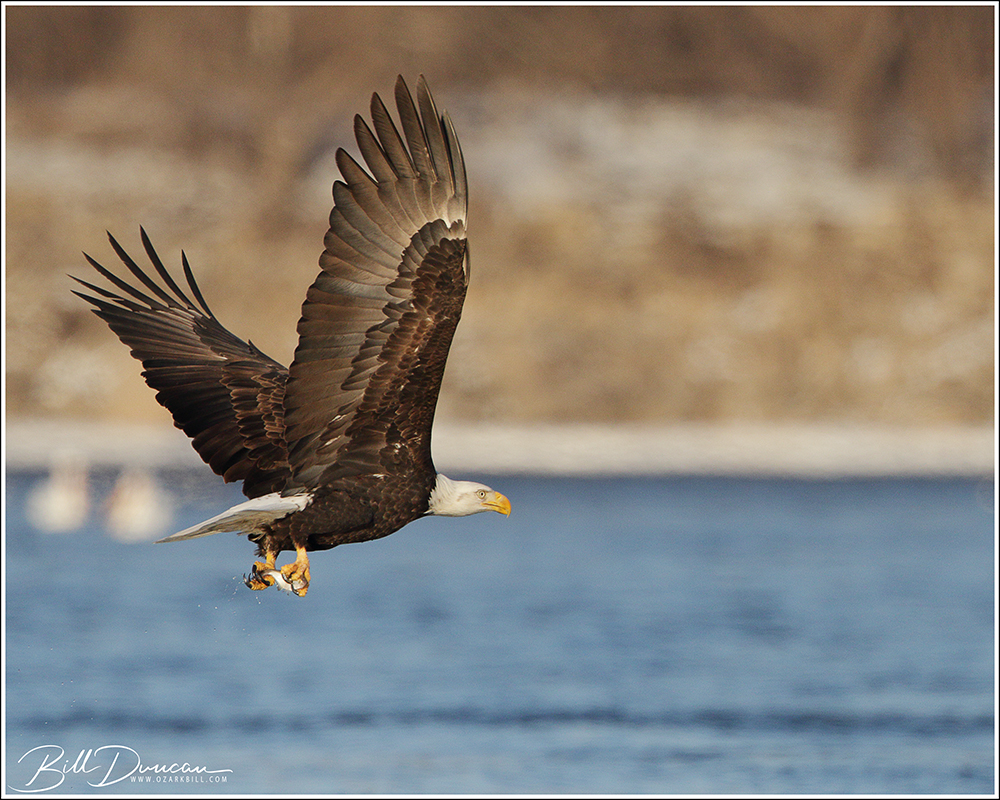
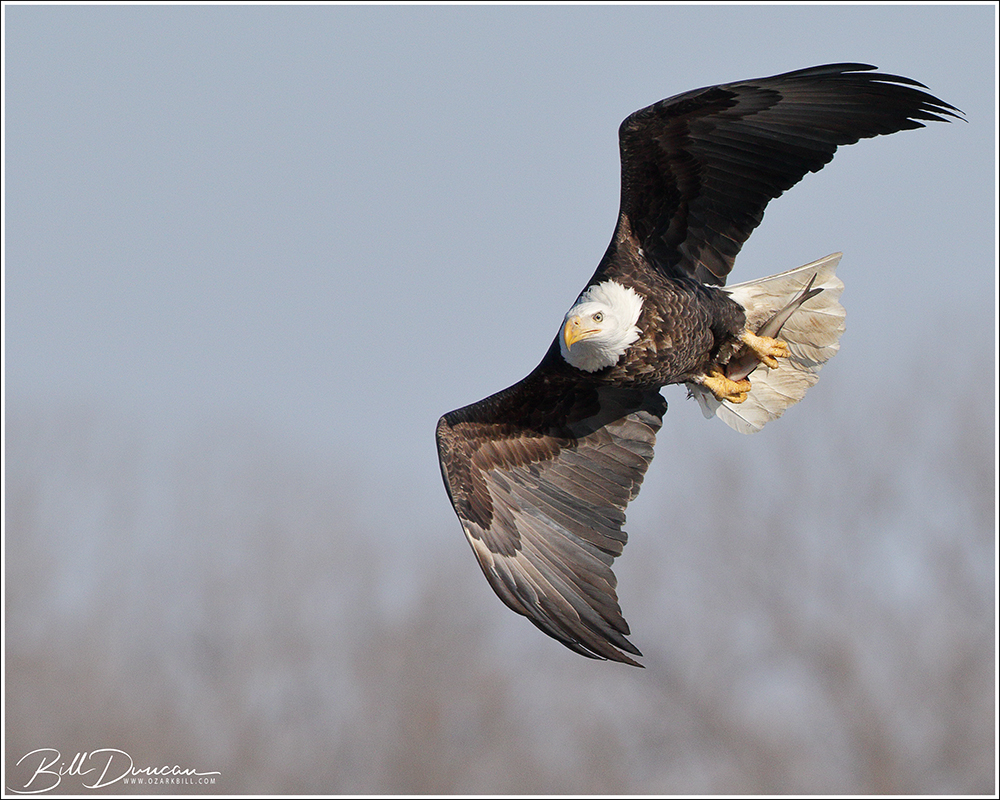
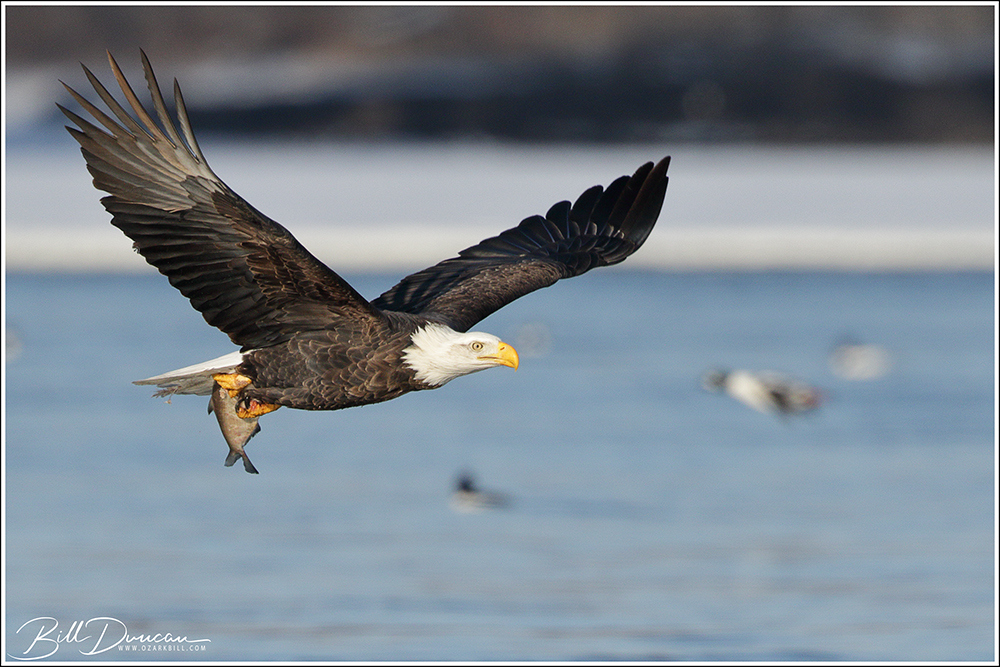
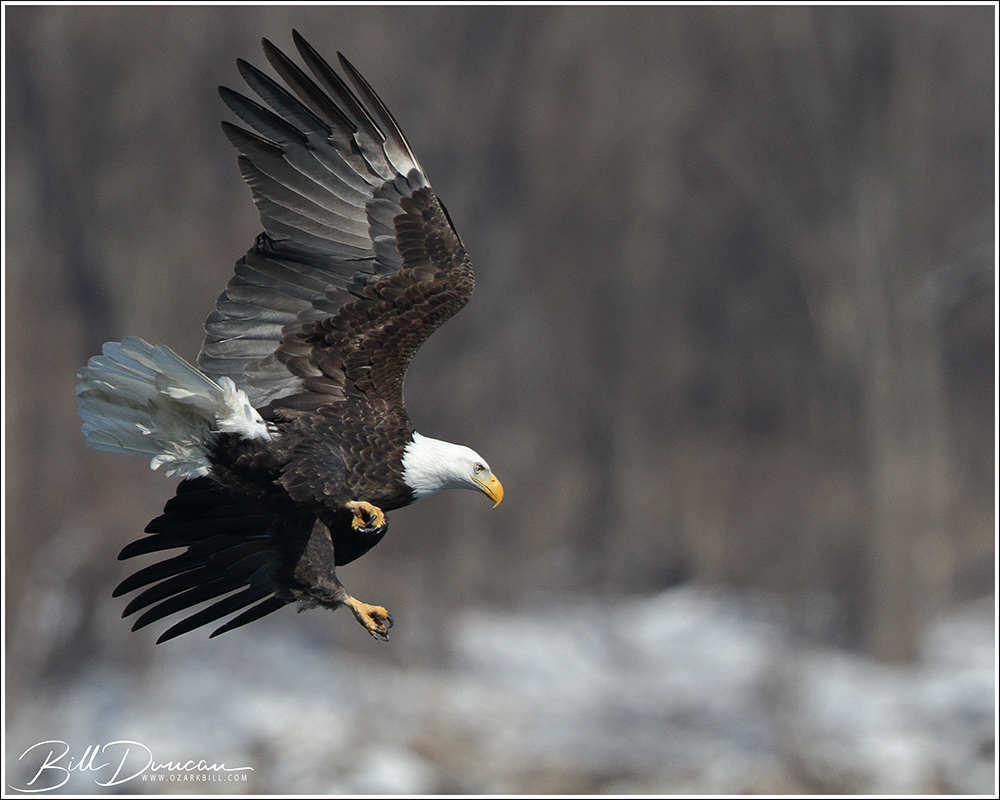
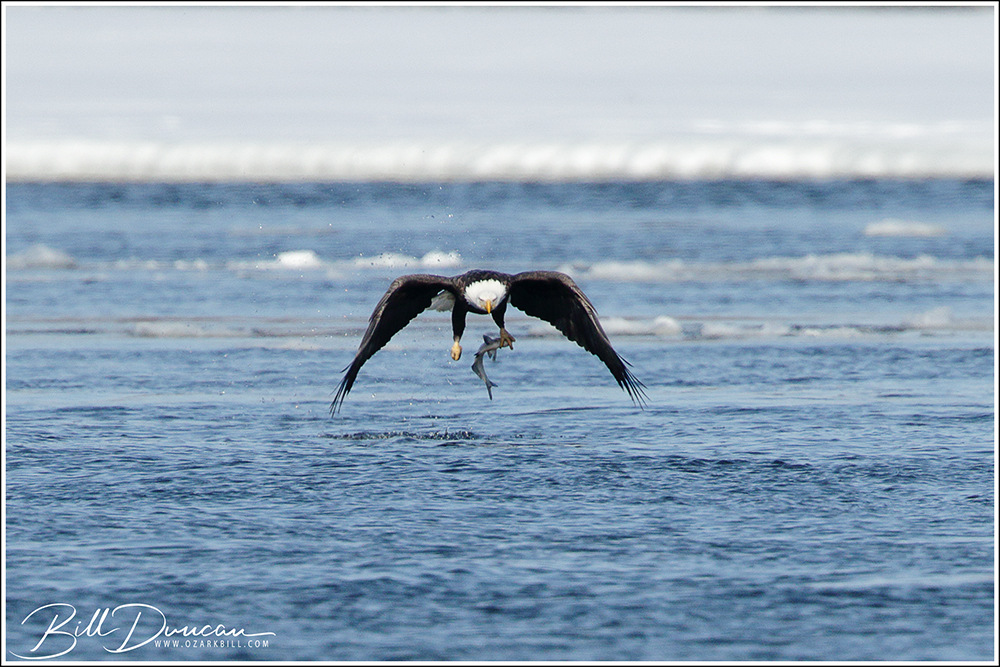
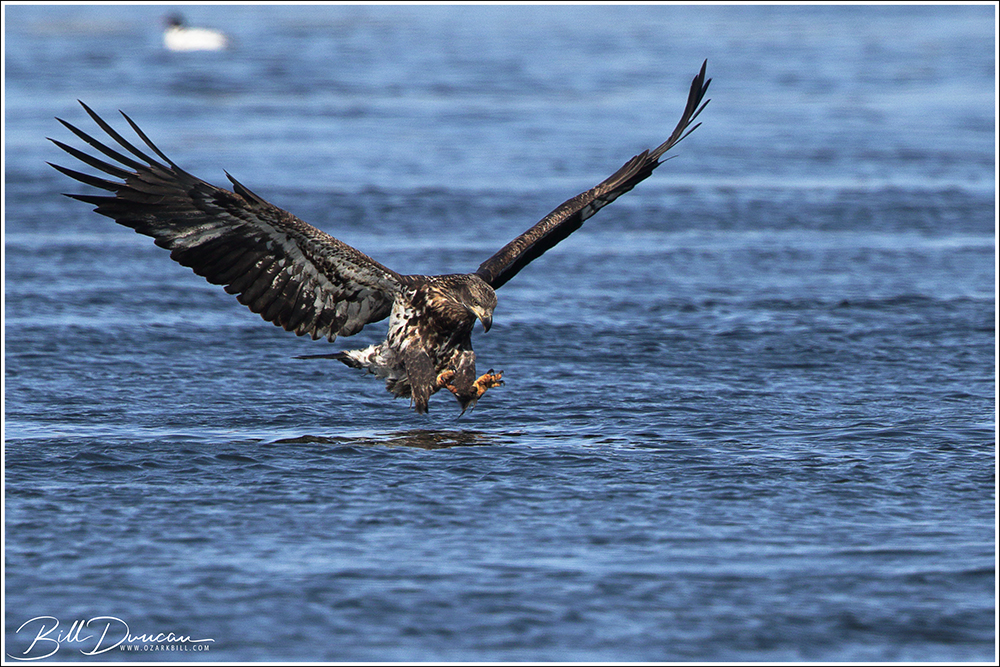
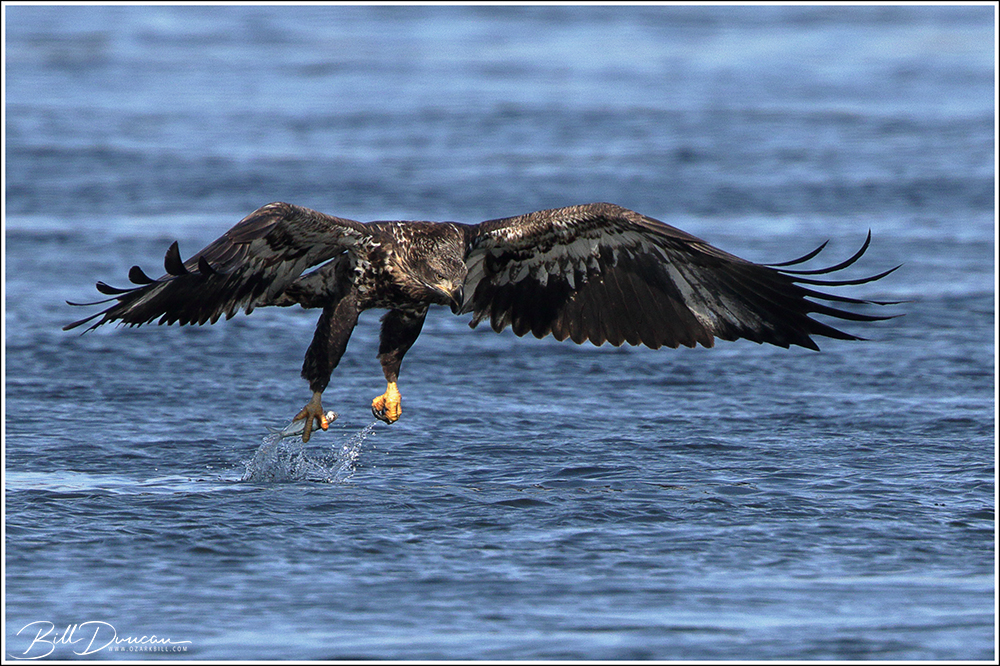
We actually had a couple weeks of a deep freeze, old-fashioned winter during the 2020/2021 season. It was enough to get a lot of ice on our rivers and lakes but it didn’t seem to be quite long enough to bring the eagles into Lock and Dam #24 in big numbers. A couple friends and I tried during the last couple days of the deep freeze and although we had fewer than 12 birds, there were opportunities that made it worth our time. Here are a couple photos of a juvenile eagle (a 1.5 to 2.5 year old bird) that I captured as it came to the water to catch a fish that was stunned following its passage through the dam.
A catch!
Check back soon as I will be posting more photos of eagles and other birds that were making their living in the open waters beneath Lock and Damn #24.
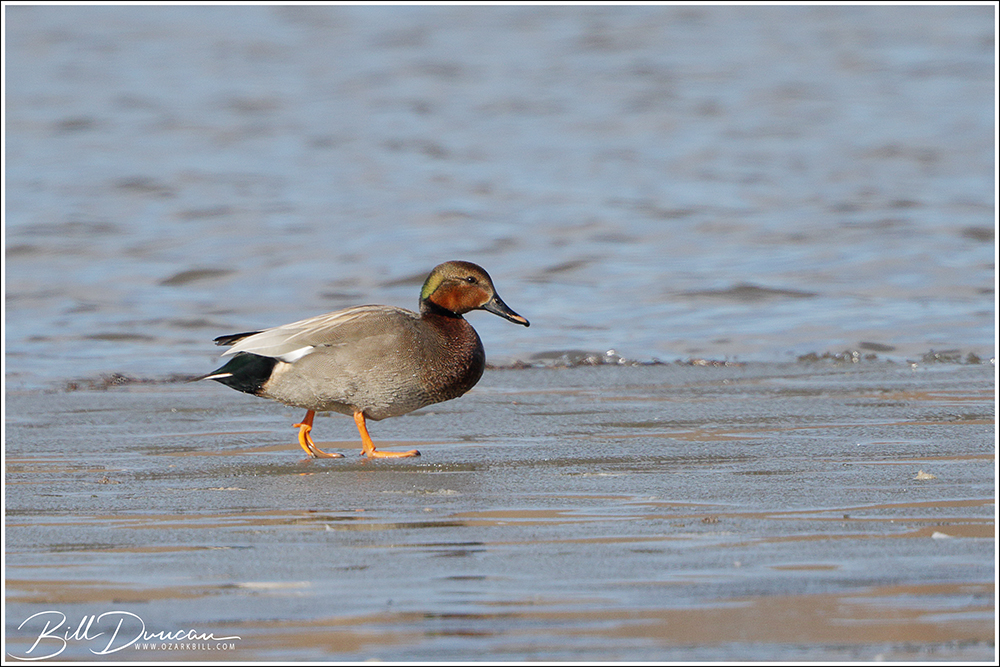
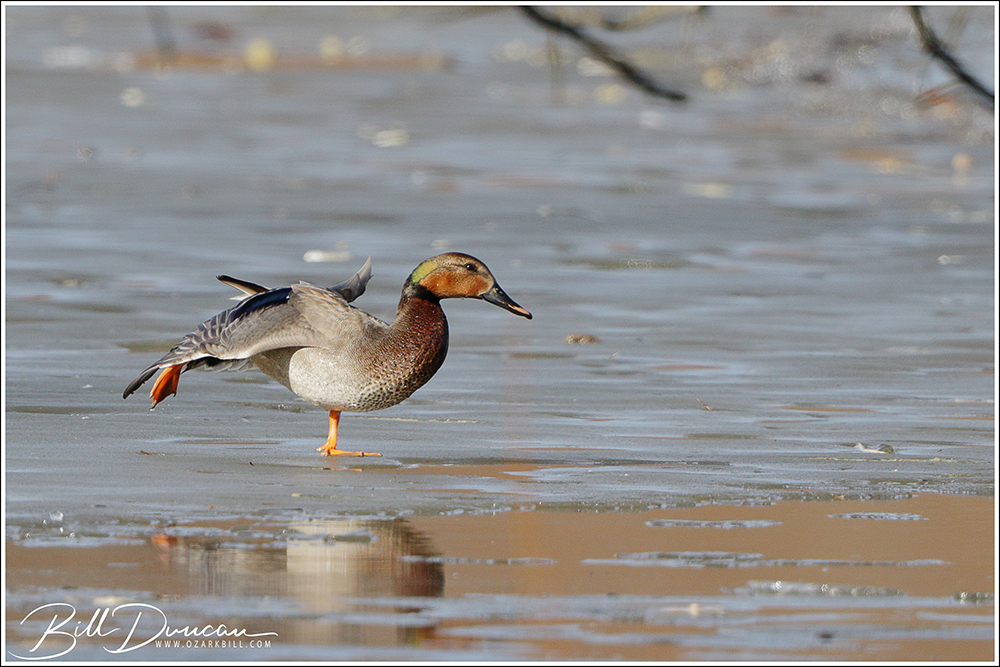
The Brewer’s Duck is a hybrid between a Mallard and a Gadwall
Although I cannot count it as a new species on my lists, I do believe this bird is worthy of a little attention. The “Brewer’s Duck” has been noticed for centuries, even being painted by J. J. Audubon himself. But, he called it the “Bemaculated Duck”, an apparent misspelling of the descriptor, bimaculated, meaning “marked with two spots.” The Brewer’s Duck is an intergeneric hybrid between a Mallard (Anas platyrhynchos) and a Gadwall (Mareca strepera).
This bird was originally spotted at Bush Conservation Area on February 23rd by Michelle Davis and reported via eBird and MOBIRDS. These photos were taken on February 24th.
The Brewer’s Duck is a true blending of its two-species heritage and they apparently are quite variable in appearance.
In the above photo, the blue speculum patch can be seen, coming from the Mallard. The fine lines of the Gadwall can be seen on the breast and sides. The head is a mixture of both species. Some green can be seen towards the back of the head, although this could only be seen at just the right angle to the sun. The bill is also a mix of the yellow Mallard’s and the all black Gadwall. In my opinion, the feet are more reminiscent of the color of the Gadwall’s feet.
A nice comparison of Mallard, Brewer’s and Gadwall drakes.
So far I have been unable to find out much about the Brewer’s Duck from books or internet sources and I have lots of questions. This bird seemed to mostly associate with Gadwalls. Is this common, or does it depend on which species was the mother? Does the parentage have to be directional? Are they fertile? How common are they?
A buck with small, deformed antlers. Antler growth like this is usually caused by injury or poor nutrition.
Tonight I’m finishing off the neighborhood deer photos from 2020. This buck pictured in the first two photos was a bit odd. Not just because of the aberrant antlers, but he also did not mind my close approach or my following him as he browsed.
Same oddball buck stretching to reach wild grapevine.
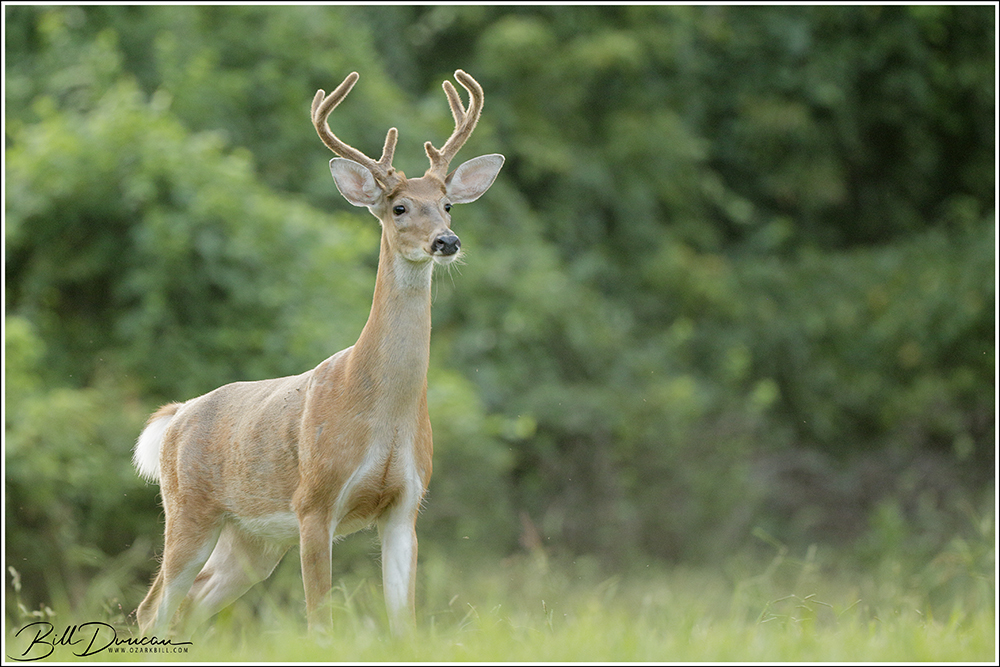
A young buck in velvet.
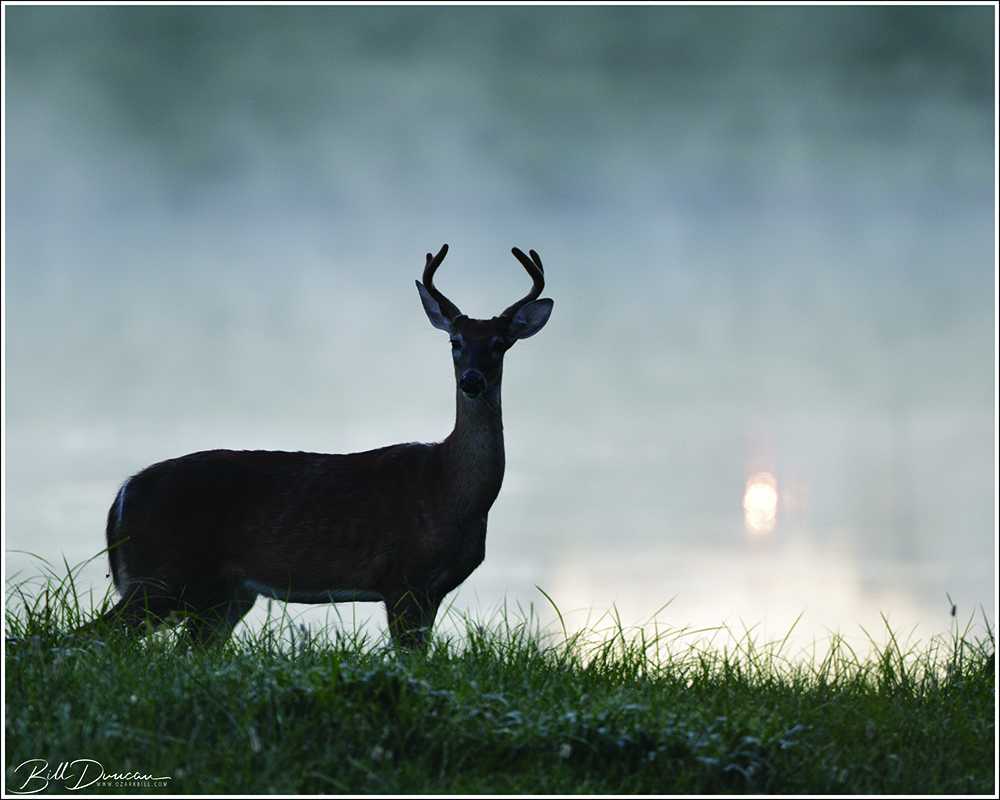
A forky at dawn.
The curious fawn, never too far from mother, browsing in the background.
A velvet IN fog.
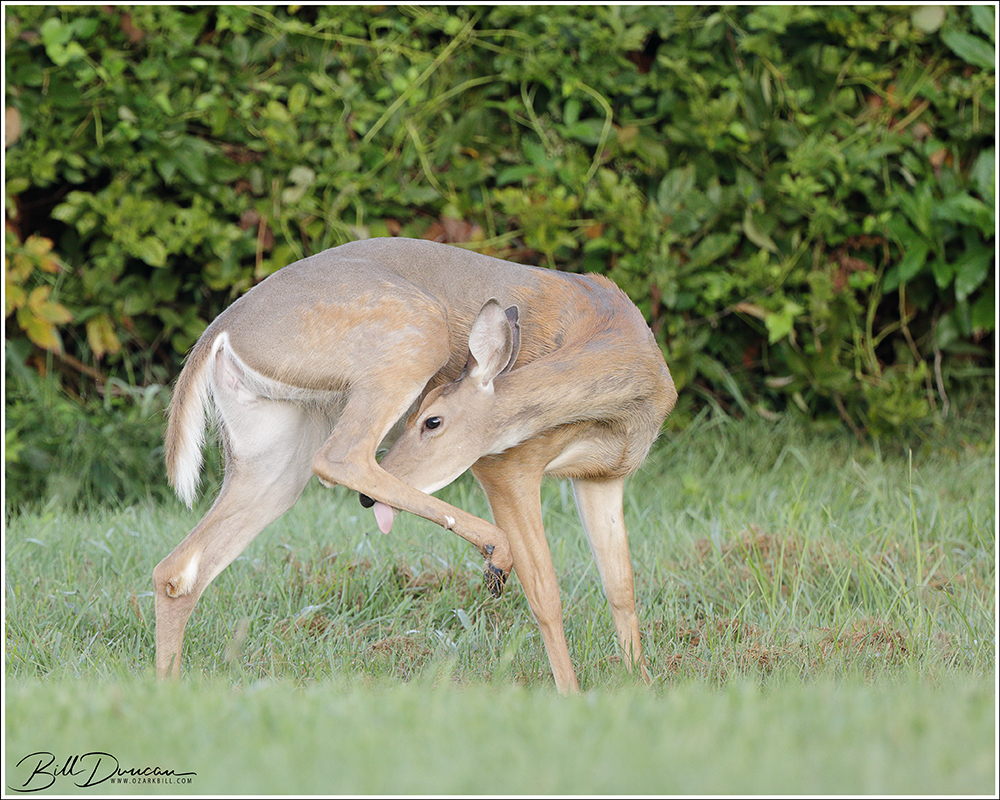
A young doe giving attention to her tarsal glands.
On the first of September this fawn still looks to mother for reassurance.










 A Thousand Acres of Silphiums
