"What a thousand acres of Silphiums looked like when they tickled the bellies of the buffalo is a question never again to be answered, and perhaps not even asked." -Aldo Leopold
The conservation status of Cypripedium candidum, the small white lady’s slipper, is currently ranked as S1 (critically imperiled) by the Missouri Natural Heritage Program.
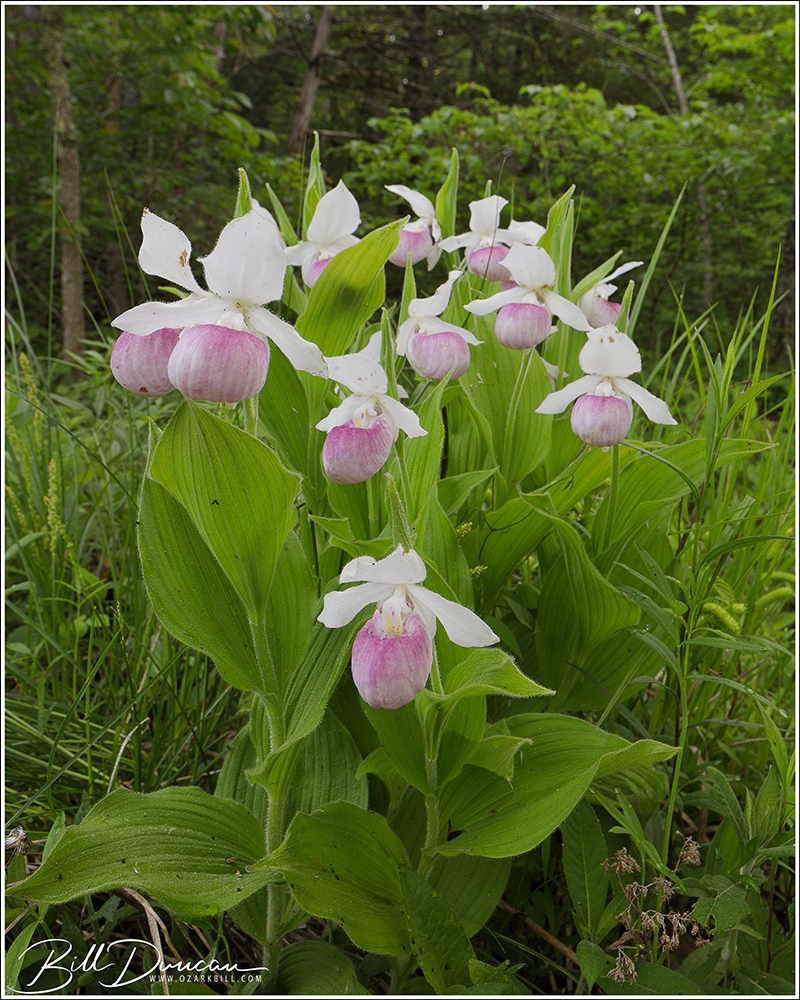
I have one more lady’s slipper we found in May to share. Cypripedium candidum or small white lady’s slipper requires moist and full-sun exposures, such as may be found in wet prairies, meadows, fens and forest edges. The reason for its rare status (likely found on fewer than five locations in the state) is due to habitat disturbance and orchid poachers digging them up for horticultural uses.
A small bunch of small white lady’s slippers
This species can hybridize with C. parviflorum (yellow lady’s slipper) when found in close proximity. This can potentially be a conservation concern in some states, but to my knowledge, there are no close associations between these two species in Missouri.
The habitat where these slippers where found in Shannon County, MO. You will not be able to see them, but I assure you, there are slippers in this photo.
It was wonderful finding this and the other lady’s slippers in the state this year. I’m hoping this one can still be found here far into the future.
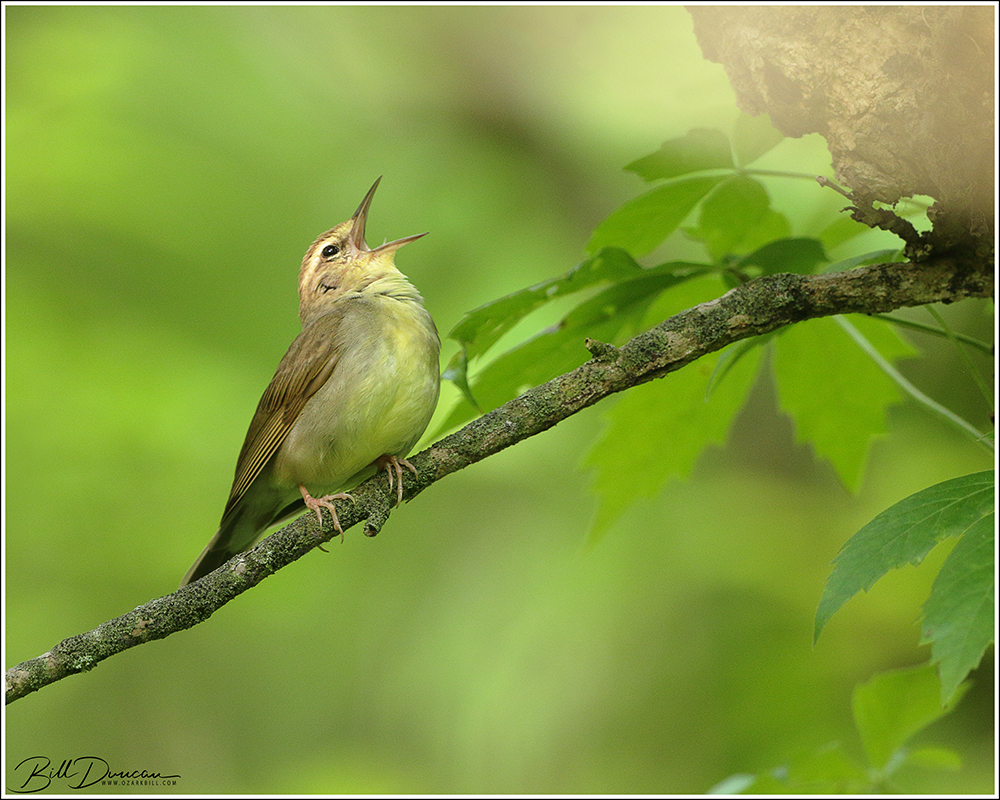
The StL birding community is ecstatic about the arrival of of a male Swainson’s Warbler. This bird appears to have set up a territory that it defends and is only a 20 minute drive from the authors home.
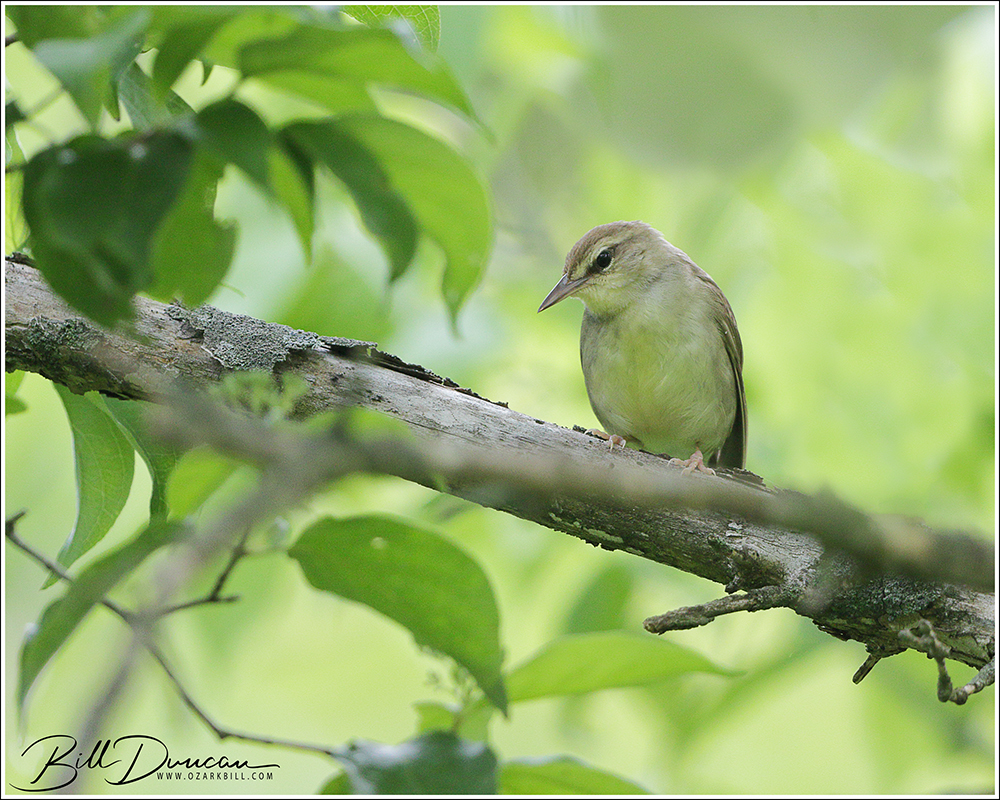
The Swainson’s Warbler (Limnothlypis swainsonii) is a very secretive bird whose summer nesting range occurs in the southeastern United States. It requires a habitat of dense undergrowth and heavy leaf litter for foraging and nesting and, in Missouri, this species is rarely found north of the Current River watershed. It’s safe to say that in the St. Louis birding community, the most popular bird of the past week is a Swainson’s Warbler that has apparently set up a territory along the Lost Valley Trail in Weldon Spring Conservation Area in St. Charles County.
If you decide to try for this bird, be prepared and know what the Swainson’s Warbler song sounds like. It may be the only sign you have that you are in his territory!
Named for William John Swainson, a naturalist, illustrator and contemporary of John James Audubon, the Swainson’s Warbler could fit in well in the lush habitat of this section of Weldon Spring C.A. Here it will compete with the bounty of other low-feeding passerines found here like the Ovenbird, Kentucky Warbler, White-eyed Vireo, Worm-eating Warbler and the occasional Hooded Warbler. Like we needed another reason to love birding at this location!
Swainson’s Warbler – not your typical warbler!
The Swainson’s Warbler is definitely not your typical species of wood warbler. The Parulidae family is well known for the gem-like coloration and spectacular patterns of many of it’s species. The Swainson’s Warbler, however, has a color and pattern more adapted to a lifestyle of foraging in the leaf litter and spending time in the dark understory of swamps and bottomland forests. This bird has a brownish back and lighter, white to cream-coloration on its breast. This typical countershading coloration allows it to blend in and virtually disappear within its environment. There is no sexual dimorphism in the coloration of this species – males and females are virtually identical, unlike other species of warblers also found along the Lost Valley Trail like the American Redstart and the Cerulean Warbler.
The bird is rather flat-headed with a much longer and stronger bill than most other warbler species. It is also known for its pink-colored and strong legs. These adaptations are probably helpful while lifting dead leaves and other detritus of the forest floor while it forages for its arthropod prey.
It is this author’s opinion that the song of the Swainson’s Warbler is one of the most satisfying of bird songs. It sounds like it took the stuttering song of the Louisiana Waterthrush (a closely related species) and perfected it. I can still completely enjoy myself just being in the woods with these guys singing. Be prepared for frustration if you are waiting for one of these birds to pop out of the dense understory to get a nice clear look.
Colombia, MO has had one or more Swainson’s Warblers for the past five years or so. Will this species become a regular at Lost Valley Trail? Is this one of the “good consequences” of climate change? It should be mentioned there have been a few reports that there are currently more than one bird along the trail. Some have claimed two males in separate territories and/or two birds spotted at the same location, indicating the potential presence of a female. I have spent four mornings over the past week looking for this bird and have seen no evidence of more than a single male yet, but there is always that potential.
Best of luck to those going to try for this bird. You would be hard pressed to think of a better place to spend some hours on a spring morning.
Thanks for visiting and let me know if you have had success hearing or laying eyes on this bird or if you have had any luck finding evidence of more than the one bird.
A fresh Cypripedium parviflorum photographed in late May in St. Francois County, Missouri.
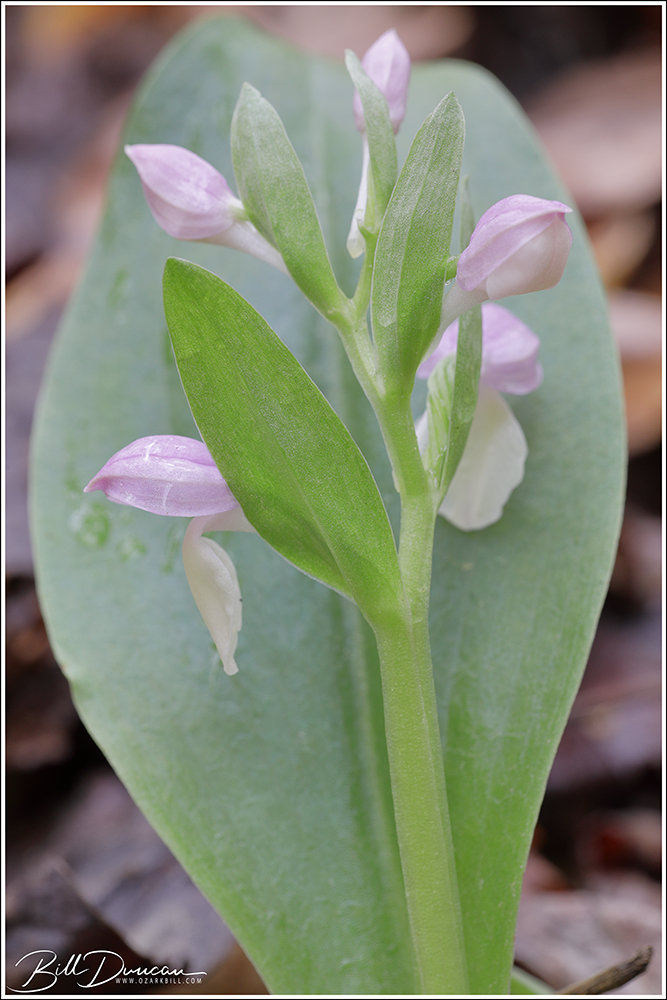
May was definitely a lady’s slippers month. My friends and I found four species within a week (three in MO, 1 in AR). Of the three species found in Missouri, two are species of conservation concern within the state – Cypripedium candidum, small white lady-slipper (S1) and C. reginae, showy lady-slipper (S2S3). I’ve shared photos of C. reginae on this blog before and a C. candidum post will be coming shortly.
I’ve posted photos of C. parviflorum (yellow lady’s slipper) here before as well but these accompanying photos were taken at a new location for me in St. Francois County. Some taxonomists, books and keys have this species split into two varieties – C.parviflorum var. pubescens, or the “greater” yellow lady’s slipper and C.parviflorum var. makasin, the “small” yellow lady’s slipper. Some authors have even split these two into specific status while even others have argued there is no basis in splitting these into varieties. From my limited experiences with these in Missouri and the taxonomic descriptions I have read, I have not seen ample evidence to suggest these should be split into varietal forms. There seems to be a lot of variation in the characteristics that are supposed to describe these two varieties and until someone shows me better proof that these should be treated as two separate forms, all I can say is that, “I’m from Missouri” and I will not be including these as two in my “master list” of the Missouri orchids.
If you are knowledgeable in this area and wish to argue, by all means, please let me know.
I shared images of this orchid last year. However, with an opportunity to visit one of its special homes this past weekend with a couple of friends, I couldn’t pass up the chance to see them again. I’ll be sharing photos of new orchids soon.
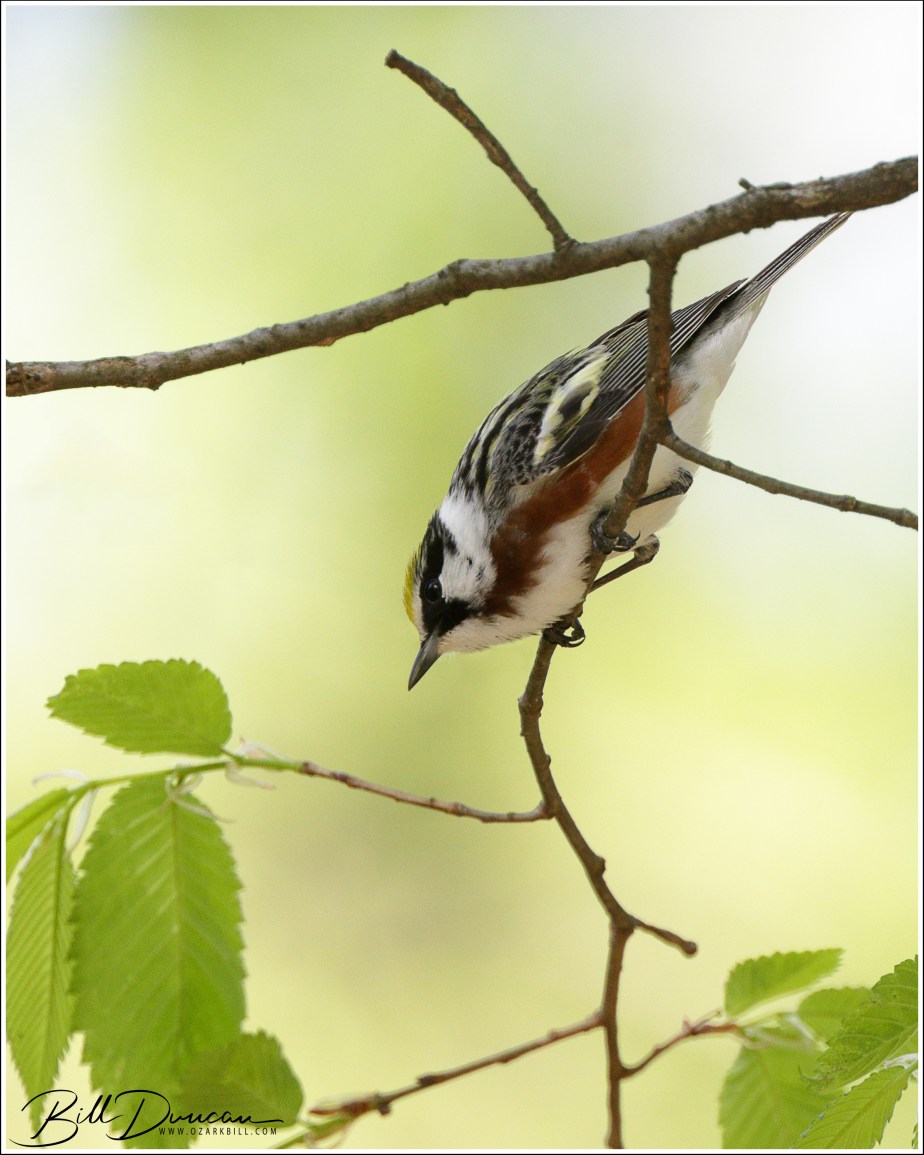
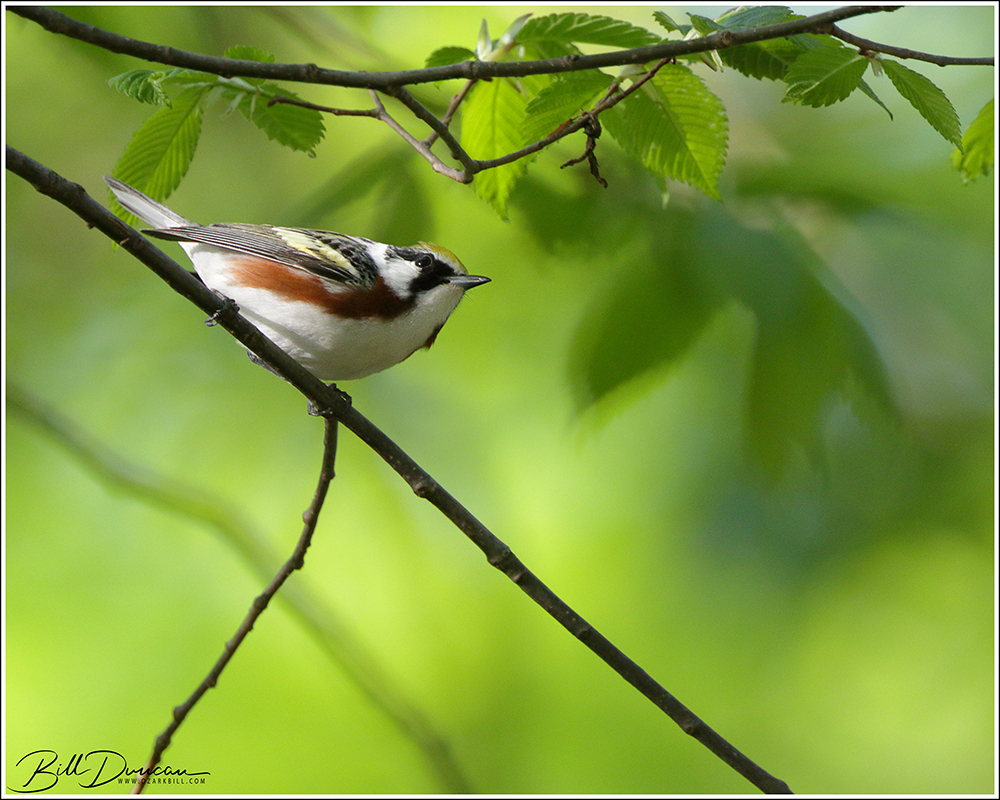
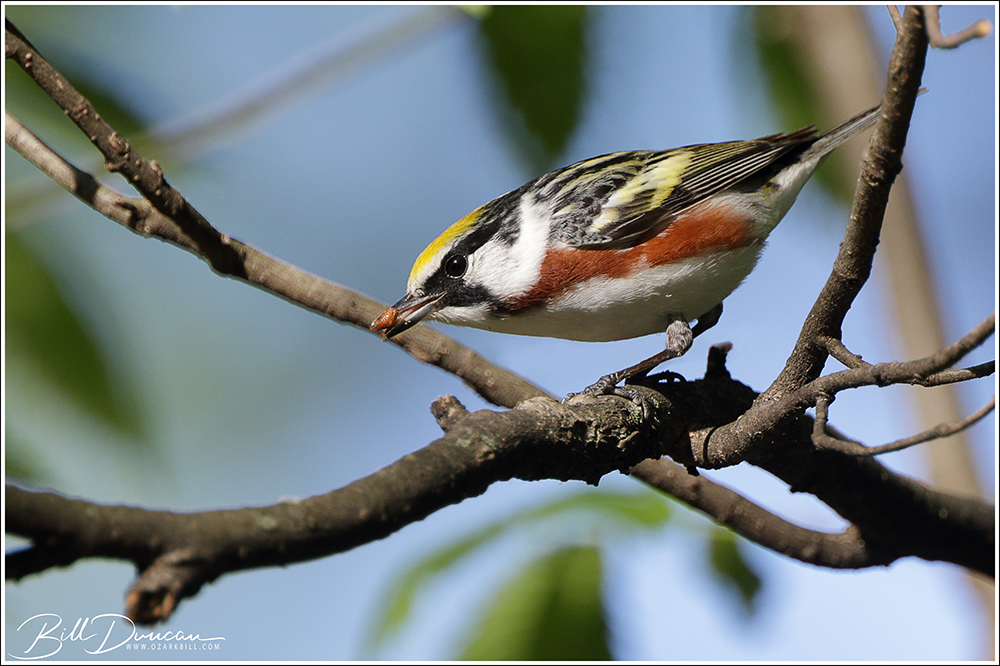
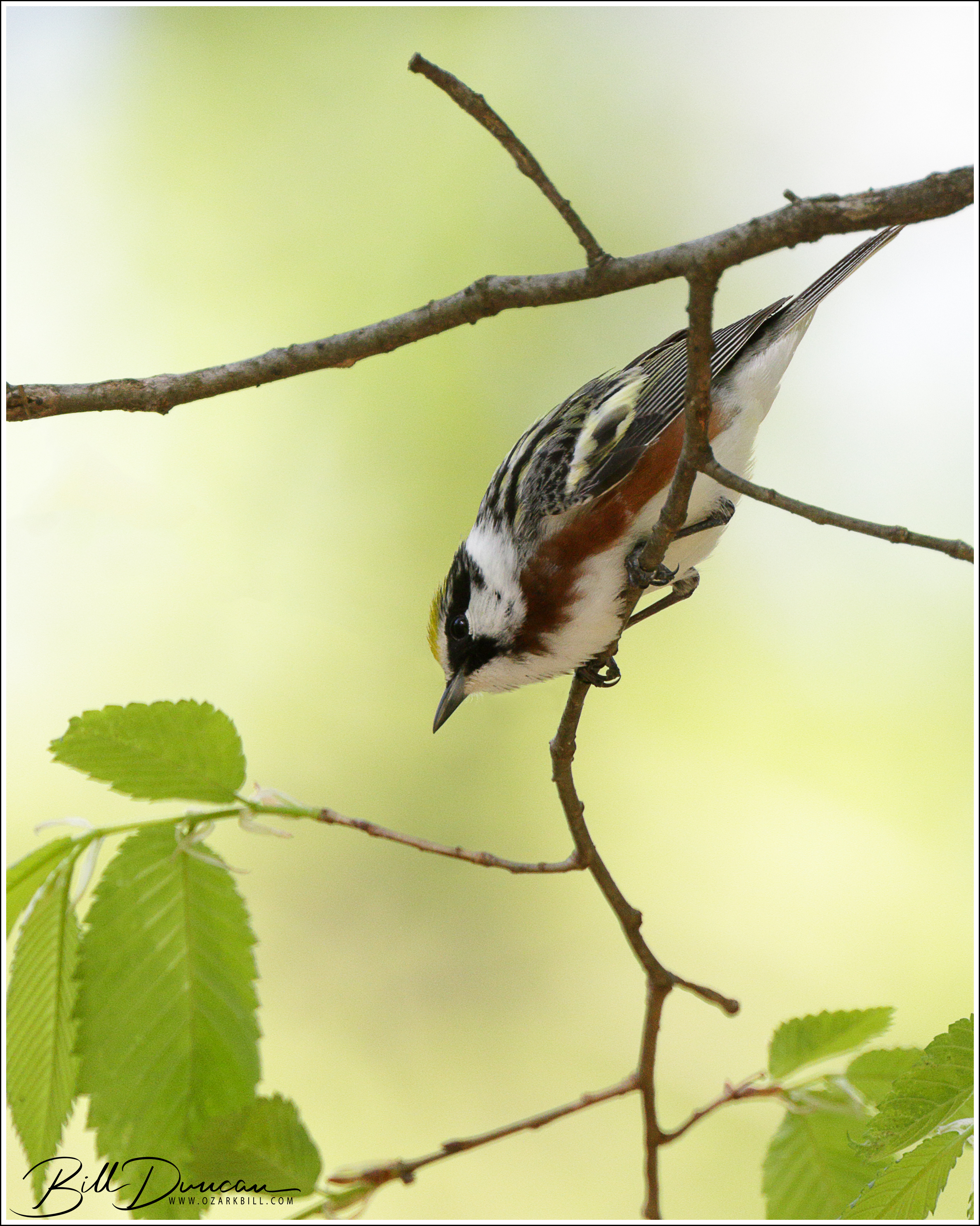
It looks as though I may get only one opportunity for Tower Grove Park this spring, but it was a good one. I’m glad it was a nice morning for Kathy Duncan’s first visit. We had quite a few cooperative birds at the water feature of the Gaddy Bird Garden where these photos of Chestnut-sided Warblers were taken.
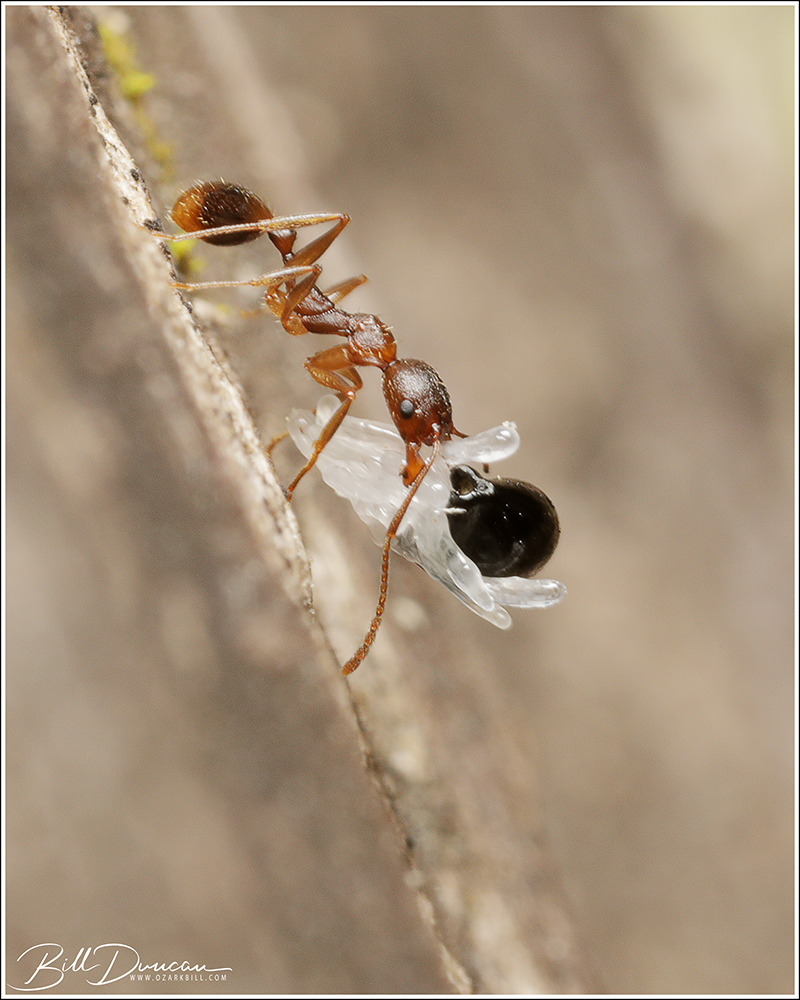
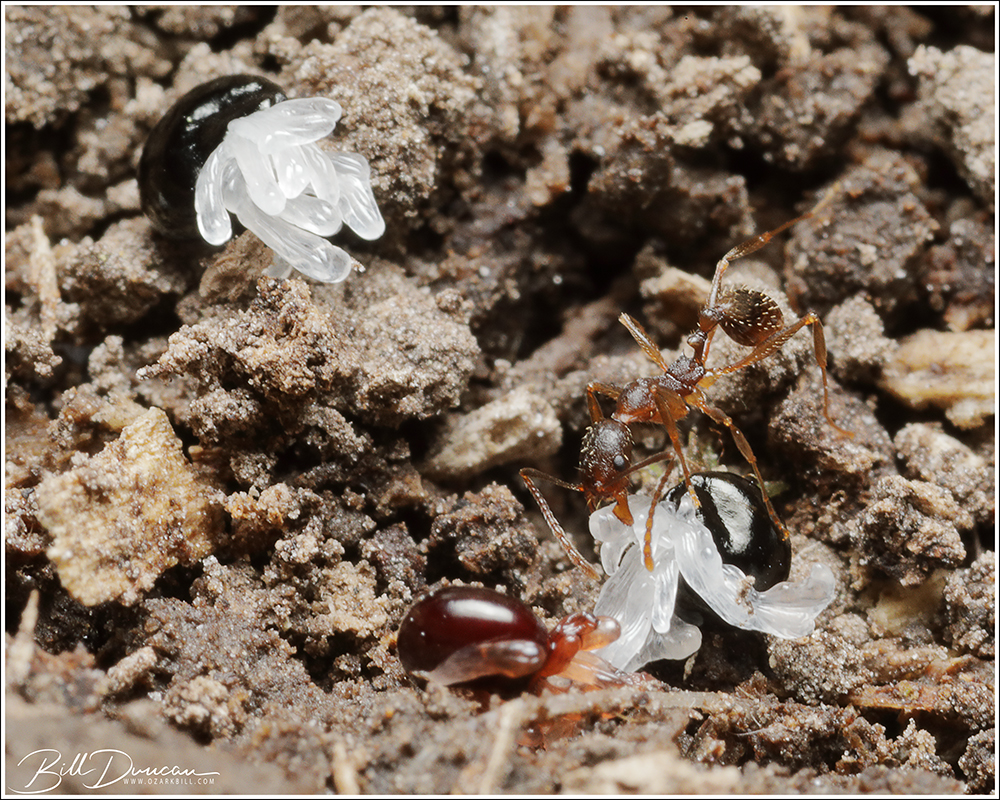
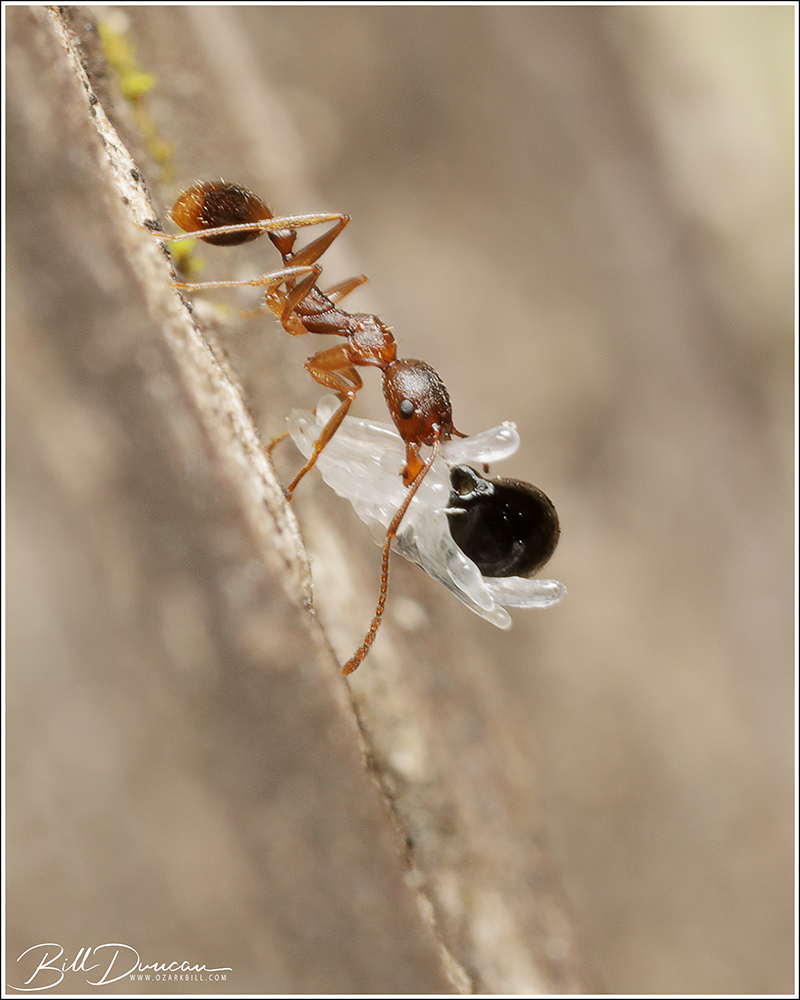
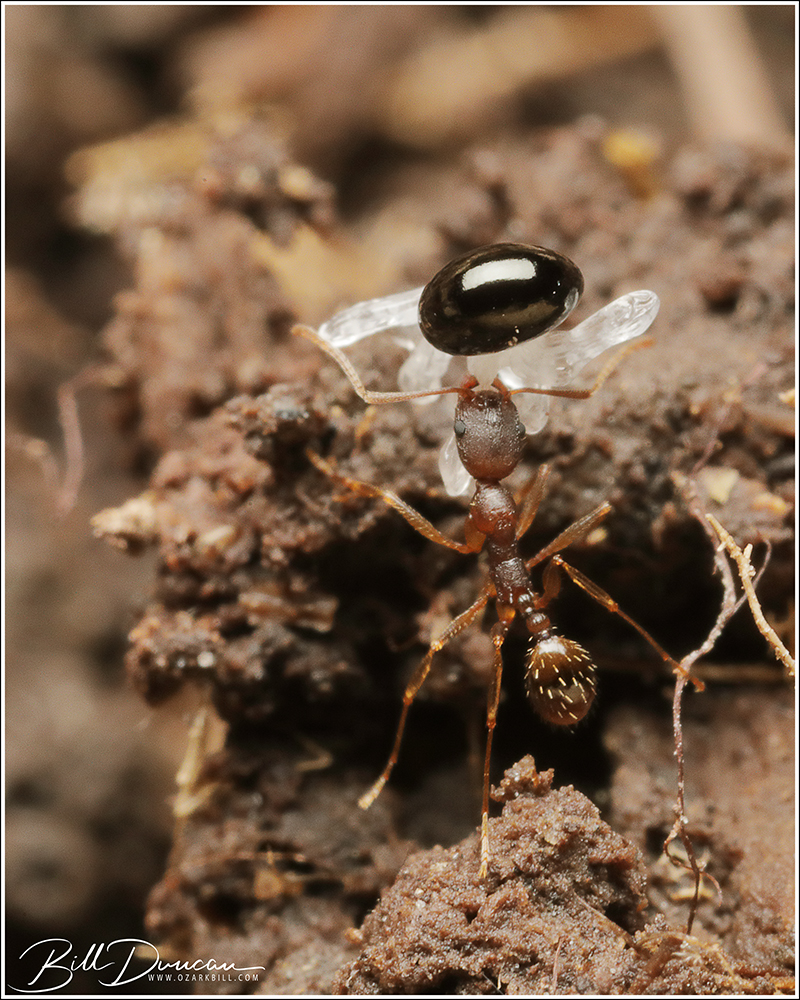
In continuing my work from last year, this year I was able to capture a few Aphaenogaster rudis moving the diaspores of Dicentra cucullaria (Dutchman’s breeches). Although this was the best year I’ve ever seen for D. cucullaria, getting everything to work just right in order to photograph this process was difficult. I was often short on the time needed to do this. Also, the cool temps we had this spring made it a bit difficult to find the foraging ants, even when the supply of diaspores I had at my disposal were ample.
The 2021 season has started with great success. The following orchids were found in Stoddard County on a trip with Pete Kozich, Casey Galvin and Stephen Dilks. Many thanks to all of you for your parts in finding these and several other fascinating plants on this day. It was a pleasure botanizing with you.
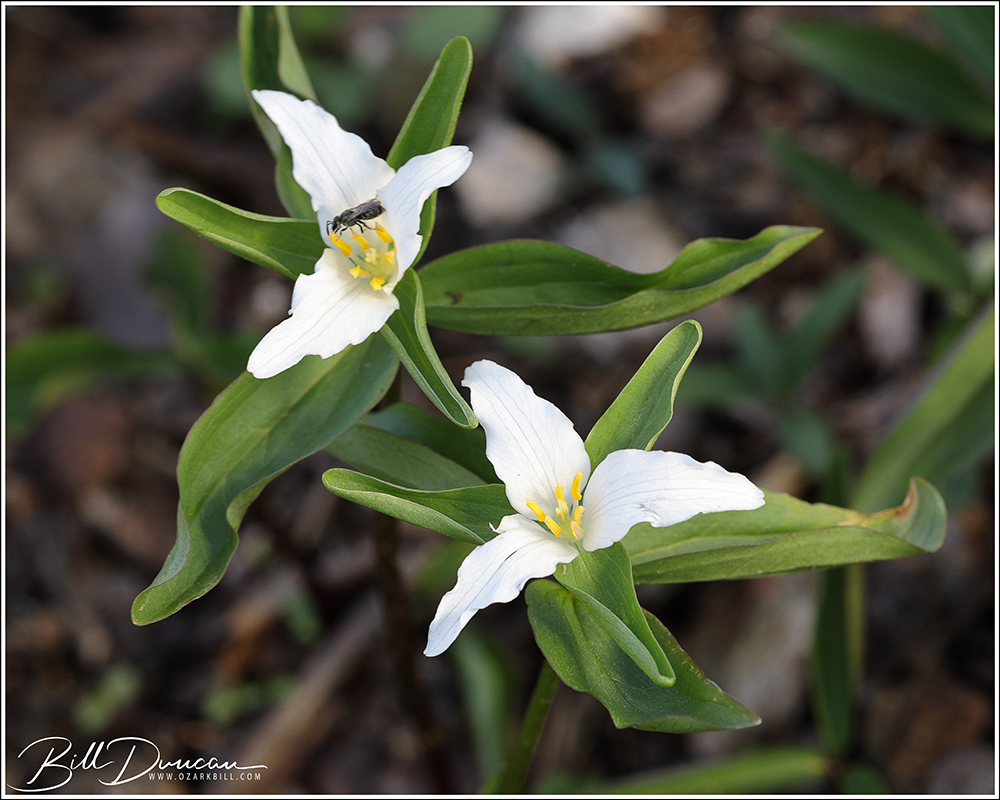
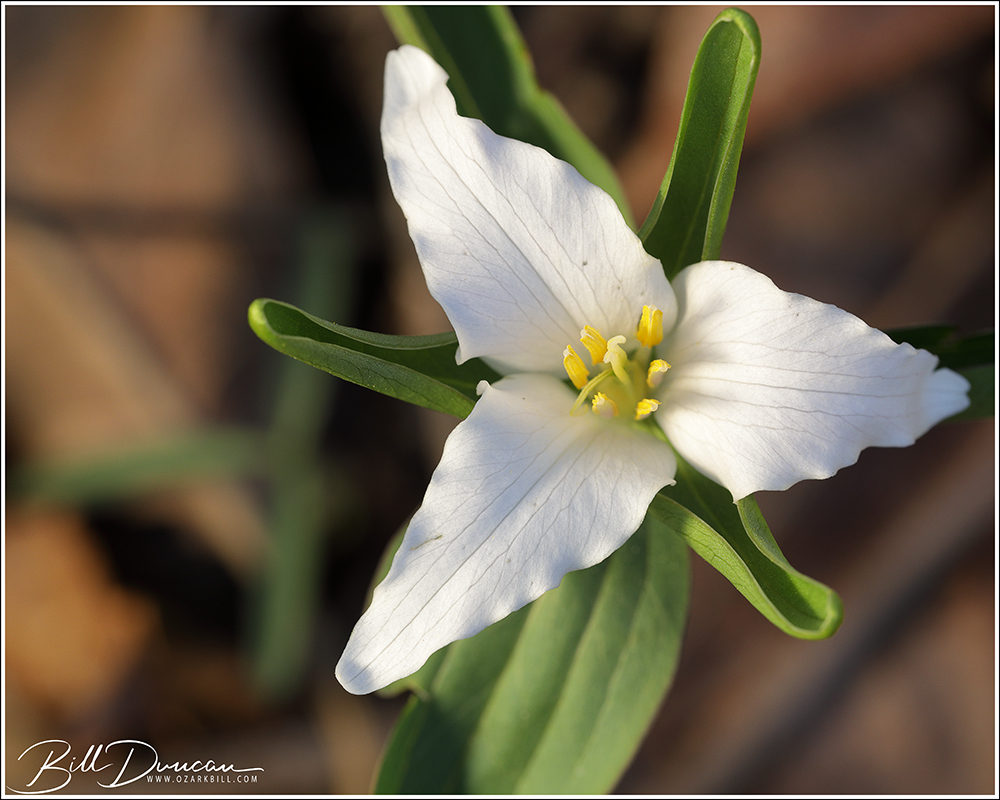
Another early-blooming trillium that is rare in Missouri. These Trillium pusillum var. ozarkanum were photographed in late March in southwestern Missouri.
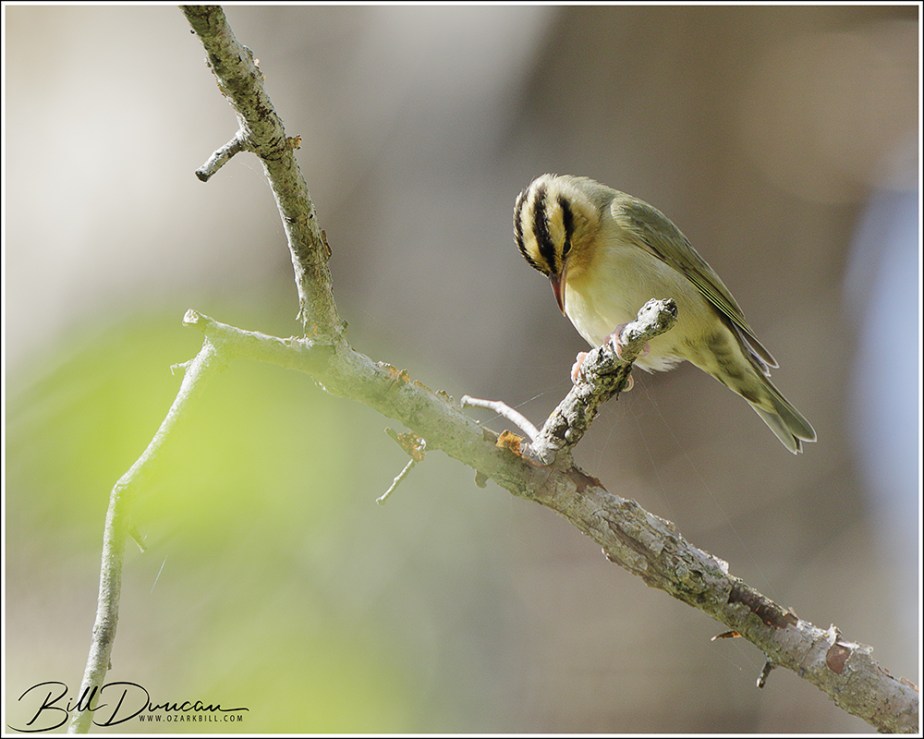
This spring has been flying by. With great cool and wet weather, the spring ephemeral wildflower season has been one of the best I’ve experienced and in the past two weeks the bird diversity has been on the rise. Just today, I had a Wood Thrush, a Cooper’s Hawk and a Barn Swallow from my suburban yard alone! This morning I found a Sedge Wren in the grasses at Beckemeier Conservation Area among about half a dozen warblers.
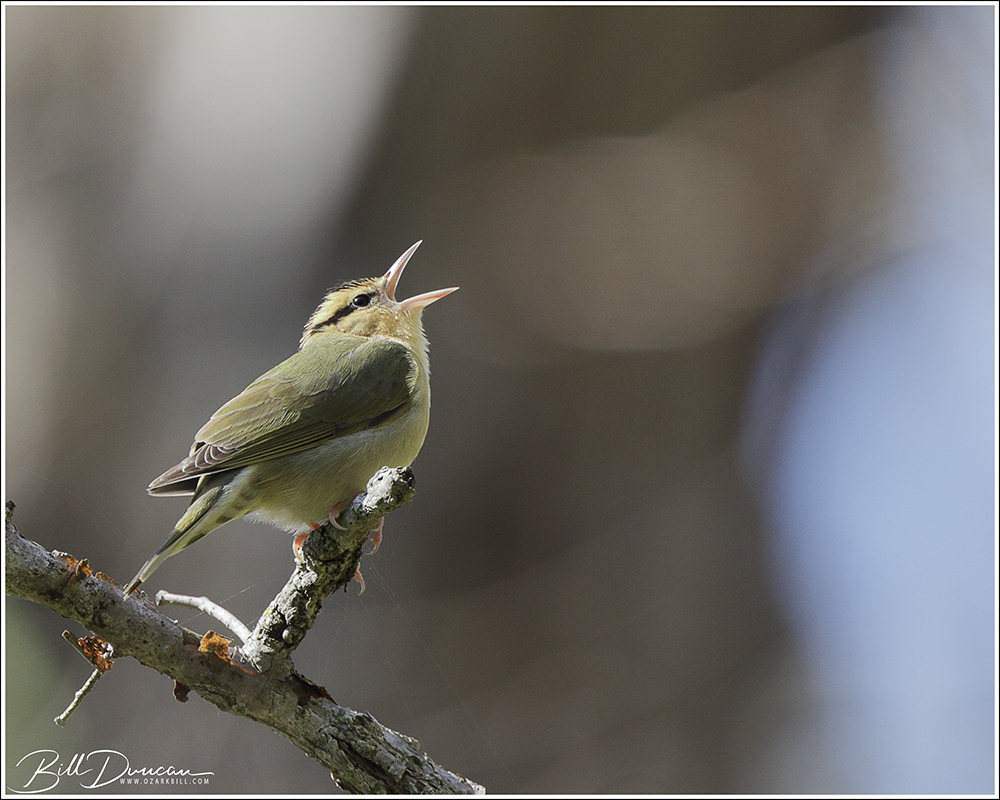
I hope you are getting out to enjoy some of this action and I want to share a few photos of one of my many favorites, this Worm-eating Warbler that is already setting up territory at Bush Wildlife Conservation Area.
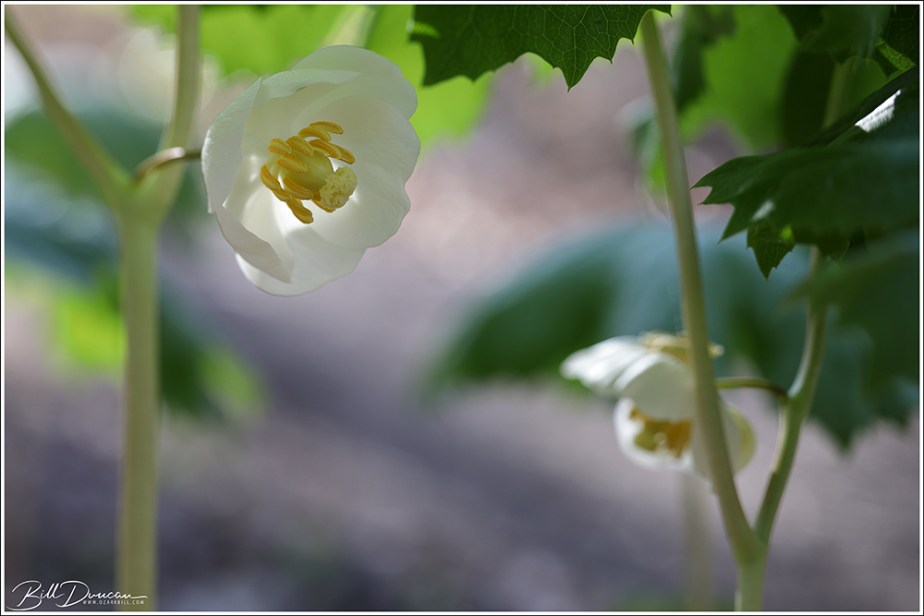
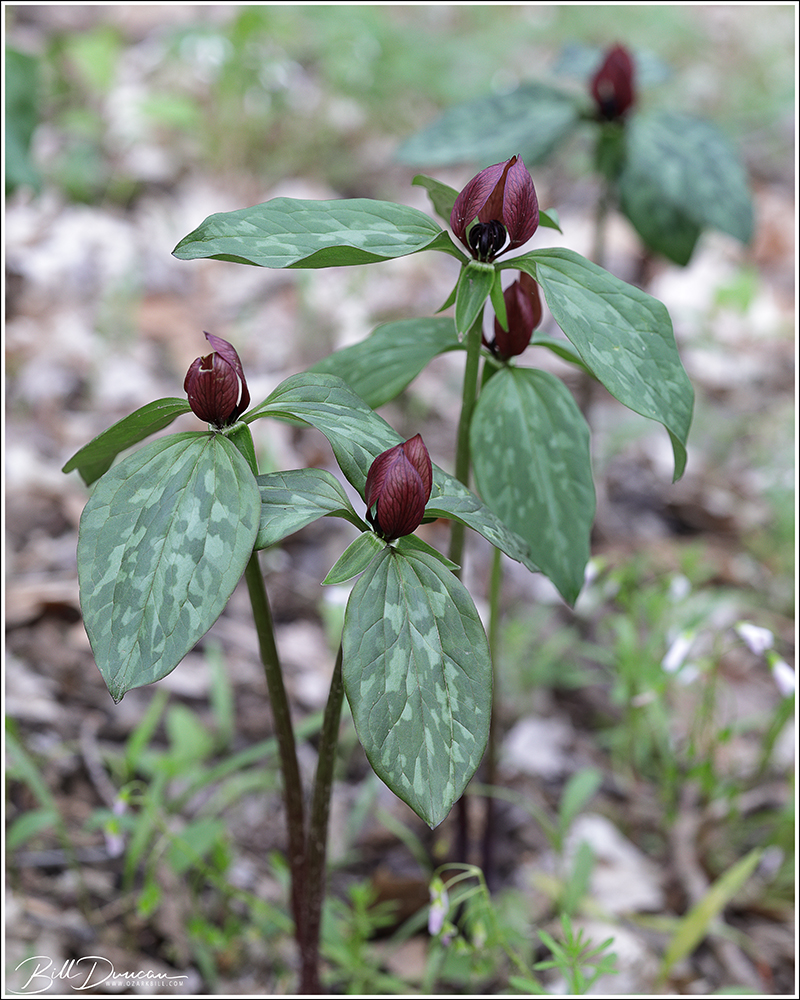
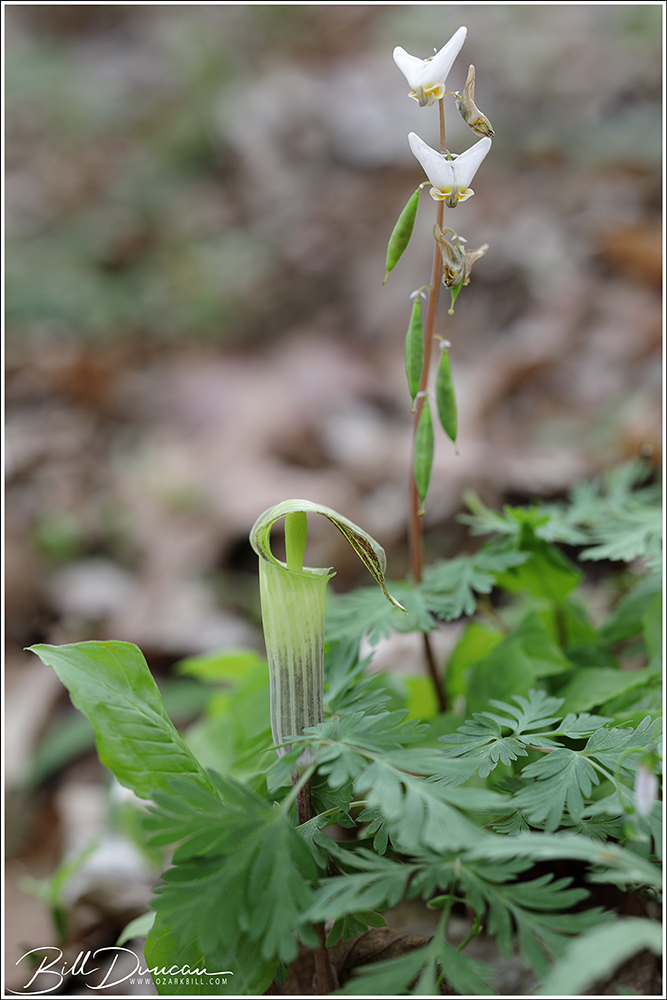
In my 15 or so years of paying attention to important things like this, I have never seen spring ephemerals having a better year than this one. Places within the St. Louis metro area, such as Englemann Woods Natural area and Beckemeier Conservation Area are loaded with wildflowers right now. Whether this is because of the cool and mild spring we have been having so far, or some other reasons, I don’t know. Here are a few photos taken this week at Beckemeier C.A. I hope you get out to enjoy these yourself.


















 A Thousand Acres of Silphiums