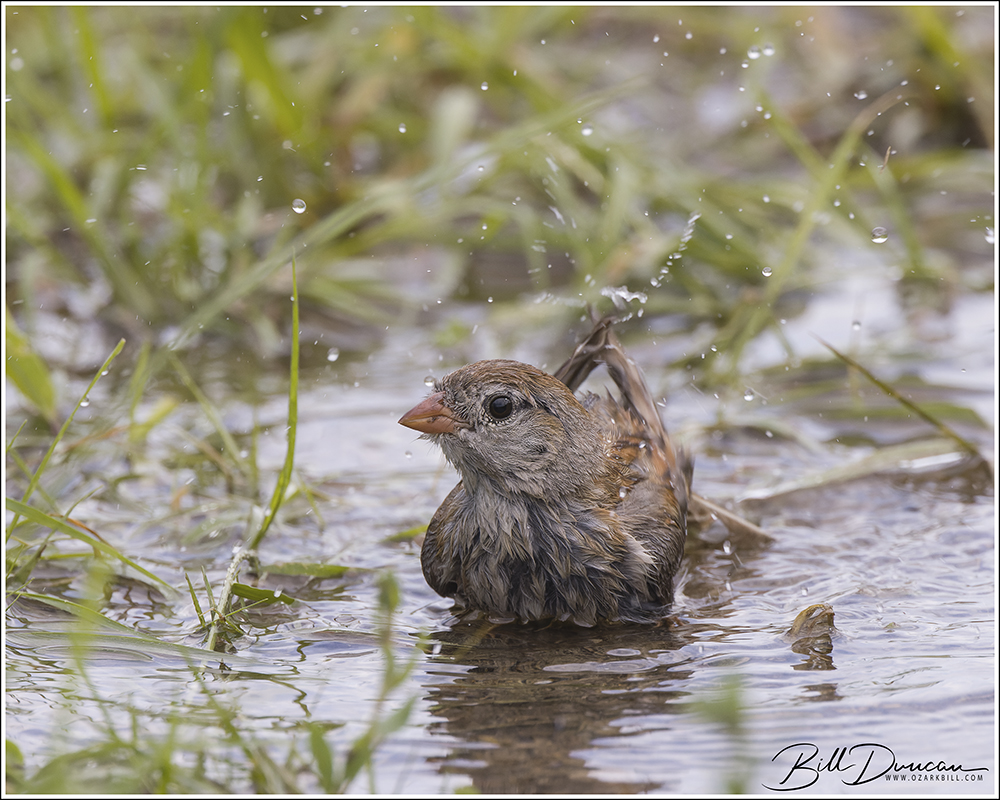
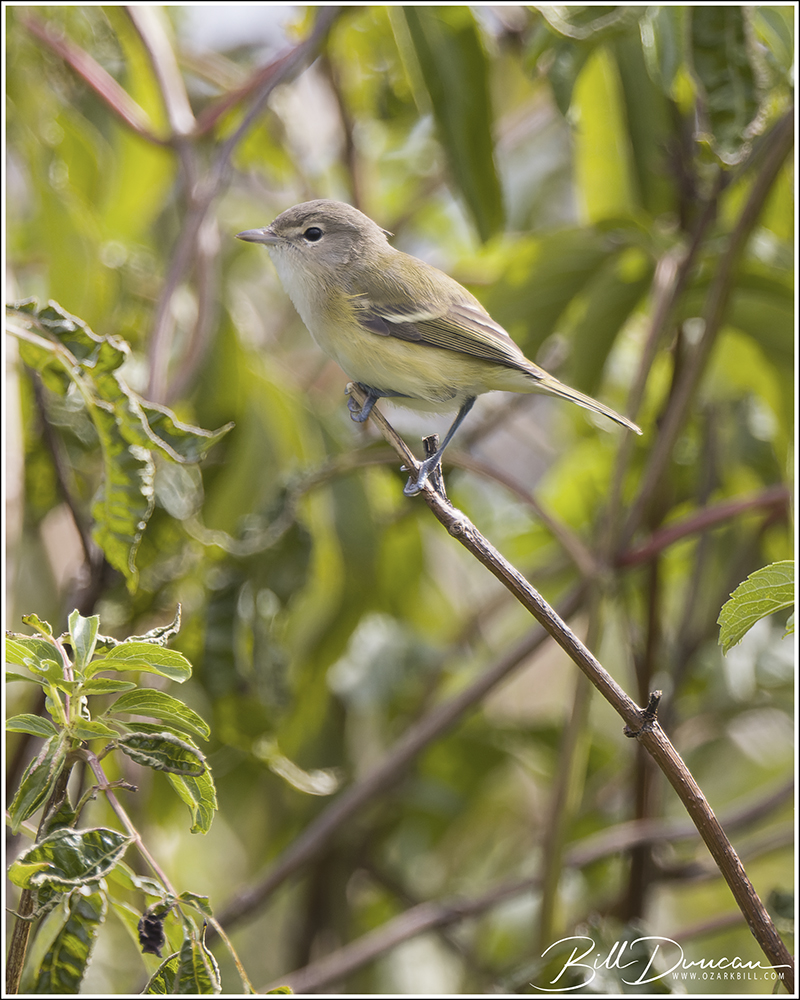
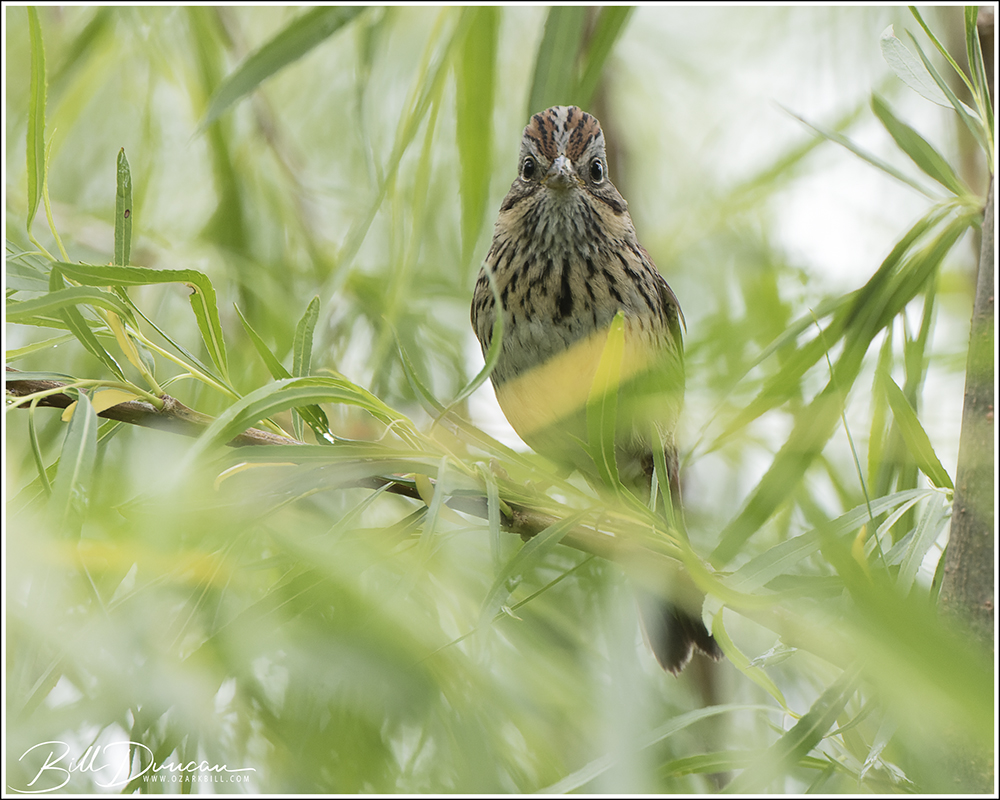
Just a trio of birds photographed in 2023 that didn’t fit into any specific post.
"What a thousand acres of Silphiums looked like when they tickled the bellies of the buffalo is a question never again to be answered, and perhaps not even asked." -Aldo Leopold
Just a trio of birds photographed in 2023 that didn’t fit into any specific post.
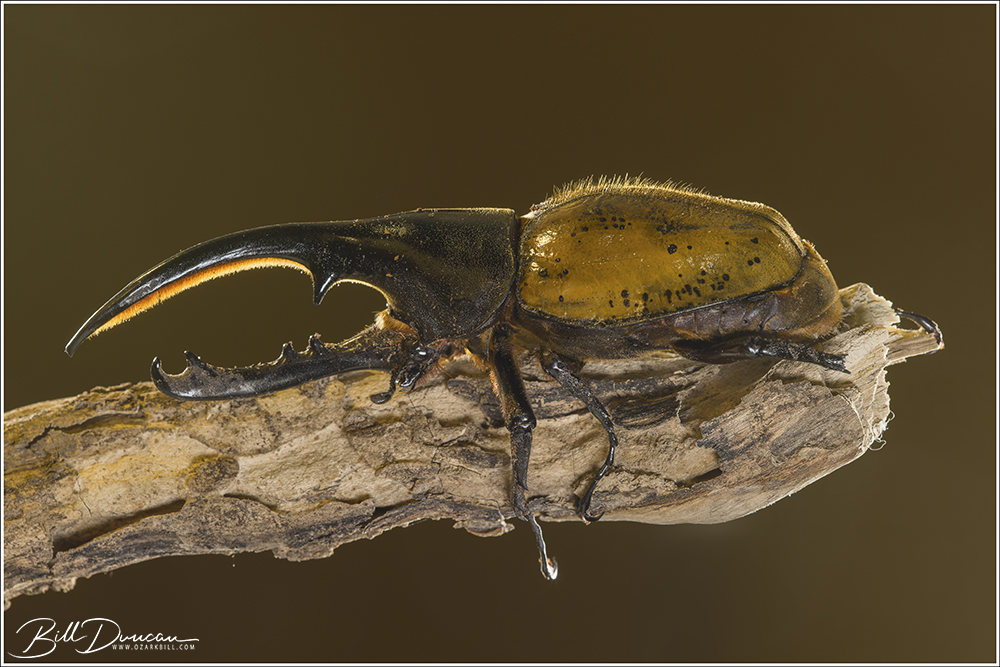
In February, the Webster Groves nature Study Society’s Nature Photography Group headed to the Sophia M. Sachs Butterfly House in Chesterfield. We paid for after-hours access and were delighted with the opportunities presented to us. Many thanks to Casey Galvin, group leader for the Nature Photography Group, for organizing this visit, and to Chris Hartley from the Butterfly House for being a lovely host. Chris patiently dealt with our needs, requests and questions, while wrangling our subjects for us. He and the Butterfly House provided us a wonderful experience of photographing some remarkable arthropods from around the world. Here are some of my favorite photos from the evening.

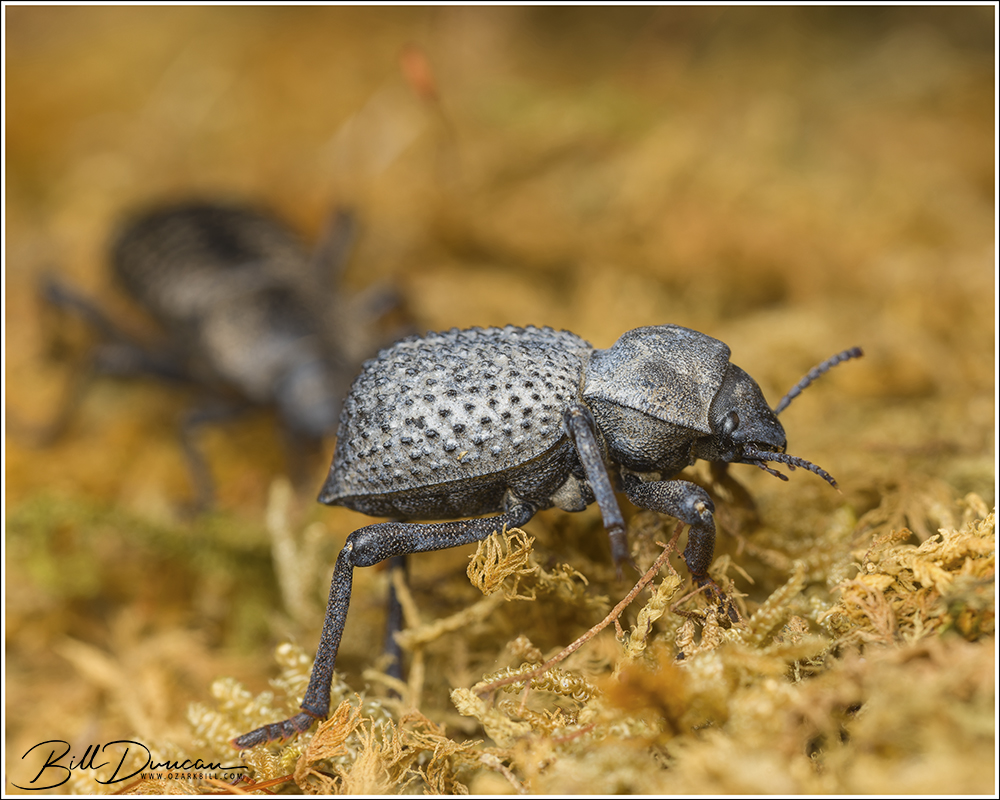


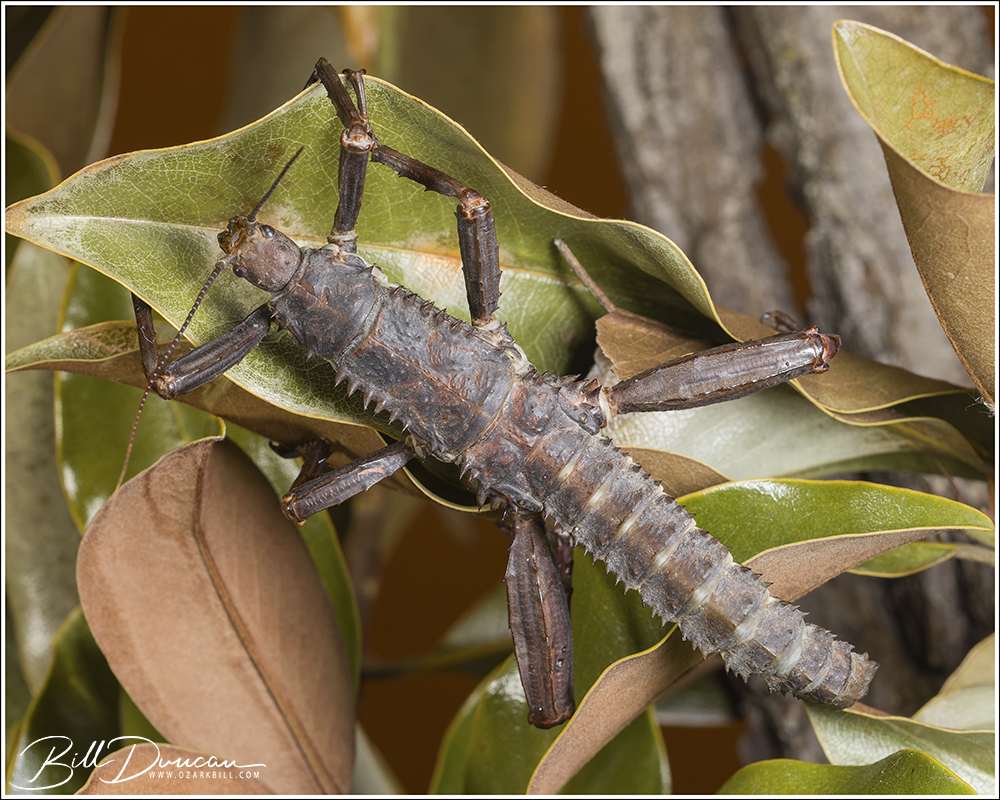

That’s all from this outing. Interested in joining in one one of these WGNSS outings? Feel free to contact me or check us out at http://www.wgnss.org to learn more.
-OZB
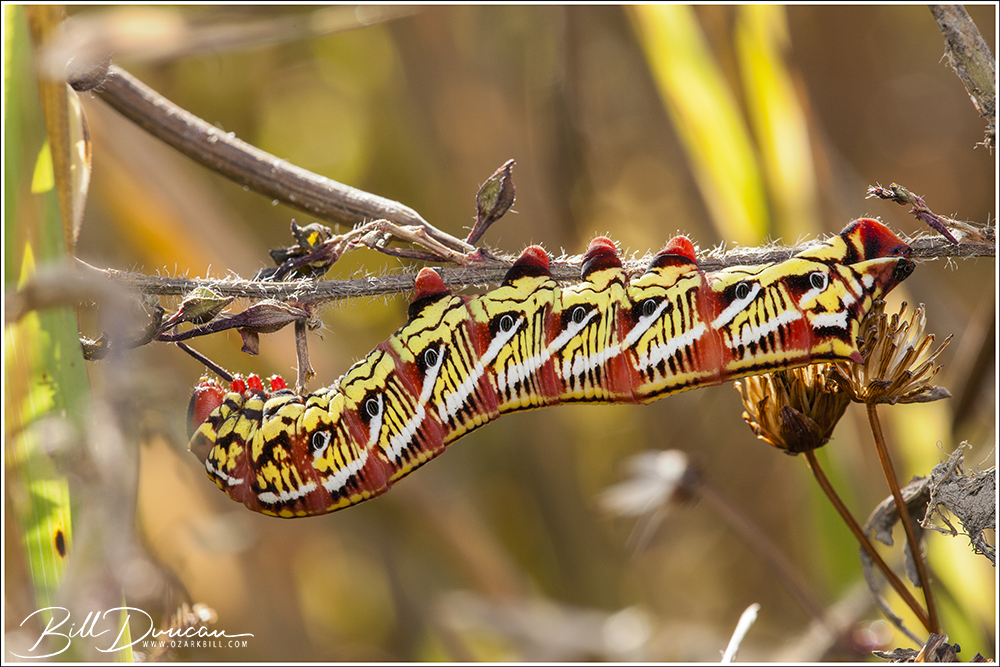
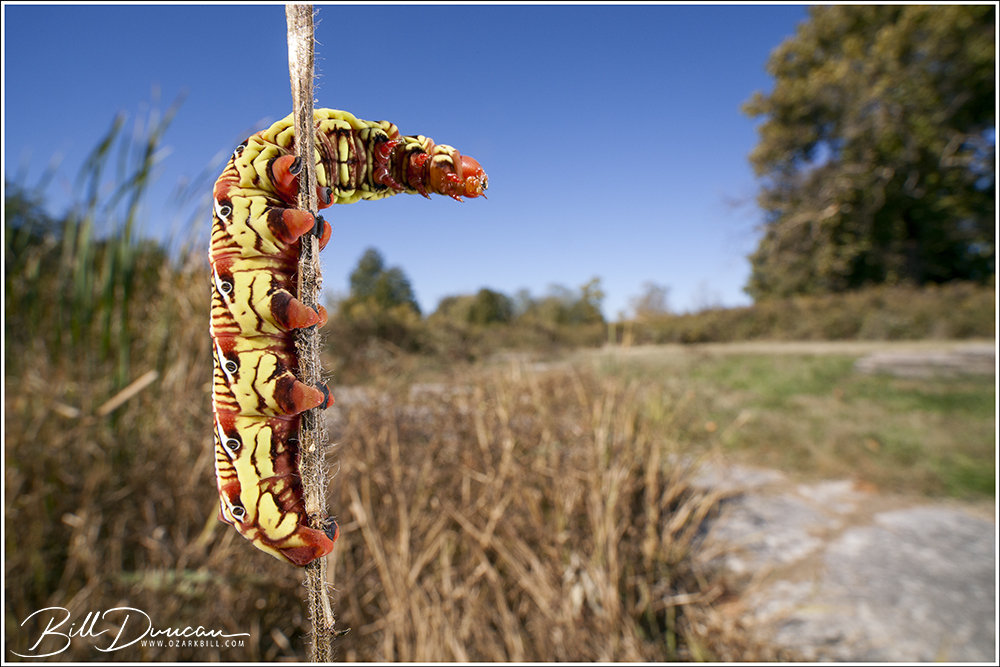
Here’s one from 2018 that I only posted on Facebook for some reason. As you can see this is too fantastic of a caterpillar not to capture in the blog. These are caterpillars of the banded sphinx moth (Eumorpha fasciatus, Hodges #7865) that were photographed on their host plant – primrose willow (Ludwigia sp.). Many thanks again to Kyran Leeker who turned me on to these guys.


The WGNSS Nature Photography Group, led by the man with the great ideas, Casey Galvin, headed to Elephant Rocks State Park in Iron County, MO, for the group’s February field trip. Our primary target for the evening was to utilize the full moon to light our scene after sundown – images often referred to as “moonscapes.” This was my first real attempt at taking moonscapes; usually I am focused on low to no-moon nights in order to focus on stars and deep sky objects.
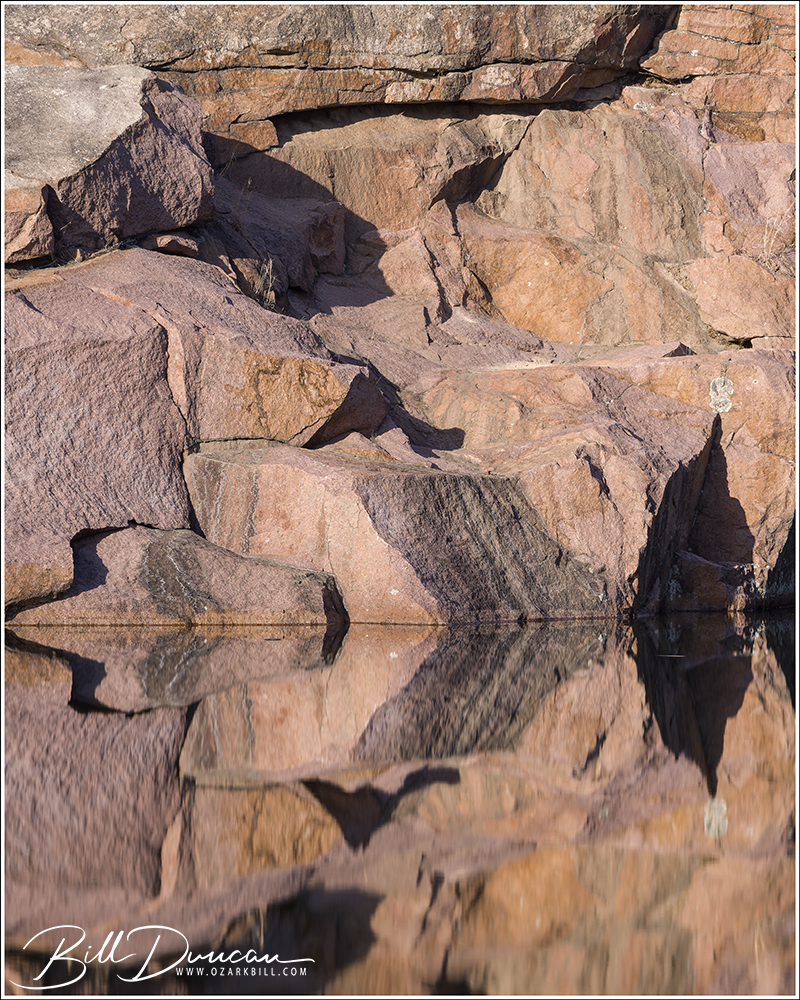
We arrived in time to have a walk around prior to sunset and the park’s official closing time. In order to be in the park after 5:00 pm, special permission must be made ahead of time. During our stroll, we made our way to the backside of the quarry lake – somewhere I had not been in many years. This turned out to be a serendipitous experience. There we encountered some very nice golden light and excellent reflections coming from the lake’s surface. Unfortunately, the winds were just strong enough to create some obnoxious ripples on the water, ruining the mirror effect I was going for. No worries, however; I added a CPL and a pretty strong neutral density filter (in order to increase shutter speed) to my mid-telephoto lens and the ripples magically disappeared.
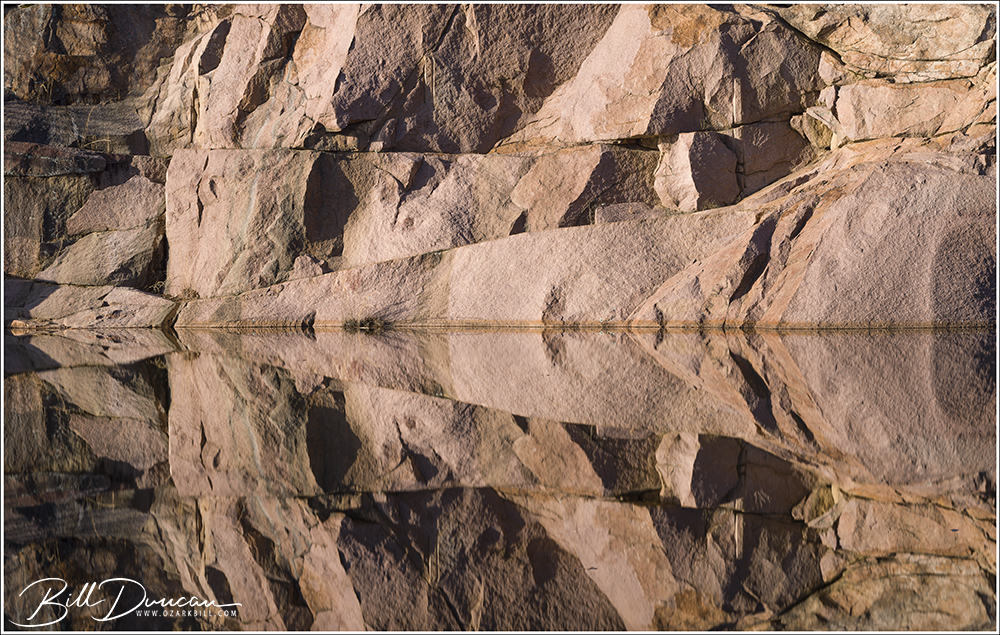


Shortly before sunset, we headed to the other side of the park to hang out with the rocks that give the park its famous identity. The remaining images were all taken after the sun had set and were exposed using only the light of the February full “snow moon.”


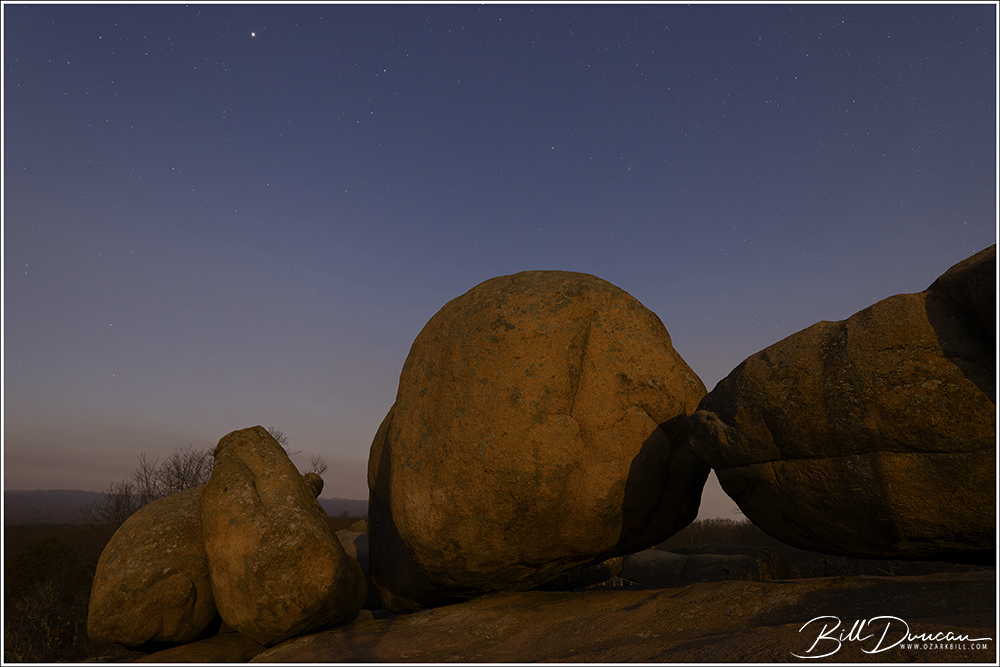

This was certainly a special trip spent with friends. Temperatures and sky conditions were near perfect for photographing moonscapes. I was a bit surprised we did not have more WGNSS members take advantage of this special access. I won’t complain about that too much as I think having too many photographers would have made things more challenging with fighting shadows and finding access to good compositions.
Clear skies!
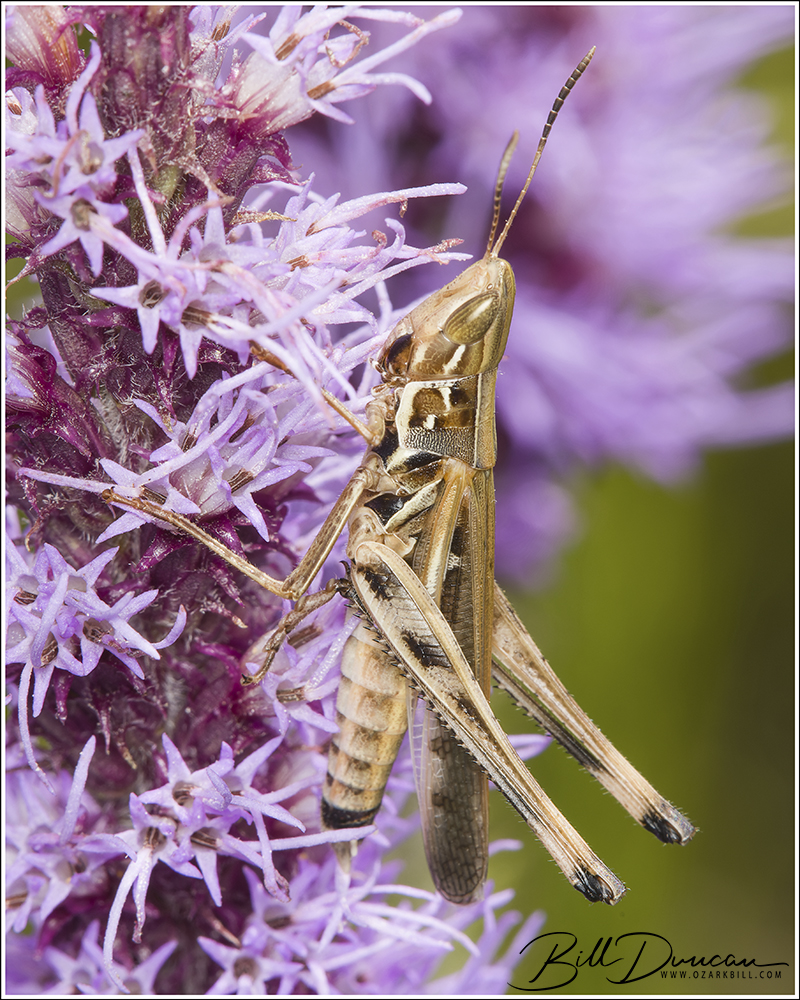
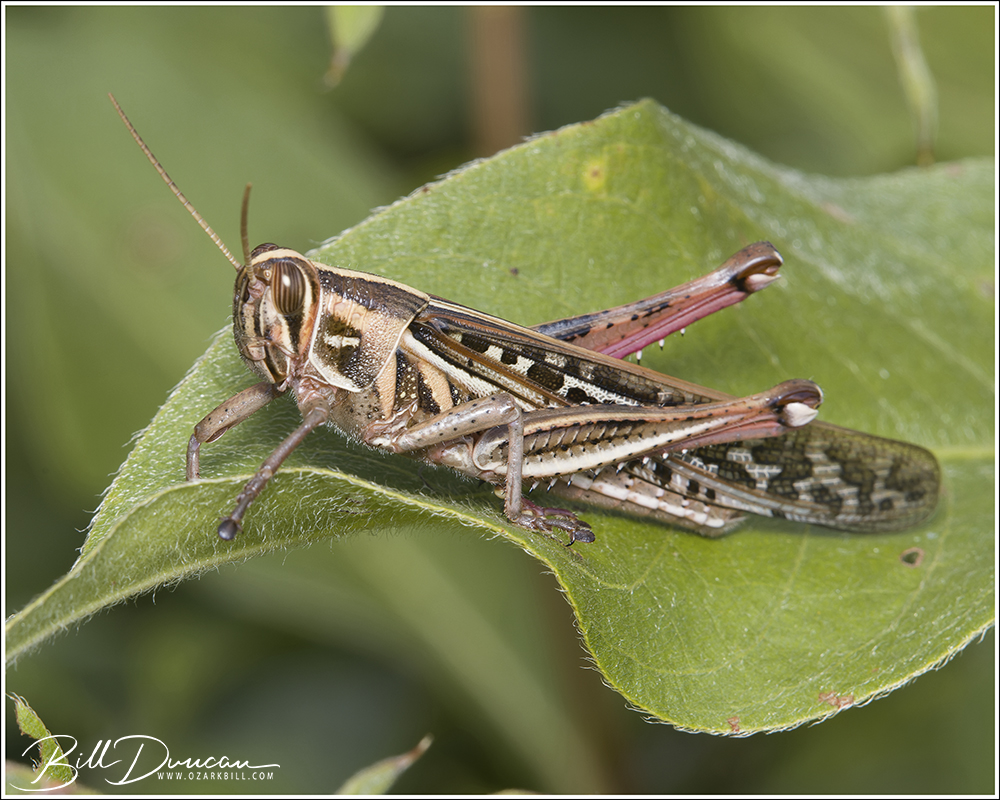
Here are a few handsome Orthopterans from the 2023 season.

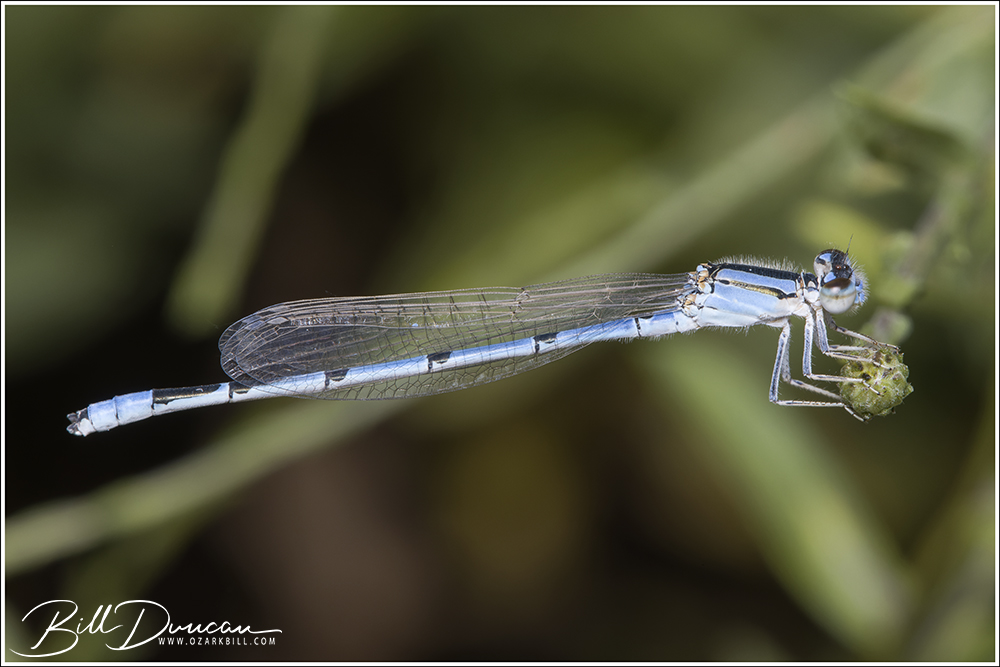
It’s February already and I’m still trying to wrap up photos from last year. Here are some photos of odonates from 2023.



These are not the photos I envisioned getting when going after the falcate orangetip (Anthocharis midea). Casey and I must have spent more than a couple of hours running around Hugh’s Mountain Natural Area, waiting for one of these gorgeous males to land at a flower to nectar. Unfortunately, this rarely happened, and when they did finally set they were up again within seconds.
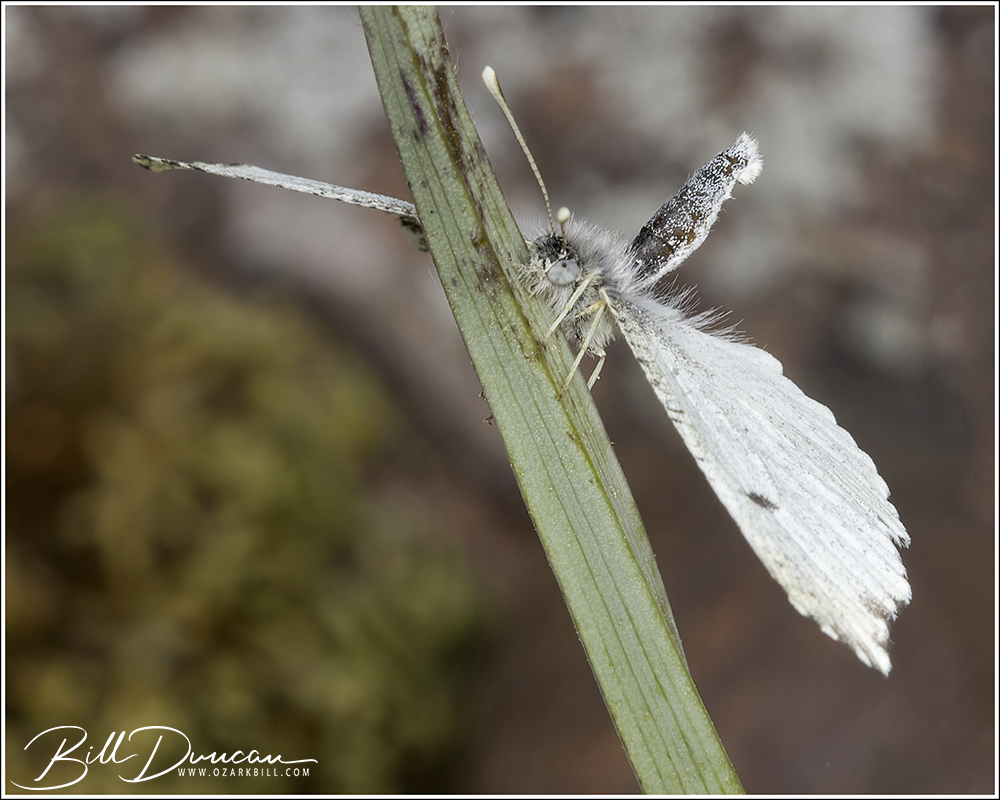
These guys were definitely not interested in feeding while we were there, instead they incessantly roamed the glades and woodland edges hunting for females. This is where I finally got a little bit of luck by finding a stationary female. She had drawn the attention of several males who were fighting for a chance to breed.
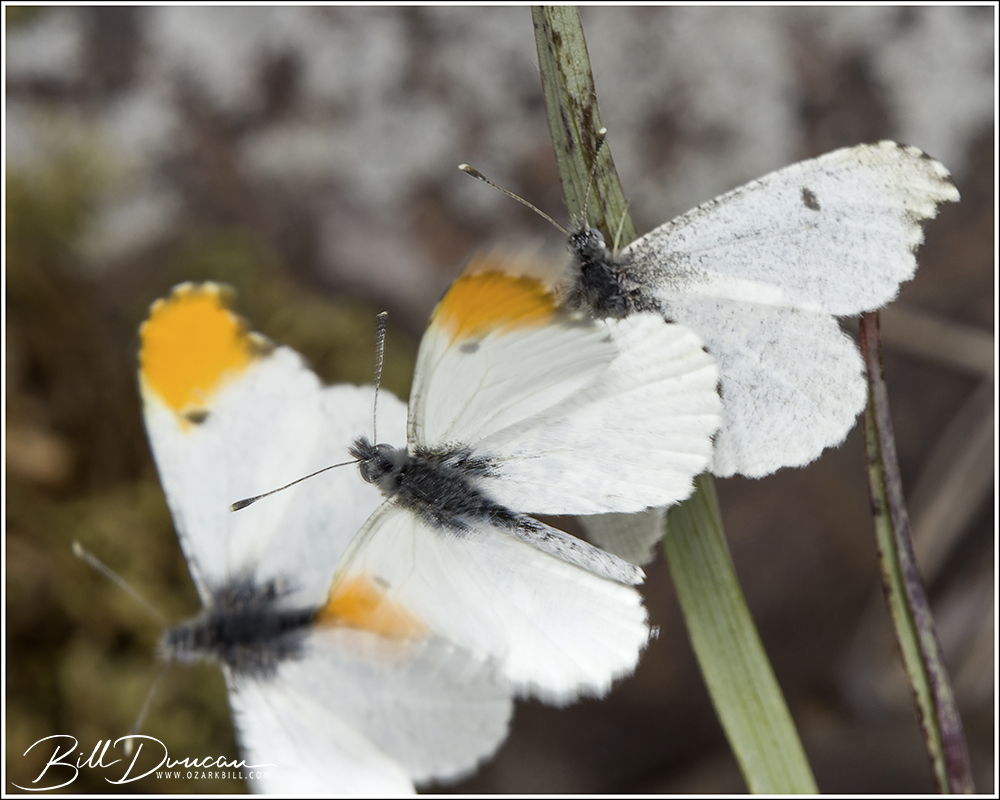
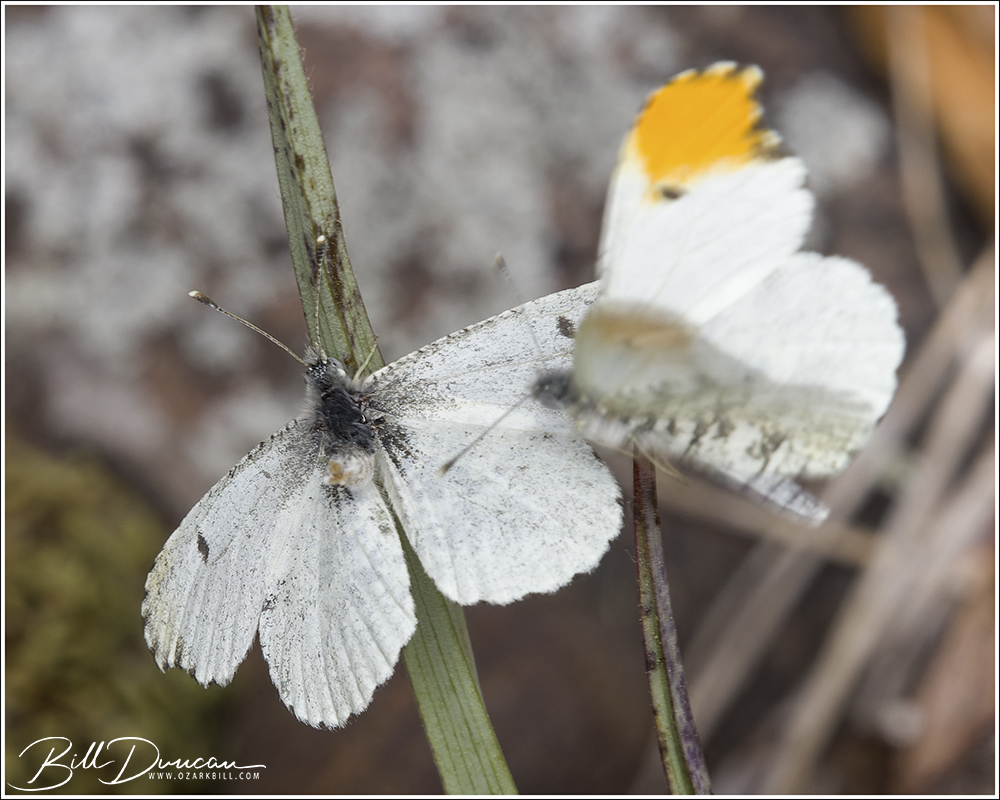
Members of the Pieridae family, the falcate orangetip’s host are members of the mustard family (Brassicaceae). The caterpillars feed mostly at night on the flower tissues of these plants.
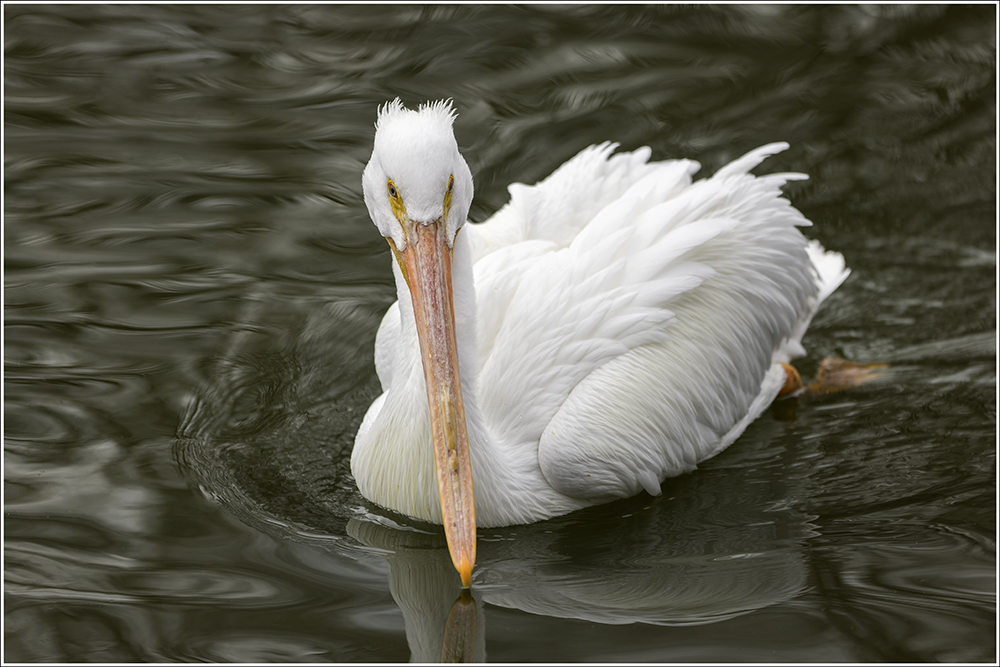
The WGNSS Nature Photography Group headed to the St. Louis Zoo during a frigid winter spell this past weekend. Light could have been better and we struck out on a few things we were targeting, but I am pleased with a few images I was able to make. Everyone was well bundled for the conditions and I think had a nice time.


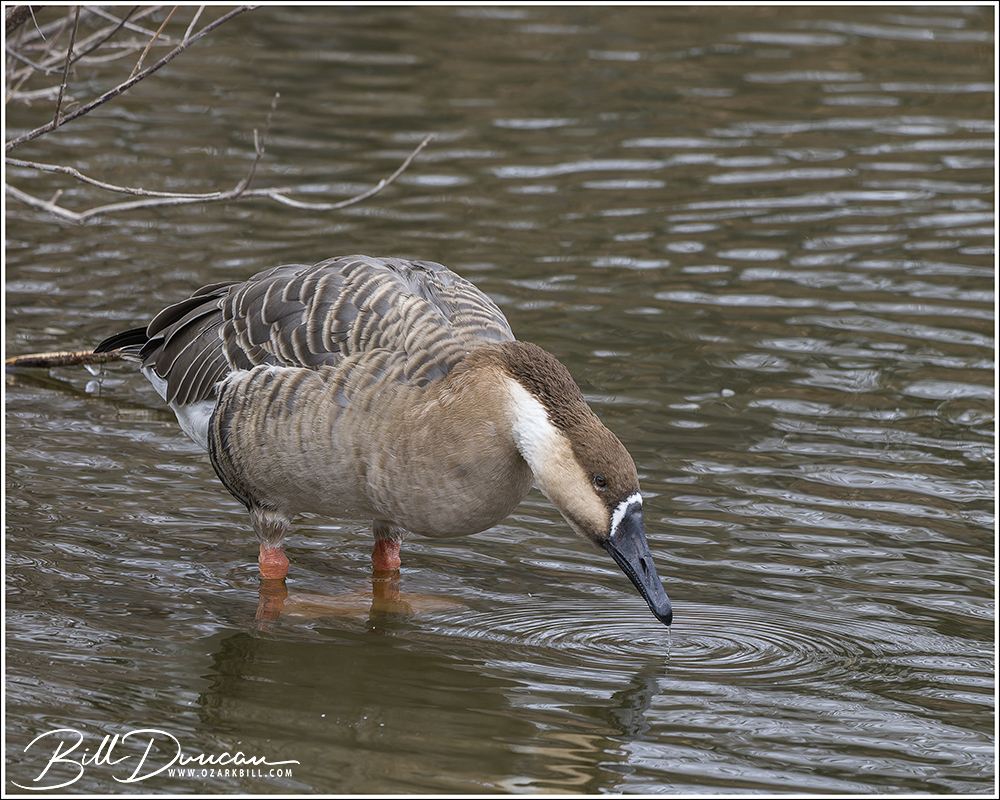
The St. Louis Zoo also contains a number of species native to Missouri, most of which are rescued animals that have poor chances of survival in the wild. Some, like the eastern grey squirrel and eastern cottontail, along with some waterfowl and wading birds are wild species that stick to the zoo grounds looking for easy meals.




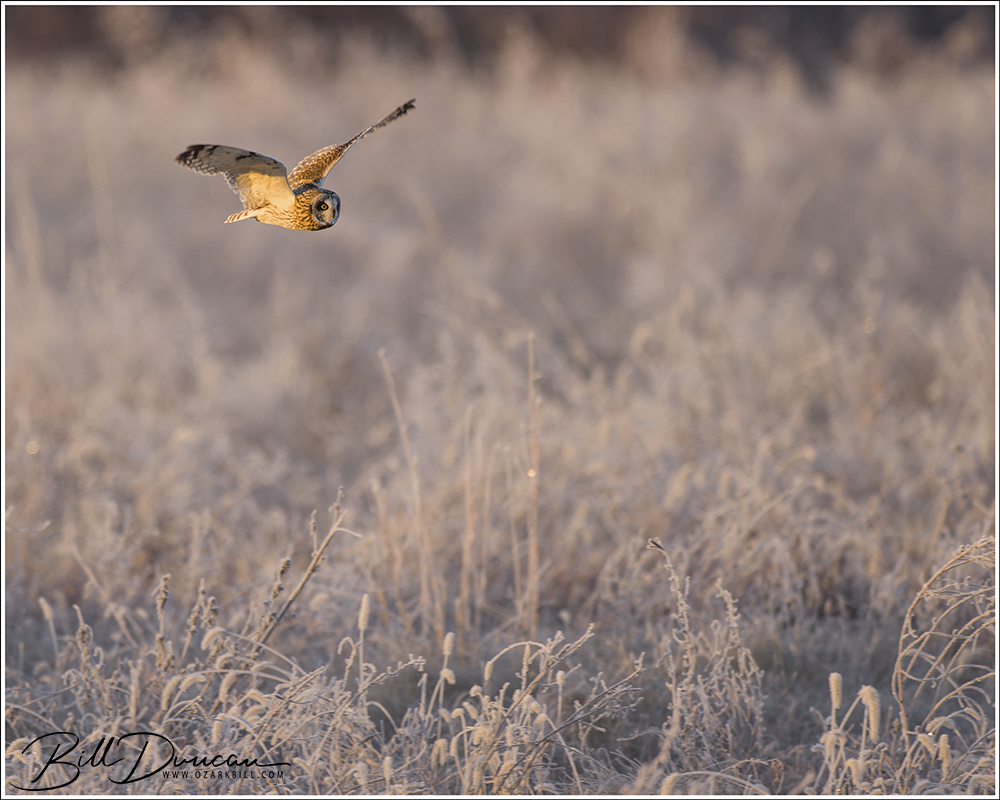
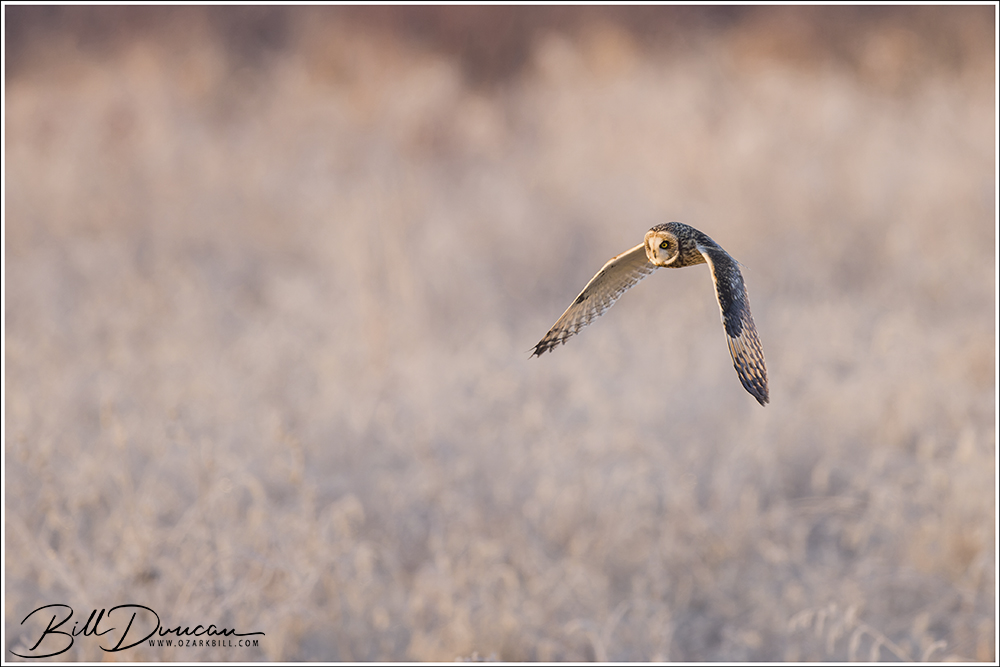
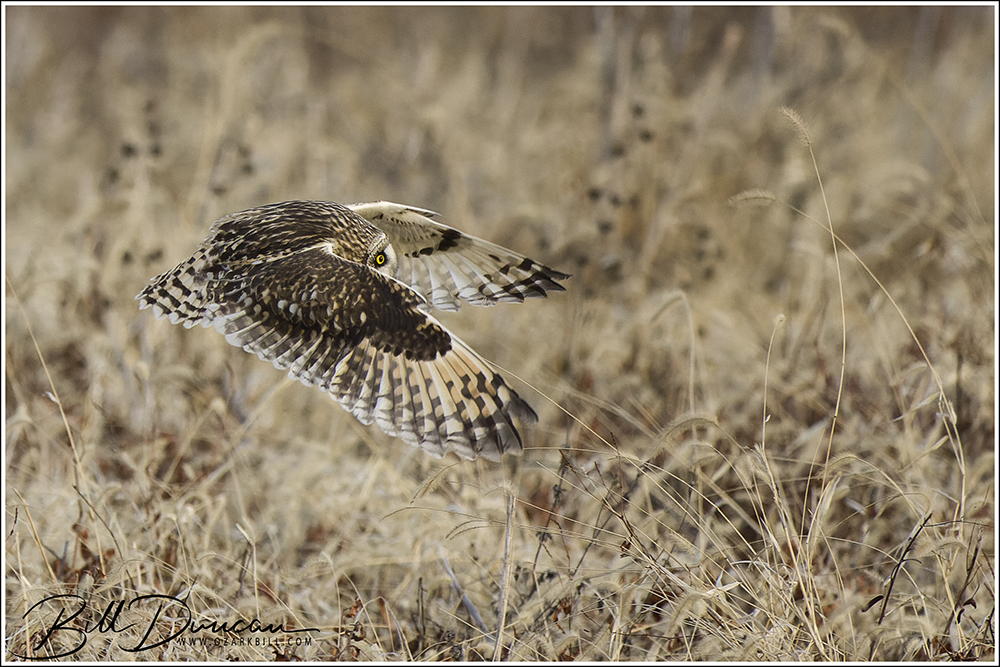
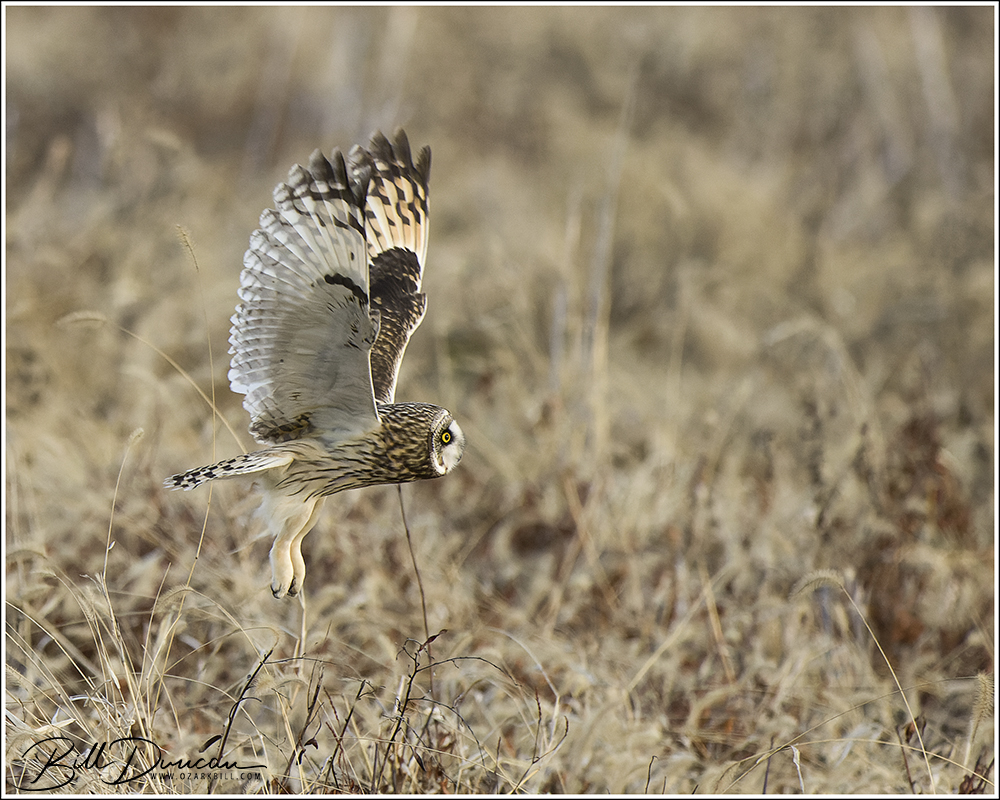
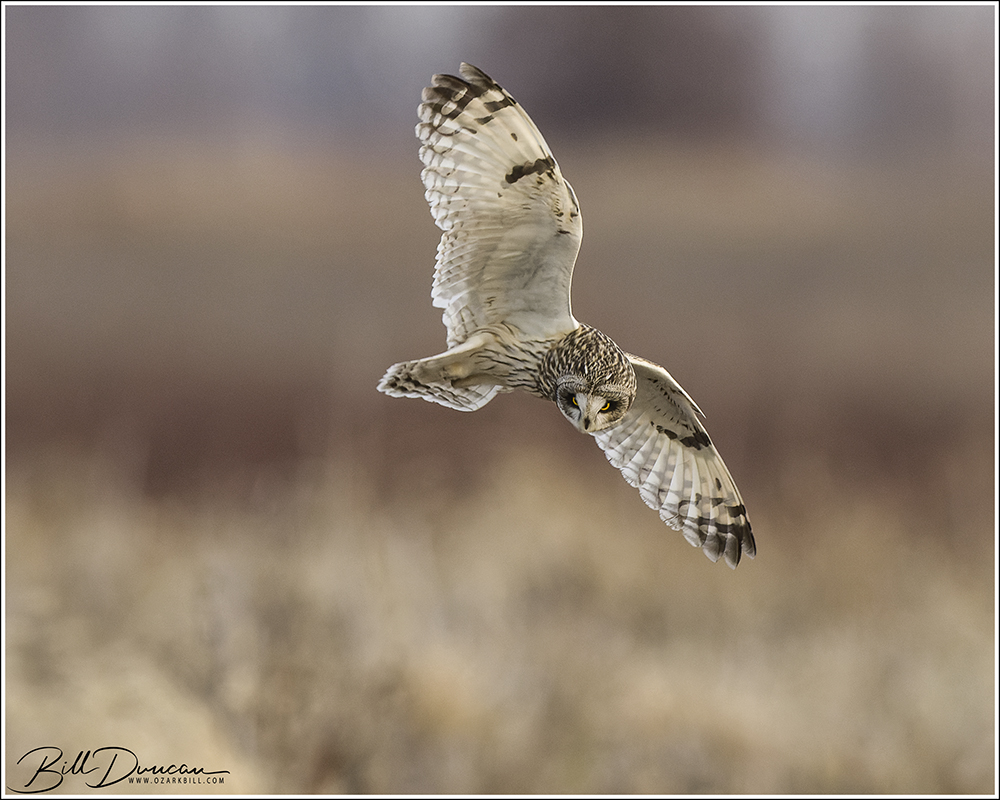
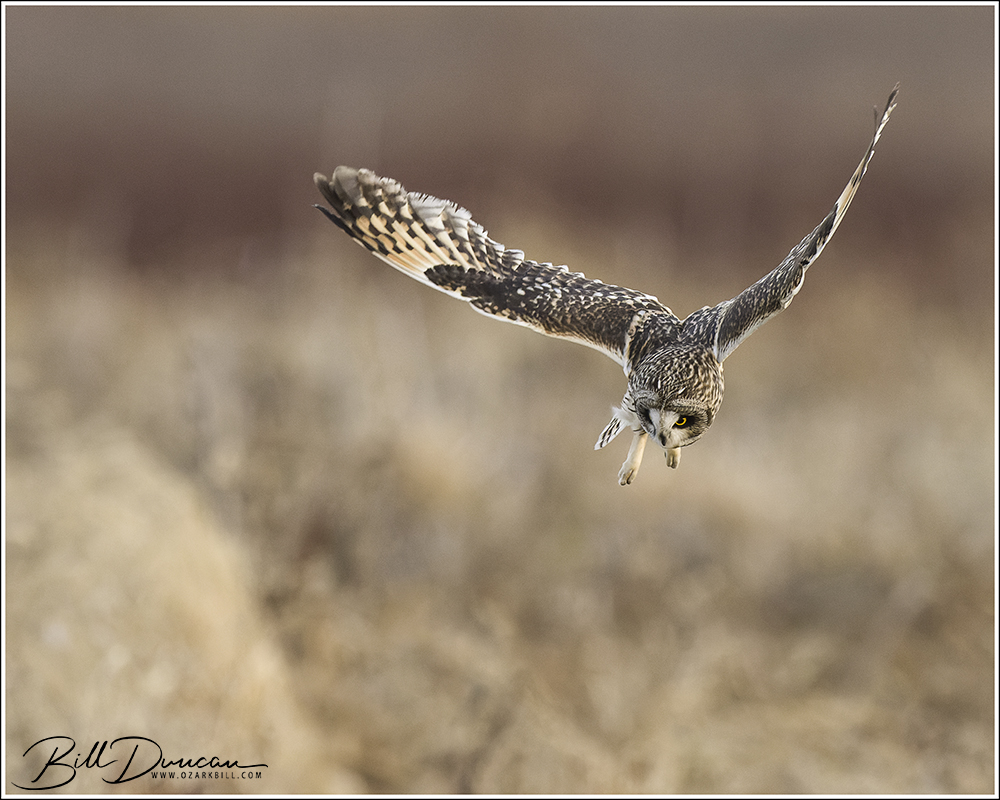
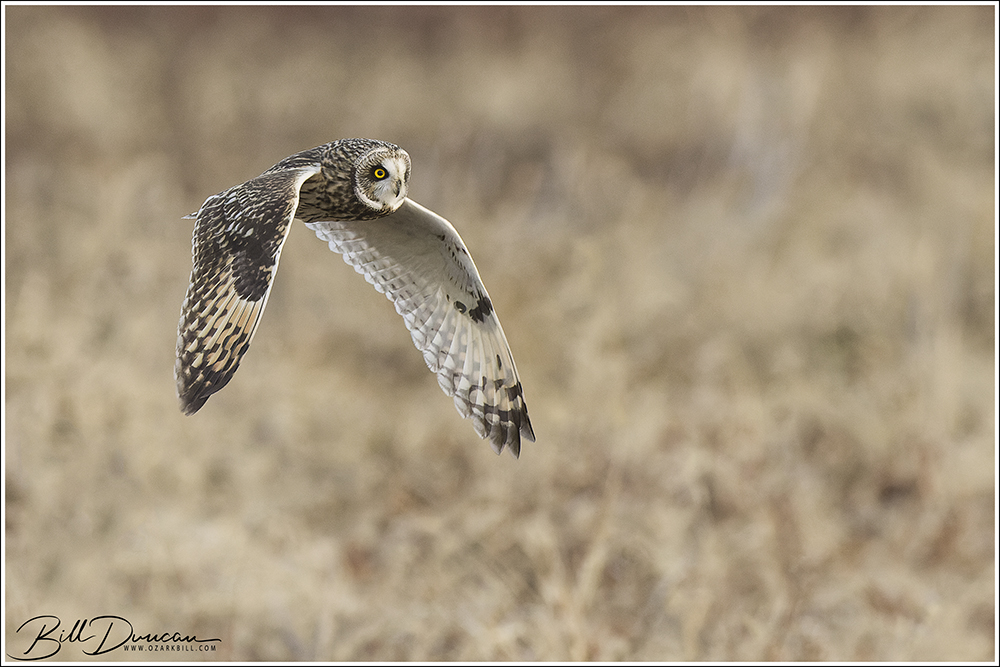
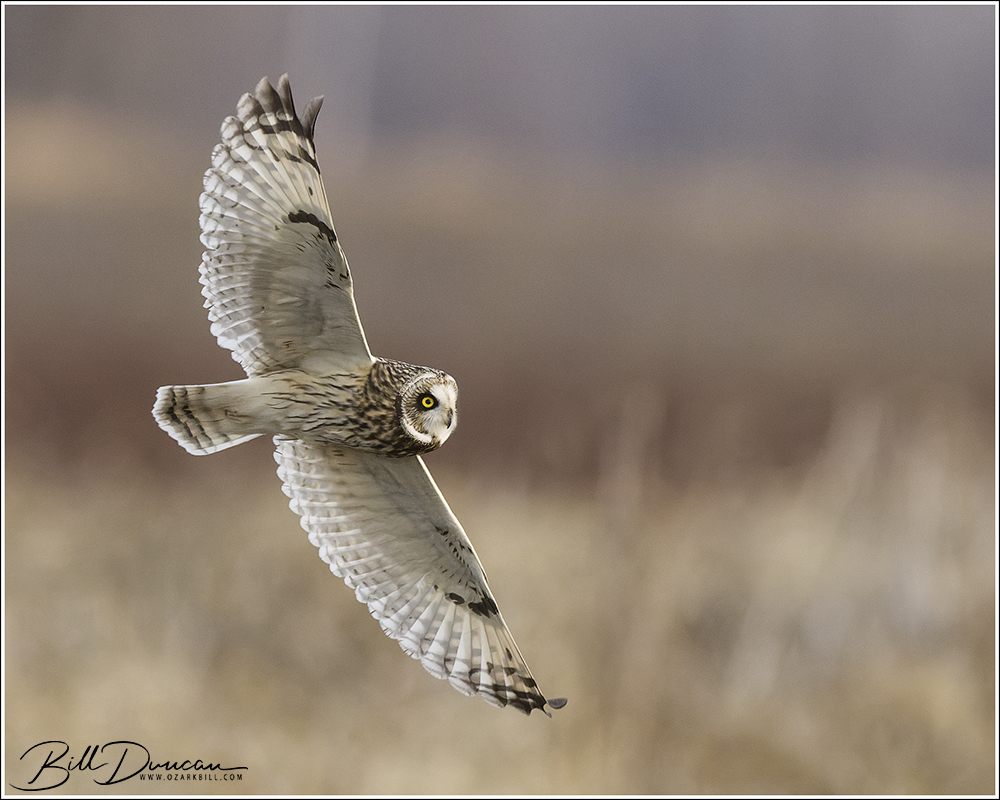
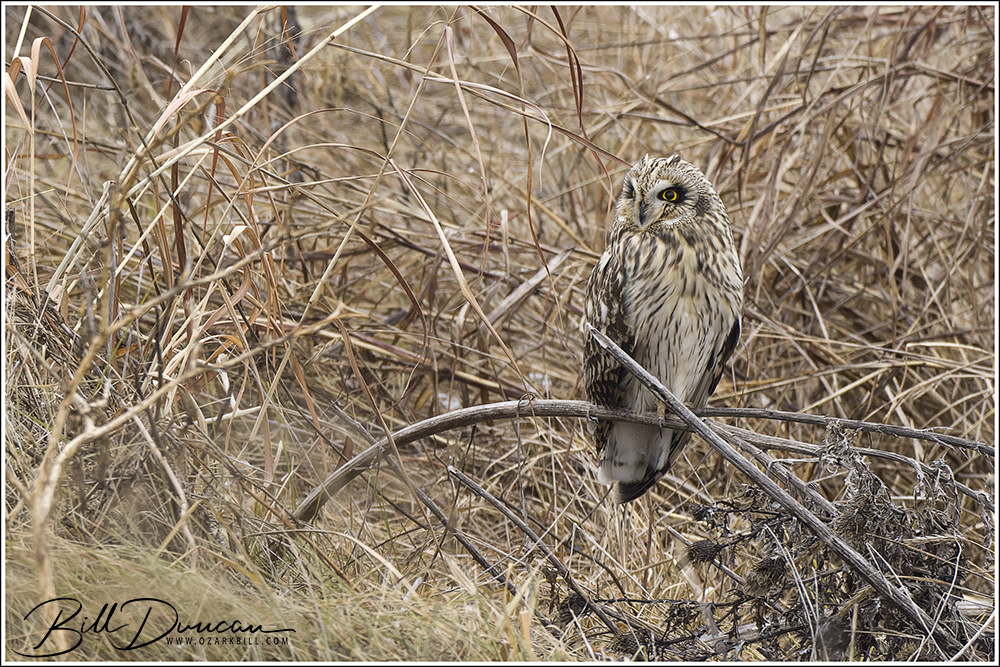
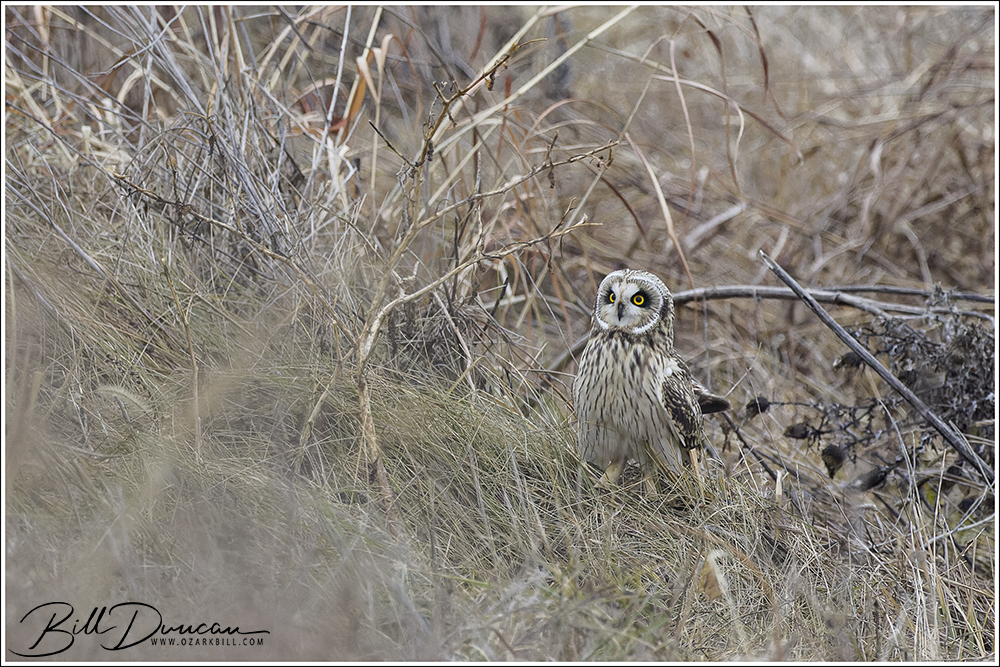
Despite being a pretty disappointing season for winter birds so far, due to not being much of a winter season, one saving grace has been the unprecedented appearance of a number of Short-eared Owls that have set up shop in the grasslands at Riverlands Migratory Bird Sanctuary near the confluence of the Mississippi and Missouri Rivers. It seems as though every birder and photographer in the bi-state area has heard about this and show up regularly to view the spectacle.
Finding the opportunity to be there in good light with the birds cooperative has been a challenge for me over the past month or so they have been here. But, I did have some luck under less than optimal skies. Despite poor lighting and the birds being a little further away than I would like, I was able to manage a few images I can live with. I’m hoping to have a few more opportunities before the season is over.





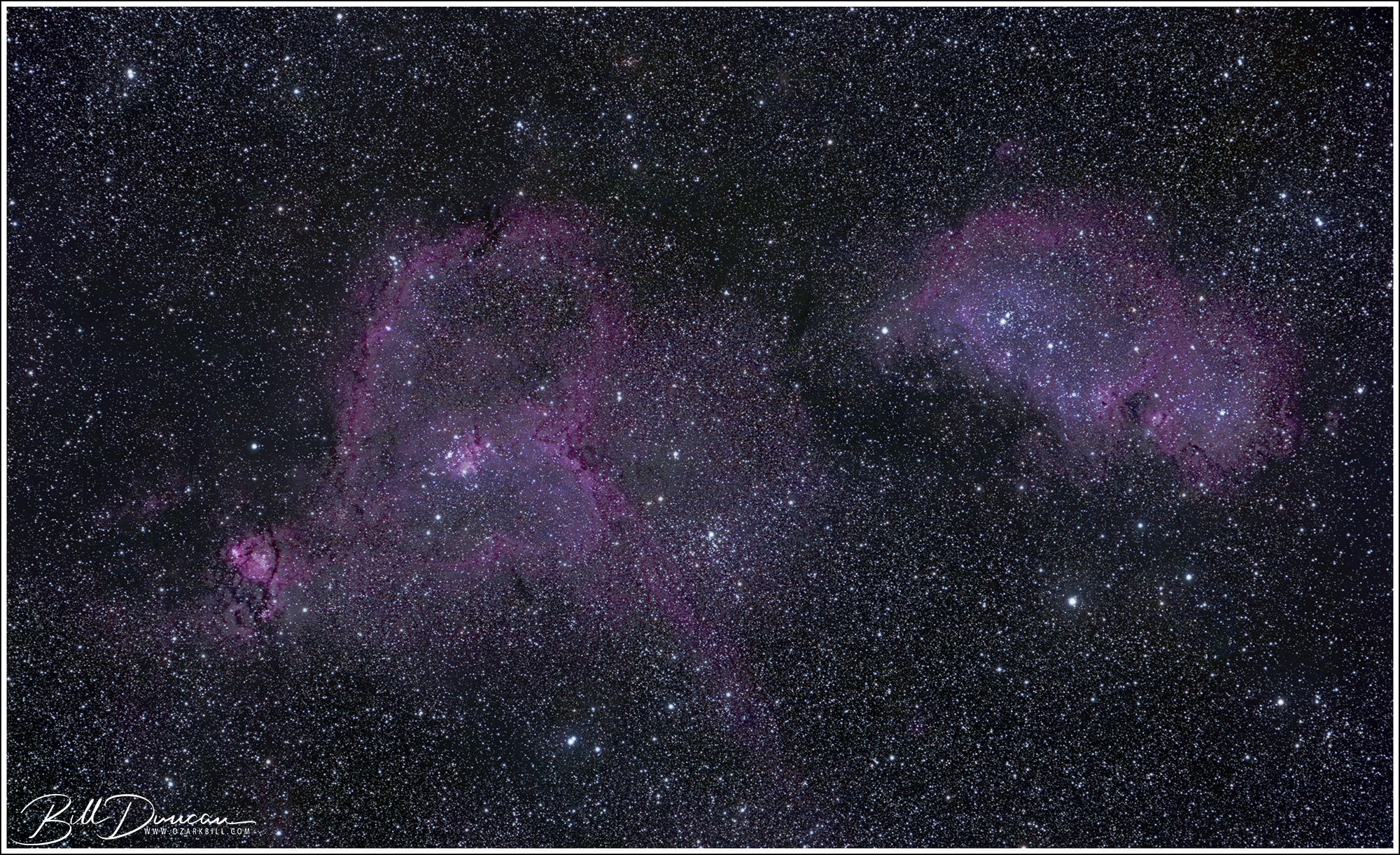
The Heart and Soul Nebulae
Located near the constellation Cassiopeia in the Perseus arm of the Milky Way lies a pair of well known nebulae, birthing stars and wonders. The well-named Heart Nebula (Sh2-190, IC 1805) and the less well-named Soul Nebula (Sh2-199, IC 1848) lie approximately 7,500 and 6,500 light years away respectively. Both are made up primarily of hydrogen gas and this condensing gas is the birth process of stars. Near the center of the Heart Nebula is an open star cluster of such newly formed stars known as Melotte 15. These stars have taken up much of the hydrogen and other gases from the nebula center and these young and bright stars light up the surrounding hydrogen gas, causing it to emit light in the red visible colors. Also of note in this image is the “fish head nebula” near the bottom of the heart, catalogued as IC 1795.
This image captures a relatively huge portion of sky and covers an area more than 600 light years across. Click here to see a fully annotated version of this image.
I find that the Soul Nebula, although a poetic match for its bigger neighbor, is poorly named. It may be difficult to see in my rendition, but in images with more defining details, I think this one should have been named the “chubby baby nebulae.”
Collecting the data
October was another cloudy one around the new-moon period. Luckily we had what looked to be a great night on the new moon. As usual, the forecast let us down a bit. Due to issues Miguel had in one of his previous outings with a Conservation Agent at Whetstone C.A., we decided to go back to our spot at Danville C.A.
Conditions
For a November outing the temperatures could have been much worse. We bottomed out at 42° F and winds never rose more than 5 mph. The forecasting apps all suggested a mostly clear night. Unfortunately, we were plagued with narrow bands of cirrus clouds that seemed to park themselves in between us and our target. These were barely perceptible to the naked eye, but they affected at least 25% of my subs over the course of the night.
Equipment
Astro-modified Canon 7D mkii camera, Askar ACL200 200mm f/4 lens (260mm focal length equivalent), Fornax LighTrack II tracking mount without guiding on a William Optics Vixen Wedge Mount. QHYCCD Polemaster. Gitzo CF tripod, Canon shutter release cable, laser pointer to help find Polaris and sky targets, lens warmer to prevent dew and frost on lens, dummy battery to power camera, lithium battery generator to provide power to camera, dew heater and laptop computer.
Imaging Details
Lights taken (ISO 2000, f/4, 120 second exposure): 153
Lights after cull due to tracker error, wind, bumps, clouds, etc.: 131
Used best 90% of remaining frames for stack for a total of 118 subs used for integration (3h 56m)
Calibration frames: none
Processing
RAW files converted to TIF in Canon DPP, stacked in Astro Pixel Processor, GraXpert for gradient removal, Starnet++ for separating nebulas from stars, Photoshop CS6 for stretching and other cosmetic adjustments.
Problems and learnings
I know this section has just turned into a bitch session and this night was a bit on the rough side as well. First, I was disappointed in myself for the time it took to properly compose the target. Finding the object wasn’t too difficult, but because of the faintness of the targets, I just couldn’t get my mind together to make this tight framing (this image is only slightly cropped). After wasting nearly two hours of dark skies on getting the final composition and then having to do a second polar alignment (I think I must have nudged the tripod while making composition adjustments), I was finally taking images.
Next the periods of clouds. I continued to let the camera go even though I knew I would be tossing some frames. I culled about 20 frames due primarily to clouds but I left another 20 or so in the stack that I thought wouldn’t hamper the final result.
Typically, I can arrange the rig and counterbalance bar so that I do not require a meridian flip. I guess in my frustrations in finding and composing, I neglected to think about this. Yep, somewhere around midnight, I realized the camera was going to be running into the tracking unit if I didn’t perform this flip. Of course, doing this manually, meant I had to go through the process of finding and composing the target again! This time didn’t take me nearly as long and I was back to shooting in about 40 minutes or so.
All of the above explains why I was only able to collect about half of the data that I should have been able to on a night like this. The clouds got bad enough towards the end of the night that I shut down with more than an hour of usable night left.
Conclusion
With the challenges on this night, I guess I have to be satisfied that I have something to share. This is another popular target that most astrophotographers get to pretty early. November is by far the best month for this target as it is viewable from the beginning to the end of night. There are a few other compositions to consider here, like shooting each nebula separately, or even focusing in on the heart of the heart – Melotte 15. So, I definitely have reason to revisit this section of the night sky someday.

 A Thousand Acres of Silphiums