From the Garden – Redbud Bruchid

Redbud Bruchid
Redbud Bruchid

The Redbud Bruchid (Gibbobruchis mimus), as its name suggests, is one of those perfect examples of insect-plant specialization.  The larvae of this species will only grow on the seeds of Redbud trees and perhaps on those of a relative or two.

Redbud Bruchid
Redbud Bruchid

Being extremely small (2.5 – 3 mm), these cute guys are quite the challenge to photograph.  Adults feed on plant tissues (flower petals, pollen, nectar, etc…) and I typically have seen them feeding on my Echinacea flowers.

Redbud Bruchid
Redbud Bruchid

The guy above can be seen creating or adding to a hole in a flower petal.  I much prefer them to the exotic invasive Japanese Beetles that tend to leave nothing behind.

Redbud Bruchid
Redbud Bruchid

The Bruchids are a subfamily or “tribe” found within the quite large family – the Chrysomelidae, known as “Leaf Beetles”.

Redbud Bruchid
Redbud Bruchid

If you know the size of an individual blossom of the Common Milkweed (Asclepias syriaca), the image above will give you a good idea on just how small these little guys are.

Thanks for stopping by.
OZB
From the Garden – Bumble Bee

Bumble Bee
Bumble Bee

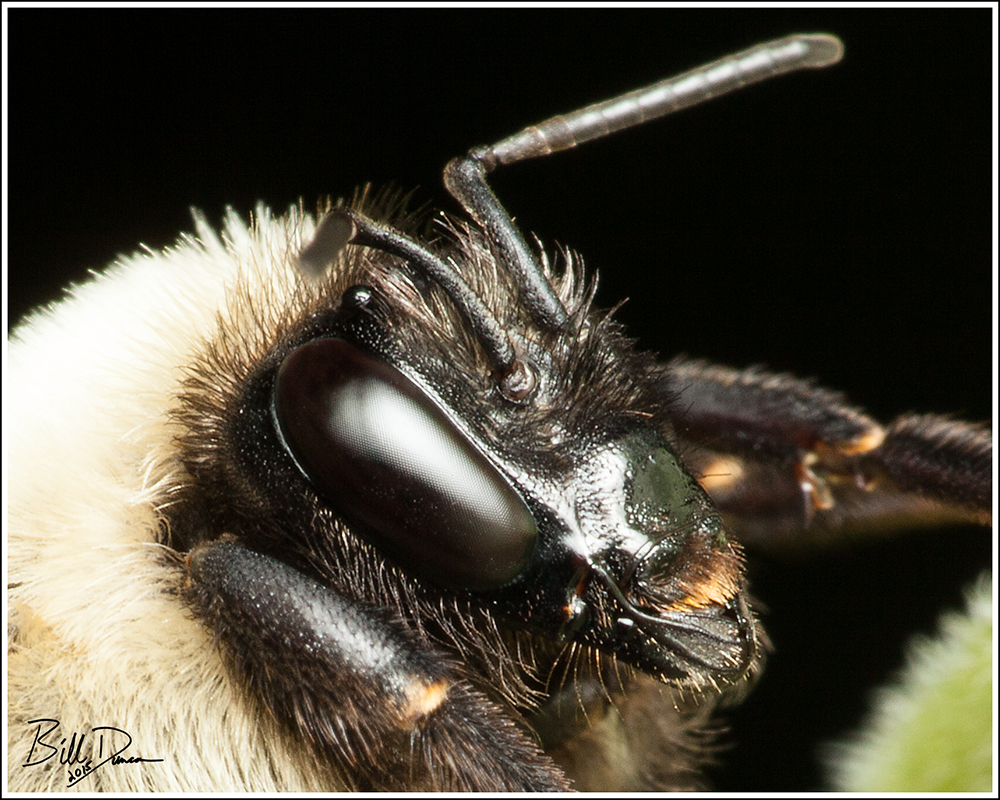
Even with a couple great guides, I still am having troubles identifying the Bumble Bees.  Getting the right image makes a big difference and I need to remember to take photos from multiple angles in order to get sure IDs.  Missouri is home to ten species of bumblebee and I imagine identification will get easier with practice.

Bumble Bee
Bumble Bee

The native wildflowers in my yard are huge attractants for all bees, and especially bumblebees.  The long-tongued bumblebees and honeybees cover the Echinacea and Silphium in the garden, while the smaller, shorter tongued species are mostly attracted to the Rudbeckia.

Bumble Bee
Bumble Bee
IMG_3685
Bumble Bee

Thanks for stopping by!
OZB

From the Garden – Minute Pirate Bug

Flower Bugs
Flower Bug

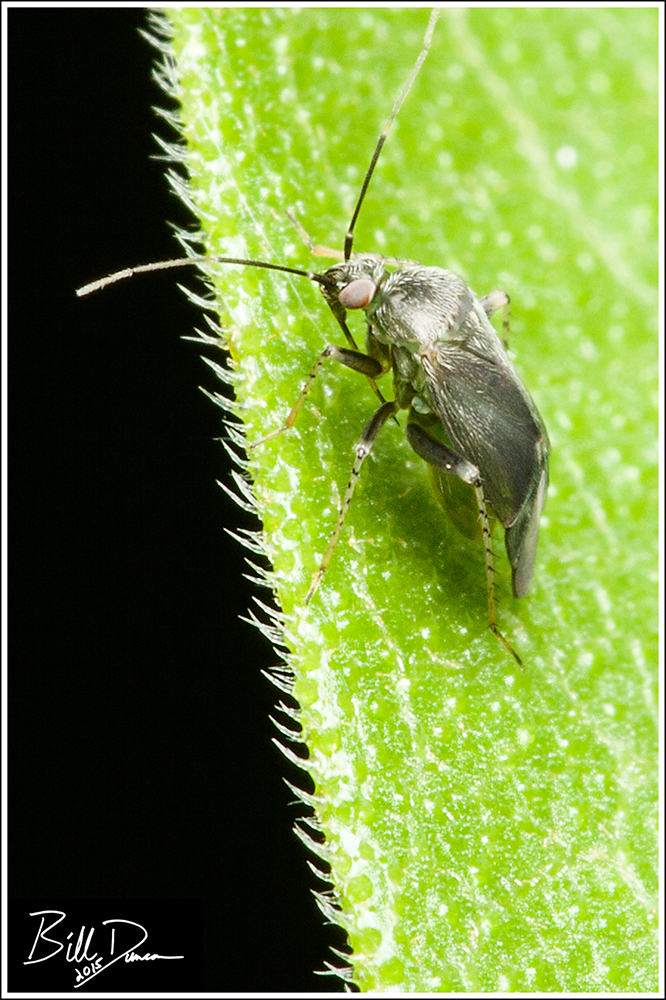
Today’s “From the Garden” spotlight is on another insidious predator, the Minute Pirate Bugs, or Flower Bugs.  These true bugs, classified within the Family Anthocoridae, specialize in piercing and sucking the contents of any soft-bodied insects that are roughly their own size or smaller.  These prey insects, such as thrips, aphids, caterpillars and their eggs, are important insect pests.  I believe the insect pictured in this post falls within the genus Orius.

Minute Pirate Bug
Minute Pirate Bug

From the Garden – The Planthoppers and Leafhoppers

Two-lined Spittlebug

Planthoppers and Leafhoppers are groups of insects collectively found within the insect Order Hemiptera.  Both groups have piercing and sucking mouth parts and feed primarily on plant saps and tissues.   These groups are highly diverse.  I have been able to capture a few of these fascinating creatures with the camera in the backyard, but these are generally the more common species.  The insect pictured above is known as a Spittlebug – named for the behavior of encasing themselves as nymphs in a spittle-like mucous for protection.

The Stormtrooper
The Stormtrooper

I’ve said before that there is no such thing as an original idea in fantasy or sci fi.  I’ve found that almost every creature or effect you can find to celebrate in these films or books has been taken (consciously or not) from nature, most often from invertebrates or the deep sea.

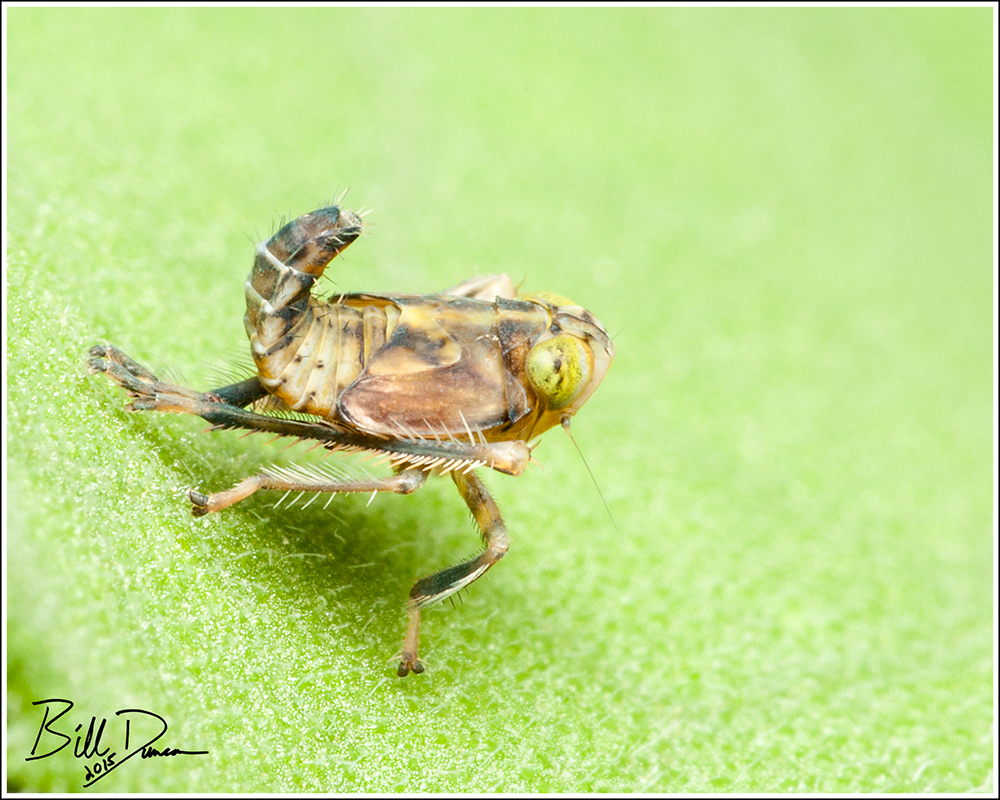
Planthopper Nymph
Planthopper Nymph

This ultra-tiny guy posted above is a planthopper nymph.  Often members of this group will have long, colorful waxy lengths of fibers extruding from their tail ends that are used for multiple purposes, including predator avoidance.

Candy Stripers
Candy Stripers

Many folks who have spent any time in the backyard have surely seen the Candy-striped Leafhoppers, one of the most abundant species in this group.  Gorgeously colored and quick to disappear, the two pictured above are busy making more.

I look forward to sharing more photos of members of these groups in the near future.

OZB
email: handsomeozarkbillyboy@gmail.com

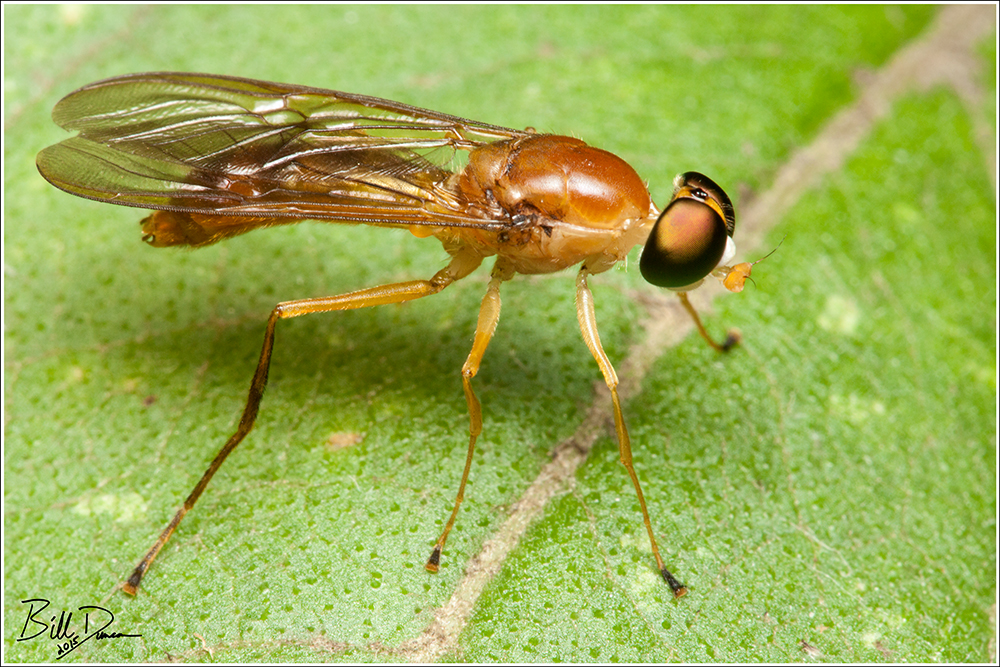
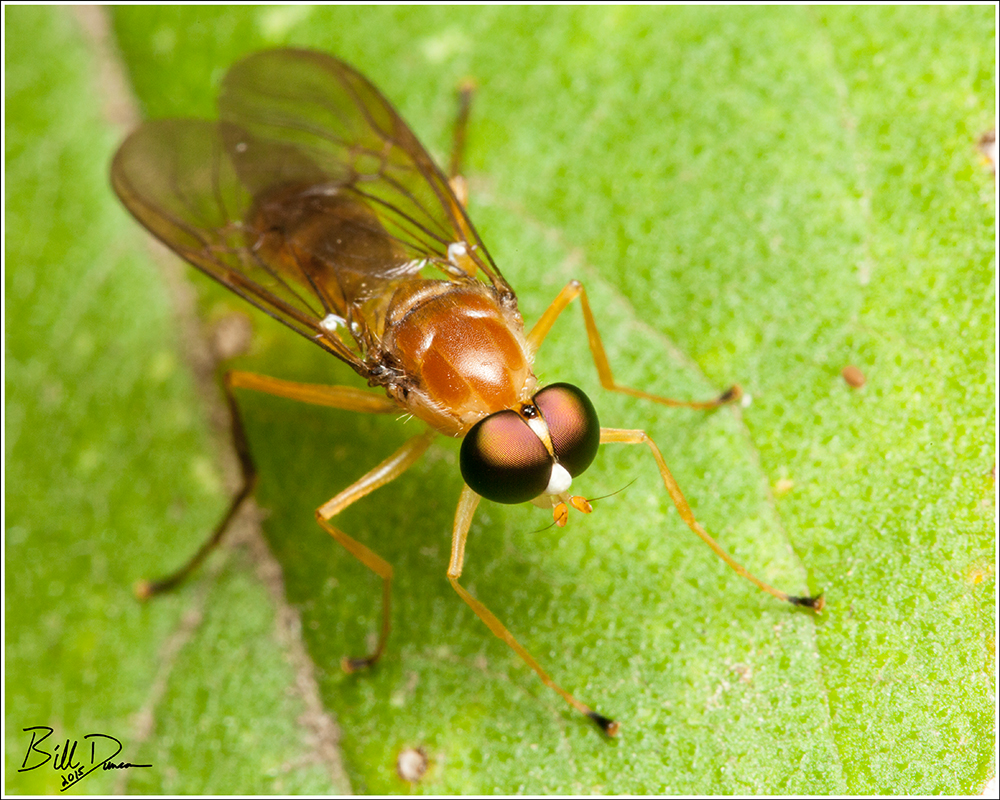
The Flies

Carrion Fly
Carrion Fly

The beetles (order Coleoptera) are famous for being the most diverse group of animals on the planet.  The flies, however, are not too far behind and many people are surprised to hear how many forms and places flies can be found.  I have been able to find and photograph a few of these forms in my own backyard and will share them here.  I photographed this carrion fly (Calliphoridae) hanging out on my rosinweed.