"What a thousand acres of Silphiums looked like when they tickled the bellies of the buffalo is a question never again to be answered, and perhaps not even asked." -Aldo Leopold
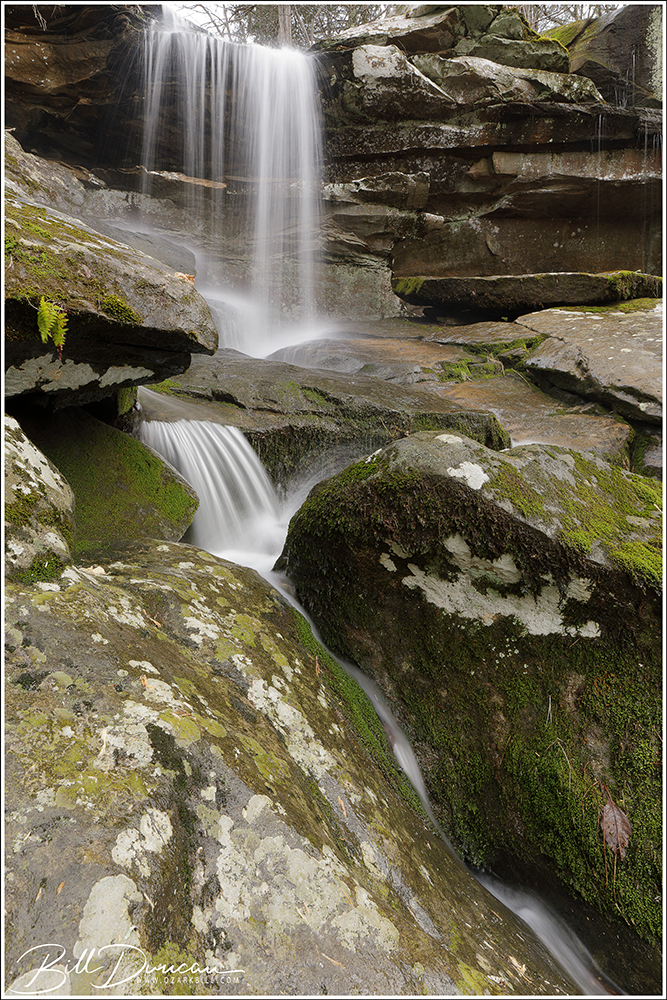
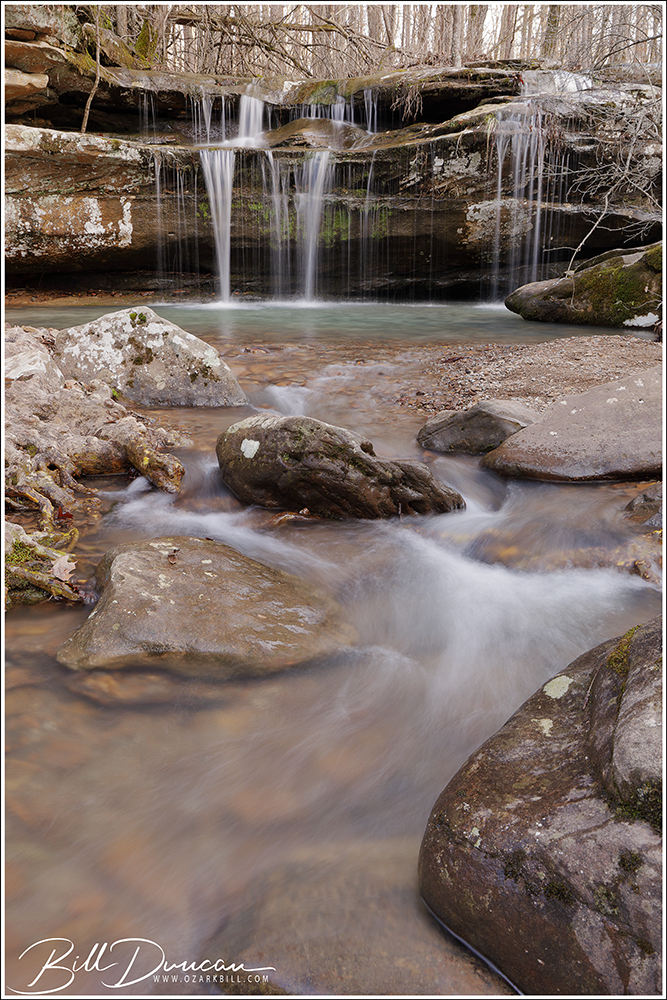
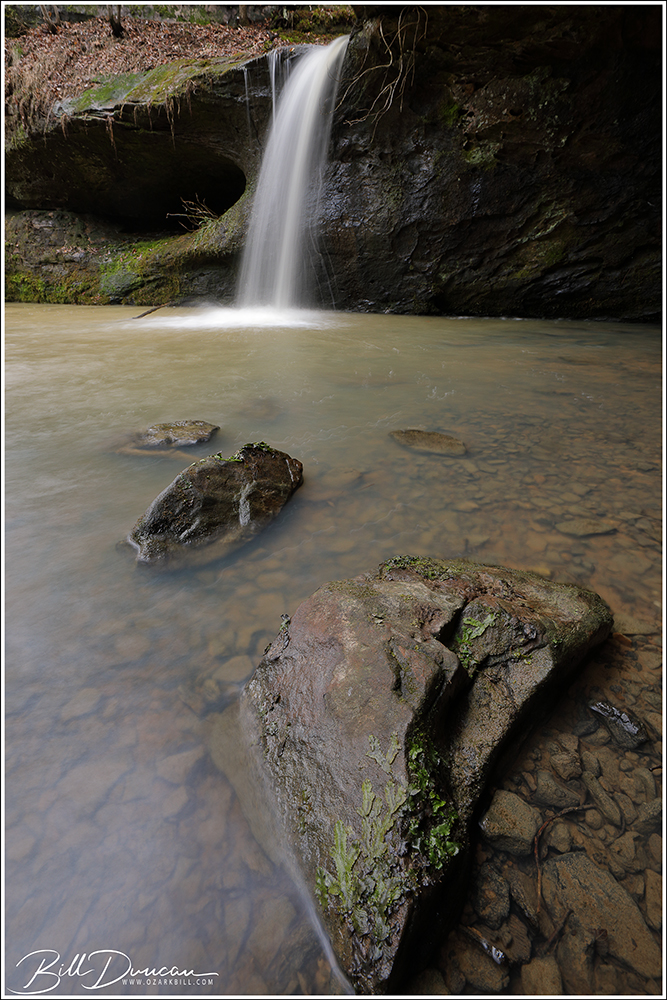
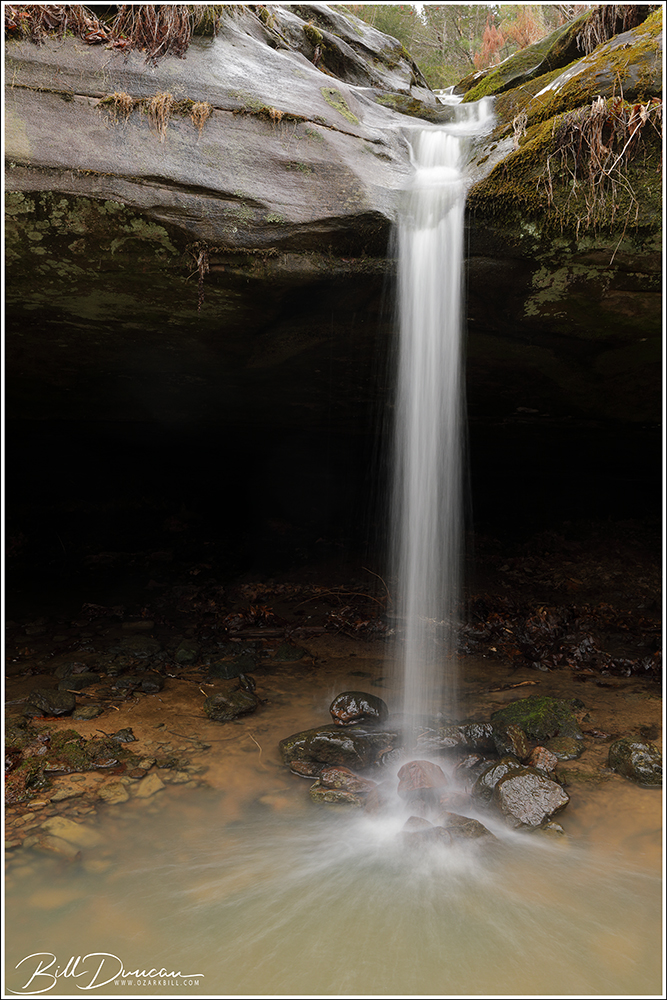
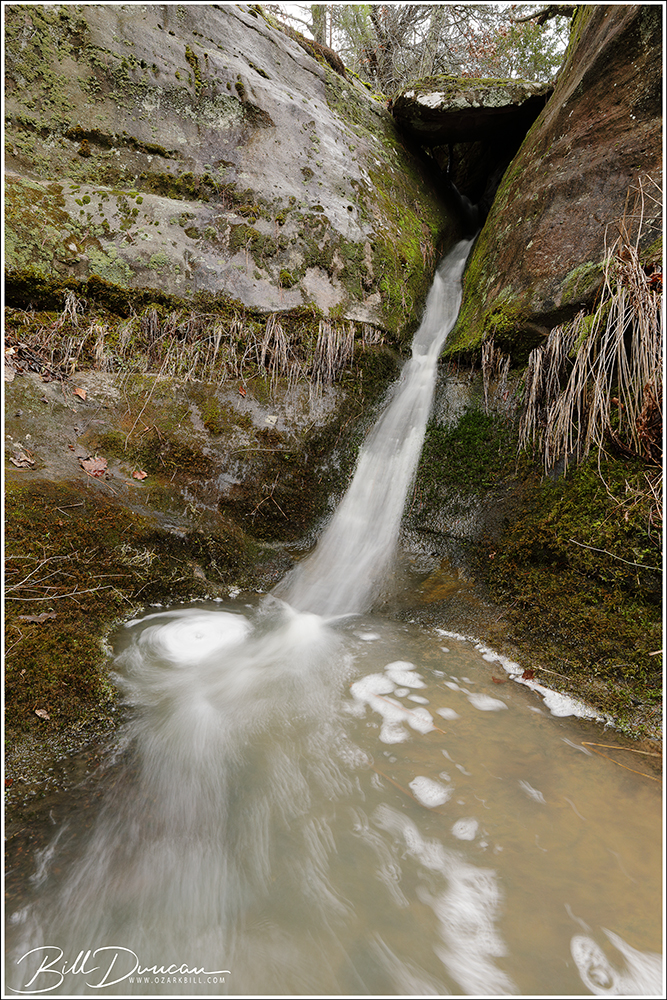
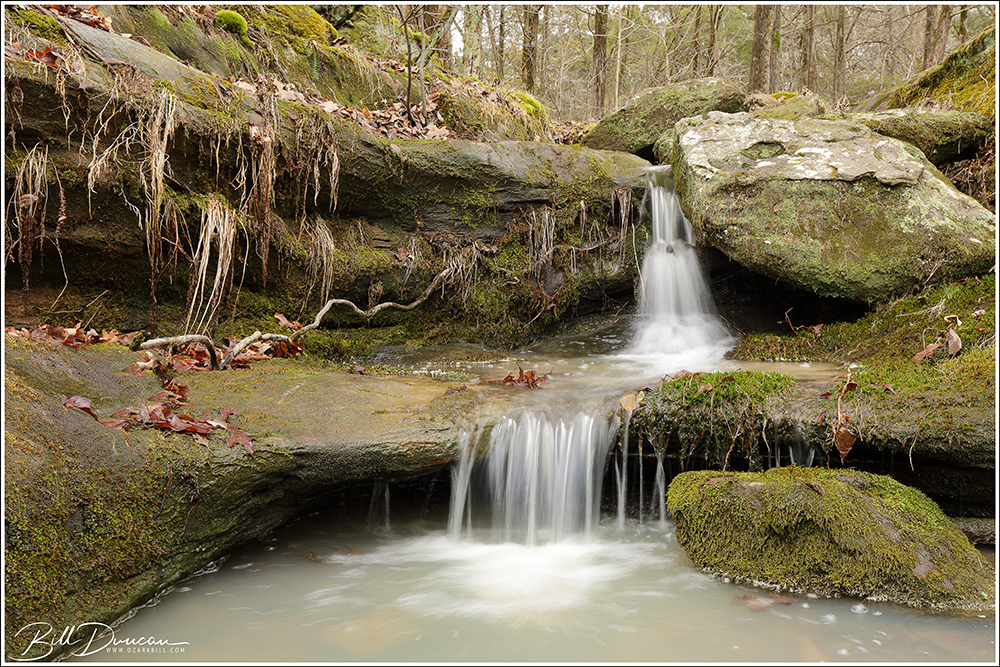
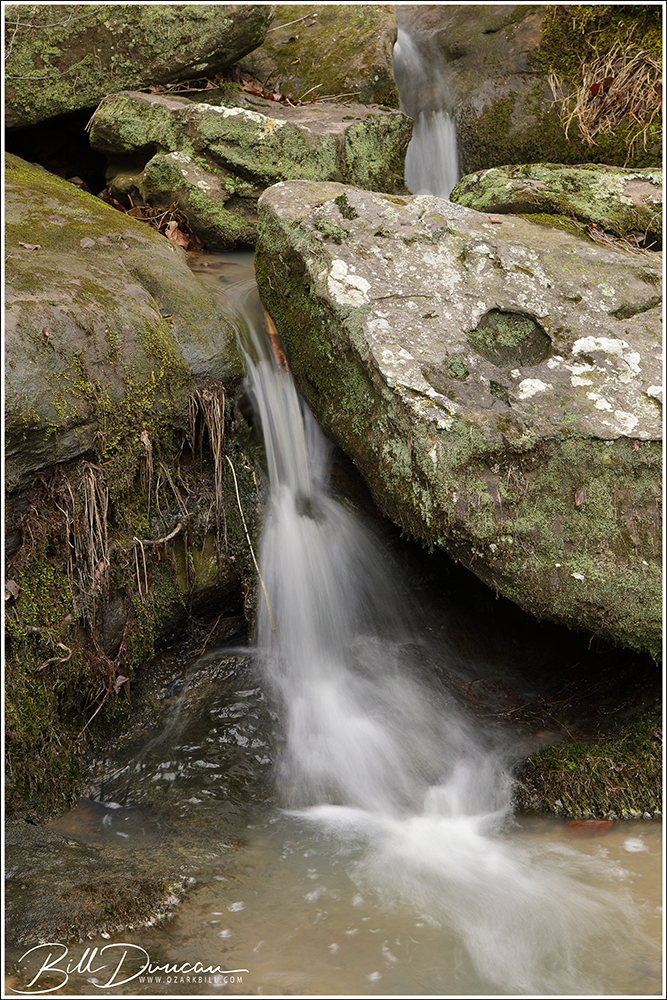
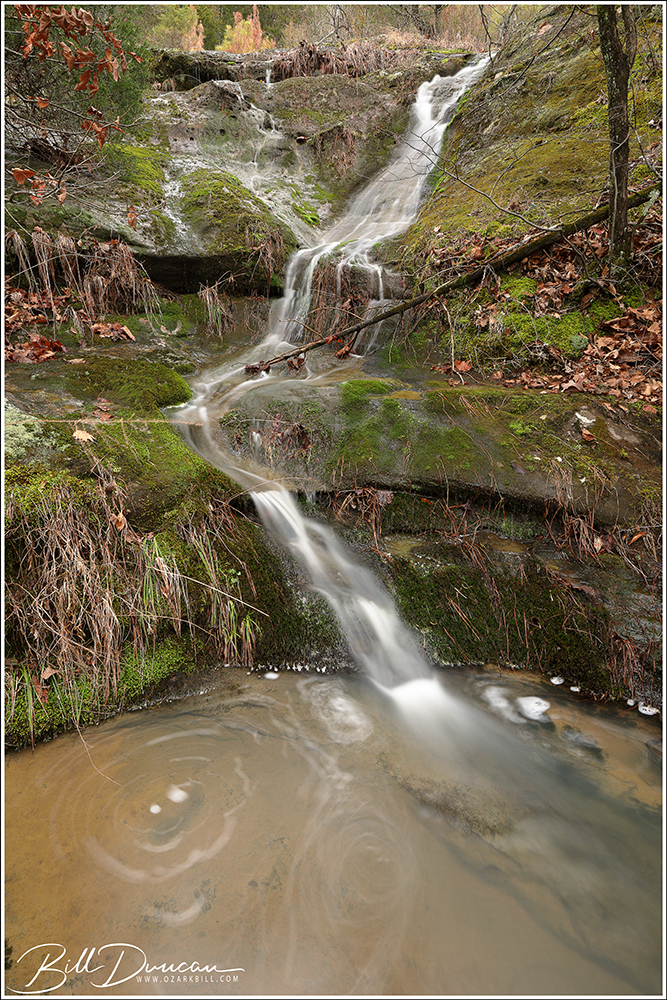
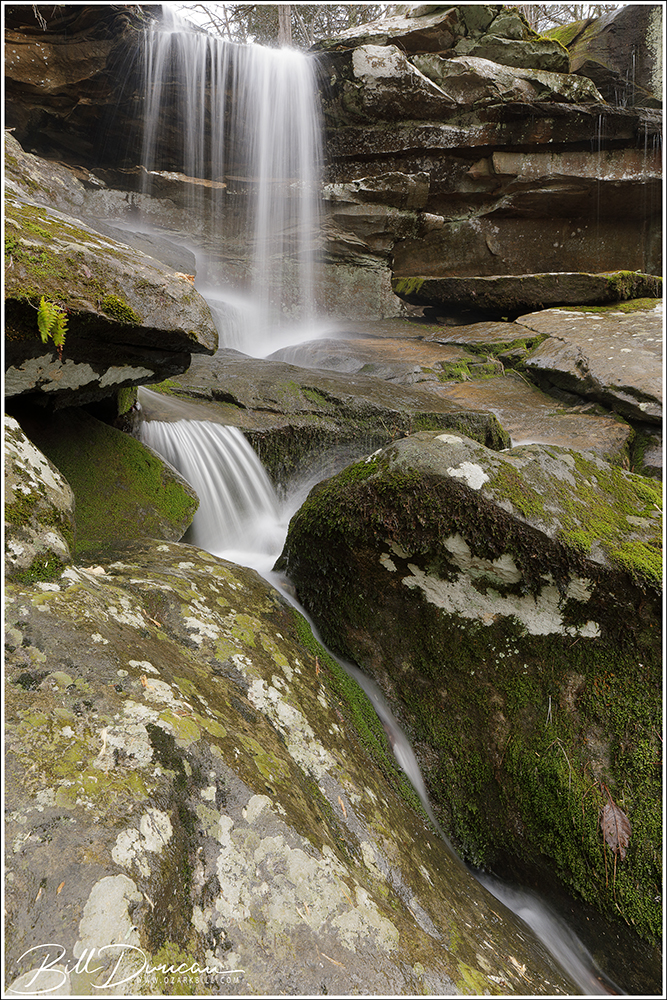
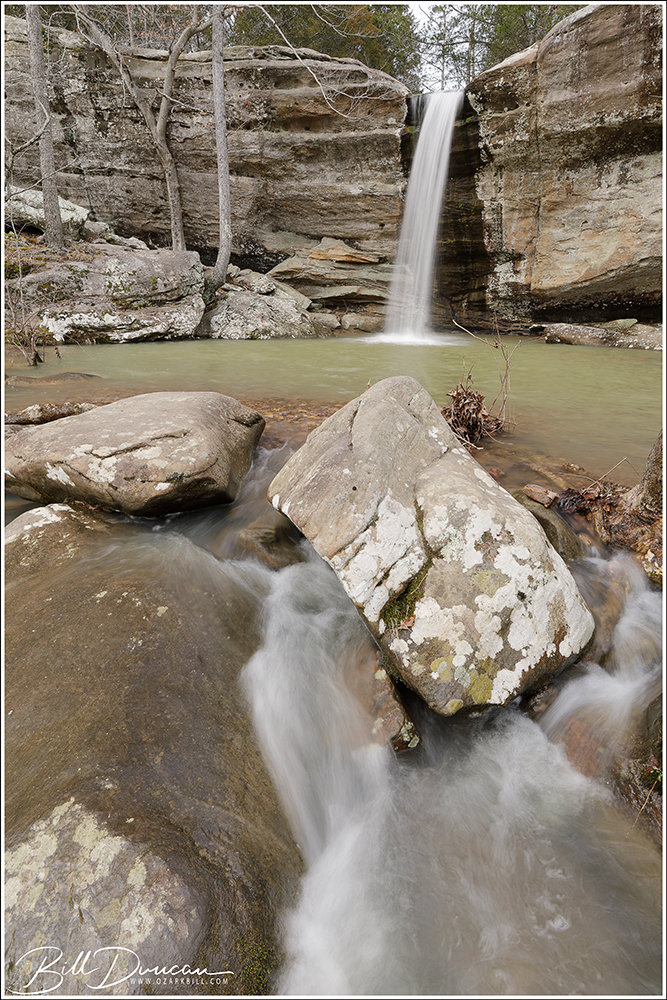
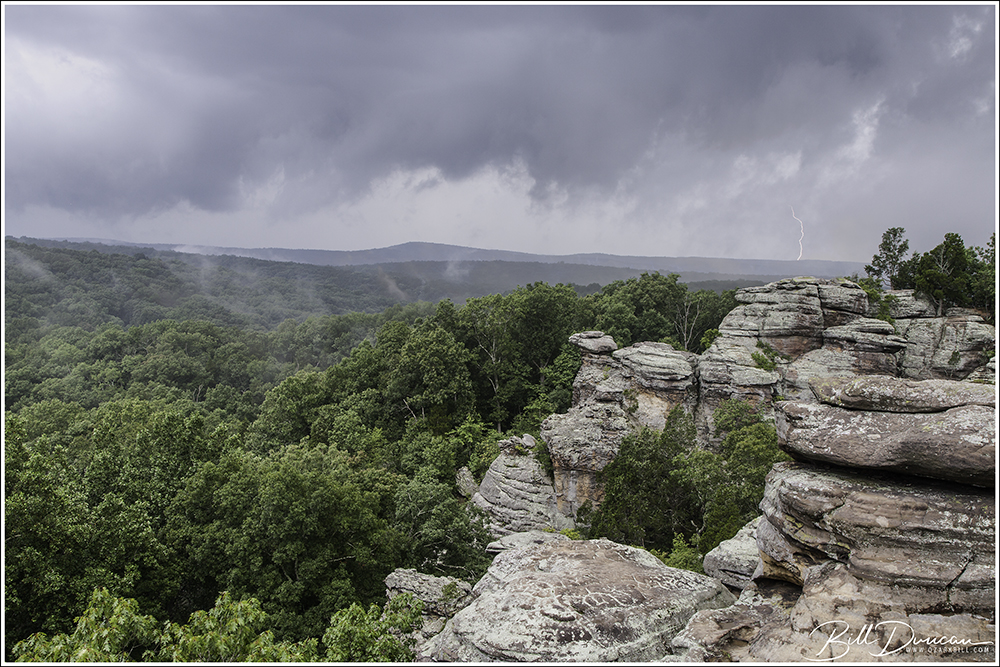
Following a rainy period this spring, Casey and I visited a few spots in the Shawnee of southern Illinois. Some of these spots are well known, but can be difficult to visit. Another location is not nearly as well known, but easier to get to. The Shawnee really does canyons, large rocks and water features well. This is but a small sample of what can be found there.
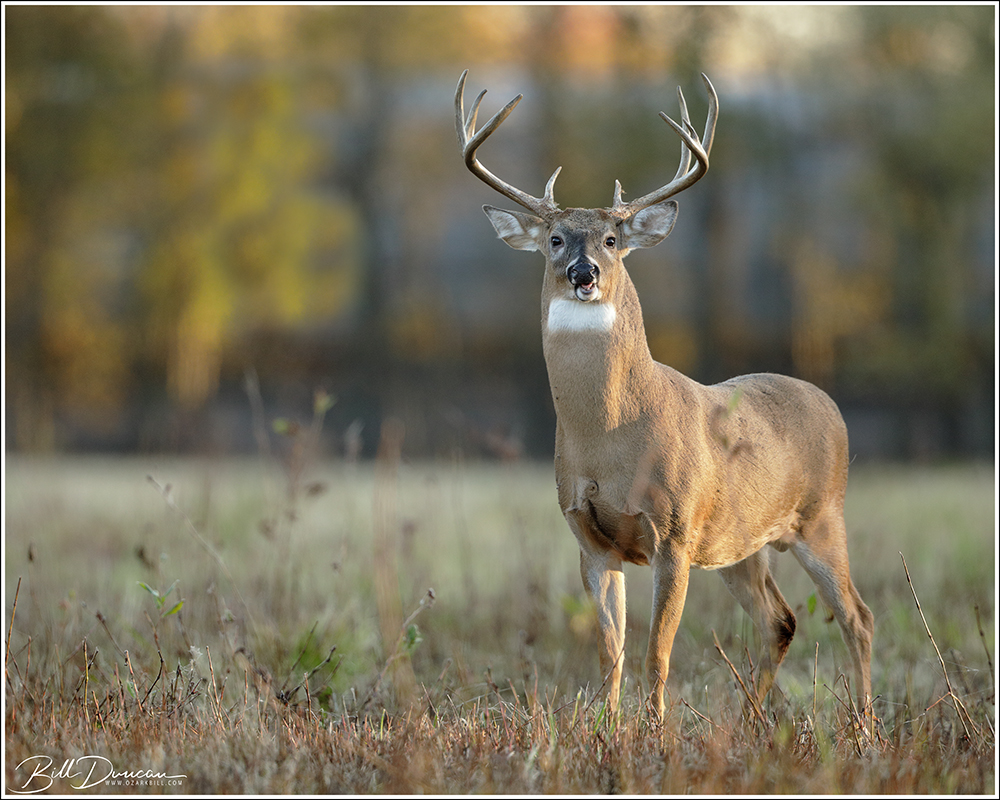
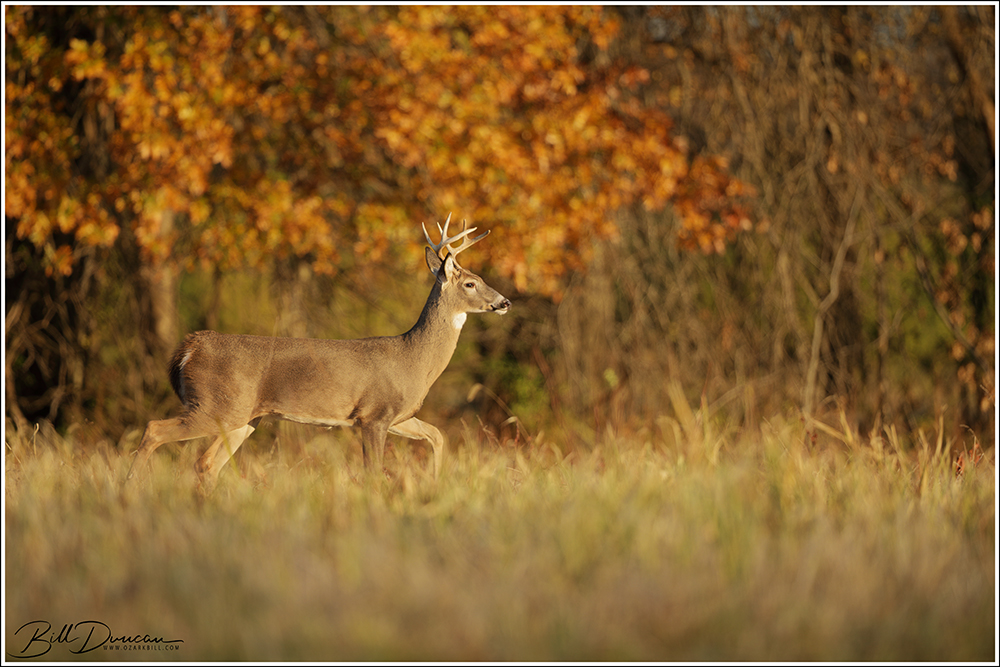
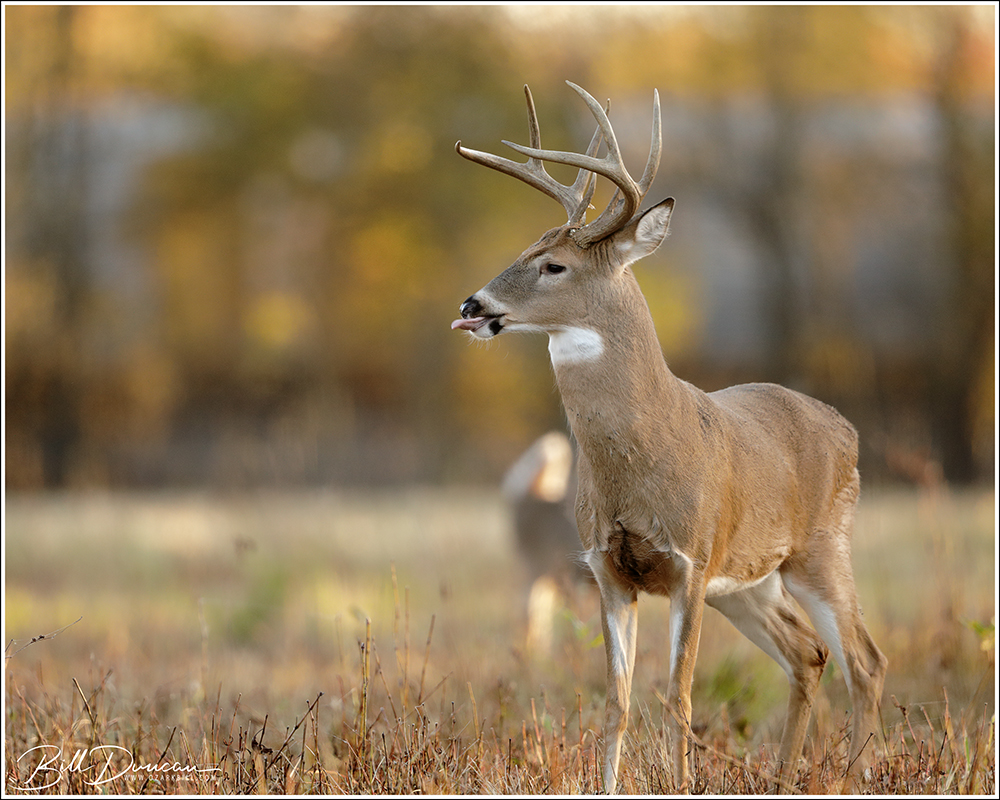
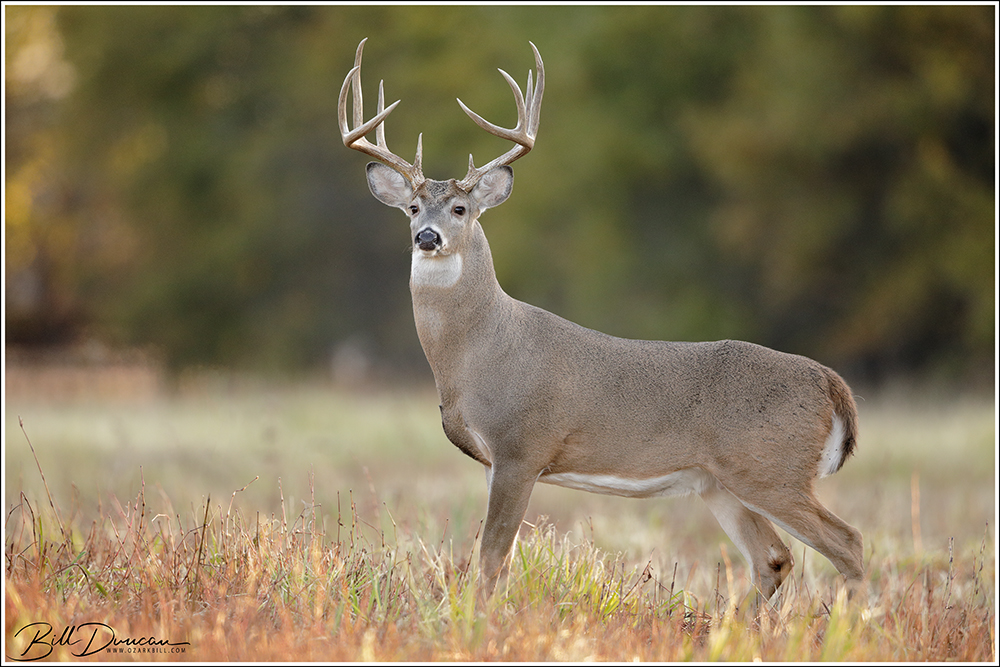
The rut of 2020 turned out pretty well for me. I was able to get to my favorite place for this type of photography five or six times. I tried for a few more days, but weather and flooding caused me to change plans. I didn’t get any high action shots, but I am happy with the portraits I got of some of the larger bucks in this herd.
This smaller eight-pointer has an extra antler growing.
White-tailed bucks will often drool in the heat of the rut.
This “wide eight” knew somebody was watching but never did find me.
A buck looking for just the right scent on the breeze.
This guy thinks he found the one. He chased her into the bush and beyond my sight.
Waiting on the edge of the dance floor.
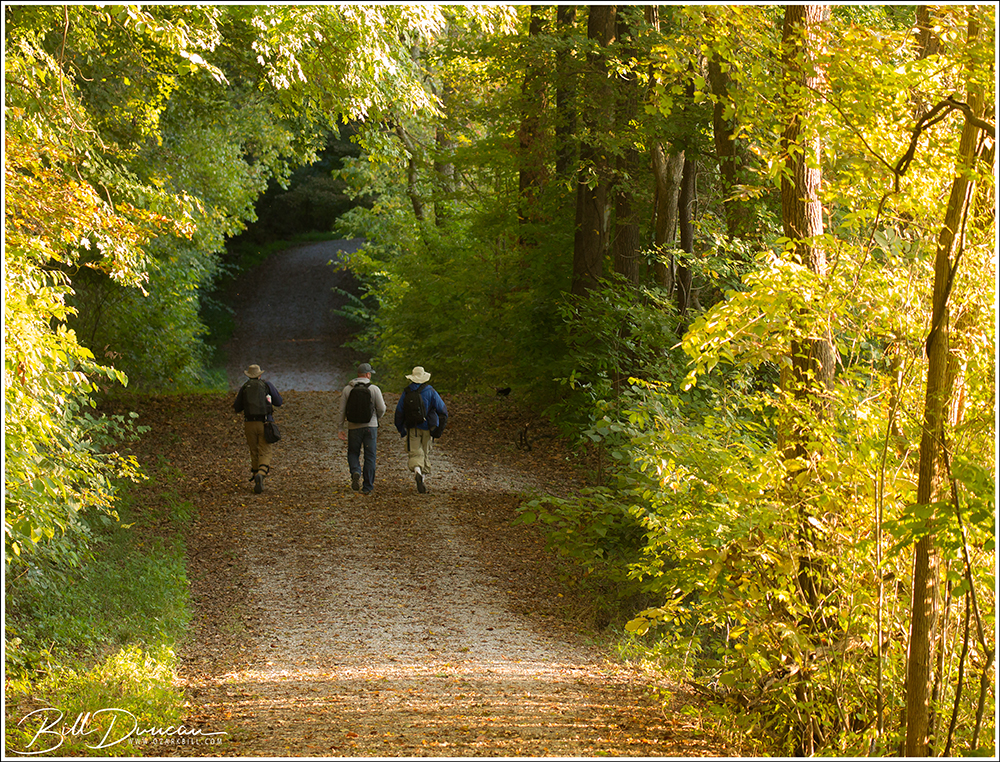
This location was not the greatest for fall colors, but I lucked into a couple of interesting environmental portraits.
I lucked into this guy walking under the nicest colored tree in the area.
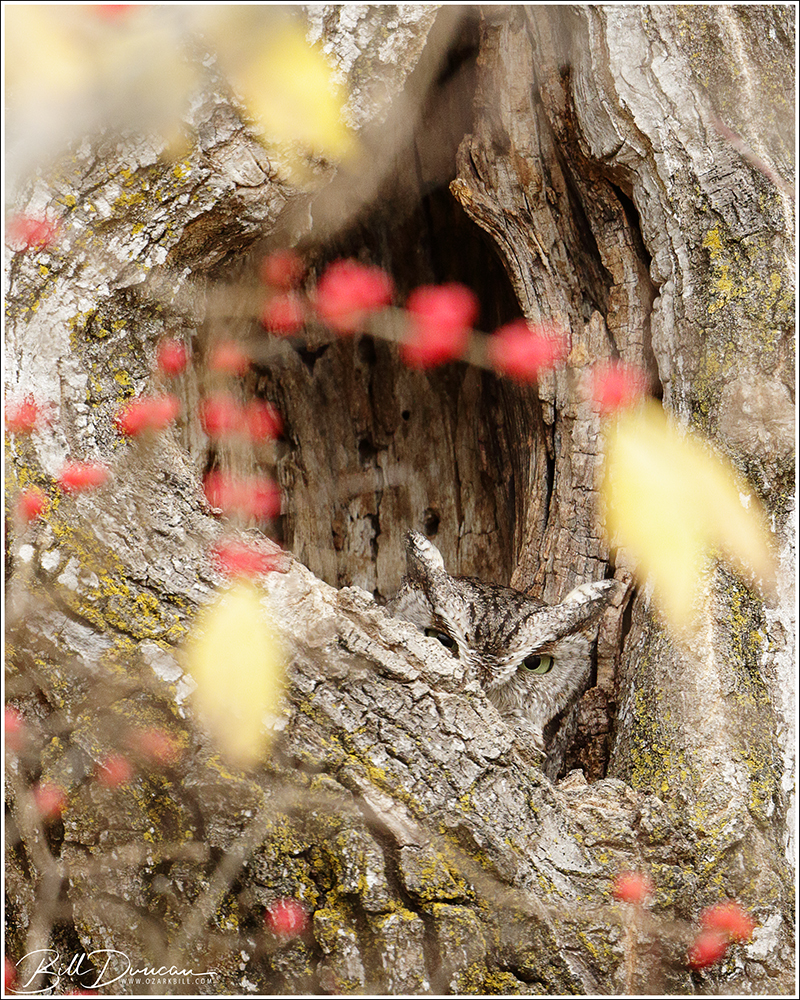
A gray morph Eastern Screech Owl examines its surroundings from the entrance to its roost tree.
This year it looks like the popular roosting tree at the Grafton, IL Visitor’s Center is playing host to this gray morph Eastern Screech Owl. I have photographed red morph individuals in previous years that were using this same cavity. You can find a few photos of those here and here. There have been reports of brown or “chocolate” morphs being found here or in another nearby location over the past couple of years, but as of yet, I have not been able to photograph that color morph.
My friend Dave and I made this visit and were fortunate to find this bird somewhat active. For a Screech Owl in the daytime, this is fortunate indeed. By “active” I simply mean it would move in and out of its tree cavity and open its eyes to have a look around once in a while.
An Eastern Screech Owl giving us a lookover.
We were told by a local constable that the name they have given the bird was “Winky,” which I find to be pretty apt for an owl. One thing we noticed during this visit is that the unobstructed viewing lanes are becoming harder to find due to the encroachment of the bush honeysuckle growth. Dave and I could only find two lanes that worked well for photography purposes. If I can confirm they do not use this cavity in the summer, I would like to return to do a little landscaping.
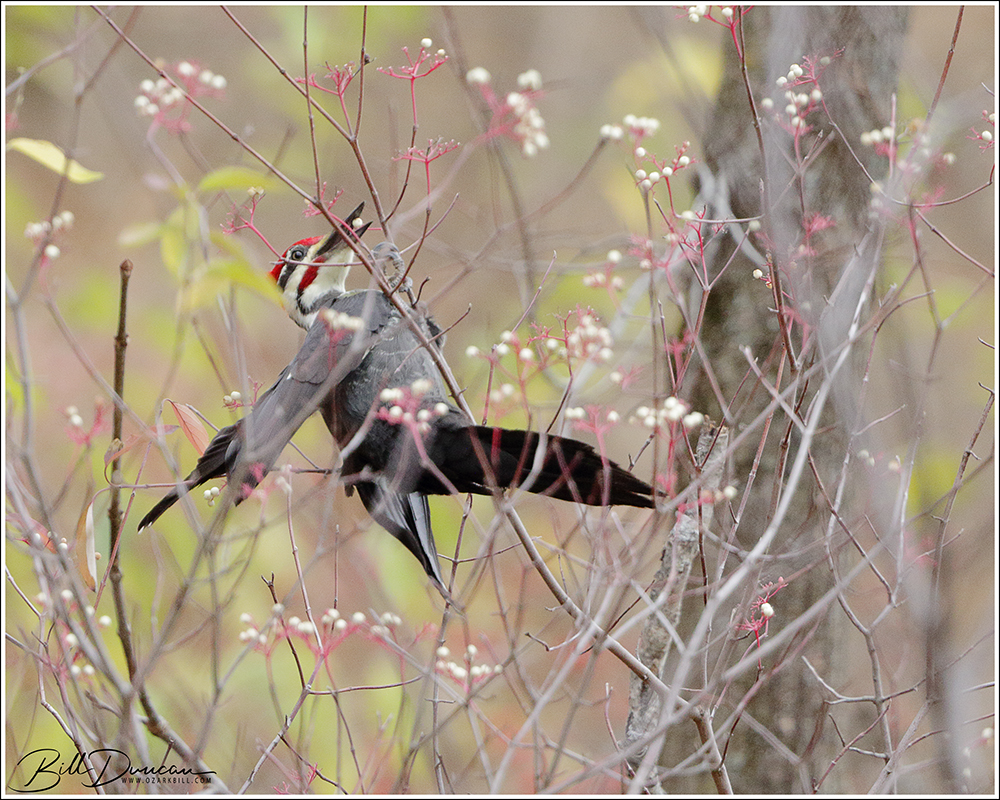
While we waited for the owl to return from its hiding inside the tree, we had a nice opportunity to photograph a Pileated Woodpecker that had flown in to forage among the dogwood berries.
Pileated Woodpecker eating a dogwood (Cornus sp.) berry.
Monarda punctata (spotted beebalm) found at Sand Ridge State Forest, IL.
Today I’m sharing a couple of plants that Casey introduced me to that have a preference for growing in dry, sandy places. The first is a monarda that I did not know existed and has since become my favorite of the beebalms for certain.
Monarda punctata (spotted beebalm) found at Sand Ridge State Forest, IL.
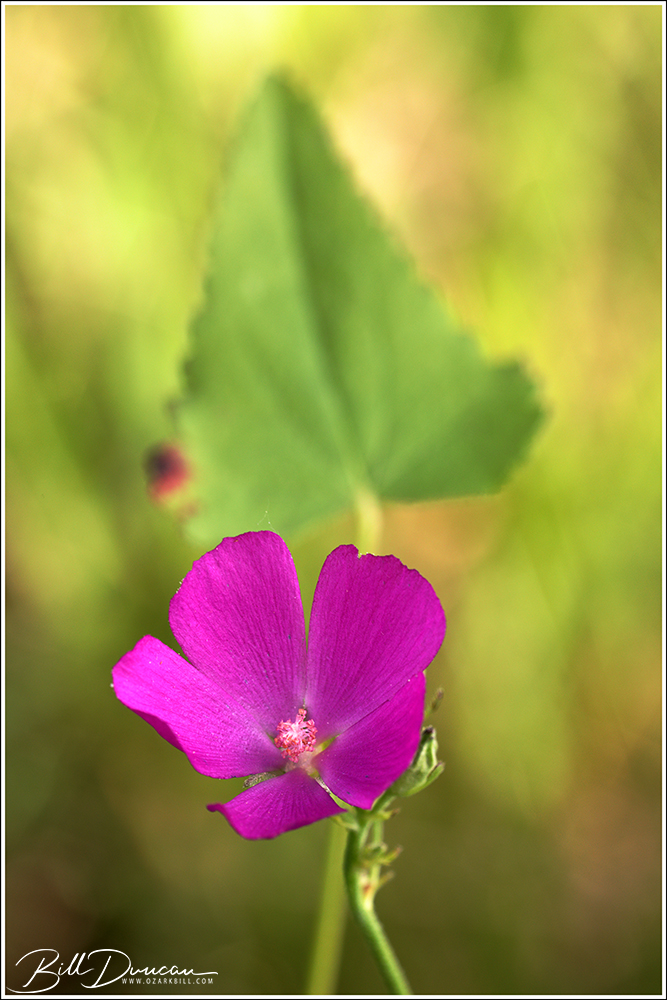
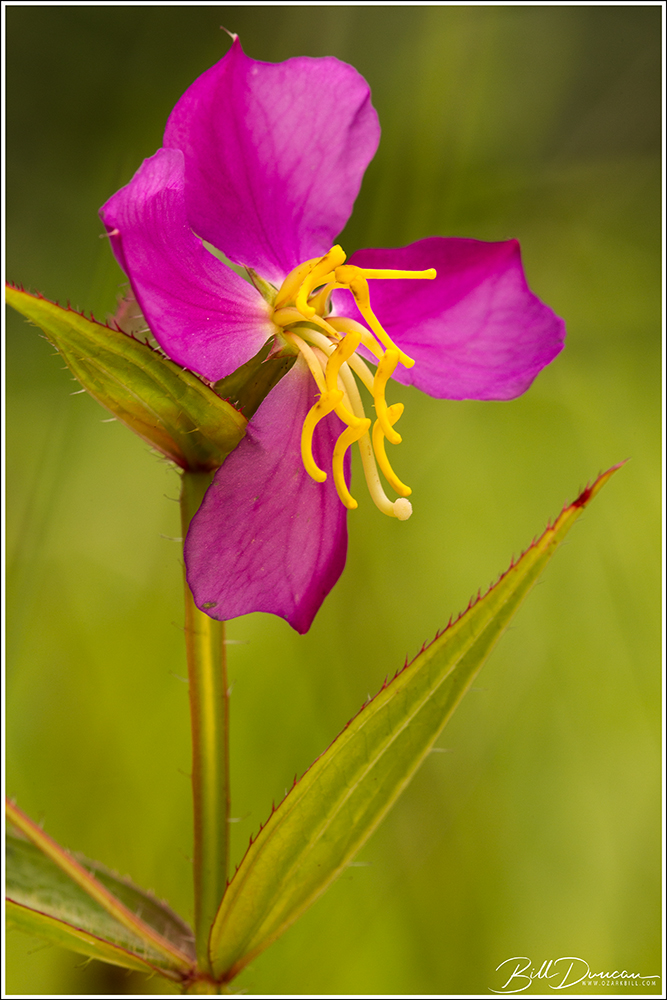
Next up is Callirhoe triangulata, the clustered poppymallow. This supremely saturated flower strongly prefers, dry sandy soils. A stunner of a plant! We looked for compositions that allowed us to feature not only the flower, but the triangular-shaped leaf as well, which is indicative of this species. This species is very rare to possibly extirpated in Missouri.
Callirhoe triangulata (clustered poppymallow)
We found this equally striking Rufous-banded Crambid moth (Mimoschinia rufofascialis) on an open flower. This moth uses these mallows as a host plant, feeding on the immature seeds. I’m not sure, but I doubt the adults feed; this one was likely just using the flower for shelter.
Callirhoe triangulata (clustered poppymallow) with adult Mimoschinia rufofascialis (Rufous-banded Crambid)
Whooping Cranes Camera settings: f/6.3, 1/3200 sec., ISO-320, 700 mm focal length.
I have traveled to Kaskaskia Island, IL at least 7 times in the past four years in hopes of being fortunate to find these beautiful birds in close distance to a road. Most visits result in being able to find them, but most often they are a football field or more away. Back in early January 2020, Sarah and I finally won the lottery.
Whooping Crane Camera settings: f/8, 1/2000 sec., ISO-250, 700 mm focal length.
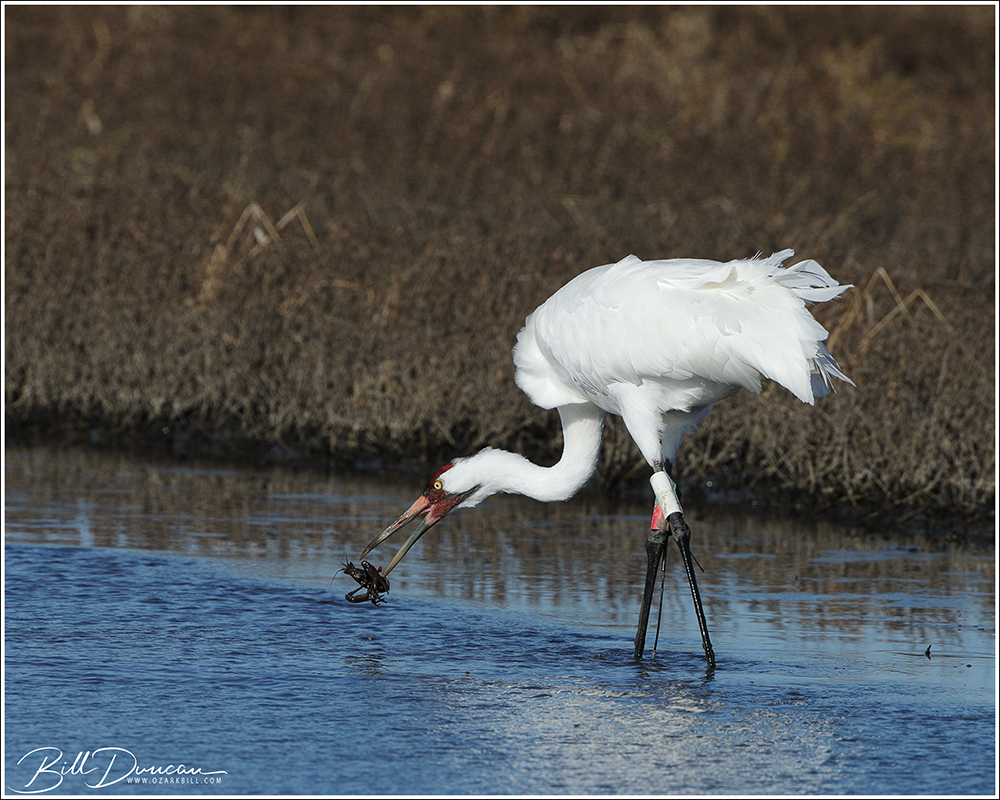
We found these birds quite close to the road and actively foraging in the permanent drainage canals of this river valley farming area.
Catching crayfish. Camera settings: f/8, 1/2000 sec., ISO-250, 700 mm focal length.
Whooping Cranes are still endangered; however, thanks to the USFWS/USGS captive breeding and reintroduction program, this species has come back from the brink of extinction. In 1941 the species was down to only 21 individuals due to rampant conversion of natural habitat to farmland, coastal development, and unregulated hunting. The captive breeding program was initiated in 1967 and today there are now more than 800 birds in the wild.
Catching frogs in January Camera settings: f/8, 1/2000 sec., ISO-320, 700 mm focal length.
Captive breeding and reintroduction has now been transferred from the federal institutions to a good number of other organizations who will continue towards the goal of making the Whooping Crane self-sufficient again. This efforts is not completely without problems as there have been and continue to be problems associated with getting the reintroduced birds to migrate, interact and successfully nest.
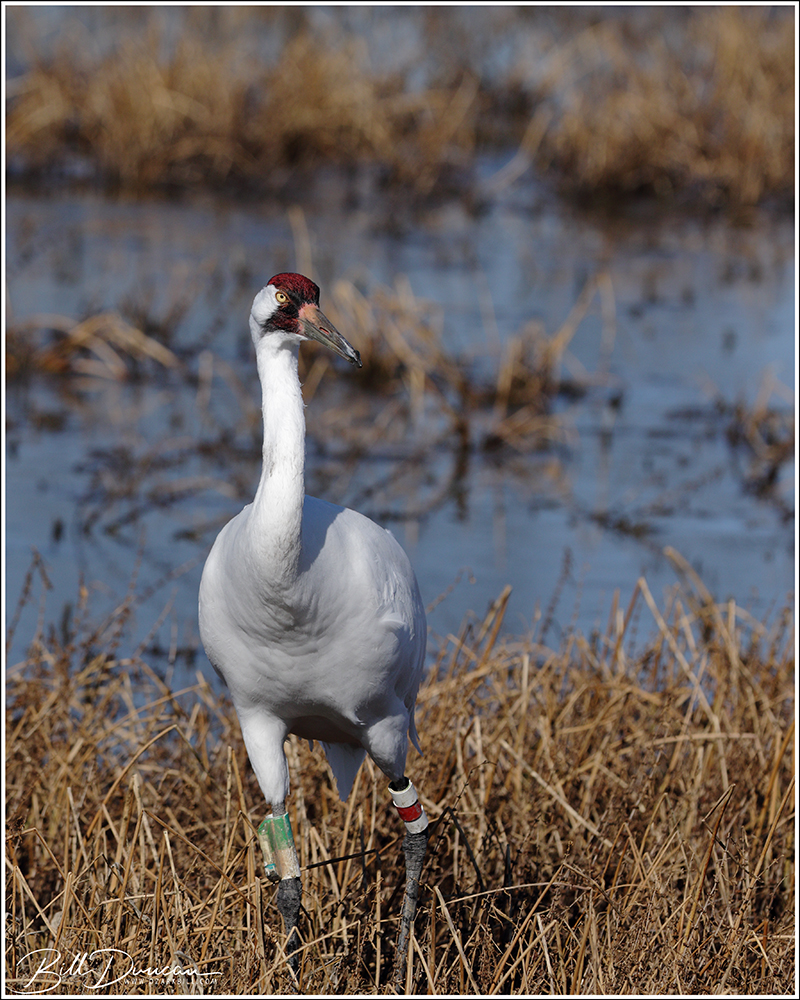
Whooping Crane Camera Settings: f/6.3, 1/2000 sec., ISO-250, 420 mm focal length equivalent.
A case in point may be the recent history of these birds in the state of Missouri (only the 8th record in MO since 1953). The first reports of a four-bird cohort observed in Columbia MO was in May, 2016. These were the same birds observed over-wintering in Kaskaskia Island, IL. These four birds were from a release who then strayed from their population that was following the traditional Wisconsin to Florida migration route. Since then at least two of the original four birds have died. Hopefully these two (I have been told, but have not yet been able to confirm that this is a sexual pair) will get back on track one day and do their part in propagating the species.
Whooping Crane Camera Settings: f/8, 1/2000 sec., ISO-125, 700 mm focal length.
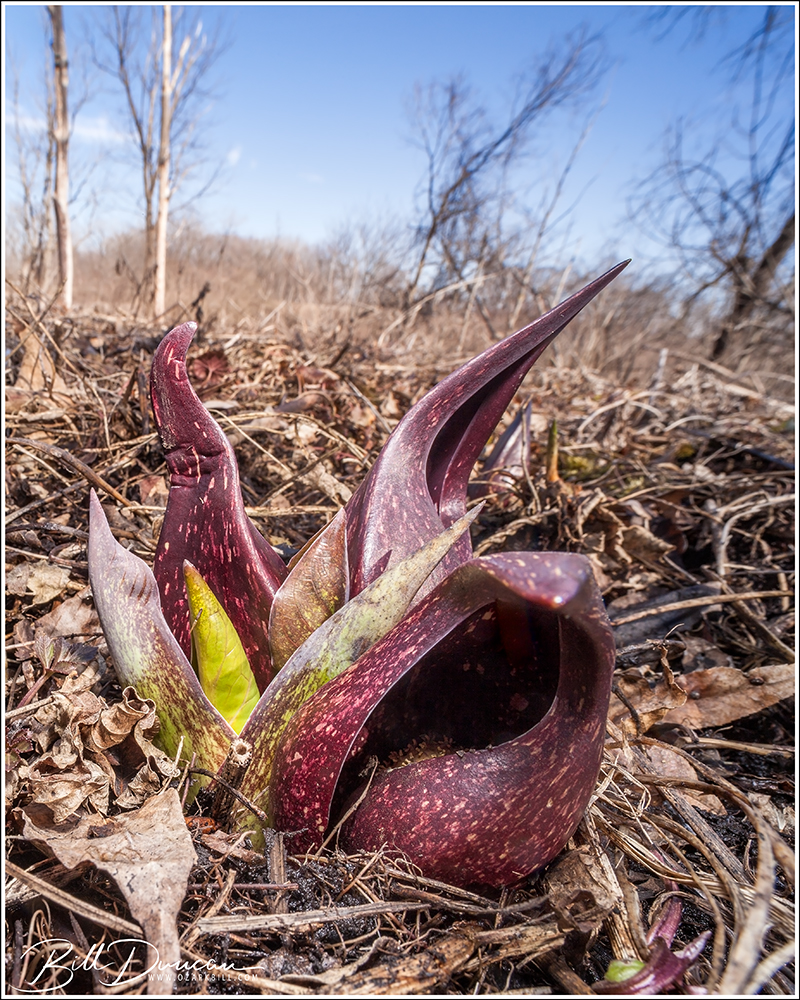
Eastern skunk cabbage (Symplocarpus foetidus) in bloom at Bennett’s Terraqueous Garden (Peoria County, IL)
Many thanks to Casey Galvin who turned me on to the closest places to find and photograph a plant species that had been a target of mine for some time now. Eastern skunk cabbage (Symplocarpus foetidus) is a fascinating plant that is typically found in eastern North America and the upper midwest. The nearest populations to St. Louis that I am aware of are near Peoria, Illinois, which is about a three hour drive from my front door.
These are one of several early blooming plants that start the spring botanical season. These members of the Araceae family, known as the aroids, bloom from February through April. Like several plants in this family, this species produces odors reminiscent of rotting meet in order to attract pollinators that are predominantly dipterans (flies), hymenopterans (bees) and other, more terrestrial arthropods. I did not find the odor too overpowering and I also thought I picked up a slightly sweet, syrupy smell.
Eastern skunk cabbage (S. foetidus) in its seep-spring habitat at Miller-Anderson Woods Nature Preserve (Bureau/Putnam counties, IL)
Another remarkable aspect to this species pollination biology is that the spadex and surrounding tissues are thermogenic – meaning they produce their own heat. This thermogenesis, produced via enzymatic reactions not too dissimilar to the reactions that occur in mammals, may serve to assist the inflorescence and leaves of the plant to break through frozen grounds. It also likely serves as to further the ploy that the plant is a rotting carcass, hopefully attracting flies and other insects interested in such things.
A honeybee (Apis mellifera) visiting the inflorescence of an eastern skunk cabbage (S. foetidus)
Other than a few very small flies and a couple of small native bees, the only pollinator I found during my visit was the honey bee. These were quite abundant.
Spathe and associated carpels of eastern skunk cabbage (S. foetidus)
To show the moisture associated with the seep habitat I was in, here is a skunk cabbage spathe surrounded by snakeskin liverwort (Conocephalum salebrosum).
That’s all I have for now. Most of the information in this post and much more can be found in the following source:
Piping Plover – Captive bird held at the Lincoln Park Zoo
A few of us headed up to Montrose Harbor on the north side of Chicago yesterday in search of a rare and late shorebird visitor. There has been a Piping Plover that has intermittently been using the beaches here since October. We visited following approximately four straight days that the bird was sighted and the weather forecast was great for this time of year. Unfortunately, the bird was a no-show for us on this day. Since the Lincoln Park Zoo was almost directly across the street, we checked to see if they had a Piping Plover in their collection. This is the female bird in winter plumage pictured above.
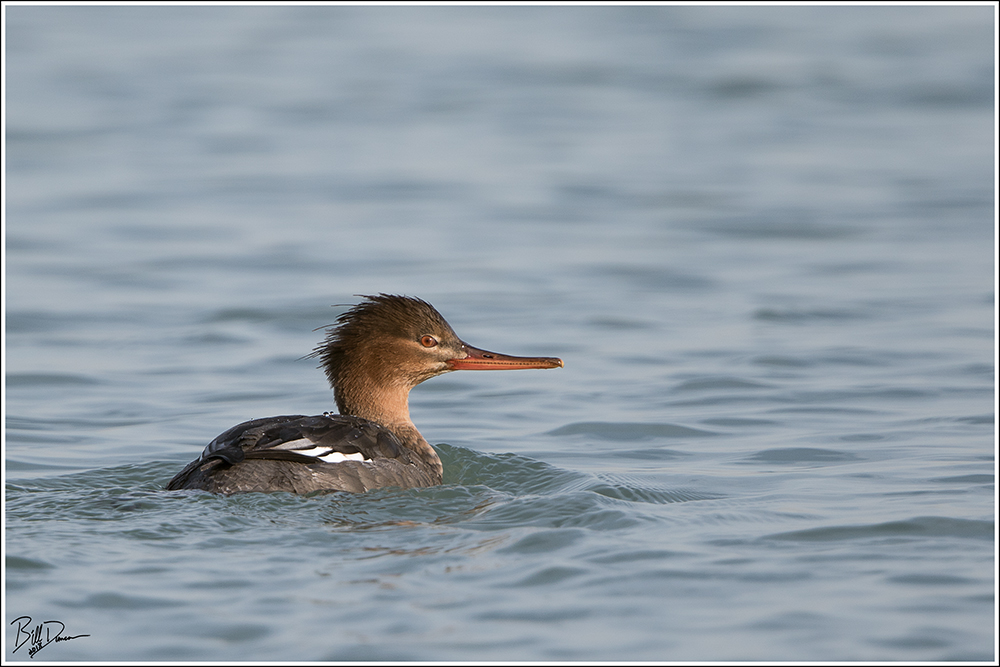
The harbor held a decent number of waterfowl that we were able to get close enough for some shots. See below.
















 A Thousand Acres of Silphiums