Nesting Birds of Missouri – The Ovenbird

The thrush-like Ovenbird

With the relatively recent removal of the Yellow-breasted Chat from the Parulidae, the title of the largest new world “wood warbler” may very well go to the Ovenbird, Seiurus aurocapilla. The Ovenbird is somewhat of a misfit itself. Seiurus is a monotypic genus, believed to have derived early in the evolution of the family. This pot-bellied, thrush-like bird nests and forages on the forest floor, getting its common name from its nest that supposedly resembles a Dutch oven.

Although the Ovenbird can be easily heard through much of the summer in any large-track deciduous forest, getting good looks and photographs is easiest by waiting to spot them in a migration trap like Tower Grove Park in St. Louis City where these photos were taken.
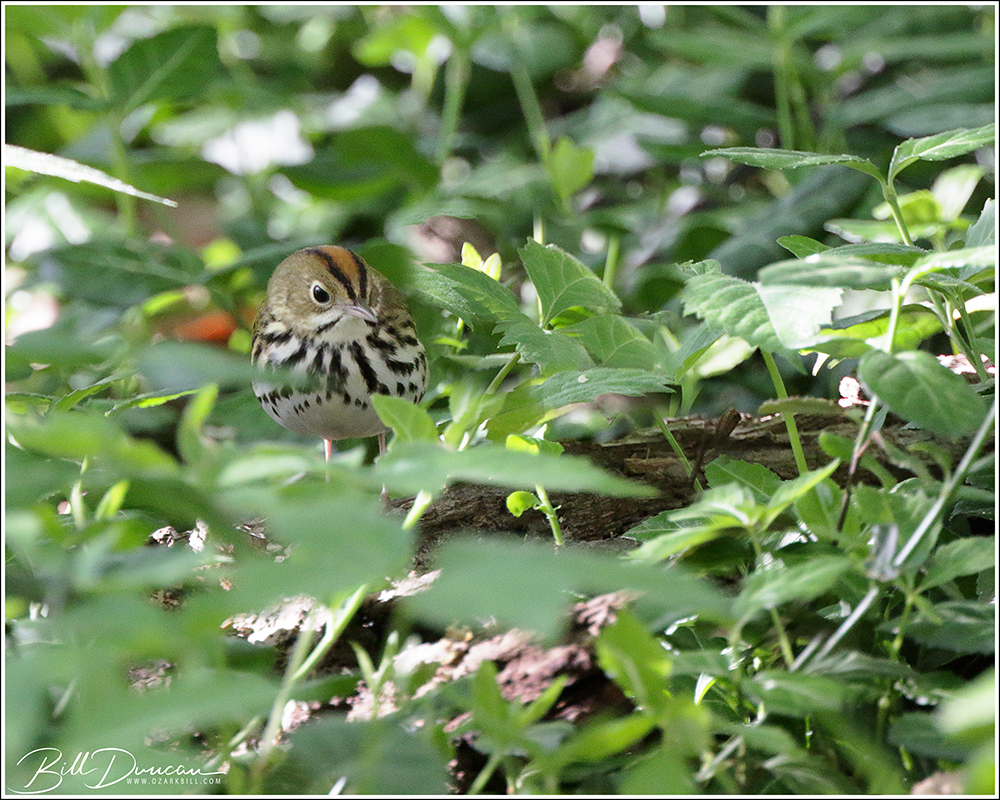
Getting a photo of an Ovenbird showing its orange crown stripe can be a fun challenge!

There is a singer everyone has heard,
Loud, a mid-summer and a mid-wood bird,
Who makes the solid tree trunks sound again.
He says that leaves are old and that for flowers
Mid-summer is to spring as one to ten.
He says the early petal-fall is past
When pear and cherry bloom went down in showers
On sunny days a moment overcast;
And comes that other fall we name the fall.
He says the highway dust is over all.
The bird would cease and be as other birds
But that he knows in singing not to sing.
The question that he frames in all but words
Is what to make of a diminished thing.

“The Ovenbird”
Robert Frost
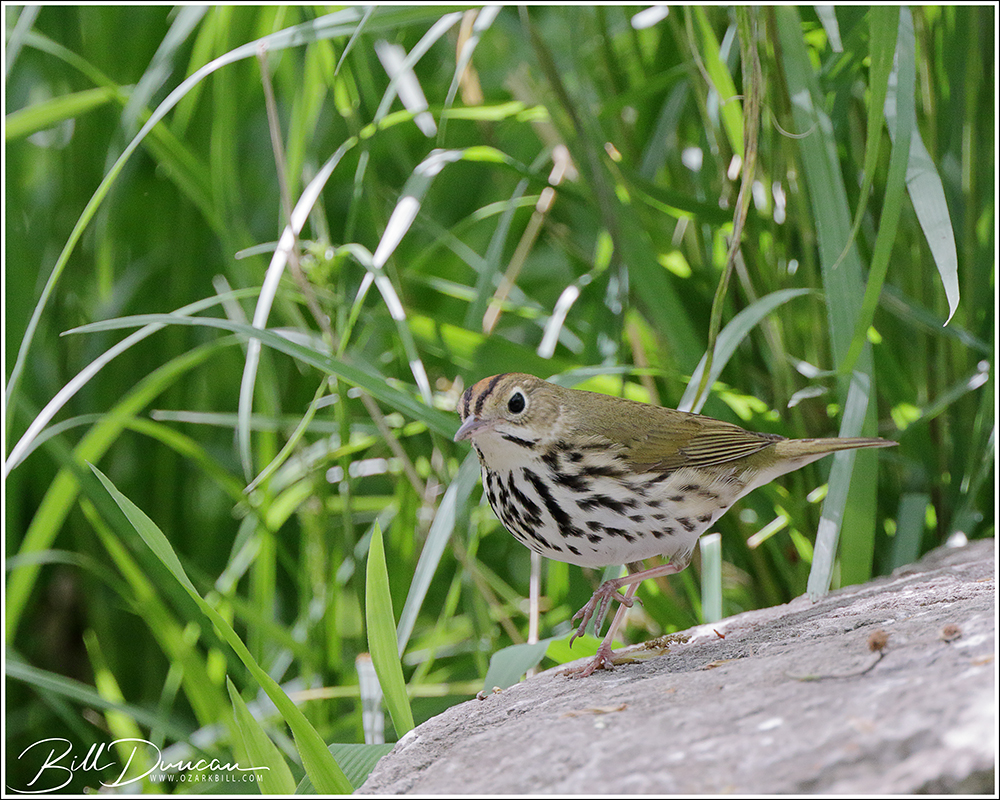
Ovenbirds walk along their environments more often than flying.

-OZB

Chestnut-sided Warbler

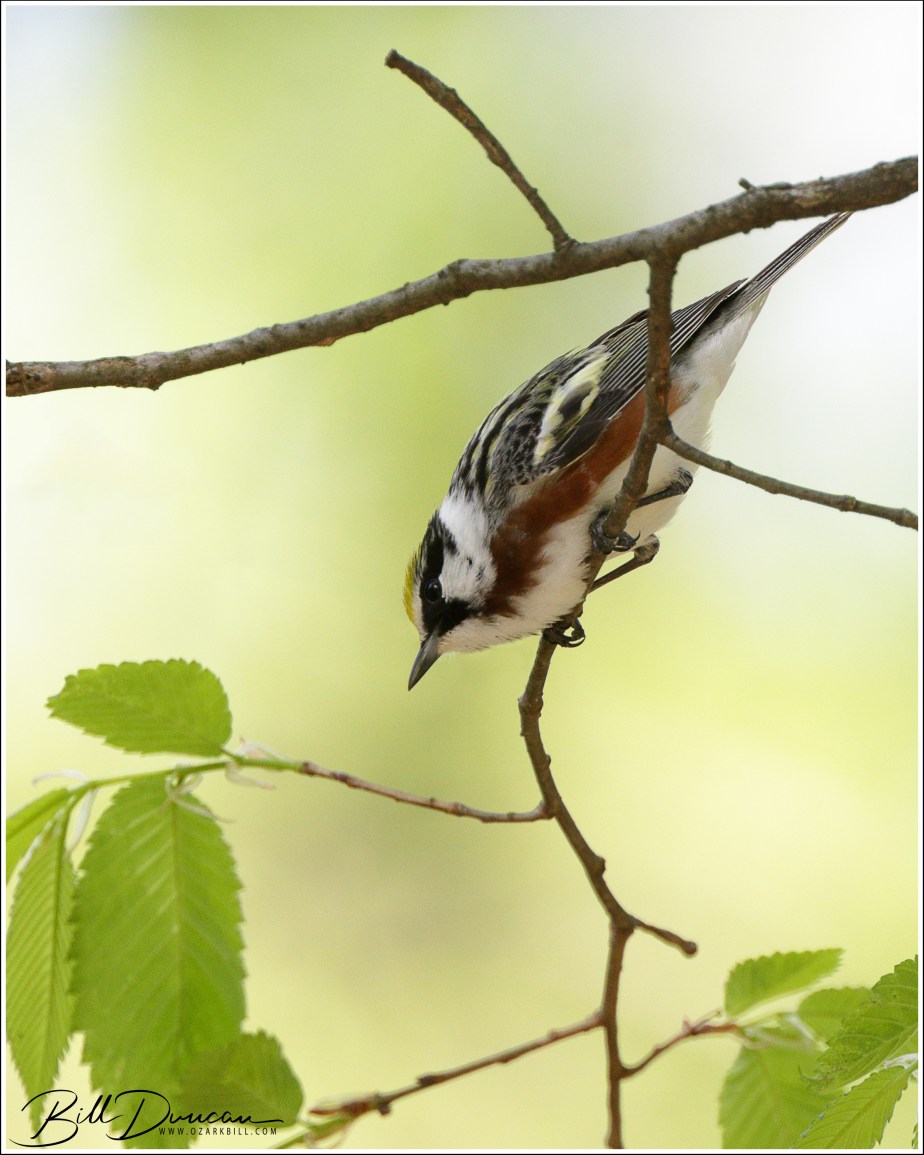
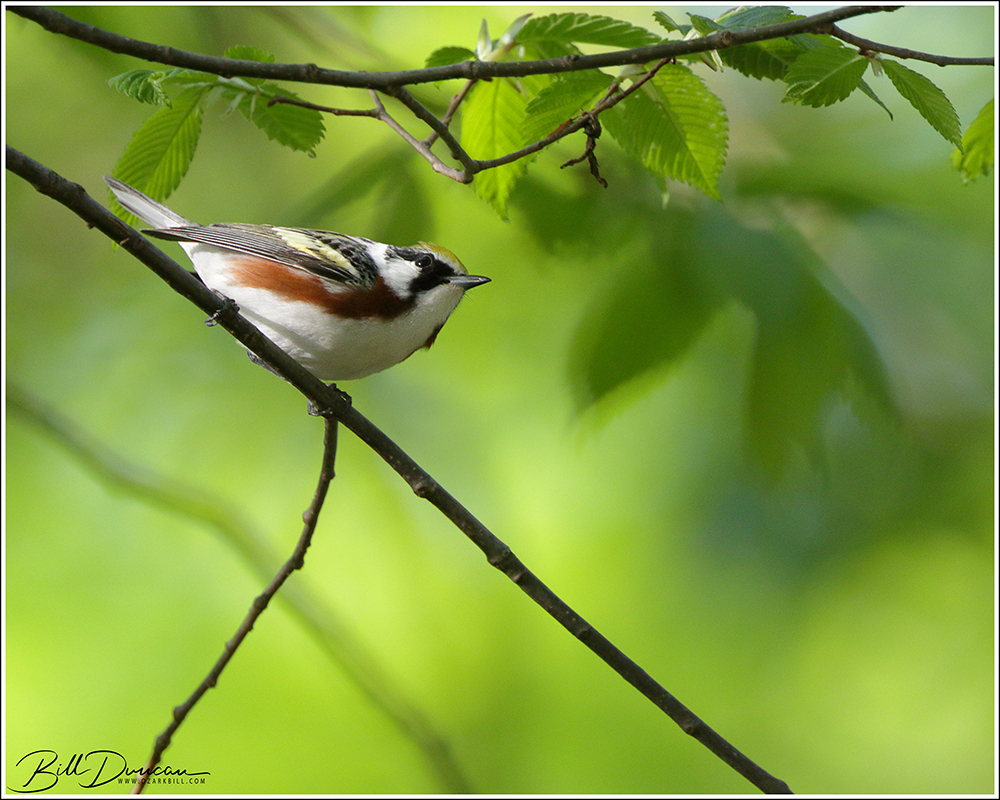
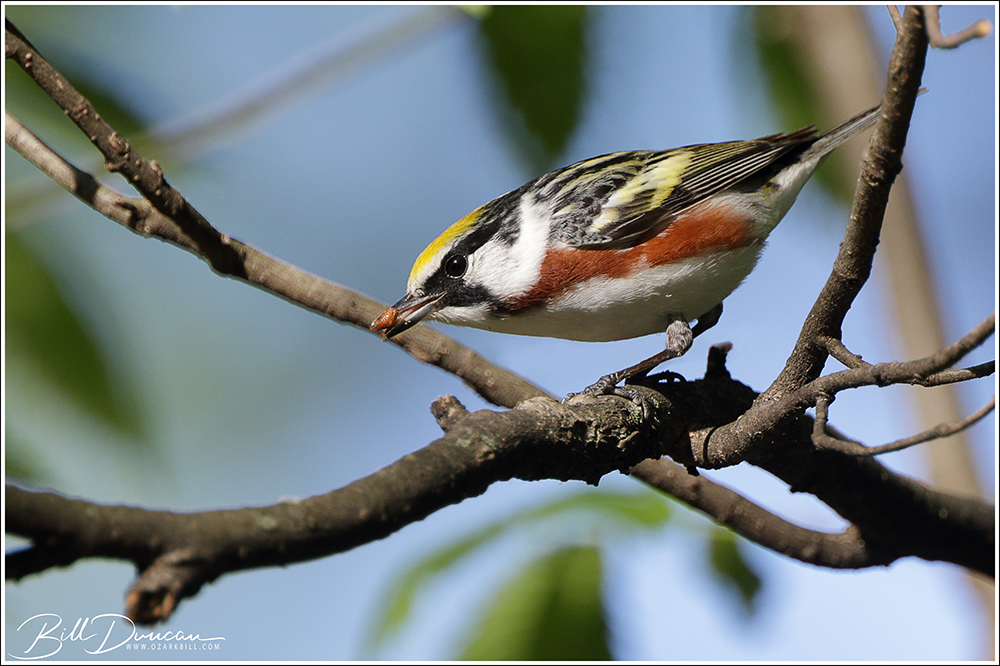
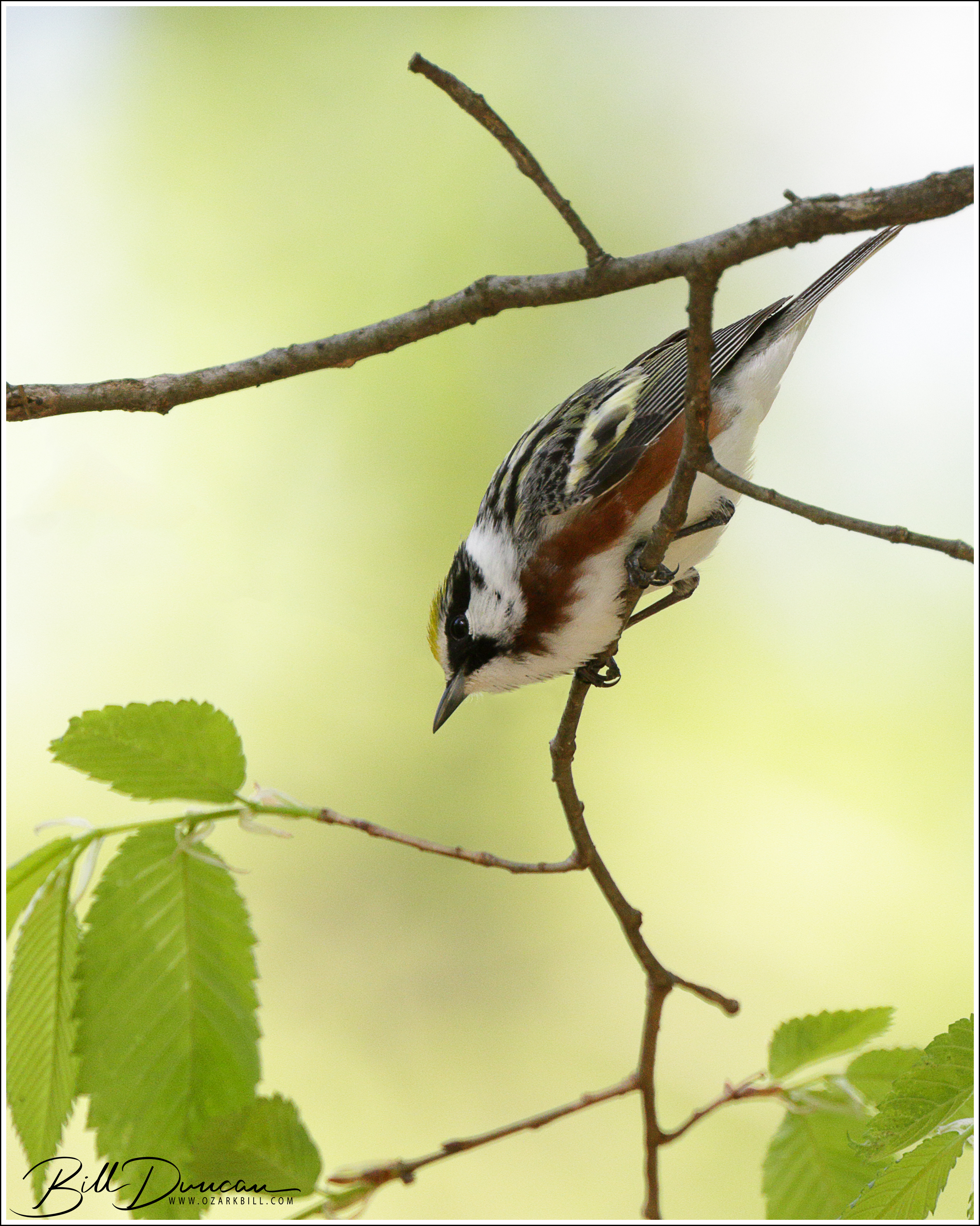
It looks as though I may get only one opportunity for Tower Grove Park this spring, but it was a good one. I’m glad it was a nice morning for Kathy Duncan’s first visit. We had quite a few cooperative birds at the water feature of the Gaddy Bird Garden where these photos of Chestnut-sided Warblers were taken.

Worm-eating Warbler – April 2021

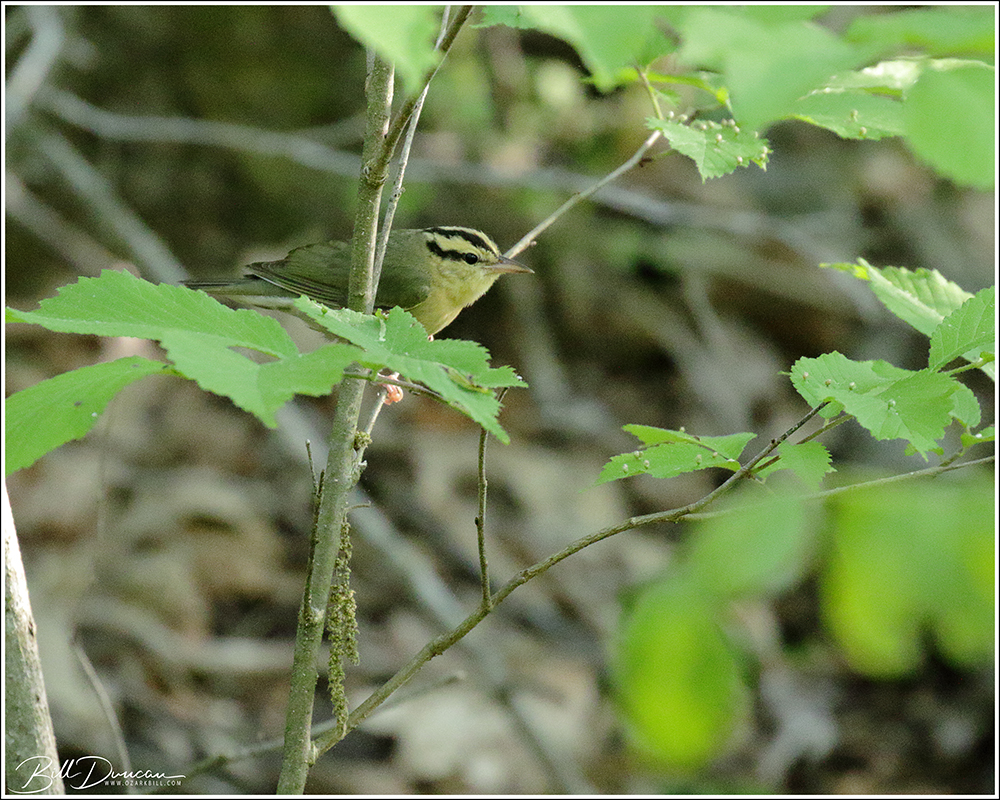
This spring has been flying by. With great cool and wet weather, the spring ephemeral wildflower season has been one of the best I’ve experienced and in the past two weeks the bird diversity has been on the rise. Just today, I had a Wood Thrush, a Cooper’s Hawk and a Barn Swallow from my suburban yard alone! This morning I found a Sedge Wren in the grasses at Beckemeier Conservation Area among about half a dozen warblers.

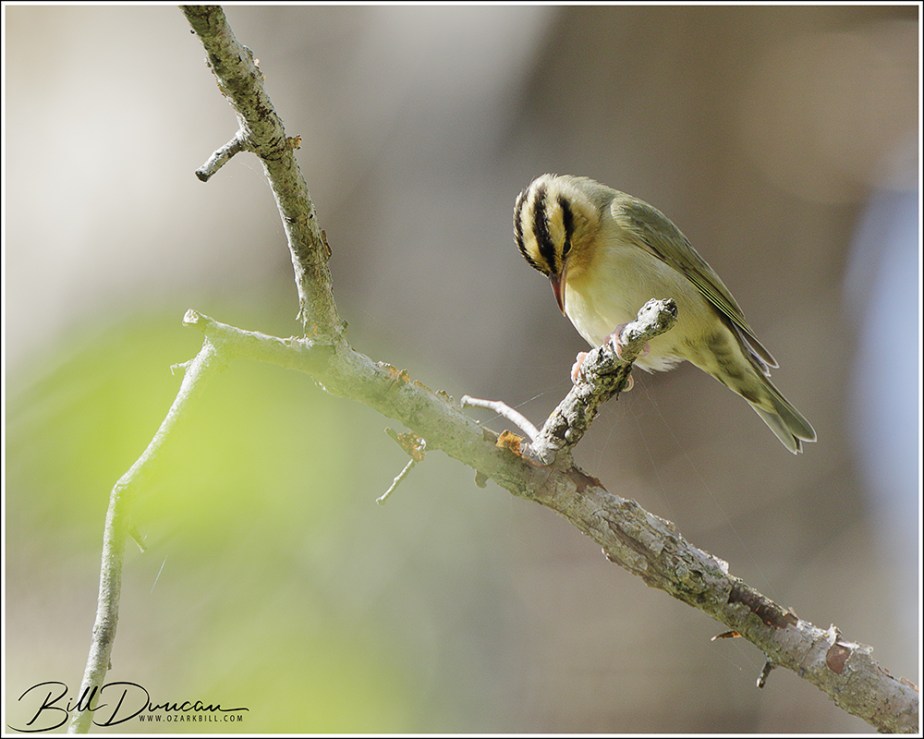
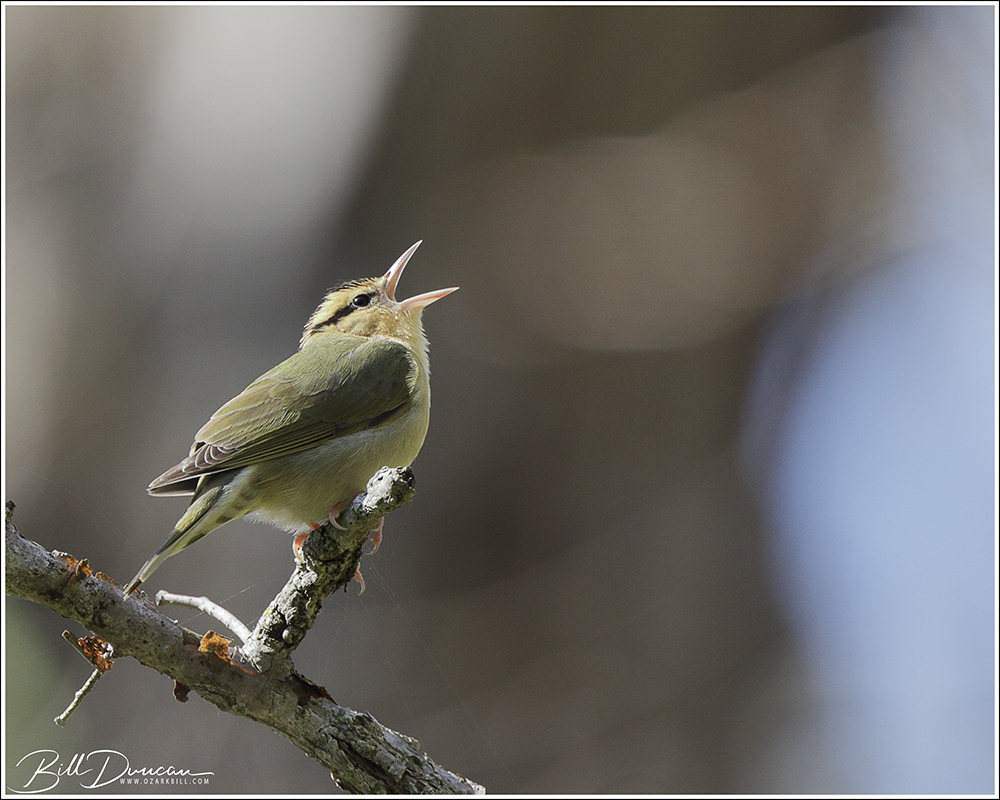
I hope you are getting out to enjoy some of this action and I want to share a few photos of one of my many favorites, this Worm-eating Warbler that is already setting up territory at Bush Wildlife Conservation Area.

Thank you for visiting!
-OZB

2020 Bird Wrap-up

A Carolina Wren that paused long enough along the Lost Valley Trail (Weldon Spring CA) in early May.

Here’s a bit of a wrap-up on 2020 with a selection of miscellaneous birds that didn’t fit into any other blog posts.

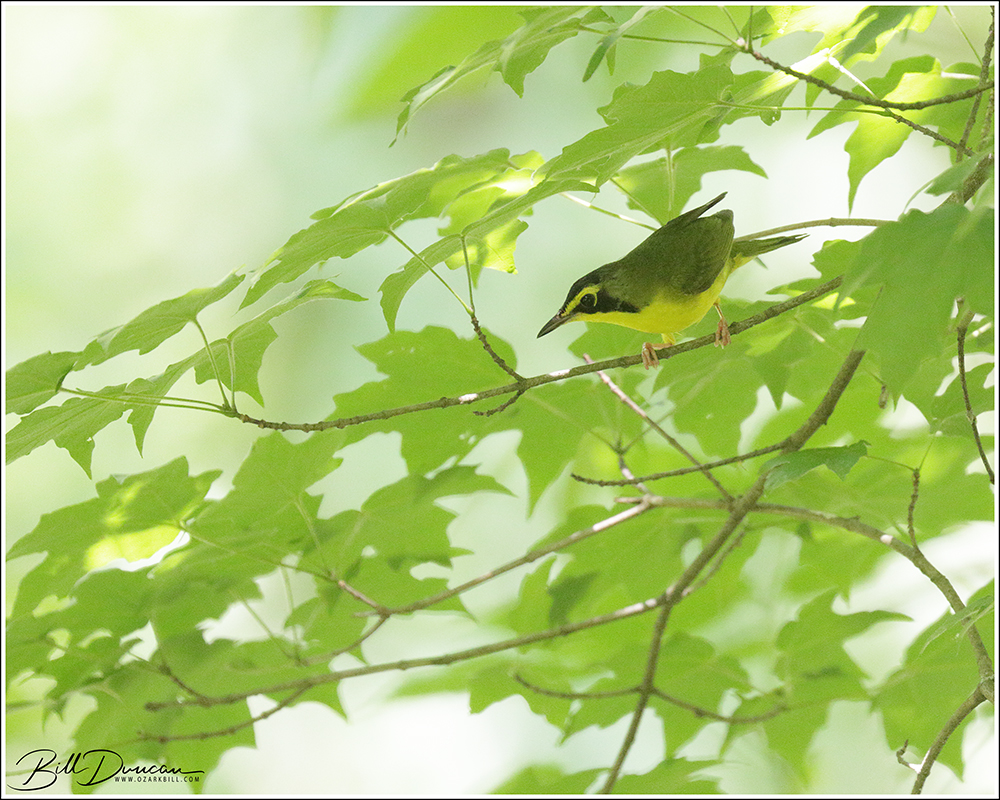
A Kentucky Warbler with prey found at Engelmann Woods Natural Area in May.

This was definitely my year for Kentucky Warblers. In May and June they seemed to be everywhere I went. This one was photographed on my birthday near Greer Spring in June.

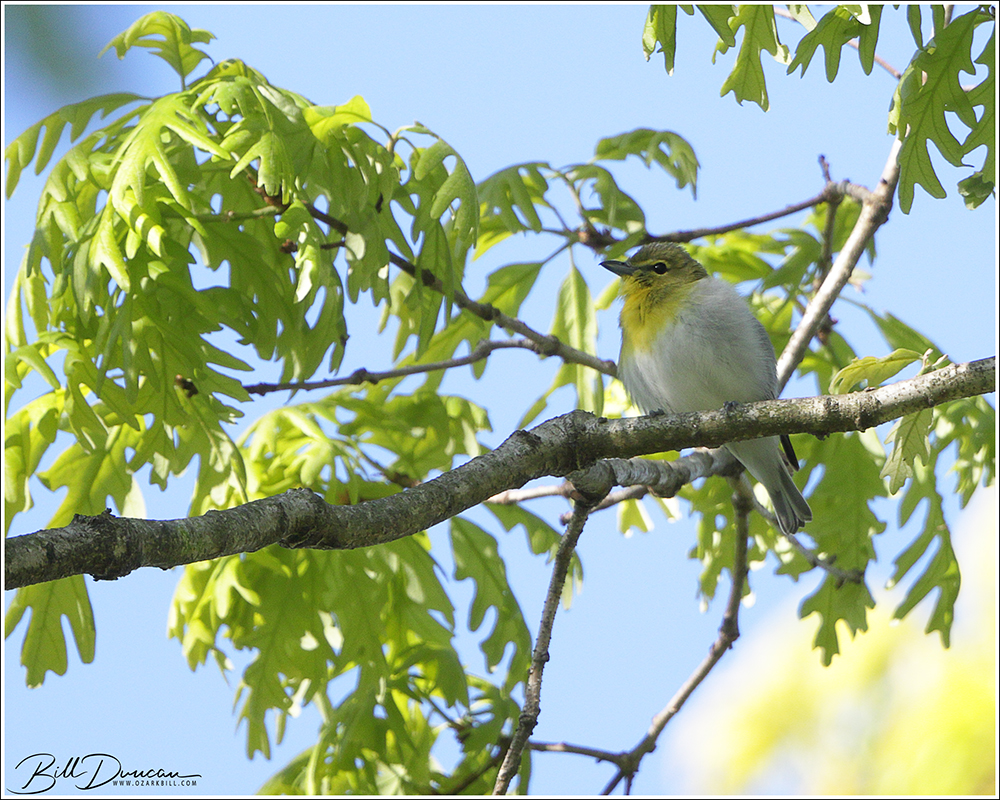
I’m always happy to get a photo of Yellow-throated Vireos. This one was photographed along the Lost Valley Trail Lost Valley Trail (Weldon Spring CA) in May.

Sarah and I found some Eastern Kingbirds in May while birding along Hwy 79. These guys were moving from perch to perch among the flowering weeds in ag fields.

The light was harsh, but I couldn’t help shoot these Eastern Kingbirds.

Sarah and I found this Killdeer doing its broken wing routine in May. We looked but could not find any sign of a nest or chicks.

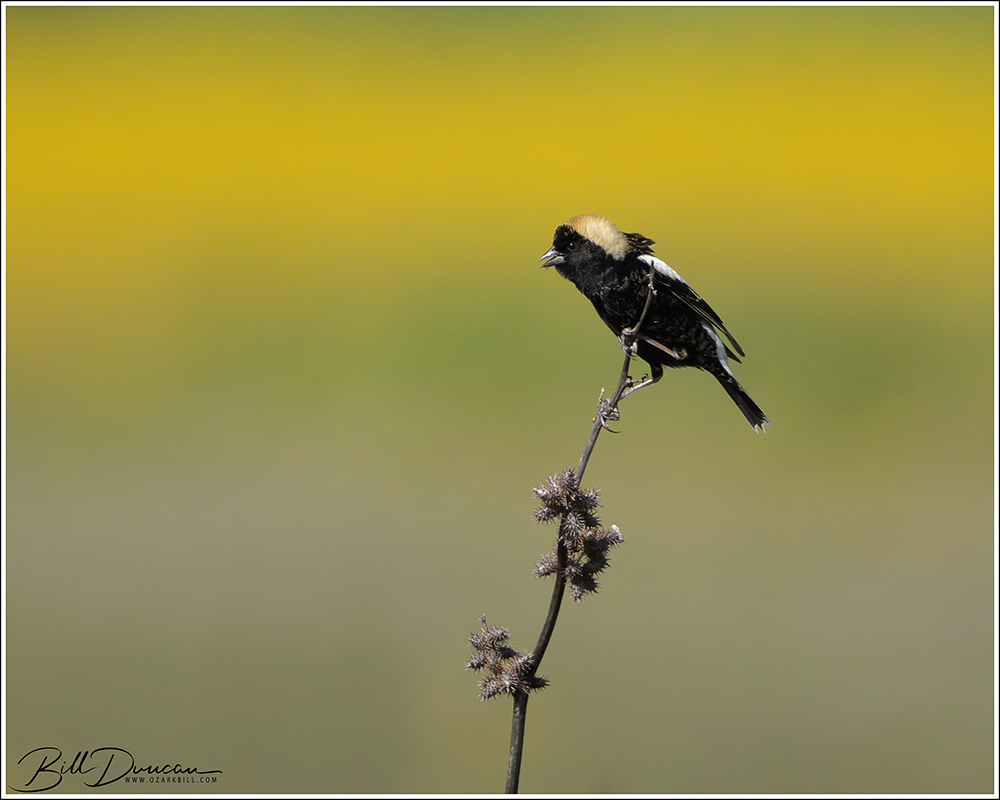
On the same trip as the previous two species, we came across this solo male Bobolink singing. I slowly creeped along the weeds to get close enough for this photo.

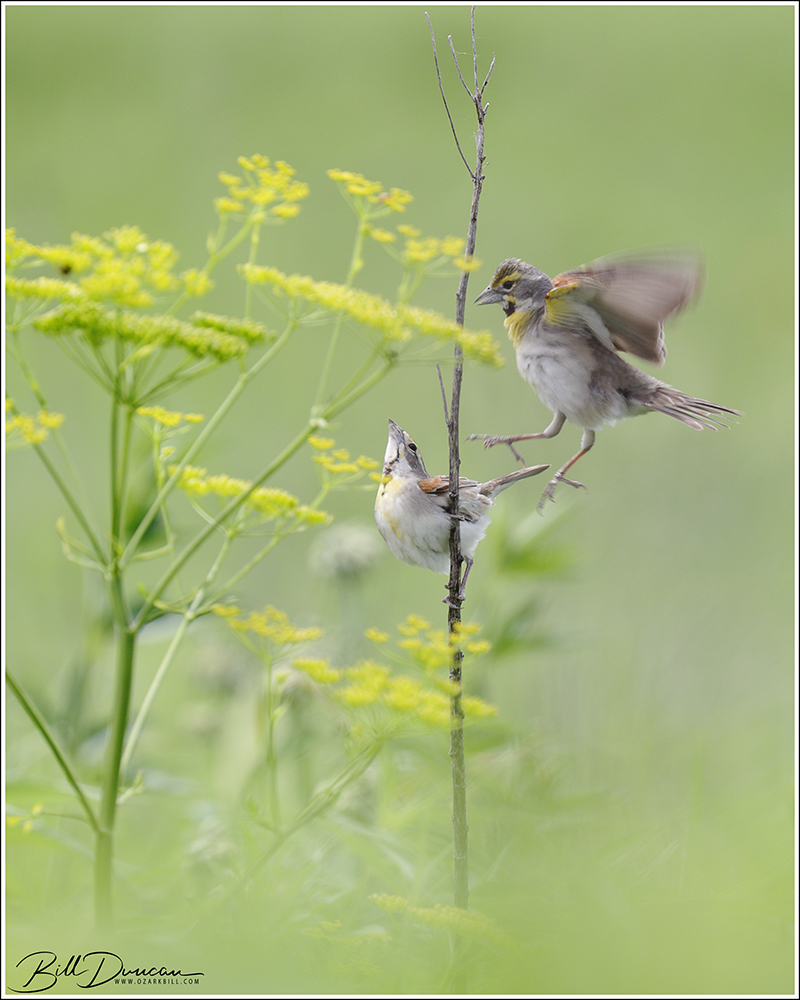
This pair of Dickcissel were caught in the act on an orchid hunting trip in mid-June.

A photo taken at August A. Bush Memorial CA in very low light of a Worm-eating Warbler. Always one of my favorites!

A very cooperative Pine Warbler sat for Dave and I during our birthday trip to the southeastern part of the state.

This Wood Duck wasn’t buying me in my kayak and would let me get only so close at Mingo NWR.

While Dave and I were looking for Ammodramus sparrows at Weldon Spring CA, we came across this gorgeous Henslow’s Sparrow.

In September, while waiting at a watering hole in St. Louis County, this Red-tailed Hawk flew in for a drink. If you look closely you can see a prey animal it is carrying – either a squirrel or a mink.

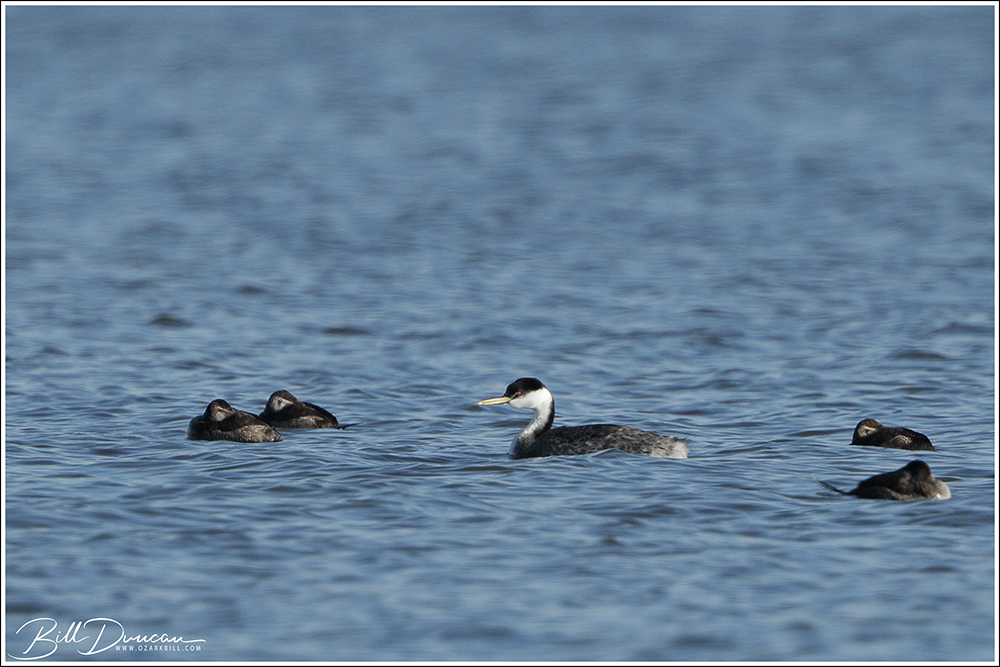
A rare-for-Missouri Western Grebe was found at RMBS in late November.

During the same visit to RMBS, Dave and I found our first American Tree Sparrow of the season.

I likely have several other bird photos from 2020 that need processing, but this is all I have for now. Thanks for the visit.

-OZB


White-eyed Vireo Nest – Part One

May seems such a long time ago. I don’t know how I get so behind on photo processing, but, better late than never. Here is the first of what will probably be three videos with stills of the White-eyed Vireo nest found by Miguel Acosta at Weldon Spring C.A. this past spring. I hope you like it.

-OZB
North Carolina Birding – 2019 Wrap-up

Black Skimmer, Pea Island National Wildlife Refuge, N.C., USA.

Going to the archives to try and wrap up 2019, I want to share a few more birds taken in eastern North Carolina.

Least Tern, Pea Island National Wildlife Refuge, N.C., USA.

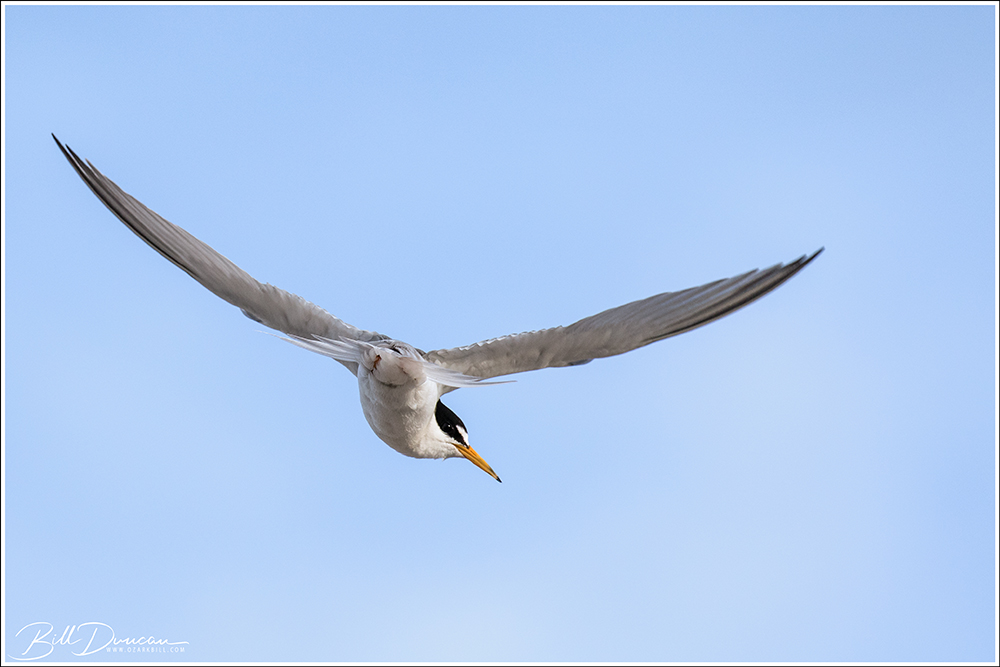
For me, the highlight of visiting Pea Island National Wildlife Refuge was visiting the Least Tern nesting colony. They put up a barricade to make sure you do not get to close to the nests and chicks, but it soon became obvious that the birds do a pretty good job at dissuading anyone from getting too close.

Least Tern dive-bombing the photographer. Pea Island National Wildlife Refuge, N.C., USA.

It was terrifying watching these birds react defensively, strafing and defecating until I moved back to a point they felt comfortable with. I remember I still had some of their ammunition on my camera body for at least six months before finally cleaning it off.

Least Tern, Pea Island National Wildlife Refuge, N.C., USA.

Least Tern with fish, Pea Island National Wildlife Refuge, N.C., USA.

You have to look really close towards the center of their nesting arena to spot the chicks – the reason for their territorial behaviors.

Can you spot the Least Tern chick? Pea Island National Wildlife Refuge, N.C., USA.

During a walk along the interior, marsh portion of the refuge, this beautiful Common Tern flew by.

Common Tern, Pea Island National Wildlife Refuge, N.C., USA.

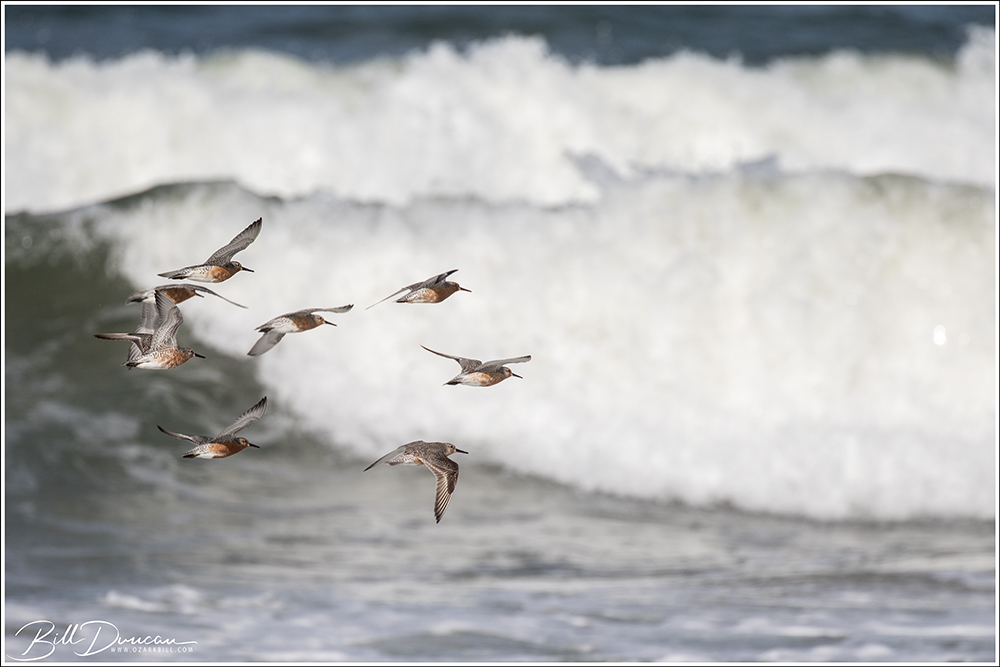
A real treat were my first looks and photographs of Red Knot.

Red Knot, Pea Island National Wildlife Refuge, N.C., USA.

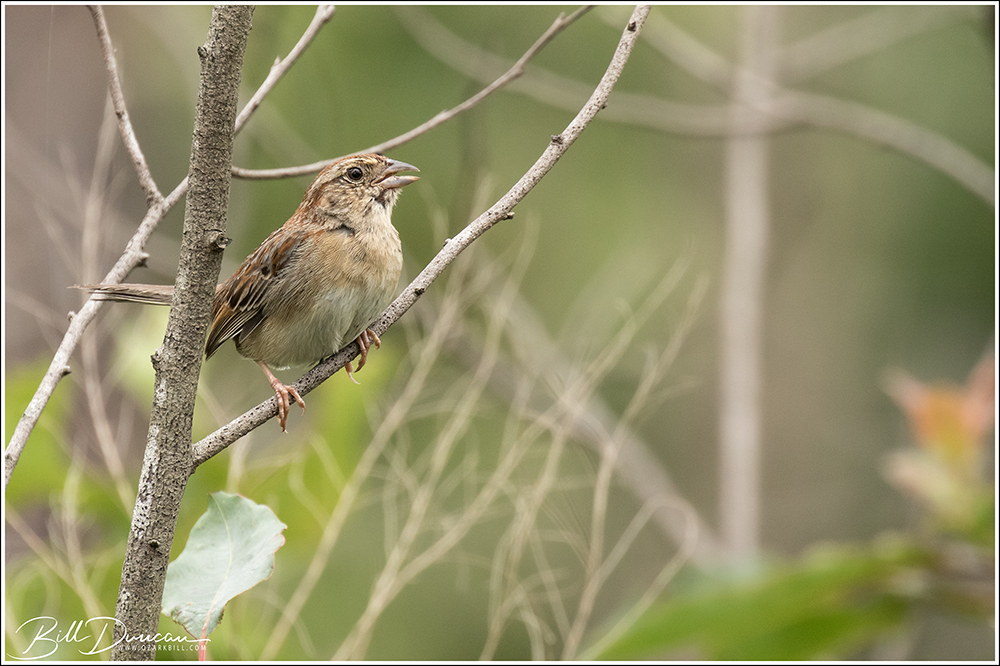
During the same trip, I was fortunate to visit a nice longleaf pine forest habitat at TNC’s Calloway Forest Preserve in Hoke County, NC. Here, along with the Red-cockaded Woodpecker, I got to find one of my southern favorites, the Bachman’s Sparrow.

Bachman’s Sparrow, Calloway Forest Nature Preserve, NC., USA.

Red-cockaded Woodpecker, Calloway Forest Nature Preserve, NC., USA.

From the few short trips I’ve been, North Carolina seems to be quite a place for birds and nature.

-OZB

The Ruff

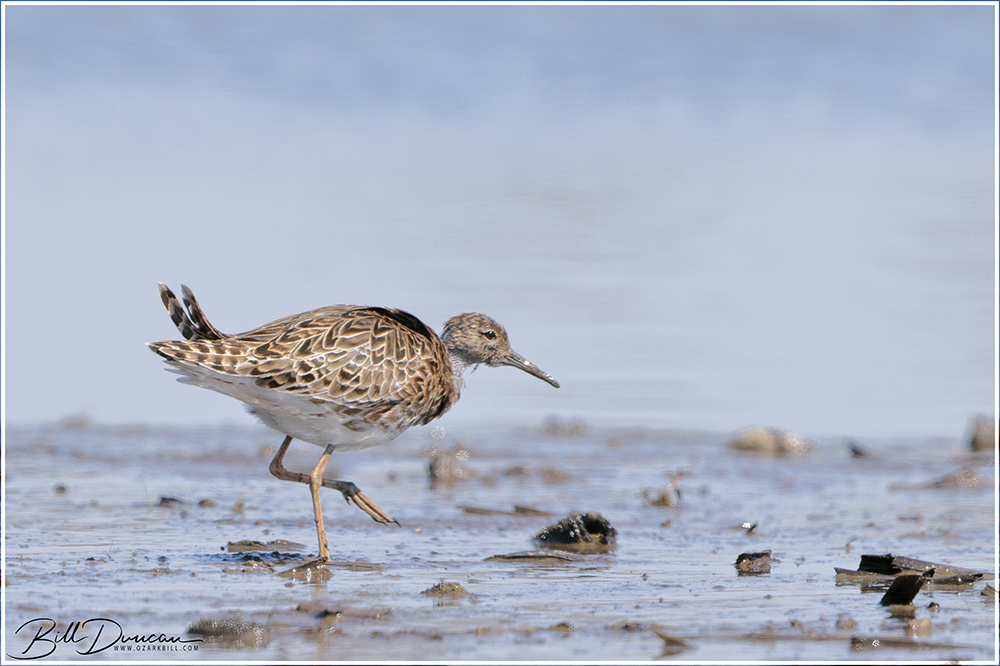
Ruff (Calidris pugnax)
Camera settings: f/8, 1/1000 sec., ISO-640, 1120 mm focal length equivalent.

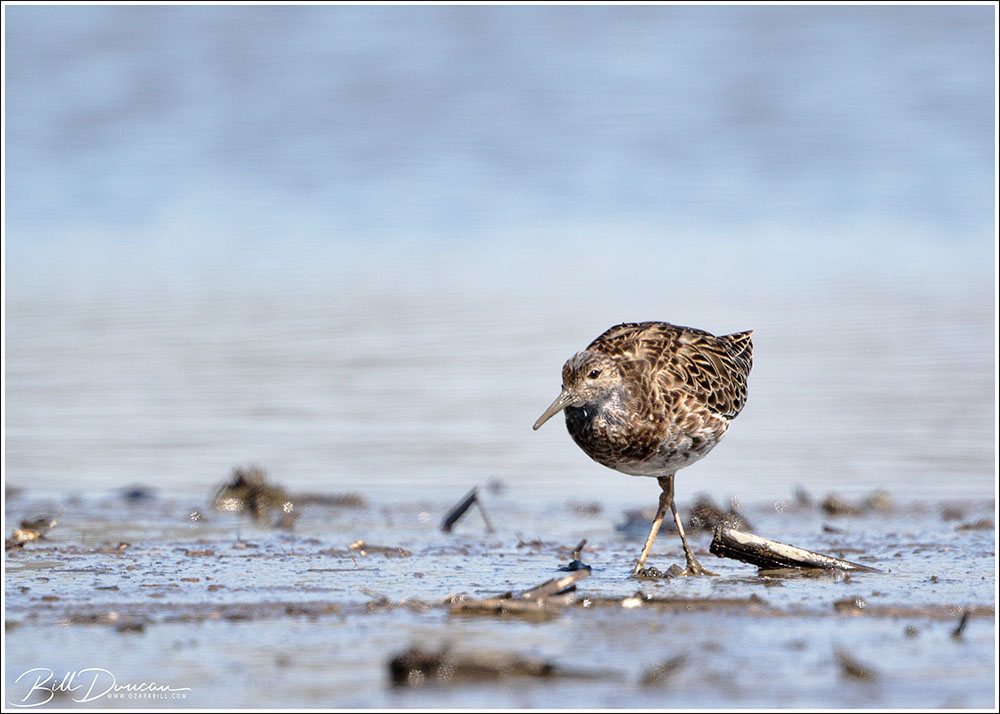
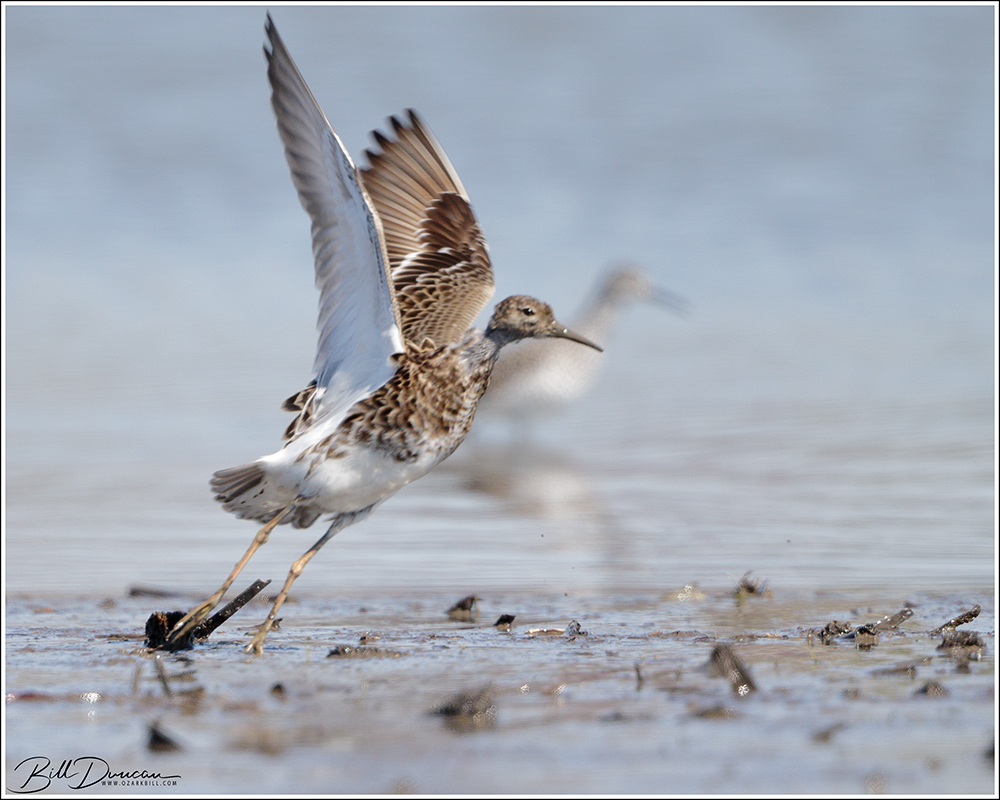
Never have I worked so hard to get mediocre photos of such an ugly bird. The sky was clear, the air cool and this combination created a terribly turbulent atmosphere over the mud flats the bird was foraging in, making it near impossible to get the sharpness desired in a photograph.

Ruff (Calidris pugnax) Camera settings: f/5.6, 1/1250 sec., ISO-400, 1120 mm focal length equivalent.

The Ruff is a bird that is native to Eurasia, visiting North America somewhat regularly. There have been sightings of this species in Missouri and Illinois in the recent past (at least three during this spring), but this is the first one I’ve been able to track down and photograph. Josh Uffman happened to discover this bird near Riverlands Migratory Bird Sanctuary on April 18th while we were in the area. I want to thank Josh who turned on the St. Louis birding community to this special visitor from overseas.

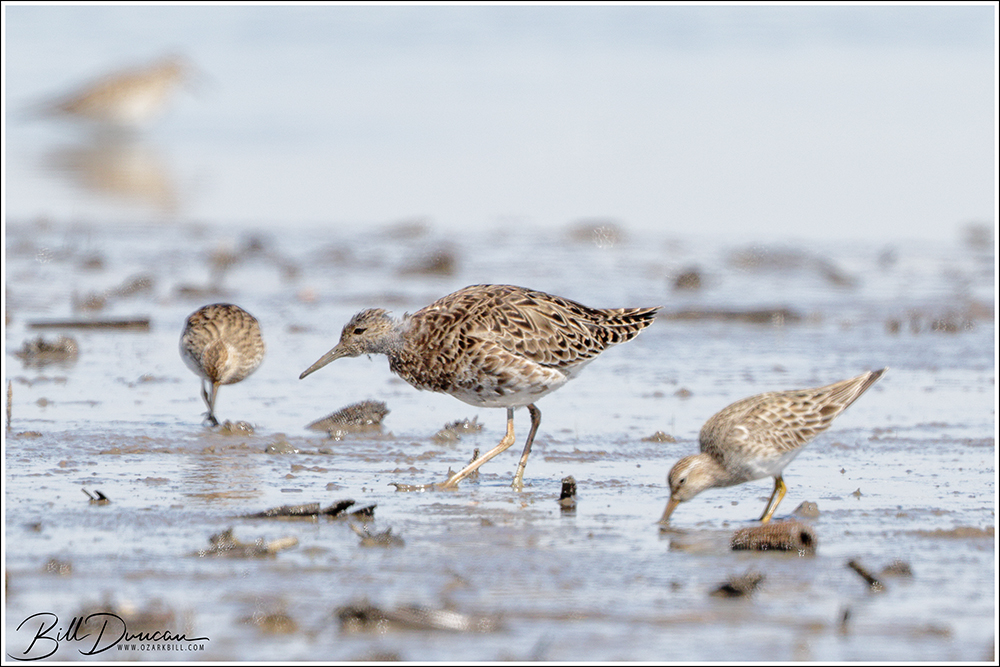
Ruff (Calidris pugnax) Camera settings: f/8, 1/1000 sec., ISO-640, 1120 mm focal length equivalent.

The Ruff is a member of the Calidris genus of shorebirds. Local members of this group include many of the sandpipers we are familiar with, like the peeps, Dunlin and Red Knot.

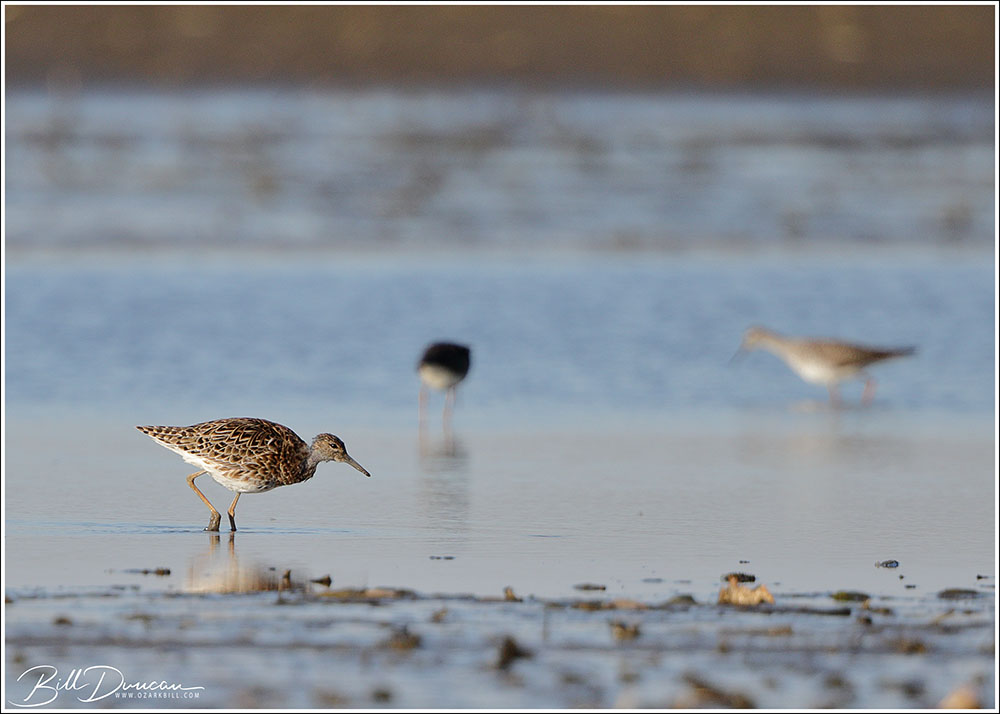
Ruff (Calidris pugnax) Camera settings: f/5.6, 1/1000 sec., ISO-200, 1120 mm focal length equivalent.

I know I called this particular bird ugly earlier in the post. However, if you are not familiar, look this bird up on the internet or your favorite bird guide. The birds in breeding plumage are absolutely stunning and their behavior on leks makes them a very special bird.

Ruff (Calidris pugnax) Camera settings: f/5.6, 1/1250 sec., ISO-400, 1120 mm focal length equivalent.

These were just a few of the couple thousand or so photos of this bird taken on that day. Most were boring shots of the bird foraging in the flooded farm field. Perhaps one day I’ll be fortunate enough to see these guys on their leks.

-OZB