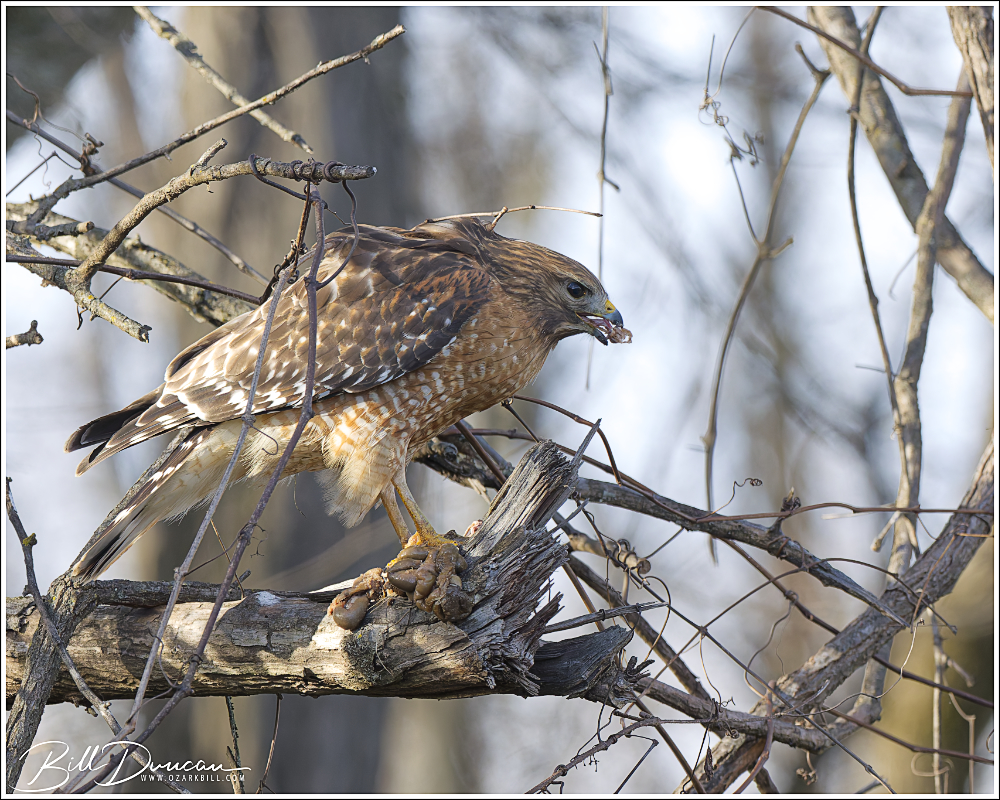
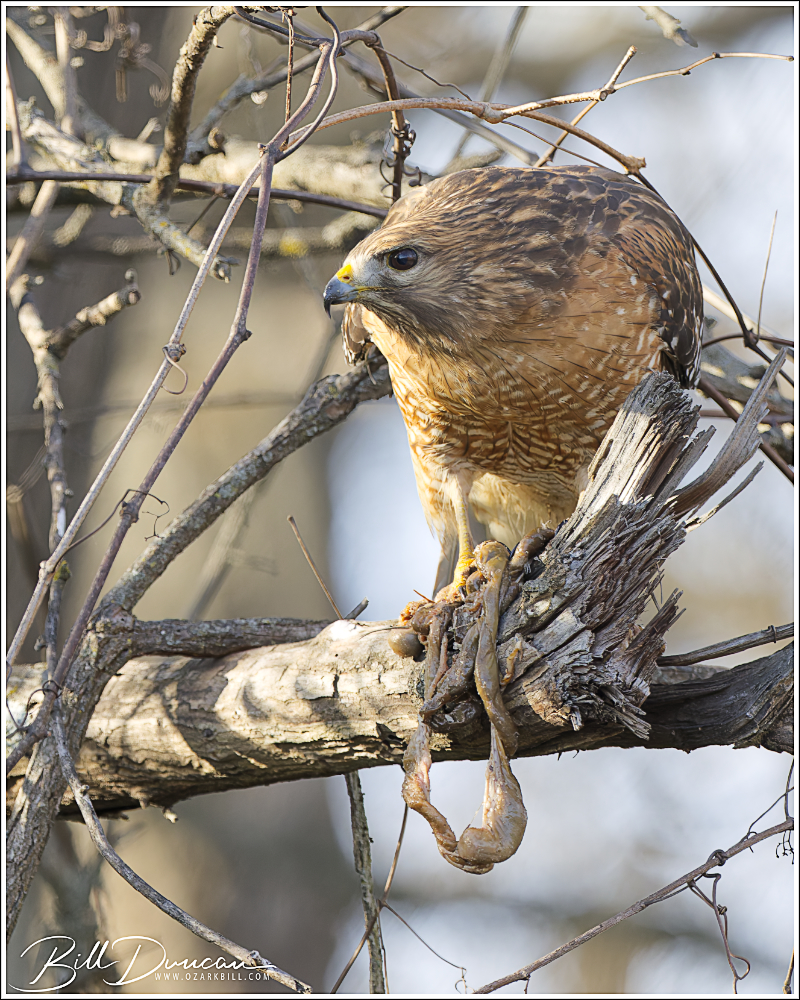
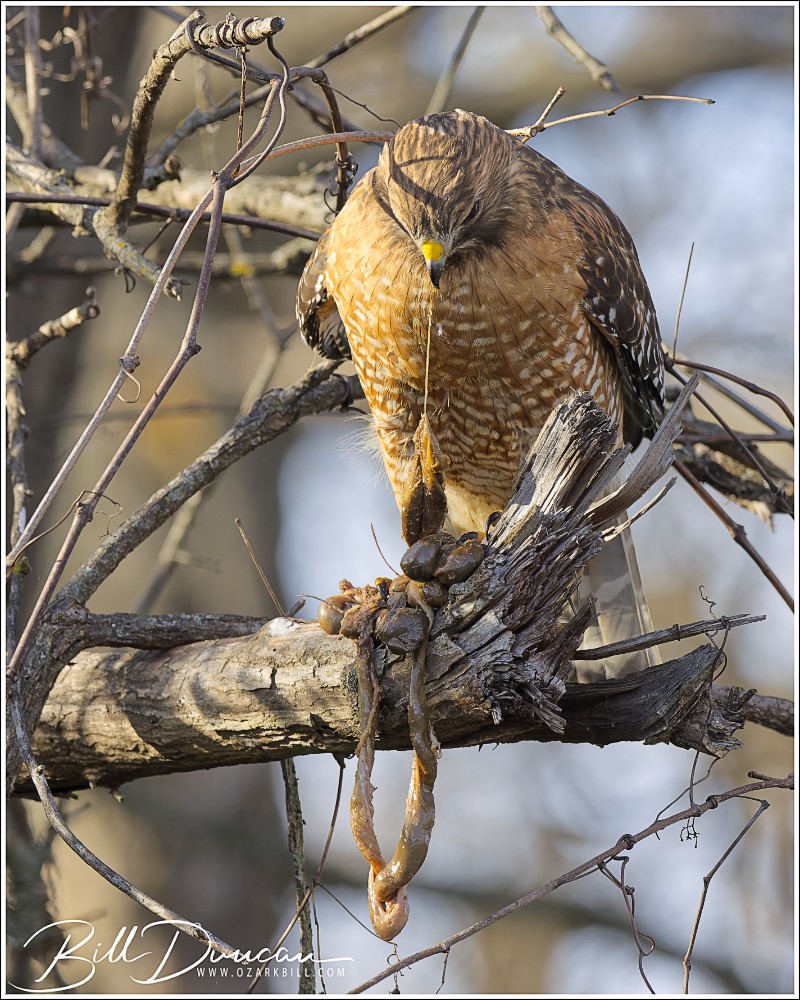
I found this Red-shouldered Hawk a couple of weeks ago finishing off a squirrel carcass at Bush Wildlife CA.


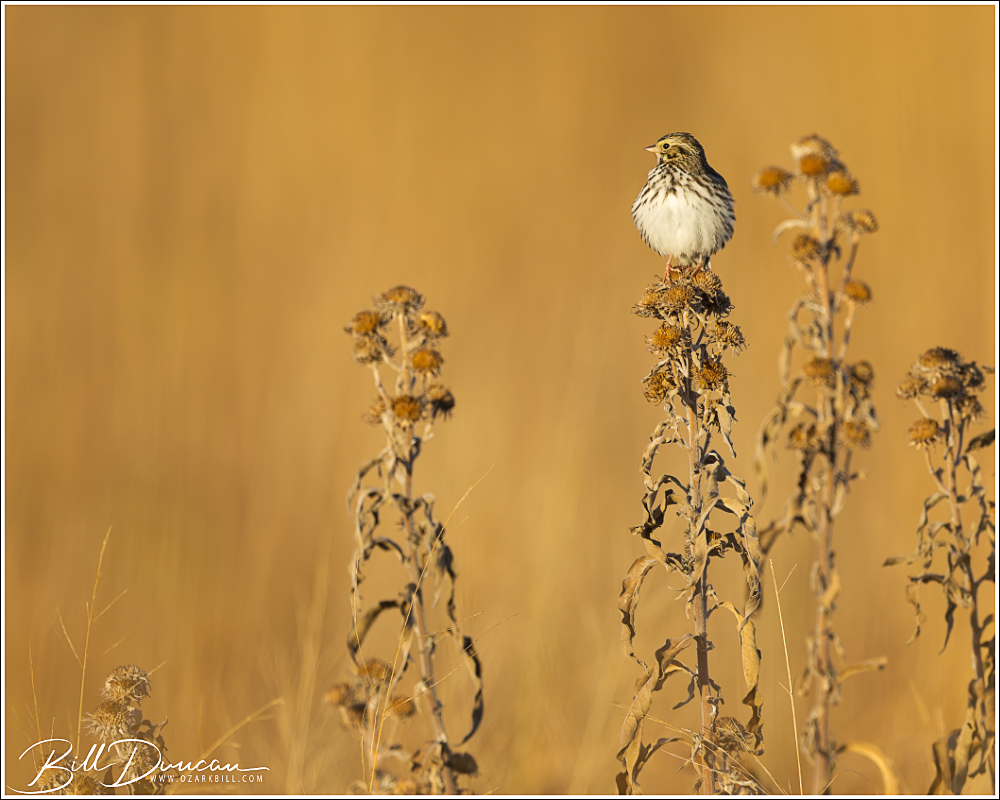
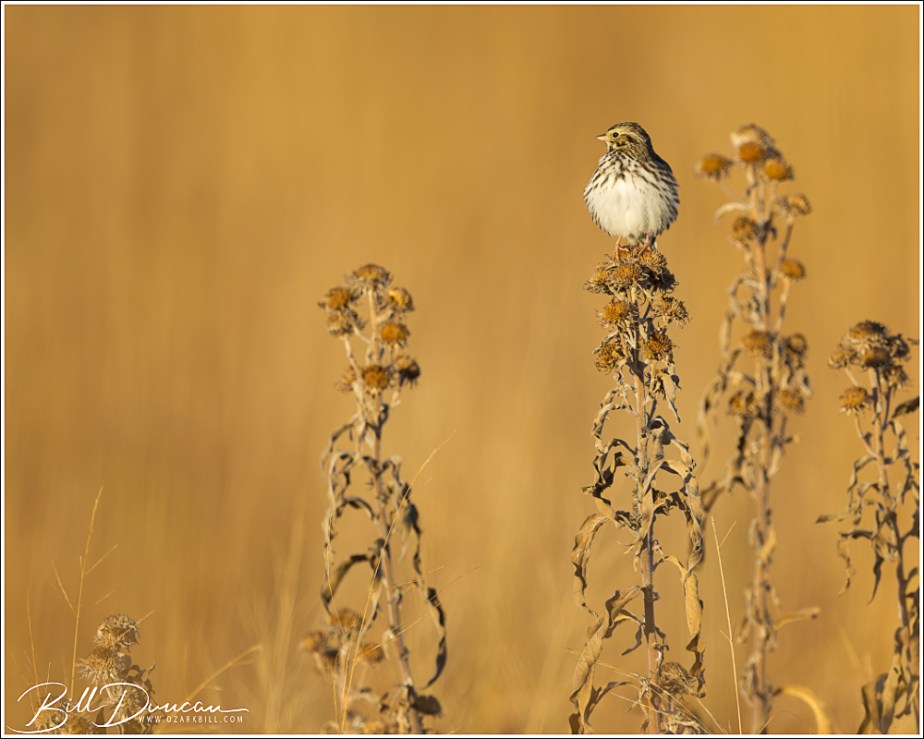
"What a thousand acres of Silphiums looked like when they tickled the bellies of the buffalo is a question never again to be answered, and perhaps not even asked." -Aldo Leopold
I found this Red-shouldered Hawk a couple of weeks ago finishing off a squirrel carcass at Bush Wildlife CA.
Missed on a few target species this fall but you can never have enough Sedge Wren.


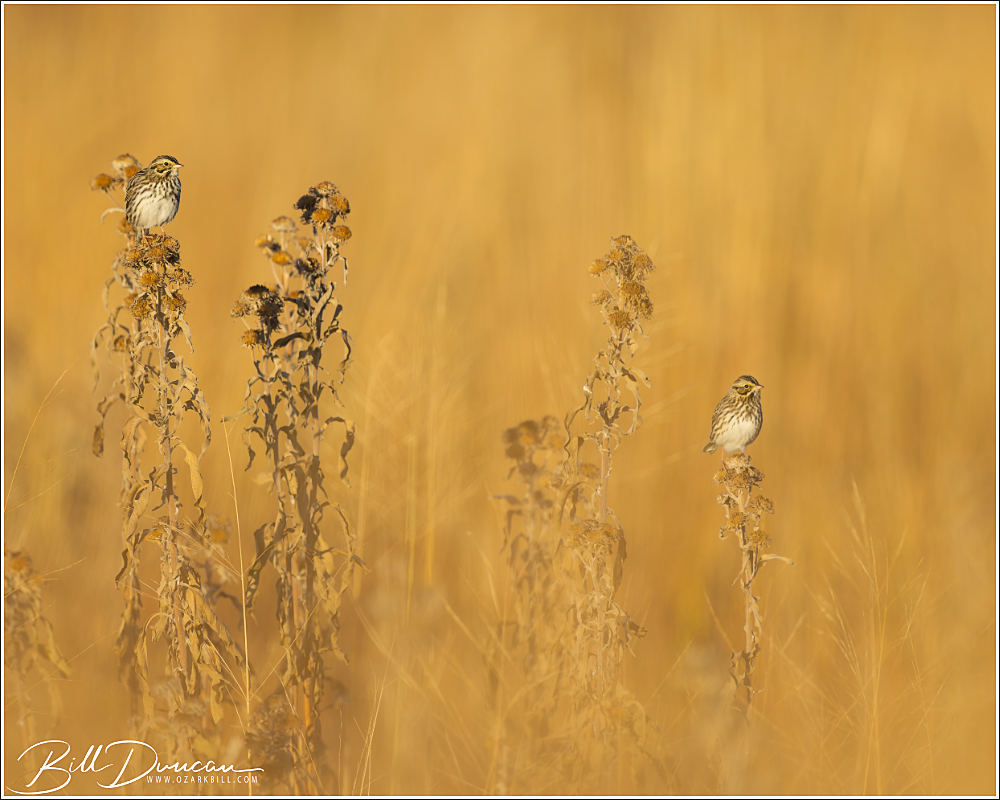
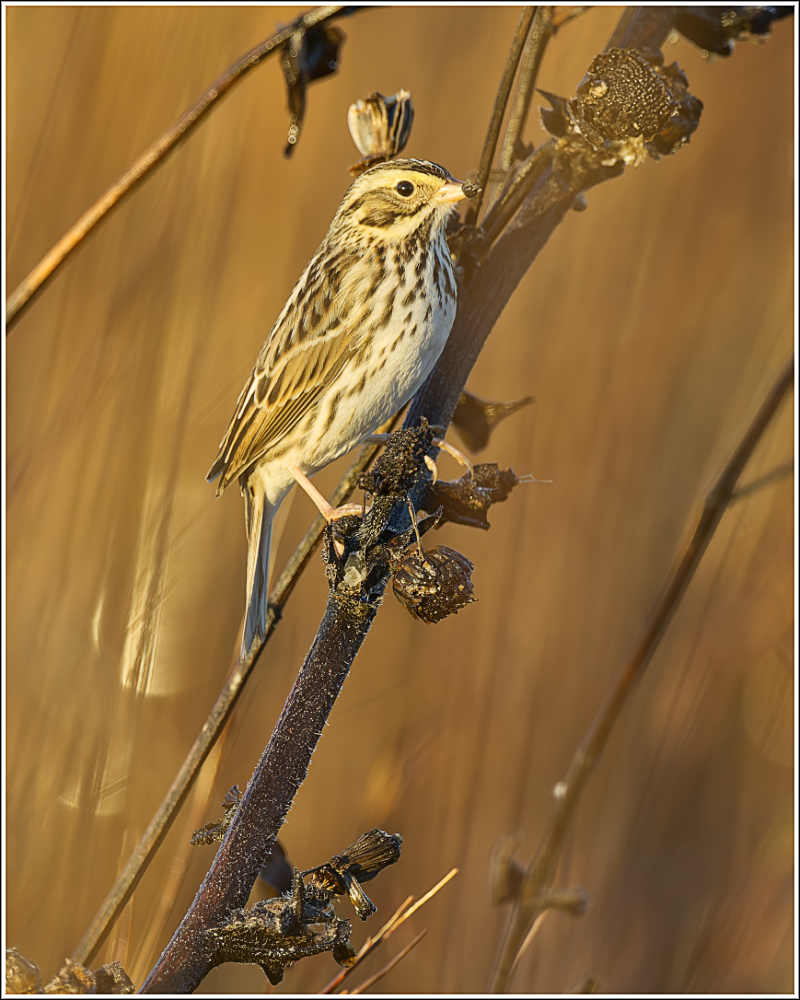
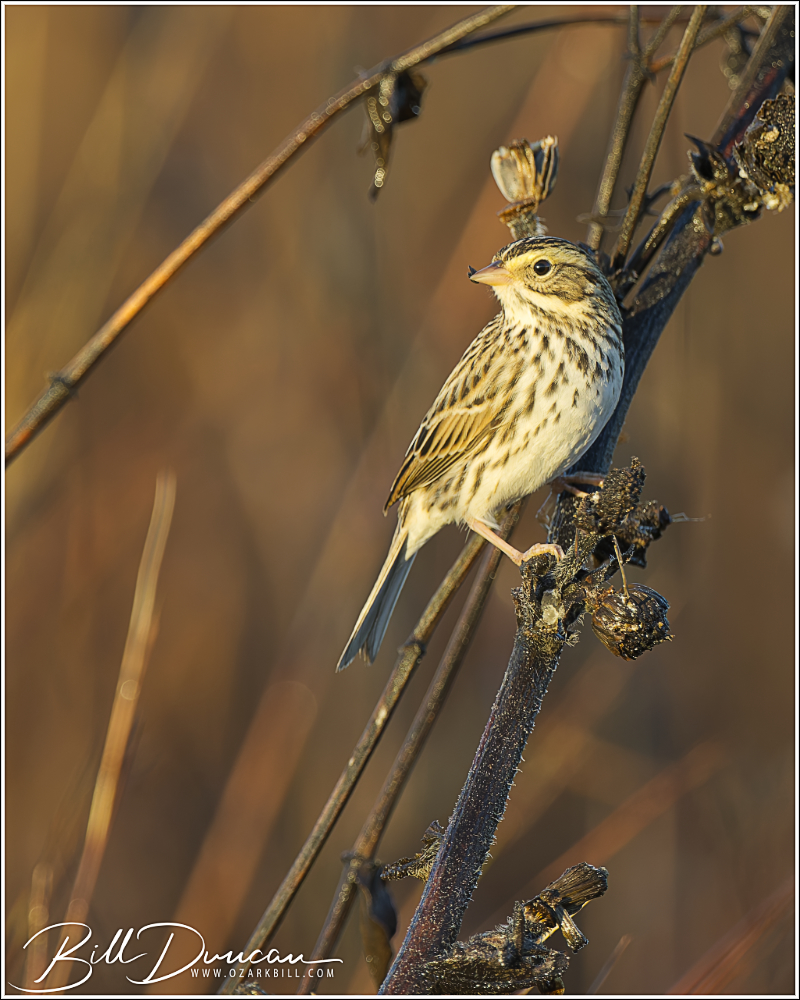
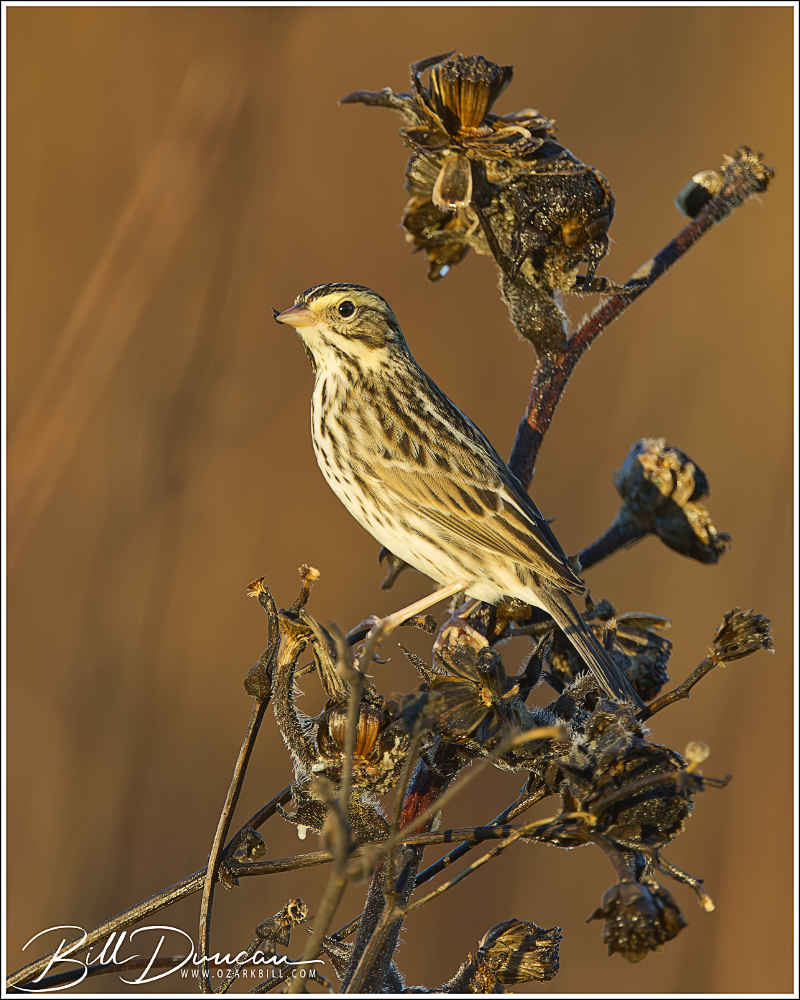
Savannah Sparrows have been easy to find this year.
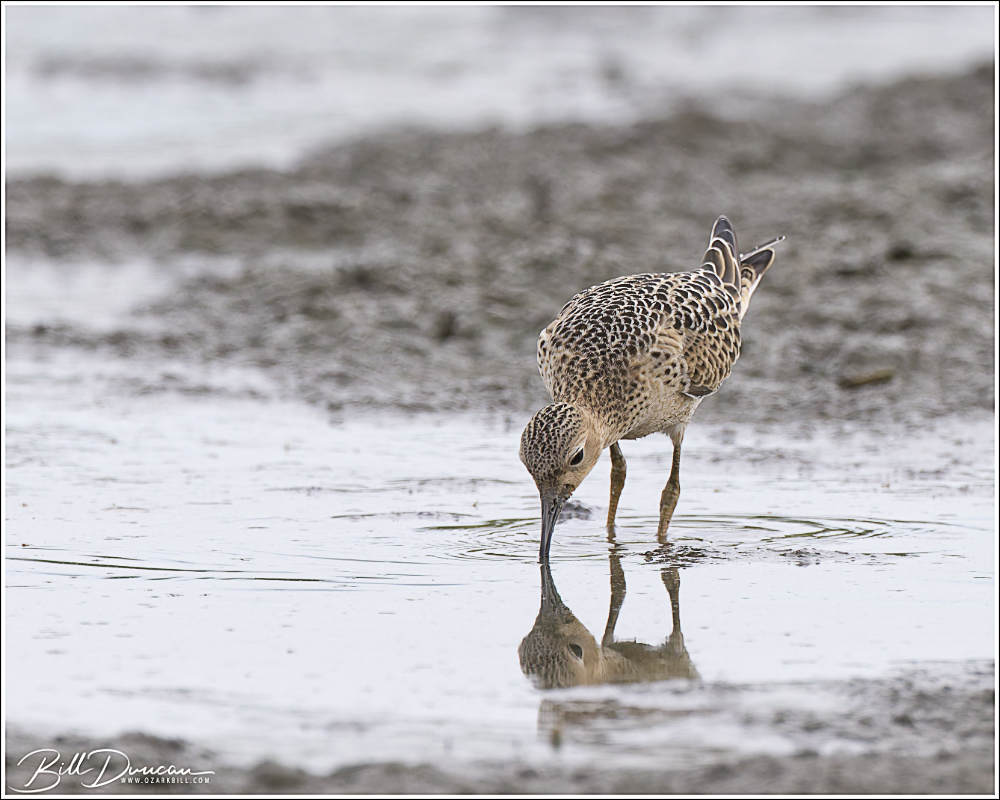
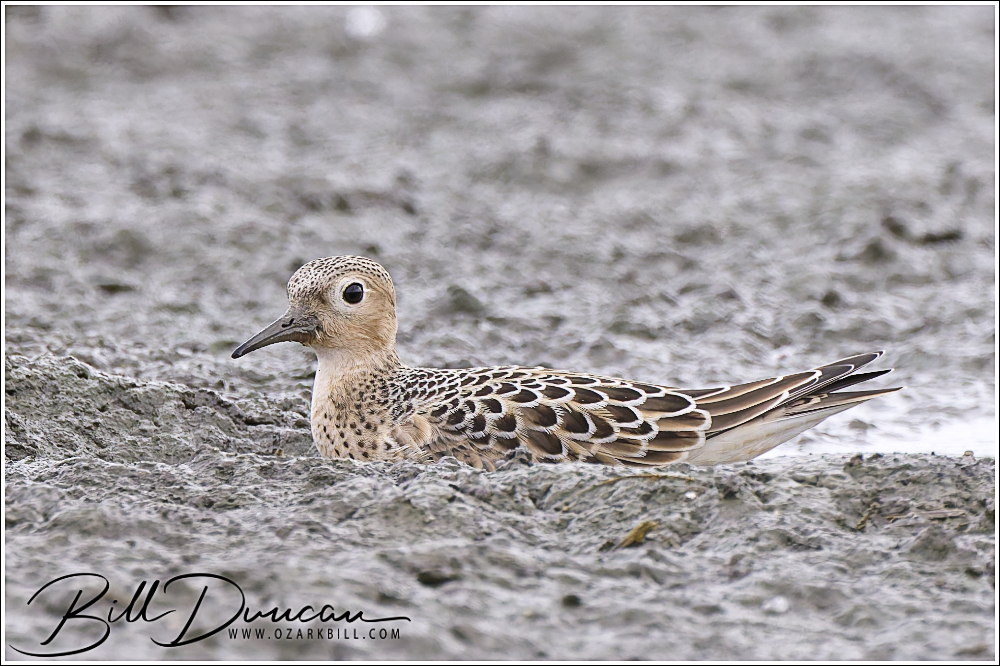
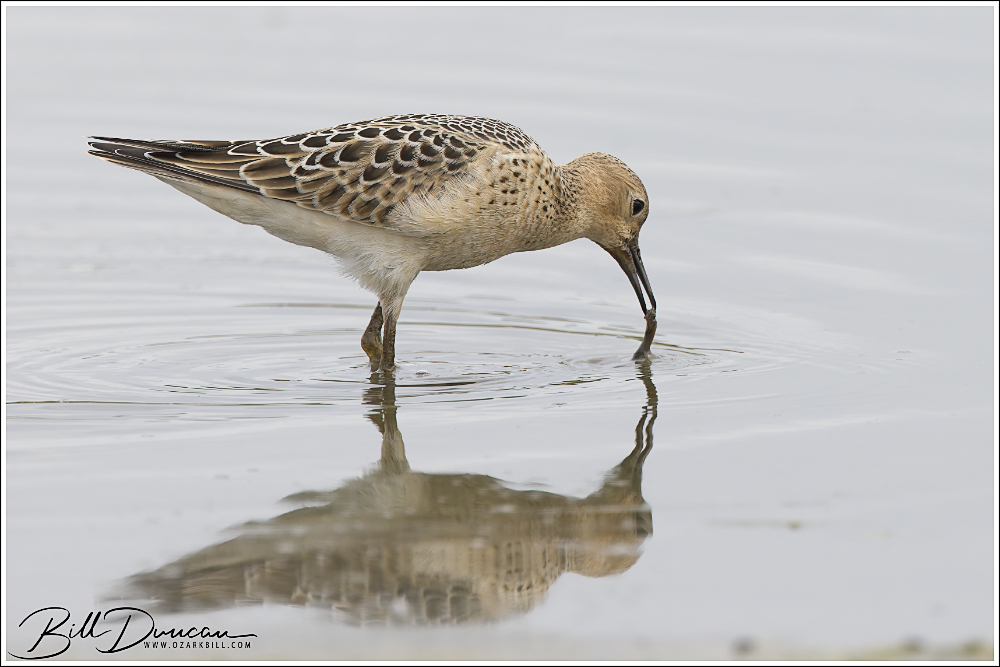
It’s been close to 15 years since I’ve had the opportunity to photograph one of my favorite bird species, the Buff-breasted Sandpiper. This one was photographed on August 31st at Confluence State Park. Thanks a bunch to Diane Bricmont who first pointed this out to us!


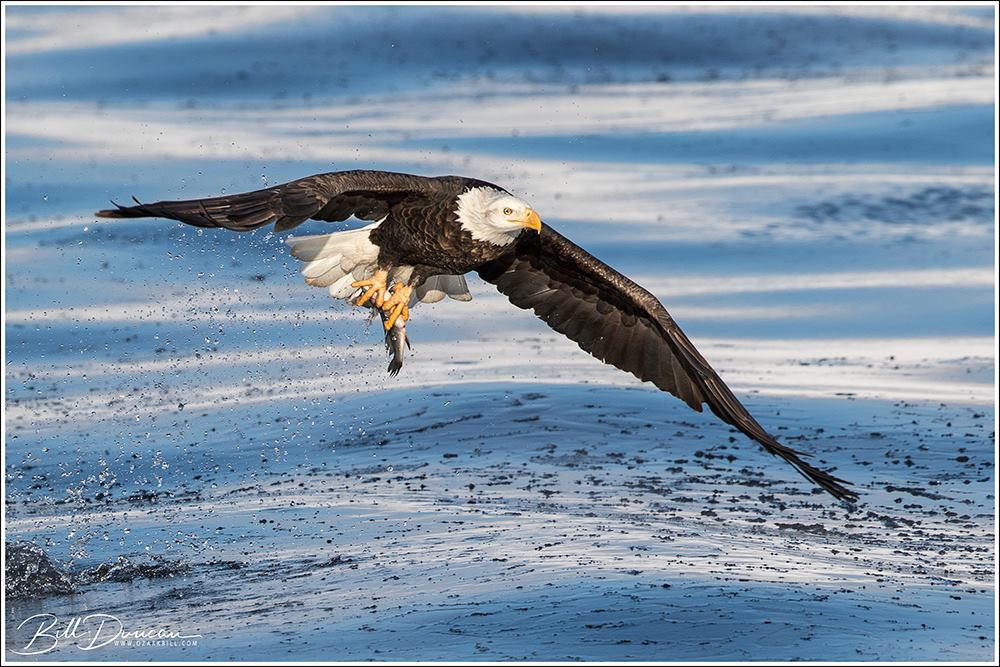
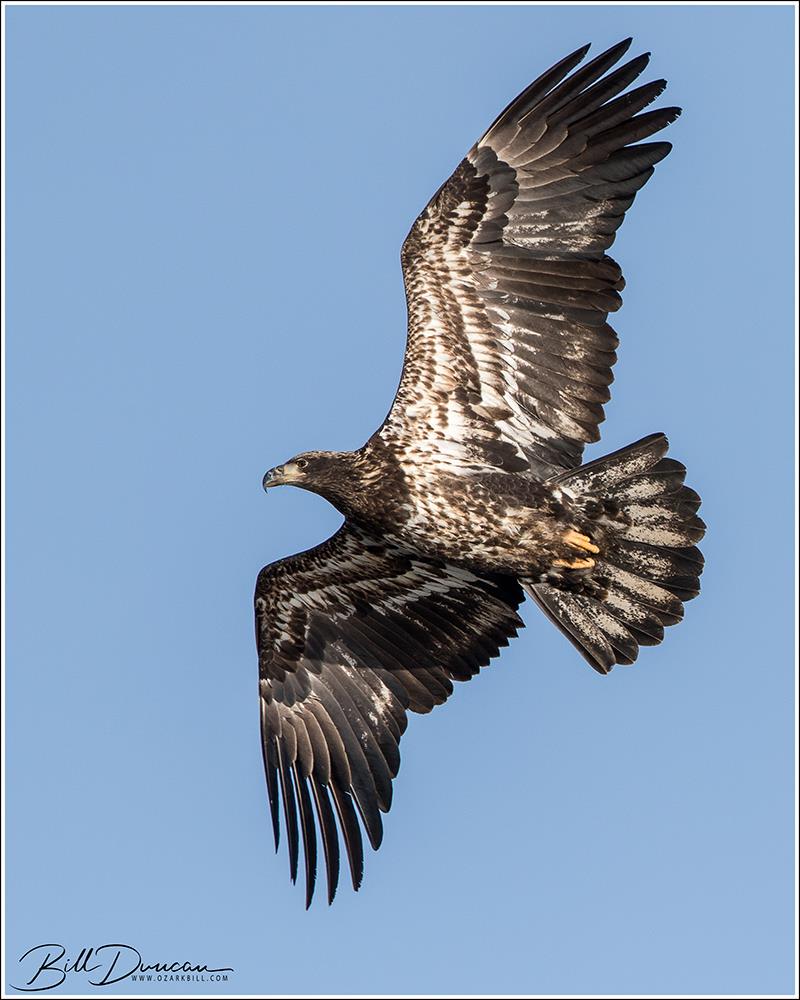
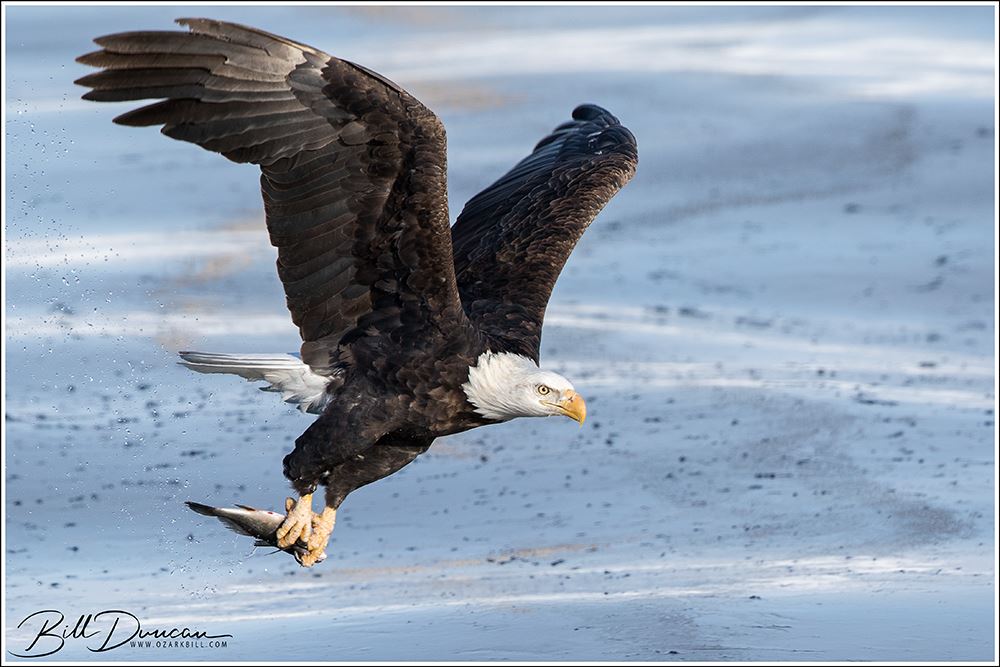
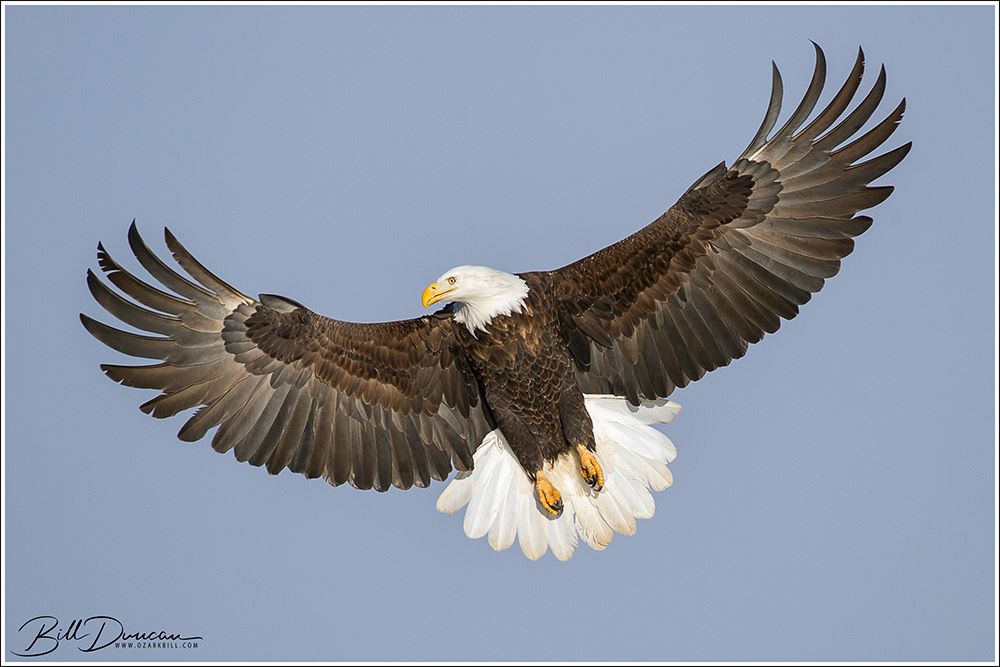
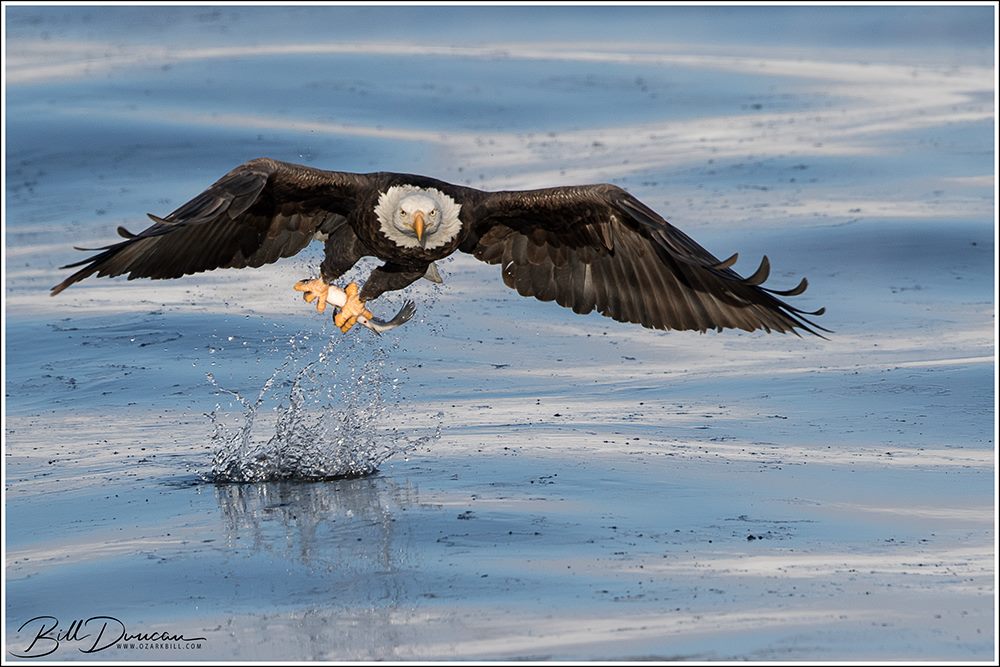
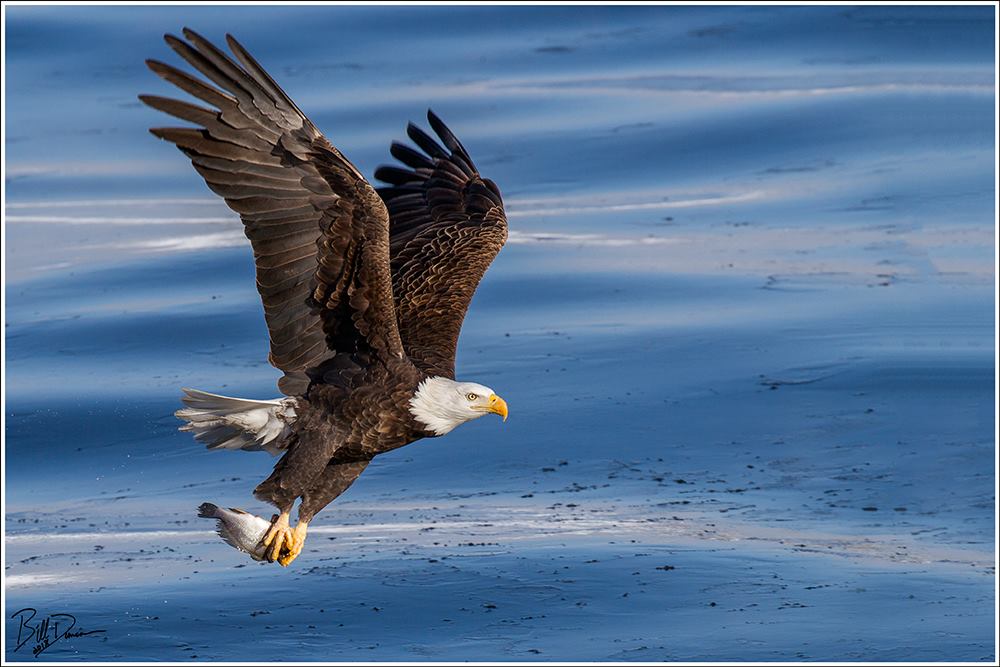
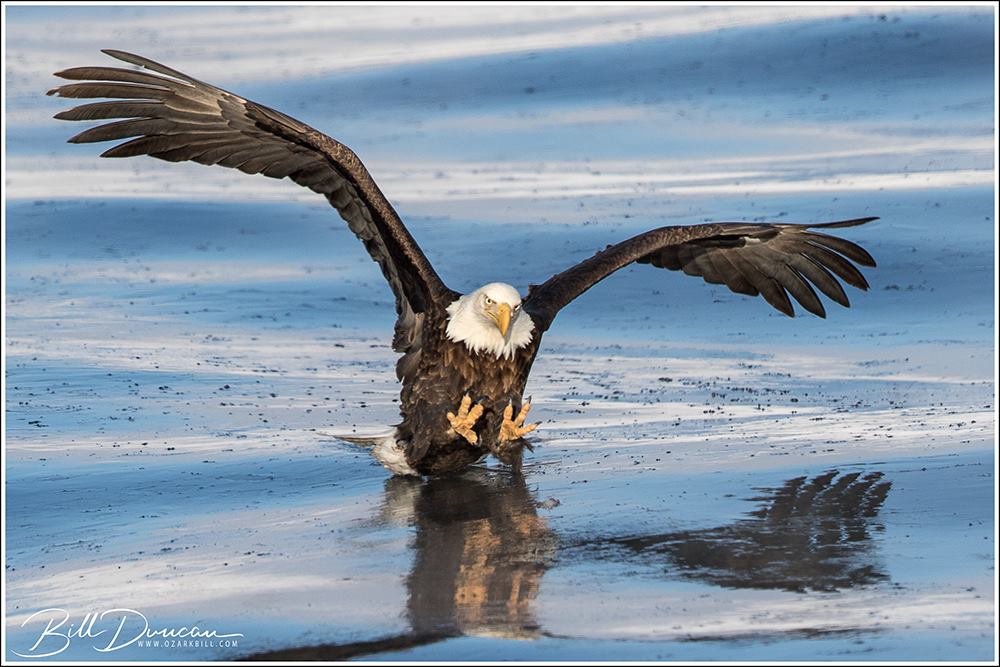
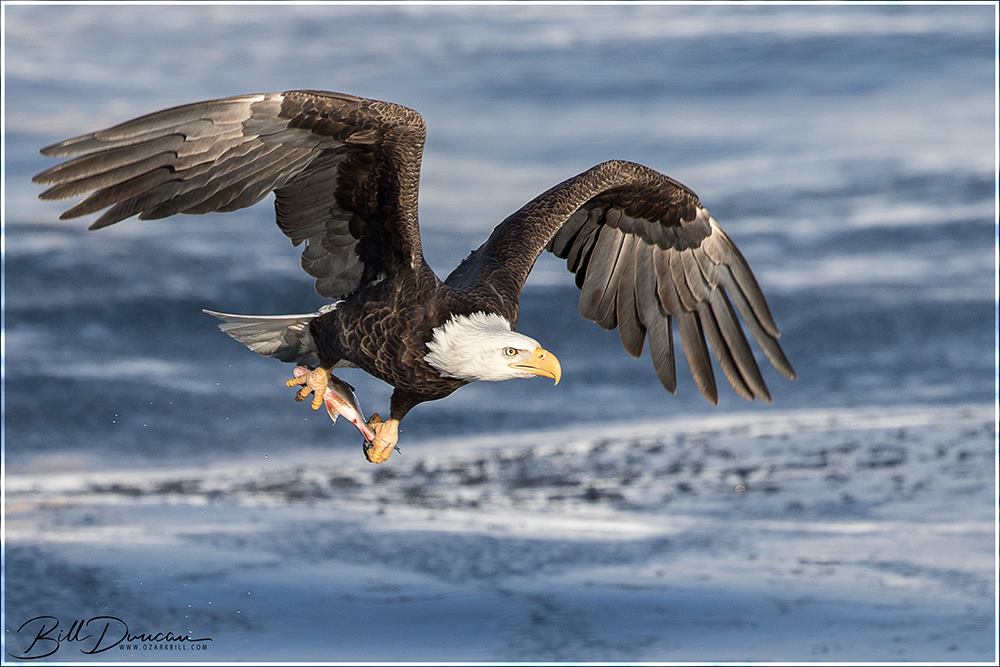
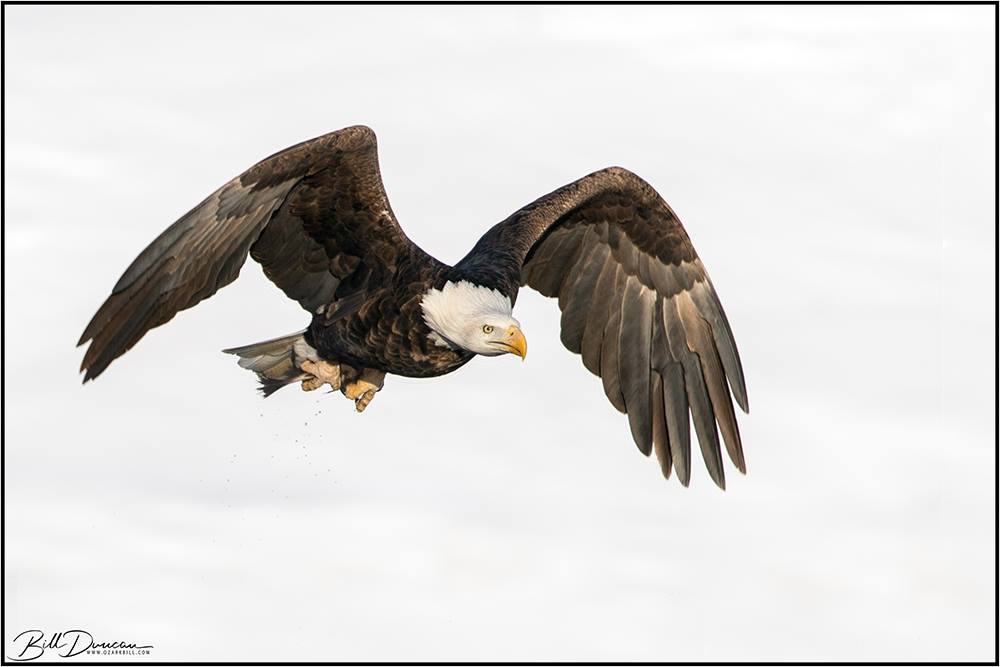
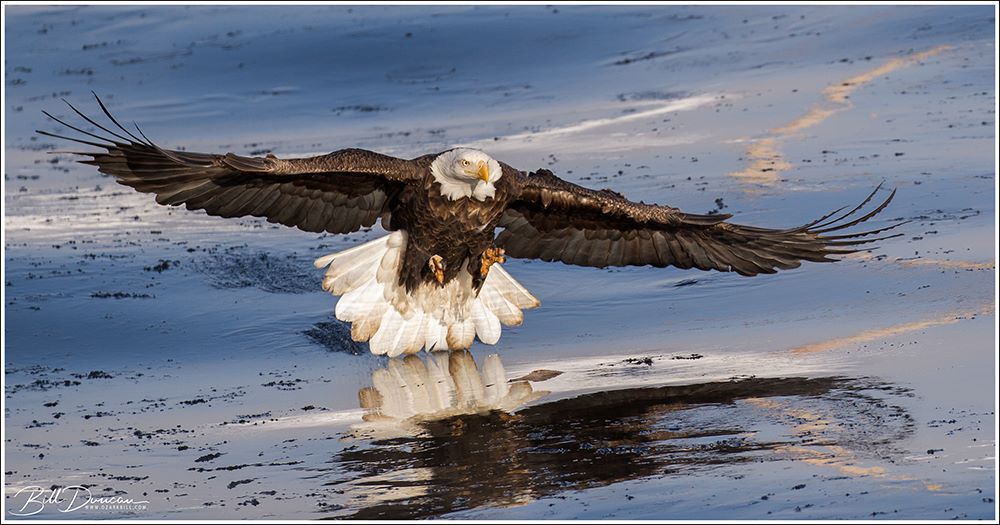
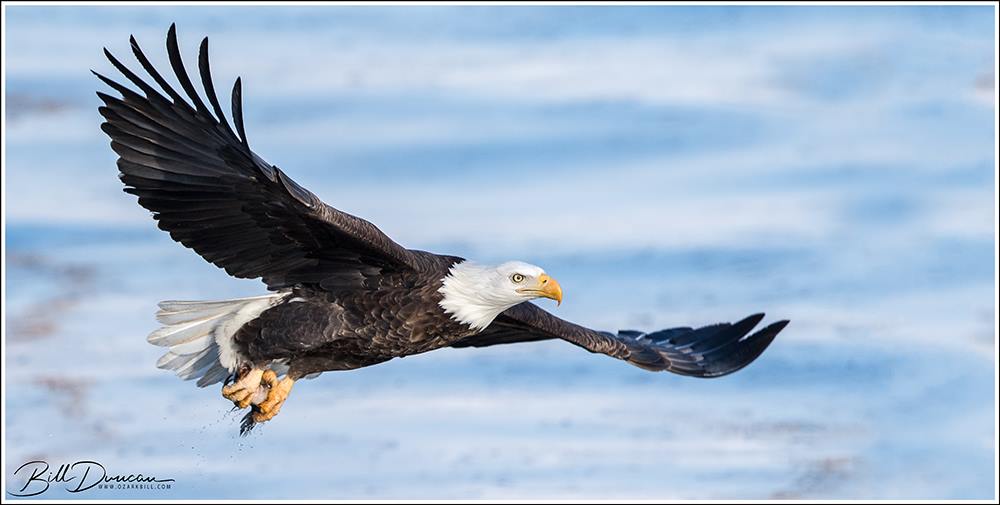
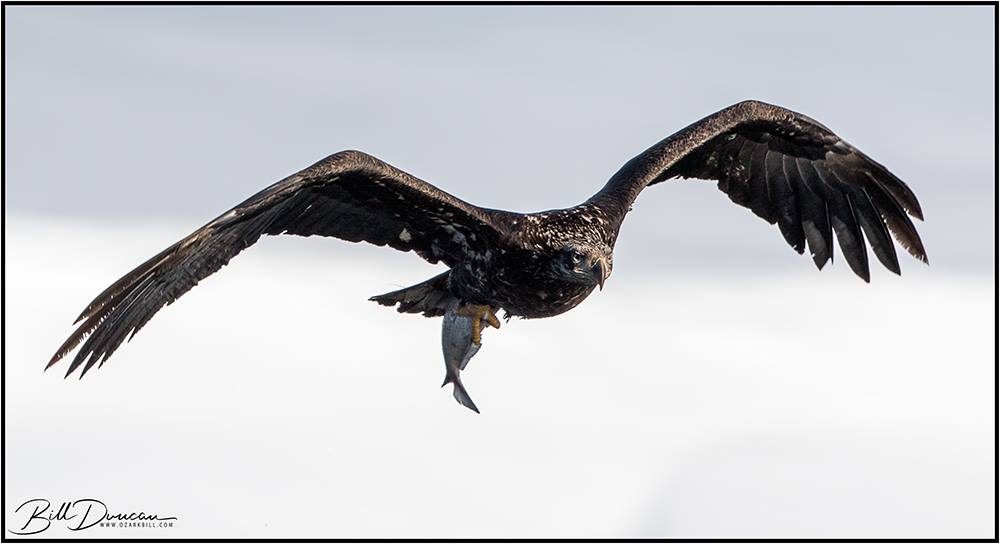
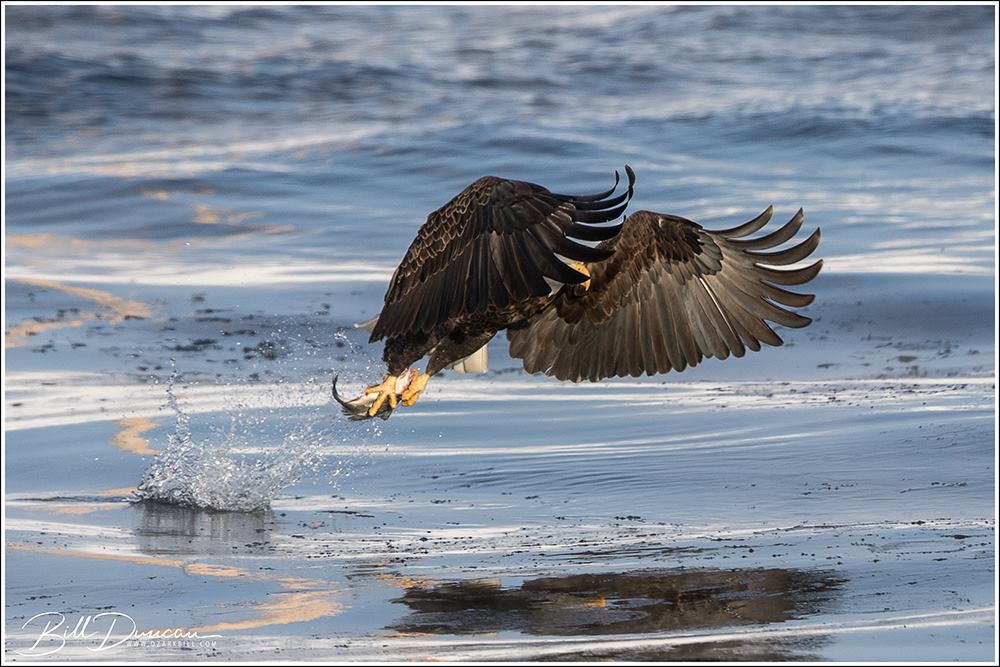
Still plugging away at making sure photos that I only posted to Facebook for a couple of years do get captured here on the blog. These photos were taken in January 2019 on one special and frigid day at Lock and Dam #14 along the Mississippi River near LeClaire, IA. I do mean it was a frigid day. I believe the high for this day might have reached 3 °F.












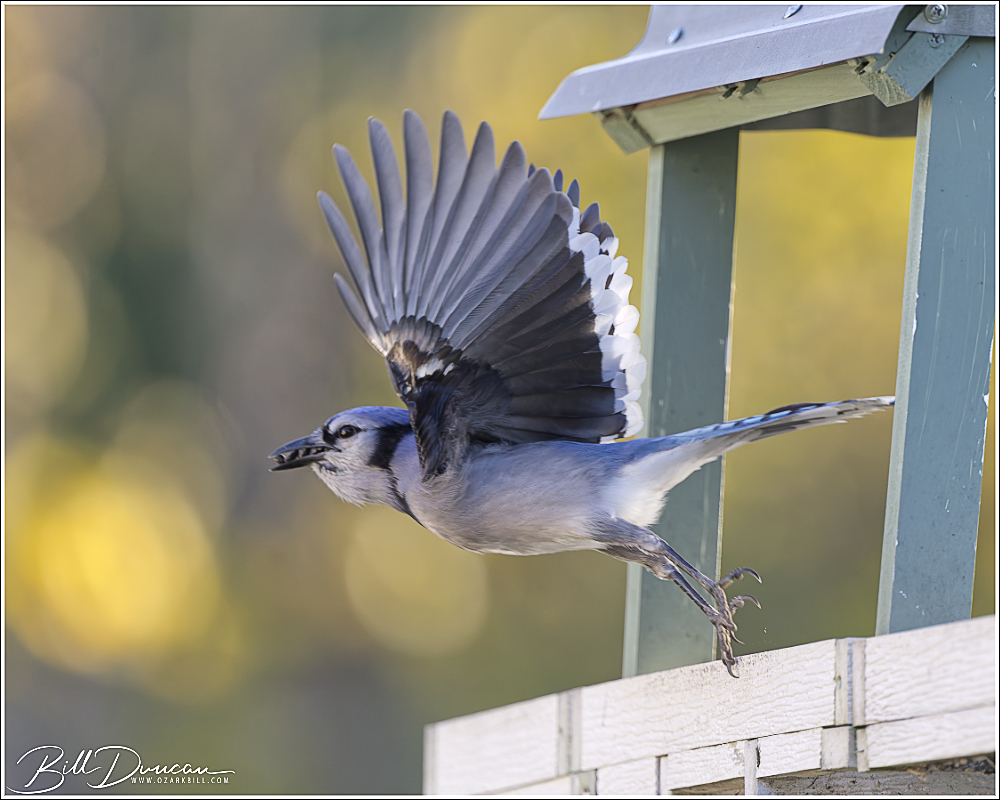
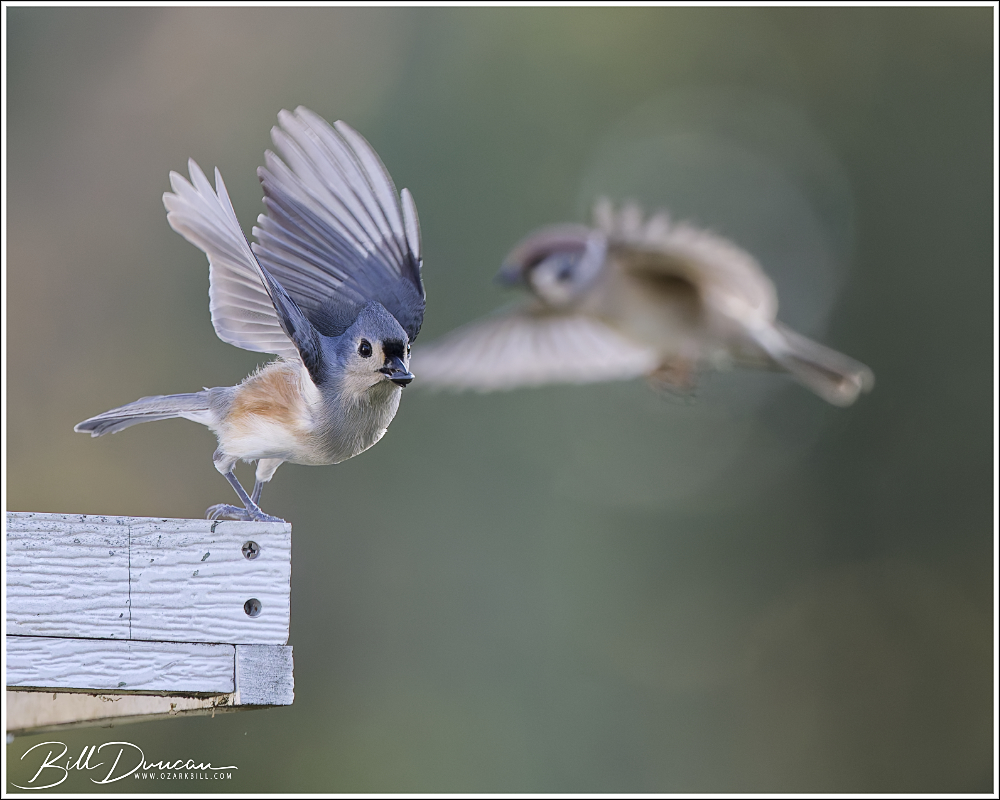
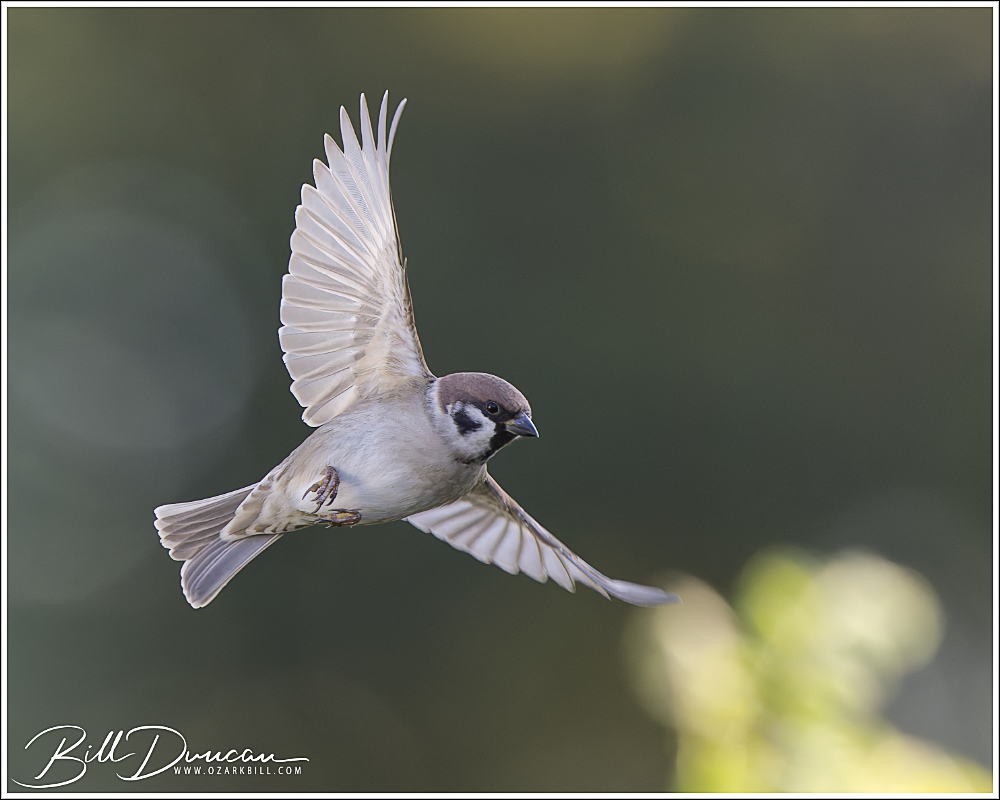

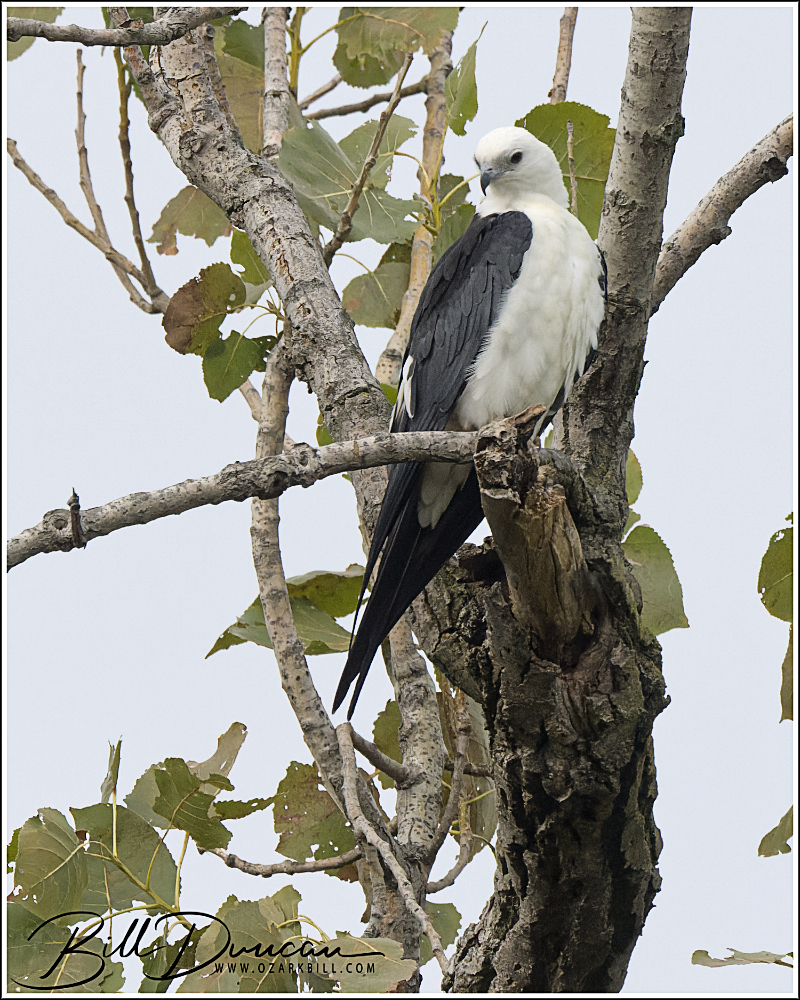
The St. Louis birding community had quite a treat in late August and early September of this year. At Columbia Bottom Conservation Area, soaring among literally dozens of Mississippi Kites were a few Kites not like the others. Three Swallow-tailed Kites, a species that is most often found in southern-Atlantic and gulf coast states of the U.S., were visiting the area taking advantage of the abundant grasshoppers, dragonflies and annual cicadas in the skies above the grasslands and woods of the confluence area.

I was naive to the feeding habits of these large birds. In my limited experience with this species in states like Georgia and Texas, I had observed them feeding on larger vertebrate prey like snakes, lizards and small birds. Like their smaller relatives, the Mississippi Kite, this species primarily consumes larger flying insects like cicadas. During my three days of chasing these three birds, I found them eating mostly large grasshoppers.
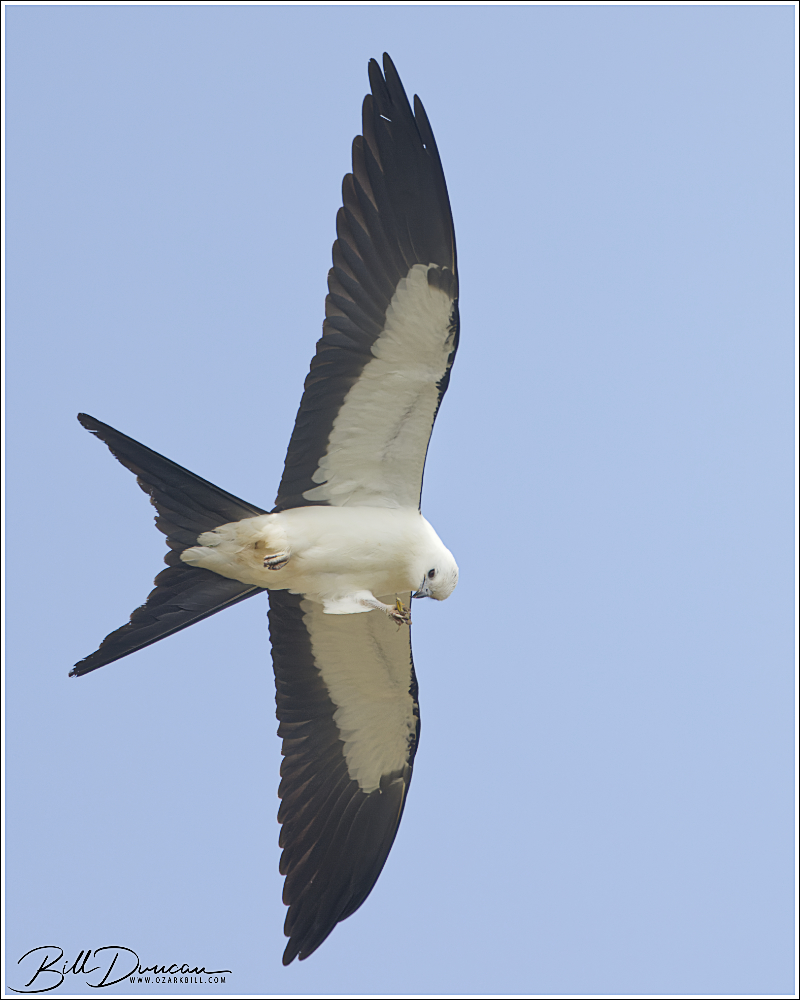
Photographing these birds was unexpectedly frustrating for me and my friends. On the days we were there, the birds did not take to the air until temperatures were sufficiently high to have their insect prey in flight. This meant that we saw them mostly in the hours between 9:00 am and 3:00 pm when light was not ideal and heat distortion in the air would brought us severe frustrations. Although we often found the birds soaring fairly close over our heads, the heat distortion rendered most of our images with disappointing softness. Most of the thousands of images we took were destined for the recycle bins.

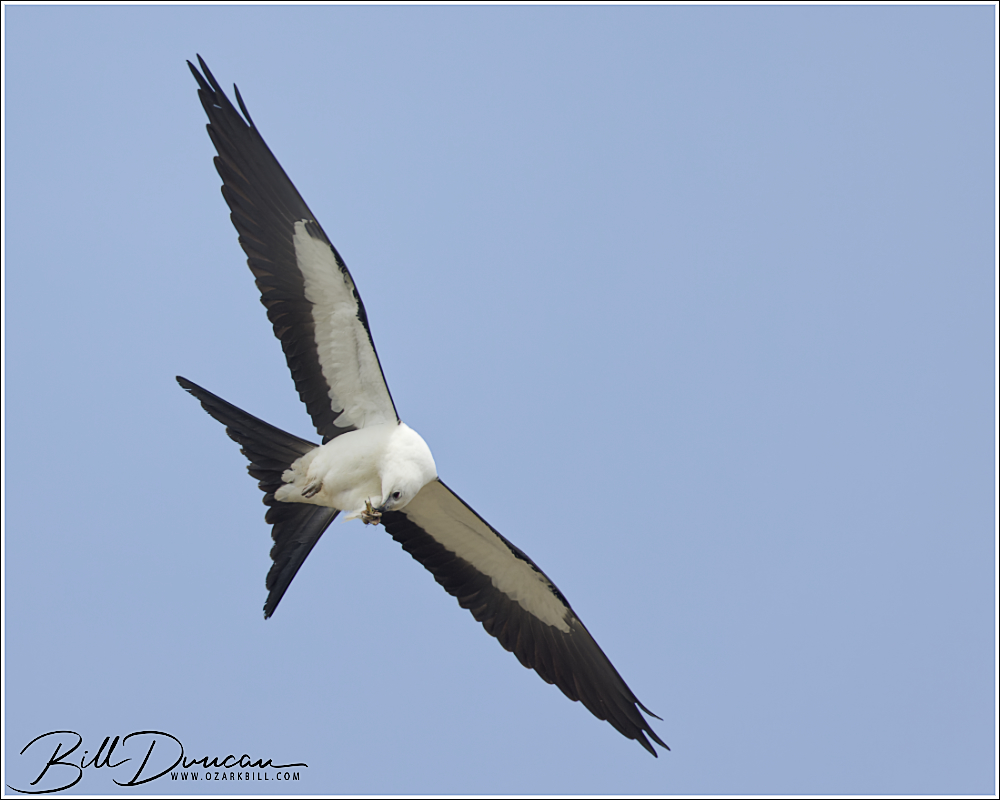


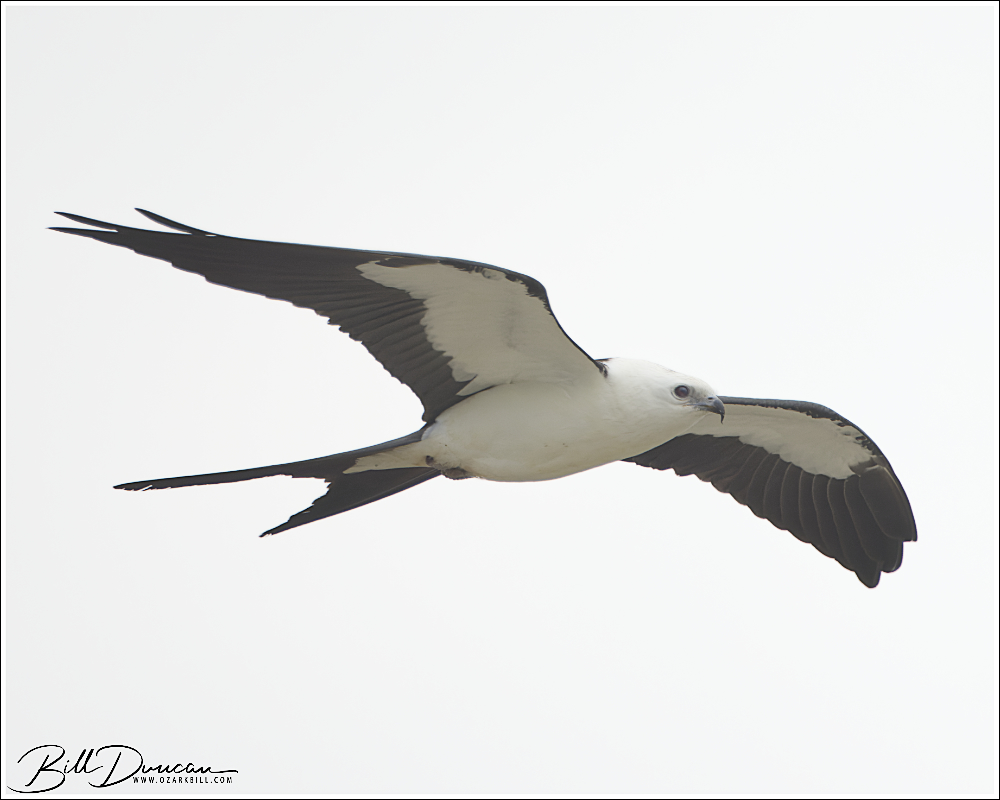
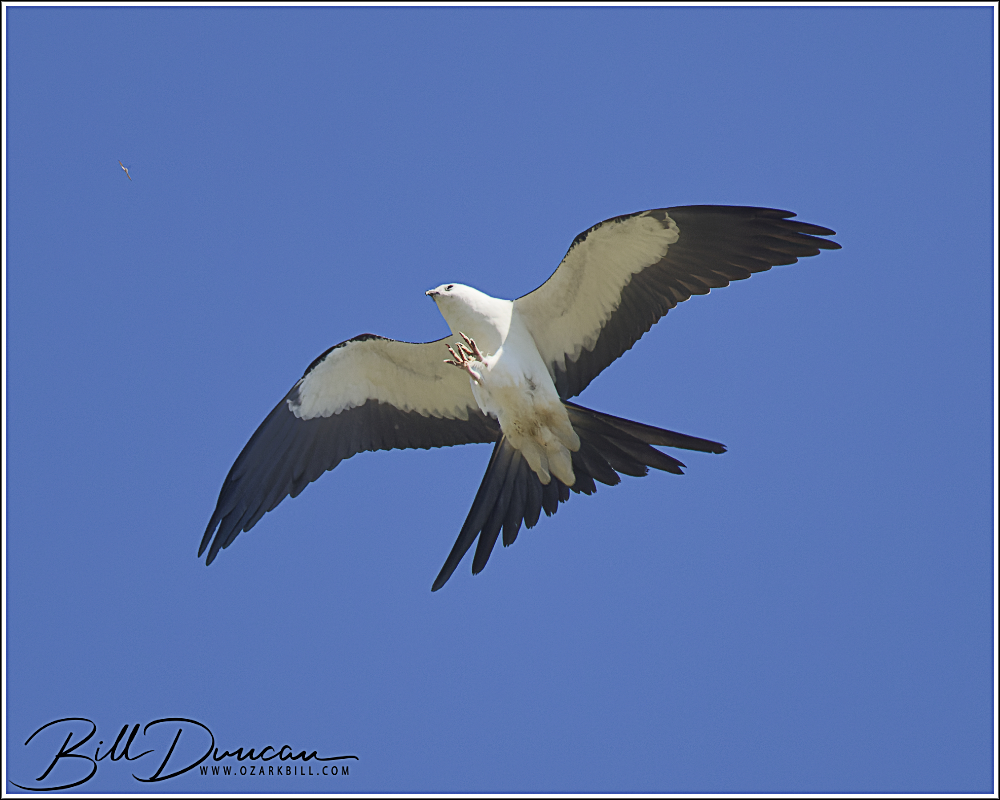

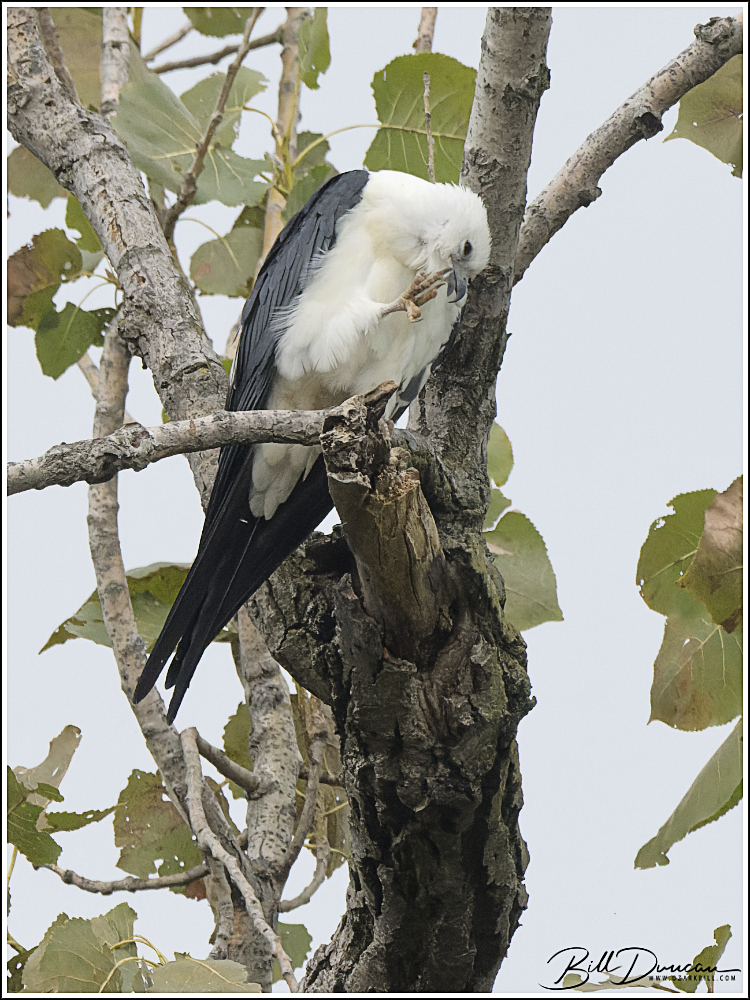
As I mentioned above, Mississippi Kites were found in abundance as well. They must have had a great nesting season as most of the birds I observed seemed to be juveniles. Here are a few of the images I was able to get of these guys.
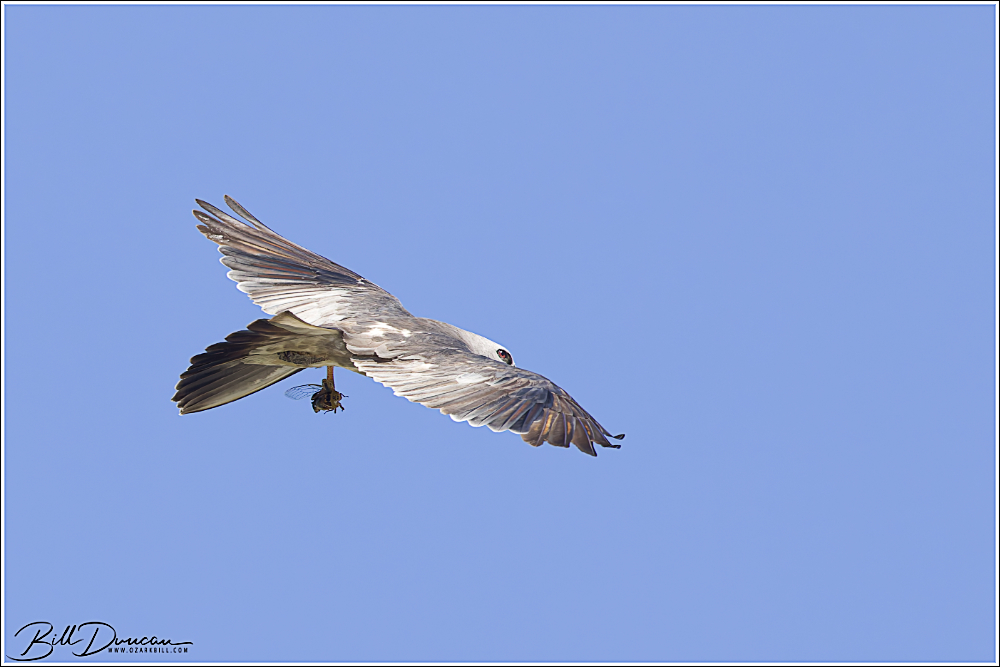
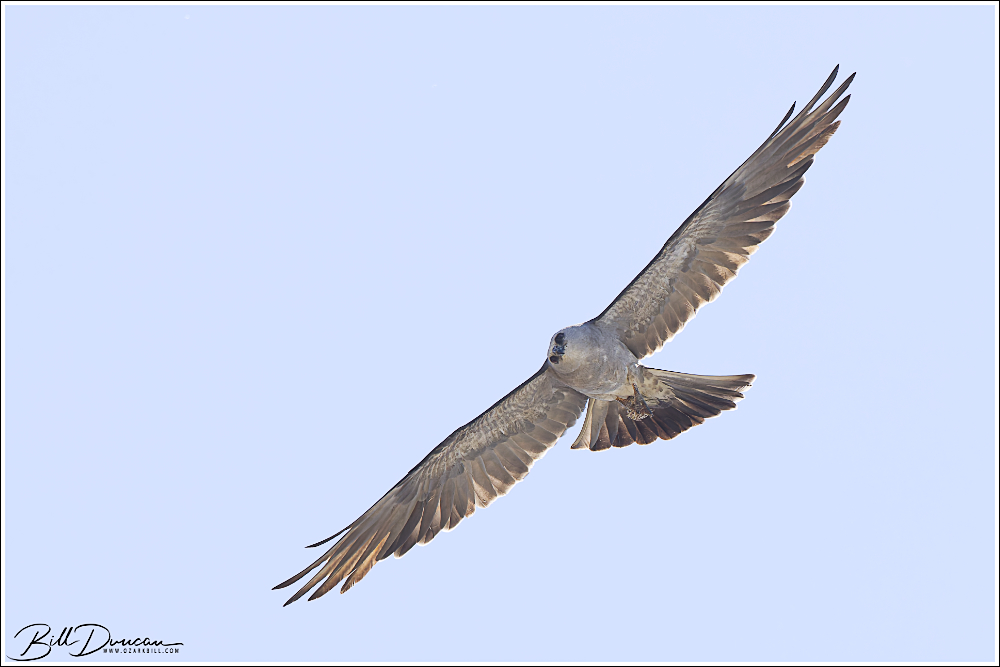


This seems to have been an unprecedented year for Swallow-tailed Kites in Missouri. In addition to the three I mentioned here, birds of this species were found in other counties across the state. Hopefully this might be another species that we see more often in the future.
In mid-April of this year, Casey and I took an exhilarating and unforgettable trip to Wisconsin to photograph Sharp-tailed Grouse. Every morning, my journey began with waking up at 3:00 am, filled with anticipation and excitement for the day ahead. It was an hour’s drive to get to the viewing blind, and arriving 30 minutes prior to first light was crucial, ensuring that we could witness the natural spectacle that was about to unfold.
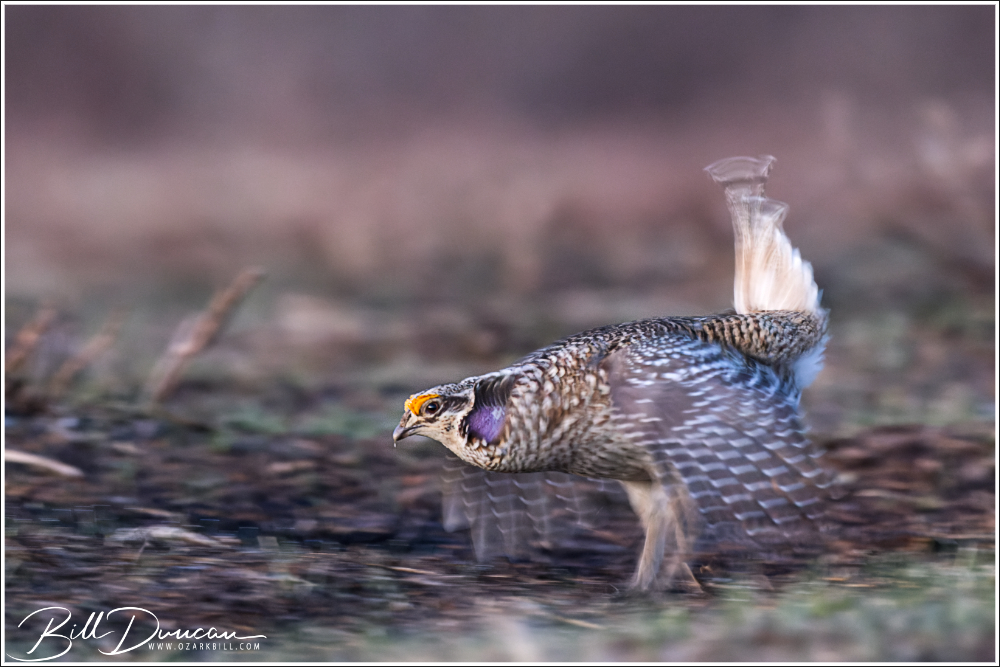
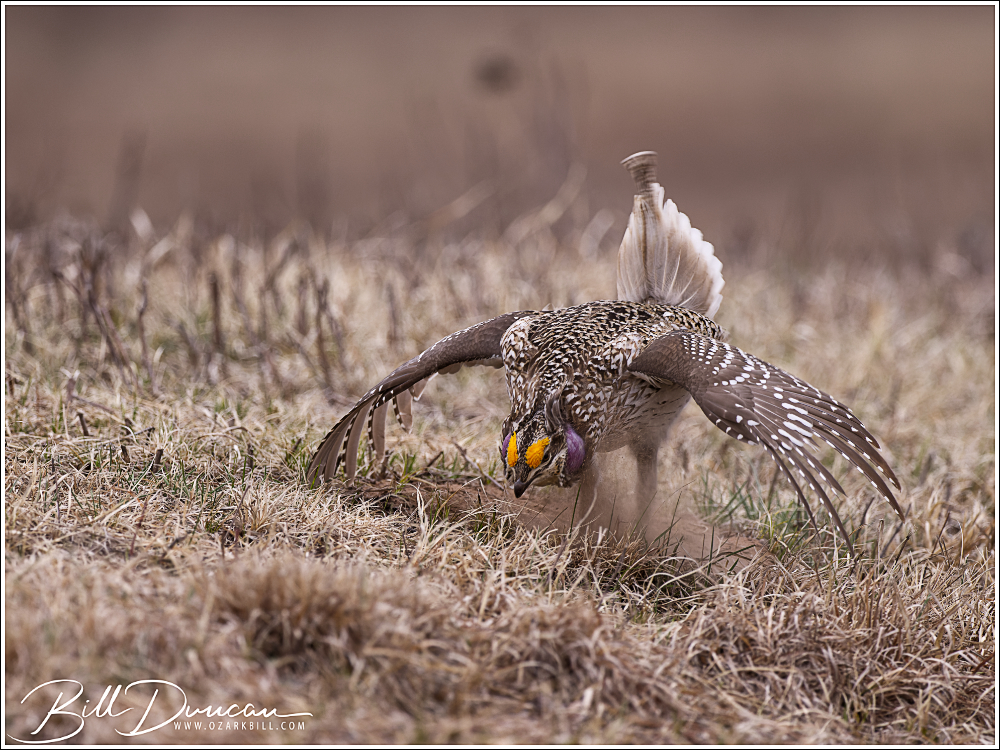
As the first light of dawn broke through the horizon, the air was filled with the captivating sounds of nature coming to life. The distinct calls and rhythmic dancing of the Sharp-tailed Grouse on the lek echoed through the surroundings, creating an awe-inspiring symphony. The increasing light revealed the beauty of the birds that had already began their intricate dance on the lek, a sight that left an indelible mark on my memory.

Each day, we were fortunate to have very good views of the birds on the leks, with up to 17 magnificent creatures, mostly males, gracing the landscape with their presence. The vibrant plumage and graceful movements of the Sharp-tailed Grouse were a testament to the wonders of the natural world, and capturing these moments through my lens was an experience like no other.

I’m sharing some of the thousands of images I made during my three mornings on the leks throughout the post. I was also able to capture some video that showcases the tremendous sights and sounds of the lek activities. I love the variety sounds these birds create. From the percussive slap of their powerful feet on the ground, to the booms, cackles, yelps and snaps of their beaks, there is so much to take in when visiting a lek!
Summary of Conservation of the Sharp-tailed Grouse
Like so many wildlife species, the decline of Sharp-tailed Grouse populations began in the 19th century due to unchecked habitat loss caused by agricultural expansion, logging, and urban development. Unregulated hunting also contributed to population declines as settlers moved westward.
By the early 1900s, conservationists began to recognize the declining populations of Sharp-tailed Grouse and other wildlife species that were found across the landscape. State and federal governments implemented regulations on hunting seasons and bag limits to conserve grouse populations.
Conservation efforts in the mid to late 1900’s focused on habitat restoration and management. This included reforestation, prescribed burning, and grassland restoration projects aimed at creating suitable habitat for Sharp-tailed Grouse. Scientists conducted research to better understand the habitat requirements, behavior, and population dynamics of the species, which informed conservation strategies. Conservation organizations, government agencies, landowners, and other stakeholders collaborated on conservation initiatives to protect and restore Sharp-tailed Grouse habitat across its range.

More recent conservation initiatives include:
Although the above mentioned efforts have made significant improvements in the populations of these birds in Wisconsin and other parts of their range, significant challenges remain that could influence the long-term outlook on this species.
Despite these challenges, ongoing conservation efforts give hope for the continued survival and recovery of grouse populations across their range. By addressing habitat loss, implementing sustainable management practices, and engaging with local communities, conservationists aim to ensure a future where Sharp-tailed Grouse thrive in their natural habitats.
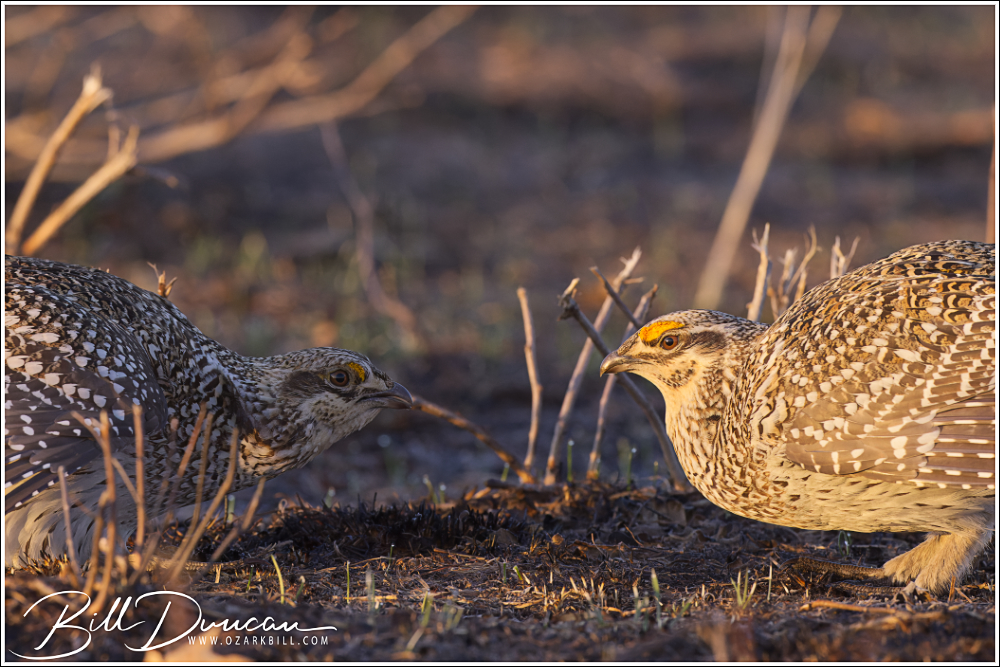
Habitat requirements for Sharp-tailed Grouse
The Sharp-tailed Grouse has specific habitat requirements that are essential for its survival and reproductive success. Understanding these key habitat requirements is crucial for effective conservation and management of the species. Here are the primary habitat requirements for Sharp-tailed Grouse:
Understanding and addressing these key habitat requirements is essential for the conservation and management of Sharp-tailed Grouse populations. Conservation efforts that focus on preserving and enhancing native grassland and prairie habitats, maintaining habitat connectivity, and implementing sustainable land management practices play a critical role in meeting the species’ habitat needs.

About our Wisconsin Setting
I was fortunate to be able to visit leks at two different locations in northwestern Wisconsin. Many thanks to the organizations who manage these areas and helped us a lot by providing viewing blinds and giving me information on where to find these leks!

Solon Springs Sharptail Barrens
Before European settlers arrived in the area, the Solon Springs region was inhabited by indigenous peoples, primarily members of the Ojibwe (Chippewa) and Dakota Sioux tribes. These Native American communities lived in harmony with the land, utilizing its resources for sustenance, shelter, and cultural practices. The barrens likely played a role in their seasonal hunting, gathering, and ceremonial activities.

European exploration of the Great Lakes region brought French fur traders and explorers into the area in the 17th and 18th centuries. The dense forests and expansive wetlands of northwestern Wisconsin presented challenges to early settlers, but as the fur trade expanded, trading posts and small settlements began to emerge.
By the mid-19th century, the timber industry became the dominant economic force in the region. The vast forests of white and red pine attracted lumber companies, leading to extensive logging operations throughout northwestern Wisconsin. The Solon Springs area was no exception, and its forests were heavily exploited for timber to meet the growing demand for lumber in rapidly developing urban centers.

As logging operations expanded, concerns about deforestation and its environmental impacts grew. Conservation movements began to gain momentum in the late 19th and early 20th centuries, leading to the establishment of forest reserves and parks to protect natural areas. In 1927, the Wisconsin Department of Natural Resources (DNR) designated the Solon Springs Sharptail Barrens as a State Natural Area, recognizing its unique ecological significance and the need for preservation.
The Solon Springs Sharptail Barrens are characterized by a unique mix of grasslands, shrublands, and scattered pine and oak forests. This mosaic of habitats supports a diverse array of plant and animal species, including the iconic Sharp-tailed Grouse, which relies on the barrens for breeding and foraging habitat. Other species found in the area include various grassland birds, mammals, reptiles, and insects, making it a hotspot of biodiversity in the region.

In addition to its ecological importance, the Solon Springs Sharptail Barrens attract outdoor enthusiasts seeking opportunities for hiking, birdwatching, photography, and nature appreciation. The Wisconsin DNR manages the area to balance conservation goals with compatible recreational activities, ensuring that visitors can experience and enjoy the natural beauty of the barrens while minimizing human impacts on sensitive habitats.
Despite its protected status, the Solon Springs Sharptail Barrens face ongoing threats from factors such as habitat fragmentation, invasive species, and climate change. Conservation efforts continue to focus on maintaining and restoring the ecological integrity of the area through habitat management, invasive species control, and scientific research. Public education and outreach also play a crucial role in raising awareness about the importance of preserving this unique natural treasure for future generations to enjoy.

Crex Meadows State Wildlife Refuge
The land that is now Crex Meadows has a long history of human habitation, with Native American tribes, including the Ojibwe, Potawatomi, and Dakota, using the area for hunting, fishing, and gathering.
In the early 20th century, the Crex Carpet Company began purchasing land in the area for peat extraction to produce carpets. However, the company eventually abandoned its plans, leaving behind large tracts of abandoned land. During the Great Depression, efforts to revitalize the local economy led to the establishment of the Crex Meadows Wildlife Area in 1937 by the Federal Emergency Relief Administration (FERA) and the Civilian Conservation Corps (CCC).

The CCC played a crucial role in the development of Crex Meadows, constructing roads, trails, dikes, and water control structures to manage the wetland habitat for wildlife. Over the years, the refuge expanded through land acquisitions and partnerships with conservation organizations. Today, it encompasses over 30,000 acres of diverse habitats, including marshes, flowages, forests, and grasslands.

Crex Meadows is renowned for its wildlife management programs, which aim to conserve and enhance habitat for a wide variety of species, including waterfowl, shorebirds, songbirds, mammals, and reptiles. The refuge is also a hub for research and education, hosting numerous studies on wetland ecology, migratory bird patterns, and habitat management techniques. Educational programs and guided tours offer visitors the opportunity to learn about the area’s natural history and conservation efforts.
A brighter future for Sharp-tailed Grouse in Wisconsin?
While specific population trend data for Sharp-tailed Grouse in Wisconsin may vary by region and over time, conservation efforts have aimed to address habitat needs, reduce threats, and support the recovery of the species. Habitat restoration projects, collaborative partnerships, and sustainable land management practices have been implemented to enhance and protect suitable habitat for grouse in the state.
Given the complex and dynamic nature of population trends, ongoing monitoring and adaptive management remain essential for understanding and addressing the conservation needs of grouse in Wisconsin. By integrating scientific research, policy interventions, and community involvement, conservationists aim to ensure the long-term viability of Sharp-tailed Grouse populations.

Collaborative partnerships have played a crucial role in advancing Sharp-tailed Grouse conservation efforts in Wisconsin. These partnerships have involved government agencies, non-profit organizations, private landowners, and local communities working together to address habitat needs, implement conservation initiatives, and engage stakeholders in the conservation of the species. Here are some examples of successful collaborative partnerships for grouse conservation in Wisconsin:
These examples illustrate the diverse and impactful collaborative partnerships that have been instrumental in advancing Sharp-tailed Grouse conservation in Wisconsin. By fostering collaboration, leveraging resources, and engaging stakeholders, these partnerships have contributed to the protection and enhancement of critical habitat, the implementation of sustainable land management practices, and the promotion of community involvement in conservation efforts.
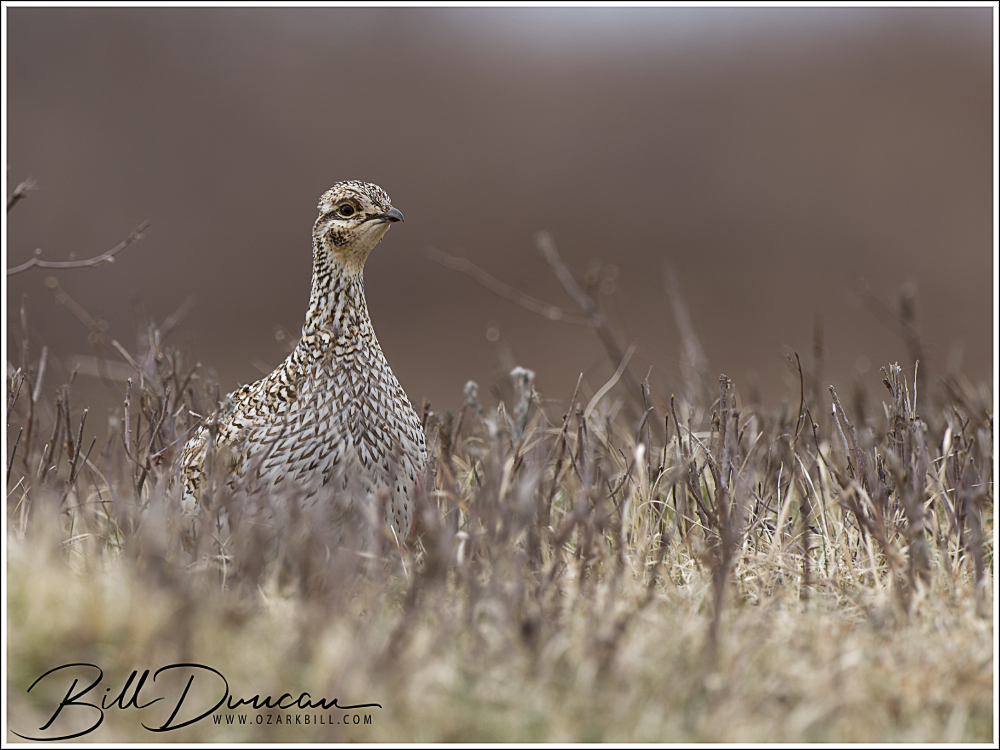
From materials I browsed from the Wisconsin Department of Natural Resources and seeing first-hand the excellent management practices ongoing at Solon Springs Sharptail Barrens and Crex Meadows State Wildlife Refuge, it seems the population of Sharp-tailed Grouse is currently in good hands in the Badger State.

Hopefully you have enjoyed a look at some of my experiences during three days on the lek with these fantastic chickens. Thanks so much to Casey Galvin for doing most of the planning for this adventure. Thank you also to Lauren Thomas of the Wisconsin DNR for helping me identify a lek at Crex Meadows on very short notice. Finally, thanks so much to my darling wife Sarah, for taking care of some of my responsibilities around the house while I was away on this trip!
-OZB
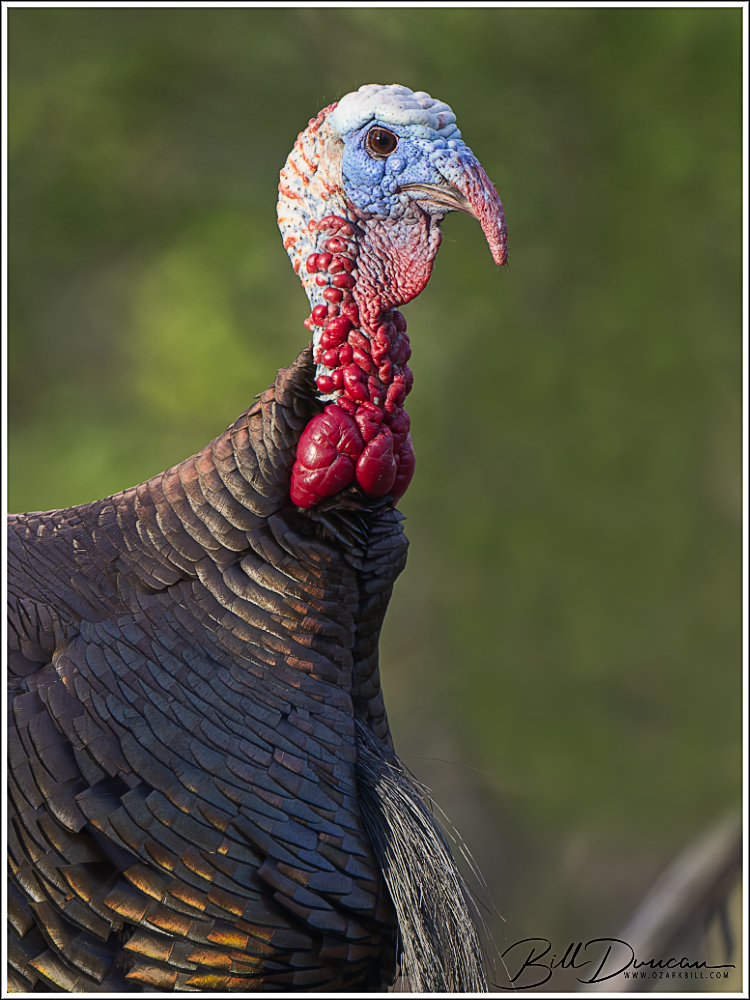
I’ve had a little more luck recently with the Wild Turkeys in the neighborhood woods patch. During my last couple of session, the hens in this group have roosted immediately above the patch of ground I cleared of bush honeysuckle. Previously, they roosted in trees a quarter mile up the hollow. This is problematic because I haven’t been able to set up quietly enough not to flush them. I was able to call in a few of the Toms, although this is hit or miss. They love hanging out and strutting in the backyards of the streets that border the hollow. We call back and forth and they are obviously trying to get me to come to them. Finally, on this occasion, they couldn’t stand it so came in to find the hen (me) that was sounding so pretty. They did not come all the way into my prime shooting lane, but I made the best I could of it.

I have read and am beginning to learn how keen their sense really are. I need to be careful with calling as they come in. When they enter the area, they tend to ignore the decoys altogether and instead look directly in my direction. They know precisely where the calls emanate. Turkey hunters will often call at the location they wish the birds to appear and when they hear the Toms coming, they move into their shooting position. This is kind of hard to do when using a bag blind and where the birds can see a long distance. The small geography I am working in has some limitations.


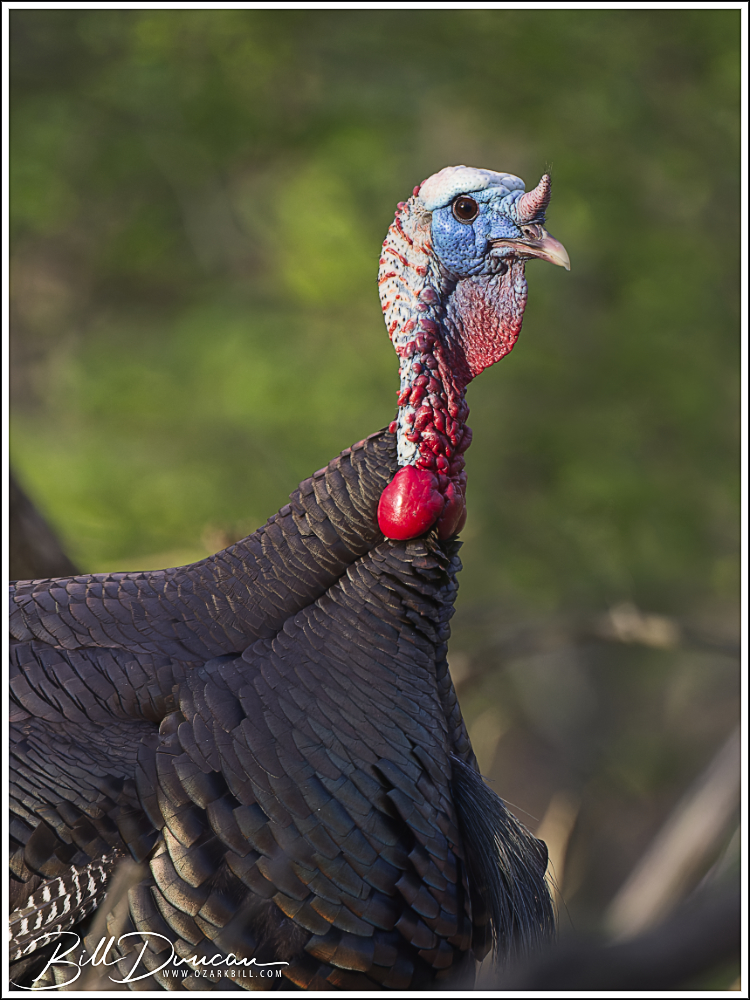
After spending a couple years studying and picking up gear like decoys and a slate call, I was finally ready to try photographing wild turkeys. I’ve been out on this pursuit a few times this season and have had mixed success, telling me I still need a lot of practice and plenty of patience.
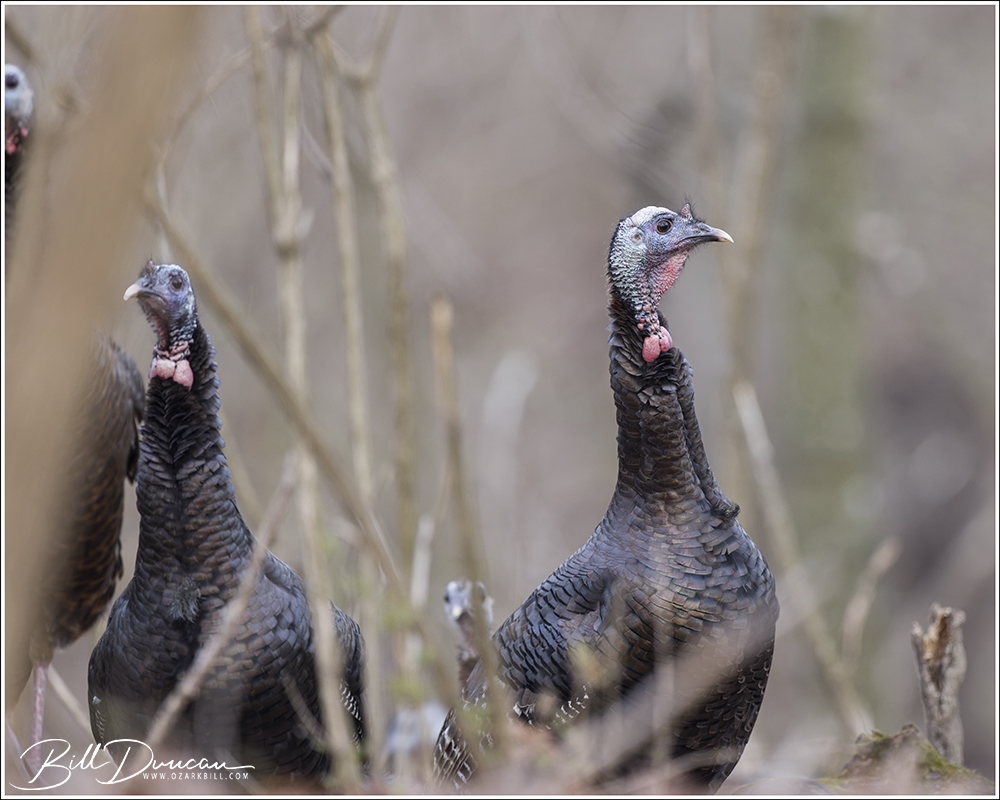
On my morning walks I discovered that a couple of wood lots in the neighborhood common grounds held a nice little population of these birds. I figured this would be a great start for my “turkey hunting” career as these turkeys would be somewhat used to people, have seen limited, if any hunting pressure, and lived about a mile from our front door. This close vicinity to me is a huge plus. To optimize chances for success, it’s important to get out to their location and setup in my bag blind before first light. Having this close opportunity means that I don’t have to get up and drive an hour away to get to my destination before dawn.
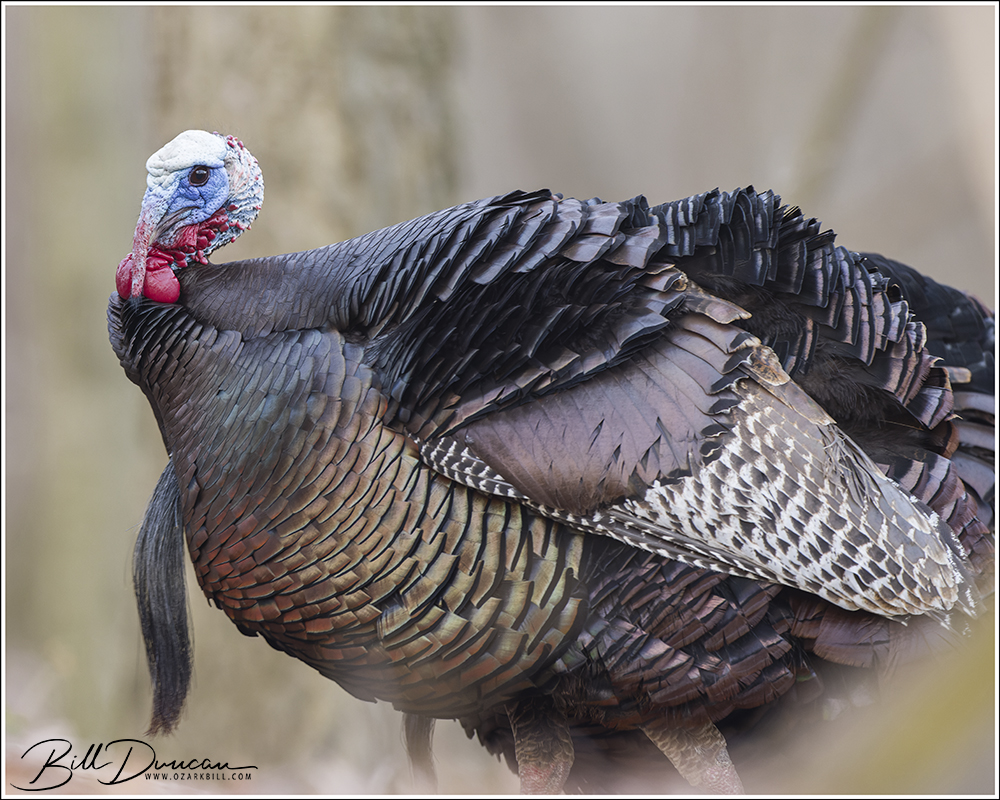
Because these wood lots are so small, I knew that I will be setup close enough so that they can hear my turkey yelps, cuts and clucks, as pathetic as they may be. But on this occasion, everything seemed to work nicely – too nicely, in fact. I did not expect such nice results so soon. Shortly after setting up and as the light began to increase to levels I could see without a headlamp, I heard gobbles and yelps up in the hollow where this wood lot is located. This wound up leading to my first learning of the day.

Figuring it would probably take some time to coax them into my area, I began hitting the pot call with my best impersonation of a hen who lost her way. In less than five minutes, my decoys were being swarmed by close to 20 birds, a nearly perfect mix of hens and toms. I could not get an accurate count because of my ground-level position and the trees and other obstacles blocking my view. This was too early! I was shooting with a much slower shutter speed and high ISO than I was comfortable with. Shooting at 1/50 sec. using a 600mm lens is rarely a recipe for success. I wound up with a lot of shots that were ruined by the movement of the turkeys. Thankfully, with my spray and prey attitude, I wound up with enough keepers to make me happy.

I learned other things on this morning. First, 600mm might be a little too long, at least for these neighborhood turkeys. Something in the 400-500mm range would be more appropriate. If possible, moving further from the decoys might work well, but at this location, it is not possible to find clear shooting lanes of great enough length due to vegetation and rolling topography.

I’ve been back to this location and opened up my shooting lane more by cutting out bush honeysuckle and dead scrub that blocks my view.
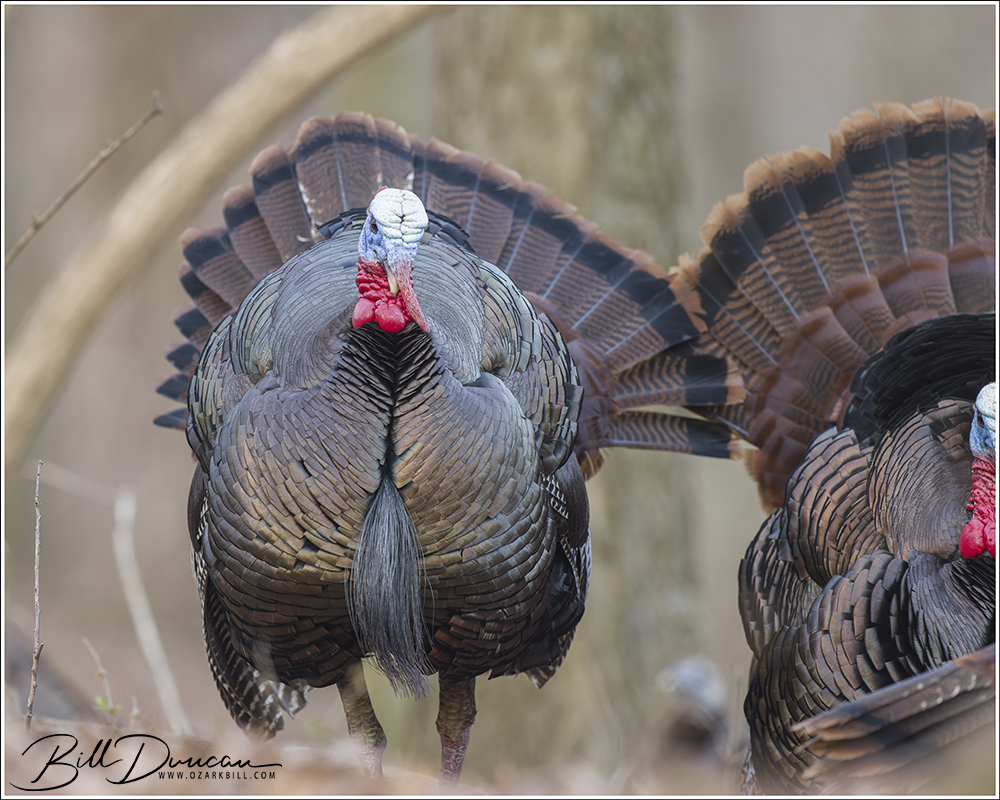
After just a few minutes of searching for the apparent lost hen, the group lost interest and headed up the hollow to congregate in the neighborhood yards. I was quite pleased to have been able to call this group of birds in and then leave without having burned myself. They had no clue I was there and I was able to breakdown and leave without causing them any stress.
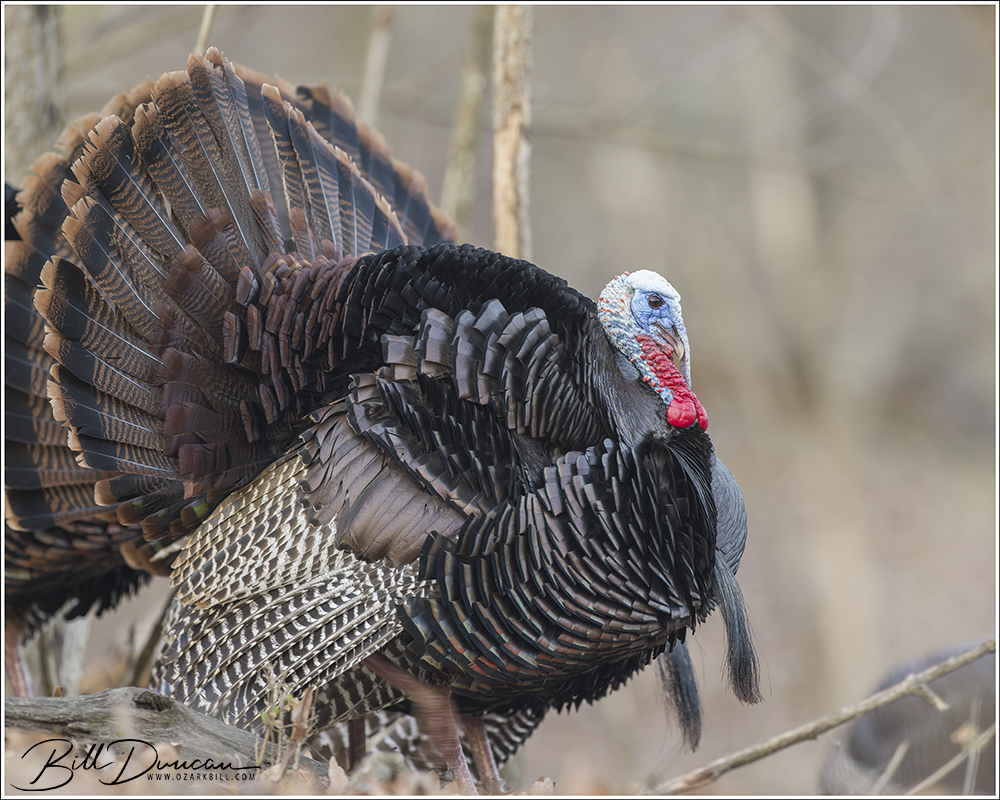
My next goal is to get out to some of our local Conservation Areas to try my skills at some “wilder” turkeys before hunting season begins. This will require some hiking and listening for gobbles. I would also love to find an opportunity to shoot “field turkeys.” This will entail setting up along the edge of forest and field, and hopefully allow me to have clearer shooting lanes and better light.

Like I mentioned, this is a new endeavor for me. I did not group up hunting, but I am attempting to learn the same set of skills that hunters use. If you have any tips or tricks, I would appreciate hearing them.
-OZB



 A Thousand Acres of Silphiums