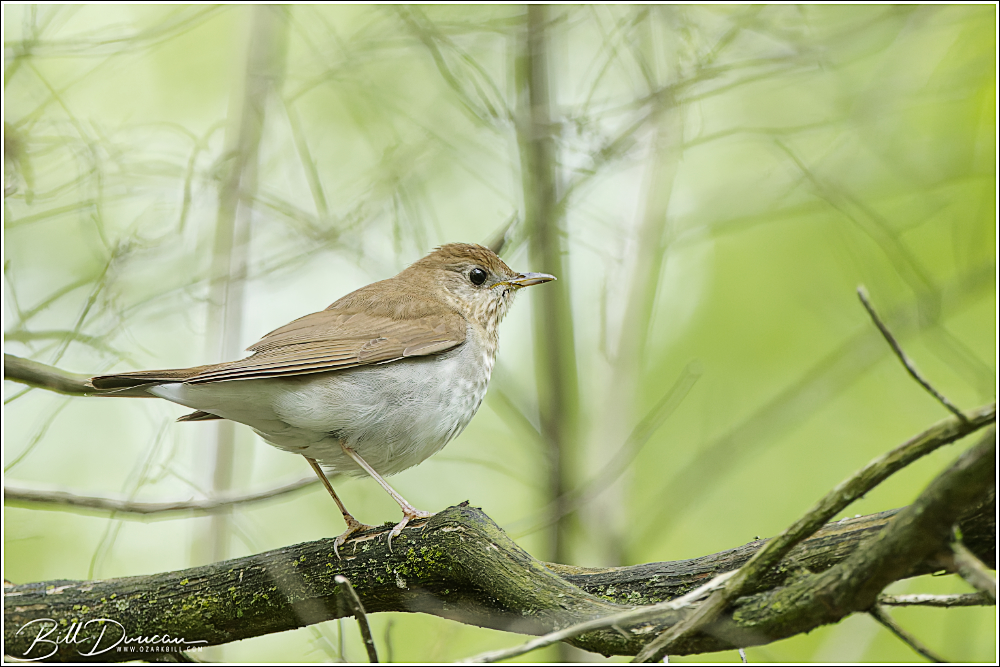
Veery
"What a thousand acres of Silphiums looked like when they tickled the bellies of the buffalo is a question never again to be answered, and perhaps not even asked." -Aldo Leopold




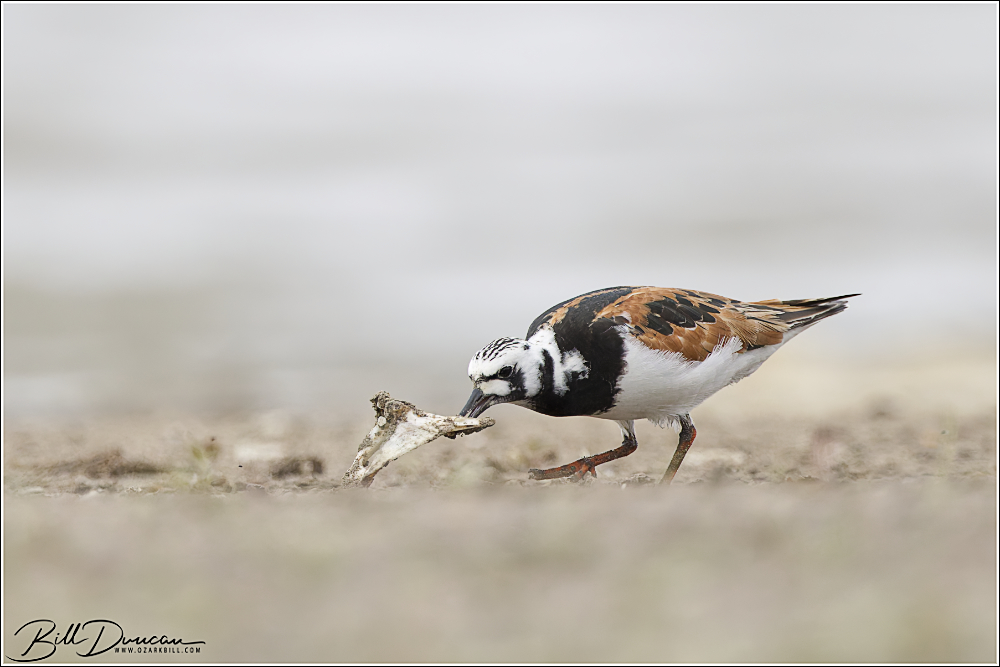
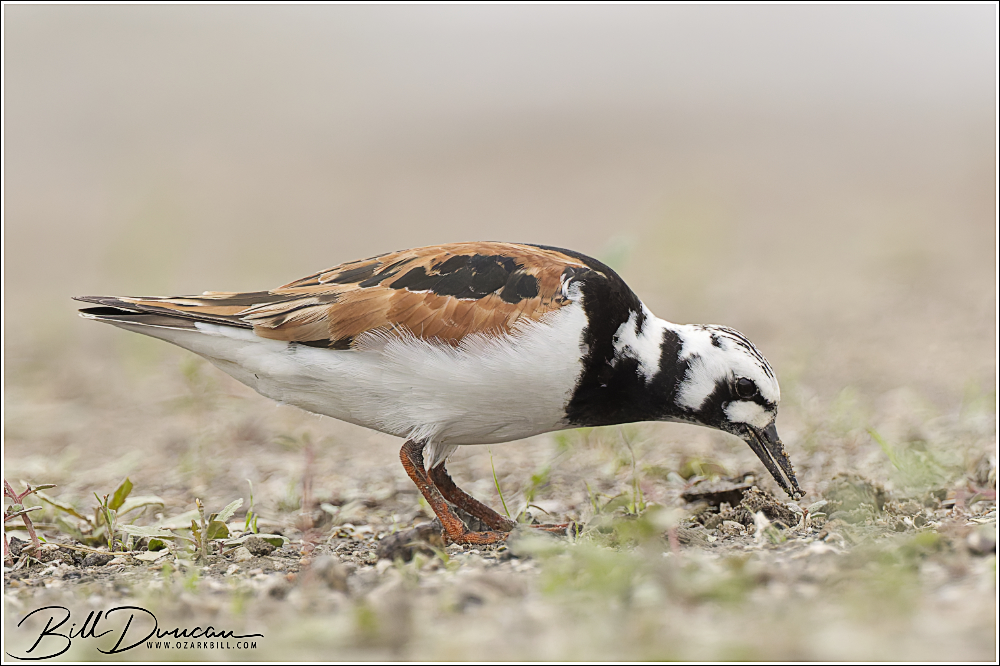
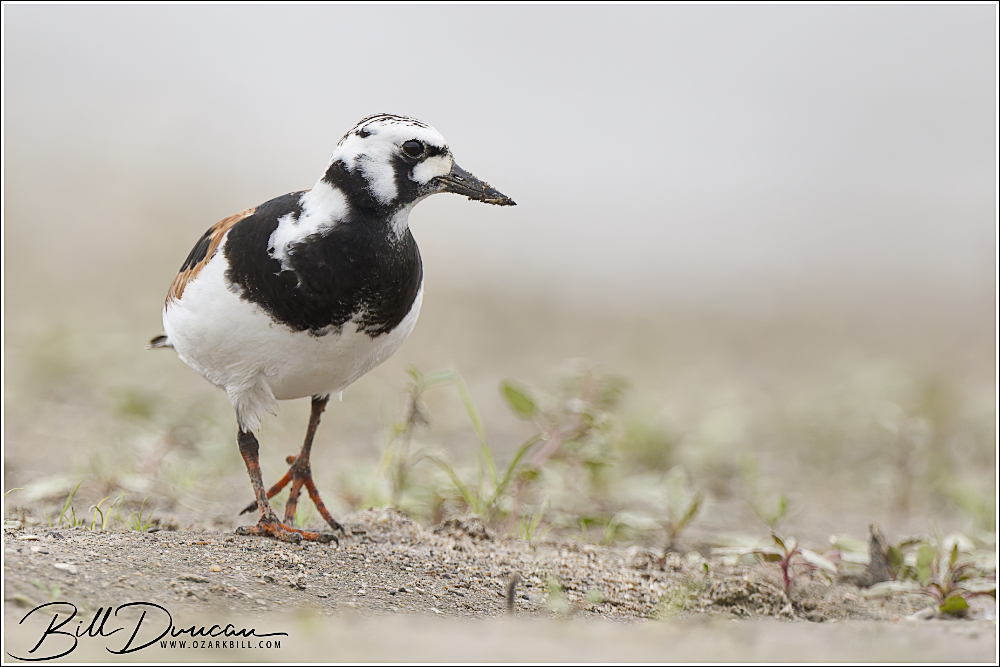
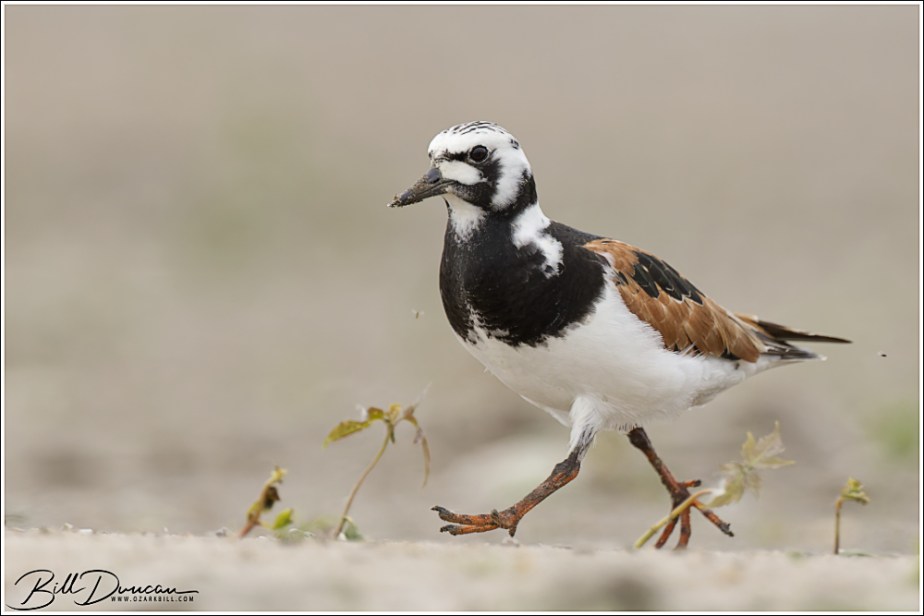
Many thanks to Alex Ezell for pointing Miguel and I to the current location of this beautiful breeding-plumaged Ruddy Turnstone that was spending time at Riverlands Bird Migratory Sanctuary this past weekend.
In population biology the term “refugium” is used to describe a location that supports an isolated population of a once more widespread species. Refugia are almost always referenced in regards to climate. For example, a plant species that has found refuge in a cool and moist valley in a geography that is mostly inhospitable for its survival. I have come to discover another important example of this term in my own suburban neighborhood and examples of which can be found in most major metropolitan areas.
The photos I am sharing today come from the woodlot refugia that supply critical habitat for a variety of organisms that find themselves in the relative ecological desert known as the suburbs.

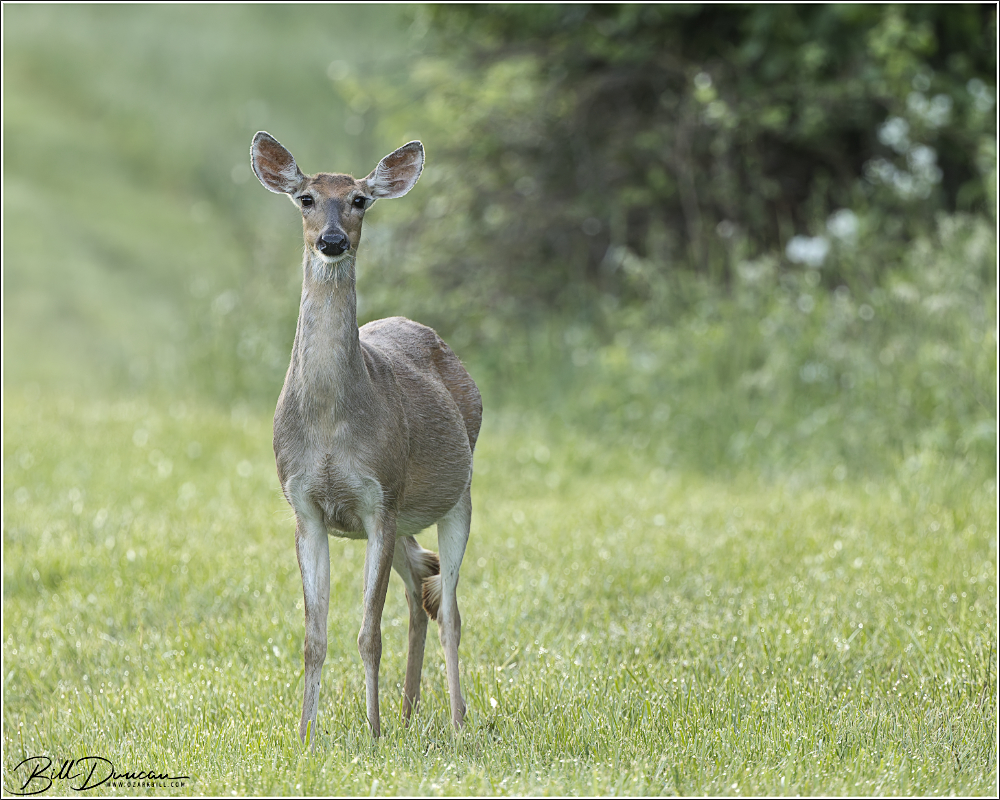
Although white-tailed deer will leave the woodlots to feed in our suburban lawns at night, they use these refugia for much of their feeding and daytime refuge.

Woodlot refugia are green oases for migrating songbirds looking for food and shelter during their stopovers. There are also resident nesting birds that rely heavily on this resource as well.

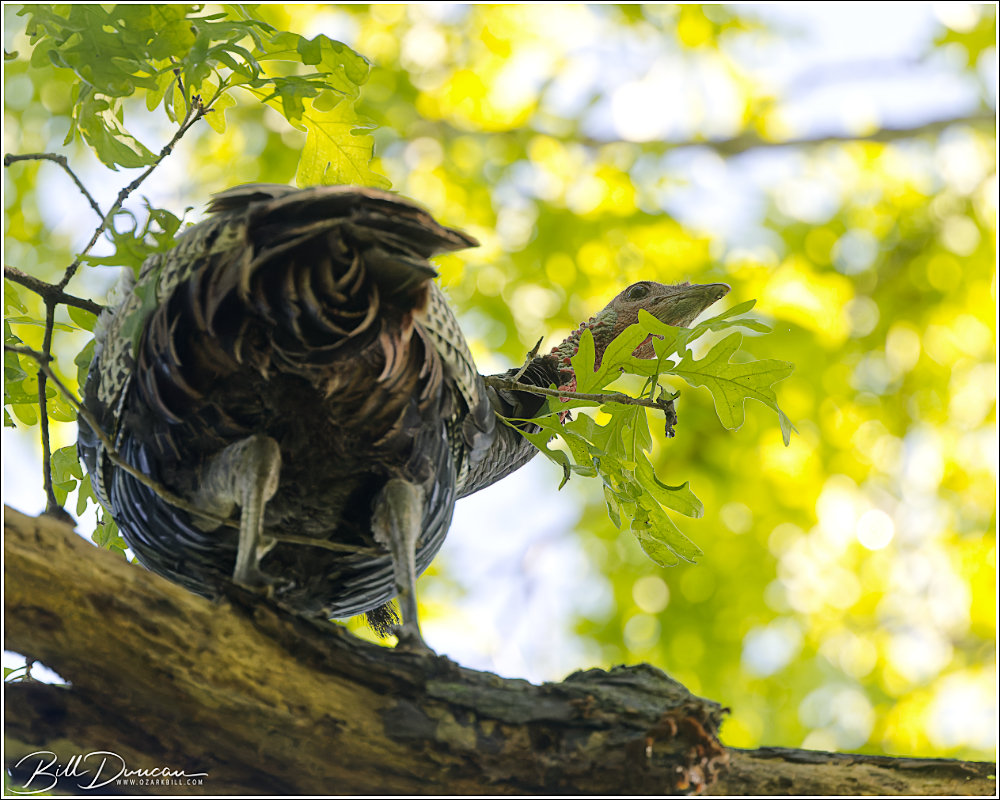
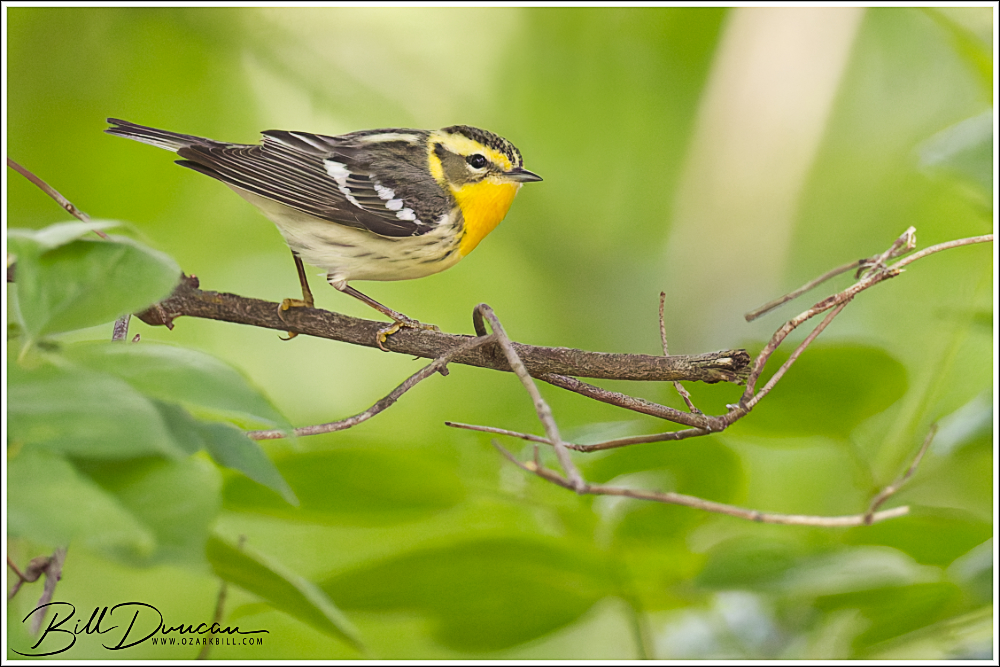
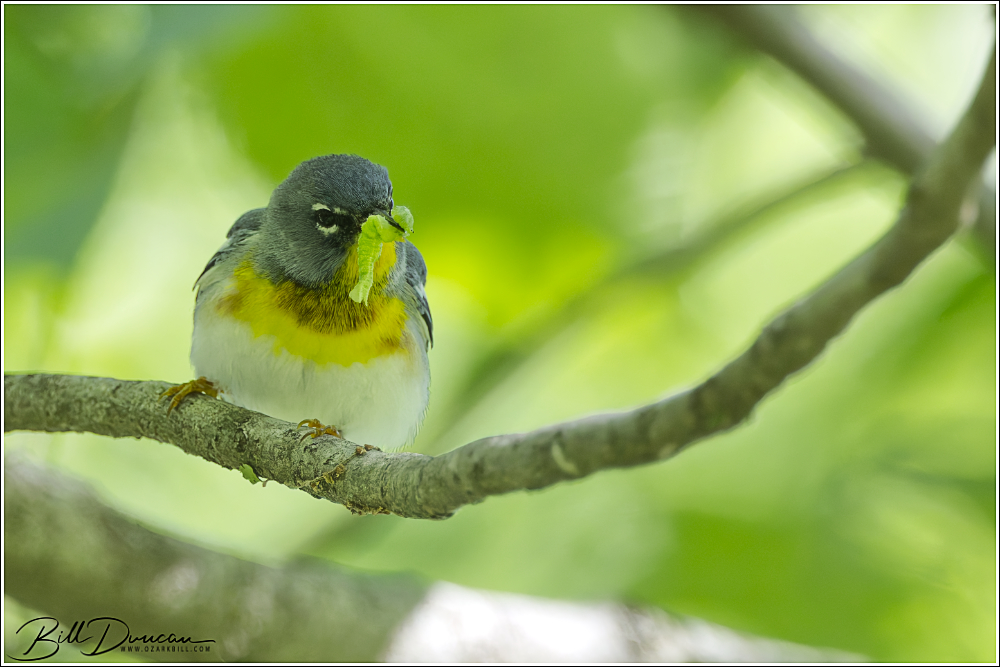
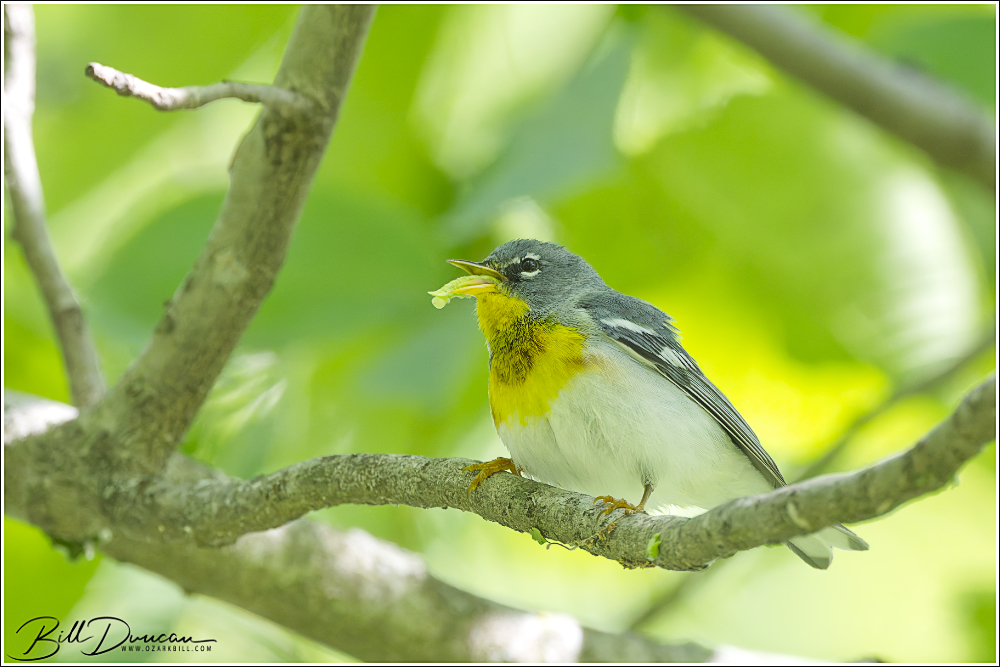
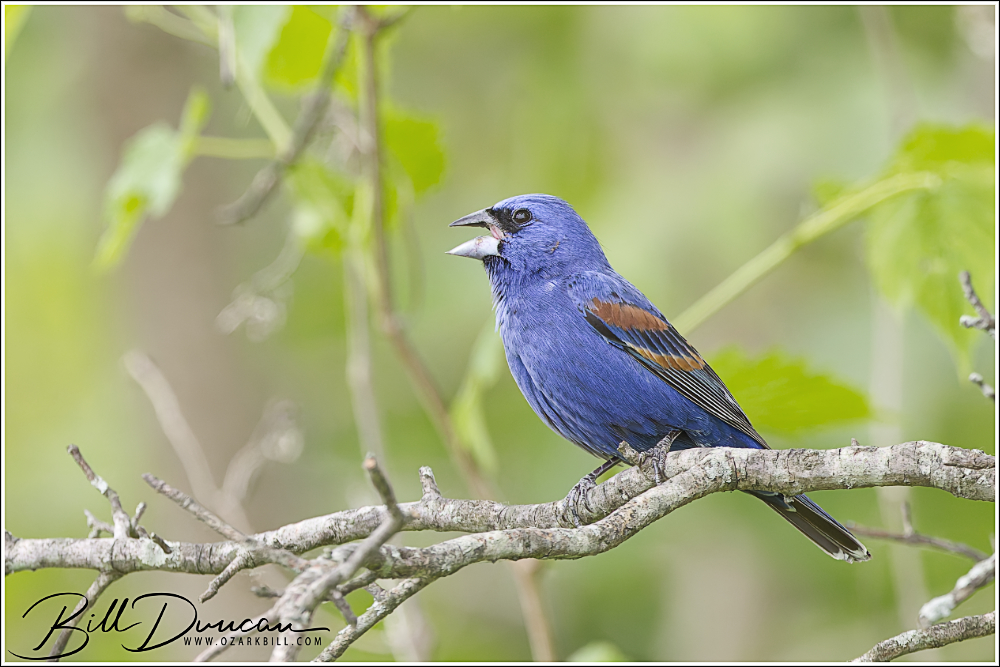
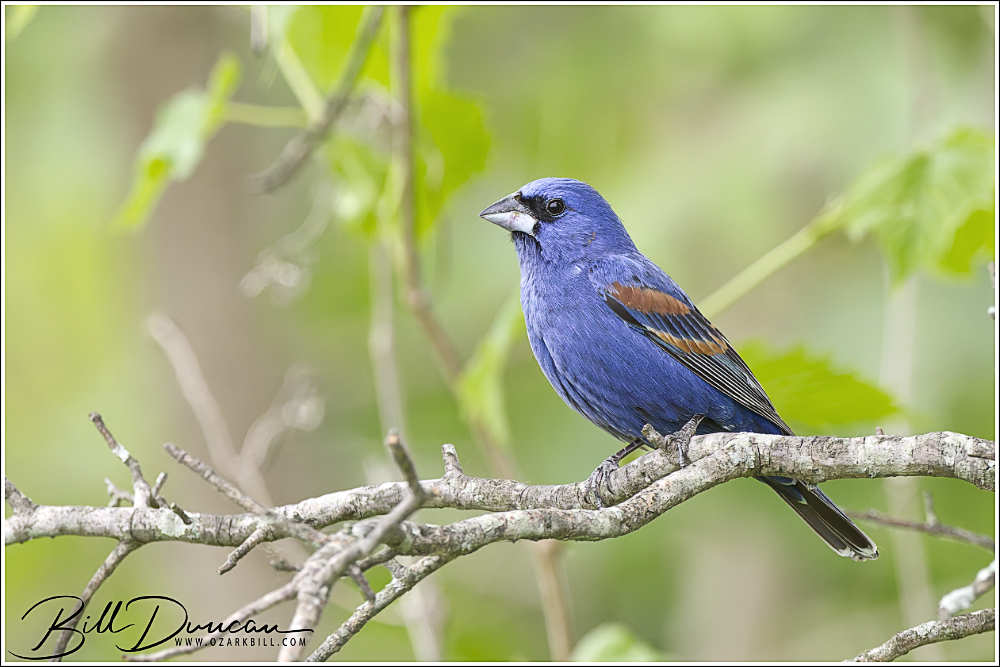
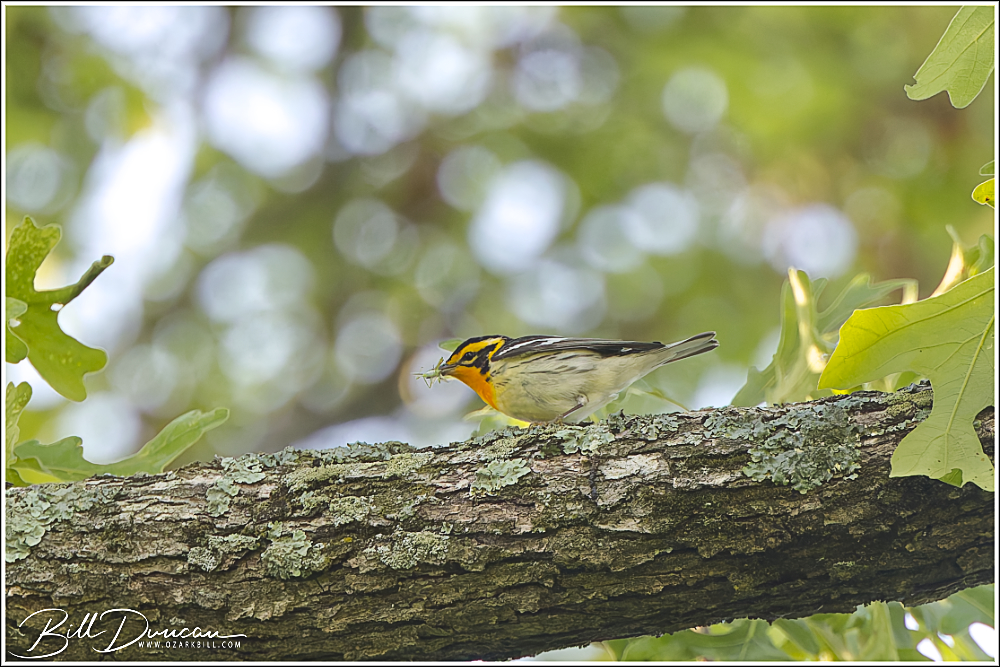
Here are a few migrant songbirds that stop at our woodlot refugia during their northward trip to nesting grounds.


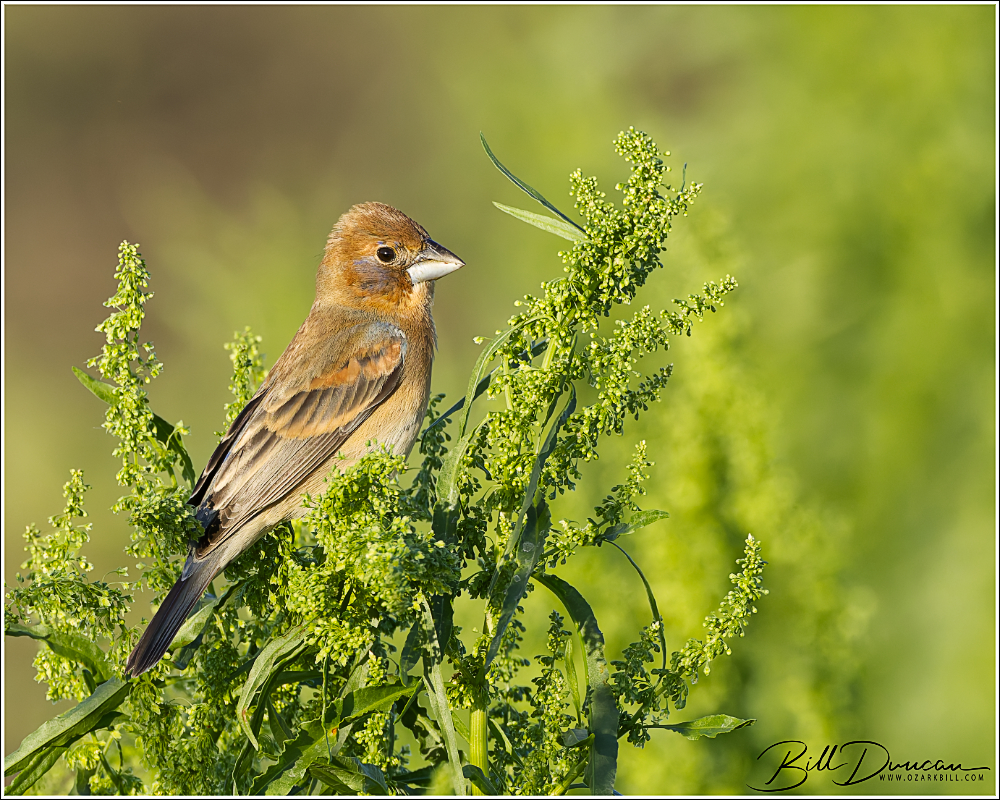
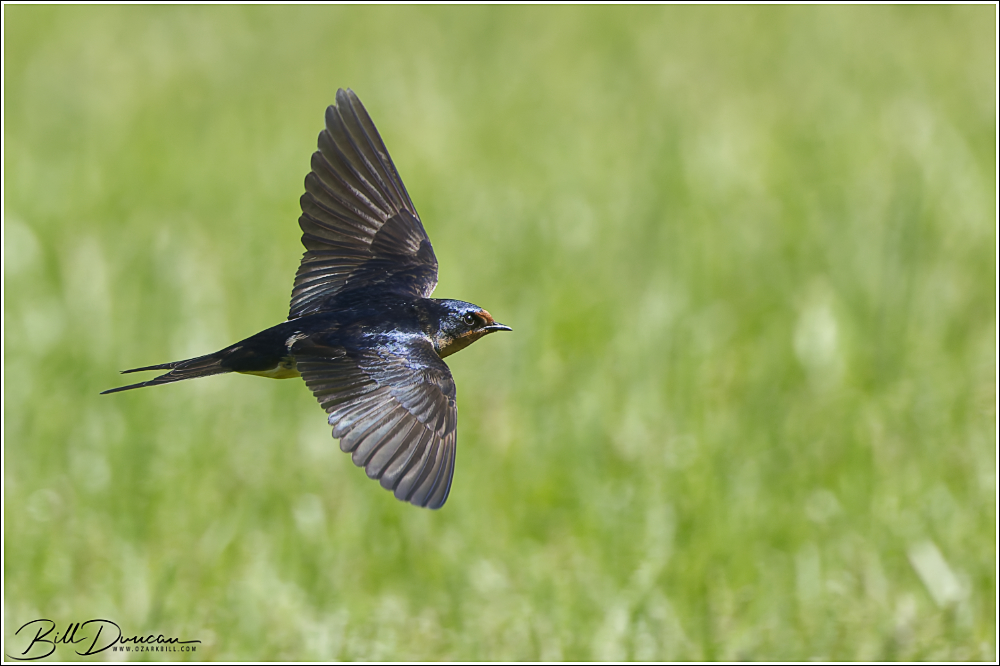
This final bird is not necessarily a user of the woodlot refugia, but it is a bird I always look forward to seeing return in the spring when I walk through our common grounds turf fields on my way to the woodlots.
Please make note of potential woodlot refugia in your neighborhoods. It is so easy to lose a 1-10 acre woodlot in the name of neighborhood development, but these places are critical refugia to the flora and fauna we share our homes with.
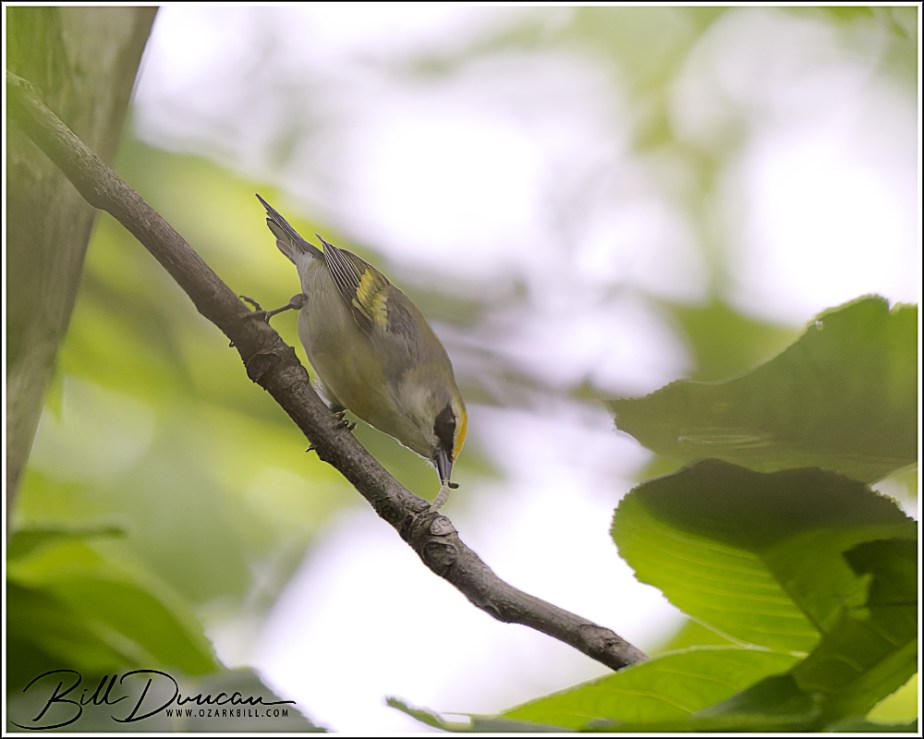
One of my goals this spring has been to get a better photograph of the Golden-winged Warbler (GWWA), a species that passes through Missouri during migration to nest in the upper Midwest, Ohio valley and northern Appalachia. Although I have been lucky in finding at least ten of these birds so far this spring, they are primarily treetop dwellers and I have struck out in getting one near enough and in good light.
While birding at Babler State Park in St. Louis County last weekend, I heard the familiar “bzzzzzzz buzz buzz buzz” vocalization of the GWWA. My birding companions and I began our search and I grabbed a few mediocre images before the bird quickly departed. Because I knew the lighting was poor and the distance was long, I didn’t spend much time reviewing the photos in the field. Arriving home later that evening, I reviewed the photos I collected that day and realized I captured something I was not expecting.
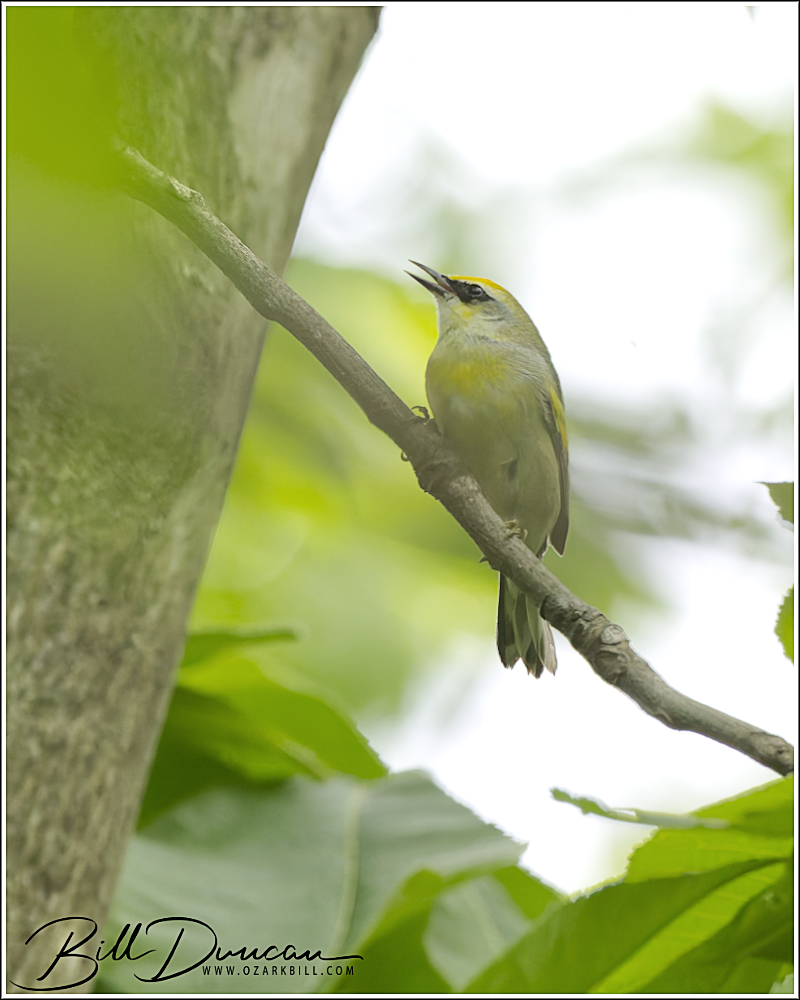
It is well known in the birding community that the Golden-winged Warbler is closely related to it’s more southerly cousin, the Blue-winged Warbler (BWWA). Despite completely different physical appearances and different vocalizations, it has now been shown that the two species are 99.97% genetically alike. Where the nesting range of these two species overlap, hybridization occurs. There are two primary forms of this interspecies union. The first is what is known as the Brewster’s Warbler pictured here. The Brewster’s Warbler looks pretty much like a GWWA but lacks the dark throat patch and has an eye stripe more similar to the BWWA. This is the more common of the two hybrid forms between the BWWA and GWWA. The other hybrid form is known as the Lawrence’s Warbler. The Lawrence’s Warbler keeps the yellow belly coloration of the BWWA and has the black throat of the GWWA that is the recessive version of this trait.
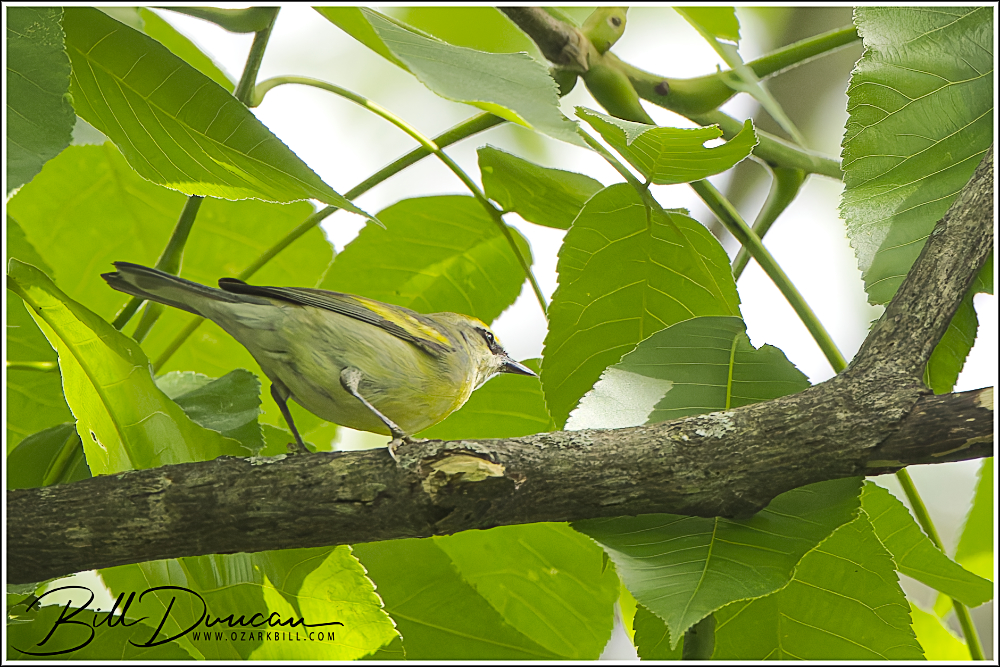
Little did I know I’d be getting a “lifer” so close to home this weekend!
As much as I love the change of seasons generally, nothing can beat the excitement and enjoyment of the arrival of spring. I simply can’t get out of doors enough during April and May. This past weekend Miguel and I had a great time in hunting newly arrived birds and newly emerged plants at a few of our favorite spots not too far from home. Here are a few photos from our day out.
First, a beautiful male Prairie Warbler from Weldon Springs Conservation Area.
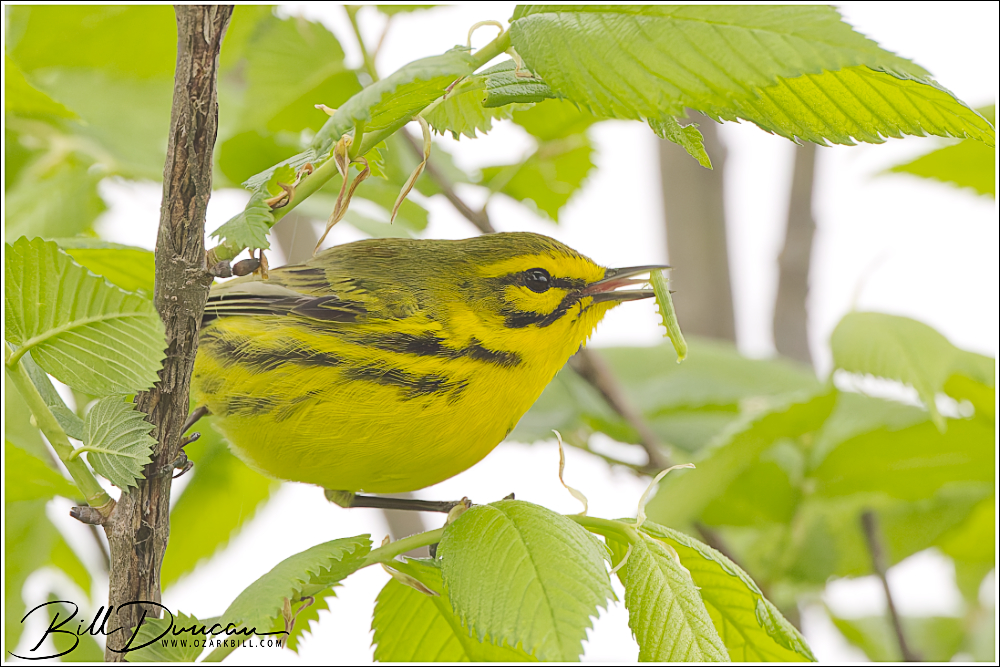
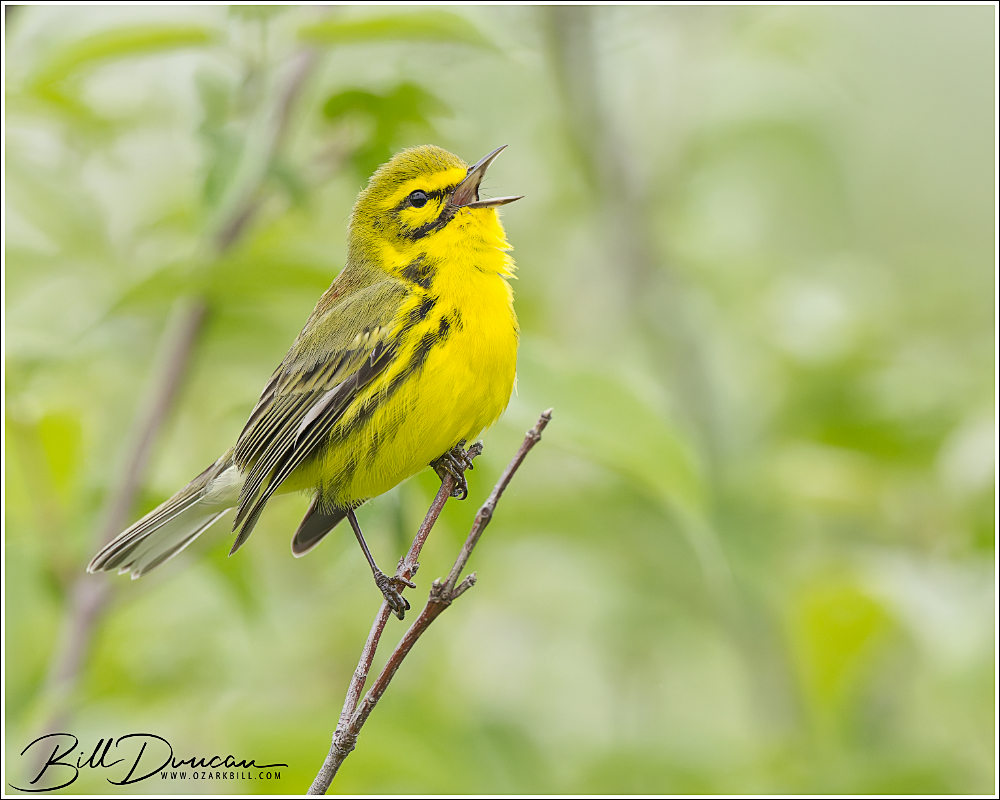
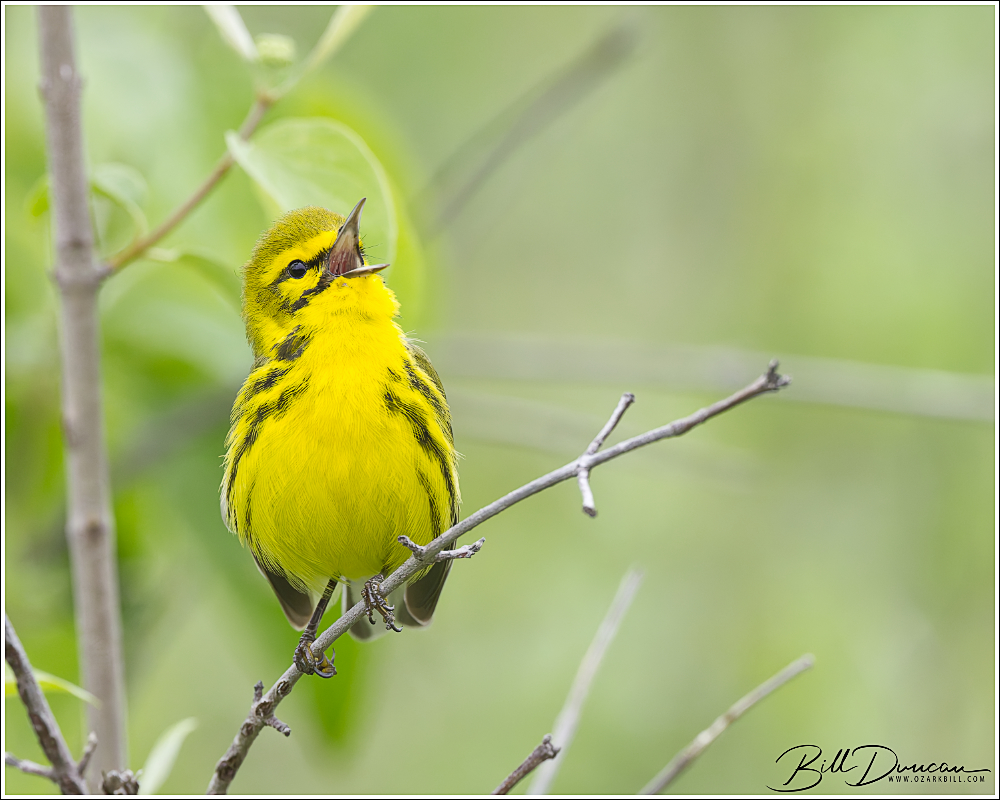
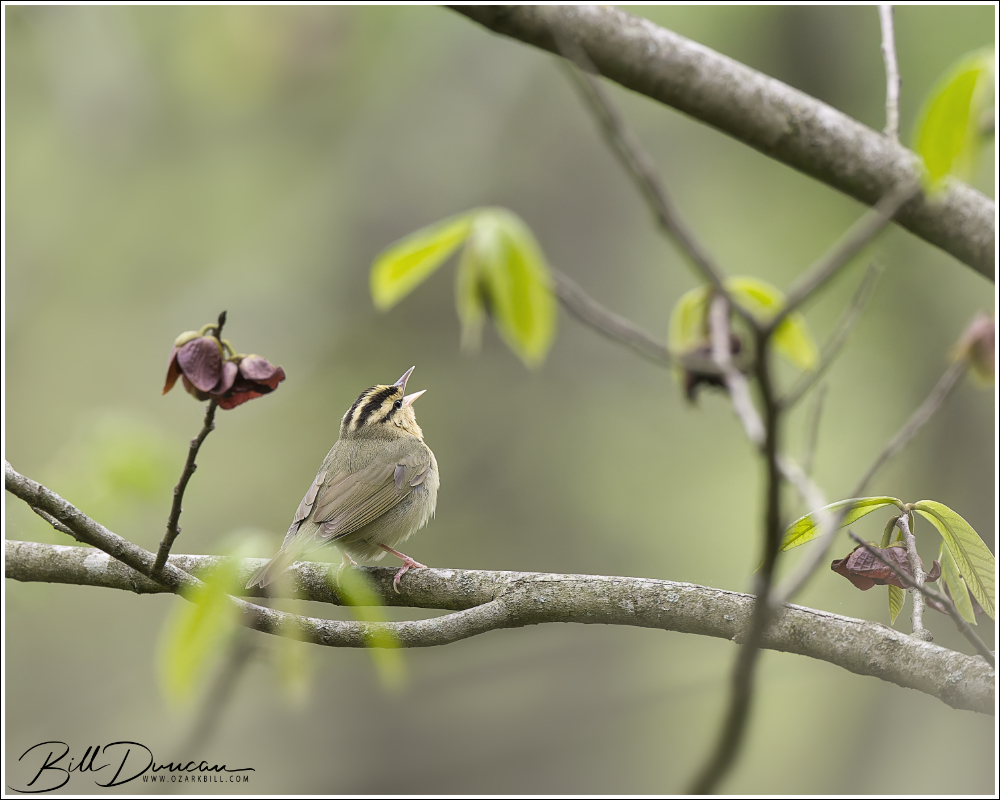
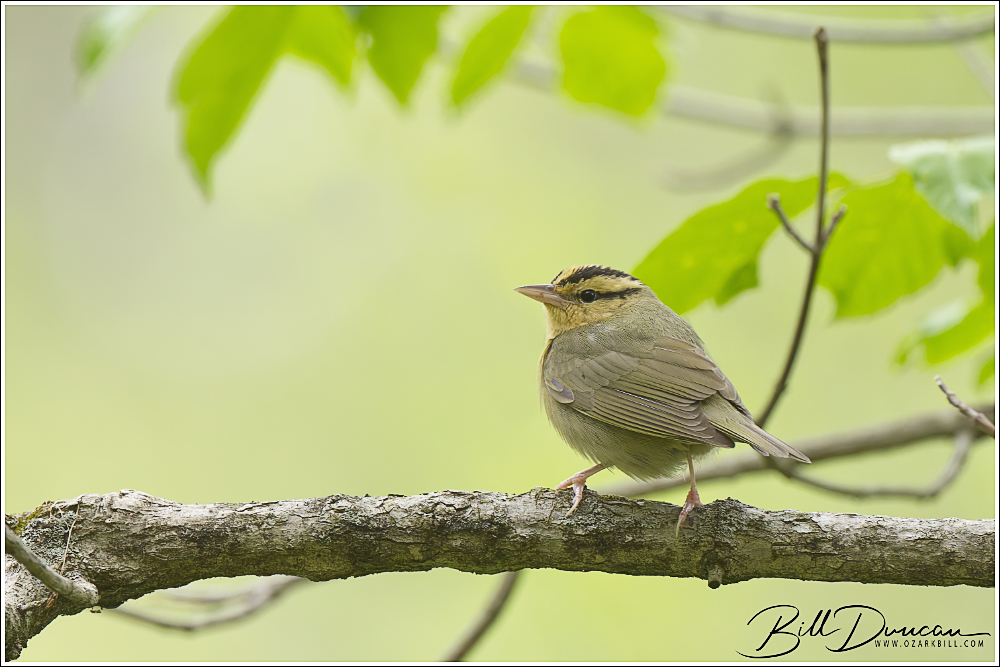
A Worm-eating Warbler also found at Bush Wildlife C.A.
After a brick-fired pizza for lunch, we crossed the river to another favorite nearby location – Engelmann Woods Conservation Area. Here we were hoping to find the Wister’s coralroot orchid for Miguel to scratch off his list. During a good year, hundreds of flowering stems of this species can be found here. This year we found 15-20 stems just by looking along a mile or so along the trail.

Finally, we were able to find three stems of the parasitic Orobanche uniflora (one-flowered broomrape) mere inches off of the trail.

Hoping you find the time to get out and enjoy this wonderful spring!
-OZB


 A Thousand Acres of Silphiums