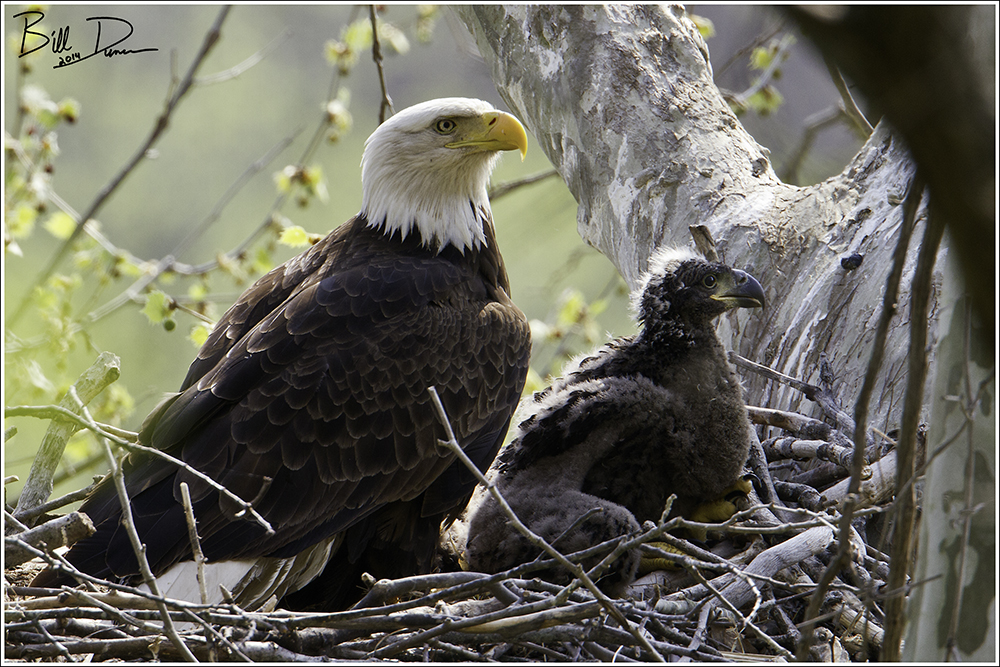
During what was assumed to be the chicks fourth week, dark flight feathers start to be seen. The chicks were more mobile, moving around the nest, and much more aware of things outside the nest.


"What a thousand acres of Silphiums looked like when they tickled the bellies of the buffalo is a question never again to be answered, and perhaps not even asked." -Aldo Leopold
During what was assumed to be the chicks fourth week, dark flight feathers start to be seen. The chicks were more mobile, moving around the nest, and much more aware of things outside the nest.
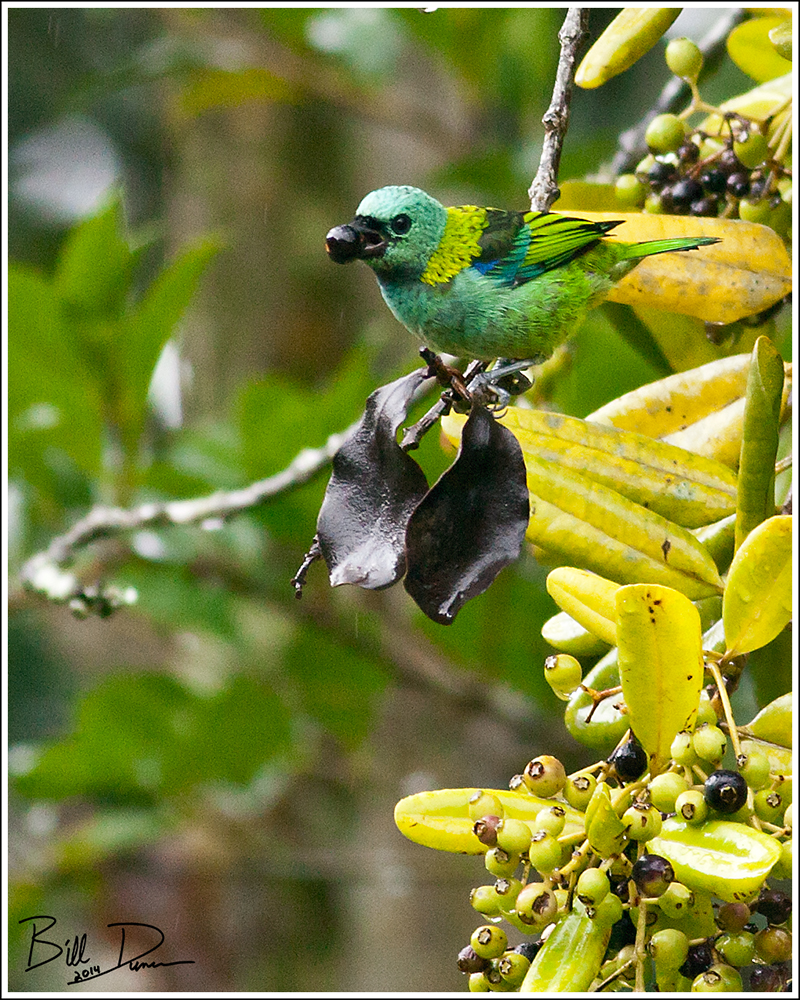
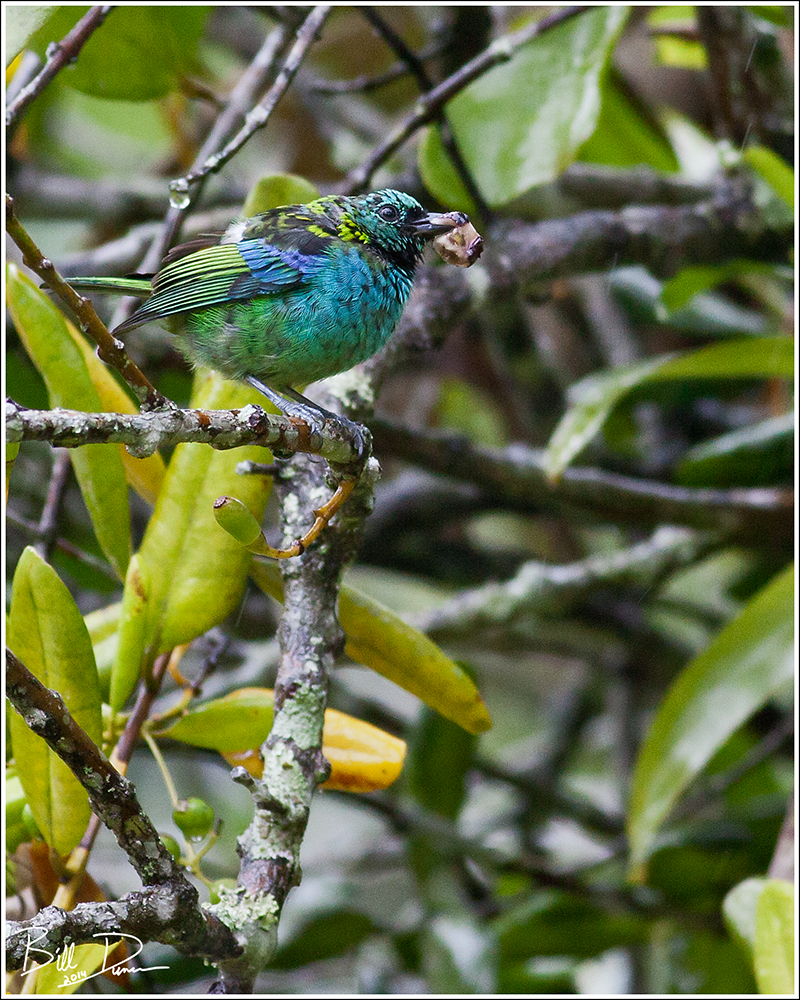
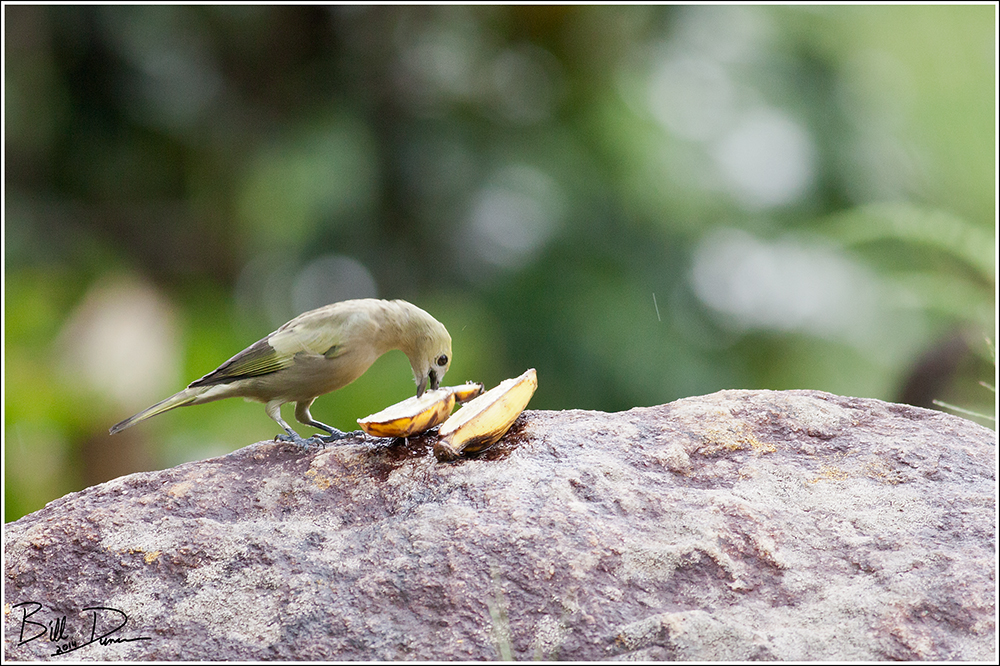
Ubatuba, aka Uba Chuva (Chuva meaning rain in Portuguese, in reference to the frequent rains this region receives) is one of the birdiest spots on the South American continent. More than 550 birds have been identified within the city, more than a third of which are endemic to the south Atlantic rain forest of eastern Brazil. Besides the rain forest and the amazing bird habitats are the numerous beaches. A simply beautiful place.

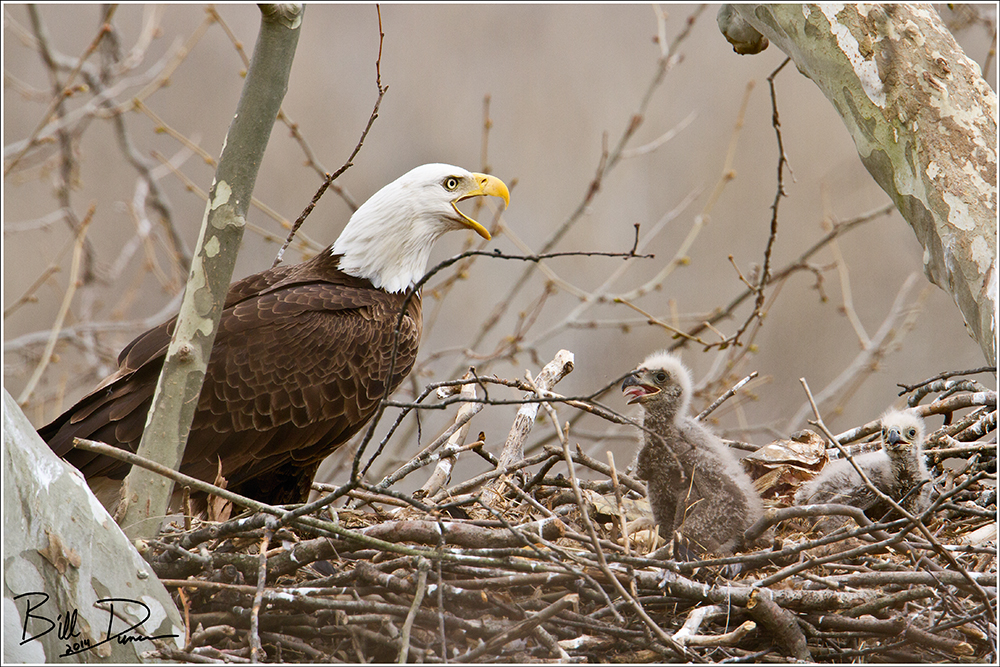
Here are a few assorted images from the chicks third week. First up is an image of “mom” at the nest, giving her near-silent vocalization.

Below you get a great look at the size of the filled-crop of this chick.

Happy Mother’s Day!

Fuzzy little dinosaurs?

Until next time, a closeup of the chicks.
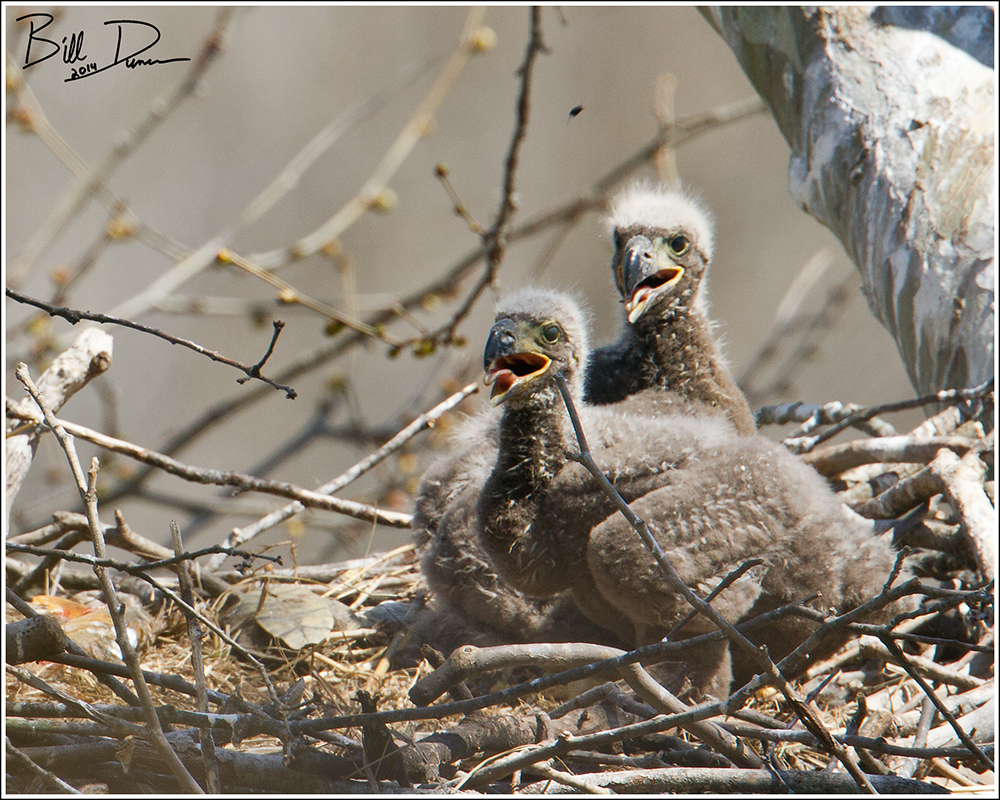
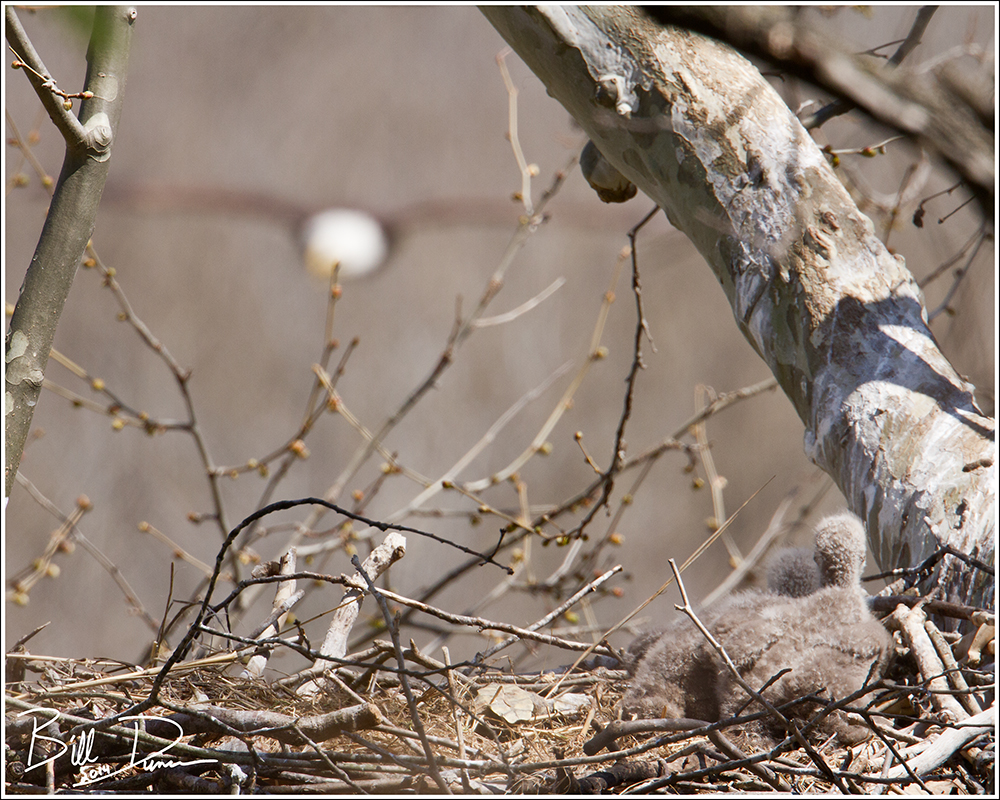


At week two the chicks were much more mobile, able to hold their heads up for more than a couple seconds at a time. Mom always gives them a thorough look over when arriving at the nest.
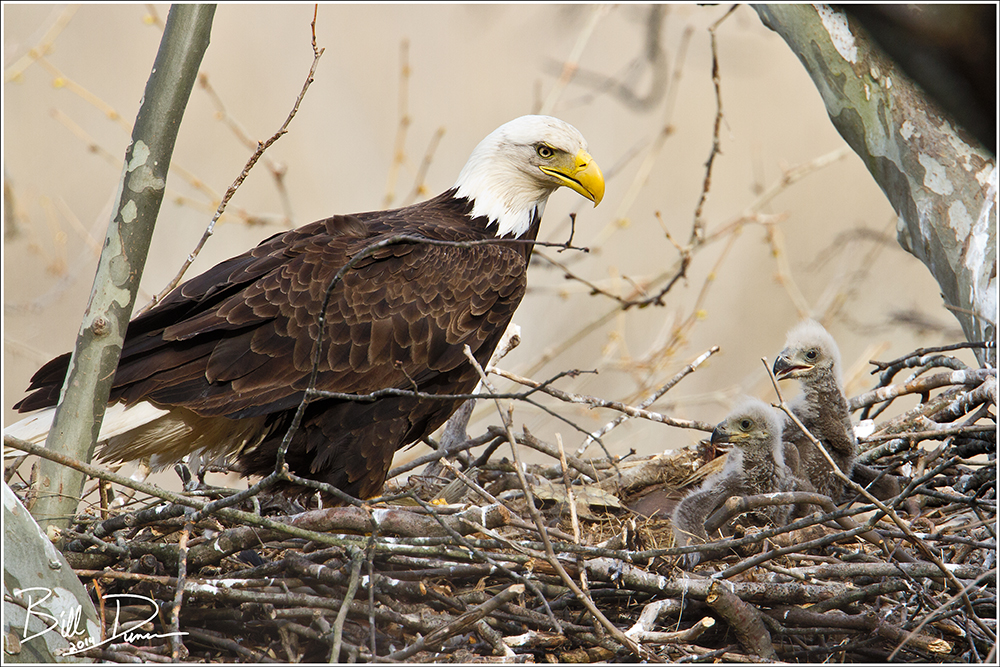
Here one adult vocalizes on the nest while its mate circles the river valley treetops.
Below is one of the melting looks that the chicks give when the adults are at the nest. This is my favorite type of photo to capture in the nest.

The only visit where I observed both parents at the nest simultaneously was during my week two visit.

Finally, even at this early age, the chicks exercise their future flight muscles.



 A Thousand Acres of Silphiums