"What a thousand acres of Silphiums looked like when they tickled the bellies of the buffalo is a question never again to be answered, and perhaps not even asked." -Aldo Leopold
I have a goodly number of images backing up to share, so here are a few chosen at random, more or less.
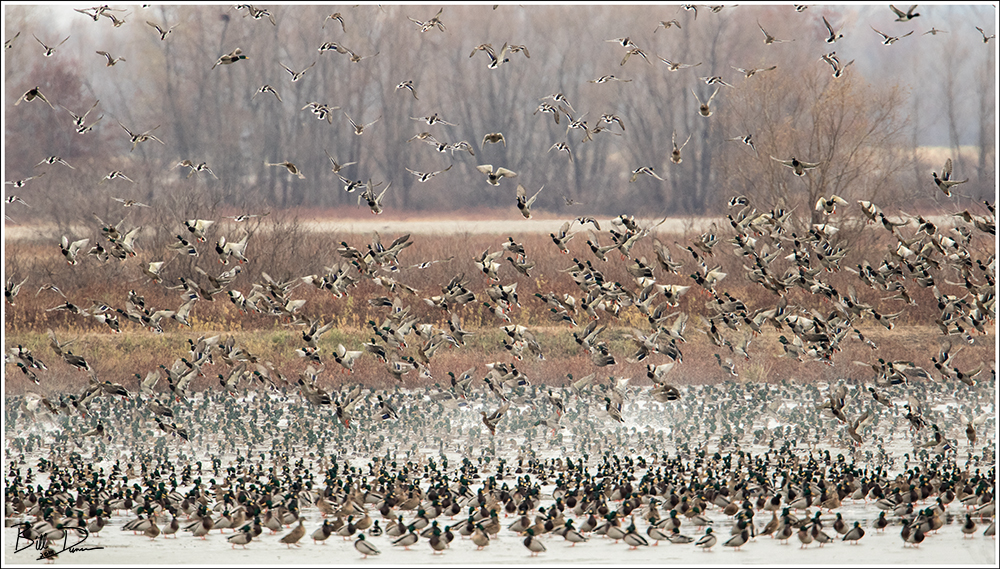
The first image was from a month or so back, when Steve and I traveled up to Clarence Cannon NWR. The highlight was the extraordinary number of Mallards we found. Not too much in the way of diversity of waterfowl during this visit, but the mallards were using the refuge in the peak of the hunting season. We tried our best to keep them in peace, as they were obviously trepidatious to anything with two legs.
Many a Mallard
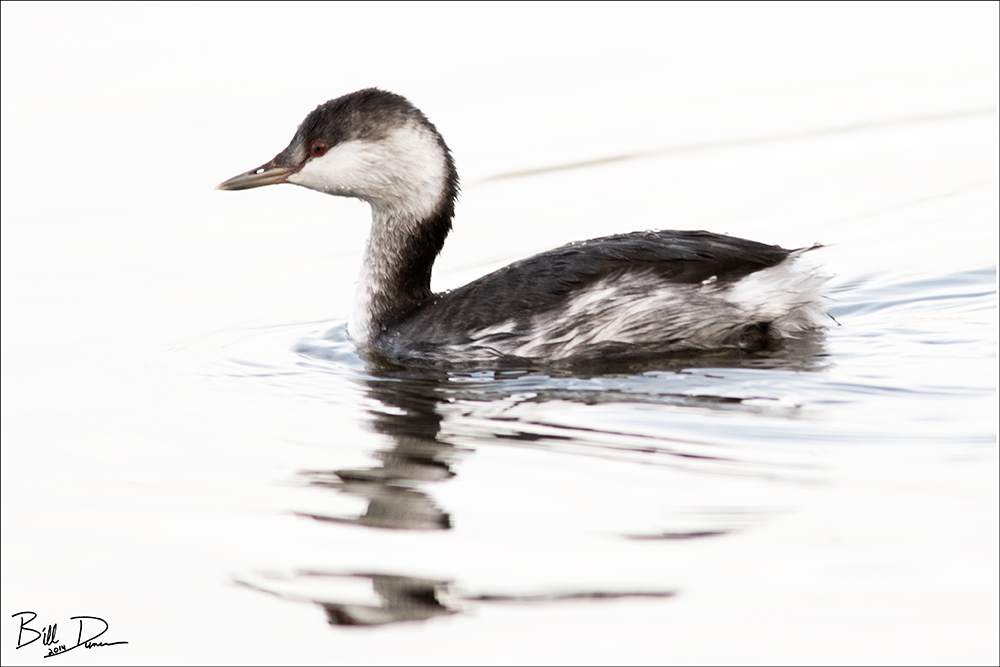
The next pair showcase a couple of birds that exemplify the great winter season we have been having in this region so far. The first is a Horned-Grebe that we were able to get quite nice views of during a very cold morning at Creve Coeur Lake in November.
Horned Grebe
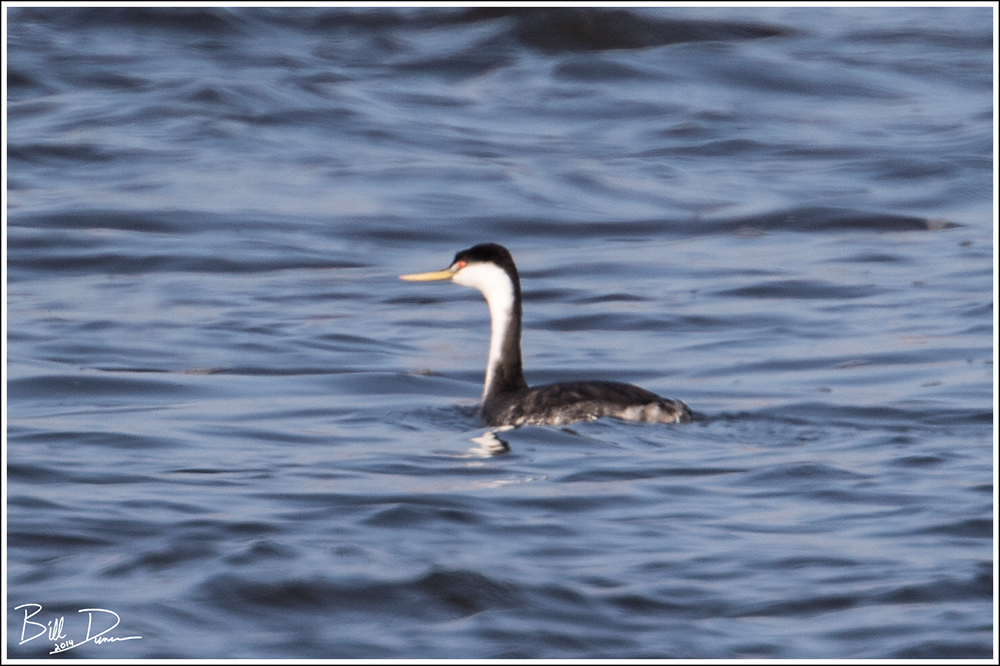
The next photo is of a Western Grebe and is the first photo of this species I was able to acquire. I found this guy near the Clark Bridge near RMBS, where he may still be found.
Western Grebe
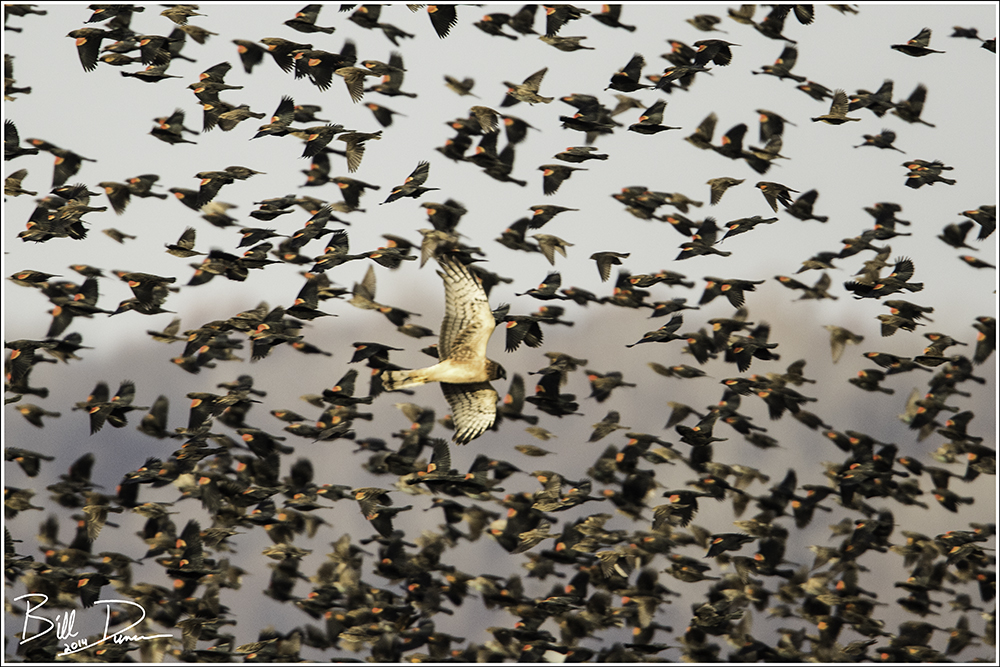
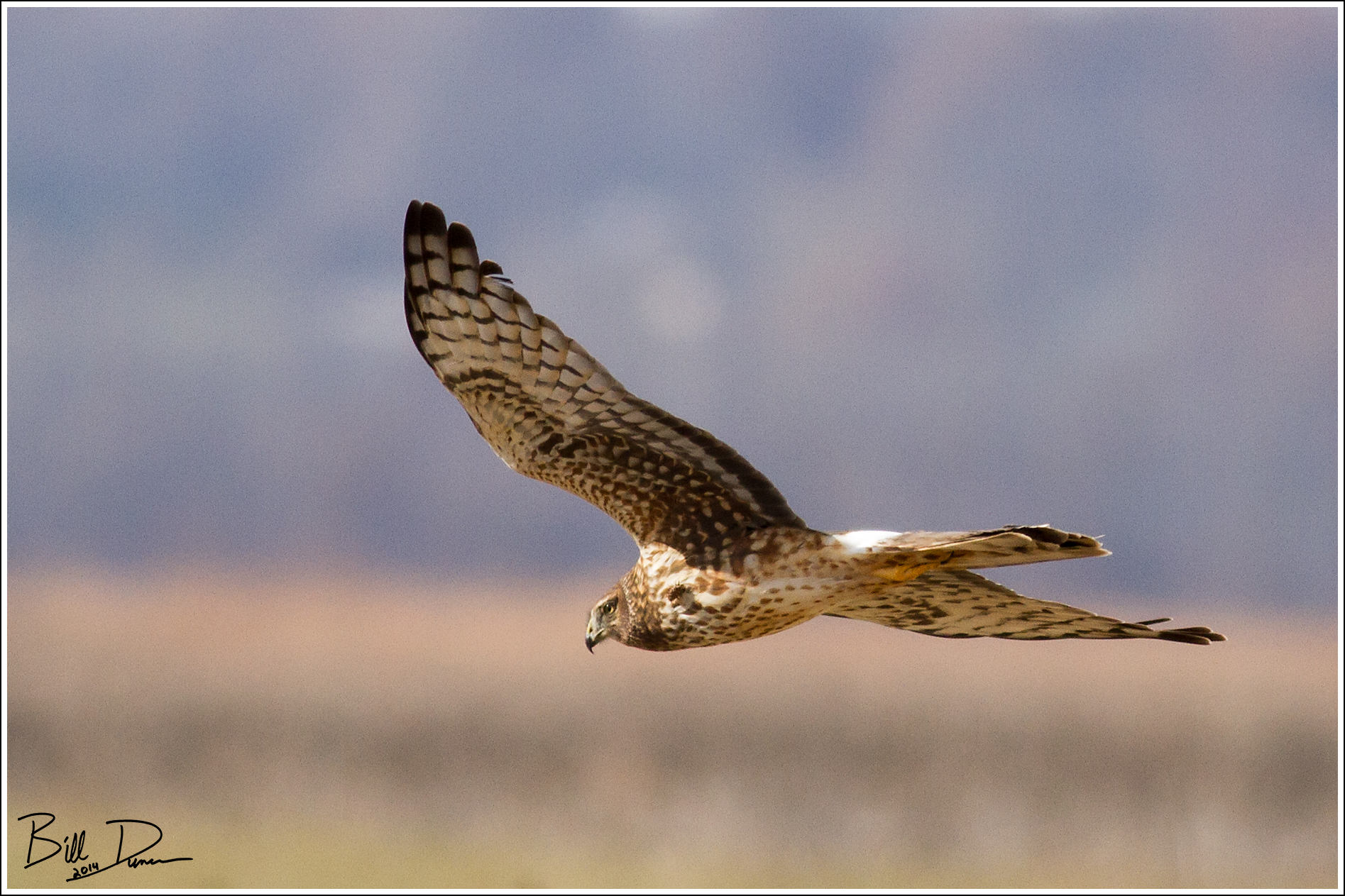
The final pair of images are of a couple Northern Harriers, a species I have been finally able to achieve some success with lately. The first, taken at CBCA, was fortunately timed while the bird was back-dropped by a flock of Blackbirds.
FlashMob
I have provided this last photo, also a Harrier taken at CBCA, in a larger size so you can see the cockle-bur that is stuck on the underside of this poor creature. I know these things can be a nuisance for me in this habitat, and I guess it is for the birds as well.
I have had quite a productive vacation day (trying to burn some vacation days before the end of the year) so far: exercise, running errands, a bit of Christmas shopping/preparations, a Trader Joe’s run, as well as picking up another round of trashcans worth of leaves. To have the time and gumption to put together another spotty blog post is another plus. So hear we go, five of my favorite wildlife image examples from our Yellowstone trip in September 2014.
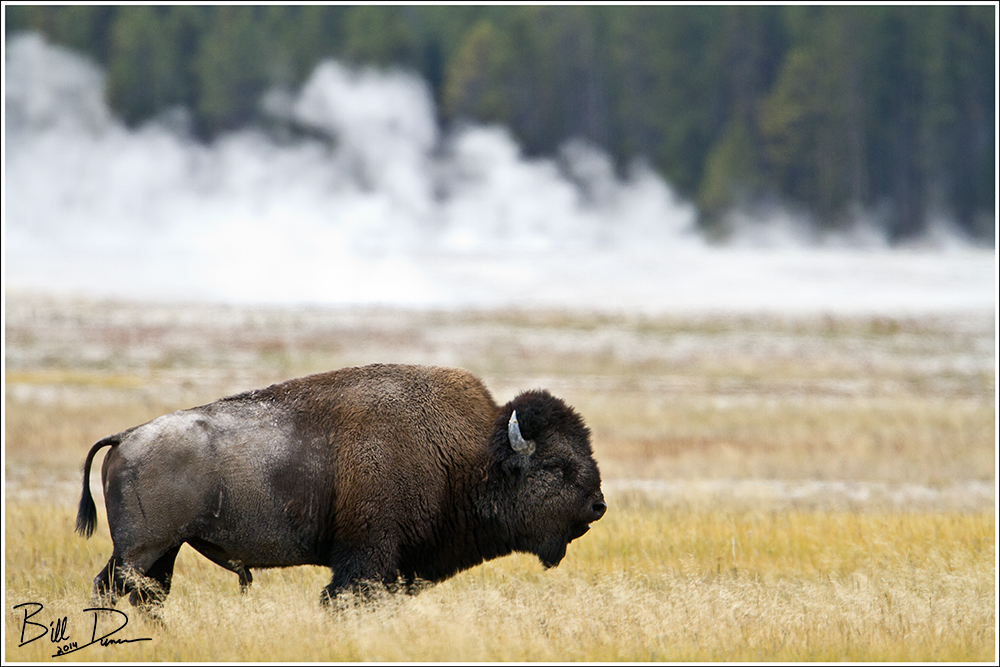
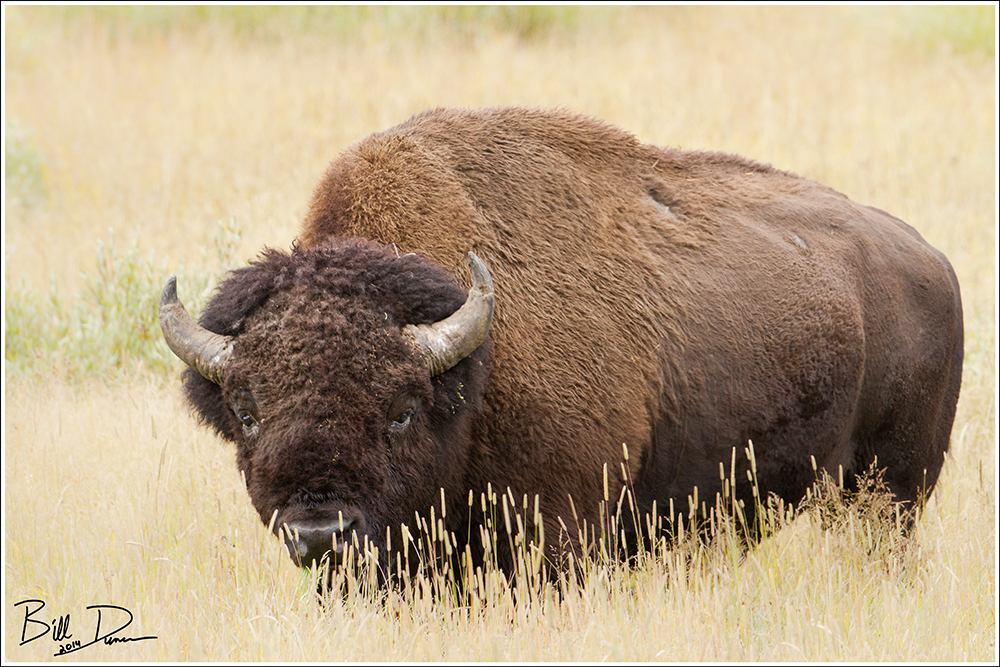
1) Hayden Valley Bison
Sarah and I feel we mostly struck out in the wildlife department during our trip. We did see some great animals of the west, but we struck out a few times on our quest to view and photograph moose, missed being in the right place at the right time for bears, and wouldn’t even allow myself to say the word “wolf” aloud. Watching and photographing wild, free-roaming bison, REAL Bison (notice how I didn’t say Buffalo?), was a great pleasure. The fact that our Lake Yellowstone hotel room was set to a constant broil, forcing us to sleep with the window open in sub-freezing temperatures, afforded an unexpected pleasure during our final night. A mature bison cow decided to spend the night right under our open window, constantly ripping and munching the turf as we dozed. Anyway, this image was taken on the northern end of the Hayden valley.
Hayden Valley Bison
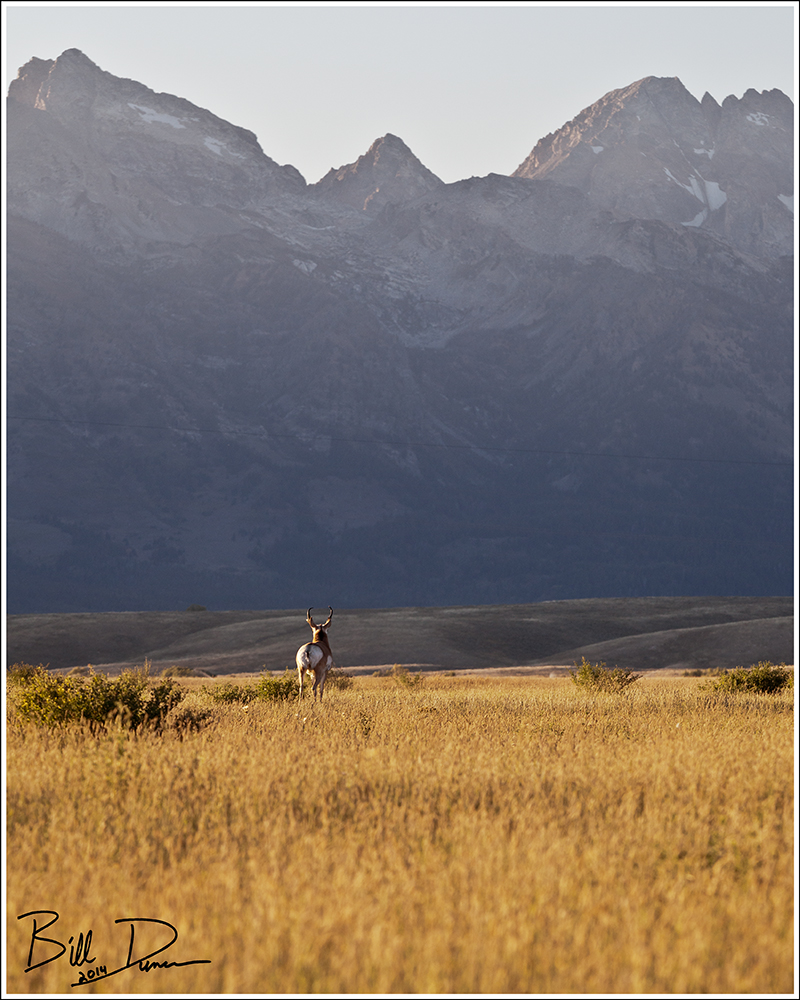
2) There Are No Fences Facin’
I loved watching the pronghorn. There are so many fascinating tidbits about their biology, such as the fact that they are the only animals with horns that shed them, or that they are considered the fastest land animal in the western hemisphere. This one was photographed at the National Elk Refuge, as it seemed to take in the sites.
There Are No Fences Facin’
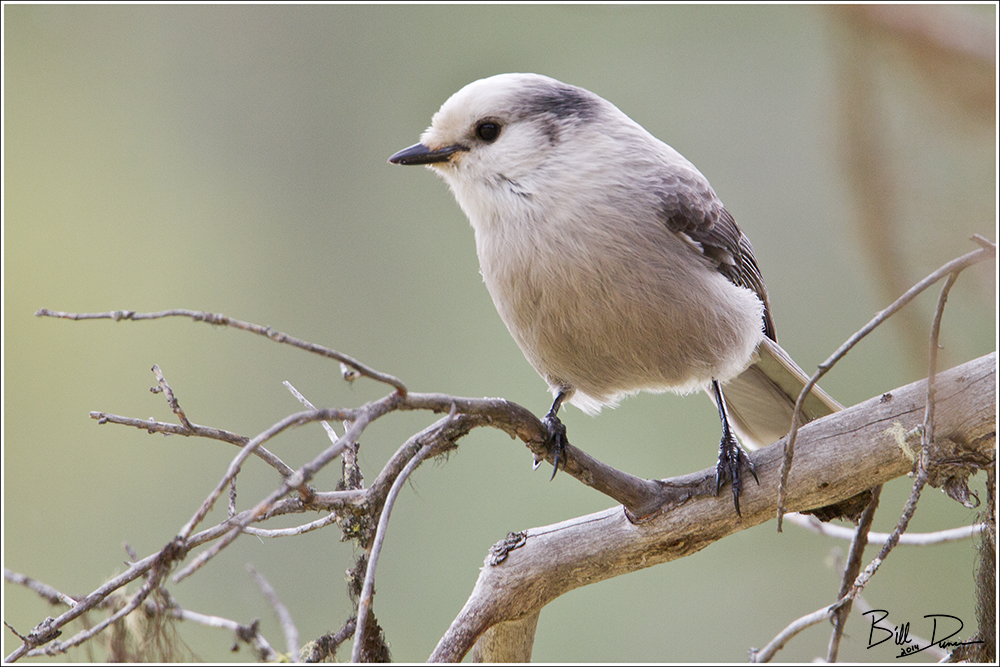
3) The Gray Jay
Even though I added a number of bird species to the life list, it seemed circumstances rarely allowed the opportunity to attempt photographs. This rare exception shows one of a number of Gray Jays that were found foraging along the road in an out of the way stretch of the north-east entrance road, just north of the Lamar Valley.
The Gray Jay
4) Bull!
We found this guy near the road on the same north-east stretch. Such a massive, healthy animal! Looking at him it comes as no surprise how they manage to survive a Yellowstone winter.
Bull!
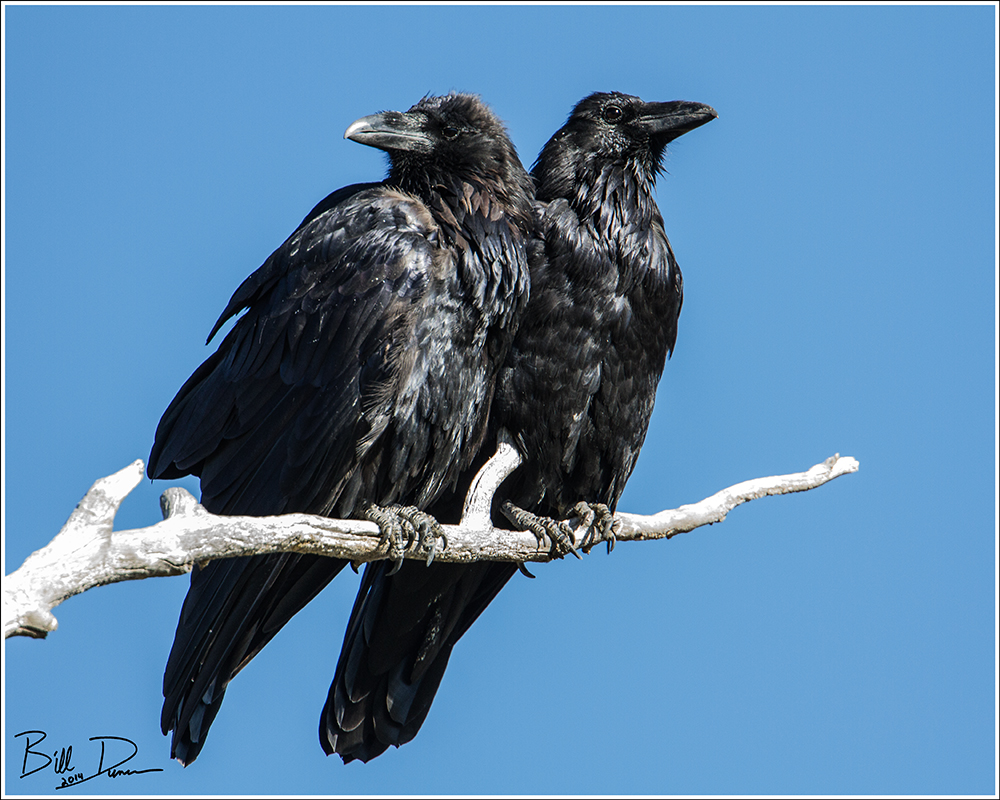
5) Huginn and Muninn
Ravens! This was a target species for me. Soon after finding my first Yellow-headed Blackbird of the trip (a lifer as well), we came upon this pair, who were content to let me photograph as they picked up some morning sun. Photographing black birds is always a challenge. I think I handled the situation as well as possible.
Hi everyone. Here we go with part two. We spent three nights in YNP and two in the Grand Tetons and National Elk Refuge. This was a sufficient amount of time to get a nice overview of these three places. Now, we just need a month at each location to really get to know them… 😉
To keep the post size down, I have picked five landscapes to showcase and discuss a little. I will be posting more on Flickr over time.
1) Dawn’s Progression
We’ll start with this one taken along the Yellowstone River on the final and coldest morning of our stay in Yellowstone. Giving Sarah a morning to sleep in a little at the Yellowstone Lake Hotel, I hit the road before sunrise with the aim of heading down Uncle Tom’s Trail to get that famous view of lower falls. Unfortunately, it soon became apparent that the cold night (~15 F in September!), brought with it very thick fog. Even if I would have made it down the stairs that lead to the falls, I and my camera would have little to view. While walking around the parking lot, wondering where I should head to instead for my last few hours in the park, I saw from the corner of my eye what looked like a small thermal feature. This turned out to be hot air escaping from the side-wall of one of my tires. Destroyed. I knew I had about three hours before checkout, so I replaced the tire with the doughnut-spare and headed directly to the nearest service station inside the park. Along the road, I spotted this scene developing and I had to capture the fight between the fading overcast, fog and the rising sun. I dared not take the time to setup the tripod and consequently there is some lack of depth of field. But, I think things are sharp enough where they need be and it turned out to be a worthy memory of my last day in Yellowstone.
Dawn’s Progression
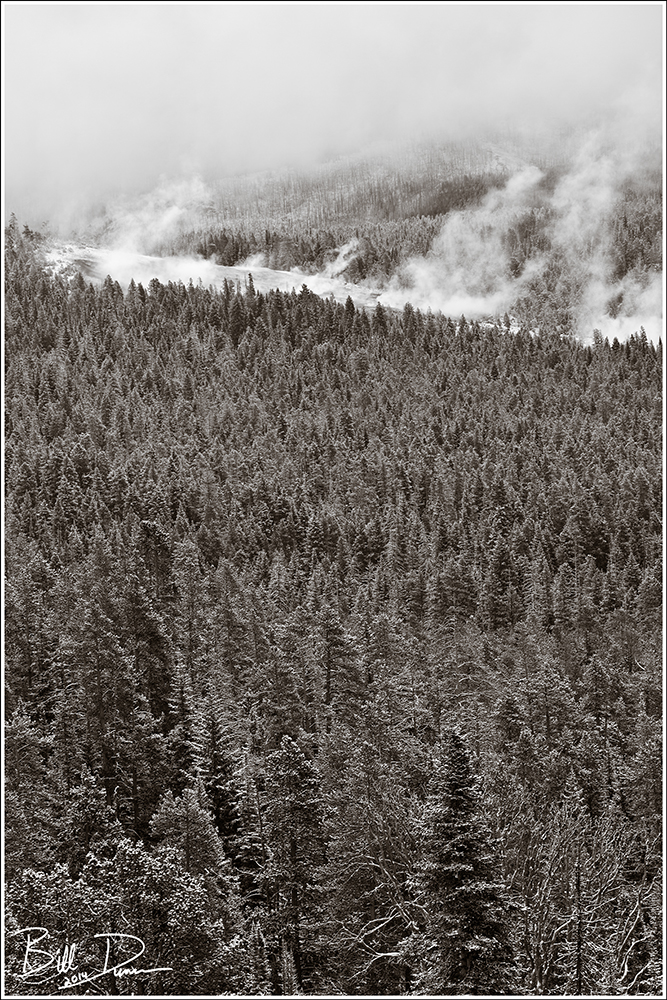
2) Battle of Ice and Fire
Weather in Yellowtone changes quickly and frequently. We experienced almost every possible weather scenario during our few days in September. The next image was taken shortly after a small snowstorm. I enjoyed the texture of the snow-covered conifer forest and the steam coming off the thermal feature in the background, merging with low cloud cover.
Battle of Ice and Fire
3) Moulton’s Ghosts
Described as the most often photographed barn on the planet, the T.A. Moulton Barn lies along “Mormon Row” just east of the Grand Tetons. Of course in the short time we were visiting there were no clouds for that interesting sky, but I made my best attempt at an “original” photograph.
Moulton’s Ghosts
4) Star Trails at Jenny Lake
During our stay at GTNP, we received word of a prediction of excellent views of the Northern Lights as far south as the great plains states. Combined with predictions of clear skies during the same evening, I was definitely excited. We hadn’t done enough scouting to pick the best place for setting up for astrophotography, but I did have Jenny Lake in the GPS. This would have to do. The Northern Lights never did materialize where we were located, but I made a number of shots that were later stacked in the computer for this star trails image.
Star Trails at Jenny Lake
Before moving on to the final image in this post, I wanted to plug a great sandwich and coffee shop we found in the village of Kelly, not far from both the Tetons and the National Elk Refuge. Kelly on the Grose Ventre makes as good a cup of coffee as anywhere I’ve had. The owner/barista is a pleasure to talk with and he is truly concerned that you enjoy your drinks and food. It would be a crime to miss visiting this spot if you are in the area.
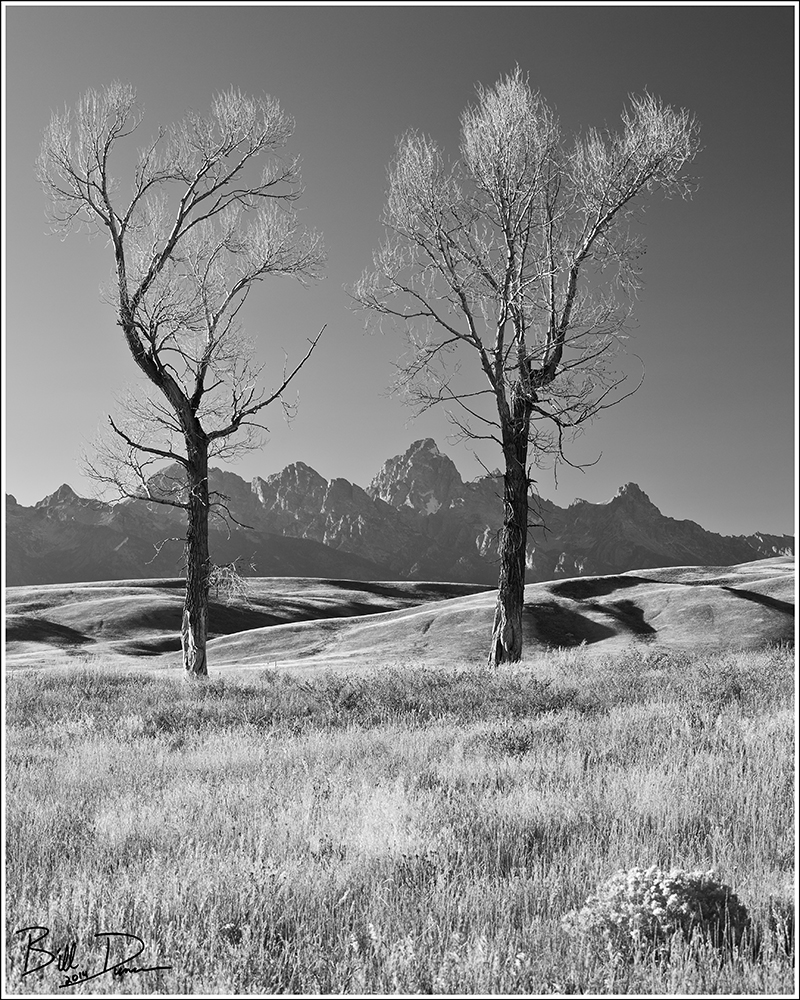
5) Twin Cottonwoods on Tetons
This final photograph was taken near the golden hour inside National Elk Refuge. The sun, about to drop below the Tetons, performed magic by creating nice shadows on the foothills and back-lighting the leafless pair of Cottonwoods. The National Elk Refuge has some wonderful wilderness characteristics, and I would love some more time travelling the roads and trails of this dry western landscape.
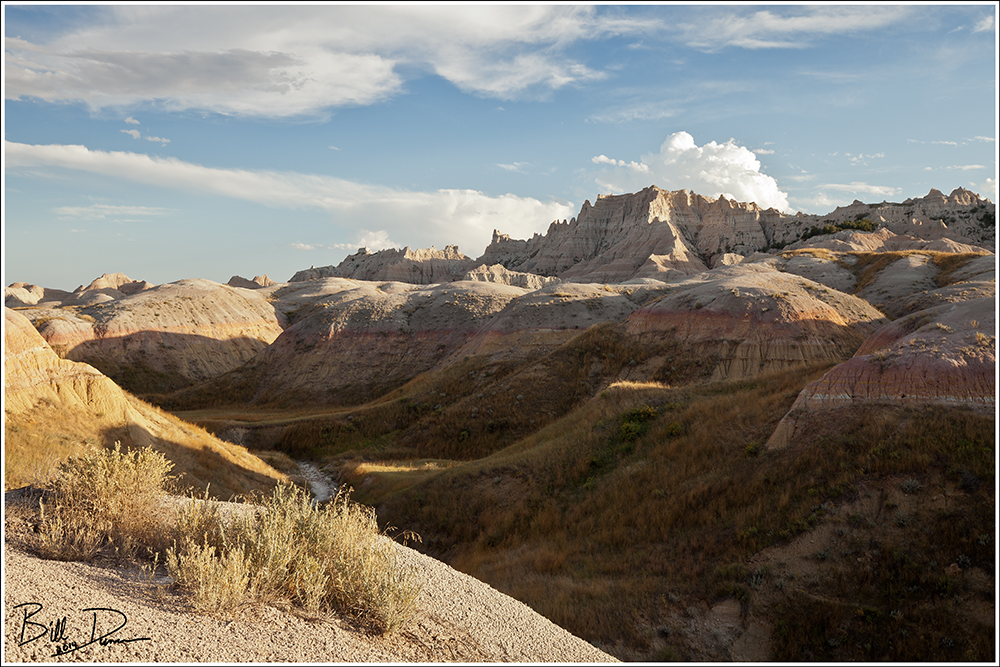
Greetings. Way back in September, well before this early winter weather came about, Sarah and OZB took a much needed vacation and traveled west. The primary destination being Yellowstone National Park, but we stopped at a few locations along the way. How I loved Badlands! With nearly 250,00 acres, this place is worthy of investing two weeks of vacation on alone. A couple of days was not enough. Wildlife and landscape abound, so your chances of finding something of photographic interest are high. The park is laid out to perfection as well. A single paved road leads you through the heart of the park, with a couple of minor roads leading to loops in separate sections.
Badlands National Park
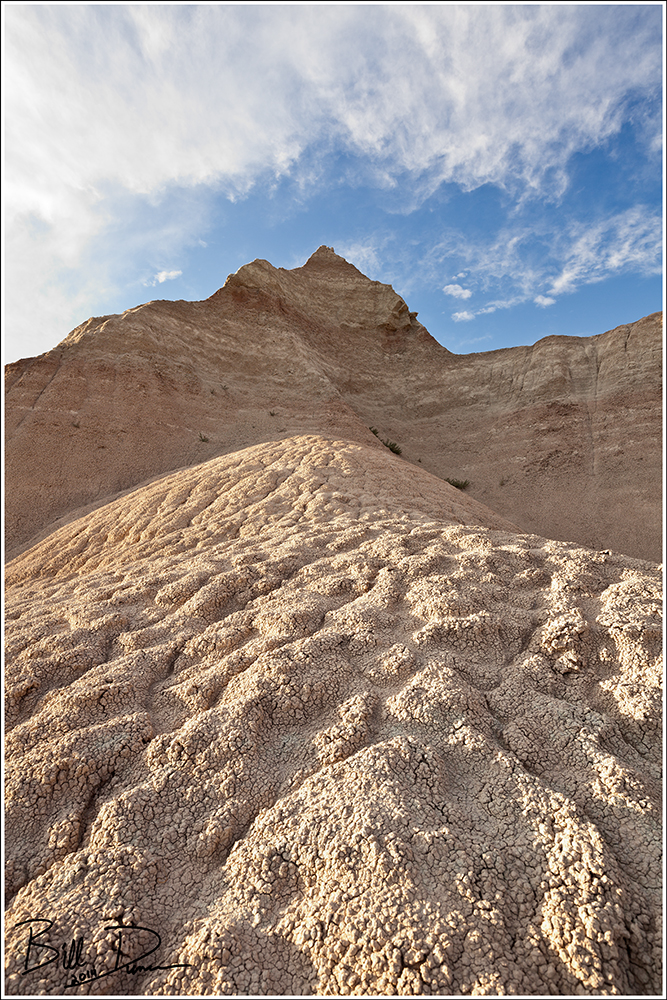
To get the image above, I took a “trail” down one of the earthen crests of the area. Towards the end of the trail, the amount of scat I observed made me realize that I was on a trail made by Bighorn Sheep! Sarah took a shot of my better side while I was on one of these trails. Yeah, you wish you could rock the boots, socks and shorts as well as I did here.
Hey Hey, My My
The beautiful patterns of erosion!
Badlands National Park
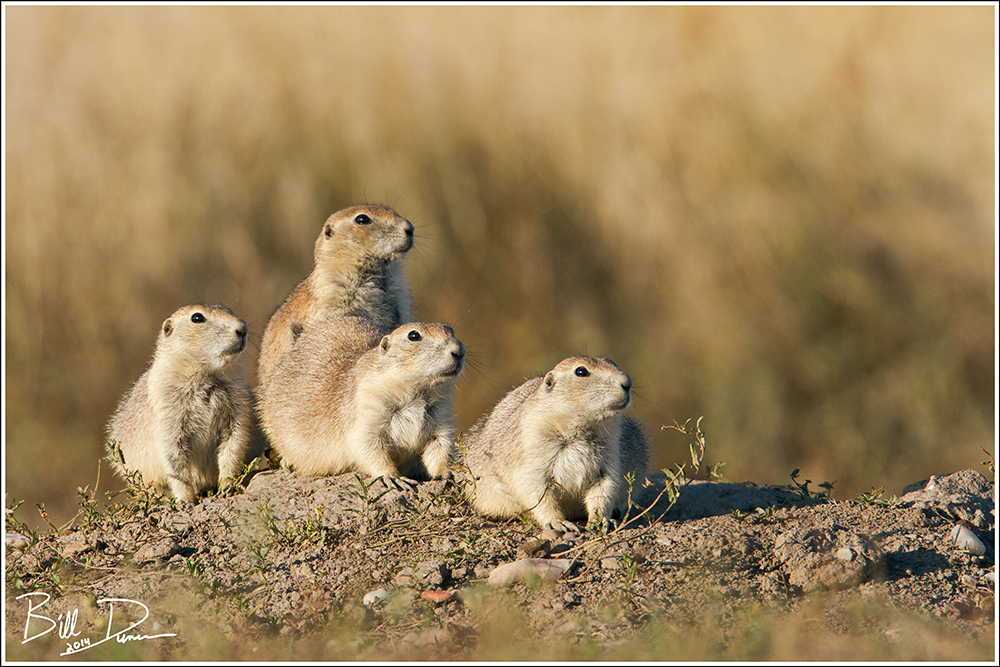
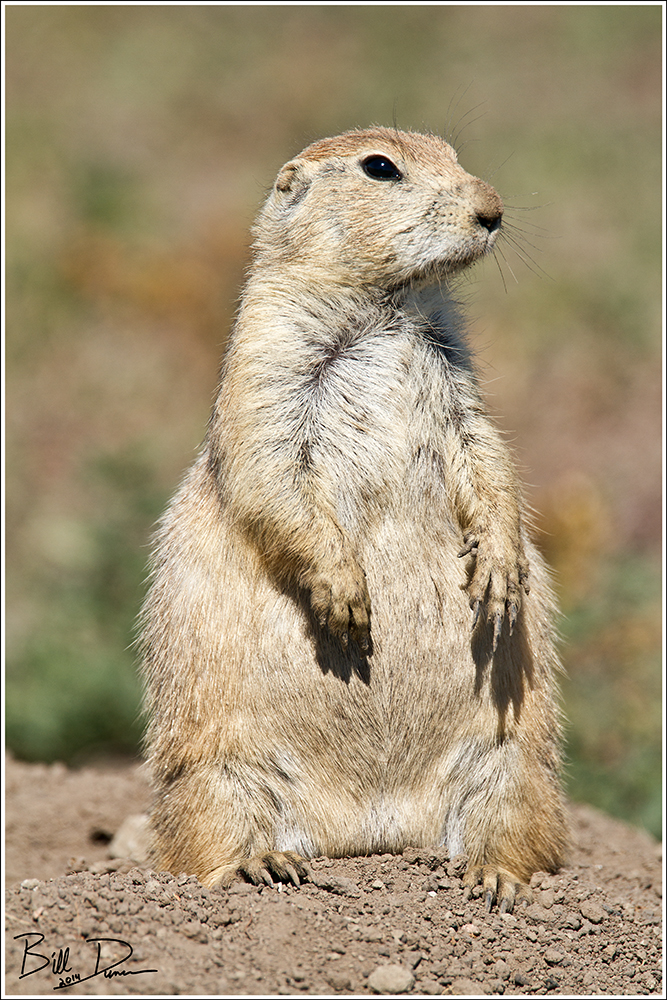
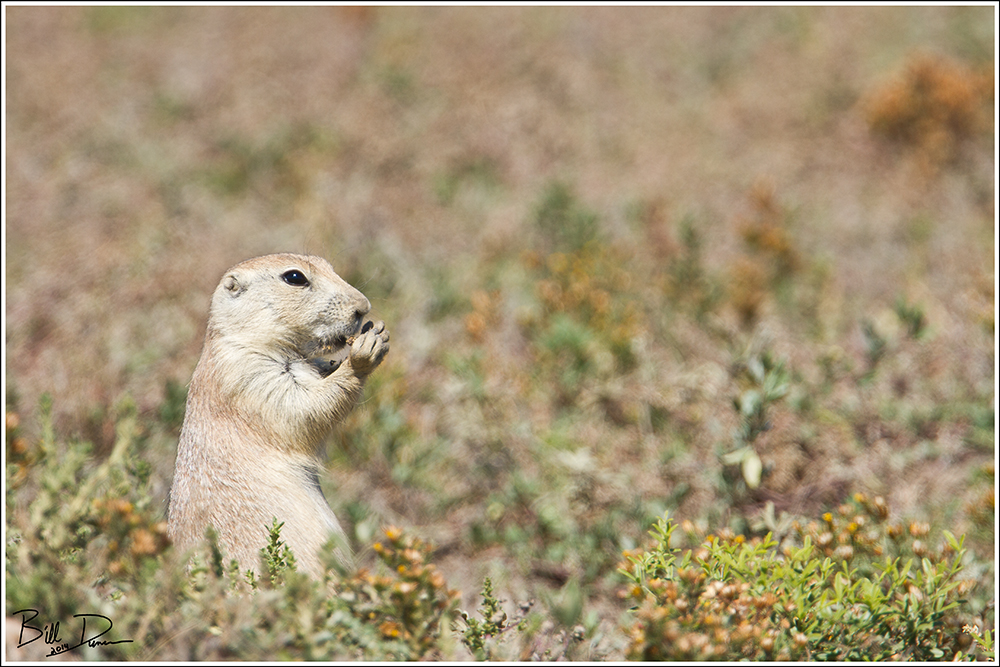
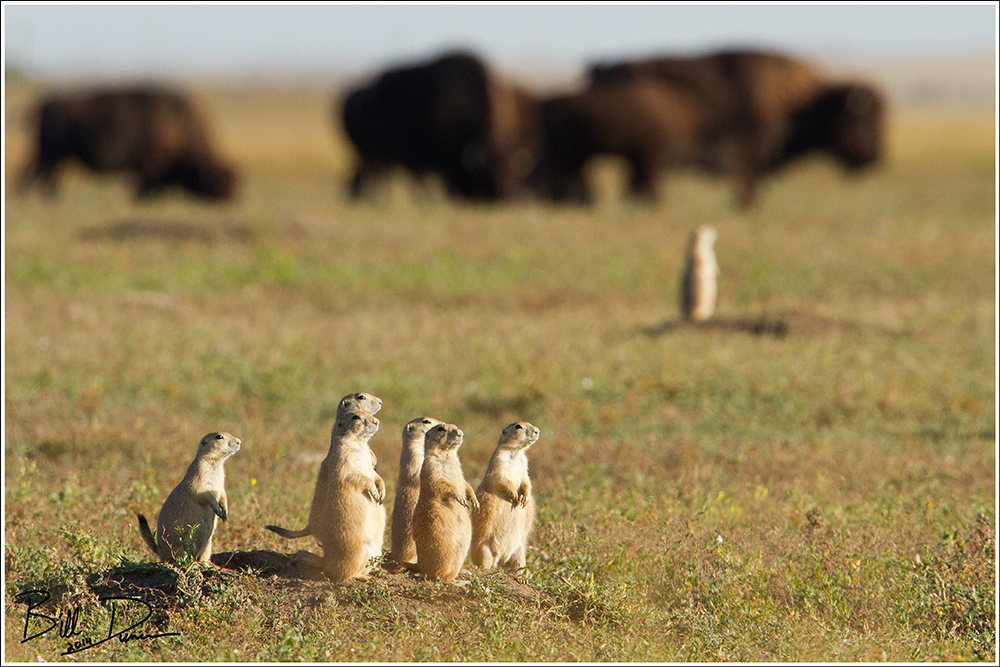
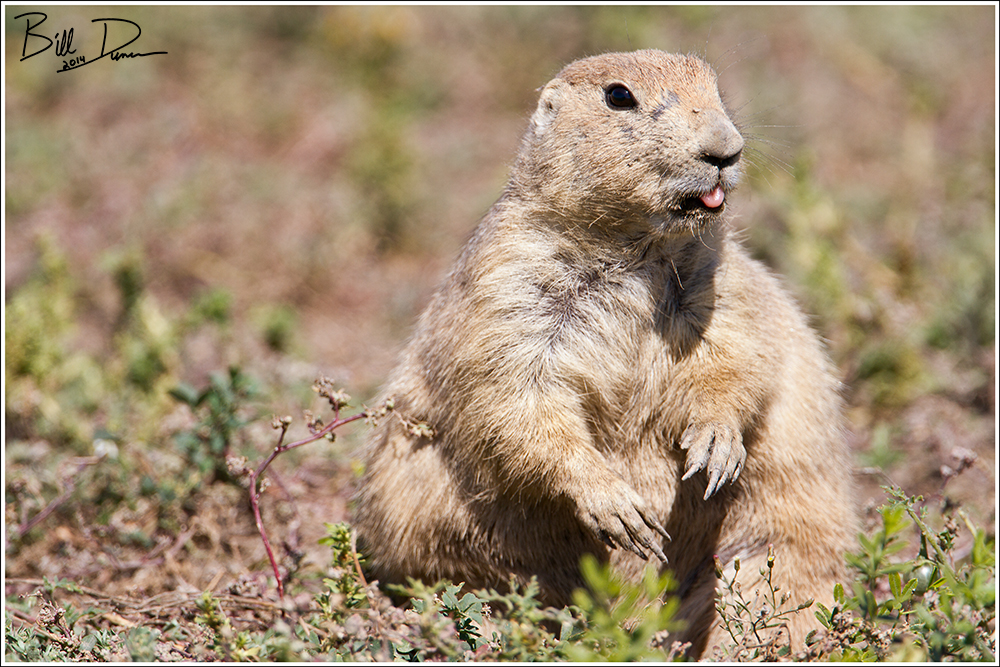
The prairie dogs at places like Roberts Prairie Dog Town and other colonies throughout the park provide endless entertainment. Such fascinating creatures.
Other wildlife were to be found as well. We spotted our first Pronghorn in Badlands NP, but this image was taken in at Custer State Park in the nearby Black Hills.
The Pronghorn
Bighorn Sheep were somewhat abundant, and this female gave me a good looking over.
Bighorn Sheep
That is all for now. I will have a couple more posts coming soon from other locations along our trip. Until then, you can view more images from the Badlands and surrounding sites in South Dakota on my Flickr.
I missed out on getting a usable image of the Yellow-fronted Woodpecker, which I considered to be the most striking bird I was able to observe in Brazil, but on my last day out shooting before heading for home, I was able to spot and shoot these guys. Huge, active and vocal, these were very much reminiscent to the Flickers in North America.
Greetings on a gorgeous wintery day. I hope everyone is safe. I was driving yesterday evening when the snow was really coming down, and was reminded that the first day of winter precipitation in the StL metro area is very much like one of those figure eight races.
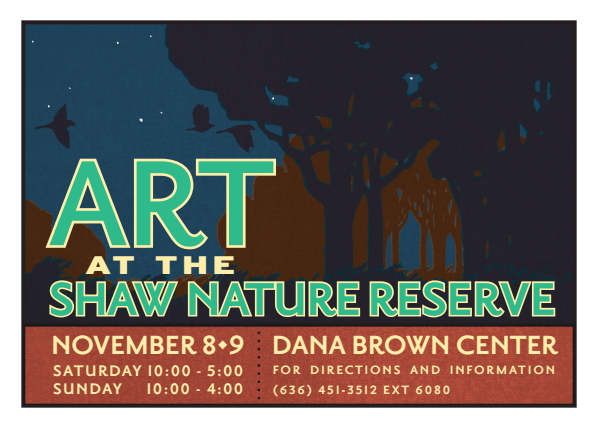
I want to give a very late thank you to all of the folks who visited the Art at the Shaw Nature Reserve 9th Annual Show & Sale last weekend. I enjoyed and appreciated seeing all my old friends and meeting new ones. I apologize for being tardy with this message.
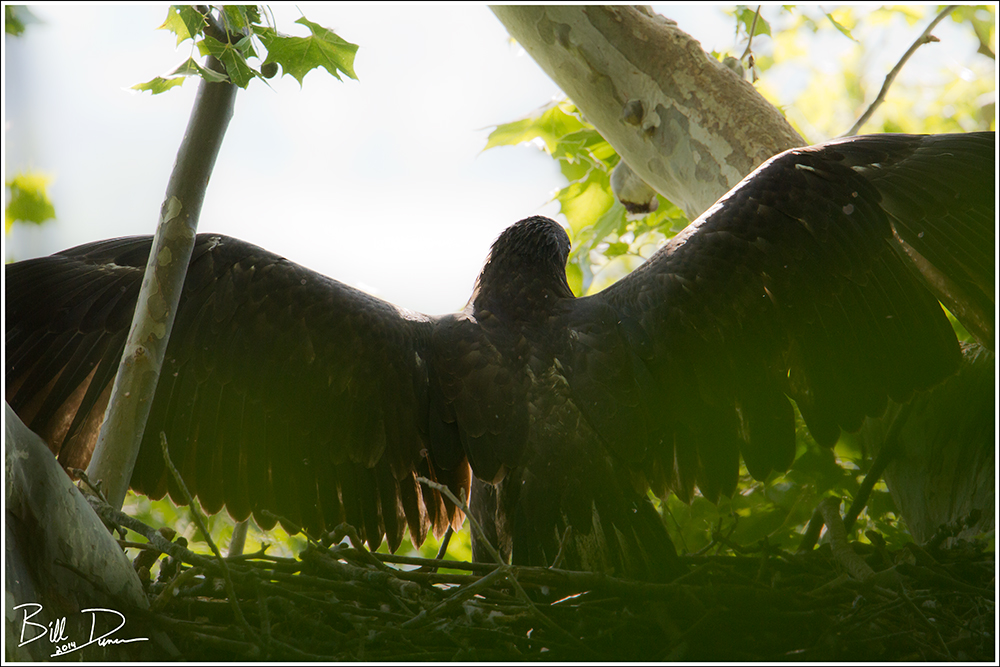
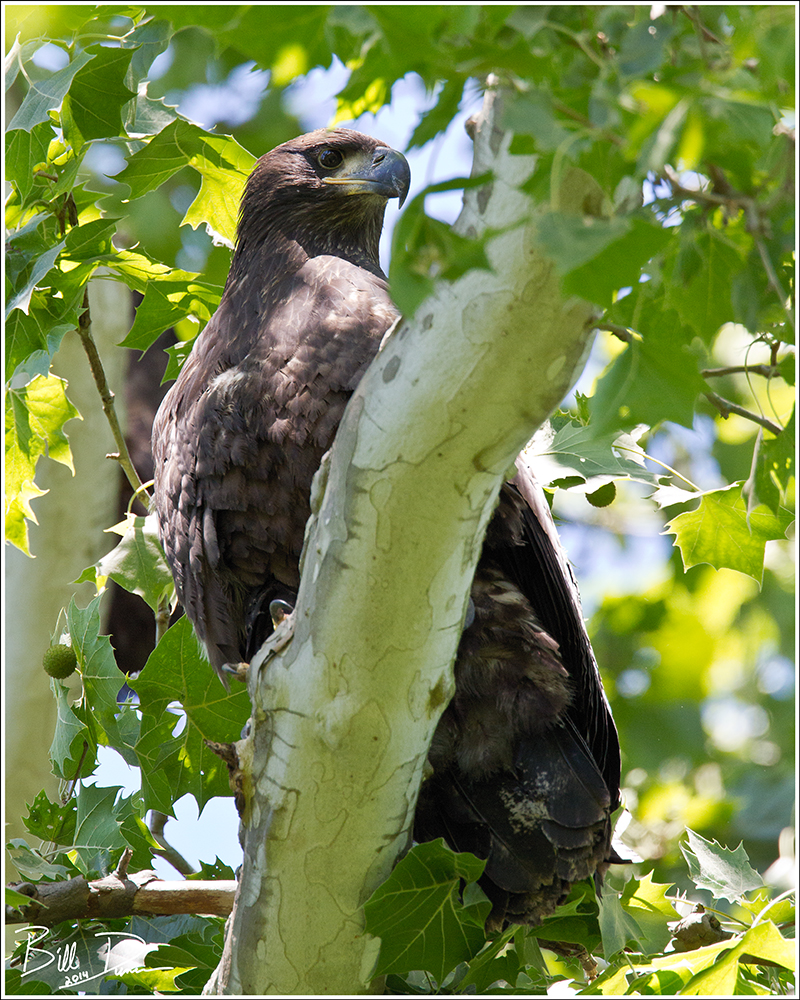
I also want to apologize for being so tardy in posting these images from my last visit to the Bald Eagle nest.
Bill Duncan – 11/16/2014
The Nearly Empty Nest…
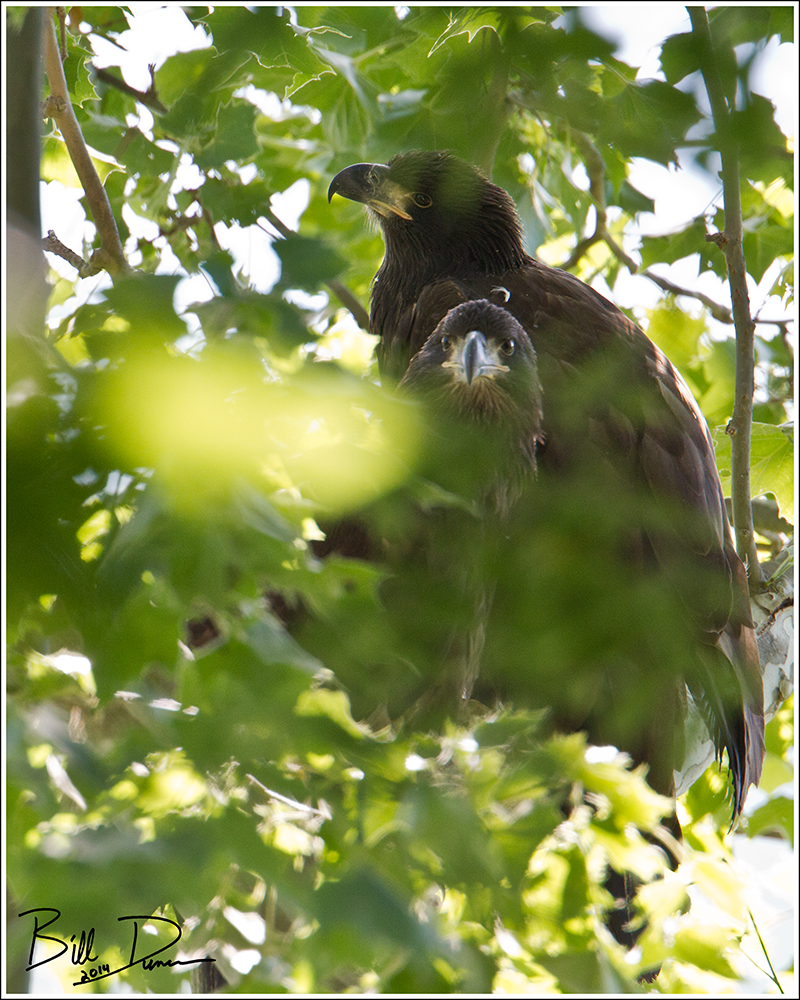
Arriving near first light on a very foggy morning, I could not find any presence in the nest. I feared that the chicks had fledged and the family had moved on. After waiting about 30 minutes, I decided to walk under the nest tree to see if I might find evidence of what they ate, or some other artifacts that may have landed during their nearly three month stay. Not finding much on the ground, I peered up the trunk of the giant sycamore to see what the nest looked like from my vantage. As I did, I saw both chicks 10-15 feet above the nest looking down at me! They were hidden from my view earlier due to the low light, fog and foliage. Not wanting to disturb them, I slowly hiked back up the hill to my usual observation spot.
WEEK ELEVEN
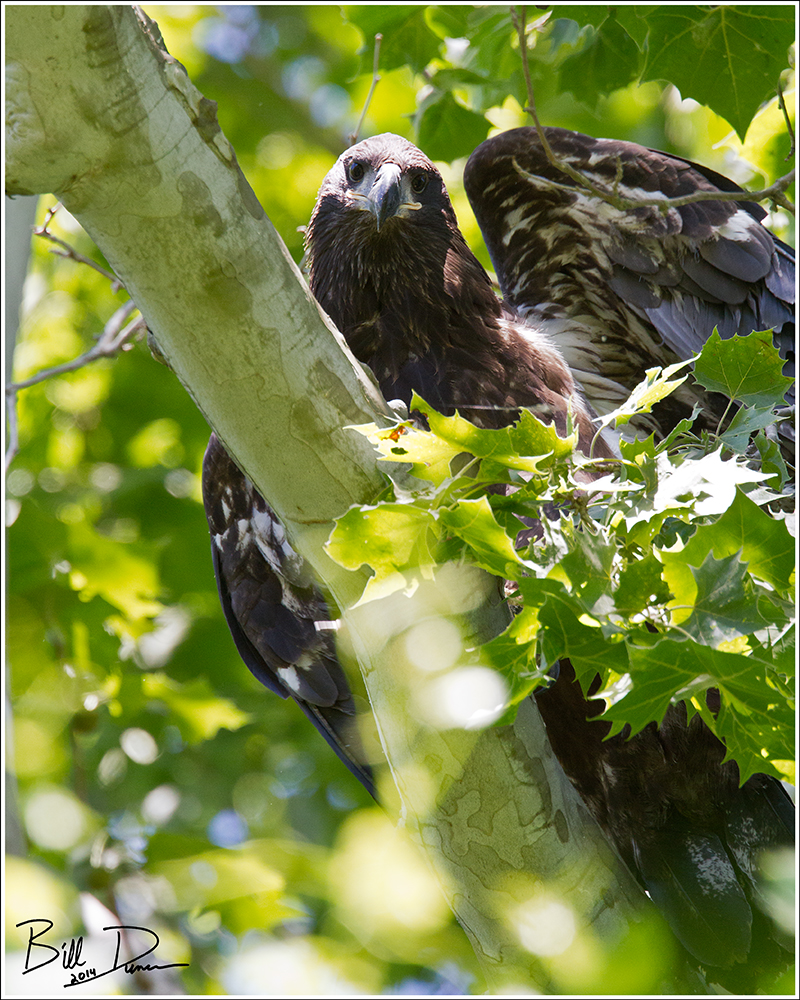
I watched for a few hours as they climbed up and down the stout branches that rose over their nest, exercising their wings as they went. I was sure they were close to taking that first plunge. Little did I know what was in store. I watched as the older and bolder of the two took what was likely its first flight attempt. It fell like a rock. After the initial “flight”, I listened for sounds of life behind the dense foliage below the nest. I heard not a single sound for nearly half an hour. I had to see if the bird might have broken its neck or perhaps landed in the river below. I slowly walked down the slope, under the nest tree and onto the flat of the river’s bank. I looked up and finally, to my relief saw this one looking back at me from about 50 feet above me and ten feet or so from the nest. Not much of a first flight, but this one was out of the nest.
WEEK ELEVEN
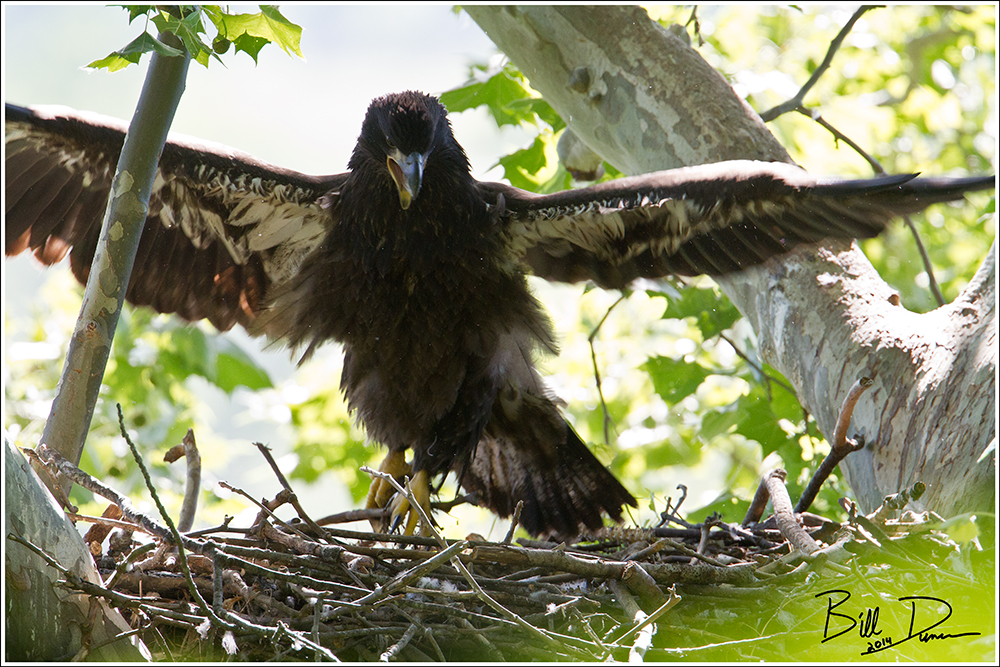
With its older sibling out of the way, the remaining chick put even more efforts into practicing…
WEEK ELEVEN
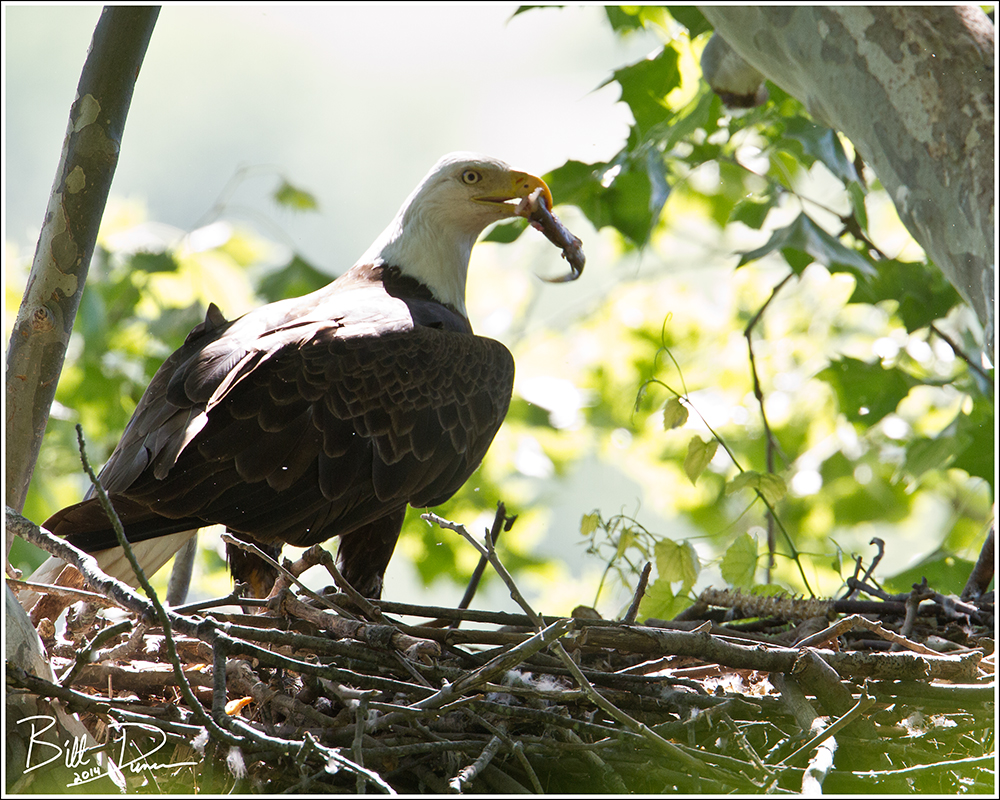
The chick spent a lot of time in limbs well above the nest. When one of the parents brought a meal, it must have been confused that nobody was there to take it…
WEEK ELEVEN
The chicks have been out of the nest for about five months now. I hope they are doing well and learning a lot during their first winter. Maybe we’ll run into each other one day.
That’s right! I am excited to announce that OZB will once again be presenting his work (~100 unique prints will be available) at Art at the Shaw Nature Reserve 9th Annual Show & Sale to be held the weekend of November 8th and 9th. I would love to meet and say hello to all of you who have given me support through our relationships via Flickr and A Thousand Acres of Silphiums over the years. There will be more than 20 artists, providing art in a wide variety of mediums, including one particularly pathetic photographer… 😉 Here are directions to the show…
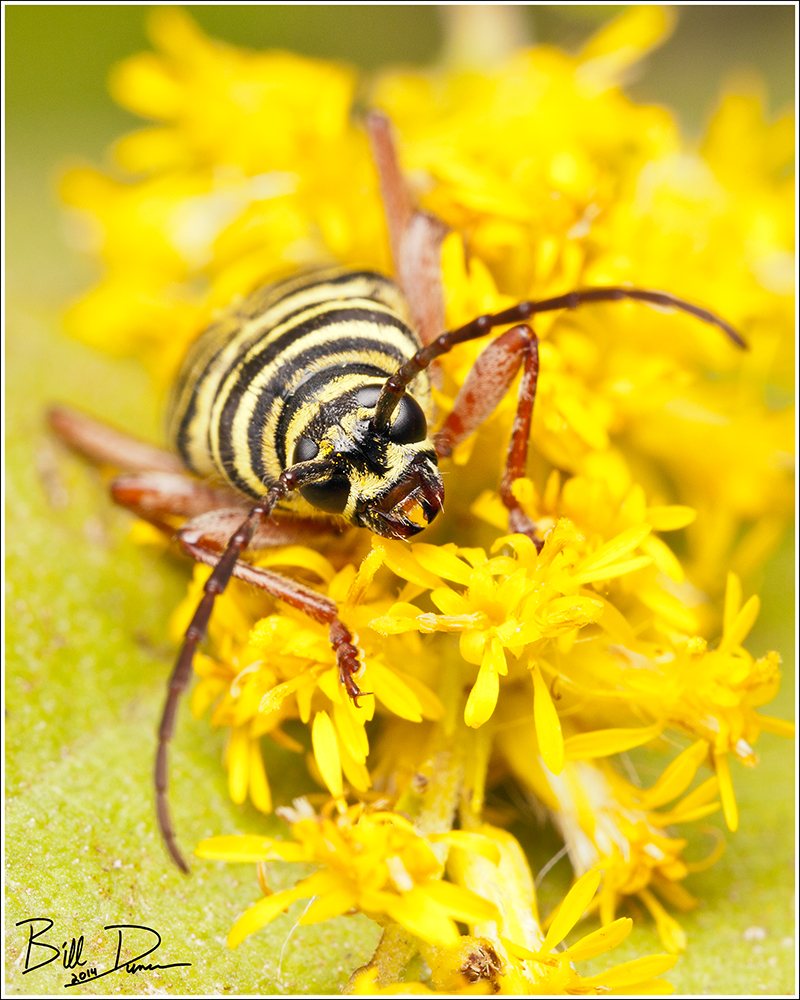
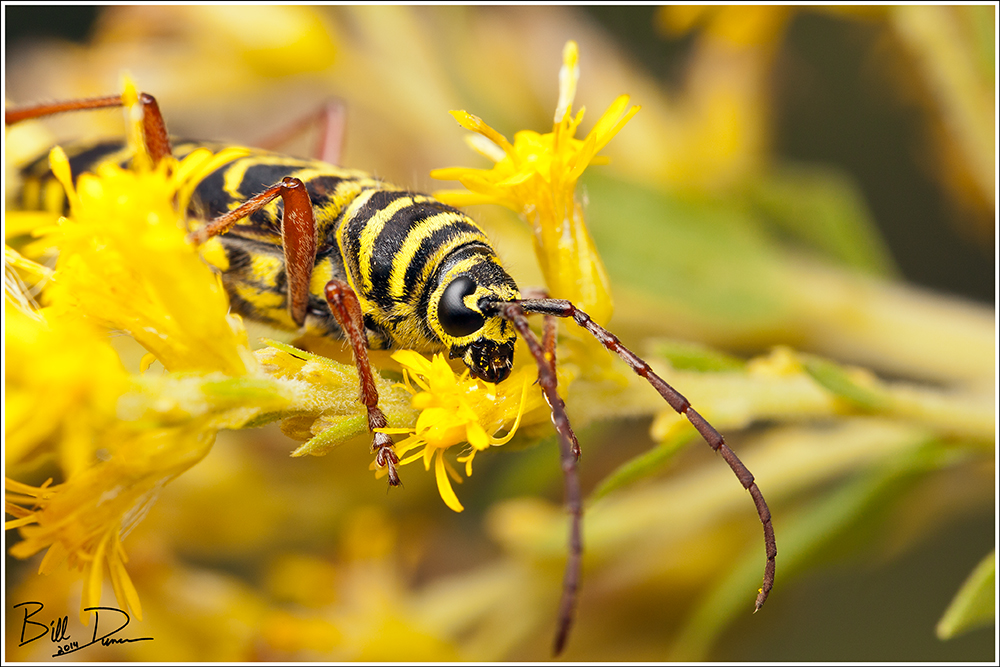
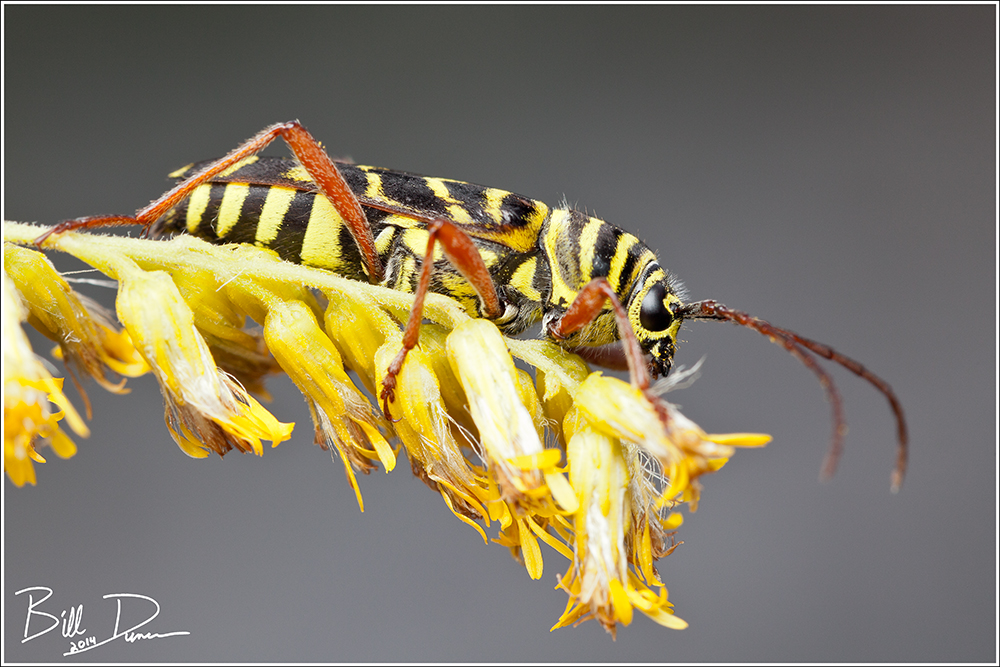
This Locust Borer (Family Cerambycidae) was photographed this fall feeding on Tall Goldenrod (Solidago altissima) that grow in my wildflower patches in our yard.
Locust Borer
The Locust Borer’s preferred larval host plant, the black locust tree, is now widespread across North America and Europe, but was originally found in the Appalachian and Ozark regions.
Locust Borer
It is unclear whether the color and pattern of this long-horned beetle serves to mimic the aposematic coloration of the well-known yellow jacket wasps (Batesian mimicry), or for crypsis – allowing for camouflage in the goldenrod, where they are often found.
I apologize for the tacky post title. I just wanted to let everyone know that I am busy at work in preparation for the ninth annual Art at the Shaw Nature Reserve Show and Sale – 2014. If you are reading this and have the ability to visit, please stop by to see more than 20 talented artists of many different media. I look forward to meeting and talk with you. It is a very nice event.













 A Thousand Acres of Silphiums
