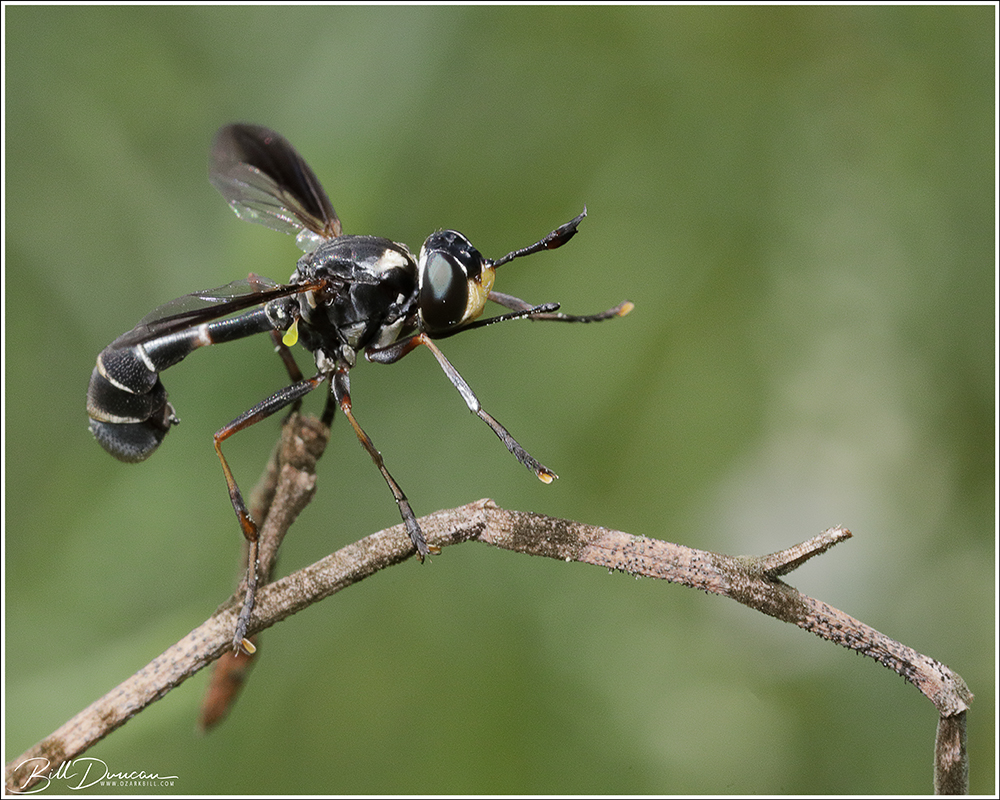
This wasp mimicking thick-headed fly was observed last July in Scott County, MO. This was another interesting pollinator I found moving among the blooms of American jointweed (Polygonella americana).
"What a thousand acres of Silphiums looked like when they tickled the bellies of the buffalo is a question never again to be answered, and perhaps not even asked." -Aldo Leopold
This wasp mimicking thick-headed fly was observed last July in Scott County, MO. This was another interesting pollinator I found moving among the blooms of American jointweed (Polygonella americana).
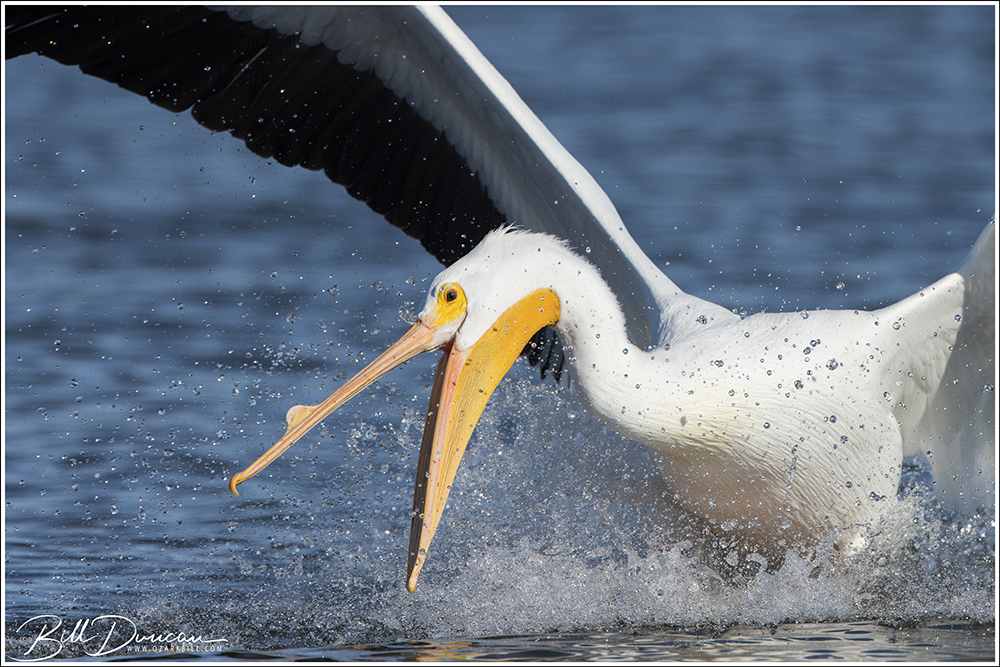
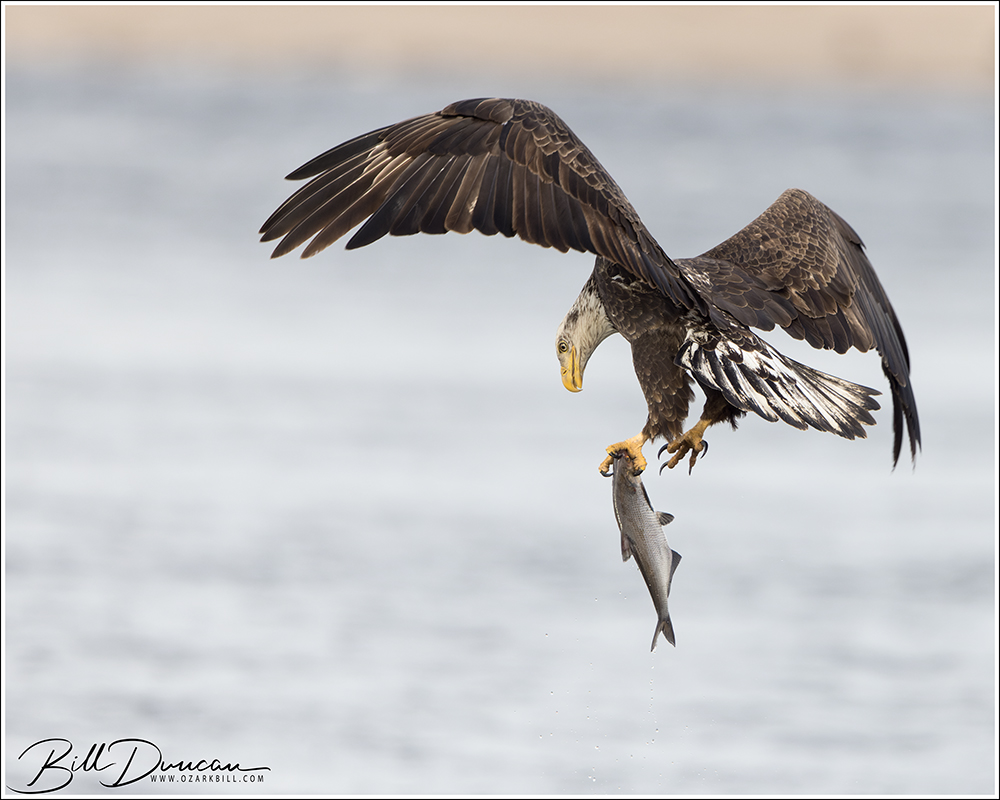
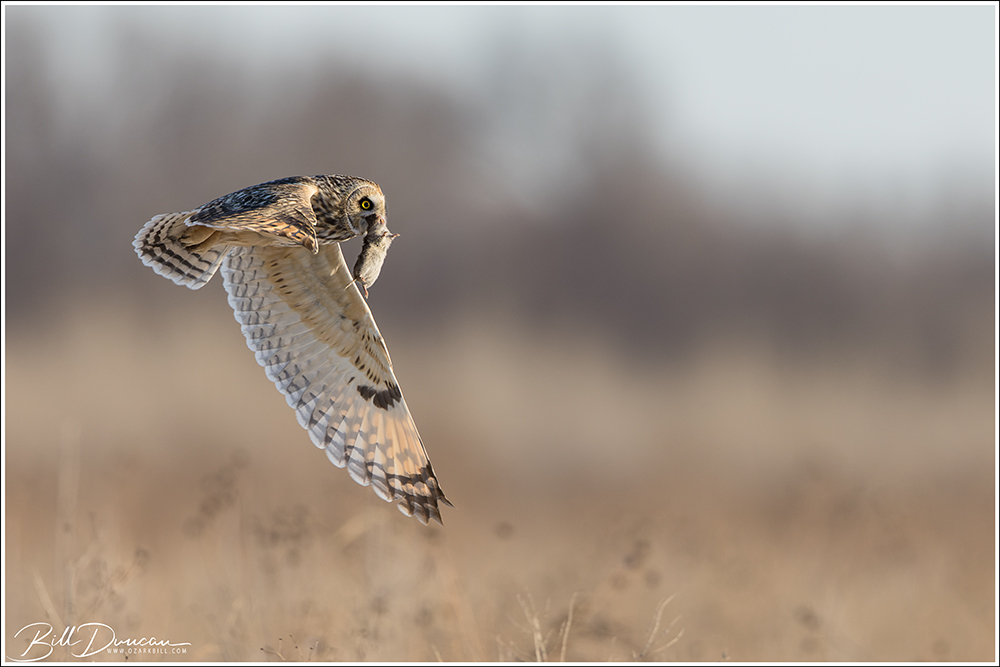
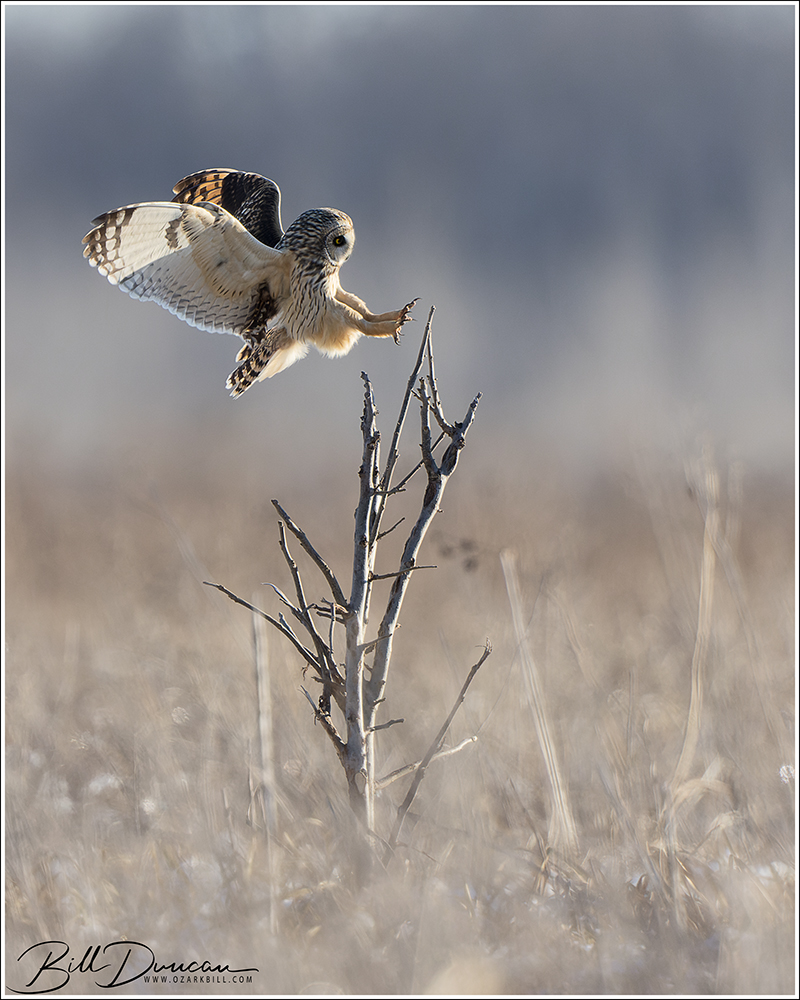
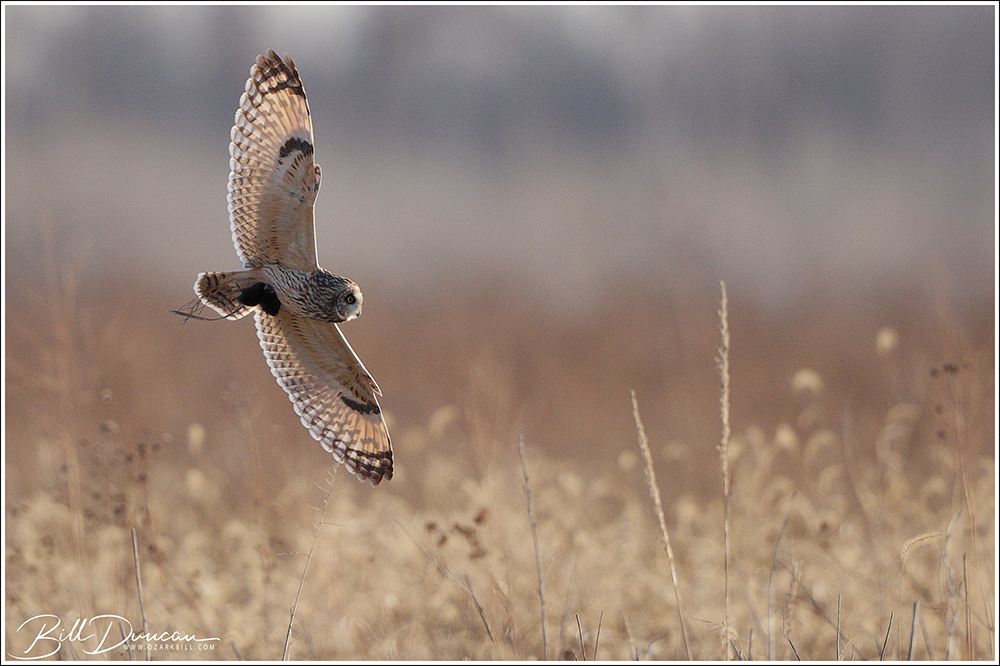
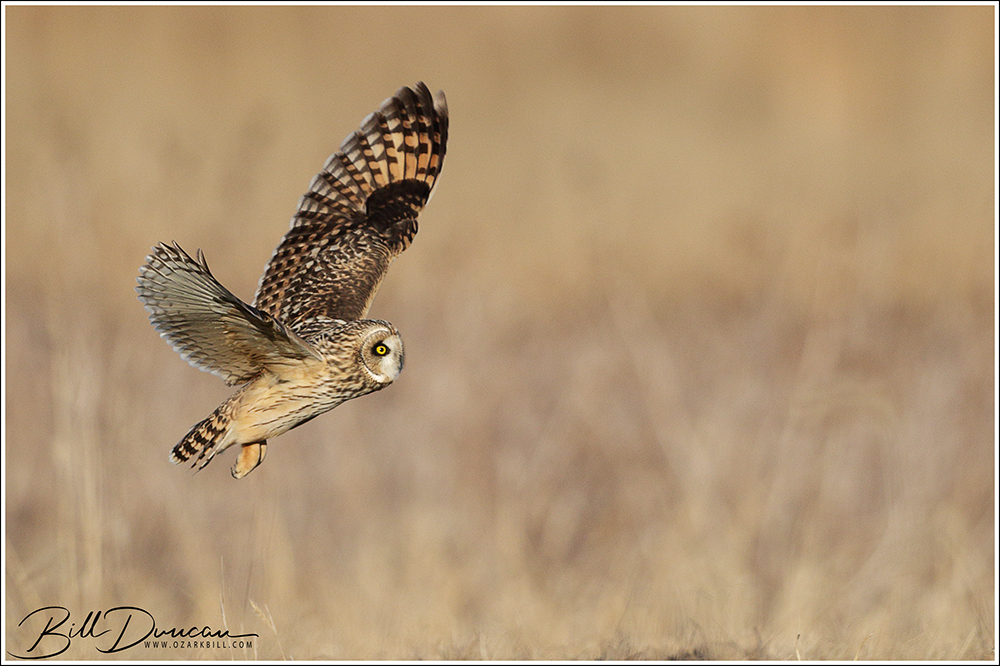
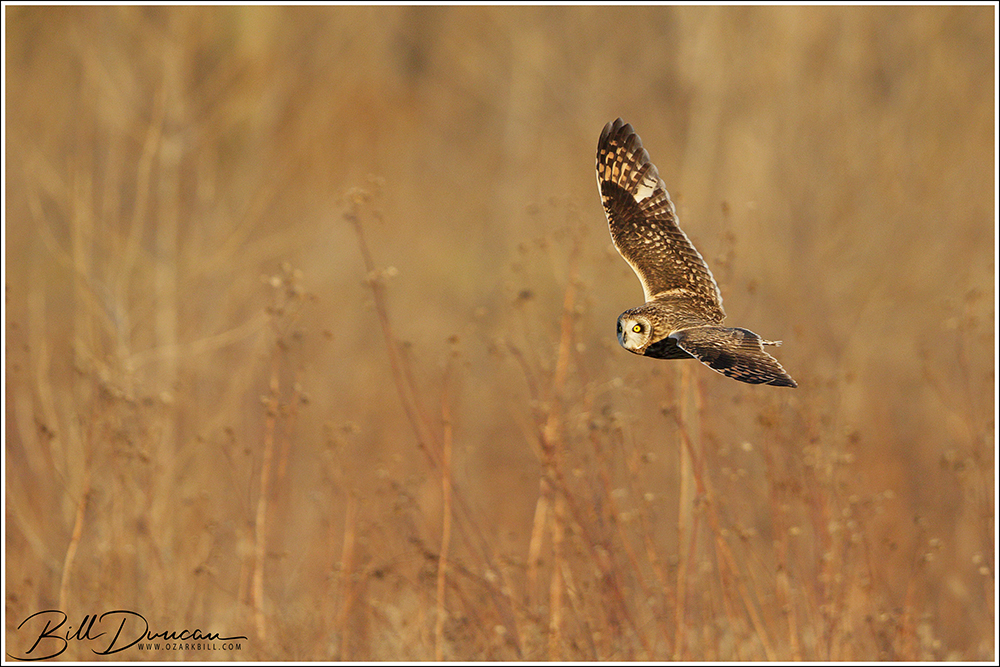
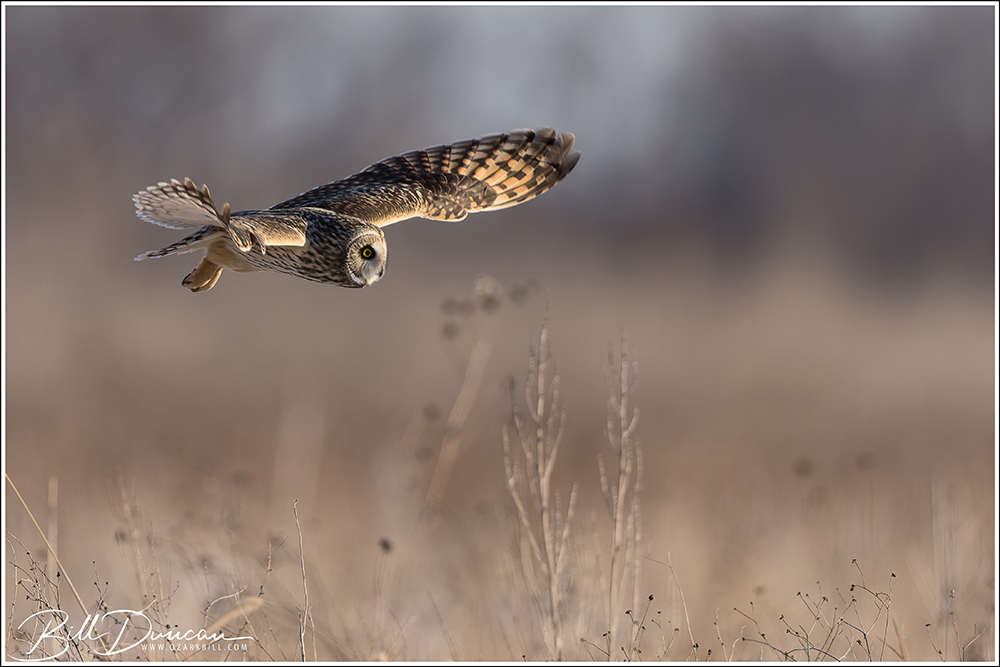
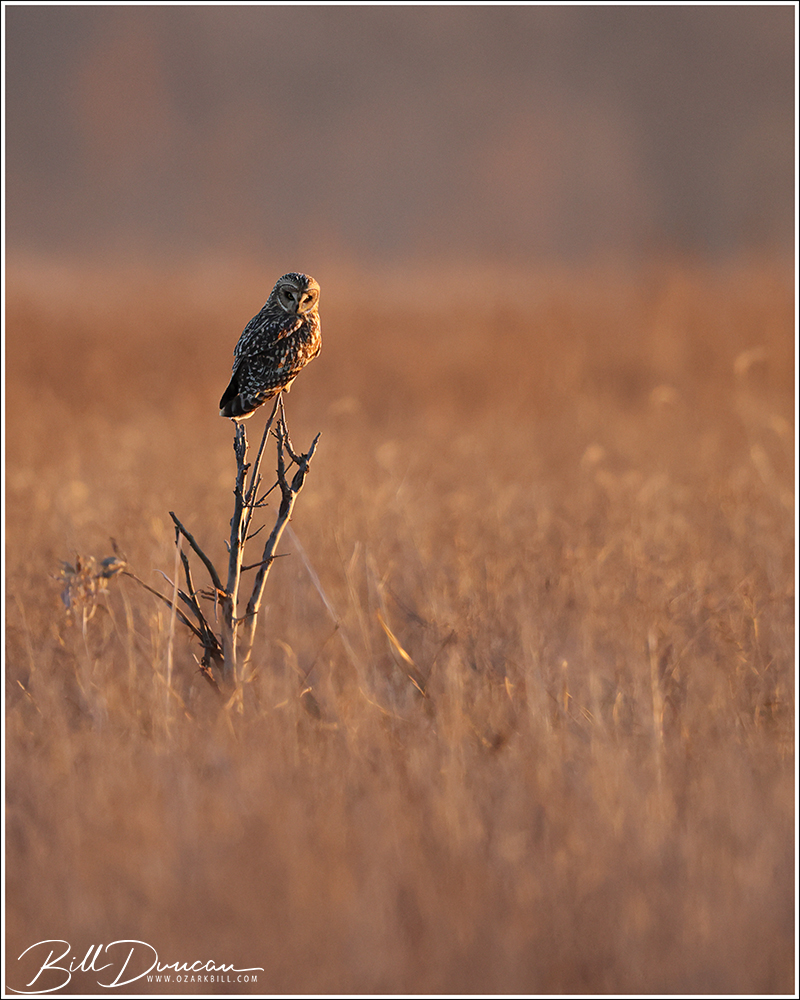
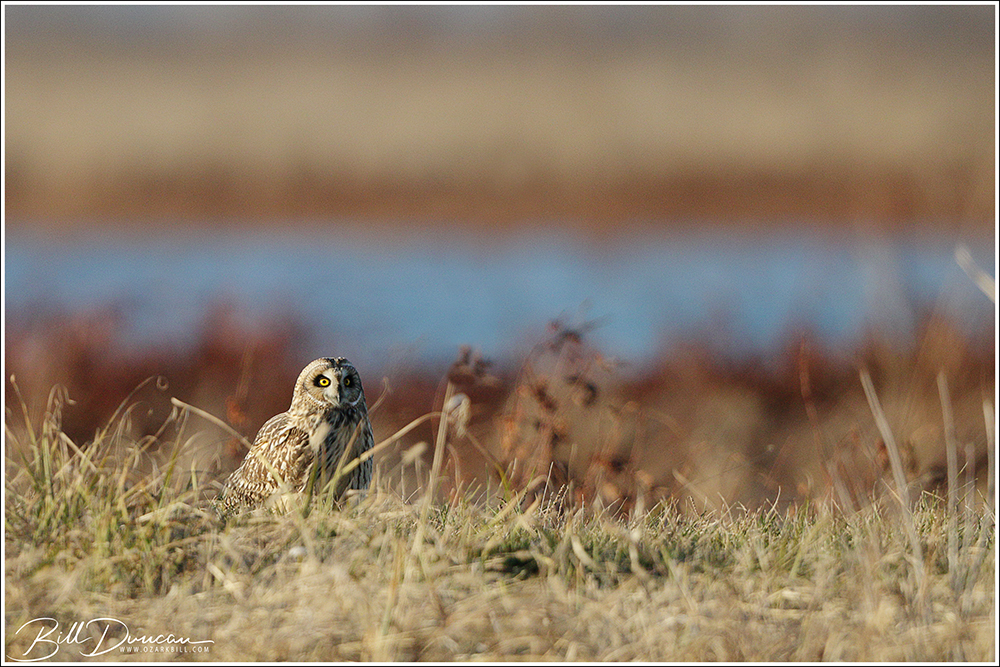
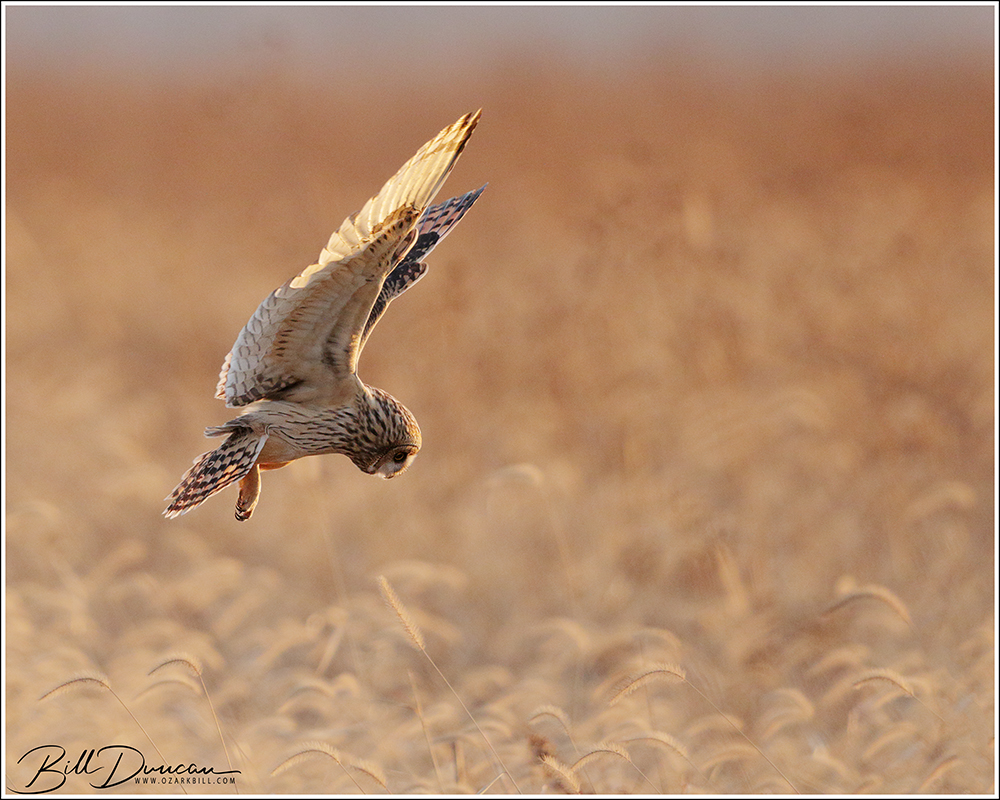
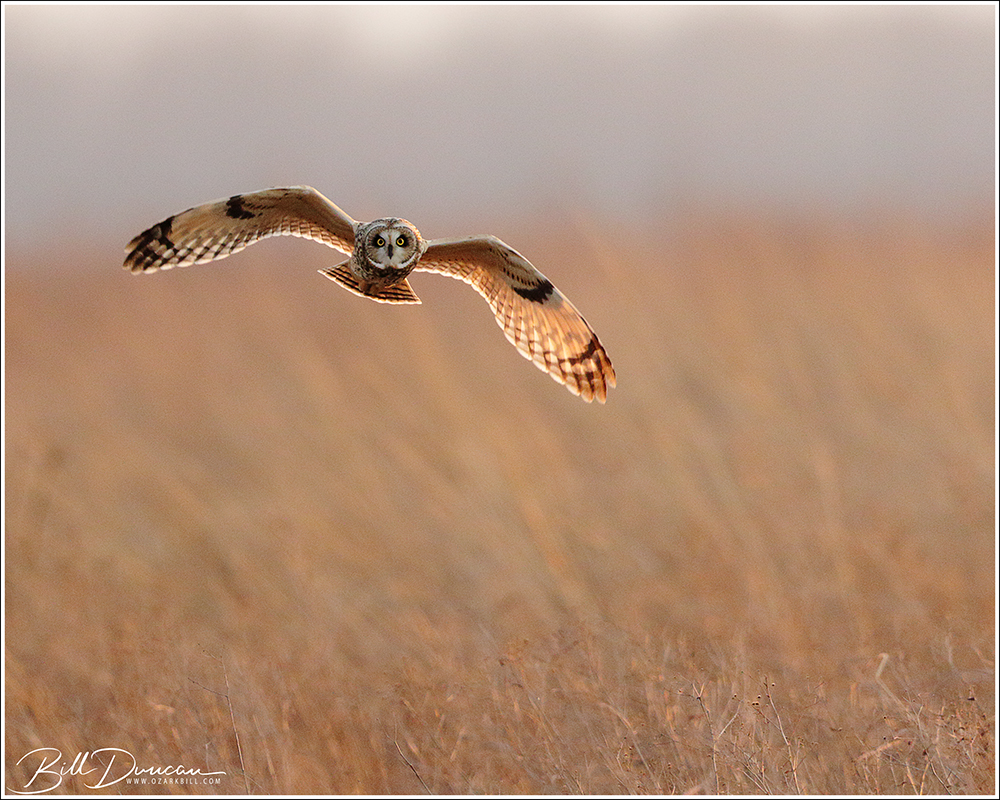
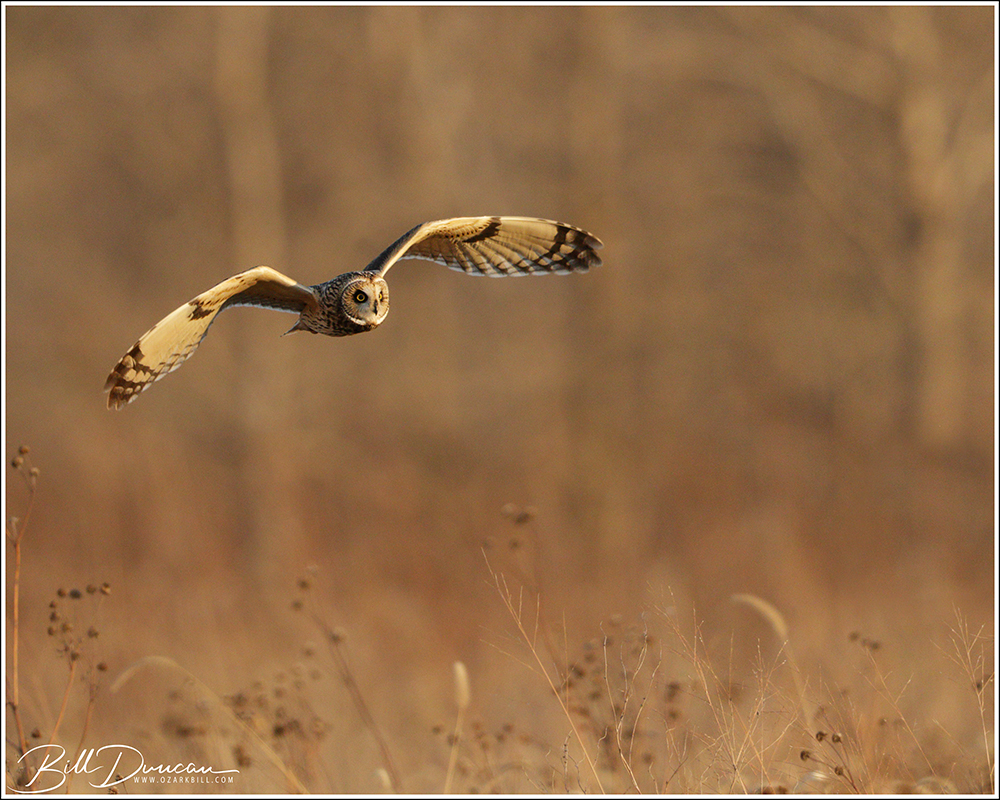
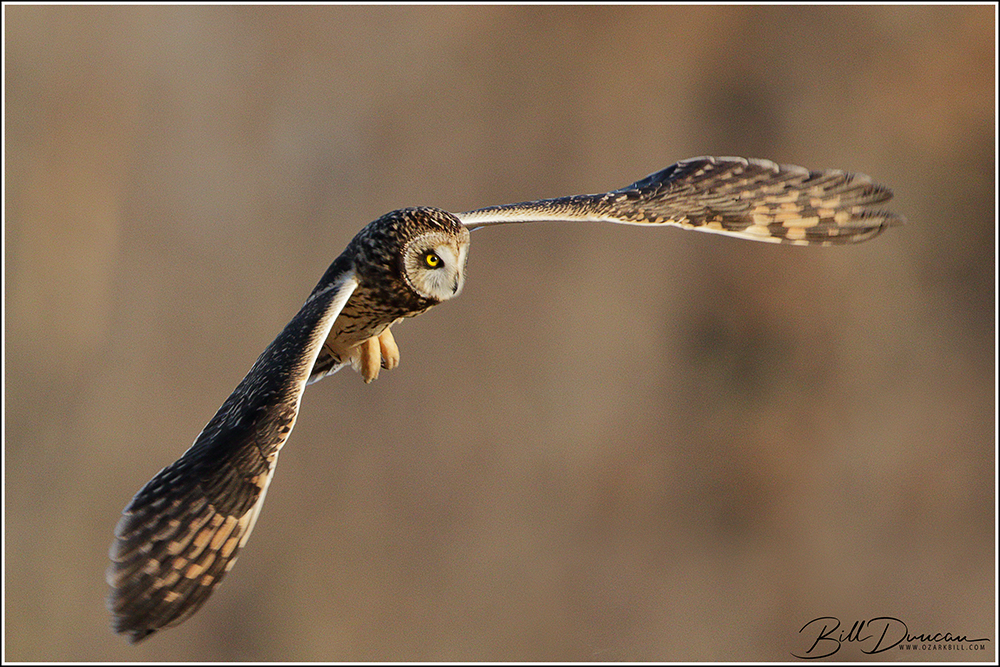
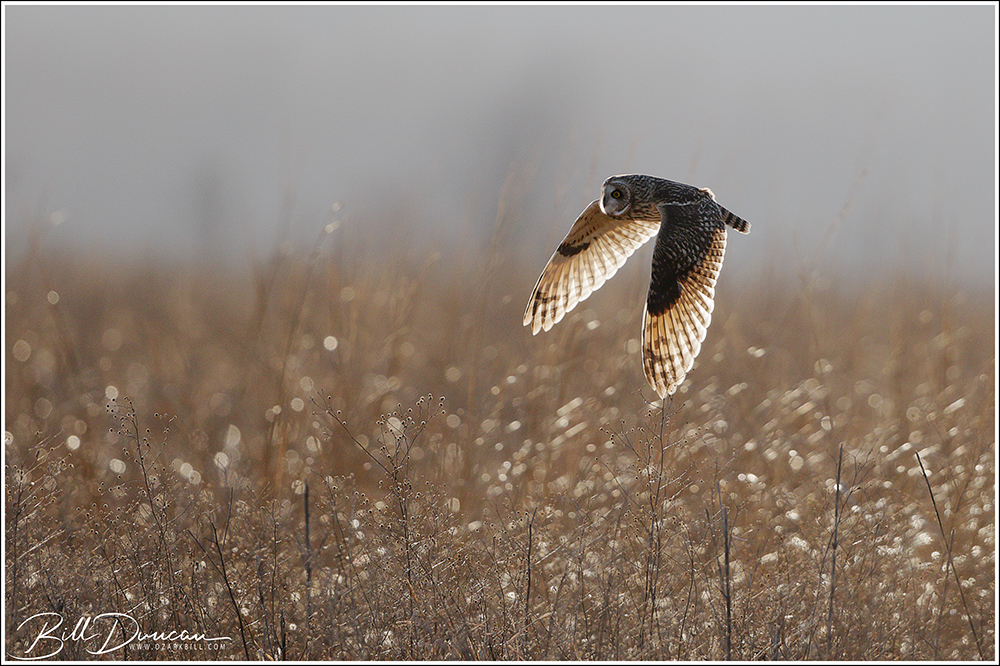
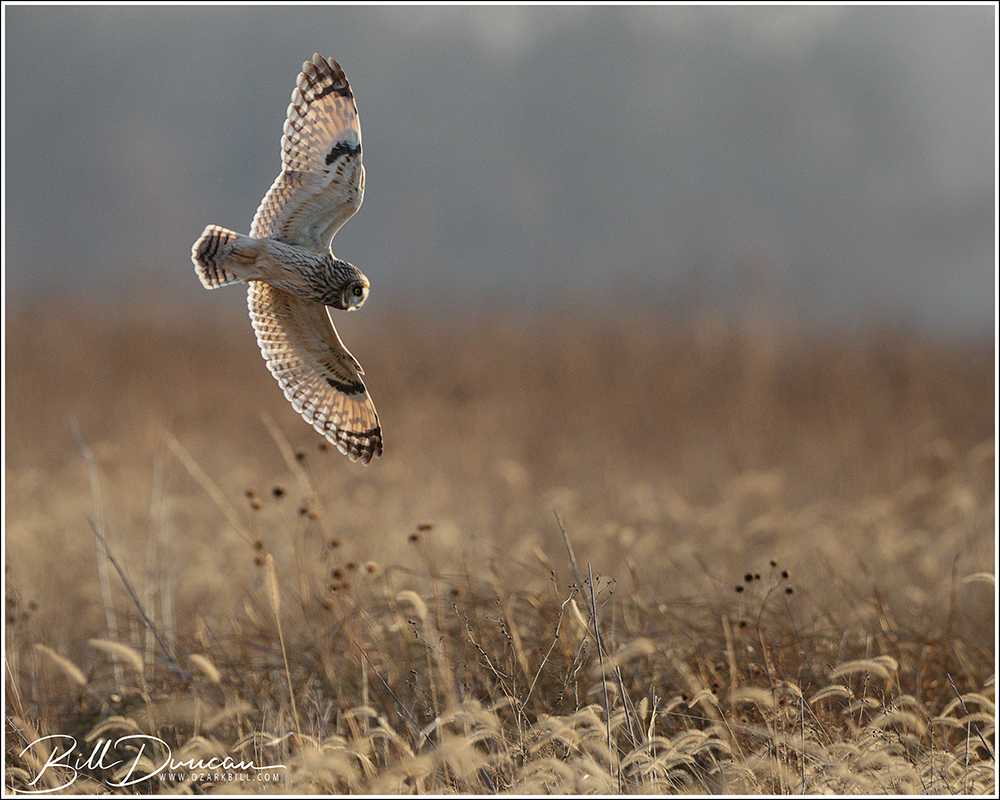
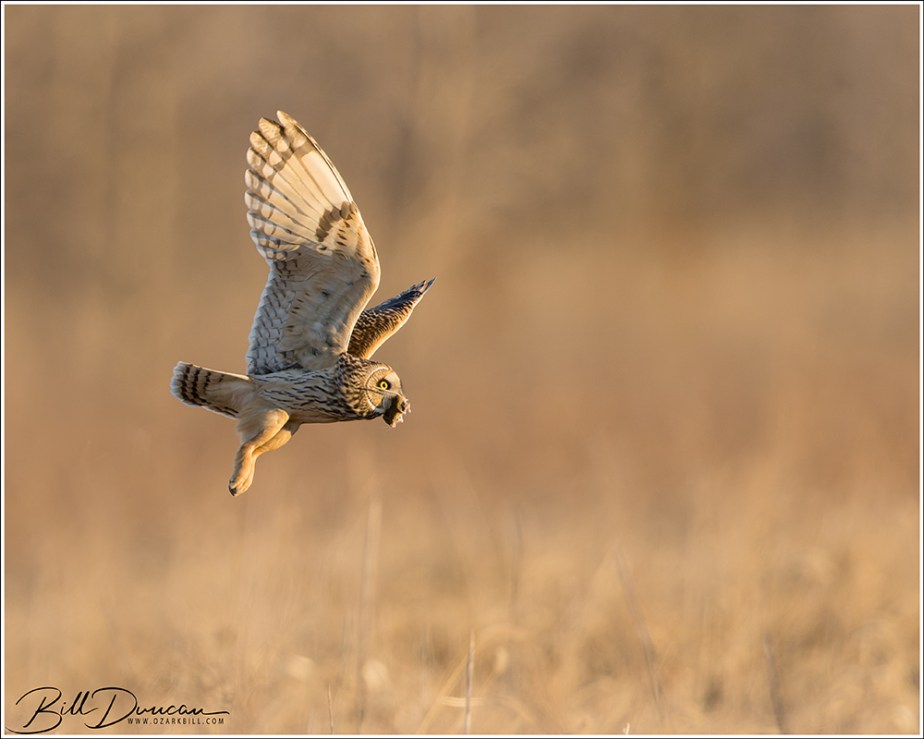
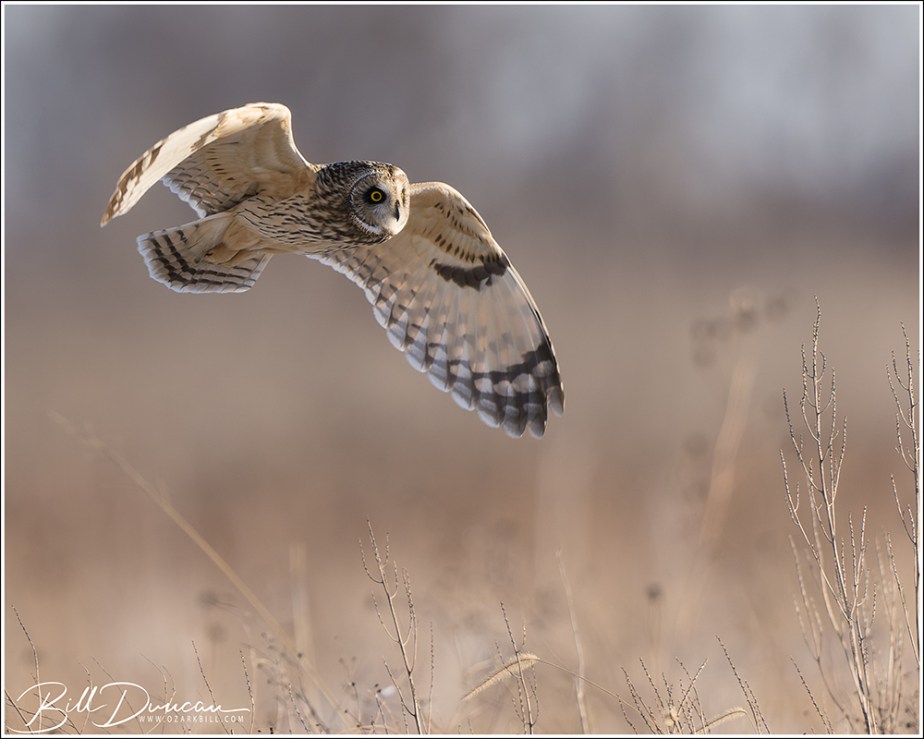
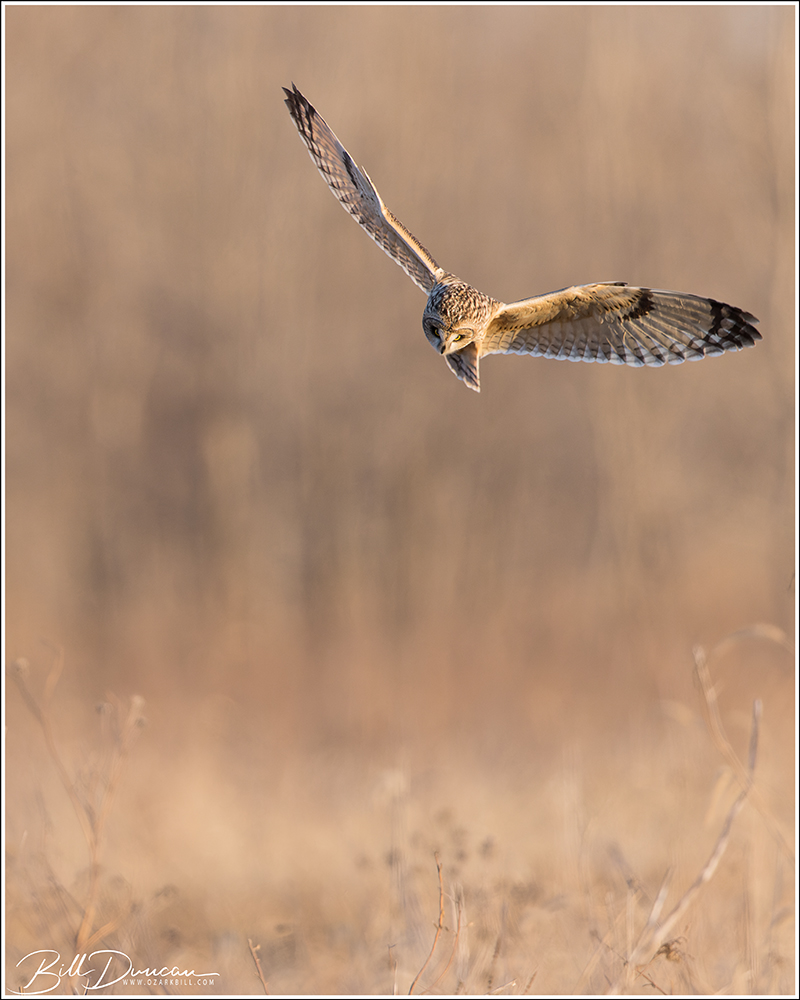
I know that at least one of these birds pushes the definition of a raptor a little far, but, there is no denying that each of the birds featured in this post is a truly horrific predator if your are unfortunate enough to be considered their prey. It’s been a lot of fun this season shooting these birds. I get out as much as I reasonably can and although it looks like the season is turning over, I’ll have a lot more photos of these birds to share in the following weeks.
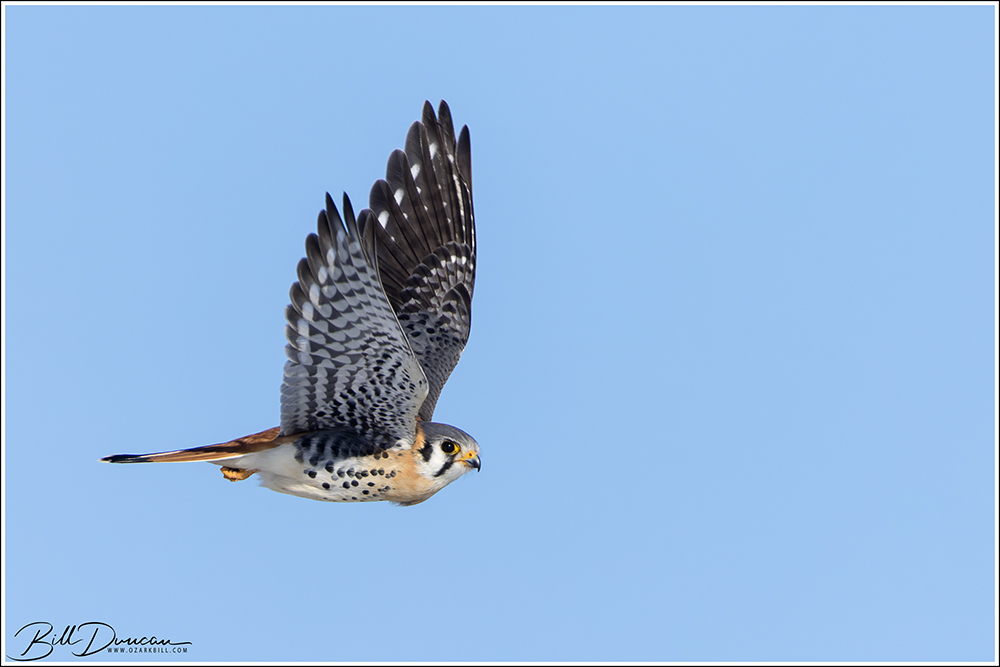

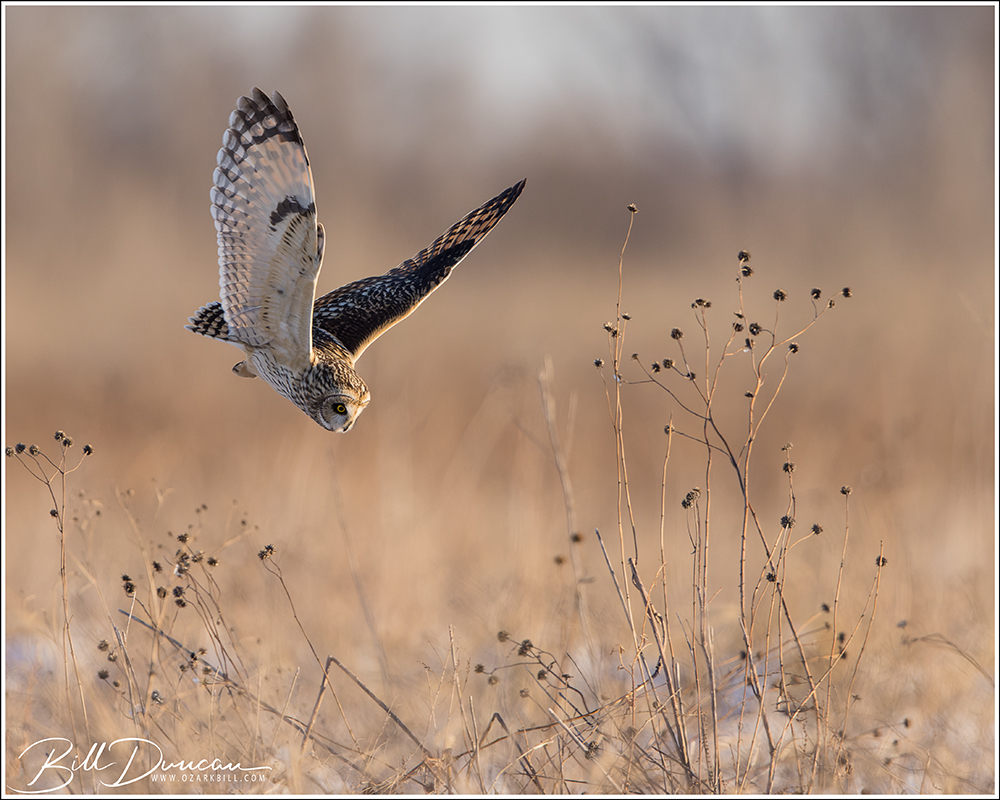
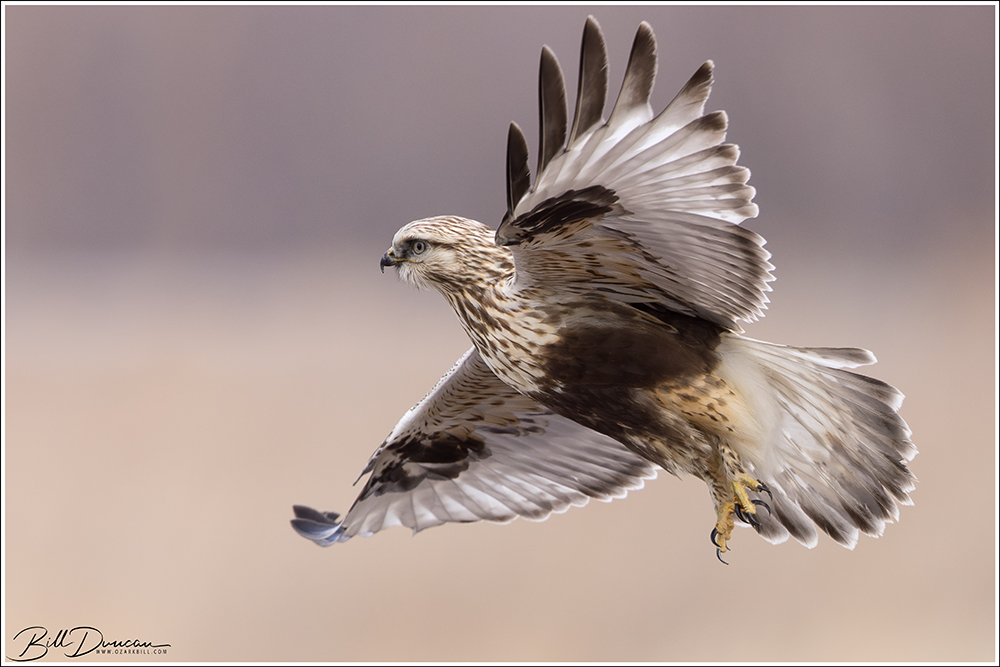
That is all for tonight. I will hopefully have more photos of these species to share soon.
-Ozark Bill
Tonight I’m sharing a couple of fascinating fruits that Pete and found on a late October hike from last year. Both of these plants are in the bittersweet (Celastraceae) family.
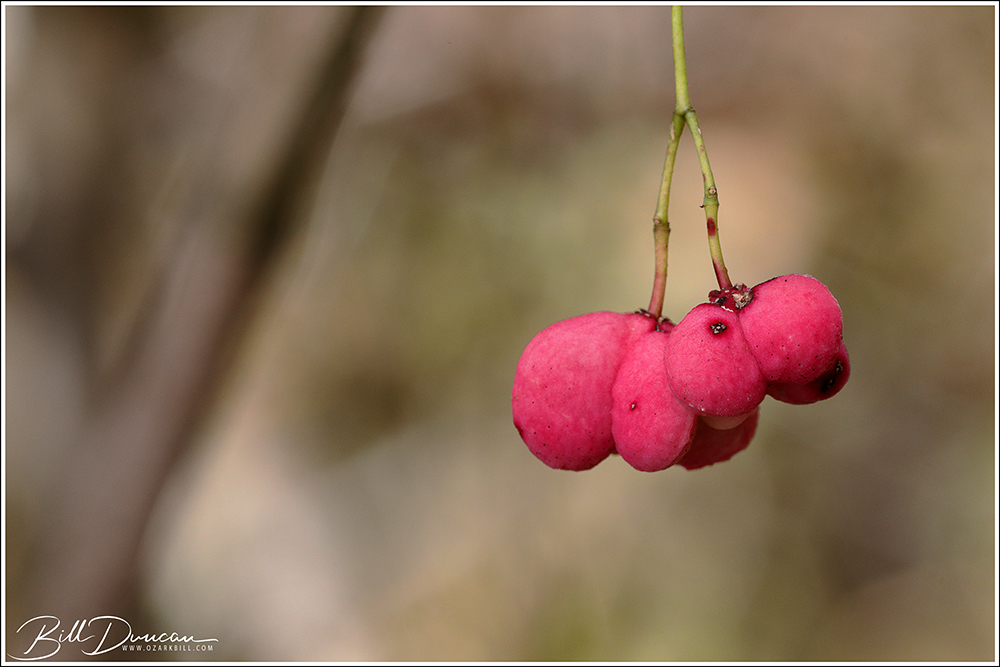
First up is Euonymus atropurpureus, or the eastern wahoo. This is a relative of the strawberry bush but is much more widespread across the state. I put one of these in the yard this past fall and am hoping it will establish itself. Like the strawberry bush, this fruit will split in autumn or winter, exposing four scarlet seeds.
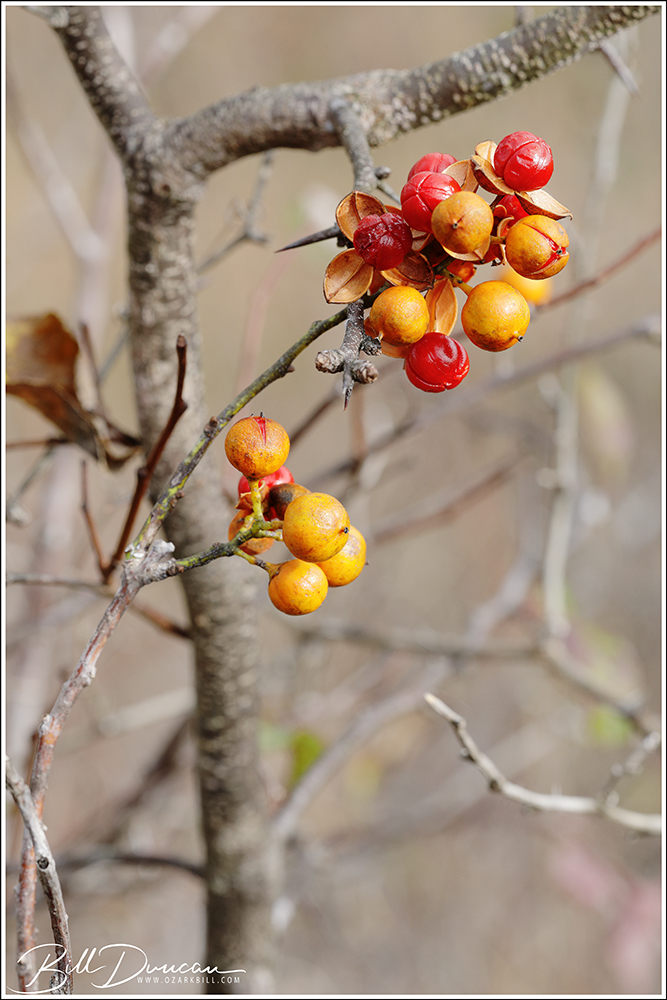
Next up is Celastrus scandens (American bittersweet), a twinning woody vine that sometimes behaves as a bush. Pete and I enjoyed a few of these sweet, intensely-red fruits. Thankfully, we did not enjoy too many as I read afterwards that these are mildly toxic if eaten. Neither of us felt any ill effects afterwards.
-Ozark Bill
I processed a heap of these images. I might as well share them.
This series was actually from the winter of 20/21. I finally got around to turning these into a GIF. Hopefully John Grisham doesn’t sue me for copyright infringement… 😉

I never know when I’ll find a new nature photography project, or, more accurately, when a nature photography project will find me. In this case in the form of a hackberry (Celtis occidentalis) leaf, blown in to land on our front walk from one of this past year’s summer storms. I still have not identified a hackberry within a square block of our house, so I am still unsure from what distance this leaf came to arrive at our front steps.
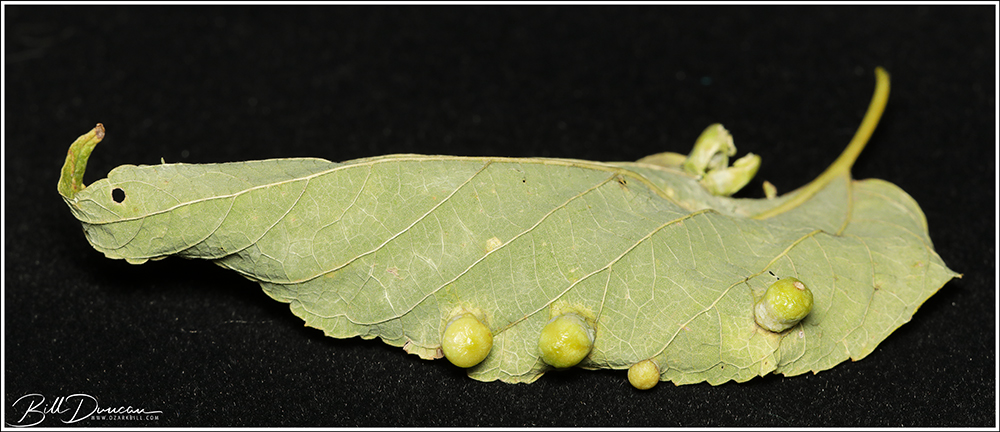
I pretty quickly identified the leaf and the responsible gall inducer. Pachypsylla celtidismamma is a plant-parasitic hemipteran in the Aphalaridae family. The Pachypsyllinae, the subfamily in which these guys are organized in, feed only on hackberry. I wasn’t sure what the fate of the gall makers might be, once the leaf was separated from the tree. I doubted that they would be able to make it to adulthood, so I thought this would be a great time to use my 2-5x macro lens.
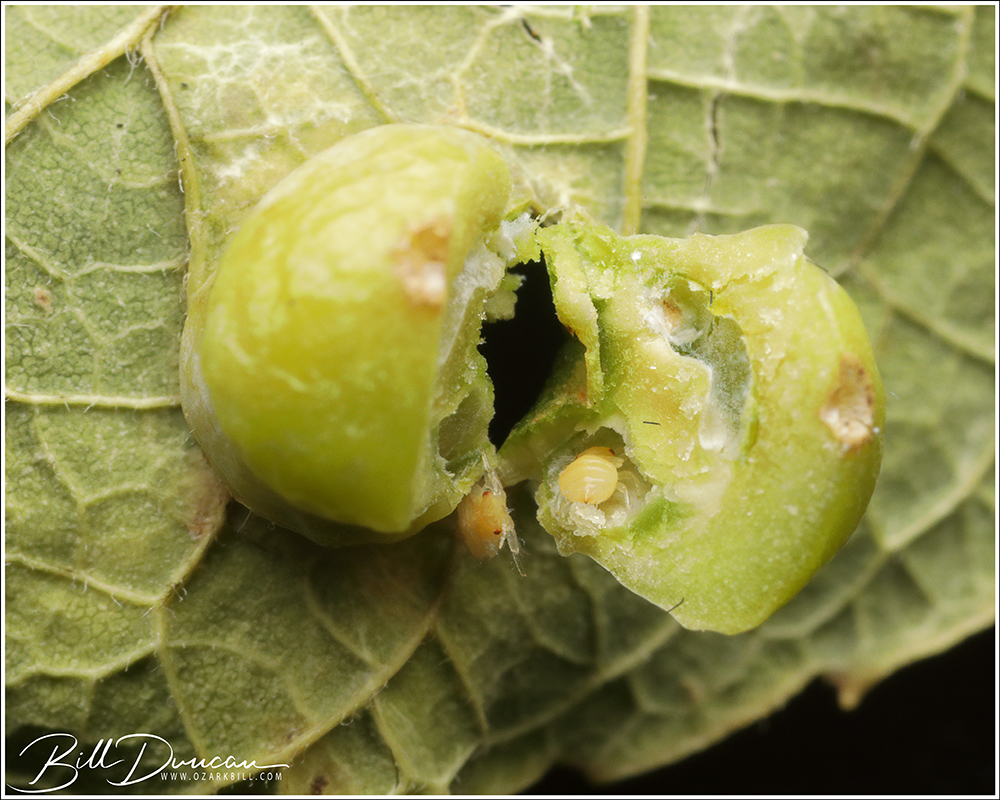
I cut open a few different galls and they all contained at least two cute nymphs. After emerging from their gall nurseries, the adults overwinter in cracks and crevices of the hackberry tree’s bark until the following spring. Females need to be present at just the right time in spring in order to insert their eggs in the developing leaves.

The presence of these galls is not detrimental to the overall health of the hackberry host. Some property owners dislike them because of the disfigured appearance of the leaves. I wish these owners could see this as being part of the overall food web in their community and a fascinating natural history story, instead of using insecticides that would affect dozens of other insect species just in the name of aesthetics.

-Ozark Bill
This beautiful adult Cooper’s Hawk flew through the yard a few times recently, attempting to catch diner. On this occasion it stopped on a shepherd’s hook and had a rest. I explained to it that it could have all the Starlings and ETS’s it could catch but to leave the juncos alone.

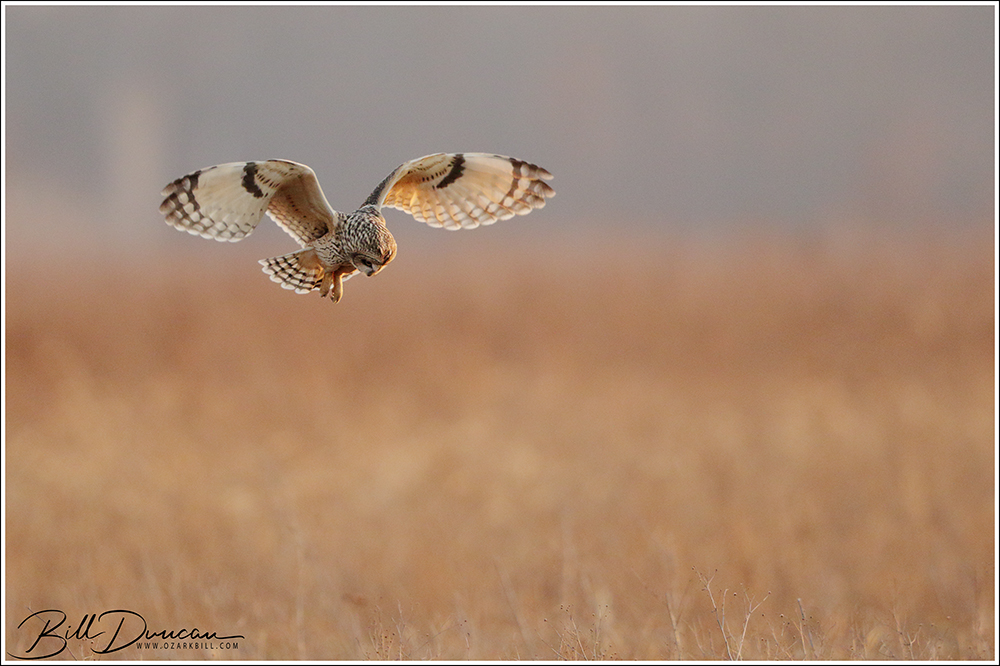
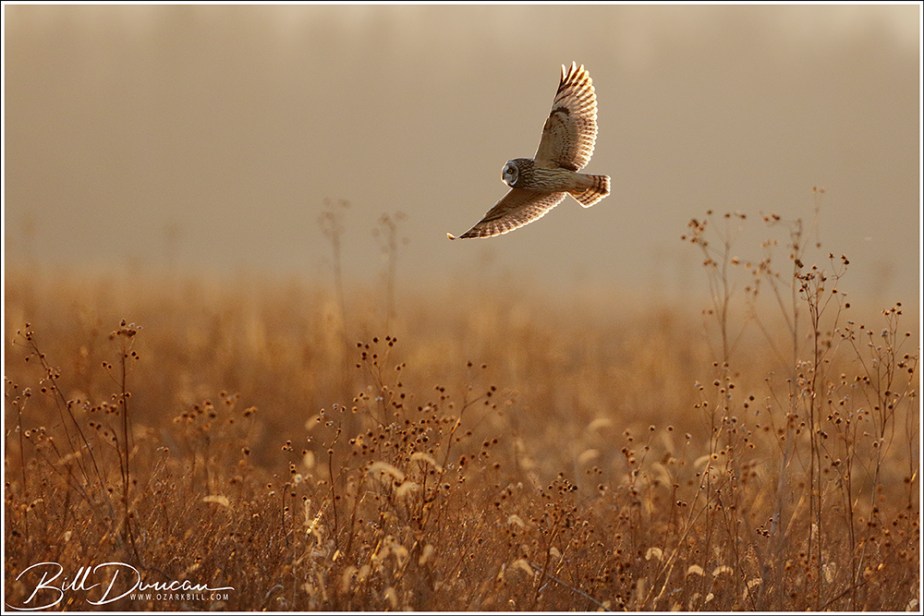
Another thing that makes Short-eared Owls so fascinating to observe is their vocalizations. These birds make sounds in a variety of ways. First, is their primary “hoot”. I have never heard this in person because this is primarily used by males in advertising for mates and establishing territories in the nesting season. You can, however, hear the barks and screams given by both males and females on their wintering grounds. The screams seem to be primarily given while in flight and the barks can be given in flight or while perched. I do not know the purposes of these two call types but will put this on my list to research. Another sound these birds deliver is the wing clap. This seems to be primarily used by males in their courtship flights and I have not observed this yet in Missouri.
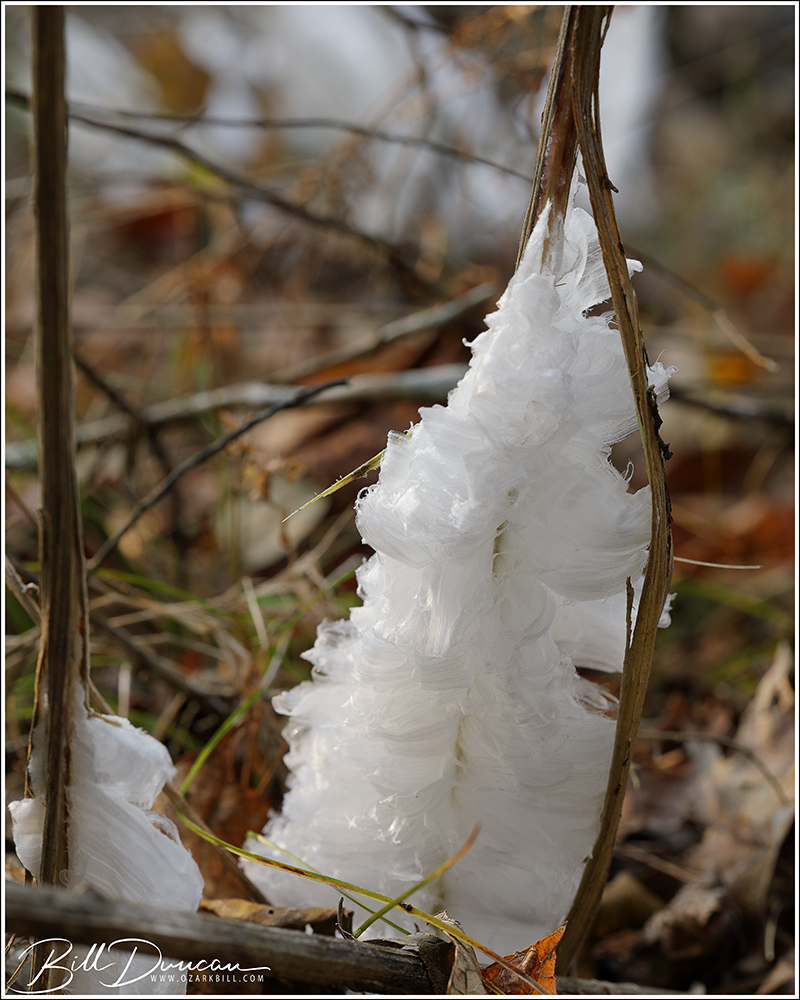
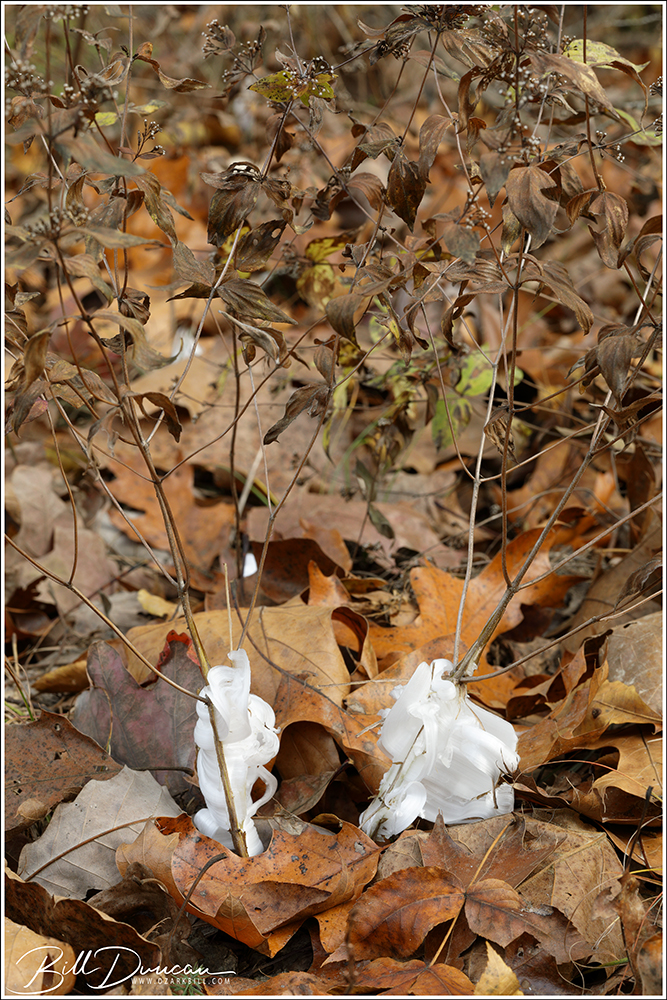
I first posted about frost flowers a little more than ten years ago on this blog. This season, after learning about the two plants that are most likely to form them in our geography and having the flexibility to be on location at the specific times they are capable of forming, I was able to take advantage and take my time in capturing them with the camera.
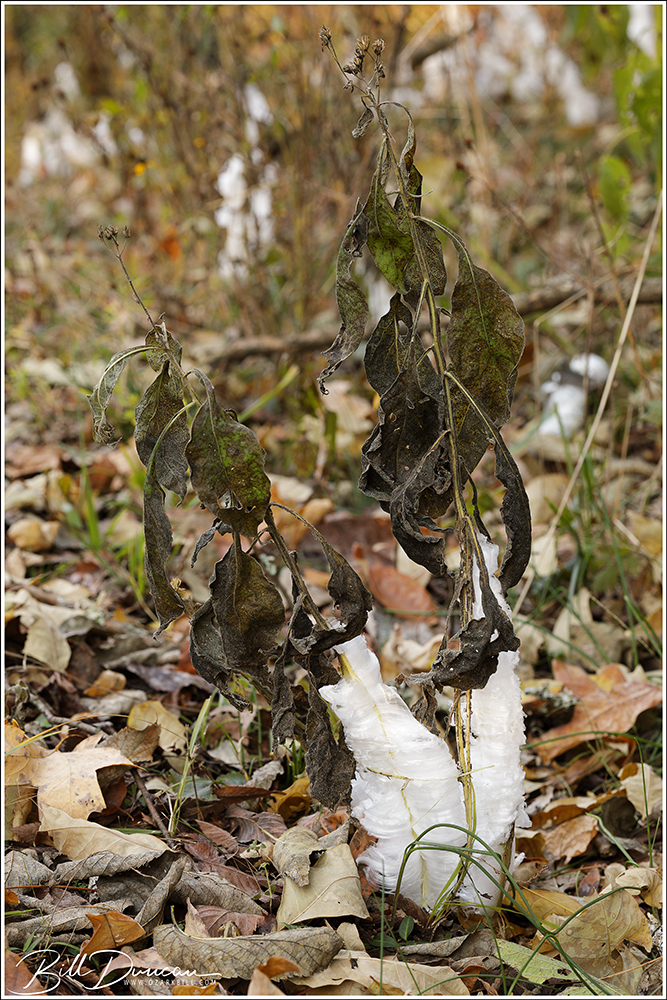
The first gallery are the more robust of the crystallofolia. Dave and I stumbled across these in Madison County, MO. These are formed on the dying stalks of Verbesina virginica (F. Asteraceae), aptly named “frostweed” or white crownbeard. This is the more robust plant of the two featured here and, consequently, forms larger and more robust frost flowers. Some of these were up to 12″ in height.


A note about how crystallofolia form.
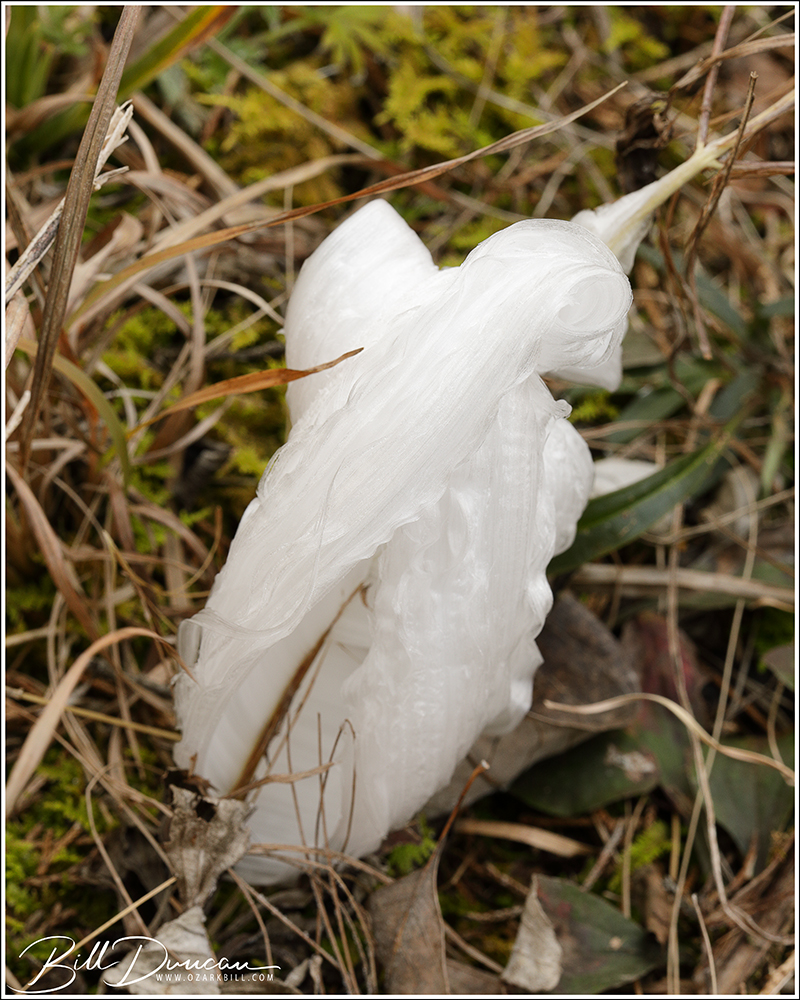
Because these later-maturing species are still somewhat viable during the first deep freeze, the xylem pathways responsible for moving water from the roots to the shoots are still functional. The roots in the still unfrozen soils are pushing water to the shoot of the plant via capillary action. On the first few nights when temperatures drop to the mid 20 degrees F, the water in the shoot freezes, bursting the sides of the stem pushing the freezing water out and forms these gorgeous petals. If you look closely, you can see the individual “tubes” of ice that make up the petals of the frost flowers. These tubes correspond directly to the xylem rays – the tubes that distribute water from the vertical rising xylem to the outer tissues of the plant. Another interesting thing about these structures is that they will often dissipate through sublimation. The super cold and dry conditions can cause these thin and delicate petals to evaporate directly to gas, skipping the liquid water phase.
The second species featured here were found in Jefferson County, MO on a trail. Earlier in the season I had noted the abundance of dittany (Cunila origanoides) F. Lamiaceae. This species is smaller and forms dainty frost flowers, mostly no more than four inches in height. They can also be much more elaborate than the frost flowers formed by V. virginica, with long, curling petals that have a tendency to curl back on themselves.



 A Thousand Acres of Silphiums