
In February, the Webster Groves nature Study Society’s Nature Photography Group headed to the Sophia M. Sachs Butterfly House in Chesterfield. We paid for after-hours access and were delighted with the opportunities presented to us. Many thanks to Casey Galvin, group leader for the Nature Photography Group, for organizing this visit, and to Chris Hartley from the Butterfly House for being a lovely host. Chris patiently dealt with our needs, requests and questions, while wrangling our subjects for us. He and the Butterfly House provided us a wonderful experience of photographing some remarkable arthropods from around the world. Here are some of my favorite photos from the evening.
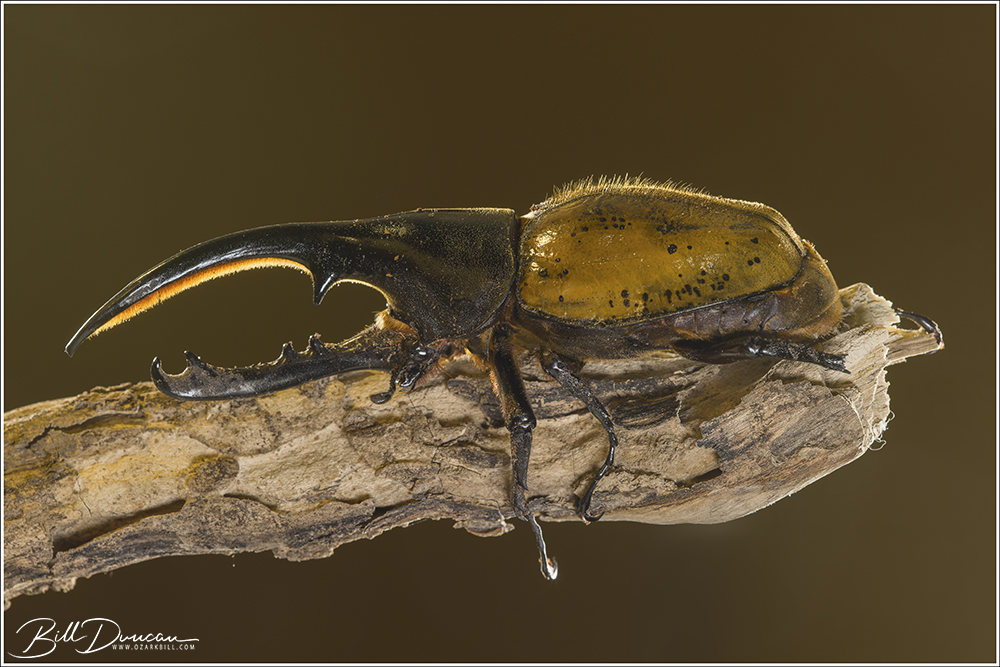

(Phalacrognathus muelleri) F. Lucanidae. This beetle is found in northern Australia and New Guinea. The mites that can be seen on this beetle do no harm to it. They tag along to pick up a free meal from their sloppy host.
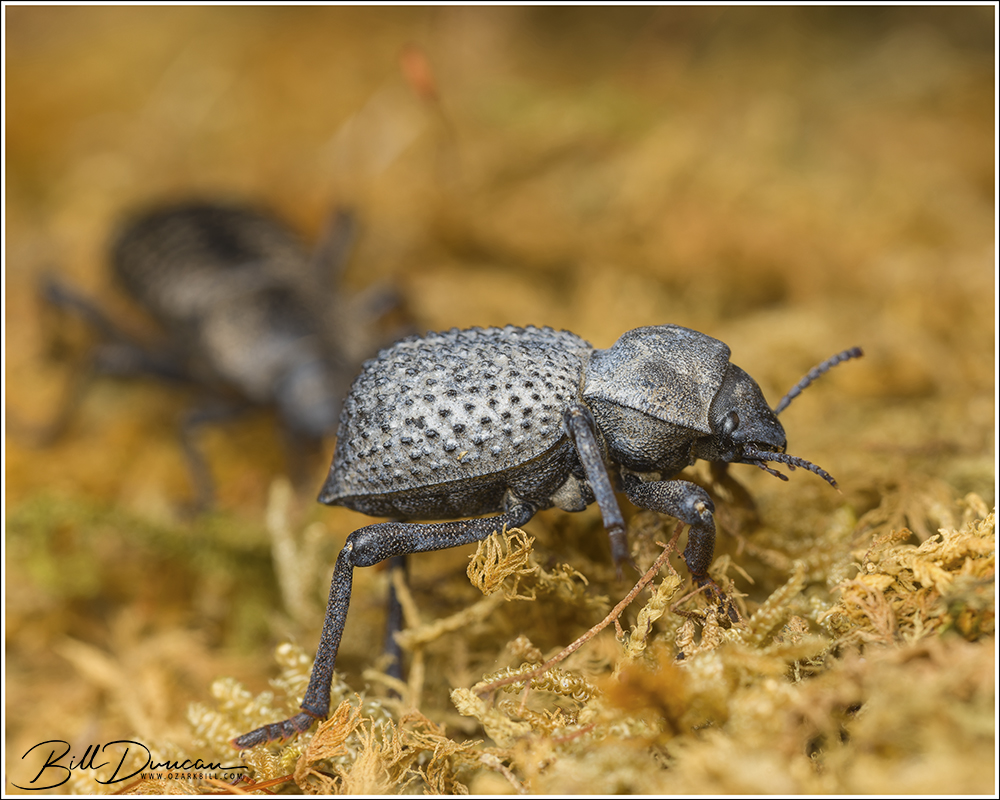

Beetles (Asbolus verrucosus) F. Tenebrionidae. Found in the desert southwest U.S., these beetles feign death when harassed. After a minute or two they right themselves and continue on their business.

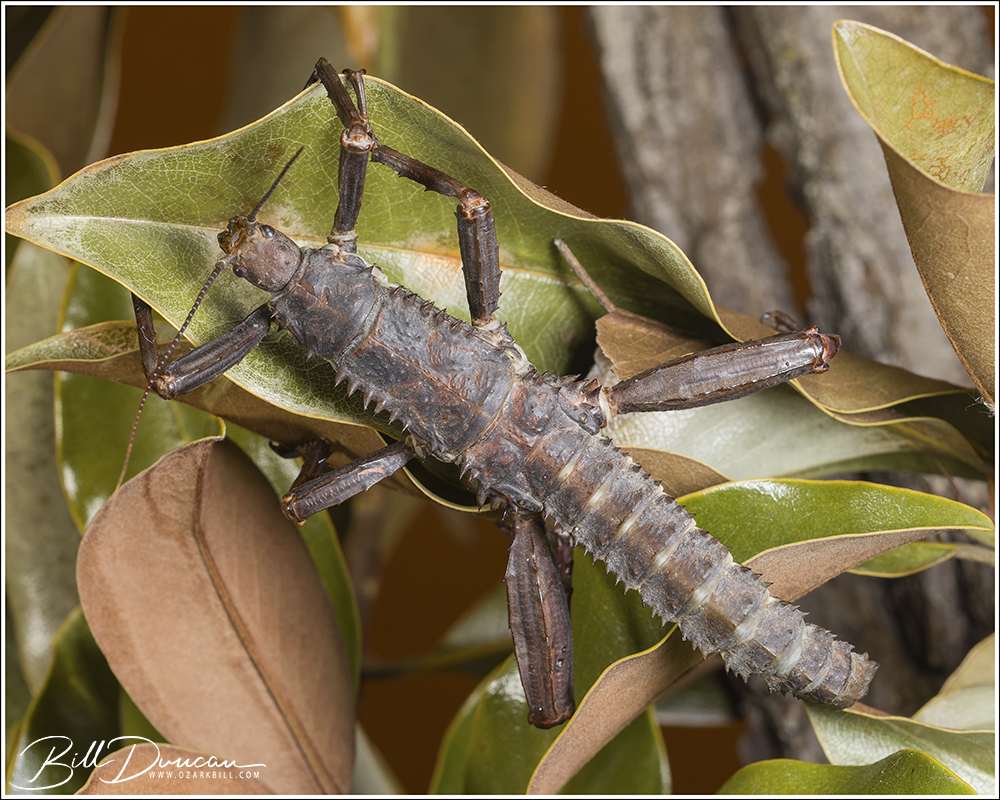
(Eurycantha calcaratta) F. Lonchodidae. These giant phasmids are endemic to humid rainforests in Australasia.

That’s all from this outing. Interested in joining in one one of these WGNSS outings? Feel free to contact me or check us out at http://www.wgnss.org to learn more.
-OZB


 A Thousand Acres of Silphiums