I have used the combination of Canon 7D/7D mkii and the 5D mkii camera bodies for about 5 years, give or take. This pairing has worked well for me as a wildlife/landscape package that provides acceptable image quality along with several other benefits, including the interchangeable use of battery packs. Until recently I have always used the Canon brand batteries, which have performed very well. With shooting almost every weekend and sometimes daily, some of my original batteries are beginning to show their age. I have retired one battery pack and several more are nearing their last days.
Upon receiving a gift card from a loved one, I headed into Creve Coeur Camera with the idea of picking up a few batteries to gradually replace the old ones as they eventually fail. The associate tells me they rarely carry the primary brands, preferring instead to carry the cheaper and equivalent third party options, like this…
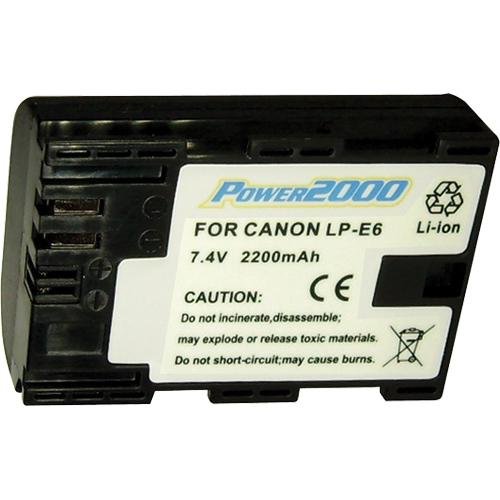
The associate explained that she had been using this battery for years, she strongly felt that they were equivalent in every way and they have had no complaints about them. Now I had done some research in the past about generic accessories, including these batteries and always turned up mixed reviews. Some would say they were equivalent, while some would give very negative reviews. Unless you know something about the shooting habits of the particular reviewer it is hard to know whether they are occasional shooters, pulling out the camera around birthdays and other special occasions, or if they really put the accessories they are reviewing to a real test.
Because this is what they had in stock, because these generics were roughly 40% less the cost of the Canon brand in this particular store, and because of the glowing review by the store associates, I decided to go ahead and pick up three of these. This was a while ago and I did not fully test these right away. Instead, I was trying to focus on using up the older Canon brand batteries that were still functioning fine, but slowly loosing their performance. Lately I have been using these new generics more often, primarily in the 7D mkii under bird and wildlife situations, and have been able to put them to the test.
They are not equivalent. Starting with a fully charged battery (100%), I estimate I am getting on average about 1/2 the shutter trips that a Canon brand LP-E6 gives me. This has proven to be the case for all three of them. But, it’s worse than simply poorer performance. The other day I was at a local marshy area and checked my battery status before leaving the car. It read somewhere near 40% remaining. In my experience with Canon-brand batteries, I knew this should be plenty as I would only be out shhoting for about an hour. I decided it was not necessary to carry a replacement with me into the field, which proved to be a disastrous mistake. I watched a pair of Mississippi Kites grow to four and then to six birds, all in the air at once, soaring and diving as they caught dragonflies and other insects on the wing. I just began shooting when the battery started failing. It went completely dead and the camera’s LCD screen gave me the empty battery signal. I was dumbstruck. How can a battery that was reading ~40% 30 minutes ago be completely dead with so few shutter releases? How could this happen at such an inappropriate time?
I removed the battery from the compartment. It did not feel overly warm, the connectors were clean and showed no oxidation. I slapped it back into the compartment and closed the door. Turning the camera back on, I was pleasantly surprised to see the display functioning as normal. I found the nearest Kite in the viewfinder, obtained focus and pressed the shutter release. Three or four times I heard the mirror clack and then nothing. The display inside the viewfinder went black. Dead battery. I repeated the process described above. Sometimes it worked, sometimes it would take up to five minutes. When I was able to get the camera to function I checked the battery status in the menu. It was still reading between 20 and 30%. This is not what was supposed to be happening. I have gotten prime performance with a Canon brand battery with less than 5% remaining.
This was rather long-winded sob story about why I will never again purchase a third-party battery replacement. But, I also want to discuss my thoughts on the current status of local camera shops and why I will be very careful and weary about what, if any, business I give these places in the future.
I have fond memories of long ago browsing through a number of camera stores looking at equipment I doubt I could ever afford, talking with the friendly store associates about all sorts of things and getting great advice. Most of these stores are gone and only two that I am aware of remain in the StL area. Professional and serious photo enthusiasts have mostly moved to online sources in purchasing their equipment as well as print processing services. It seems that theses stores’primary customers are local beginners with extra spending cash.
The way I see their pricing is that they are pretty competitive with online sources for cameras and lenses. You do have to pay sales tax, while most online vendors currently do not charge a sales tax.. This can be quite an extra cost, depending on what you are purchasing, but there is the benefit of having someone to talk to if you have a problem or need to make a return. I’m not sure if this is worth the extra cost, but I can see that side of things.
Where these stores seem to make the extra they need to run their brick and mortars is from the sale of accessories and printing services. I used CCC for a printing job once or twice years ago and vowed to never do so again based on the quality of what I received. Accessories is where the markup they charge runs to ridiculous levels. I would never recommend anyone in the market for an extra memory card or camera bag to purchase from one of these stores. Recently I picked up the Canon-brand battery replacements from Amazon for a cheaper price than what CCC charged me for the generics! Memory cards and filters are likewise marked up to levels bordering ridiculous.
Speaking of filters, here is an area where these stores really pull in the cash. I have sent a number of friends to these stores to purchase new camera kits. Likewise, I have purchased a few lenses from these stores. Every time the store associate has forcefully recommend purchasing a “UV filter” – a + $100 hunk of glass to screw on the front of your lens. I have contemplated using these things for a number of years, but have never done so. In my opinion, there is no real evidence they help protect the front element of a lens, assuming one is careful. There is good evidence that they can reduce image quality in certain situations.
This is has been my two pennies on using generic battery replacements for dSLRs and my current perspective on St. Louis camera stores. If you have read this far and care to share a different perspective, please consider doing so by leaving a comment.
-OZB








































 A Thousand Acres of Silphiums