Observations on phenology and pollination of Triphora trianthophora (three-bird orchid) made during the summer of 2019
This post is a modified article that was originally published in the Webster Groves Nature Study Society’s journal, Nature Notes (January, 2020, Vol. 92, No. 1).
Finding the orchid, Triphora trianthophora (three-bird orchid, nodding pogonia), during open bloom can be somewhat of a chore, particularly among us weekend warriors. Casey Galvin and I were both intrigued about the possibility of getting photographs of this diminutive and gorgeous orchid since learning of their discovery at Babler State Park by the WGNSS Botany Group led by Nels Holmberg, John Oliver and others in 2018. The following descriptions and photographs are anecdotal and were not collected using rigorous scientific methodology.
Phenology
There are several reasons it is challenging to find this extremely ephemeral plant in bloom. First, being partially saprophytic, the plants exhibit periodic dormancy and may not send up above-ground shoots every year, persisting instead as subterranean tubers for extended periods (Homoya, 1992). Even when they do produce stems and leaves, there is no guarantee the plants will flower in a given year. Additionally, when they do flower, any one bloom is open for only a few hours during a single day.
Exhibiting a phenomenon known as thermoperiodicity, a group or population of these plants are synchronized to open mature buds on the same day. This first wave of synchronous blooming is reportedly induced by a drop in minimum daily temperature of at least three degrees over two or more consecutive days. Following another 48-hour period, all mature buds within the population will then open on the same day (Luer 1975). Being skeptically minded, this was something I wanted to observe for myself.
Beginning in late July, Casey and I began monitoring the easier to get to population at Babler State Park. The first wave of synchronous flowering occurred on August 3rd. We unfortunately missed this but know the exact date because of visits on days immediately before and after this date. Looking into historical temperatures collected from the closest publicly-available weather station (Babler Park Estates – KMOBALLW37) revealed the initial blooming date fit the required temperature pattern perfectly (see attached figure). I continued monitoring and collecting flowering data and observed two more large flushes of synchronized blooms along with three days interspersed where only 3–10 stems/plants opened flowers. For subsequent synchronized days, I did not observe a coinciding drop in temperature as described above. I assume that the trigger for the initial bloom works to synchronize the population and subsequent larger bloom days are consequently synchronized due to all plants ‘running ahead’ at the same rate. However, there could potentially be some other unknown environmental triggers that are playing a hand here.


Pollination
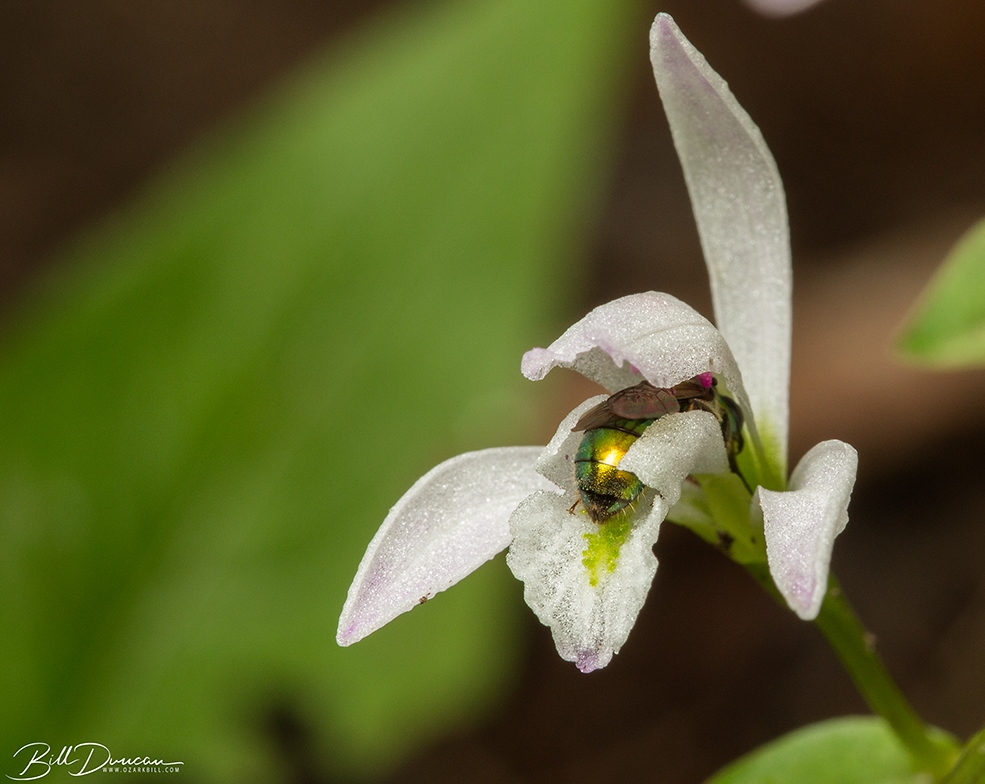
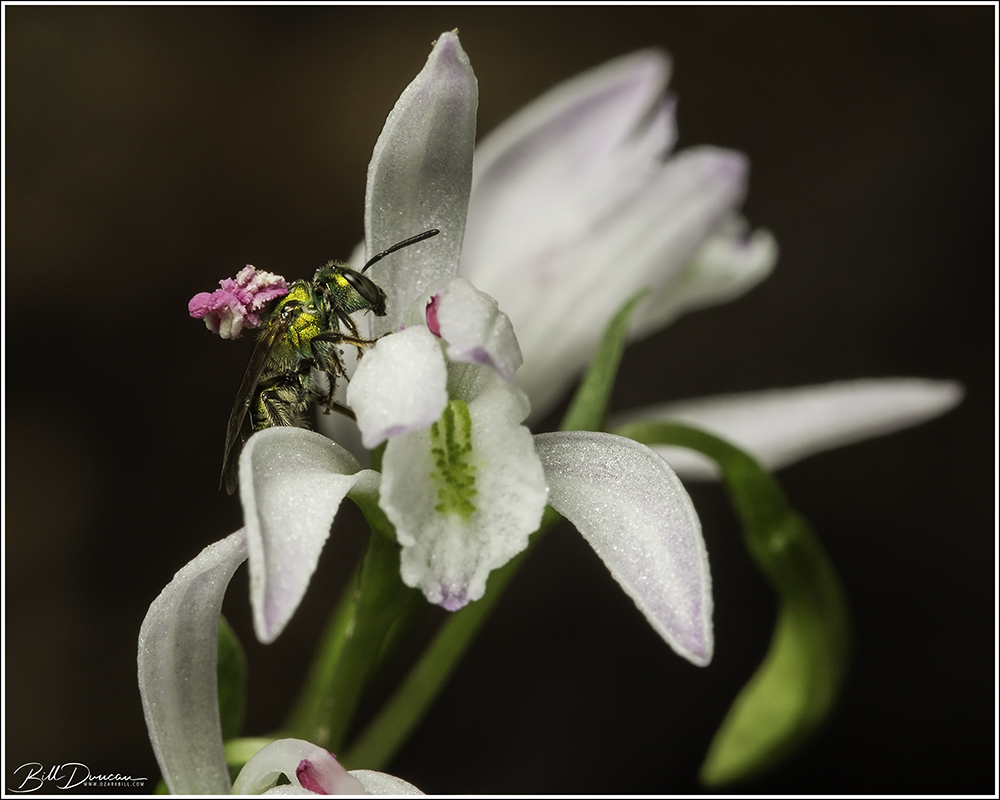
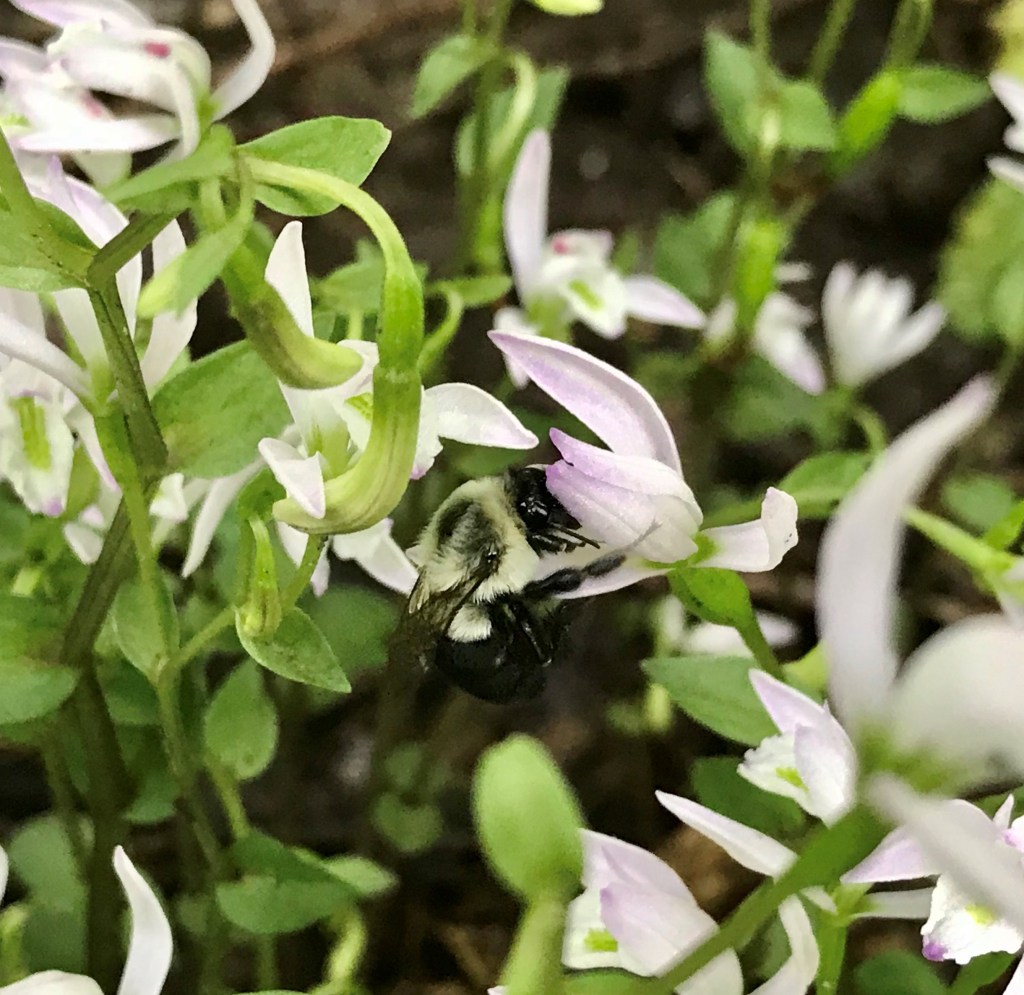
Halictid bees have been reported to be the primary pollinator for this species (Luer 1975). I had this in mind as I observed and began taking photographs while visiting on a large bloom day but doubted I would be fortunate enough to observe or photograph a potential pollinator visit. However, patience allowed me to do just that. I first observed visits by small flies and Bombus impatiens. Although Williams (1994) reported that Bombus have acted as pollinators of this species, I did not observe any of these visitors with attached pollinia during the 10-15 flowers I watched them visit. Eventually, I observed three different Halictid bees as they visited multiple flowers and observed these were heavily attached with pollinia. As described by Williams (1994), seed capsule production (successful pollination) is a relatively rare event in this species. Nevertheless, this was a treat to observe and photograph.



REFERENCES
Homoya, M.A. Orchids of Indiana. Indiana University Press, Indianapolis, Indiana, USA.
Luer, C.A. 1975. The Native Orchids of the United States and Canada. New York Botanical Garden, Bronx, New York, USA.
Williams, S.A. 1994. Observations on reproduction in Triphora trianthophora. Rhodora 96:30-43.
Preview of the rut
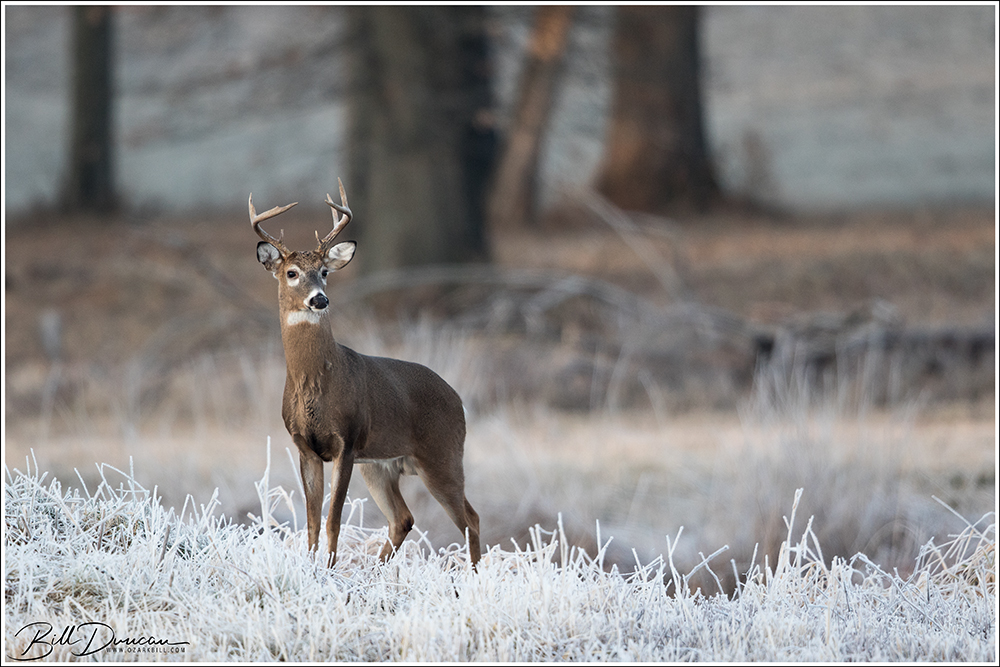
Miguel and I have been having some fun this year photographing the white-tailed deer rut. More photos and a potential article to follow this preview.
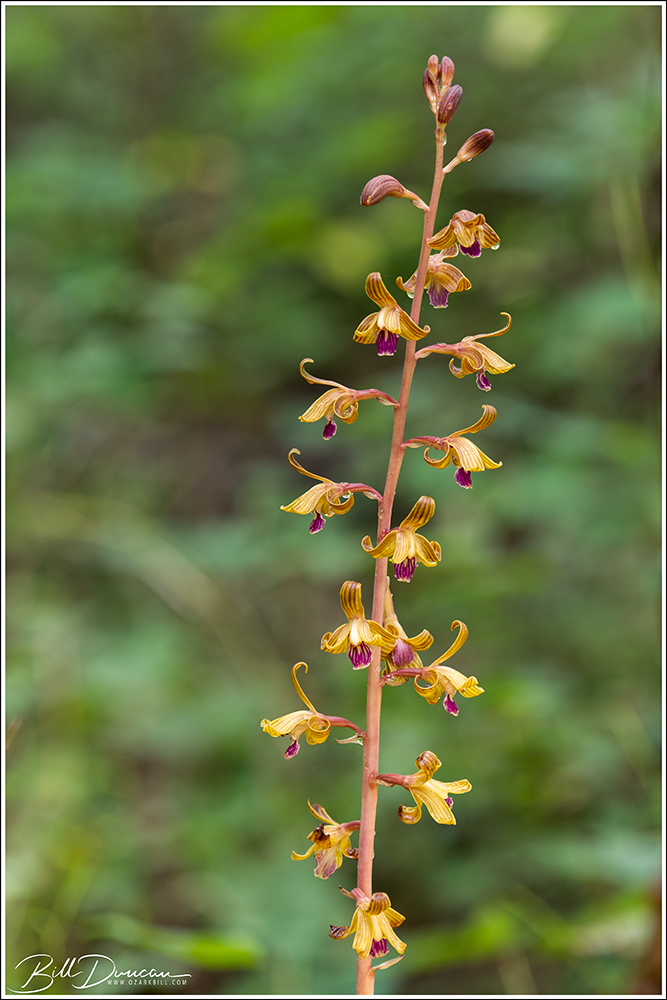
Missouri Orchids – Hexalectris spicata (crested coral root)
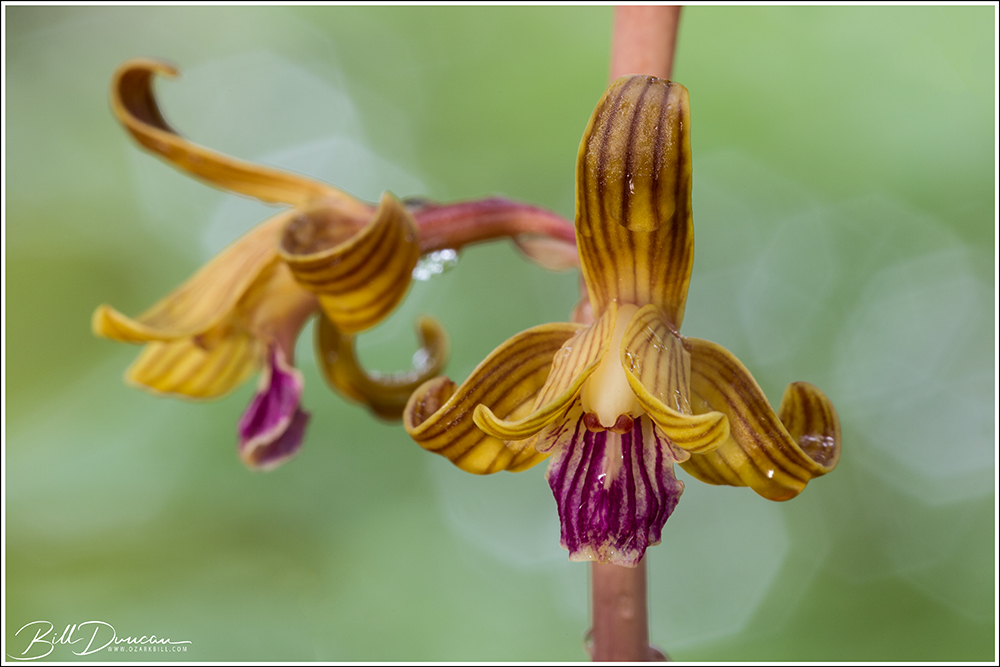
f/16, 1/2 sec., ISO-320, 234 mm focal length equivalent
This single stalk that bloomed in early August was found by the WGNSS Botany Group in Jefferson County, MO. Many thanks to John Oliver, Scott George and others who helped get me on this plant during the bloom.

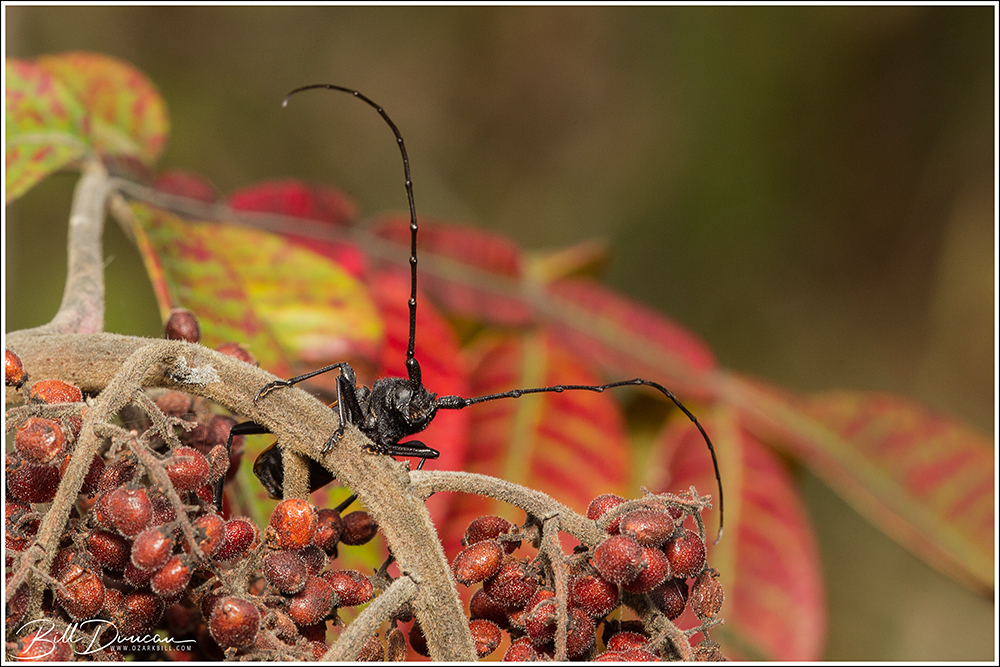
Tragidion coquus – Second Time!

f/18, 1/30 sec., ISO-400, 234 mm focal length equivalent
For the second year in a row, a special beetle that has been described by our own Ted MacRae as “one of the rarest and most beautiful species of longhorned beetle to occur in Missouri” was found during the joint field trip of the WGNSS Entomology and Nature Photography groups at Hughes Mountain Natural Area. Tragidion coquus, purported to be spider wasp mimics, mine in dead oak branches and can be found in flight between June and November. I wasn’t happy with my photos of last year’s specimen (also a female), so I was thrilled to be able to take the time and set her on some foliage with fall colors. It was an almost disaster as she was able to take flight before we were finished. But, having the quick reflexes of a Marvel superhero, I was able to catch her out of the air with a quick grab with just a slight kink in her antennae in consequence.
Summary of Ruby-throated Hummingbird Nest Observations in St. Louis County, Summer 2018
This post is an article that was originally published in the Webster Groves Nature Study Society’s journal, Nature Notes (November, 2019, Vol. 91, No. 9).
I have previously shared a fair amount of material regarding the Ruby-throated Hummingbird nest. You can find more photos and video at the following locations: RTHU Part One, RTHU Part Two, RTHU Part Three.

During the summer of 2018, I had the opportunity of a lifetime to watch a mother Ruby-throated Hummingbird (RTHU) incubate and raise a pair of offspring. To make these observations, I simply needed to step onto my back deck and pull up a chair. Mom had built a nest approximately 30 feet away and eight feet off the ground. From the deck, I had an almost eye-to-eye vantage into the nest.
Knowing my interests in Nature and photography, my kind next-door neighbors turned me on to the nest on July 13th. The white oak branch that the nest had been built upon was on their property in St. Louis County. Along with taking nearly 50,000 photographs of the nest and growing birds, I also collected rudimentary data focused on the nesting habits of mom. This should not be considered exactly ‘scientific’, but I do find it interesting enough to share.
I began collecting the following data on July 17th: time mom spent on or off the nest in one-minute increments, weather data (temperature, wind speeds. and sky cover), number of times she visited the artificial feeder in my yard that was approximately 20’ from the nest location, chick feeding, and other bits of behavior (e.g. encounters with other RTHU in the area, behavior of mom in severe weather, etc.).
Incubation behavior
From my angle of viewing, I could not see directly inside the nest. However, going by the behavior of mom, I believe the two eggs (most typical clutch size for RTHU) hatched during the night of July 25/26, so the data I am sharing for the incubation period covers the final nine days (7/17–7/25) of incubation. Incubation typically takes ~12–14 days (Robinson et al. 1996), so I assume the eggs were in the nest prior to the initiation of my data collection and it is likely eggs were laid on or near July 13th.
I collected incubation behavior data for a total of 753 minutes, averaging 83.7 minutes per day (59–130 minutes), the majority of which was in the first 1-3 hours of daylight each day. I observed mom on the nest 69% of the time (520 min.). This closely matches the ~75–85% of the time on nest reported of RTHU incubation activity (rubythroat.org, journynorth.org). Mom spent 31% of the time (233 min.) away from the nest and these trips off the nest (n = 56) averaged 4 minutes, 5 seconds (1–18 min.). During her time off the nest, I recorded her visiting the artificial feeder in my yard 26 times for an average visitation of a little more than 2x per hour of observation. Unfortunately, I wasn’t diligent at watching the feeder and likely missed a few visits.
Regarding the time it takes for incubation and fledging to occur in the RTHU, I felt that it seemed a bit long on both compared to birds of similar size. With some investigation, and not surprising, there is a strong correlation between egg volume and incubation timing (Worth, 1940). Someone who pays little to no attention to birds would easily realize how much greater volume a Mourning Dove egg (0.34 cu. in) has than a RTHU (0.03 cu. in.) egg. However, it would probably surprise them, and potentially you, dear reader, to know that eggs of both species hatch in approximately the same number of days (Worth, 1940). Therefore, there is indeed a delay in the amount of time expected for a complete nesting cycle in the RTHU when compared with other similarly-sized species. The primary reasons for this may be obvious. Mourning Doves provide bi-parental care, meaning males help with both incubation and feeding of young. For the RTHU, mom is on her own; the father typically provides nothing but genetic material. Consequently, female RTHU are compelled to take more frequent trips from the nest to feed and leave the eggs or chicks relatively exposed to the environment (cooling). The second primary reason for this delayed development is the size of the RTHU eggs. Objects with larger volumes can retain heat longer. Considering the ~30% of the time mom spends doing things other than incubating and the small volume of these eggs, this longer than expected nesting cycle for the RTHU is not surprising. This naturally poses questions regarding selection pressures for and against species where males provide little to no care in their offspring. This has not much to do with my personal observations, but I thought an interesting aside.
Chick rearing behavior
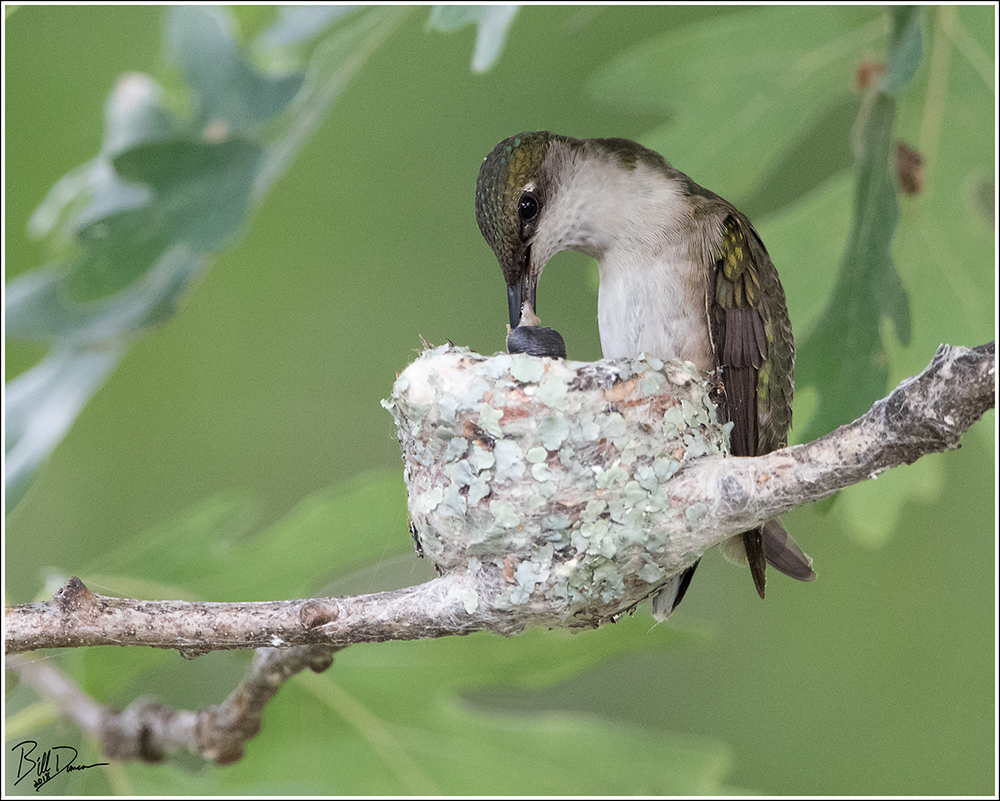
Chick rearing prior to fledging took place between July 26th and August 16th for a total of 21 days from hatching to both chicks fledging. This falls within the range of time reported to fledging (18-22 days) by Robinson et al. (1996). During the 3,846 minutes I observed the nest during this period, mom fed her chicks 124 times for an average of a little less than two times per hour. With my closeness to the nest and using sufficient optics, it was sometimes easy to see that mom was feeding a mixture of nectar (presumably a mixture of natural and artificial) and small arthropods that she collected in the bug-rich environment of our neighborhood.

Mom brooded the two chicks following hatching, staying on the nest for similar periods of time presumably to provide heat and avoid exposure to the altricial young. Mom spent significant portions of time on the nest between July 26th and August 3rd. During these eight days, I observed the nest for 1,052 minutes and recorded mom on the nest 52% of this time (543 min.). I presume, but did not document, that mom stayed on the nest most or all the nighttime hours during this period as well as during incubation.

On August 4th, her behavior changed dramatically. From this date until fledging, mom only spent a total of three minutes on the nest. It is likely that after eight days out of the egg, a physiological switch was turned on, and/or, sufficient feather development enabled the chicks to maintain their own body temperature. From this date until fledging, mom spent most of her time foraging and often was seen perched within eyeshot of the nest. She only physically visited the nest to feed or provide shelter from rain and winds.
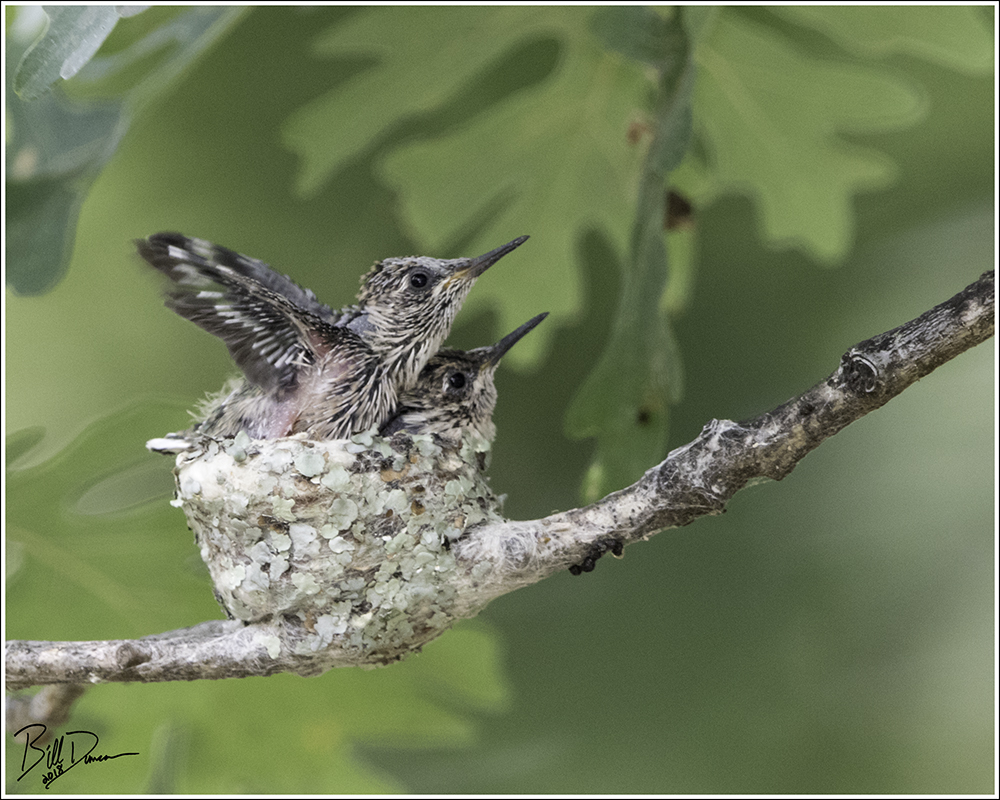
Documenting these observations gave me something to do while waiting to get my action shots of this wonderful story. I hope these words and the documenting photos adequately describe this experience and hope that you might be fortunate enough to experience a similar story.

REFERENCES
https://journeynorth.org/tm/humm/NestingPhenology.html
Robinson, T.R., R.R. Sargent, and M.B. Sargent. 1996. Ruby-throated Hummingbird, Archilochus colubris. In The Birds of North America, no. 204. Edited by A. Poole and F. Gill. The Academy of Natural Sciences, Philadelphia, and The American Ornithologists’ Union, Washington, D.C.
http://www.rubythroat.org/RTHUReproductionMain.html
Worth, C.B. 1940. Egg Volumes and Incubation Periods. The Auk 57:44–60.
Birds of North Carolina Coast – Ruddy Turnstone

f/5.6, 1/1600 sec., ISO-500, 540 mm focal length equivalent

Golden Tortoise Beetle

f/18, 1/30 sec., ISO-640, 234 mm focal length equivalent
This golden tortoise beetle (not golden during this photo shoot) was found during an insect survey that some WGNSS members participated in at the Litzsinger Road Ecology Center.

Return to Vilander Bluff
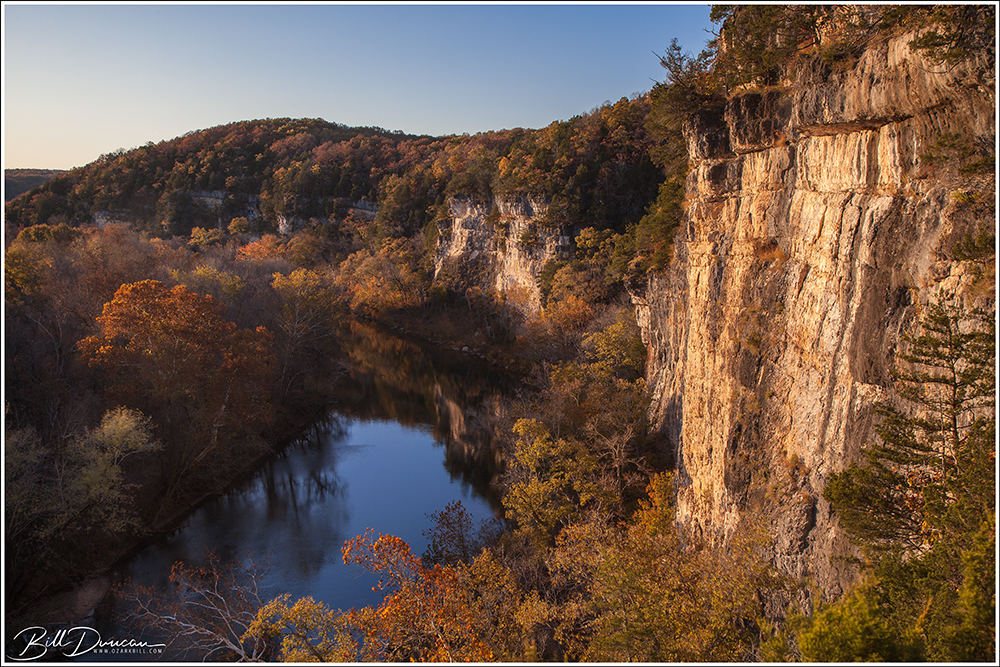
f/11, ISO-160, 32 mm focal length, three exposure blend of 1/60, 1/15, 1/4 sec.
I had a great time introducing some photographer friends of mine to one of my favorite places in the state, Vilander Bluff. With the largest bluffs on the Meramec River, to get the type of view seen here requires a little bit of effort. Dave and I put in some work in finding this new-to-me perspective that was well worth the bit of effort and risk. Next time we’ll need to bring climbing ropes…
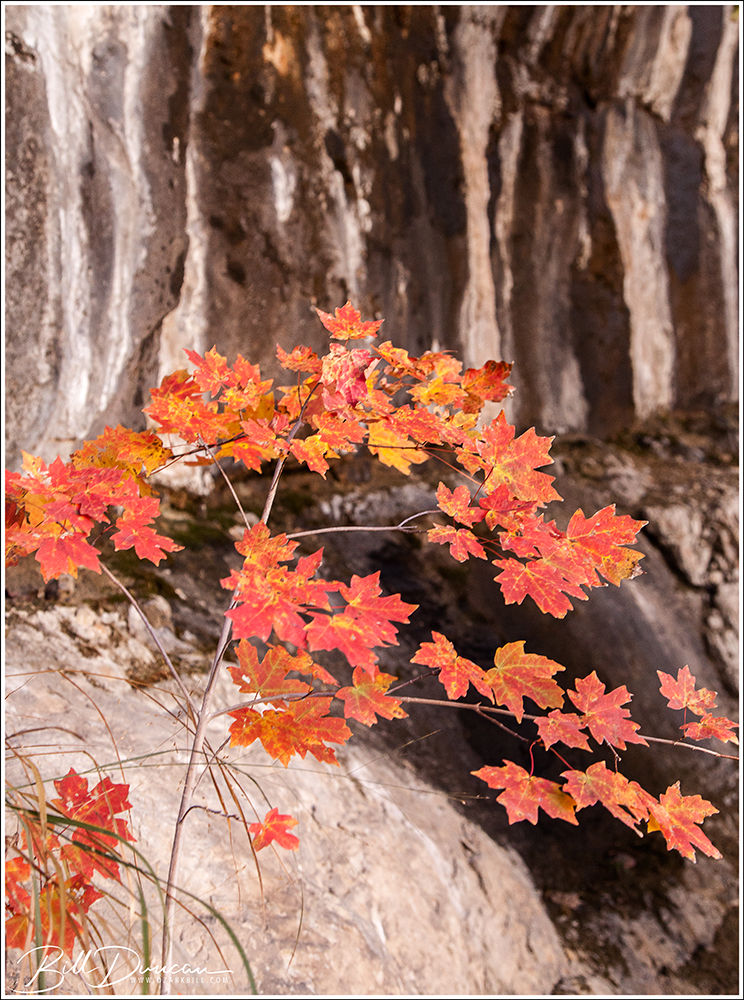
f/5.6, 1/6 sec., ISO-1250, 45 mm focal length
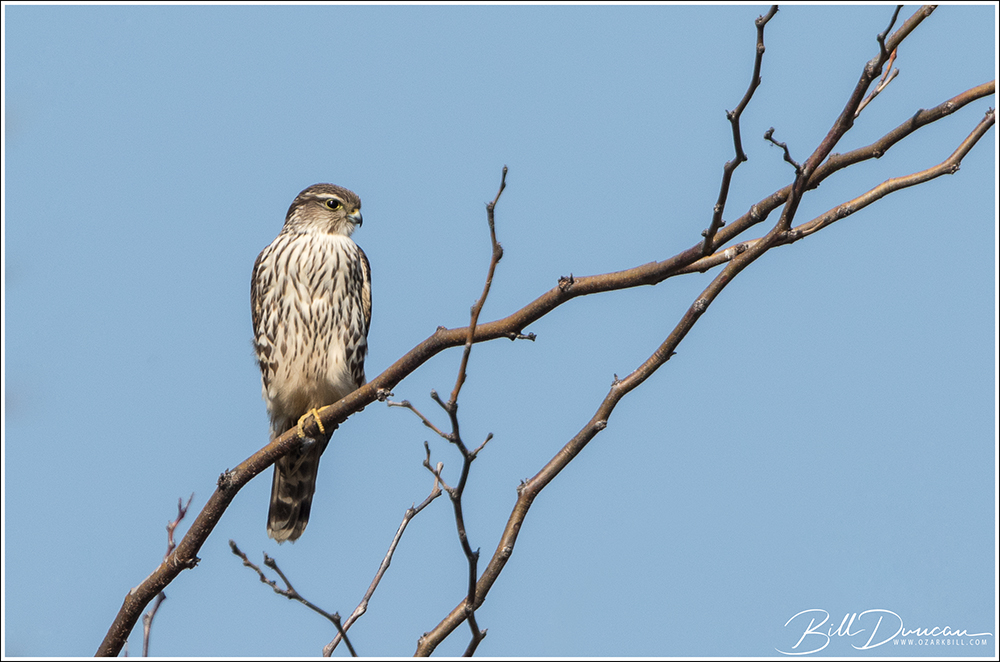
First Merlin of the Season!
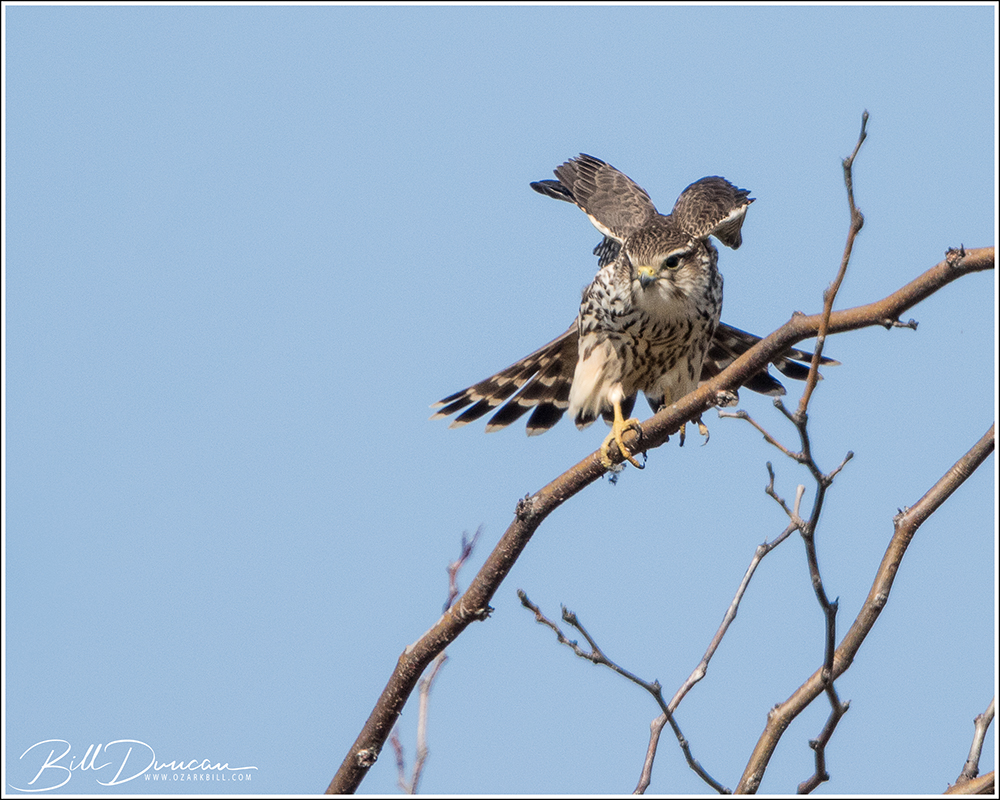
f/8, 1/1600 sec., ISO-640, 1600 mm focal length equivalent
A trip to Riverlands Migratory Bird Sanctuary last weekend paid off. I crossed paths with this juvenile Merlin, my first of this season, three different times. In this instance I had my camera prepared. He kindly perched long enough that I could swap for the 2X teleconverter. I think the 2X performed pretty well in this perfect light, but heat distortion was a major problem on this cool but sunny day.
f/10, 1/800 sec., ISO-500, 1600 mm focal length equivalent

