
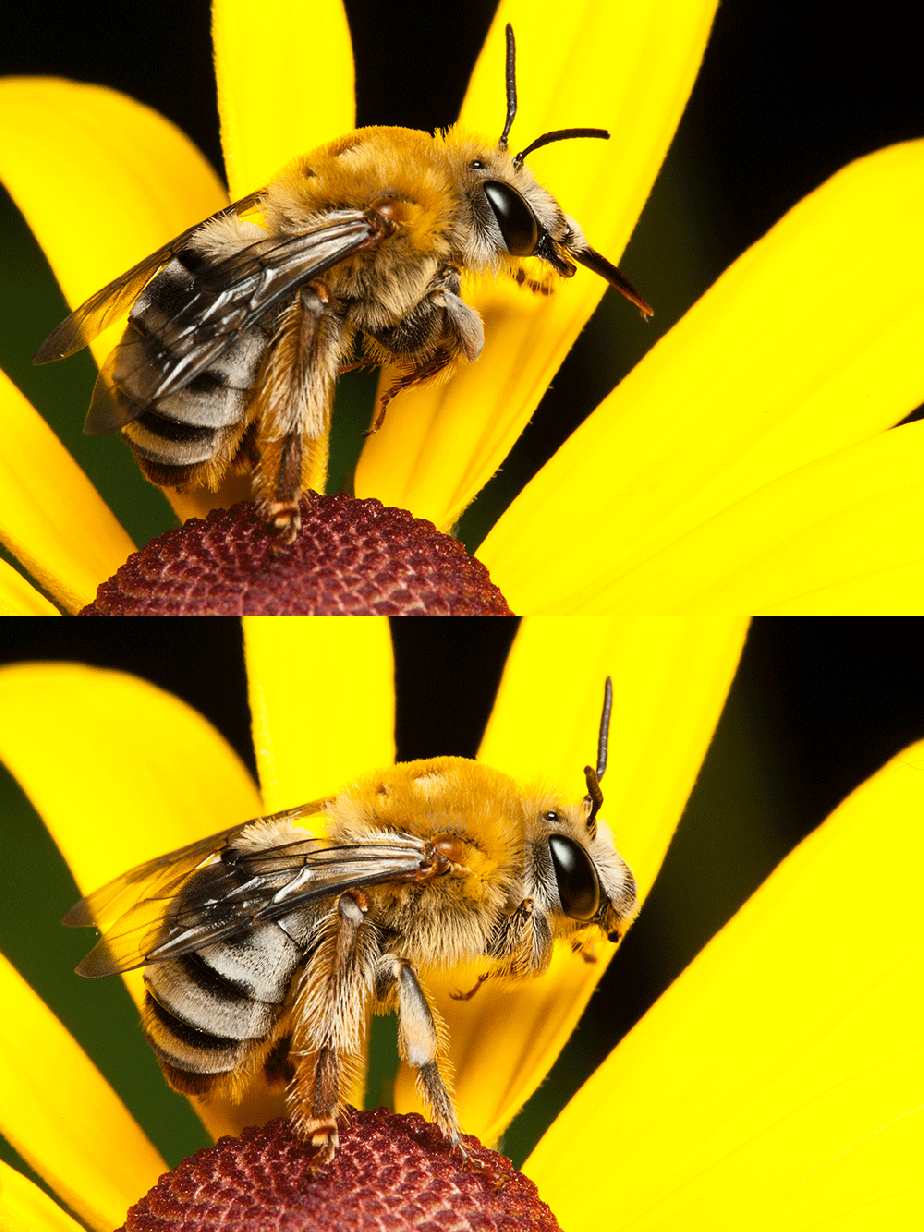
Tonight I thought I’d share a male Long-horned Bee. These guys are very tricksy in getting a photograph as they never seem to stop moving. I haven’t been able to find them resting early in the day yet.

-OZB
"What a thousand acres of Silphiums looked like when they tickled the bellies of the buffalo is a question never again to be answered, and perhaps not even asked." -Aldo Leopold
Tonight I thought I’d share a male Long-horned Bee. These guys are very tricksy in getting a photograph as they never seem to stop moving. I haven’t been able to find them resting early in the day yet.
-OZB
This female Long-horned Bee is showing off her long tongue in this GIF I created.
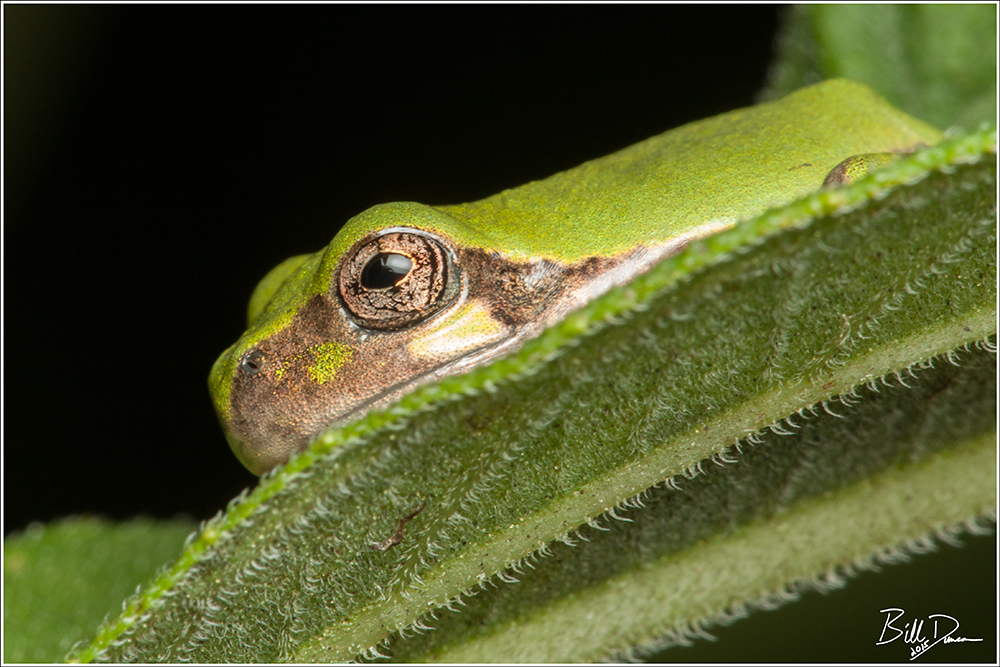
While hunting for interesting arthropods to shoot this summer at the wetlands of SNR, I cam across a large number of younger Grey Treefrogs.

Some folks might get confused by the green coloration of the young Grey Treefrog, however this is likely due to the younger frogs being fond of denser vegetation.

-OZB
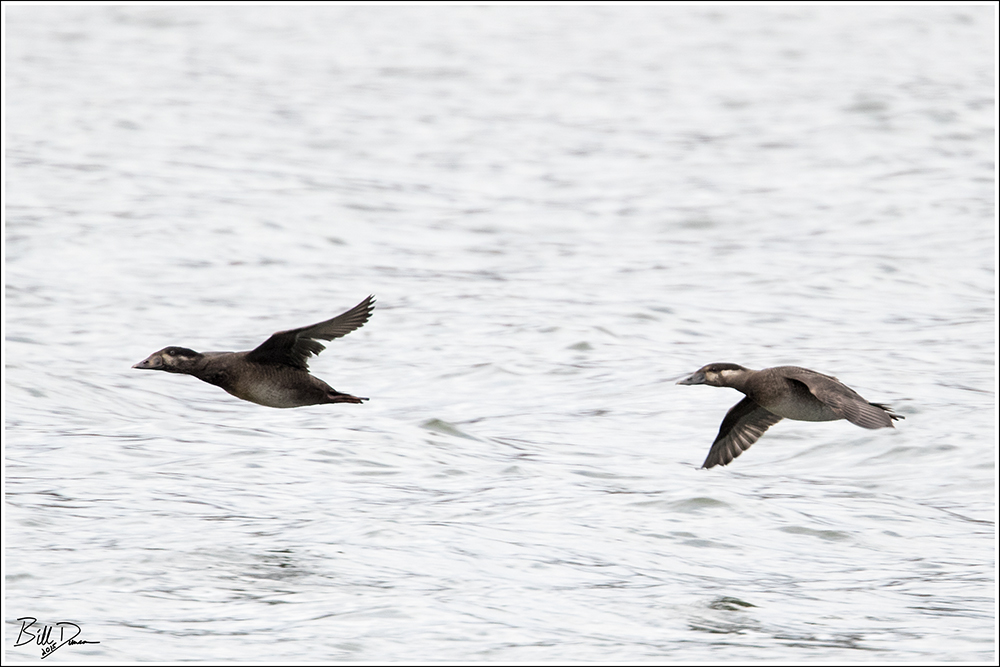
As has been my luck with the rarities lately, if I can find them at all, it will be under poor light. This is the pair of Surf Scoters that have been spending time lately at Binder Lake, just outside Jefferson City. This was my first trip to the lake and it held a number of interesting waterfowl species.

Surf Scoters typically winter on almost any coastal waters of North America. My best guess is that these guys were on their way to gulf waters and decided to have an extended stay in a midwestern lake during this quite autumn we have had so far.
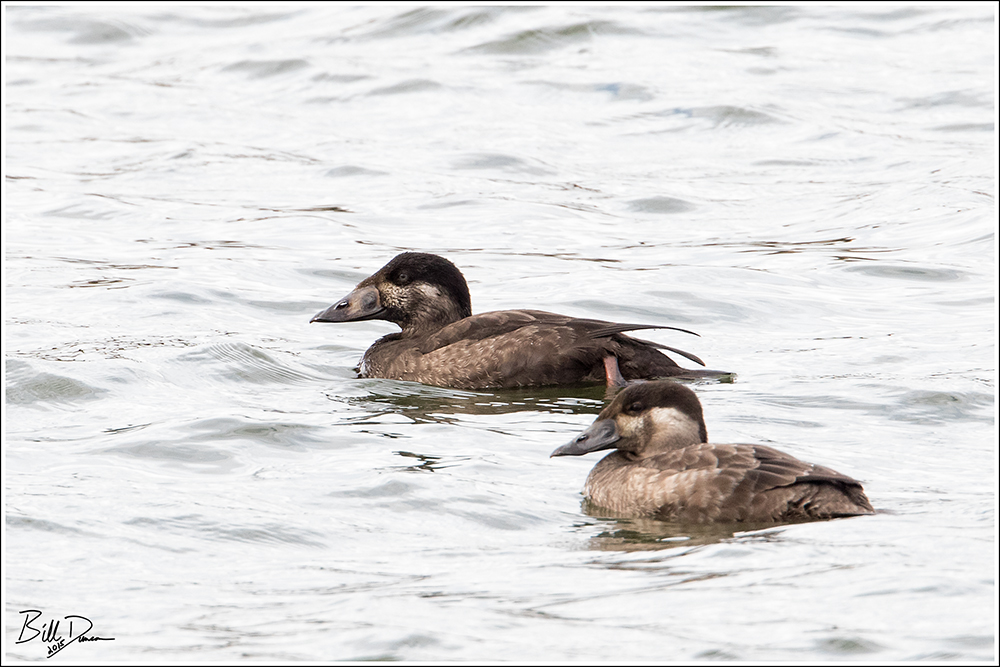
In my opinion, this is a couple of hens, but I am no expert.

Steve and I took advantage of a long holiday break by making a pilgrimage to Squaw Creek NWR. Even though the temps were in the 50s and 60s, you can see we still had white out conditions… 😉
Take a look at the video below…

Today I am presenting the final images that I plan on sharing from the trip that Steve and I made to Quivira NWR way back this past May.
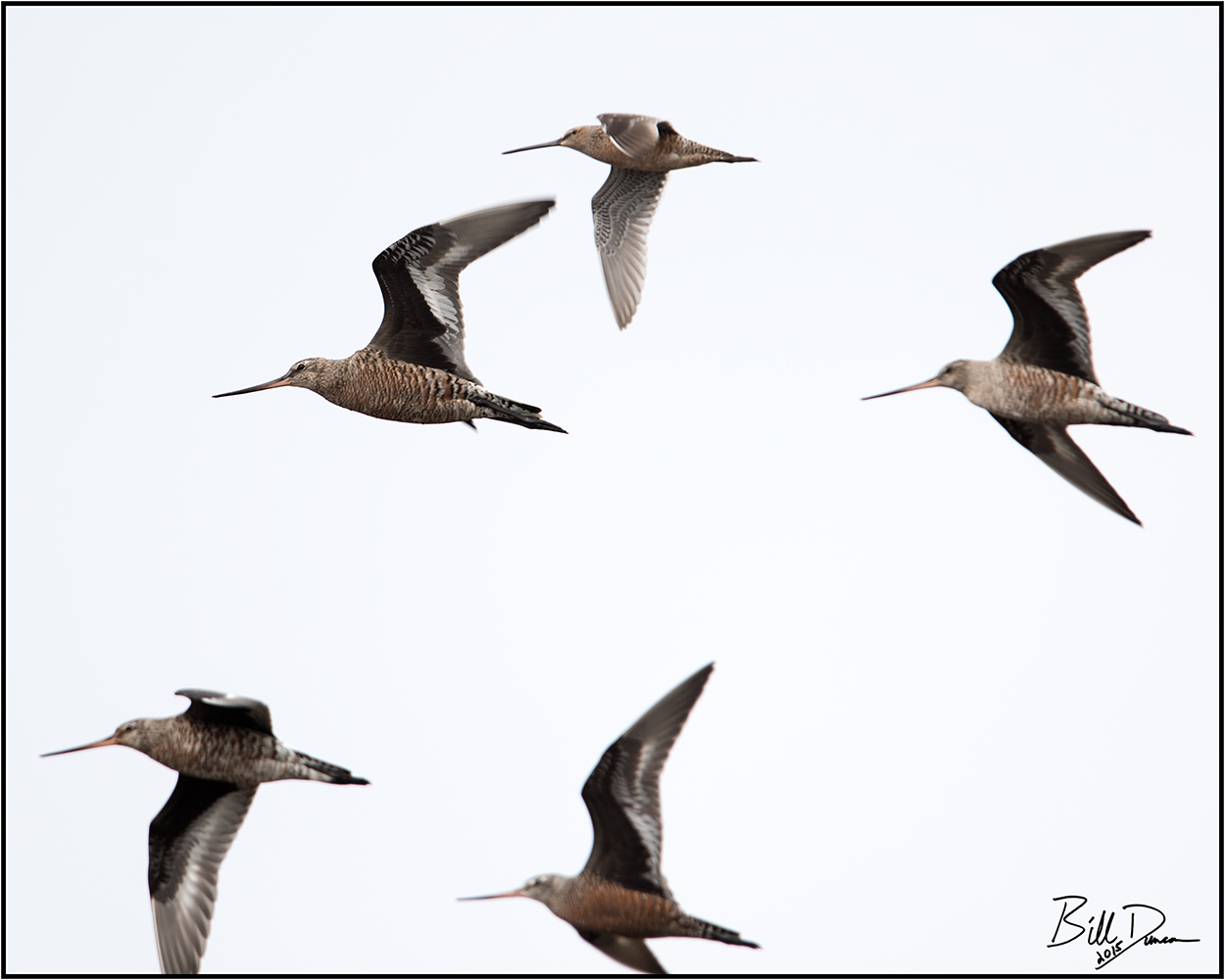
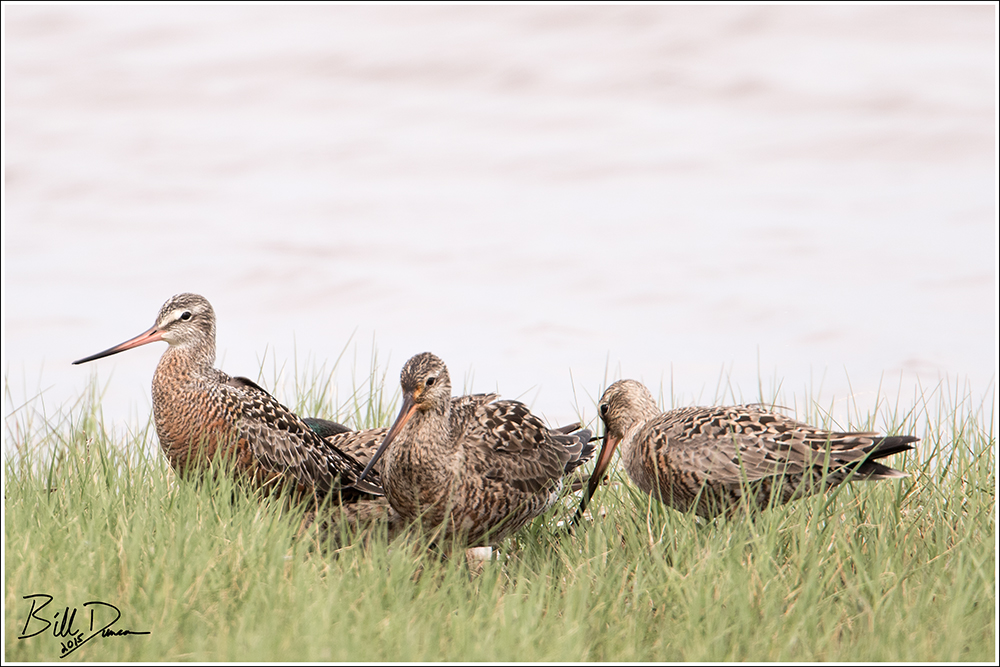
These Hudsonian Godwits were a pleasure to watch. See below for a shot of them in rest.
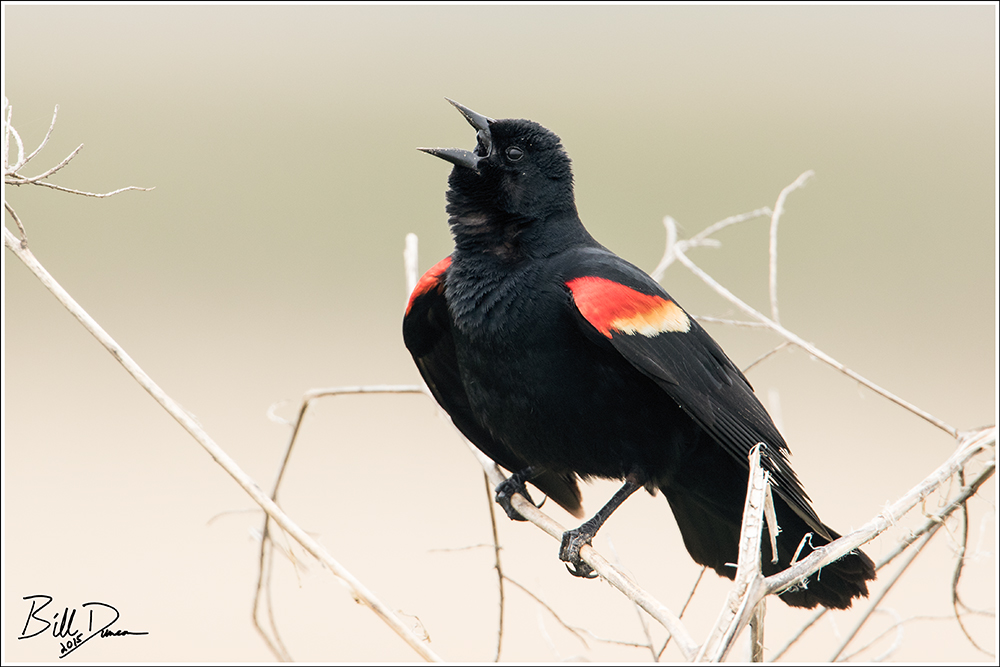
Surprisingly, we seemed to have more Yellow-headed Blackbirds than Red-winged, but we did have plenty of Red-winged to watch as well.
No trip to the grasslands is complete without a Quail…

We watched this female/juvenile Yellow Warbler take a bath in one of the creeks that run through the reserve.

What a collection of birds, photos and memories these few days in the Kingdom of Quivira provided. We can’t wait to visit again.

-OZB
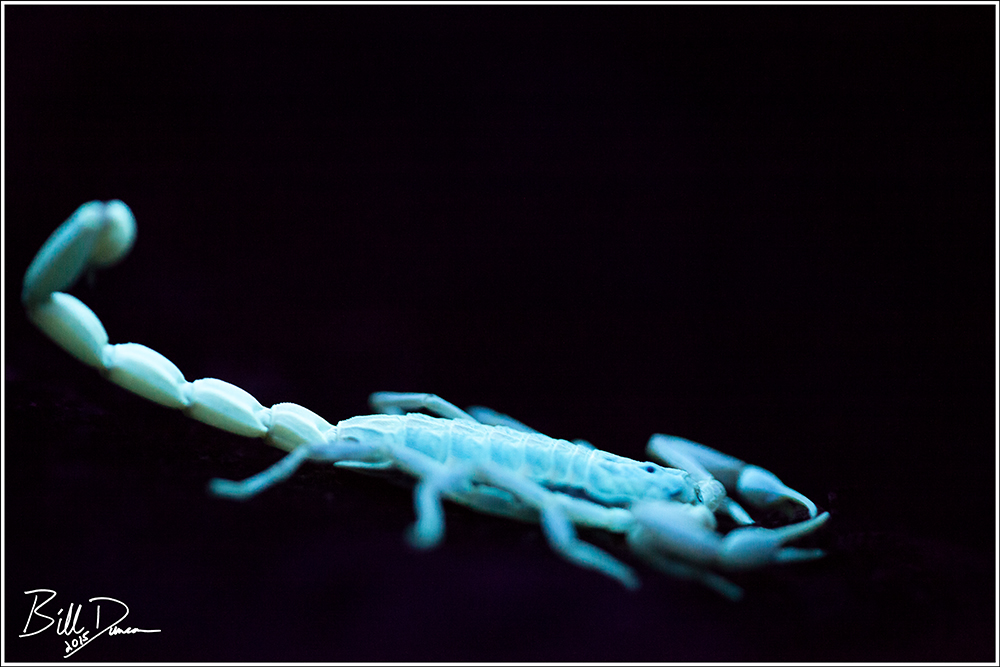
For today’s post I am presenting a few photos taken of a very common arachnid found in glades and drier forests of southern Missouri – the Striped Bark Scorpion. No, there is no reason to fear these secretive scorpions; they are only dangerous if you happen to be an arthropod smaller than they are. They are, however, much more common than I ever would have expected. Steve and I had much success finding them in the glades of Hughes Mountain Natural Area this past summer. Wait until the sun has well set, turn on your blacklight and walk around for a while. We were finding them easily every few steps.
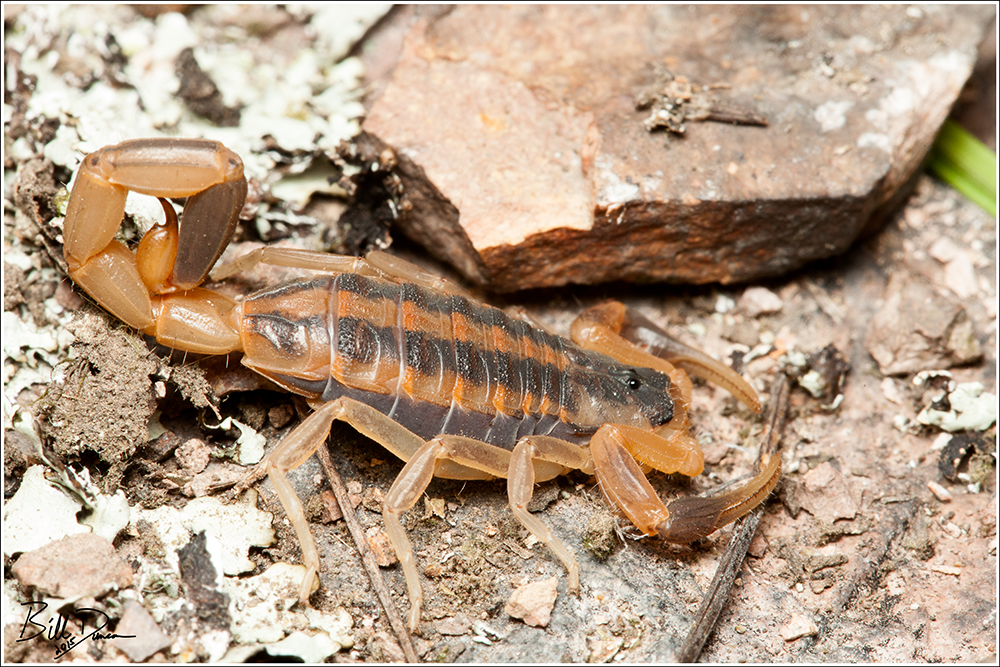
The photo above shows what they look like to the naked eye (illuminated by flash). These guys are extremely fast as well as stealthy. The use of blacklight is almost mandatory to efficiently find them. These lights as well as a typical flashlight/torch brings all sorts of other arthropod visitors to the glade top as well.

So, why do they glow under ultraviolet light? This is an interesting question that has not yet been satisfactory answered by those who study these creatures. Hypothesis range from helping to attract prey, to aiding in their ability to see and sense light. I took the photo above soon after we watched this guy sprint approximately a meter towards us in the blink of an eye. At the time, Steve and I assumed it was a defensive run (or lunge) in reaction to us being near it. It was not until days later that I discovered what the real purpose of that dash had been…
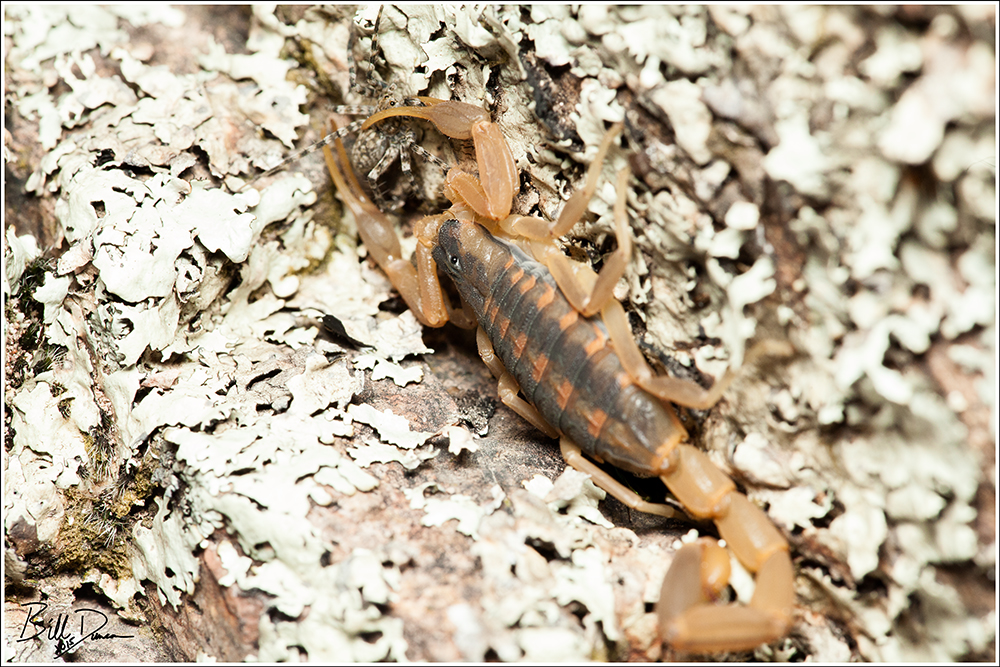
Can you see what that reason was? Here’s a closer look…

Yes, I believe its dash was in capturing a prey – this small wolf spider – probably the only other predator that might be as common or more common than the scorpions themselves in this nocturnal food web.
Thanks for visiting…
OZB
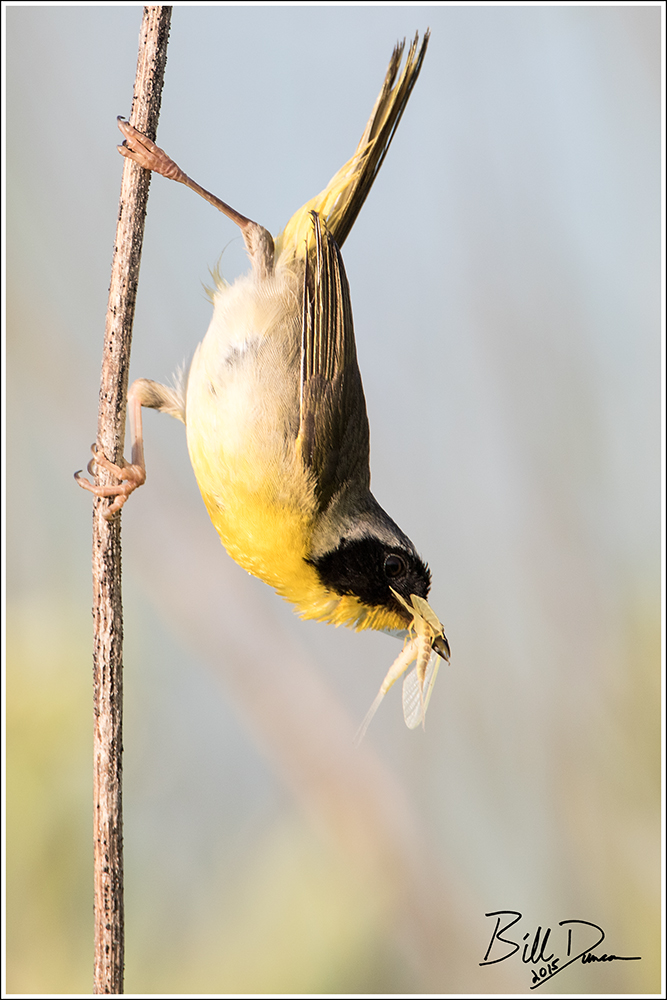
Missouri marshes are a great place to find a number of bird species in late summer and early fall. This Common Yellowthroat, a species of wood warbler, was photographed this August at Riverlands Migratory Bird Sanctuary. This guy was packing Mayfly in his beak two or three at a time to bring back to the hungry chicks in the nest.

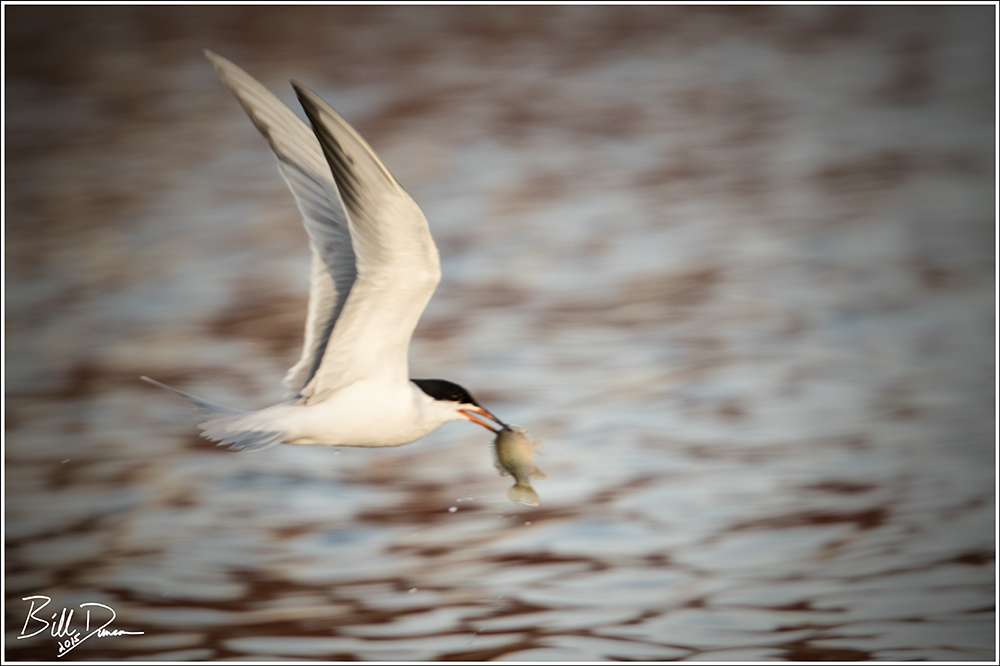
A visitor to Missouri’s marshes during migration, the Caspian Tern will always take advantage of the easy fishing that can be found at Riverlands and surrounding wildlife refuges along our great rivers.
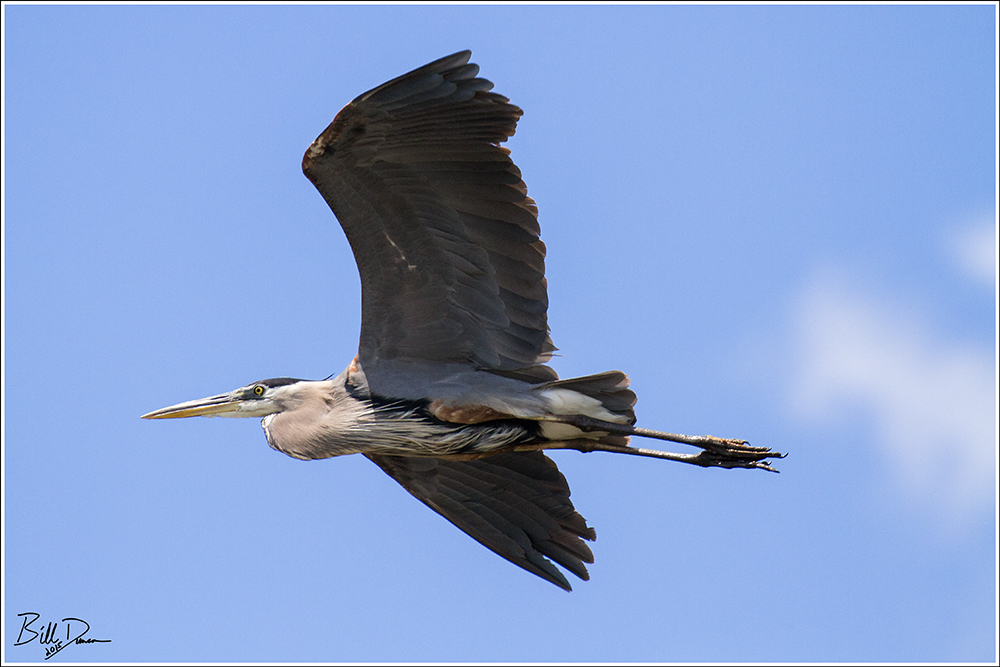
Anyone who spent any amount of time in the marsh will know the Great Blue Heron. This giant, yet leery bird is a common site, hunting for fish or any other vertebrate it can catch.
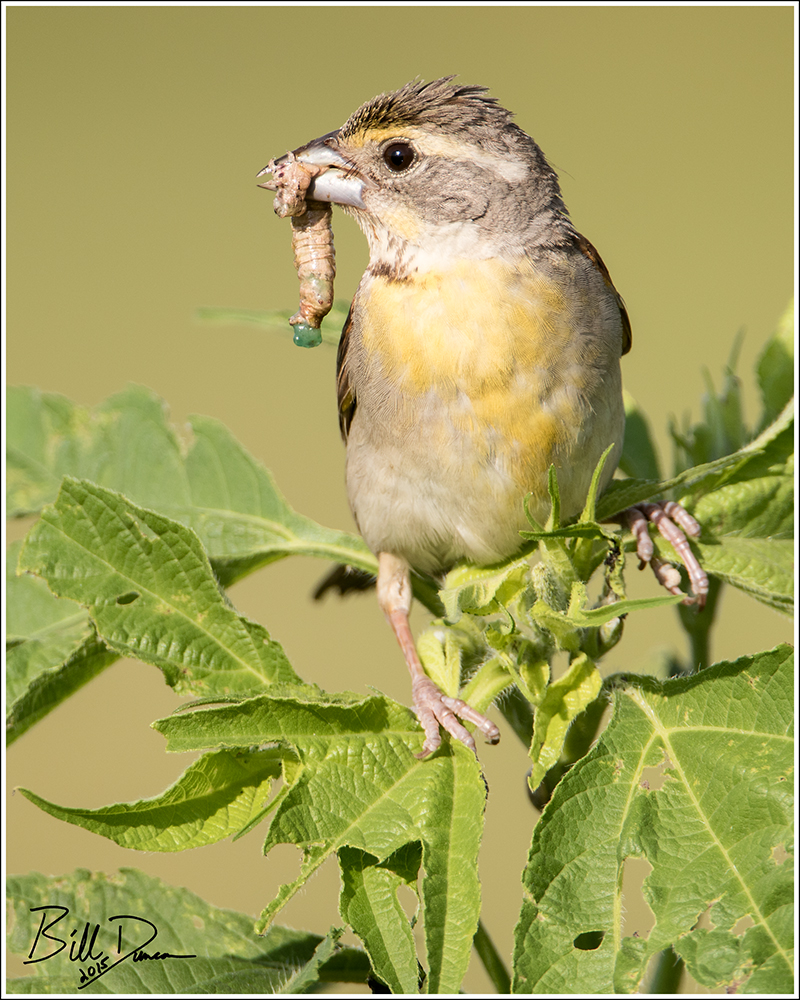
A very common nester in Missouri marshes and fields, the Dickcissel advertises its presence with its incessant song.

So attached to the Marsh, they named the bird after it. The Marsh Wren sings its musical song throughout the day and is quite territorial.

A few birds to share from Quivira tonight…


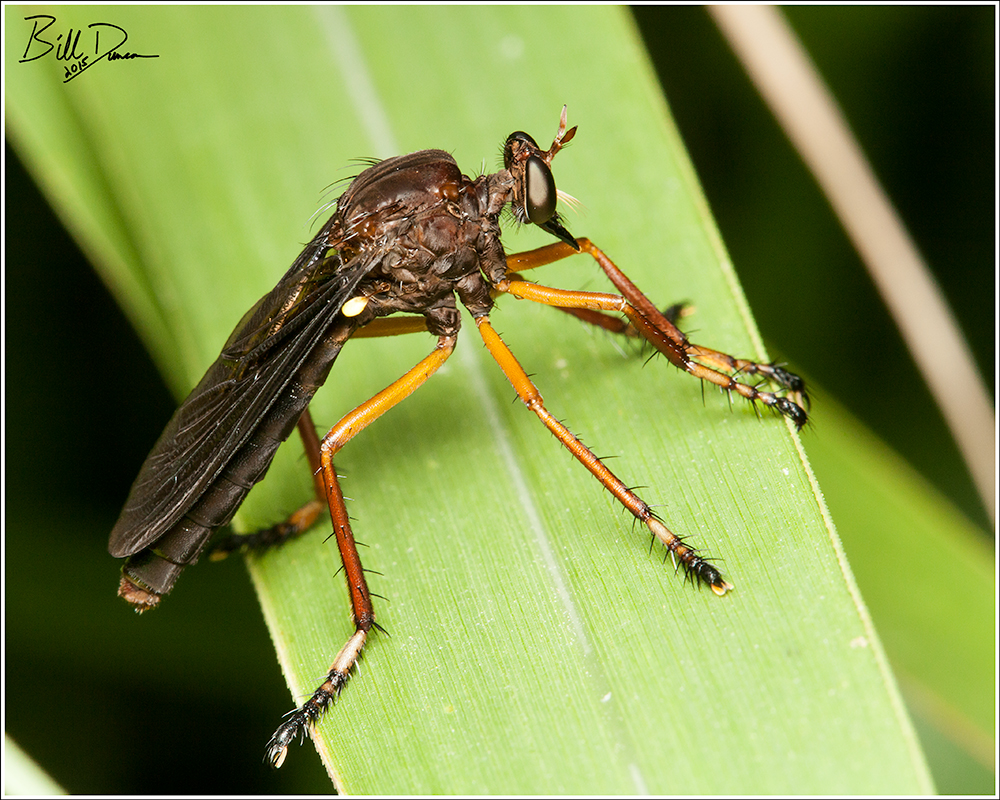
In keeping with the flies, I thought I would share this photo of a Robberfly (Asilidae – Dioctriinae – Dioctria sp.) that we found and photographed at Shaw Nature Reserve this summer.
 A Thousand Acres of Silphiums