"What a thousand acres of Silphiums looked like when they tickled the bellies of the buffalo is a question never again to be answered, and perhaps not even asked." -Aldo Leopold
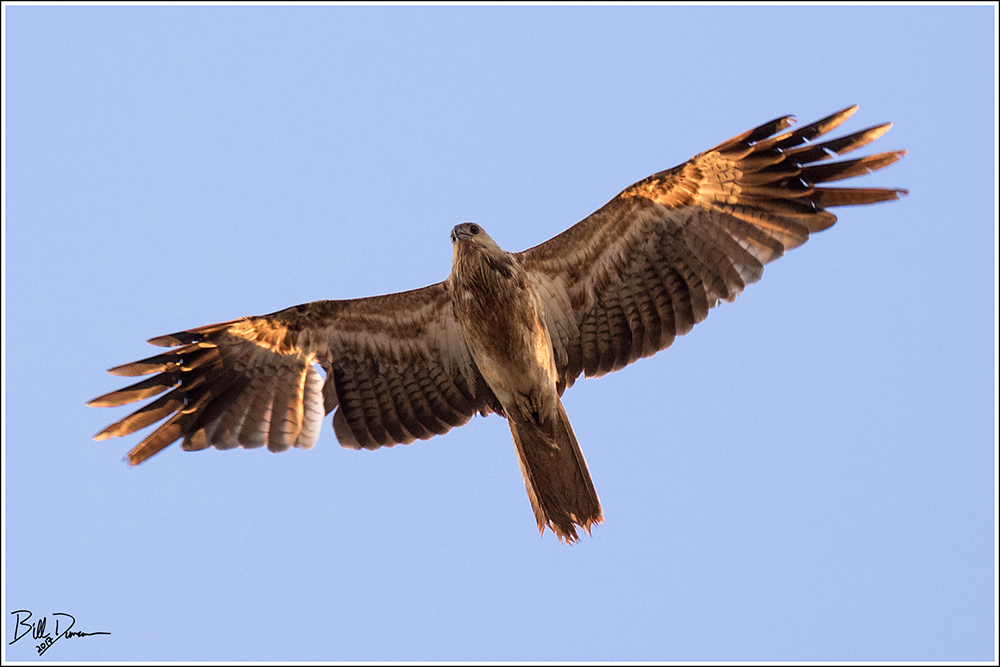
Considered by some to be the most abundant member of the family Accipitridae, the Black Kite is found throughout the old world. Populations of this species winter in the tropics and spend their summers in northern Europe, Asia and in Australia. Their diet is varied and consists of whatever they can catch, including carrion. This was one of the first Australian species I came to know. One morning I watched a group of at least 15 of these birds roosting in freshly plowed fields within the Monsanto research station we were visiting. I assume they were attracted to this area due to the mice and other rodents that were finding food and shelter among the large dirt clods.
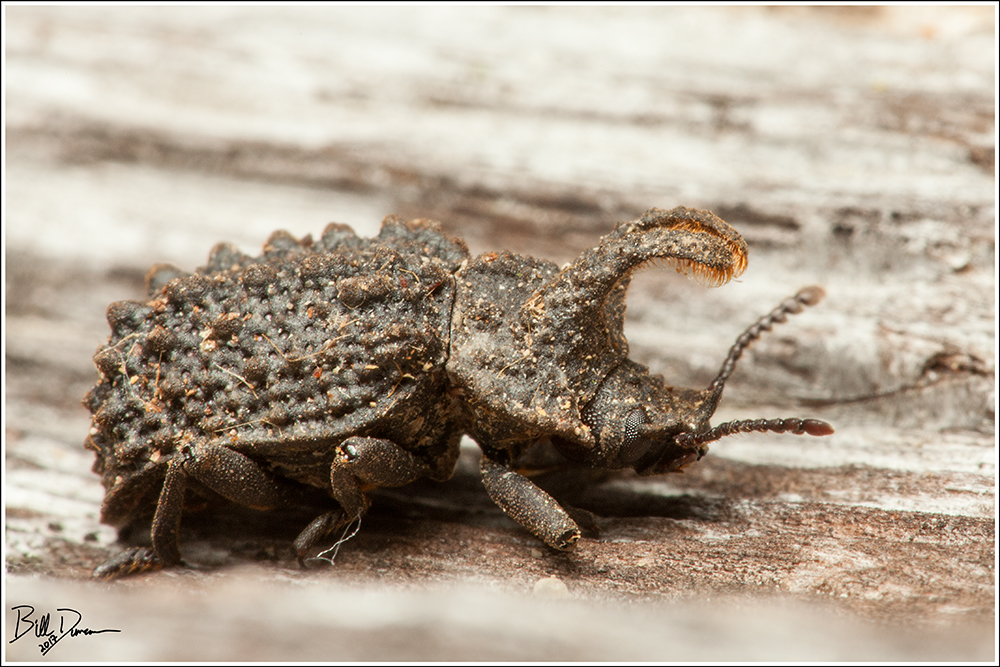
Here is one of the interesting visitors I had to my black lights at Hawn State Park this summer. Bolitotherus cornutus, or horned fungus beetle is in the darkling beetle family, Tenebrionidae. I wish I knew of their preference for polypore fungi as larvae and adults so that I could have photographed them on more suitable substrate.
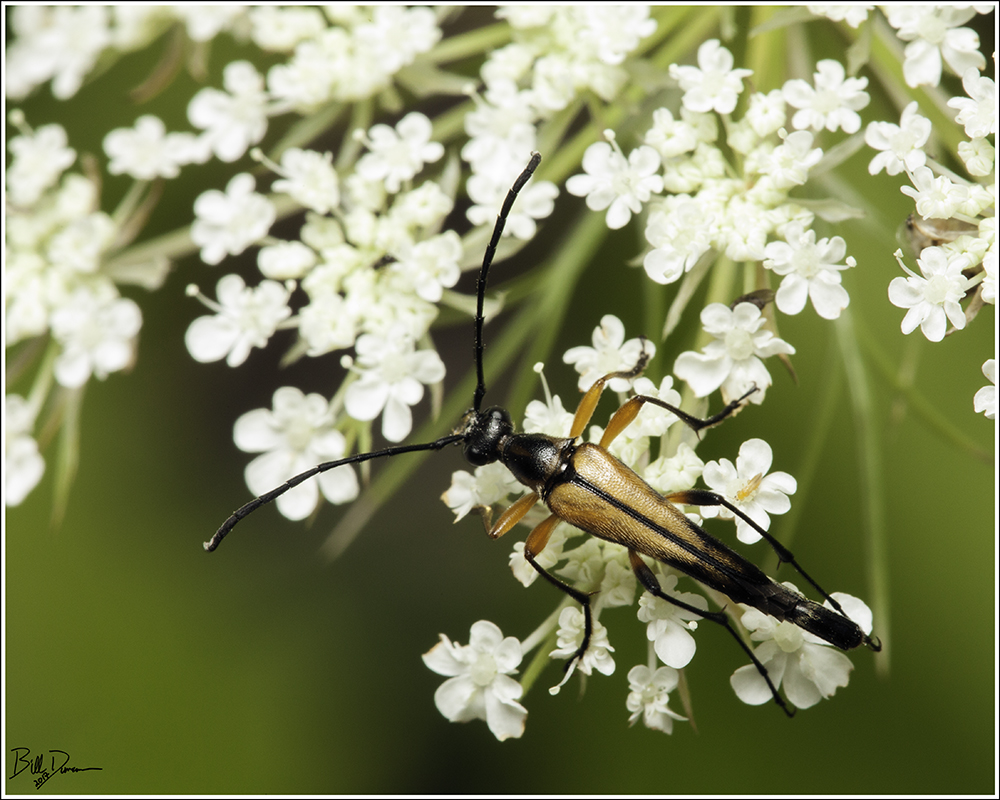
Members of WGNSS Entomology and Nature Photography Groups met on June 24th, 2017 to see what interesting insects could be found. In this post I am sharing a few of the more interesting that I was able to get photographs of during the day. The find of the day had to be the Cerambycid pictured above that was, by no surprise, found by Ted MacRae.
Delta Flower Scarab
We found that blooms were a great way to find beetles. It is easy to see how the delta flower scarab (Trigonopeltastes delta) got its name.
Flower Longhorn
Cerambicids like this flower longhorn can readily be found on blooms.
Banded Netwing
The banded netwing beetle (Calopteron reticulatum) are easy to find, often located in the open atop vegetation. They rely on aposematic coloration to advertise that they carry aboard chemical compounds that make them a distasteful meal.
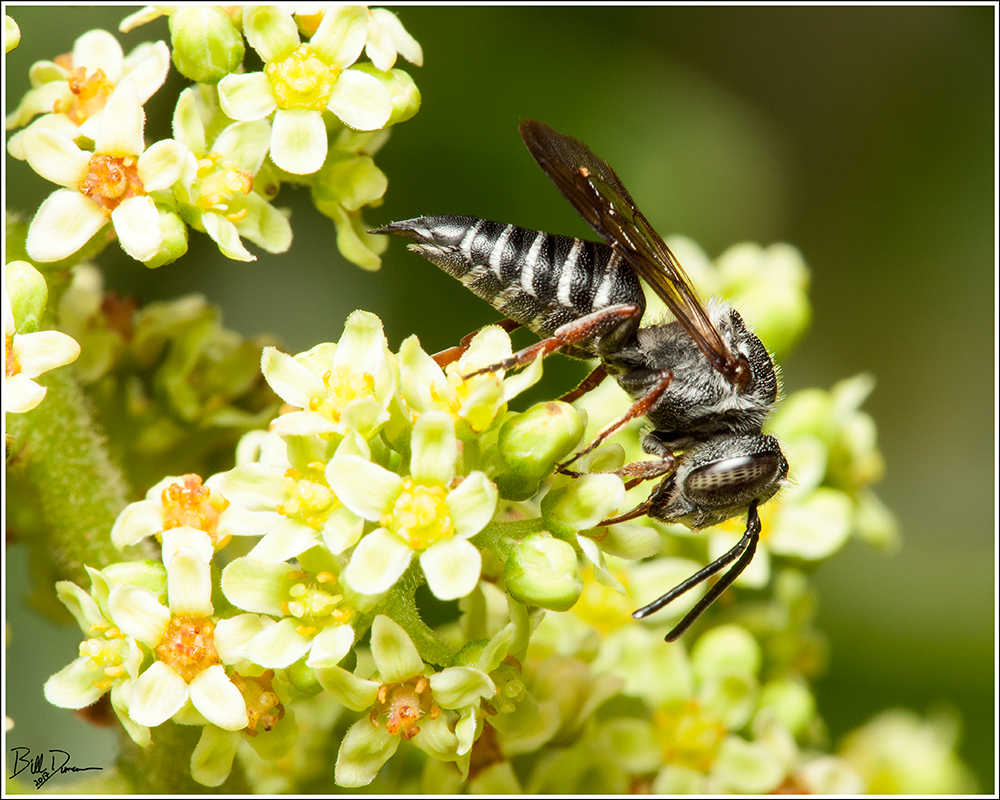
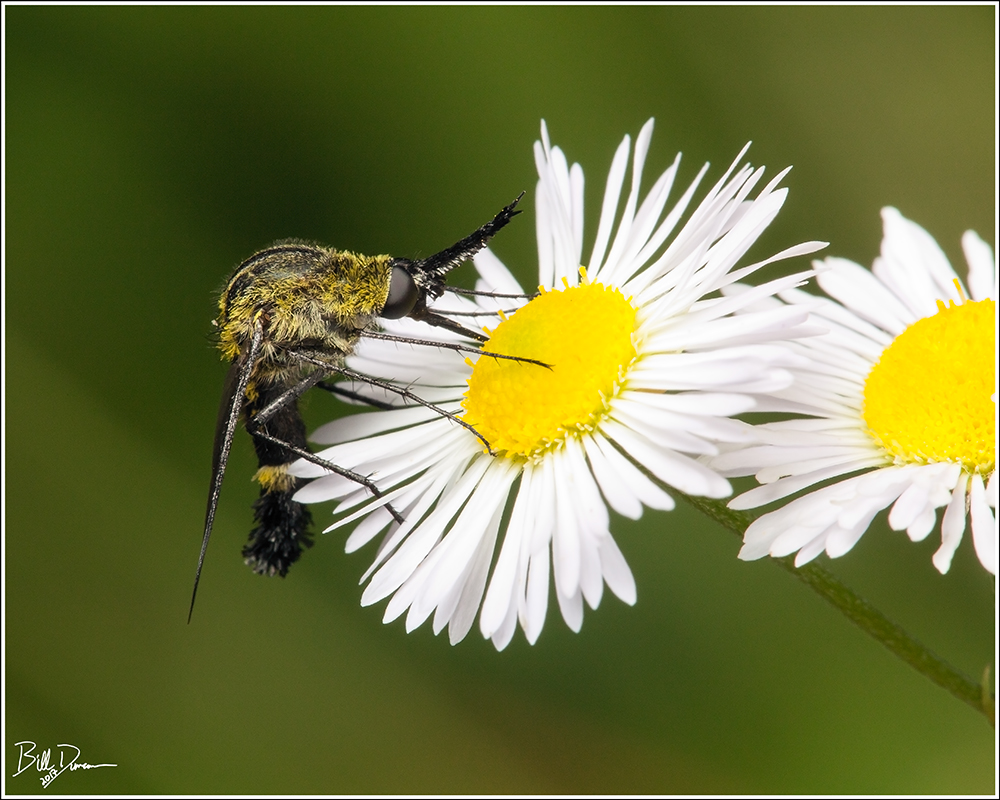
Agapostemon sp
The Hymenoptera were well represented on blooms of wild hydrangea (Hydrangea arborescens), Queen Ann’s lace (Daucus carota) and as pictured above, fragrant sumac (Rhus aromatica). I find the native bees to be tricky to identify by photographs, but I believe this can be placed in the genus Agopostemon. These bees nest in the ground and to promote them, leave patches of soil exposed somewhere in your yard.
Not to leave out the Leps, this double-toothed prominent moth larvae was found. These guys have developed very effective camouflage that allows them to blend in and resemble the toothed, wavy margins of their elm (Ulmus) host plants.
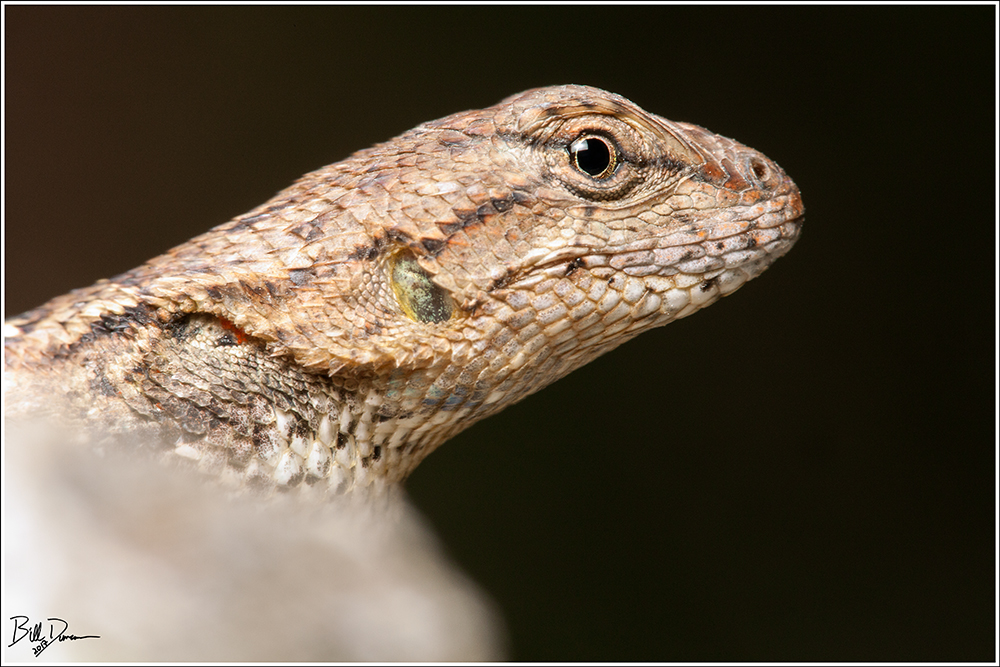
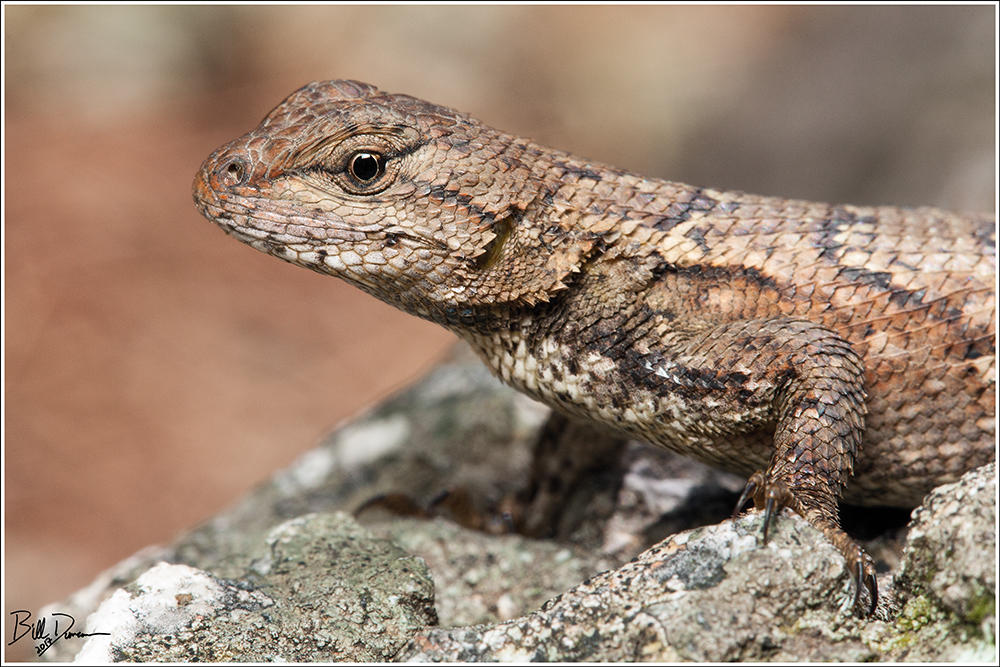
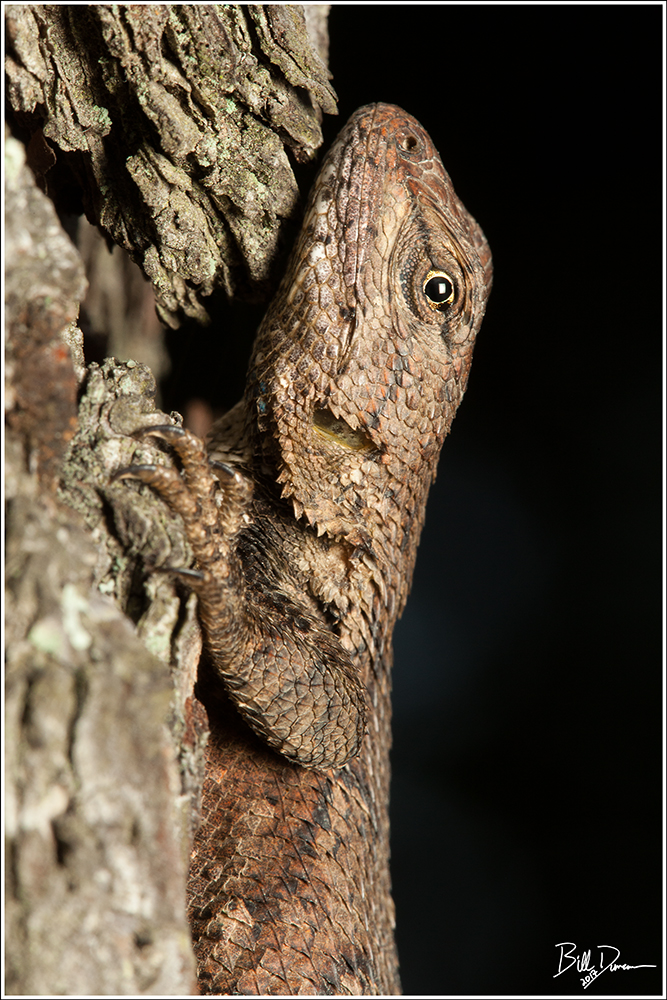
During our search for insects at Council Bluff Lake, the WGNSS Nature Photography Group stumbled upon this cooperative and gravid female northern fence lizard (Sceloporus undulatus hyacinthus). She allowed our close inspection as she attempted to bask and warm herself on a rock.
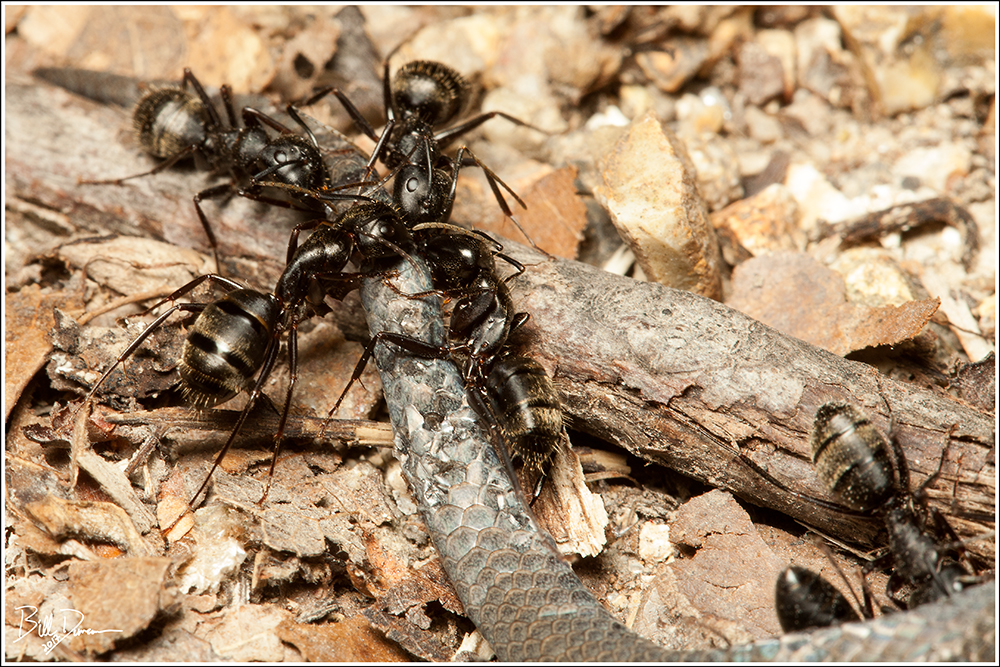
Black Carpenter Ants Feasting On Ring-necked Snake
This series was taken on the joint outing of the WGNSS Entomology and Nature Photography Groups at Council Bluff Lake. Here we have eastern black carpenter ants (Camponotus pennsylvanicus) feeding on a freshly dead ring-necked snake (Diadophis punctatus).
Black Carpenter Ants Feasting On Ring-necked SnakeBlack Carpenter Ants Feasting On Ring-necked Snake
Common Black Hawk on Nest. Big Bend National Park, TX.
One of my favorite of my lifers from our south Texas trip was the Common Black Hawk. I would have been happy for a glimpse, but finding this one on a nest was more than I could have asked for.
Common Black Hawk. Big Bend National Park, TX.Common Black Hawk. Big Bend National Park, TX.Common Black Hawk. Big Bend National Park, TX.Common Black Hawk. Big Bend National Park, TX.Common Black Hawk. Big Bend National Park, TX.
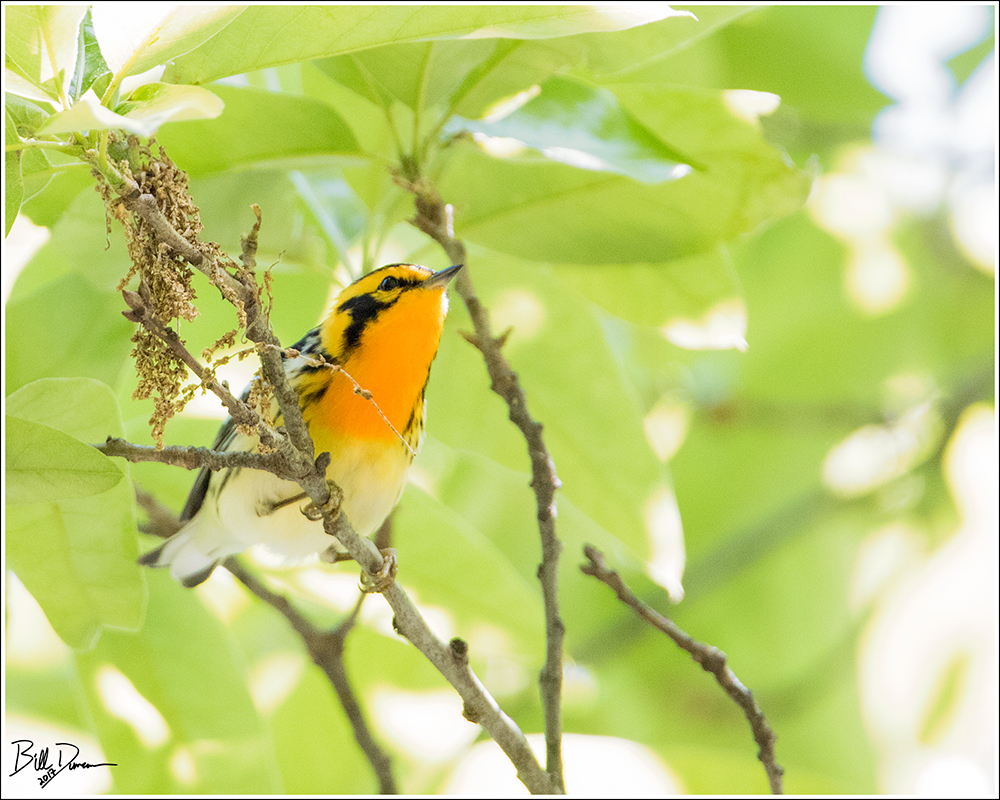
Along with finding the typical rarities that everyone looks for during spring migration, I will not count spring as arriving until I lay eyes on a male Blackburnian Warbler. This past Saturday, not only did Miguel and I find my prize at Carondelet Park, but I got my best photos to date of this tree-top dwelling, piece of greased lighting.
Blackburnian Warbler, Carondelet Park, May 2017
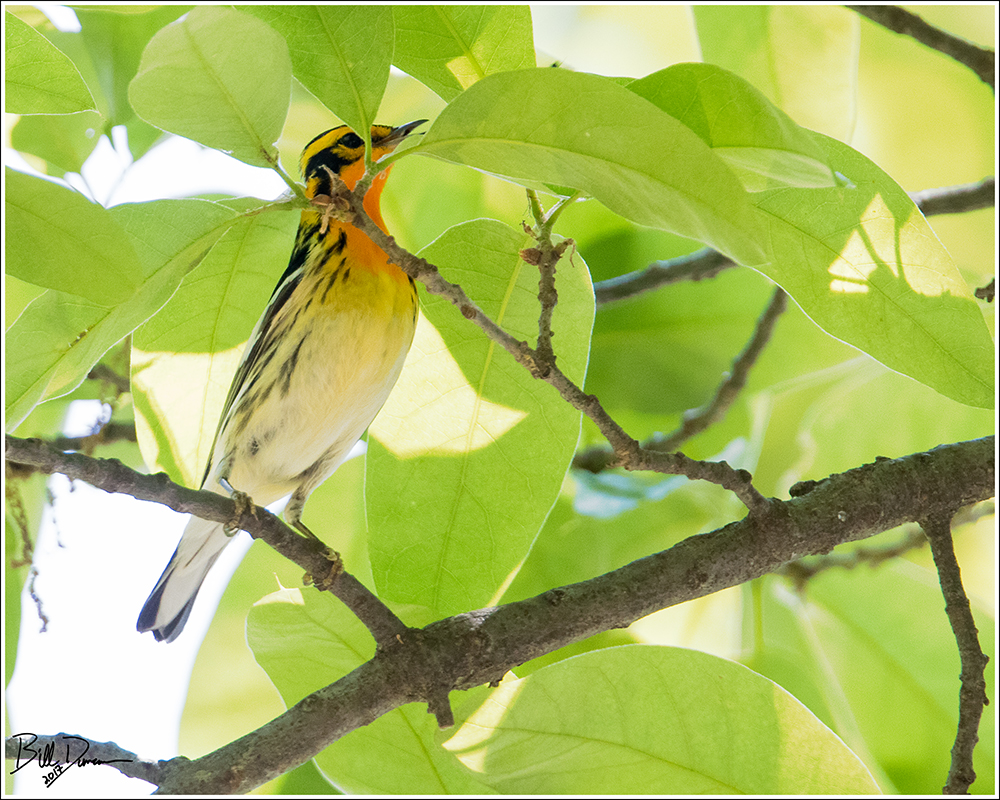
With a throat this bright and luminous, a song that is so high-pitch that dogs aren’t safe for blocks and a never resting habit, more than one birder has assumed these guys must be powered by a battery. Seriously, there’s a reason these guys eat all day long. They have to!
Blackburnian Warbler, Carondelet Park, May 2017
Well, hopefully I might have another before the season has completed springing. If not, I’ll always have something to look forward to next year.
Miguel Acosta and I decided, along with many other birders and bird photographers, to head to Tower Grove Park to check out the latest migrant action. Although the migrant songbirds were overall pretty disappointing, the morning was surely not a bust for me as I was able to photograph my 282nd species in Missouri and contiguous states – the Veery.
Veer!
This guy’s polyphonic vocalizations have been among my favorite of bird songs for a long time. On the rare occasion these guys sound off during migration, the songs come from a deep thicket and I rarely get to lay eyes on the songster. The beauty of migrant traps like Tower Grove and Carondelet Park in the heart of the city is being able to get great looks at these northern nesters.
For the first time since junior high I did not watch a single down or minute of the NFL this season and I couldn’t be happier for it. Rape my town three times, NFL – shame on you. I’ve been pleased to get those precious free minutes back for my Sundays, several of which I found I could spend not dreading the upcoming workweek.
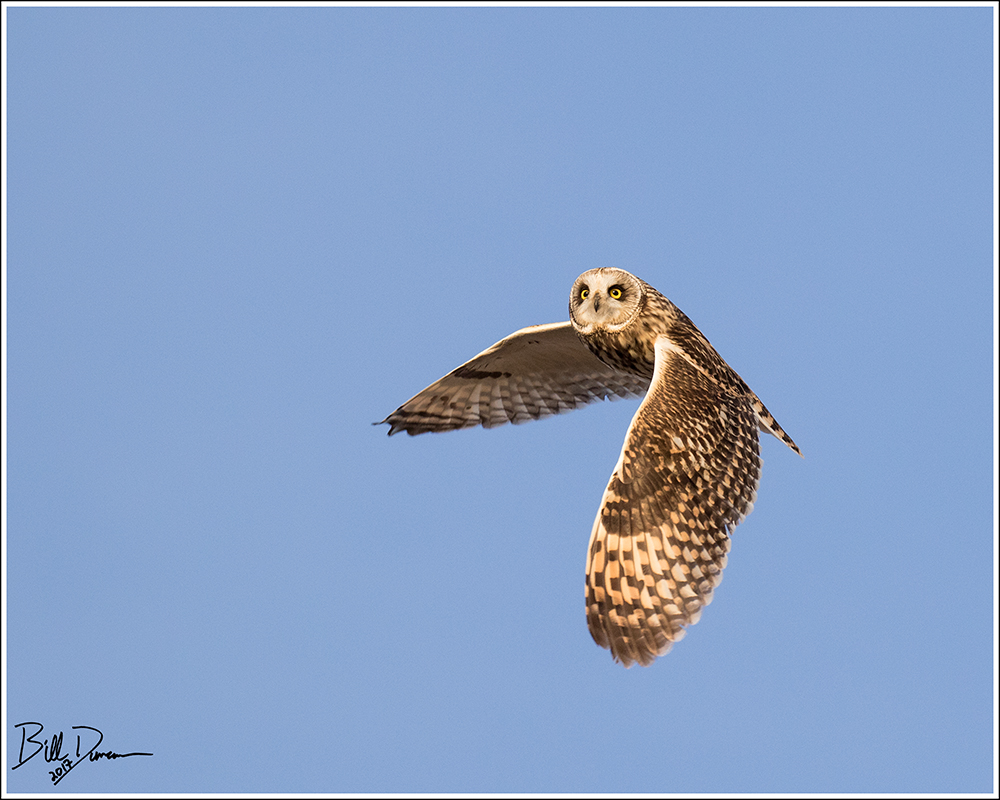
Short-eared Owl
When the forecast showed a near perfect meteorological condition for shooting the Short-eared Owls of BK Leach, I figured this could be promising. While most other naked apes with functioning vision would be in front of the picture box and ingesting mass quantities of wings and beer, I would enjoy the warm and lightly breezy evening in my own kind of chair with friends of a different sort.
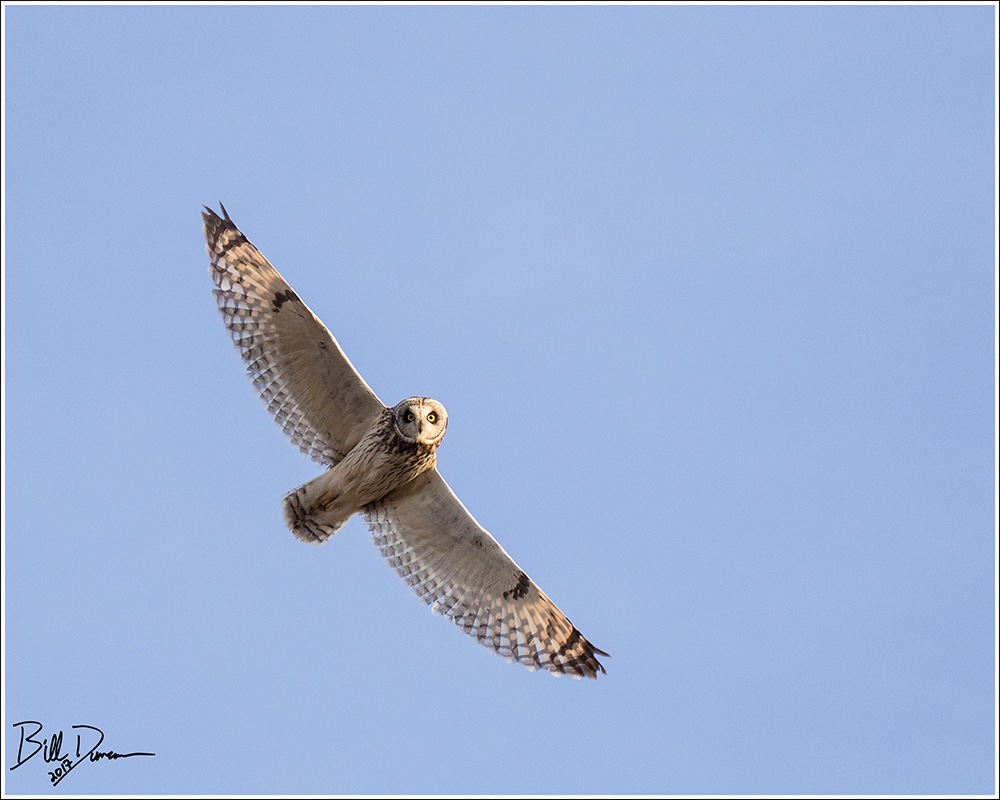
Short-eared Owl
Of course there is never a sure thing. Often, when I have expected the best due to light and temperature, the owls don’t show where I set myself. On this particular day, all conditions came together and I had a super time.
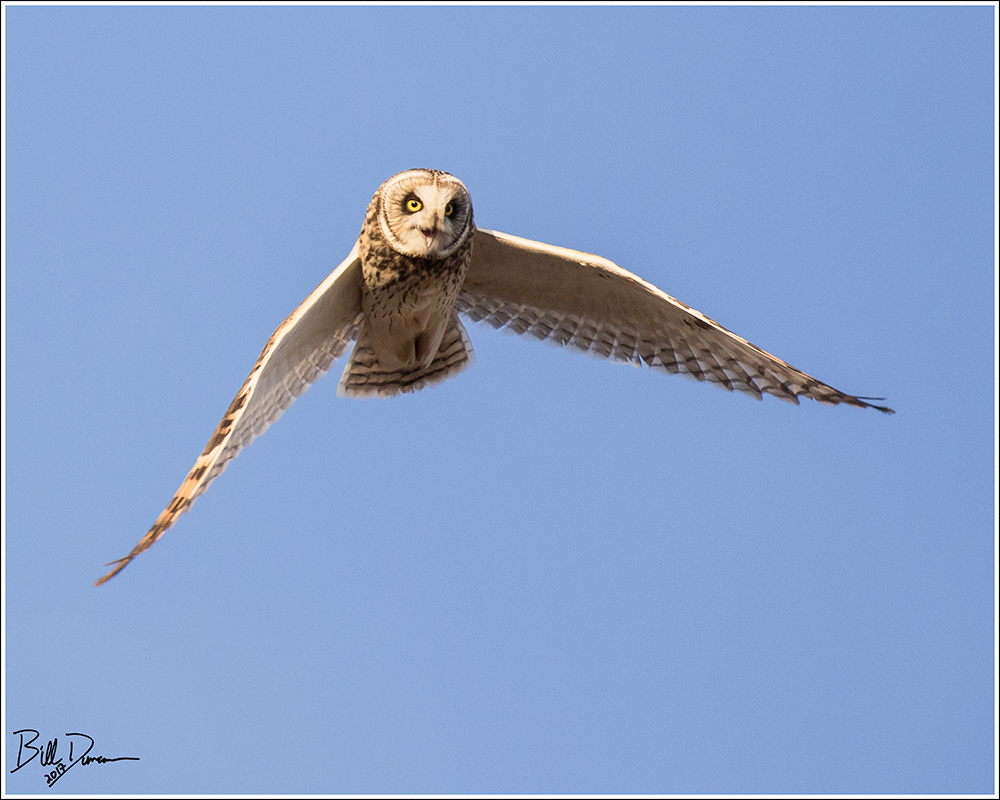
Short-eared Owl
I want to give huge thanks for my lovely and talented wife, Sarah, for the special help she gave me this season in getting my best to date SEOW in flight shots.
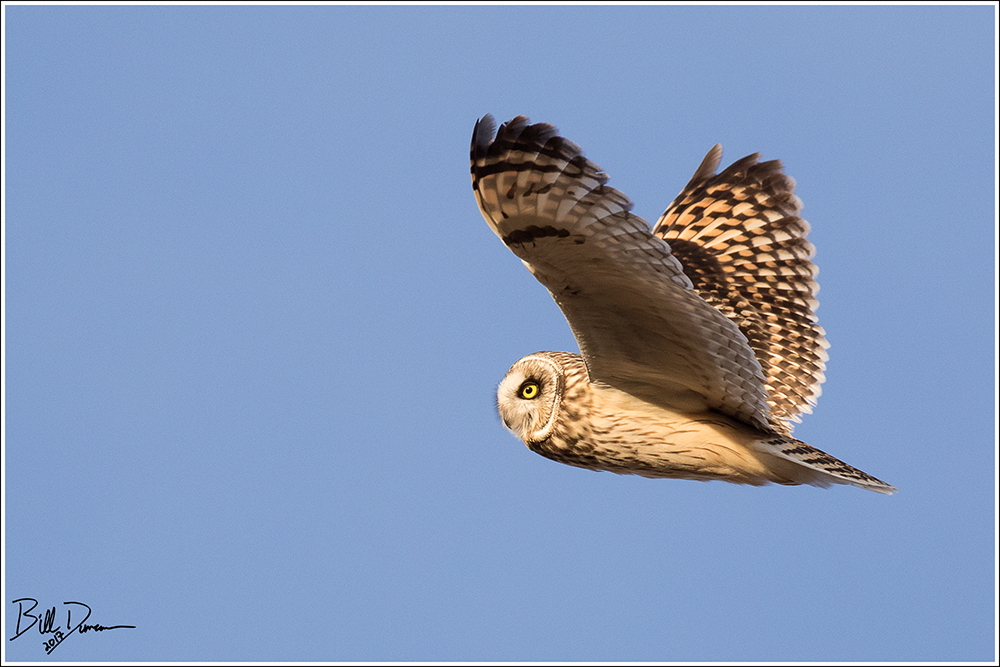
Short-eared Owl
A perfect day ended in the perfect way – with a great sunset on the Lincoln Hills.













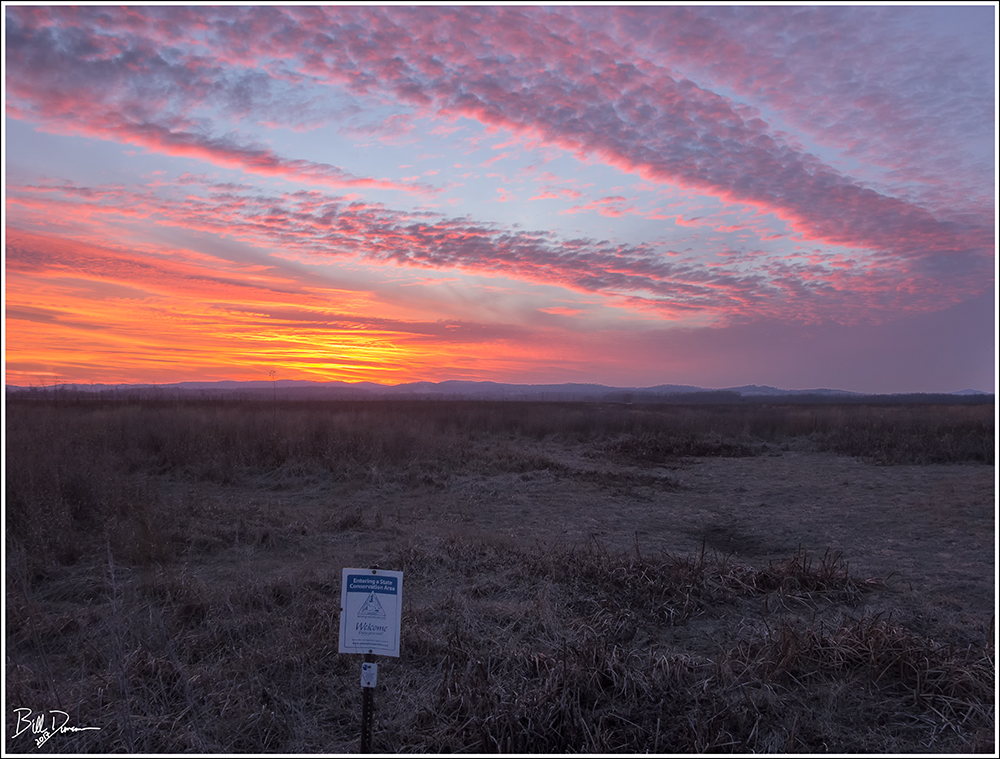
 A Thousand Acres of Silphiums