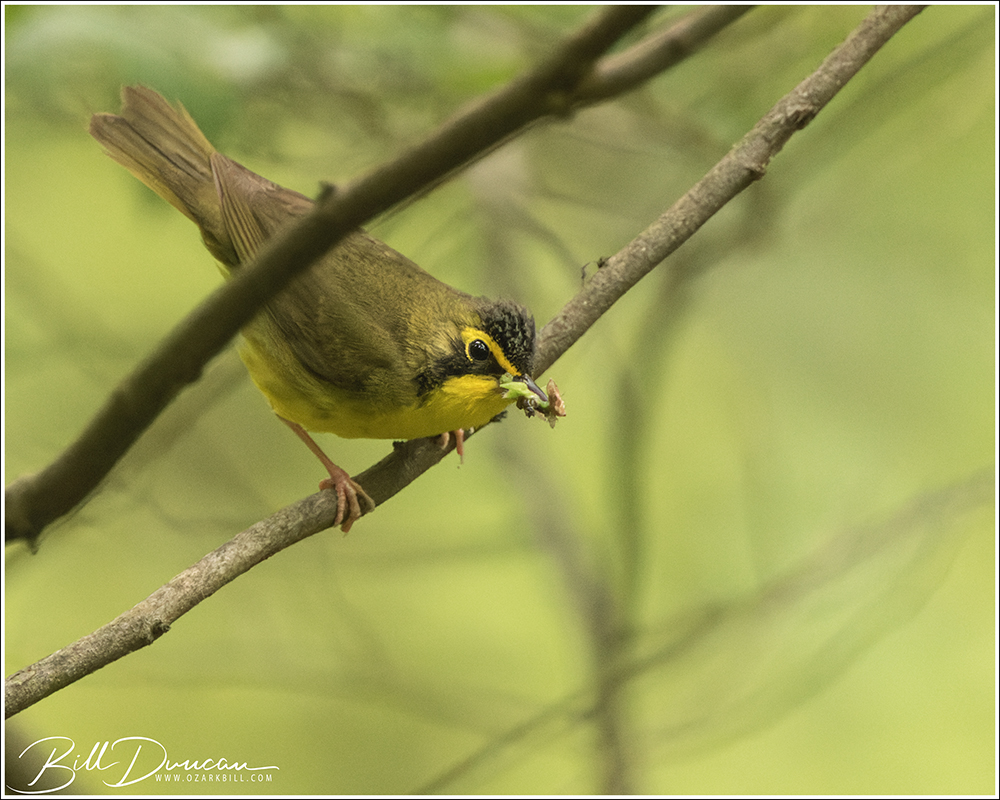
From a late May trip to Weldon Springs Conservation Area. I found this Kentucky Warbler with some insects, presumably on its way to provision some chicks in a nearby nest.
Weldon Springs C.A.
"What a thousand acres of Silphiums looked like when they tickled the bellies of the buffalo is a question never again to be answered, and perhaps not even asked." -Aldo Leopold
From a late May trip to Weldon Springs Conservation Area. I found this Kentucky Warbler with some insects, presumably on its way to provision some chicks in a nearby nest.
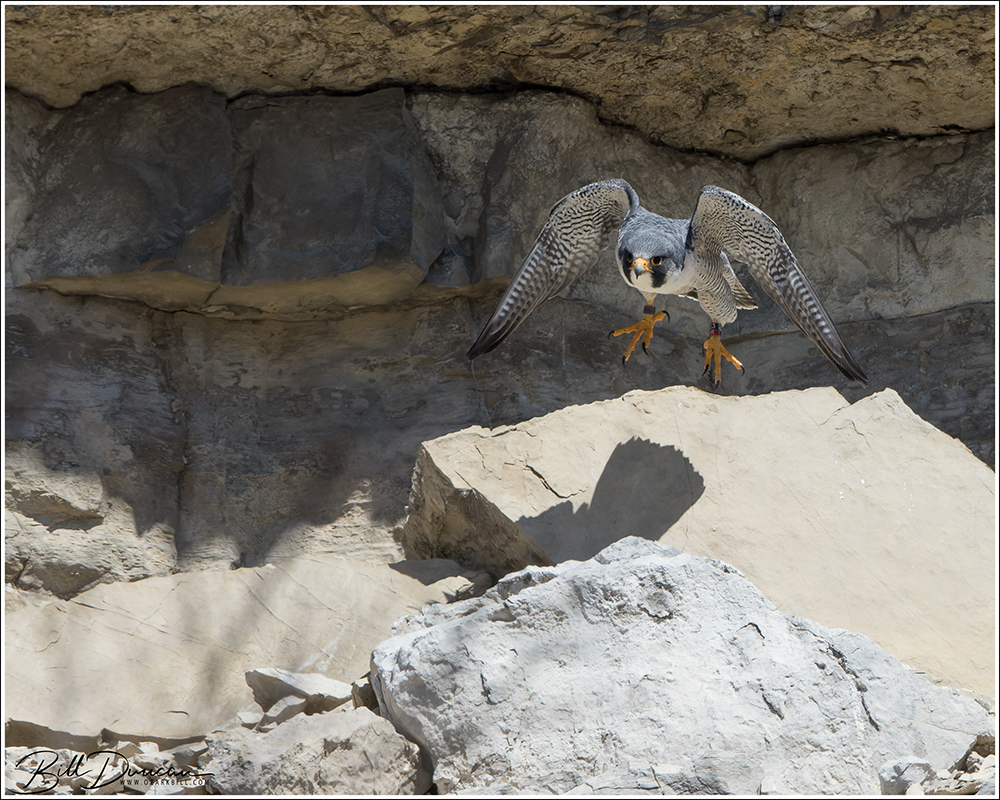
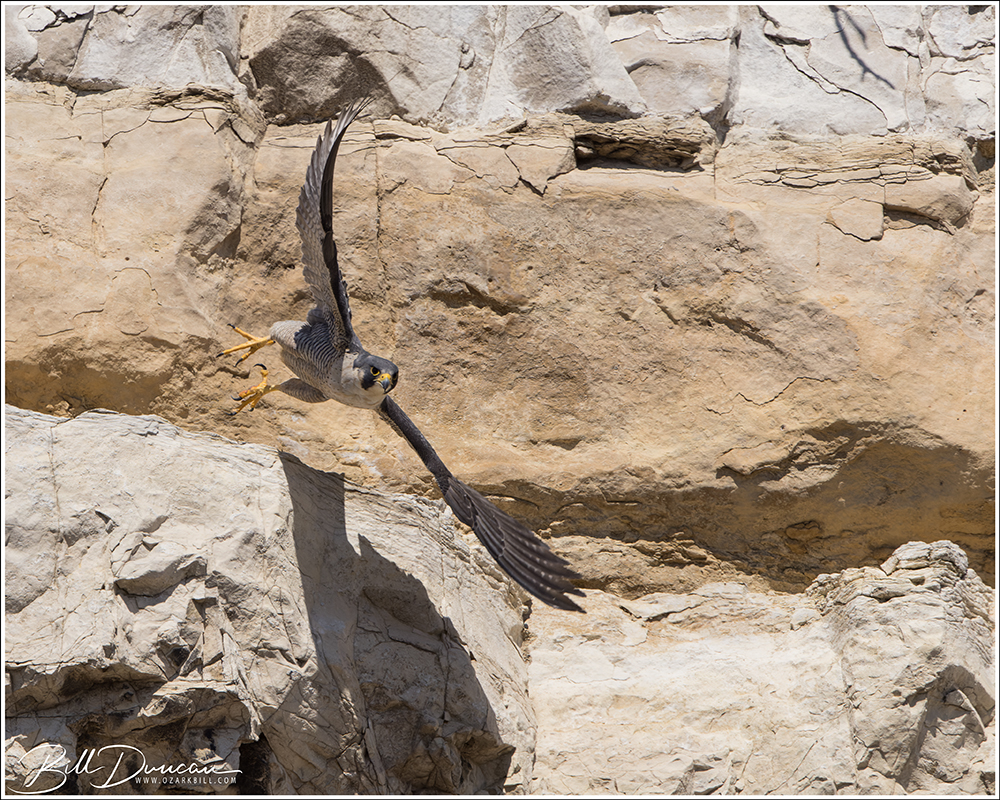
Unfortunately, we didn’t have an opportunity to get back to the nest site until late May. When we returned, we found the parents were busy raising four already good-sized chicks. The photography was challenging. We had to contend with the too-speedy traffic of the river road that lied between us and the bluff face where the nest was located and the heat distortion that this blacktop created. There is also the issue of trying to photograph the fastest vertebrate on the planet.

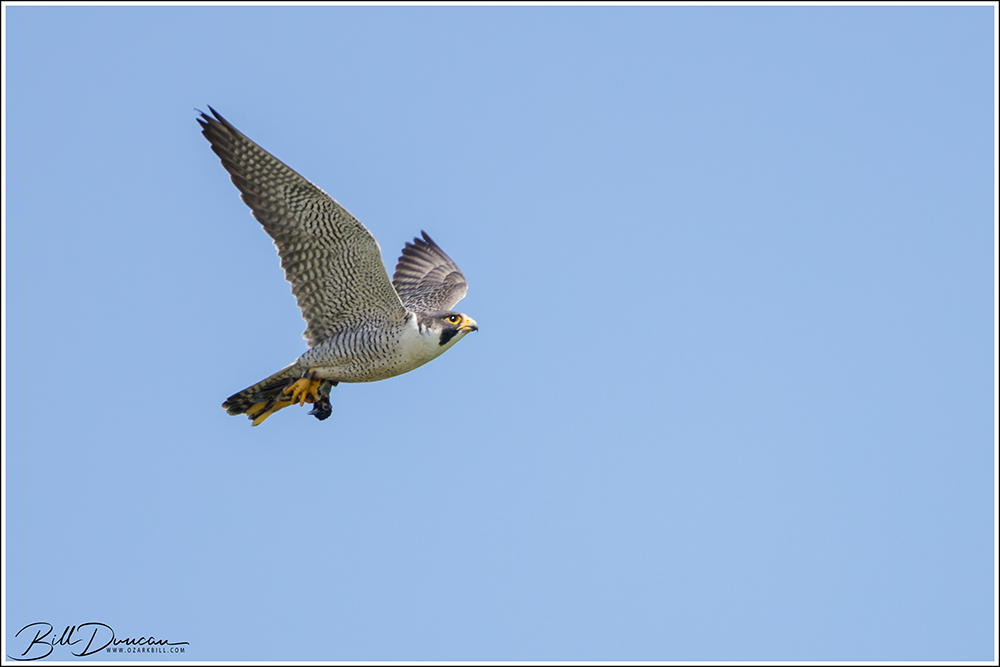

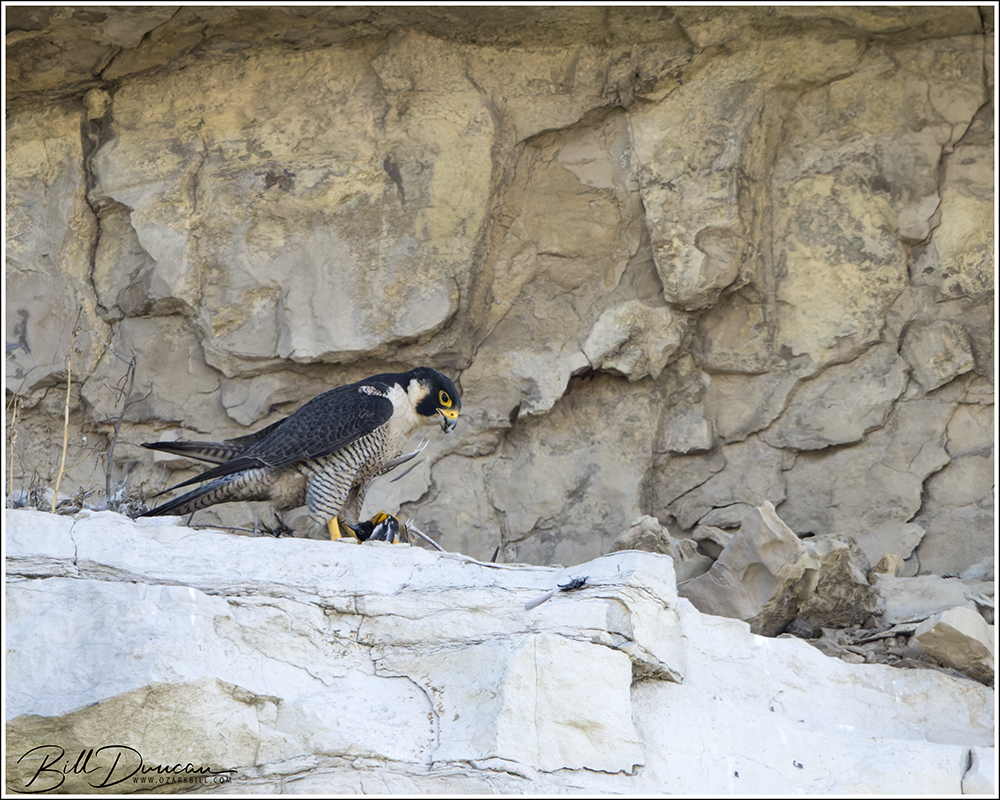
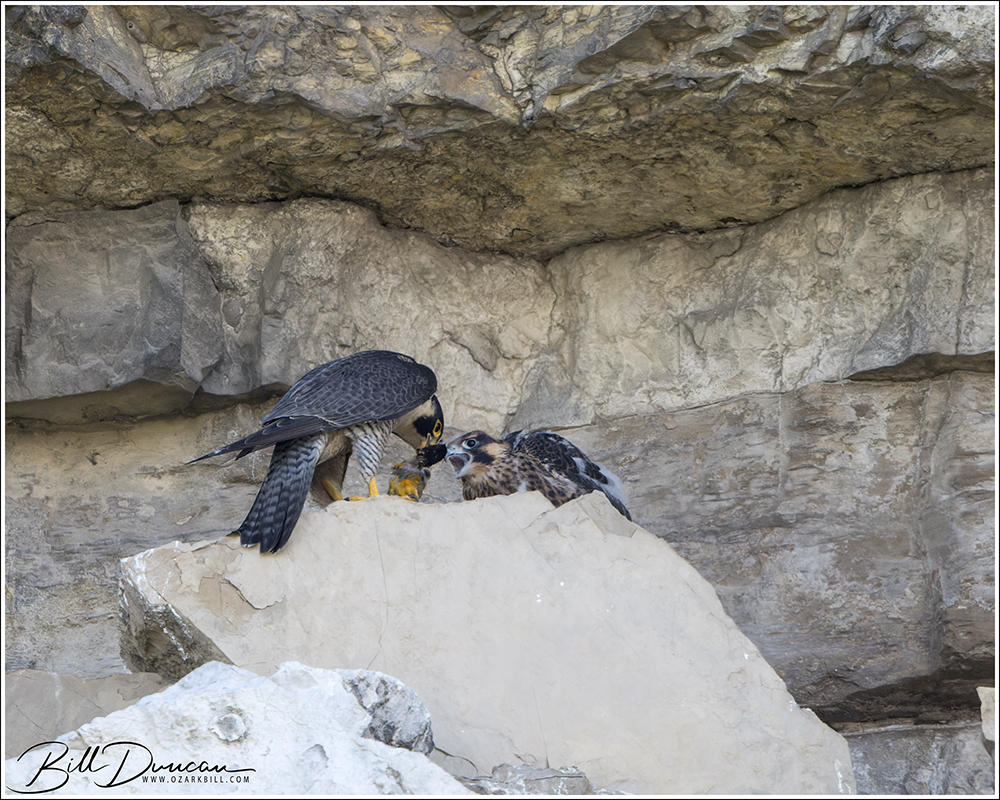


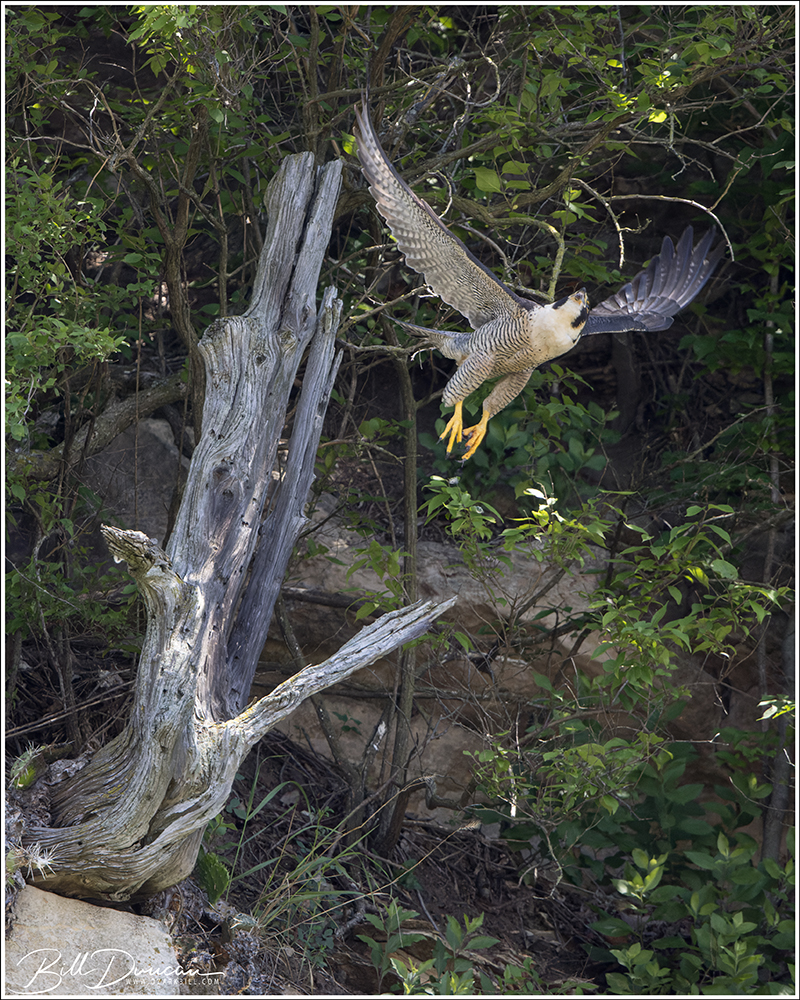
Miguel and I spent a few hours in the spring and early summer of 2022 photographing a pair of Peregrine Falcons in Madison County, IL during their nesting season. In this first post, the photos were taken in March. There were likely no eggs in the nest at this point and the pair was bonding by the male bringing in food for the female and the two soaring the skies of their territory. It wound up being a pretty dramatic nesting season. Lots more pics to follow.





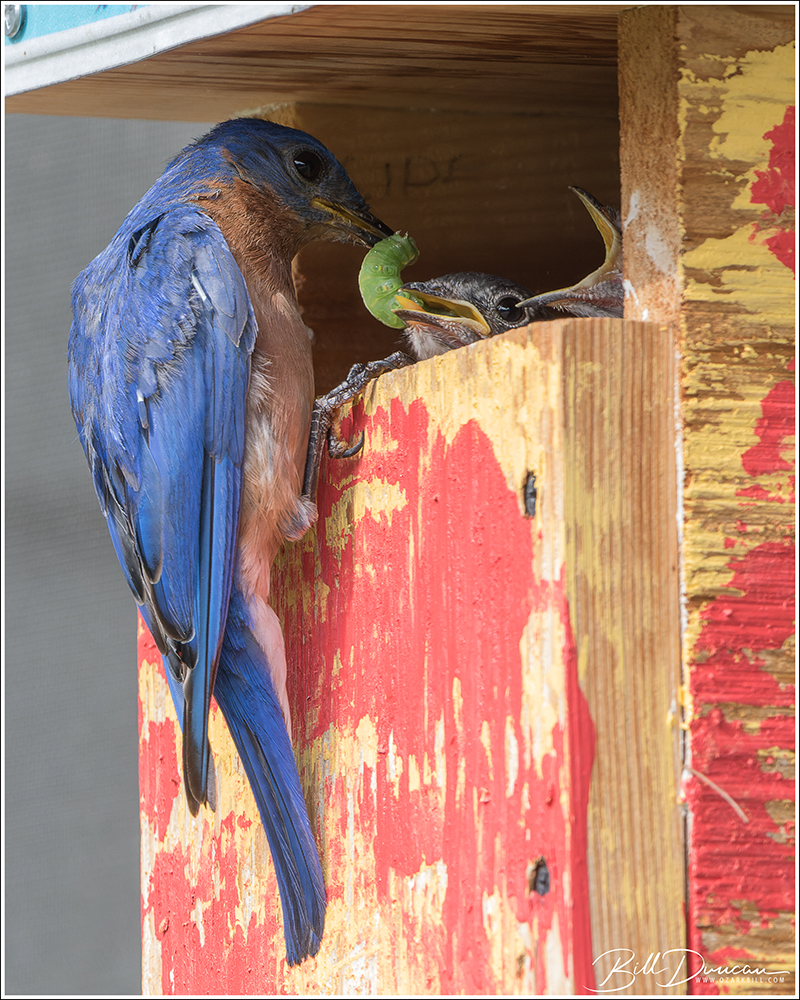
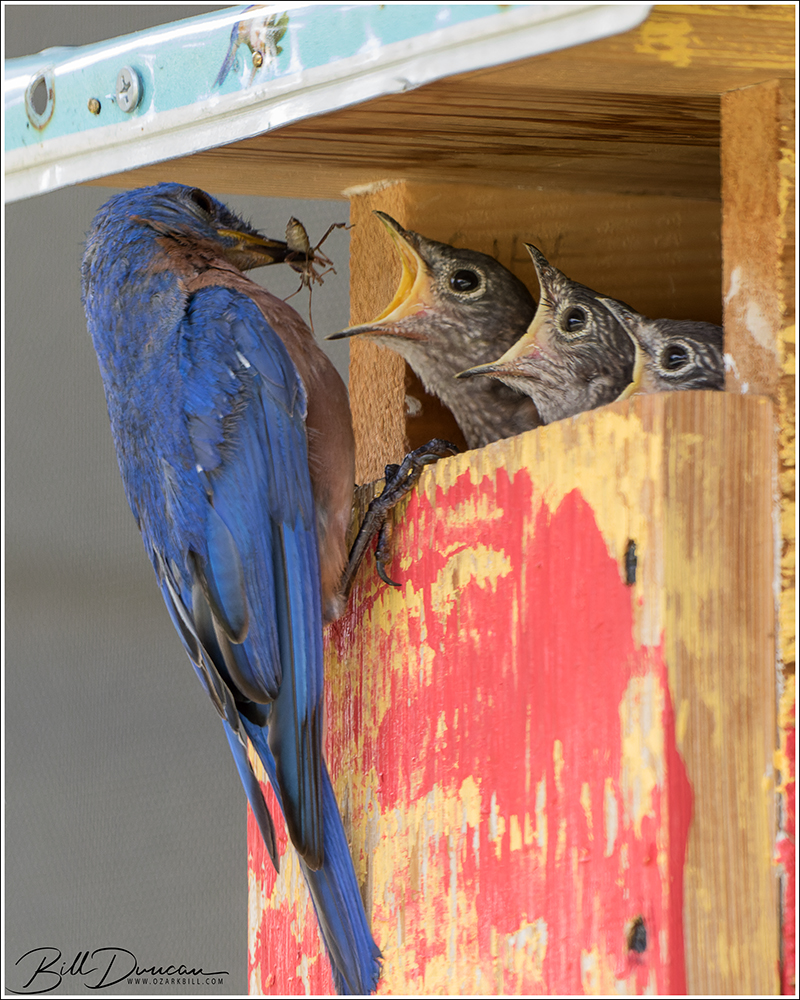
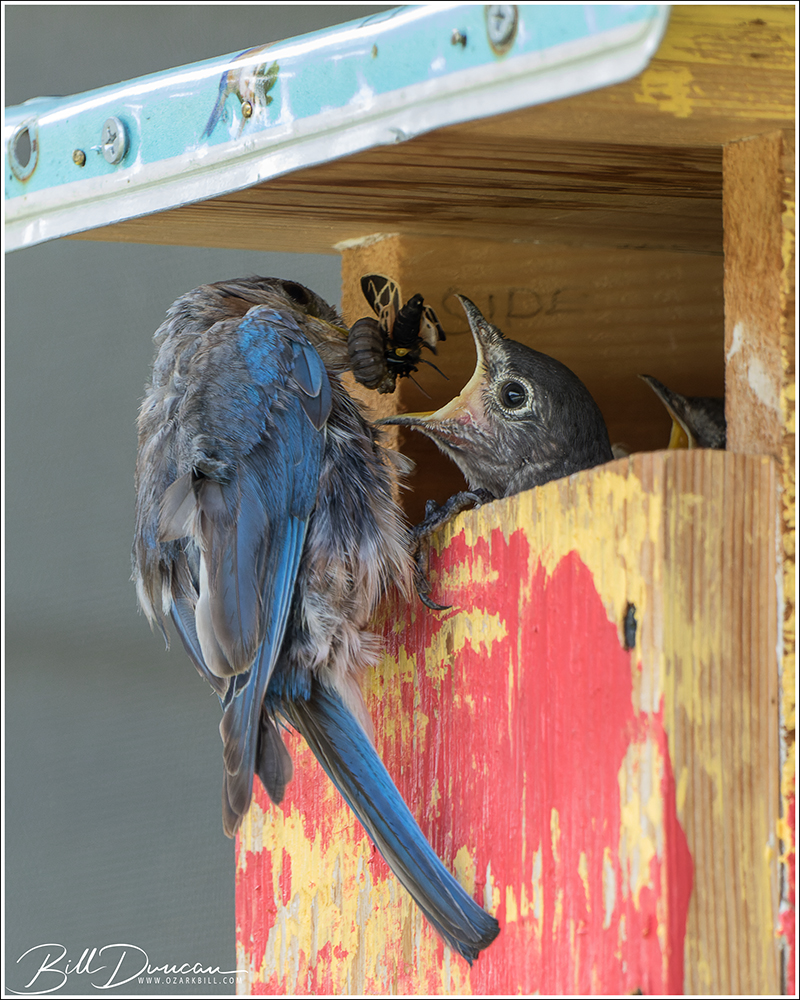
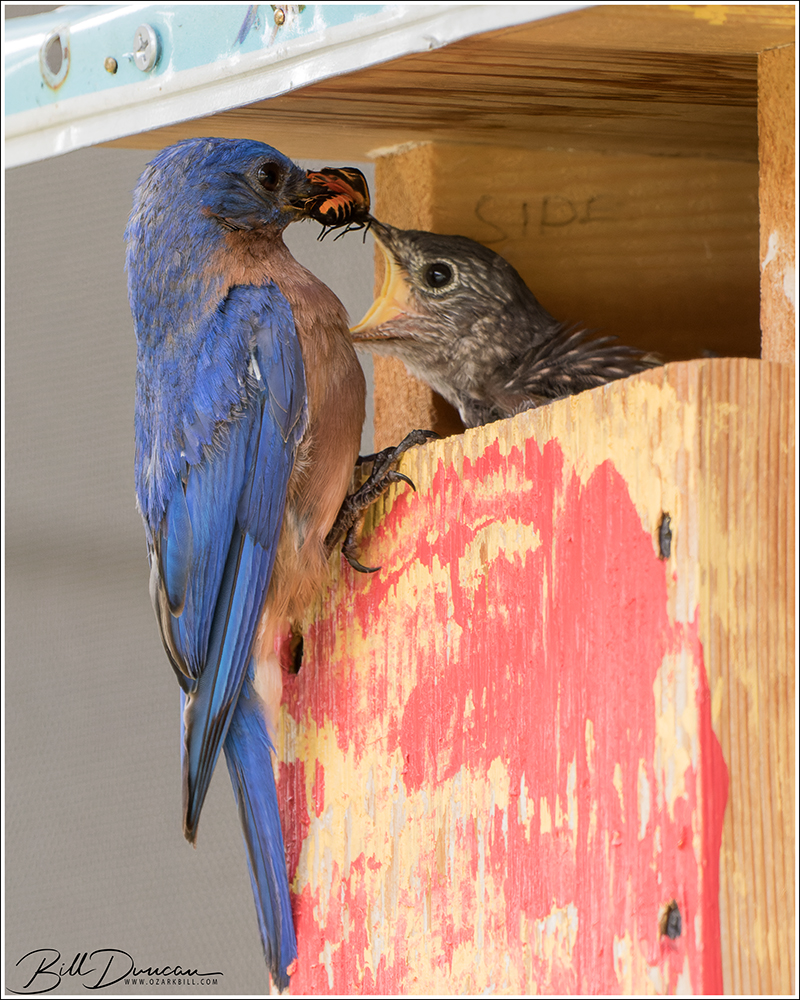
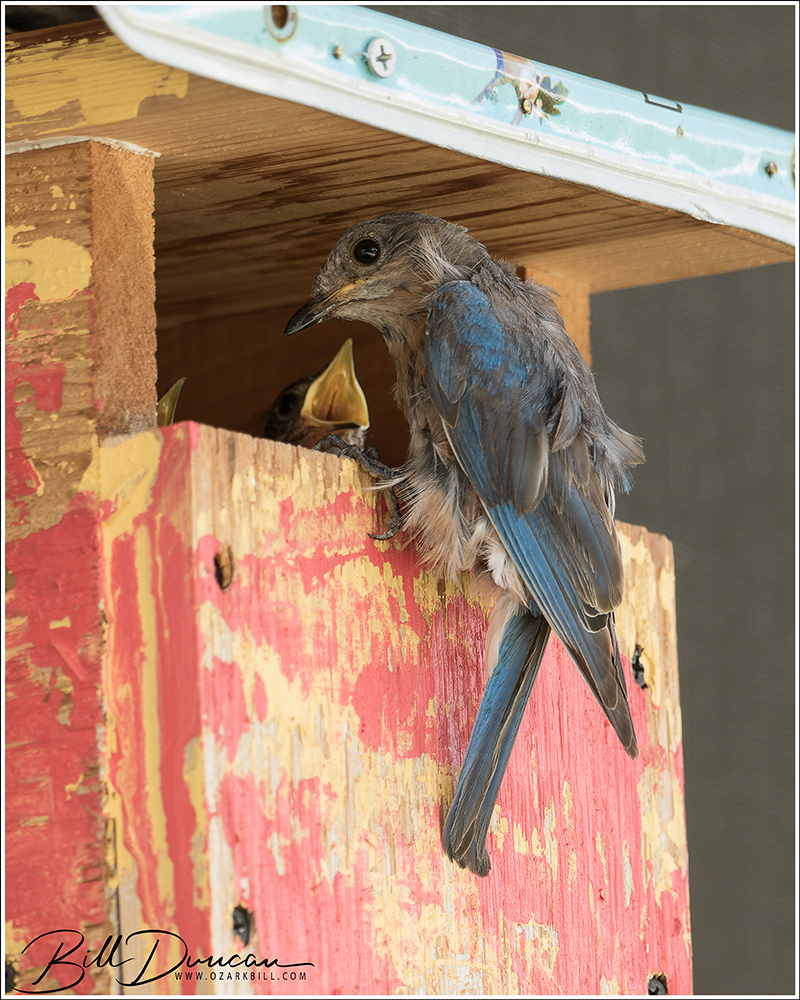
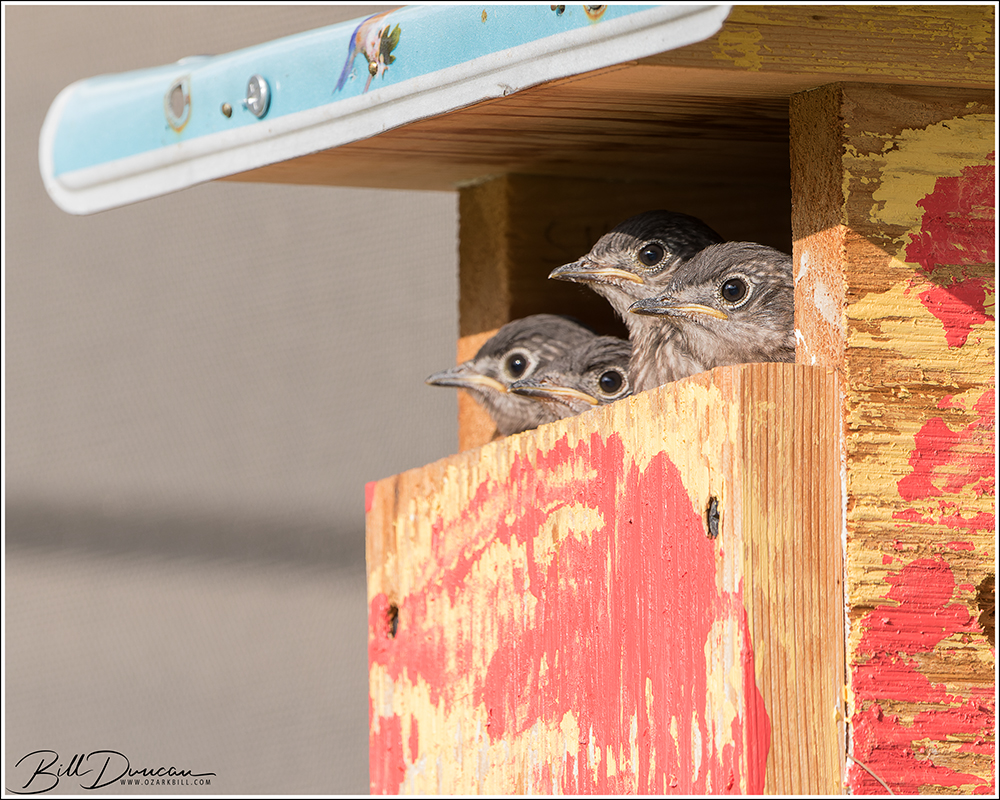
In the spring of 2021, I finally put up a couple of nest boxes in the yard of the new house. Both boxes were built and gifted by my father, Bart Duncan. Much appreciation! One box was designed specifically for bluebirds and a pair quickly staked their claim. They had an initial successful clutch, fledging three chicks, but on the next attempt, tragedy struck. During my monitoring visit, where there had been four half-developed chicks the day before I found not a single one. I believe the neighborhood racoons made a meal of them sometime during the night, leaving no evidence. It was early enough in the year that I wasn’t surprised that the pair tried again, but what surprised me was that they did not build a nest in the bluebird box, but used a box that was designed for Carolina Wrens that was bolted to the side of our screen porch. It made for some great photo opportunities that I am sharing here. I learned from my mistakes and have installed a baffle around the pole to the bluebird box along with a wire cage over the nest entrance. If a brood predator wants to get at them now they will really have to try hard. I am happy to say that to date, in the 2022 season, the pair successfully fledged two clutches – one of six and one of five chicks. Eleven new bluebirds this year, flooding the subdivision with bluebirds!
Ozark Bill
This beautiful adult Cooper’s Hawk flew through the yard a few times recently, attempting to catch diner. On this occasion it stopped on a shepherd’s hook and had a rest. I explained to it that it could have all the Starlings and ETS’s it could catch but to leave the juncos alone.

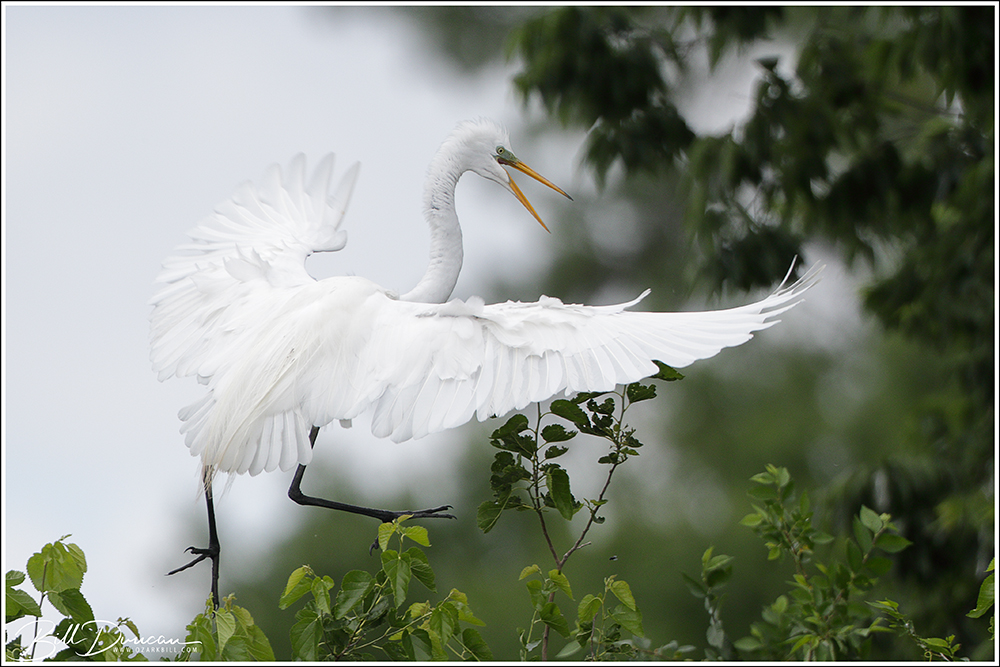
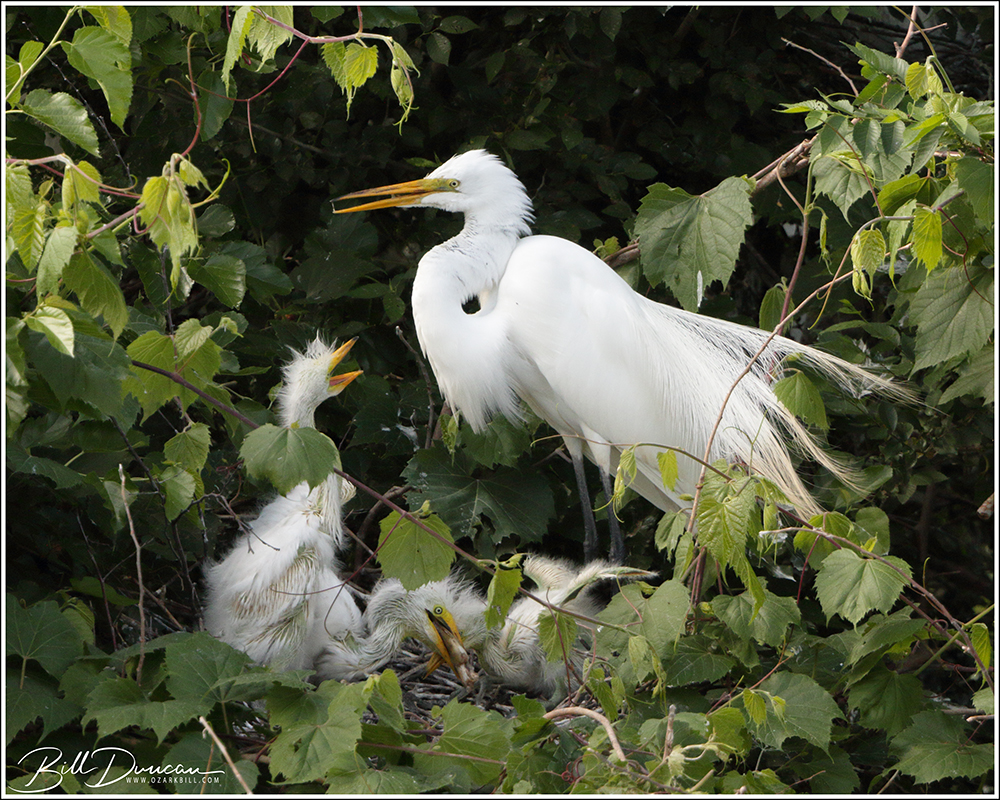
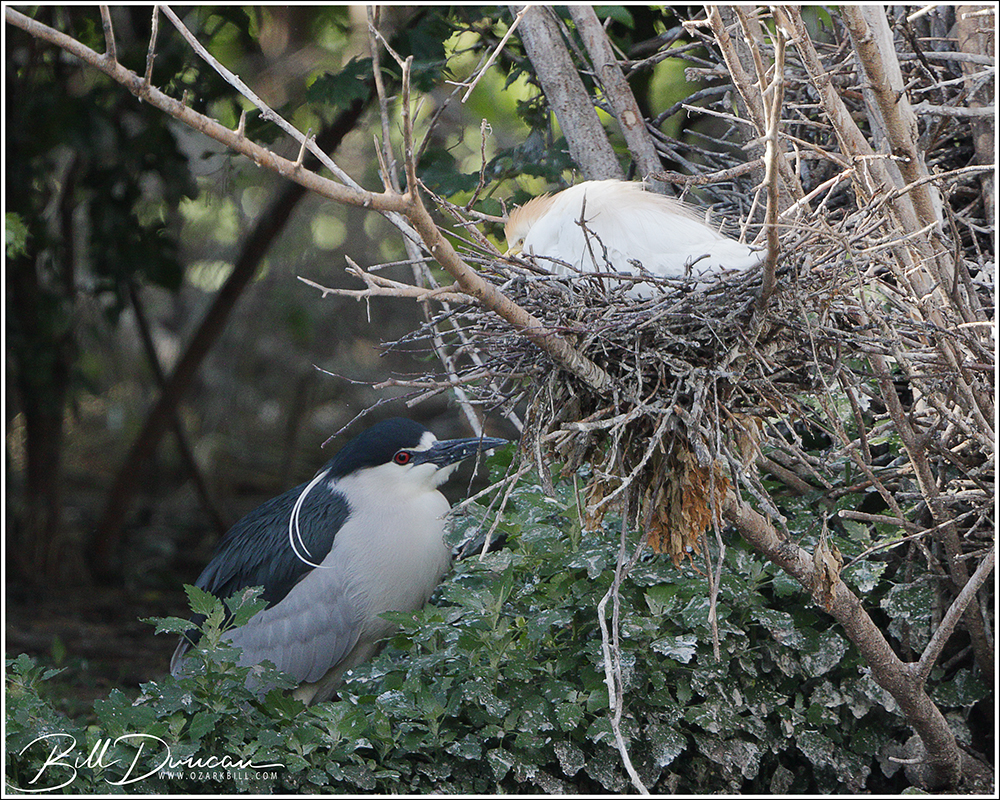
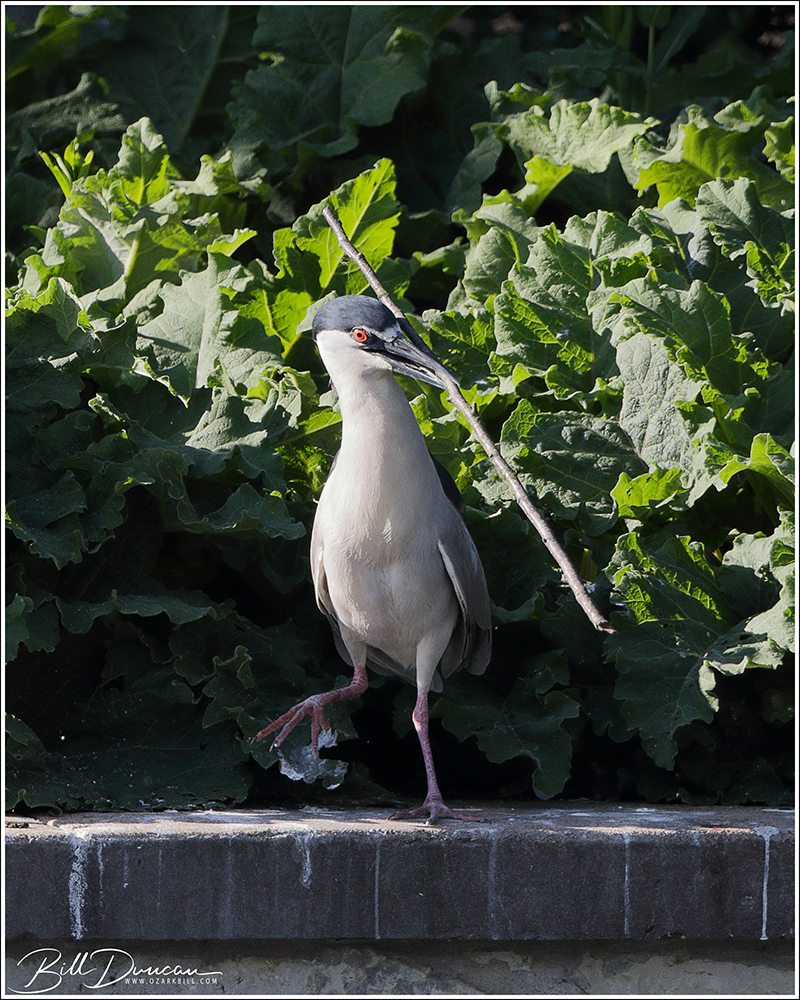
Here are some photos I’ve been sitting too long on from a trip the WGNSS Photography Group took back in May of this year. This is a splendid rookery that hosts at least five species of wading birds in O’Fallon Park that lies in north St. Louis.






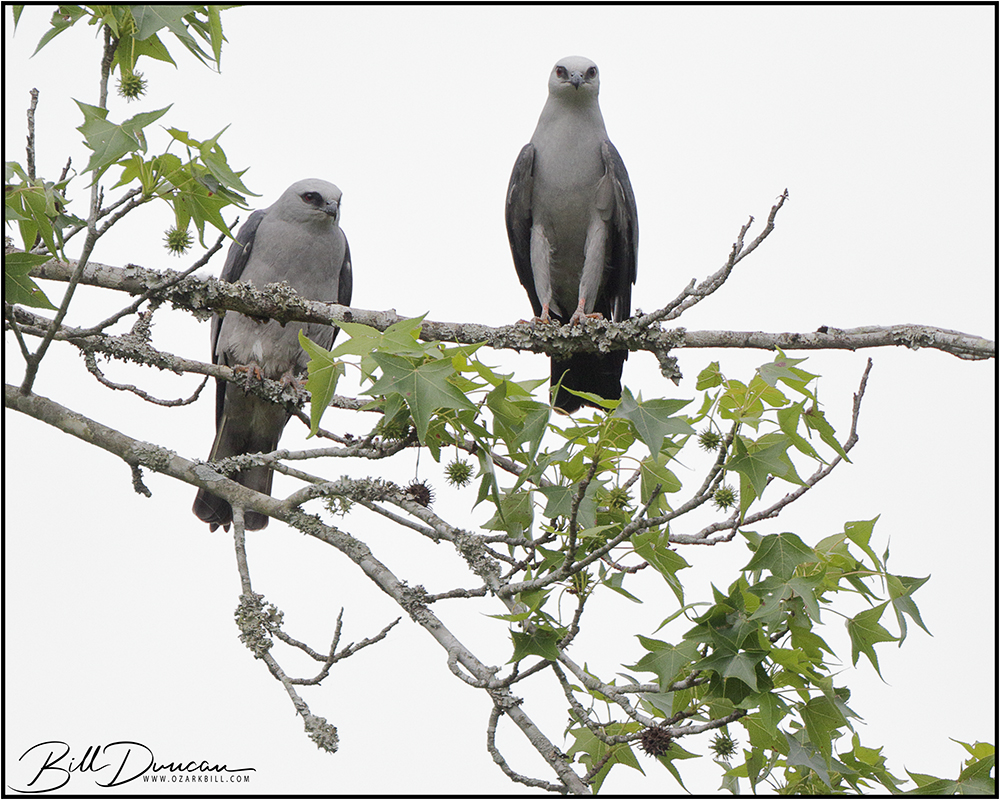
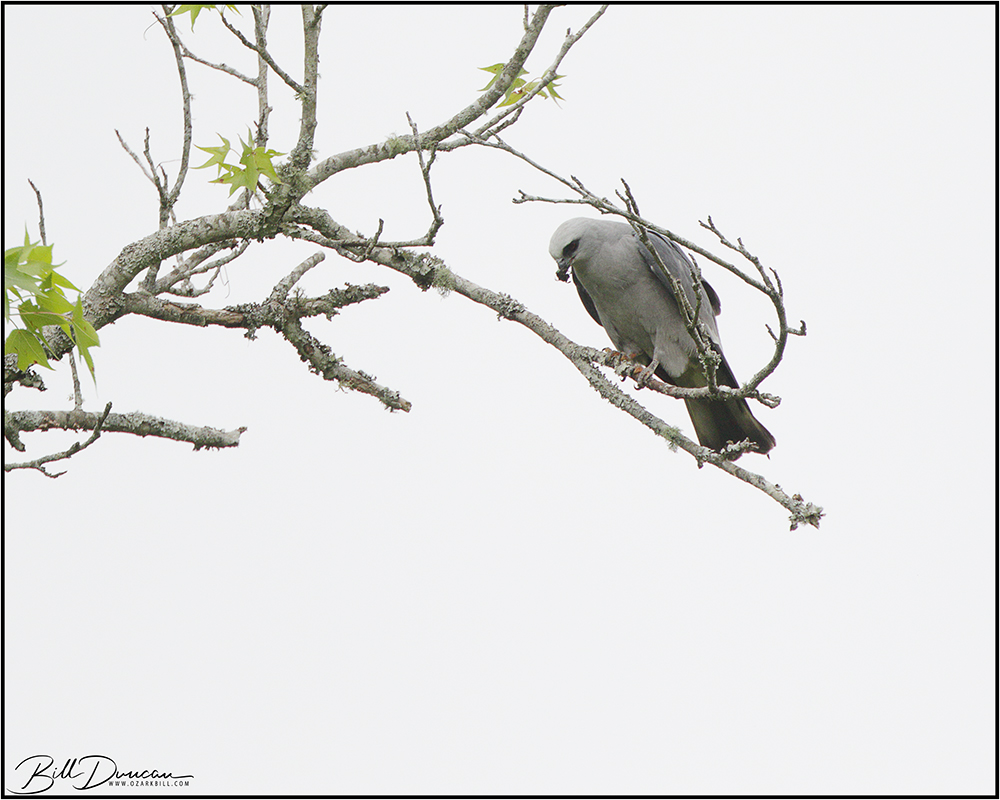
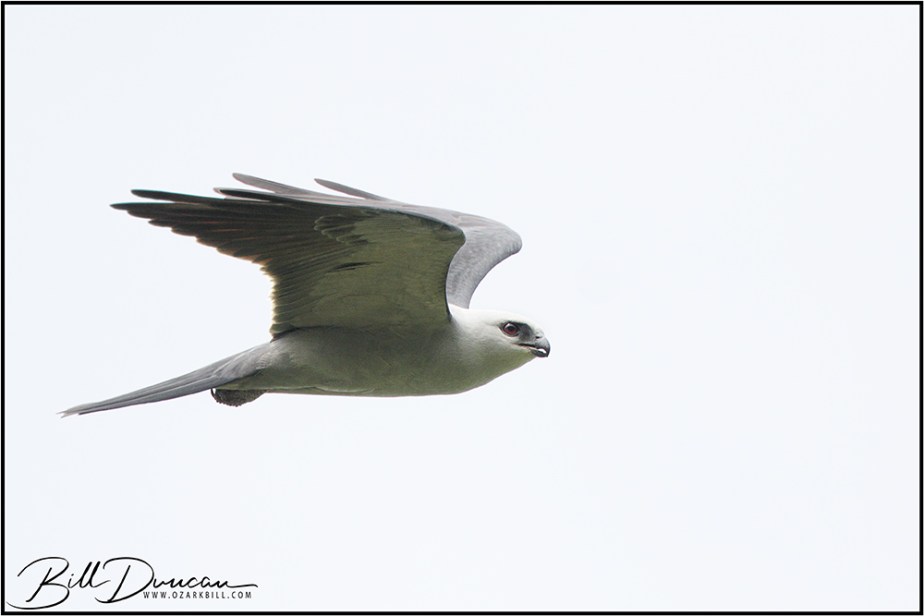
It is always nice finding your targets on a big photography trip but the icing on the cake is finding the unexpected. That is what happened here when Casey and spent some time at Moro Bay State Park in southern Arkansas. When speaking to a very friendly park ranger, he let us on to where a pair of these birds setup territory and were virtually oblivious to humans. These birds completely ignored us as they flew to and from their favorite perches, often flying mere feet over our heads. We watched the male handoff their insect prey a number of times and even witnessed a copulation, but those photos were ruined by branches.





 A Thousand Acres of Silphiums