"What a thousand acres of Silphiums looked like when they tickled the bellies of the buffalo is a question never again to be answered, and perhaps not even asked." -Aldo Leopold
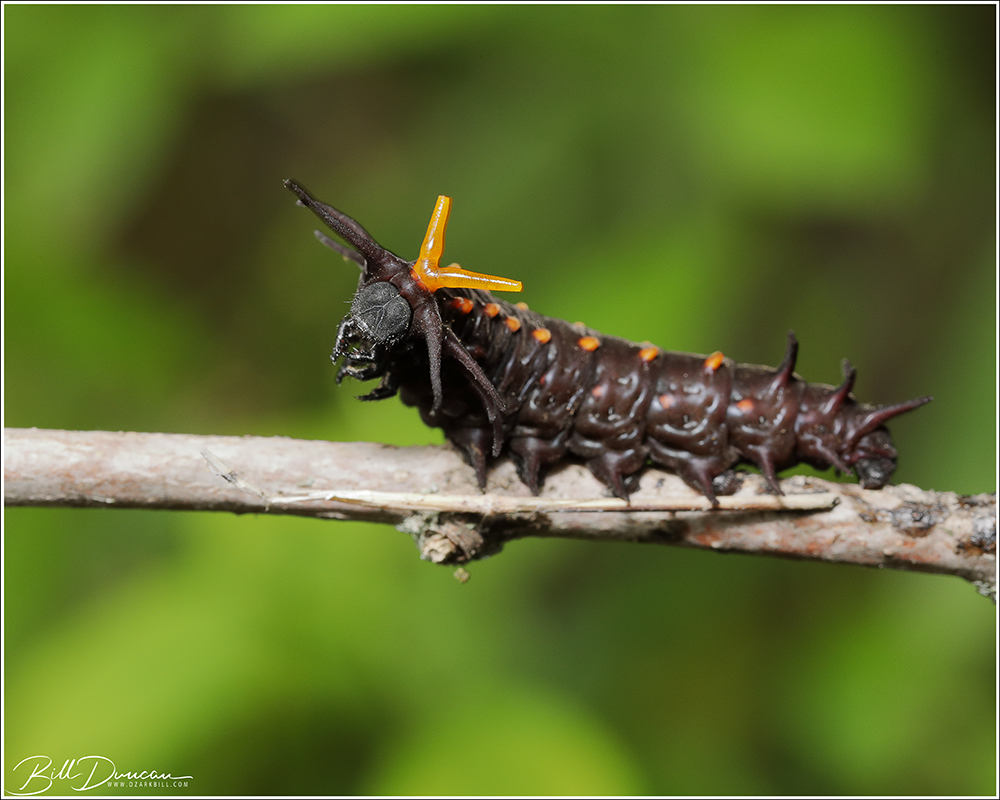
I finally lucked out and found a late instar Battus philenor. This guy was walking along a trail, presumably looking for a good spot to pupate. I persuaded it to walk on a stick for a brief period to pose for a couple of portraits and then left it where I found it.
The orange and black coloration exhibited by Battus philenor are considered aposematic coloration, warning would-be predators of their distasteful nature. This distastefulness is due to the sequestering of aristolochic acids that are found in their host plants of the Aristolochia genus.
A wee bit of gentle prodding coaxed the cat to evert its osmeterium, a defensive organ that is used to dissuade predators and/or parasitoids.
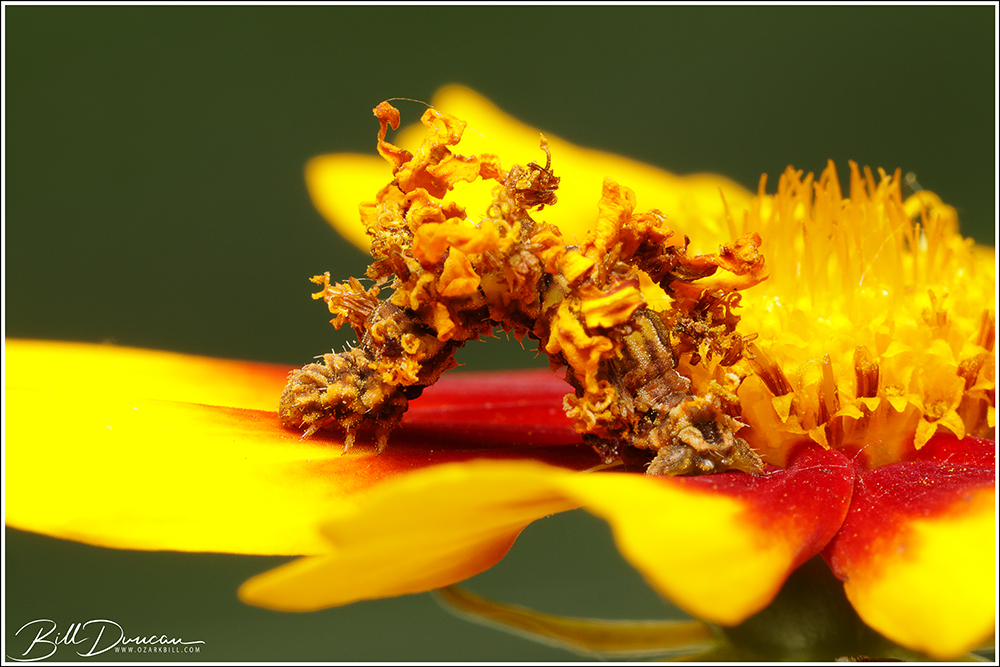
Back in mid-June I discovered a number of Synchlora aerata (camouflaged looper, wavy-lined emerald moth) that were using our coreopsis as host. Not only are these spectacular adult moths in the family Geometridae, but they are obviously special while in the larval phase as well. These caterpillars are known for attaching bits and pieces of the plant tissues they feed on (often flower petals) to their backs as means of camouflaging against their predators.
The Synchlora aerata, on Coreopsis sp. in a suburban wildflower garden in St. Louis County, MO, USA
I often find these guys with their camouflage dull, dry and not very attractive. You can change this pretty easily by placing them in a container with a fresh native flower of your choice. Hopefully within a day or two the caterpillar will have adorned itself with a fresh and colorful coat!
The Languria bicolor (Erotylidae) is placed in the tribe Languriini (lizard beetles). Larvae of lizard beetles develop within the stems of plants and adults feed on the tissues and pollen of the same or nearby plants. This individual was found in July 2021 at the Beaumont Scout Reservation, St. Louis County, Missouri.
The nine-banded armadillo invasion of Missouri is over. Armadillos have now been found near the Missouri-Iowa border and in the St. Louis metro area they are now almost as common roadkill as are racoons. I find these animals fascinating and Sarah and I once kept one as a pet for a brief time. Casey and I found several armadillos digging up plant bulbs in the fields of Peck Ranch while looking for elk last winter.
One of several nine-banded armadillos we found at Peck Ranch C.A. during mid-December, 2020.
There are all sorts of interesting bits of information that can be shared about these guys. Here are a couple of my favorites. 1) Twenty five years ago you would not find armadillos anywhere in the state. 2) The armadillo is the only other known animal, besides humans, to carry the disease leprosy. These two factoids are related because they likely have the same underlying cause behind them – the lower body temperature of armadillos. Armadillos have a lower working body temperature than most mammals, maintaining it at about 89 °F. The increasingly warmer winters over the past few decades has allowed the armadillo to get through the previously limiting winters, allowing their northward expansion. Their lower body temperature also allows them to be carriers of the bacteria (Mycobacterium leprae) known to cause leprosy. This bacteria thrives in tissues of lower temperatures, such as the tips of our noses and fingers and within the armadillo.
Much like most mammals in our state, the nine-banded armadillo has famously bad eyesight. They rely primarily on their keen noses to sense the world around them.
Here we have a few shots of a small carpenter bee that was very cooperative this past April at Beckemeier Conservation Area as it nectared from a spring beauty blossom. This is one of the bees that nests and overwinters in old broken pithy stems that it excavates. So here is who you might be helping by leaving your dead stems sit through the winter.
From February – Pete and I took a trip to Kaskaskia Island to see if we could find the Whooping Cranes. We had great looks of these two adults and a juvenile.
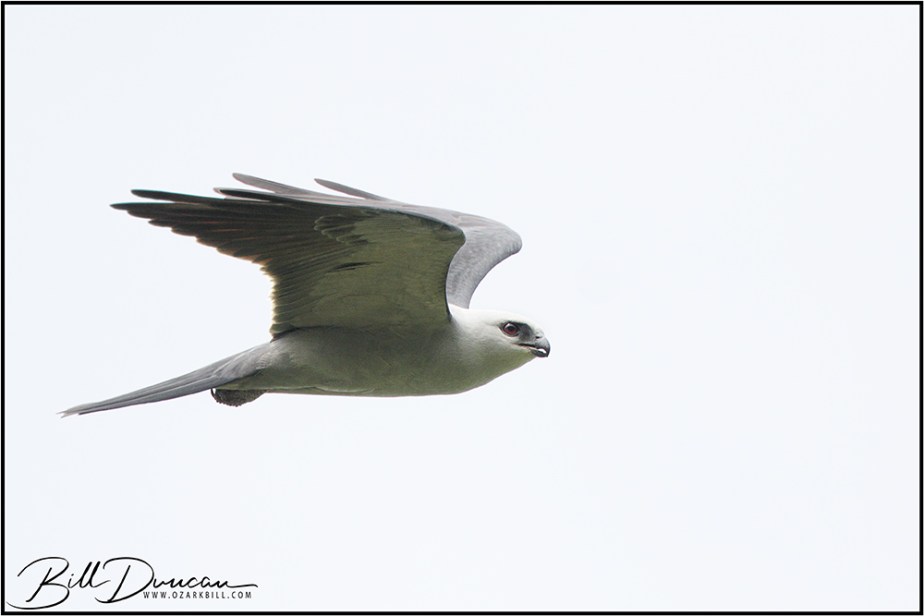
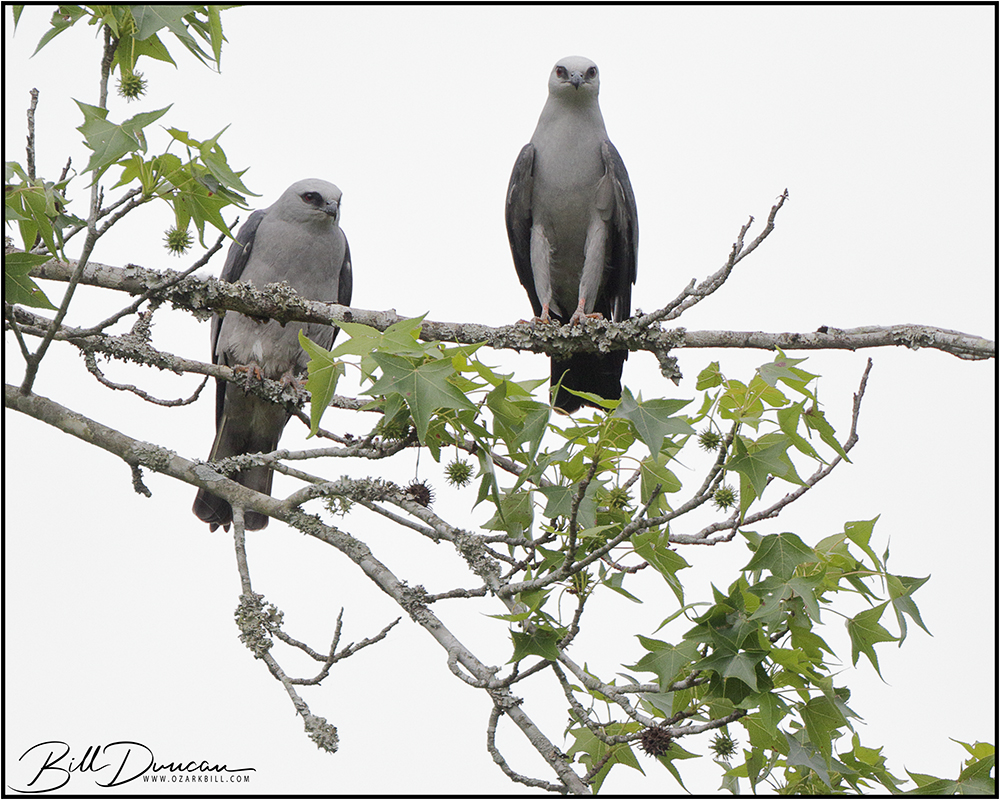
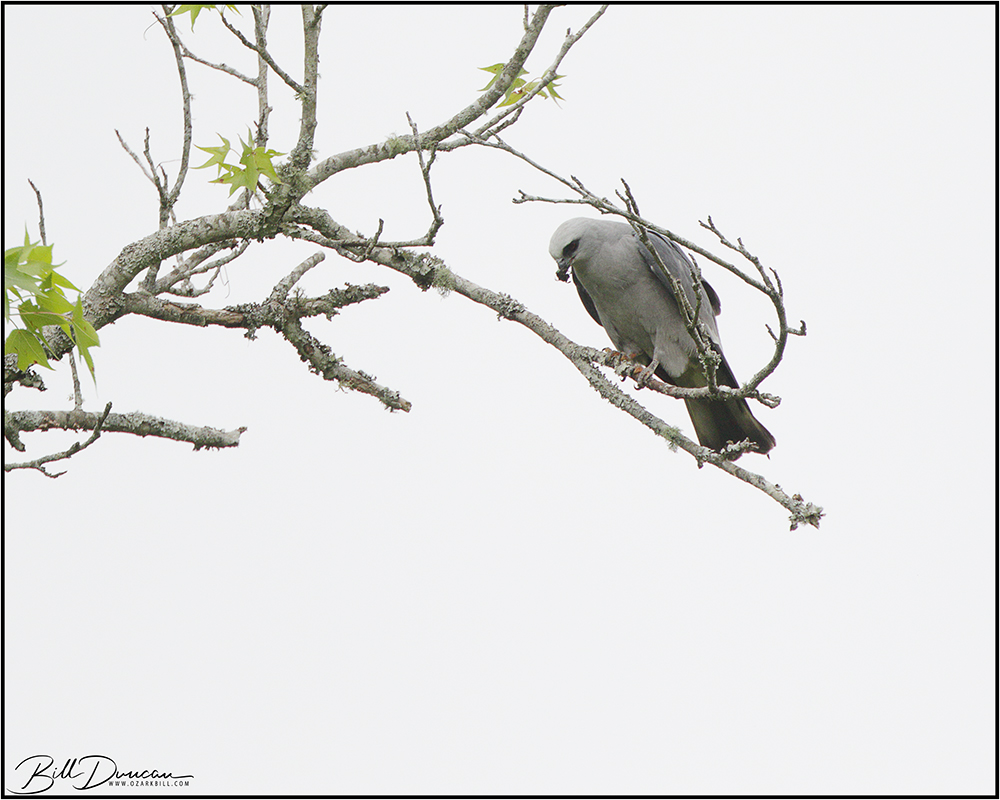
It is always nice finding your targets on a big photography trip but the icing on the cake is finding the unexpected. That is what happened here when Casey and spent some time at Moro Bay State Park in southern Arkansas. When speaking to a very friendly park ranger, he let us on to where a pair of these birds setup territory and were virtually oblivious to humans. These birds completely ignored us as they flew to and from their favorite perches, often flying mere feet over our heads. We watched the male handoff their insect prey a number of times and even witnessed a copulation, but those photos were ruined by branches.












 A Thousand Acres of Silphiums