"What a thousand acres of Silphiums looked like when they tickled the bellies of the buffalo is a question never again to be answered, and perhaps not even asked." -Aldo Leopold
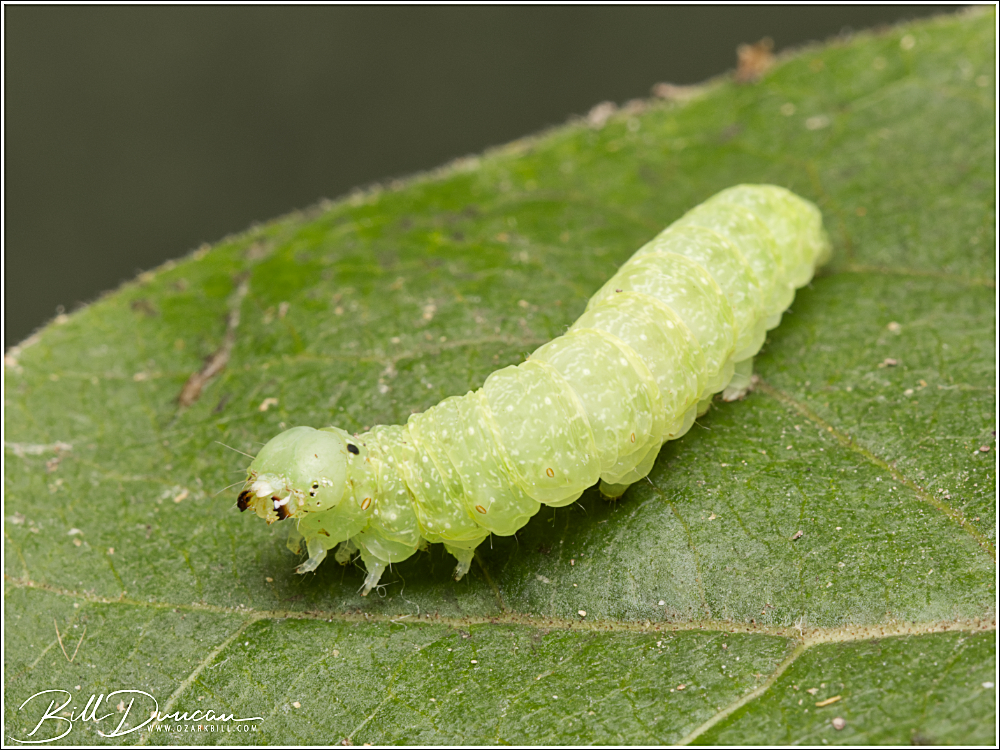
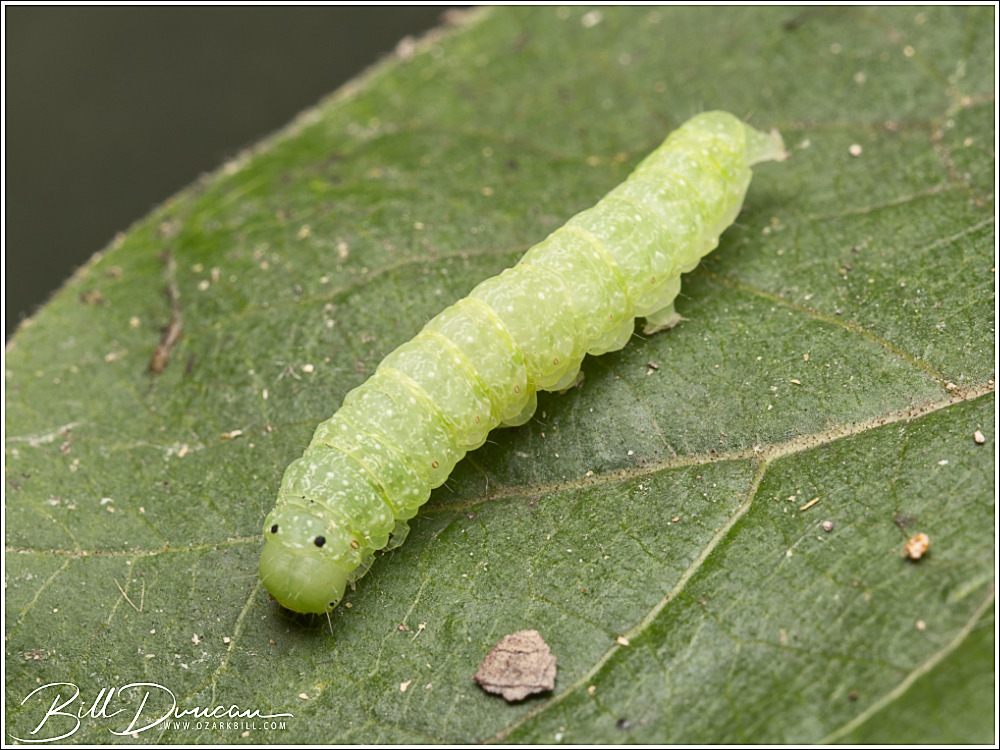
Small Necklace Moth Hypsoropha hormos fam. Erebidae Host plant: Found on persimmon (Diospyros virginiana) Date found: 3, Aug, 2024 Locations Found: Cuivre River State Park, St. Louis County, MO Notes: Described by one of the fathers of entomology, German lepidopterist, Jacob Hübner.
Virginia Creeper Sphinx Moth Darapsa myron fam. Sphingidae Host plant: Found on wild grape (Vitis sp.) Date found: 13, Sep, 2024 Locations Found: River’s Edge Park, St. Louis County, MO Notes: Other common name is hog sphinx.
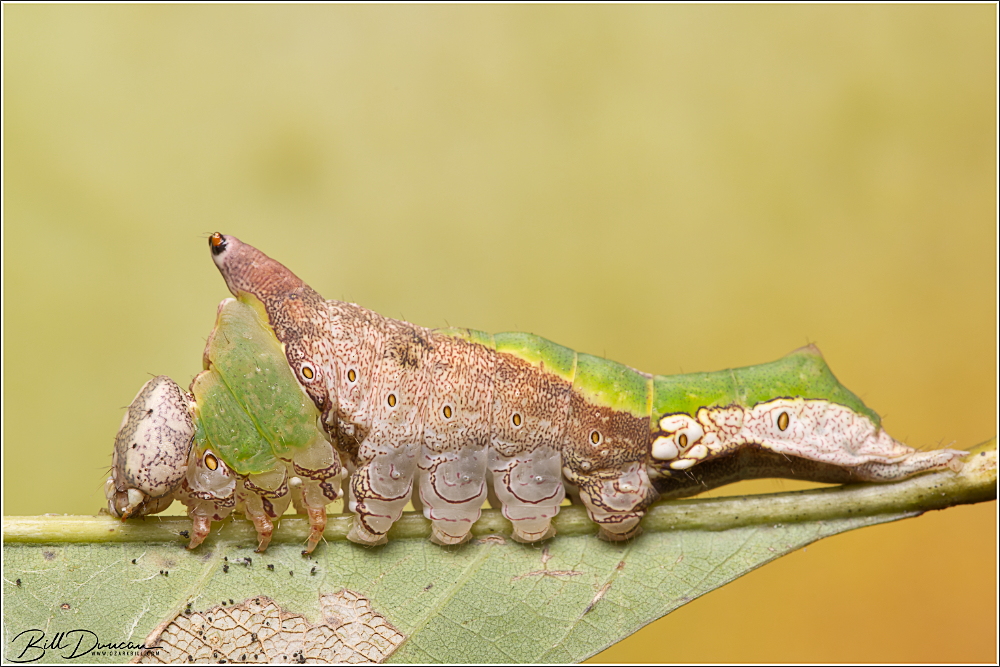
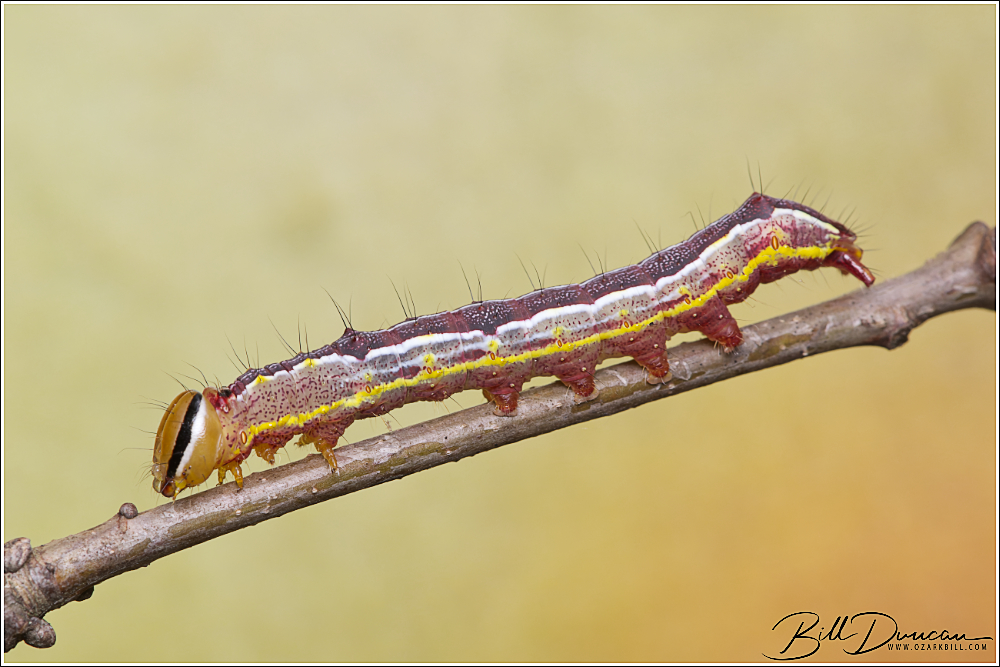
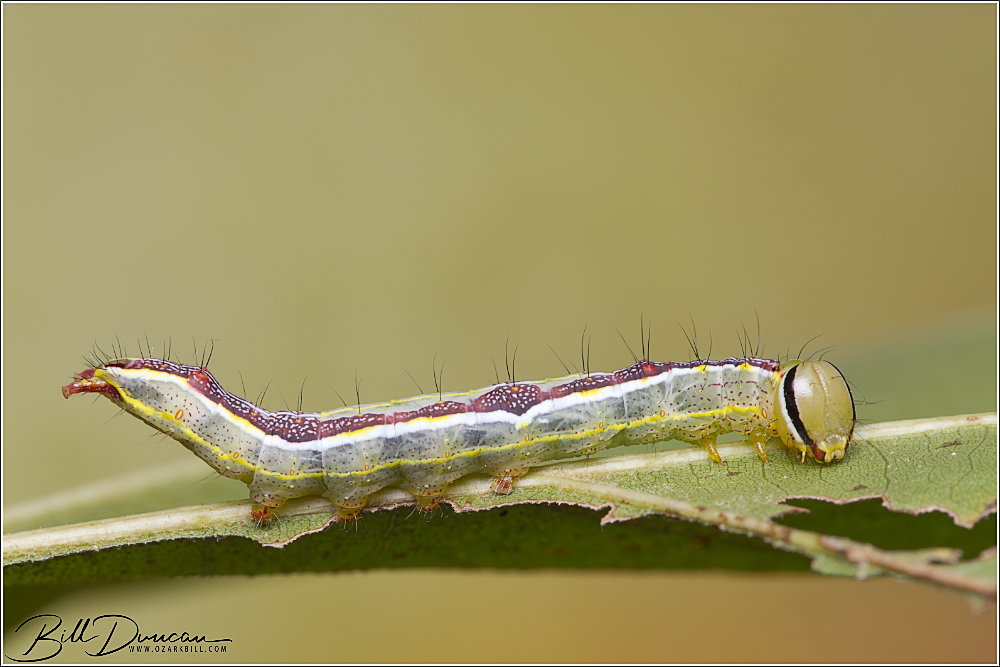
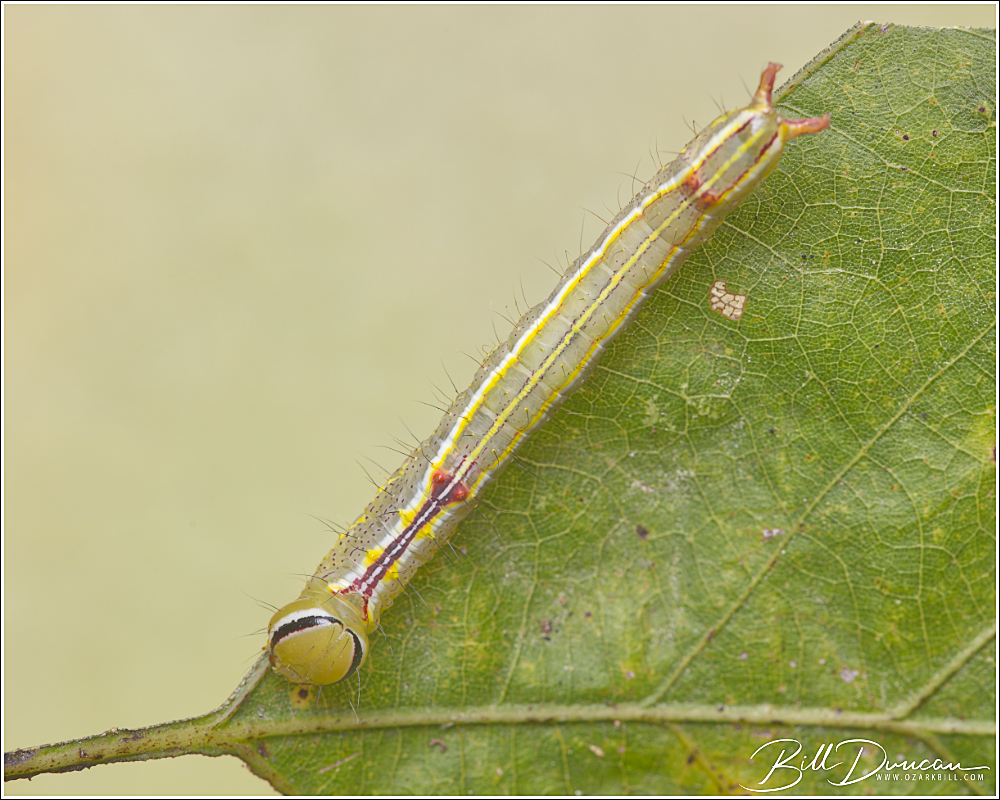
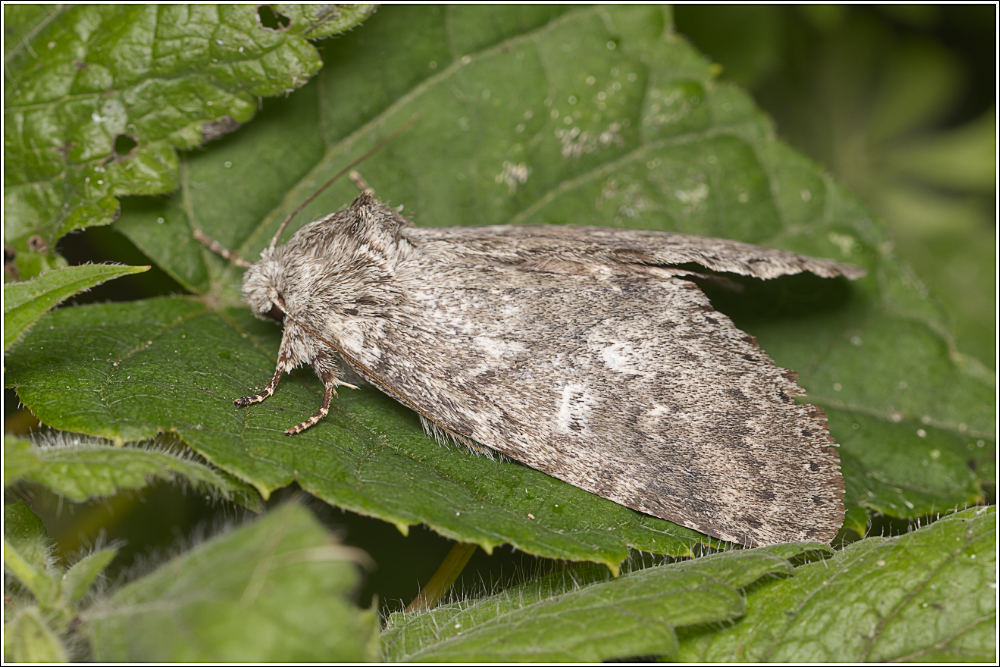
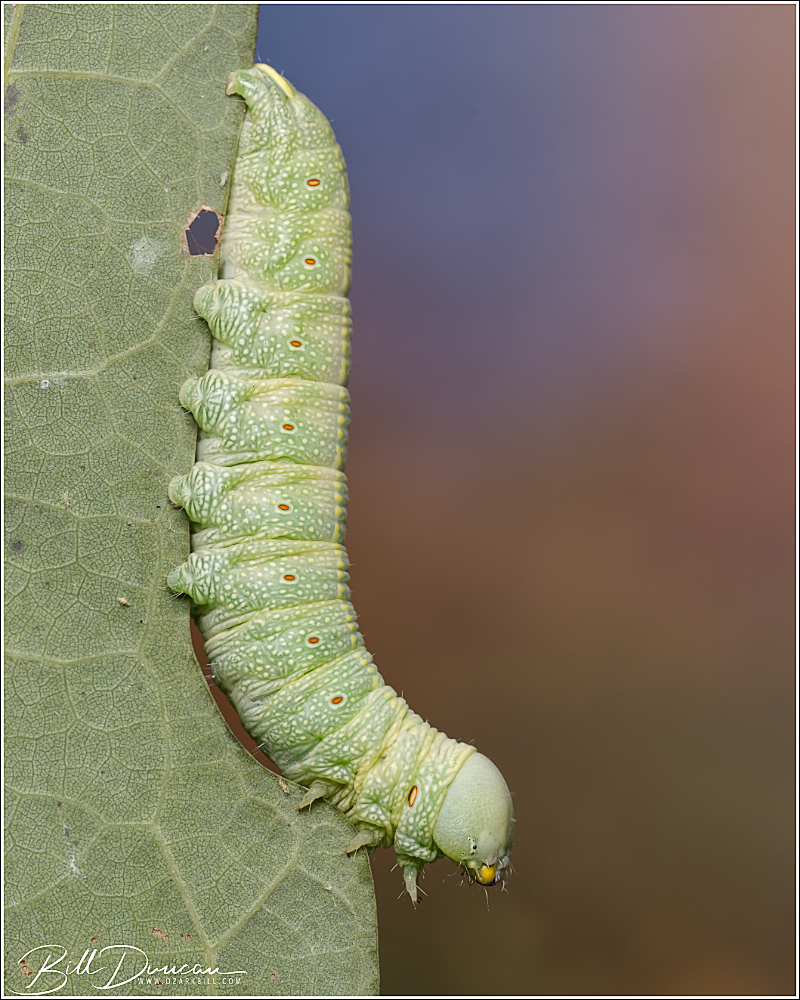
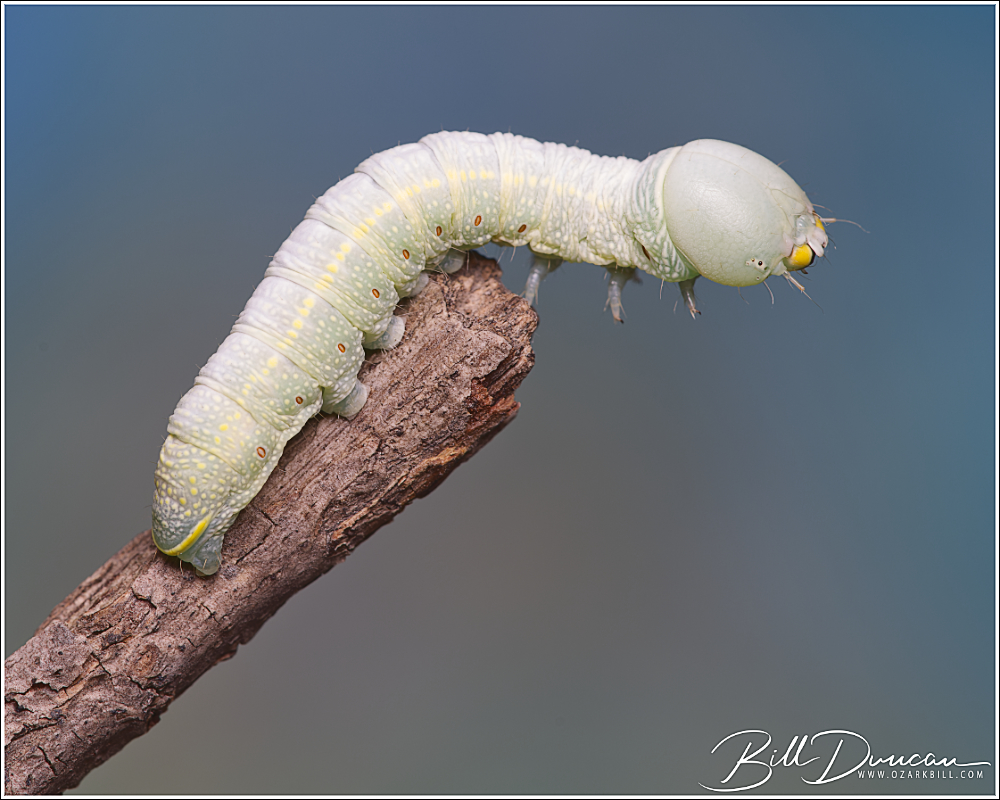
Lace-capped Caterpillar Ianassa lignicolor fam. Notodontidae Host plant: Oaks and other Fagaceae members Date found: 21, Sep, 2024 Locations Found: Onondaga Cave State Park, Crawford County, MO Notes: Adult moth is named white-streaked prominent.
Ianassa lignicolor
Characteristic head mottling of Ianassa lignicolor head capsule
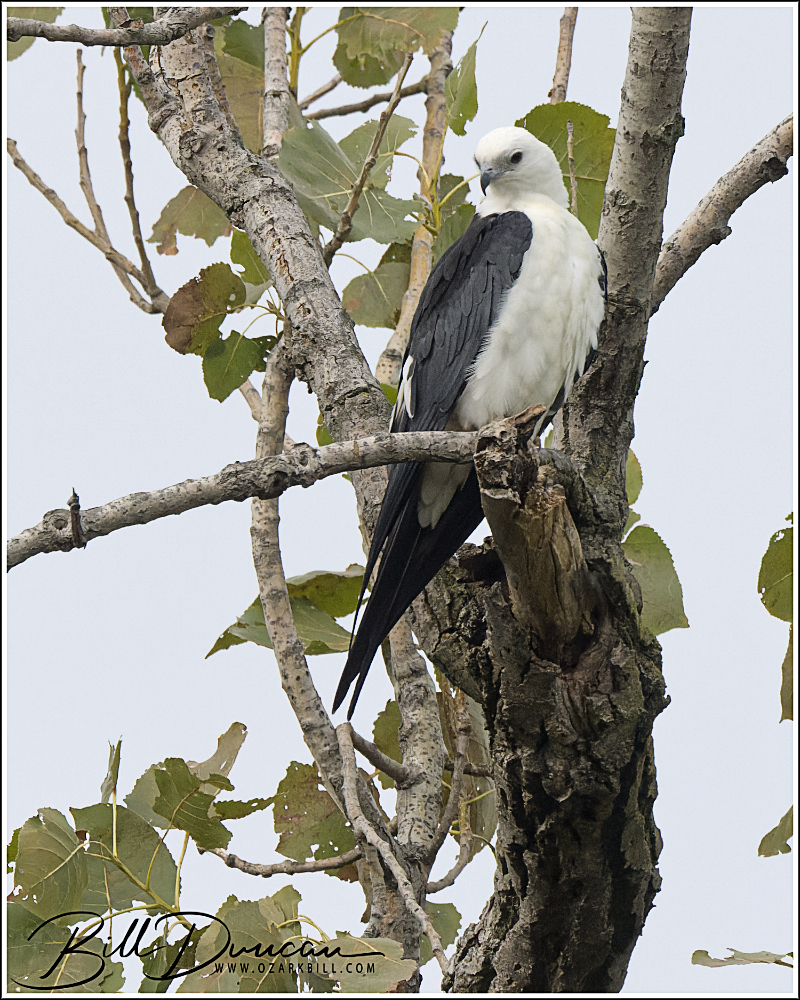
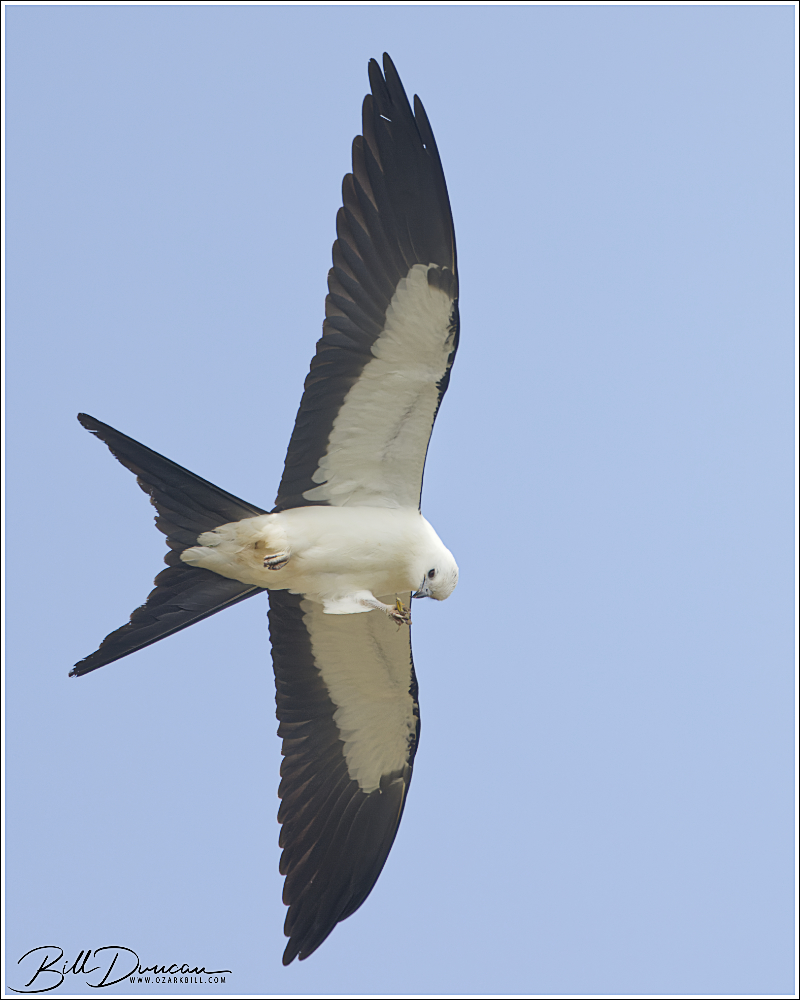
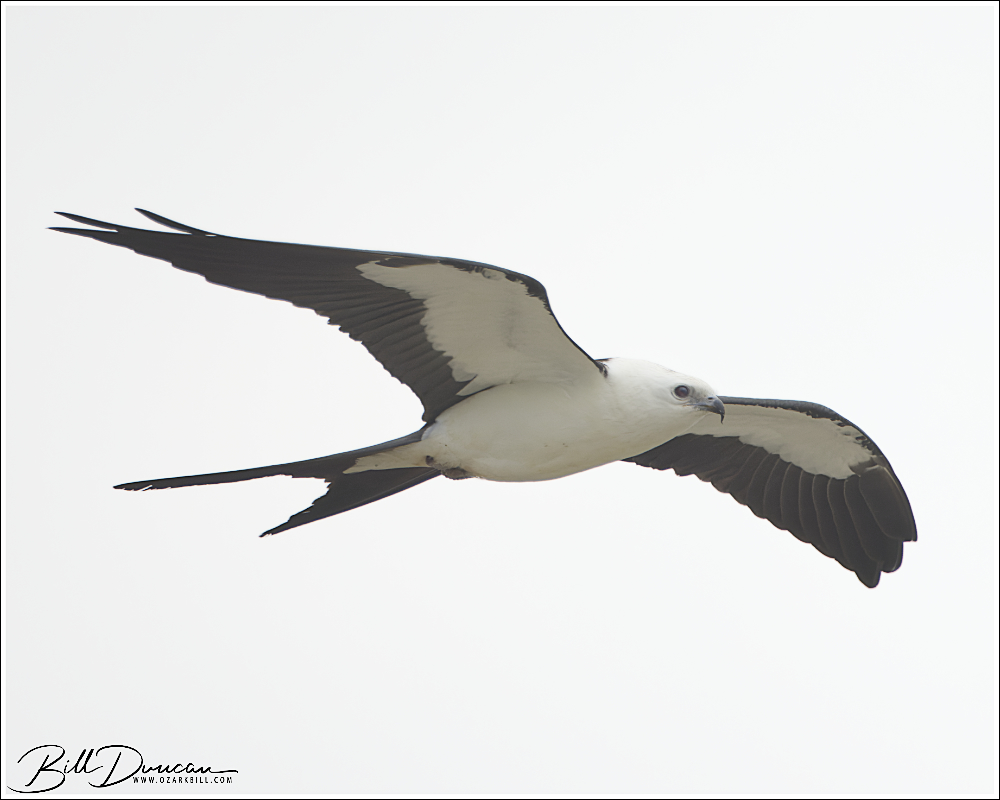
The St. Louis birding community had quite a treat in late August and early September of this year. At Columbia Bottom Conservation Area, soaring among literally dozens of Mississippi Kites were a few Kites not like the others. Three Swallow-tailed Kites, a species that is most often found in southern-Atlantic and gulf coast states of the U.S., were visiting the area taking advantage of the abundant grasshoppers, dragonflies and annual cicadas in the skies above the grasslands and woods of the confluence area.
Swallow-tailed Kite
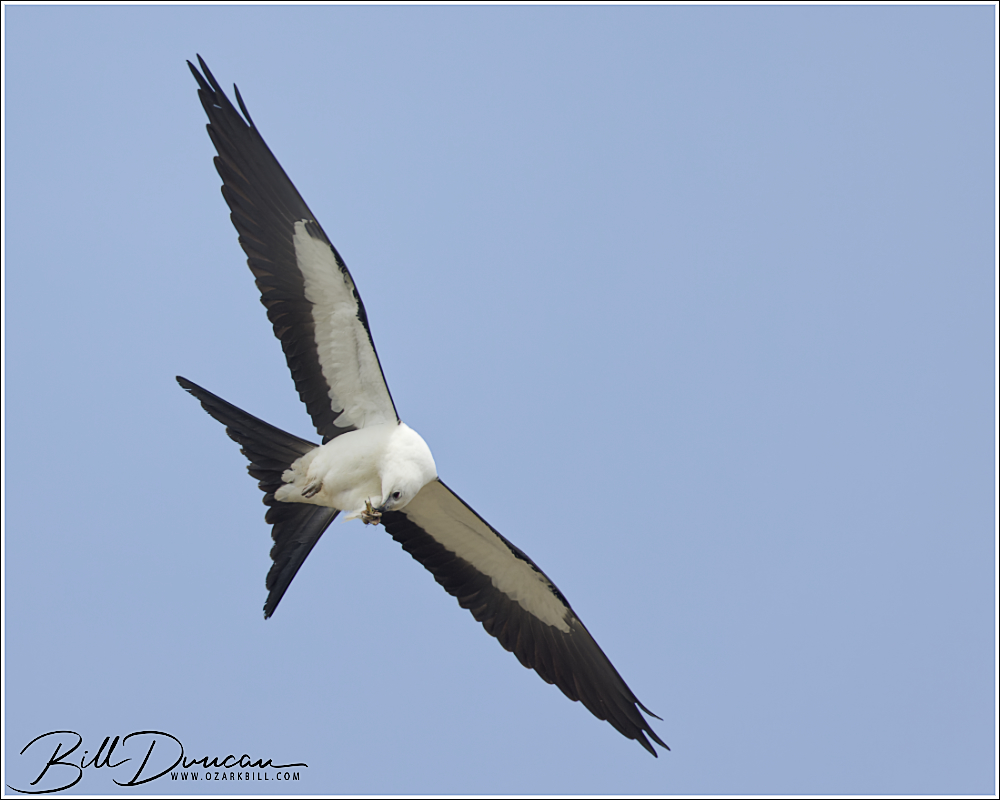
I was naive to the feeding habits of these large birds. In my limited experience with this species in states like Georgia and Texas, I had observed them feeding on larger vertebrate prey like snakes, lizards and small birds. Like their smaller relatives, the Mississippi Kite, this species primarily consumes larger flying insects like cicadas. During my three days of chasing these three birds, I found them eating mostly large grasshoppers.
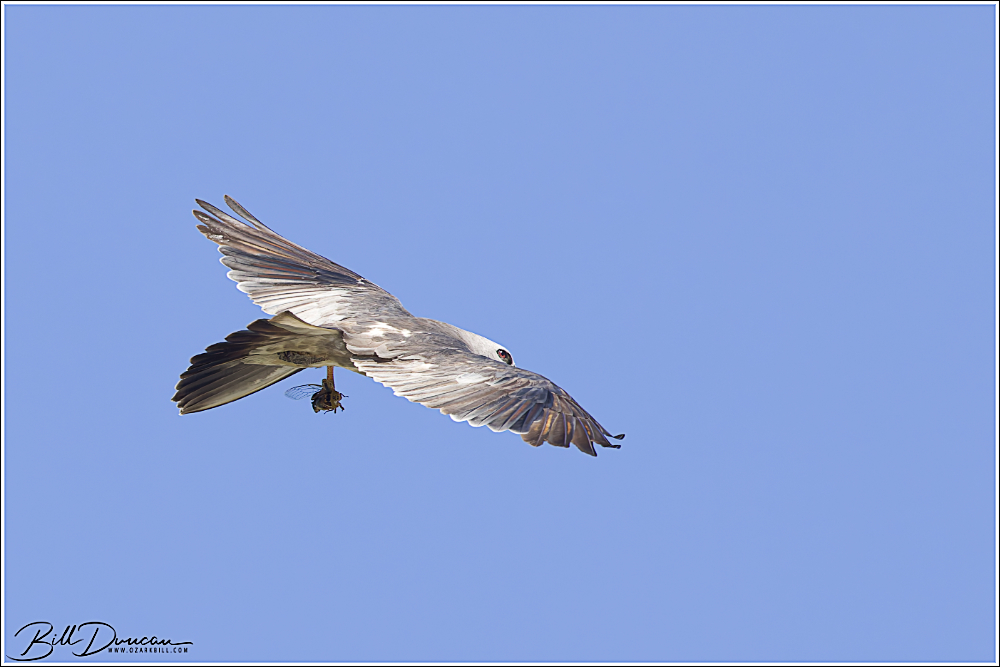
Swallow-tailed Kite with grasshopper picked off on the wing.
Photographing these birds was unexpectedly frustrating for me and my friends. On the days we were there, the birds did not take to the air until temperatures were sufficiently high to have their insect prey in flight. This meant that we saw them mostly in the hours between 9:00 am and 3:00 pm when light was not ideal and heat distortion in the air would brought us severe frustrations. Although we often found the birds soaring fairly close over our heads, the heat distortion rendered most of our images with disappointing softness. Most of the thousands of images we took were destined for the recycle bins.
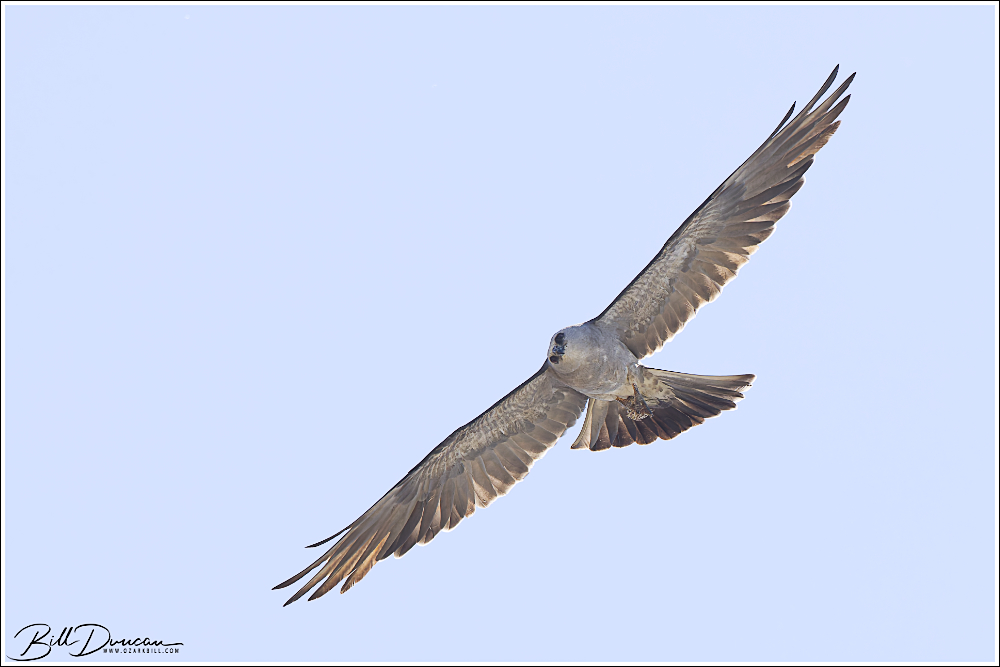
Soaring Swallow-tailed Kite
Swallow-tailed Kite with soon to be grasshopper meal
Swallow-tailed Kite tucking wings for quick dissent
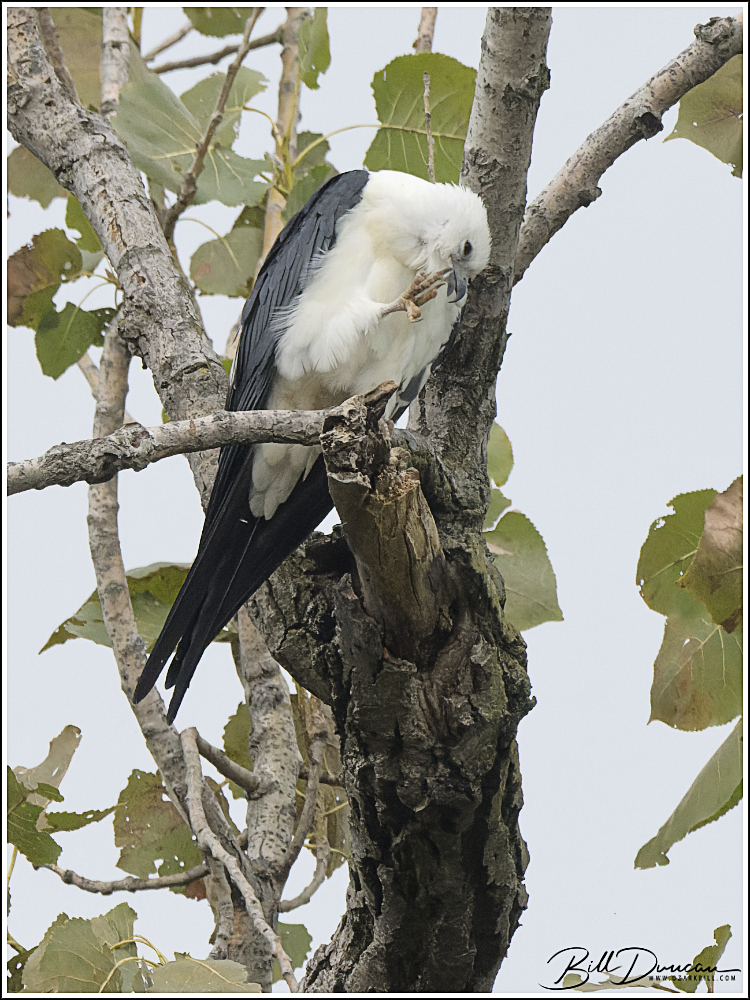
Swallow-tailed Kite having a scratch
As I mentioned above, Mississippi Kites were found in abundance as well. They must have had a great nesting season as most of the birds I observed seemed to be juveniles. Here are a few of the images I was able to get of these guys.
This seems to have been an unprecedented year for Swallow-tailed Kites in Missouri. In addition to the three I mentioned here, birds of this species were found in other counties across the state. Hopefully this might be another species that we see more often in the future.
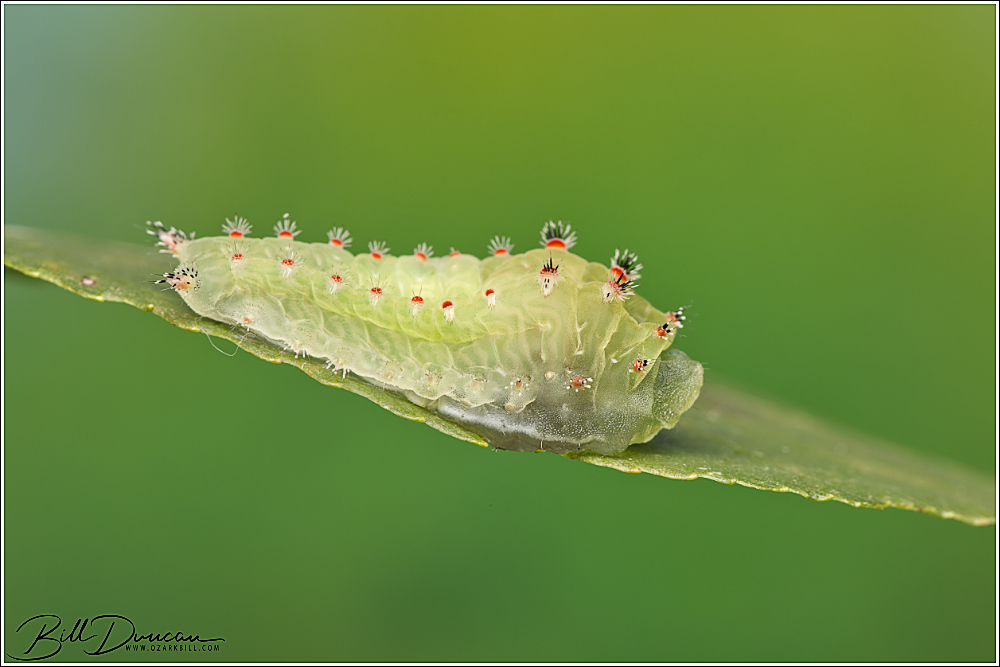
Nason’s Slug Moth Natada nasoni fam. Limacodidae Host plant: Found on oak (Quercus sp.) Date found: 07, Sep, 2024 Locations Found: Kaintuck Hollow, Phelps County, MO Notes: Named after William Abbott Nason, American entomologist (1841-1914).
Variable Oakleaf Caterpillar Lochmaeus manteo and L. bilineata fam. Notodontidae Host plant: Found on oaks (Quercus sp.) Date found: Multiple dates in August – September, 2024 Locations Found: Hawn State Park, Ste. Genevieve County, MO; Onondaga Cave State Park, Crawford County, MO Notes: Highly variable and larvae are apparently impossible to distinguish between the two species.
First, a glimpse of the variable patterns and colors of these cats.
The adult photographed at Schoolcraft Prairie in Washington County, MO in mid-August, 2024.
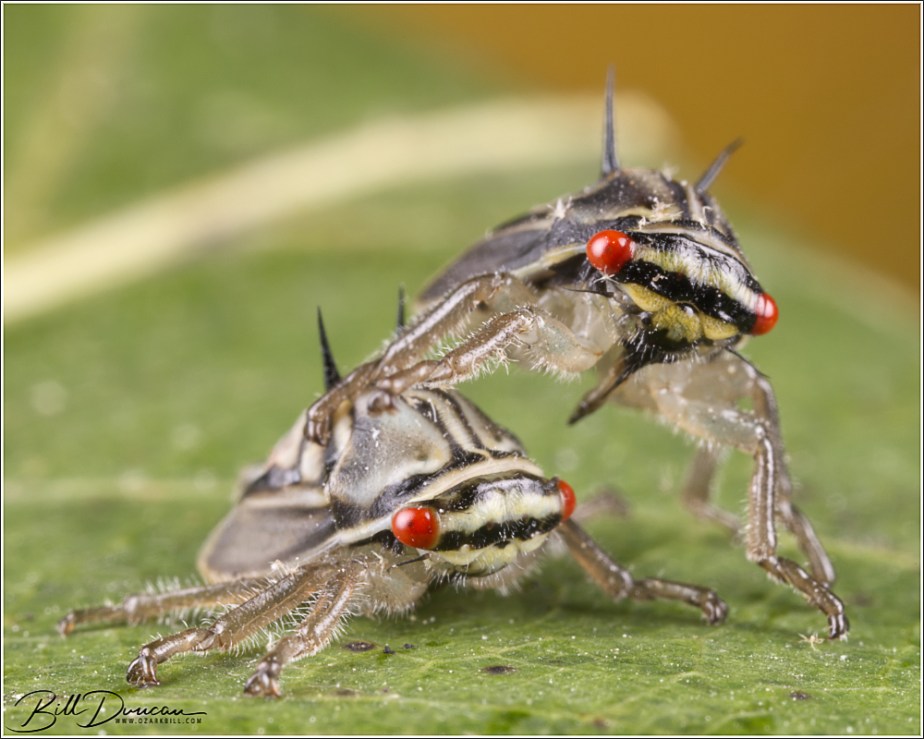
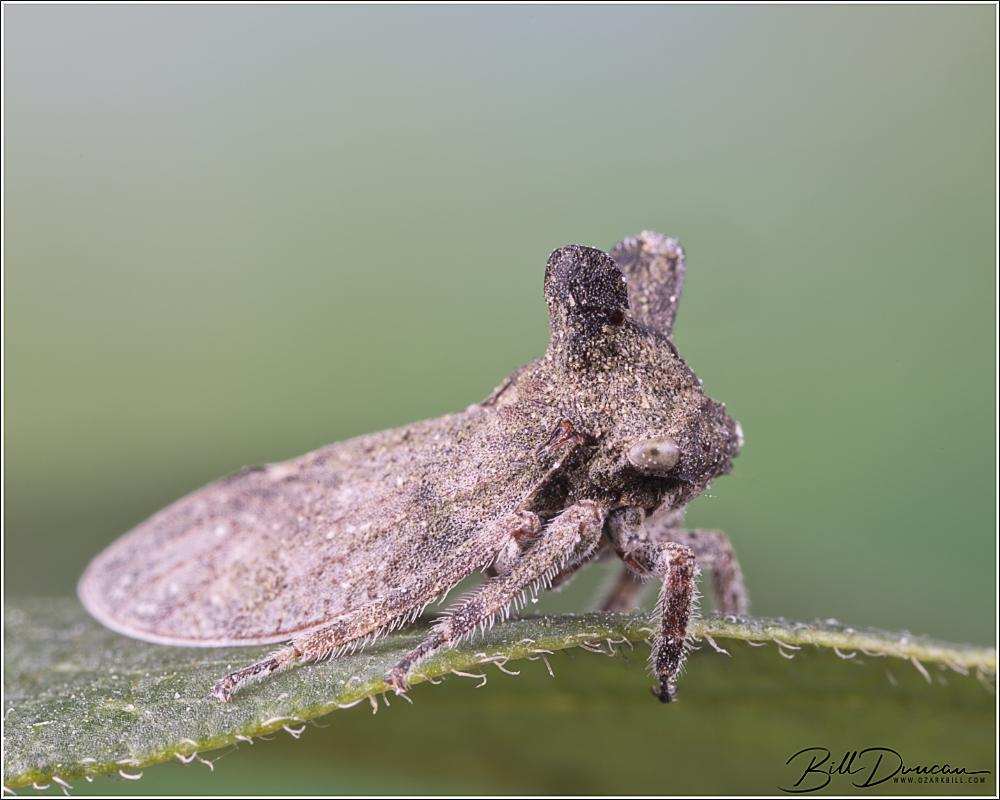
While beat-sheeting lots of trees this year looking for cats, a number of other arthropods would inevitably show up, including spiders, walking sticks, mantids, and treehoppers (fam. Membracidae). Some of these treehoppers were too cool not to setup for some photography.
White-dotted Prominent Nadata gibbosa fam. Notodontidae Host plant: Found on white oak (Quercus alba) Date found: 02, Sep, 2024 Location Found: Hawn State Park, Ste. Genevieve County, MO Notes: One of the most common finds while searching oak trees.
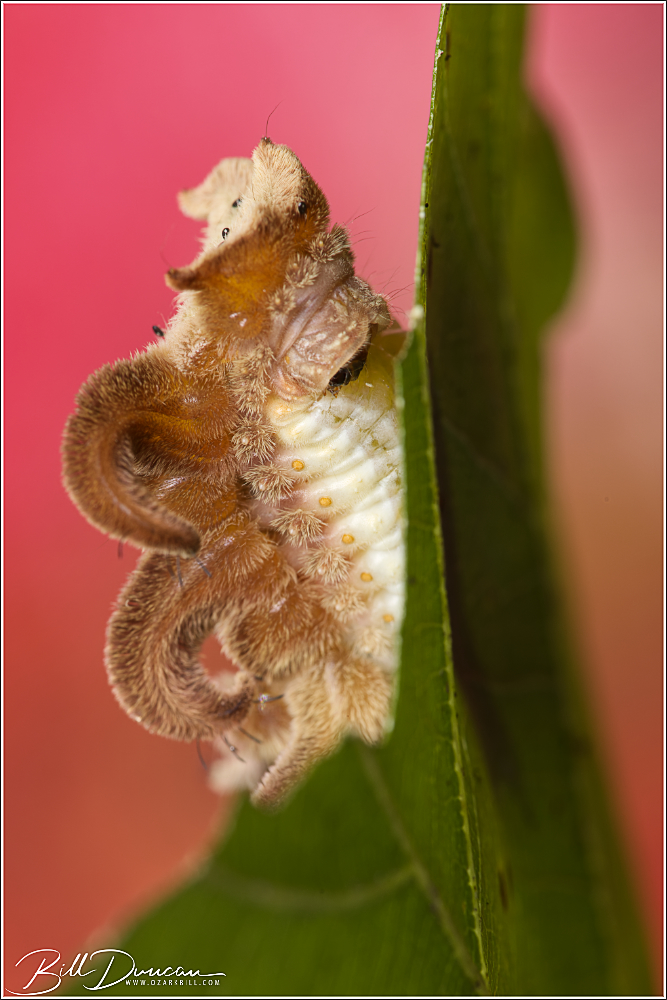
Monkey Slug Moth (Hag Moth) Phobetron pithecium fam. Limacodidae Host plant: Found on oak (Quercus sp) Date found: 02, Sep, 2024 Location Found: Hickory Canyon Natural Area, Ste. Genevieve County, MO Notes: One theory to explain their appearance is that they evolved to mimic the shed exoskeletons of tarantulas.
Maple Spanworm Ennomos magnaria fam. Geometridae Host plant: Found on ash (Fraxinus sp) Date found: 02, Sep, 2024 Location Found: Hickory Canyon Natural Area, Ste. Genevieve County, MO Notes: While caterpillars of this species are perfect twig mimics, the adults of this species look amazingly like autumn-turned maple leaves.























 A Thousand Acres of Silphiums