"What a thousand acres of Silphiums looked like when they tickled the bellies of the buffalo is a question never again to be answered, and perhaps not even asked." -Aldo Leopold
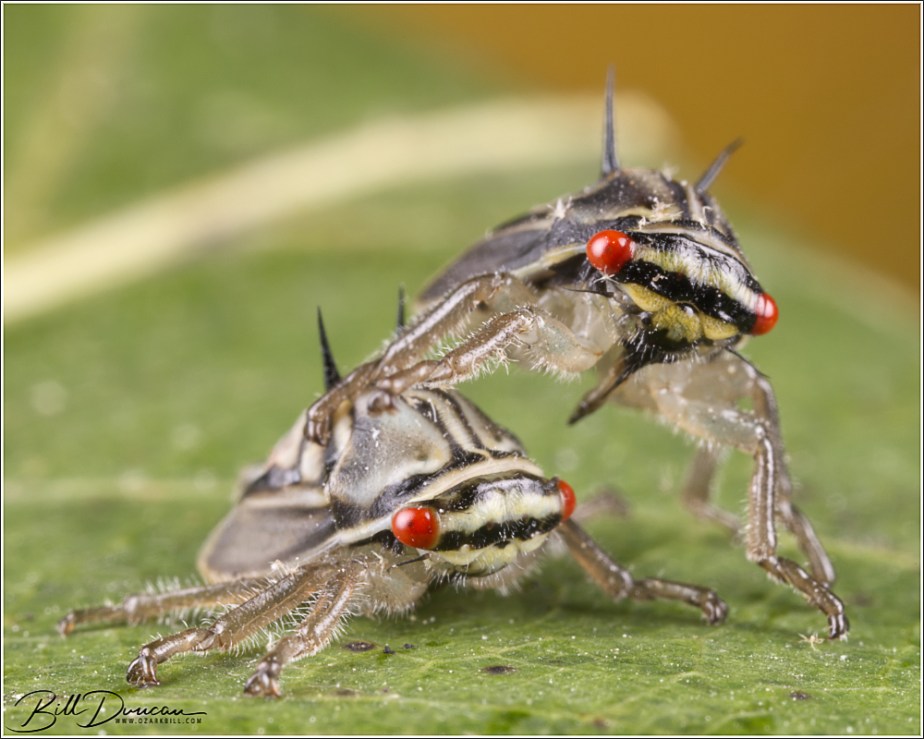
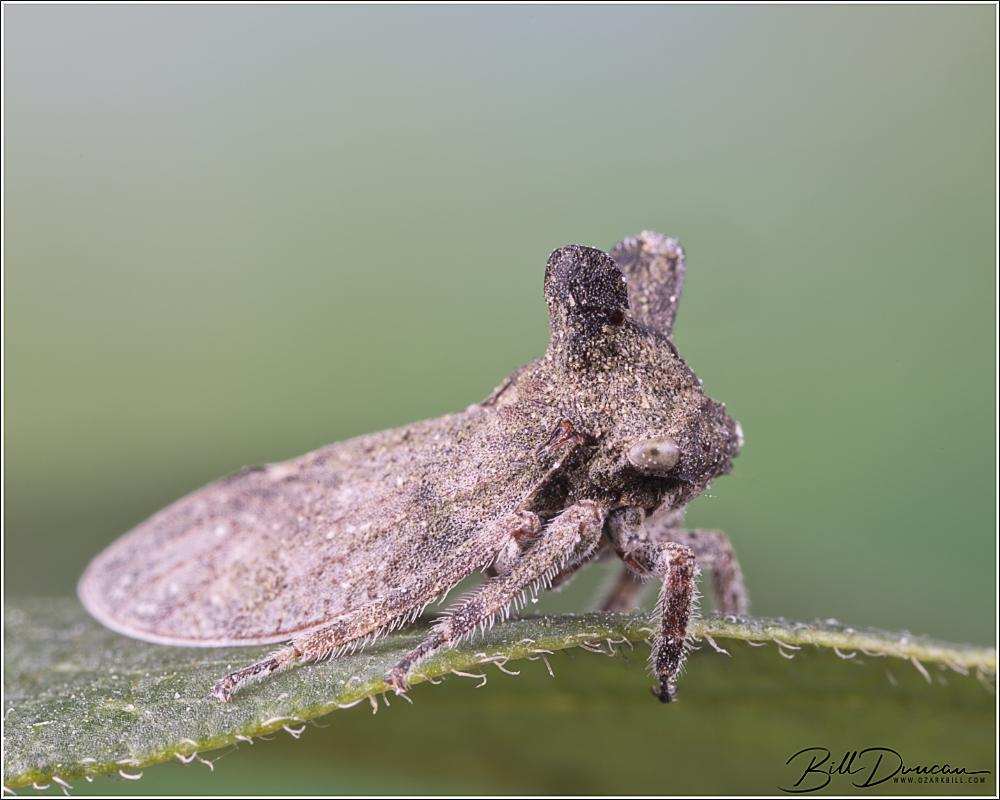
While beat-sheeting lots of trees this year looking for cats, a number of other arthropods would inevitably show up, including spiders, walking sticks, mantids, and treehoppers (fam. Membracidae). Some of these treehoppers were too cool not to setup for some photography.
The year 2024 was a very notable year in our area. No, I’m not talking about the circus joke of an election coming up. Of course, I’m referring to the year of the Brood XIX periodical cicada emergence. Brood XIX, also known as the “Great Southern Brood,” holds a special place as a natural marvel. These periodical cicadas are a part of the Magicicada genus, known for their unique life cycle, which spans 13 years, culminating in a synchronized mass emergence.
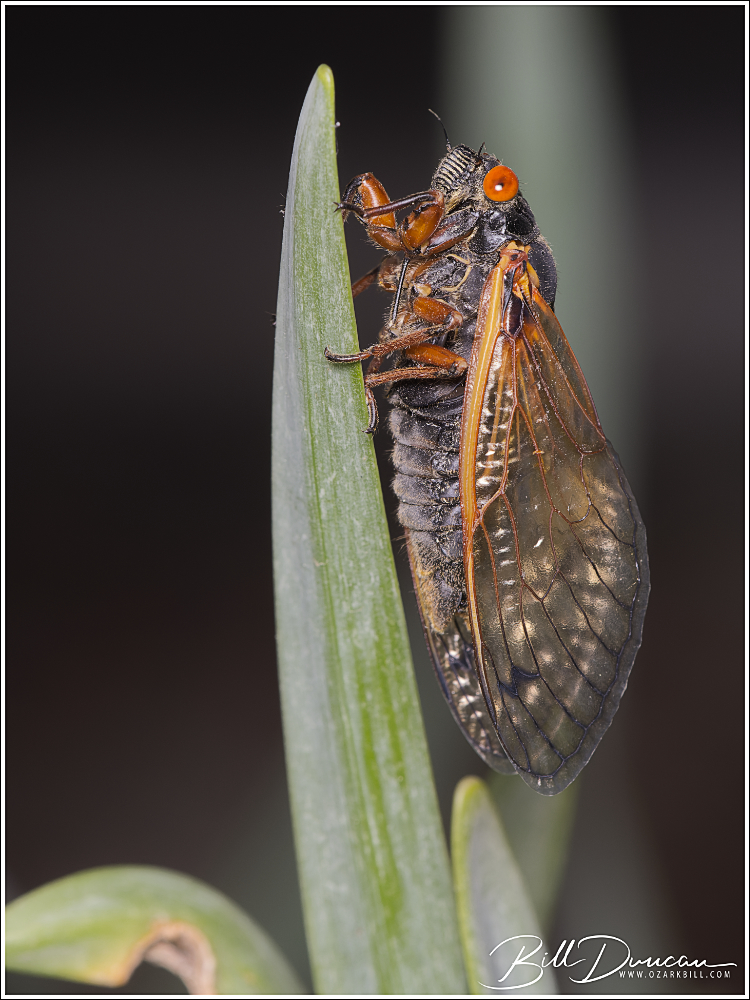
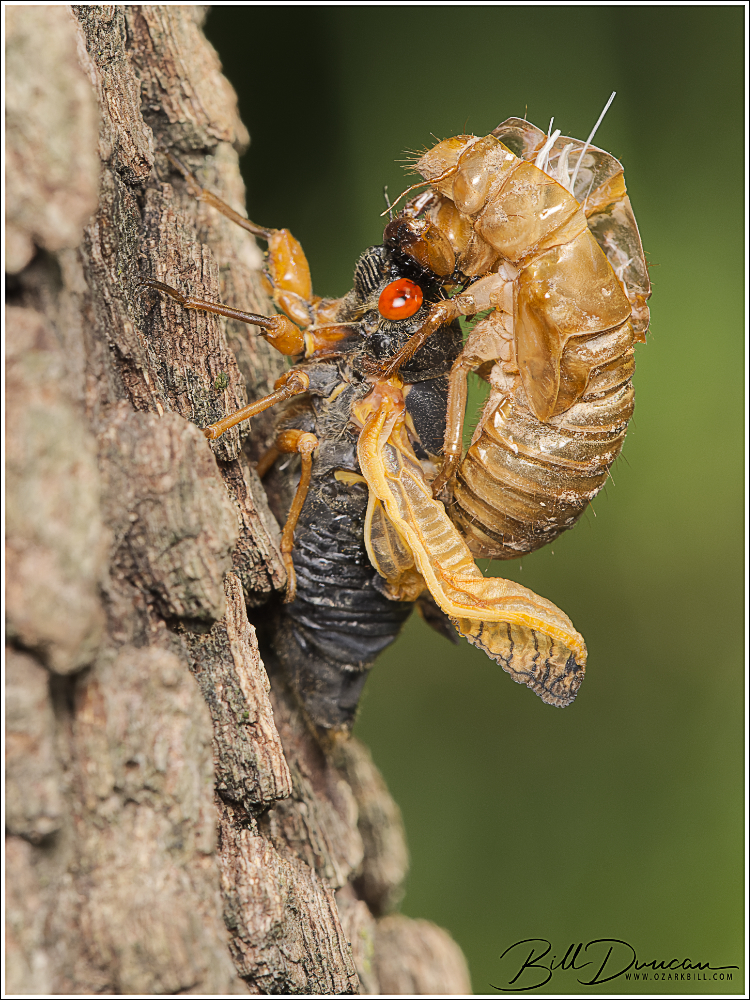
A newly emerged Magicicada tredecassini photographed on May-11
Unlike annual cicadas, which appear every year, periodical cicadas have a distinctive life cycle, emerging in massive numbers after spending 13 or 17 years underground. These insects belong to three distinct species groups, with Brood XIX being part of the 13-year group that is comprised of four species: Magicicada tredecim, M. tredecassini, M. tredecula, and M. neotredecim. Cicada broods are geographically isolated populations that emerge in synchrony, making their appearance not only rare but region-specific. Brood XIX has a vast range, covering at least portions of 11 states across much of the southeastern United States.
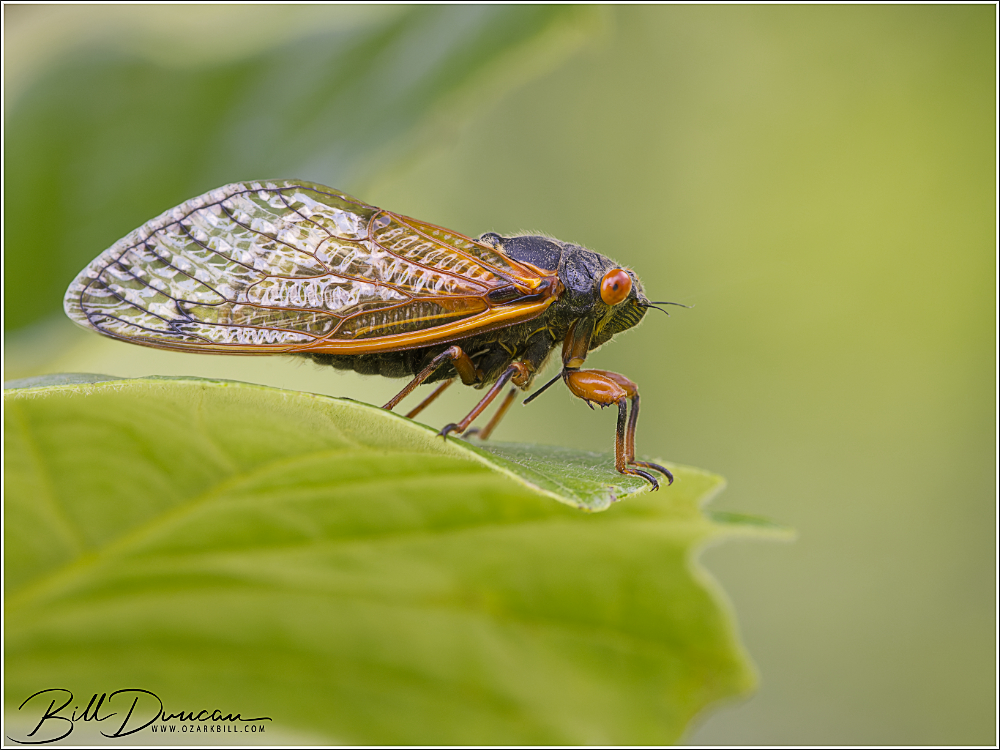
A newly emerged Magicicada tredecassini photographed on May-18
Life Cycle of Brood XIX The life of a Brood XIX cicada is primarily hidden underground, where they live as nymphs, feeding on sap from tree roots. For 13 years, they remain underground, quietly developing and maturing. Then, seemingly overnight, millions emerge from the soil in an overwhelming display of nature’s rhythm. Once they emerge, their primary purpose is reproduction.
Adult cicadas live only for a few weeks. During this time, males produce loud, buzzing mating calls using specialized structures called tymbals. These mating calls fill the air, creating a chorus that can reach deafening levels in regions with high cicada density. After mating, females lay eggs in tree branches, and once the eggs hatch, the nymphs fall to the ground and burrow into the soil, starting the 13-year cycle anew.
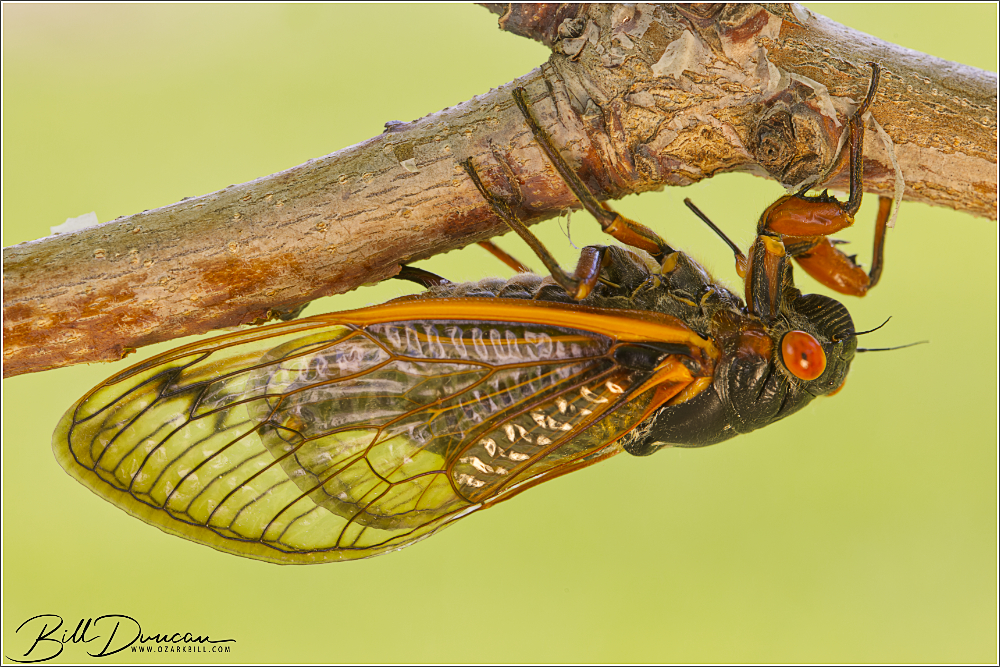
Magicicada tredecassini
The Mystery of Synchronized Emergence One of the most intriguing aspects of Brood XIX is the synchronized nature of their emergence. The question remains: how do they know it’s time to come out? Scientists believe cicadas track environmental clues, such as soil temperature, to time their appearance. When the soil reaches about 64°F (18°C), it signals that it is time for the cicadas to surface.
This poor guy was not able to emerge from its final larval form
The reason for their long, synchronized life cycles is believed to be a survival strategy known as predator satiation. By emerging in overwhelming numbers all at once, they reduce the likelihood of being completely eaten by predators. There are simply too many cicadas for predators to consume, ensuring that enough survive to reproduce.
Additionally, 13 and 17 are both prime numbers and this is not likely a mere coincidence. Because these intervals are in prime-numbered years, it is nearly impossible for these patterns to overlap with the breeding strategies of would-be predators.
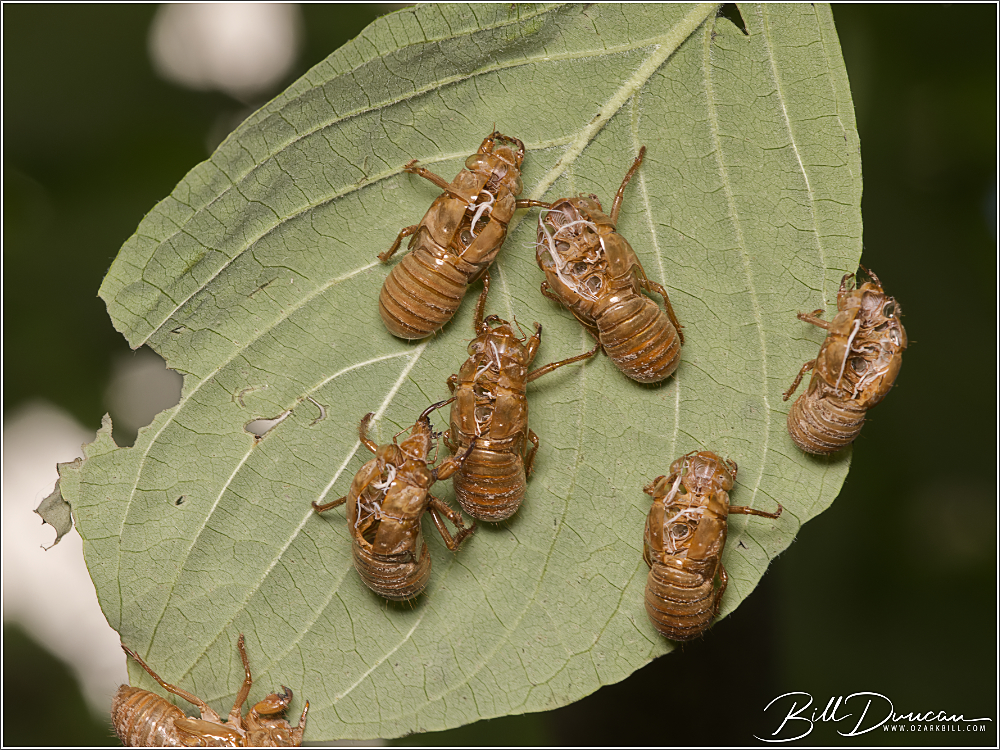
Periodical cicada (Magicicada spp.) exuviae
The Ecological Importance of Cicadas Though their emergence may seem disruptive, periodical cicadas play a vital role in the ecosystem. Their sheer numbers provide a feast for predators, from birds to mammals, and their death leaves behind nutrient-rich carcasses that fertilize the soil.
While some may find them a nuisance due to their loud calls and vast numbers, these insects do not pose a significant threat to crops or forests. Their presence is fleeting, and they leave behind a healthier environment in their wake.
Of the millions of cicadas that emerged in our neighborhood, many had issues with expanding their wings as shown here. These individuals become likely calories for others and will not be able to pass on their genes to the next generation.
That thin line… I’m sure you’ll agree that anyone with a shred of curiosity about the natural world would find what I shared here of immense interest. As a naturalist, I am still overwhelmed by what I observed for a few weeks in May in our suburban St. Louis County neighborhood. I spent many hours in amazed observation, watching them climb as freshly emerged adults, listening to their midday chorus and observing as my watch counted more than 100 decibels standing in our front yard.
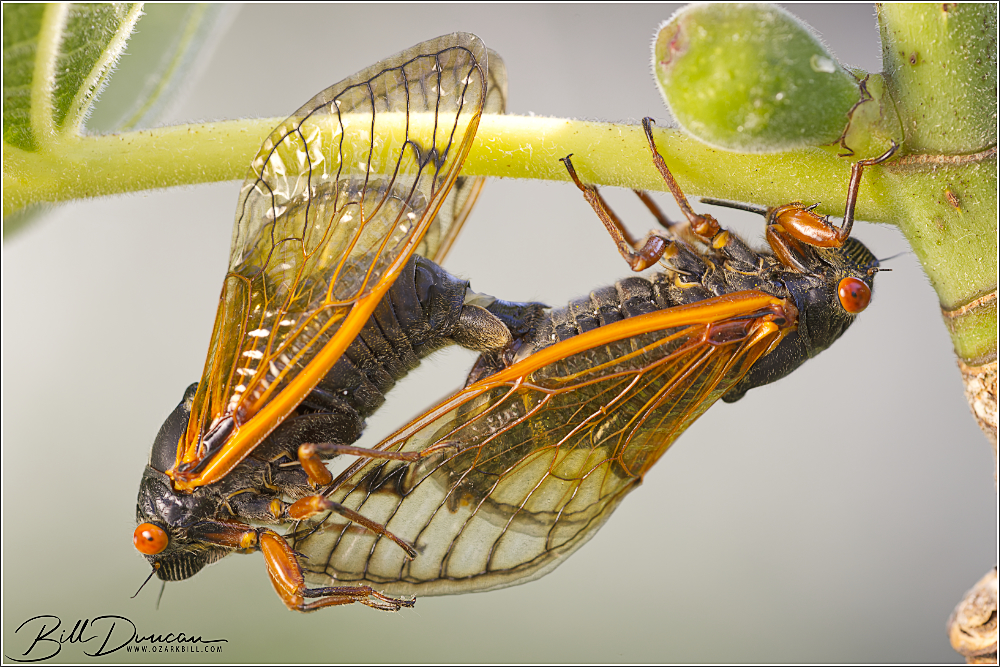
Mating Magicicada tredecassini
As mentioned above, it is true that in the grand scheme of ecology, these creatures provide nothing but benefit – except, if you are a young woody plant. This is where I found my my awe and fascination becoming replaced with a red, searing rage. For those who may not know, I have spent considerable time, effort, and money over the past four years planting approximately 50 trees and bushes in our once florally depauperate yard. The spring and early summer of 2024 were turning out to be absolutely perfect in regards to establishing woody plants. Temperatures were mild and rains were plentiful.
Although the periodical cicadas did not use my potted fig tree in the backyard for ovipositing, this pair of Magicicada tredecassini found it a fine place for “making babies.”
Then I slowly realized the numbers of cicadas emerging in our neighborhood and the pressure my plants were soon to receive from the thousands of ovipositing females that were looking for just what my yard provided. The ovipositors of the female cicada are sharp and literally metal-studded. These guys are as apt as beavers when working with wood. Heavy pressures from swarming periodical cicadas can and do kill young trees. Cicadas love young trees for depositing their eggs because there are plenty of branches that are the perfect size — about the diameter of a pencil. They especially love young trees that are exposed to the full sun. This makes tremendous evolutionary sense. A young tree that is in full-sun will typically have all the advantages for growing and will therefore more likely be around for the full 13 years that it knows its offspring will need to feed on its host’s roots. I will never forget shaking young dogwood trees in the front yard and watching as hundreds of cicadas swarmed off of them, most simply flying for 50 feet or so and turning right around to land in the same tree.
An example of the pressures of the Brood XIX cicadas on the young and establishing trees in our suburban yard.
Over the next month or so I watched as limb after limb on most of my trees browned and succumbed to the damage done by the heavy onslaught of ovipositing females. I filled several trash cans with limbs that were either self-pruned or that I removed once they were certainly dead. No tree in my yard has died at the time of my writing this, but most plants were significantly set back in their efforts in becoming established. I will have to wait and hope that most will make it through the coming winter season.
Magicicada neotredecim ovipositing on branches of Cotinus obovatus (American smoke tree).
I made a list of the 26 plants I recorded that were used for ovipositing by the Magicicada cicadas in our yard. With a couple of exceptions, this list comprises every woody species in the yard. I even recorded them ovipositing in the herbaceous forb, Penstemon digitalis.
List of plants used by ovipositing Magicicada Brood XIX cicadas in a St. Louis County yard in 2024 eruption. Amelanchier arborea, Amorpha fruticosa, Aronia melanocarpa, Asimina triloba, Carpinus caroliniana, Cephalanthus occidentalis, Cercis canadensis, Cornus florida, Cotinus obovatus, Diospyros virginiana, Euonymus americanus, Euonymus atropurpureus, Gymnocladus dioicus, Hamamelis virginiana, H. vernalis, Lindera benzoin, Nyssa sylvatica, Penstemon digitalis, Physocarpus opulifolius, Prunus americana, P. serotina, Quercus bicolor, Q. muehlenbergii, Q. shumardii, Sassafras albidum, Viburnum dentatum
Of the plants listed above, particularly high preference seemed to be for the redbuds, dogwoods and oaks. I’m not sure if there is really some taxa preference or if these particular plants simply had more of the best sized limbs.
“Flagging” injury on Quercus shumardii caused by cicada ovipositing“Flagging” injury on Cotinus obovatu caused by cicada ovipositing
A Magicicada sp cicada ovipositing on a stem of the herbaceous Penstemon digitalis.
With hopes of photographing the full cicada lifecycle, I collected quite a few stems from trees that were dropped due to the damage they received or that I removed myself. Unfortunately, my insect rearing skills need some work and I never did see a newly emerged cicada nymph. I did cut into some branches and photographed the eggs.
Eggs from Magicicada sp cicada that were inserted into the pith of Amorpha fruticosa stems. Up to 30 eggs may be inserted in each incision the female makes in the plant and a single female may lay up to 600 eggs in her life.
The next generation…? Despite the angst and dread this caused when wondering what would become of my woodies that I have spent so much time in watering and protecting from deer over the past several years, I was very pleased to live in a place that still had natural wonders such as this. If the damage caused to my trees indicates the potential success of the next Group XIX emergence, then I am happy and will look forward to the next time we see these guys, assuming I am fortunate enough to be here in 13 years. Hopefully enough of my trees will survive to help them on their way.
Here is a perfect example of ‘why native plants?’ in the home garden. This is the first year of our new native flower garden in front of our new house. This spring we spent a good deal of money and time getting the old exotic evergreen bushes out of the beds and planting a new garden consisting of mostly native forbs and a couple patches of grasses. After a long and cool spring, we are finally getting some heat units on these mostly gladey and xeric species and a few are starting to respond nicely.
These golden drops turned out to be eggs of a leaf-footed bug (Coreidae family)
During my daily deadheading of some flowering Coreopsis and other asters, I notice new things from time to time. The arthropods are beginning to come. Since the original razing of the land that this subdivision sets on some 45+ years ago, these plant and insect communities have undoubtedly been rare. While my 100 square feet of natives won’t likely make a big difference, hopefully more and more of us will ‘go native’
I originally noticed these eggs by observing this jumping spider. The concurrence is assumed accidental.
About a week ago, I noticed these golden drops on the leaf of a Liatris spicata (marsh blazing star). After taking a few photos in situ, I decided to collect the leaf and see what the hatch might be. I figured it was a hemipteran of some sort and after a little research, I narrowed it down to the Coreidae family, or ‘leaf-footed bugs.’ If you can identify these to any degree of higher specificity, please let me know.
Coreid nymphs within an hour of hatching.
After three or four days in a jar, all of a sudden the leaf was alive with the movement of spikey mechanisms. I took a few photos on their cradle leaf, then moved a few to a Coreopsis sp. bloom. Afterwards, I let them go to feed as they like on our plants, maybe to see them another day.
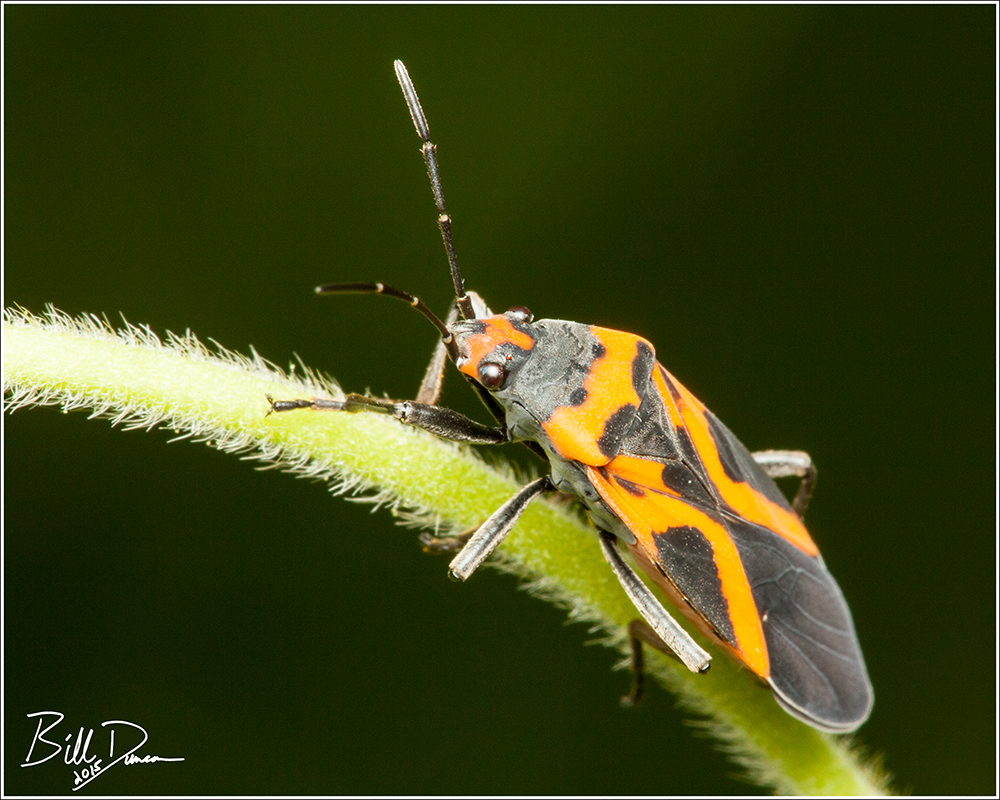
The False Milkweed Bug (Lygaeus turcicus) is a seed bug that, although quite similar in appearance to the Small Milkweed Bug (Lygaeus kalmii), is not strongly associated with milkweed.
False Milkweed Bug
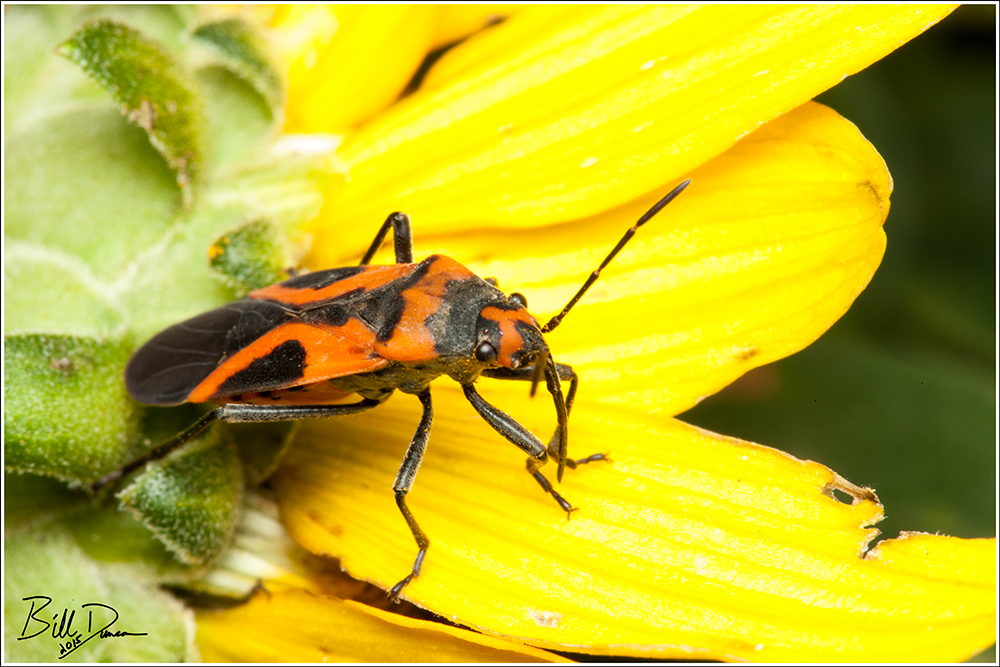
As can be seen in the photograph above, the False Milkweed Bug is most often found feeding on yellow composites (Family Asteraceae). These bugs were all photographed at Shaw Nature Reserve on what seems to be this insect species’ favorite food plant, the False Sunflower (Heliopsis helianthoides).
False Milkweed Bug
There are several members of the Lygaeidae family that are aposematically colored and found in North American prairies. As mentioned, it seems that the False Milkweed Bug does not typically utilize milkweeds. The Small Milkweed Bug feeds on milkweeds as well as other plant taxa. The Large Milkweed Bug feeds exclusively on milkweed. There is obviously a great case of Mullerian mimicry (distasteful organisms appearing similar to one another to benefit from a an easily identified color or body type) going on here, but it gets pretty complicated.
What has happened to the False Milkweed Bug? Is this a case of a species that once fed primarily on milkweed and developed aposematic coloration but has since switched food preference? Or, is this a case of a palatable species mimicking (Batesian mimicry this time) the aposematic coloration of a truly noxious species? Thinking about this, it is easy to see the selective advantages that could result from either possibility.
First, a little background…
Some insects that feed on milkweed benefit by concentrating chemicals called cardiac glycosides that are toxic irritants to vertebrate predators. Cardiac glycosides are an irritant to vertebrate herbivores (livestock) and vertebrates that feed on insects that feed on milkweed and store these compounds in their tissues. However, they are not a significant problem for insects that feed on milkweeds – they simply pass through their guts (insects that store these specific toxins, for example the monarch, must have biochemical changes to avoid toxic effects). The milkweed’s primary defense against the seed bugs and other herbivorous insects is the milky sap that gets forcefully pumped from any mechanical damage that is inflicted on the plant. For this reason the milkweed is a pain for an insect to feed on.
For a seed bug, with its piercing-sucking mouth parts, feeding on the gummy sap of a milkweed is a significant hurdle. Assuming the False Milkweed Bug once fed from milkweed primarily and gave it up would be a significant advantage. Keeping the aposematic coloration, which would allow it to gain the benefit from its vile-tasting, similarly colored cousins, still feeding on milkweed, would be advantageous as well. With my brief observations, the False Milkweed Bug still behaves conspicuously – feeding and doing everything else it does out in the open, suggesting that the aposematic coloration is still working in this mimic-model system, whatever the source history ultimately may be.















 A Thousand Acres of Silphiums