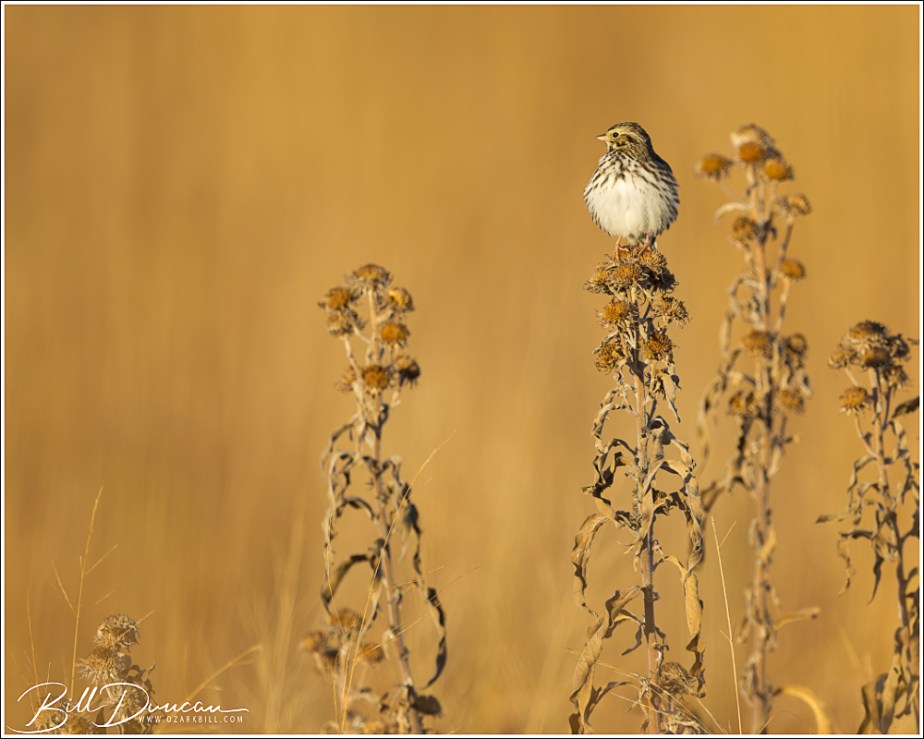
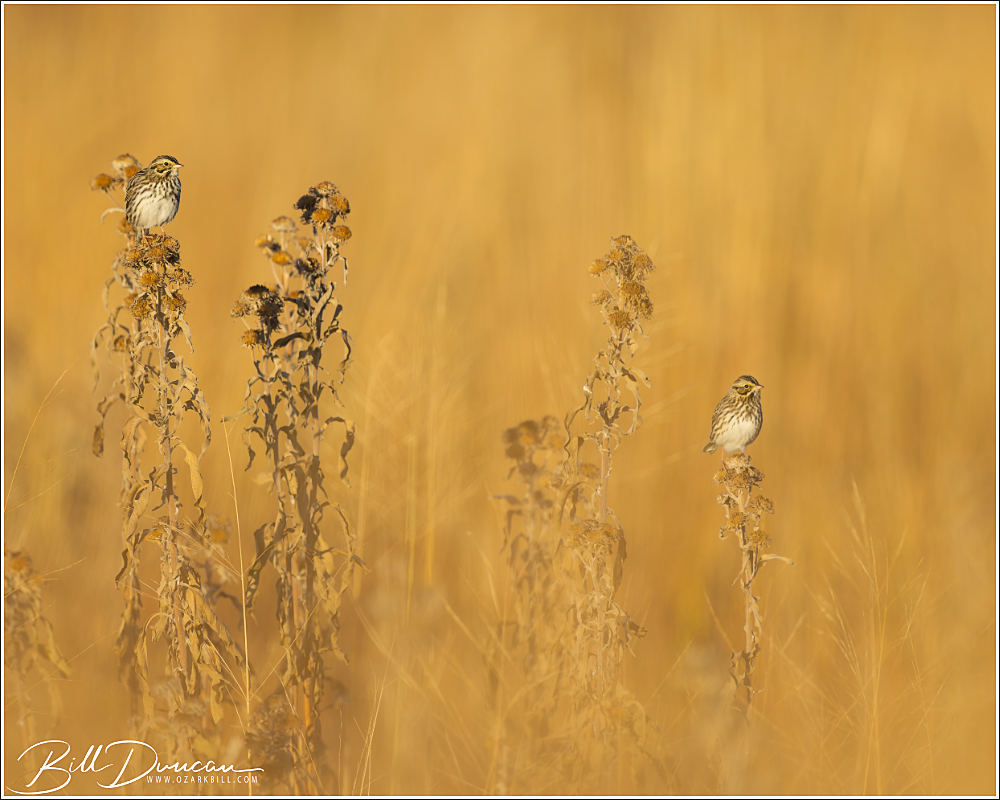
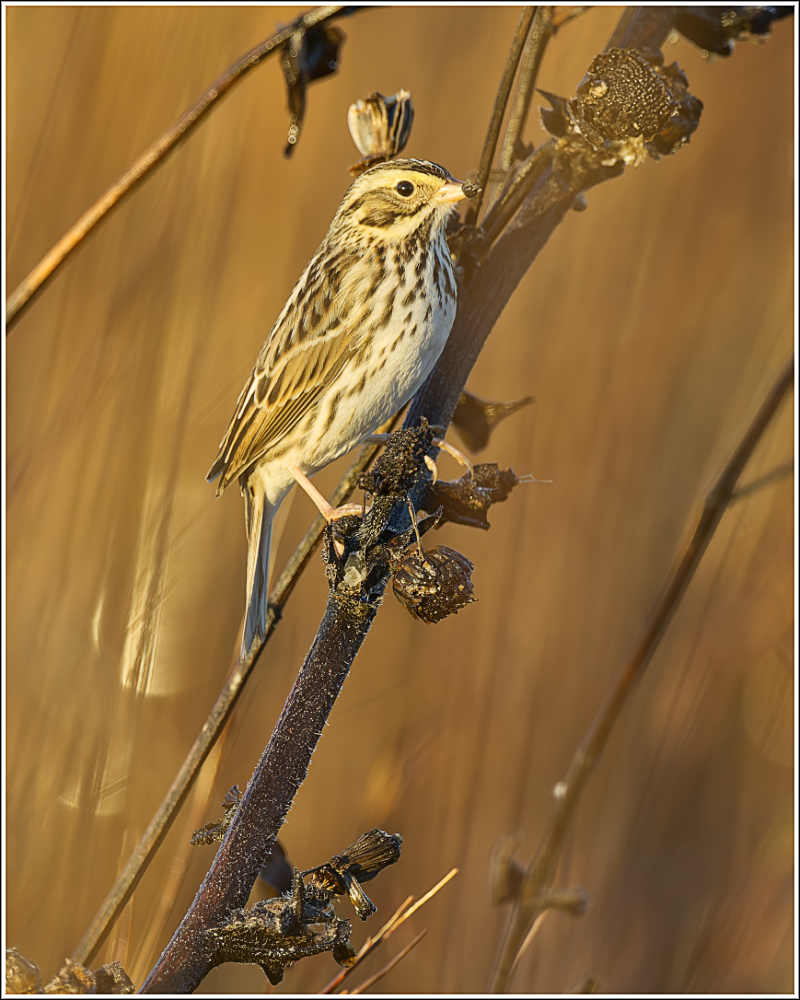
"What a thousand acres of Silphiums looked like when they tickled the bellies of the buffalo is a question never again to be answered, and perhaps not even asked." -Aldo Leopold
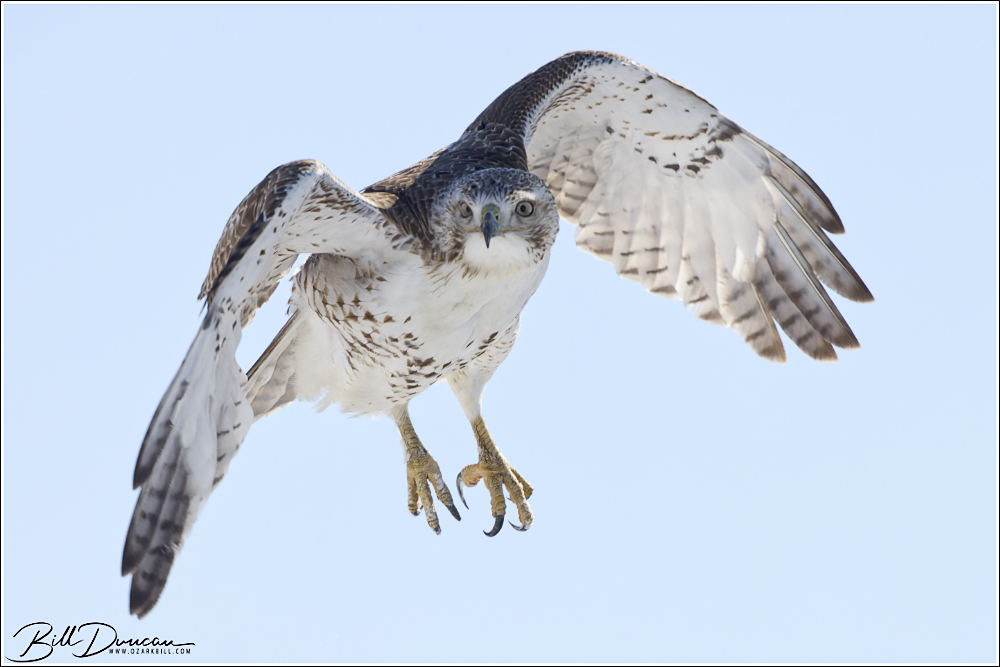
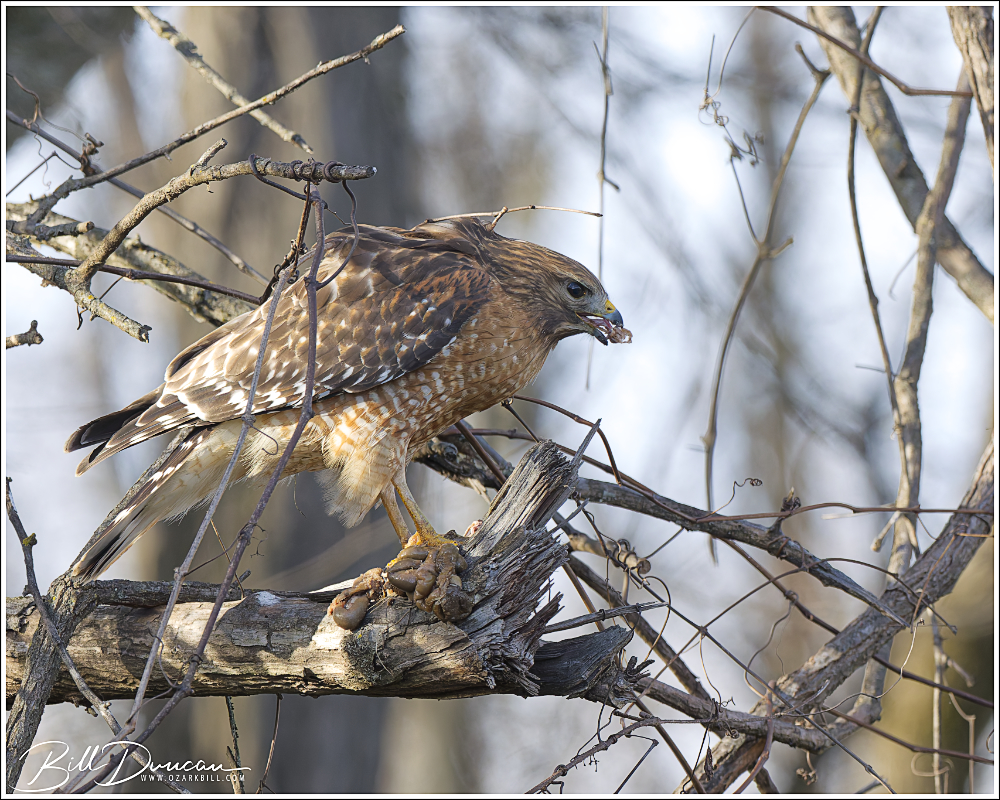
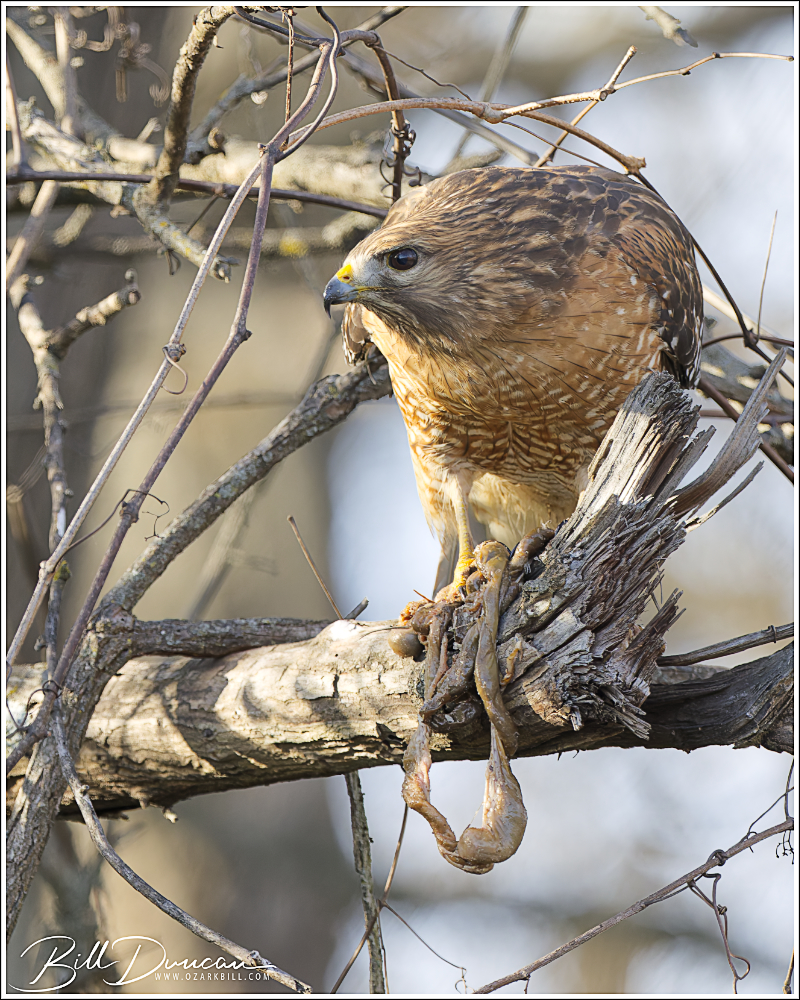
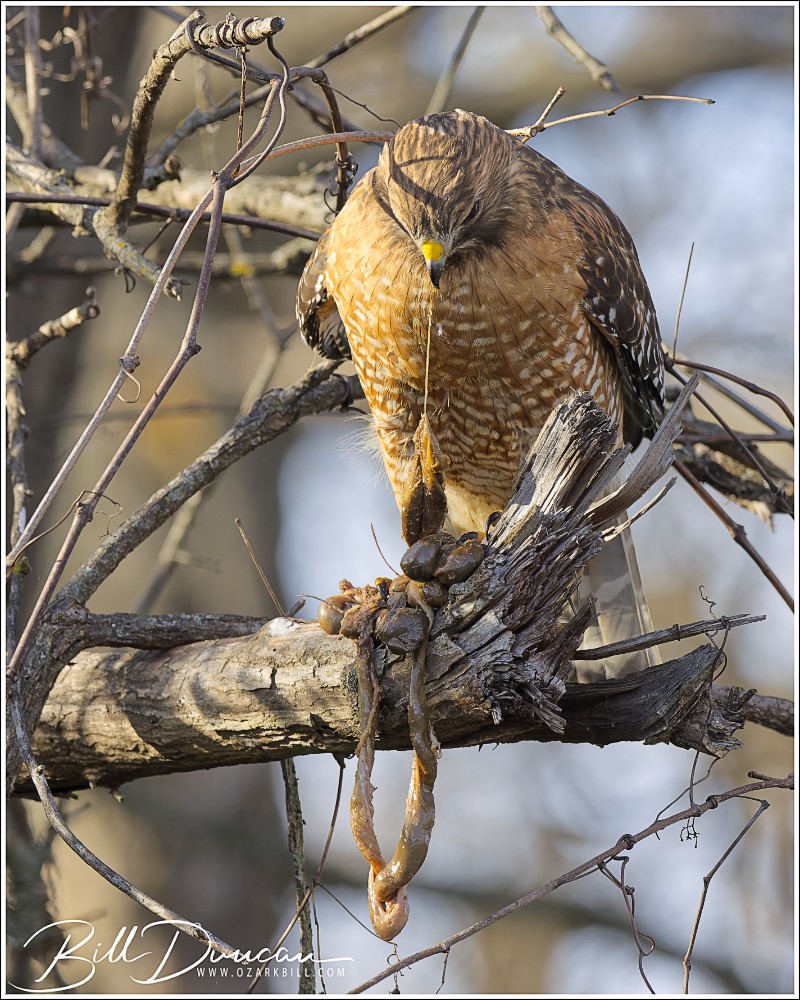
I was fortunate to come across this most cooperative juvenile Red-shouldered Hawk over the recent holiday break. Using the newly acquired pre-capture mode in my camera makes it much easier to grab shots like these. By half-pressing the shutter button, the camera stores half a second’s worth of frames in its buffer. Immediately after the action takes place, fully depressing the shutter button will instruct the camera to write the images from the previous half-second onto the card. As long as you are on the ball, missing unpredictable action shots like a bird leaving its perch will be a thing of the past.
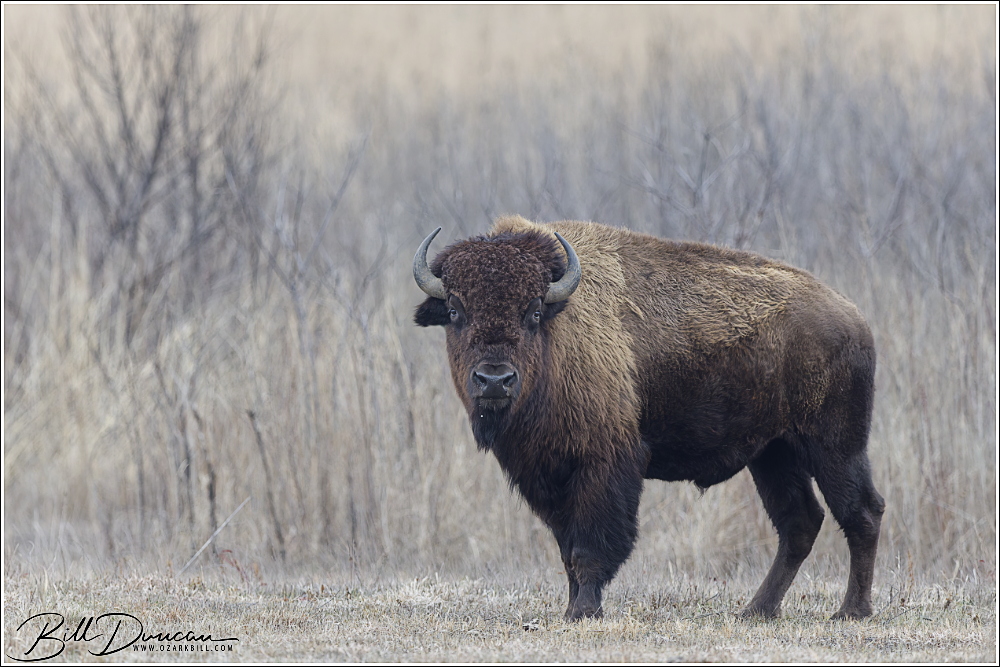
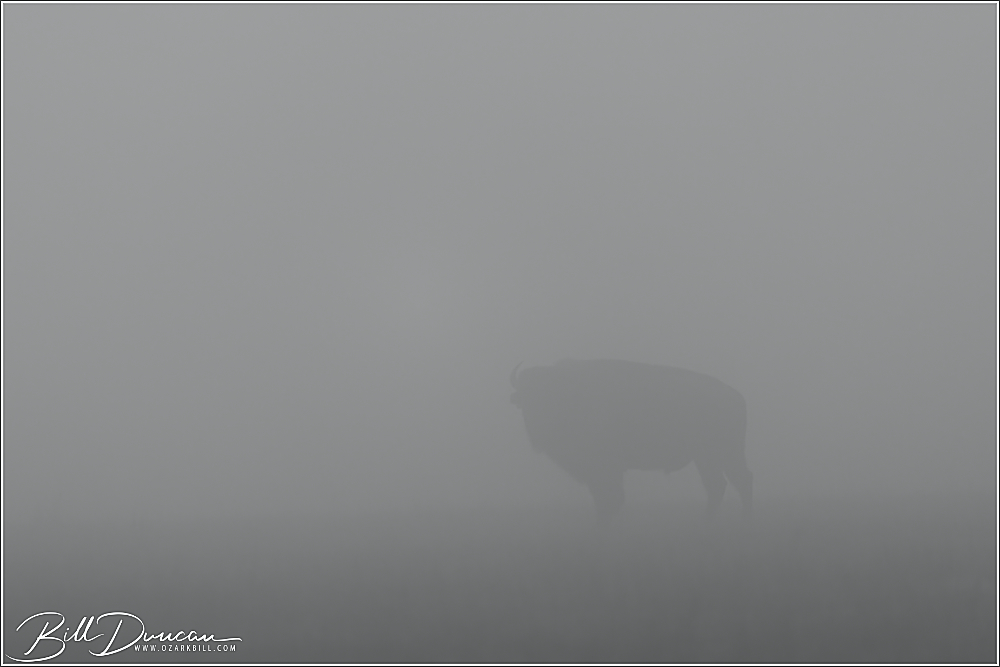
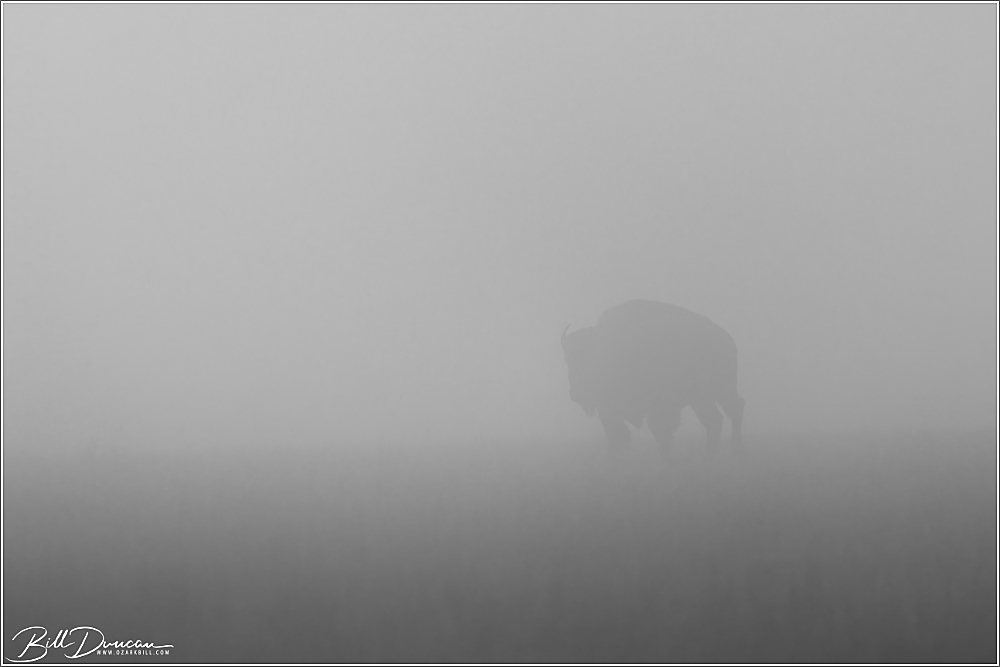
Over the holiday break, the WGNSS Nature Photography Group traveled to southwestern Missouri to visit Prairie State Park and surrounding prairie and wetland locations. We were hoping for opportunities to photograph the free-roaming bison within Prairie SP and hopefully find some interesting winter vagrant bird species. Likely due to the unseasonably warm conditions we were having, finding birds was a no-go. Thankfully the bison were there as expected. On two of the mornings we were there, the fog was incredibly thick. It made for some interesting photos but we had to be careful to not stumble too closely onto fog-concealed bison that probably would not appreciate that.
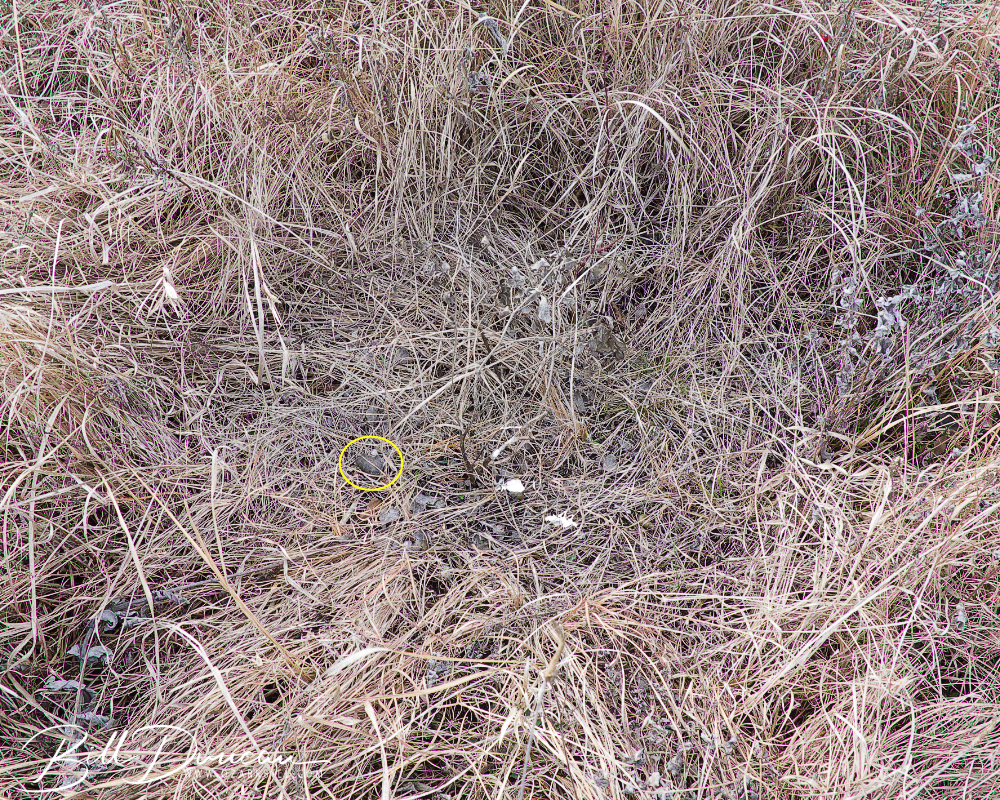
I did have a bird related first on this trip. While walking through Golden Prairie in Barton County, we stumbled upon the depression pictured below. In the center of the depression were fresh urates (nitrogenous waste produced by birds and reptiles) and also within the depression was a fresh owl pellet, still warm and stinking. We stumbled across the day-roost of a Short-eared Owl! After taking a picture, I picked up the pellet to add to my collection. I now only need to collect pellets of the Eastern Screech Owl to finish the owls of Missouri. The pellet can be seen within the yellow circle in this picture.
Theis depression in the prairie grasses was a daytime roosting area of a Short-eared Owl
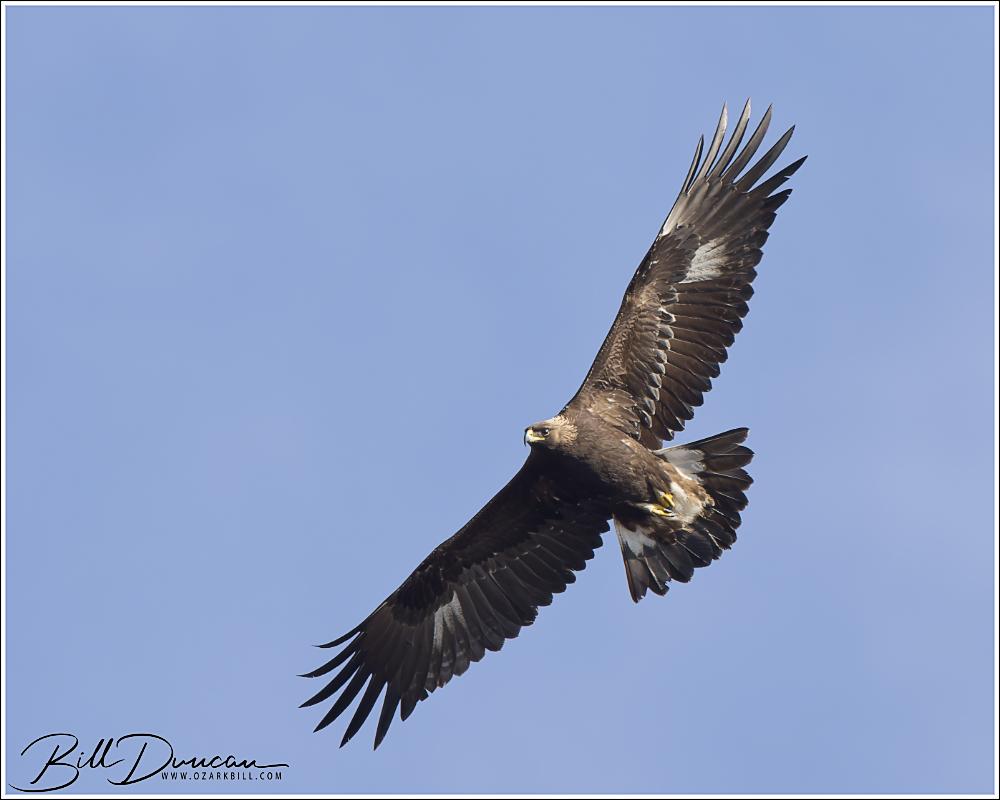
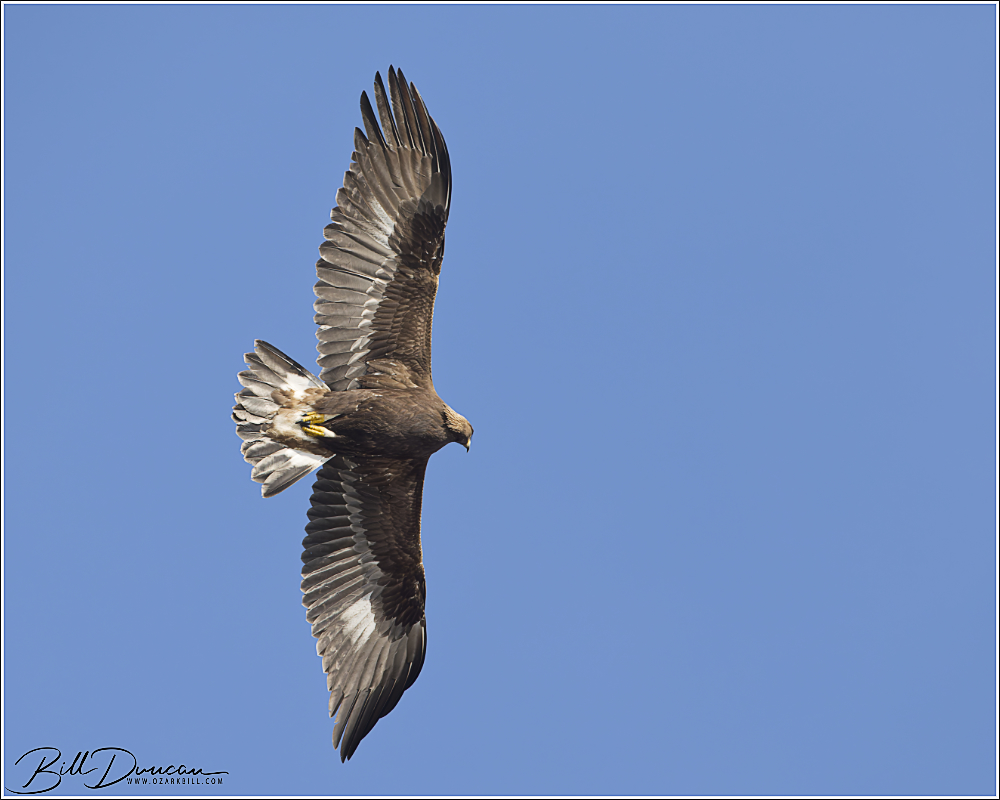
Most of my outings over the recent holiday break were pretty slow. Probably due to the warmer winter season so far, finding birds of any sort has been problematic to say the least. I did have some fortune on a trip up to Pike County, Missouri on December 19th, when I found and got my best photos to date of a couple of Golden Eagles.
Immature Golden Eagle, December 2024
I am no expert in aging Golden Eagles and it seems to be a bit tricky even for those who are familiar. I believe this first bird would be considered an immature stage, likely between 1 and 3.5 years of age.
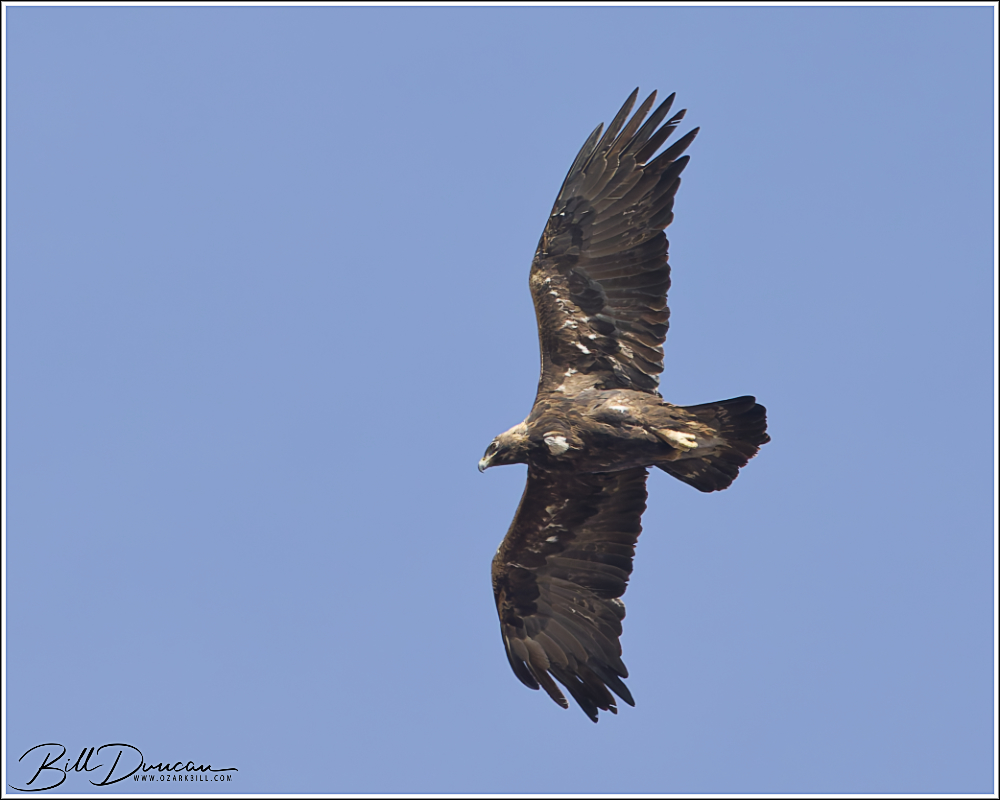
Another look at an immature Golden Eagle
This next bird I believe to be a full adult of at least five years.
Adult Golden Eagle
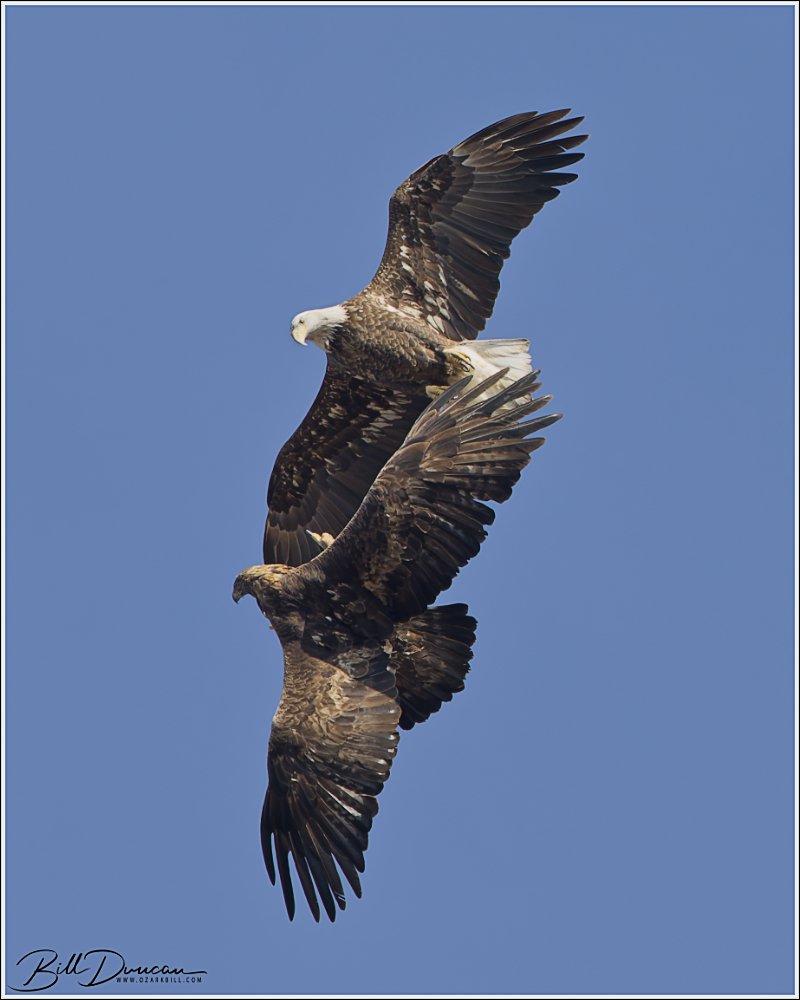
Here is the same adult Golden Eagle getting into it with a Bald Eagle. This is something I have seen on several occasions when observing the Golden Eagles in Pike County.
Adult Golden Eagle and adult Bald Eagle getting familiar
Sometime patience really pays off. I am grateful to have had the opportunity to visit some places on multiple occasions to increase my chances at an opportunity like this. Hopefully we’ll be getting some real winter weather that will stick around and be able to get more opportunities this season.
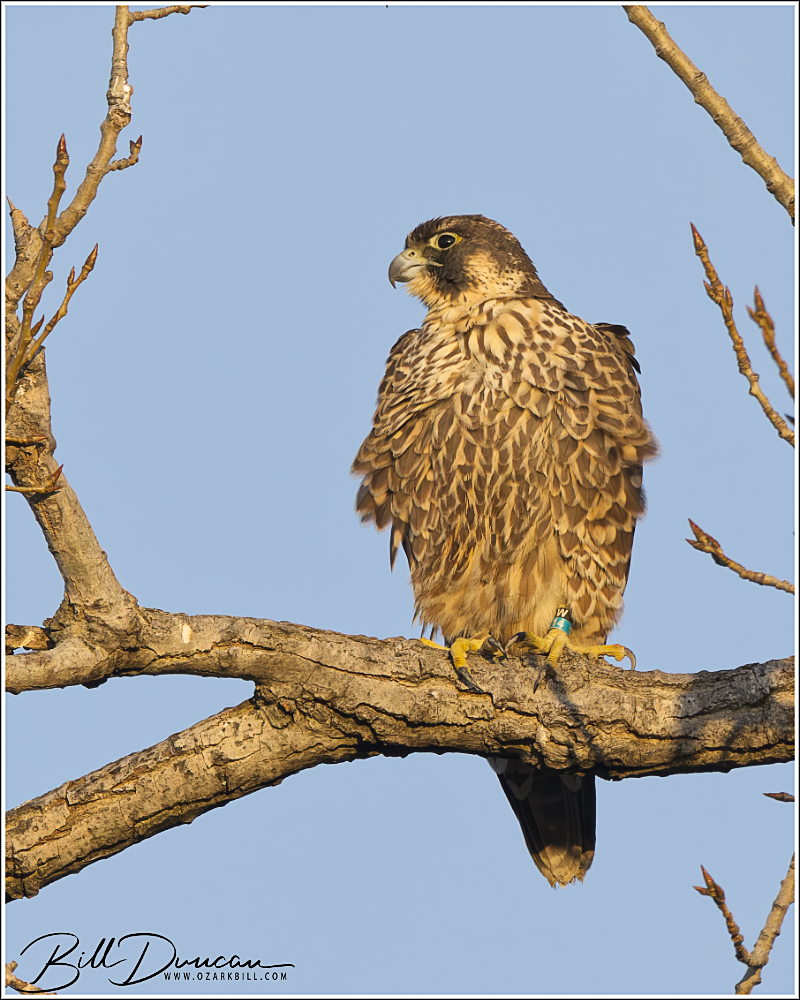
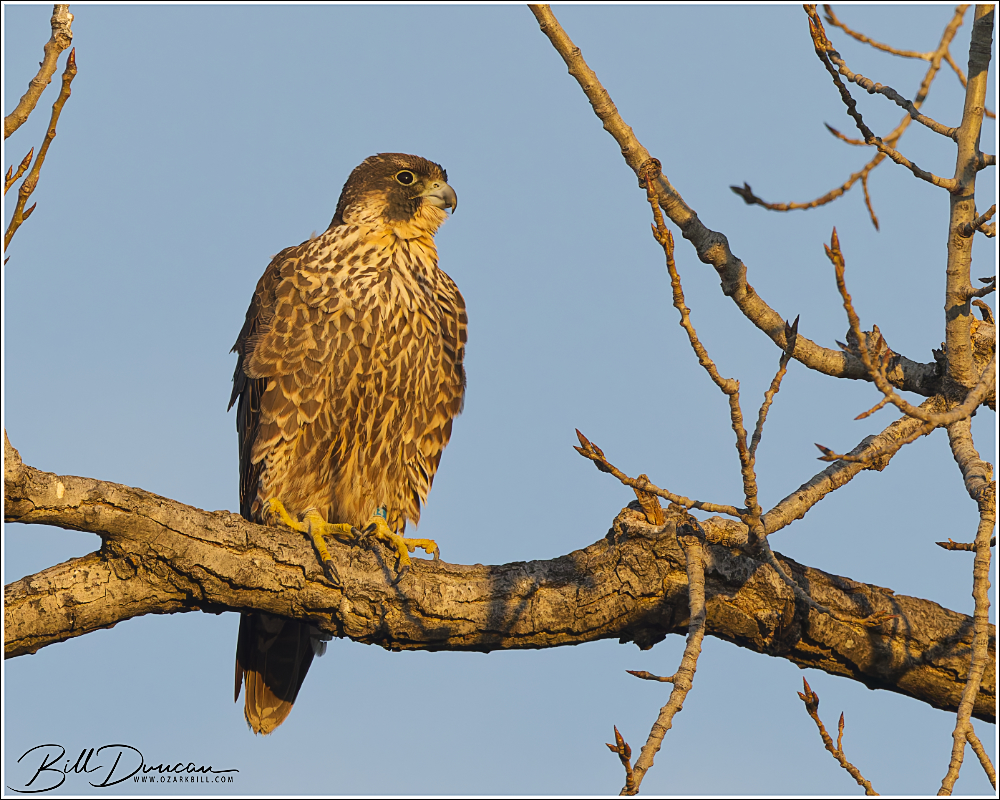
I had the opportunity to visit Clarence Cannon National Wildlife Refuge in Pike County a few times during my holiday break. During each visit, I encountered this first-year Peregrine Falcon in the same particular cottonwood tree that is usually popular with the area’s raptors.
“Wok Sape” a first-year Peregrine Falcon female
I was fortunate to get nice looks and photos that I could clearly see the band information on the left leg. Looking up the information on the Midwest Peregrine Society website, this appears to be a young female bird, named “Wok Sape.” She was hatched on May 21st of this year in Winona County, MN.
According to the Midwest Peregrine Society, the average dispersal distance of female falcons from their natal sites is 345 km (~214 miles). I am still waiting to hear back from the bander that the bird pictured here is indeed “Wok Sape.” If this is indeed the bird I found, then she has moved approximately 645 km (~400 miles) from her hatching location in about four months or so.
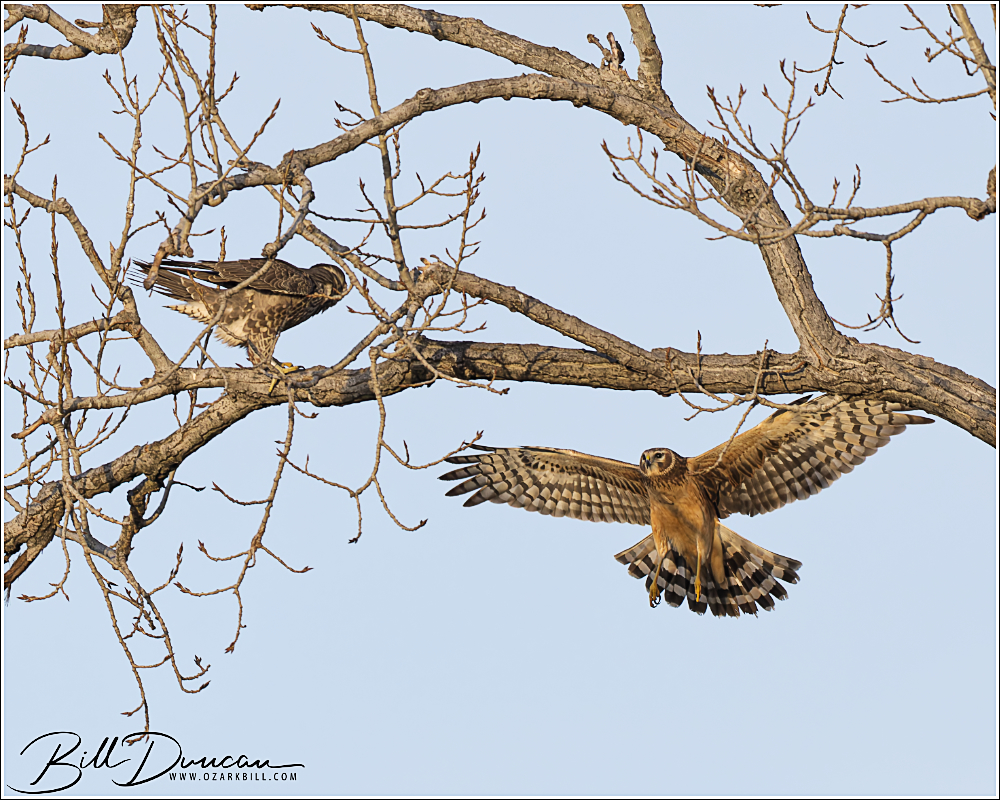
As raptors like to do, I watched as this young falcon was harassed a bit by a passing Northern Harrier as seen below.
A passing Northern Harrier passing close to young Wok Sape for close inspection. The Harrier tried to get as close as possible, attempting to land on a nearby branch, but eventually decided the falcon was too well concealed in the branches and left.
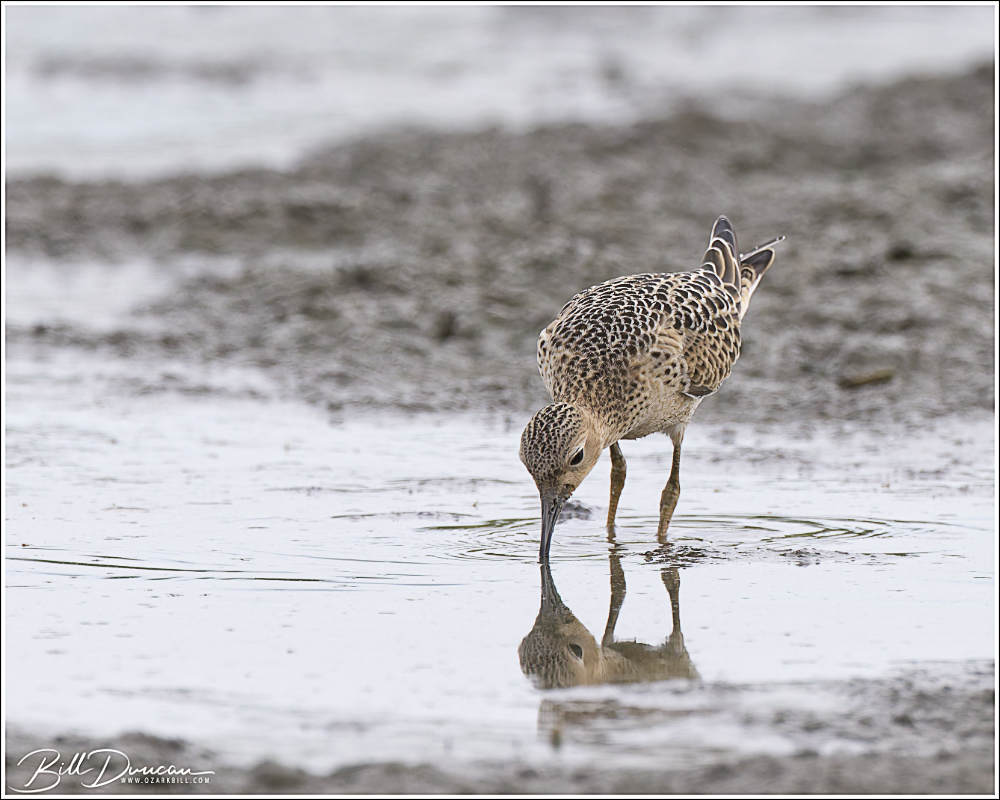
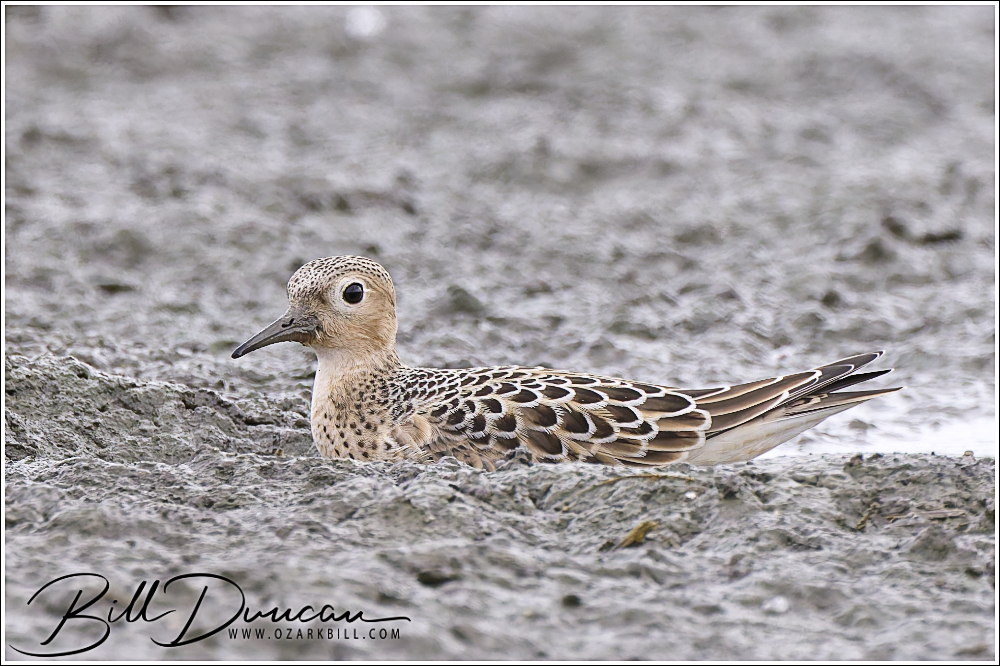
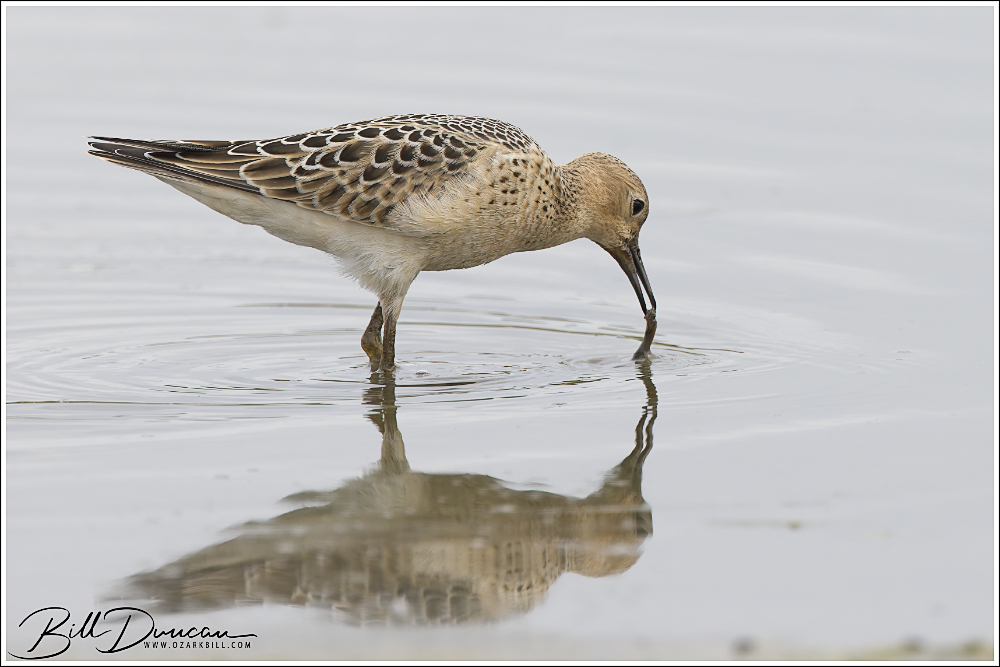
It’s been close to 15 years since I’ve had the opportunity to photograph one of my favorite bird species, the Buff-breasted Sandpiper. This one was photographed on August 31st at Confluence State Park. Thanks a bunch to Diane Bricmont who first pointed this out to us!