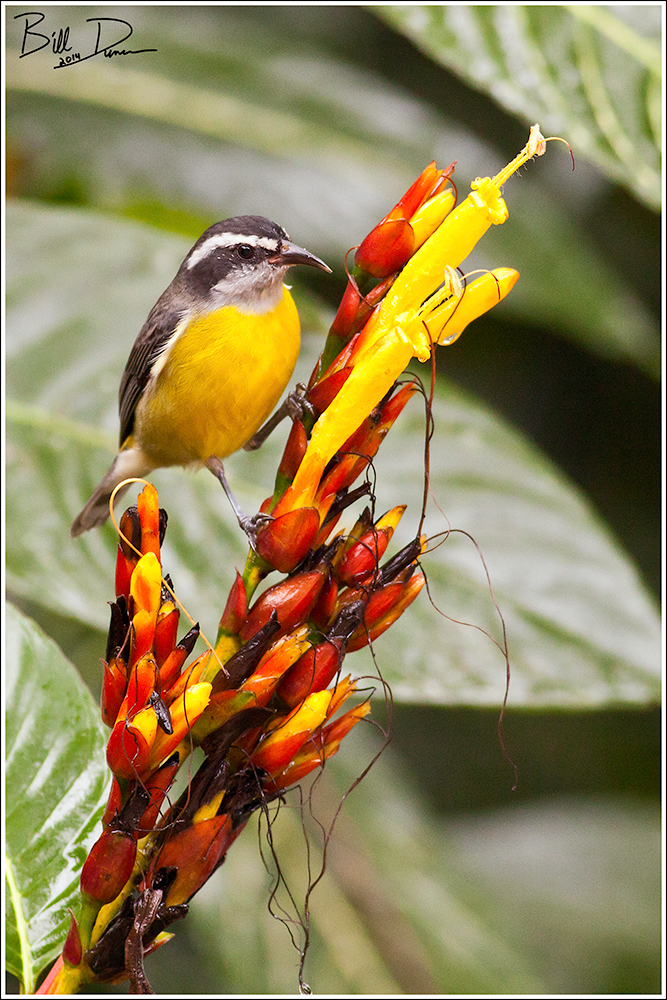
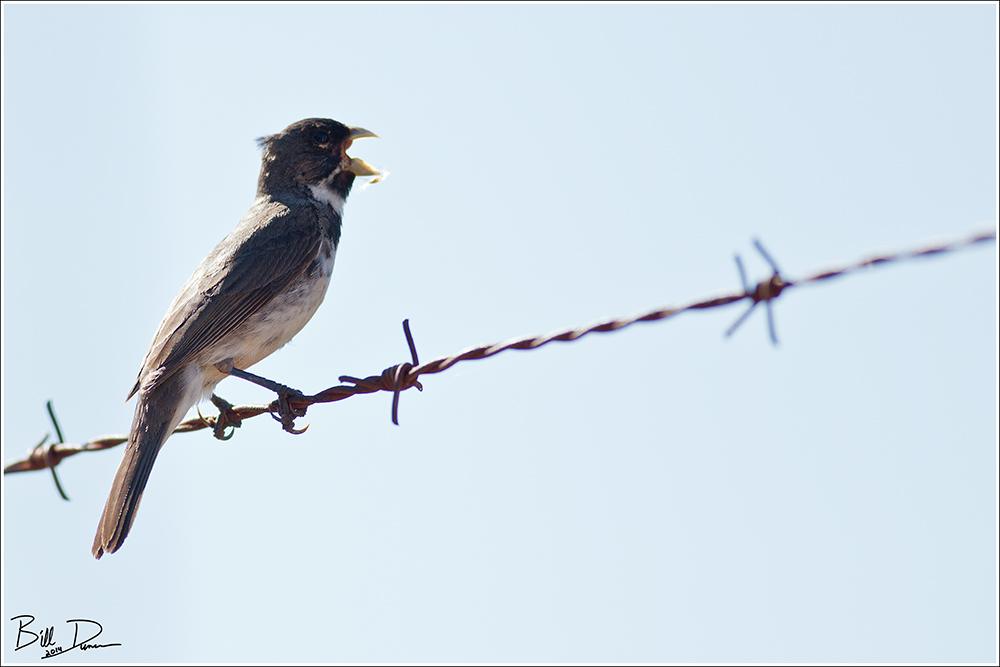
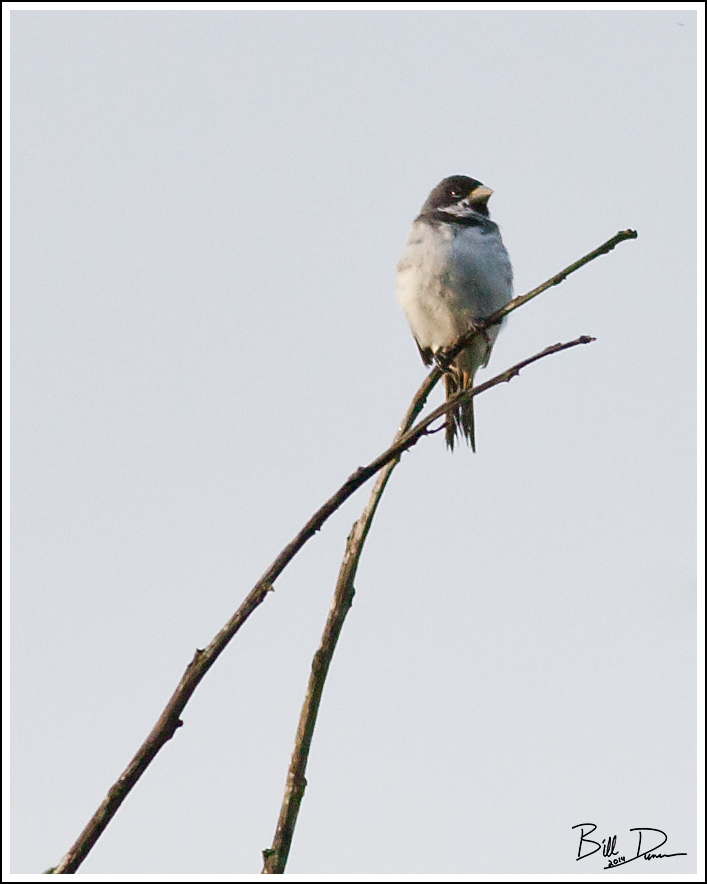
English: Bananaquit
Portuguese: Cambacica
LB: Coereba flaveola
Song
"What a thousand acres of Silphiums looked like when they tickled the bellies of the buffalo is a question never again to be answered, and perhaps not even asked." -Aldo Leopold
The male Hooded Warbler’s song can be heard within the Ozark National Scenic Riverways longer into the heat of the day than many other songbirds. This guy, singing alongside quite a few other males occupying adjacent territories, was photographed on the Greer Spring Trail this spring.


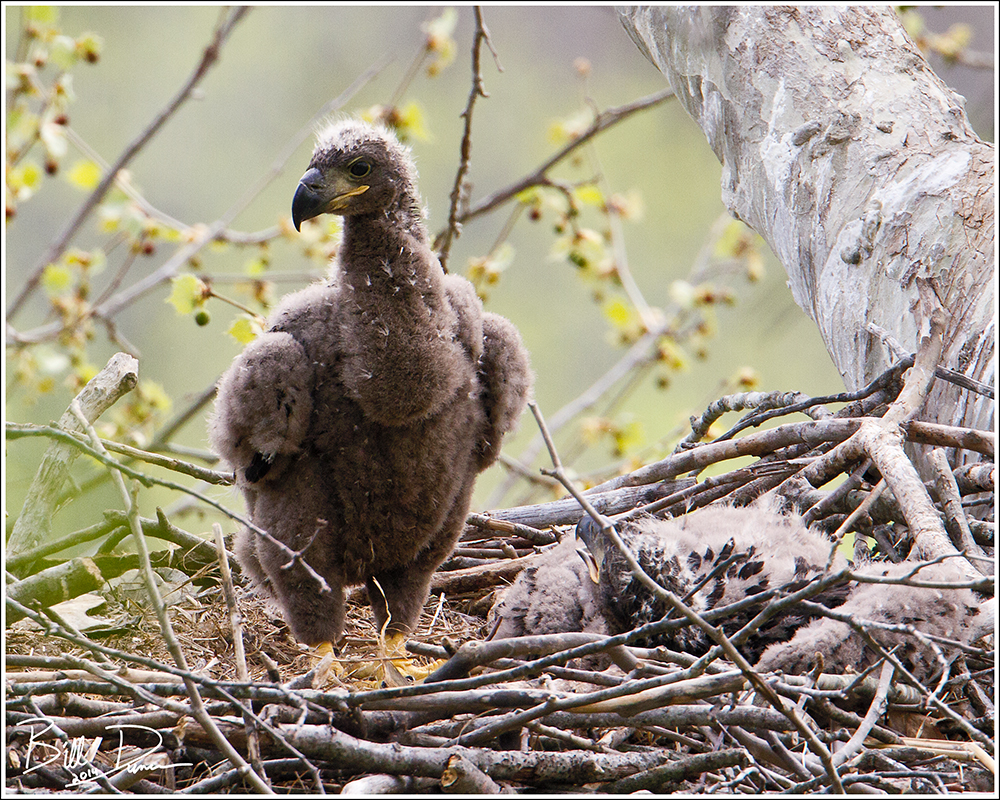
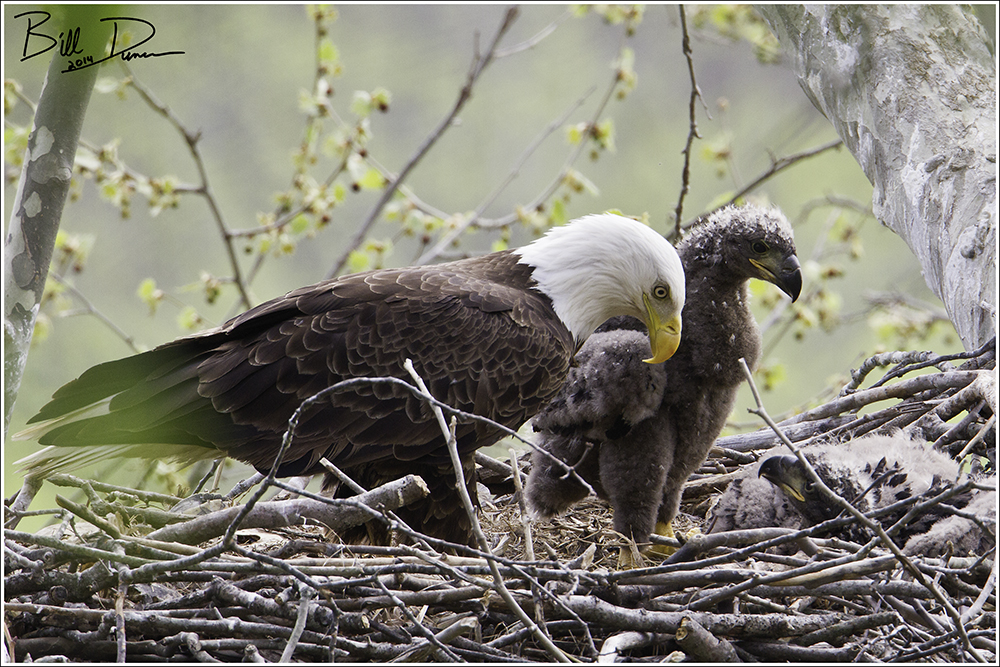
Week five and the birds flight feathers were really growing in.


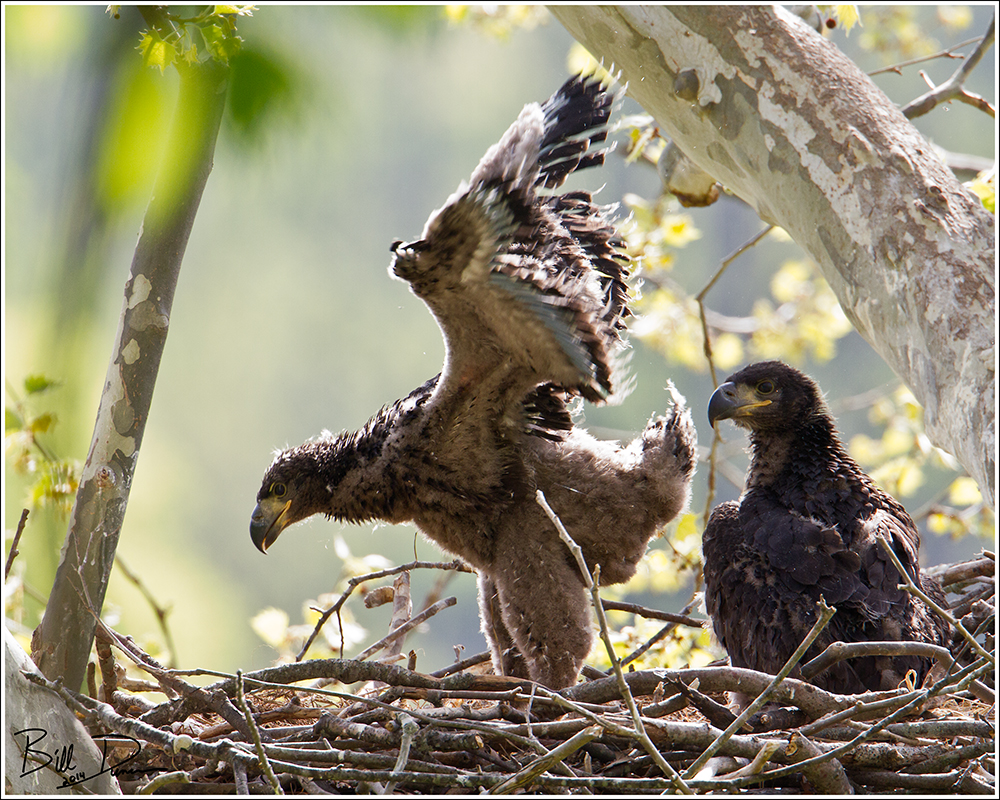
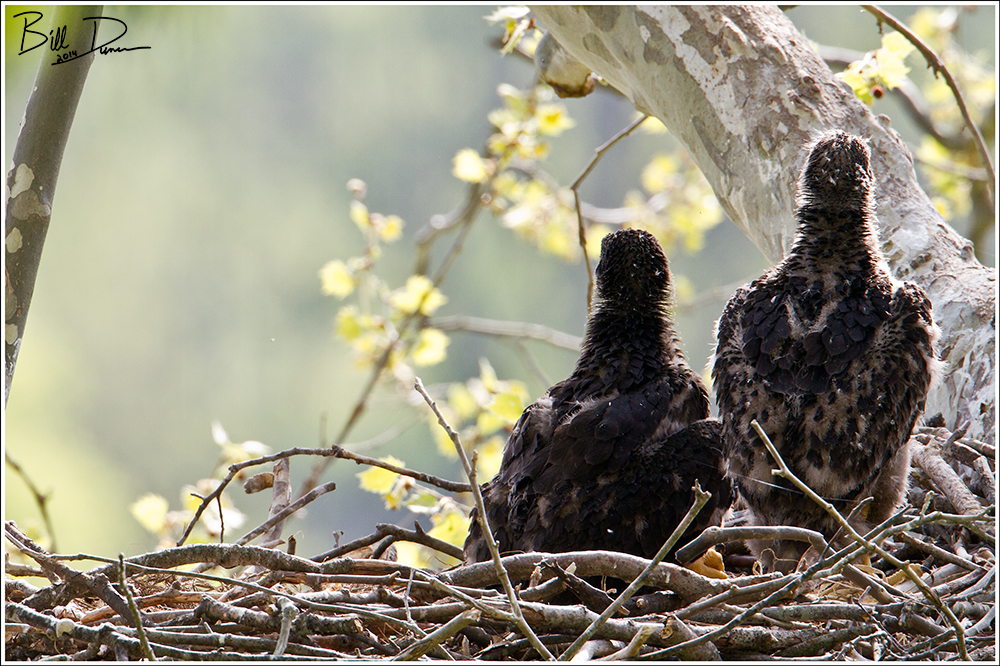
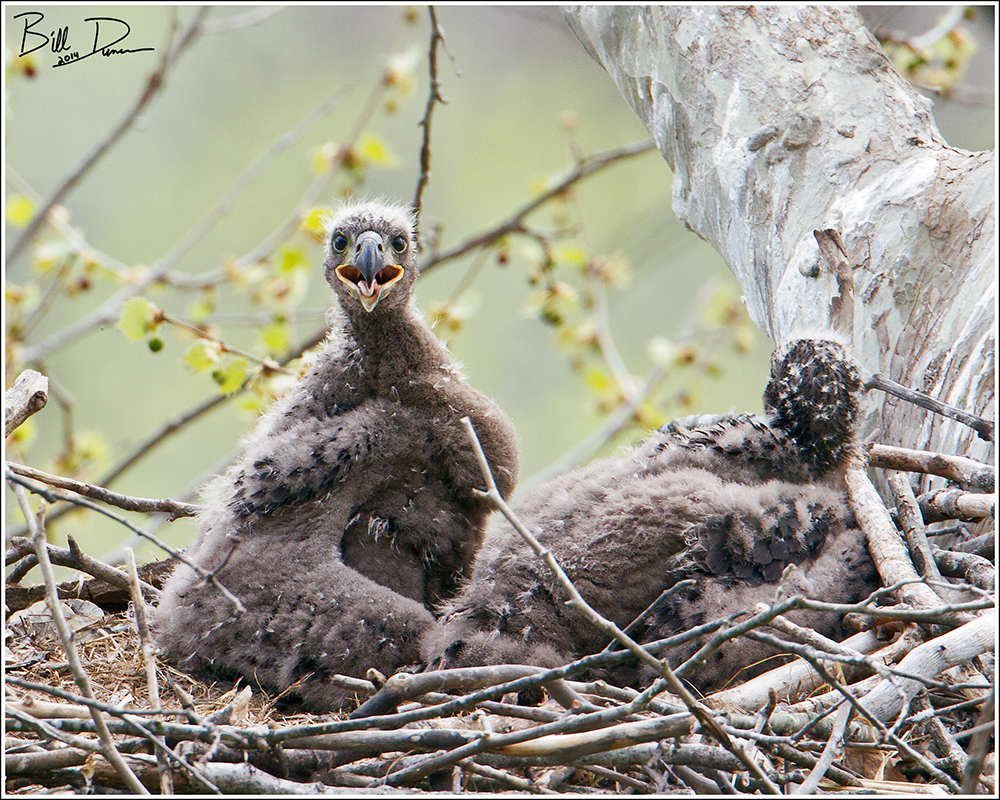
A few more assorted images from the nest, chicks about four weeks old.



From Harrison on the Worm-eating Warbler nest: “On the ground, concealed under drifts of leaves, usually protected overhead by shrubs, briars, saplings. Built of skeletonized leaves; lined with hair moss (Polytrichium), fine grass, hair. Typically on hillside or bank of ravine.” As cryptic as the birds themselves, the nest of a Wormy would only be found with the combination of utmost patience and fortune. If found, it has been reported that one can get quite close to the nest, the female only flushing if touched!
Click here to listen to the Worm-eating Warbler song.


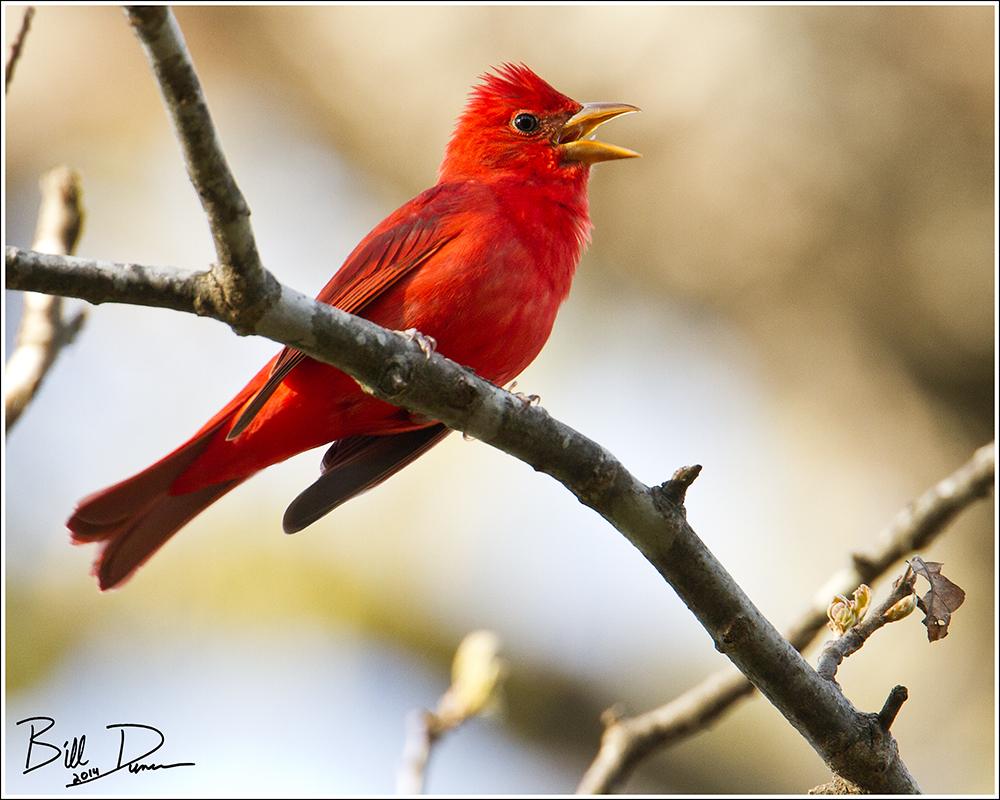
Observing and photographing songbirds that nest in this region is a bit easier than usual this time of year. This is because males are so focused on establishing and maintaining their territories. All one must do is decide what species is the objective, take yourself to the appropriate habitat and know its song. Once the singer has been identified, finding the male is relatively straight forward.
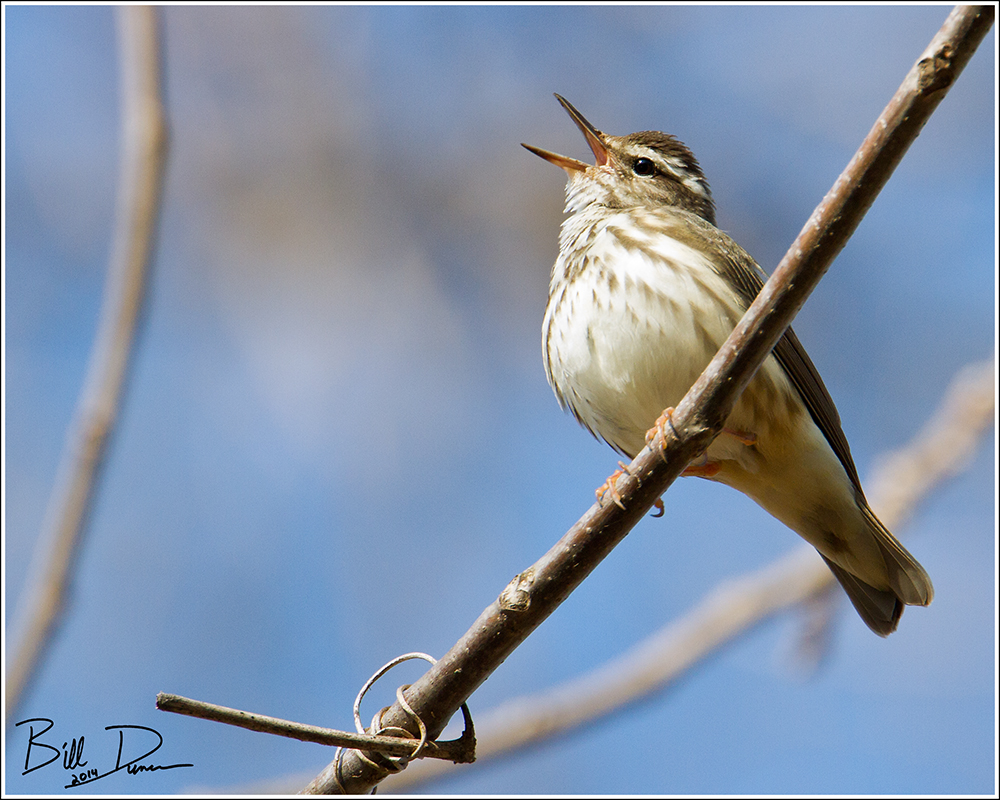
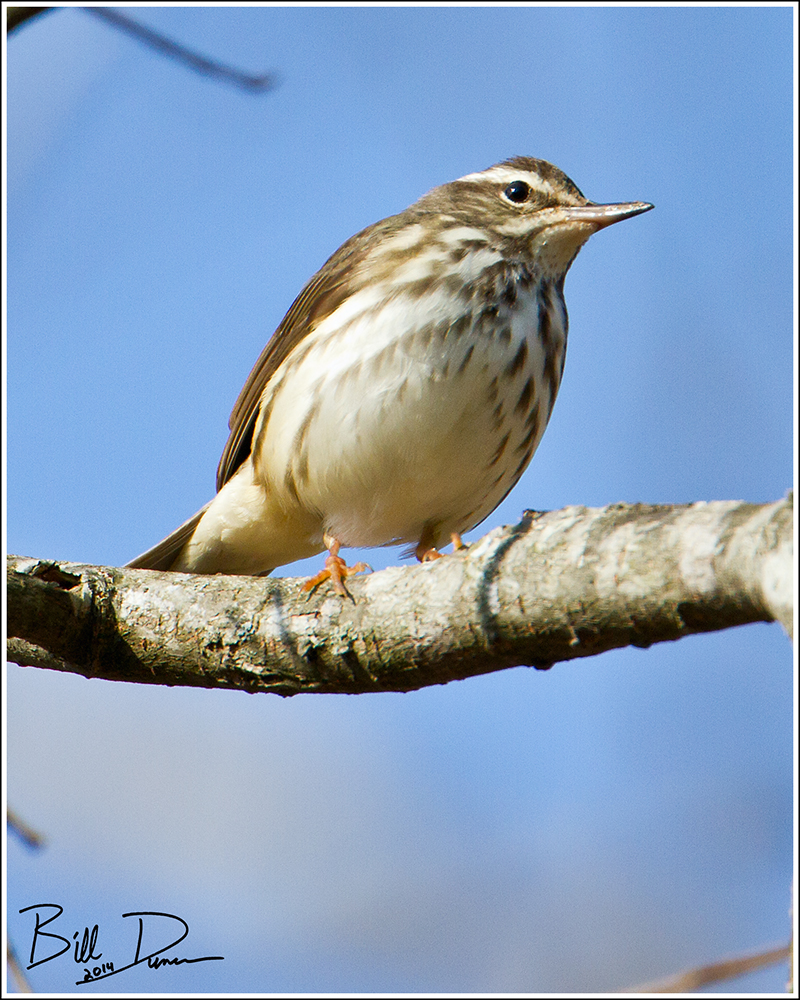
This is a Louisiana Waterthrush, found and photographed by Steve and I at Shaw Nature Reserve this spring. Hal Harrison (Eastern Birds’ Nests) states these guys locate their nest almost always near a stream, sometimes within the bank of the stream, hidden by roots, leaves and grasses. Like the nests of so many songbirds, finding one is an almost impossible task. Again, from Hallison: both sexes participate in nest building, which takes 4-6 days, only the female incubates the single, annual clutch of 4-6 eggs, that take 10-14 days to hatch.
Click here to listen to the Louisiana Waterthrush song.
 A Thousand Acres of Silphiums