Making the Birds Earn their Supper

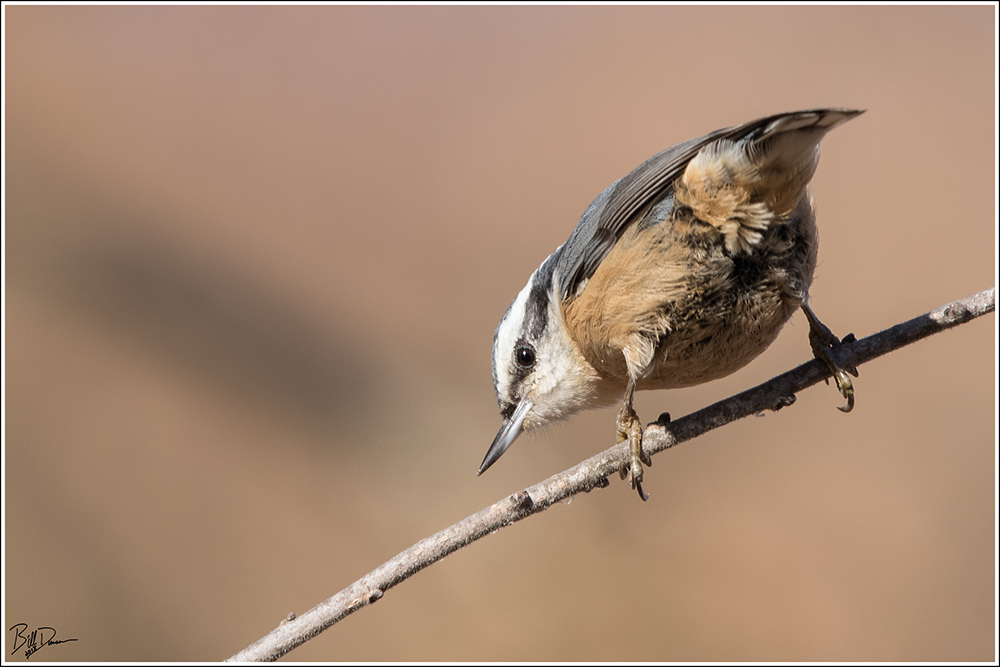
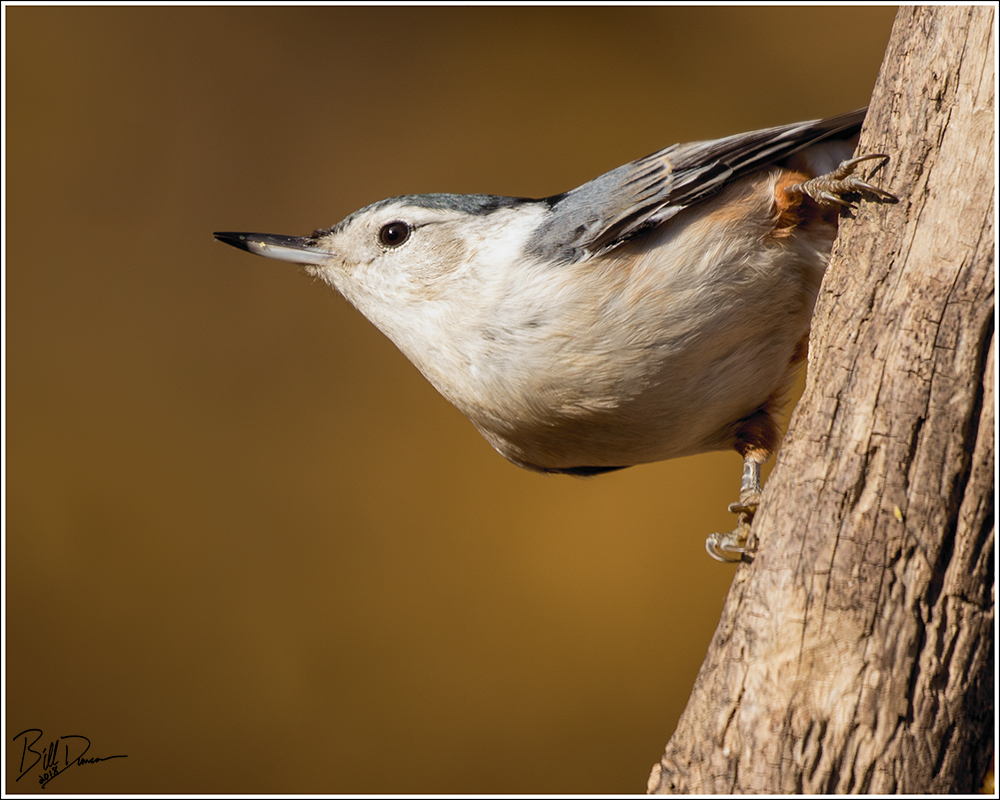
White-breasted Nuthatch

I have been given a lot inspiration lately by a number of Facebook friends to photograph the great birds that visit our feeders, or to put it another way, make these models work for their supper. On a recent birding trip, Sarah and I collected some great drift wood that I turned into horizontal and vertical branches in the backyard, not too far from the feeders and our sun-porch.

Dark-eyed Junco

I drilled a few extra holes towards the rear of some of these to act as unseen cavities to place my homemade bark butter. It only took the Juncos a couple of hours to find their favorite food. These guys go crazy trying to figure out how to get to this stuff. I made sure to place a few feeding spots near horizontal perches that they could access without too much difficulty as they cannot grasp vertical perches very well. These guys are so tame that they were my primary subjects, other species being a little more timid to visit the close perches and seed deposits that I sat close to.

Dark-eyed Junco

For a first attempt, I’m pretty pleased. These were shot hand-held in mixed lighting with my 100-400 mm lens and I shot through the not-so clean windows of the sun-porch. I tried sitting behind the open windows, but this must have made me much more conspicuous. I sat for an hour or more with few birds coming in to feed. Within seconds of me closing the windows, the Juncos came to the feeding stations.

Downy Woodpecker

I’m a little concerned that my resident Downy Woodpeckers might have a little too much of the rich food I am providing. They now have access to the peanut and tree nuts in the no-mess mix I provide, beef tallow suet blocks, and now the bark butter. But, I suppose it would take a lot for a wild bird to over indulge.

Anyone who feeds their wild birds and has an interest and access to photography should give this a try. I’m looking forward to more cold mornings spent outside trying my hand at this.

-OZB

Finding Snow in April

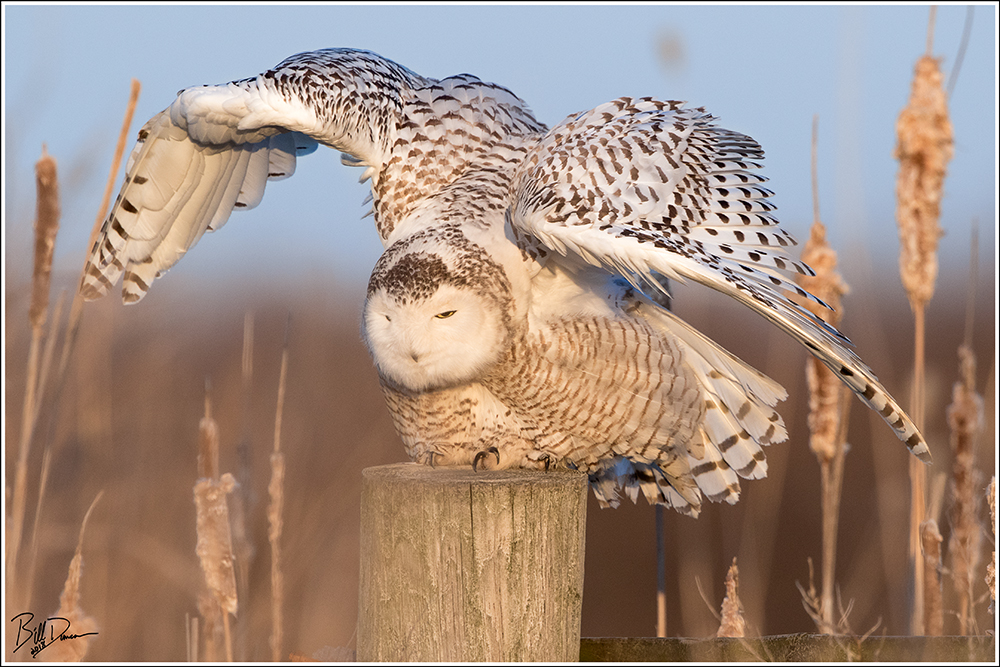
Snowy Owl – BK Leach Conservation Area

A huge thank you to Danny Brown, without whom I most likely would have stayed at zero Snowy Owls for the great Snowy irruption of the 2017/2018 winter. Because of travel and just poor luck, I had missed out on finding the Snowy Owls that had salted the state this winter and would never have imagined that we would have another chance a week into April. But, since the weather to date  suggests little of spring, I suppose we should have not been too surprised.

Snowy Stretch

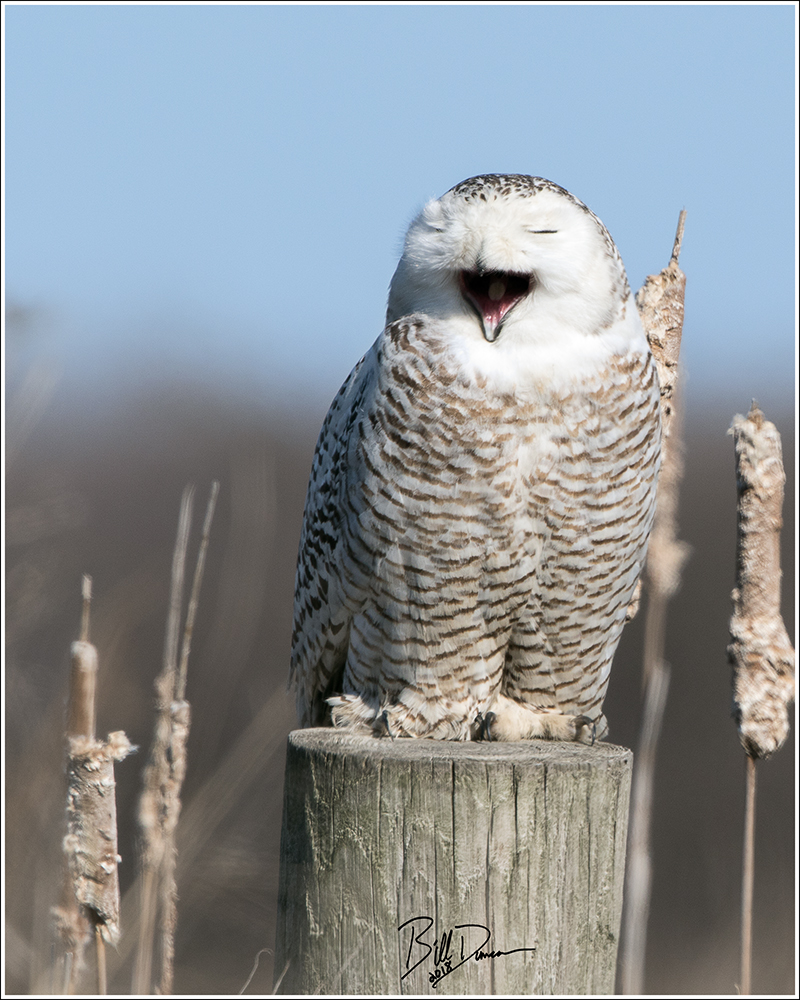
The birding on Saturday was seemingly great everywhere and Steve, I and others were having good luck finding interesting species at RMBS when we received the messages from our phones about Danny’s find. I think Steve and I would have been satisfied with our usual views from a football’s field or two away, but were ecstatic to find the bird perched at an optimal viewing distance, resting after a nice meal that others had documented earlier in the day.

Snowy Yawn

We left the bird still on its perch shortly after sunset. On the way out of the conservation area we had a Short-eared Owl and American Bittern flyovers. Thanks again, Danny.

Birds of Australia – Masked Lapwing

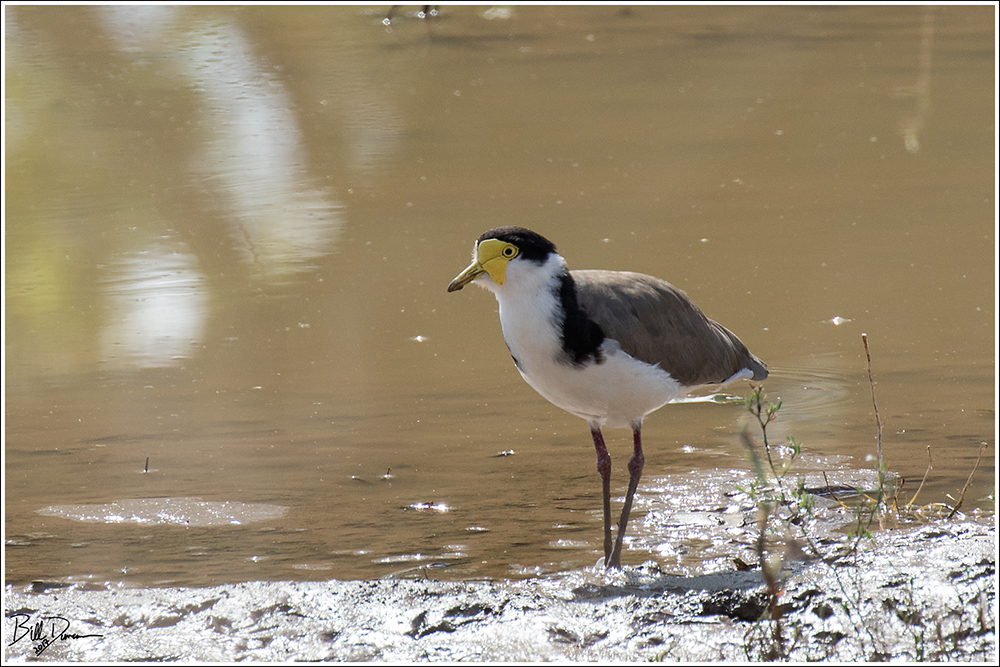
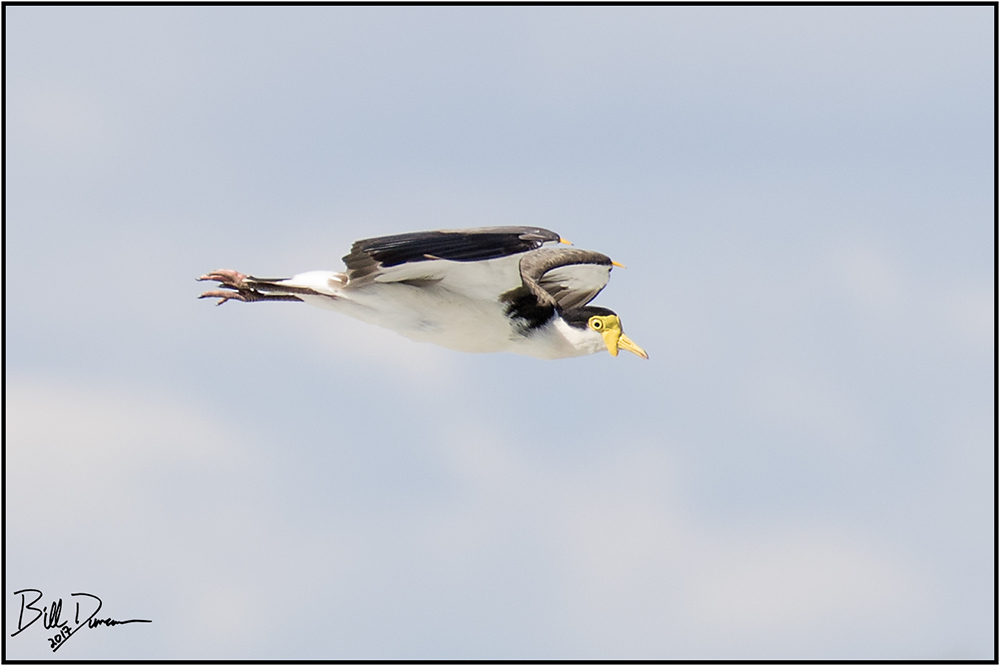
Masked Lapwing

I had come across Lapwing species in Brazil. These are pretty interesting birds – often colorful, loud, large and not too off-put by human activity. They are classified in the family Charadriidae that includes the plovers and they always remind me of our Killdeer.  Most birds in this group use alarm calls and maybe injury feigning to protect themselves and their nests and offspring. These guys have similar tools, but look closely at the next image. Can you see their special weapons?

Masked Lapwing

Yes, these guys pack a little something extra in those wings. Also known as the Spur-winged Plover, the Masked Lapwing uses those spurs in territorial conflicts with one another as well as against potential predators that may be after their nests and developing chicks. Humans have been known to be struck by these not-so helpless birds.

‘Spur-winged Plovers’


Birds of Australia – The Fairy Wrens

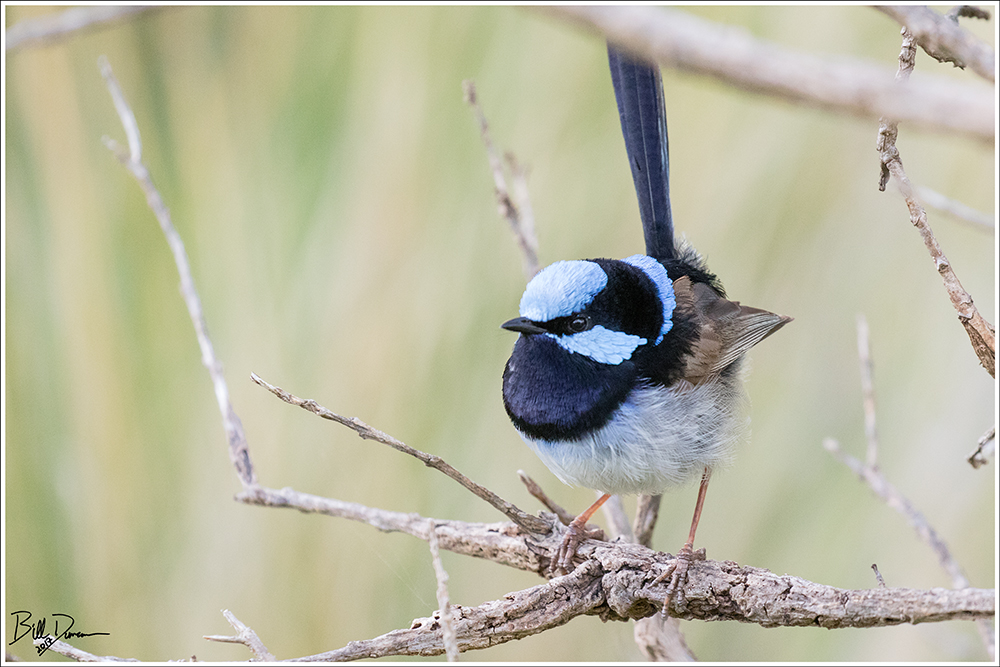
Superb Fairy Wren

Among the most well known and sought after of Australia’s passerines are the Fairy Wrens and probably none is more popular than the Superb Fairy Wren that is found in New South Wales and Victoria in southeast Australia.

Superb Fairy Wren

Confident and brash, these guys have the personality of a chickadee on a mood-altering substance. On a couple of occasions, Collin and I found ourselves face to face with these guys at an arm’s length, being the apparent subjects of their songs and scoldings.

Superb Fairy Wren

The Fairy Wrens are sexually dimorphic, with males having an eclipse phase in the off-season where they molt to an appearance similar to the females. These birds tend to be found in family groups of 5 – 10 birds.

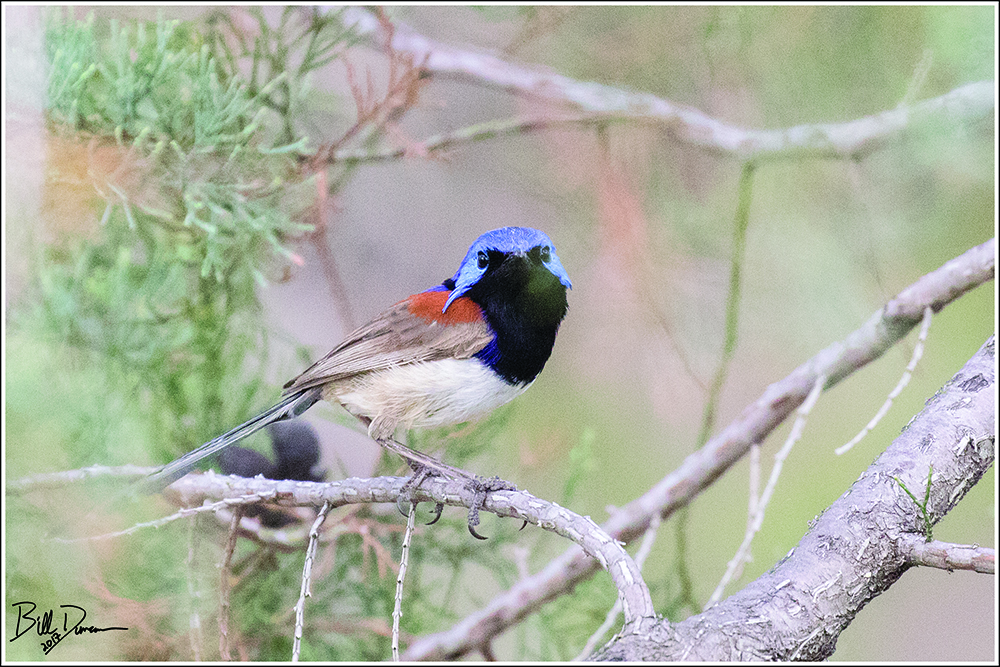
Variegated Fairy Wren

I found this Variegated Fairy Wren foraging among some low trees in a parking lot for Sawn Rocks at Mount Kaputar, NSW.

Birds of Australia – Black Kite

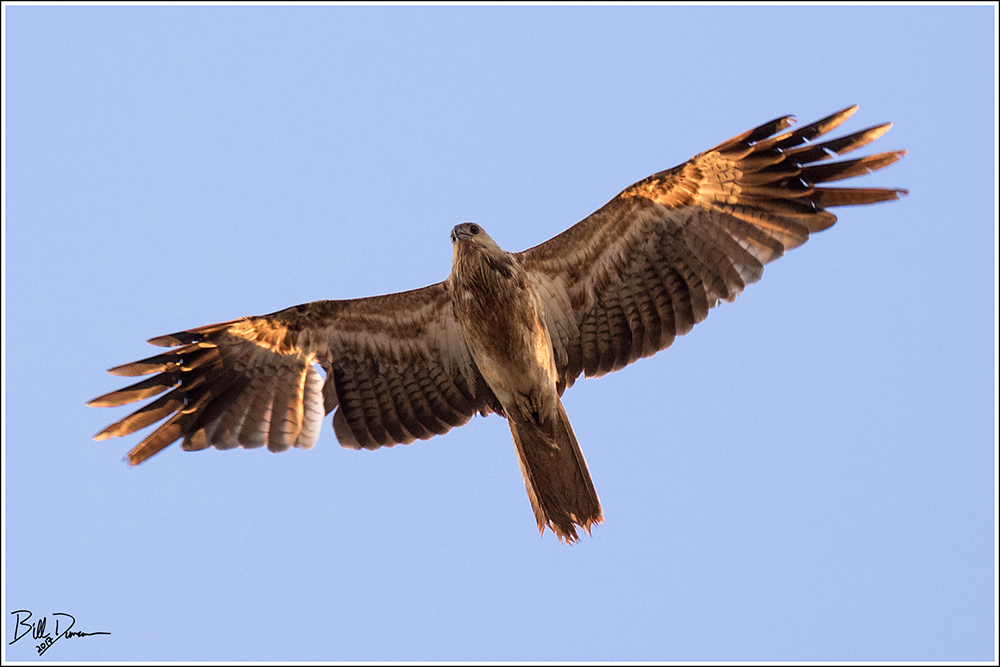
Soaring Black Kite

Considered by some to be the most abundant member of the family Accipitridae, the Black Kite is found throughout the old world. Populations of this species winter in the tropics and spend their summers in northern Europe, Asia and in Australia. Their diet is varied and consists of whatever they can catch, including carrion. This was one of the first Australian species I came to know. One morning I watched a group of at least 15 of these birds roosting in freshly plowed fields within the Monsanto research station we were visiting. I assume they were attracted to this area due to the mice and other rodents that were finding food and shelter among the large dirt clods.

Fievel’s no good horrible very bad day


The original carry out


Black Kite juvenile


Black Kite juvenile (I think)

Birds of South Texas – Common Black Hawk

Common Black Hawk on Nest. Big Bend National Park, TX.

One of my favorite of my lifers from our south Texas trip was the Common Black Hawk.  I would have been happy for a glimpse, but finding this one on a nest was more than I could have asked for.

Common Black Hawk. Big Bend National Park, TX.