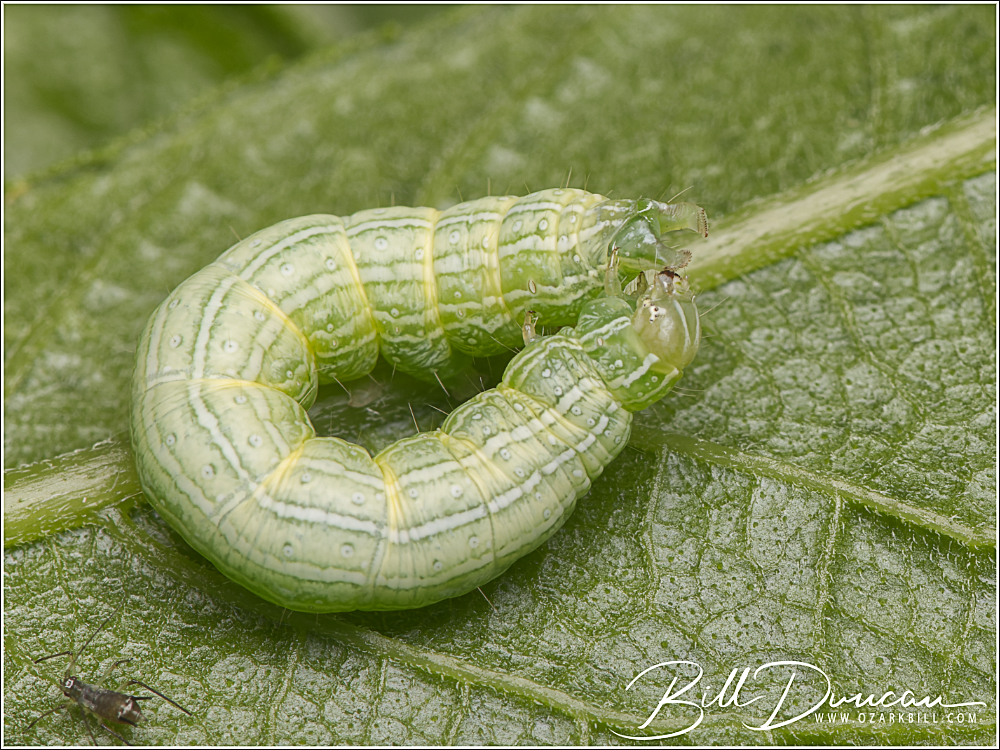
Today’s featured caterpillar is the Noctuid, Ogdoconta cinereola, or “common pinkband groundling.” This one was found in early July at St. Francois State Park on wingstem (Verbesina).

"What a thousand acres of Silphiums looked like when they tickled the bellies of the buffalo is a question never again to be answered, and perhaps not even asked." -Aldo Leopold
Today’s featured caterpillar is the Noctuid, Ogdoconta cinereola, or “common pinkband groundling.” This one was found in early July at St. Francois State Park on wingstem (Verbesina).
Tonight’s caterpillar is a member of the Crambidae family – Saucrobotys futilalis, or the “dogbane saucrobotys moth.” The host for this species is the namesake dogbane (Apocynum species) and they can also feed on milkweeds (Asclepias species). I found these pretty easy to find in mid to late July at Don Robinson State Park by simply looking for their web nests within dogbane plants. There were usually several cats within each nest and a little beating of the plants could get quite a few tumbling out.
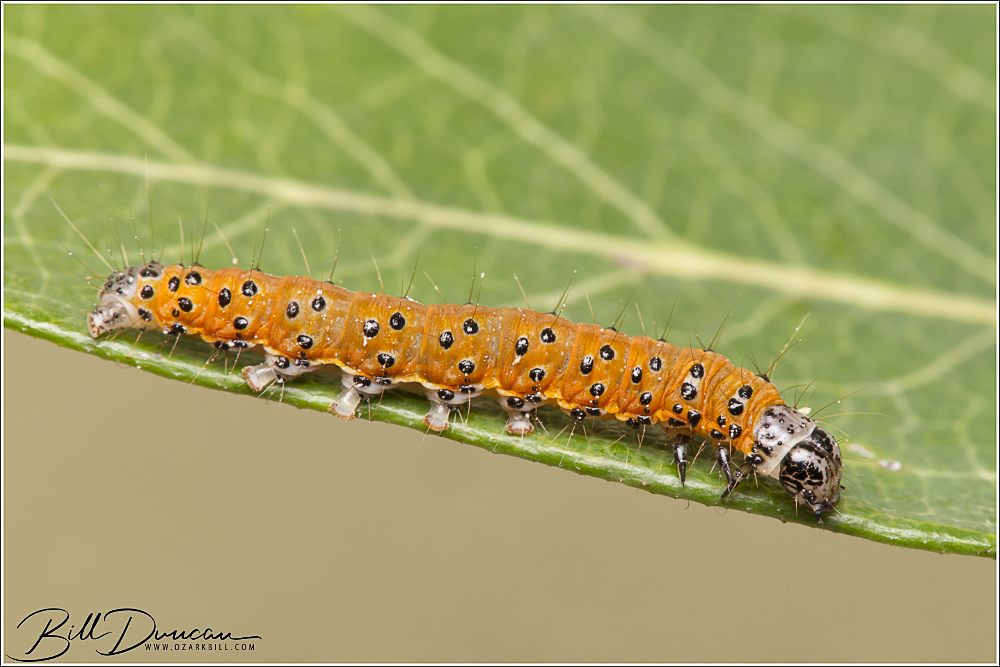
I find the Latin binomial for this one to be pretty entertaining. Saucro, coming from the Greek for graceful, pretty and beauty, along with botys, the genus to which this moth was originally ascribed. While, on the other hand, the specific futilalis seems to come from the Latin futilis, meaning brittle, vain, or worthless. Taxonomic nomenclature can be confusing and is often steeped in history (this species was described in 1863), but I find this grouping to be pretty entertaining.

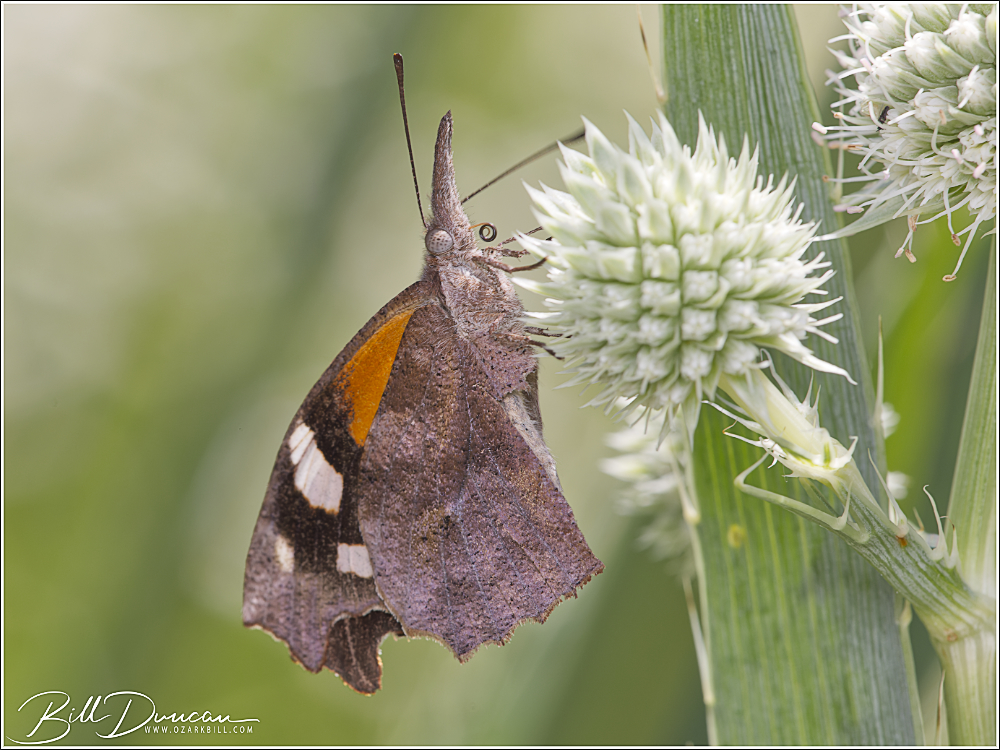
The American snout (Libytheana carinenta) of the Nymphalidae family was a new yard butterfly this year.

I’m pleased to say I found a “holy grail” caterpillar species this year. Unfortunately, at the time, I did not know what I had found. On July 13th, while searching right off a parking lot at Huzzah Conservation Area in Crawford County, MO, I found this smallish bird poop mimic caterpillar. I knew I had seen this one in photos before, but on this day I had left my field guides at home and I was in an area with absolutely no cell phone coverage.
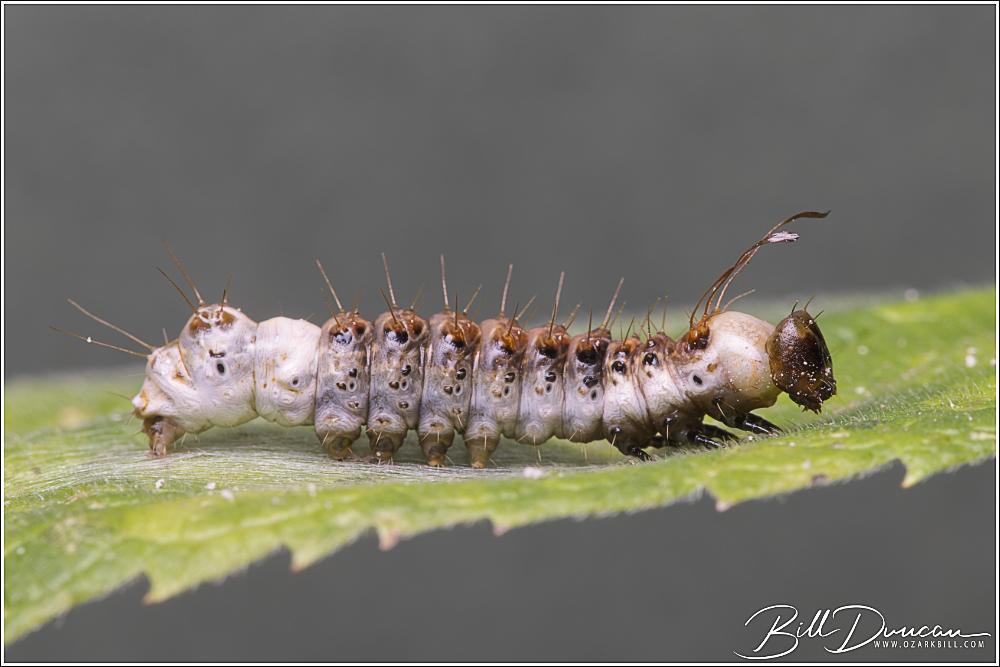
After getting back home, I identified this as a member of the Noctuidae family – Acronicta funeralis, aka the paddle caterpillar. It gets its common name from the paired paddlelike subdorsal setae that are present on the final instar of the caterpillar. I really wish I had known what I had found at the time. I would have brought this guy home to rear in order to get photos of the final instar of this cat. This species is rare enough that it might be the one and only that I find, but I think if I try hard enough, others will come in time.

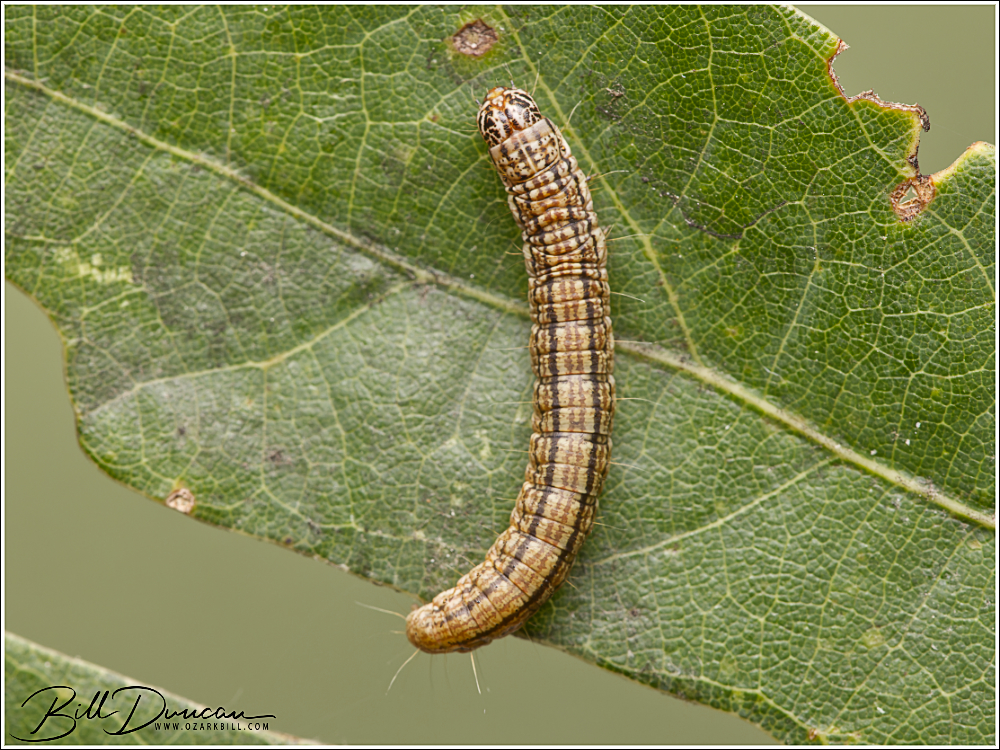
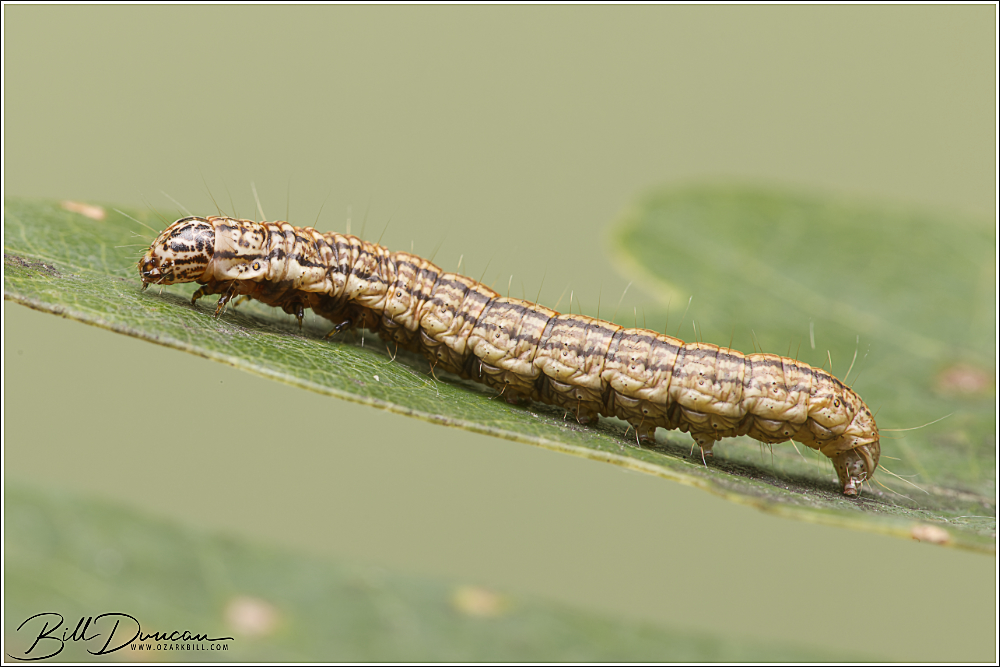
Today’s cat is in the Pyralidae family. It is most likely Pococera expandens (double-humped pococera moth), but with at least 27 species in this genus and many of which that feed on oak, upon which this one was found, other species could be an option. This guy was photographed in early July during a WGNSS Nature Photography field trip at Prairie Garden Trust in Calloway County, MO.
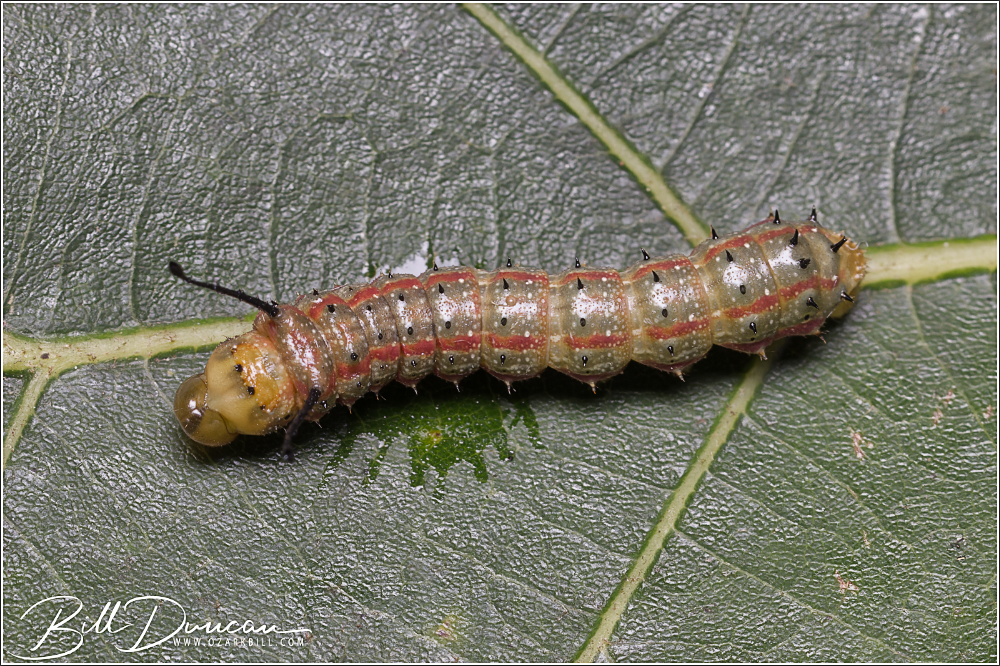
Today’s caterpillar is an interesting Saturniid – Anisota virginiensis (pink-striped oakworm moth). The stunning adults of this species are diurnal flyers and like most members of the family, do not feed. This individual was found on Quercus stellata (post oak) in late June of this year at Young Conservation Area.

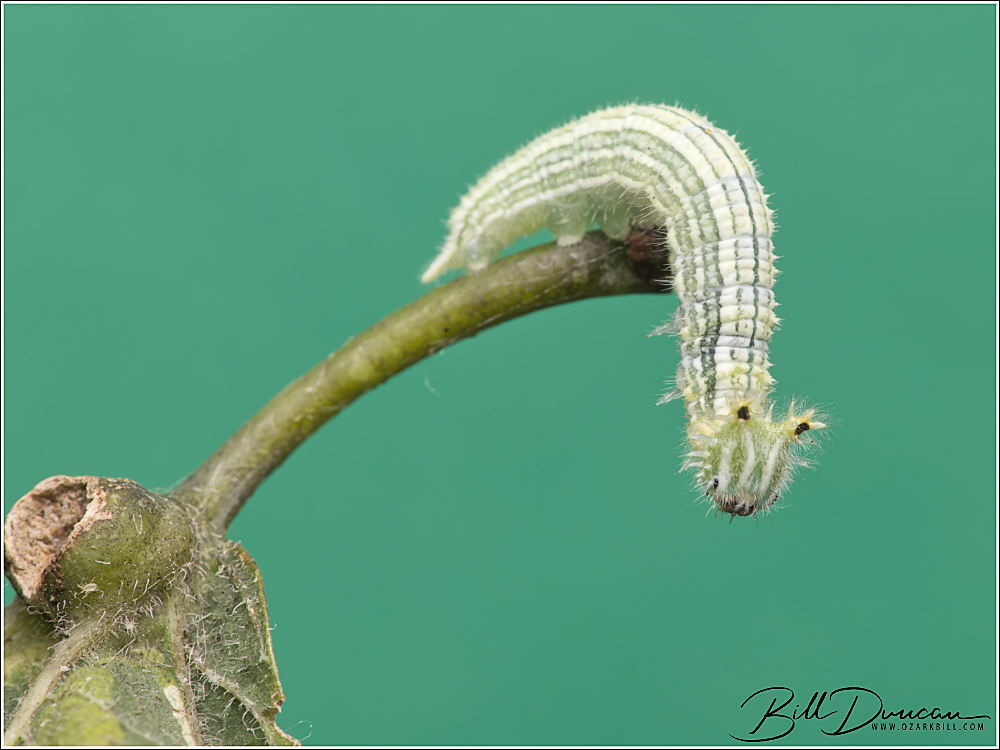
I posted about the hackberry emperor (Asterocampa celtis) caterpillar last month. Today’s cat is also found on hackberry (Celtis sp.) trees, but are far less common. Here is the tawny emperor (A. clyton) photographed at Shaw Nature Reserve in July.


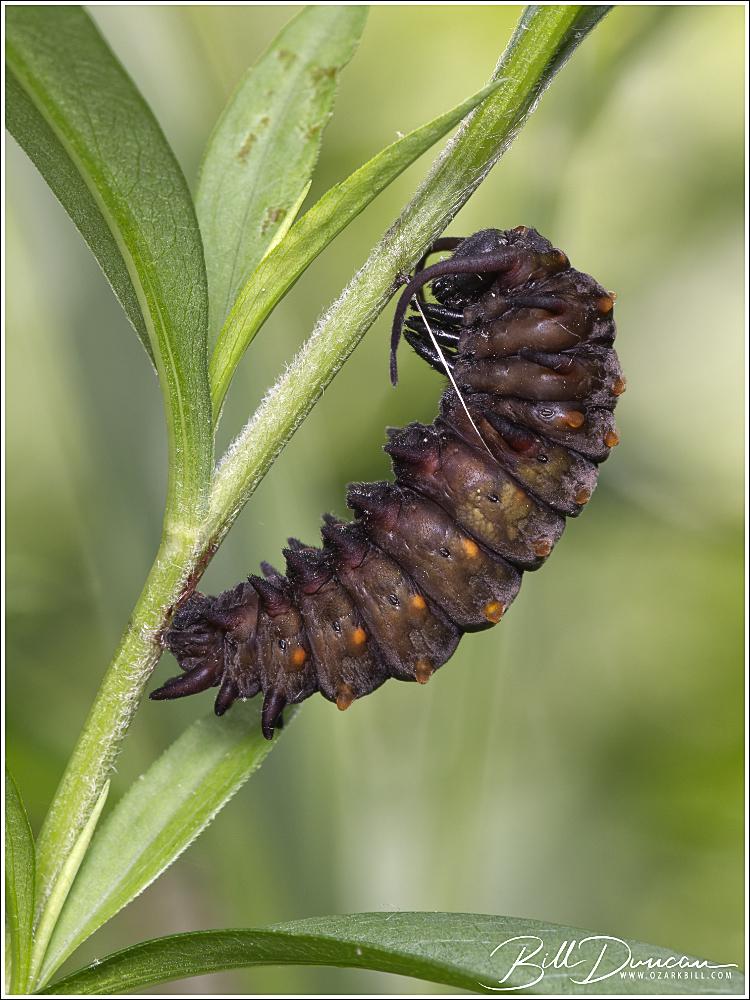
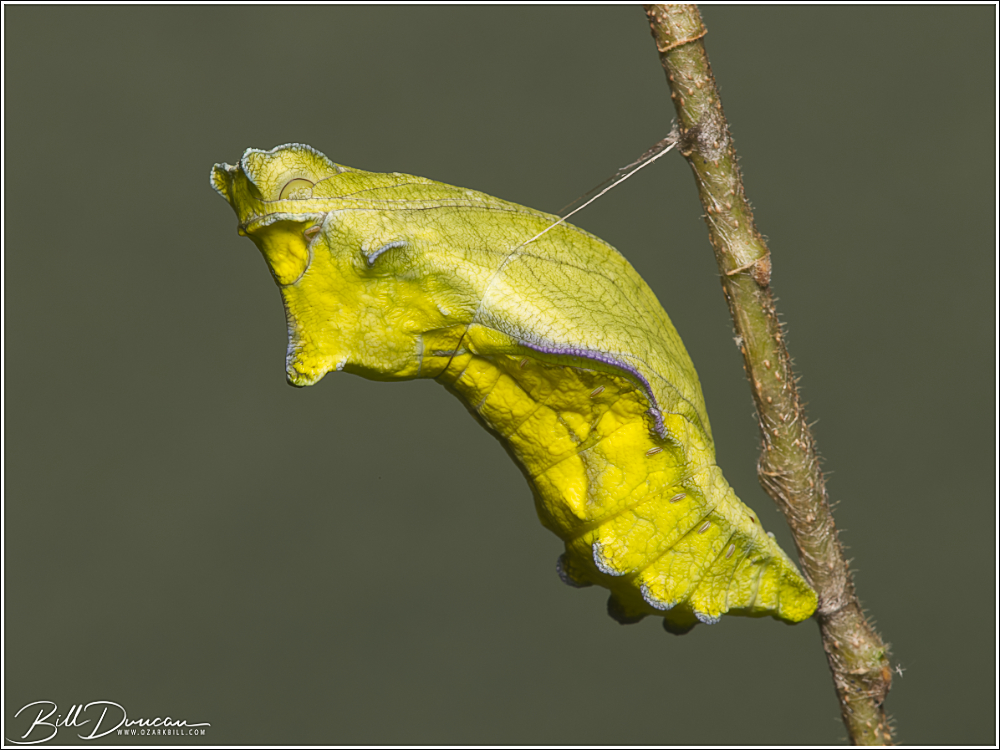
In late June I went out for an evening caterpillar hunt at Young Conservation Area. I was in for a real treat. The pipevine swallowtail (Battus philenor) caterpillars were on the move! Along with several dozen smaller instars munching away on the pipevine draped above my head along the trail, I also encountered close to two dozen final instar cats that were in various states. I found quite a few crossing the trails, some that were prepupal and also a few chrysalises that were attached to various plant species ranging from one to a few feet above the ground.


Friends and I had a couple of really fun blacklighting sessions at Engelmann Woods Natural Area in June and July. Neither evening was as great as it could be but each was definitely worth the time and mosquito bites. Here are just a few of the fascinating arthropods that came to visit.
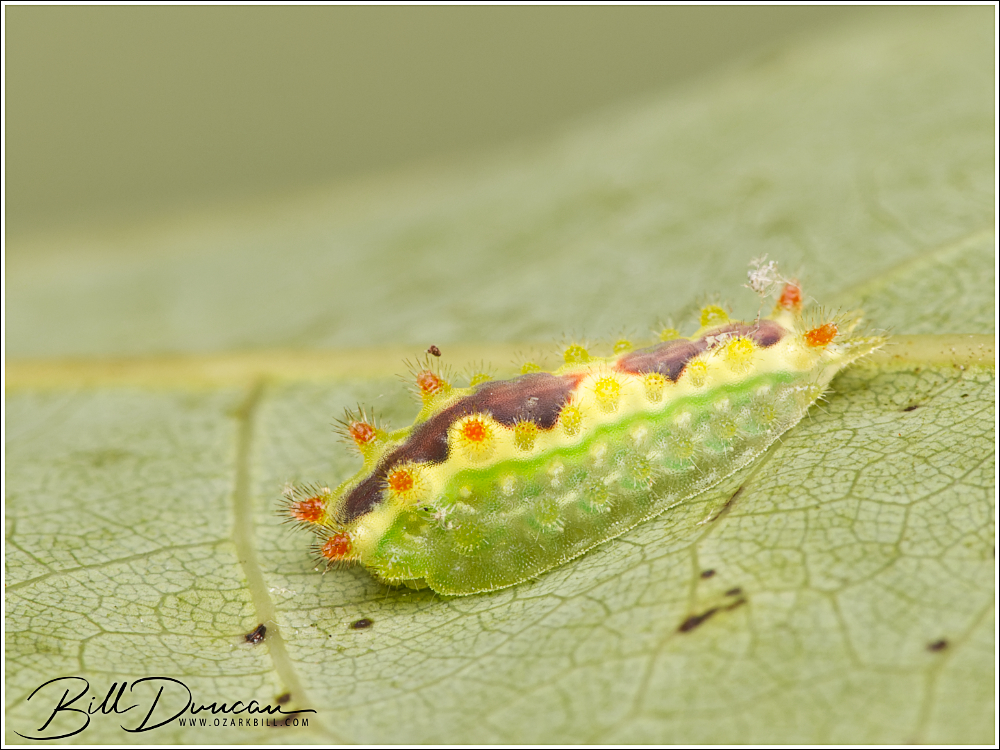
Slug moths (Family Limacodidae) are often the first to arrive at the sheets. We found a couple of adults and I was quite surprised to find a pretty late-stage purple crested slug (Adoneta spinuloides) larvae in late June. Typically, any slug moth cats are very small if you can find any at all in early summer.


We had very nice diversity in underwing moths (Eribidae Catocala sp.). I believe we had identified six different species over the two nights. Here are a few of these.

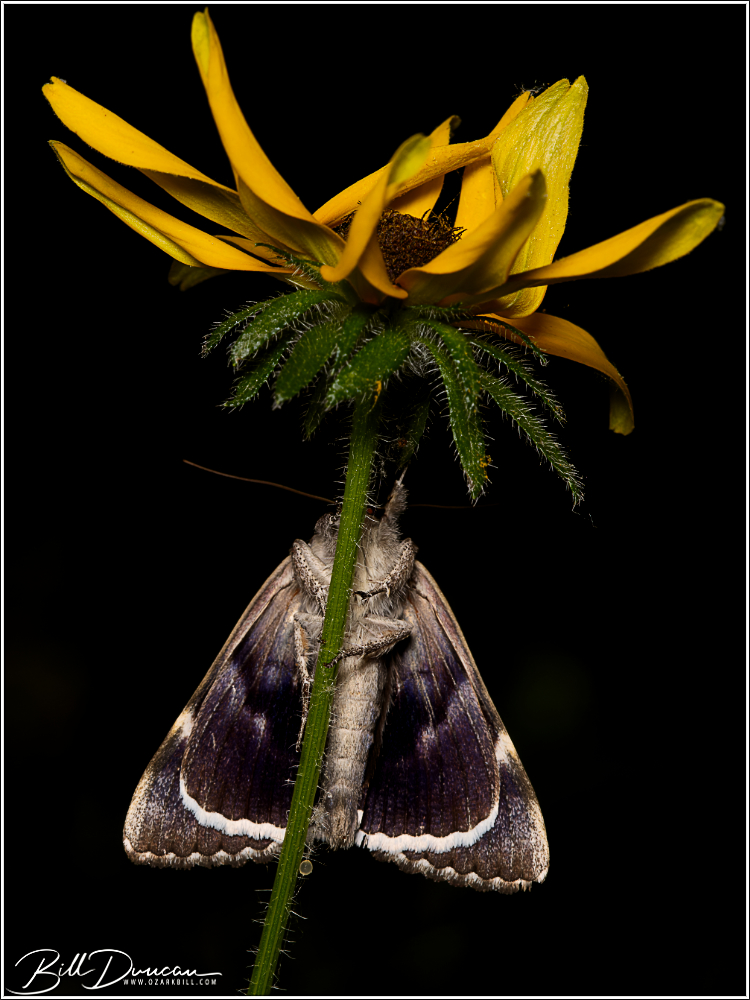
Catocala insolabilis (inconsolable underwing)

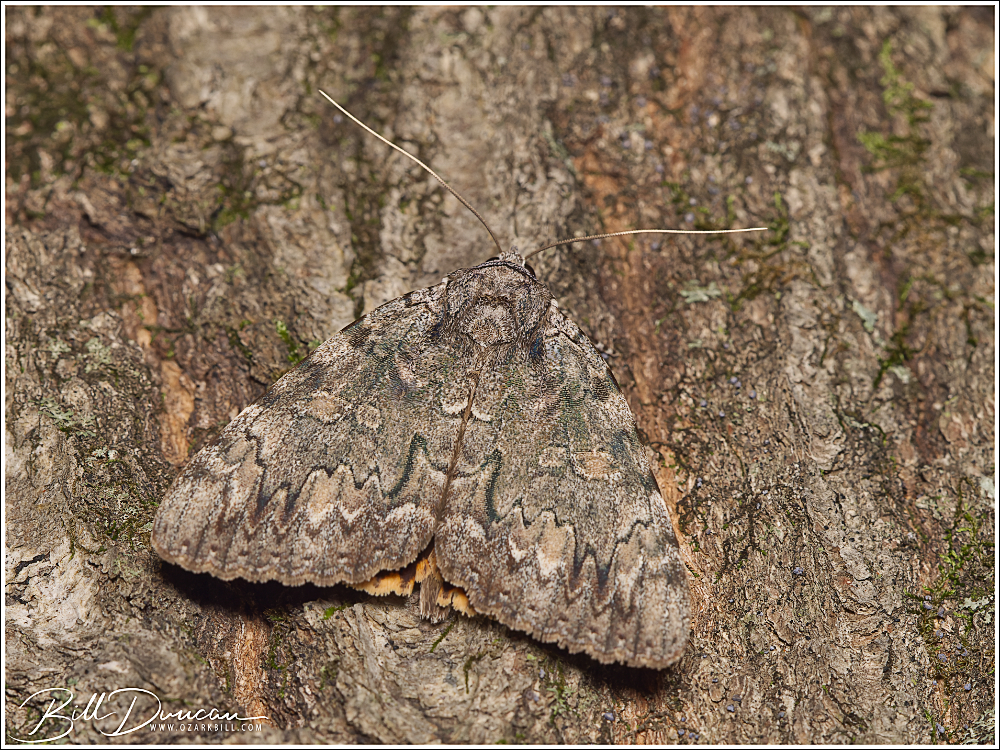
Here are a few fine examples of the species rich Noctuidae Family.
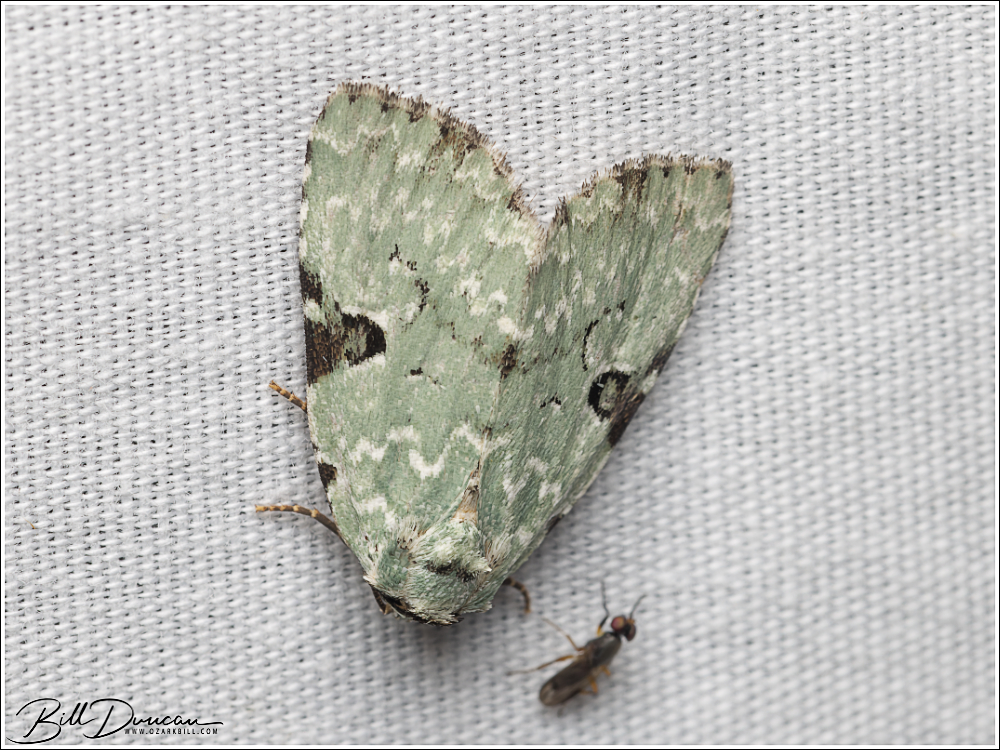


A couple of fuzzy and beautiful Notodontidae.
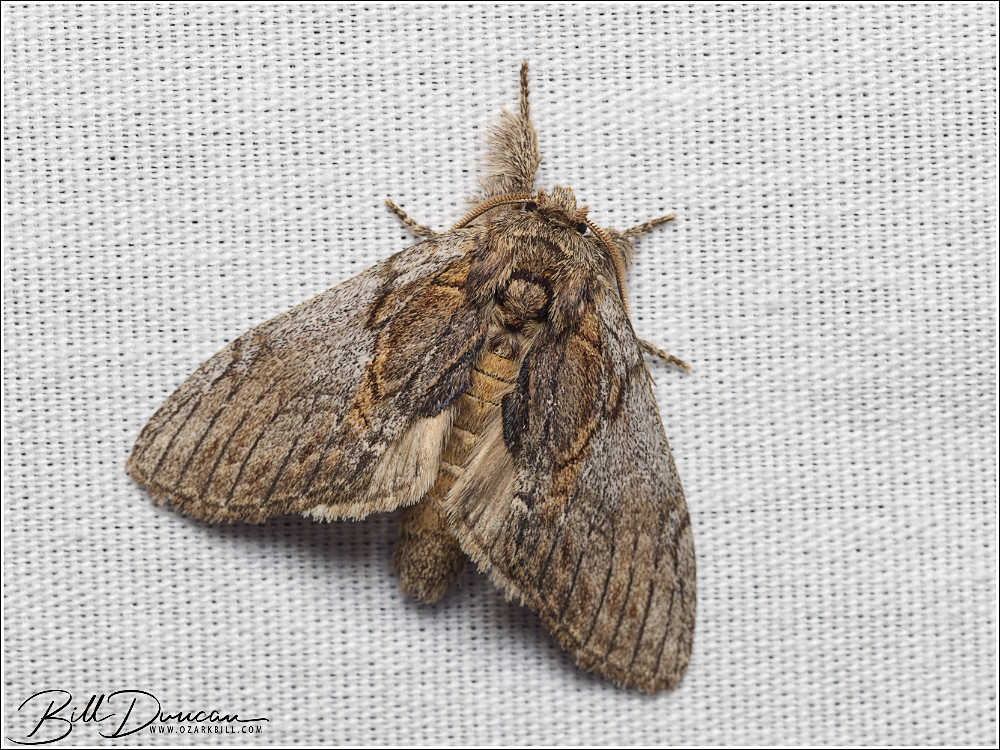

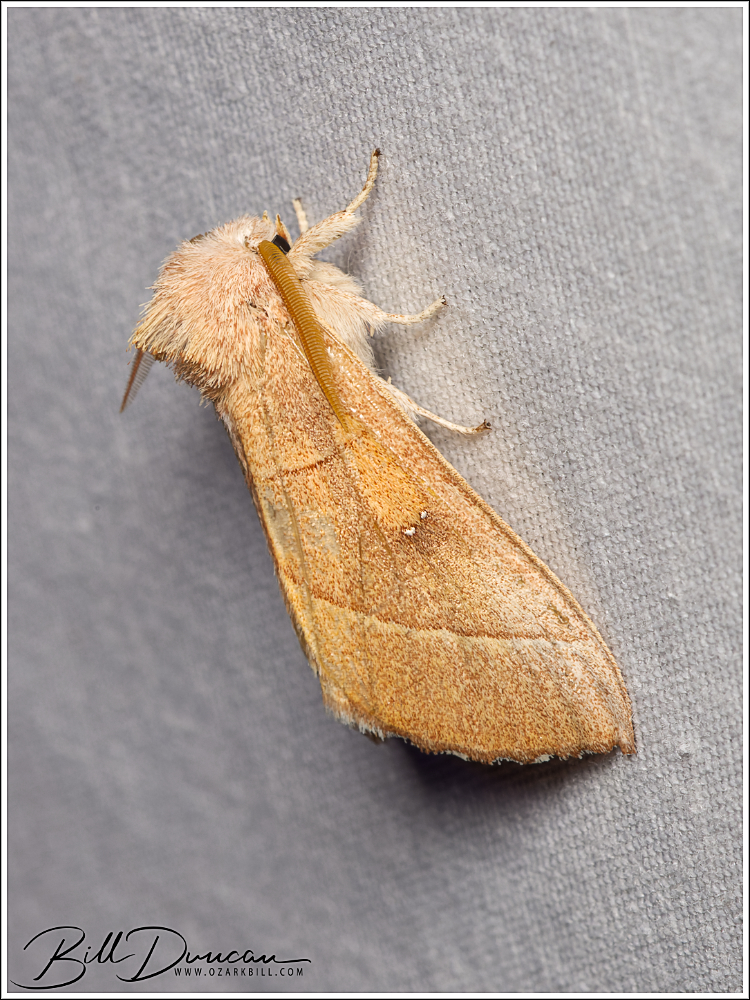
We had only a single sphinx moth that would settle down for some photo opportunities. This is the common but still interesting Virginia creeper sphinx (Darapsa myron).

Probably my favorite find from these two nights was this Euerythra phasma (red-tailed specter) in the Family Erebidae.


Of course, it really isn’t a blacklighting night without at least a couple of Saturniids. One of the highlights of our July night was having five imperial moths (Eacles imperialis) all show up at once shortly after I fired up the big metal halide bulb.
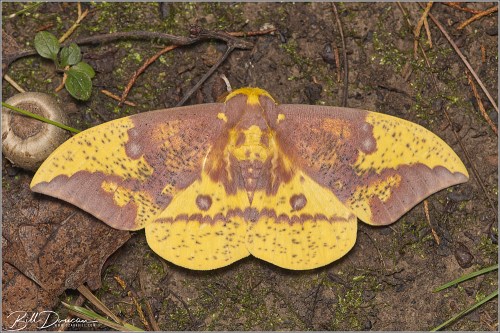
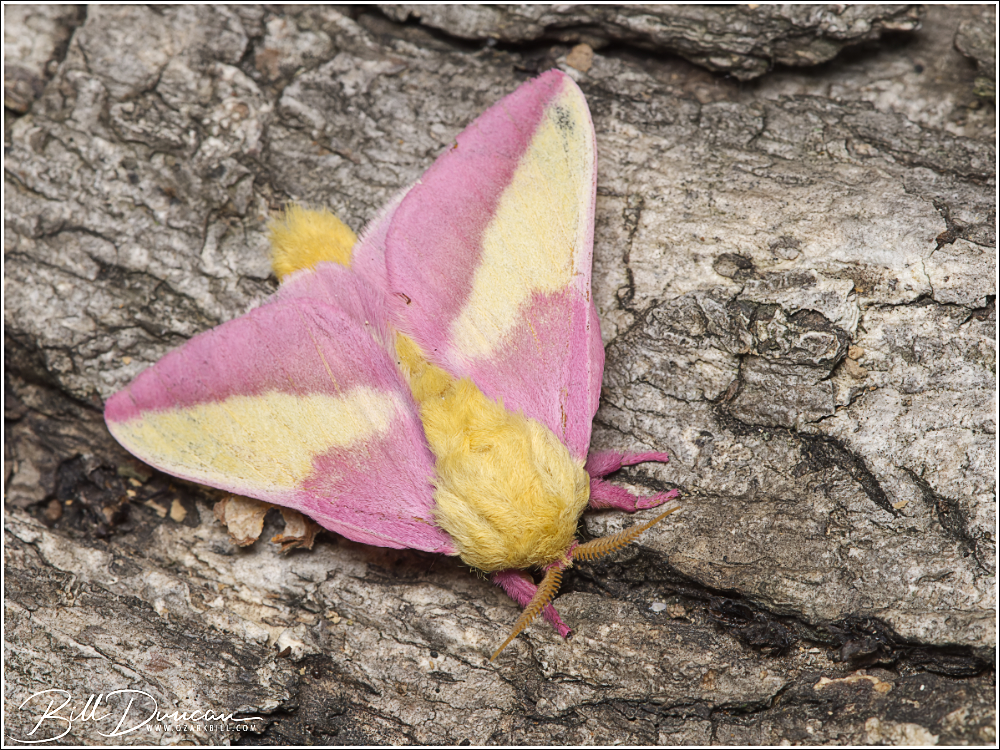

I’ll wrap up the moths with a couple of colorful little one.

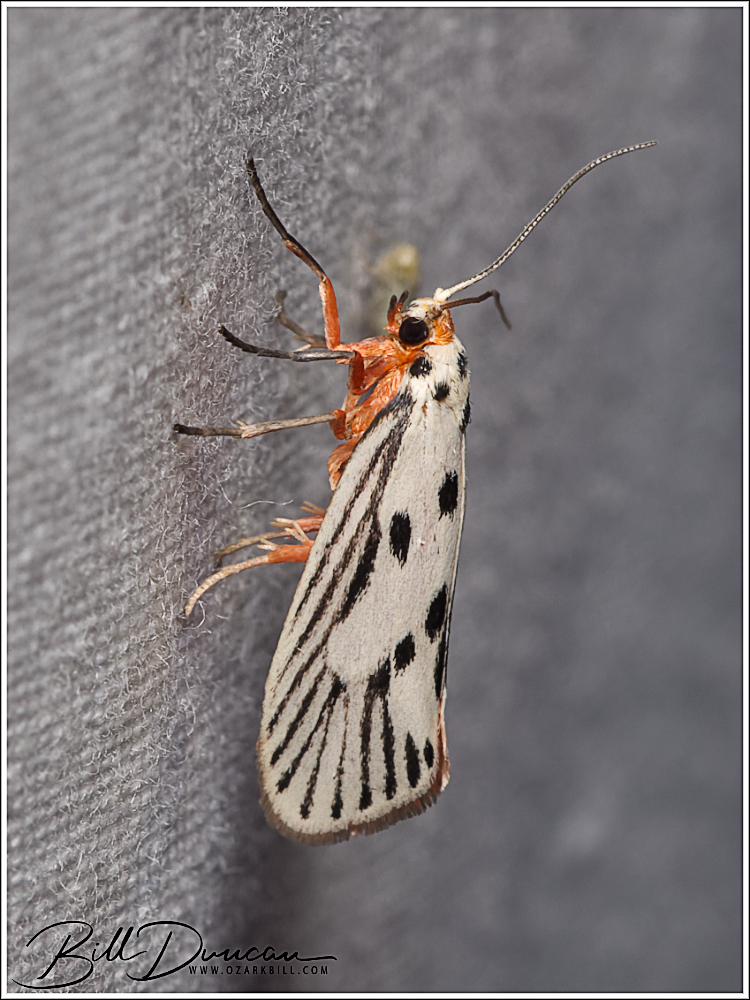
Of course we find other types of insects that are drawn to our lights, including these three species of Cerambycid beetles.


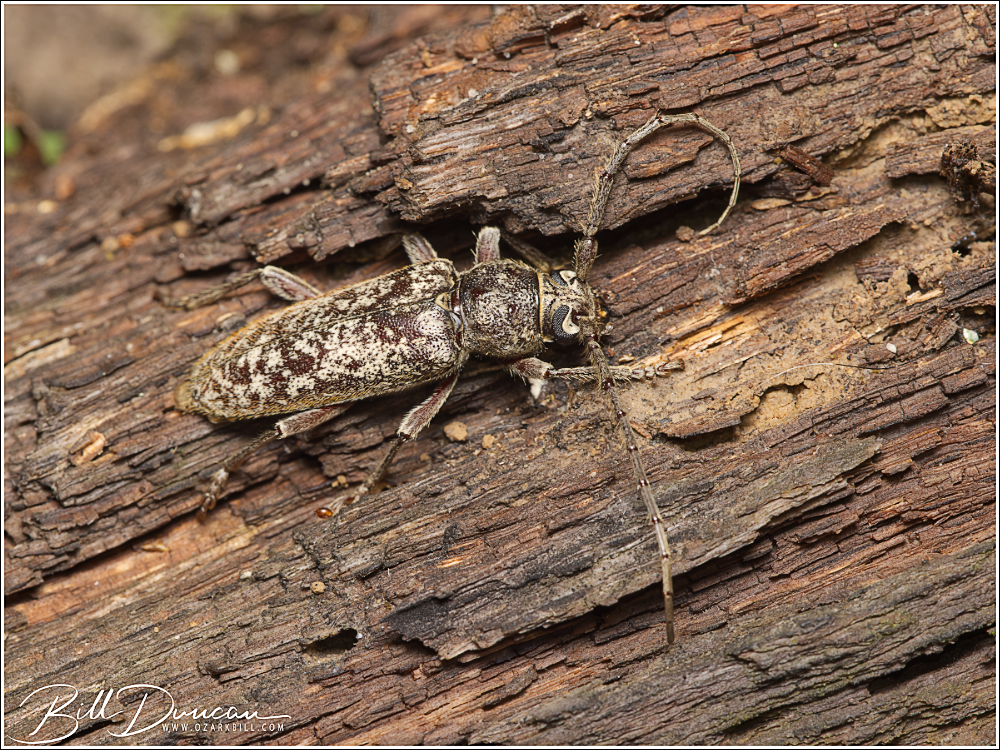

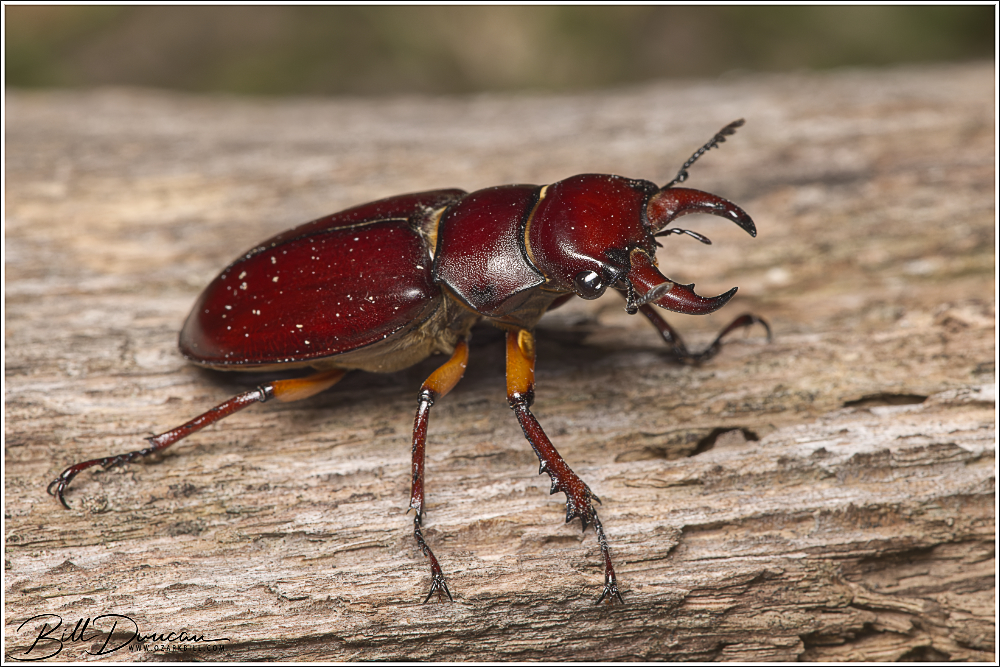
Thankfully this stag beetle wasn’t too serious about biting us.
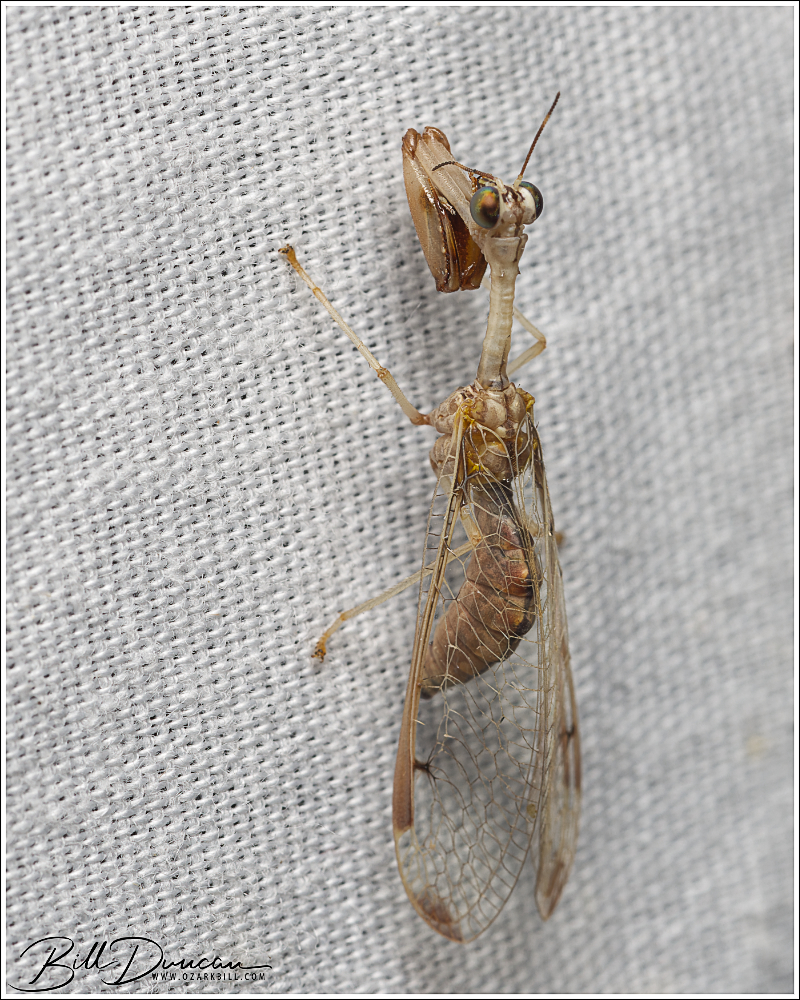
We found three species of mantid flies (Mantispidae). Unfortunately, I neglected to photograph the rarest of these.

This wraps up most of the first couple of blacklighting sessions of the season. I hope to get a few more in before the season is over. Thanks for visiting.
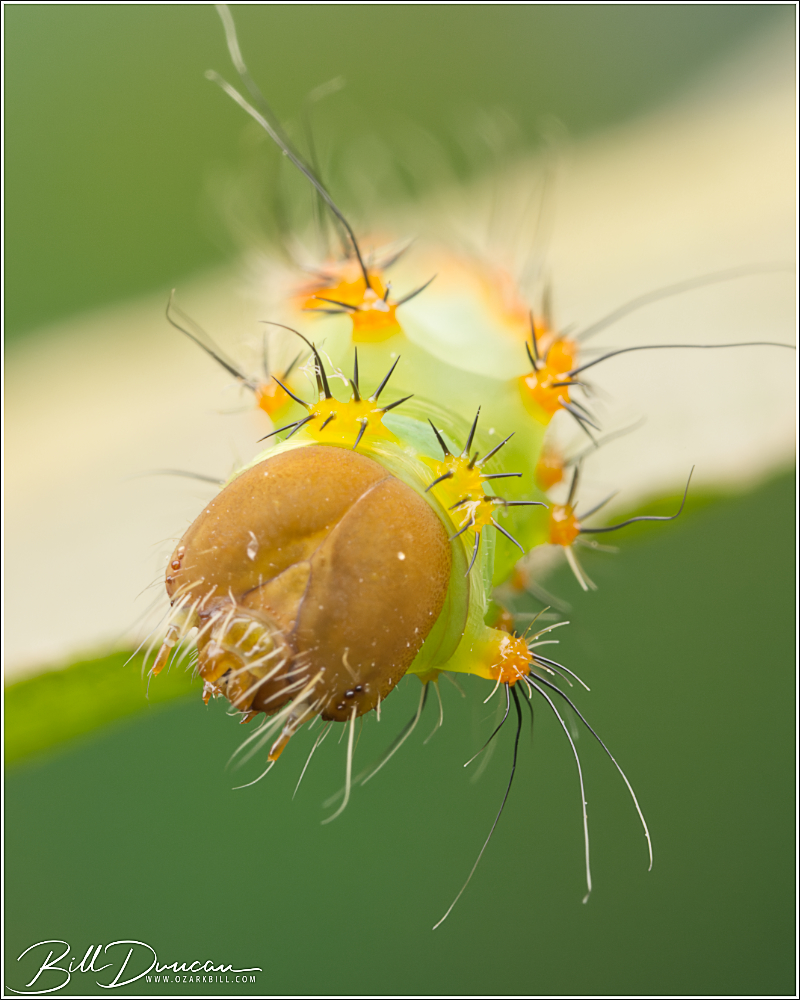
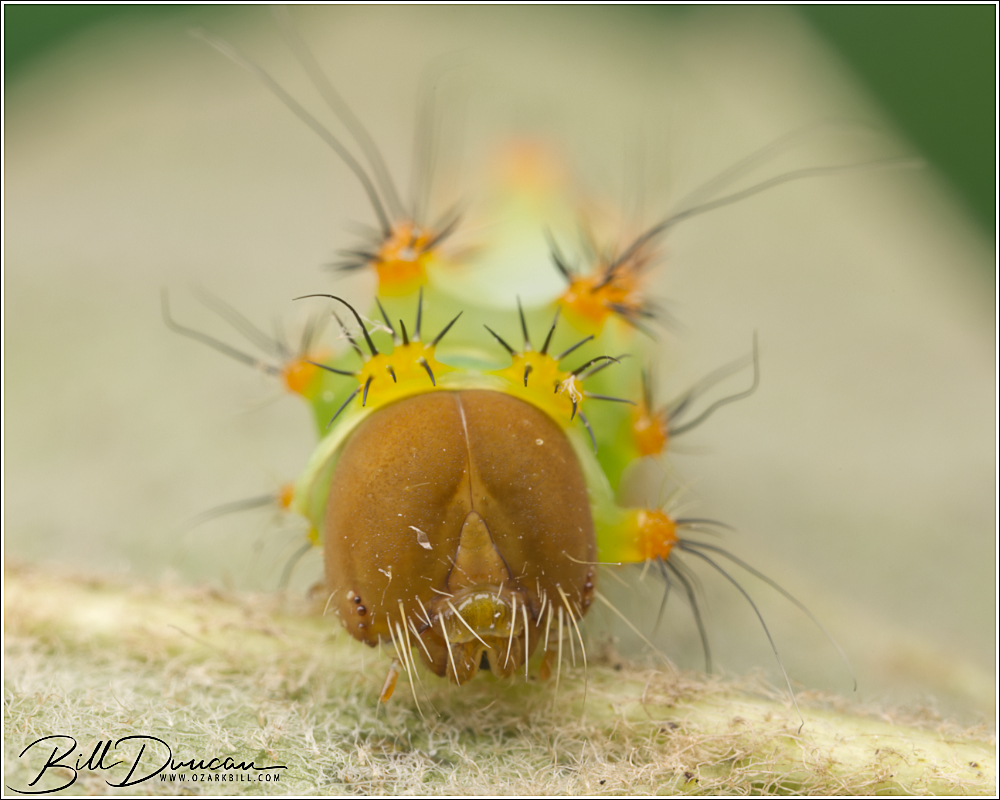
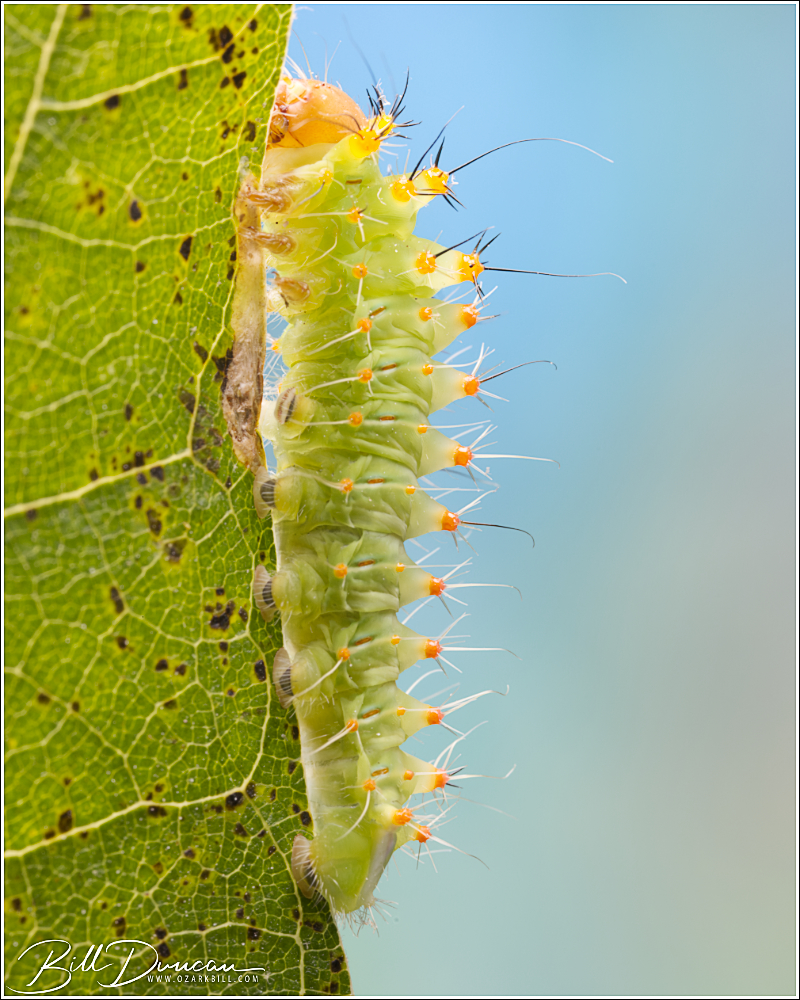
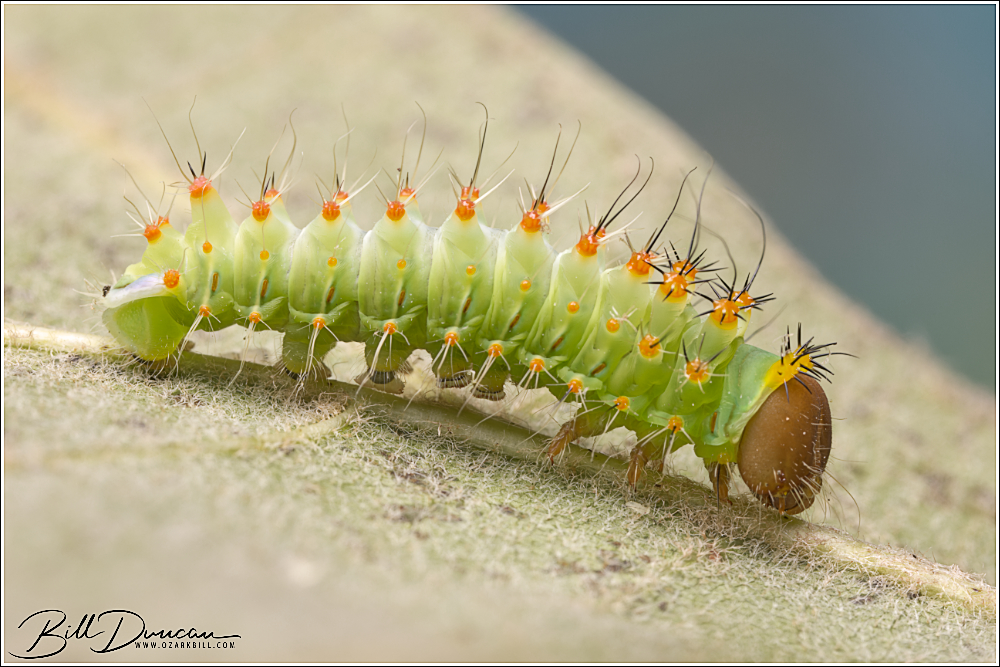
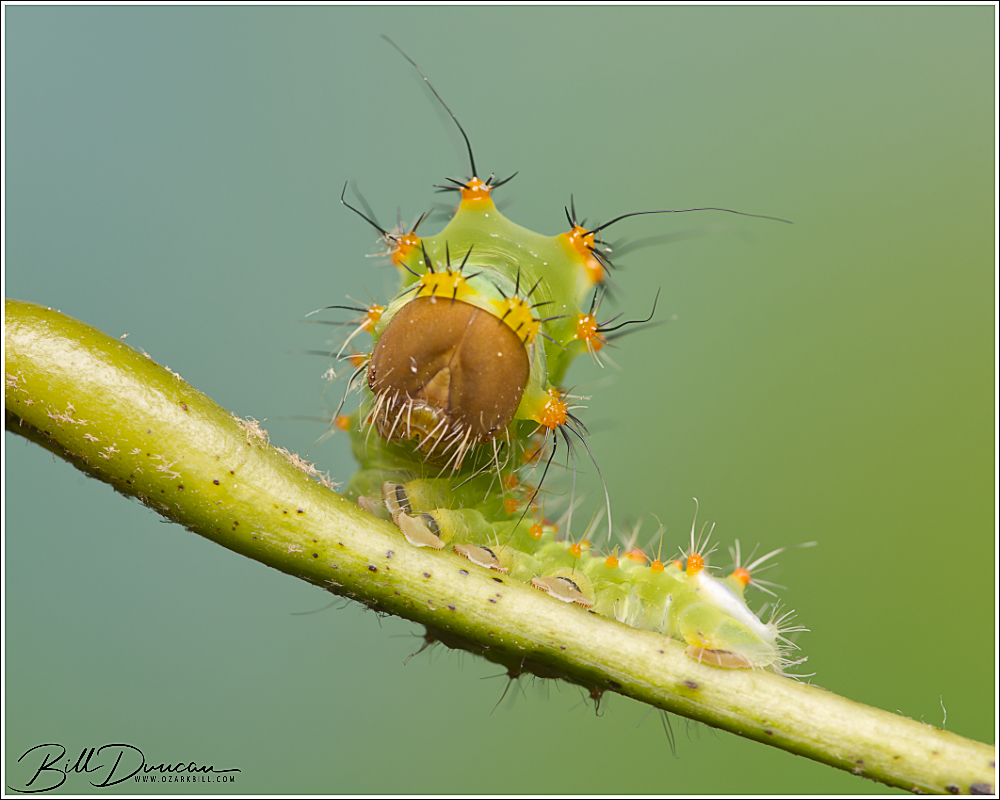
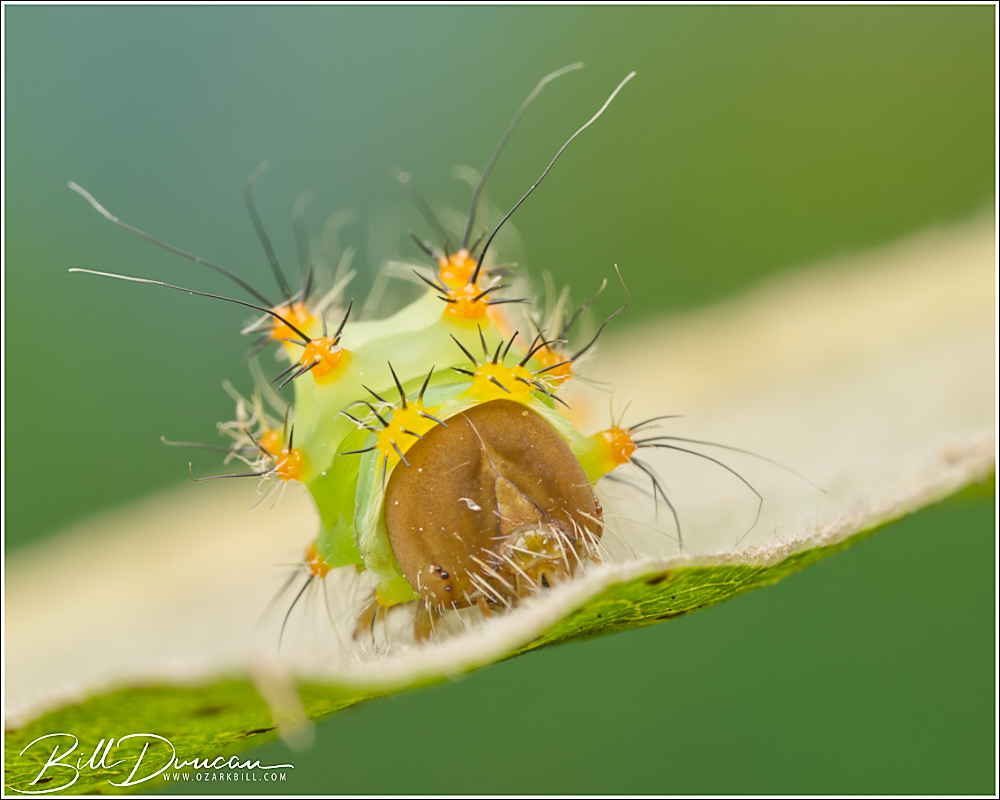
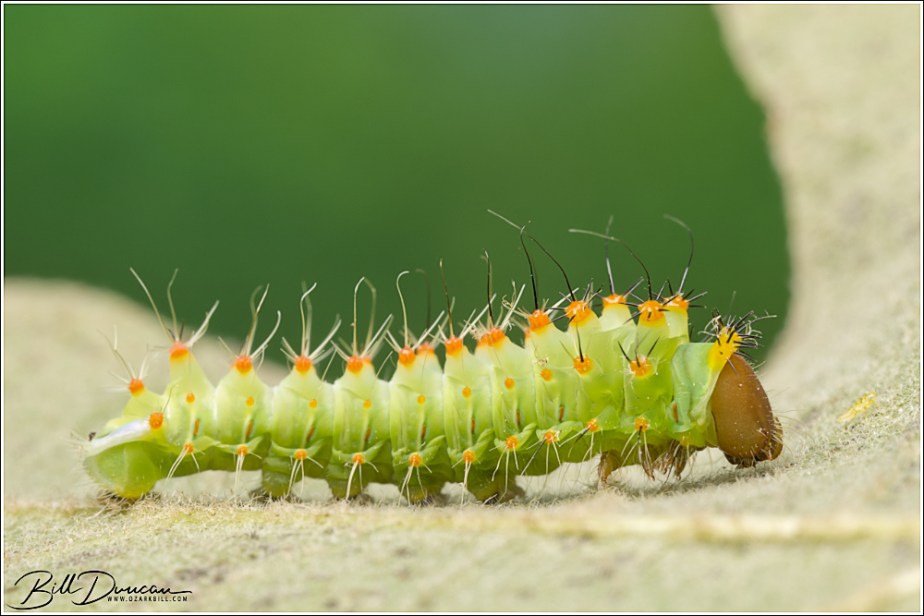
A couple of friends and I went to visit some sand and gravel hill prairies in central Illinois yesterday. Although it is a delight to visit those places and their unique floral communities, we didn’t find a lot to make us pull out the cameras. We took a short break from walking through the prairies in near perfect weather for an August day and did a little cat hunting in the nearby Sand Ridge State Forest. Along with some hungry mosquitos we happened across this cute little one feeding on a species of red oak. This is the silk moth Antheraea polyphemus. This species is among the largest caterpillars to be found in our area, but this guy was pretty tiny. I believe this is a 2nd instar.

 A Thousand Acres of Silphiums