"What a thousand acres of Silphiums looked like when they tickled the bellies of the buffalo is a question never again to be answered, and perhaps not even asked." -Aldo Leopold
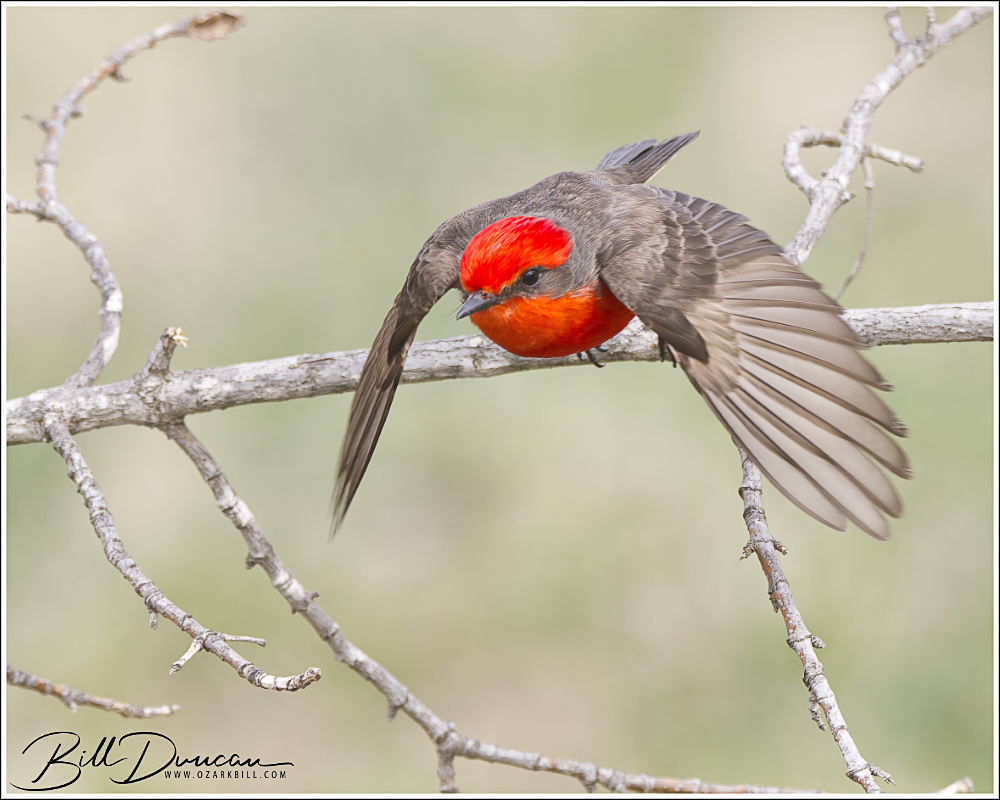
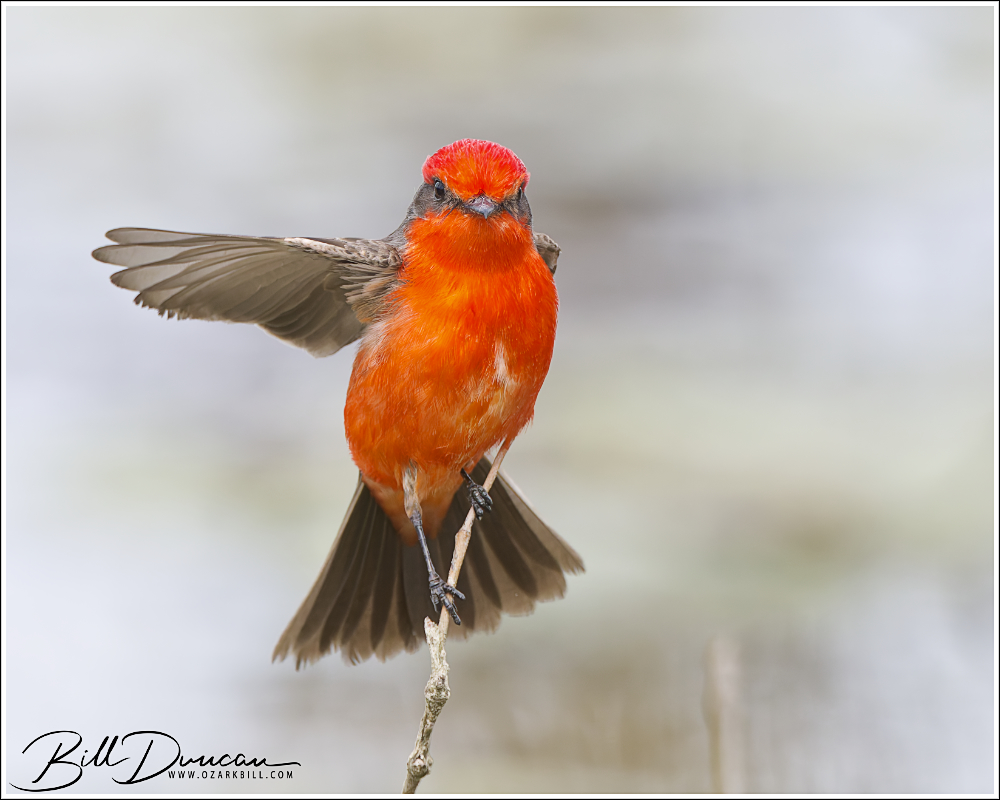
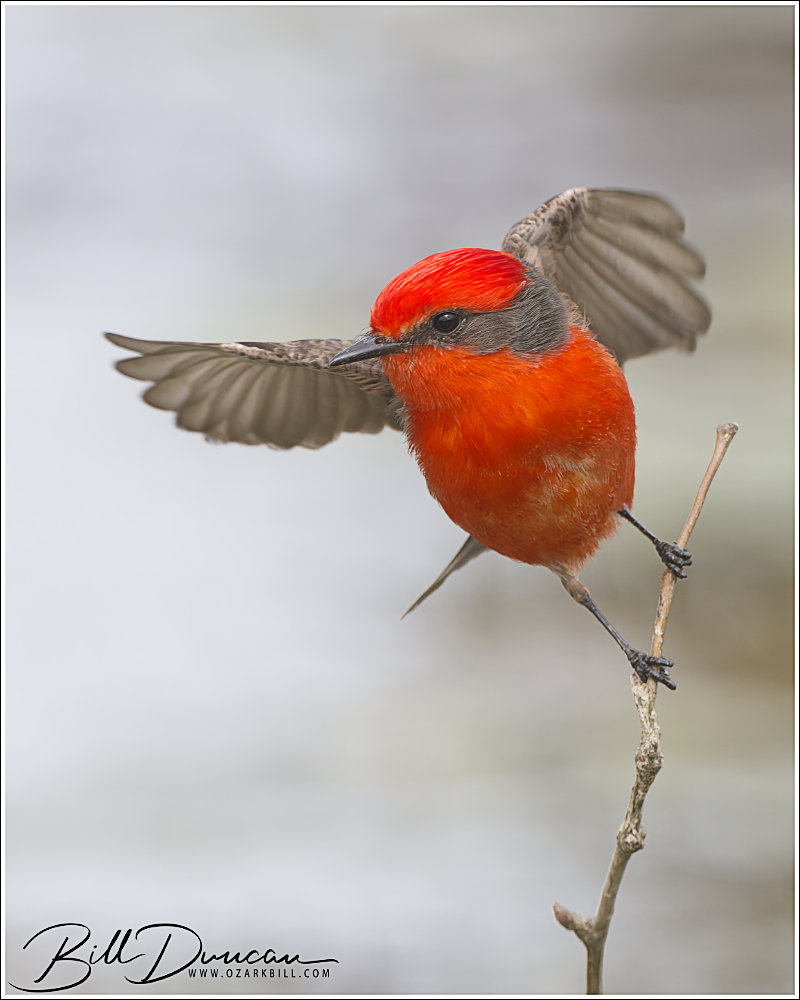
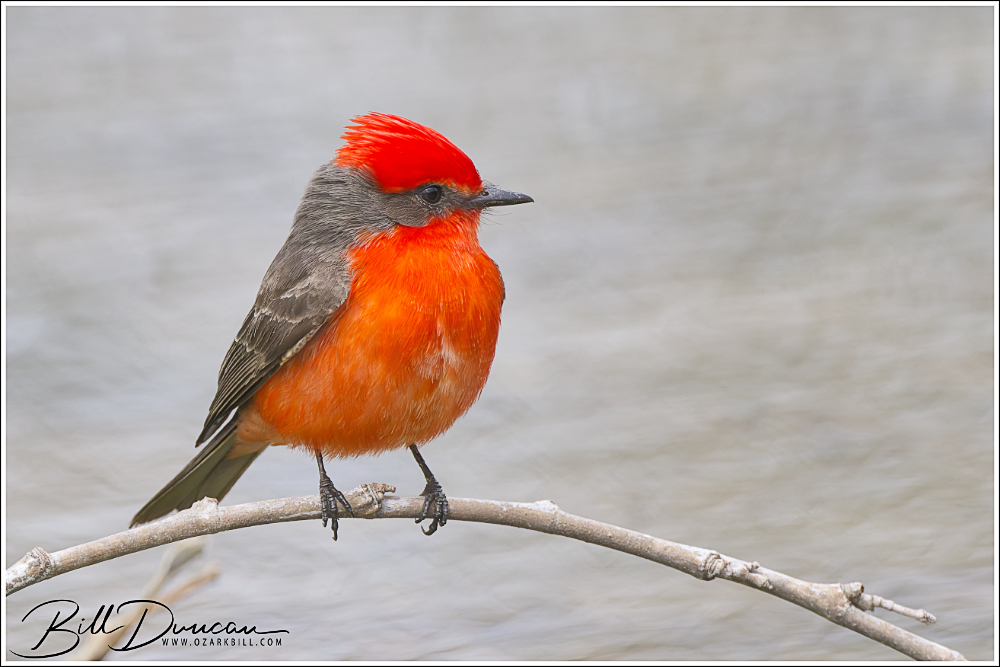
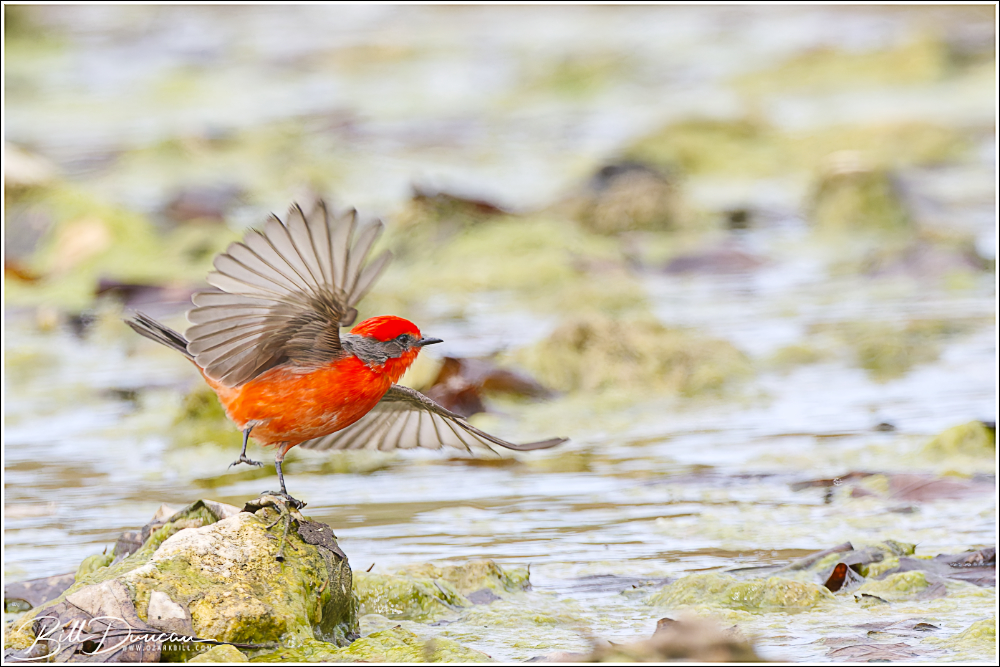
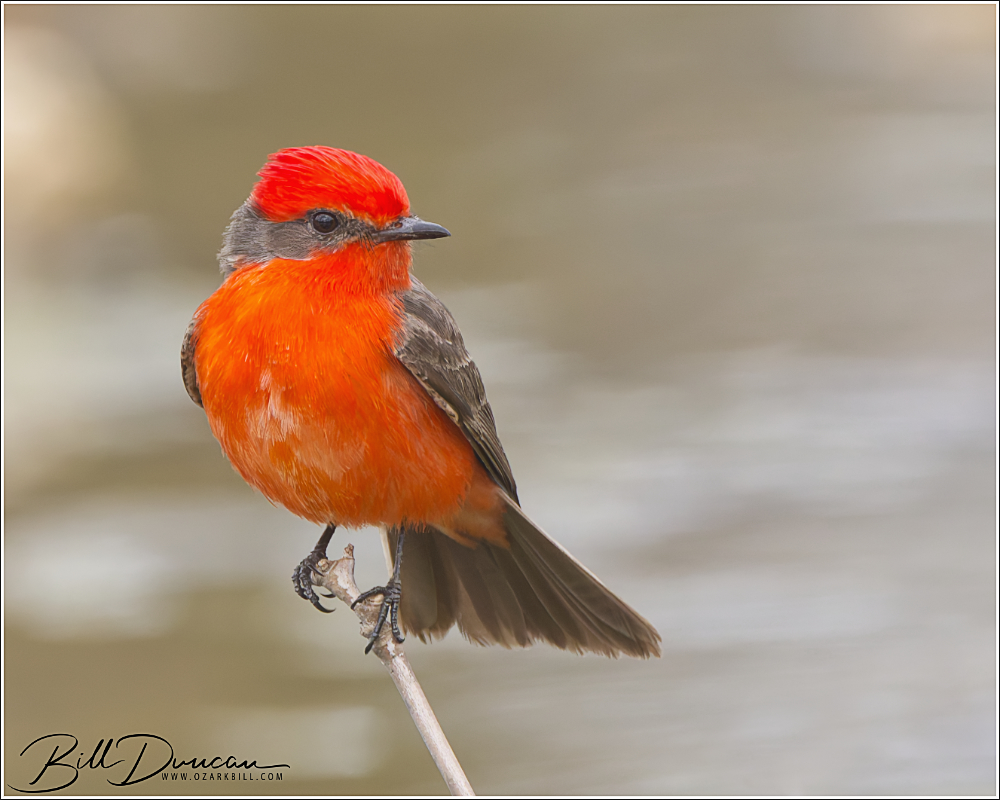
This beautiful Vermilion Flycatcher (Pyrocephalus rubinus) was recently found in the central Missouri’s Miller County. Many thanks to Chris Barrigar, who first found this bird and shared it with the birding community.
The Vermilion Flycatcher’s typical range includes much of South and Central America. It is also found in the southwestern U.S. states like Texas, Arizona, and New Mexico. Chances are likely that this bird was pushed along with a series of storms that moved through Missouri in the last week. Appropriately, this bird’s genus name, Pyrocephalus, means “fire-headed.”
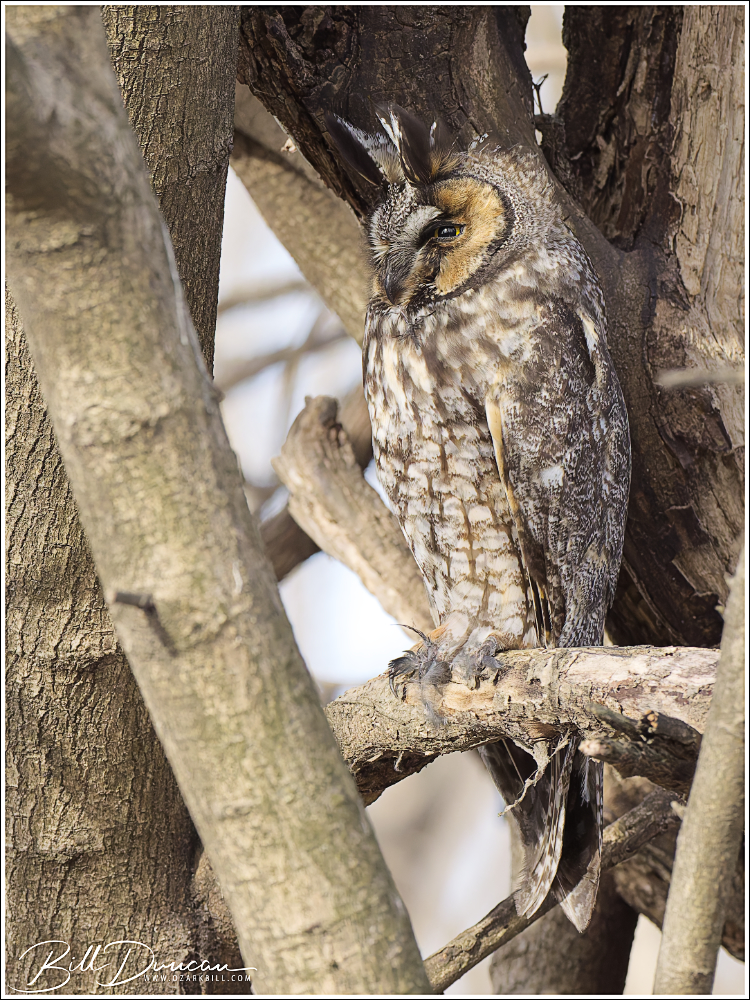
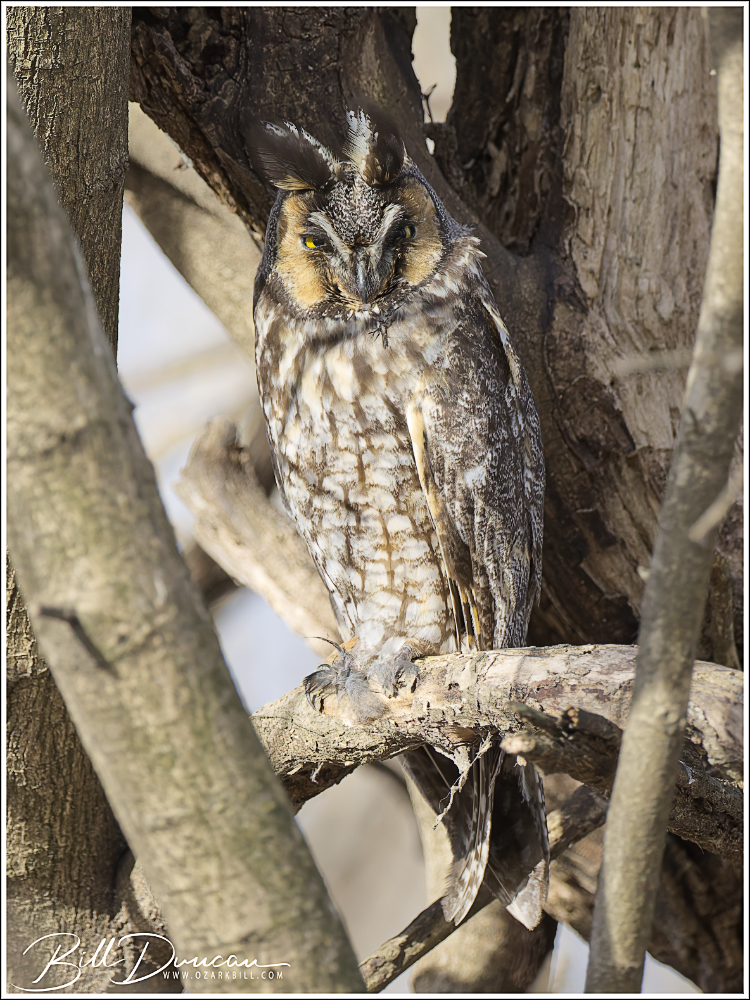
It was interesting to find a couple of Long-eared Owls that had come back to an exact place they had been found nearly a year before in a small wooded area in St. Charles County.
Long-eared Owls are notorious for being found in thick vegetation. During my first visit, this was the best I could do for a photograph.
Returning later in the morning, my luck was much better.
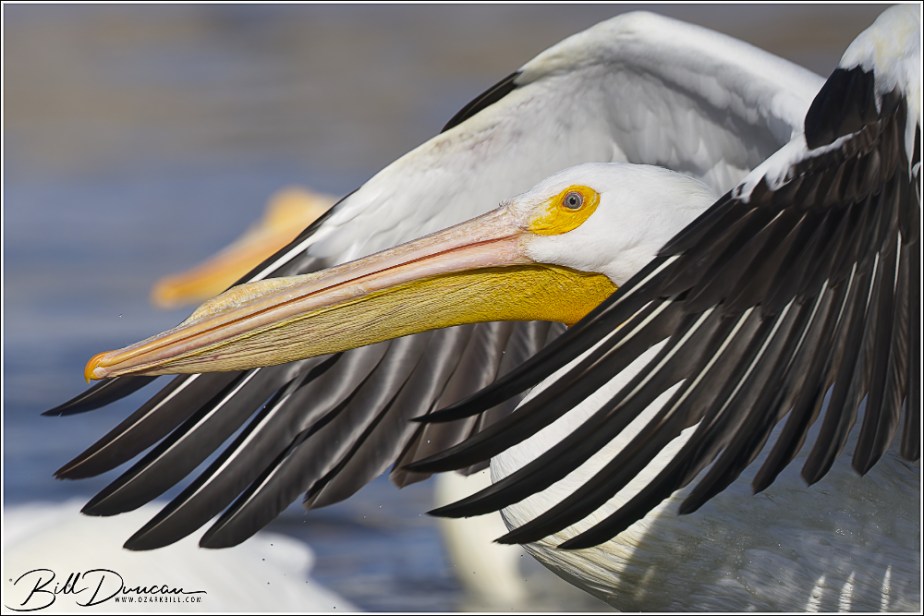
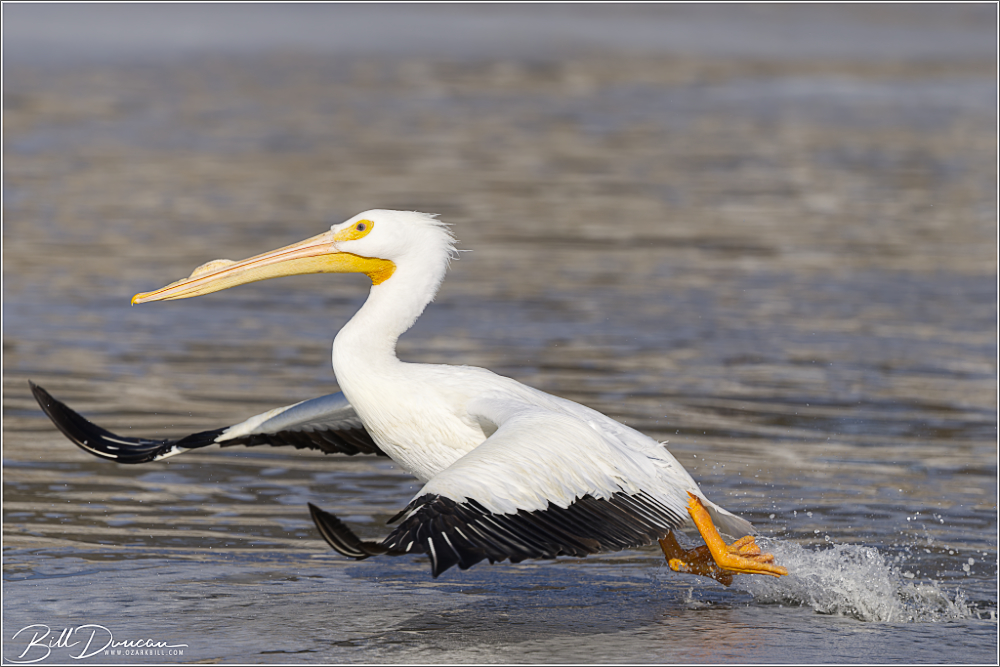
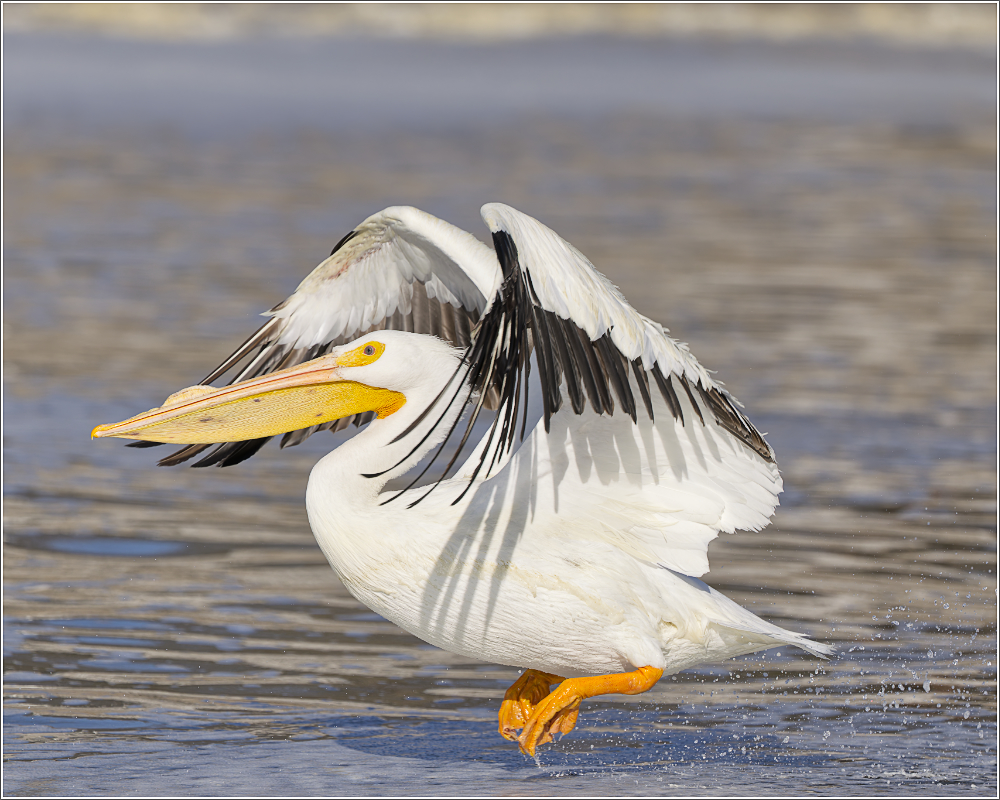
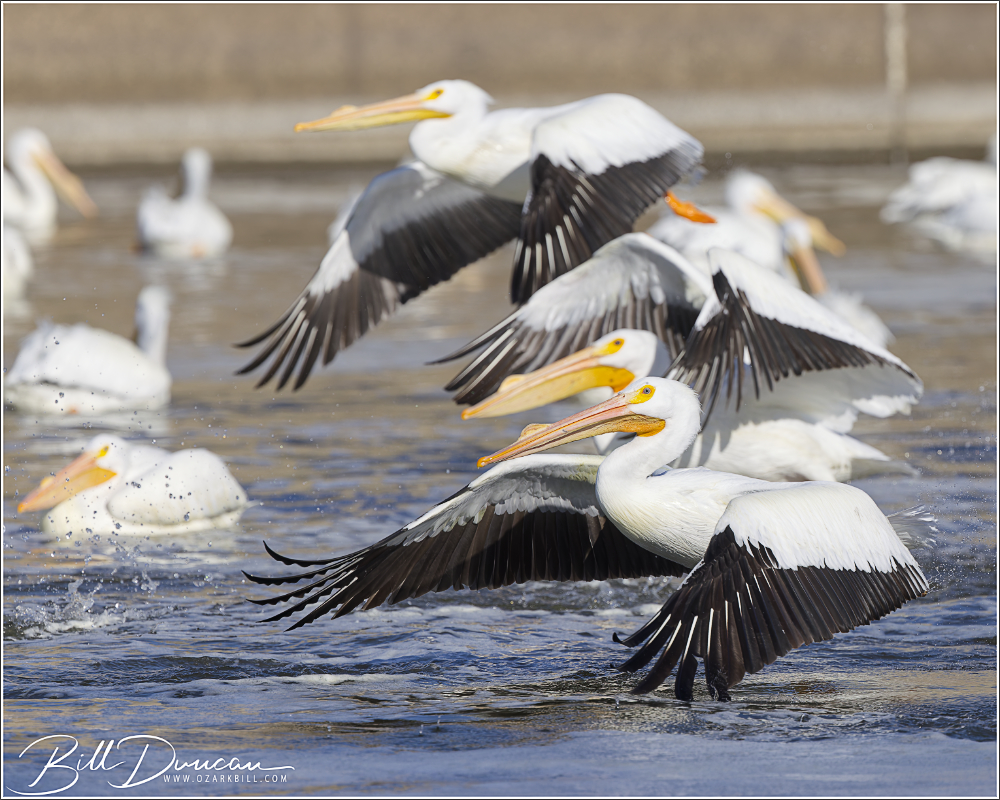
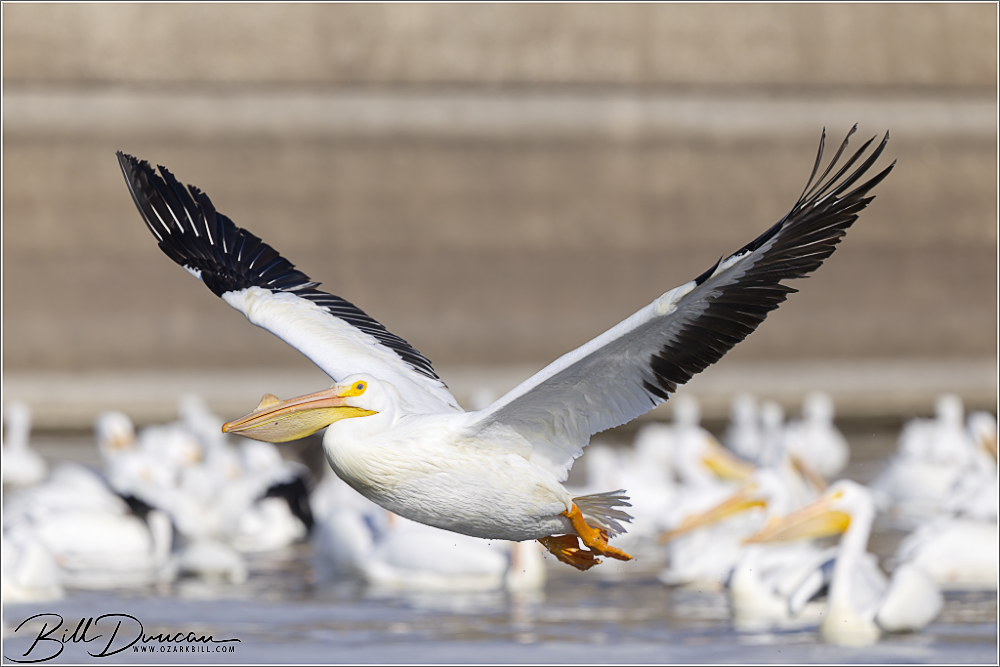
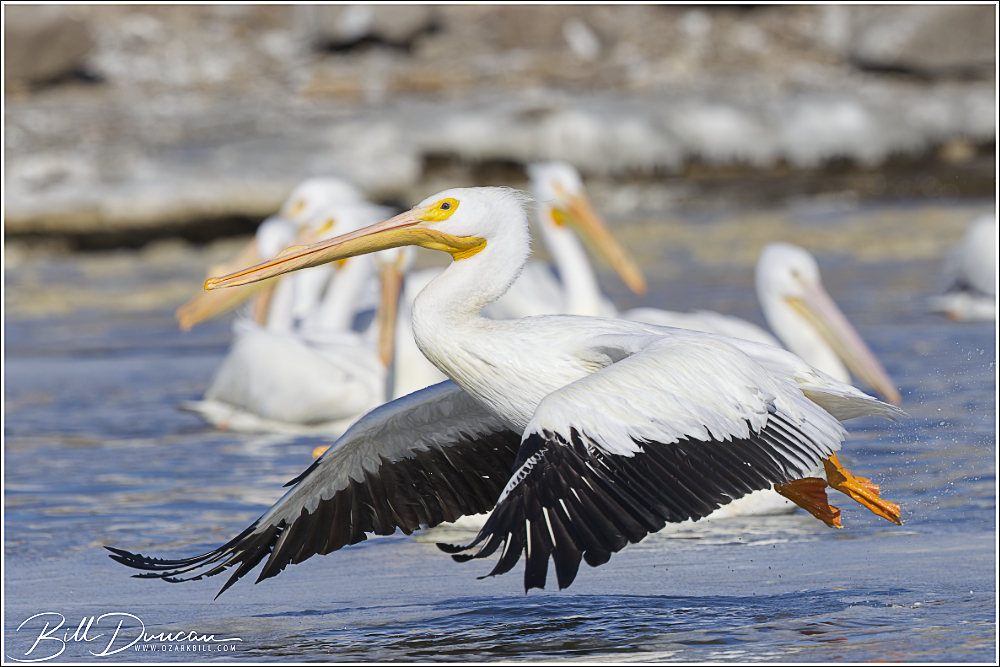
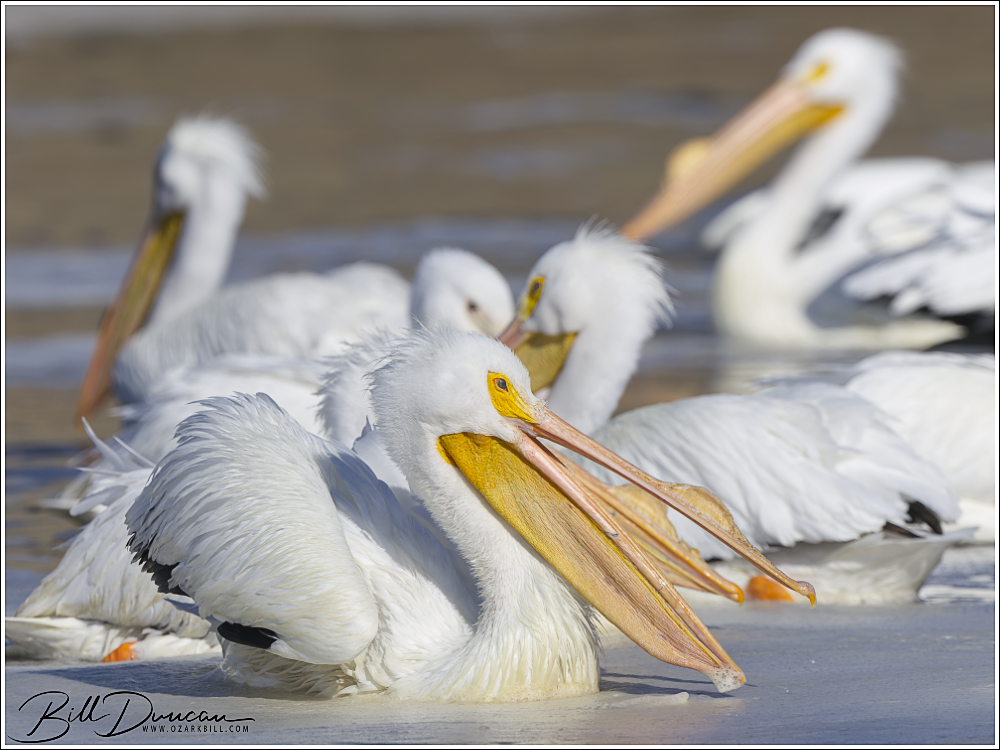
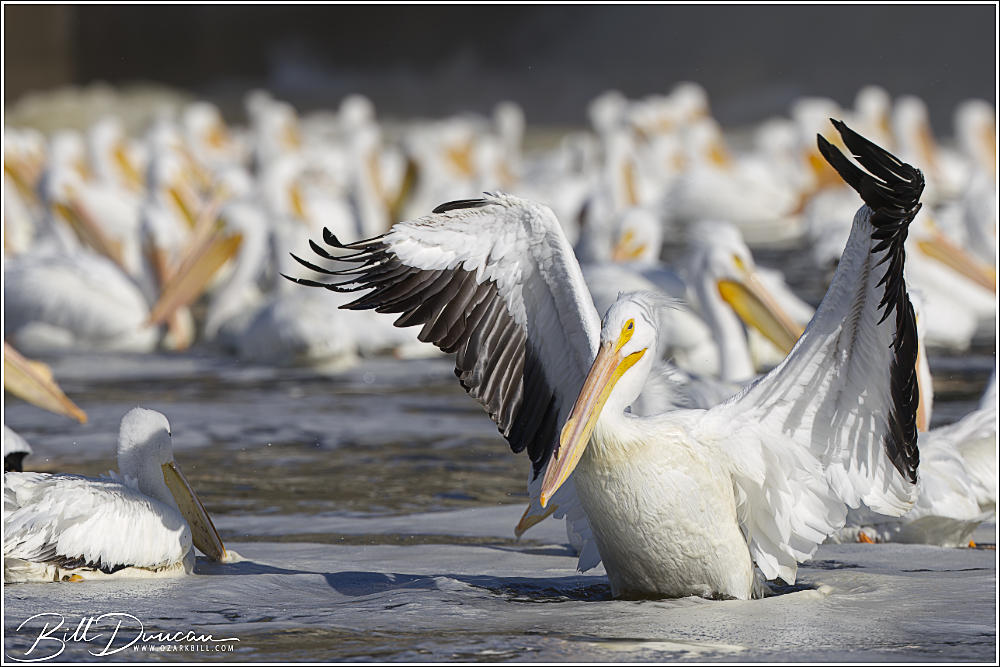
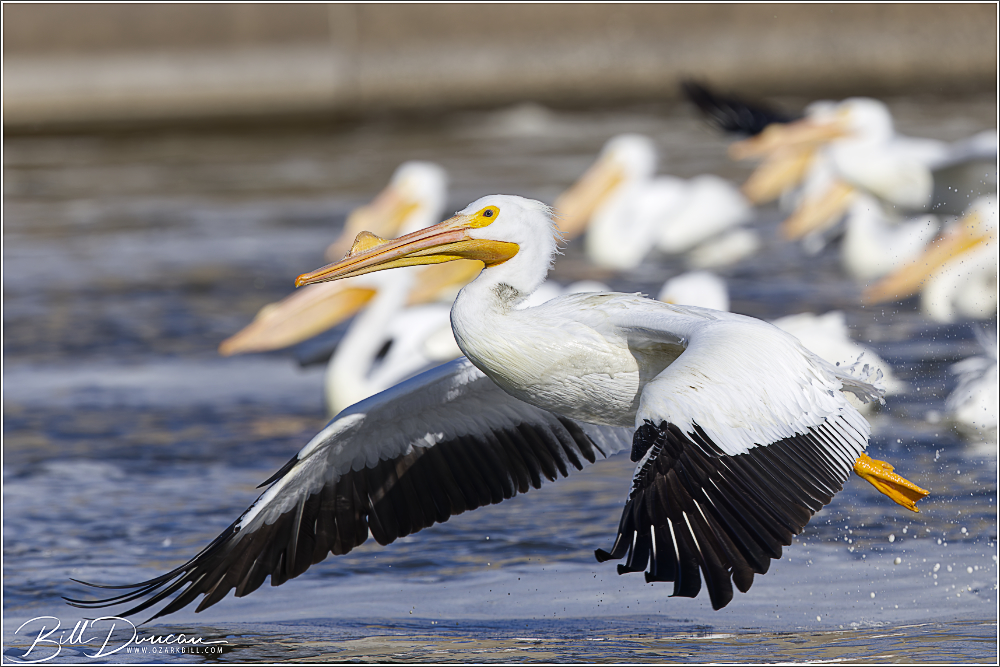
I took another trip recently to Carlyle Lake and had a blast photographing these American White Pelicans. There were far more than 1,000 of these giant birds, coming and going from the dam’s spillway.
I can’t believe it’s been ten years since I have done a top ten post like this. I love the idea but I guess I’ve been too lazy and too busy thinking and working on new images to do this. My hope is to continue this going forward. This post is not designed to necessarily showcase my best images of 2024, but the ones that have a special value to me, the ones that I find significant and interesting, and the ones I wish to remember the most. As expected, it was quite difficult to narrow down the list to 10. There are another five or so that pain me to exclude, but we have to draw the line somewhere.
A few things that I noted after looking at this list: 1) I have only one landscape image, although this does not surprise me as landscapes are not something I spent a lot of time on last year, 2) No deep space astrophotography image. This is primarily because I only had one outing last year where I came away with a successful image. I hope to get back into the swing this year, but that is easier said than done, 3) My interests still seem to be diverse. I tell myself I should try and focus on just one or two subject areas, e.g. birds and wildlife, macro, or landscapes. This makes sense as the more practice you get in one discipline, it can be argued that you will get better in that area. It can also be argued the more time spent in that one area, the better the opportunities are to make that standout image. Nevertheless, my interests are what they are. Much of what is seen in this list was made with fortunate opportunities and not necessarily by meeting goals that I set out to accomplish. I guess there’s a lot to be said in that.
Here are my top 10 favorites of 2024. You can click the links of the titles of each one to view the original posts to see more photos from that series.
Finding new forms for my Missouri orchids project has gotten to be more difficult in recent years. The discovery of this small group of Dactylorhiza viridis in Illinois was fortunate and I am grateful to those that shared this location with me.
As I’m sure most experienced landscape photographers in Missouri can agree with, finding new compositions and situations to photograph Elephant Rocks can be a difficult endeavor. That was why I was so excited to join the WGNSS Nature Photography Group on this trip last February to photograph this location using the light of the full moon.
Moonscape of Elephant Rocks Featuring the Pleiades Star Cluster
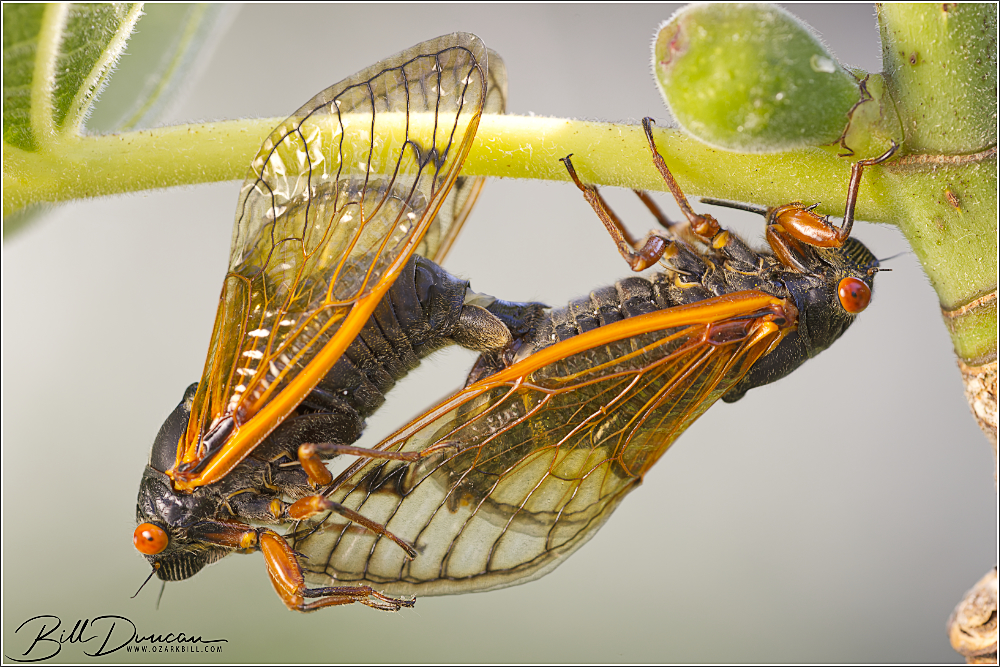
I wrote extensively about the emergence of Brood XIX, the 13-year periodical cicada emergence that brought me so much joy and angst back in May. The majority of my young woody plants in the yard still bear the scars of this spectacular phenomenon and will likely show them for years to come. It was tough to pick a single image for this one, but I thought that showing the reason behind this predator-satiating emergence was most appropriate.
I like this image for several reasons. First, it’s an albino snake found in the wild and it is one that I personally had the pleasure of finding. It was also taken on a WGNSS Nature Photography Group outing where our target subjects were something completely different. This goes to show that the nature photographer should be flexible and open to things that might not have been the objective of that outing.
Armed with my bag blind, decoys and a slate call, I had some minor successes with attracting wild turkeys for photography in my neighborhood wood lot last year. I’m hoping for more in the next couple of months.
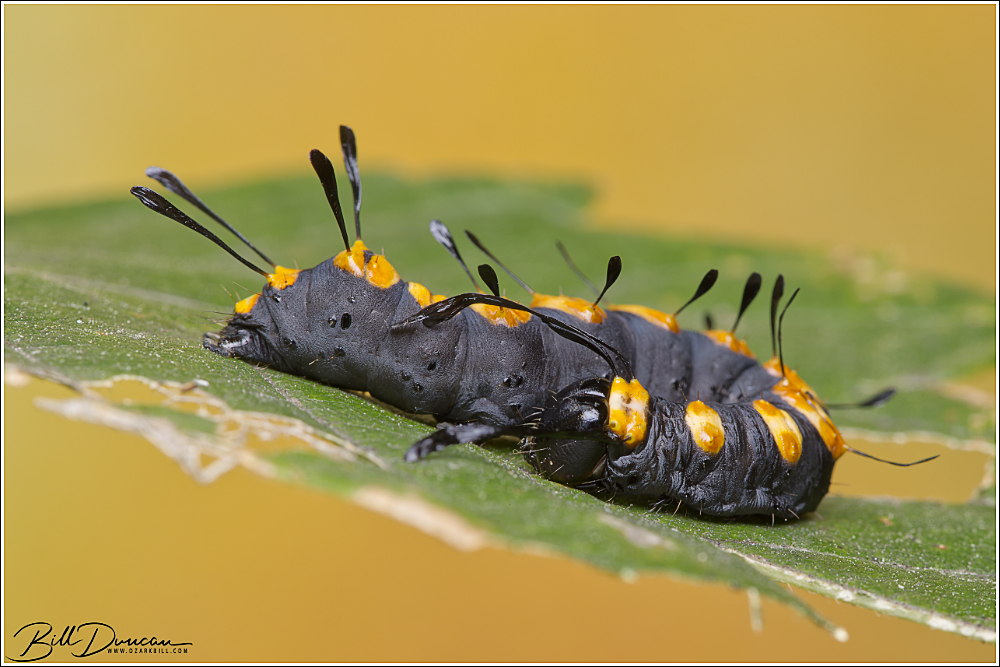
Considered one of the holy grail species of caterpillar for eastern North America, I was pleased to have been able to find two of these this past season. The first one I found was not a final instar, but this one, found on a WGNSS Nature Photography Group outing was.
This one comes from an unforgettable trip to Wisconsin that Casey and I took in April of last year. We were fortunate to find nearly perfect circumstances that led to thousands of images and videos on our cards.
Perhaps the title I present here is not that flattering to such an interesting natural history story. You can read more by clicking the title that will take you to the original post. This is a very common species but I was able to witness and document the rarely observed reproductive story that I doubted I would ever be able to observe in such detail.
Stationary Bag of Eggs – Ovipositing Orgyia leucostigma
The spiny oak slug caterpillar comes in two primary color morphs. One is a base of bright green with patches of yellows, oranges and reds. The other, as pictured here, is a base of brown with patches of olive green and appears lichenous. In my experience, the later morph is the more uncommon form to find in Missouri. This one was found during a great trip to Schoolcraft Prairie in Washington County.
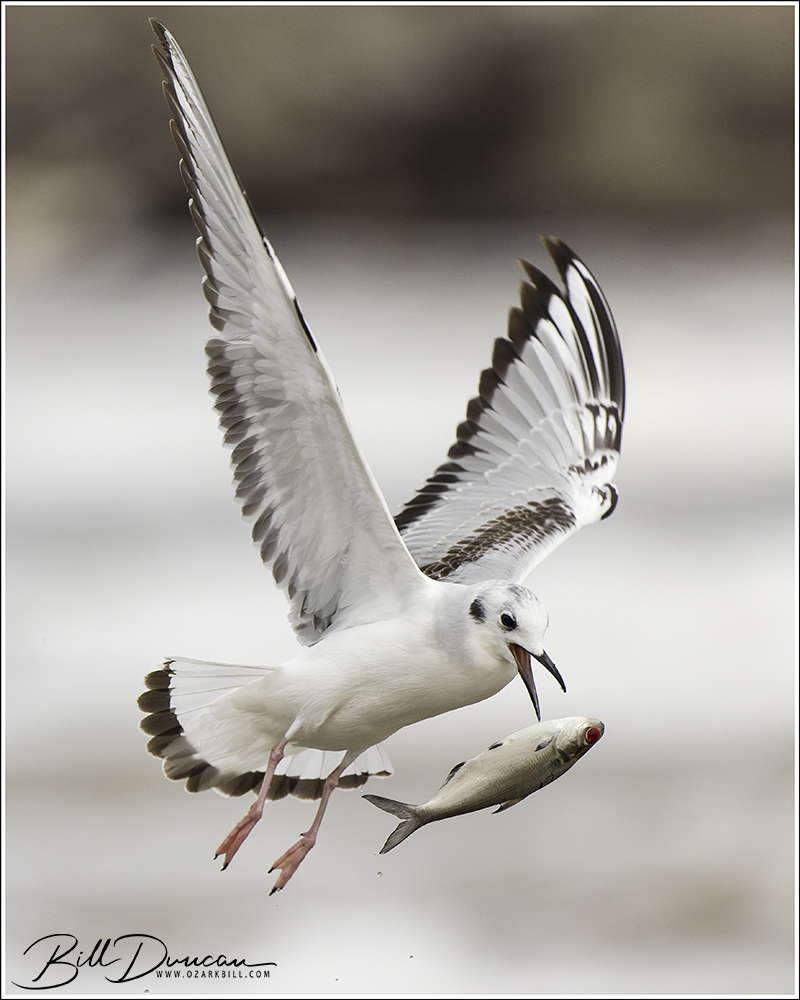
From another set I took last winter, this is but one image of several I could have chosen of these voracious Bonaparte’s Gulls who were fishing in the Carlyle Lake Dam spillway. This is an image that would have been difficult, if not impossible for me to have made three years or more ago. The lighting was poor for taking high-speed action shots like this. With the advent of mirrorless cameras and their incredible image quality at higher ISO settings and the ability of autofocus systems to perform as needed in suboptimal lighting, photographers can shoot in nearly any condition and still have a chance at getting wall-hanging photos.
First-year Bonaparte’s Gull with Catch
This wraps up my list for my top 10 favorite images of 2024. I want to thank everyone who was with me or helped me to make these shots. Please let me know in the comments if I overlooked a favorite of yours. Best wishes for the remainder of 2025. Hopefully your opportunities are abundant and I hope to see you in the field sometime.
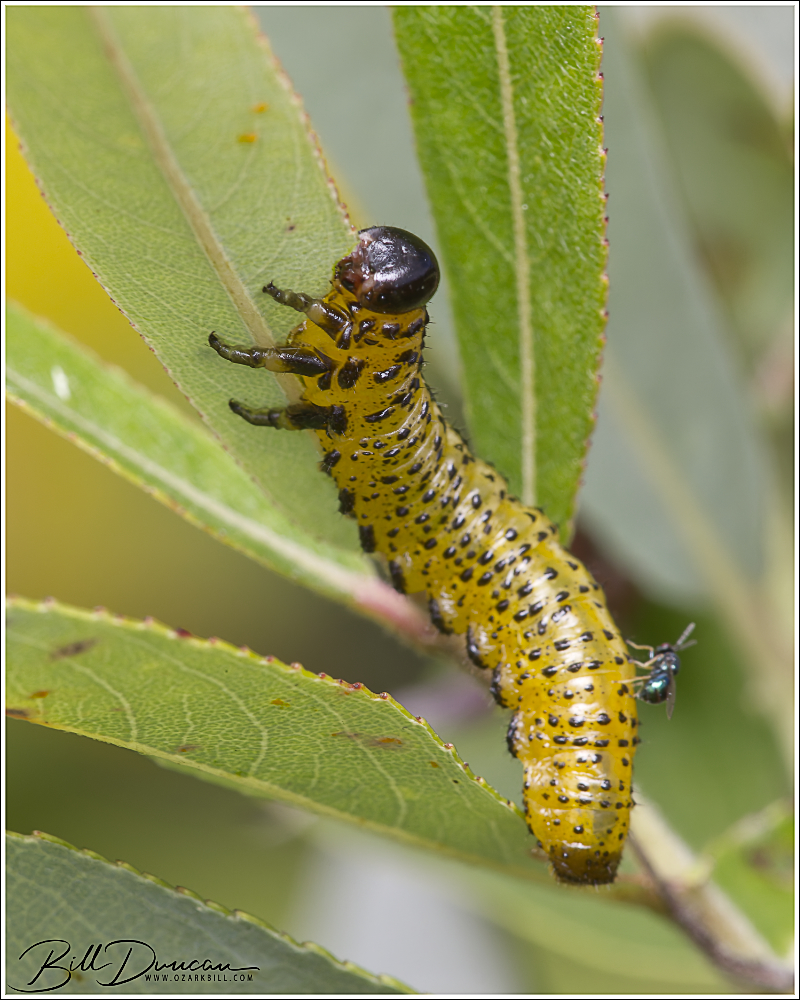
While hunting caterpillars in mid-September. I found this sawfly larvae in the middle of the Kaintuck Hollow Fen in Phelps County. This might be in the Nematus genus as this group feeds a lot on willows. It wasn’t until I looked closely at the photo much later that I noticed it was being parasitized by a small wasp. I would have loved to have gotten a closer photo of the wasp.
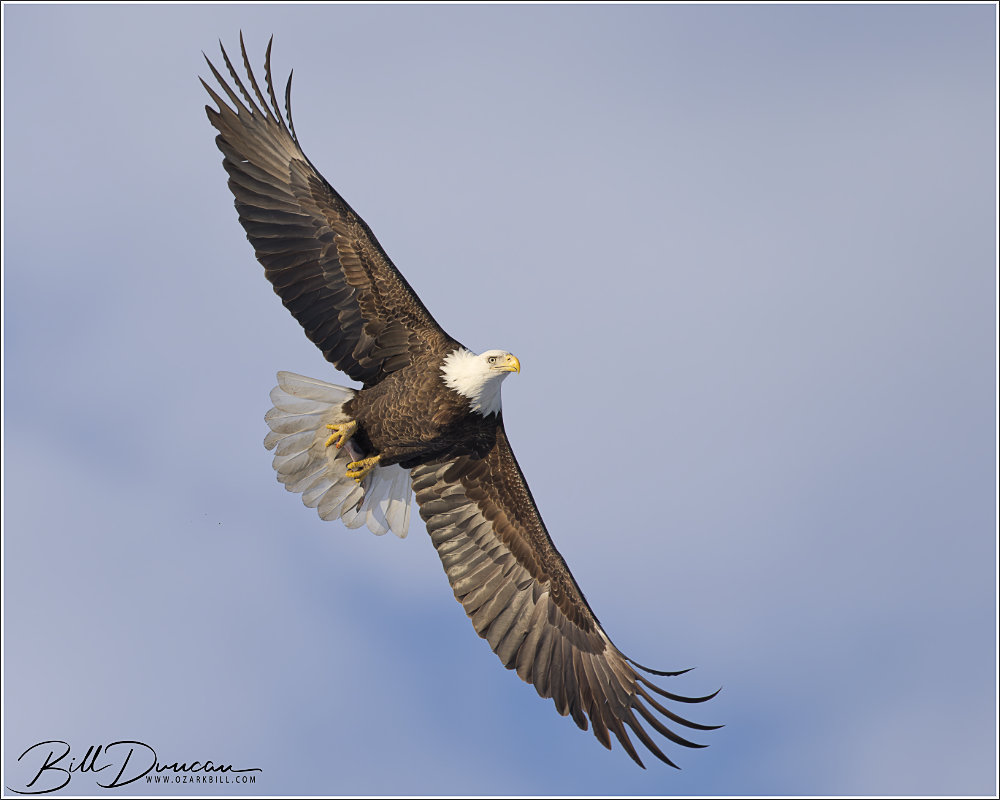
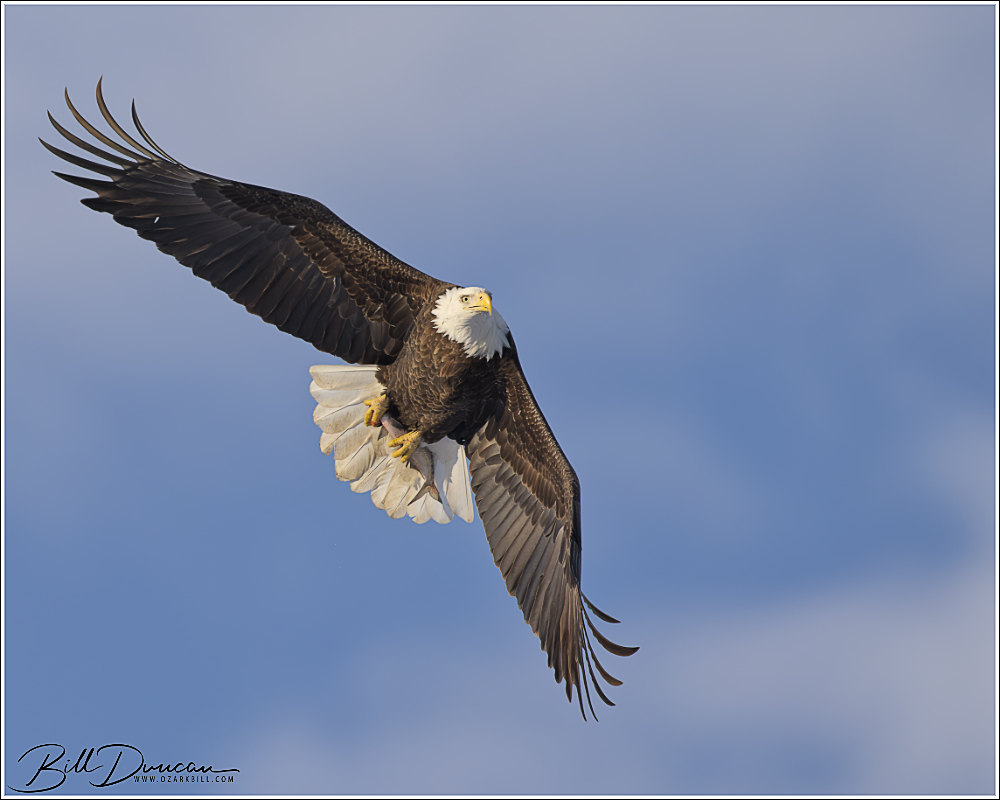
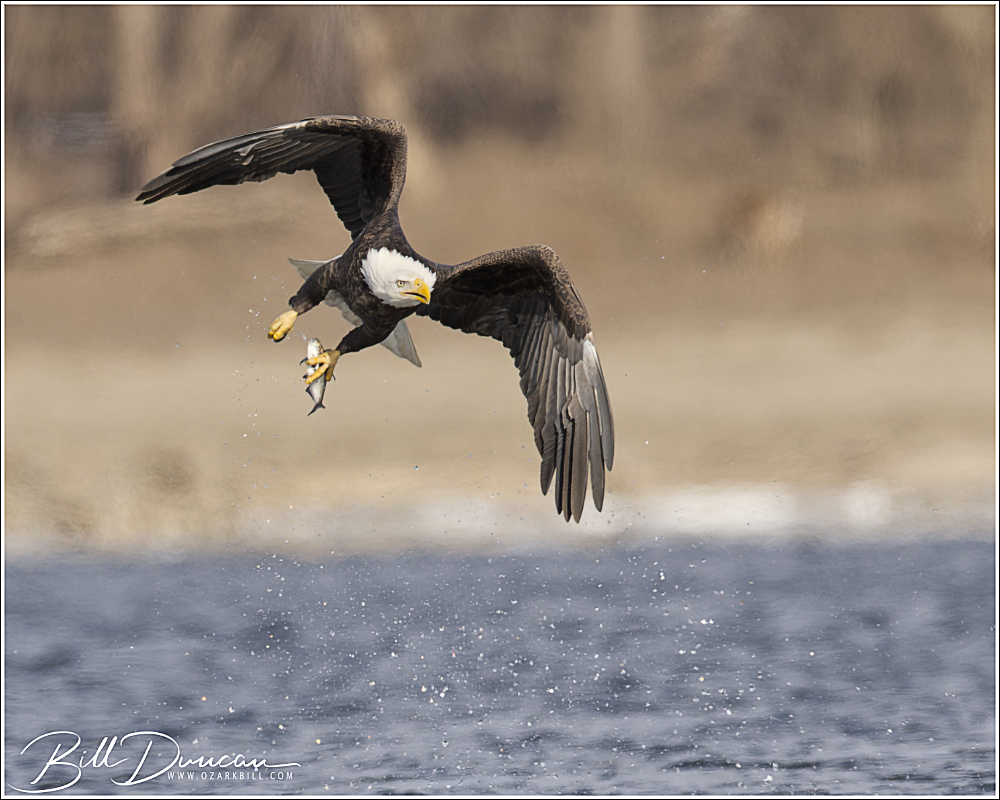
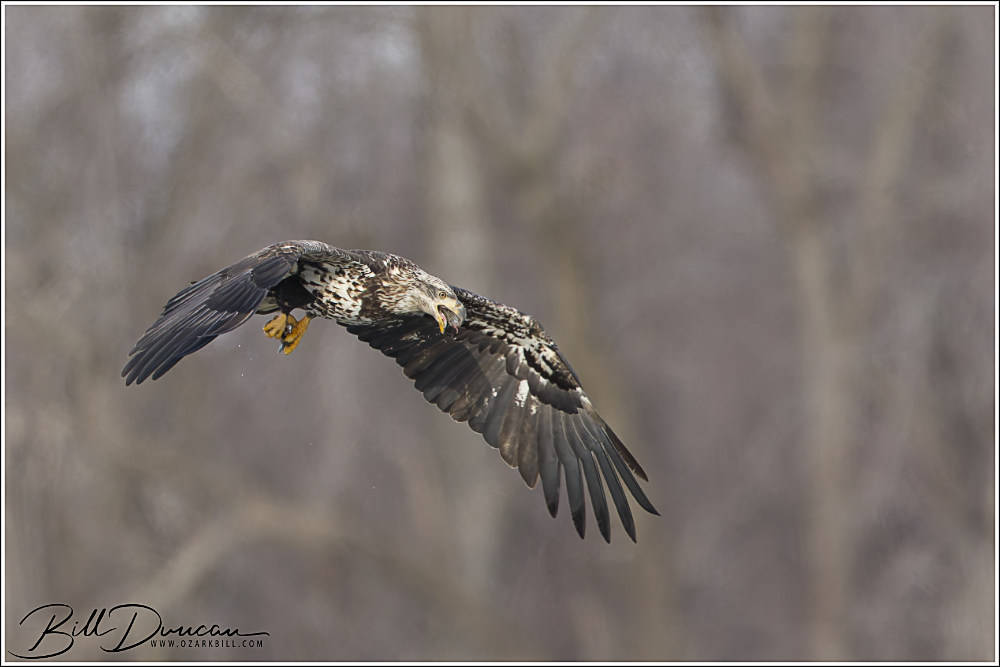
Miguel and I had the fortune to spend a couple of cold, fun and somewhat successful afternoons photographing eagles at the Clarksville lock and dam over the last couple of weeks. I really enjoyed the variety of ages of these birds as can be seen in the different plumages. During these extremely cold days with nice light, heat distortion becomes a terrible nuisance. Heat distortion is created by the warmer temperatures of the water causing warmer air to rise rapidly through the much colder air and thereby causing light refraction. The name of the game is being out there long enough and being fortunate enough to have a bird soar or grab a fish that is close enough to you so that this refraction does not destroy all that potential detail. Keeper rates have not been high in my attempts so far.
I was fortunate to come across this most cooperative juvenile Red-shouldered Hawk over the recent holiday break. Using the newly acquired pre-capture mode in my camera makes it much easier to grab shots like these. By half-pressing the shutter button, the camera stores half a second’s worth of frames in its buffer. Immediately after the action takes place, fully depressing the shutter button will instruct the camera to write the images from the previous half-second onto the card. As long as you are on the ball, missing unpredictable action shots like a bird leaving its perch will be a thing of the past.
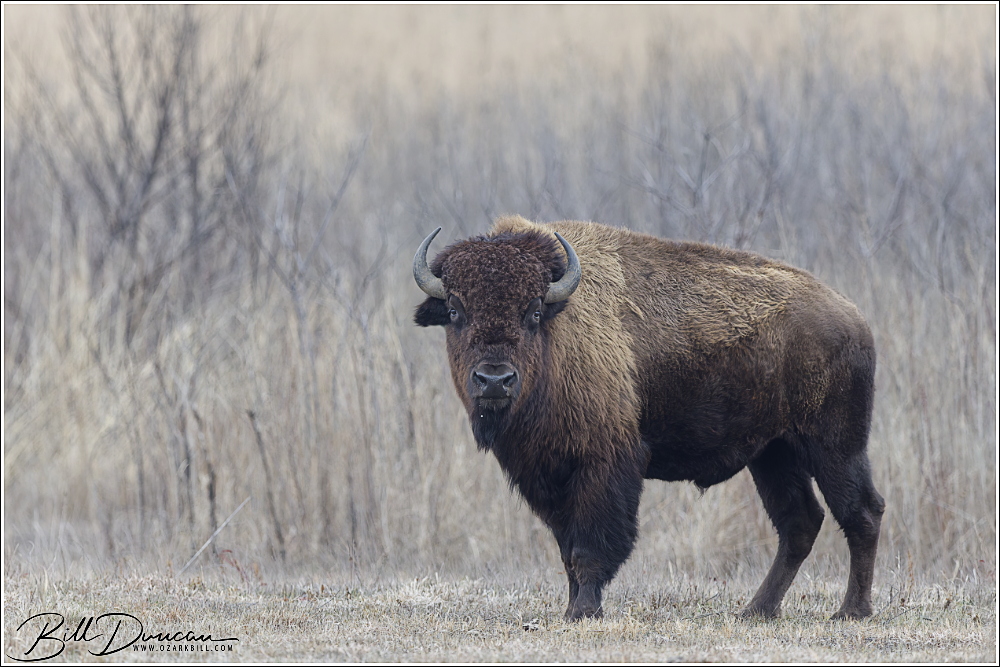
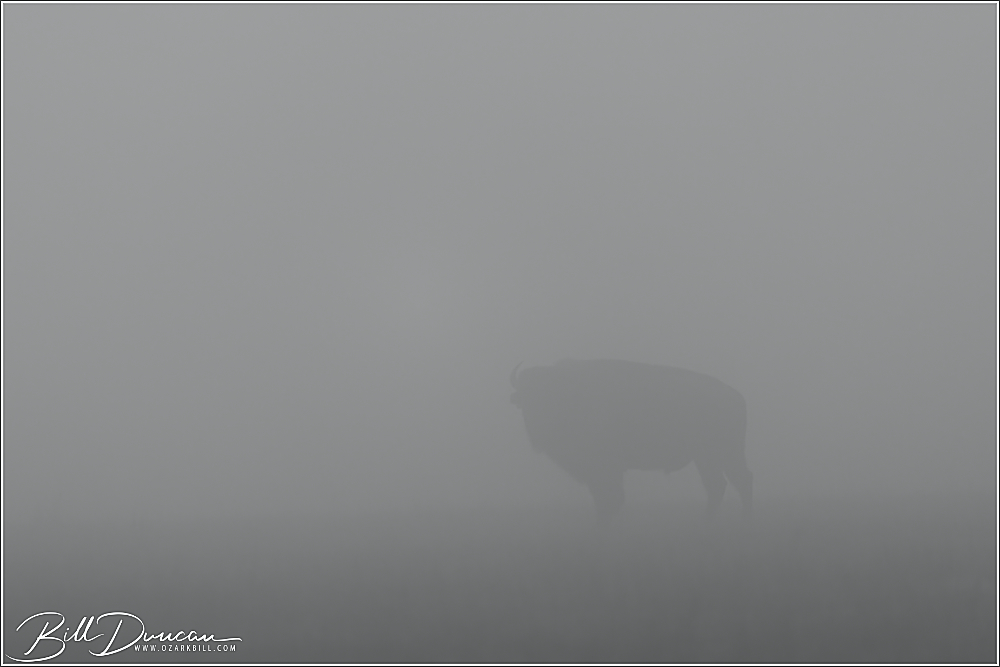
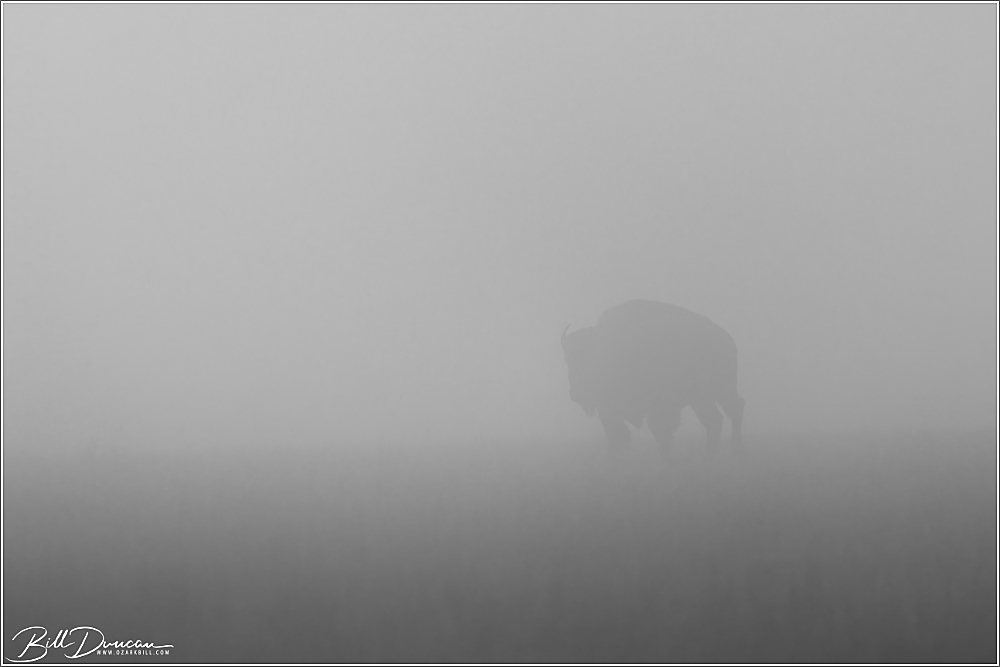
Over the holiday break, the WGNSS Nature Photography Group traveled to southwestern Missouri to visit Prairie State Park and surrounding prairie and wetland locations. We were hoping for opportunities to photograph the free-roaming bison within Prairie SP and hopefully find some interesting winter vagrant bird species. Likely due to the unseasonably warm conditions we were having, finding birds was a no-go. Thankfully the bison were there as expected. On two of the mornings we were there, the fog was incredibly thick. It made for some interesting photos but we had to be careful to not stumble too closely onto fog-concealed bison that probably would not appreciate that.
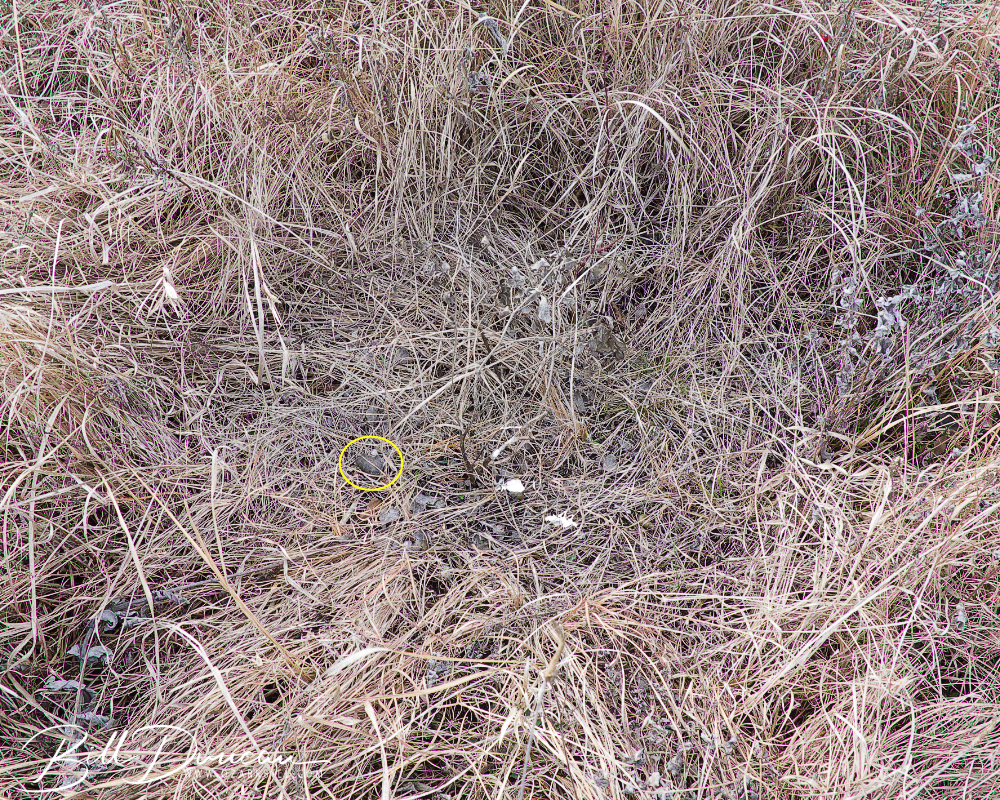
I did have a bird related first on this trip. While walking through Golden Prairie in Barton County, we stumbled upon the depression pictured below. In the center of the depression were fresh urates (nitrogenous waste produced by birds and reptiles) and also within the depression was a fresh owl pellet, still warm and stinking. We stumbled across the day-roost of a Short-eared Owl! After taking a picture, I picked up the pellet to add to my collection. I now only need to collect pellets of the Eastern Screech Owl to finish the owls of Missouri. The pellet can be seen within the yellow circle in this picture.
Theis depression in the prairie grasses was a daytime roosting area of a Short-eared Owl





















 A Thousand Acres of Silphiums