
A few weeks ago the WGNSS Entomology Group planned on an overnight camping trip to Logger’s Lake in Shannon County, MO. This was a first visit to this location for me and I was very impressed with the floral diversity and the potential for insect diversity as well. Our visit coincided with the June new moon, and with hopes of a typical warm and humid summer’s night, we had high hopes for some great blacklighting for nocturnal insects.
We knew the forecast called for about a 50% chance of rain, but we were hoping for a typical short summer shower, if we saw any precipitation at all. Unfortunately, shortly after my arrival around noon, it began raining and continued for the next five hours. Thankfully, it wasn’t a hard enough rain to keep us out of the field and we took a short and slow insect and botany hike along one of the two trails around the campground area. With the long soaking rain and the drop in temperature accompanying it, we were all in agreement that setting up the blacklight setups would not be worth the effort.
Around dawn the next morning, the skies really opened up and dumped on us for another hour or so. The area received so much rain that the small drainage creek that feeds into the lake, and that we had to cross to get into the campground, looked to be 3-4 feet above the road. So, we weren’t going to be leaving right away. After the rain stopped, everyone had a perfect camping breakfast, courtesy of Karen Bilgere, and then broke down our wet tents and other camping paraphernalia.
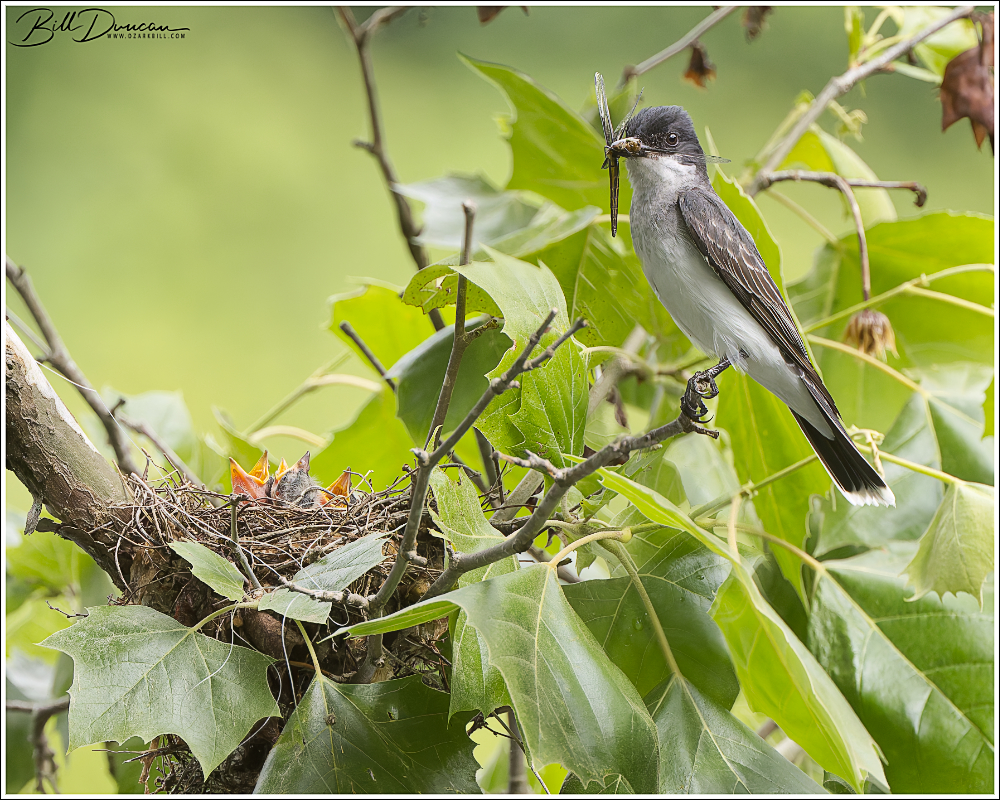
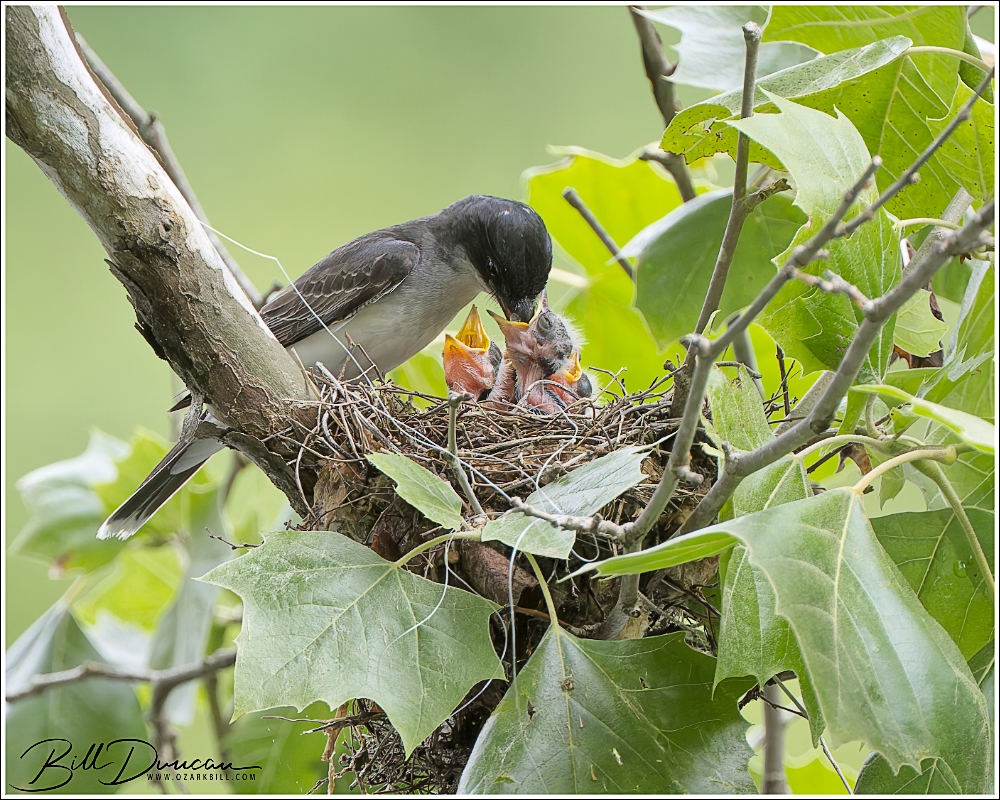
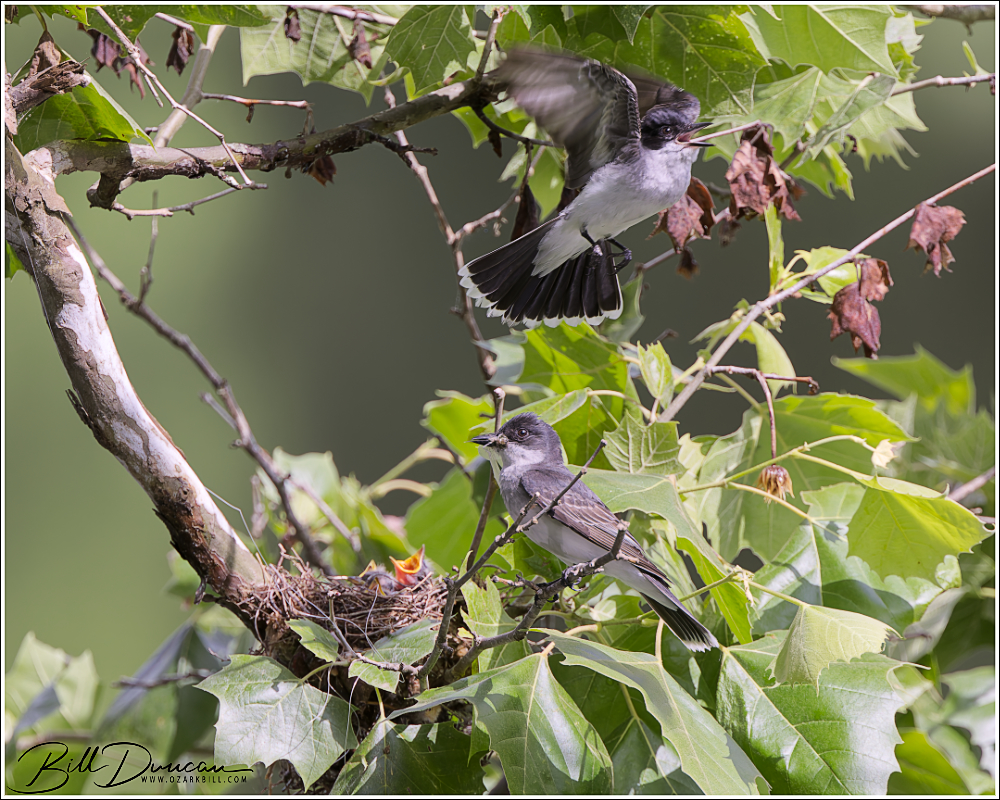
Afterwards, while taking a stroll around the lake margin, fortune finally smiled upon us, or at least, especially me. We found a perfectly placed Eastern Kingbird nest! Located a few feet above the lake’s surface, the nest afforded wonderful views of the chicks. Additionally, the parents were well used to people at this well-visited campground and did not have a care in the world at the eight or so humans who watched near the lakeshore. Thankfully I brought a bird lens and spent the better part of the next hour watching the busy parents come and go while feeding the hungry brood of four chicks who seemed to never get enough. Then, of course, the skies grew dark and opened up once again. In what seemed less than two minutes, everyone was in their cars and heading back to town.
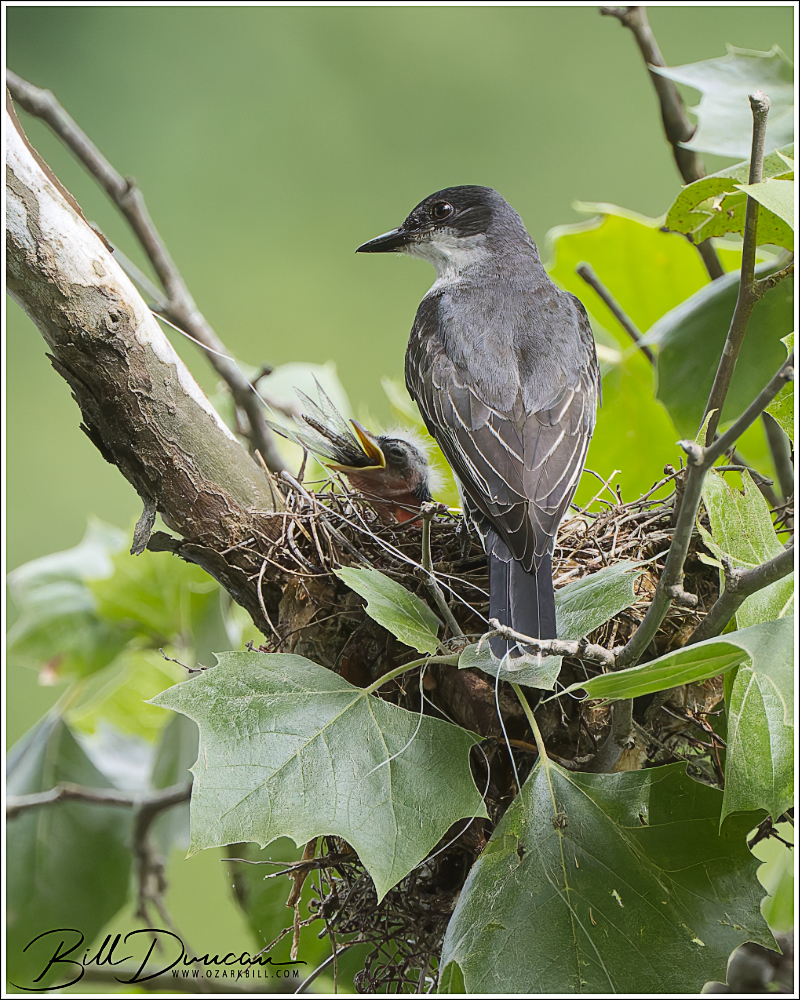
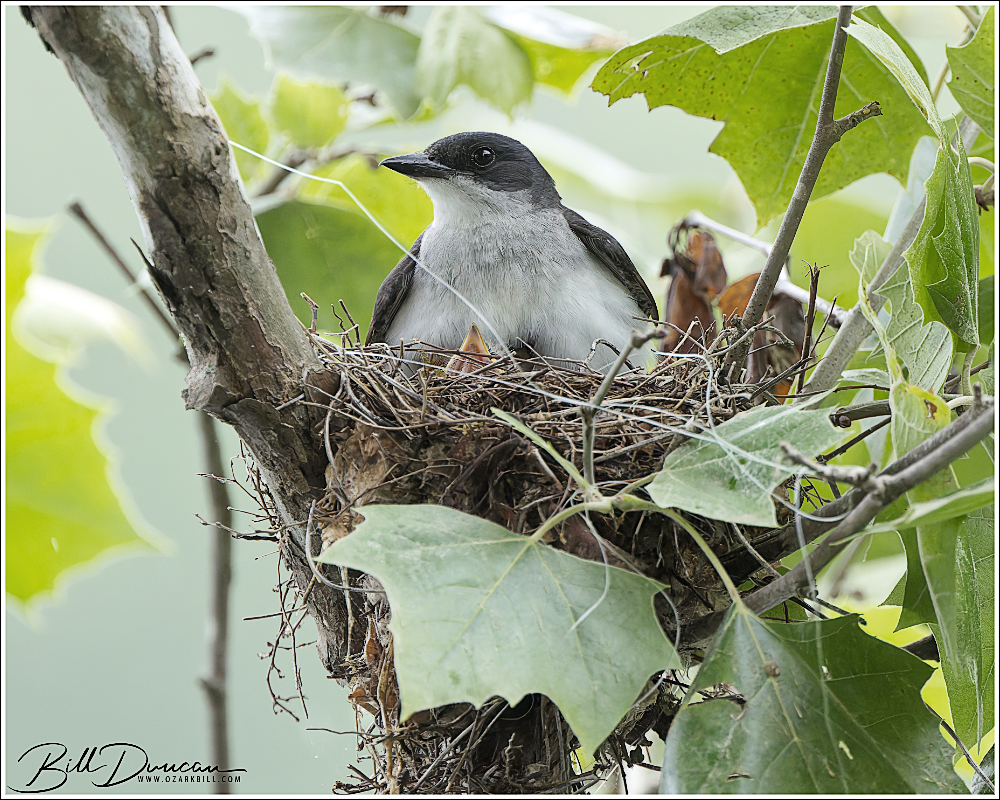
These were the photos I took on the first day I spent at the nest. This was such a great opportunity and location that the following weekend I drove the nearly three-hours back to do it again. I’ll share more of these in future posts.
Thanks for visiting!
-OZB
 A Thousand Acres of Silphiums
Excellent opportunity and excellent photos. I follow dragonflies closely and am always interested in their outcomes, so your photo sequence is great in that regard as well!