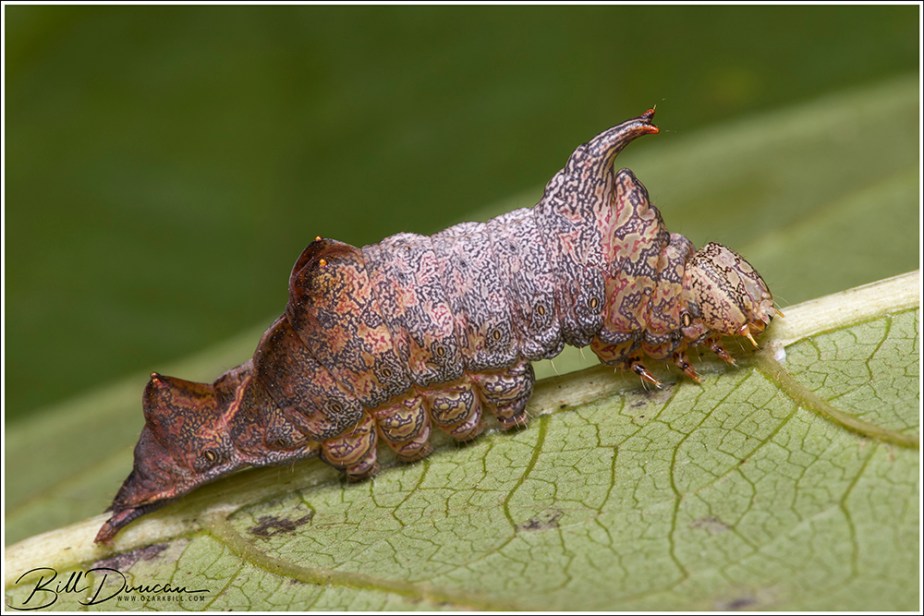
Today I am featuring the more interesting larvae we found of the Notodontidae Family, commonly known as the prominent moths. This is a widely distributed and diverse family with close to 4,000 species described worldwide. Hosts for this family are mostly woody plants and we often find these feeding on oaks and hickories.
Variable Oakleaf Caterpillar (Lochmaeus manteo) Notodontidae, Hodges#7998
Finding a lot more than I decided to photograph, this aptly-named species feeds primarily on oaks (Quercus sp.) and is highly variable in coloration and pattern. This is a species you may get tired of finding when focusing on oaks during your searches.
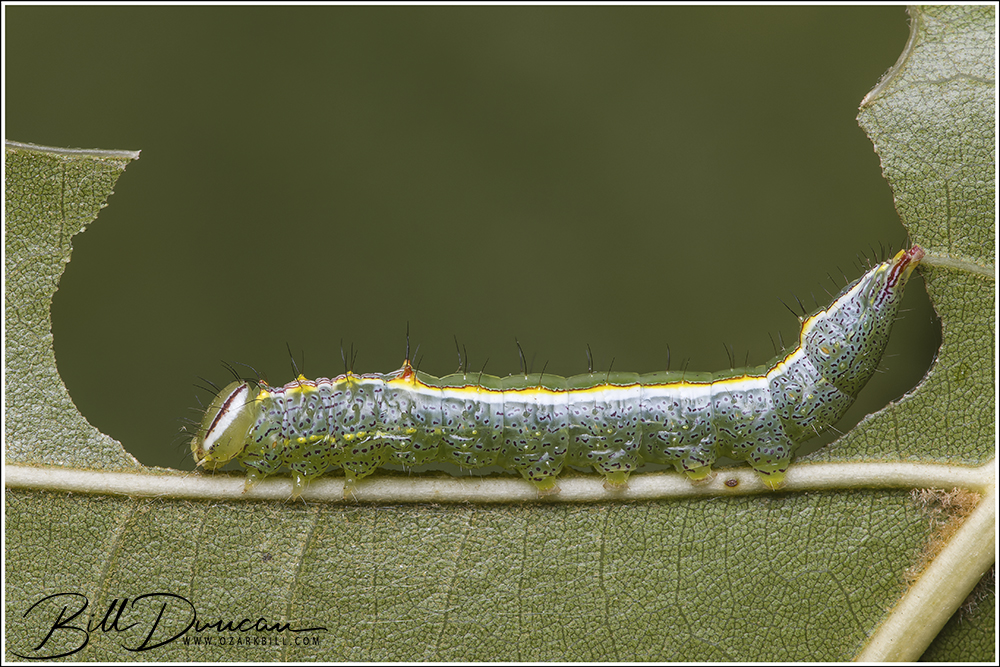

Mottled Prominent (Macrurocampa marthesia) Notodontidae, Hodges#7975
We found a few of these guys this year and I find these to be very handsome little cats.
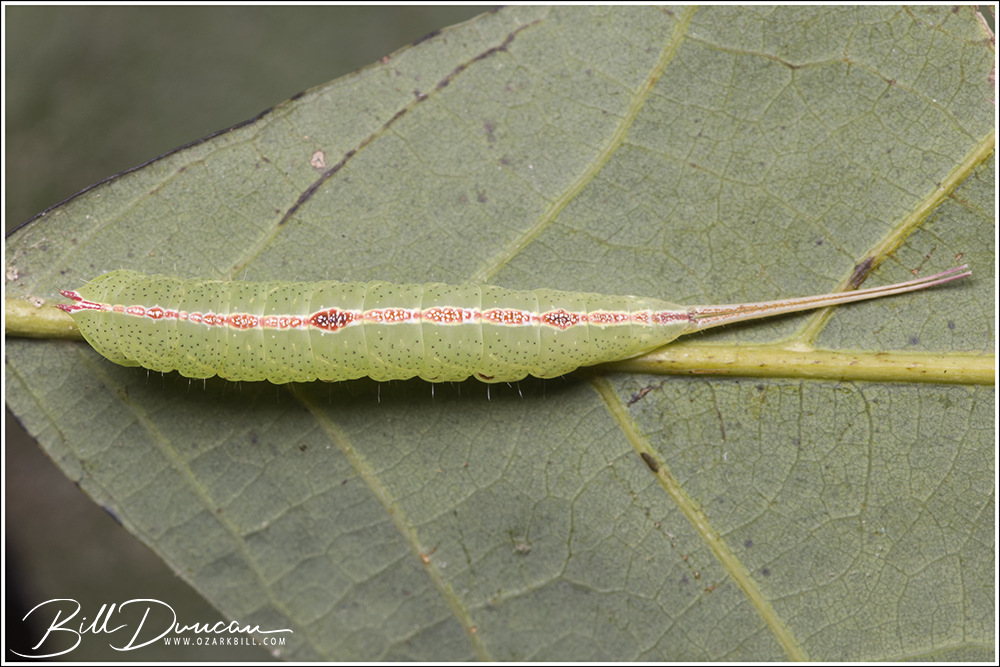
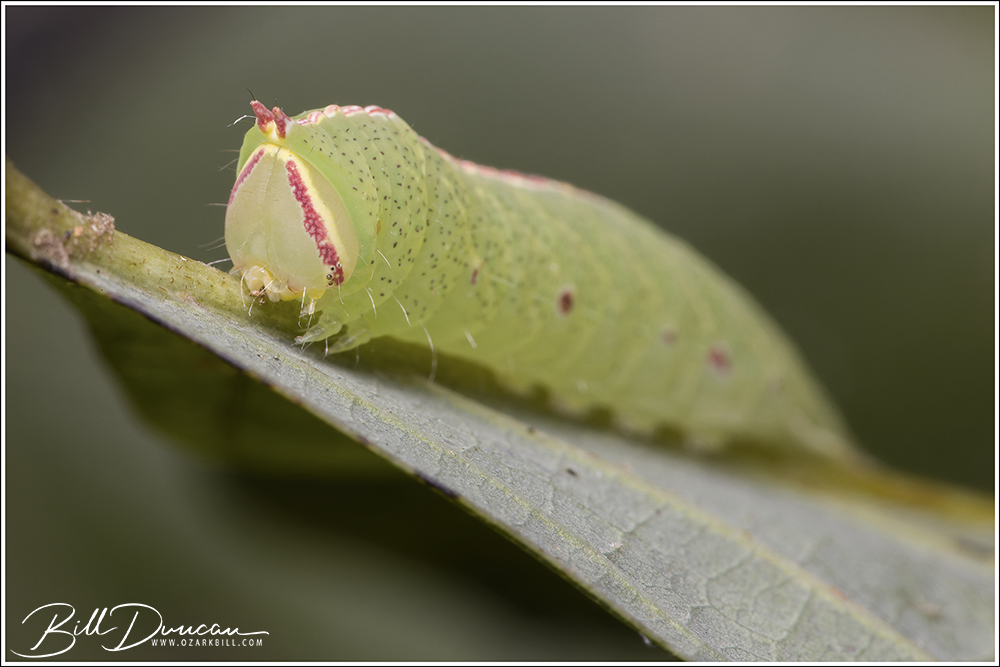

Heterocampa pulverea, Notodontidae, Hodges#7990.1
Until recently, this was a pretty large genus, containing close to 50 species. A couple of years ago, armed with molecular data, this genus was split and now contains 18 species. This one was found on a WGNSS group outing at Pickle Spring Conservation Area in early September.

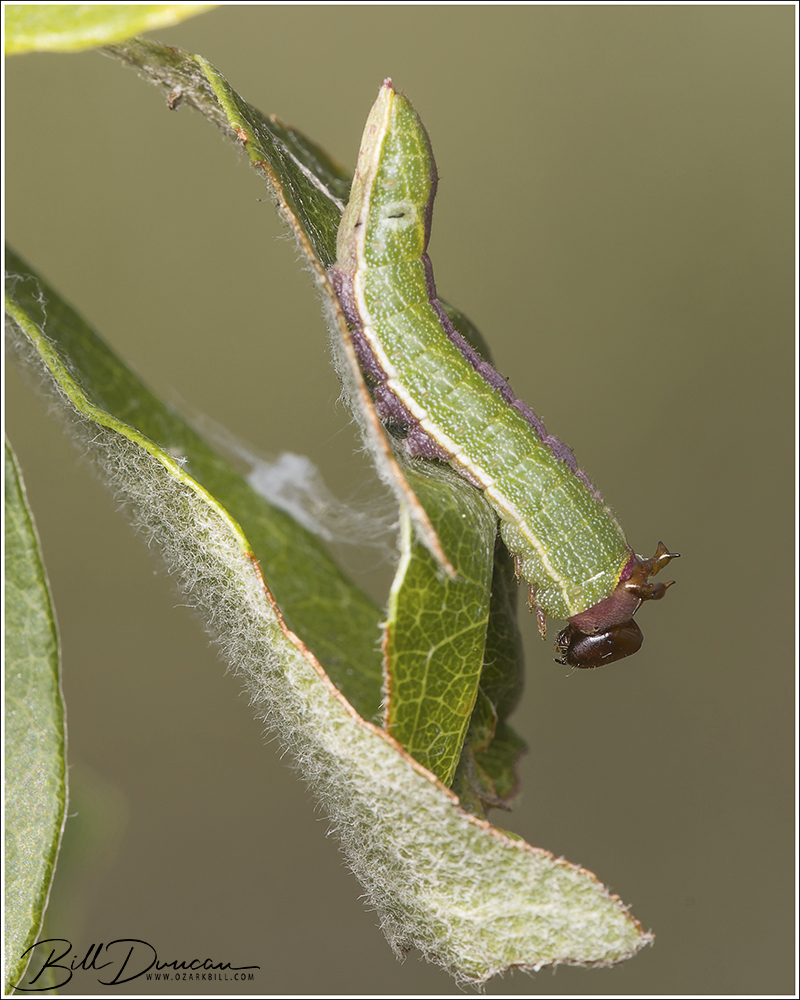
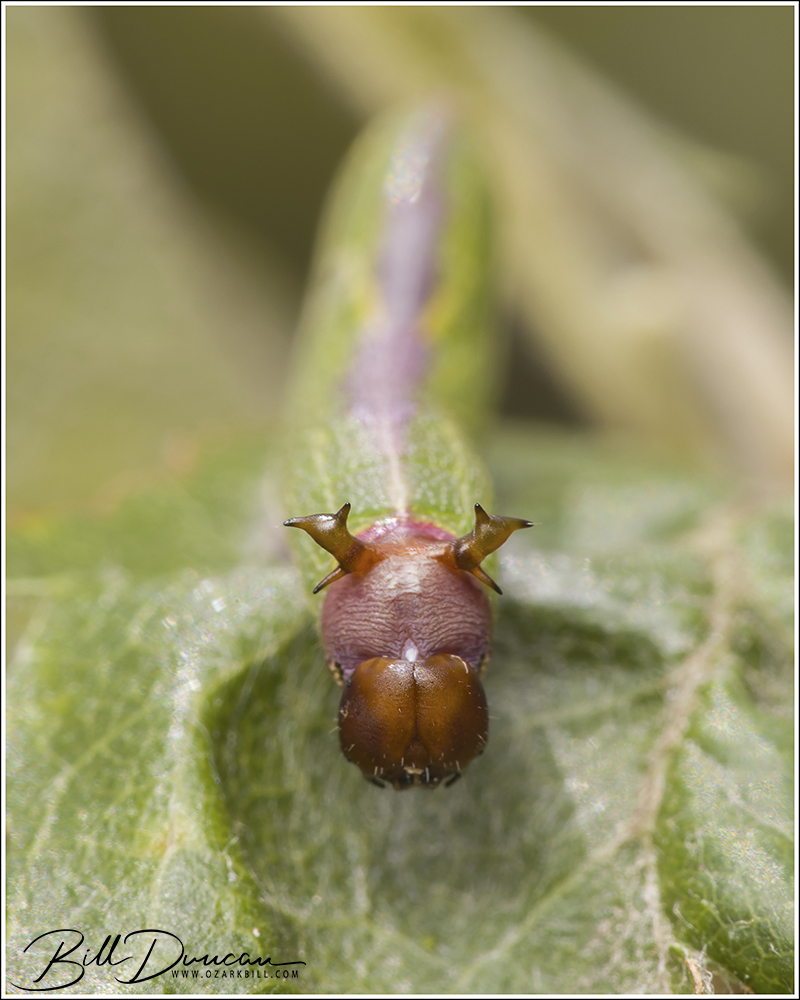
Orange-banded Prominent (Litodonta hydromeli) Notodontidae, Hodges#7968
We found this guy on another WGNSS outing while looking for the bumelia borer beetle (Plinthocoelium suaveolens). We did not find our target that day but I was thrilled to find this cat that previously I did not know existed. This is another specialist that only feeds on the gum bumelia (Sideroxylon lanuginosum).
Saddled Prominent (Cecrita guttivitta) Notodontidae, Hodges#7994
This is a very common species that feeds on oaks and until recently belonged in the genus Heterocampa.
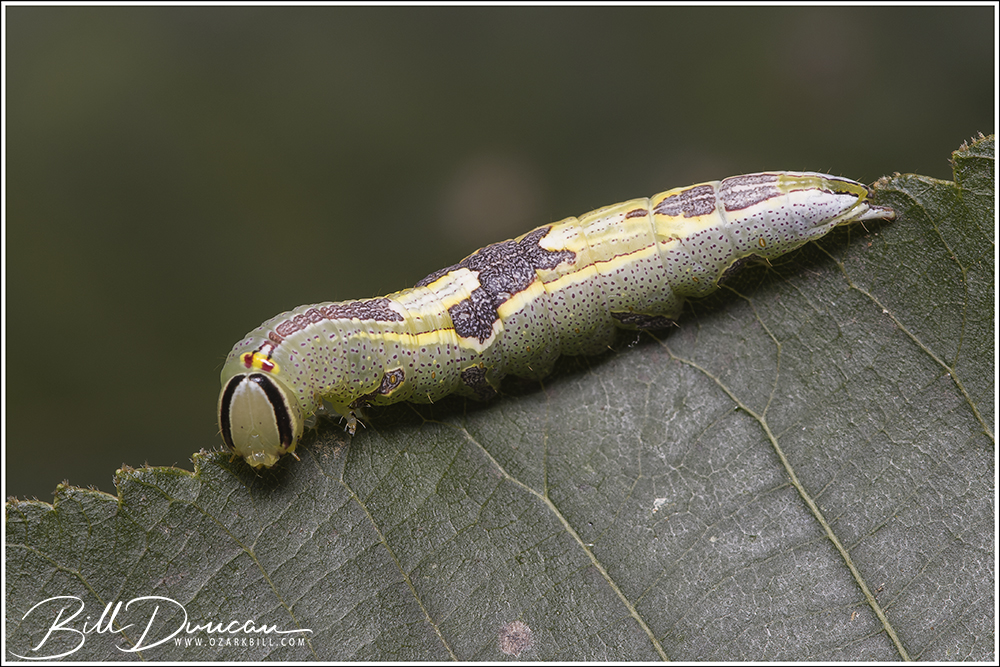

White-streaked Prominent (Ianassa lignicolor) Notodontidae, Hodges#8017
Also known as the lace-capped caterpillar, this is one of many caterpillars in this family that hide in plain sight. You will almost always find these sitting on the section of leaf they have previously eaten, using their coloration and patterns to look like a diseased or senescent portion of the leaf. These can be quite tricky to find until you get the right search engine installed in your brain.

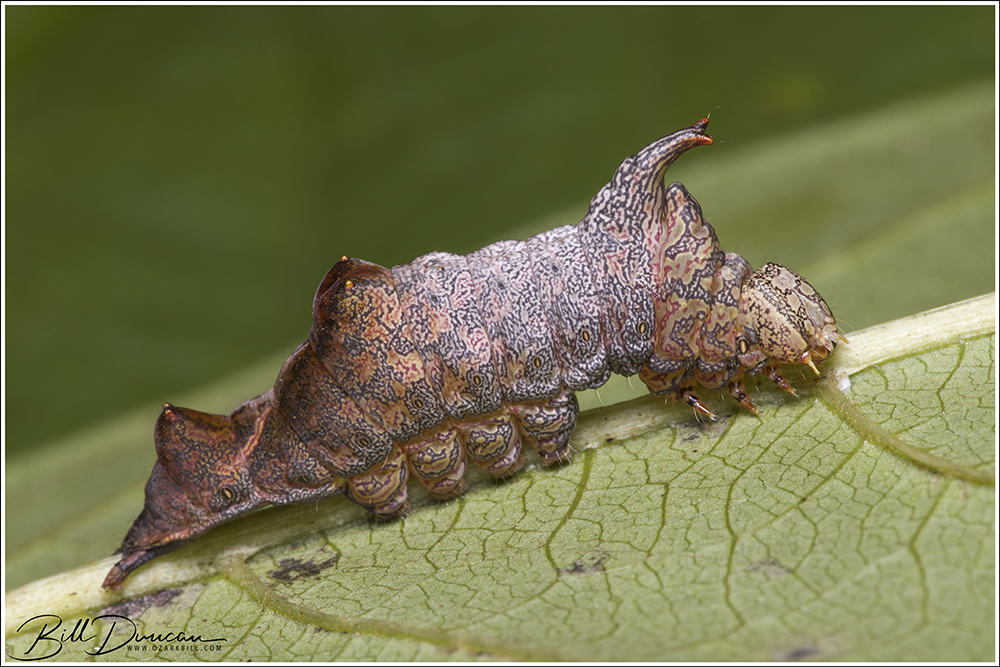
Red-washed Prominent (Oedemasia_semirufescens) Notodontidae, Hodges#8012
Although considered fairly common, this was the first year I was finally able to find one of these outstanding cats. This species is quite polyphagous, feeding on almost any native woody plants. One of the two we found this year was feeding on pawpaw (Asimina triloba).

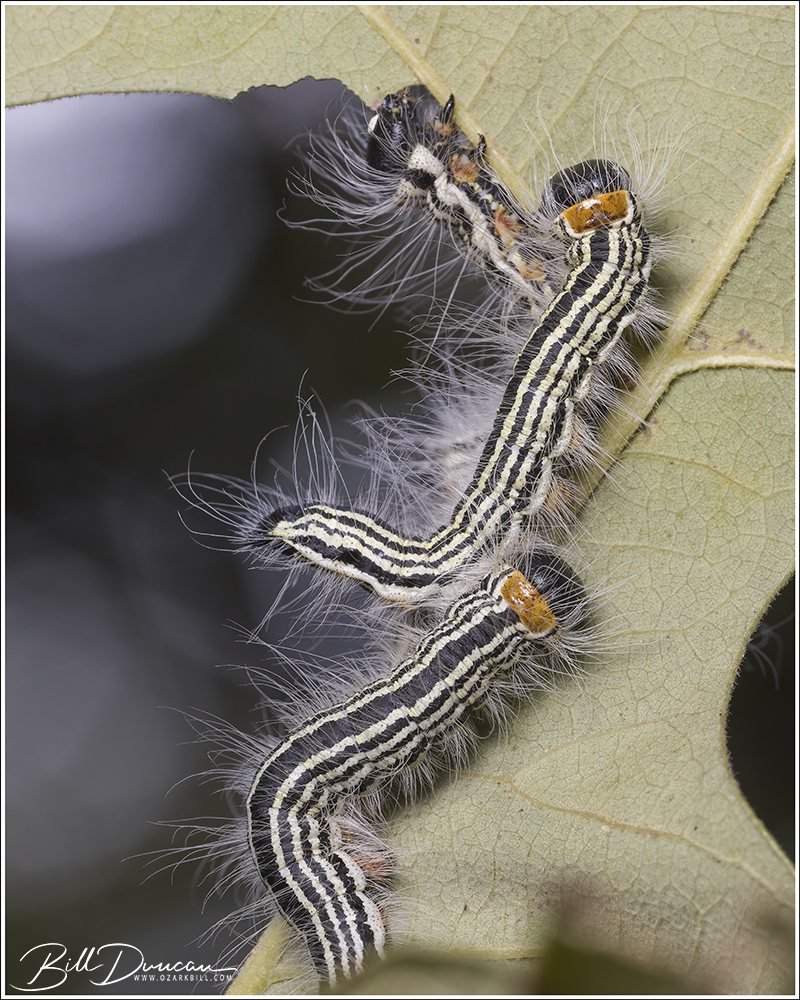
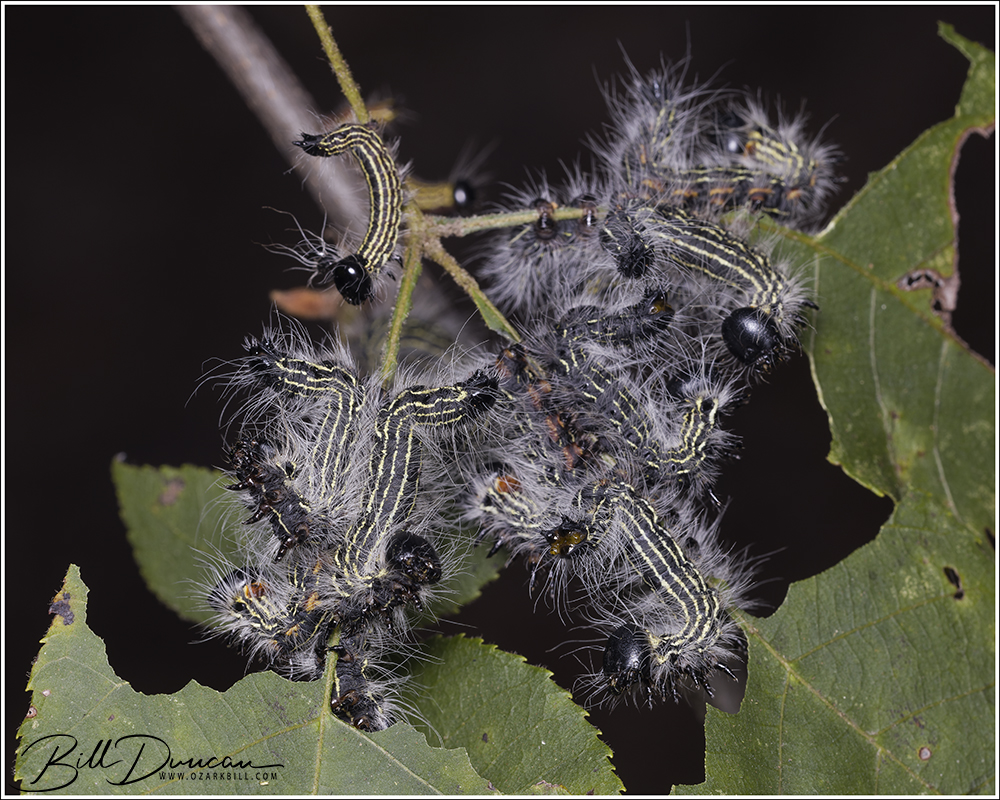
Datana Caterpillars (Datana sp.) Notodontidae
Most notodontids are solitary. But certain groups, like these Datana are gregarious and can be found in large groups even in later instars.
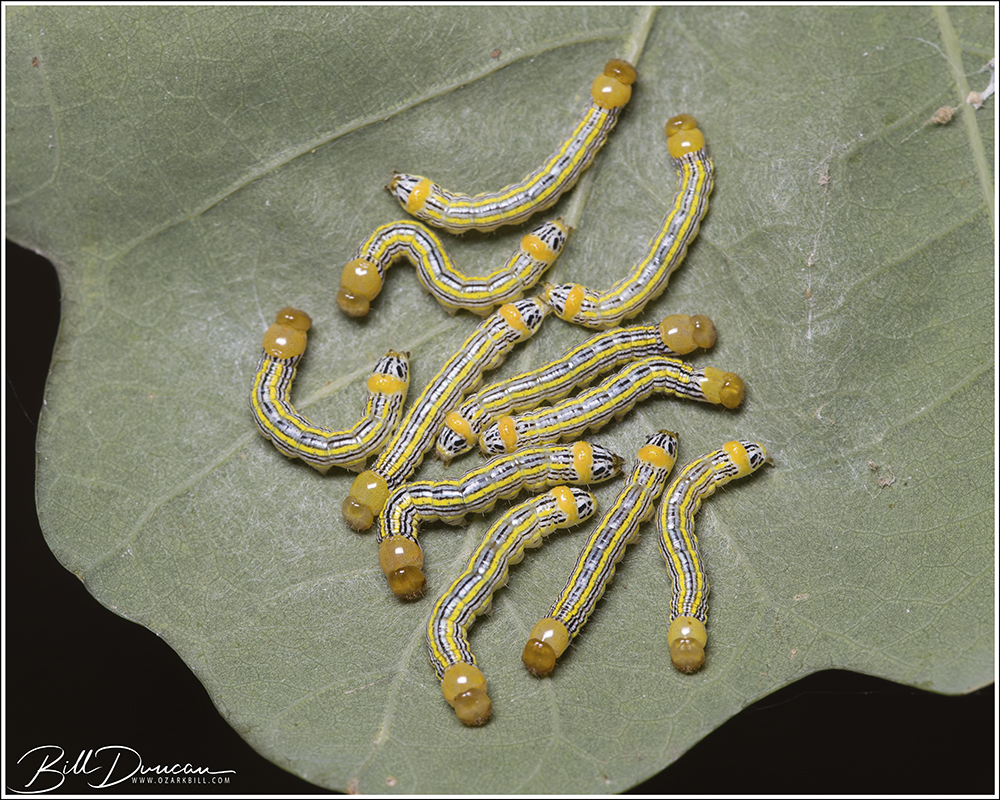
Symmerista Prominents (Symmerista sp.) Notodontidae
Another gregarious taxa, the Symmerista are notoriously difficult to identify to species in both larval and adult phases.
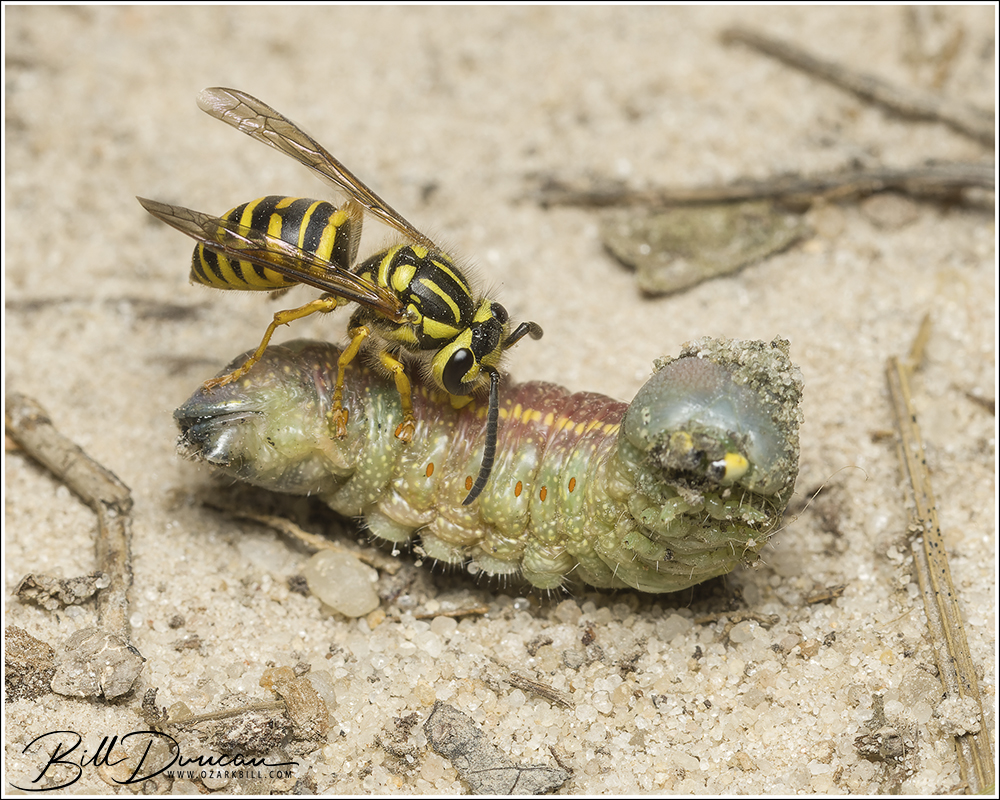
White-dotted Prominent (Nadata gibbosa) Notodontidae, Hodges#7915
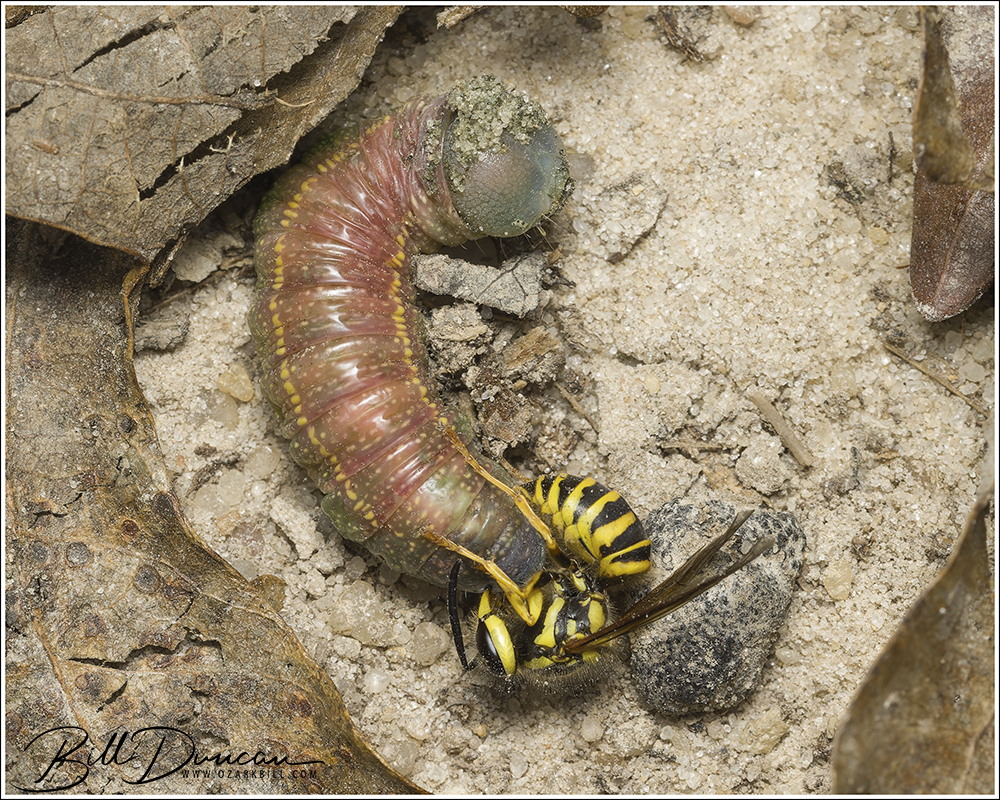
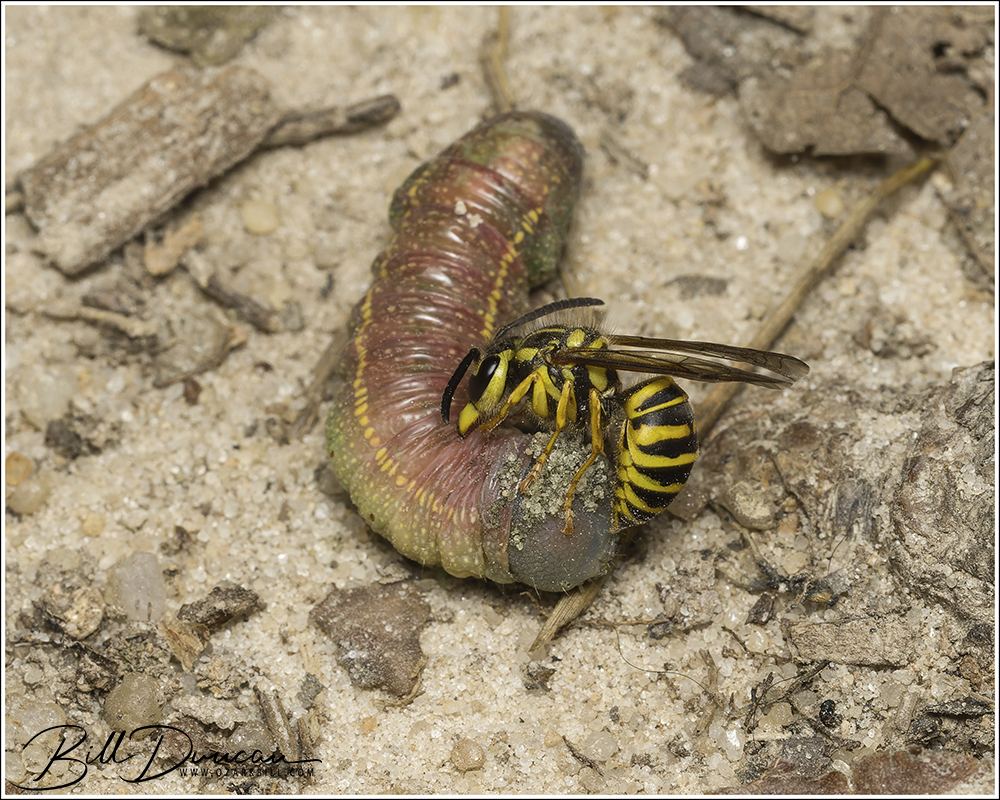
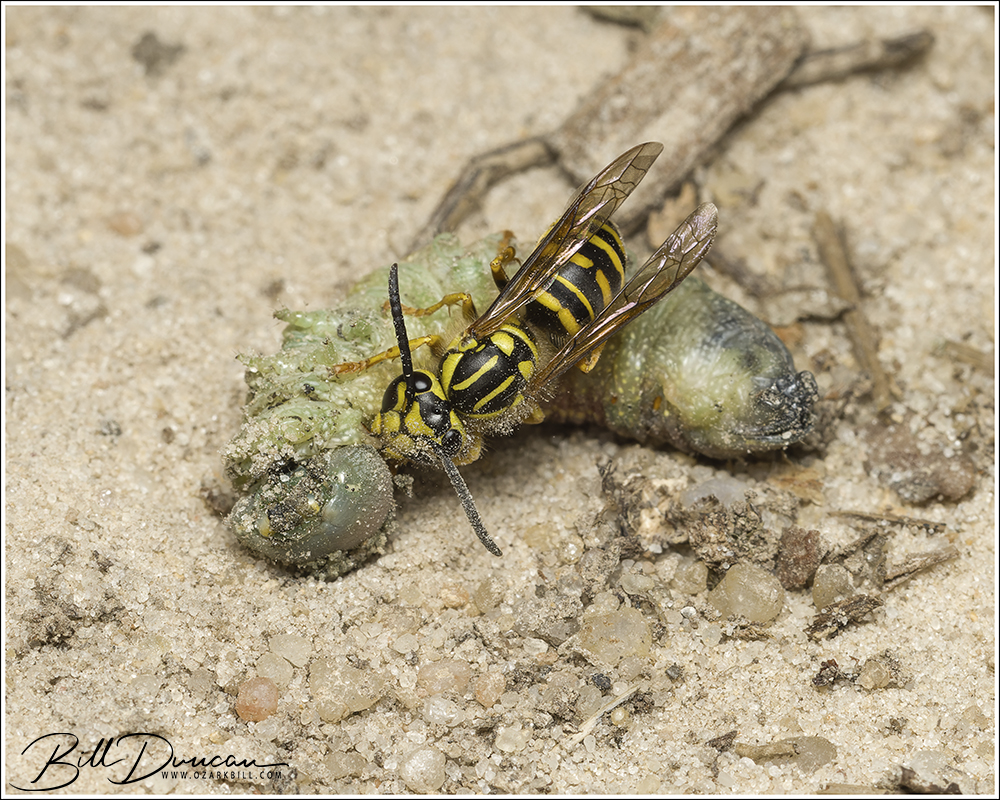
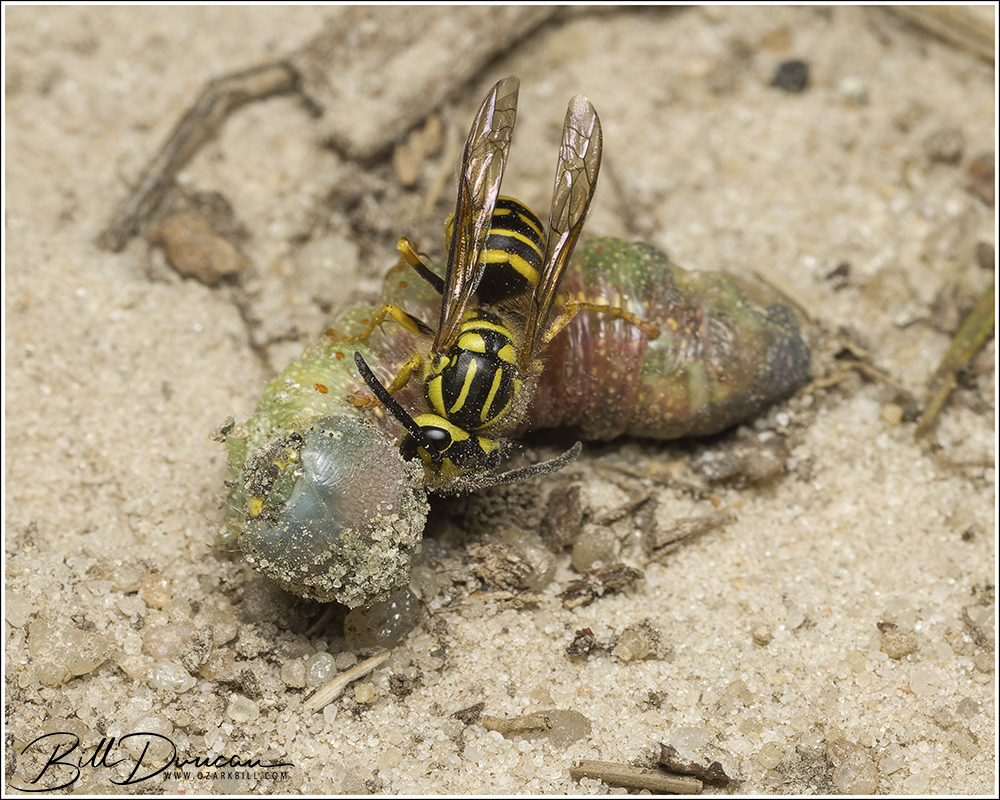
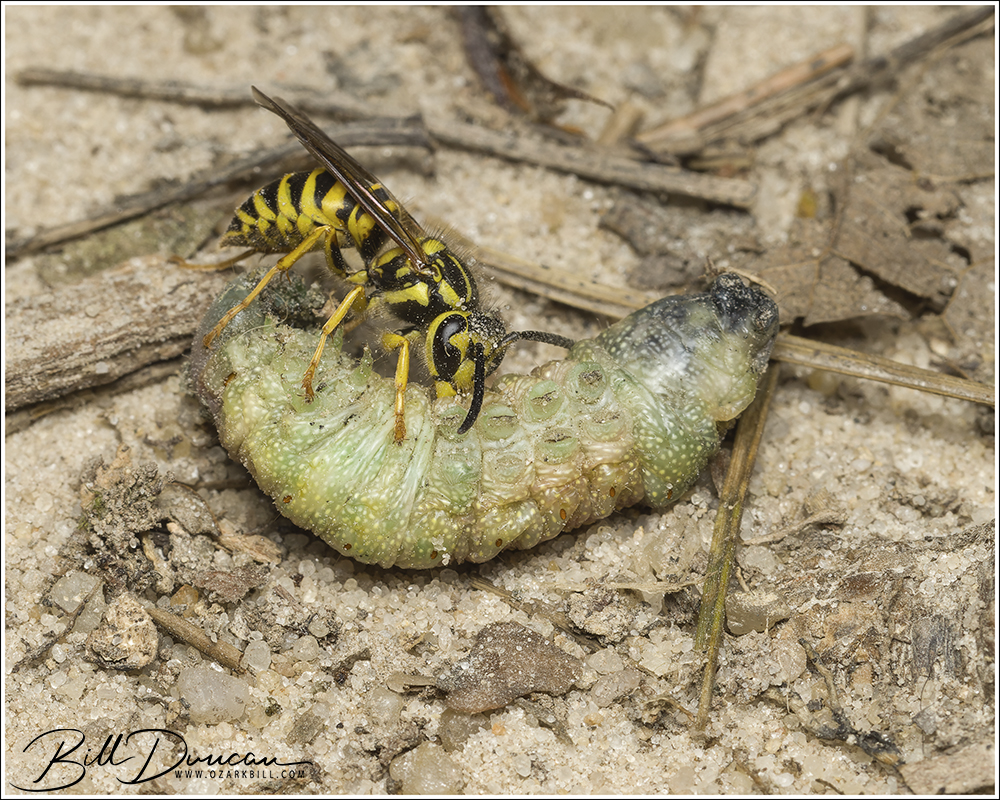
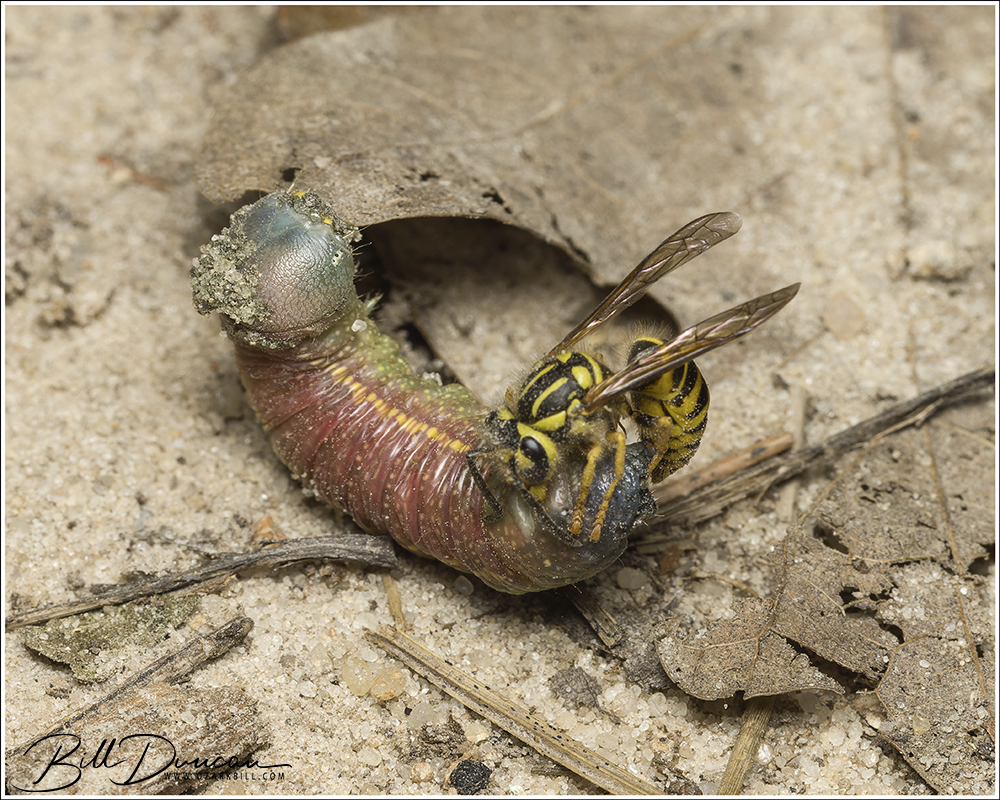
Perhaps the most common caterpillar we find on our hunting trips, the white-dotted prominent can be found in large numbers on oaks. We find these so often that I rarely even tell the others in the group when I find them. But here we find a common species in a not so common situation. We came across this one on its way to find its pupation spot that would likely be in the ground or leaf litter. You can tell this was the case by the reddish or maroon coloration. Many caterpillars will change to this type of coloration immediately before they begin the pre-pupal stage. Unfortunately for the caterpillar, some southern yellowjackets (Vespula squamosa) found it as well. We watched the drama unfold as the wasps continued to sting and bite at the poor creature that will not likely make it to adulthood.
Thanks for stopping by!
-OZB
 A Thousand Acres of Silphiums
WHO could not LOVE THIS!!!! Thank you Bill
Thank you very much, Marian!