"What a thousand acres of Silphiums looked like when they tickled the bellies of the buffalo is a question never again to be answered, and perhaps not even asked." -Aldo Leopold
Virginia snakeroot (Endodeca serpentaria) is an easily overlooked cousin of the much more familiar Dutchman’s pipevine (Aristolochia macrophylla). Belonging to the Aristolochiaceae (birthwort) family, both species host the pipevine swallowtail butterfly. The Aristolochiaceae family is composed primarily of tropical woody vining species. Virginia snakeroot is an exception in the family, being neither tropical, woody nor a vine. This species is a low and slow growing herbaceous perennial native to Missouri and is a really nice find.
The hastate leaves and growing habit of Virginia snakeroot (Endodeca serpentaria). Note the ground-level flower.
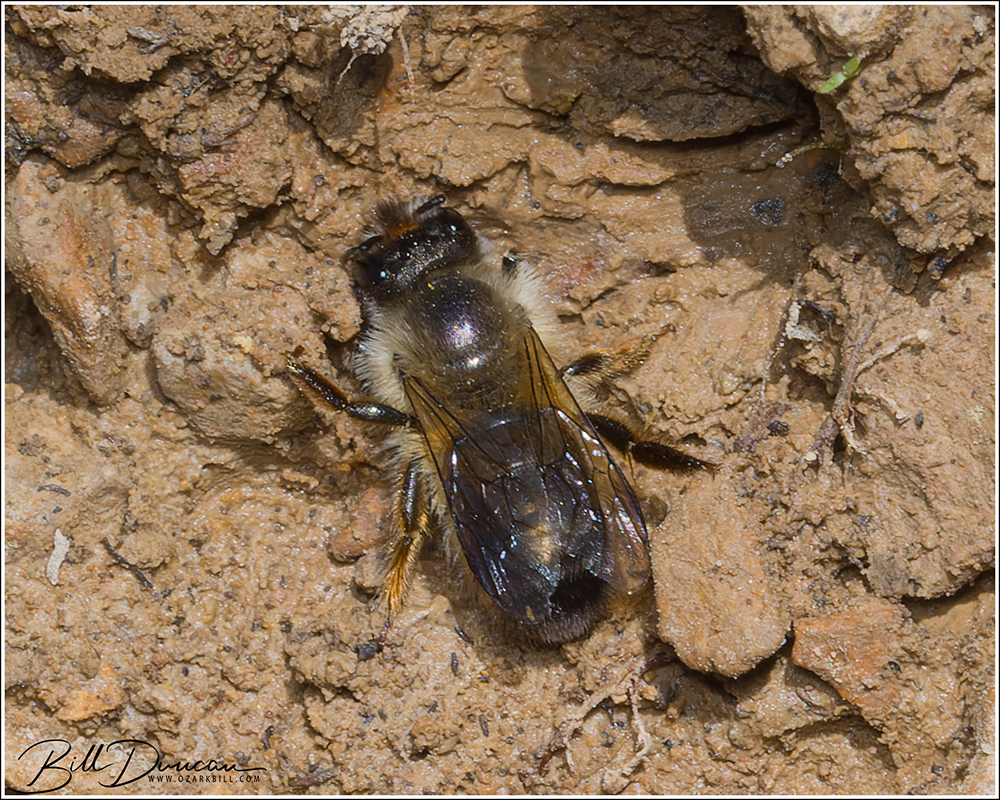
Casey and I found these mason bees in mid April this year at Hughes Mountain N.A. I had no clue what these were but was intrigued to “discover” a new-for-me bee so early in the season. Unfortunately, I was to find out it is yet another introduced species. Apparently these were first found in Maryland in the 1970’s and have spread west since then.
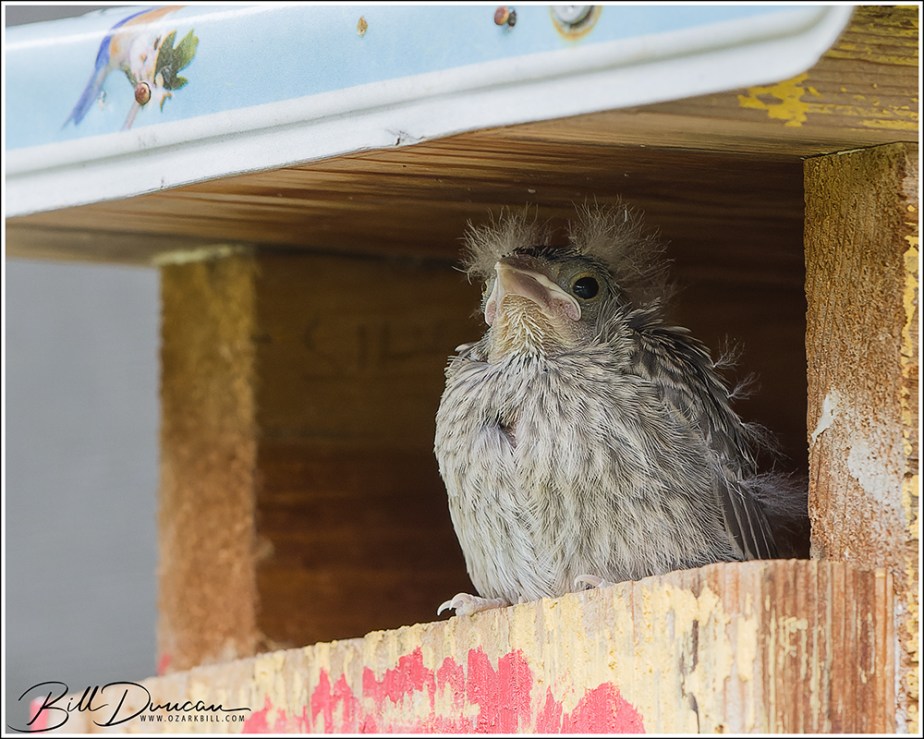
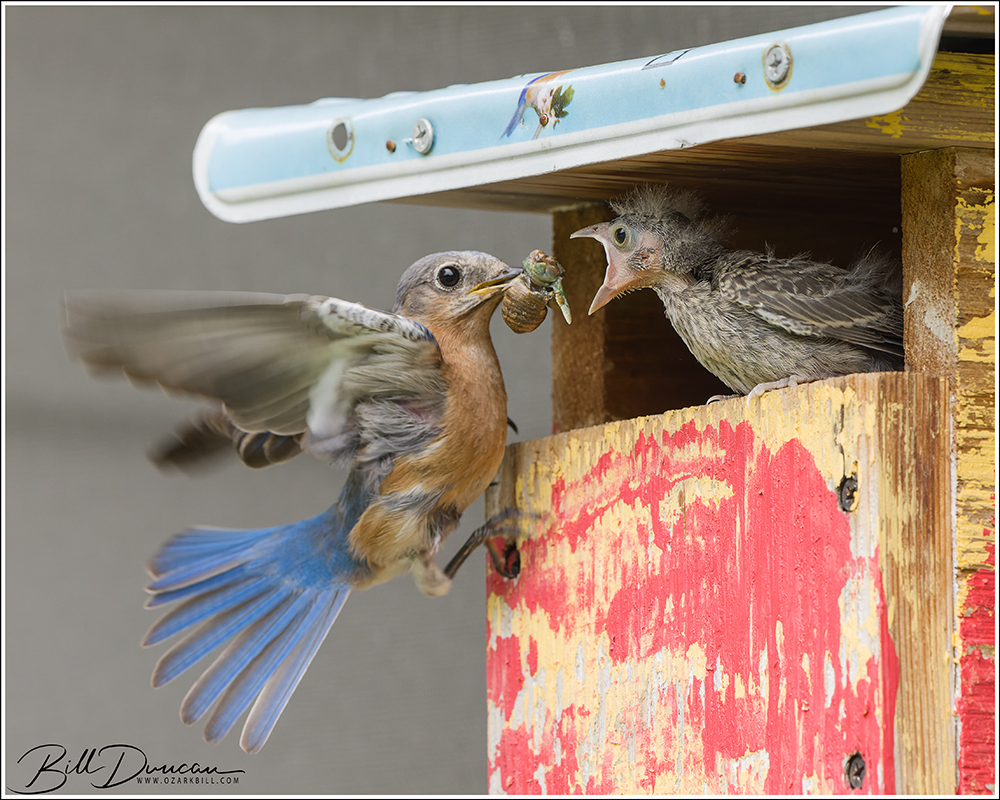
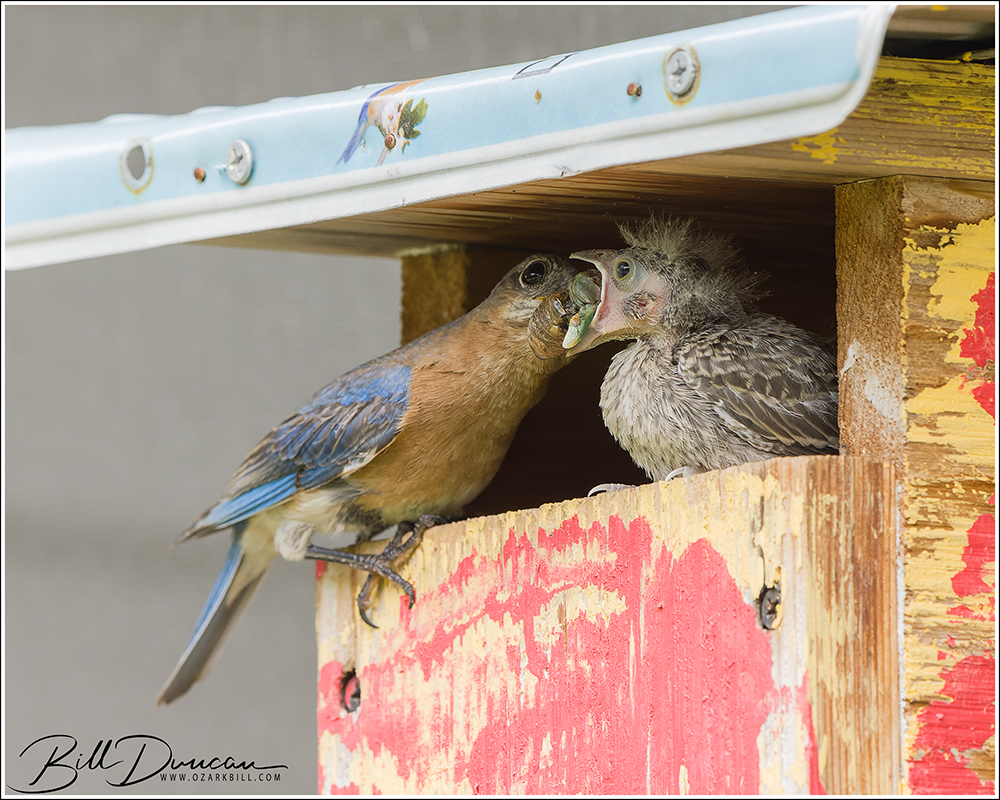
The Bluebirds had another great year. I was much to busy to do the typical monitoring I normally like to do, but they did have three clutches this year with a total of 12 fledged birds (3, 5 and 4 eggs in 1st, 2nd and 3rd nests). Immediately after putting up the nest box in early March, a pair took control and made their first nest. After completing this, I cleaned the box and began a daily routine of removing nesting material from the non stop Eurasian Tree Sparrows. I removed nests 1-2 times per day, often removing up to eight inches of nest and sometimes with an egg or two. They were relentless. This went on for at least six weeks. I was wondering why the Bluebirds didn’t come in and take over so I could have a break when I finally decided to have a look in the Wren box, which they did use in a previous year. Yep, inside I found five young chicks (nest 2). I took advantage of this and was able to take a few photographs that I am sharing here. They then went back to the Bluebird box for their third nest. These chicks fledged a couple weeks ago.
I knew the ETS would be back to this box in a heartbeat like they do every late summer and fall, so I removed the Bluebird box for the season. I think three clutches for the season is great, although it wouldn’t have surprised me to see that the Bluebird pair might try for a forth. But, I think it might be better not to push the female too far and let her build some fat for the winter.
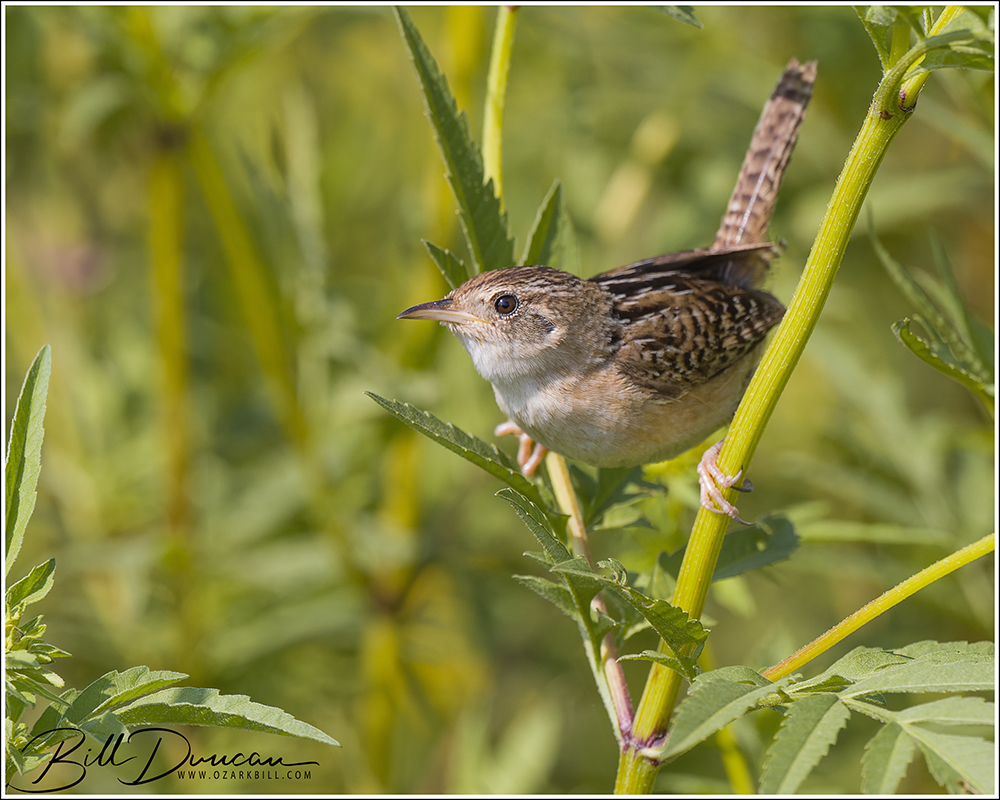
I’ve photographed Sedge Wren on numerous occasions and it never gets old. These guys seemed more numerous than I ever remember in eastern Missouri this year. This past Saturday I spent a few hours at BK Leach and Riverlands Migratory Bird Sanctuary and found more than 40 during my travels, including sure pair territories. I’m glad the grasslands are to their liking this year. No Marsh Wrens, however.
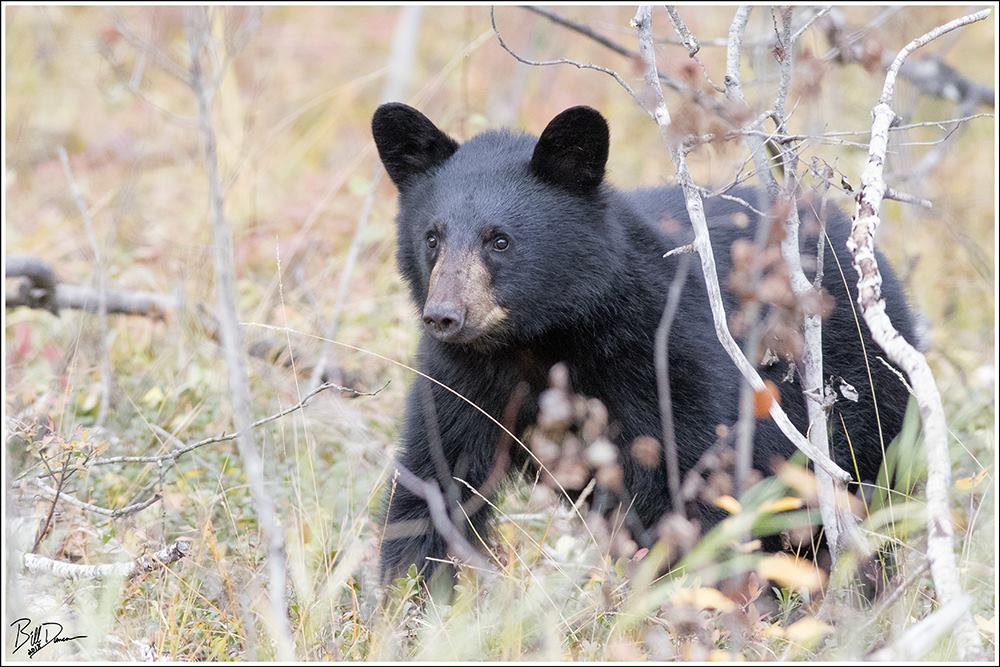
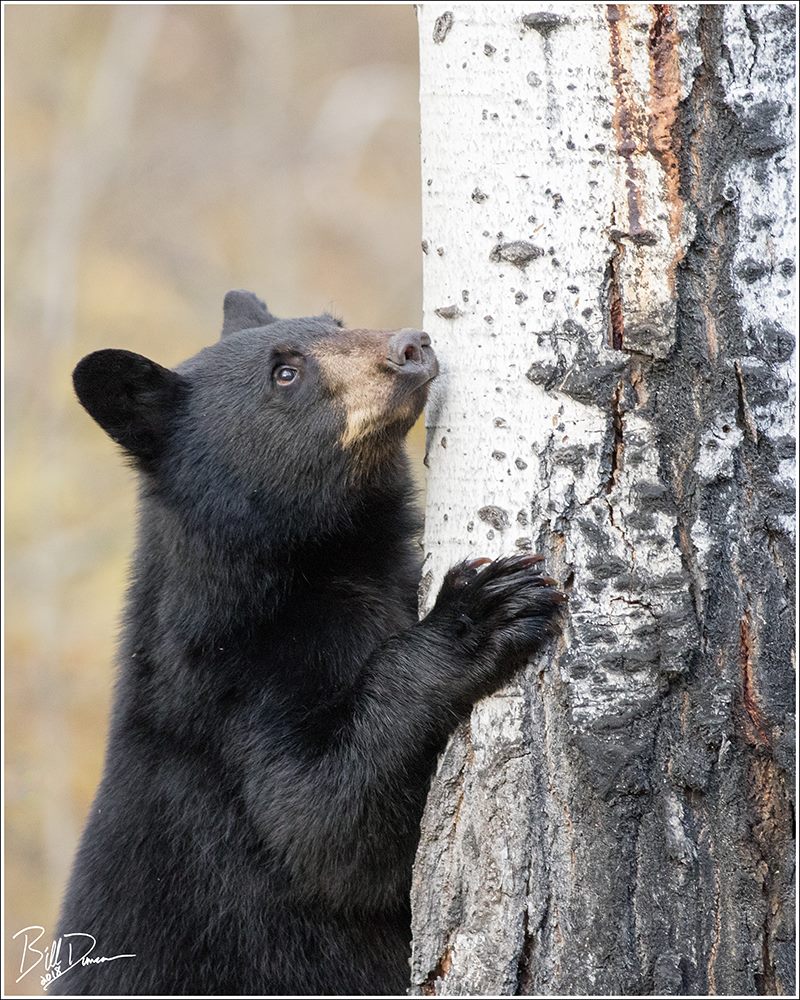
Another set from the bowels of Facebook that I want to capture on the blog. These were taken on a work trip to inspect Canola fields in Saskatchewan. We had some extra time to visit Prince Albert National Park where I had the opportunity to photograph my first bears – this mom and her cub.
Spent some time recently looking for mink in a St. Louis County park. No luck on the mink but this vocal Cooper’s Hawk flew in for a minute on this perch and allowed me to get a few shots. This species was named after the American naturalist, William Cooper, who was a contemporary of John James Audubon and Charles Lucien Bonaparte.
This season Casey and I have been focusing on trying to find some of the more rare and harder to find skipper butterflies in the family Hesperiidae. We’ve come up short a few times – there are several who seem to be on severe declines in our area and may be extirpated from previous well-known sites. Here are a few we had luck with finding and worked our tails of to get a few photos.
Atrytonopsis hianna (dusted skipper) This striking skipper was found in the glades of Jefferson County, MO in May of 2023.
Problema byssus (byssus skipper) Classified as vulnerable by the Xerces Society, the byssus skipper uses eastern gamma grass and big bluestem as its host and is threatened by the continued loss of prairie and grassland habitat throughout its range.
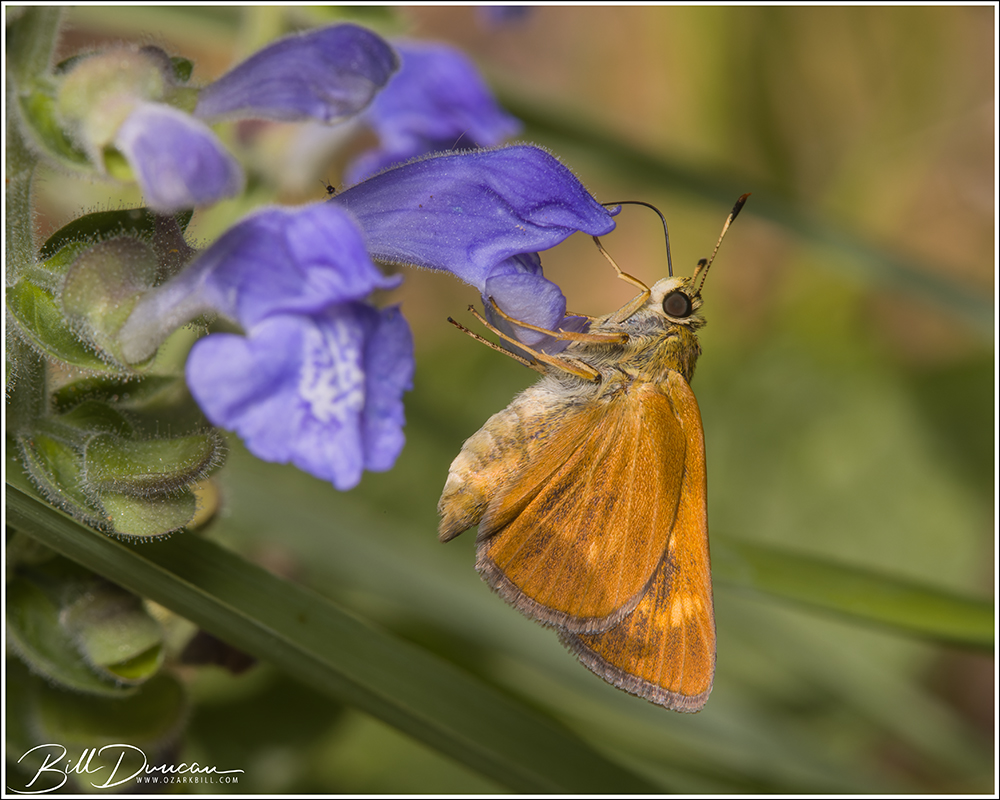
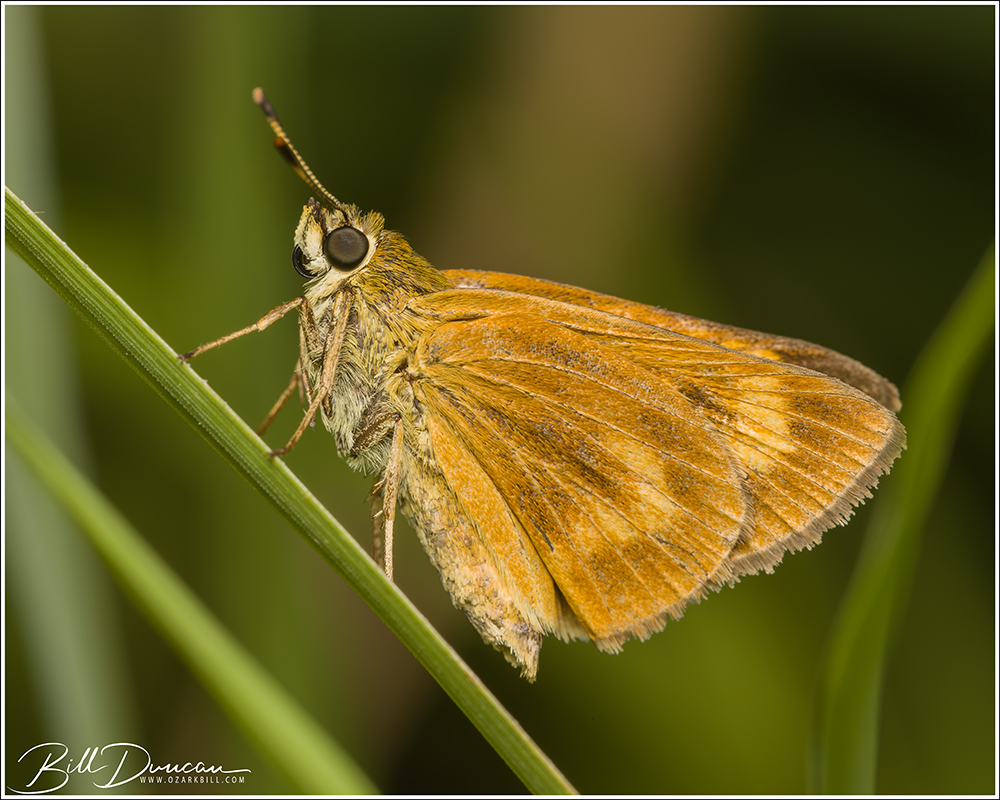
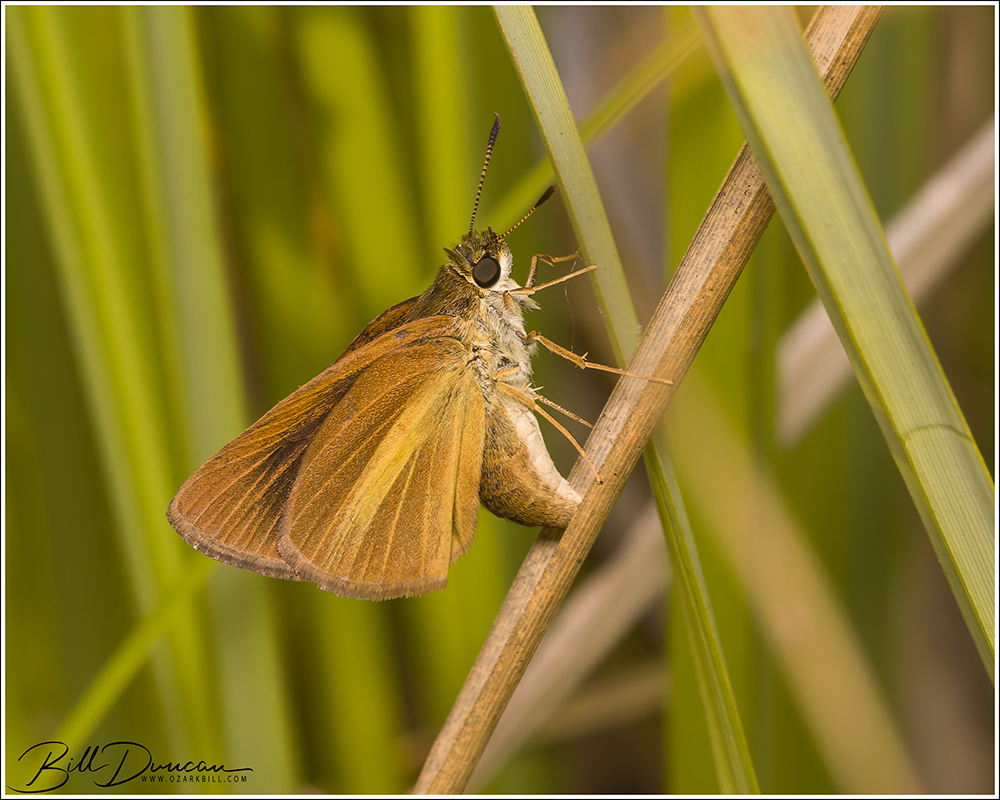
Euphyes dukesi (Duke’s skipper) Uncommon throughout its fragmented range, the Duke’s skipper uses sedges in moist fields, marshes and forests for its host. This species is highly vulnerable to ongoing draining and development of these habitats. Casey and I refound this particular population in St. Charles County and we were happy to find a few in ditches alongside heavily trafficked roads.
Dorsal view of Euphyes dukesi (Duke’s skipper)
I has thrilled to be able to catch this female Duke’s skipper ovipositing on a sedge stem
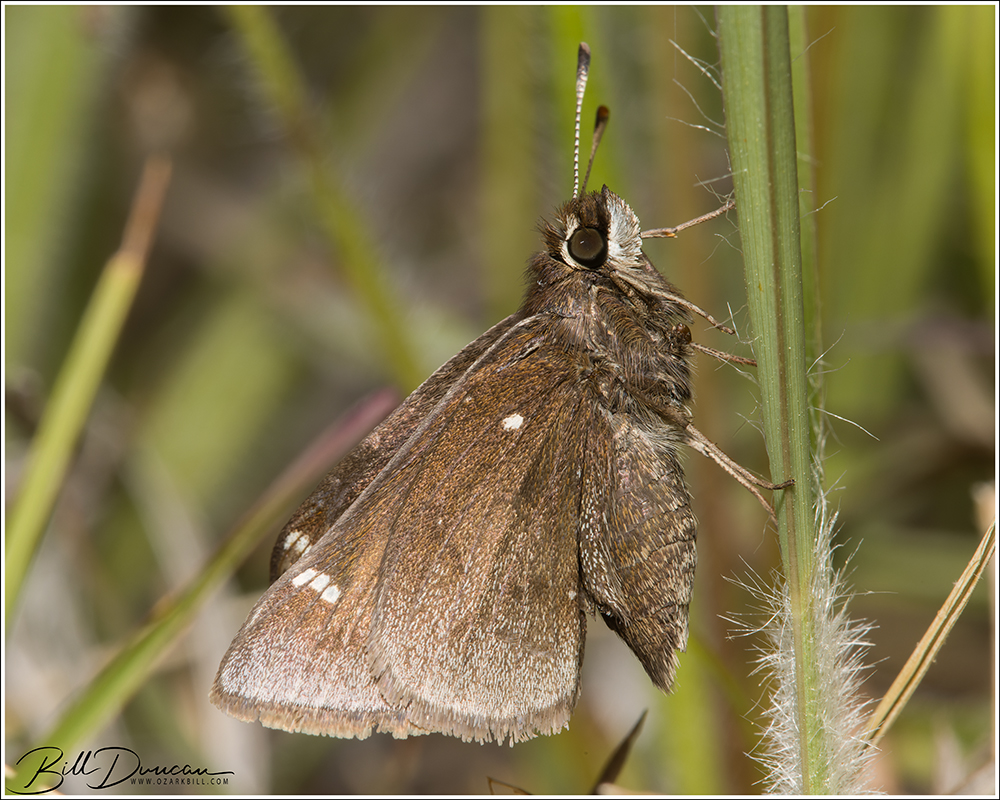
Amblyscirtes hegon (pepper and salt skipper) With a very large range, covering most of the eastern U.S., the pepper and salt skipper is nevertheless difficult to find and photograph.
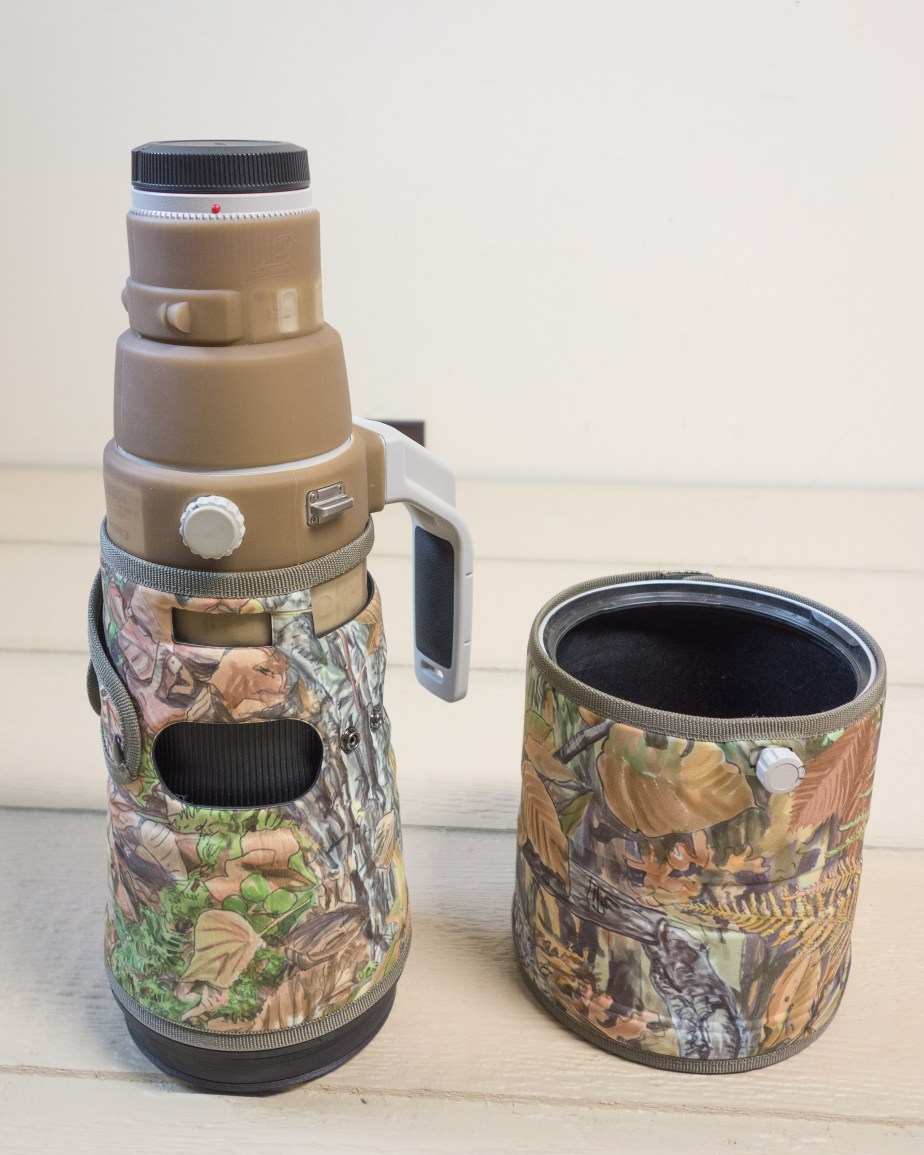
About a year and a half ago, I moved into Canon’s mirrorless platforms with the full-frame Canon R5. It’s been a fantastic body but the one thing missing was not having the extra reach that the crop-sensor of my 7D mkii provided. Since it doesn’t look like Canon is planning on coming out with a semi/pro APS-C body in the R mount anytime soon, I made the decision to do something even better and upgrade to the 600mm f/4 lens. Consequently, I am selling my Canon EF 500mm f/4L IS II USM.
Asking price is $5,250 – non negotiable and for local buyers only at this time. To see more photos and information, please see my Facebook Marketplace listing.


























 A Thousand Acres of Silphiums