
Here’s a bit of a wrap-up on 2020 with a selection of miscellaneous birds that didn’t fit into any other blog posts.

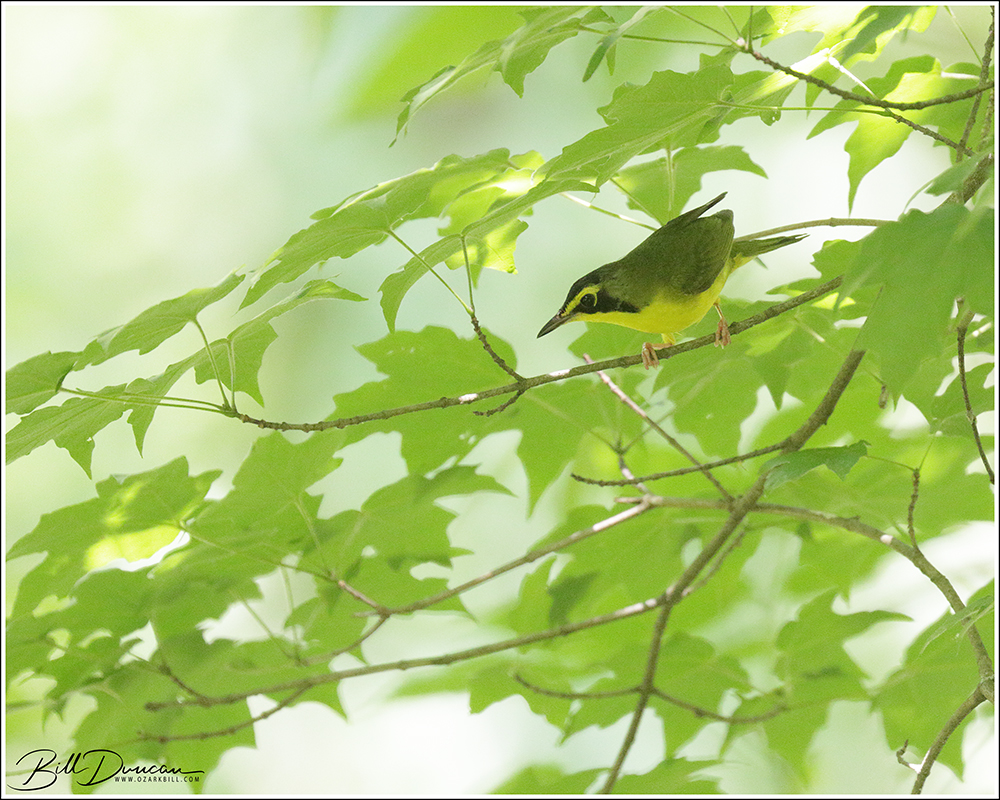
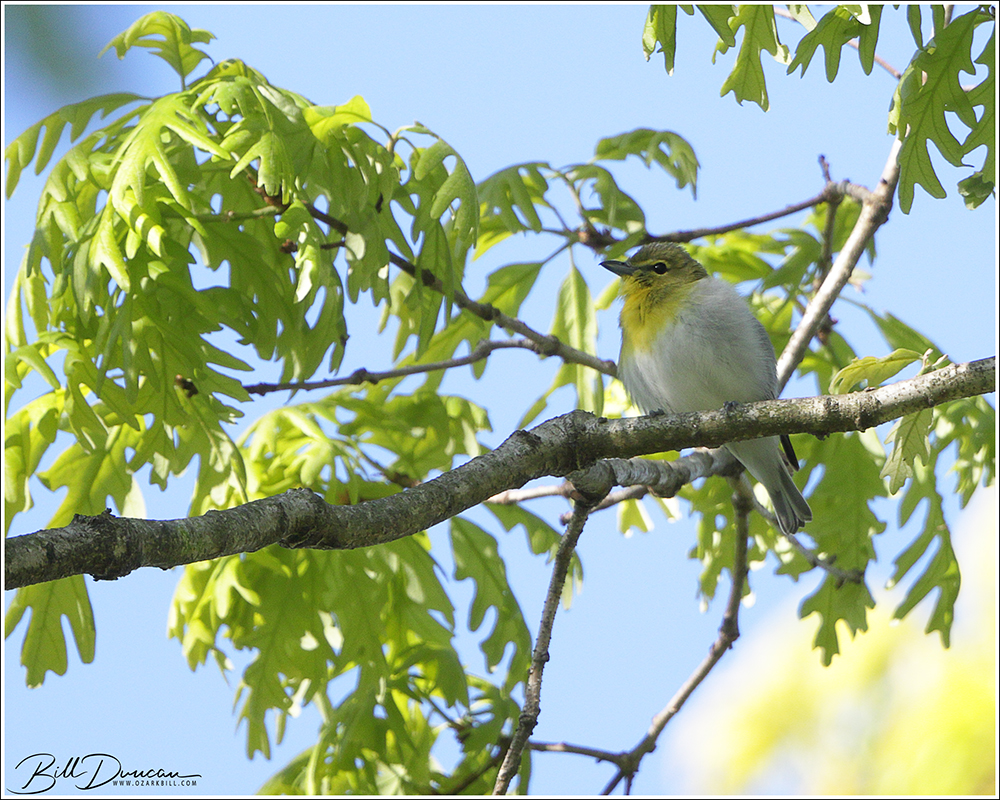


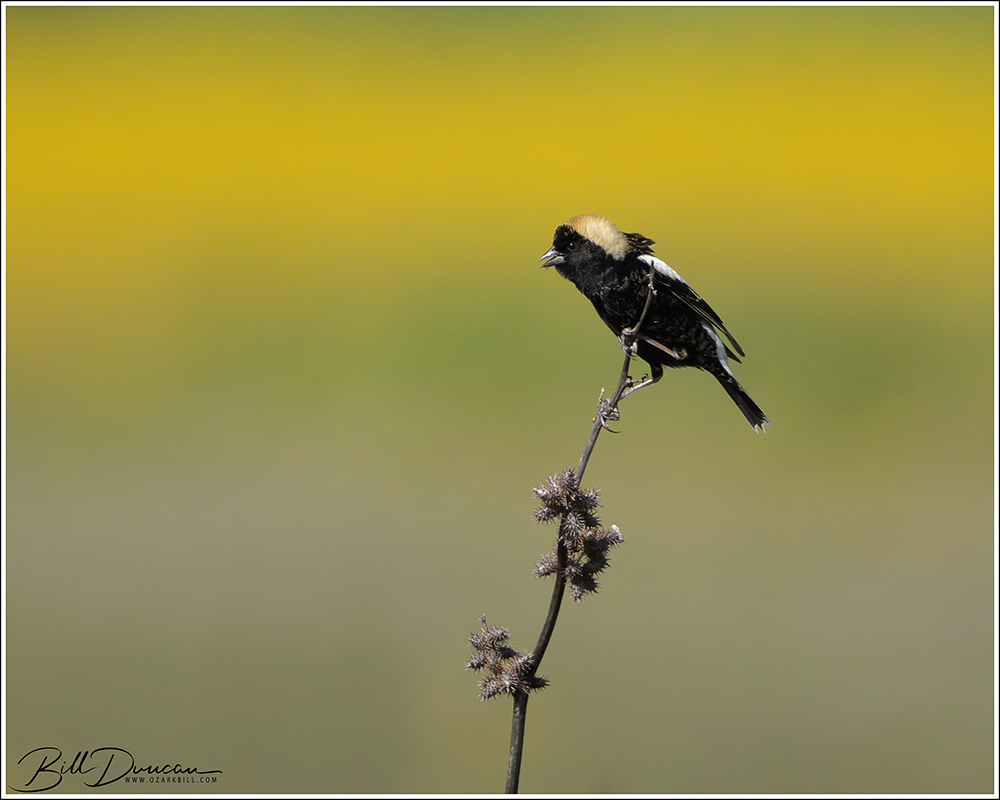
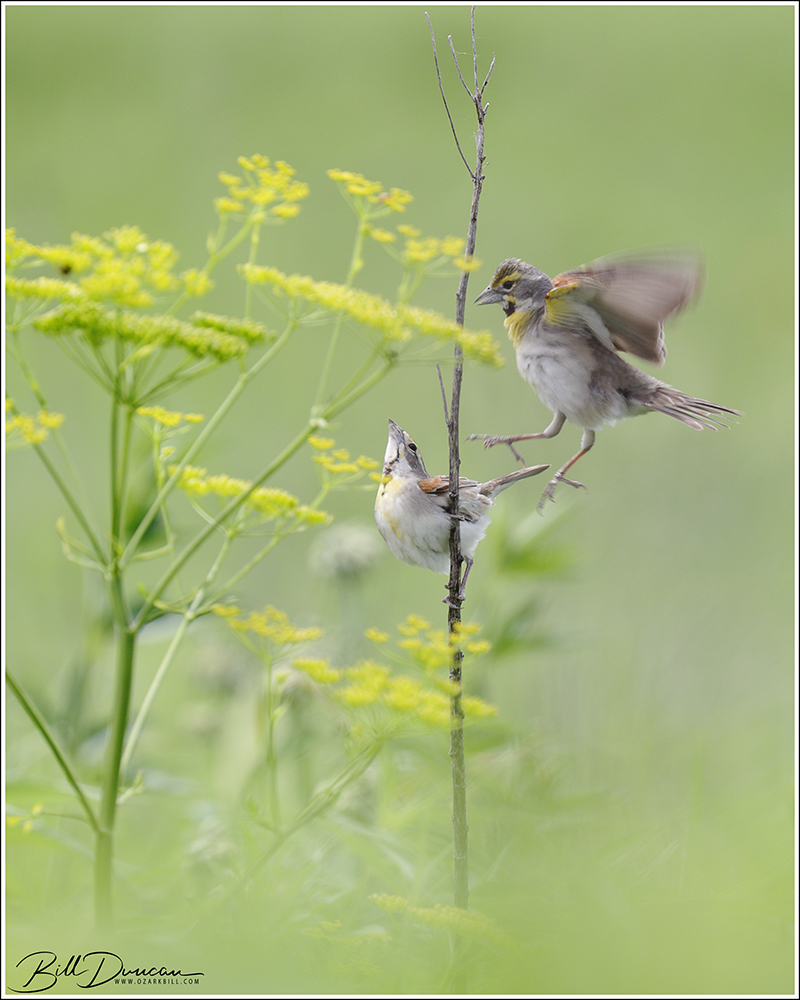
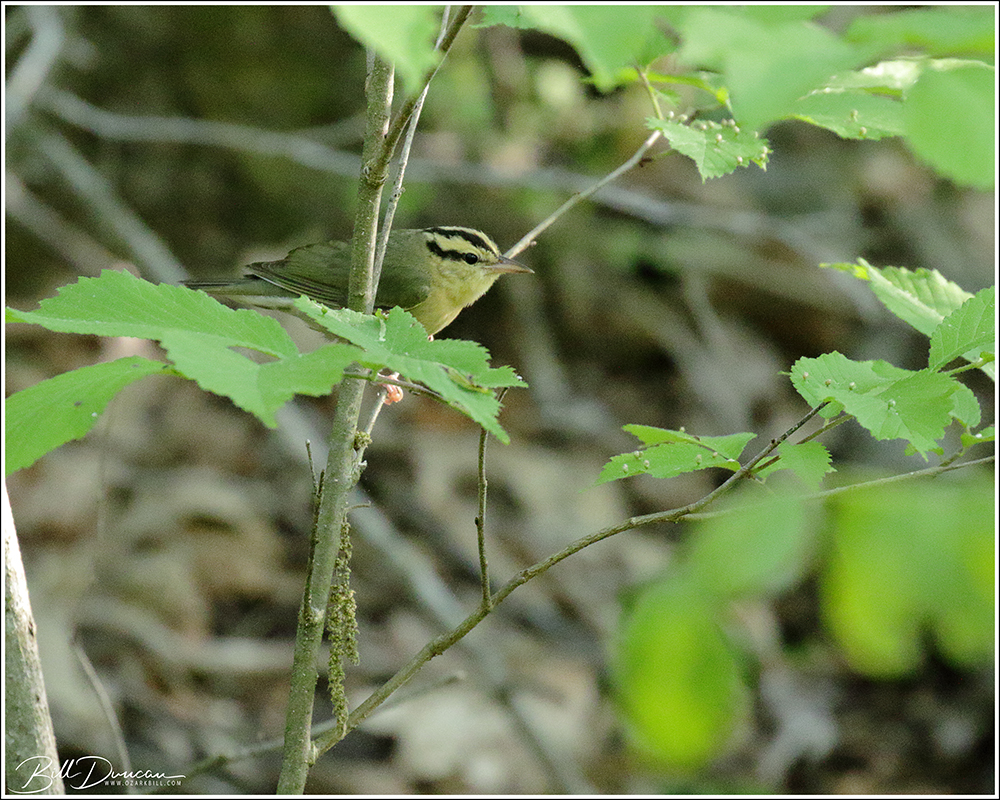


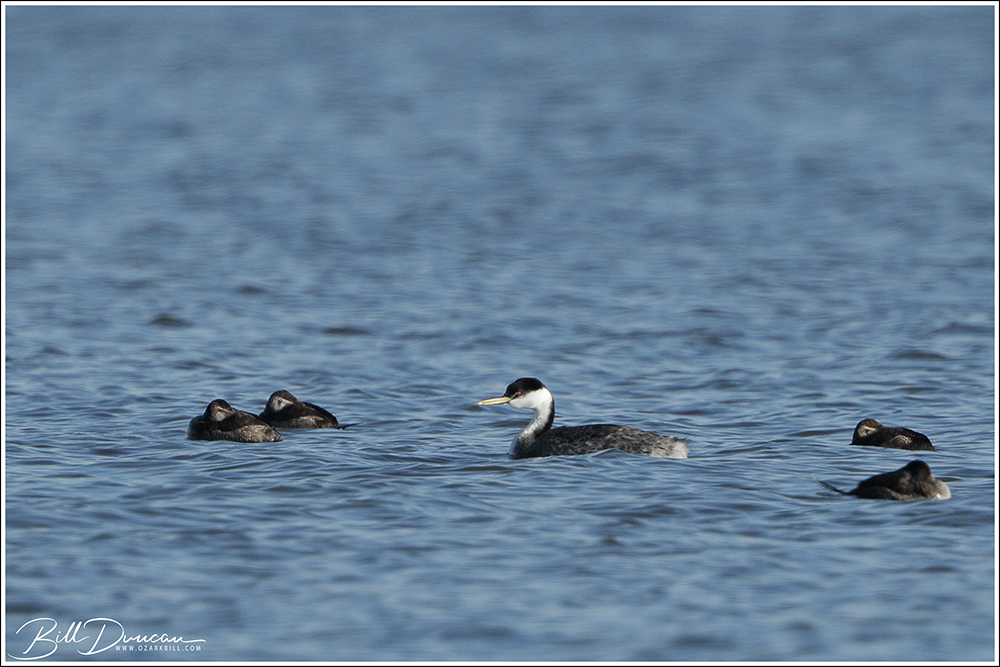

I likely have several other bird photos from 2020 that need processing, but this is all I have for now. Thanks for the visit.
-OZB
"What a thousand acres of Silphiums looked like when they tickled the bellies of the buffalo is a question never again to be answered, and perhaps not even asked." -Aldo Leopold
Here’s a bit of a wrap-up on 2020 with a selection of miscellaneous birds that didn’t fit into any other blog posts.
I likely have several other bird photos from 2020 that need processing, but this is all I have for now. Thanks for the visit.
-OZB
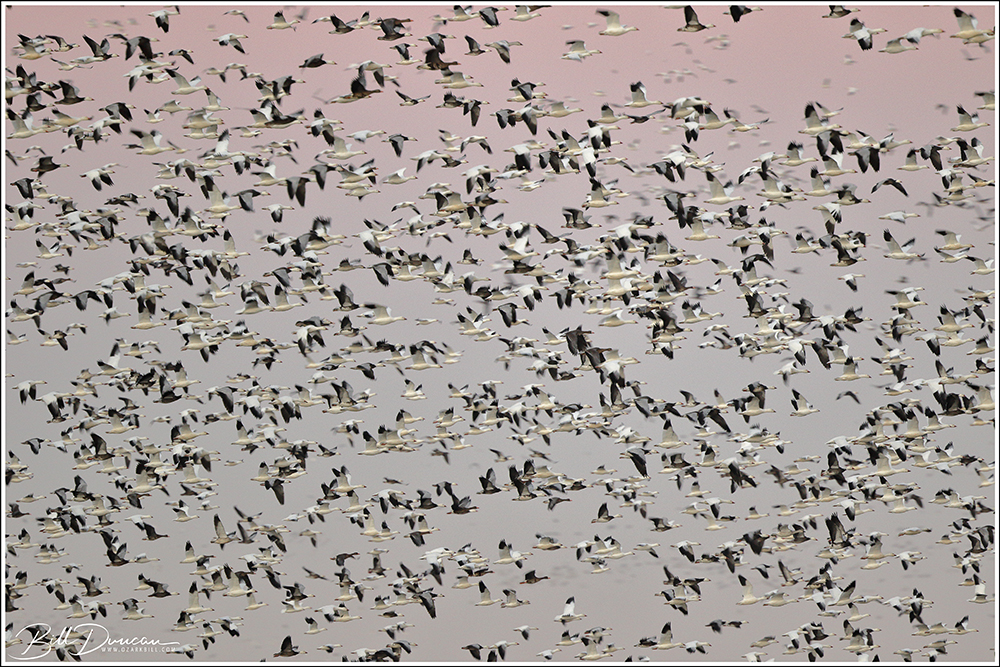
A visit to Loess Bluffs NWR in Holt County near the far northwestern tip of Missouri is a must for any nature enthusiast who has the means to do so. I’ve made this trip approximately seven times during the Thanksgiving week over the past ten or so years. You can see more photos I’ve taken at this location here, here, here, and here. This year, since the pandemic limits so much of social gatherings and we hoped visitor numbers would be low, we made the trip on a very warm Thanksgiving day itself. Today, I am sharing some of my favorite images made during this visit.
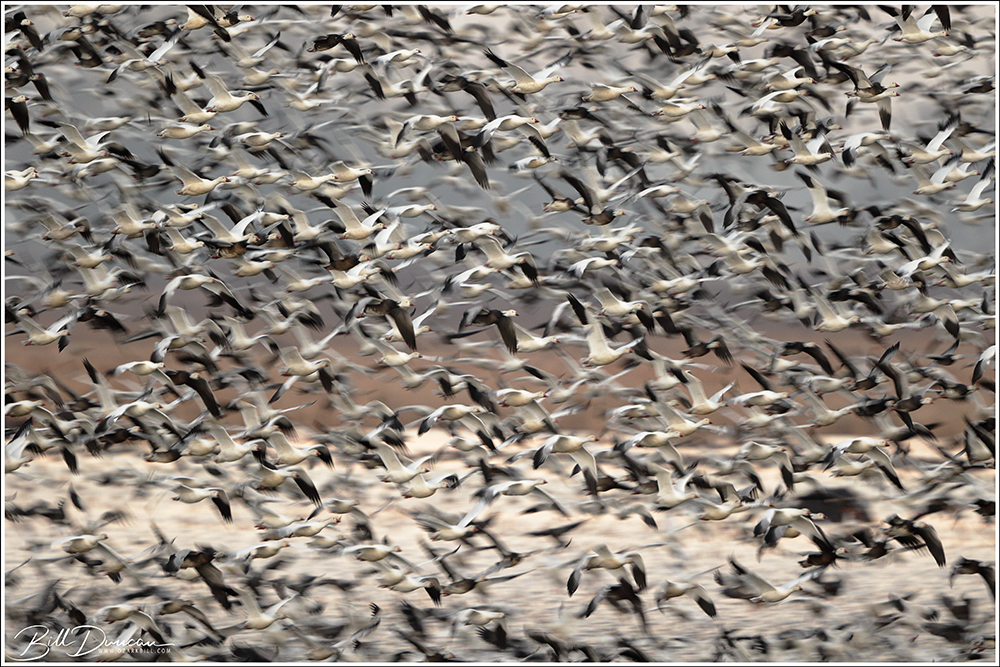
Not wanting to stay in a hotel during the great pandemic, we decided to make this a long day trip. We left St. Louis around 1:00 am. This gave us plenty of time to make the ~5 hour drive with stops and allowed for a quick nap before first light when we arrived.
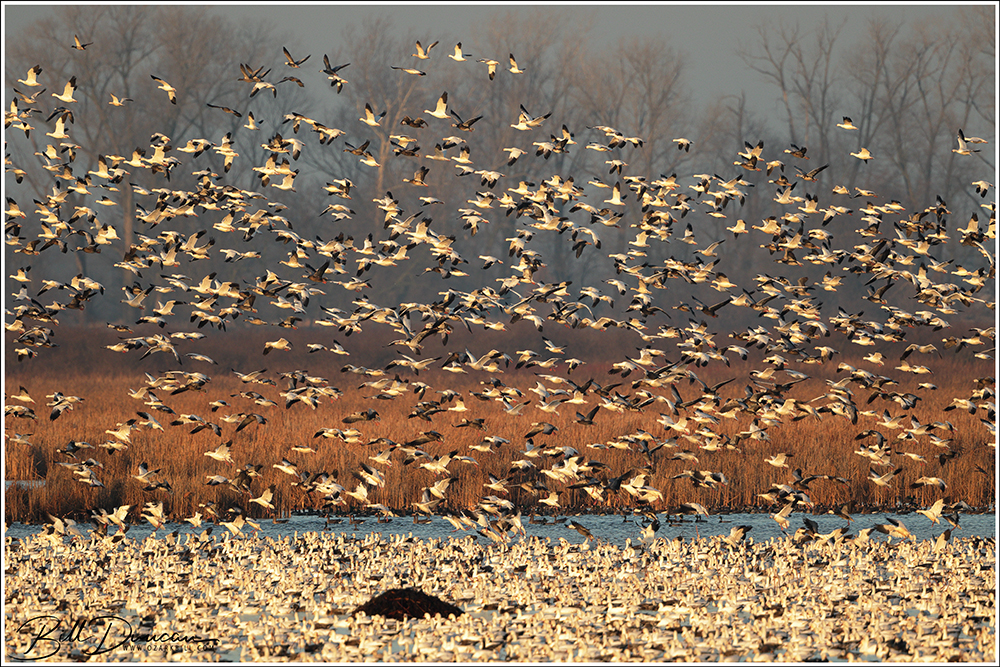
I highly recommend to anyone making the visit to be sure and be here for as much of the day as you can, whether it is one full day or over the course of days. I always find it amusing to watch photographers arrive 2-3 hours after sunrise or leave before last light. By doing so, you are missing some of the best light of the day and perhaps the most activity of the birds and other wildlife.
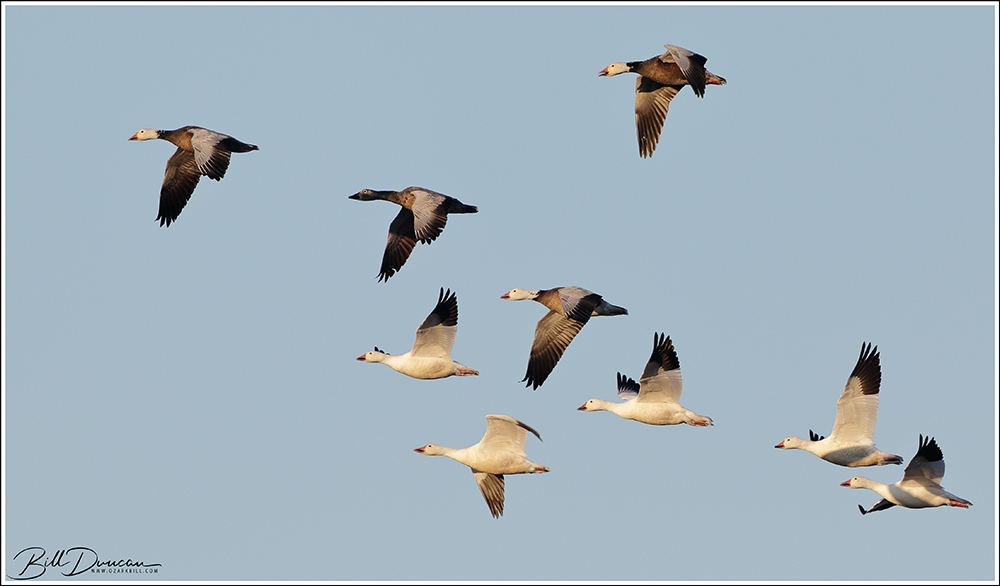
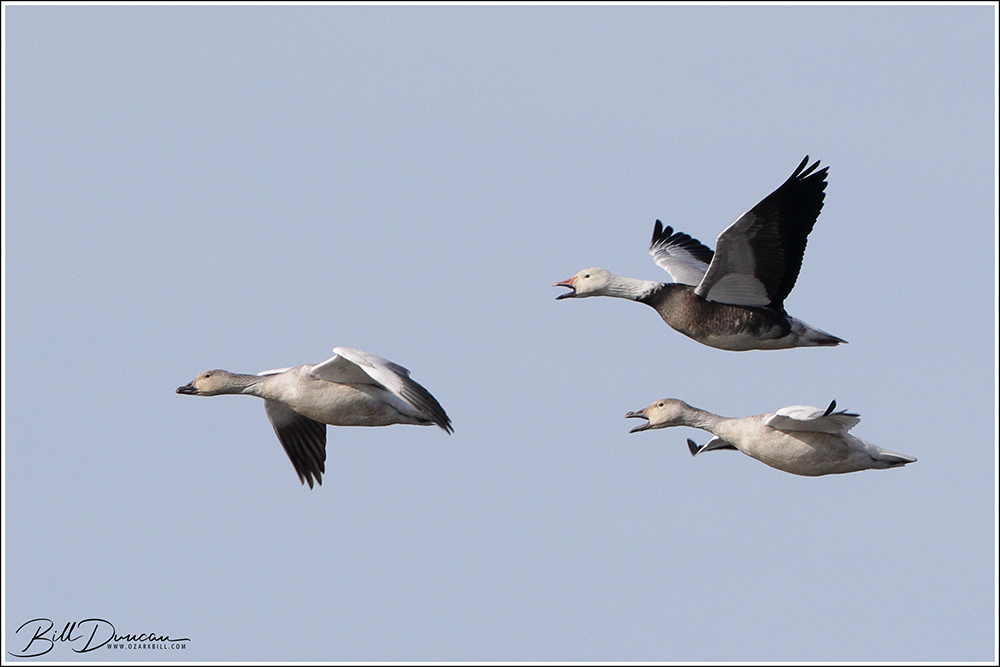
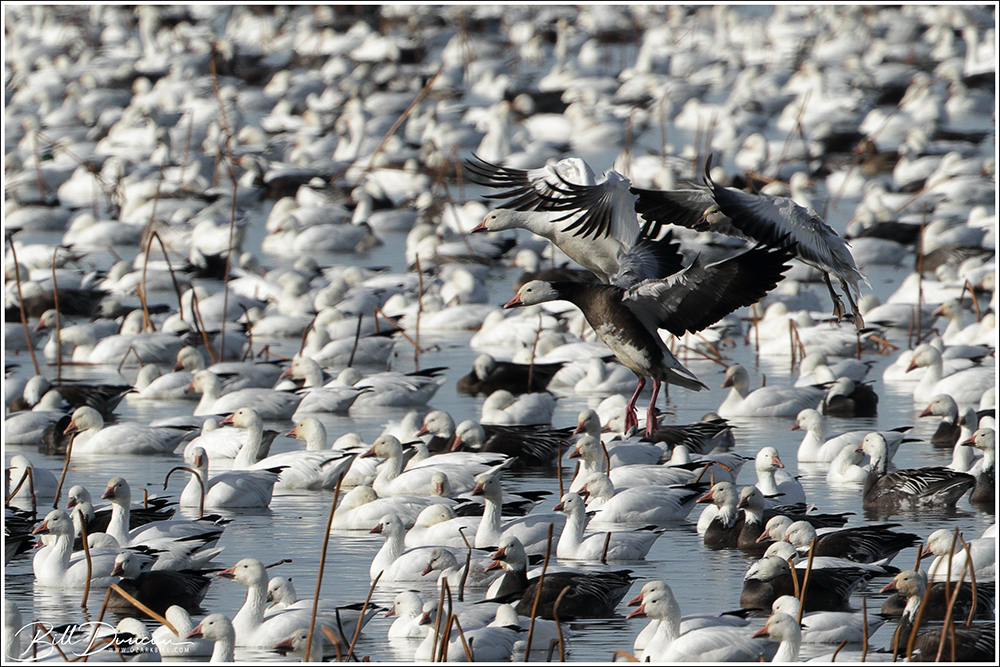
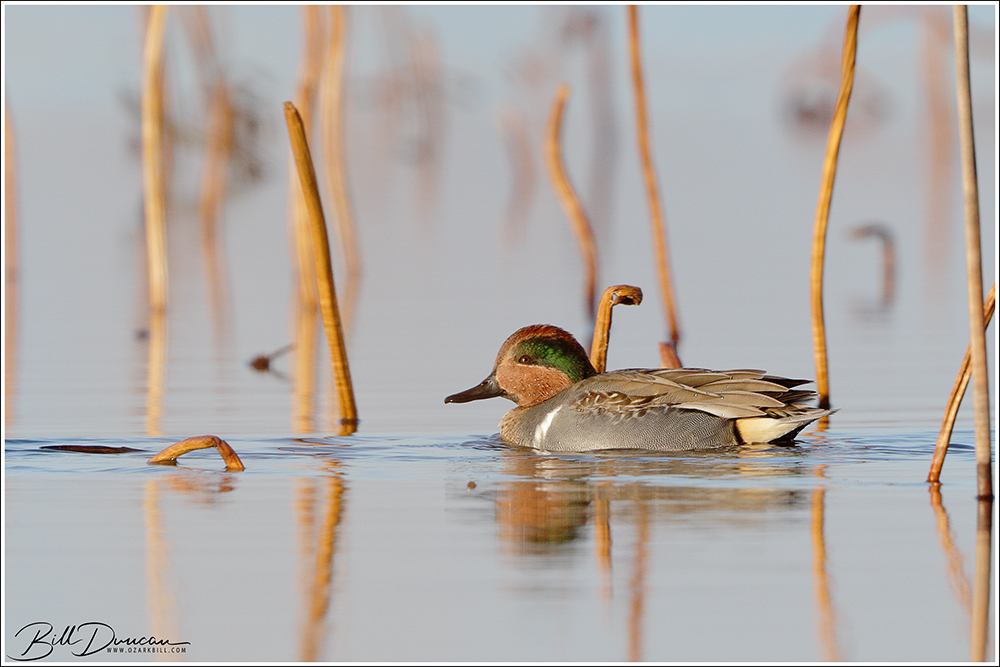
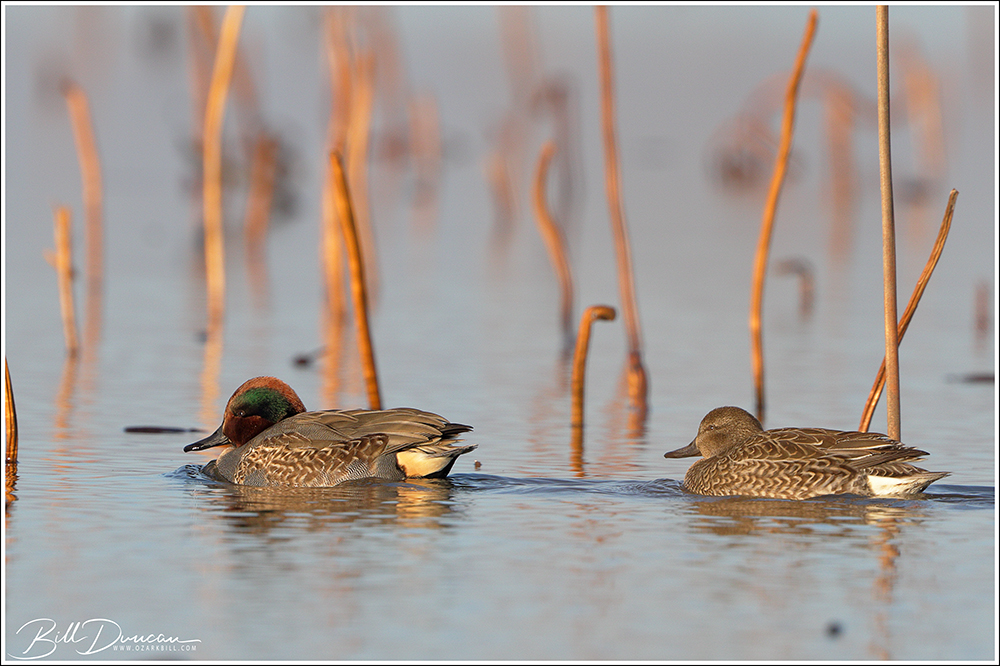
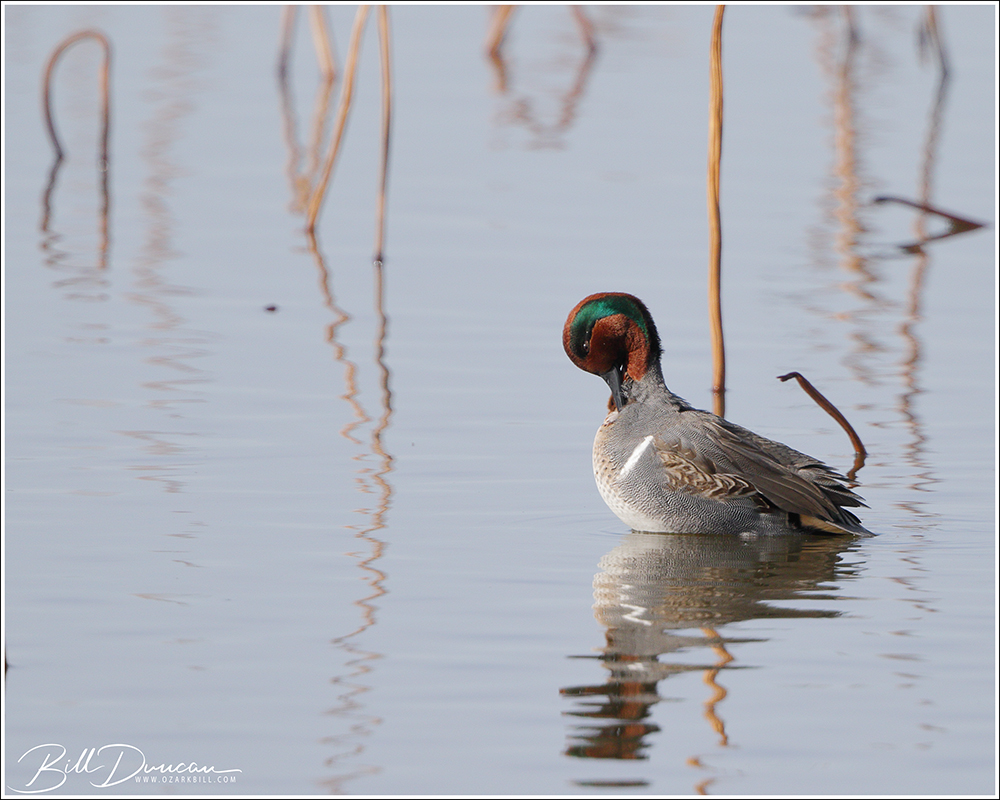
Snow Geese may be the main attraction, but they are not the only species worth paying attention to. Approximately 25,000 Green-winged Teal were present on the refuge on the day of our visit. Not only that, but they were focused on foraging near the eastern banks of the large pools of the refuge, allowing easy access for getting a little closer.
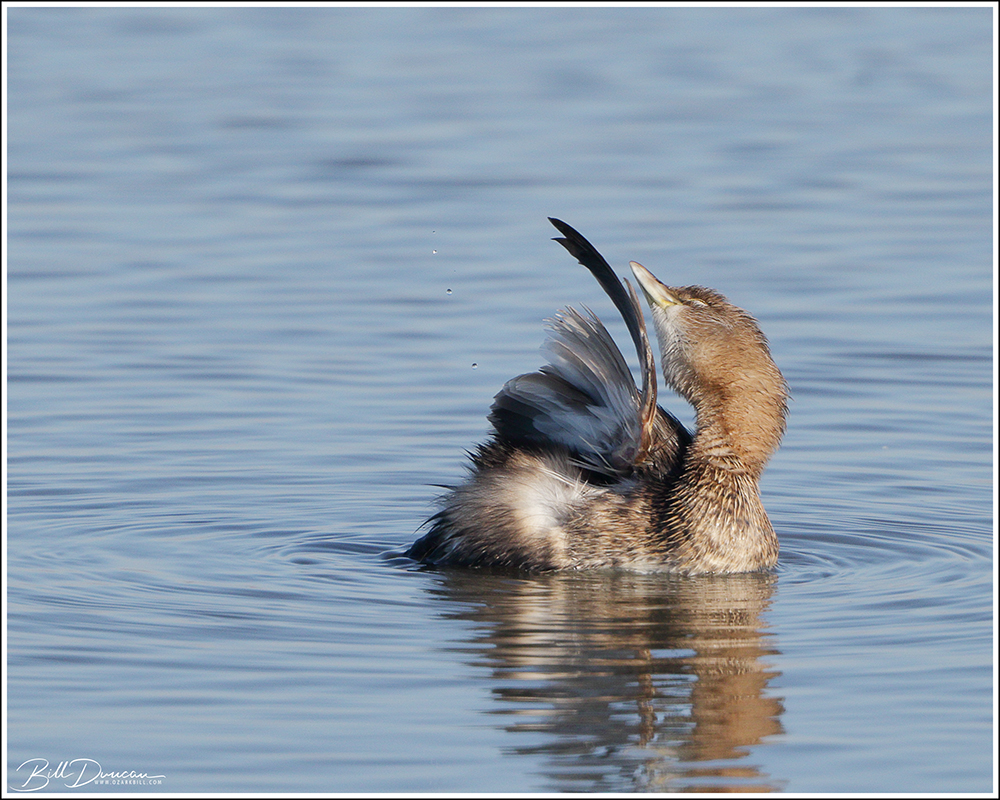
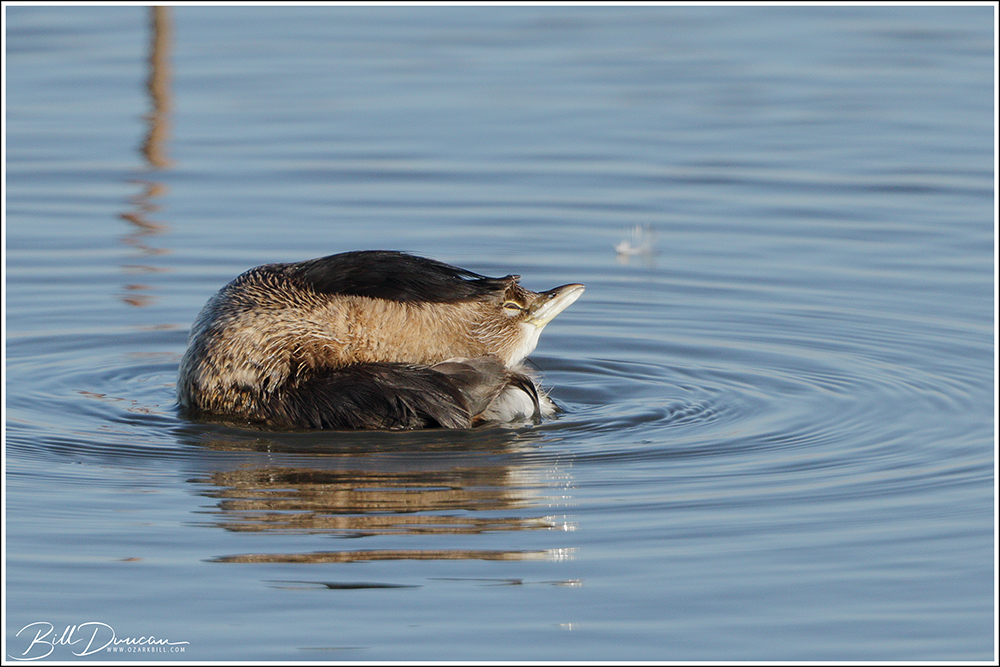
We found this Pied-billed Grebe preening near the road and stopped to shoot way too many photos of it.
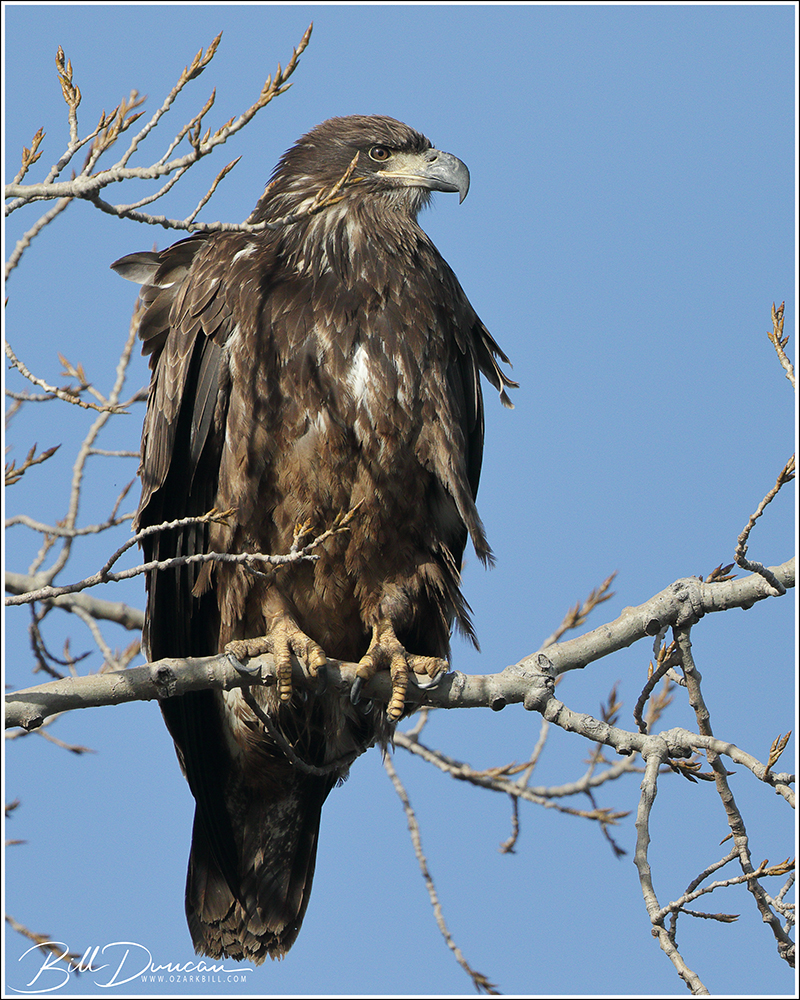
I have had much better success with raptors on other visits but we did find a few Bald Eagles. These birds are always present on the reserve at this time of year. I was surprised there were not more of these and other scavengers. We found at least a dozen goose carcasses in the pools of the refuge, likely the result of mid-air collisions as the blizzards blast off into the air.
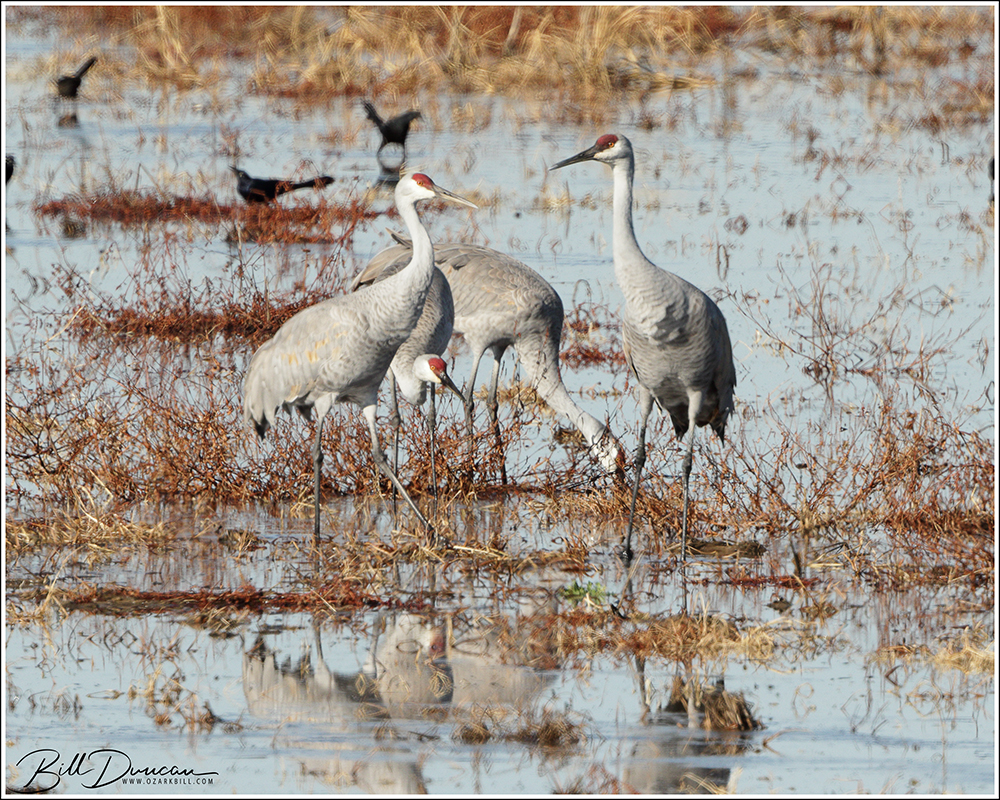
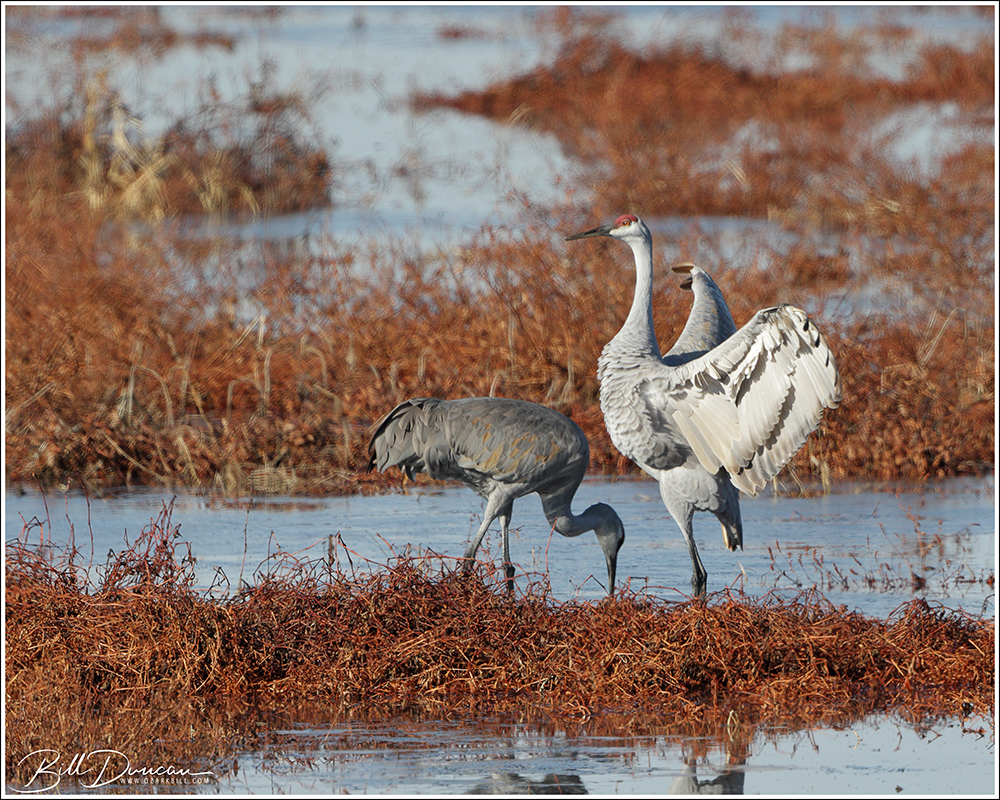
I have spotted Sandhill Cranes at the refuge during previous trips, but not in the numbers we saw this year. With a final count of near 35 birds, it was very nice to see. Unfortunately distance and light angle limited our photographic option.
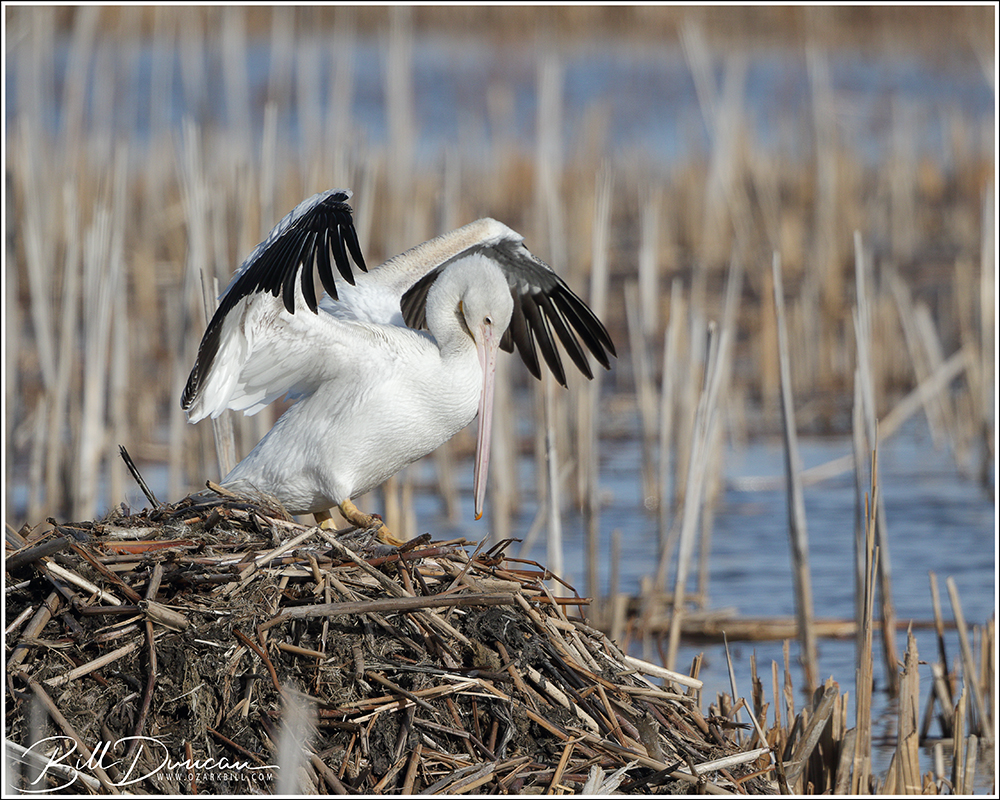
Muskrat mounds are always worth a closer inspection as you make the drive around the refuge. Not only will you likely find muskrat, but several species of birds like to perch upon the them.
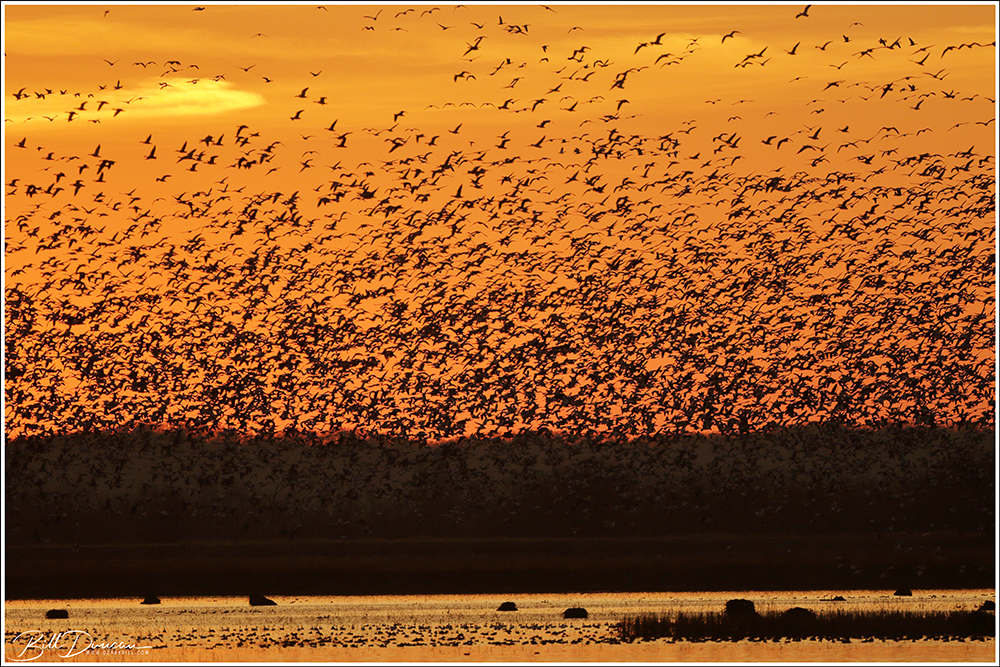
Of course daylight is at a minimum this time of year and it’s always surprising to notice how quickly the sun begins to set. This is a fantastic location for sunsets and the snow geese are just as active as they have been all day.
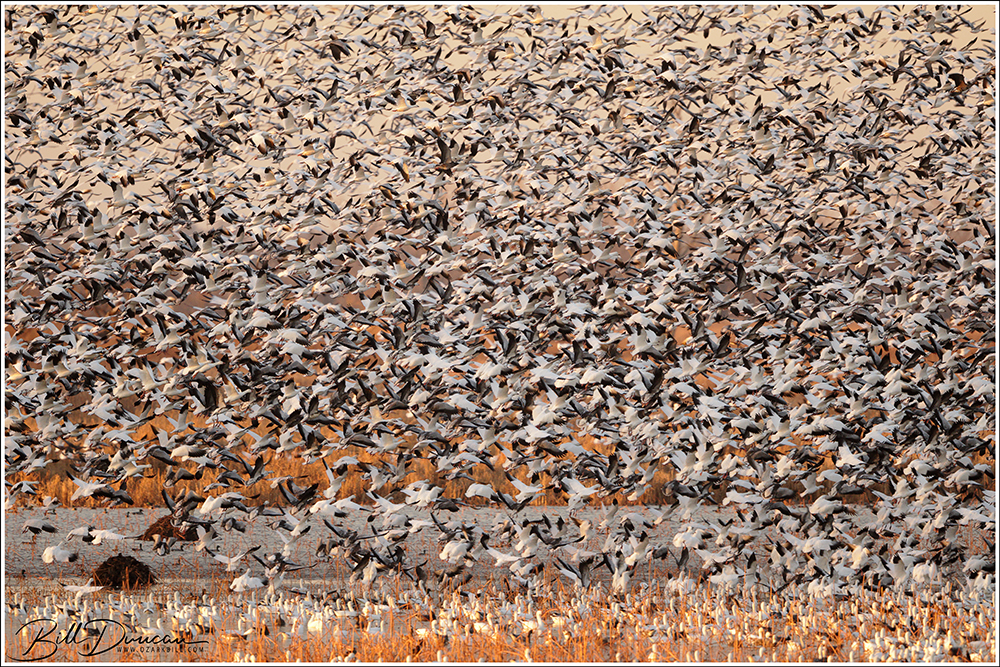
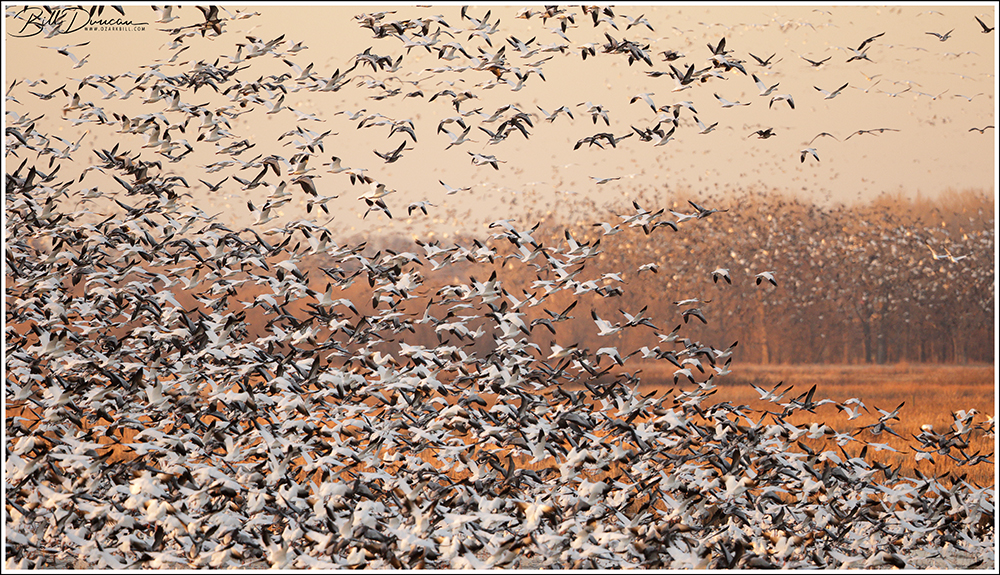
Hopefully these images might persuade you to go and see this spectacle for yourself. It is a natural wonder of the world found in Missouri and should not be missed!
-OZB
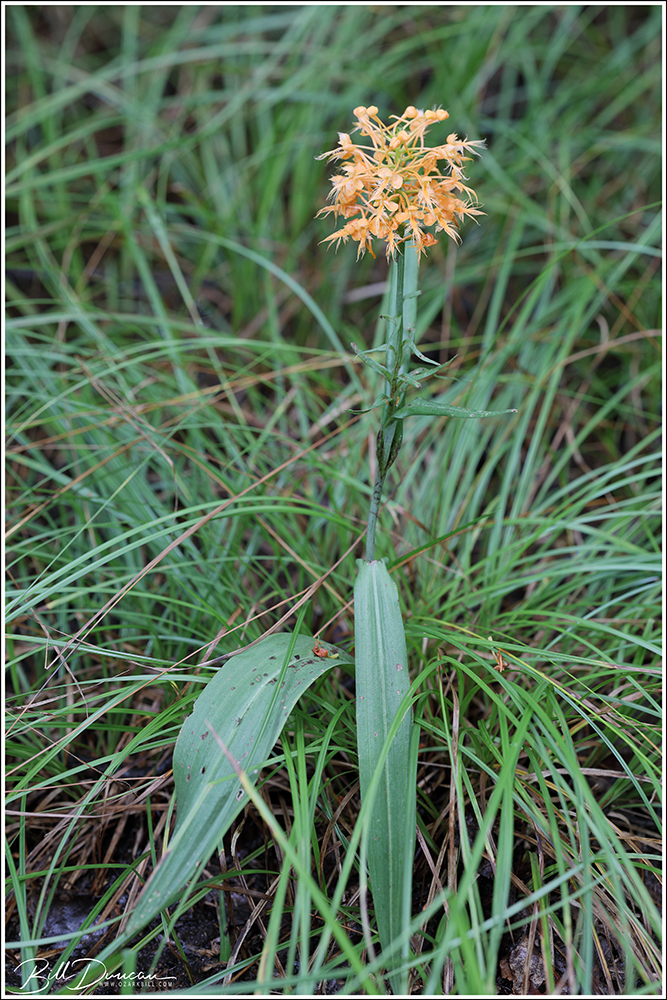
I have shared photos of Platanthera ciliaris taken last year. But it is such a special occasion to find these guys at peak bloom, I wanted to share these taken this past summer.

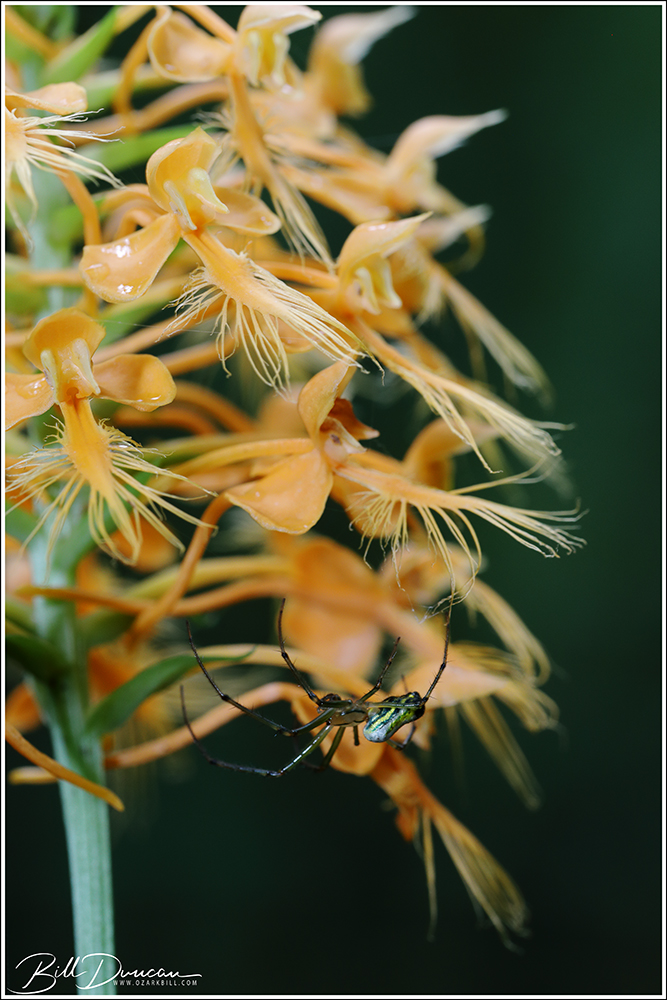
Looking closely at the raceme featured above, you might notice another beauty pictured. Here lies a gorgeous orchard spider (Leucauge venusta) waiting for a likely pollinator or other insect perhaps looking for shelter within the blooms.
Till next time.
-OZB
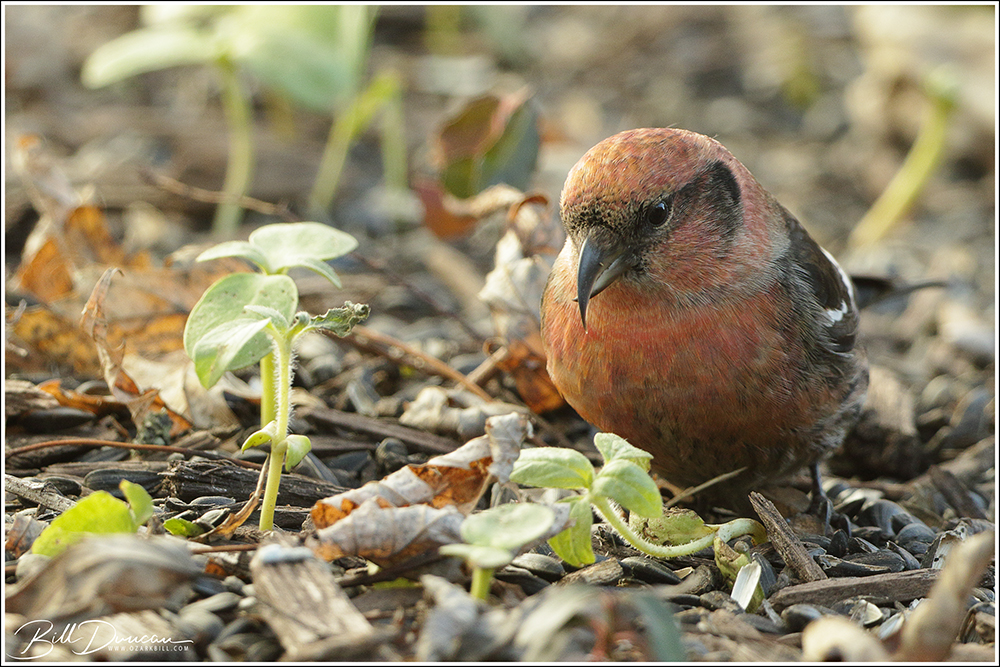
I haven’t been much focused on chasing down new birds to photograph lately, so my count for “Missouri and Contiguous States” hasn’t grown very rapidly during the past few years. With the news that a White-winged Crossbill, a bird with only a handful of records in the state, was visiting a feeder at the offices of the Missouri River Bird Observatory in Arrow Rock, MO, Sarah and I thought it worth going after.
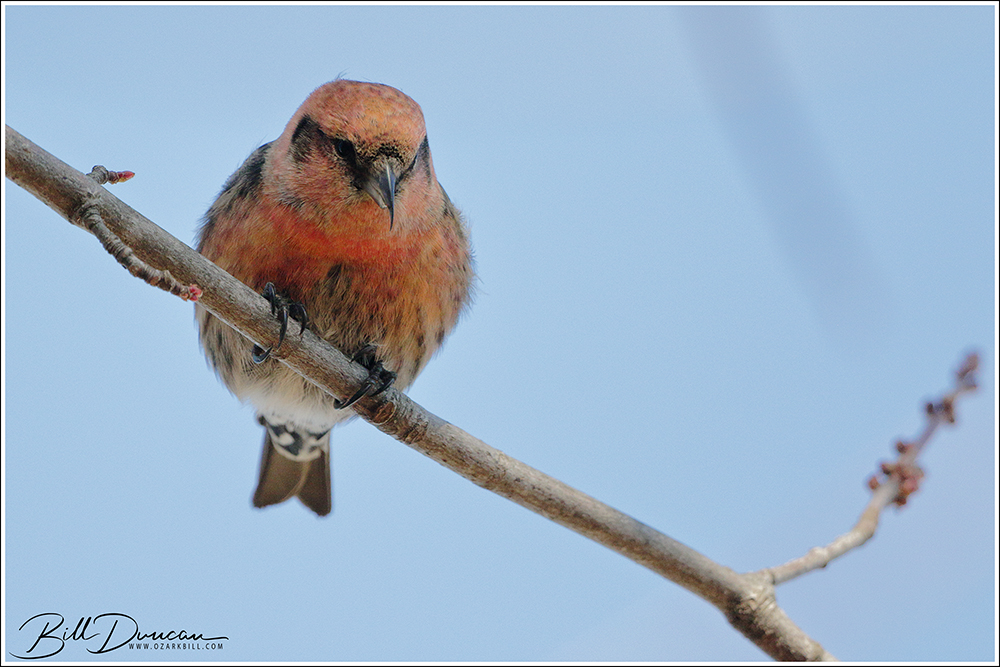
A very cooperative bird, indeed. We stayed on the patio and watched as it came to feed underneath the feeders along with great winter species like Red-breasted Nuthatch and Purple Finches.
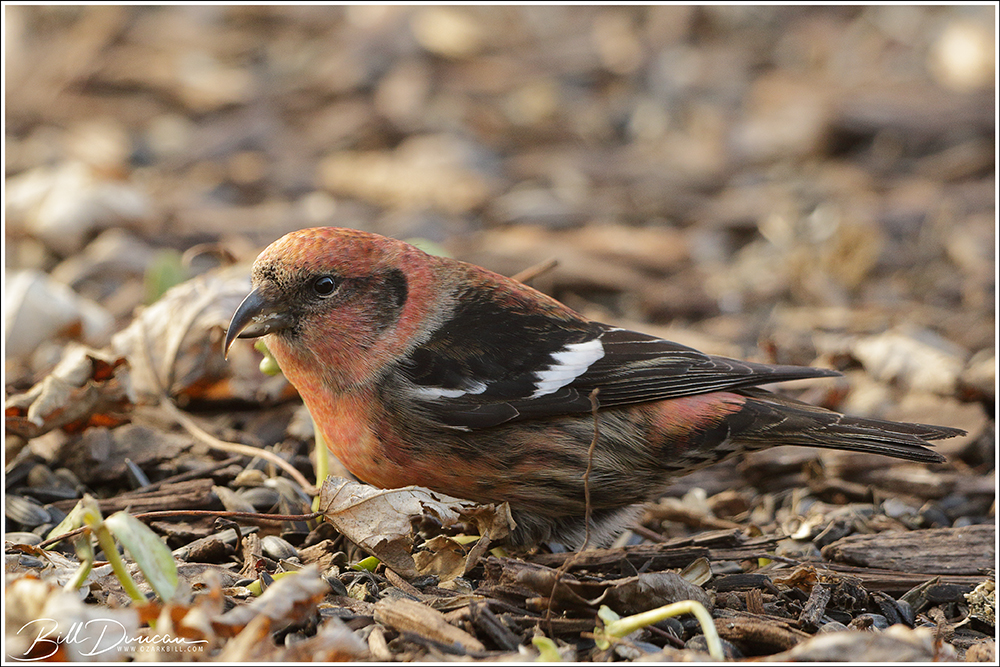
Hopefully this winter continues to bring the winter “invasion” even if we don’t wind up with much of a winter at all.
-OZB

This year it looks like the popular roosting tree at the Grafton, IL Visitor’s Center is playing host to this gray morph Eastern Screech Owl. I have photographed red morph individuals in previous years that were using this same cavity. You can find a few photos of those here and here. There have been reports of brown or “chocolate” morphs being found here or in another nearby location over the past couple of years, but as of yet, I have not been able to photograph that color morph.
My friend Dave and I made this visit and were fortunate to find this bird somewhat active. For a Screech Owl in the daytime, this is fortunate indeed. By “active” I simply mean it would move in and out of its tree cavity and open its eyes to have a look around once in a while.
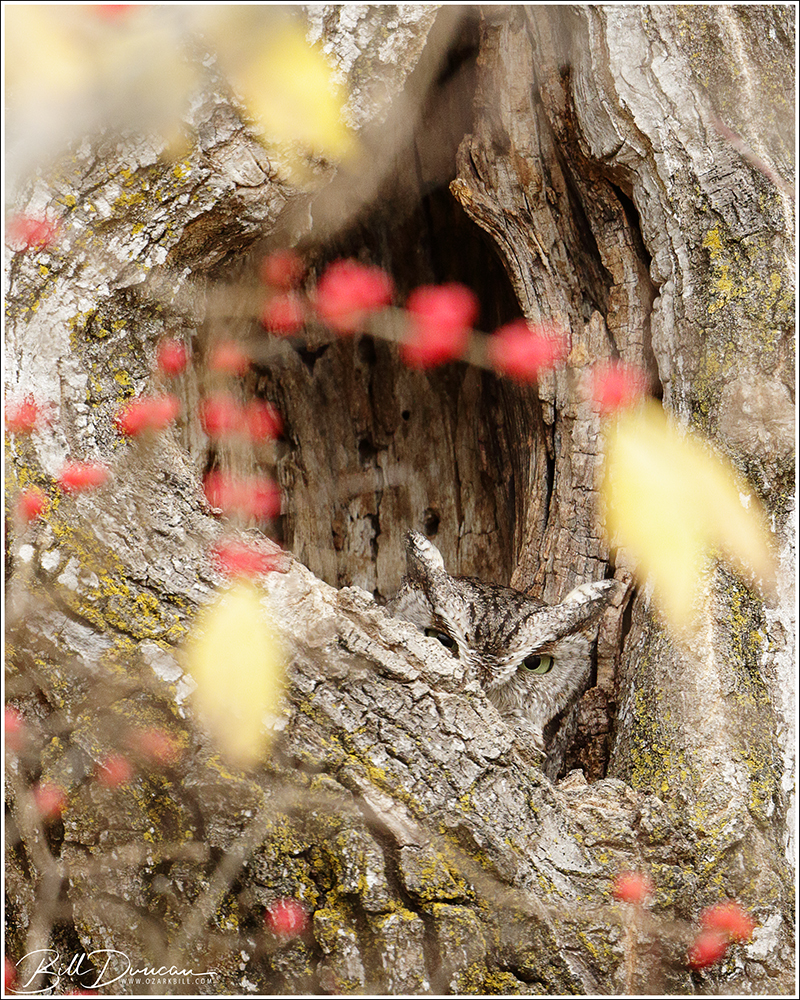
We were told by a local constable that the name they have given the bird was “Winky,” which I find to be pretty apt for an owl. One thing we noticed during this visit is that the unobstructed viewing lanes are becoming harder to find due to the encroachment of the bush honeysuckle growth. Dave and I could only find two lanes that worked well for photography purposes. If I can confirm they do not use this cavity in the summer, I would like to return to do a little landscaping.
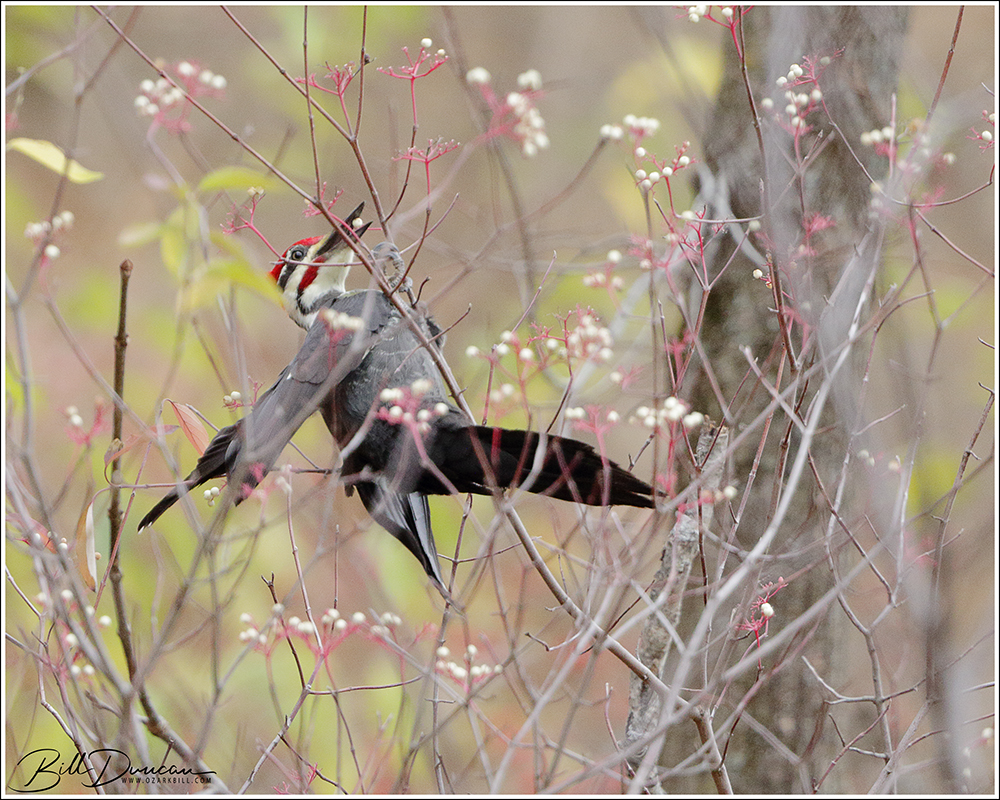
While we waited for the owl to return from its hiding inside the tree, we had a nice opportunity to photograph a Pileated Woodpecker that had flown in to forage among the dogwood berries.
Thanks for the visit and take care.
-OZB

Myrmecochory is a term that comes from Greek, created from “myrmeco” – of or pertaining to ants, and “chory” – plant dispersal. It is one of approximately seven plant “dispersal syndromes” classified by ecologists, is found in approximately 5% of the angiosperms and occurs in numerous ecosystems around the world.

Mutualism is thought to be the basis for this dispersal syndrome. Although this is not necessarily crystal clear, the ants are attracted to the eliasome – the fleshy structure attached to the seed that is a rich source of lipids, amino acids and other nutrients. The ants typically will move the diaspore (eliasome + seed) back to their nests. Dispersal distances vary, but are generally not great – most often 2 meters or less. However, for small forbs this distance is often adequate for moving these propagules outside the range of competition of the parent plant.

Distance dispersal is not the only selective advantage that plants gain from this mutualistic relationship. When the ants have moved the seeds to their nests, they remove the eliasome to feed their young and typically dispose of the seeds in their midden heaps or eject them from the nest. Seeds that are moved to midden heaps or other such locations benefit in multiple ways. First, they are placed in microenvironments that are conducive for germination and early growth. They are protected from heat of fire that could destroy the seeds and benefit from not being accessible to birds and other seed predators. This is referred to as ‘directed dispersal.’ Some studies have shown that the removal of the eliasome may promote germination, similar to the process of seed being removed from their fleshy fruit as it is passed through the gut of a vertebrate.
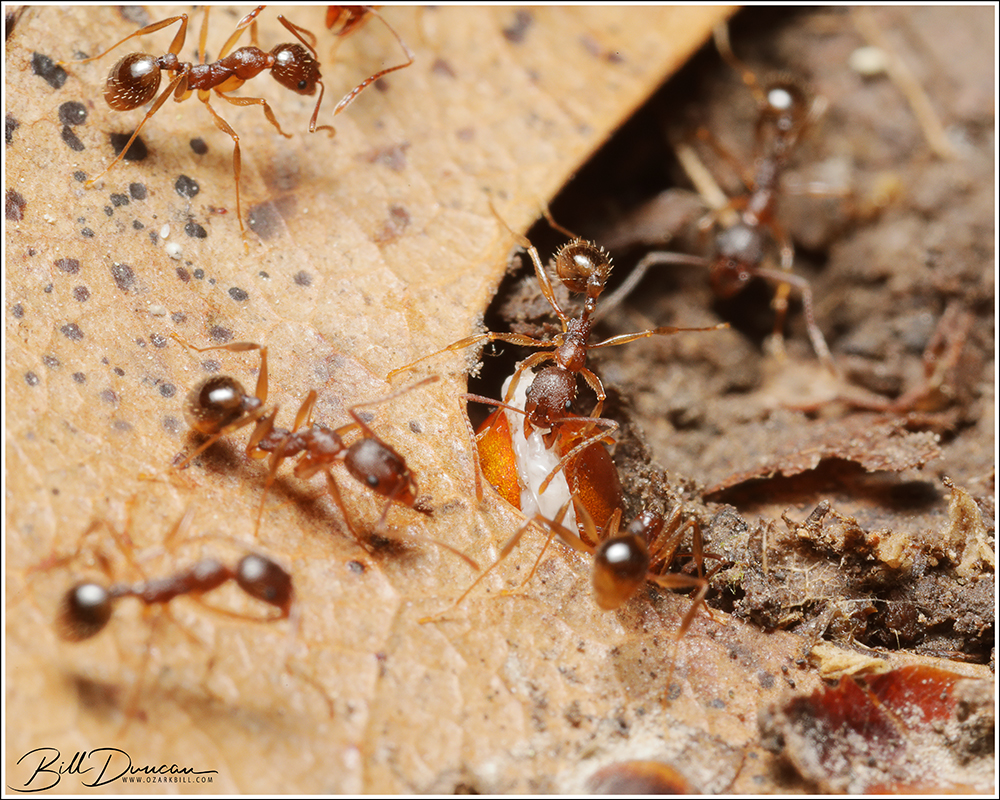
Their is typically no specialization of particular ants dispersing a particular plant species, with almost any ant species being ready to take advantage of a free meal. The possible exception being that larger diaspores must be dispersed by larger ant species.
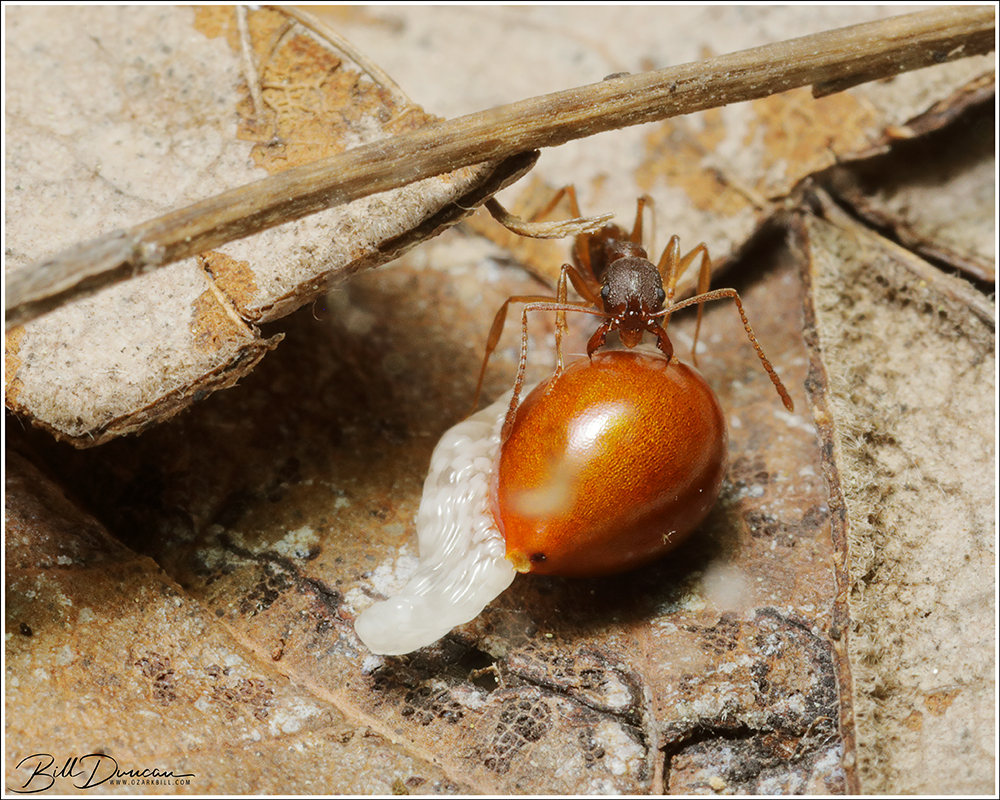
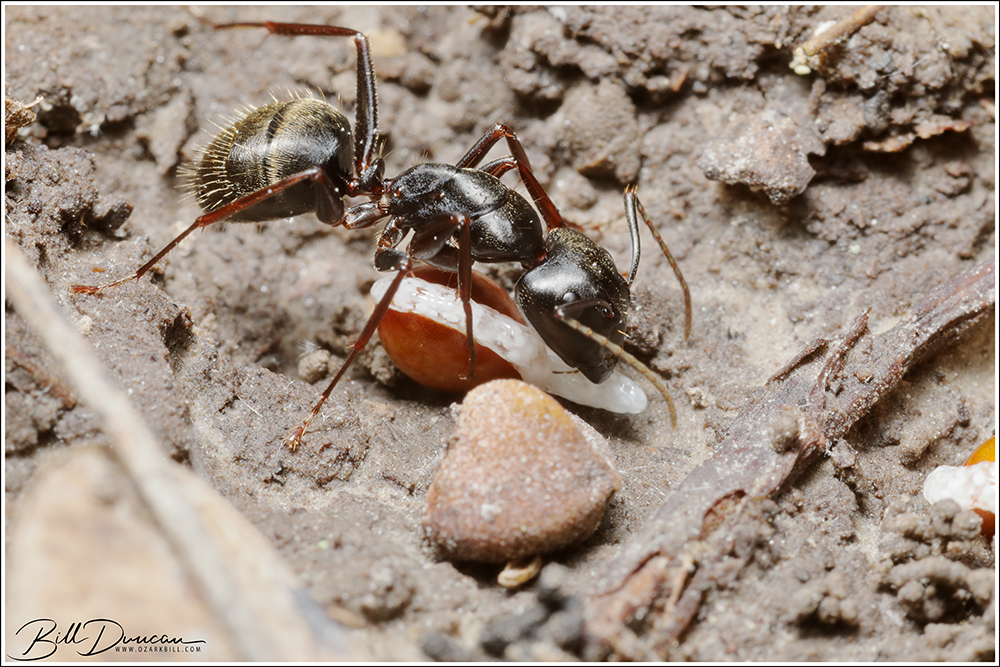
My hope was to photograph myrmecochory across a variety of species this year. I was fortunate to find success with Sanguinaria canadensis but had no luck in my attempts with Dicentra cucullaria (dutchman’s breeches). I tried hard for trillium species as well but discovered the plants I was waiting for mature fruits for weeks were being harvested most likely by SNR staff. I will be trying for these again in the future and hope to photograph prairie species as well.

The fruits of Stylophorum diphyllum (celandine poppy), I discovered, had a much smaller window of ripening. I had to check at least every two days or I would miss the opportunity of a large fruit full of diaspores.


See below for my attempts at filming myrmecochory. This was definitely challenging. I had troubles predicting the ants’ behavior, especially while under the bright, continuous lighting needed for high-magnification photography such as this. Something else to try and improve upon next year.
I’d like to thank James Trager for his assistance with ant species identification.
-OZB
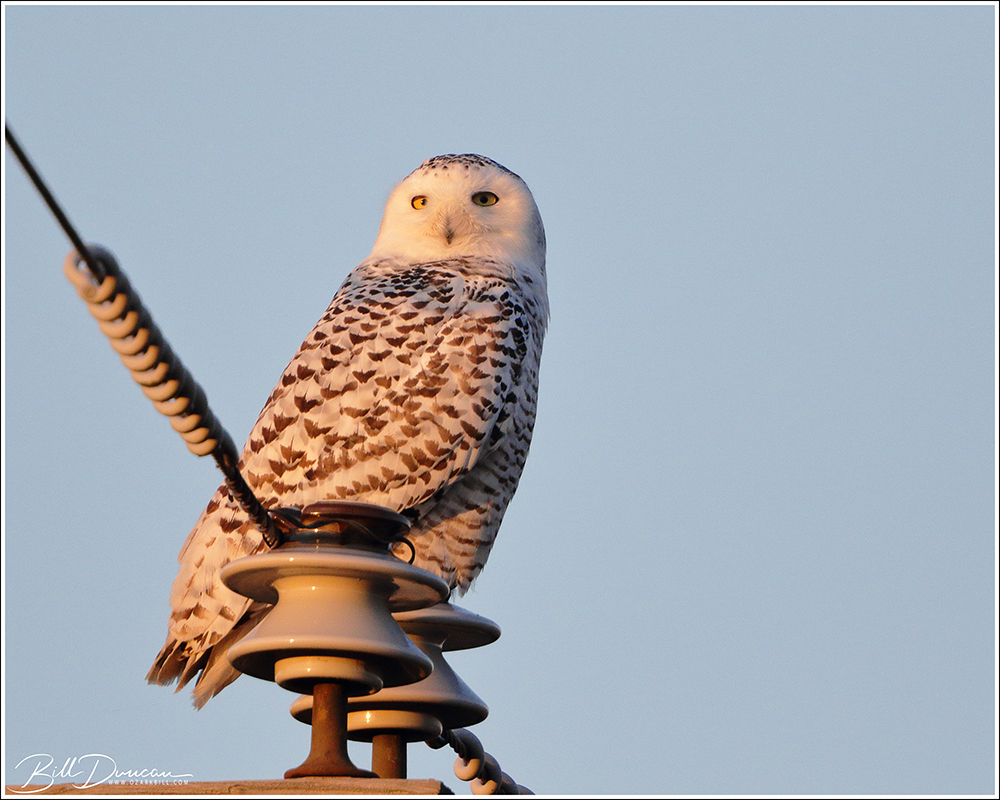
Although it looks like the next official Snowy Owl “irruption year” is predicted to be in the winter of 2021/2022, eastern Missouri has had its first bird of the season and other states have had a few handfuls of sightings as well. This bird was recently spotted in the area of BK Leach Conservation Area and the town of Elsberry, about a 45 minute drive north of the St. Louis metro area. Sarah and I hopped in the car yesterday afternoon and thought we would give it a try.
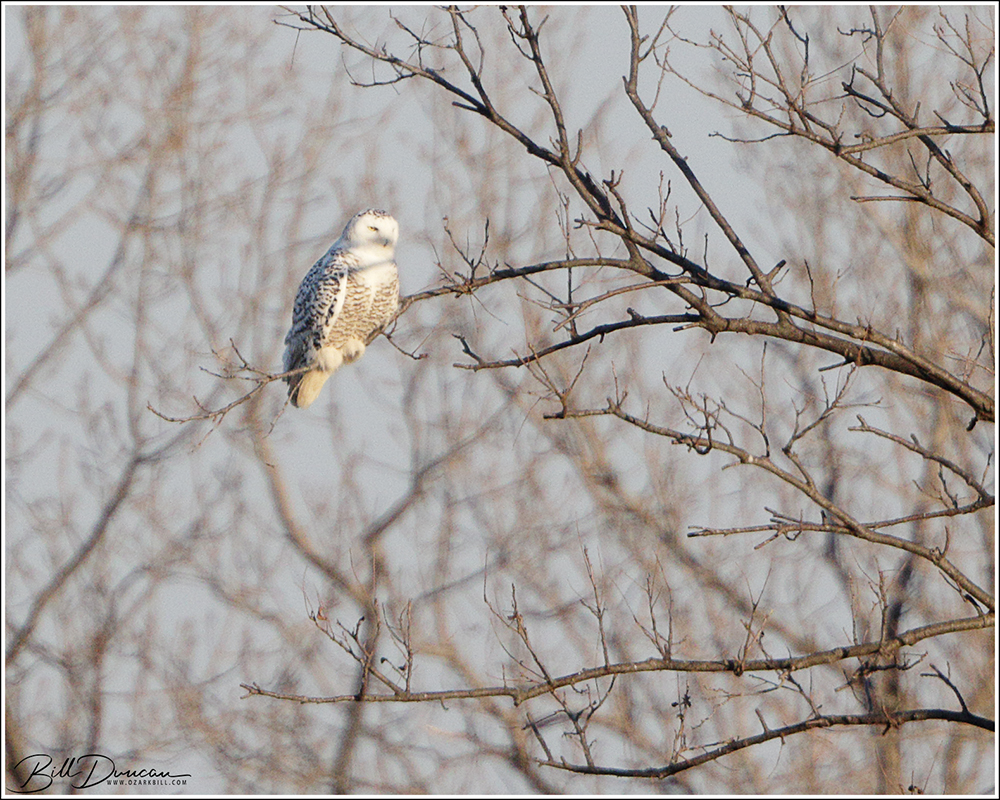
It didn’t take long to find the bird – by means of finding the birders who had found it for us. This bird looked healthy and was quite active, hunting from perch to perch. Most of our looks were from pretty great distances but we were fortunate to be able to see it up-close, perched on this utility pole just outside Elsberry in the last light of the day. See below of the bird from far away but on a natural perch.
If you chase after this one, be aware of the ‘local flavor’. Sarah and I had a couple run-ins with more than the average passive-aggressive douchebags but I guess it takes one to know one. I was pleased to see several birders younger than me (teenagers, actually) out looking at this one as well. From what I heard, these guys were pretty serious birders.
We then went slightly south to BK Leach C.A. proper, hoping to find some opportunities to view and photograph Short-eared Owls. We found approximately five birds during limited light but they were quite active, fighting amongst themselves and the Northern Harriers. The one photographed below came out from a group of birds carrying its prize.
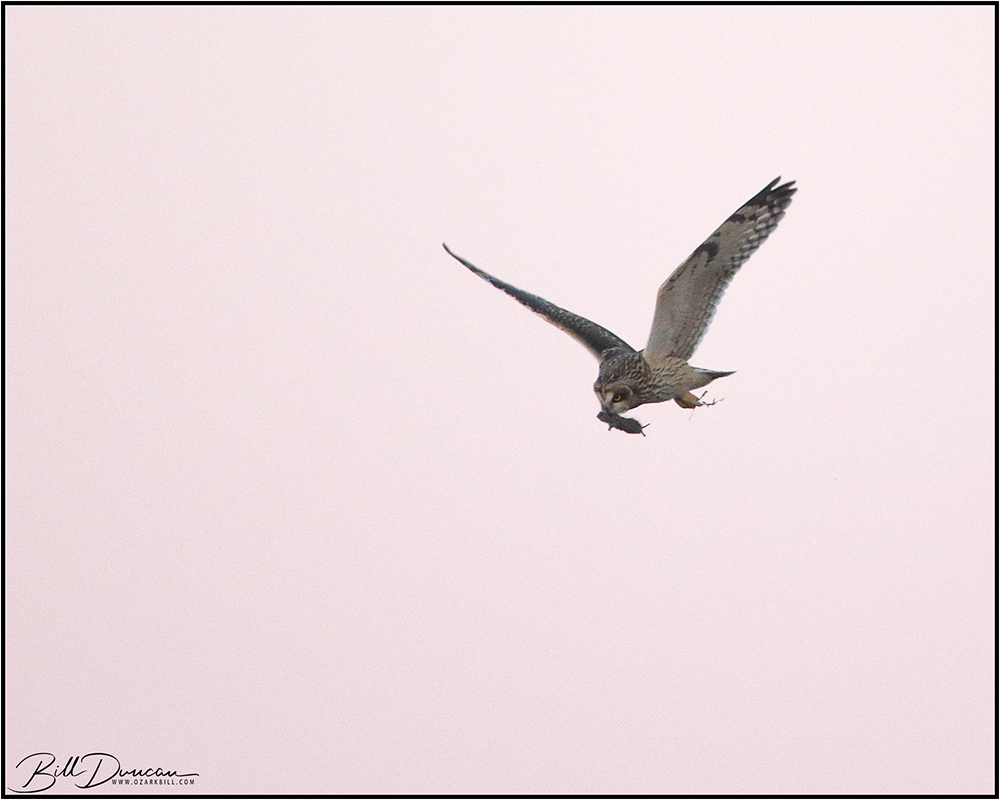
Overall it was a nice afternoon on another warmer than average December day.
-OZB
 A Thousand Acres of Silphiums