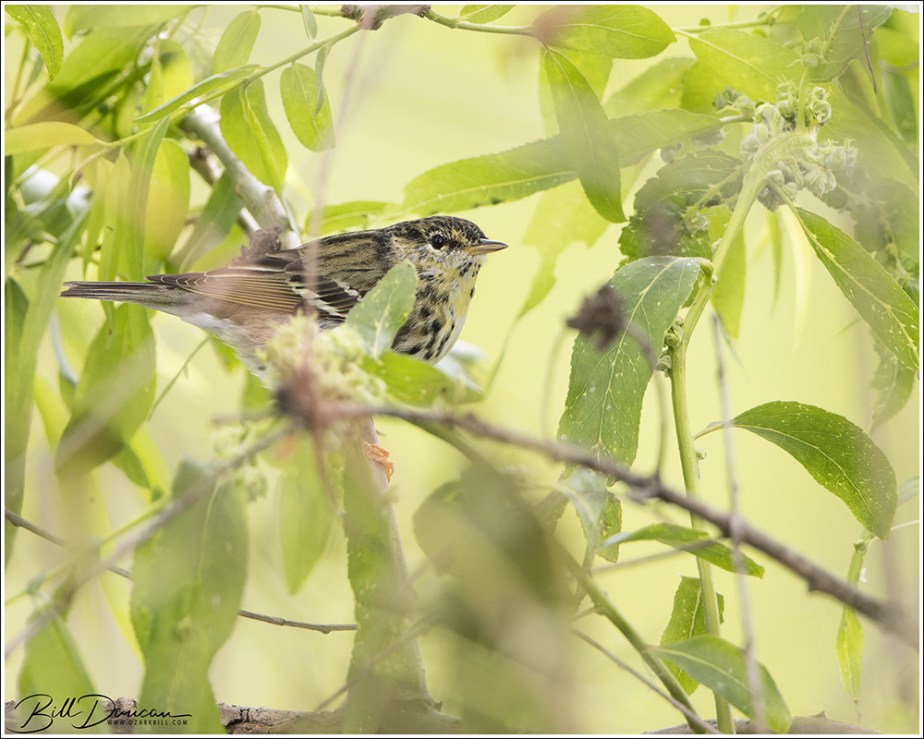
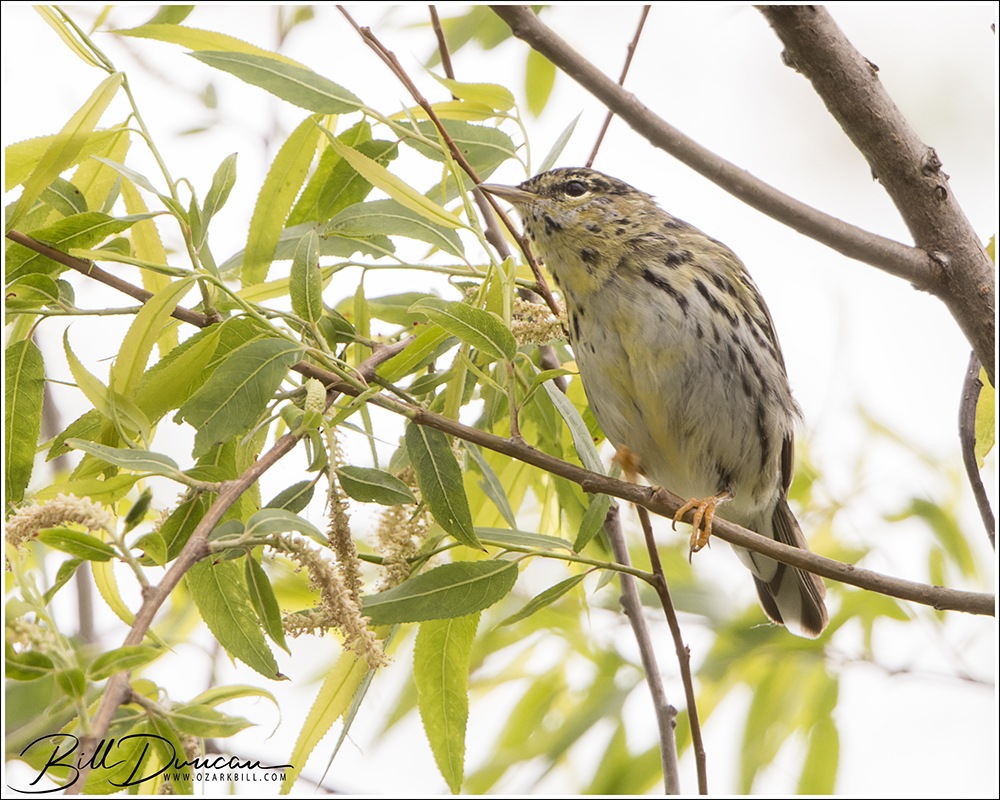
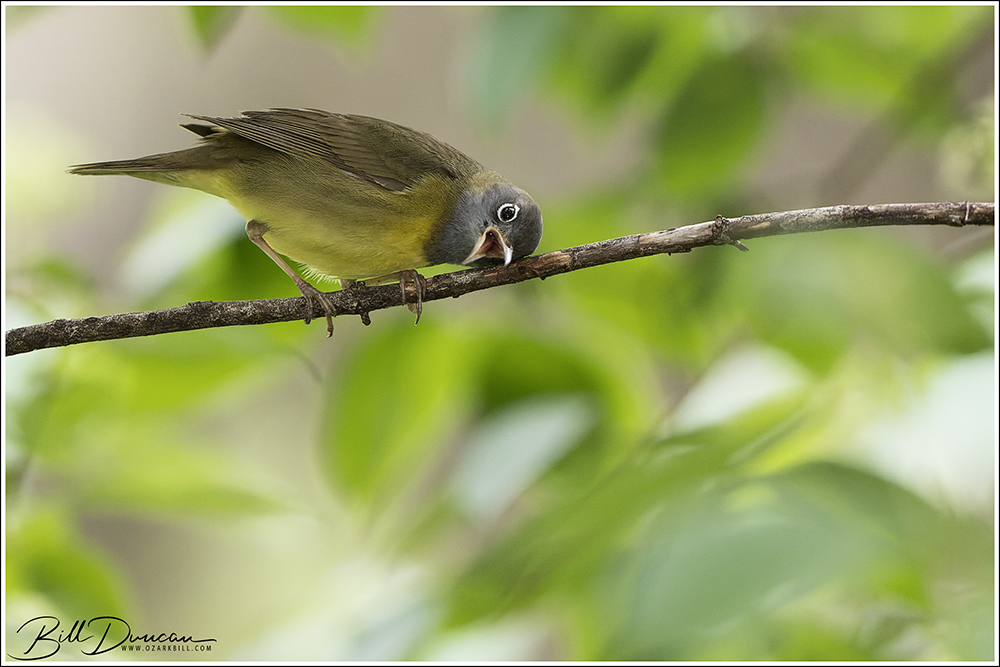
I’m calling this striking bird a juvenile male Blackpoll Warbler. Feel free to let me know if you disagree. Found on May 22, 2022 at Little Creve Coeur Ecological Area.

"What a thousand acres of Silphiums looked like when they tickled the bellies of the buffalo is a question never again to be answered, and perhaps not even asked." -Aldo Leopold
I’m calling this striking bird a juvenile male Blackpoll Warbler. Feel free to let me know if you disagree. Found on May 22, 2022 at Little Creve Coeur Ecological Area.






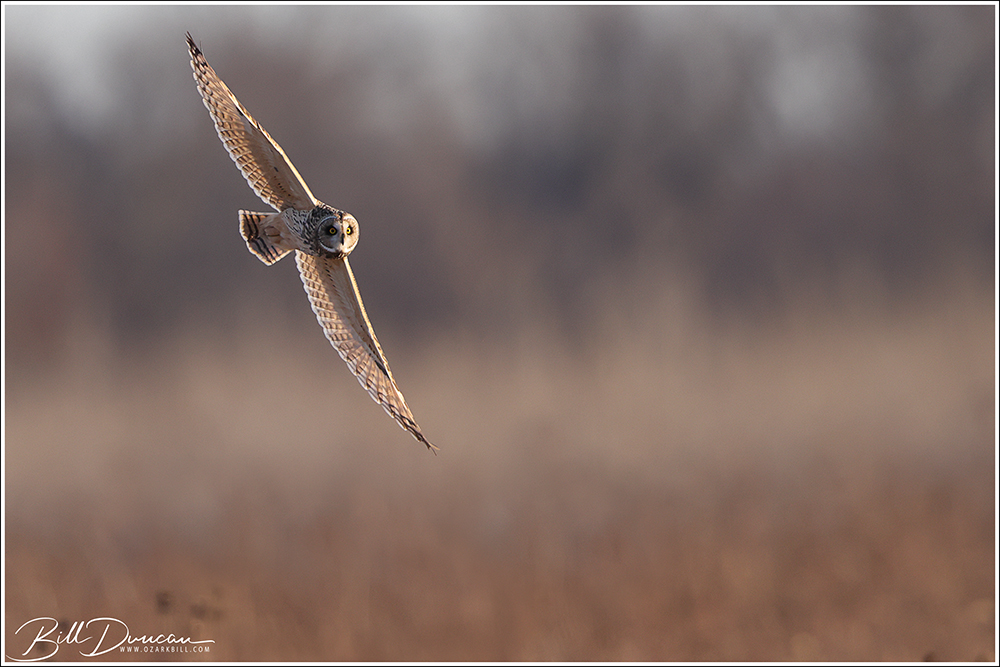
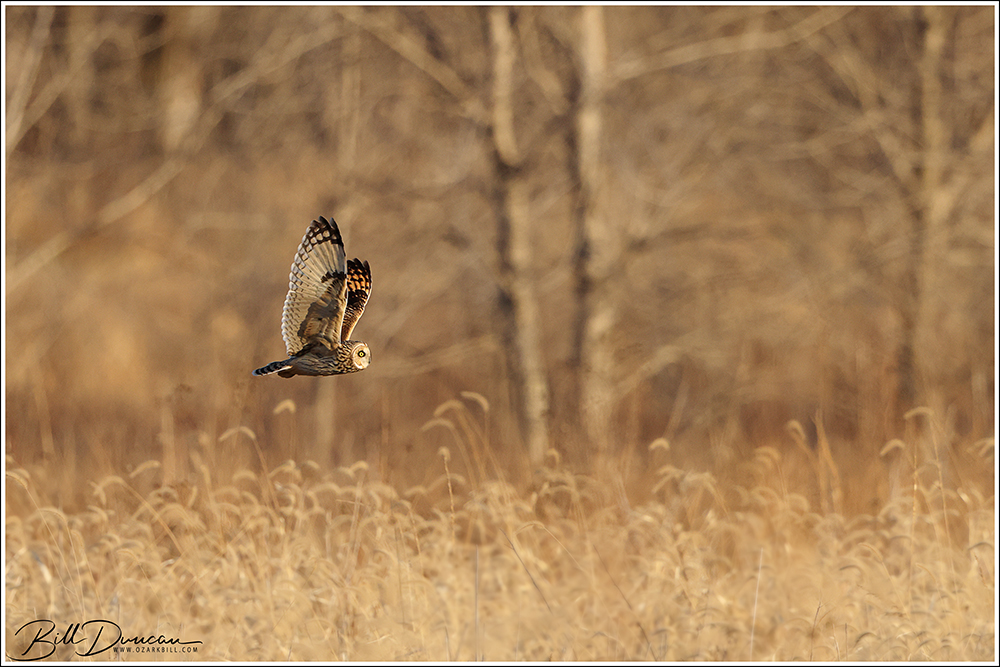
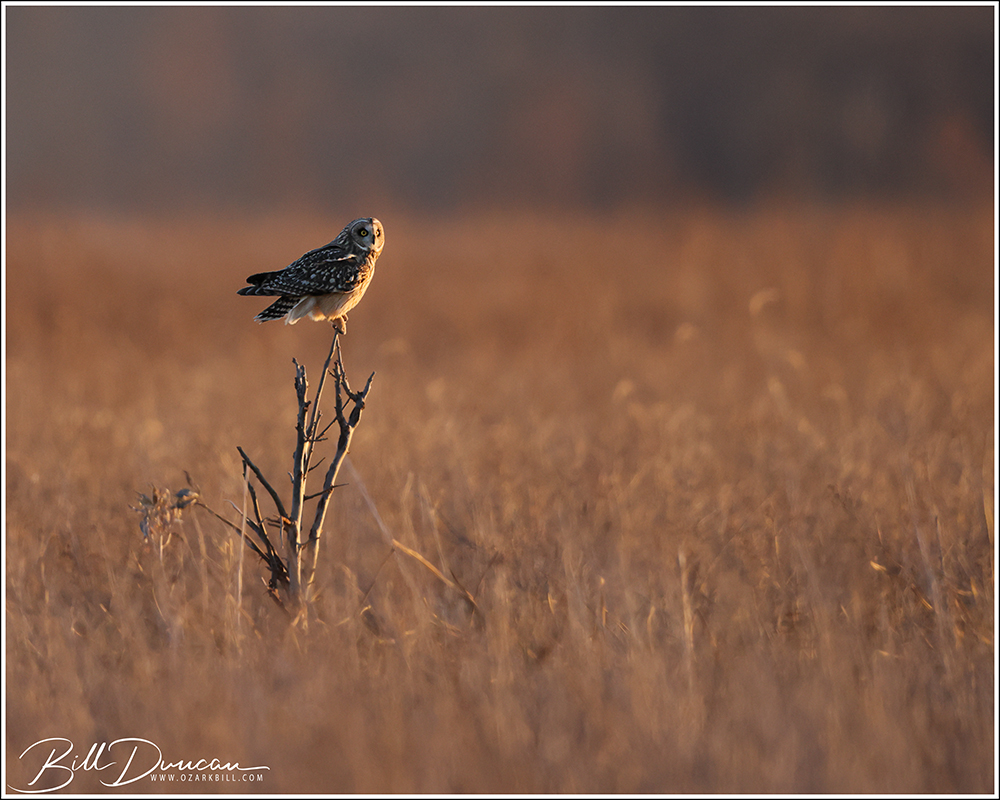
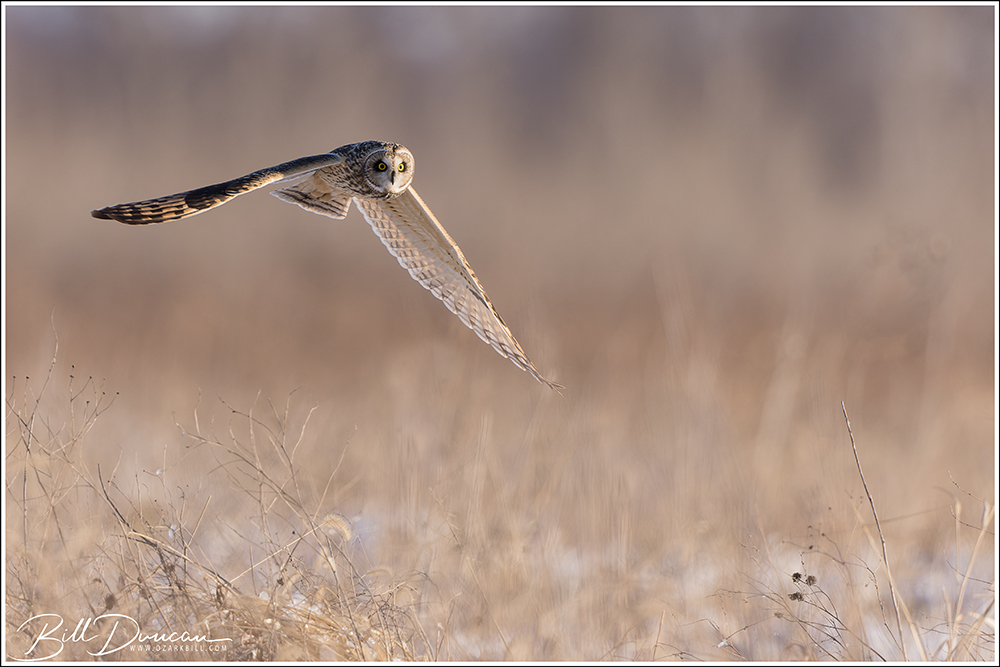
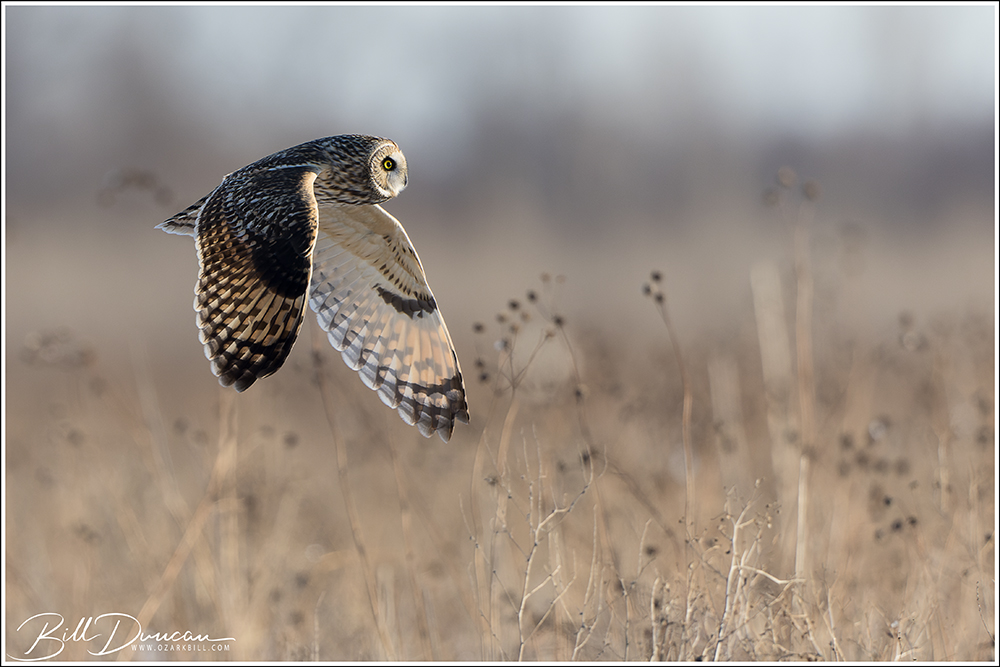
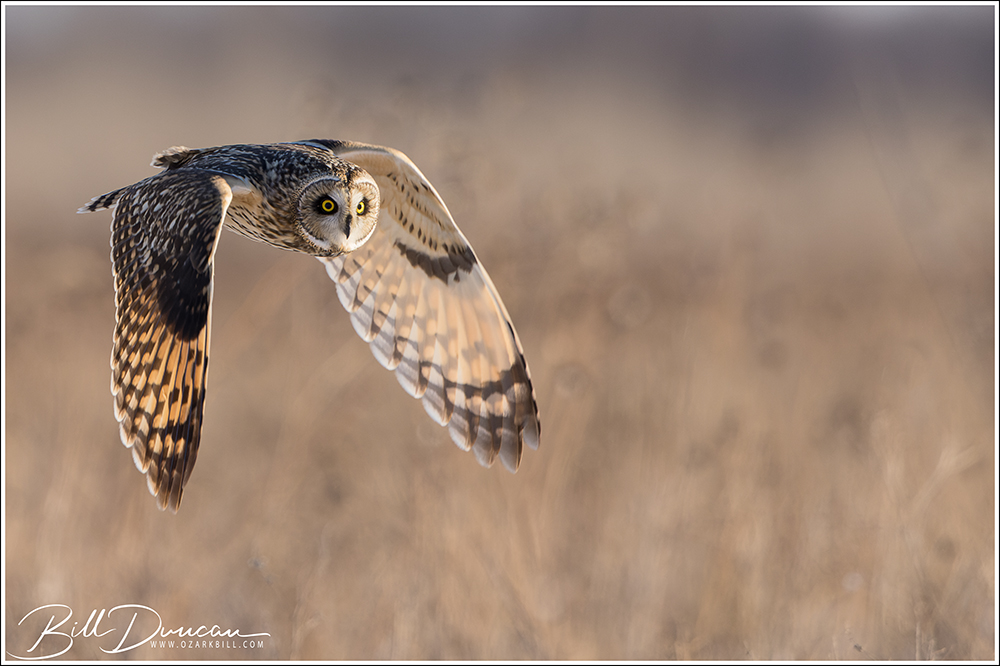
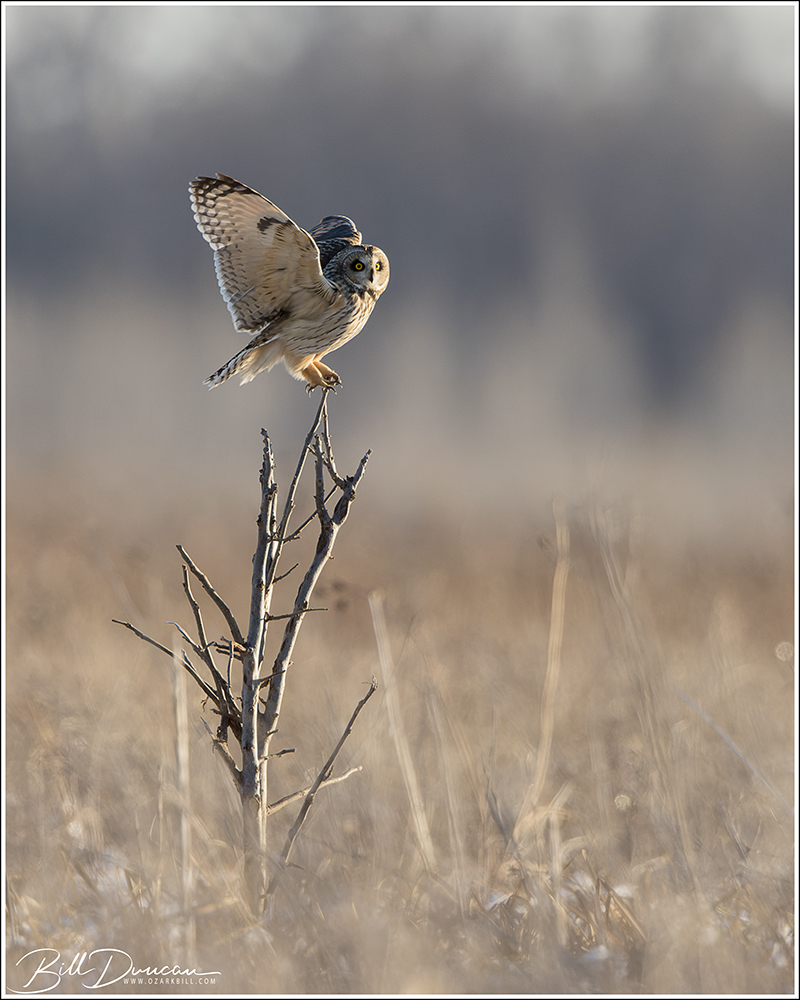
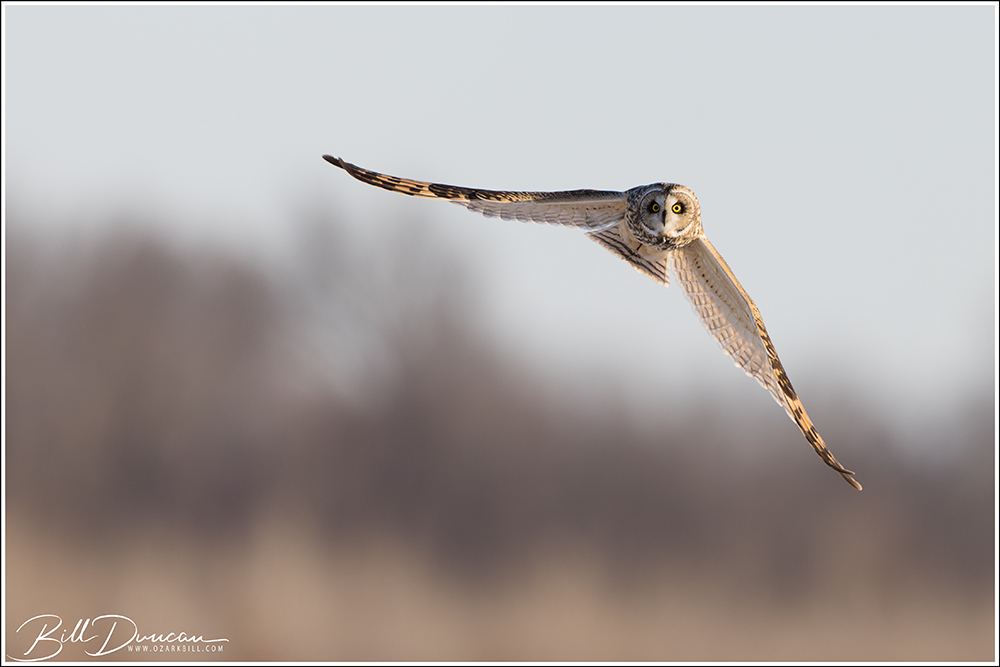
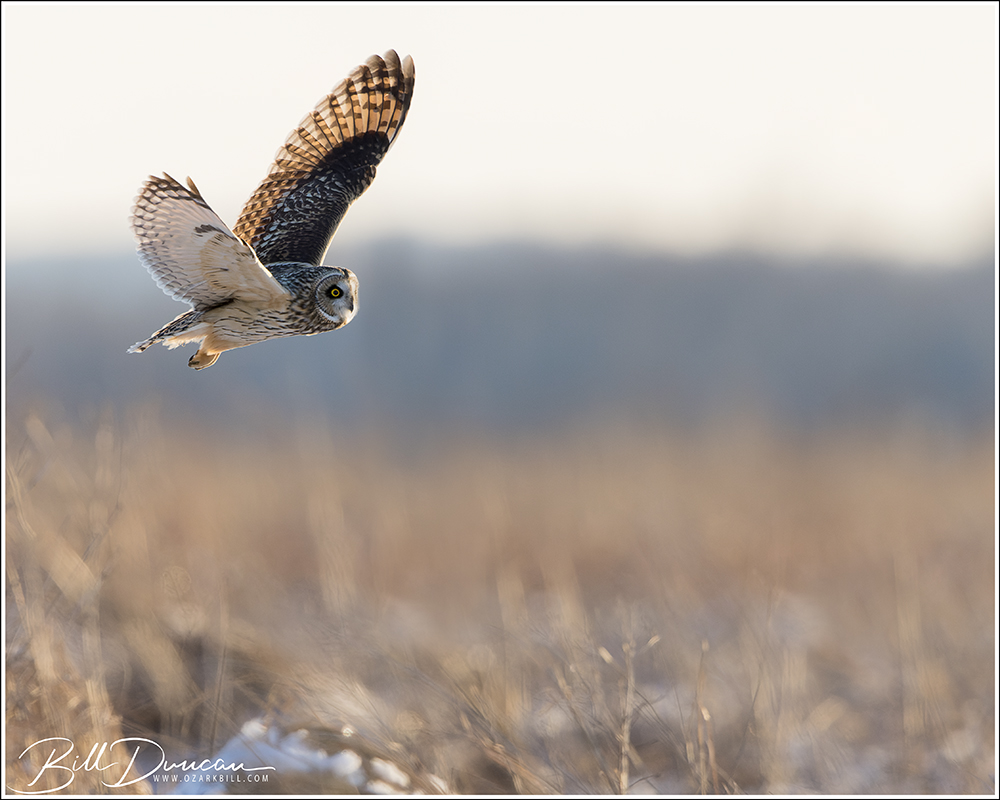
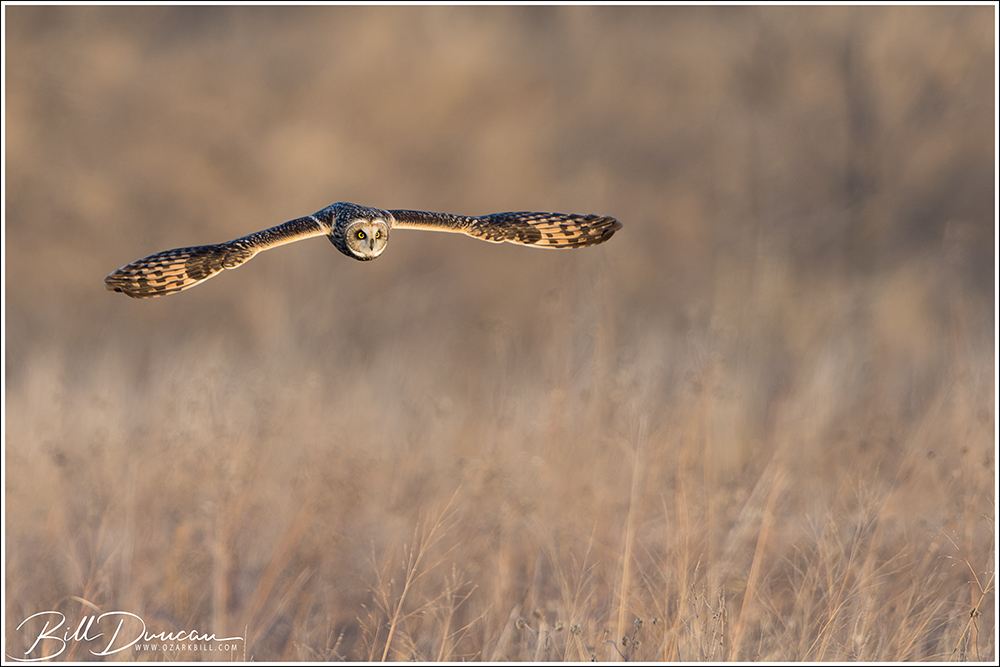
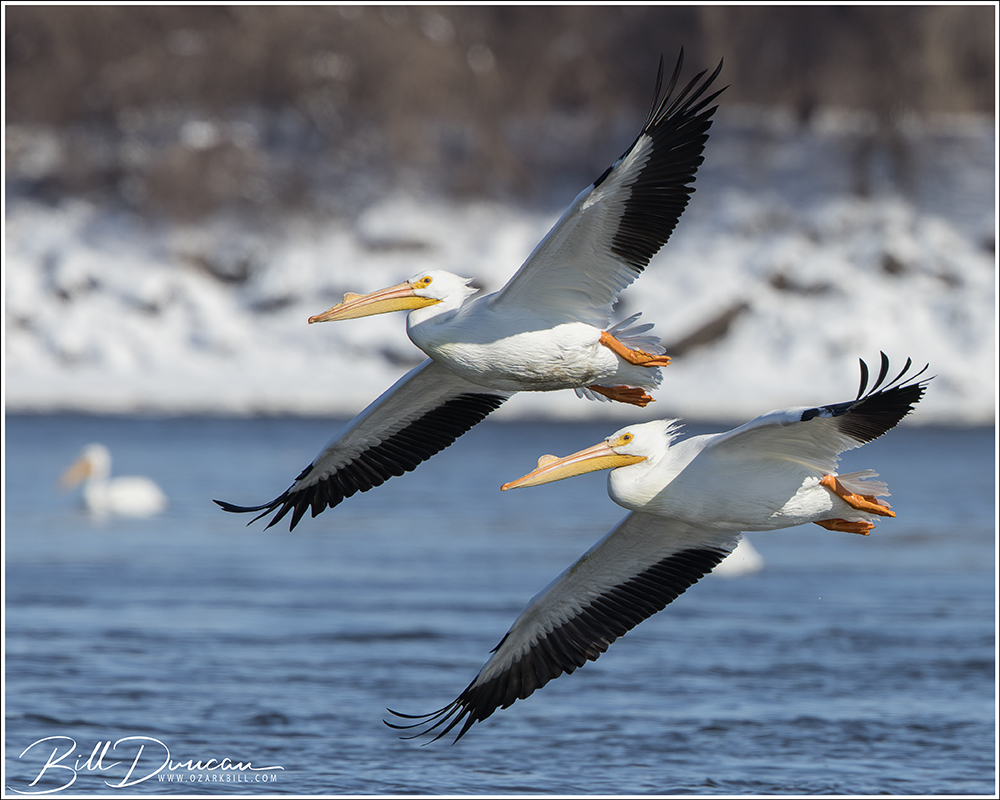
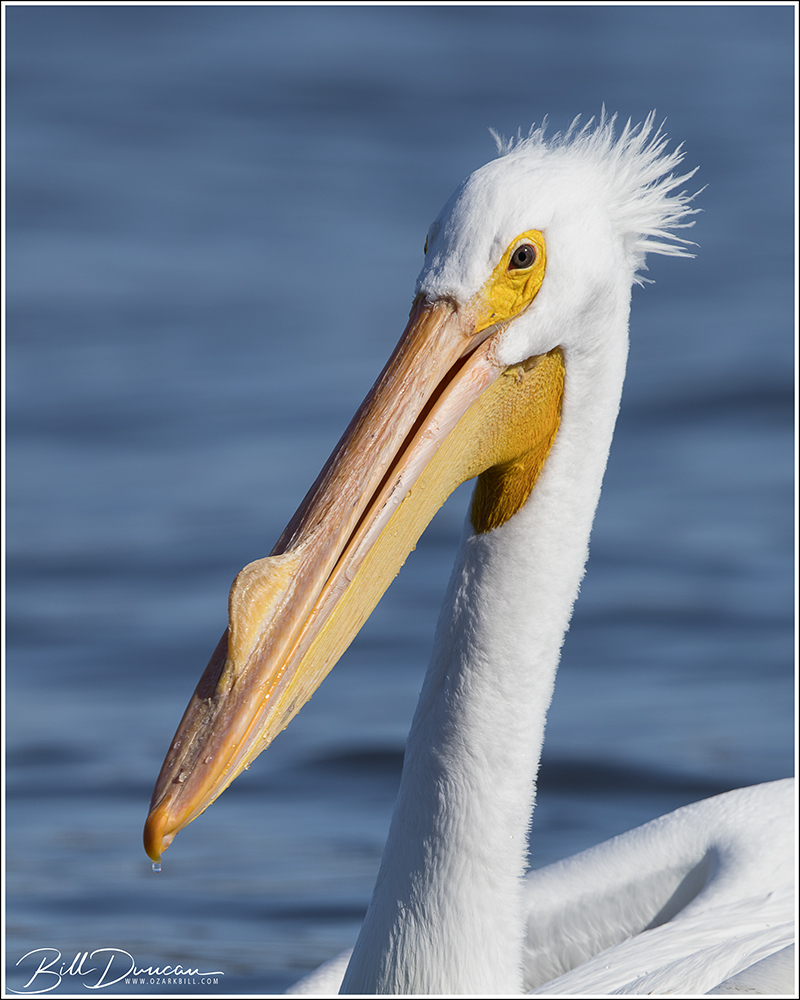
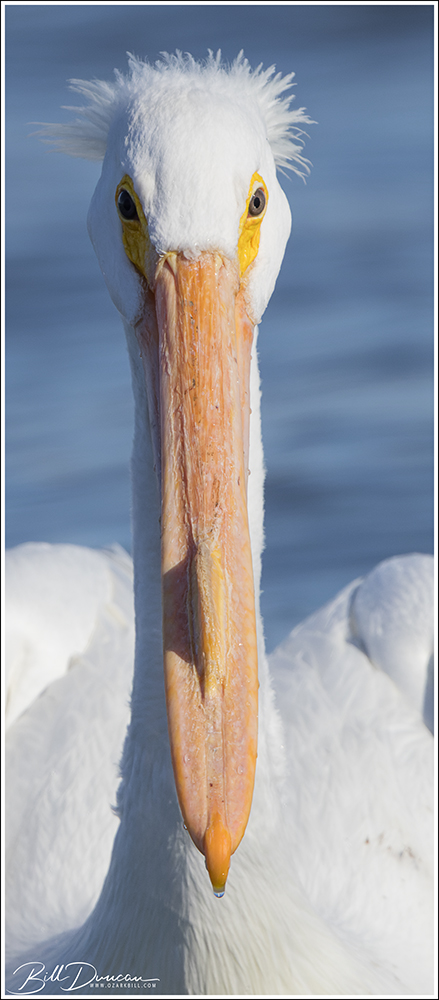
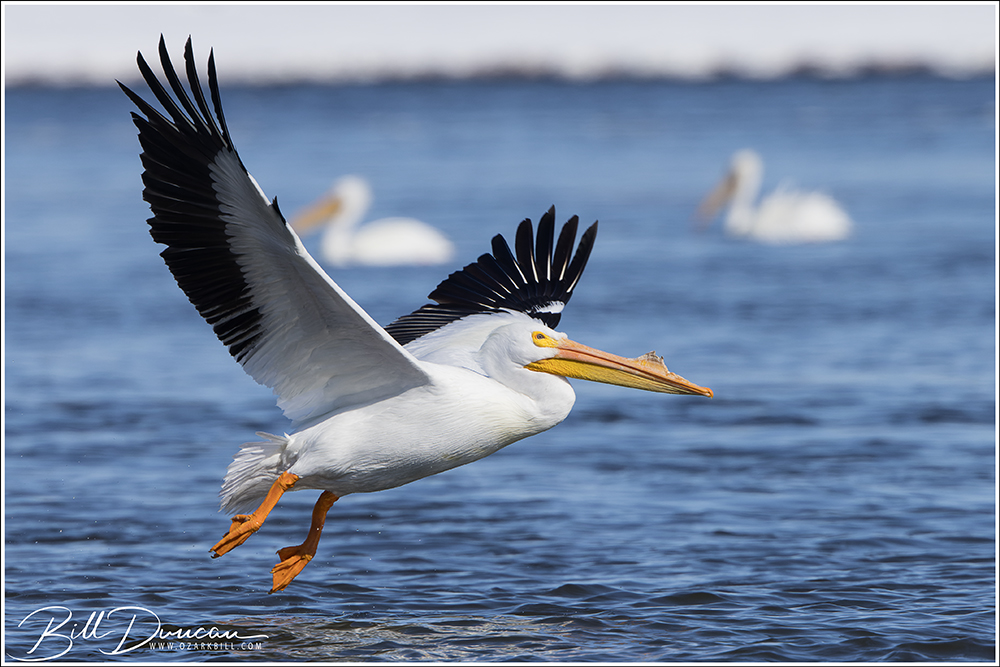
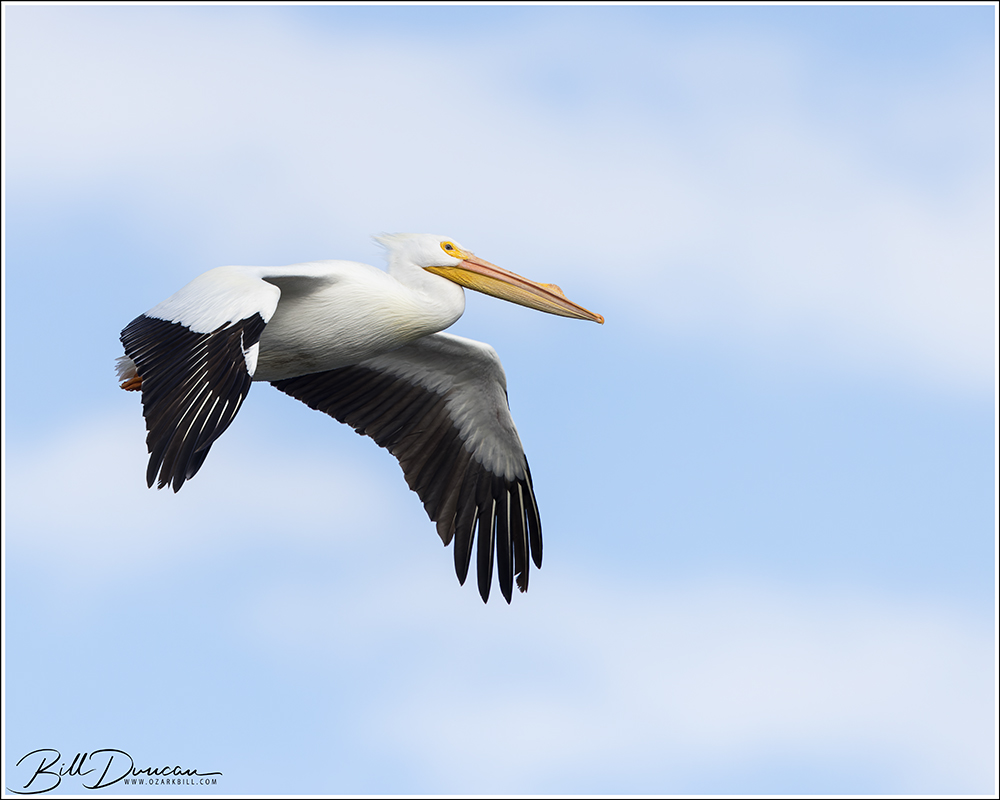
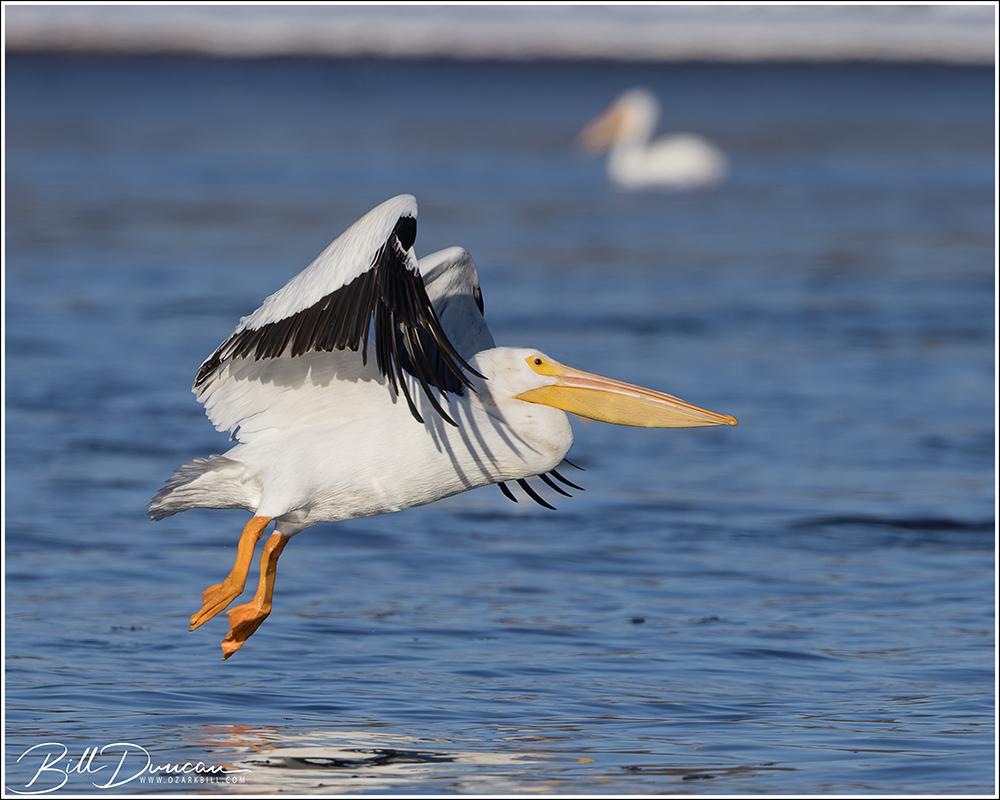
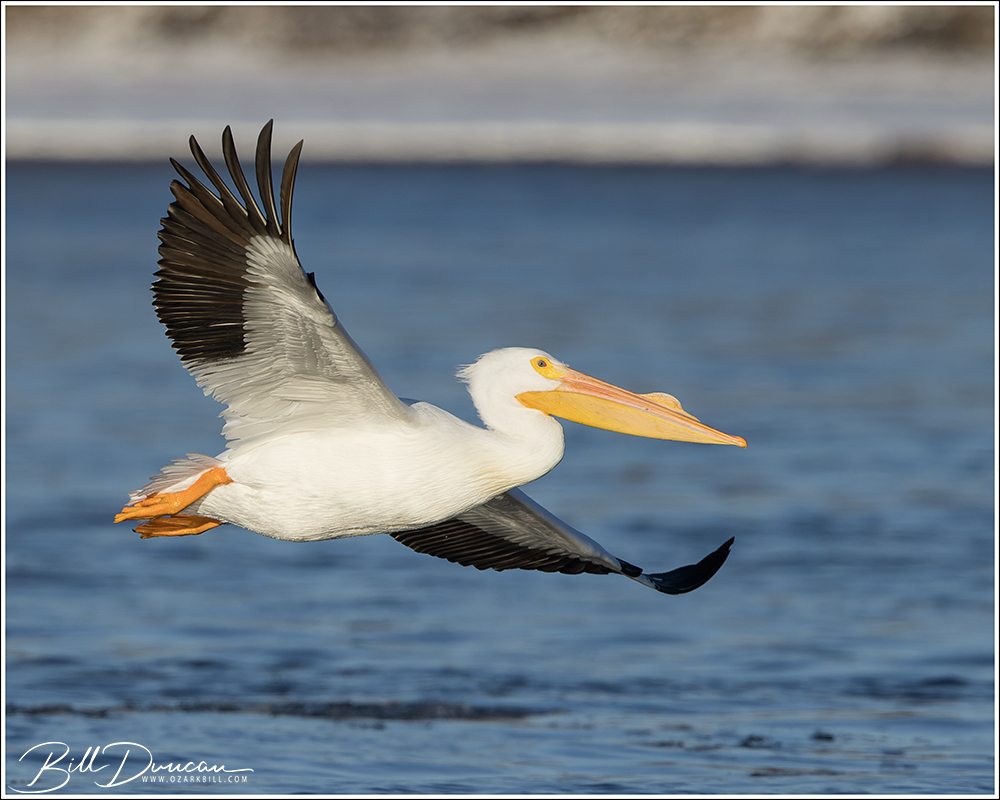
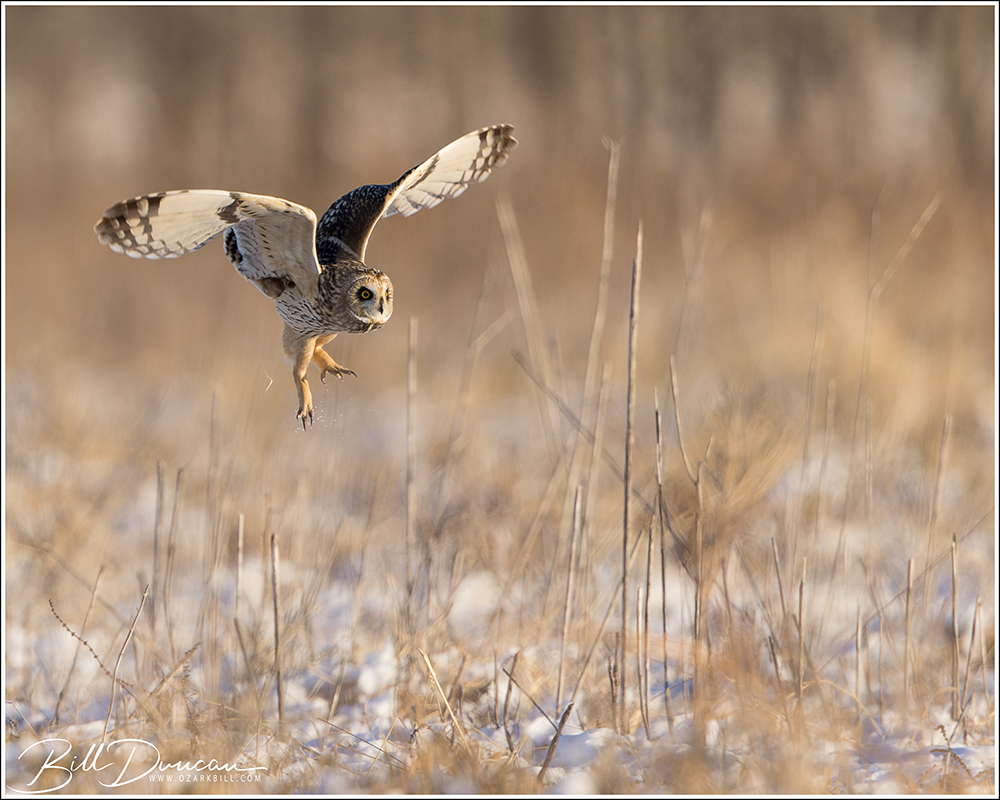
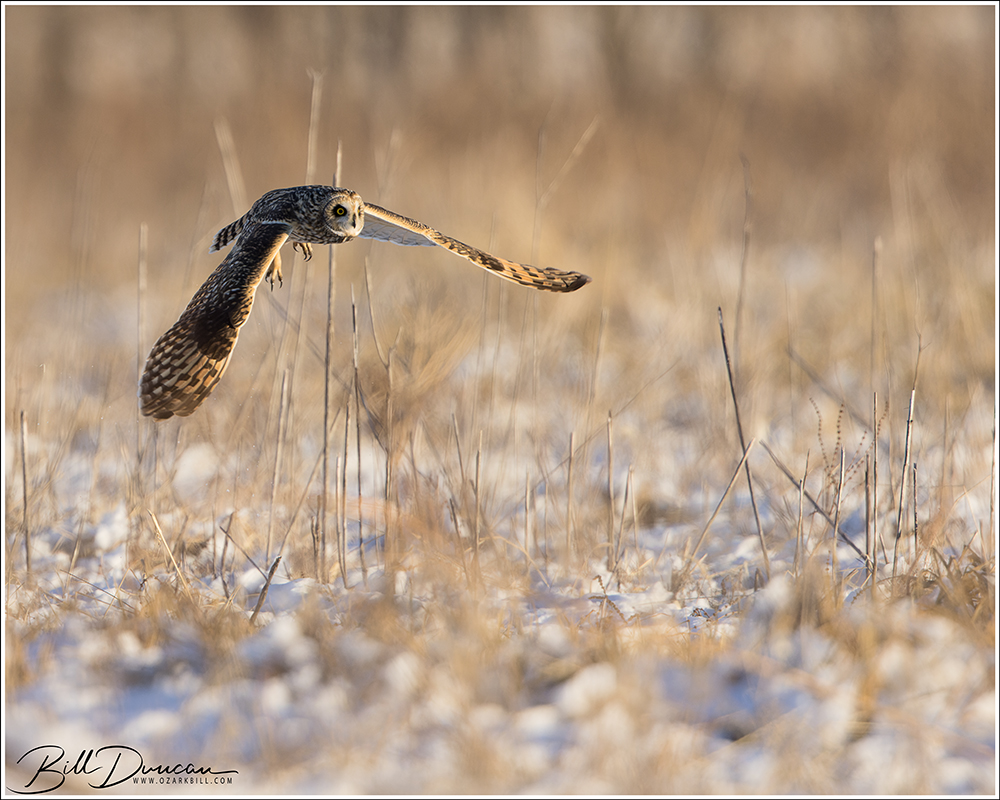
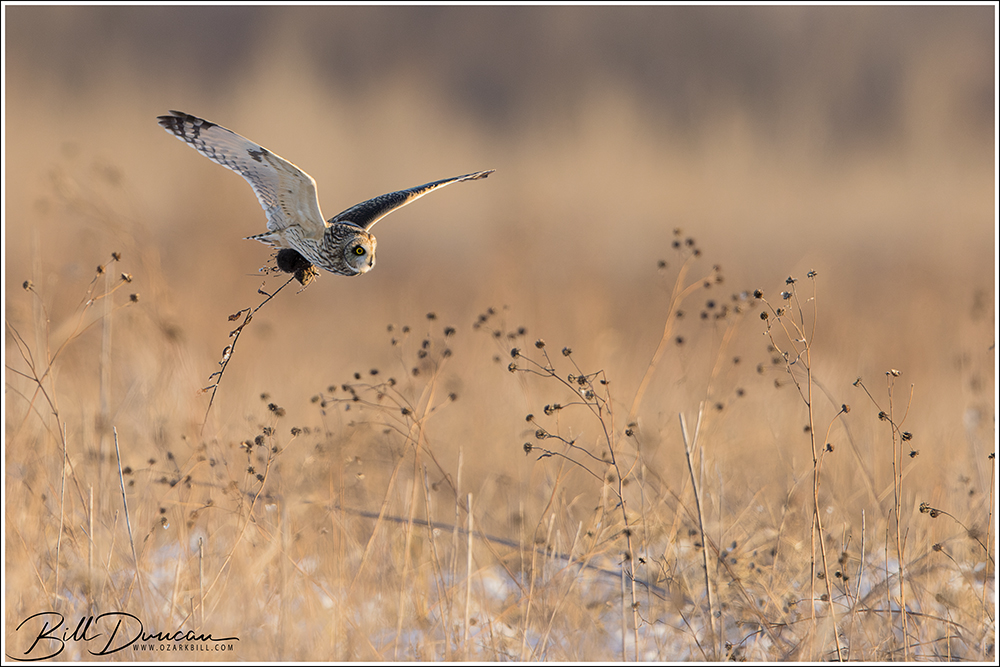
As these guys may be starting to trickle back into the state any day now, I thought I’d better finish up on the spectacular times we had with these birds last winter. Here’s hoping for a repeat this winter!

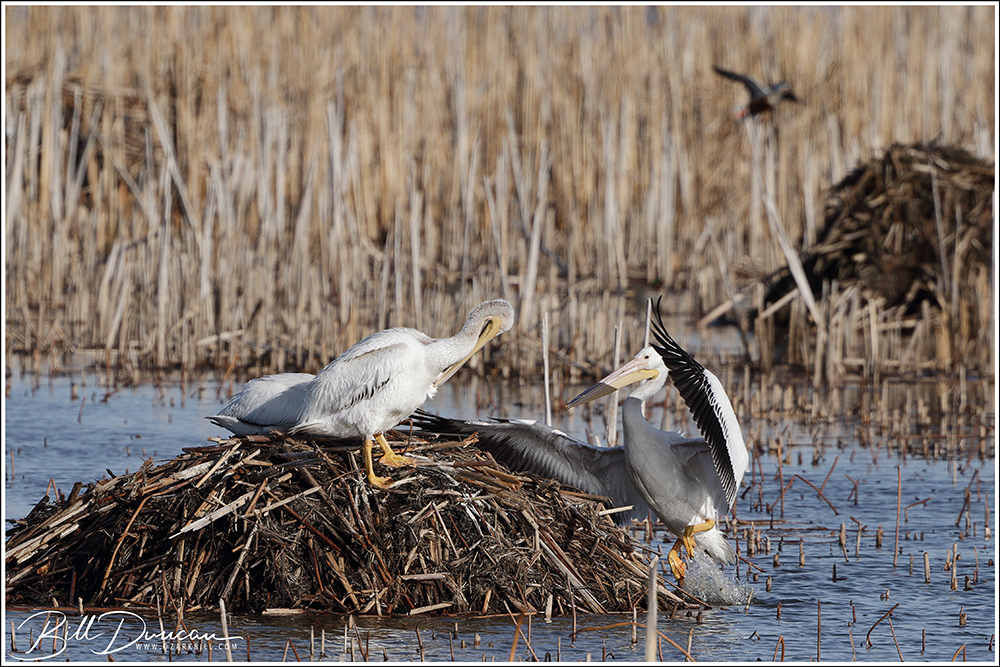
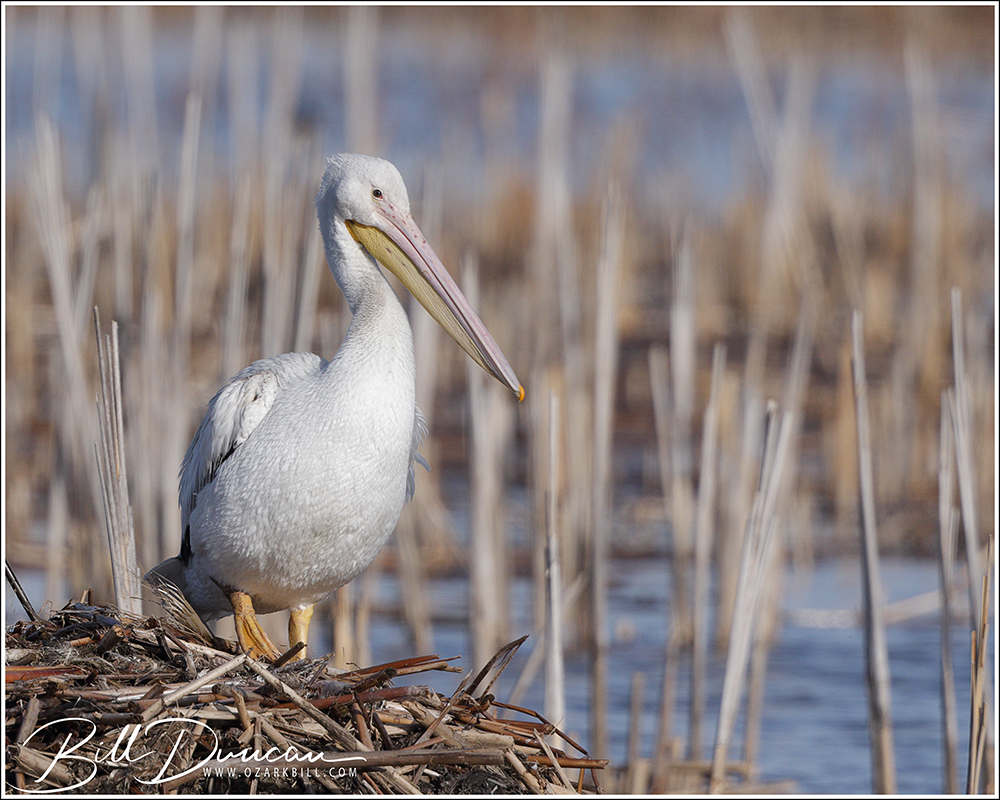
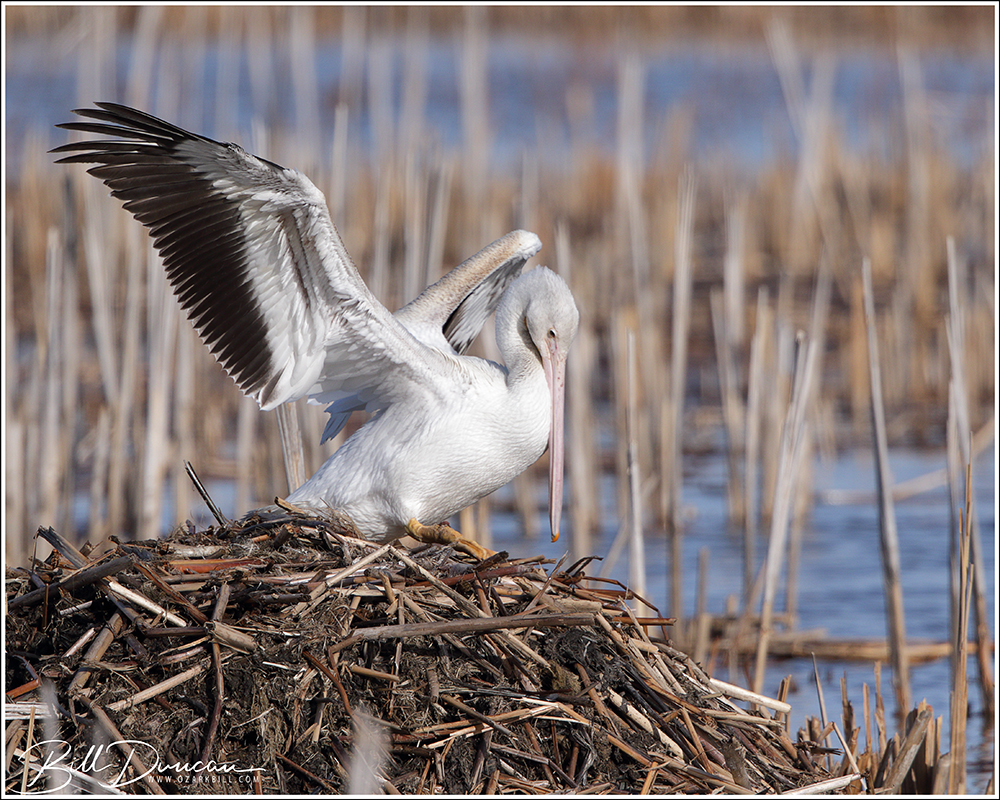
This first group of photos are of pelicans at Loess Bluff NWR taken in 2020 on one of their favorite perches – muskrat mounds.
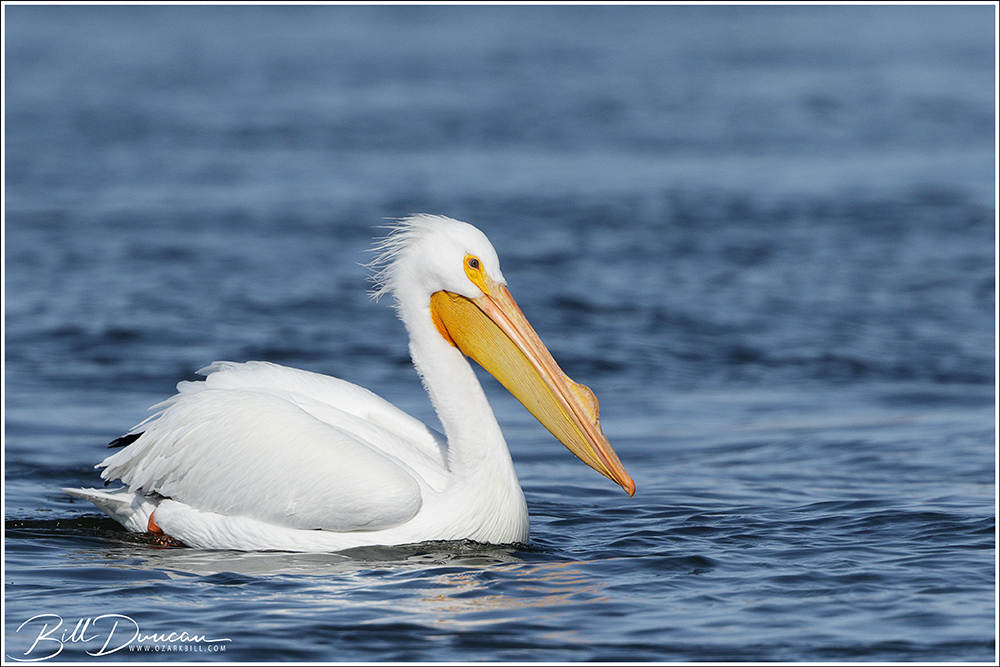
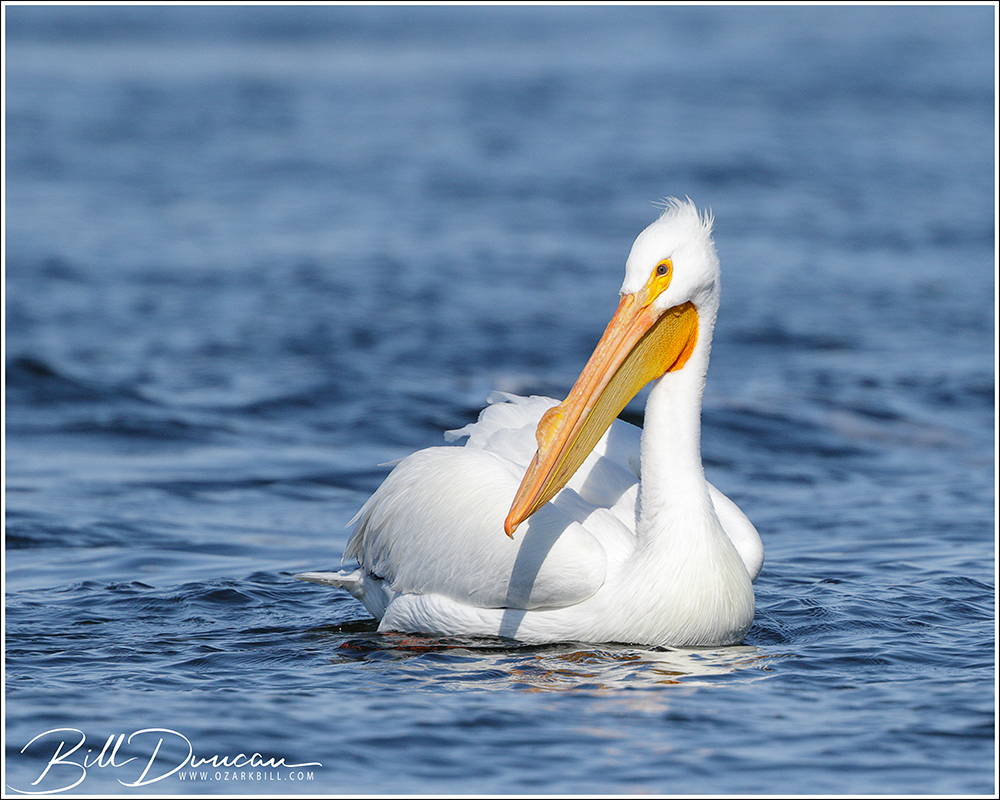
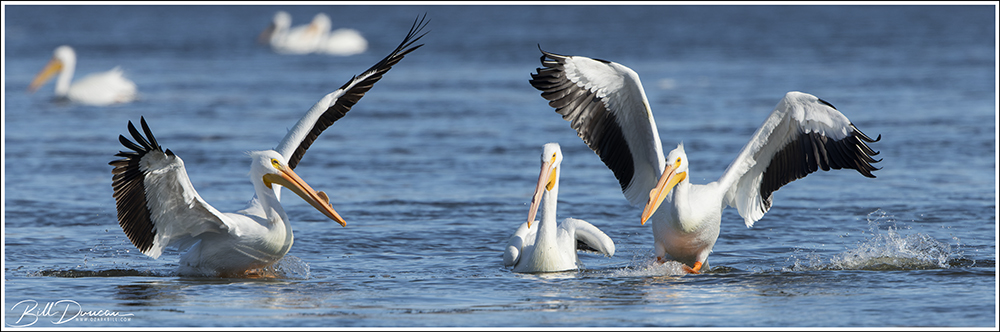
The next group is from February 2022 taken at Clarksville, MO.
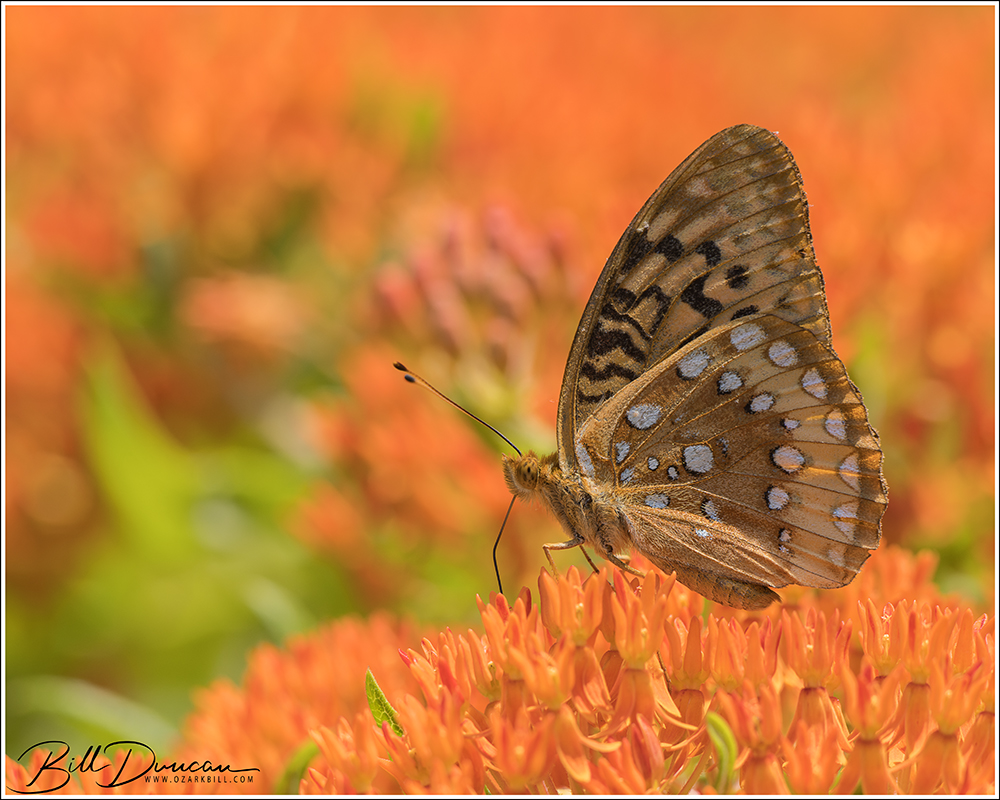
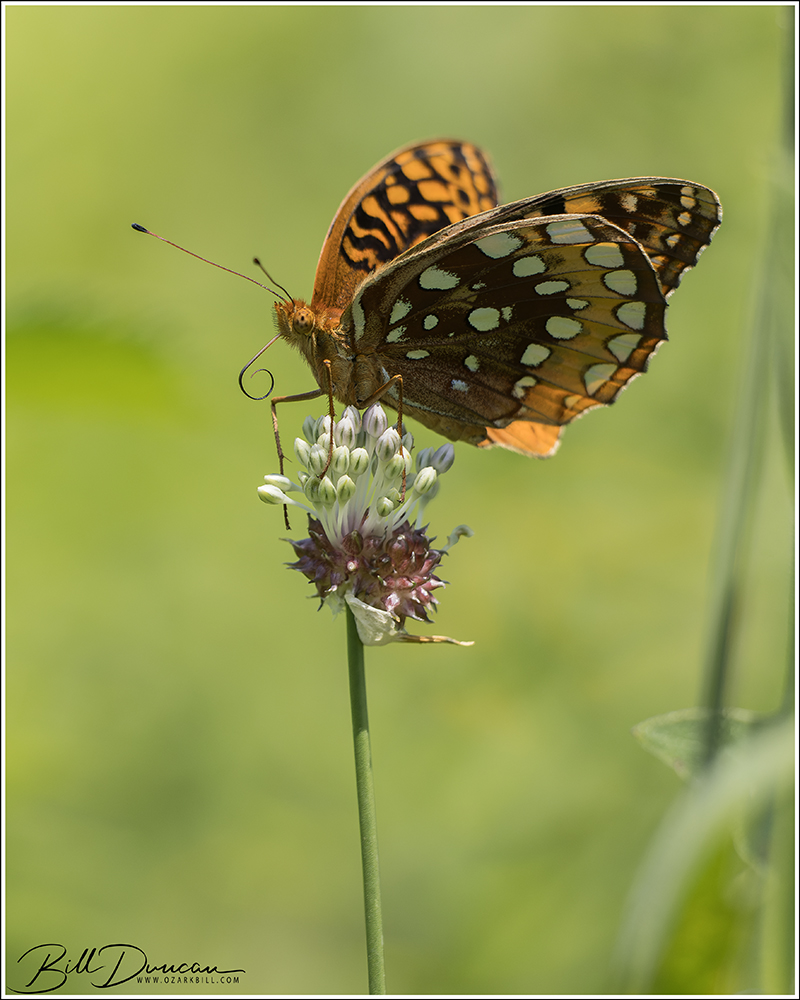
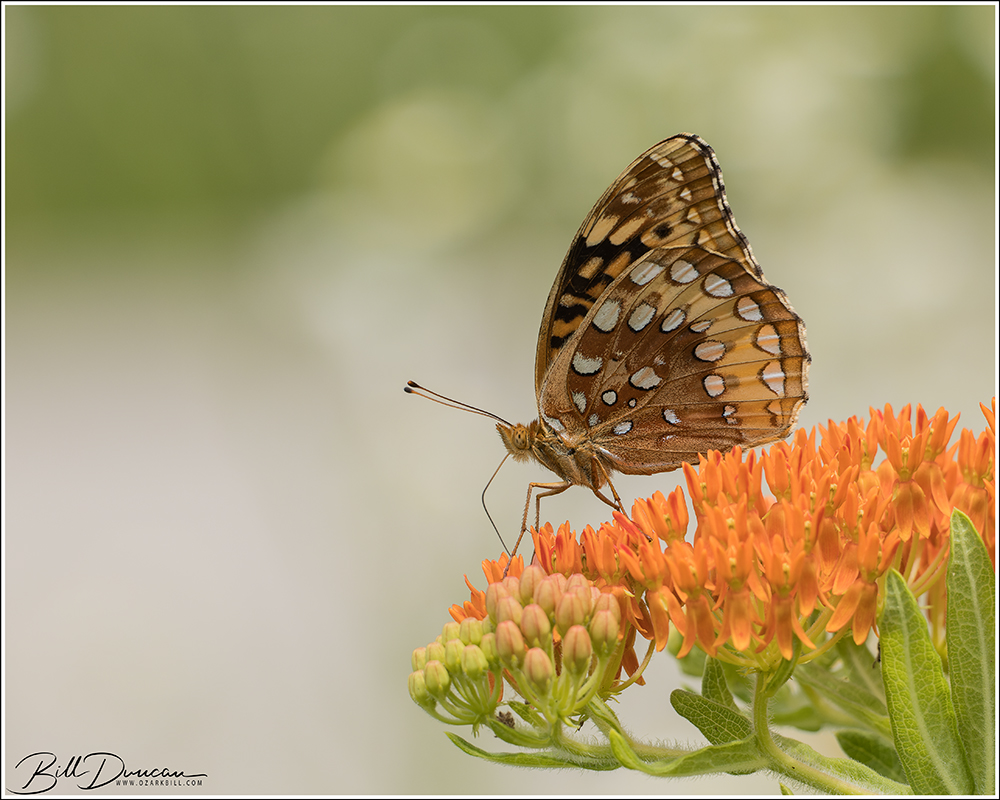
A few photos of great spangled fritillary taken at Prairie Garden Trust in Calloway County, MO.




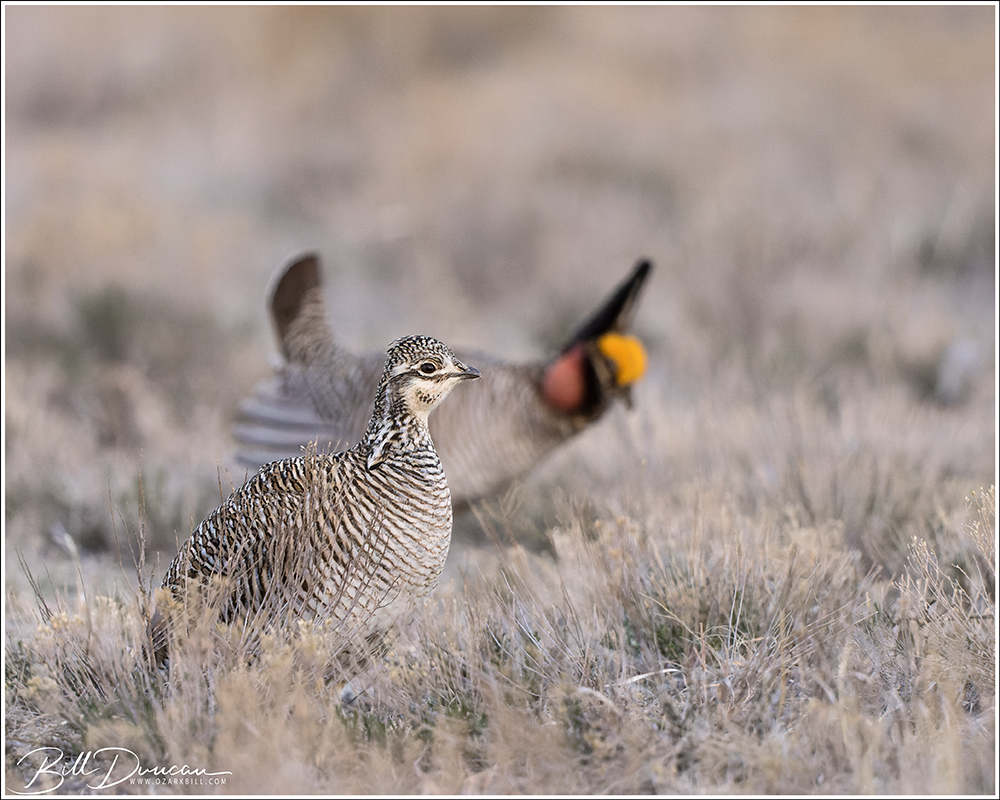
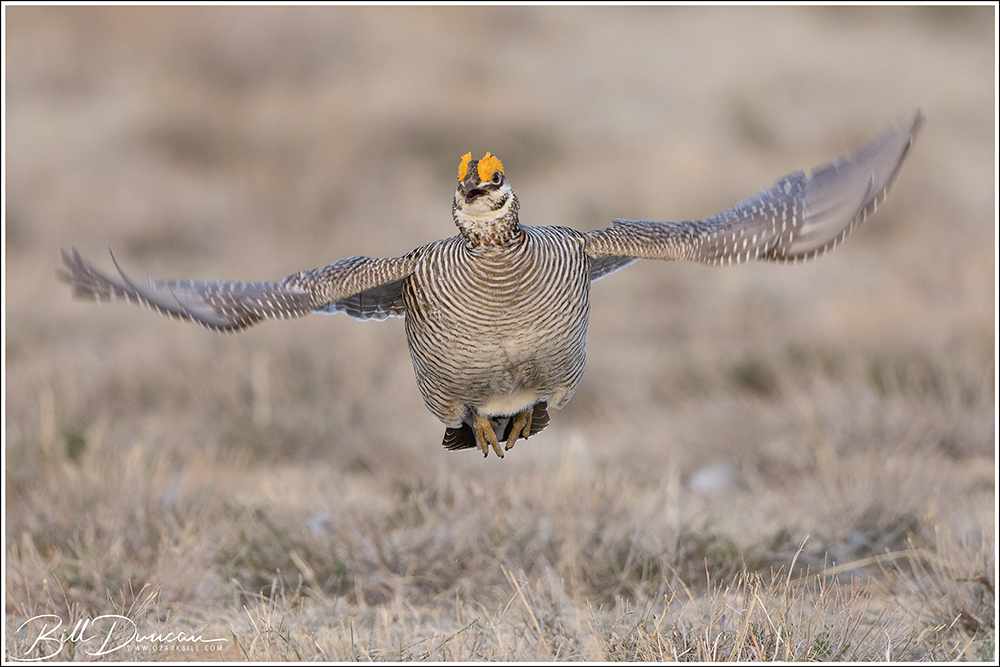
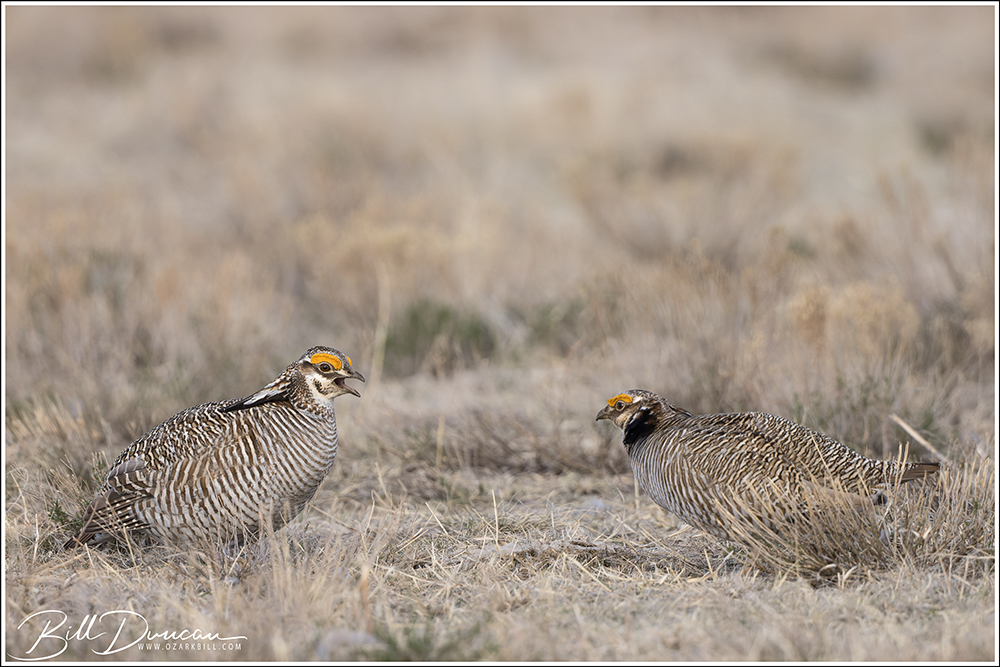
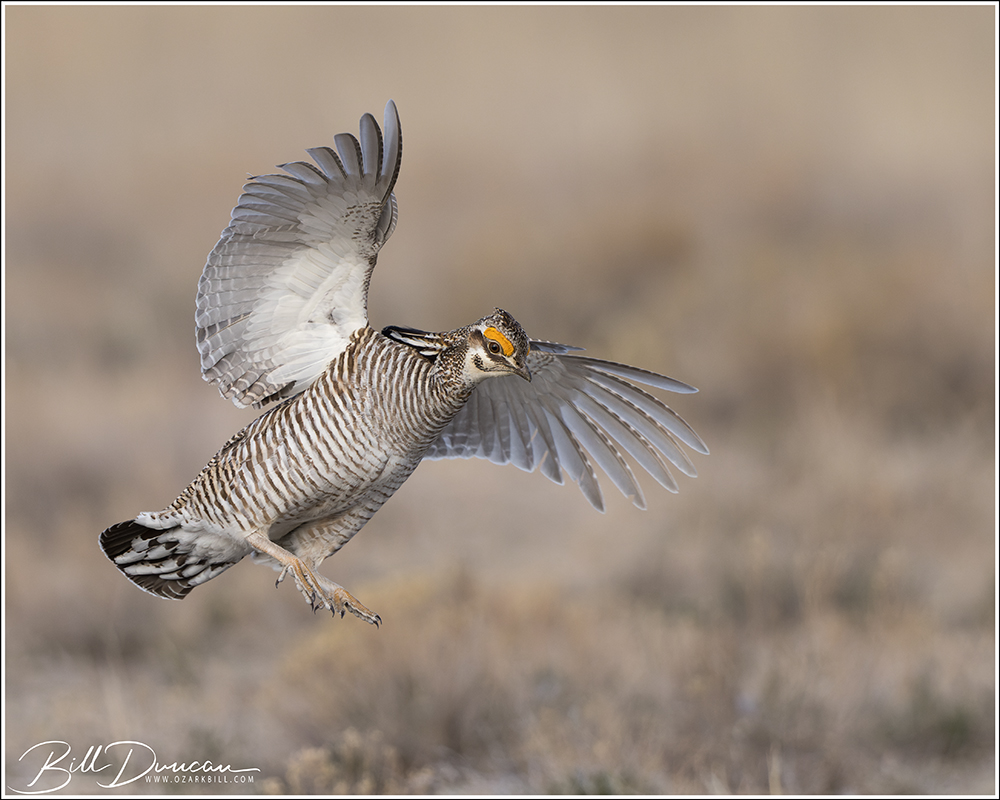
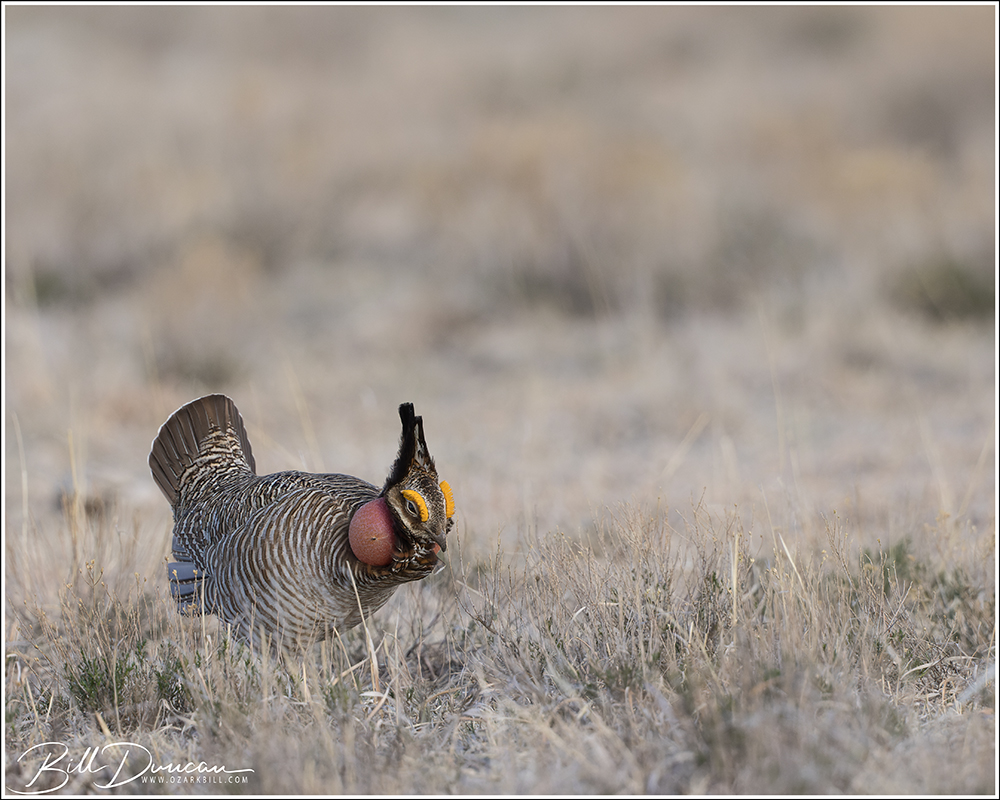
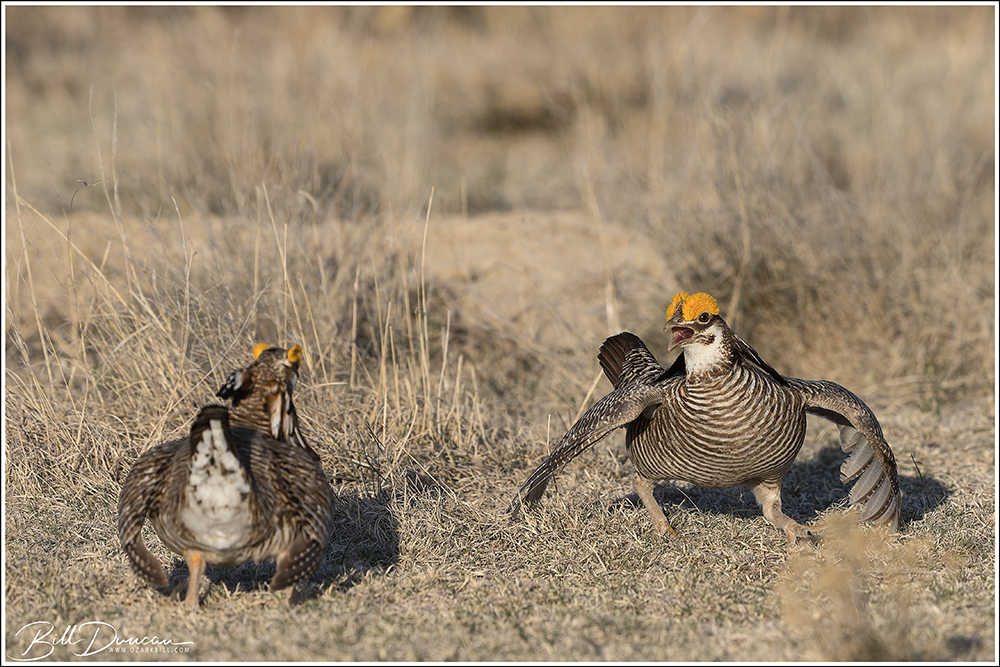
With this crazy summer, full of a time-consuming work project and trying to keep establishing plants alive in the yard, there has been very little time for birding trips. Casey organized this trip from mid April of 2022 and it was definitely memorable. I still have hundreds of photos to process, but here are a few from our first stop, a couple of Lesser Prairie Chicken Leks in western Kansas.




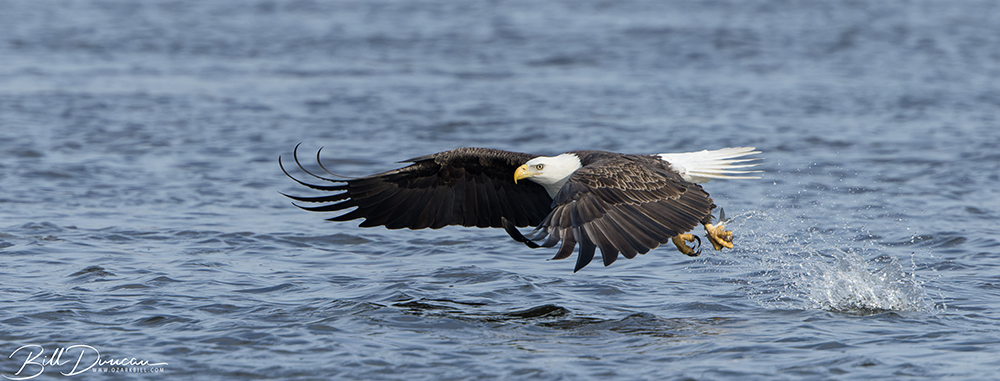

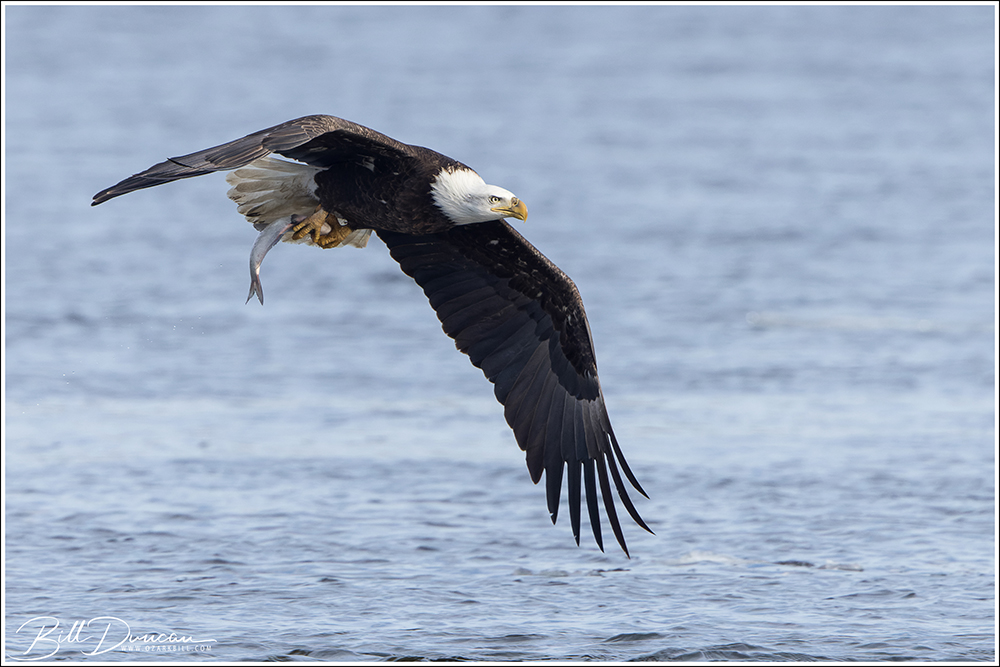


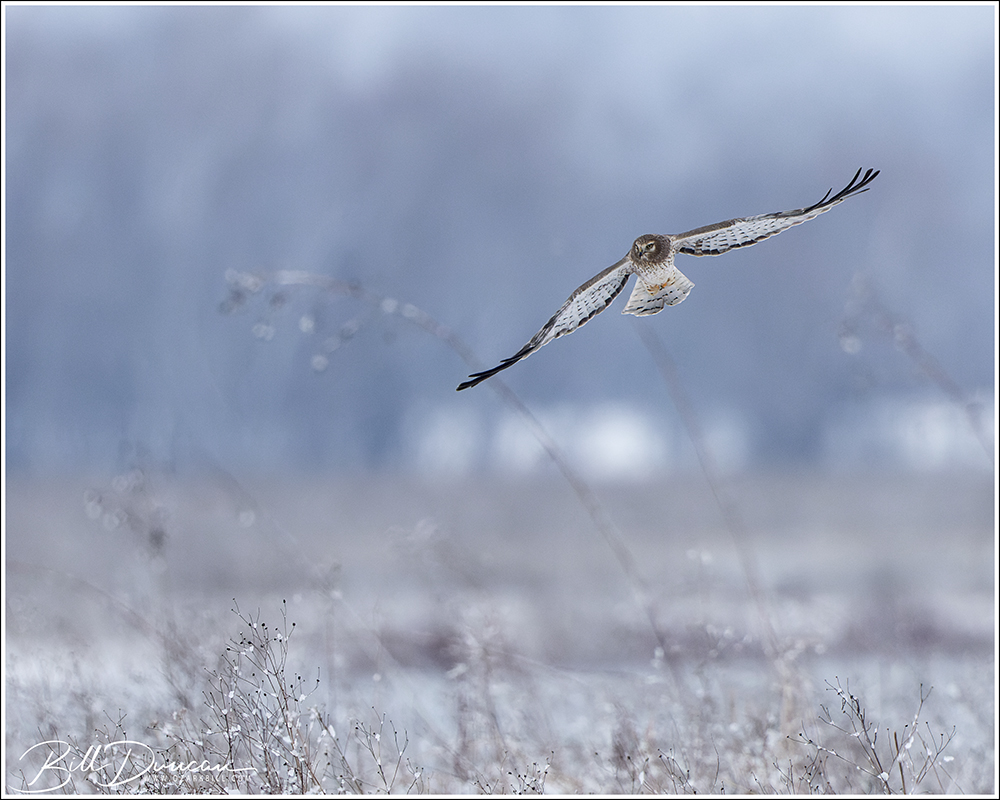
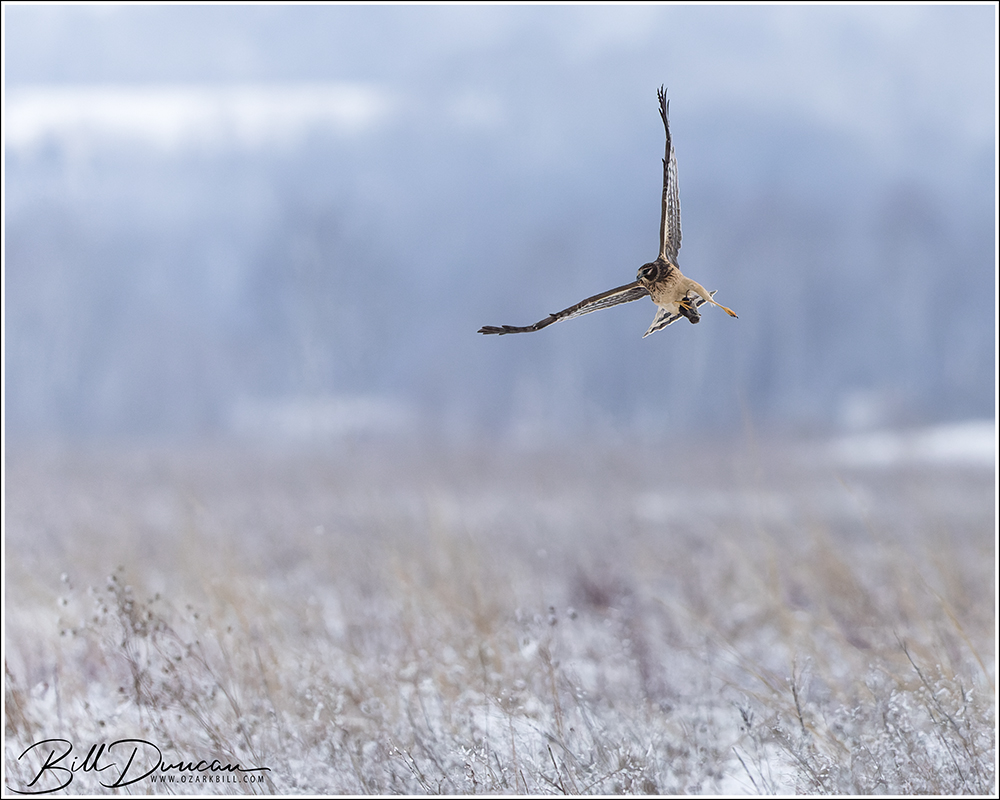
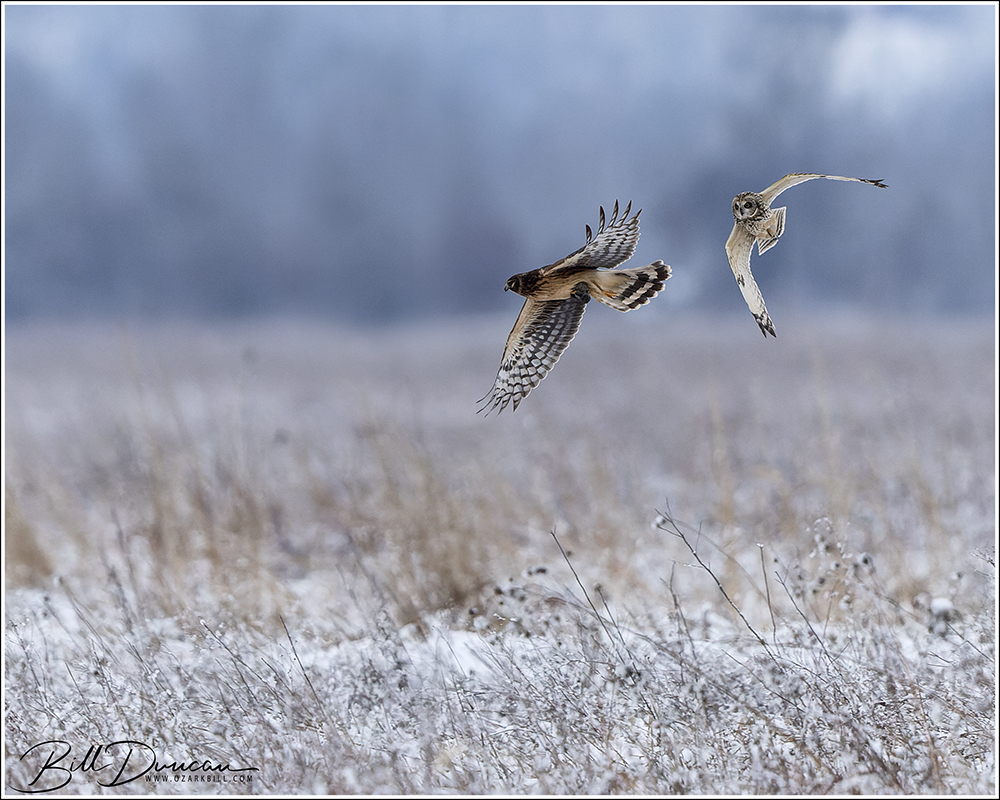
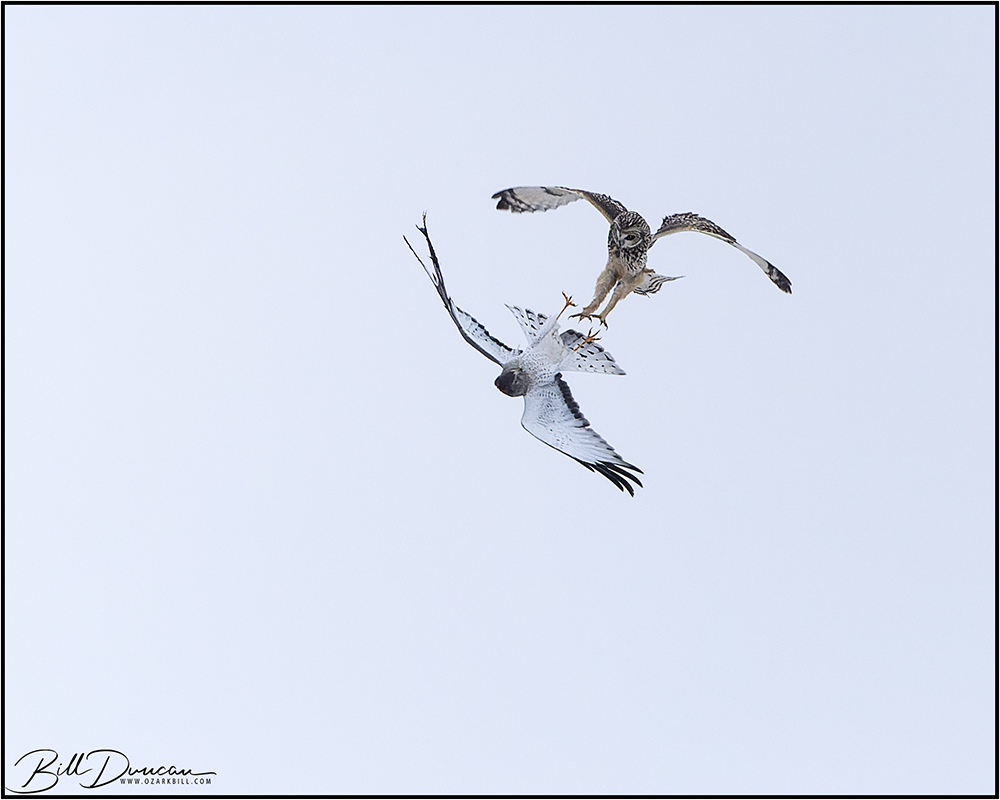
A few from a couple snow days this past January. Some of the first outings with the Canon R5. On one day, light levels were quite low and birds were at a great distance. Tried shooting with and without teleconverter to get more light. Difficult circumstances.
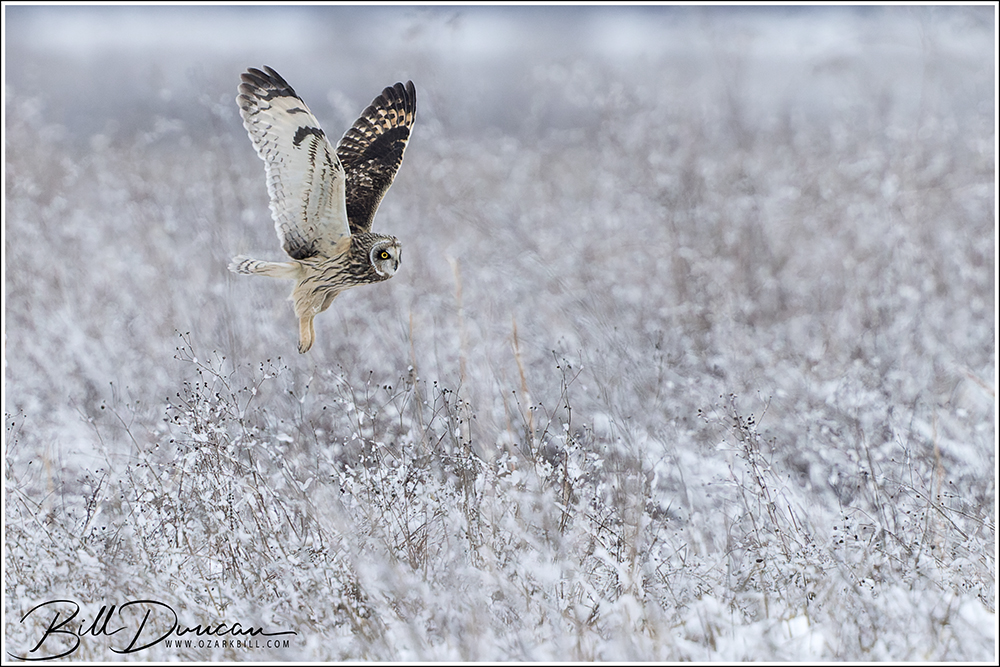
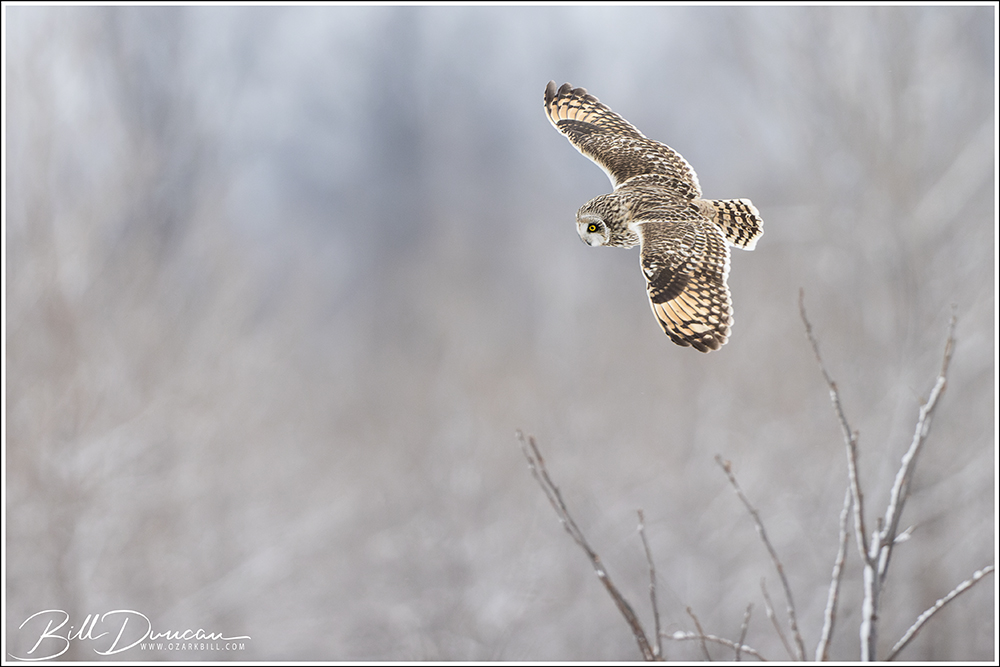
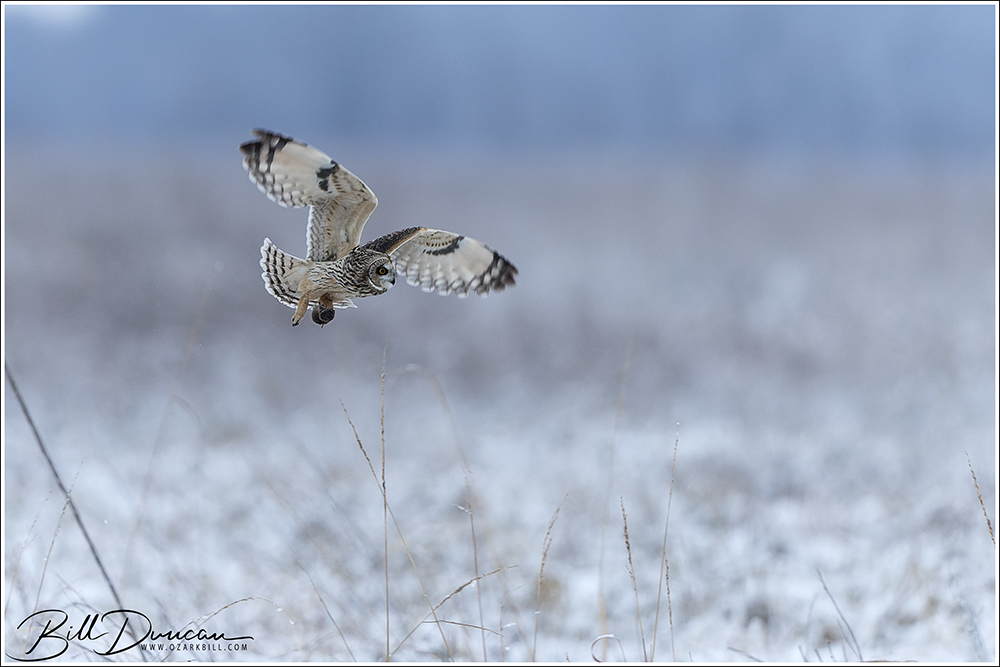
Ozark Bill
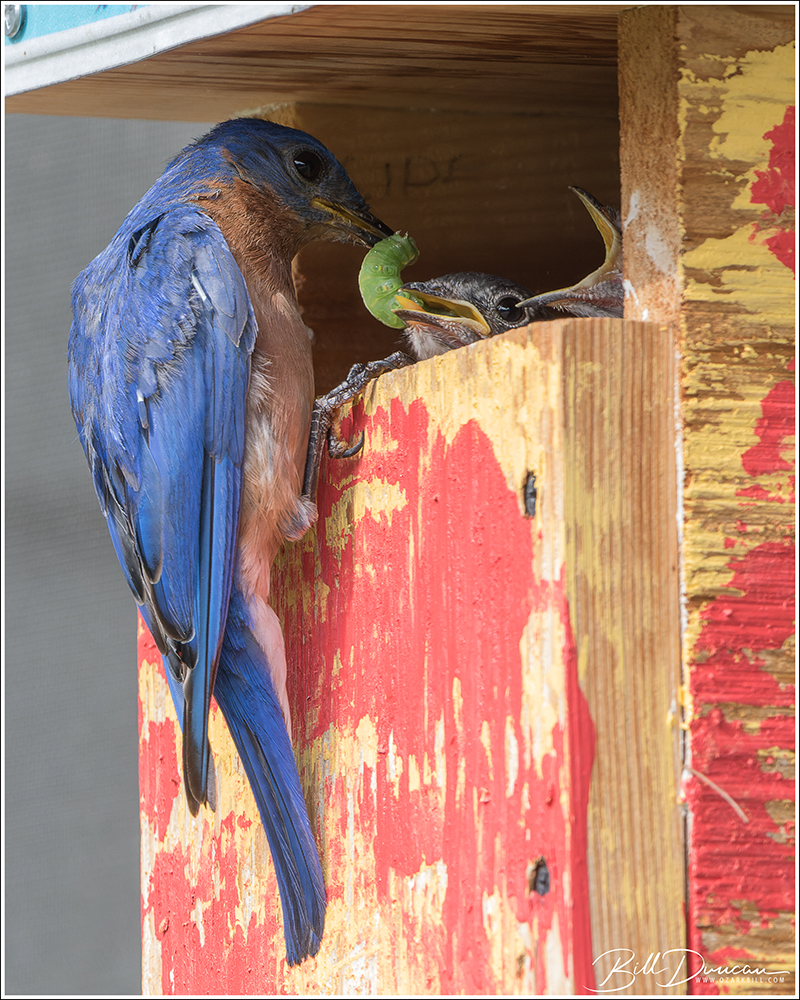
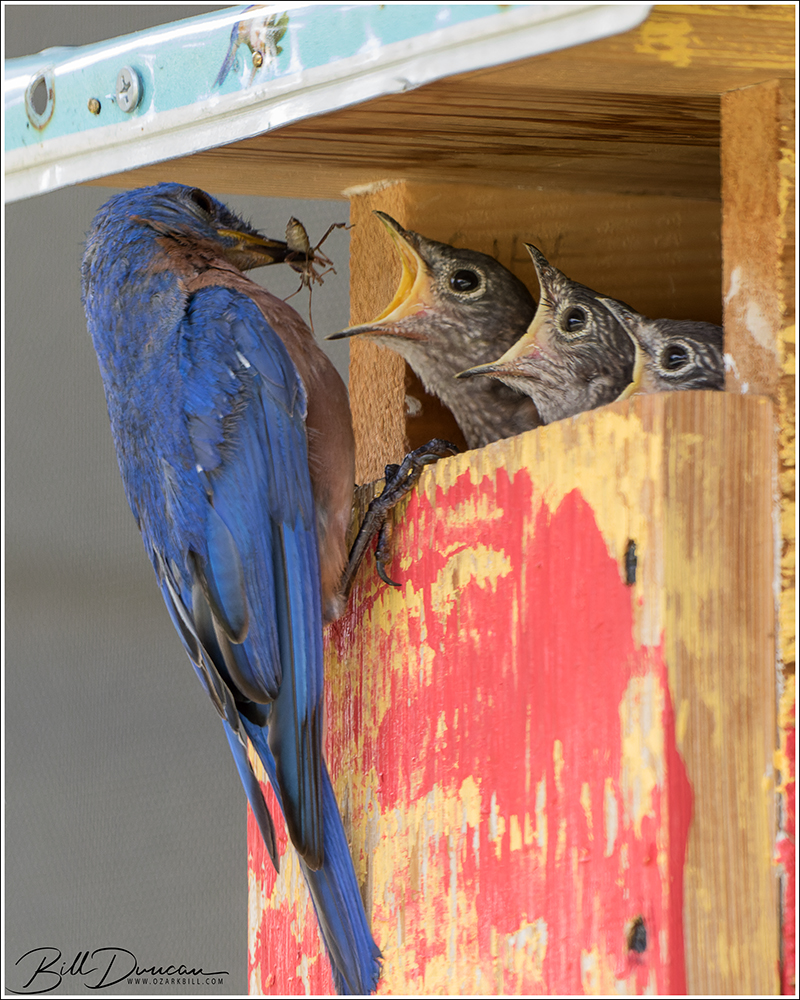
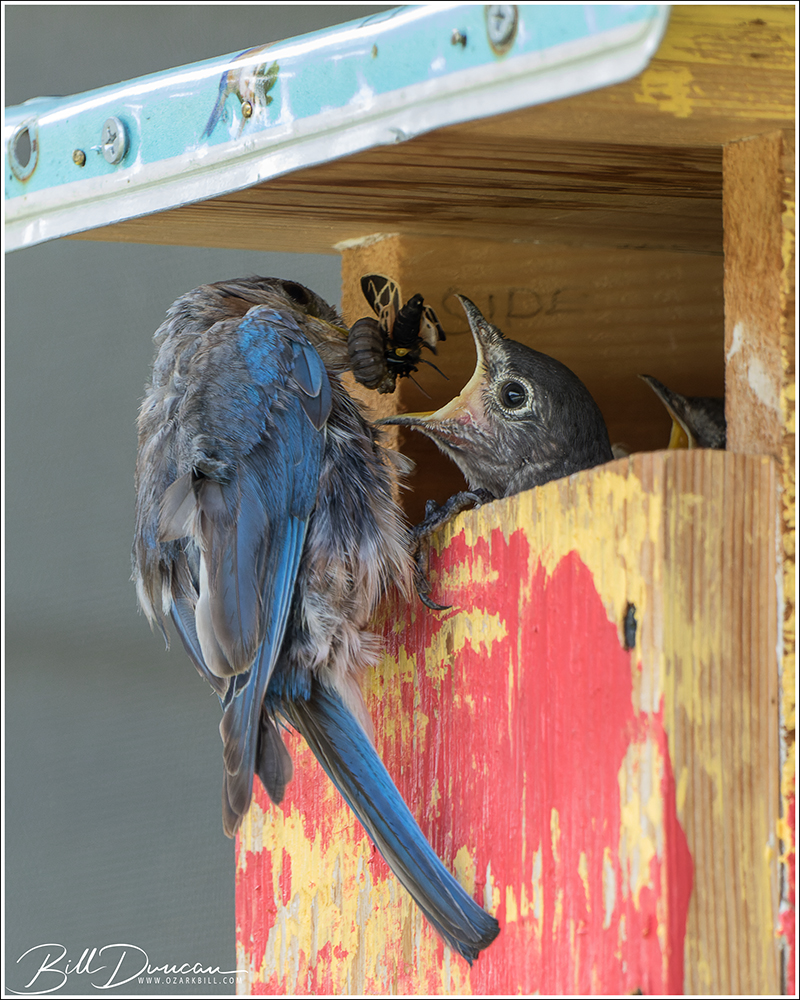
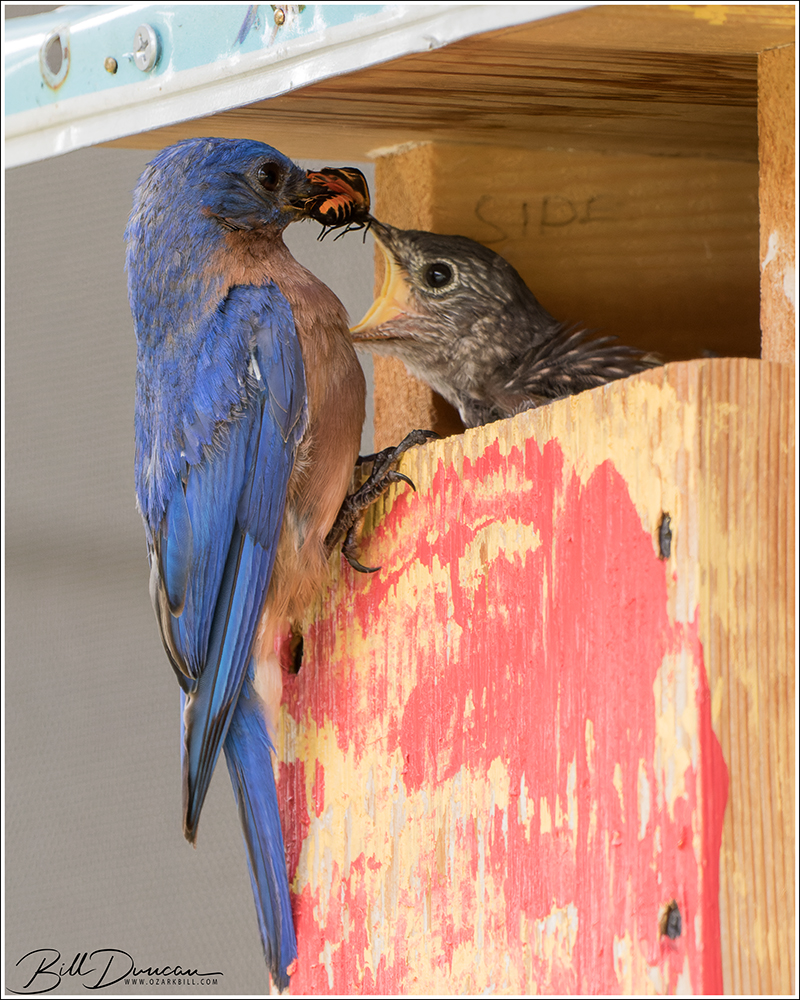
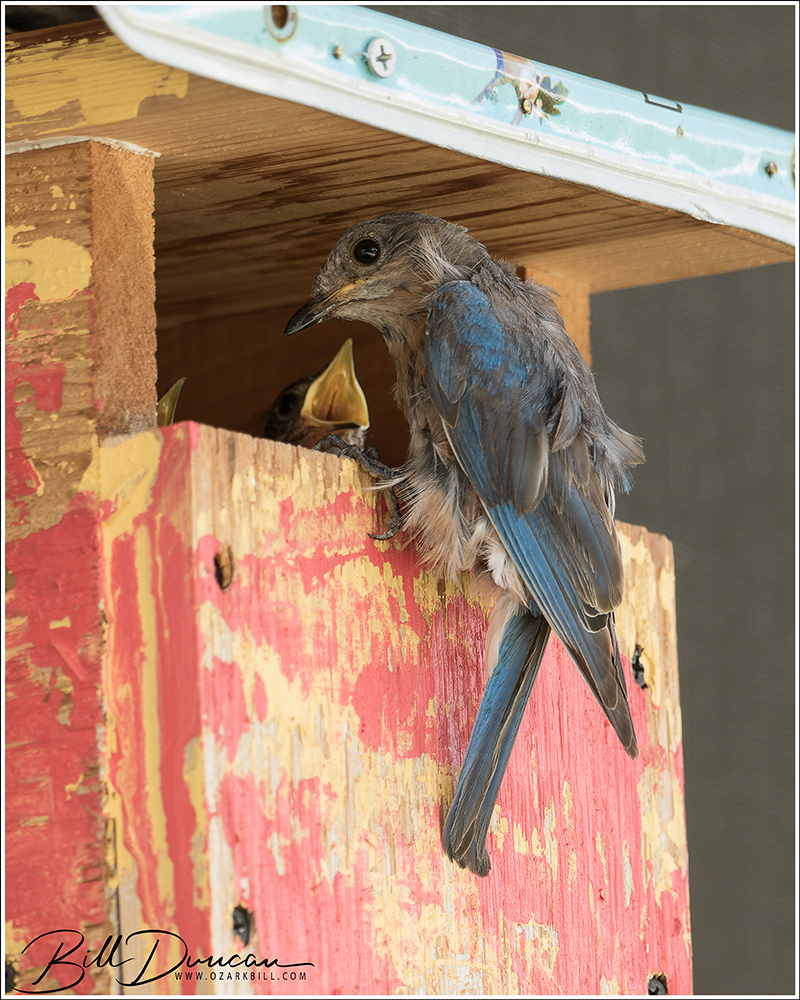
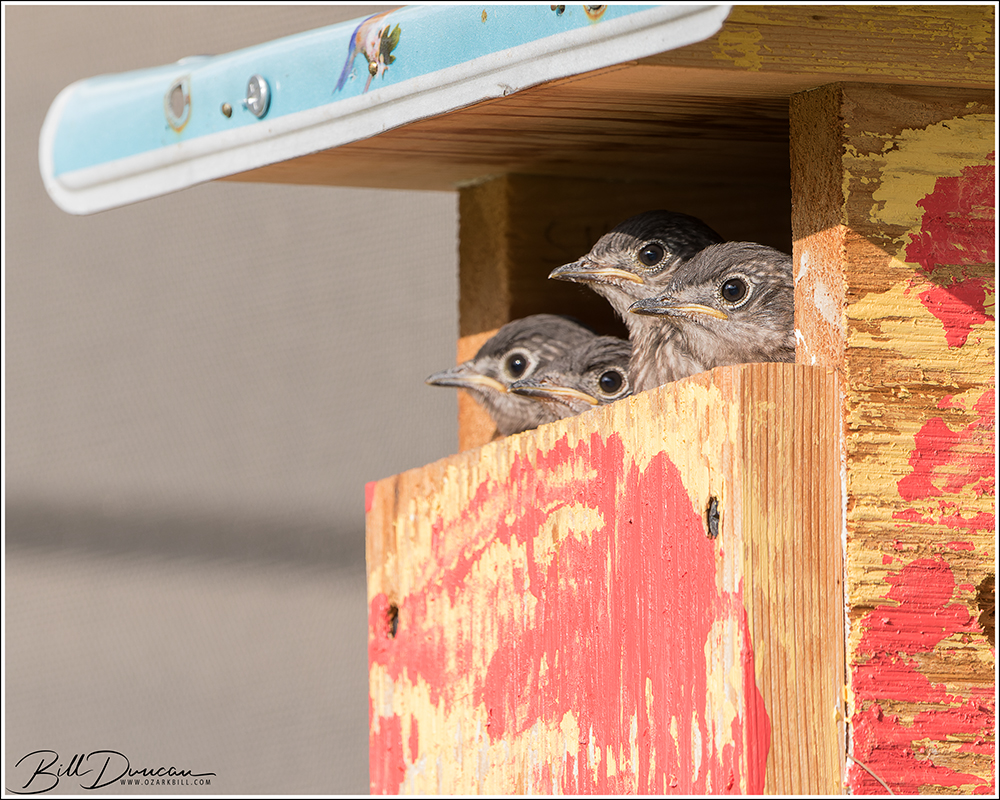
In the spring of 2021, I finally put up a couple of nest boxes in the yard of the new house. Both boxes were built and gifted by my father, Bart Duncan. Much appreciation! One box was designed specifically for bluebirds and a pair quickly staked their claim. They had an initial successful clutch, fledging three chicks, but on the next attempt, tragedy struck. During my monitoring visit, where there had been four half-developed chicks the day before I found not a single one. I believe the neighborhood racoons made a meal of them sometime during the night, leaving no evidence. It was early enough in the year that I wasn’t surprised that the pair tried again, but what surprised me was that they did not build a nest in the bluebird box, but used a box that was designed for Carolina Wrens that was bolted to the side of our screen porch. It made for some great photo opportunities that I am sharing here. I learned from my mistakes and have installed a baffle around the pole to the bluebird box along with a wire cage over the nest entrance. If a brood predator wants to get at them now they will really have to try hard. I am happy to say that to date, in the 2022 season, the pair successfully fledged two clutches – one of six and one of five chicks. Eleven new bluebirds this year, flooding the subdivision with bluebirds!
Ozark Bill
 A Thousand Acres of Silphiums