"What a thousand acres of Silphiums looked like when they tickled the bellies of the buffalo is a question never again to be answered, and perhaps not even asked." -Aldo Leopold
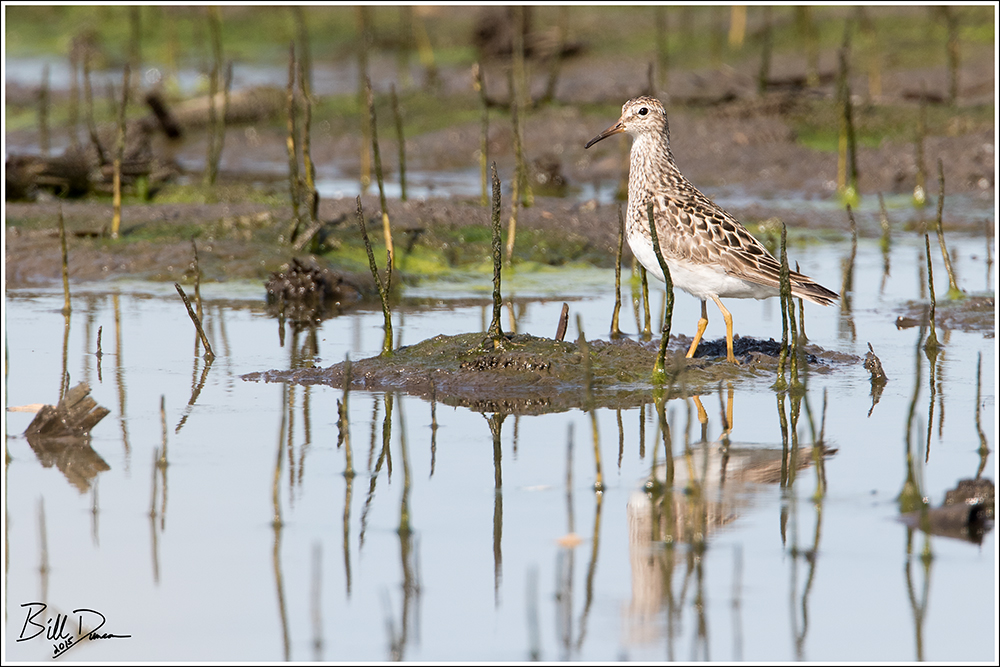
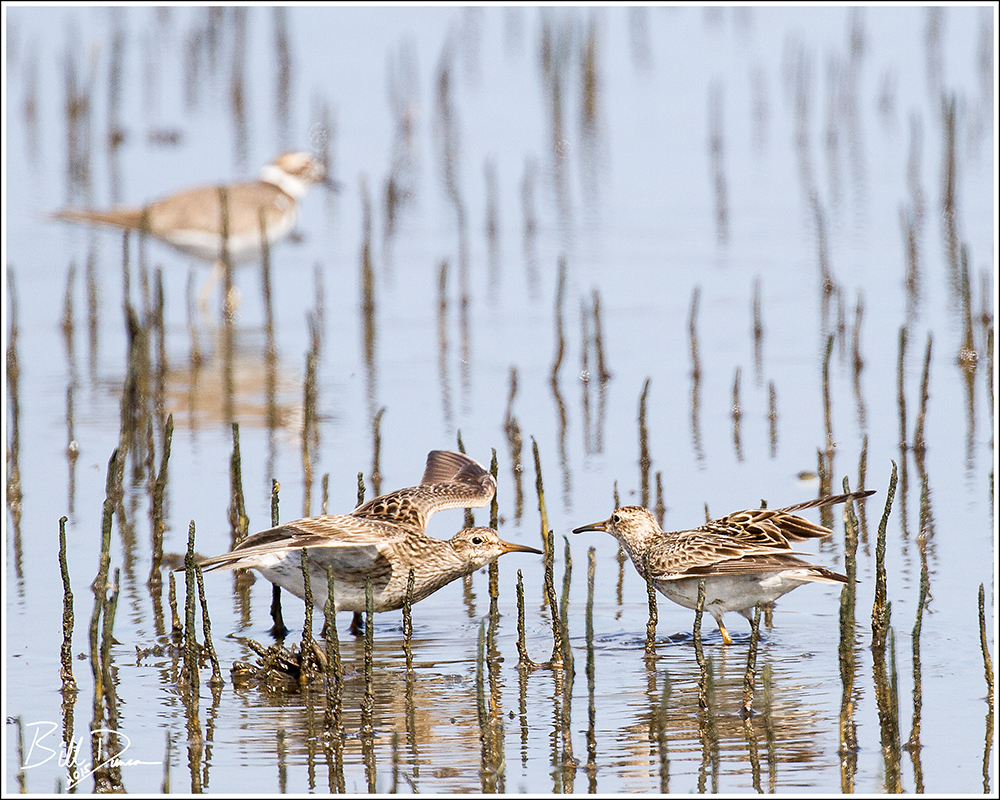
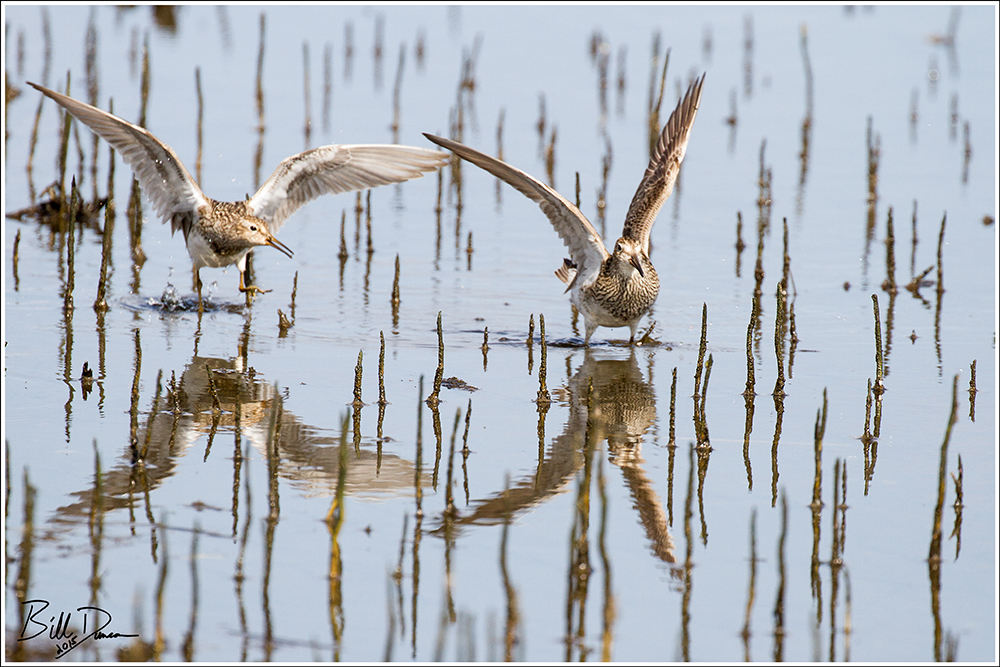
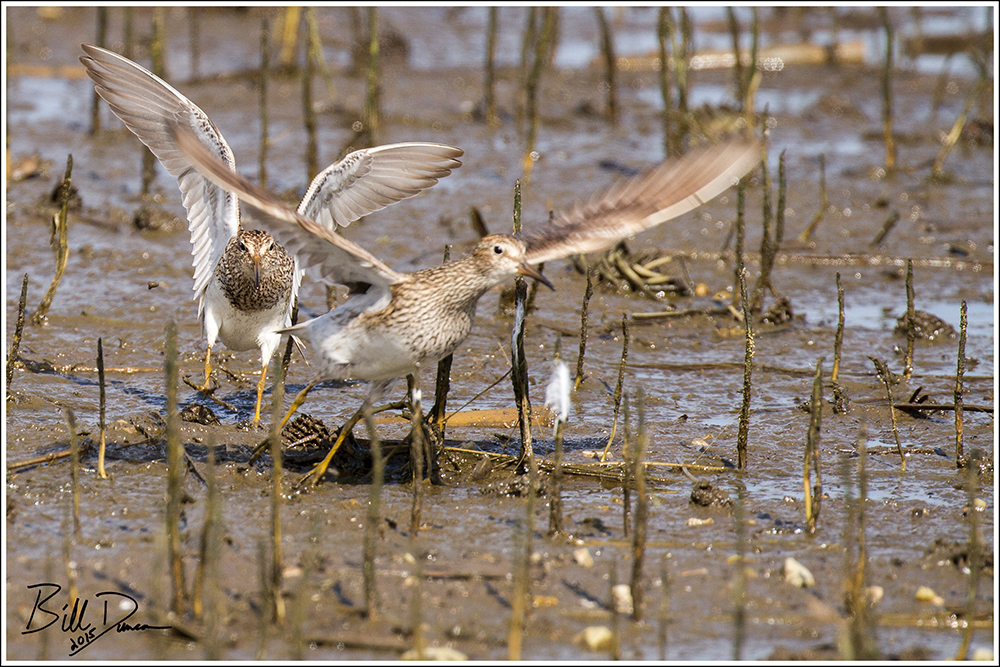
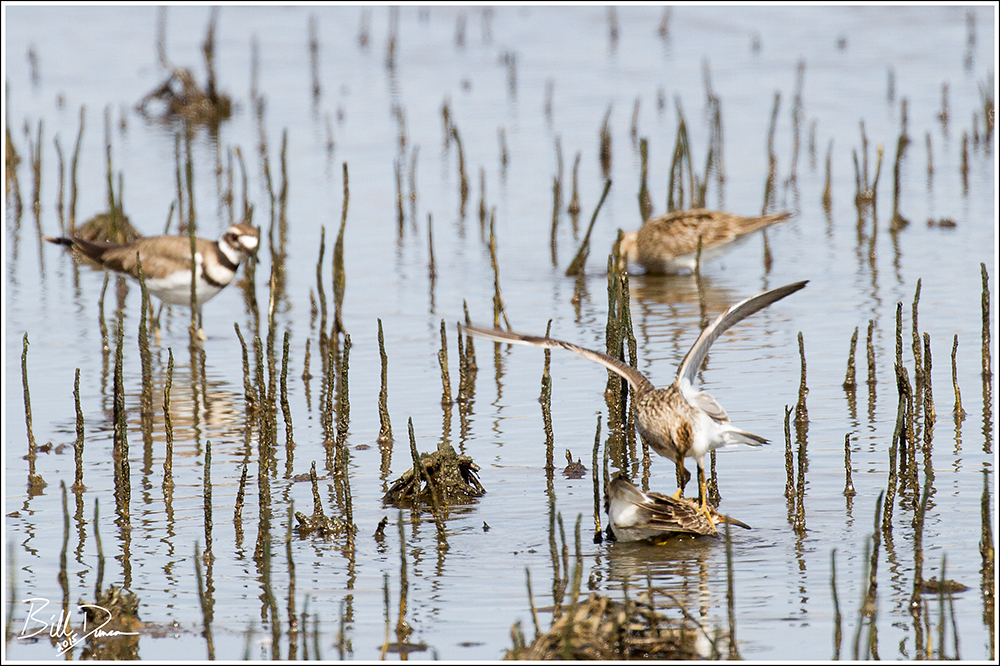
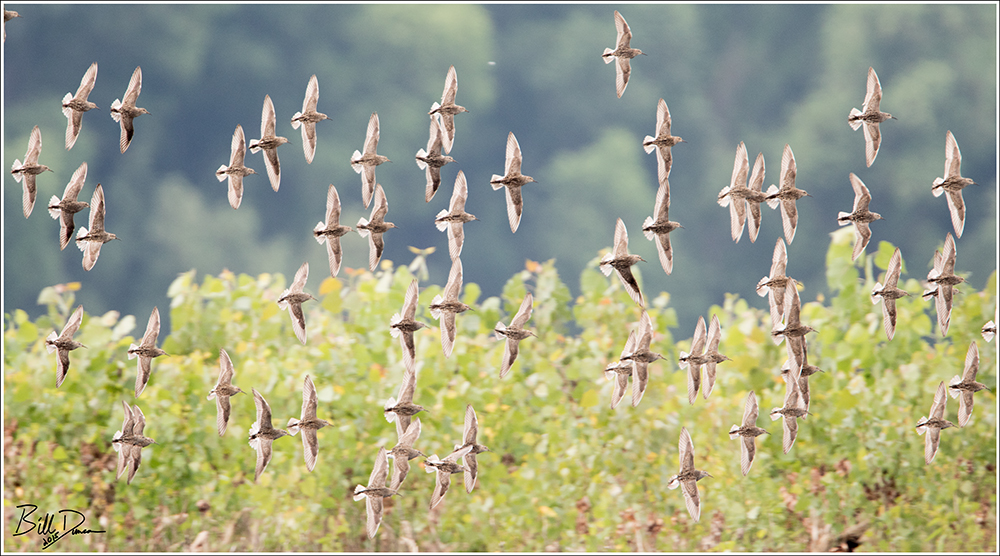
On the first day of August I found myself sitting next to one of the larger field puddles in the RMBS area watching the groups of migrating Pectoral Sandpipers. These guys were probably less than a week or two outside of their nesting grounds on the arctic tundra and their hormones were still raging. I was pretty surprised by their level of territoriality on their migratory route. Maybe this is how they behave year-round, but I have not been able to confirm this in any source I can find.
The Chase is On!!The Chase Continues!!Pectoral Pounce!!A Peck of Pecs
These five were all taken at the confluence, either at RMBS or CBCA.
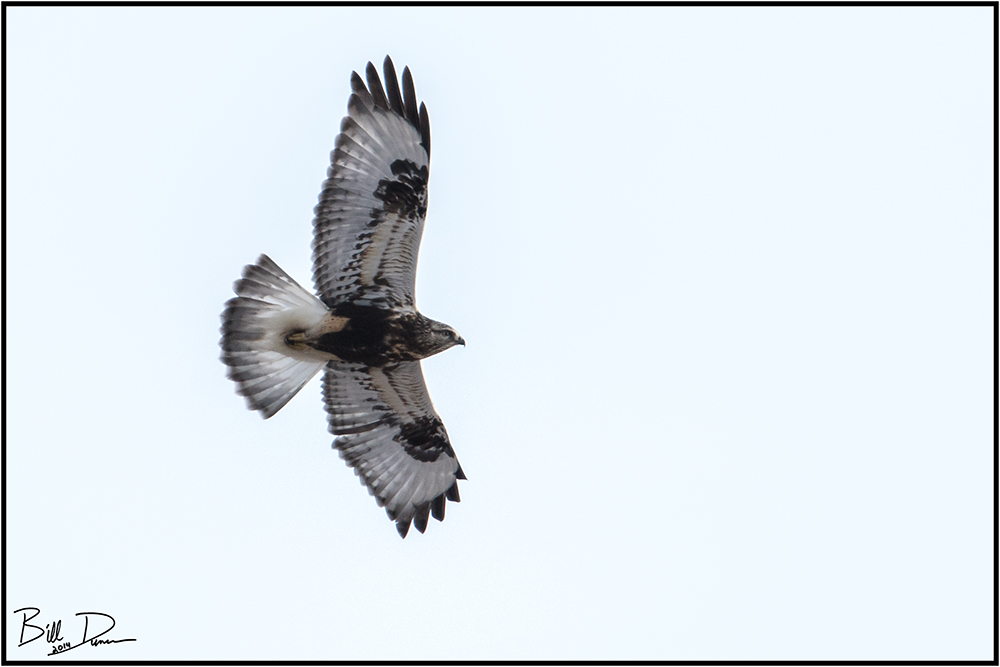
Rough-legged Hawk
This gorgeous juvenile light-phase Rough-legged Hawk spent nearly a week at the confluence recently. These infrequent winter residents nest up north, far north, like arctic circle north. One of my favorite birds, it is always a pleasure to find one of these guys. Sarah and I very much enjoyed this bird, nearly the size of a Red-tailed Hawk, as it hover-hunted much like what is seen by the American Kestrel.
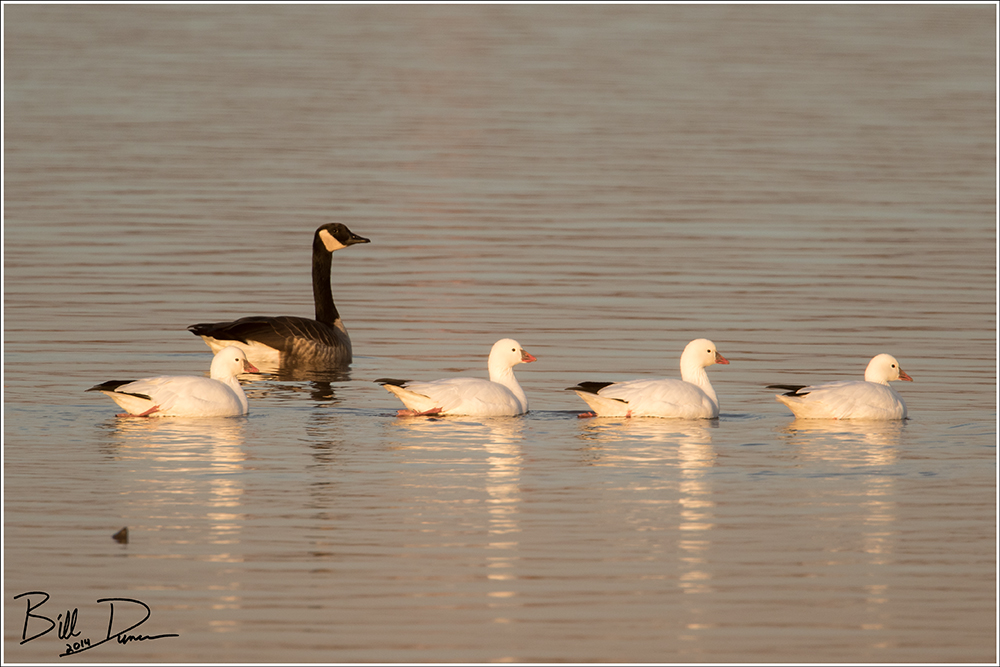
The Rosses Came to Town
Steve and I were tipped off to these Ross’s Geese at Teal Pond by a kind birder. I can’t imagine a cuter bird. Well, maybe a few.
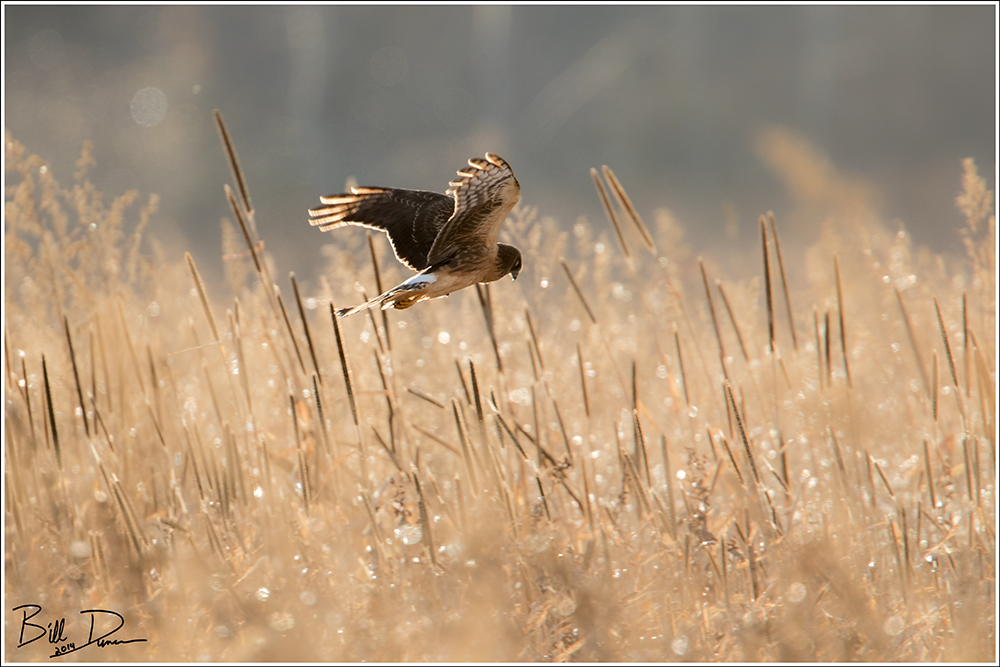
The Marsh Hawk
This has really been my year with the Harriers. I don’t know if it is luck, patience, or what. This one drifted by closely yo me at CBCA recently.
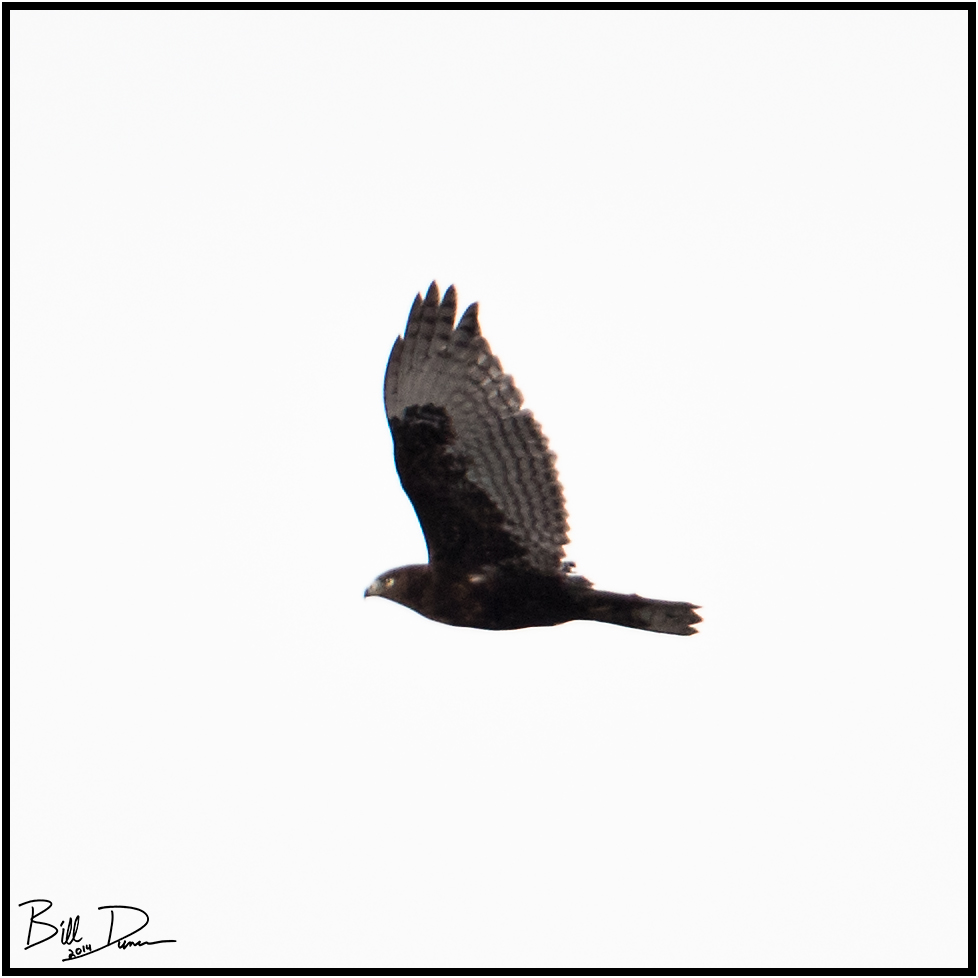
Harlan’s Hawk
Over the Thanksgiving holiday, the dark-phase Red-taileds invaded the confluence area. I do not believe I have ever seen such a dark RTHA on the eastern side of Missouri before this one.
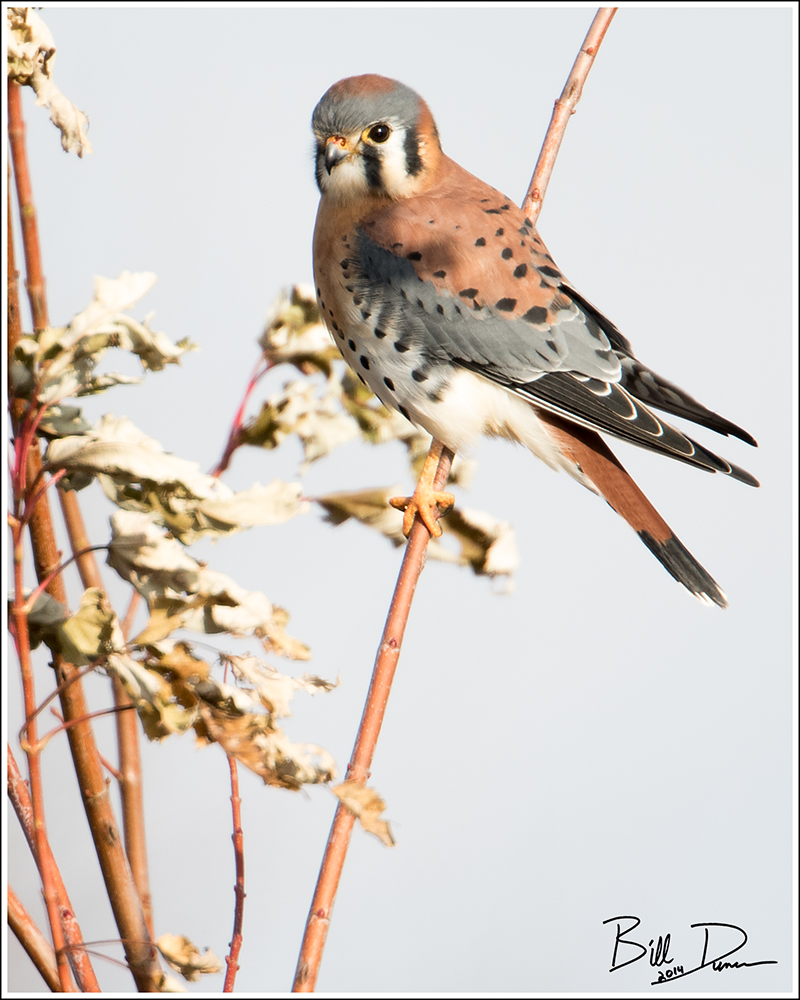
American Kestrel
This handsome young Kestrel was quite cooperative in posing for me recently at RMBS.
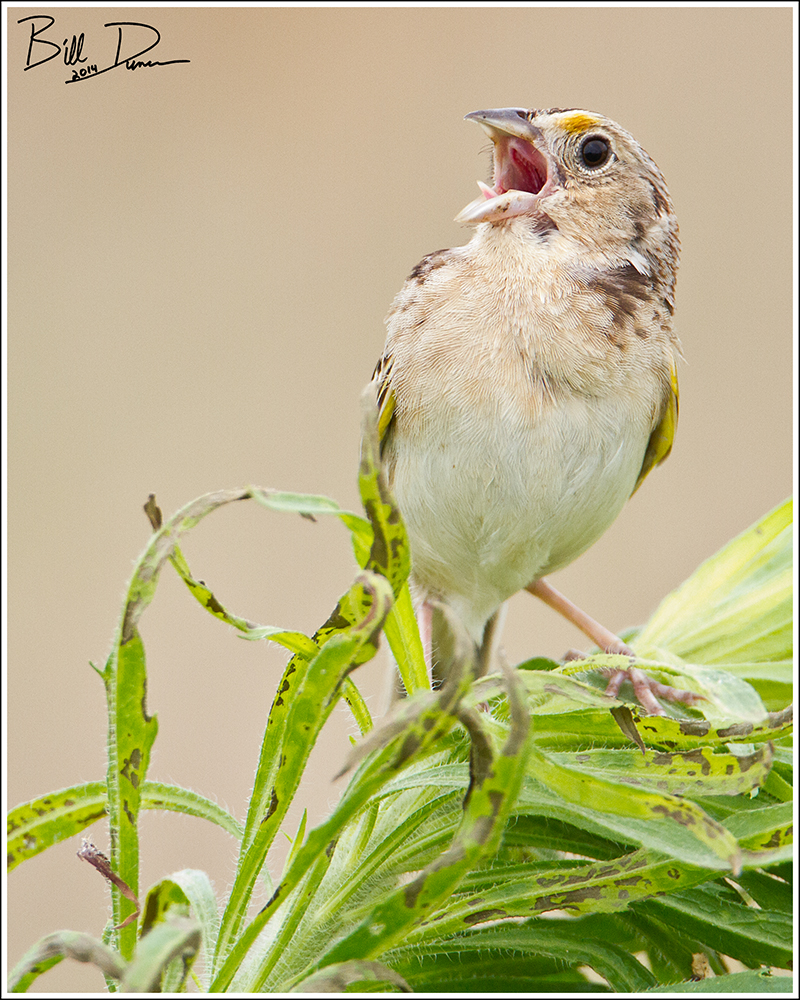
Sarah helped me nab this shot of a singing Grasshopper Sparrow recently at Confluence State Park. It was interesting to me that out of such a large area of potential habitat, the only two birds we had singing this day were right on top of each other.
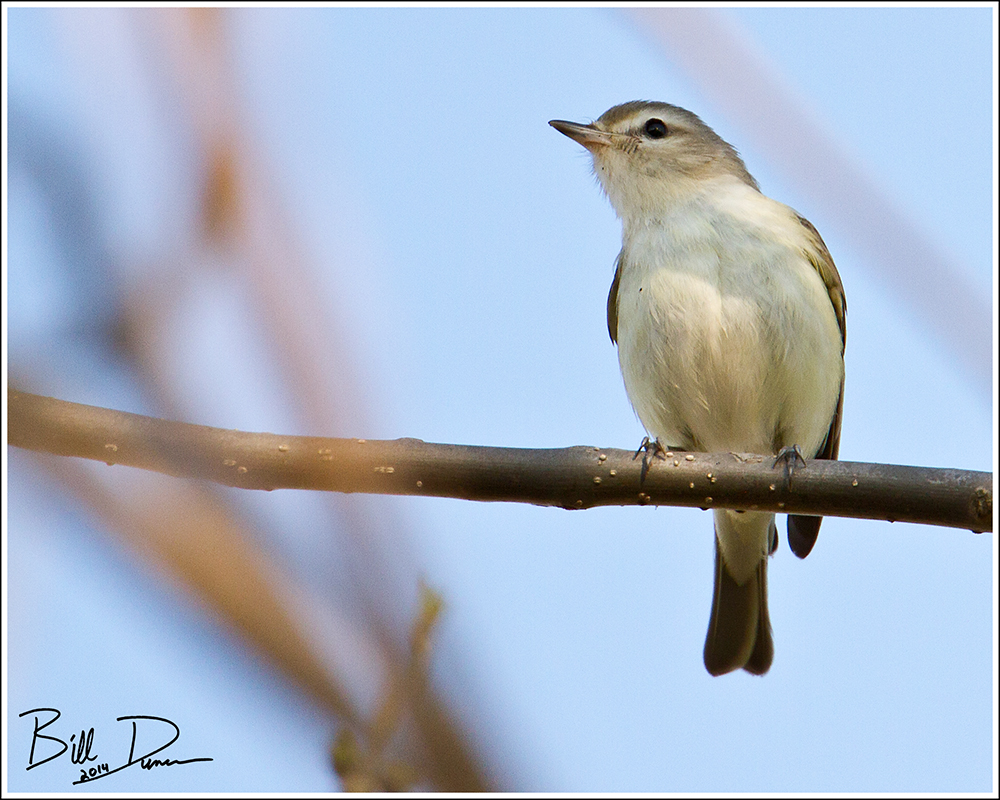
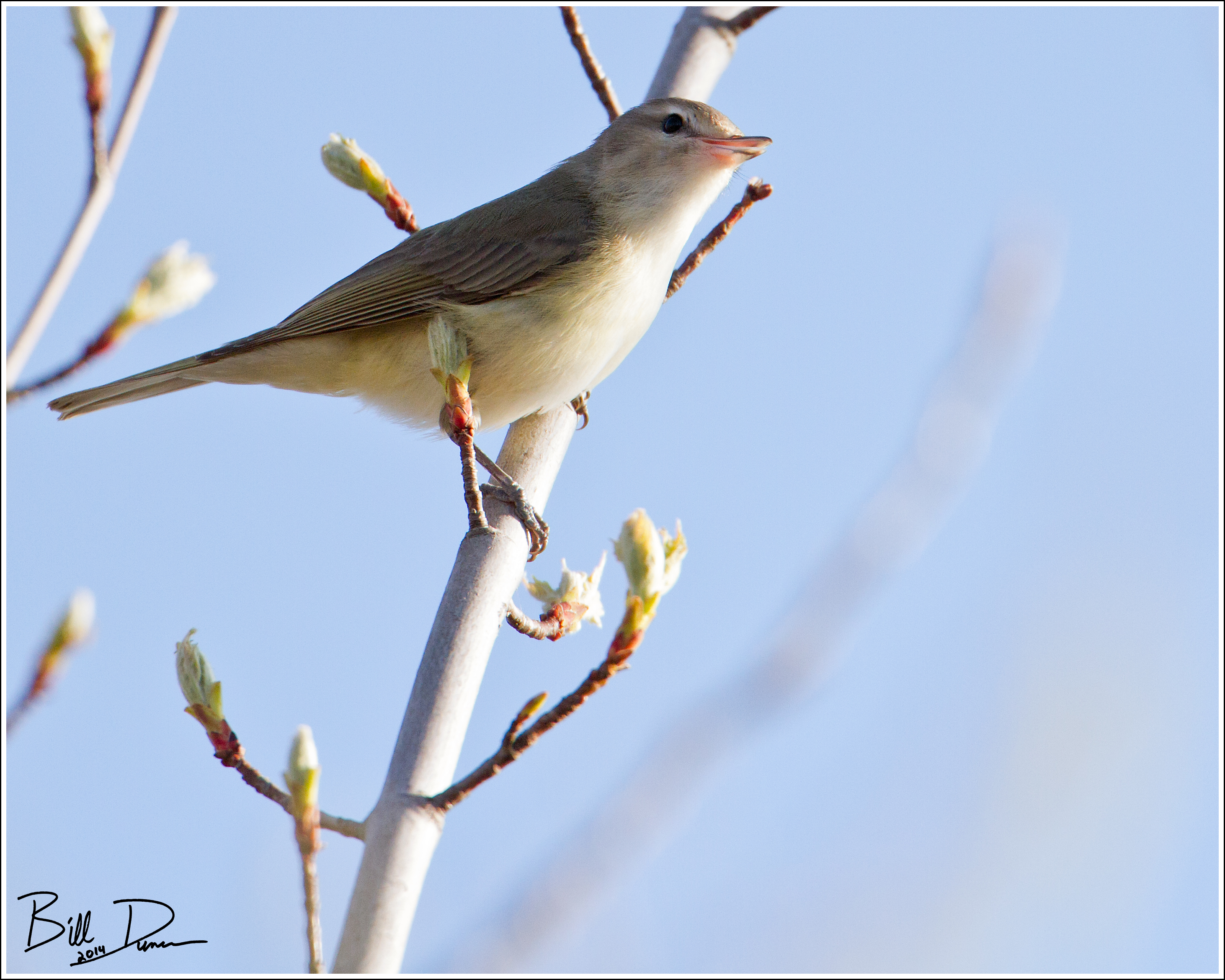
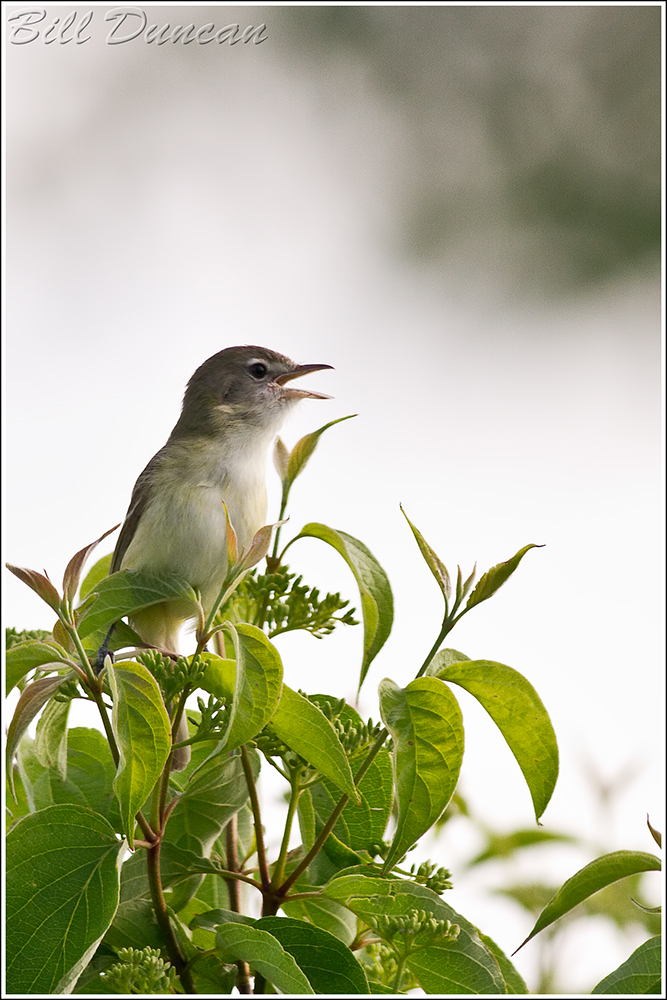
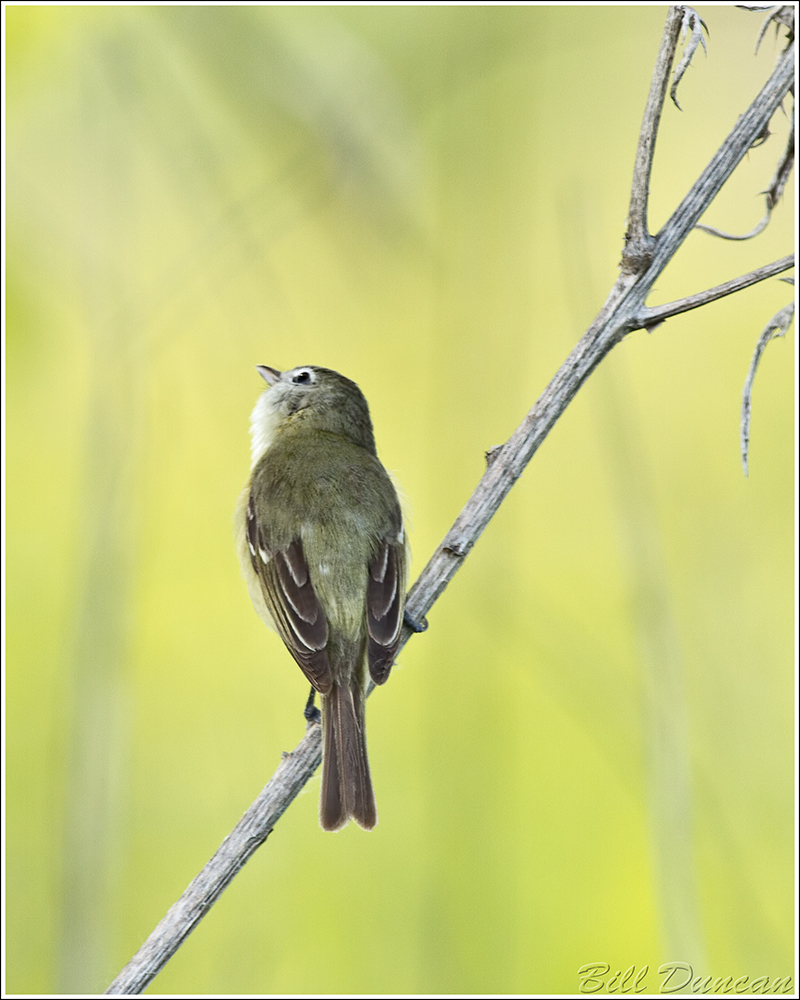
At riverine locals like RMBS, the warbling song of the Warbling Vireo can be heard all day long throughout the summer. However, they have always given me grief when it came to getting a photograph – lurking shyly among the leafy branches of the Cottonwood. This year, I hit a trail where I know they set territories for nesting. Early in the spring, before the leaves expanded, I was able to follow this guy as he made the rounds and get some photos.
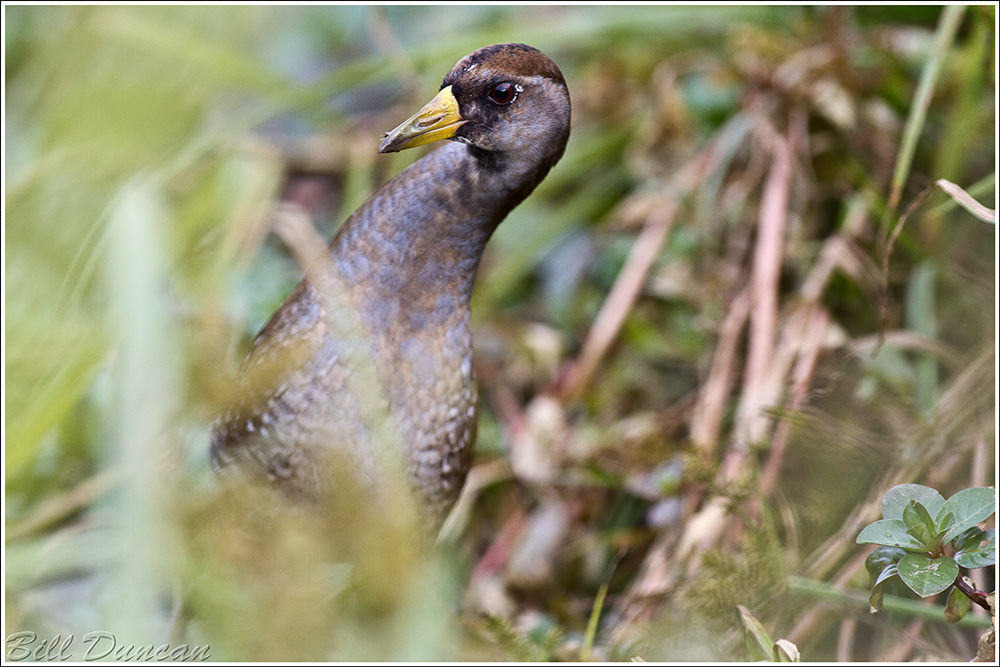
These three images were taken this past September during a hike that Steve and I took around the Heron Pond area of RMBS. By far the most commonly come across rail in this part of the world, the Sora, fills the perfect role of chicken in the fresh-water marshes. I never get tired of watching these guys wade out into shallow open waters to feed, ready to sprint back into the cover of the marsh plants at the least sign of danger. At just the peak of migration, I have been fortunate to see nearly 100 of these birds at Heron Pond at a given time.
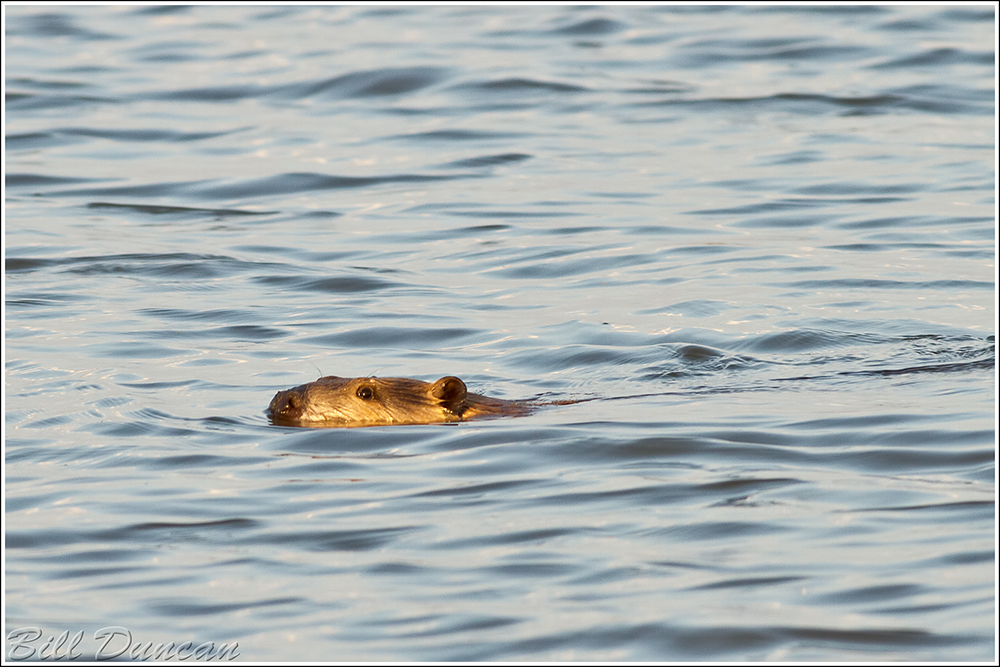
This past May, Steve and I took a hike around the Heron Pond area at Riverlands. To our surprise we found this Beaver swimming around near mid-day. He seemed a bit upset by our presence, although the pond was quite large and we stuck to the levee trails. Every few minutes he would give us a tail slap that was a bit intimidating. Imagine making such a fuss over OZB!
I’m sorry to have been a bit absent on the blog the last few weeks. Life has been a bit busy lately. I am also working diligently (sort of) on a piece of photography news that I hope to reveal on the blog in the next week or two. Stay tuned for the really big news! 😉
Steve and I came across this pair at RMBS this summer. When disturbed, males of this species can almost be intimidating with their nasal calls and angry sounding song.



 A Thousand Acres of Silphiums