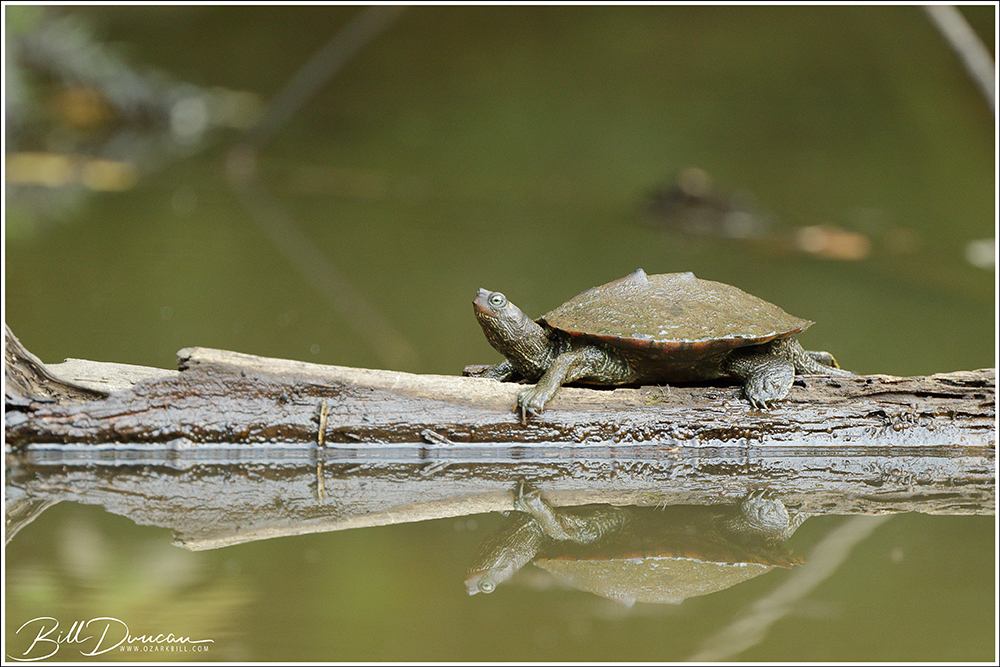
False Map Turtle (Graptemys pseudogeographica)
"What a thousand acres of Silphiums looked like when they tickled the bellies of the buffalo is a question never again to be answered, and perhaps not even asked." -Aldo Leopold

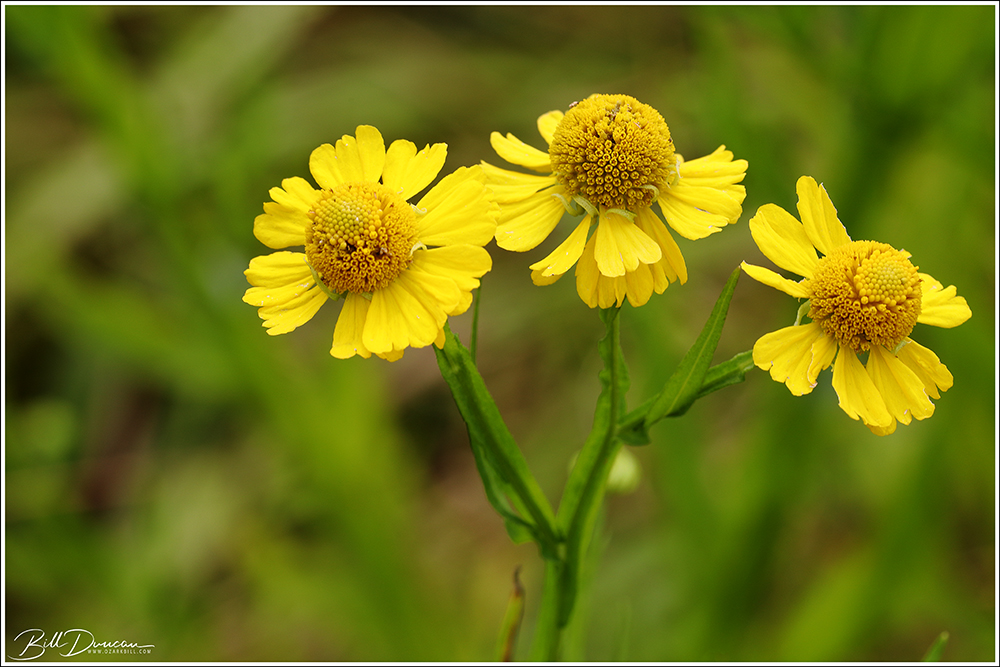
The Virginia Sneezeweed is a Missouri state endangered and federally threatened species of Helenium, first discovered outside of Virginia, by our own Julian Steyermark. I photographed these in August, 2020 at Tingler Prairie N.A. I encourage you to read this great article by Bridget Macdonald to read more of the story of this plant.
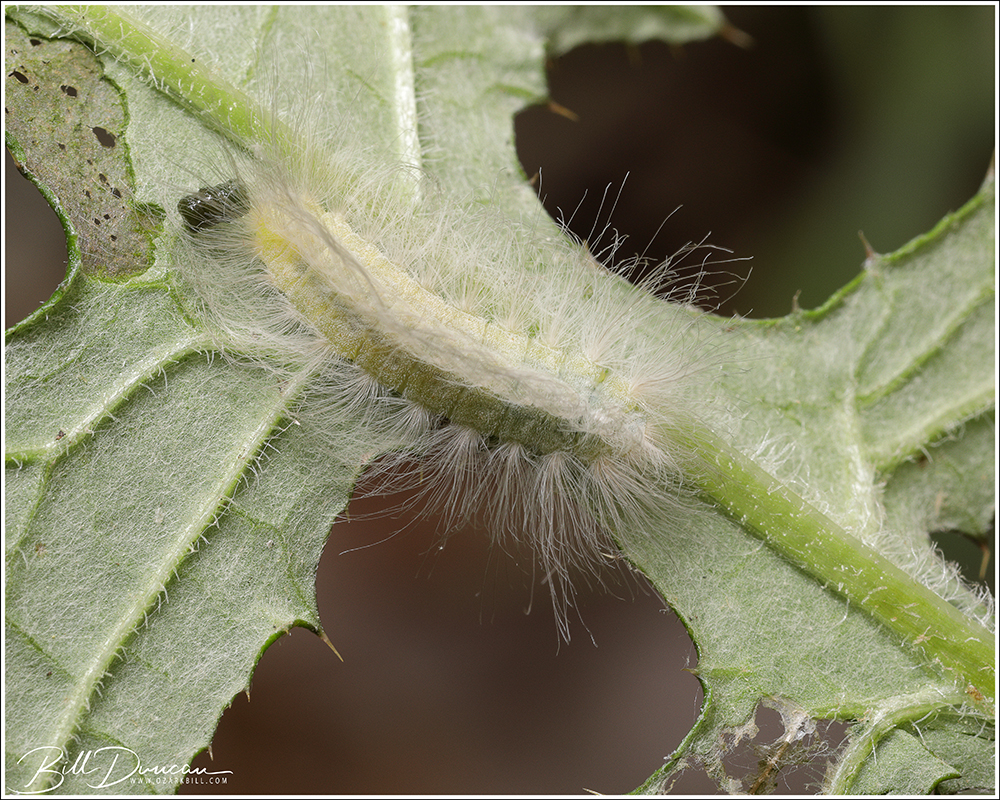
I previously shared photos of adult of swamp metalmark (Calephelis muticum). This spring, after a couple or three years of looking for them on their host plant, Cirsium muticum (swamp thistle), I finally found the caterpillar of this vulnerable species of conservation concern.
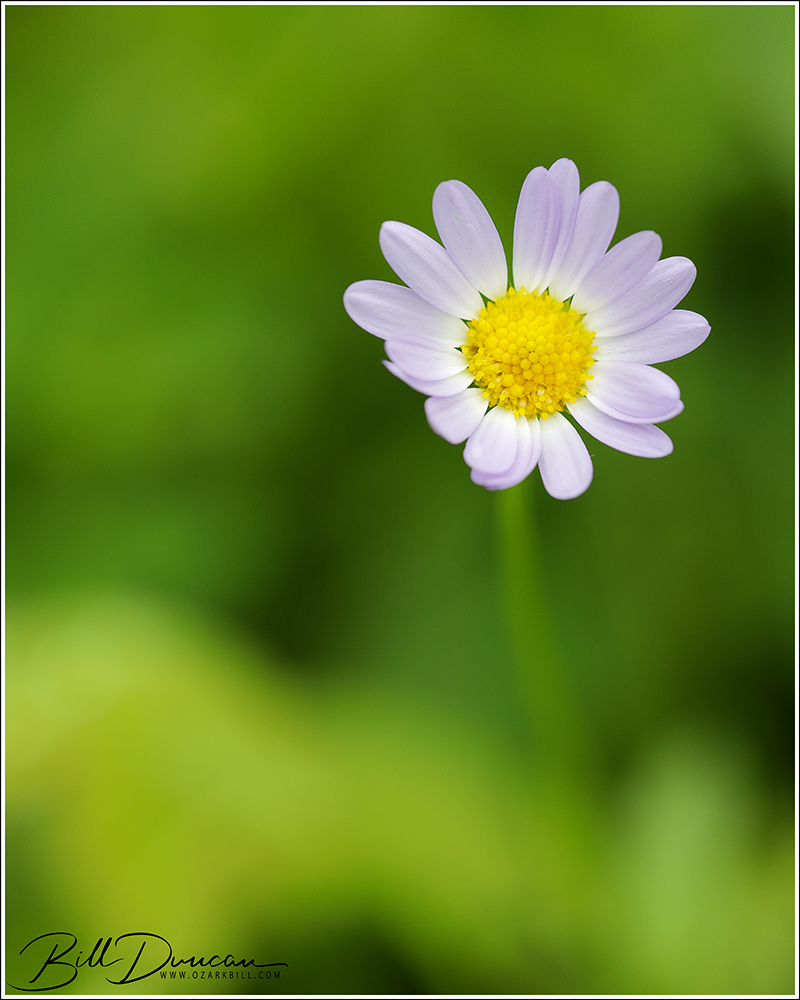
This fantastic little one is the western daisy (Astranthium ciliatum) that we found at Middle Fork Barrens Natural Area. In the xeric, shallow soils of the barrens this daisy was single-stemmed and and no more than 6″ off the ground. If only they would behave like this in the home garden! Their range is centered in Oklahoma and Arkansas although they can be found in southwestern Missouri. These were beautiful little plants and rank up with my favorites in the family.
Today’s orchid, Liparis liliifolia, (large twayblade, purple twayblade, lily-leaved twayblade, mauve sleekwort) is considered one of the most abundant in Missouri with quite a large range across the state. They have the potential to be found almost anywhere in the state with moist to dry-mesic forests, but do need open spots with partial sun. This is a species that benefits from disturbances and clearings due to fire, tree falls and human activity like trails where they are most likely to be found.

Insects are the most obvious choice for pollinators, however, there have not been many recorded observations of specific efficacious visitors and more information is needed to determine what species are responsible for pollinating this species. There is no real fragrance associated with these flowers. The purplish translucent flowers have been hypothesized to attract flesh flies which might be efficient pollinators. The primary mode of reproduction seems to be vegetative via underground corms.

The flowers are set in the typical 3-petals and 3-sepals configuration of the family. In this case, the lower petal, or “lip”, is mauve in color and translucent. The translucency was enhanced when the lip was wet. The two lateral petals are filiform, or worm-like. To me they resembled the nectar spurs found on some orchids, but these are not hollow and do not contain nectar. The three sepals are blade-like, with one facing straight upwards behind the column and two are lateral and underneath the lip. It would not be a stretch to say the entire flower might mimic some insect.
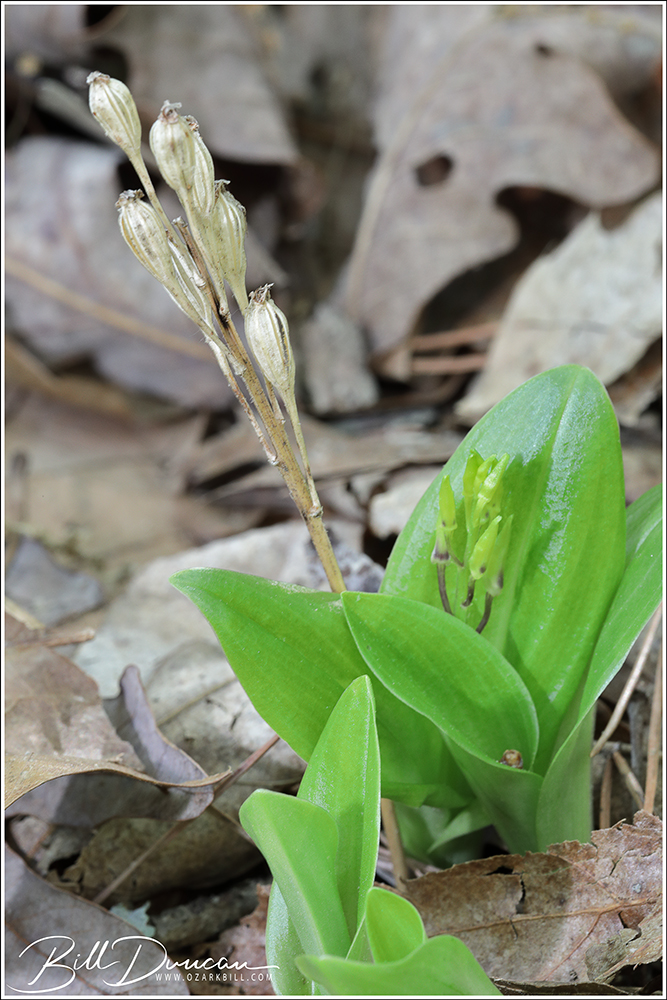
The large twayblade is definitely an interesting Missouri orchid. I will look for these close to home in the coming years and perhaps get some photos of their pollinators visiting.
-OZB
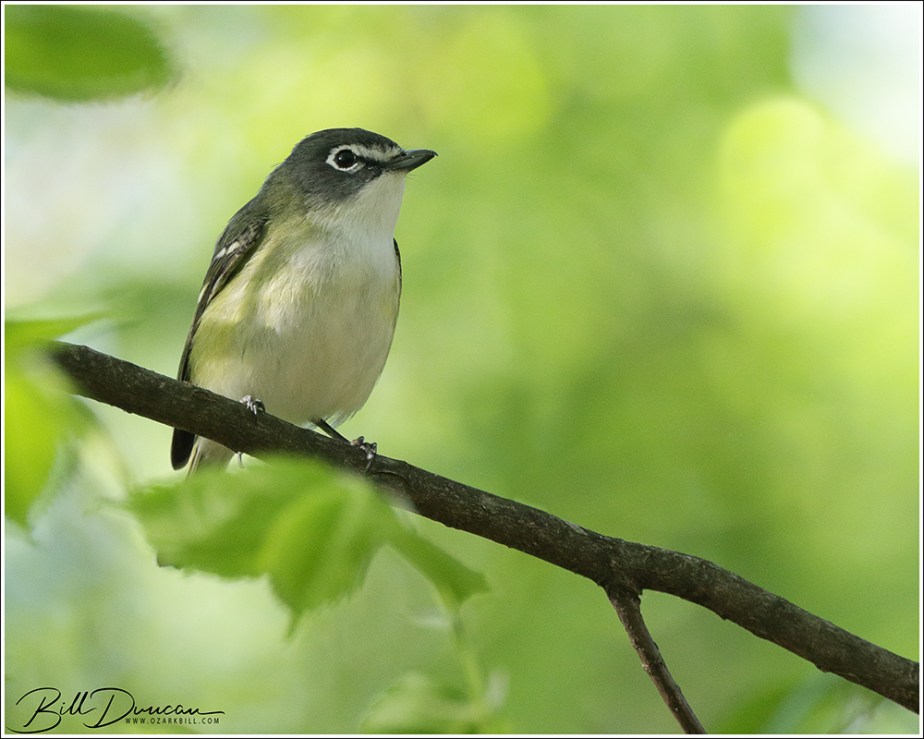
The Blue-headed Vireo (Vireo solitarius) is a through-migrant in Missouri. It winters throughout the southern Atlantic and gulf states, Mexico and parts of Central America. This vireo nests in cool temperate forests across Canada and in high elevations of the Appalachian Mountains. This is a species that will be threatened by the continued loss of the boreal forests of Canada. You can hear its sweet song in the spring in Missouri at places like Tower Grove Park where this photograph was taken.
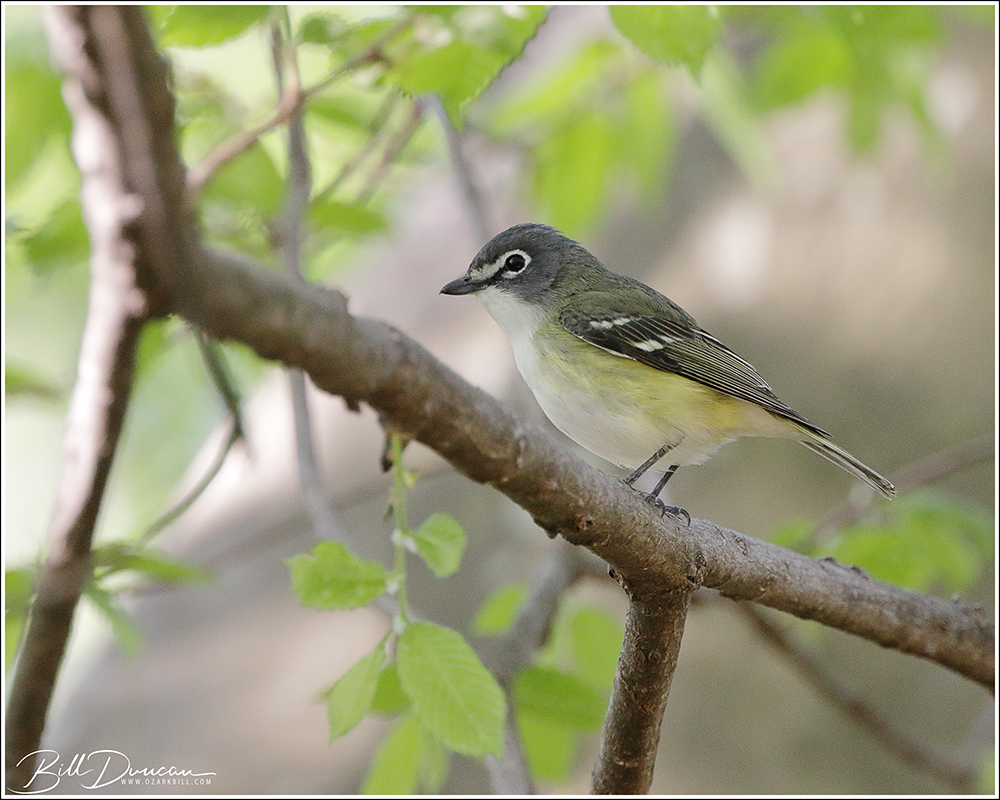
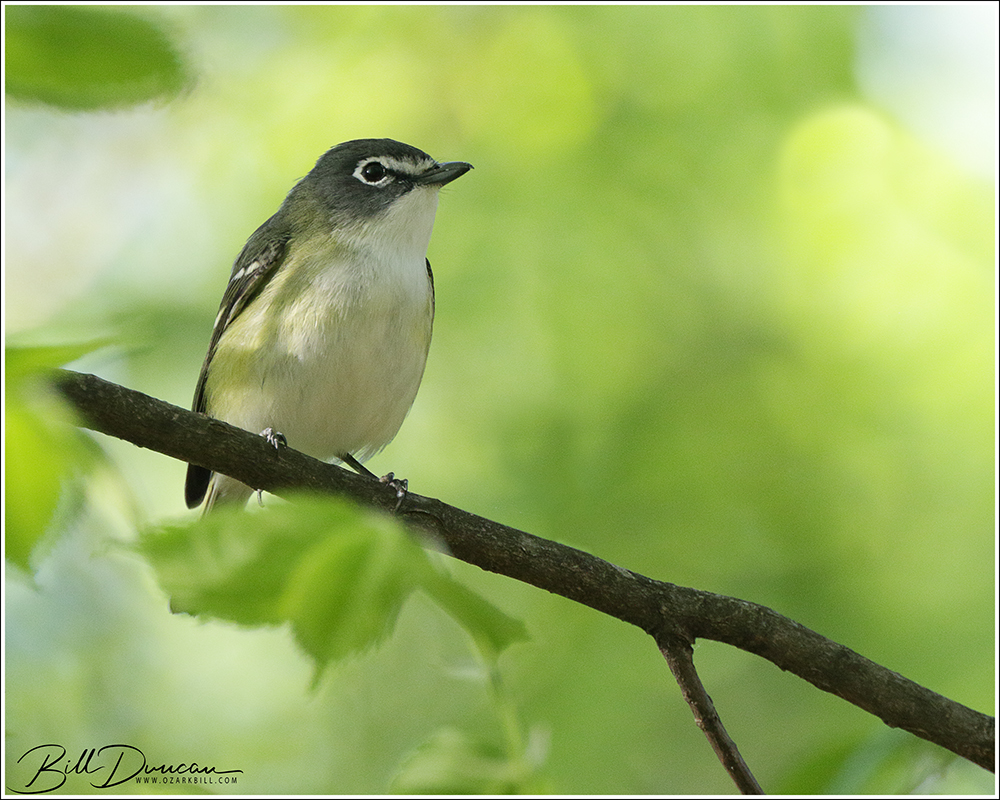
-OZB
Casey and I found this gorgeous little bean at Middle Fork Barren Natural Area in Saline Co., Arkansas and was photographed on May 11, 2021. There are two varieties that this could be: Astragalus distortus var. distortus, or Astragalus d. var. englemannii. We did not take the necessary measurements in the field to determine which variety this was.
This was a beautiful little barren with a lot of slate outcrops. The soils are very shallow and poor and results in dwarf plants that really “behave” themselves. Most plants we came upon were much smaller than their average at the time of flowering.

-OZB
I shared some images and info on the spring beauty rust last year. I did not find it nearly as prevalent this year in the same patch of spring beauty (Claytonia virginica) but I was able to find the alternate and rarer sporulating telia. The life cycle of the Puccina rusts are very complex and often require the use of two hosts (heteroecious). In the case of this species, there does not seem the need to use more than one host to complete its lifecycle. The first sporulating legions are the yellow “cluster cups” or aecia. These structures burst open and release dikaryotic (containing two nuclei) aeciospores.
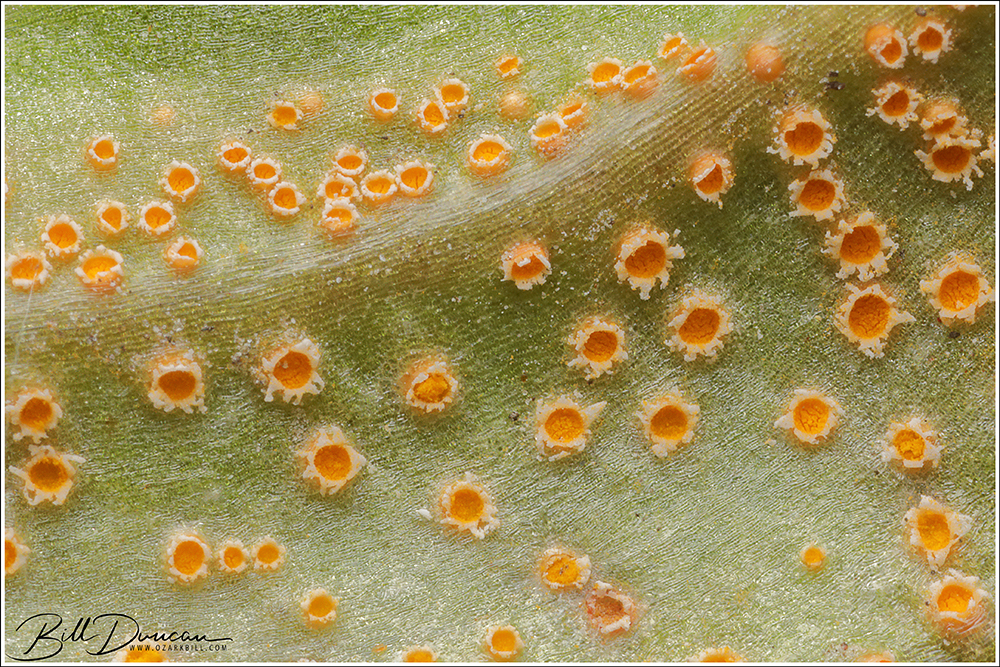
The next photo shows the darker teliospore-producing telia. Known as “black rust” in the wheat pathogen, the teliospores are able to survive harsher conditions in the environment and do not need the strict temperature and humidity requirements to survive and infect the next generation.

This is all I have for now. Next year I would like to see if I can get photographs of each respective spore if I can figure out the right equipment.
-OZB



 A Thousand Acres of Silphiums