Casey and I found this nice patch of Trillium flexipes in late April at Mingo NWR.

"What a thousand acres of Silphiums looked like when they tickled the bellies of the buffalo is a question never again to be answered, and perhaps not even asked." -Aldo Leopold
Casey and I found this nice patch of Trillium flexipes in late April at Mingo NWR.
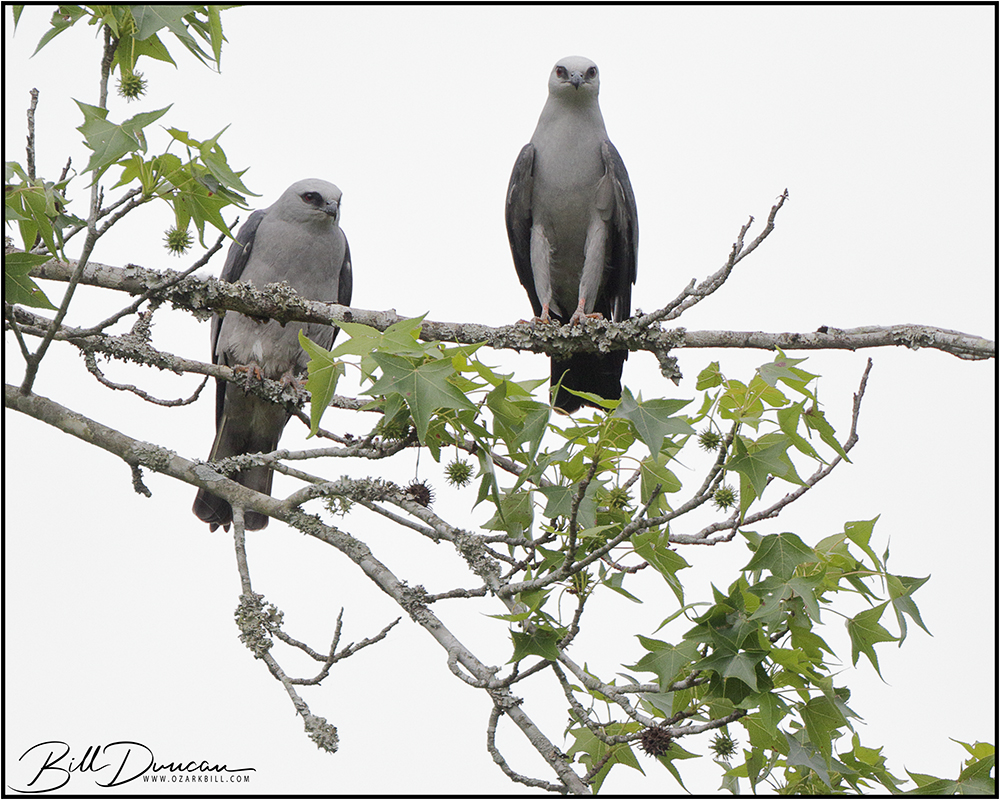
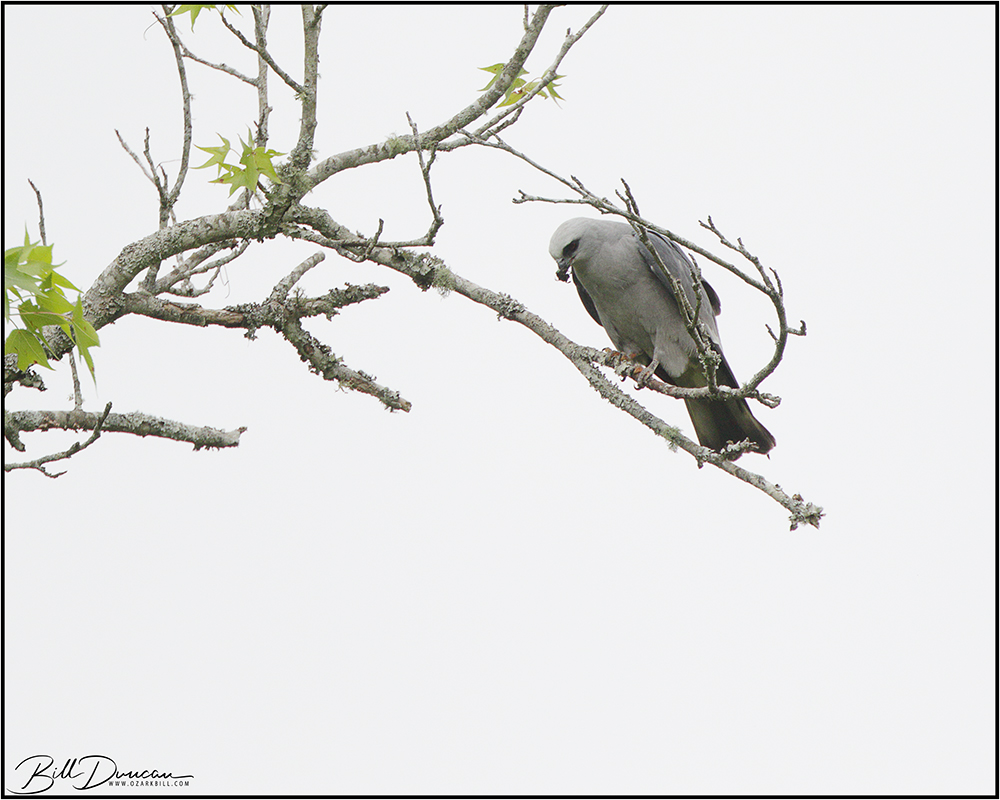
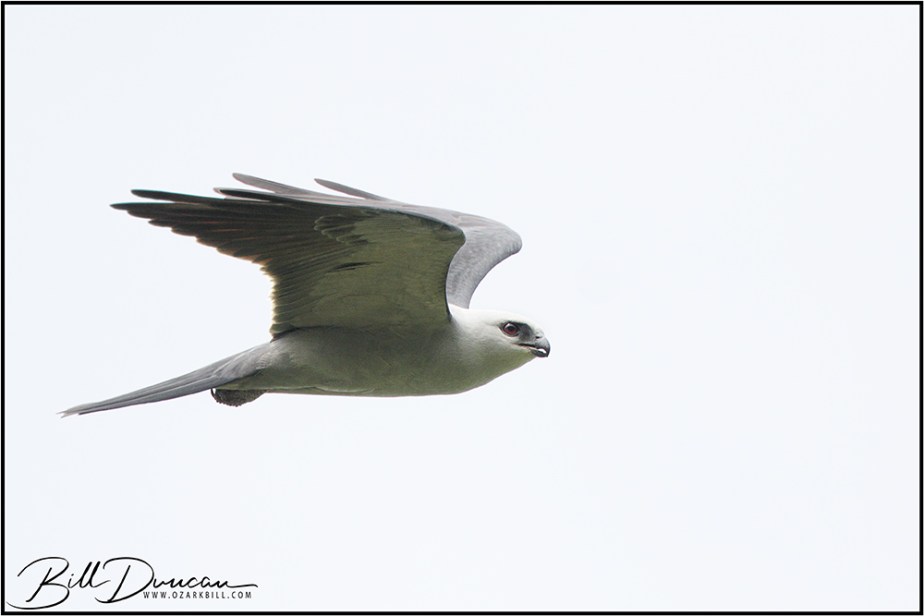
It is always nice finding your targets on a big photography trip but the icing on the cake is finding the unexpected. That is what happened here when Casey and spent some time at Moro Bay State Park in southern Arkansas. When speaking to a very friendly park ranger, he let us on to where a pair of these birds setup territory and were virtually oblivious to humans. These birds completely ignored us as they flew to and from their favorite perches, often flying mere feet over our heads. We watched the male handoff their insect prey a number of times and even witnessed a copulation, but those photos were ruined by branches.




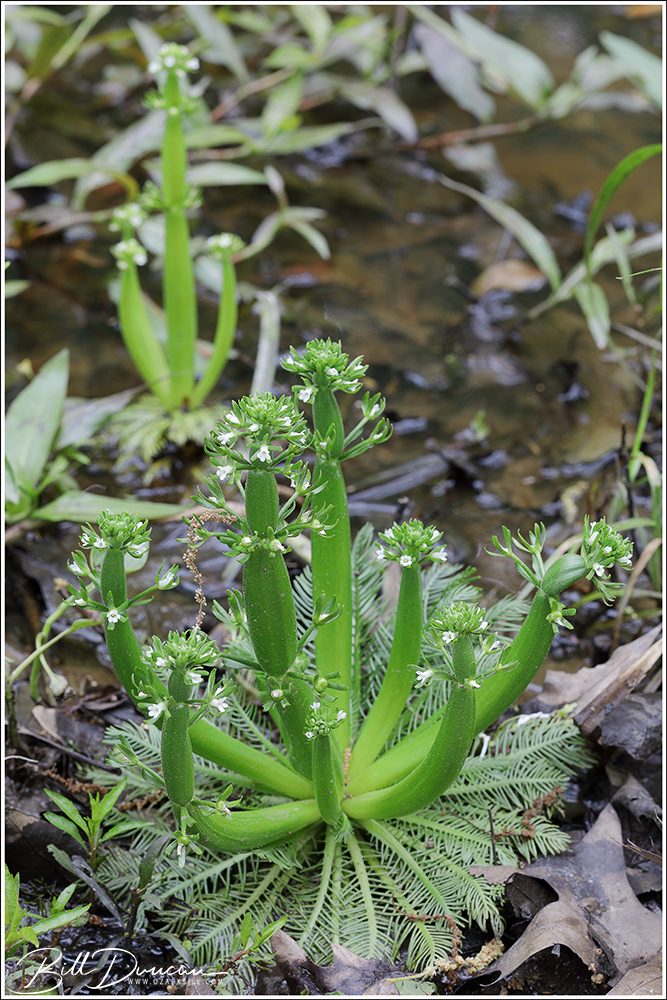
Many thanks to Stephen, Pete and Casey for introducing me to this special plant this spring. Hottonia inflata, or American featherfoil, is ranked as imperiled (S2) in the state of Missouri and is a species of conservation concern in most states within its range. The destruction of wetlands habitats in the U.S. is the cause of the scarcity of this winter annual member of the primrose family (Primulaceae). The stems of this plant are spongy organs filled with air pockets and are the characteristic described in the specific name – inflata.
Photographed at Shaw Nature Reserve in August of 2020, this is the white form of Cirsium discolor, the pasture thistle.

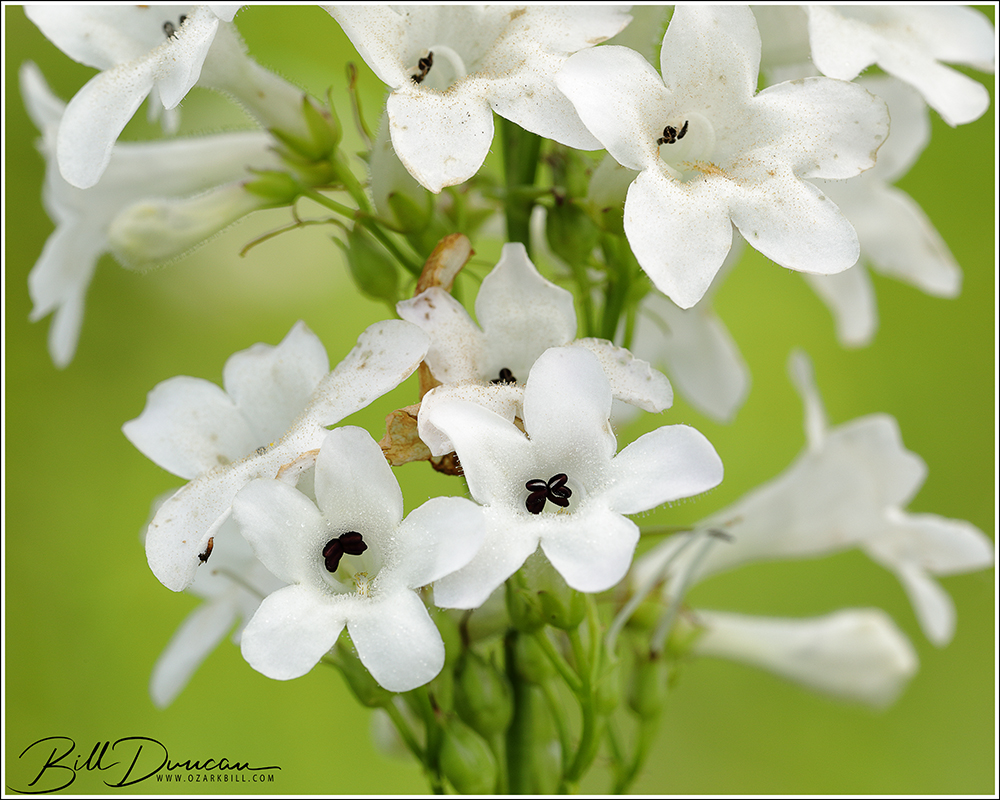
Here is a genus that I find interesting. The Penstemon is made up of approximately 270 species and is the largest genus of flowering plants that are endemic to North America. Now classified in the plantain family (Plantaginaceae), this is a very diverse genus found across a variety of habitats and altitudes. Most species should be readily identified as a Penstemon due to their unique flower morphology. The corolla is a fused tube, comprised of five petals that can be identified as lobes in a two on top, three on the bottom configuration. Inside the corolla you will find two pairs of stamens with anthers pushed towards the top of the open mouth. In between the fertile stamens is a staminode that lies towards the bottom of the tube. This sterile modified stamen usually ends in a brush-like structure. This is the eponymous “beardtongue”. The generic name, Penstemon, meaning “stamen-like”, also refers to this staminode.
I got to meet four species of Penstemon in bloom this year – two of which I planted in the garden. I was happy to see them bloom in their first season.


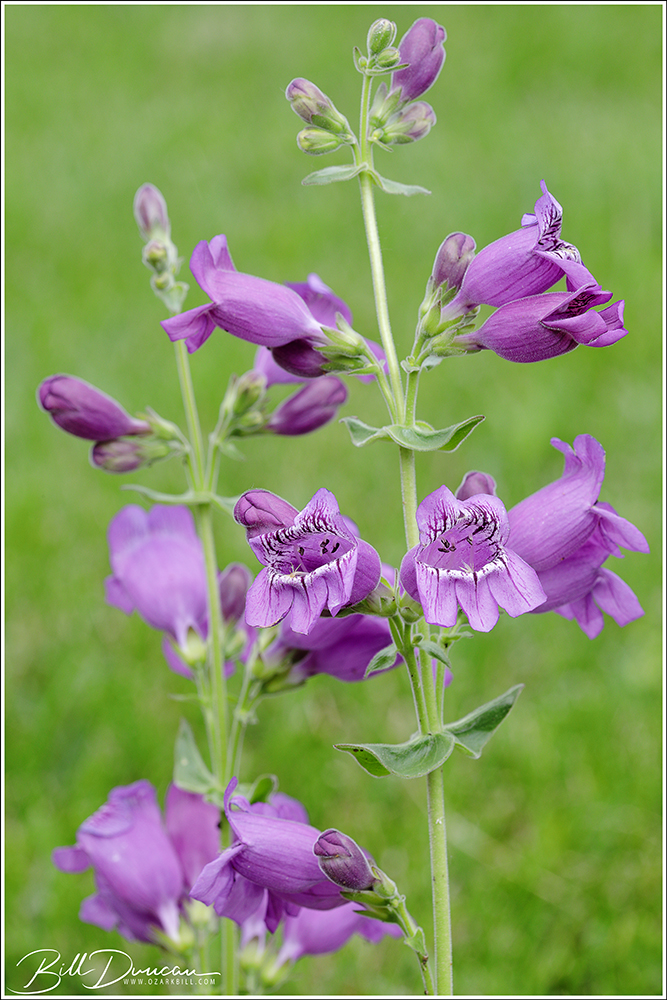

-OZB
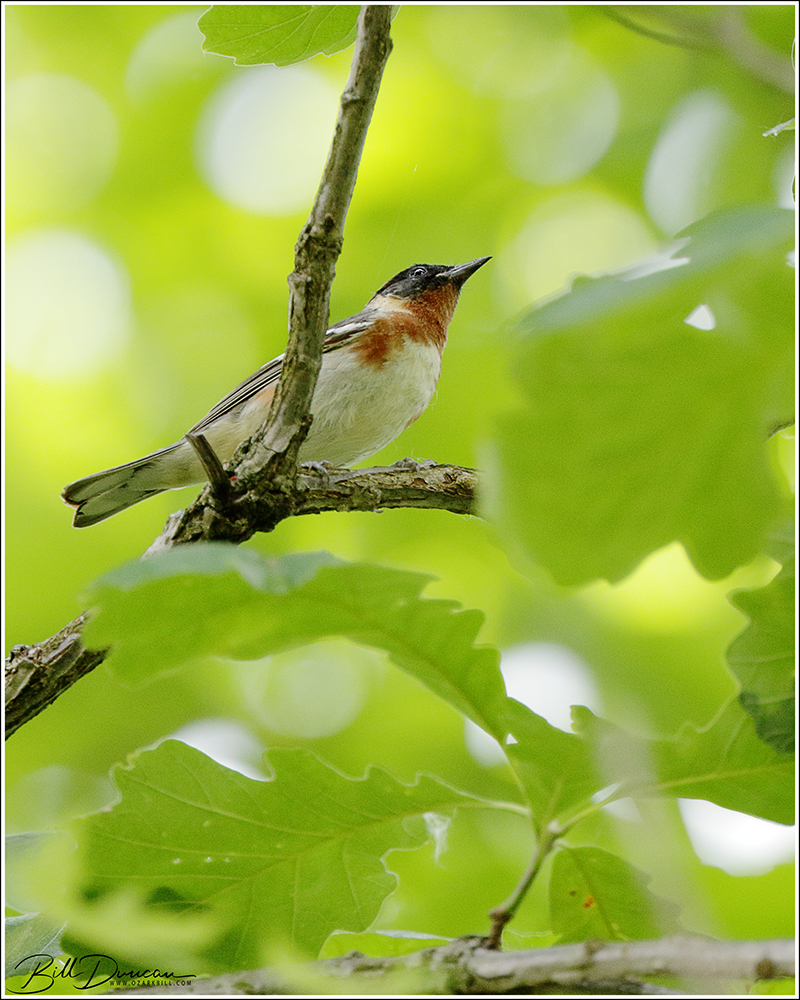
Dave and I found this Bay-breasted Warbler on May 20th this year at Creve Coeur Lake in St. Louis County. Always a pleasure to find a singing Bay-breasted.


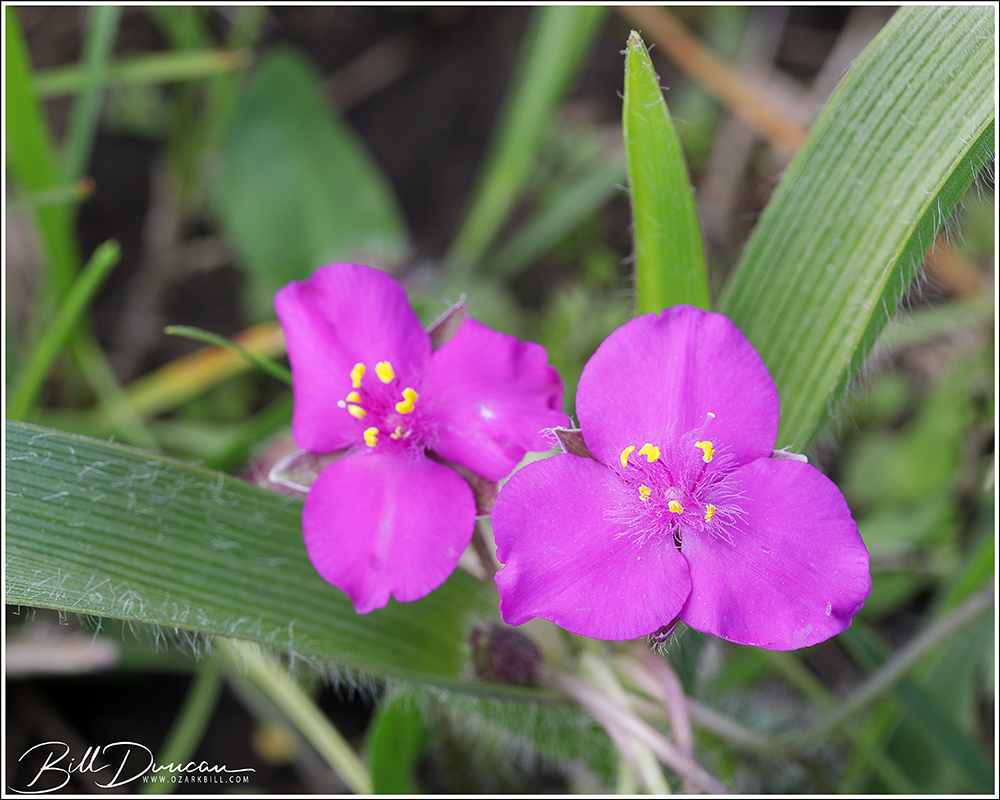
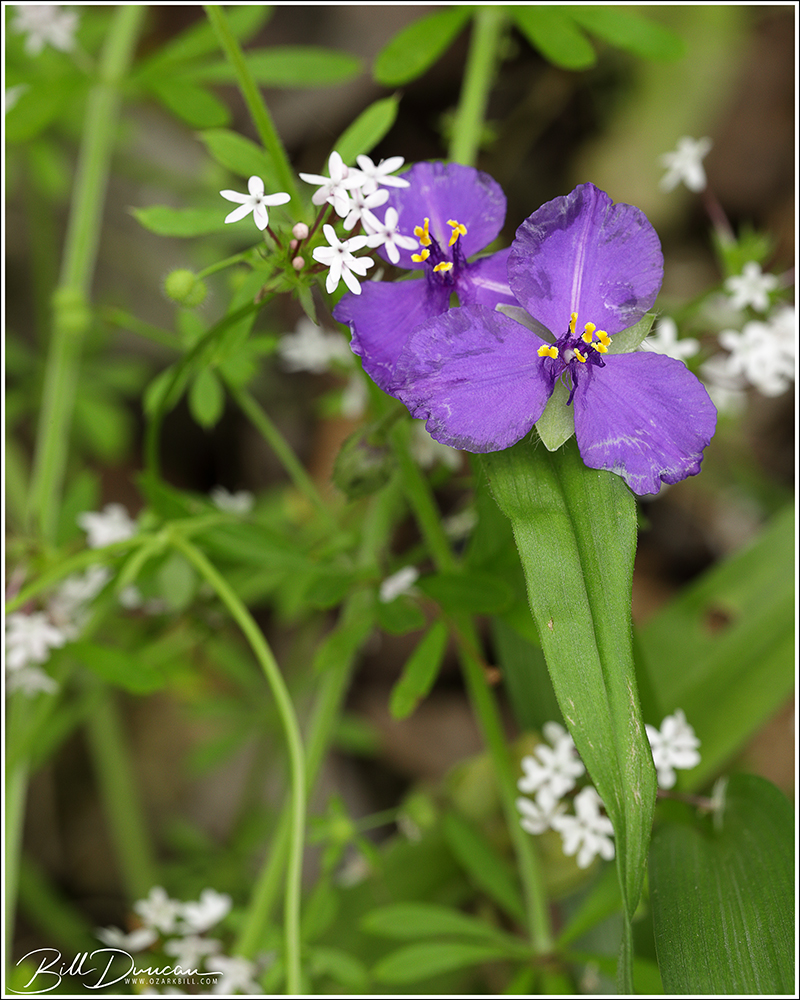
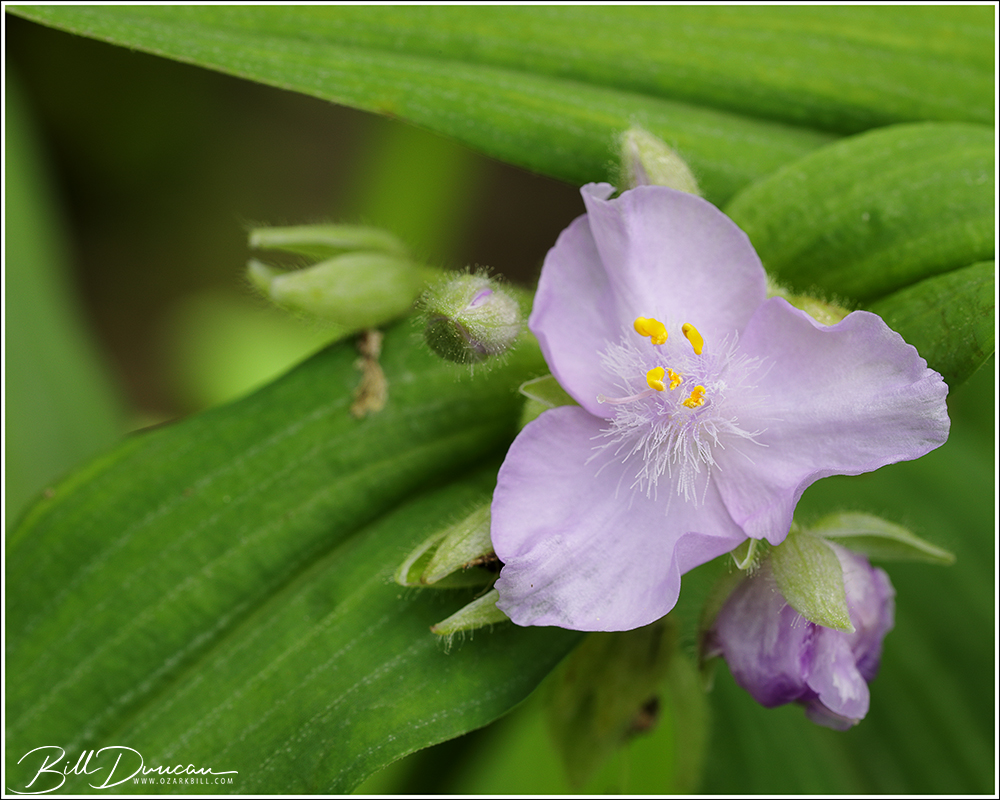
Casey and I ran into a number of spiderworts in forests, glades and prairies across Arkansas and southern Missouri during our trip in May. Although Casey did his best in identifying the plants as we came across them, my field note taking can often leave a lot to be desired and I didn’t record which photo was which plant. With approximately ten species of Tradescantia in this geography plus a few known hybrid situations as well as multiple flower colors possible in some species, identifying these just by closeup photos of the flowers would be challenging even for the experienced botanist. So, I am satisfied just to focus on the forms, colors and insect interactions of these flowers as seen in these photos.



This has me thinking about the possibility of sending in my 5D mk iv into Canon to have the conversion that enables voice notes recording. I used this a couple times when I had the 1D mk iv and think it would be useful during these trips where we are hurrying from plant to plant and location to location and I realize I left my pen and notebook in the car or at home, or am simply to lazy too use them.
Liparis loeselii (fen twayblade, Loesel’s twayblade) is ranked as imperiled in the state of Missouri. We found these in a marly fen in Butler County, MO in bloom during late May, 2021. Within this fen, these orchids grow on the edges between small tussocks and the marl/muck, out of the way of larger competitive plants.


-OZB
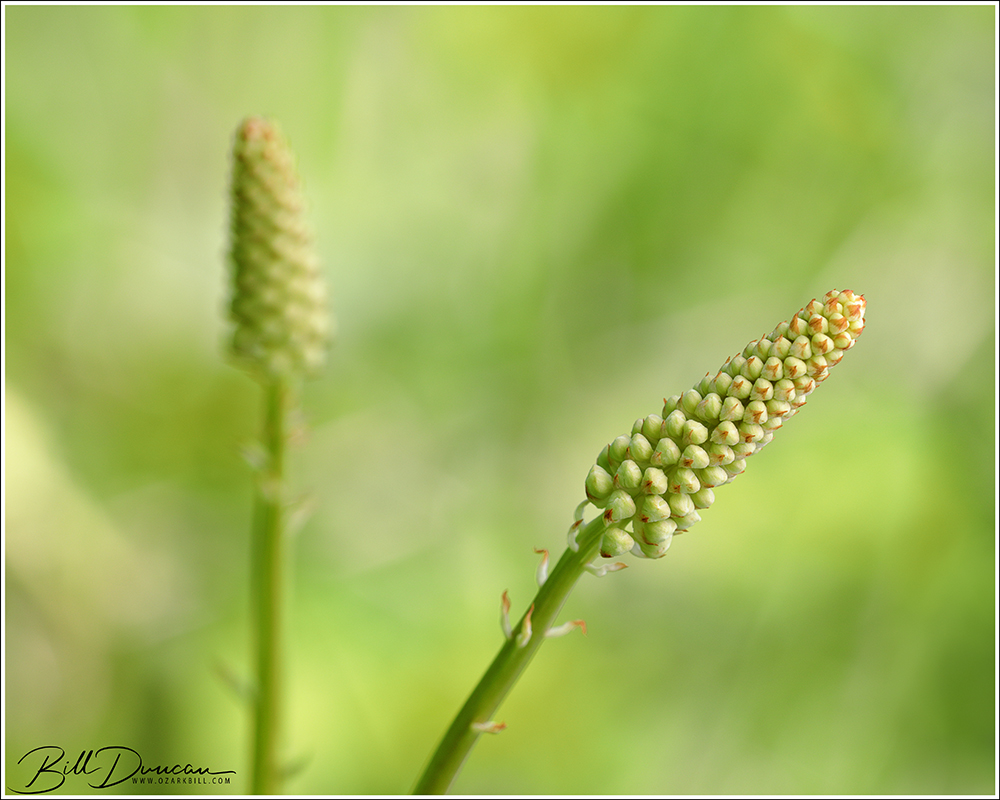
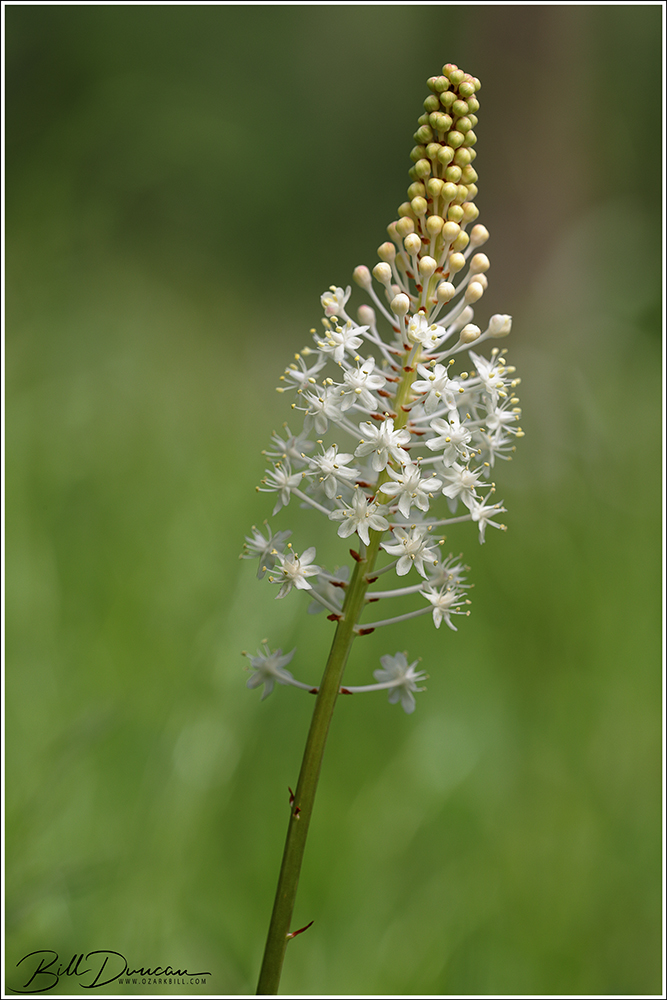
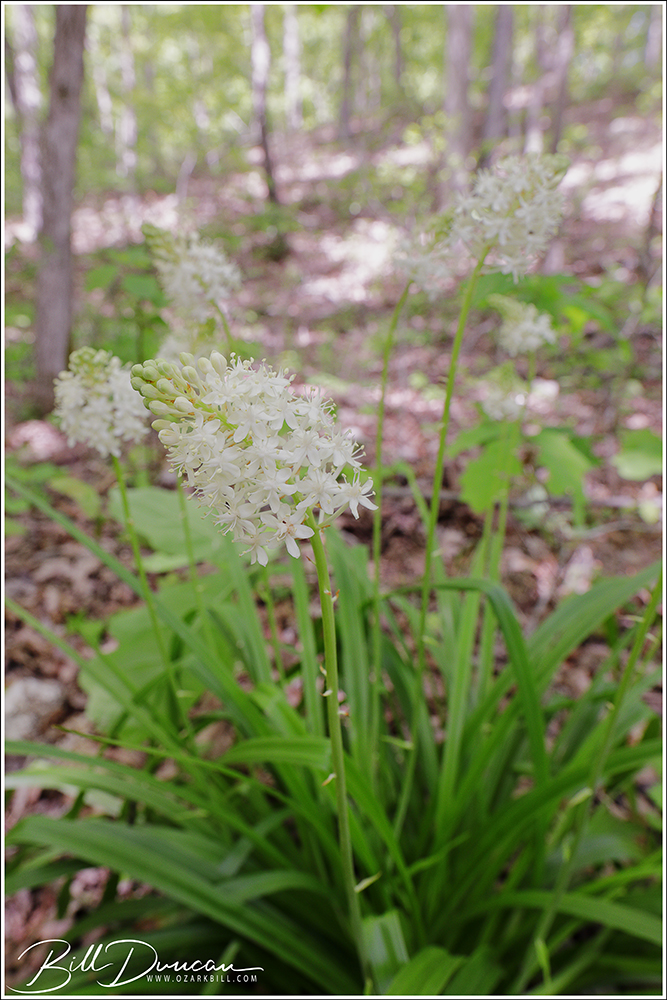
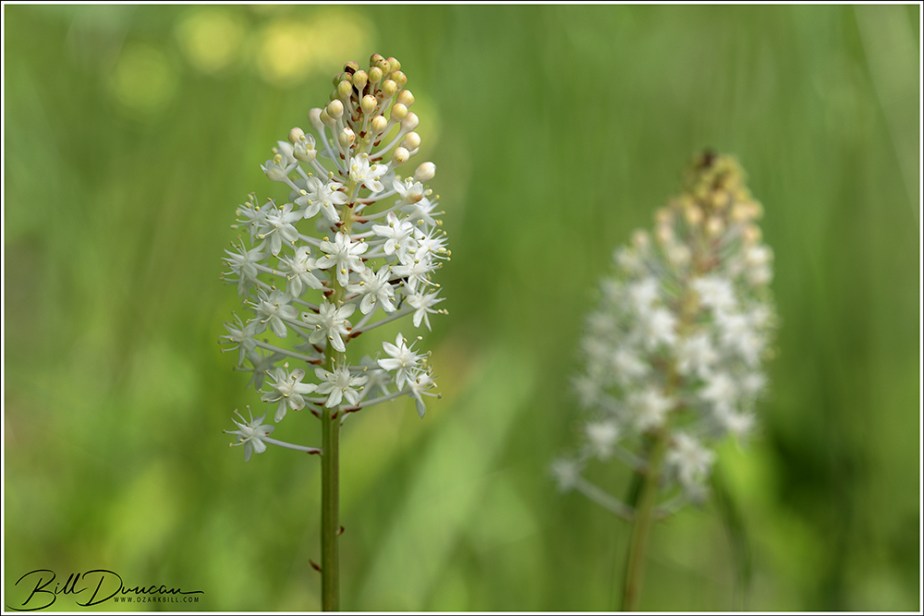
Another striking member of the Melanthiaceae family is Amianthium muscitoxicum, commonly known as fly poison. This name comes from the practice of early Americans who would crush the plant’s bulbs with sugar in order to, well, kill flies. Like many plants in this family, A. muscitoxicum contains a variety of toxic alkaloid compounds that provide it protection from a variety of herbivores. I think this might be a good candidate for horticulture in high deer pressure areas, but be sure no parts of the plant can be ingested by people or domestic animals. These plants were found in Mark Twain National Forest in Carter County on May 22, 2021.
-OZB


 A Thousand Acres of Silphiums