"What a thousand acres of Silphiums looked like when they tickled the bellies of the buffalo is a question never again to be answered, and perhaps not even asked." -Aldo Leopold
Here is a genus that I find interesting. The Penstemon is made up of approximately 270 species and is the largest genus of flowering plants that are endemic to North America. Now classified in the plantain family (Plantaginaceae), this is a very diverse genus found across a variety of habitats and altitudes. Most species should be readily identified as a Penstemon due to their unique flower morphology. The corolla is a fused tube, comprised of five petals that can be identified as lobes in a two on top, three on the bottom configuration. Inside the corolla you will find two pairs of stamens with anthers pushed towards the top of the open mouth. In between the fertile stamens is a staminode that lies towards the bottom of the tube. This sterile modified stamen usually ends in a brush-like structure. This is the eponymous “beardtongue”. The generic name, Penstemon, meaning “stamen-like”, also refers to this staminode.
I got to meet four species of Penstemon in bloom this year – two of which I planted in the garden. I was happy to see them bloom in their first season.
Penstemon pallidus (pale penstemon) from my front garden in St. Louis Co., MO.
A closeup of Penstemon pallidus flowers. Note the yellow beard (staminode) that is thought to aid in pollination by pushing hymenopteran pollinators towards the stigma and anthers located at the top of the corolla tube. Also note the dark nectar guides that point towards the back of the tube.
Penstemondigitalis (foxglove beardtongue) is the most common and least particular member of the genus in eastern Missouri.These plants were found in a field at Beckemeier Conservation Area in St. Louis County.
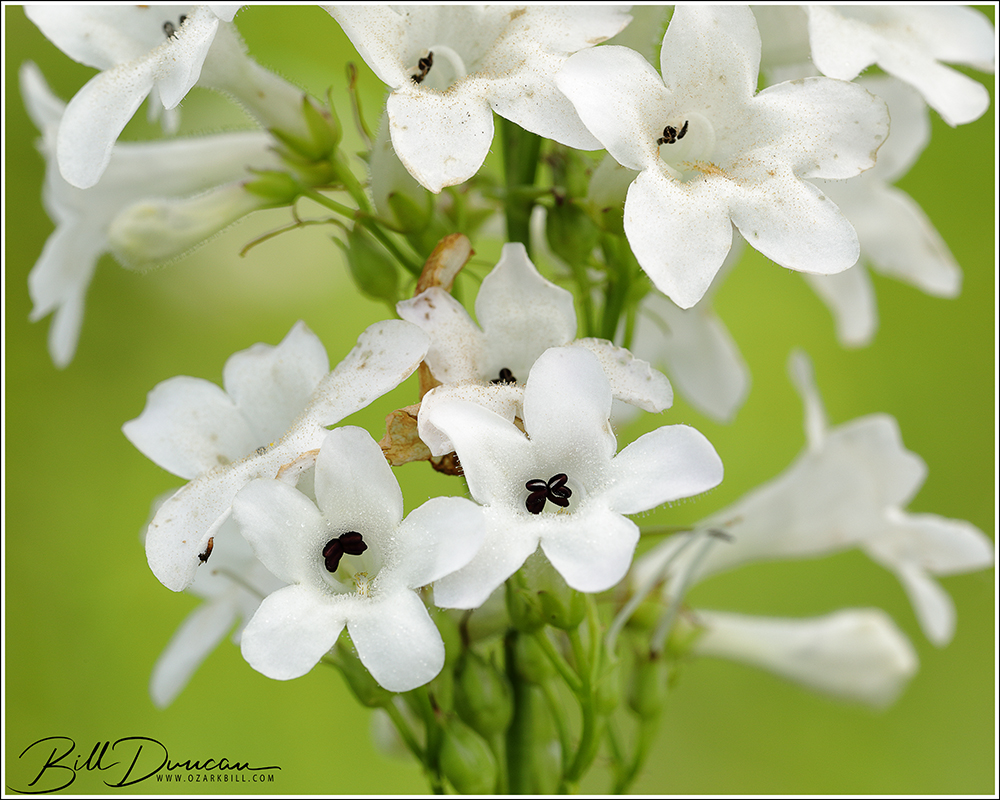
The flowers of Penstemondigitalis are mostly white in color and have a relatively long blooming period compared to other local members of the genus.
Penstemon tubaeflorus is a showy white penstemon that is found primarily in the southwestern quadrant in Missouri. These photos were taken at Tingler Prairie Natural Area near West Plains, MO.
Here you can see why this species gets its common name of ‘trumpet beardtongue.’
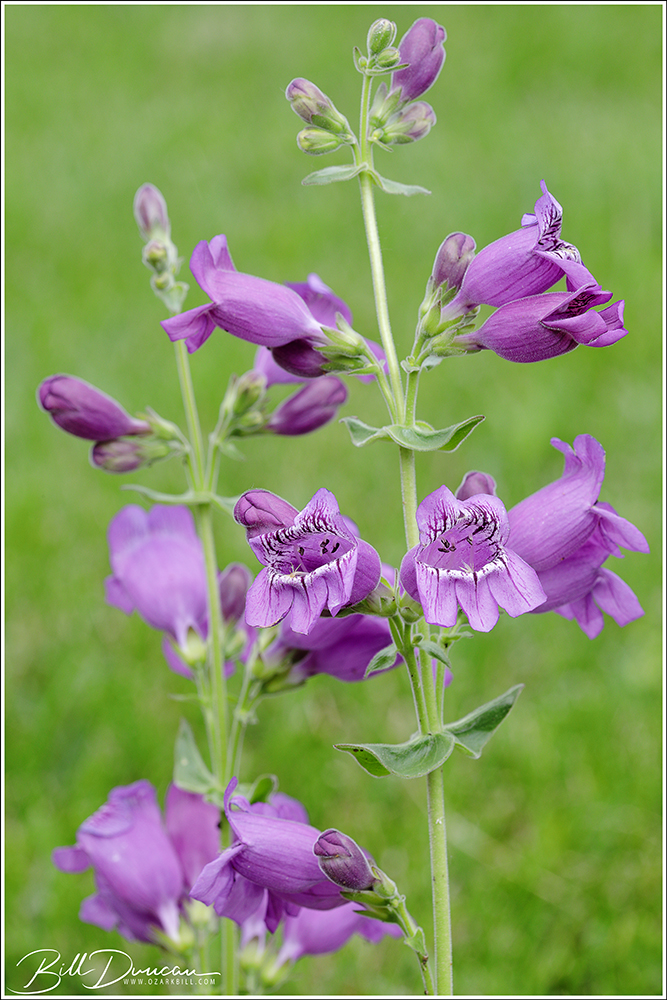
The large and showy flowers of Penstemon cobaea (prairie beardtongue). These were photographed from the author’s front garden in St. Louis Co., MO.
I used focus stacking to capture the details in the flower of this Penstemon cobaea (prairie beardtongue). Note the two pairs of stamens that wrap around the inside of the corolla and present their pollen-filled anthers at the top. The stiff brush-like beard of the staminode pushes would-be pollinators towards these reproductive organs.
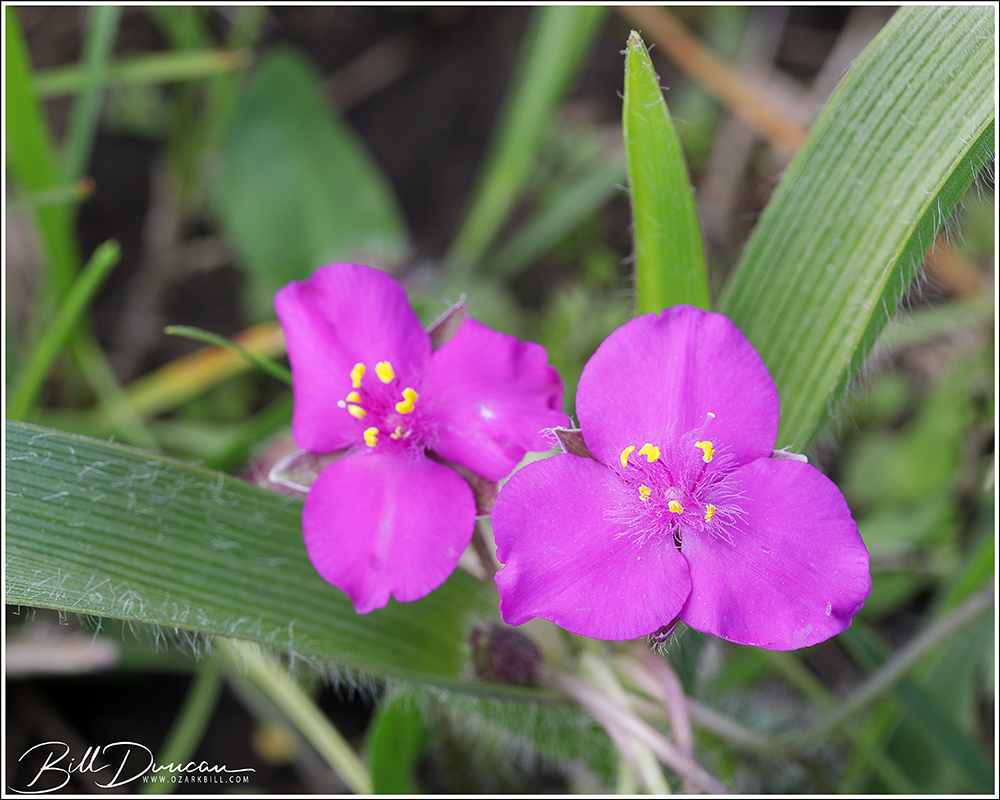
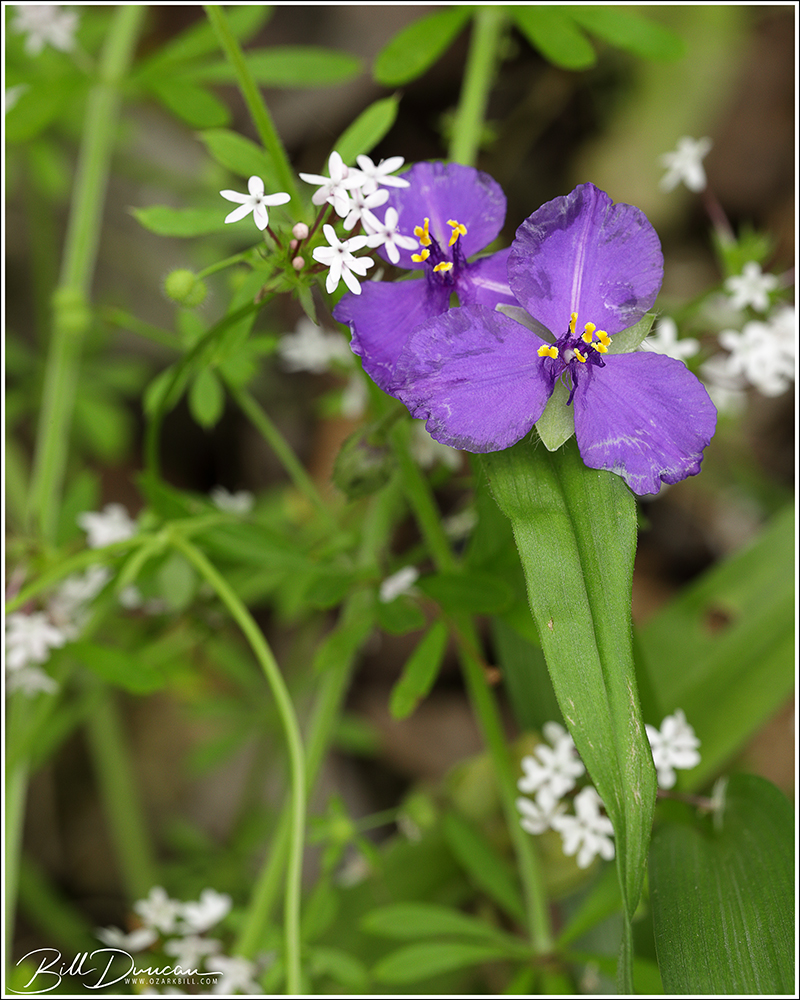
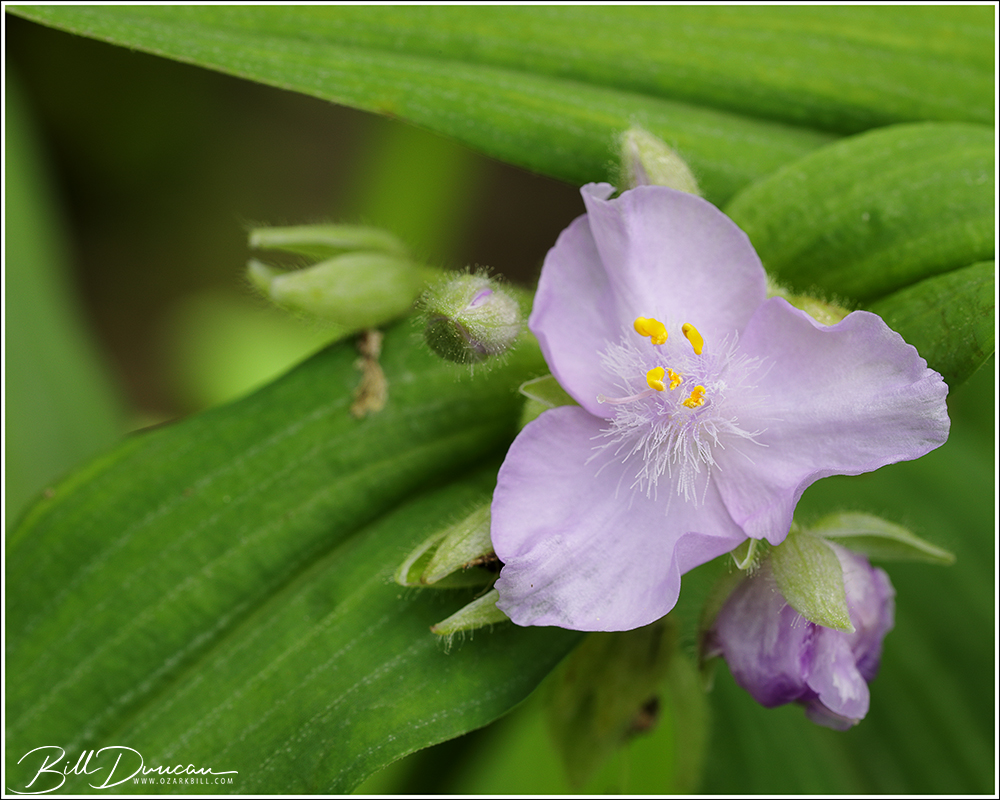
Casey and I ran into a number of spiderworts in forests, glades and prairies across Arkansas and southern Missouri during our trip in May. Although Casey did his best in identifying the plants as we came across them, my field note taking can often leave a lot to be desired and I didn’t record which photo was which plant. With approximately ten species of Tradescantia in this geography plus a few known hybrid situations as well as multiple flower colors possible in some species, identifying these just by closeup photos of the flowers would be challenging even for the experienced botanist. So, I am satisfied just to focus on the forms, colors and insect interactions of these flowers as seen in these photos.
This has me thinking about the possibility of sending in my 5D mk iv into Canon to have the conversion that enables voice notes recording. I used this a couple times when I had the 1D mk iv and think it would be useful during these trips where we are hurrying from plant to plant and location to location and I realize I left my pen and notebook in the car or at home, or am simply to lazy too use them.
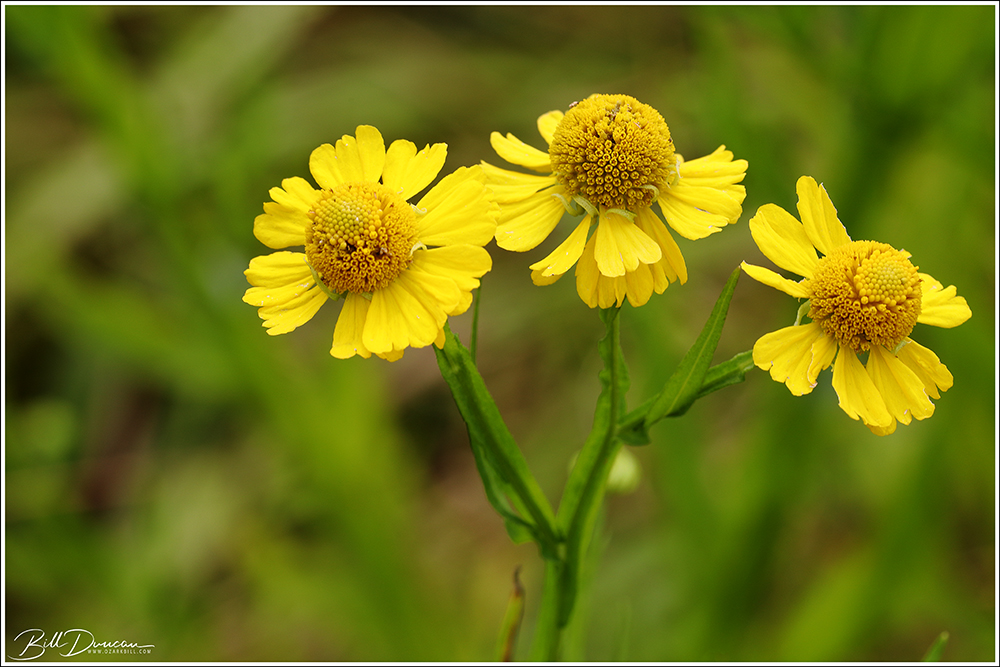
The Virginia Sneezeweed is a Missouri state endangered and federally threatened species of Helenium, first discovered outside of Virginia, by our own Julian Steyermark. I photographed these in August, 2020 at Tingler Prairie N.A. I encourage you to read this great article by Bridget Macdonald to read more of the story of this plant.
Through extensive searching and reintroduction efforts, there are now more than 60 known populations of Helenium virginicum (Virginia Sneezeweed) found in Missouri.
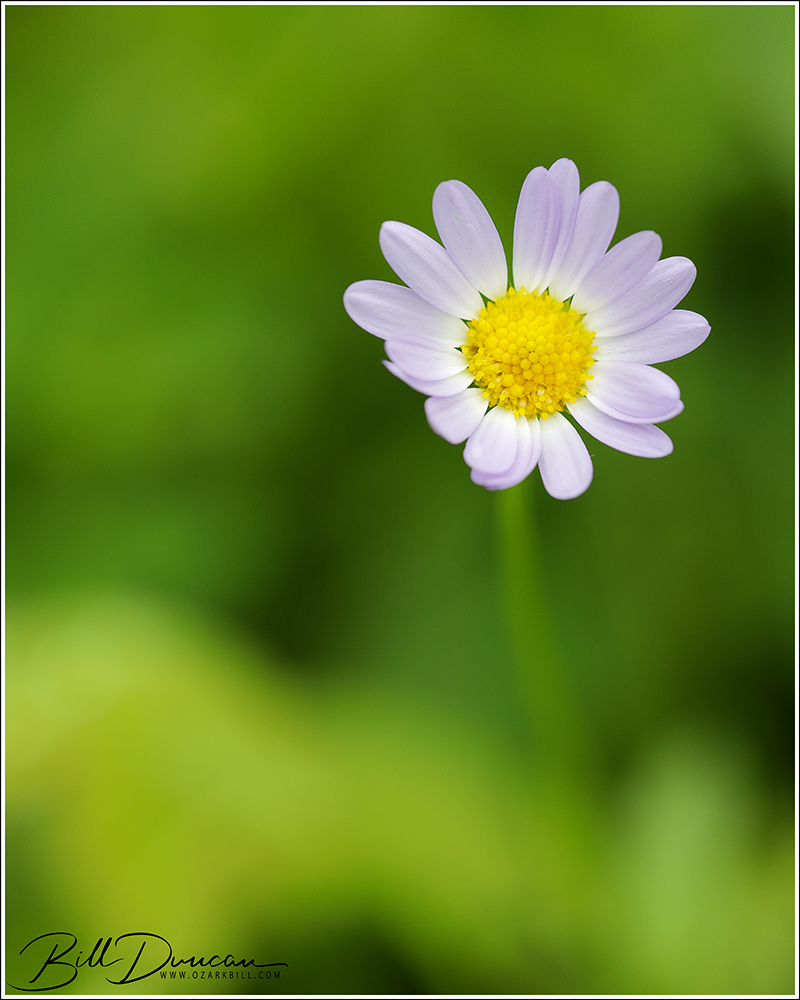
This fantastic little one is the western daisy (Astranthium ciliatum) that we found at Middle Fork Barrens Natural Area. In the xeric, shallow soils of the barrens this daisy was single-stemmed and and no more than 6″ off the ground. If only they would behave like this in the home garden! Their range is centered in Oklahoma and Arkansas although they can be found in southwestern Missouri. These were beautiful little plants and rank up with my favorites in the family.
Astranthium ciliatum, or western daisy, is a spring-blooming member of the Asteraceae.
Today’s orchid, Liparis liliifolia, (large twayblade, purple twayblade, lily-leaved twayblade, mauve sleekwort) is considered one of the most abundant in Missouri with quite a large range across the state. They have the potential to be found almost anywhere in the state with moist to dry-mesic forests, but do need open spots with partial sun. This is a species that benefits from disturbances and clearings due to fire, tree falls and human activity like trails where they are most likely to be found.
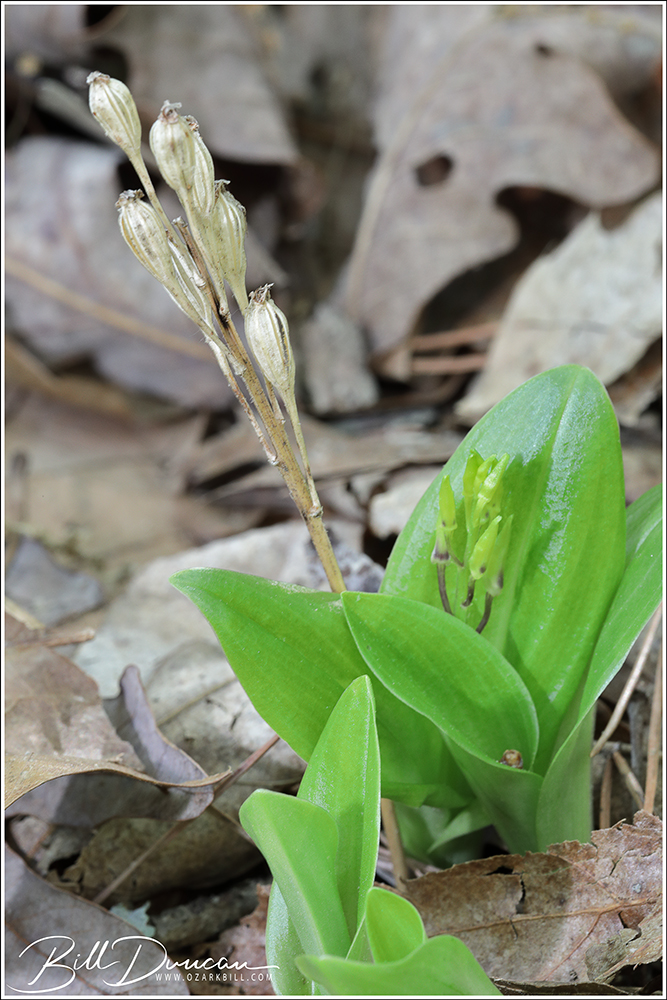
Liparis liliifolia with its pair of fleshy basal leaves and flowering raceme that blooms from the bottom to the top.
Insects are the most obvious choice for pollinators, however, there have not been many recorded observations of specific efficacious visitors and more information is needed to determine what species are responsible for pollinating this species. There is no real fragrance associated with these flowers. The purplish translucent flowers have been hypothesized to attract flesh flies which might be efficient pollinators. The primary mode of reproduction seems to be vegetative via underground corms.
This male mosquito was observed feeding at the nectary of this Liparis liliifolia flower. However, he was too small to come into contact with the column and is not considered an efficacious pollinator.
The flowers are set in the typical 3-petals and 3-sepals configuration of the family. In this case, the lower petal, or “lip”, is mauve in color and translucent. The translucency was enhanced when the lip was wet. The two lateral petals are filiform, or worm-like. To me they resembled the nectar spurs found on some orchids, but these are not hollow and do not contain nectar. The three sepals are blade-like, with one facing straight upwards behind the column and two are lateral and underneath the lip. It would not be a stretch to say the entire flower might mimic some insect.
A young developing flower stalk of Liparis liliifolia next to flowering stalks and seed capsules of last year’s efforts.
The large twayblade is definitely an interesting Missouri orchid. I will look for these close to home in the coming years and perhaps get some photos of their pollinators visiting.
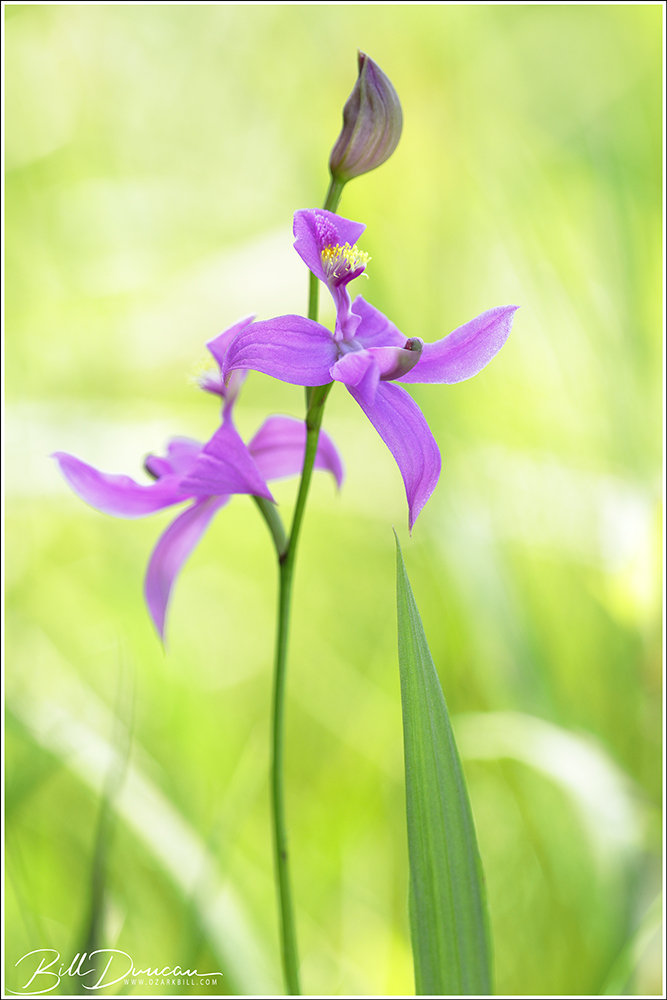
The second new “Missouri” orchid I came across on Casey’s and my trip through Arkansas in May was the Calopogonoklahomensis, the Oklahoma Grass Pink. This is a sister species to C. tuberosus, the Grass Pink, and likewise has the odd non-resupinate flower, meaning the flower pedicle does not twist and the lip is on the top side of the flower, an odd arrangement for orchids. Whereas C. tuberosus prefers wet feet and is typically found in fens, wet meadows and prairies, C. oklahomensis prefers drier feet and is found in more mesic prairies, savannas and open woods.
Calopogonoklahomensis is ranked as globally vulnerable primarily due to habitat destruction across the southcentral United States.
The orchids seen here were photographed in a prairie in Prairie County, AR. This location was a real treat, with hundreds of orchids and a variety of colorations. I wish we could have spent more time here photographing all the variations, but there were miles to be driven yet on this day.
Colors of the Oklahoma Grass Pink at this location ranged from a deep pink-magenta to completely white (not pictured).
When photographing orchids in prairie situations be prepared to deal with harsh sun and windy situations.
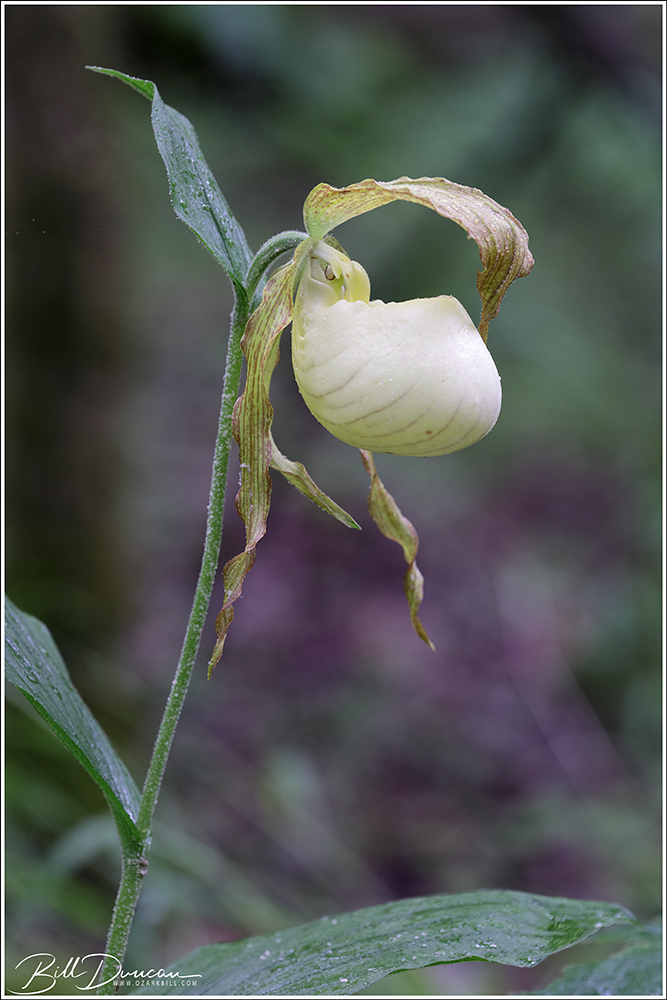
I have one more lady’s slipper orchid to share this year. I cannot count this one for my Missouri orchid list, but it is one hell of a slipper. The Kentucky lady’s slipper (Cypripediumkentuckiense) has the largest bloom of any in the Cypripedium genus and has nice diversity in colors and patterns. This is an orchid of the southeastern U.S. It has not yet been documented in Missouri, but can be found in the contiguous states of Arkansas, Tennessee, Kentucky and Oklahoma. Casey and I found these with some help in May in the Ouachita Mountains of Arkansas.
I shared images of this orchid last year. However, with an opportunity to visit one of its special homes this past weekend with a couple of friends, I couldn’t pass up the chance to see them again. I’ll be sharing photos of new orchids soon.
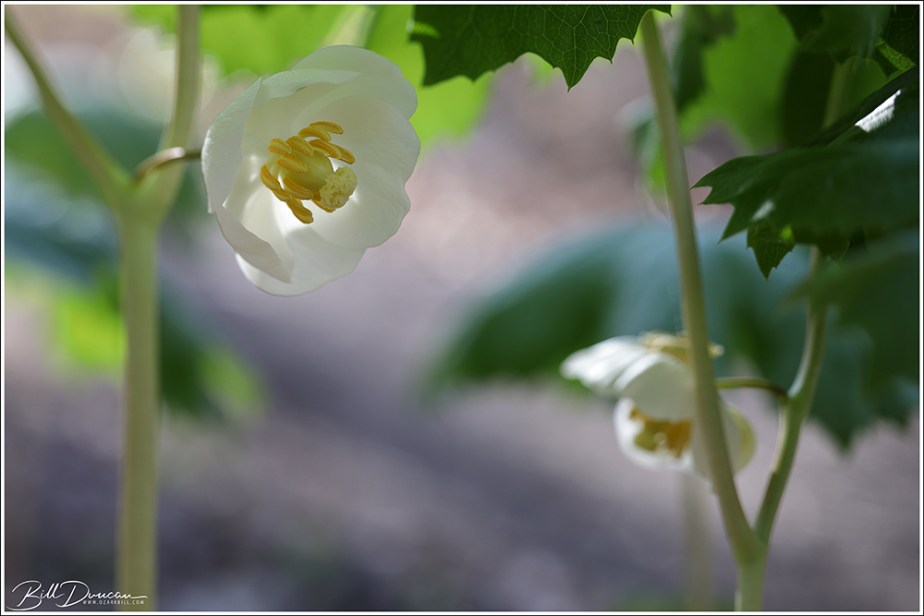
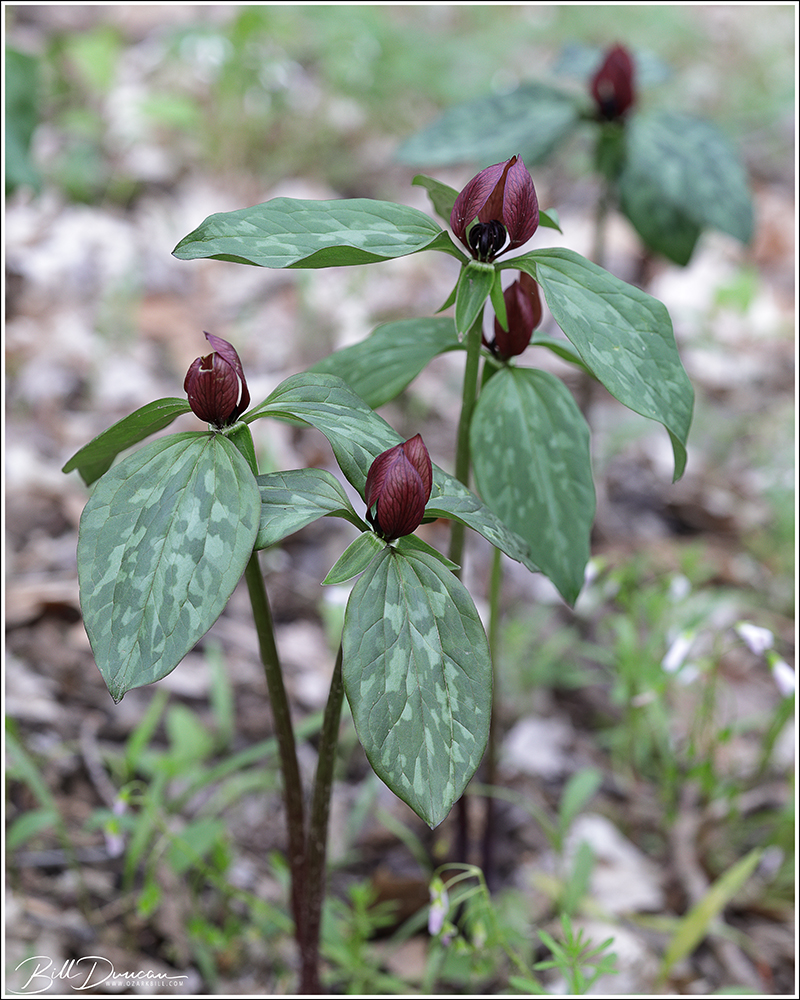
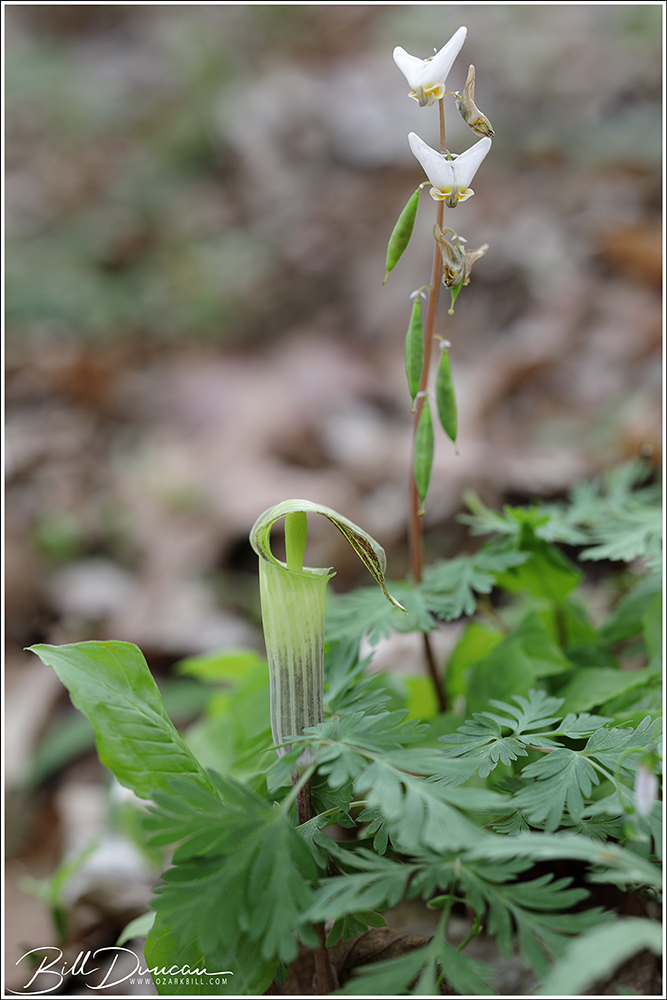
In my 15 or so years of paying attention to important things like this, I have never seen spring ephemerals having a better year than this one. Places within the St. Louis metro area, such as Englemann Woods Natural area and Beckemeier Conservation Area are loaded with wildflowers right now. Whether this is because of the cool and mild spring we have been having so far, or some other reasons, I don’t know. Here are a few photos taken this week at Beckemeier C.A. I hope you get out to enjoy these yourself.


















 A Thousand Acres of Silphiums