"What a thousand acres of Silphiums looked like when they tickled the bellies of the buffalo is a question never again to be answered, and perhaps not even asked." -Aldo Leopold

A lot of folks don’t seem to like attempting to identify plants in the Asteraceae family, more commonly known as the asters. This is a very large family of plants and there are definitely many difficult cases out there in terms of identifying. However, with a good dichotomous key, a hand lens and some patience, I think most anyone can have success in learning some of these interesting plants. The key is learning what characteristics are “key.” The group I am featuring here are three members of the Symphyotrichum genus, often referred to as the “new world asters.” Following recent taxonomic revisions, the genus now holds more than 100 species, of which about 25 can be found in Missouri. Most ray flowers are light blue to violet but some can be white or pink as well.
Photographs can be useful when attempting to identify the new world asters. These can be referred to when attempting identification on your own or sending to someone with more expertise on the group. Knowing what to photograph is important.

First, both sides of the flower, referred to as the capitulum (composite inflorescence) in the asters, is important in making an identification. Photograph the ray and disk florets along with the involucre from the underside should be photographed. The involucre is a protective structure composed of a group of phyllaries (bracts) that can be beneficial in discerning between species. Asters in this group can be distinguished from one another by the number of ray florets per capitulum and the size of the flowerheads

Two other photographs you will want to take when attempting to ID the Symphyotrichum are of the plant’s growth habit and the leaves – particularly details of how the leaves are attached to the stems. There are usually key differences here that will be useful when making an identification. Unfortunately, I neglected to take closeups of the leaves while working with these three plants in the front yard this past autumn.
The next species I would like to feature is the spectacular Symphyotrichum oblongifolium, or “aromatic aster.” These plants are quite impressive. Pinch them back once sometime in the month of June and they will bush out, forming impressive globes of violet blooms. The accompanying habit photos are from our front bed and is only three plants! Although these plants create enormous amounts of blooms, I find that it is almost too late in the year. Most of the blooms don’t open until well into October. During this time, most of the pollinators that visited these blooms were honey bees, at least in my yard. I think most of the native pollinators had finished their season by this point.

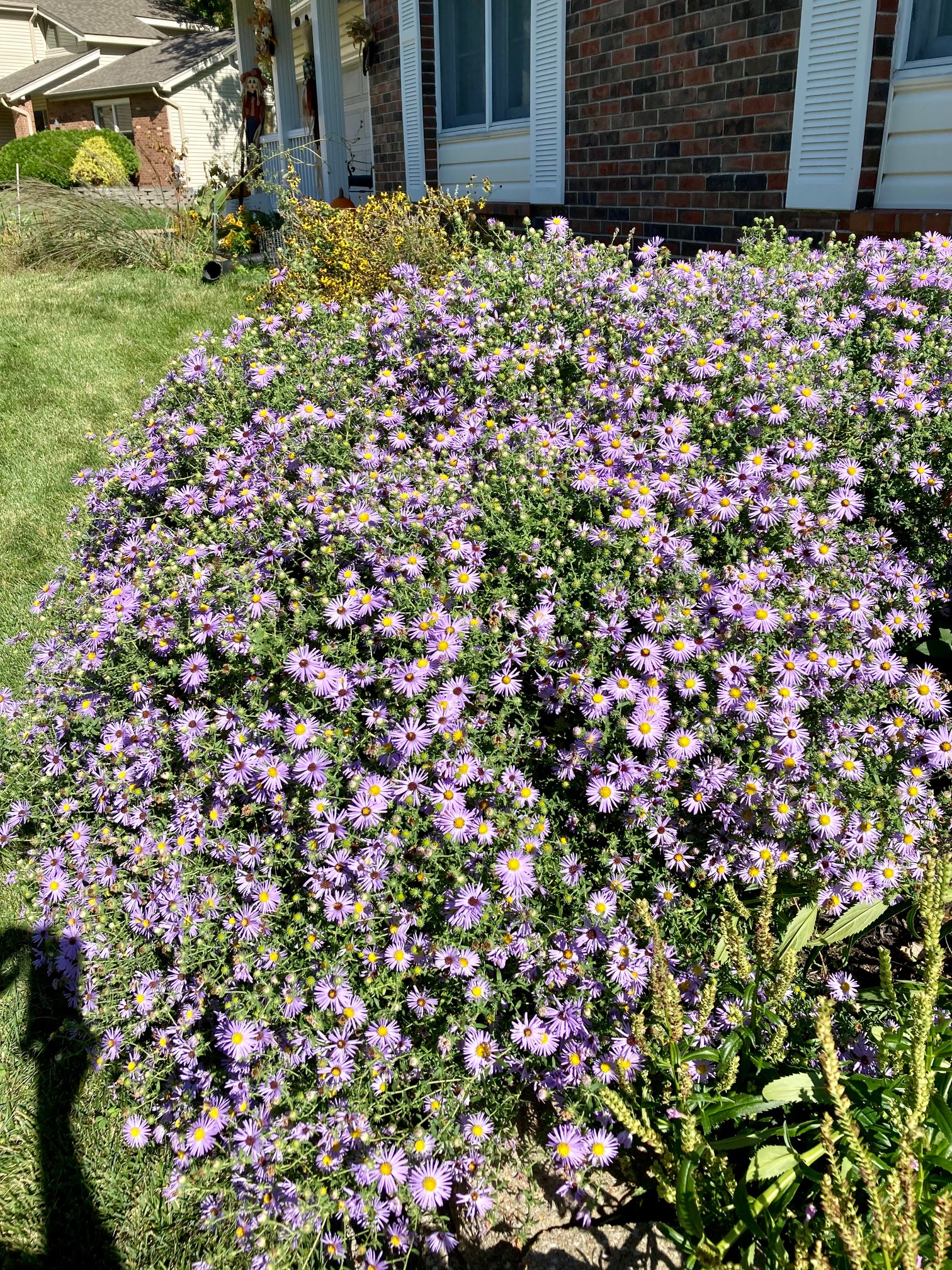
The above images show the growth habit at flowering of Symphyotrichum oblongifolium.
I hope the next couple of images exemplifies how the phyllaries are important diagnostically for identifying these plants whose flowers look very similar when viewed head-on.
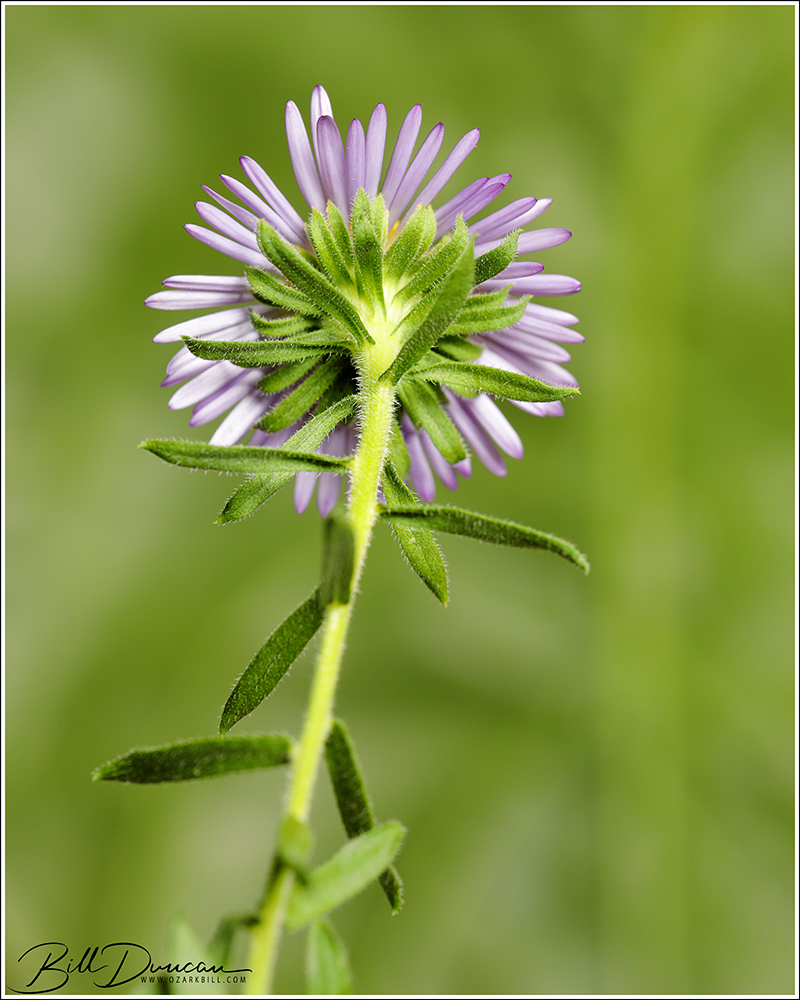

The capitulum of Symphyotrichum oblongifolium. Notice how strikingly different the involucre is compared to S. pattens.
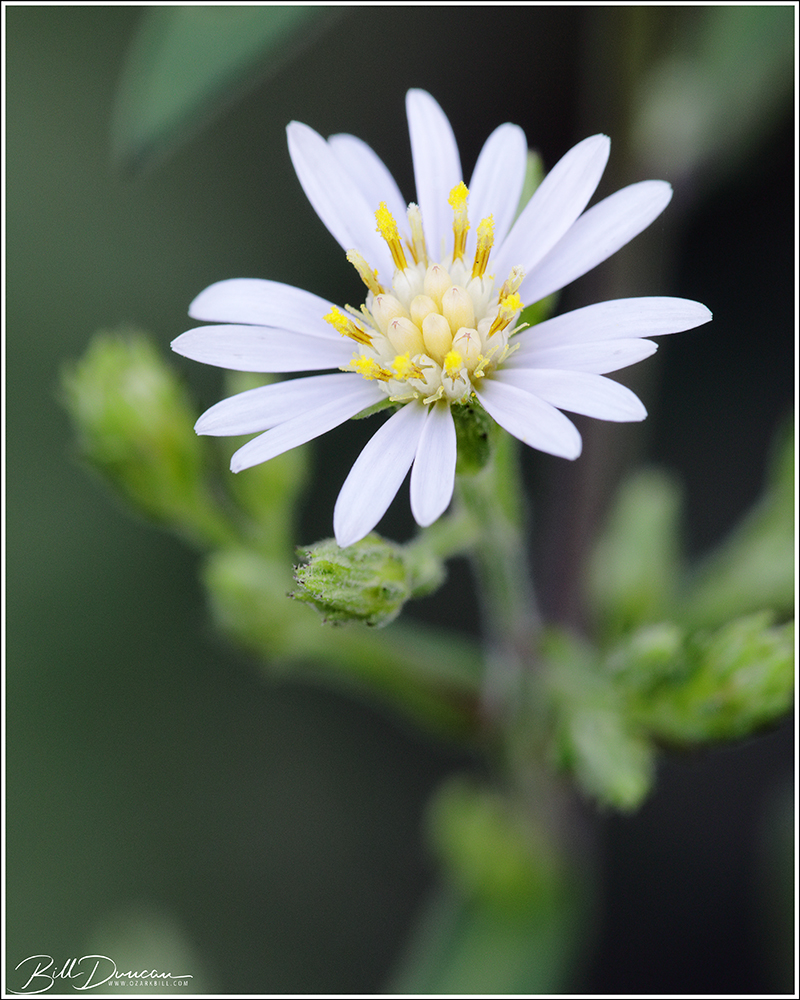
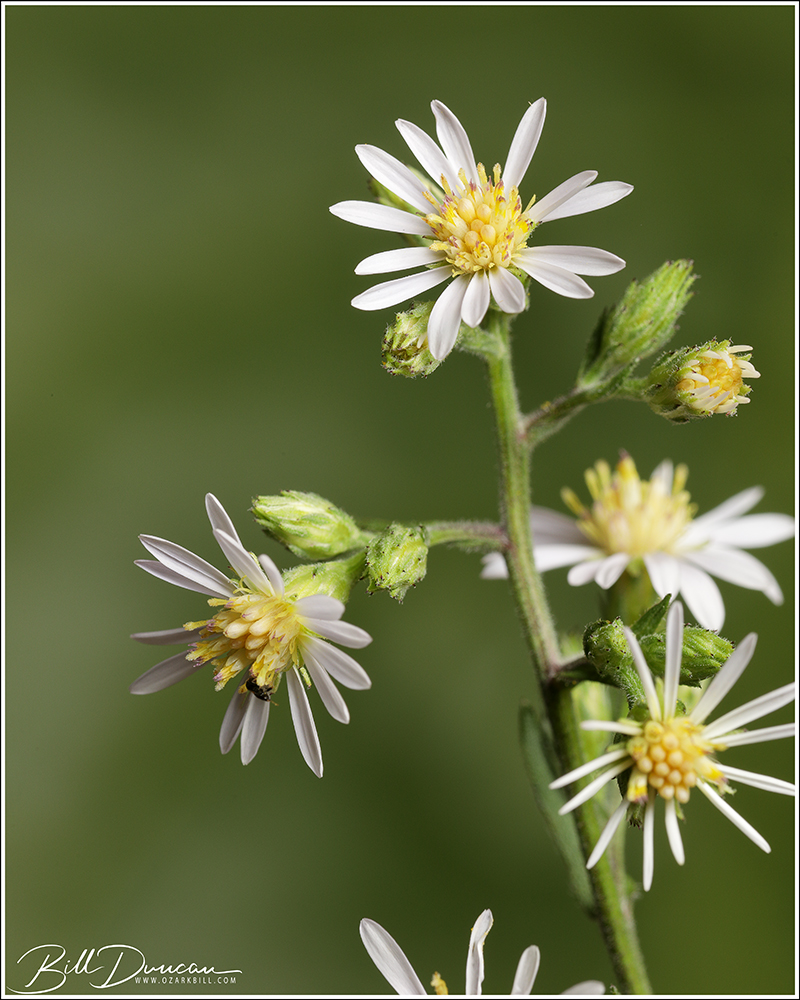
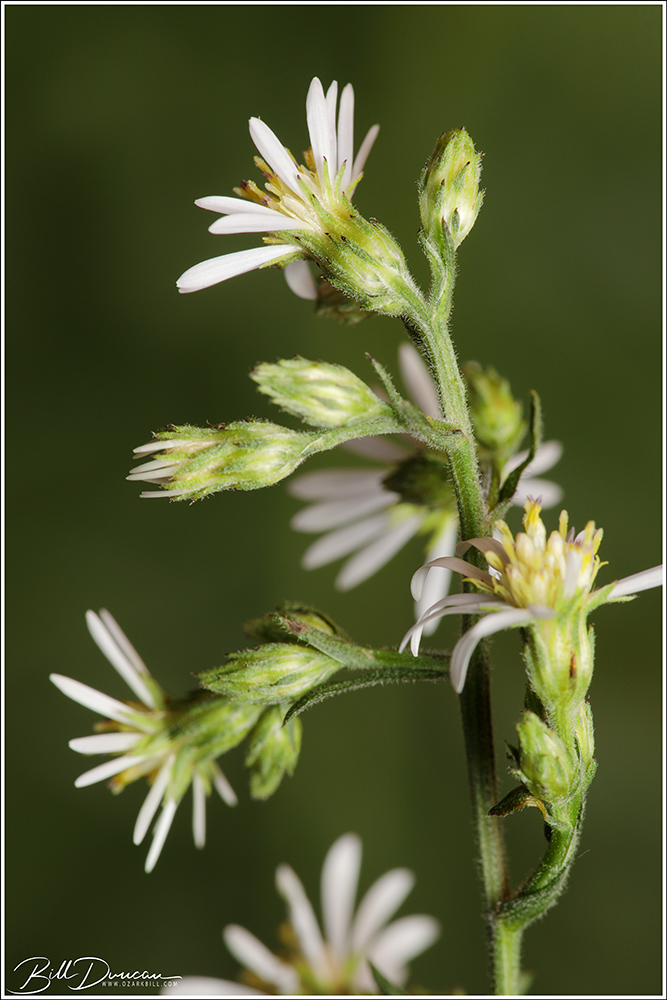
Finally, the third member of this genus I have tried in the front yard beds is Symphyotrichum drummondii (Drummond’s aster). This one looks a lot different from the other two, not only in the characteristics of the capitulum, but in its growth habit as well. This is much more of a small, dainty plant that is found in open woodlands and savannahs in the northern sections of Missouri.
One day I would love to know how many of our moths received their common names. So many of them are interesting and perfect, like this, the sweetheart underwing (Catocala amatrix). In this case, the Latin binomial agrees. Catocala referring to the namesake, hidden underwing and amatrix meaning lover.
This moth was found in Franklin County, MO.
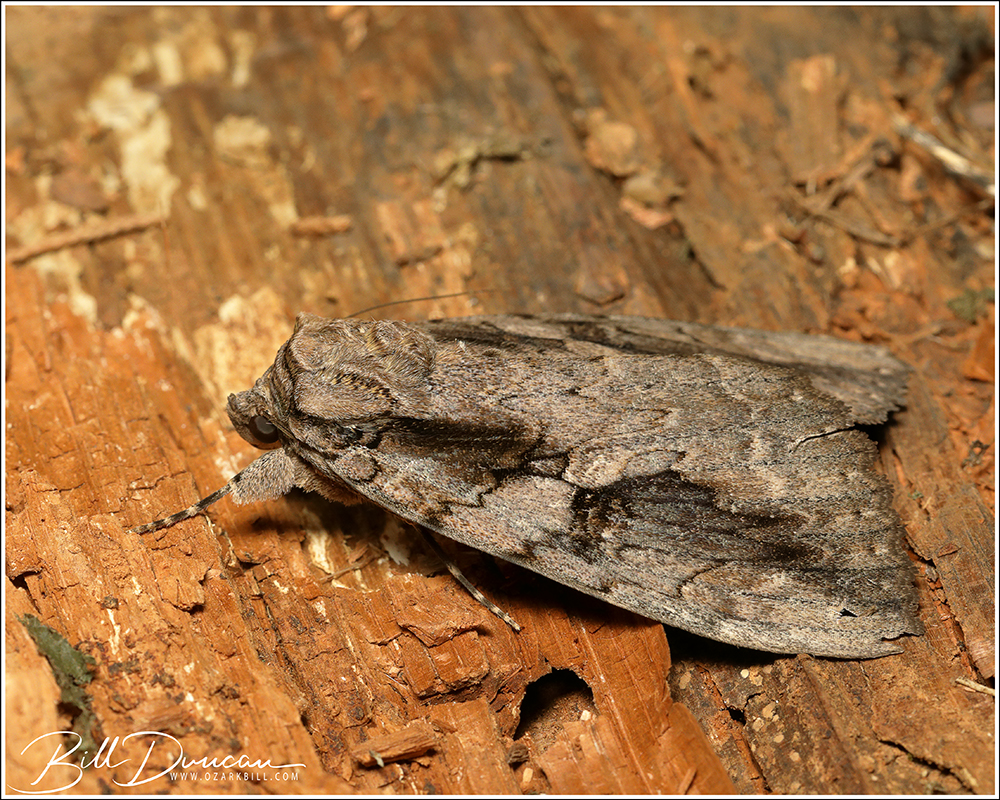
I’m never really fortunate enough to get a good image with their hindwings exposed, but here is a glimpse of the beauty they keep hidden, apparently useful for startling would-be predators upon their taking flight.

-Ozark Bill

It’s been a while since I shared some, so here you go…
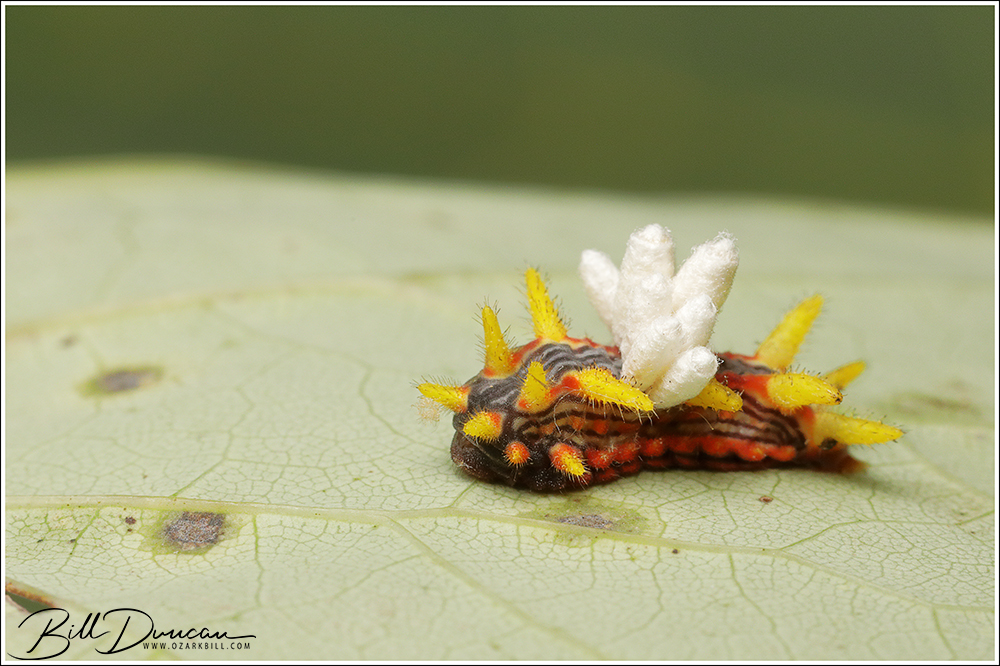
We found this cocoon of a parasitoid wasp (Ichneumonidae) during a WGNSS Nature Photo Group Outing in September of last year. This distinctive cocoon is identified to belong to a member of the subfamily Campopleginae who are characterized as koinobiont (allows host to continue development) endoparasitoids that primarily parasitize lepidopteran hosts. We did not find any remains of a potential host nearby.

The lemmings in the sub-arctic and arctic regions of Canada and Alaska must of had a bumper year in 2021 because the mid-west United States had an irruption 2021/2022 winter season for the Rough-legged Hawk (RLHA). Lemmings are the primary food source for this beautiful species during its summer nesting cycle. Typically, during our winters, RLHA are found in ones or twos in Missouri, south to the Missouri River. Around the St. Louis area we may only see one or two birds in a typical winter. This season was quite exceptional. Looking at the occurrences for this past season documented in eBird shows this species has been seen across the state, up and down the Mississippi River, even as far south as the Arkansas border. On a birding day in February, Miguel, Dave and I counted eight as we moved along the Hwy 79 corridor.
On an early mid-February morning Miguel and I hit one of our favorite winter birding locations in St. Charles County to see what luck we could have. We knew a RLHA or two had been reported and photographed by multiple folks and we had our hopes high. Nothing much was showing up on this frigid morning but I thought to check a specific area that was off the beaten path and had a history of holding birds that wanted to get away from the busy roads and throngs of gawkers. That is when we ran into an individual RLHA of our dreams. We wound up spending hours with this cooperative bird despite freezing fingers, toes and tips of our noses. We simply stood outside our vehicles and watched as the bird perched, hover-hunted, soared and fed, all the while seeming oblivious to our presence. The following video and images are the results of this day.

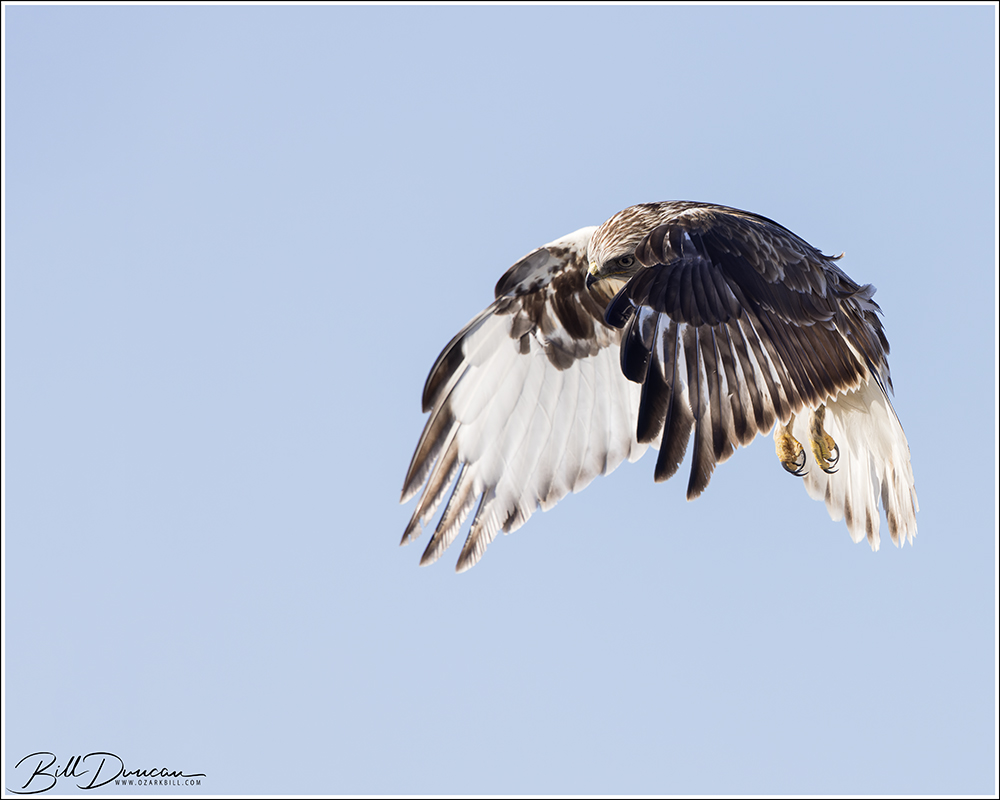
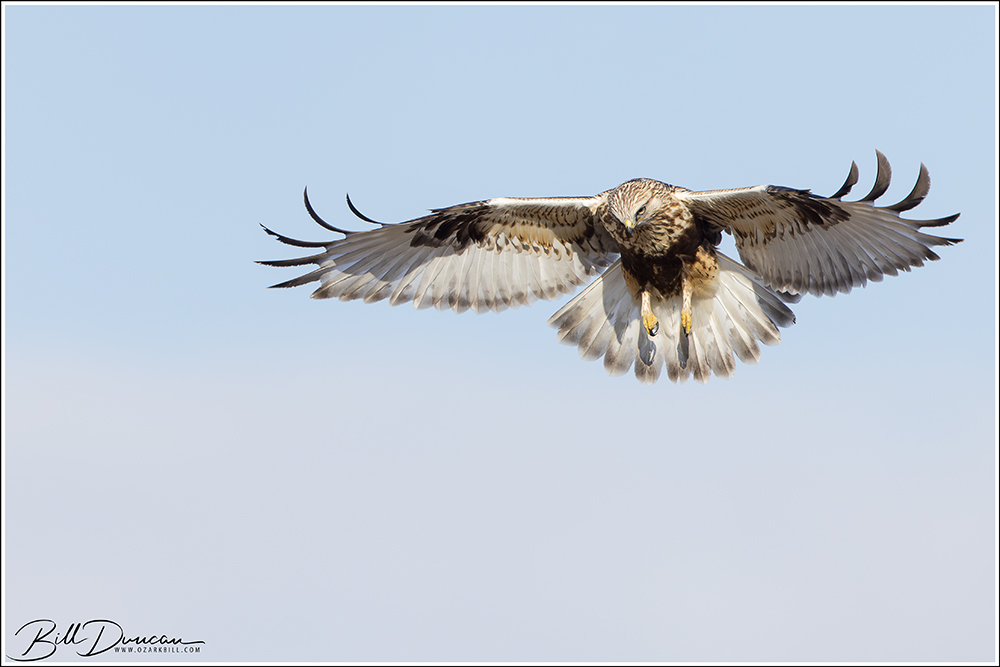
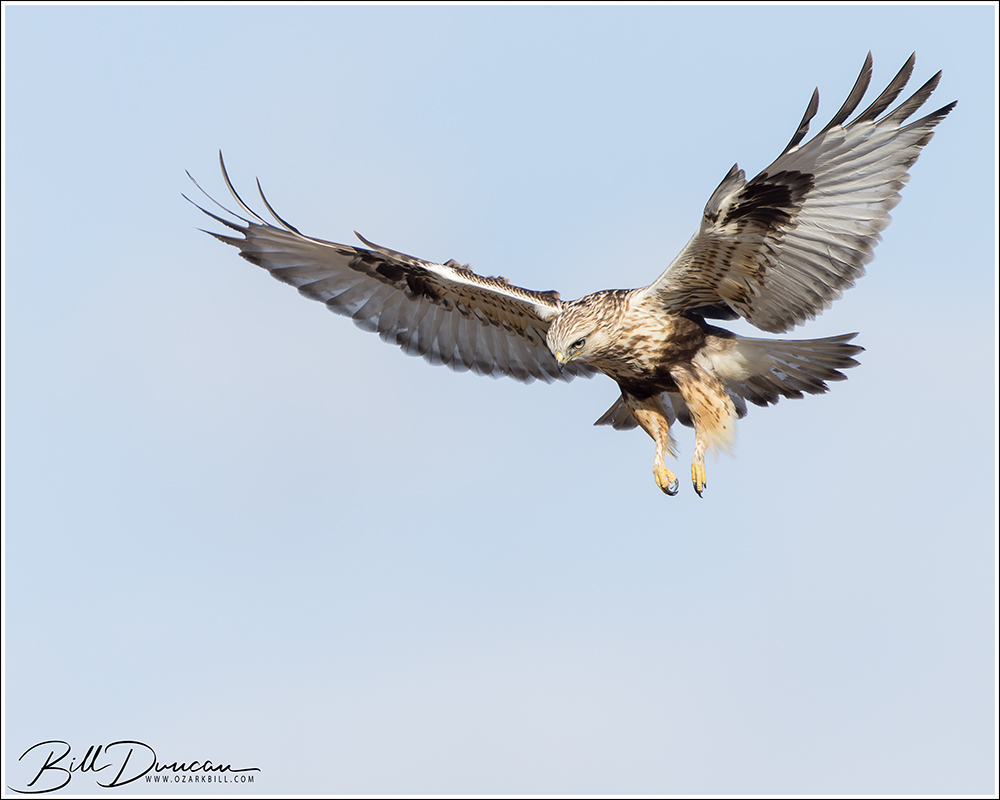
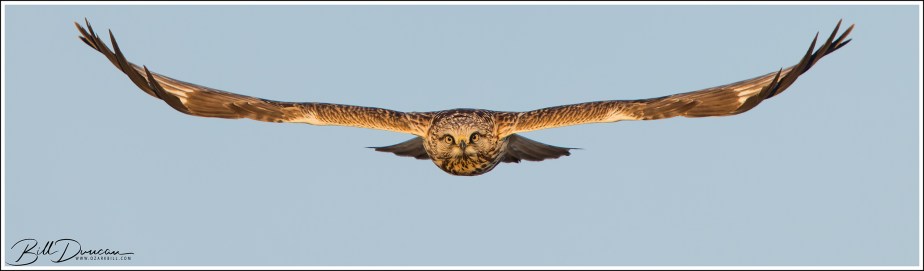
The three images above show the bird hover-hunting. This process can be seen in the video as well. The RLHA will hunt by the more typical buteo standard of sitting on a perch and waiting for the right opportunity to show itself. However, because they spend roughly half of their lives in or around the tundra biome where there are few trees or other tall perches to do so, they have developed this method of hunting that allows them to stay high above their prey. They will often start very high, using their keen eyesight to spot the motion of a rodent. They will then descend in tier-like steps, getting closer to their eventual target until finally making their catch. It is quite a sight to watch a buteo of this size hover-hunting and something I doubt I could ever get tired of watching. I think these images show some modifications that help them in hover-hunting. Their wings are longer and narrower than most buteos and their tails are longer and broader as well. With these tools they can keep their heads nearly completely stationary in the sky for minutes at a time.
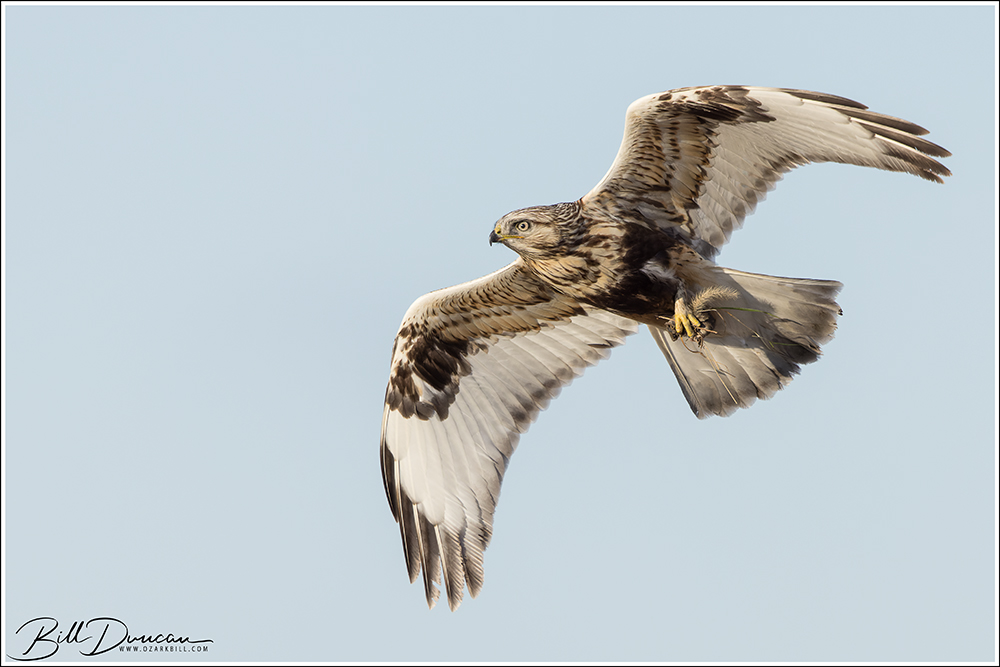

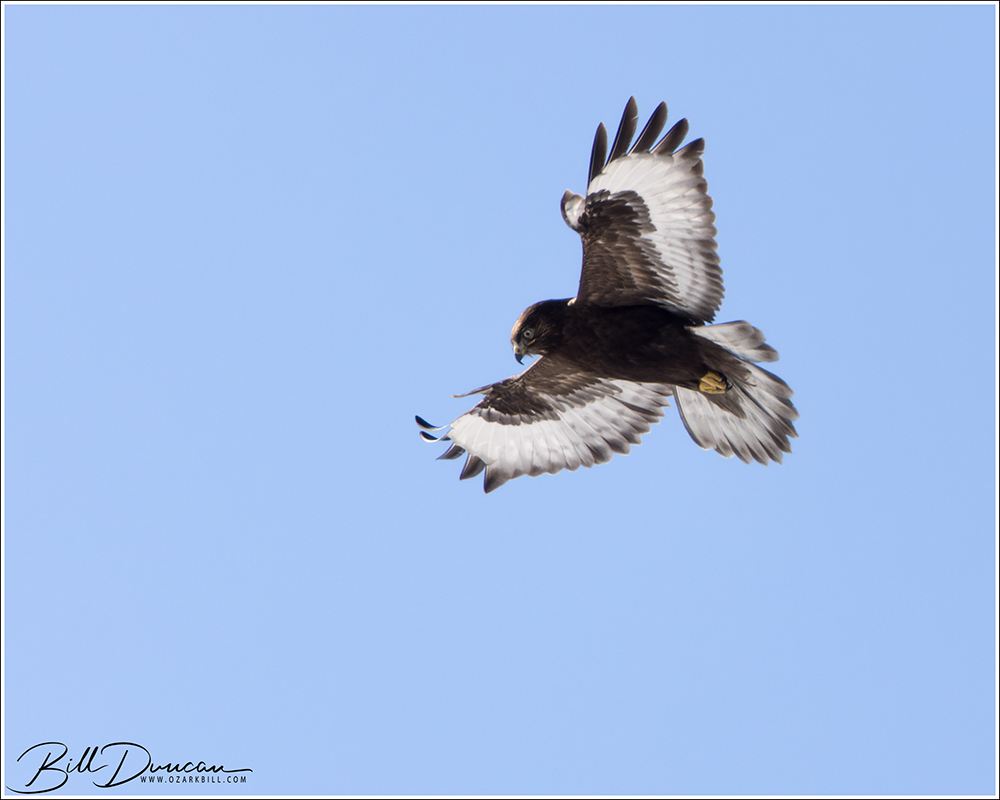
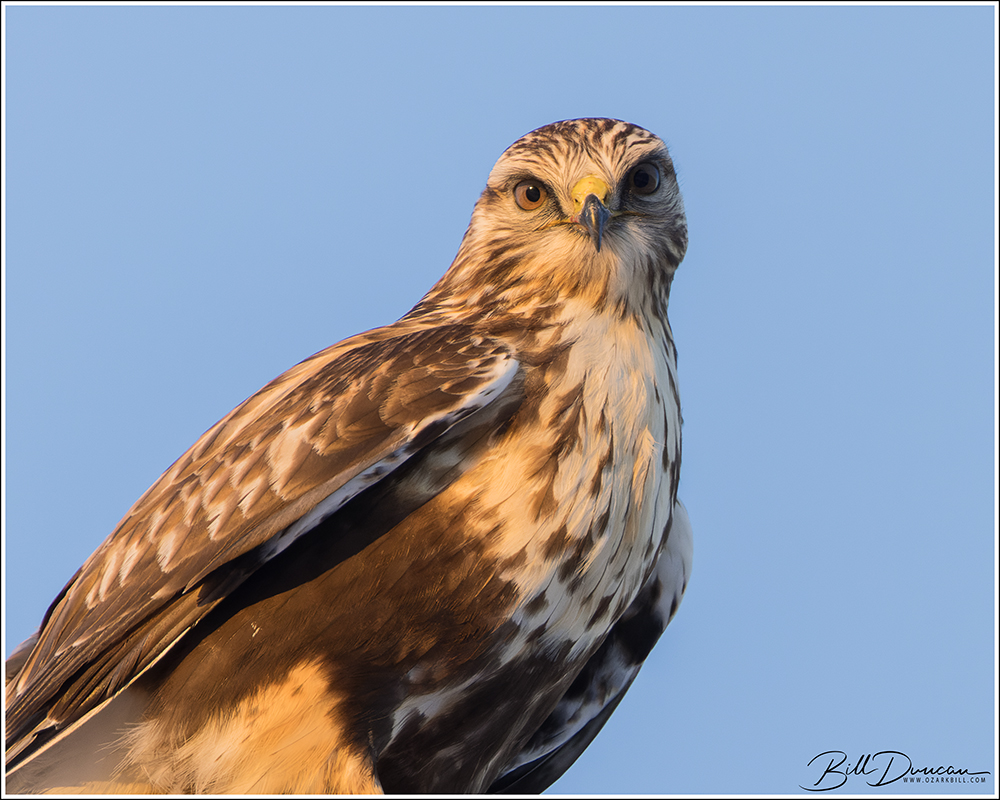
How I would love to see them in their nesting range some day! These birds typically nest on rocky cliffs and because there is often a lack of sticks and branches available in the tundra, they will often use caribou bones to build their nests. They line their nests with soft vegetation like moss and lichen as well as the fur and feathers of their prey.
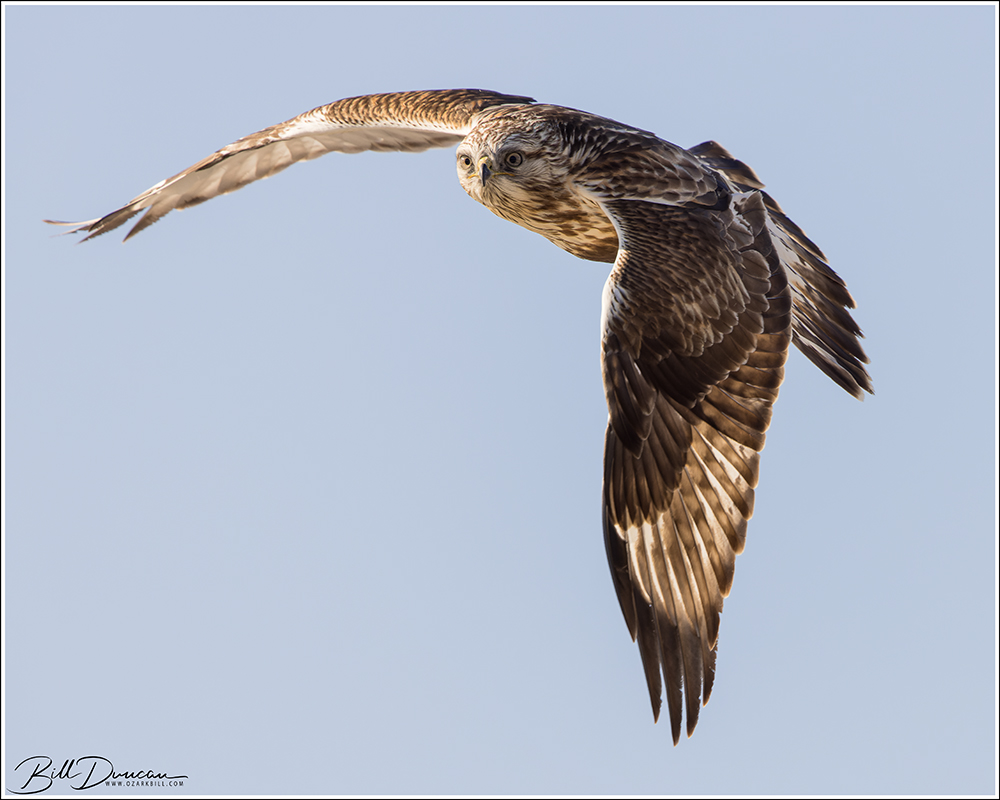
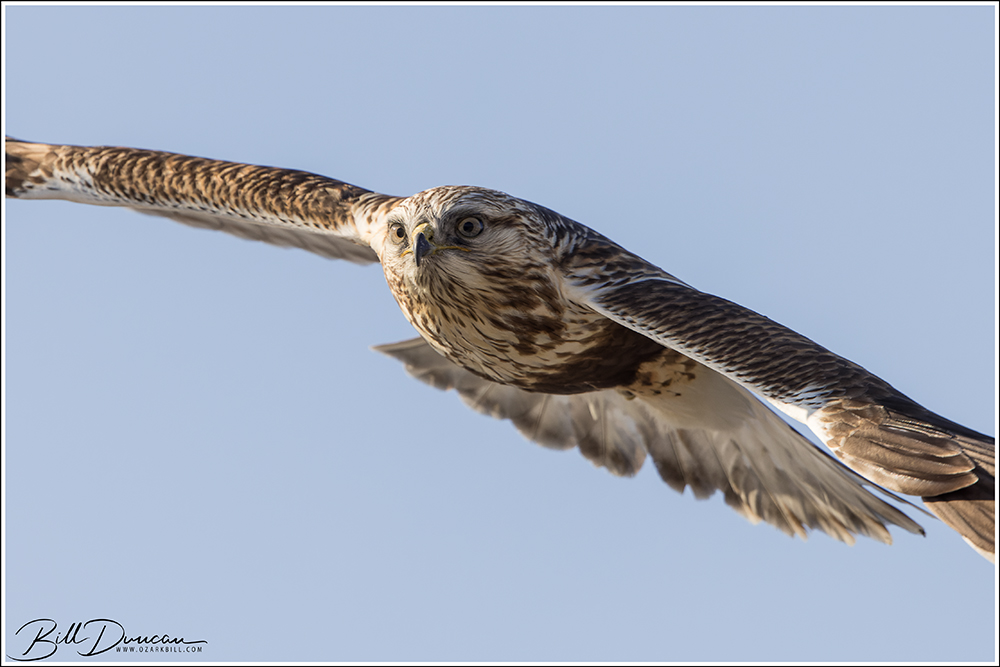
Because they are so-well adapted to living on the wing, in more open and treeless areas, the RLHA will outcompete species like Red-tailed Hawk and Ferruginous Hawk that prefer to hunt from tall perches. If you have spent enough time in the field, you have probably watched Red-tailed Hawks attempting to hover-hunt when the winds are just right. However, they cannot keep this activity up for very long and do not do it nearly as well as RLHA.
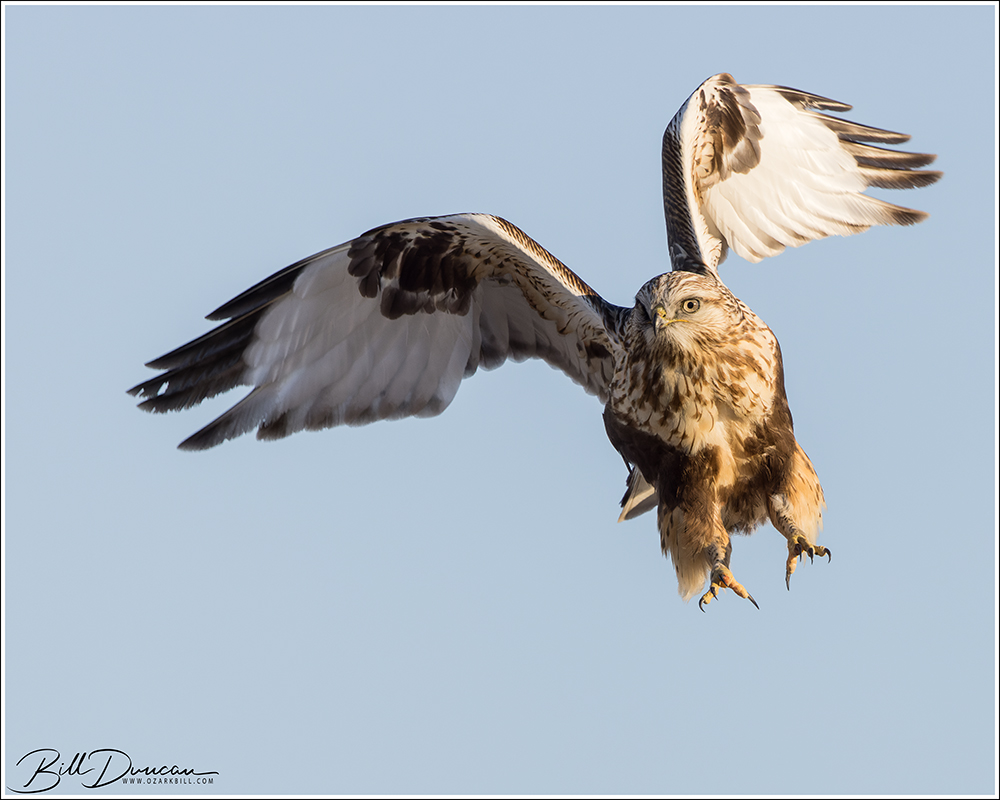
I hope this post gives a good glimpse into the winter life of the Rough-legged Hawk and why, when asked what is my favorite bird species, this is one out of ten or so that I would give as the answer.
-Ozark Bill
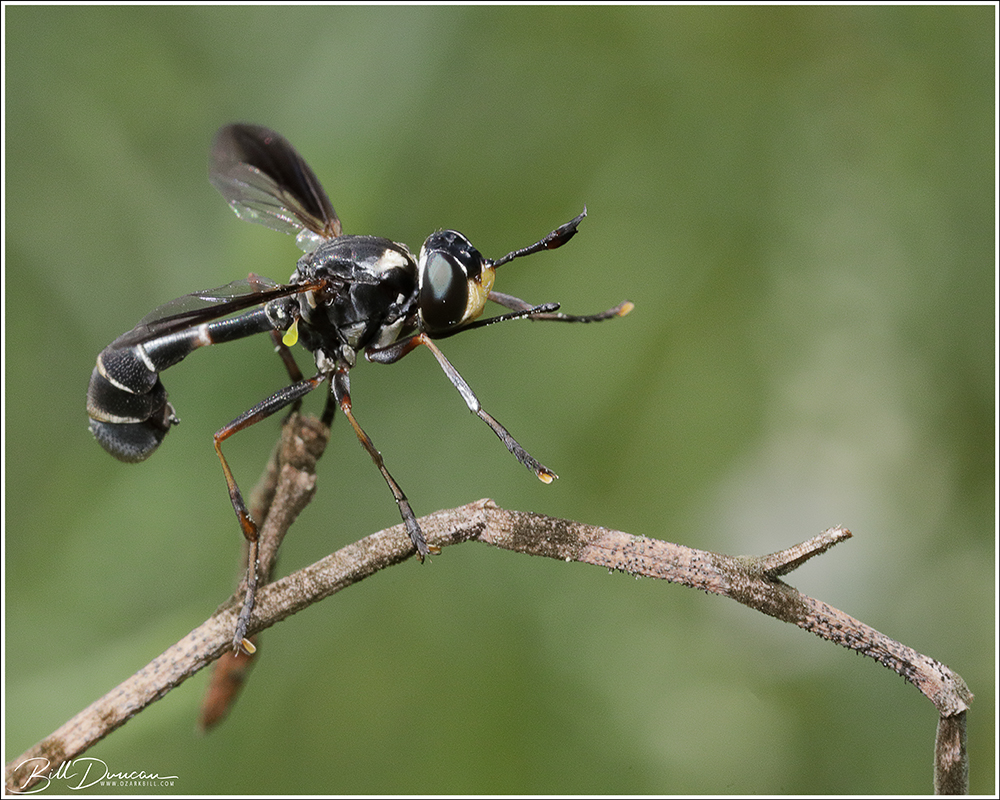
This wasp mimicking thick-headed fly was observed last July in Scott County, MO. This was another interesting pollinator I found moving among the blooms of American jointweed (Polygonella americana).
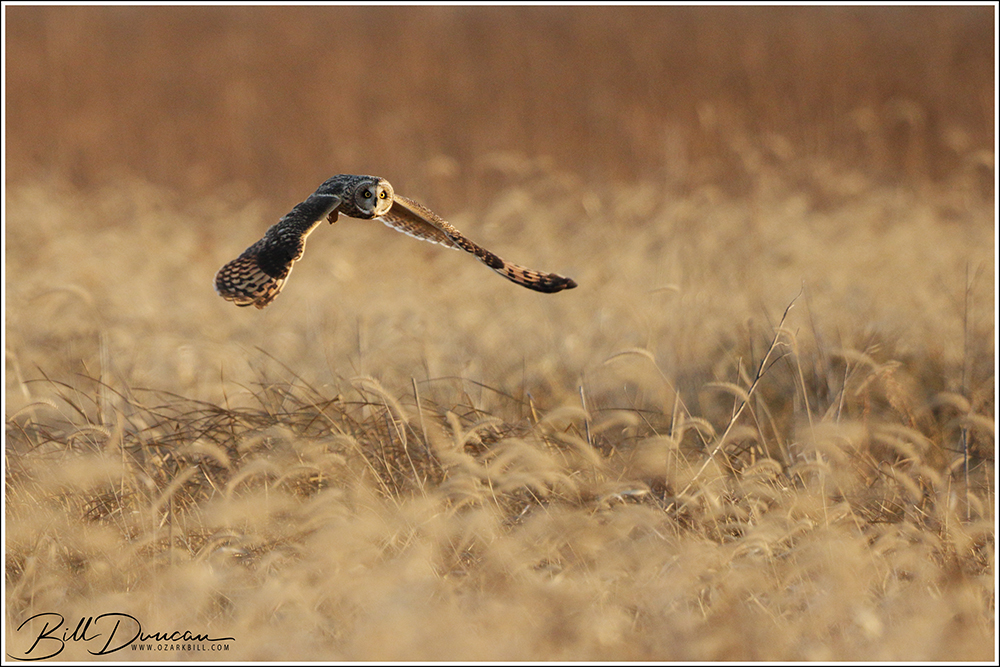
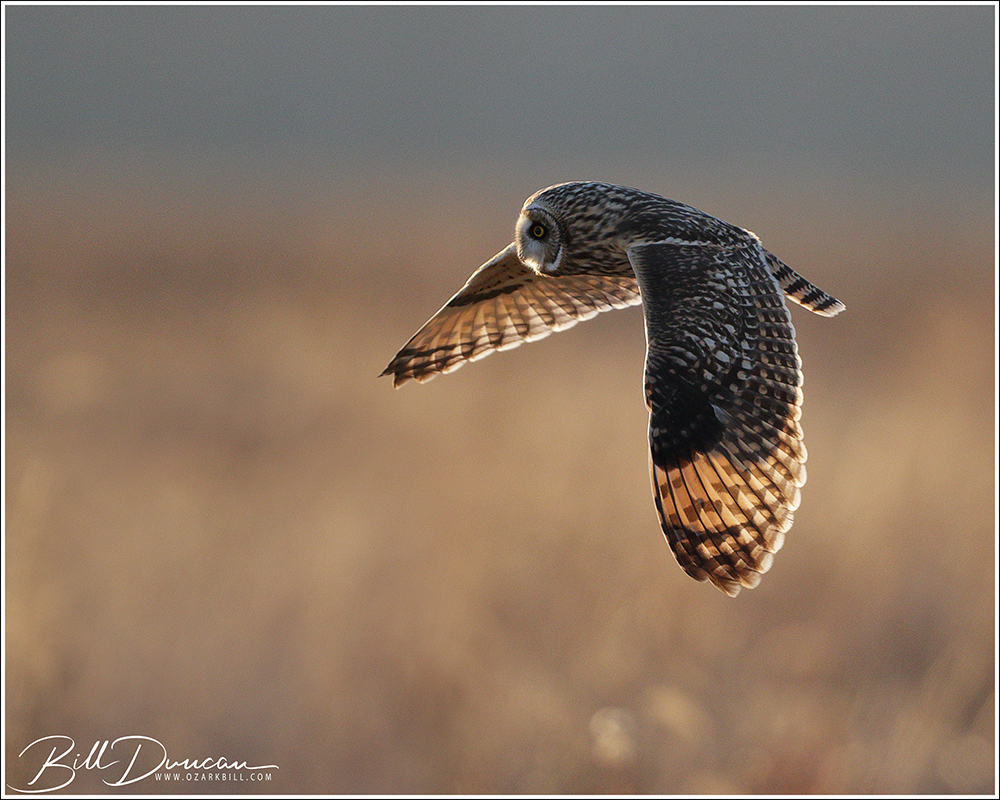
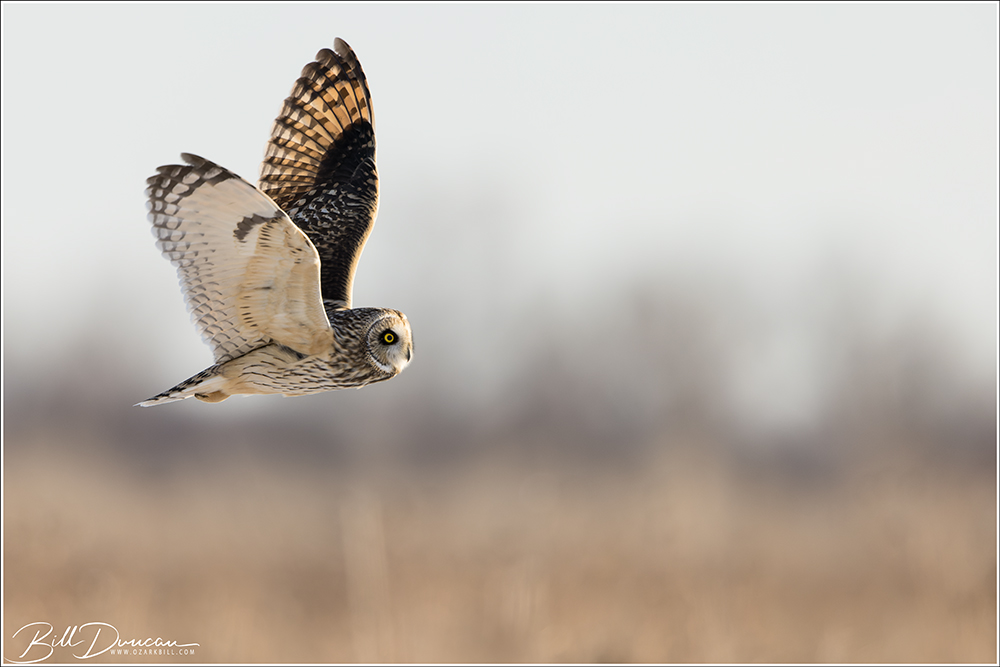
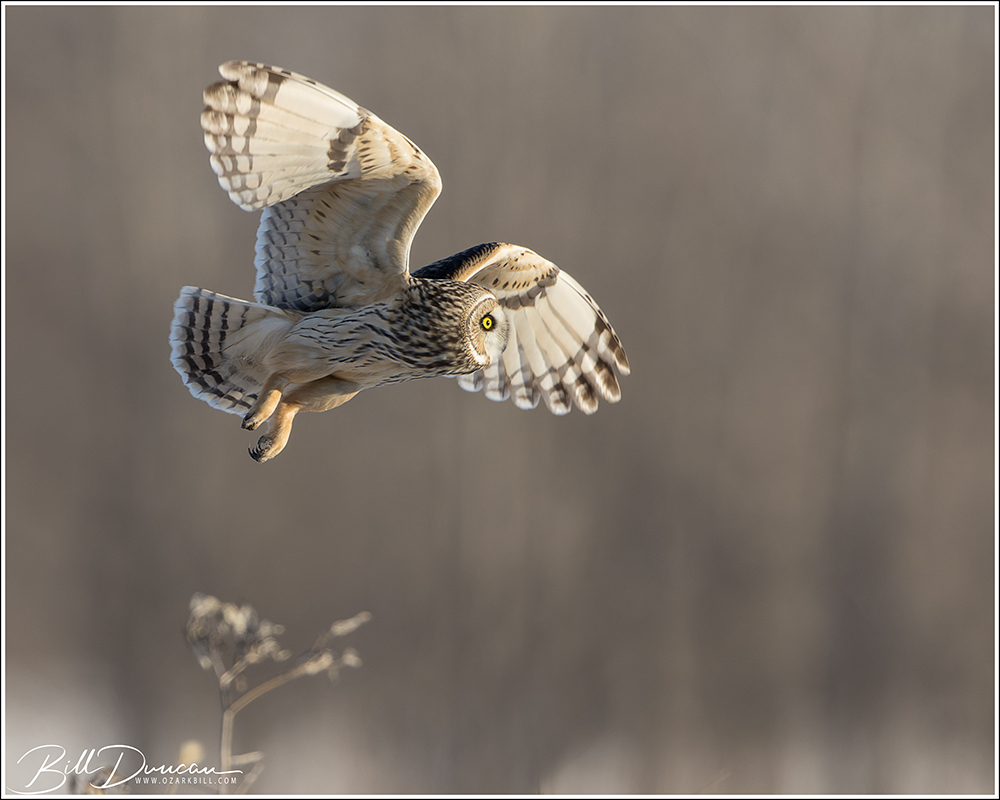
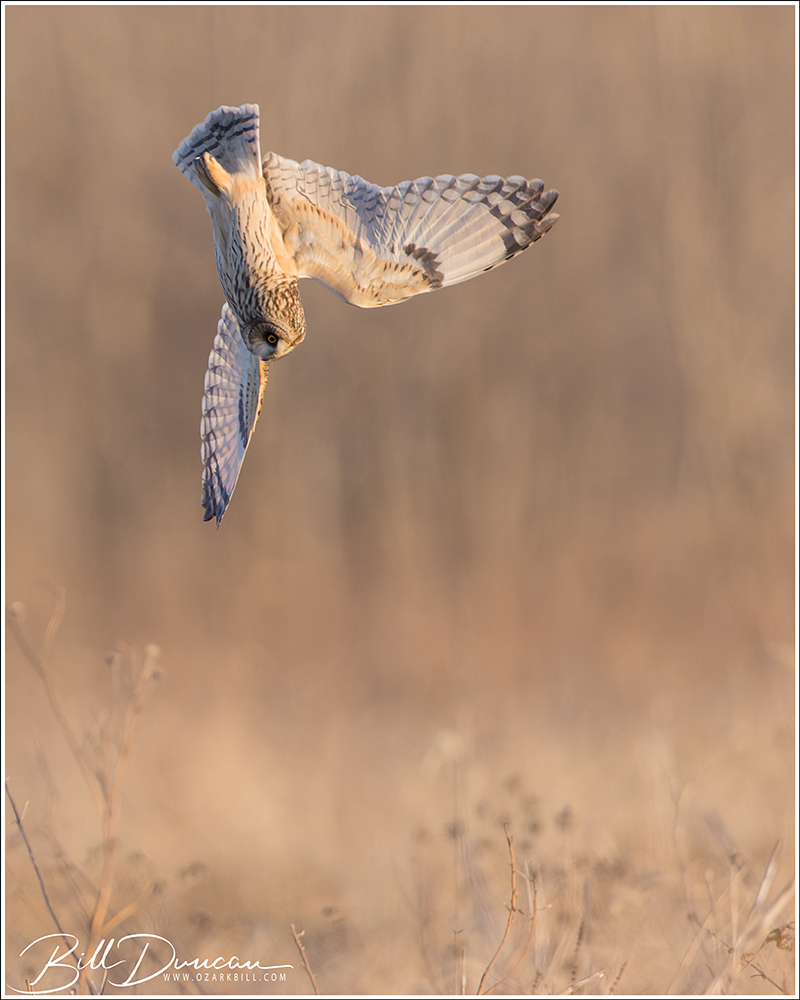
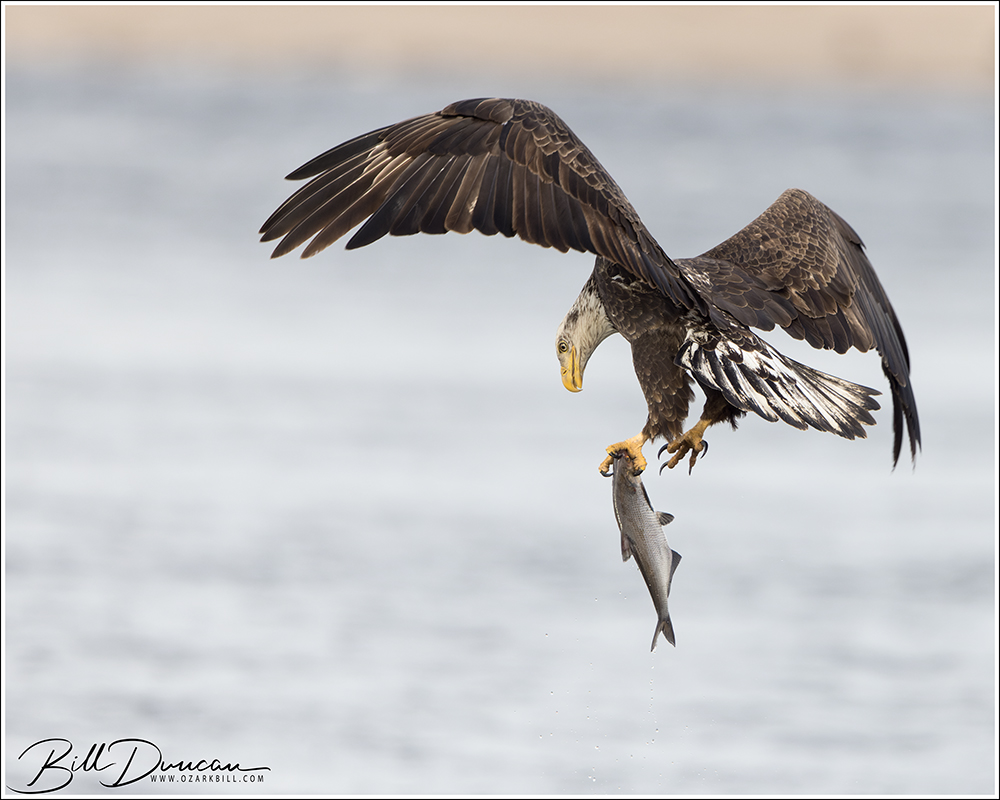
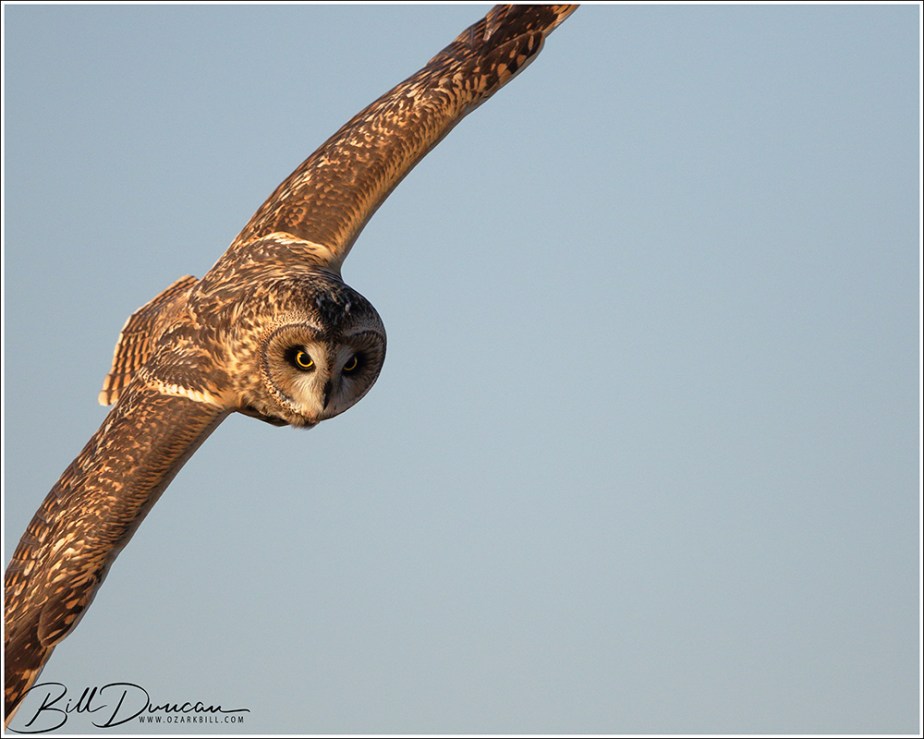
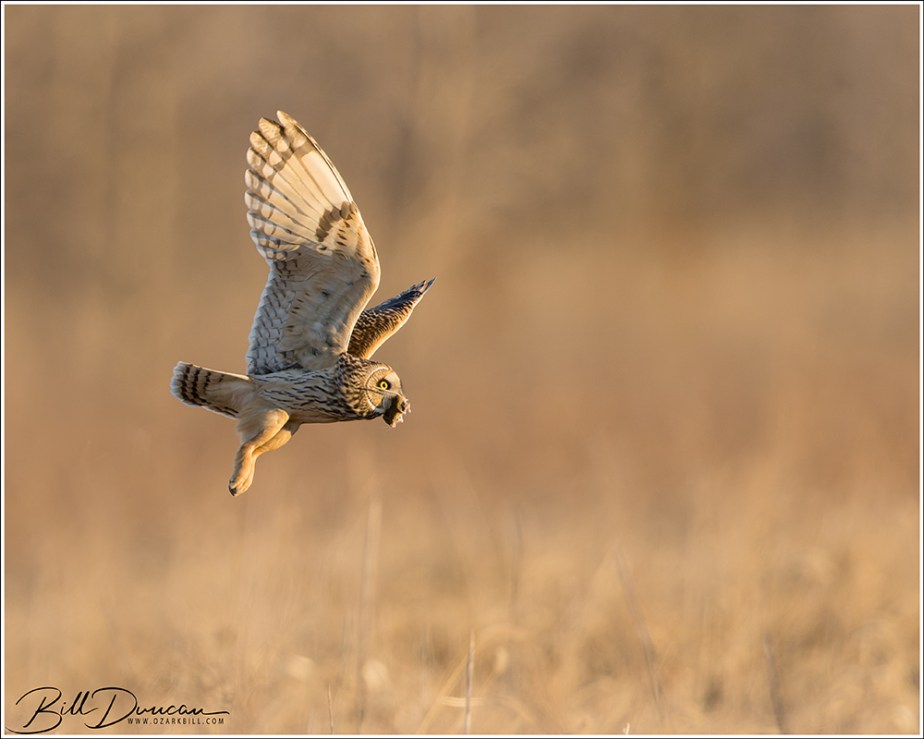
I know that at least one of these birds pushes the definition of a raptor a little far, but, there is no denying that each of the birds featured in this post is a truly horrific predator if your are unfortunate enough to be considered their prey. It’s been a lot of fun this season shooting these birds. I get out as much as I reasonably can and although it looks like the season is turning over, I’ll have a lot more photos of these birds to share in the following weeks.
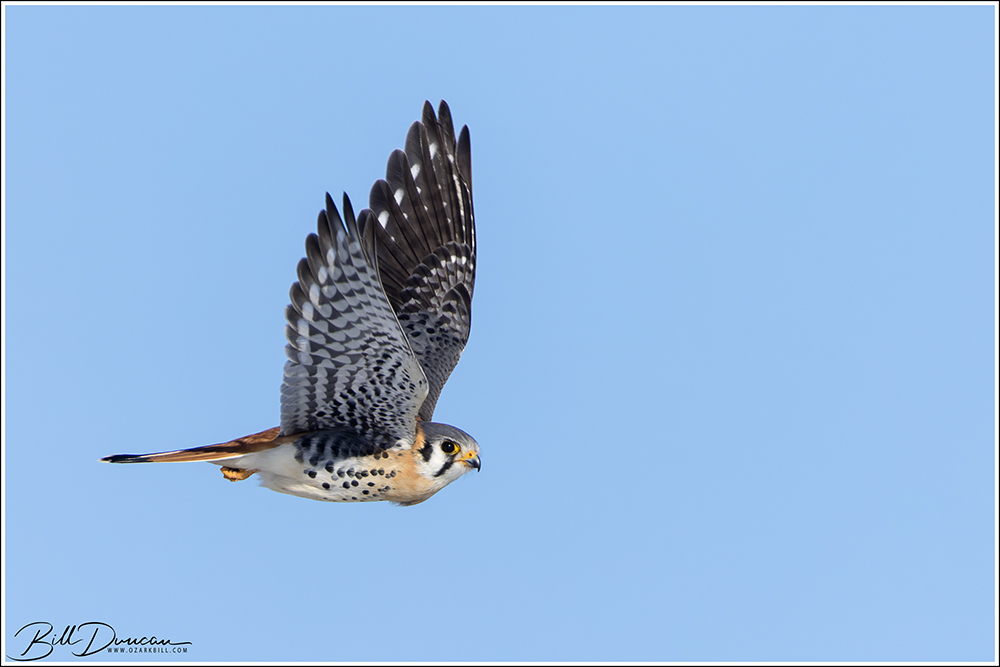

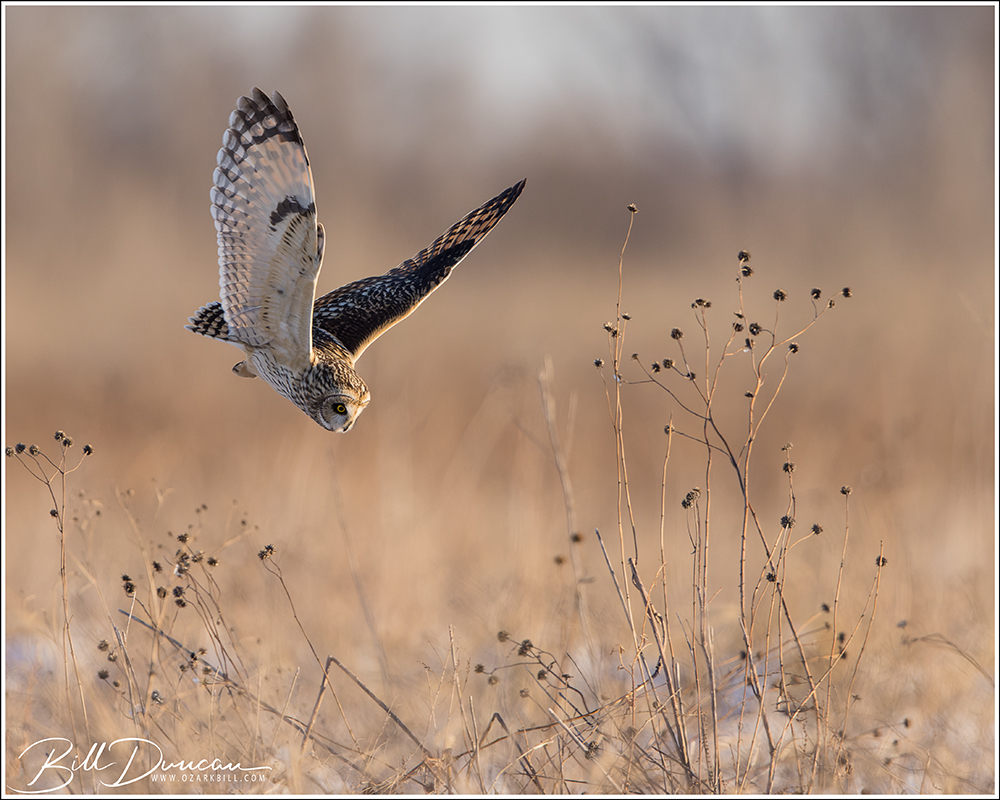
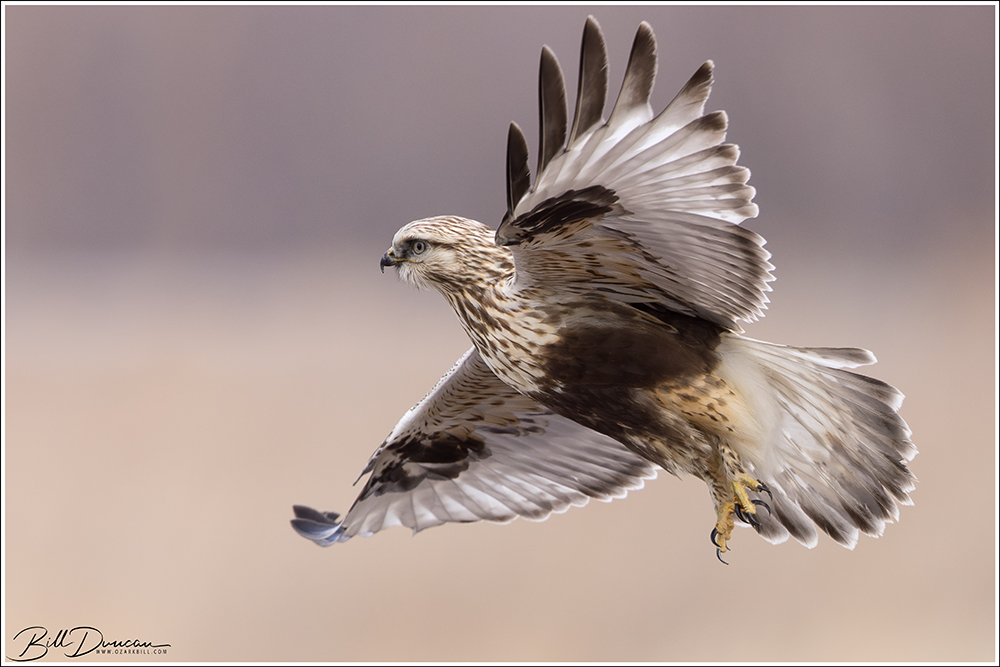

That is all for tonight. I will hopefully have more photos of these species to share soon.
-Ozark Bill
 A Thousand Acres of Silphiums