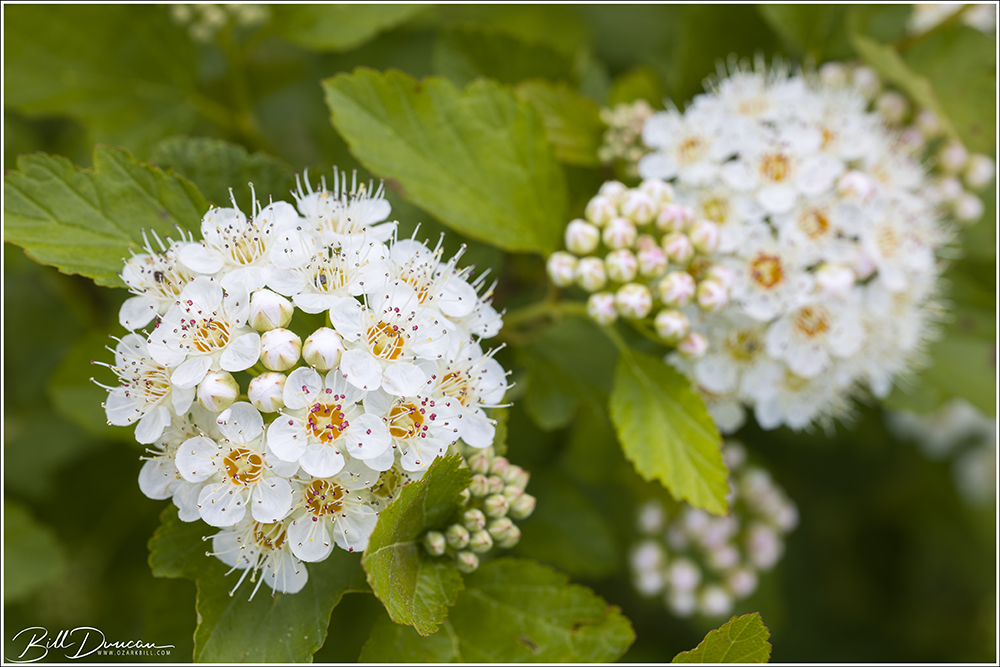
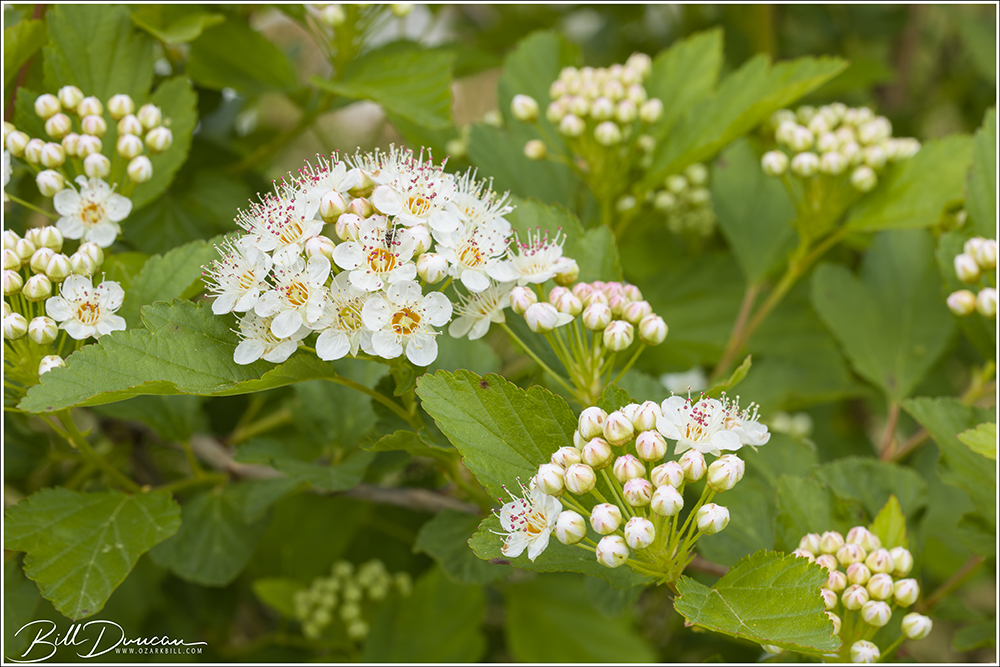
The ninebark put on quite a show this spring.
"What a thousand acres of Silphiums looked like when they tickled the bellies of the buffalo is a question never again to be answered, and perhaps not even asked." -Aldo Leopold
The ninebark put on quite a show this spring.
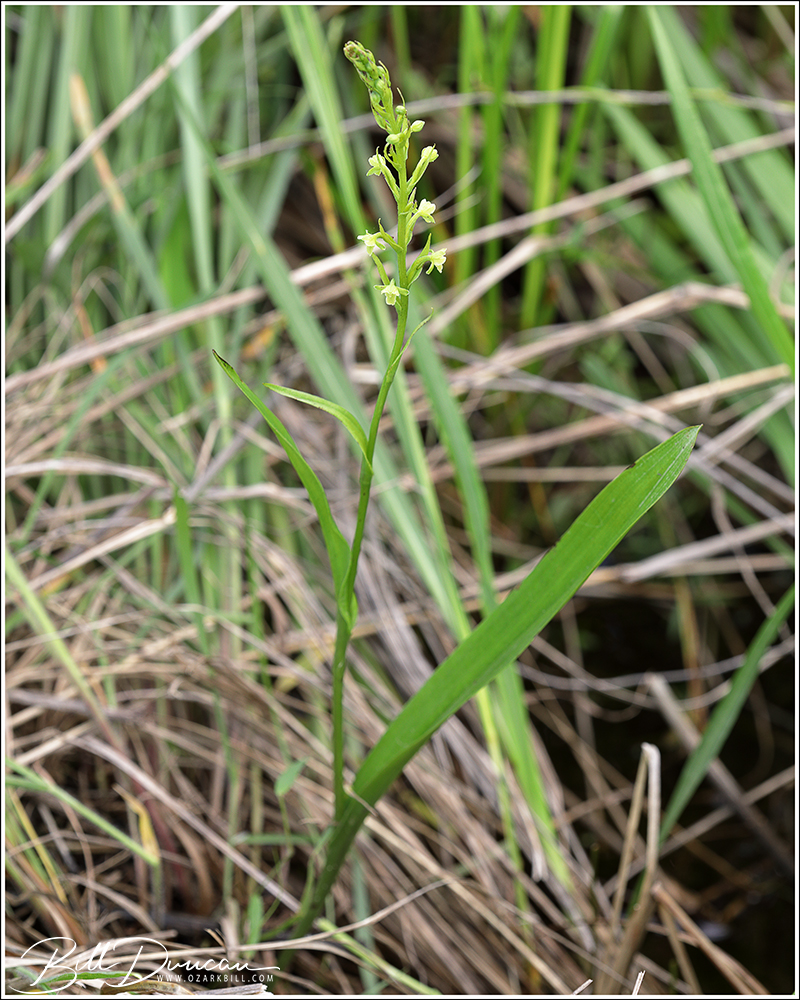
Here is my last new orchid for the season. It is also probably the orchid I had to work the hardest to find in this entire project. Platanthera flava var. flava is classified as S2 (imperiled) in Missouri due to the very few remaining populations. This is an orchid that likes its feet wet and can be found in a variety of habitats containing moist to wet soils. After trying unsuccessfully in 2020, Pete and I went back to the same location this year – a wet prairie in southern Missouri in early June. This was very tough searching as the high temps, strong sun and saturated air created a potentially dangerous heat index. We tried our best, slowly slogging through the already quite thick prairie. Just when it looked like Pete was wanting to throw in the towel, we came across a patch of less-dense vegetation with water about ankle-high. Here we found young orchids that numbered in the hundreds. Unfortunately, most were on the early side and were not fully flowering but we did find a few that made us happy. We also found that many of the orchids in this group had grazed top leaves – most likely from white-tailed deer that usually find orchids to be very appetizing.

There is another variety of this orchid, P. flava var. herbiola that is also found in Missouri. Recently Pete and I tried to find this in most of the known locations but came up short. As of now my quest stands at 33 of 36 orchid forms that can be found in the state (36 is my accepted number and others may disagree). In addition to P. flava var. herbiola, I also need to find Coeloglossum viride (Long-bract Frog Orchid) – this species is known from a single location in the state but apparently does not flower and Epipactis helleborine, the broad-leaved helleborine – the exotic orchid that is becoming naturalized in this state but originates in Asia and Europe. Finding these three remaining orchids should be quite the task and I look forward to attempting these next year.
I have run into a couple other circumstances in our orchid flora where intermediate forms have caused problems in determining the identity of a plant or population. Where these two varieties overlap, as they seem to do in Missouri, there are intermediate forms between these two varieties as well. I will hope that when I do find a potential herbiola variety that this will not become a problem.

Liparis loeselii (fen twayblade, Loesel’s twayblade) is ranked as imperiled in the state of Missouri. We found these in a marly fen in Butler County, MO in bloom during late May, 2021. Within this fen, these orchids grow on the edges between small tussocks and the marl/muck, out of the way of larger competitive plants.


-OZB
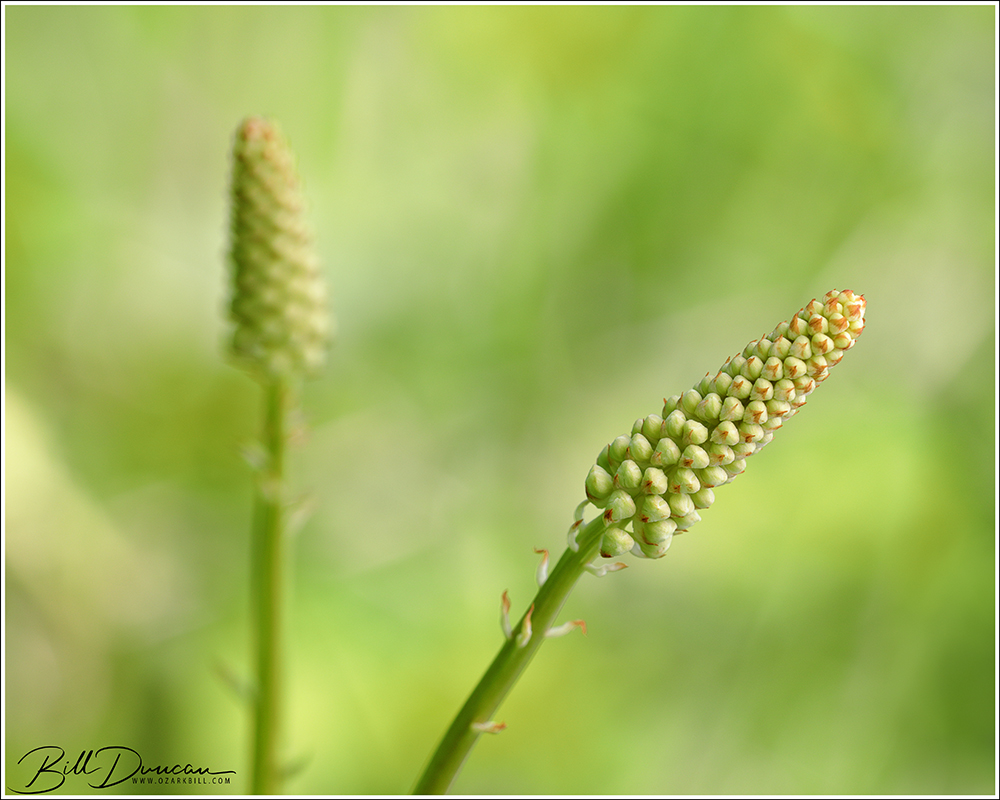
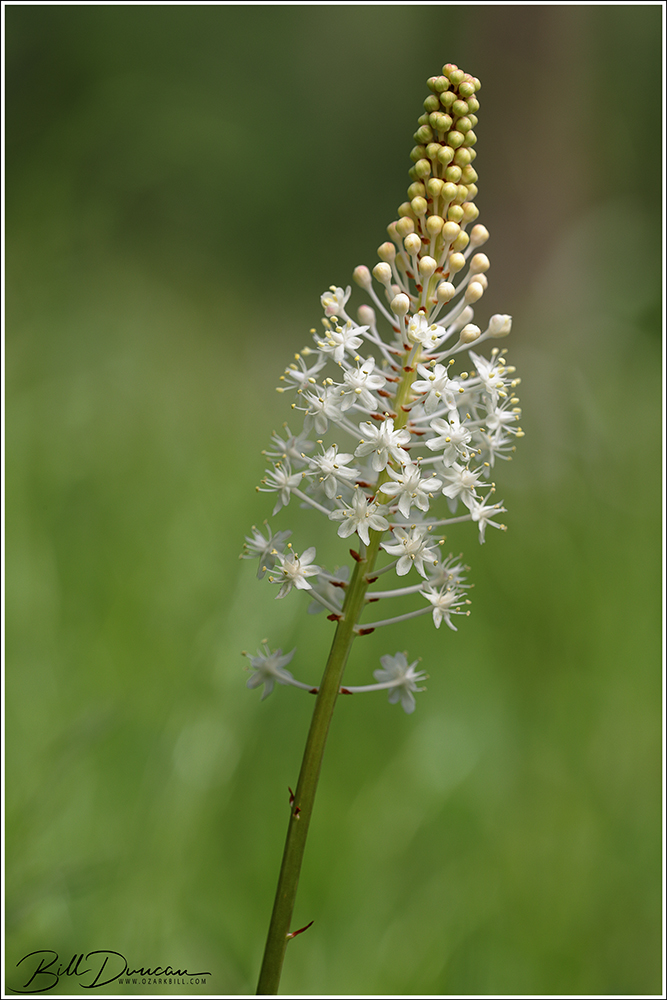
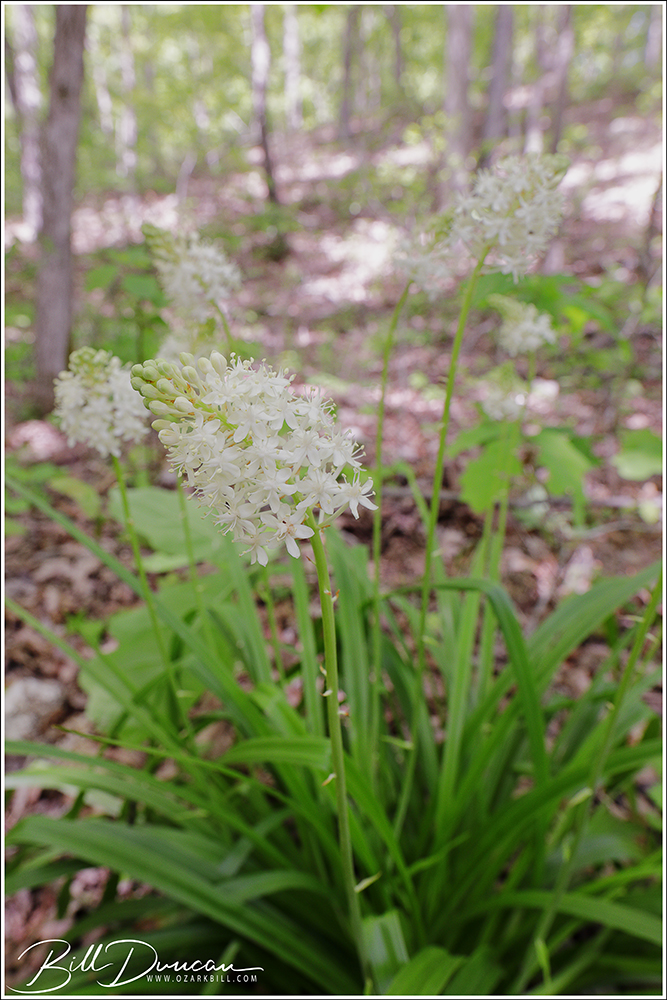
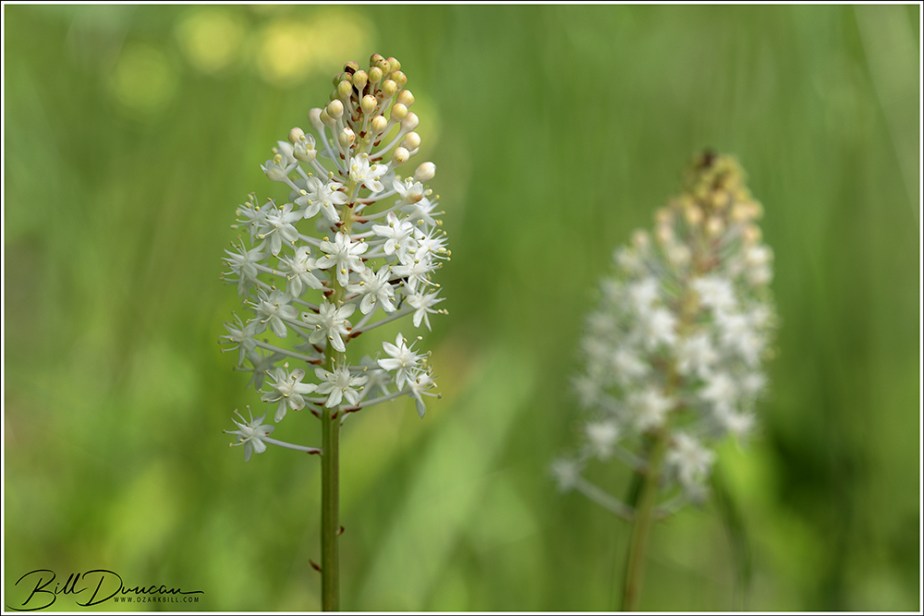
Another striking member of the Melanthiaceae family is Amianthium muscitoxicum, commonly known as fly poison. This name comes from the practice of early Americans who would crush the plant’s bulbs with sugar in order to, well, kill flies. Like many plants in this family, A. muscitoxicum contains a variety of toxic alkaloid compounds that provide it protection from a variety of herbivores. I think this might be a good candidate for horticulture in high deer pressure areas, but be sure no parts of the plant can be ingested by people or domestic animals. These plants were found in Mark Twain National Forest in Carter County on May 22, 2021.
-OZB
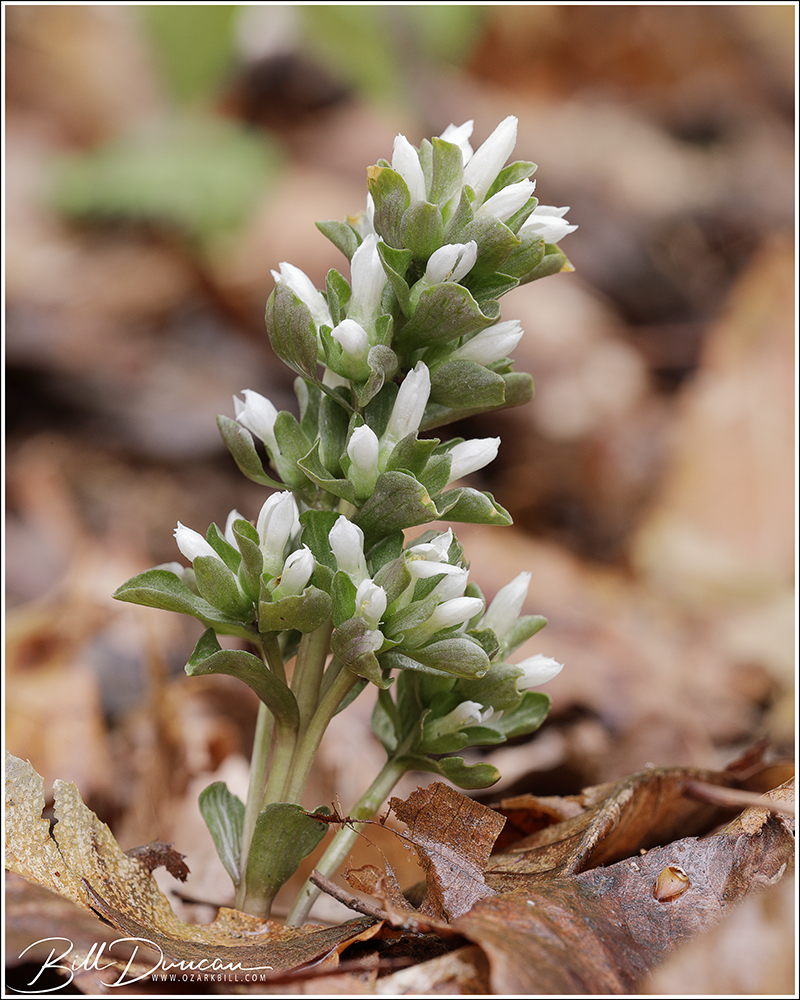
It’s not only orchids that I have had the pleasure getting to know during the past few years. Having new botanically-minded friends, I have been able to find and get to know a number of other interesting and sometimes quite rare plants found in other families. Obolaria virginica, known as Virginia pennywort or pennywort gentian, is indeed in the Gentianaceae family (gentians). It is ranked as S2 (imperiled) in Missouri, likely due to the small number of populations found here. This plant emerges very early and is much like a typical spring ephemeral. Like the coralroot orchids (Corallorhiza sp.), this plant is mycoheterotrophic, getting at least some of its nutrients by parasitizing microrrhizal fungi.
 A Thousand Acres of Silphiums