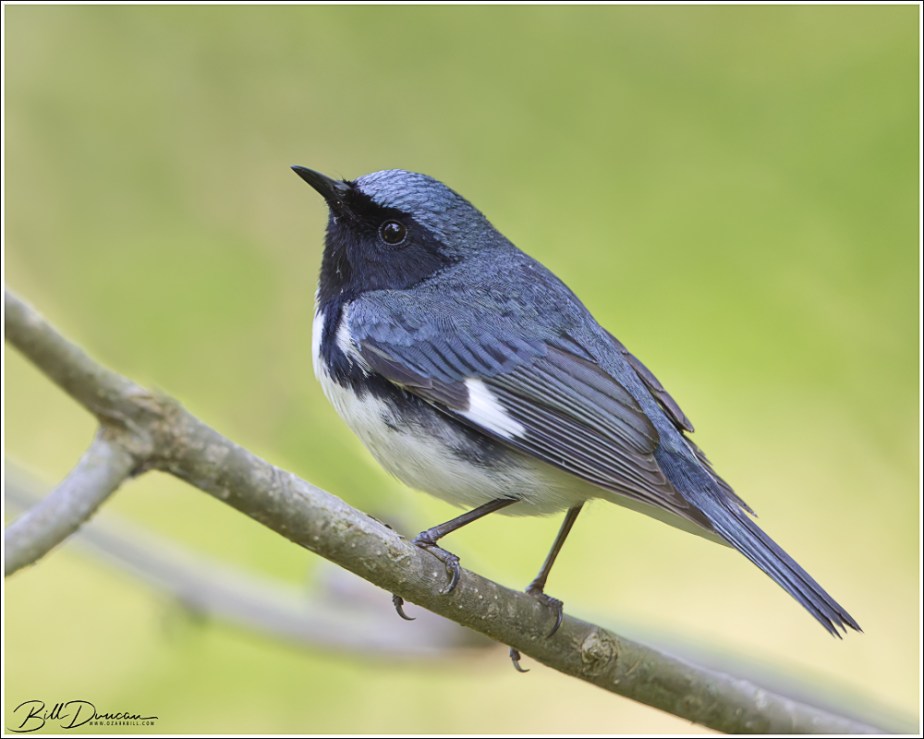
Finally, after nearly two decades of wishing to someday visit Magee Marsh, one of the most important stopover sites for migrating songbirds in North America, Dave and I made great use of some vacation time in mid-May of this year to do just that. Located along the southern shore of Lake Erie in northwestern Ohio, each spring warblers, vireos, thrushes, tanagers and other neotropical migrants pause here, preparing to cross the open waters of Lake Erie. The marsh’s forests and wetlands provide abundant food and shelter, allowing exhausted birds to replenish the energy reserves needed to continue their journeys to breeding grounds across the northern United States and Canada. Because these birds often congregate in exceptionally high numbers and at close range, Magee Marsh has become internationally renowned among birdwatchers and photographers.
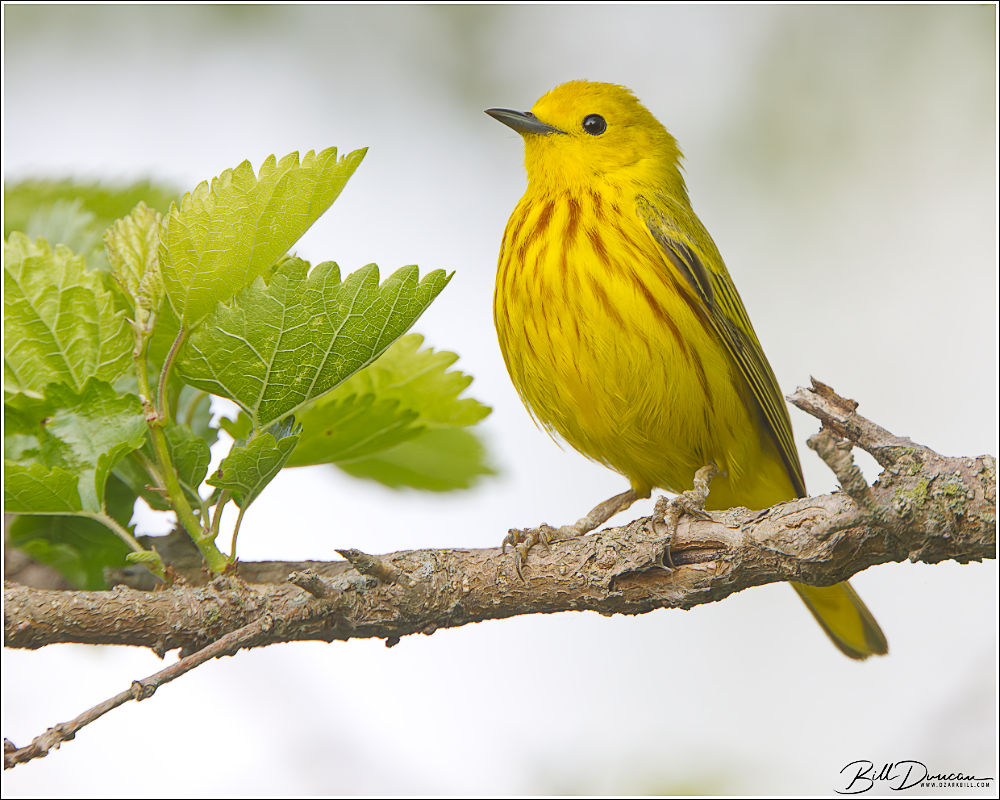
Our visit was timed nicely for being able to not only see many birds, but people as well. Our arrival coincided with the last few days of the “Biggest Week in American Birding” festival. Each day at peak hours we were joined by hundreds, if not thousands of others, trying to get great looks and photos of these magnificent birds. Typically, just the thought of being in a group of naked apes this large would cause me to run in another direction. Surprisingly, the throngs were not nearly as distasteful as I anticipated. Everyone we encountered was kind and helpful. With the flood of affordable cameras and telephoto lenses in the market the past several years, it seems most birders are now photographers as well. I think this went a long way in making everyone understand what our collective goals were and become accommodating to others. Meeting folks from all over the country and helping out one another, no matter their experience level, was a pleasure I didn’t expect.

Despite forecasts that suggested otherwise, the weather and skies were mostly cooperative and we were fortunate to have many opportunities to watch tiny warblers, sometimes within arm’s reach. This was something we did not anticipate well enough. We came armed with 400-600mm prime telephotos, with minimum focusing distances in the neighborhood of 10-14 feet. During our first couple of hours hunting, we quickly realized that this was going to cause some missed opportunities. With often being surrounded by others, it was not going to be an option for us to try and backpedal to increase the distance between us and our subjects. In retrospect, bringing our 100-400mm zooms, or a 300mm prime, with considerably shorter minimum focusing distances would have been the much better choice. That’s the price we pay for not doing apt research ahead of time!

I did have a workaround that saved my bacon with the close proximity to the birds. I always carry a 25mm extension tube with my teleconverters in my long-lens bag. By adding this tube between my camera body and the lens, I was able to shave a few precious feet off of the minimum focusing distance without any loss of image quality or autofocusing speed. This meant that I lost the capability to focus on farther subjects, but those were much less frequent opportunities.
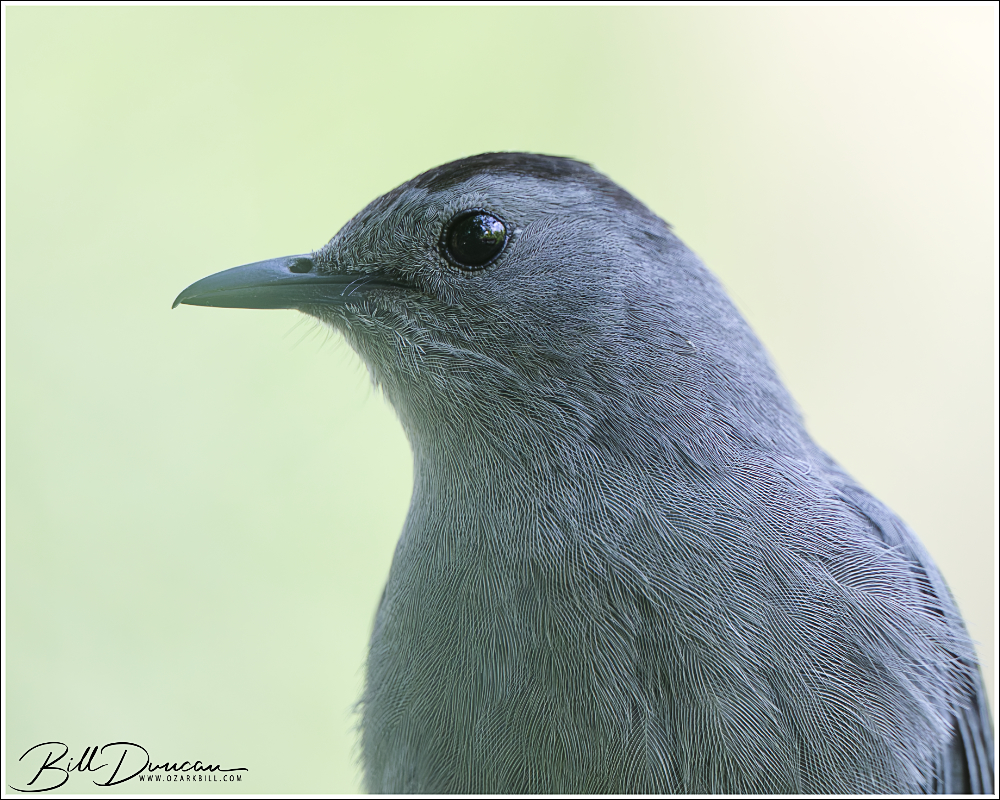
Overall, this was a memorable trip and one I would gladly do again. Let me show you the stars of the show!
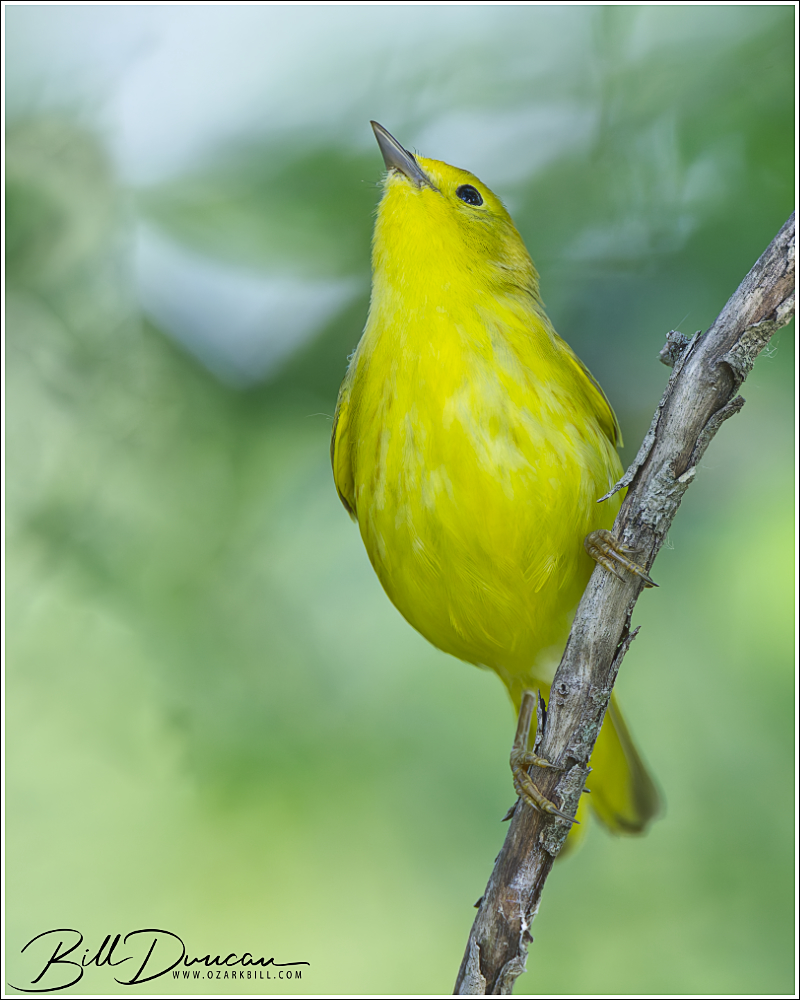
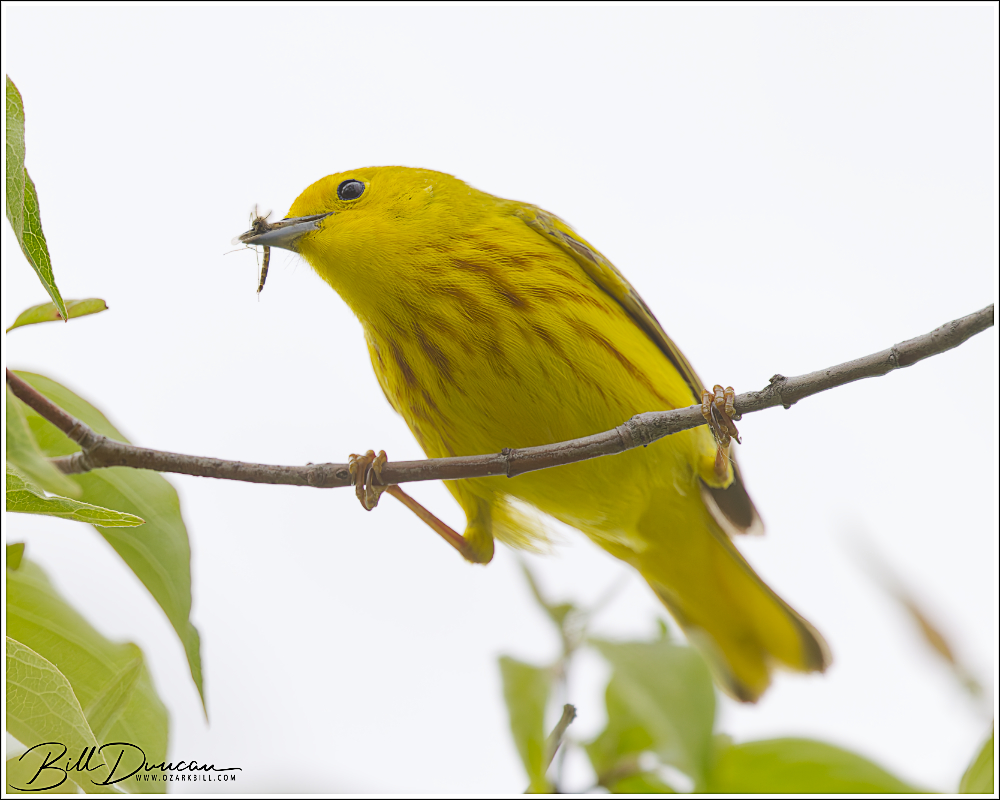
Yellow Warblers were likely the most abundant warbler we encountered, showing up in every available habitat, from the marsh to the forest. We even found a couple of active nests among the buttonbush and dogwood swampy area of the boardwalk.
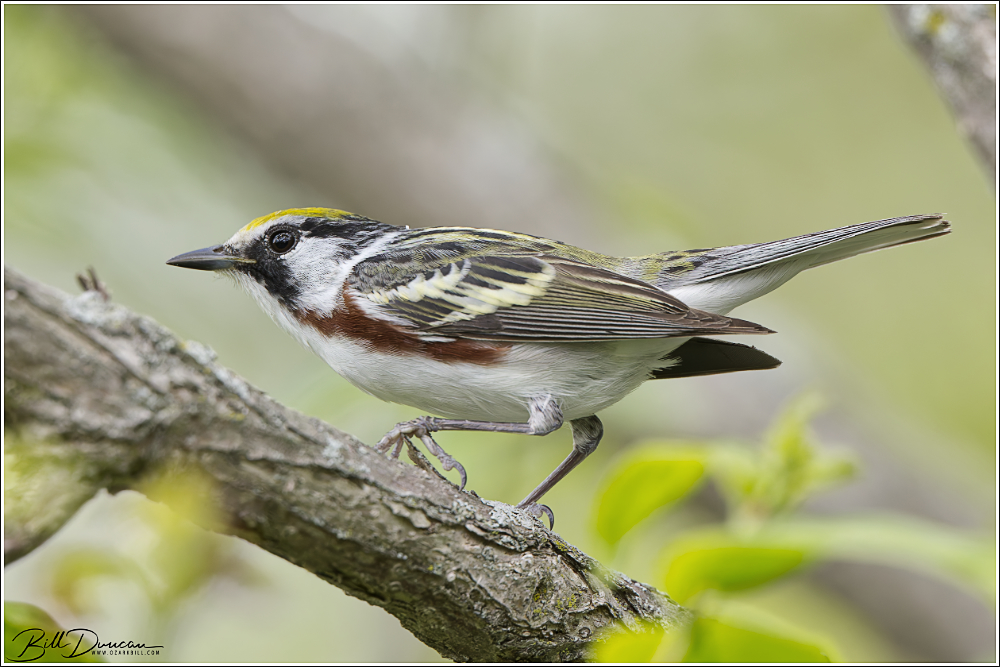
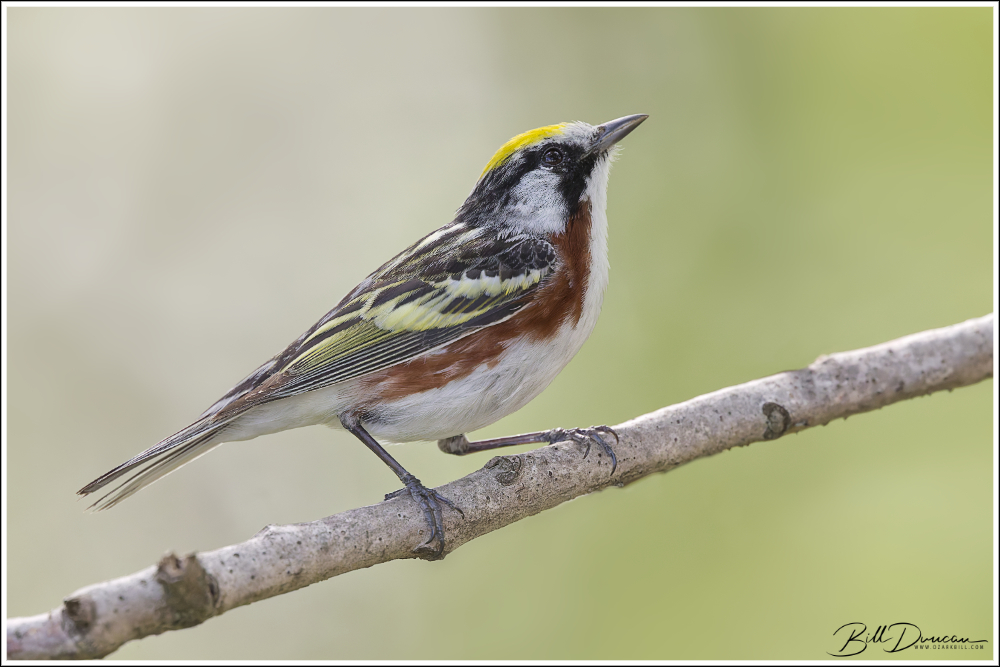
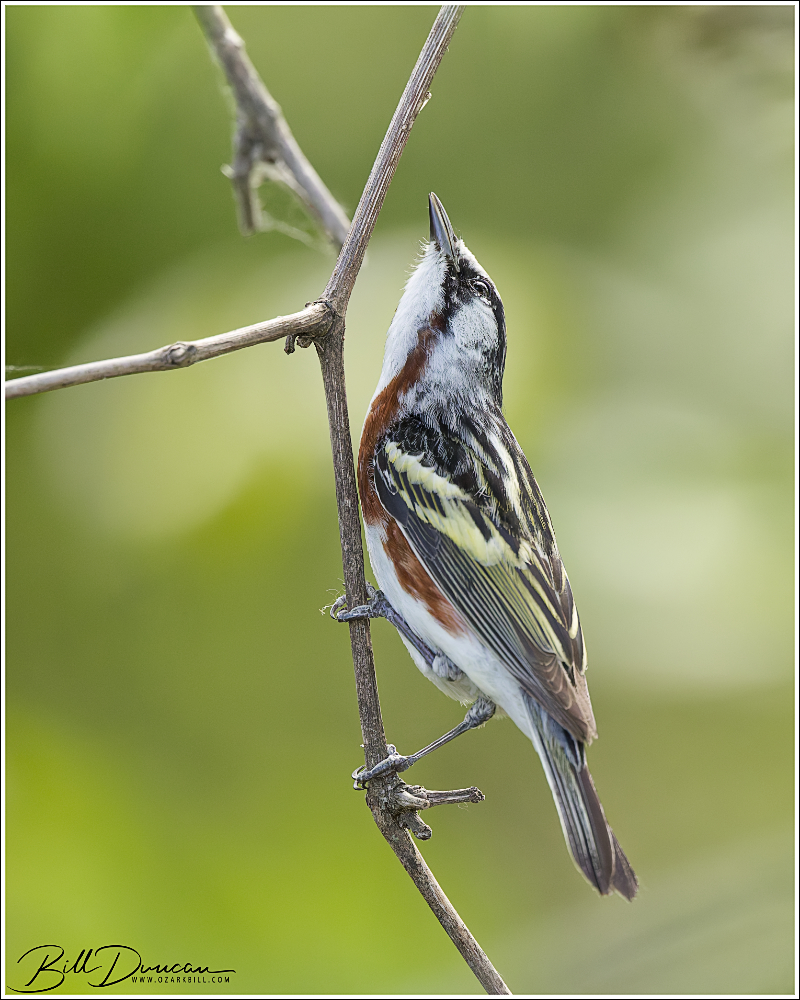
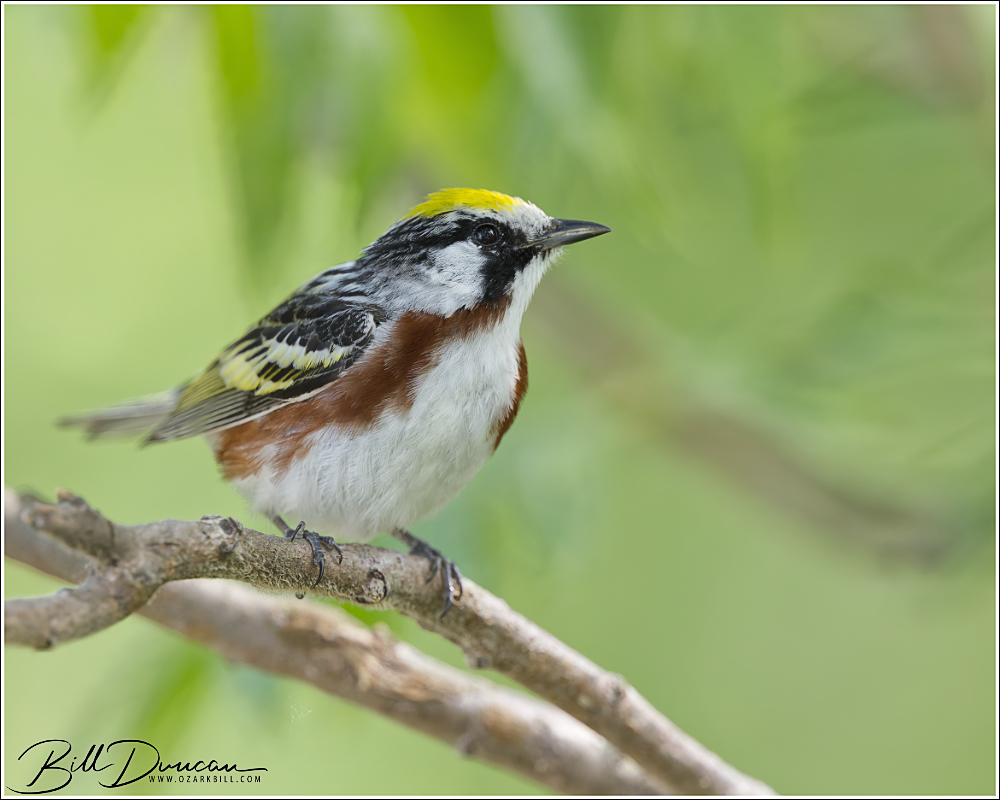
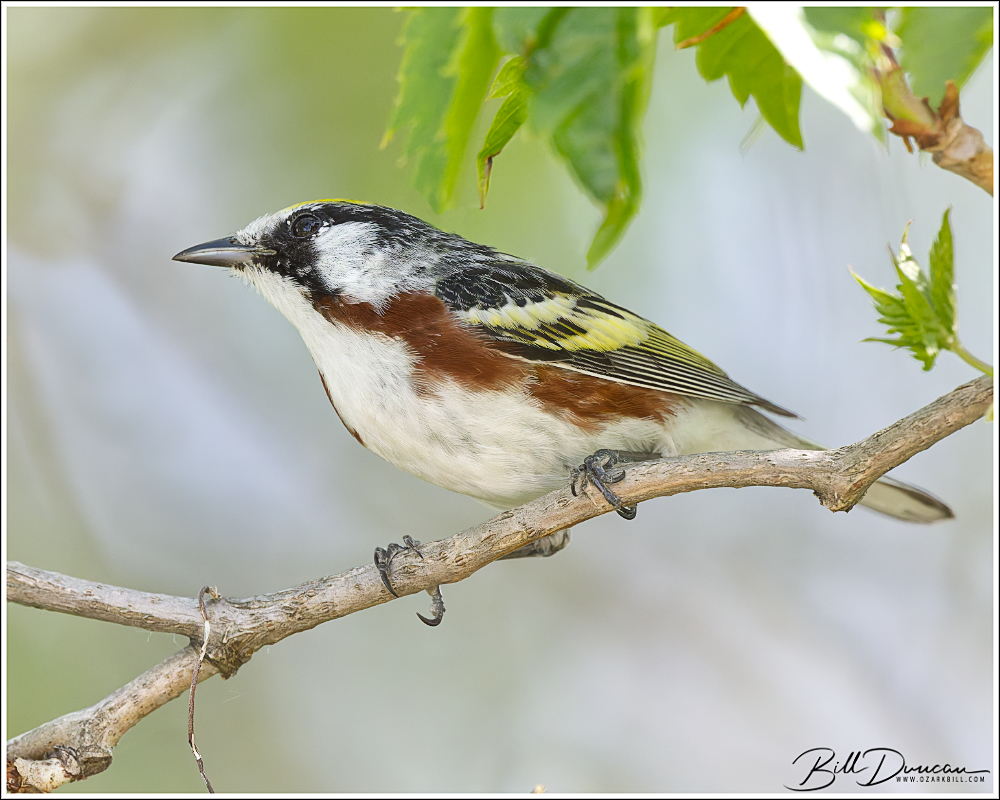
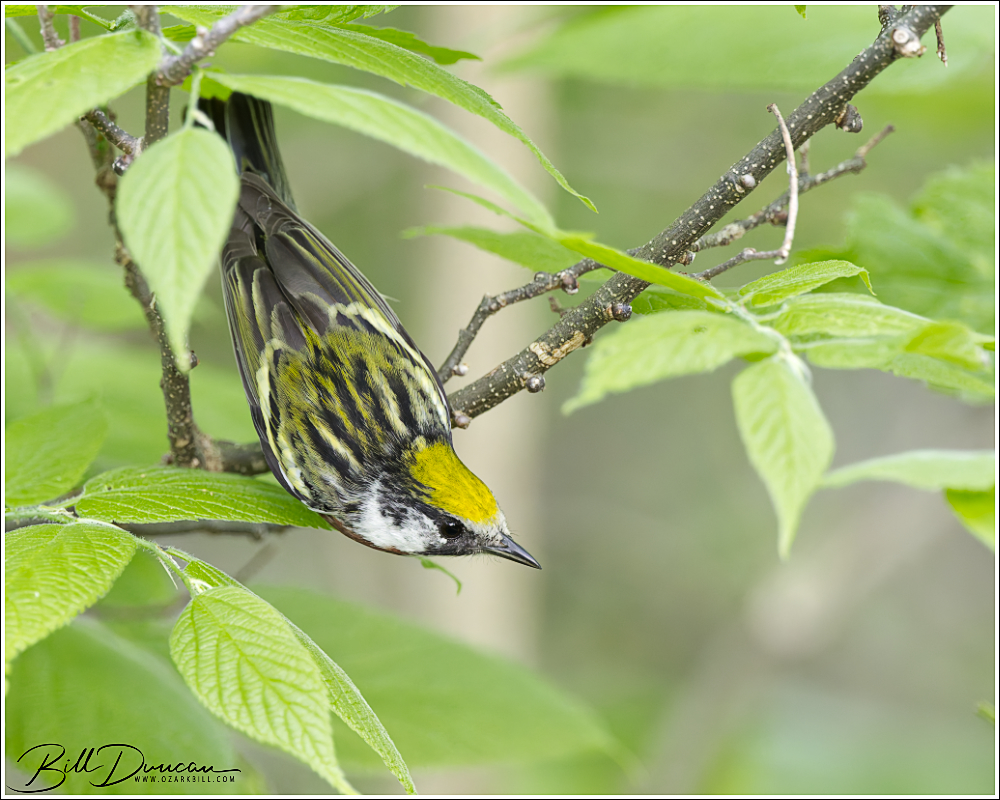
Chestnut-sided Warblers were damn near as abundant as the Yellow Warblers. It was such a thrill finding these guys in nearly every direction we looked!
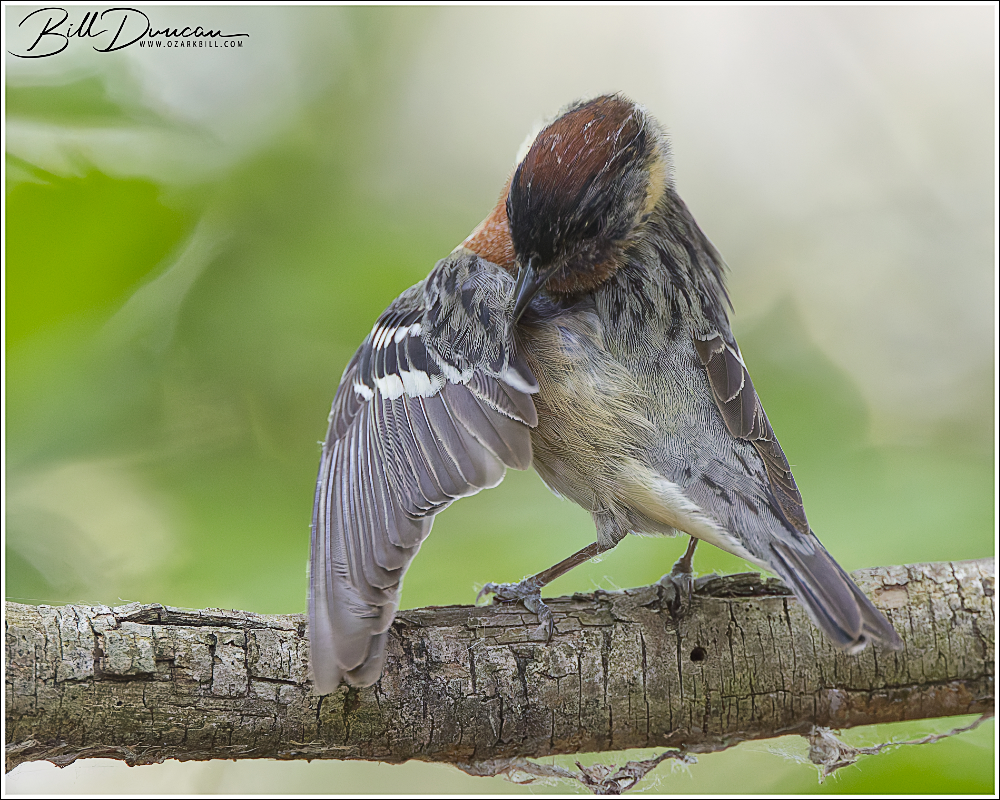
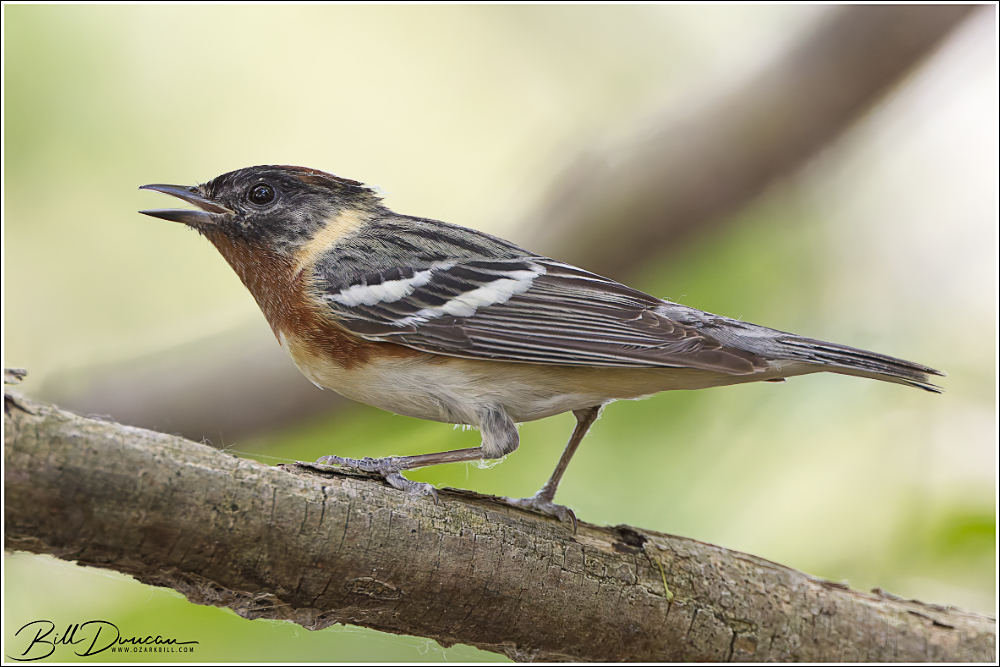
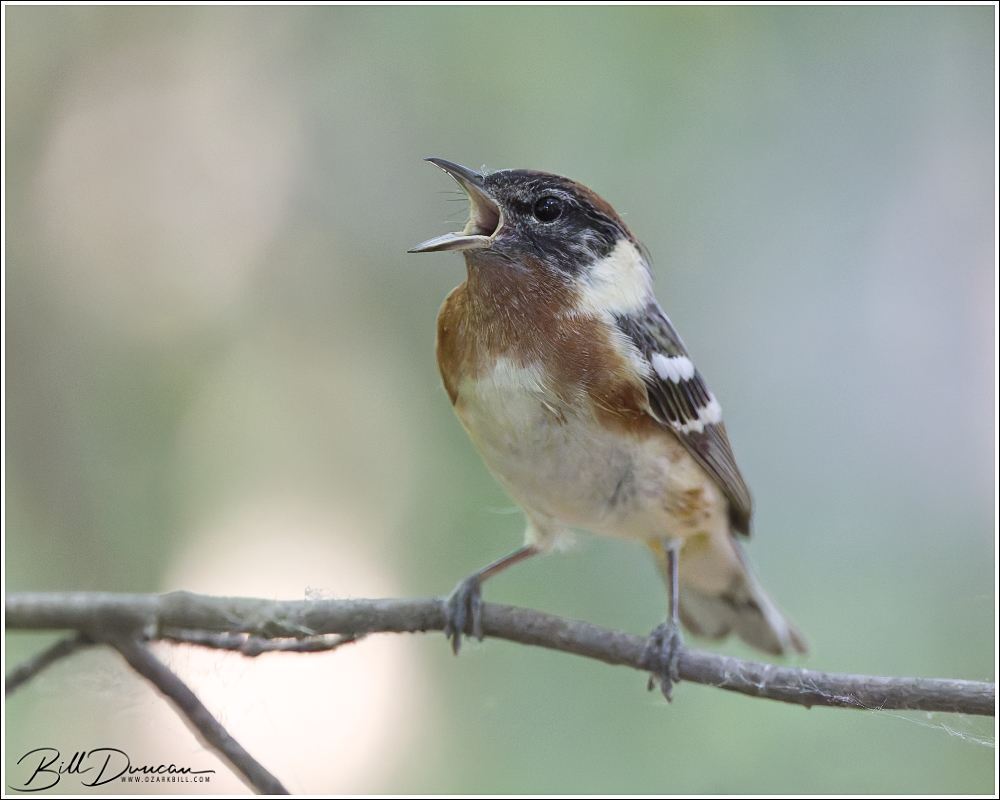
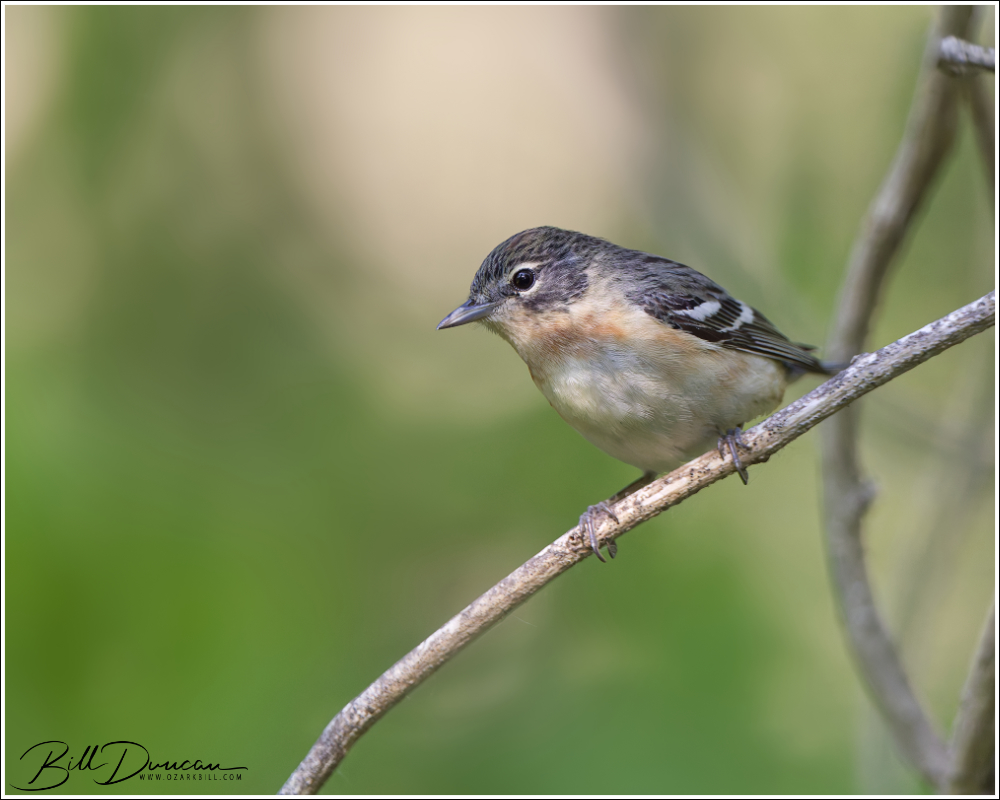
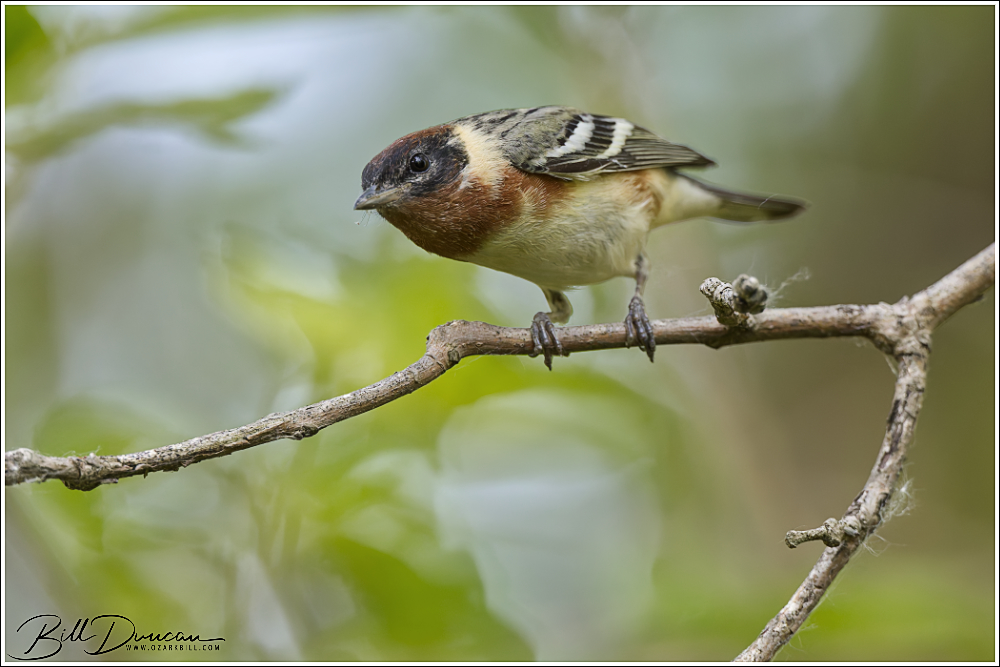
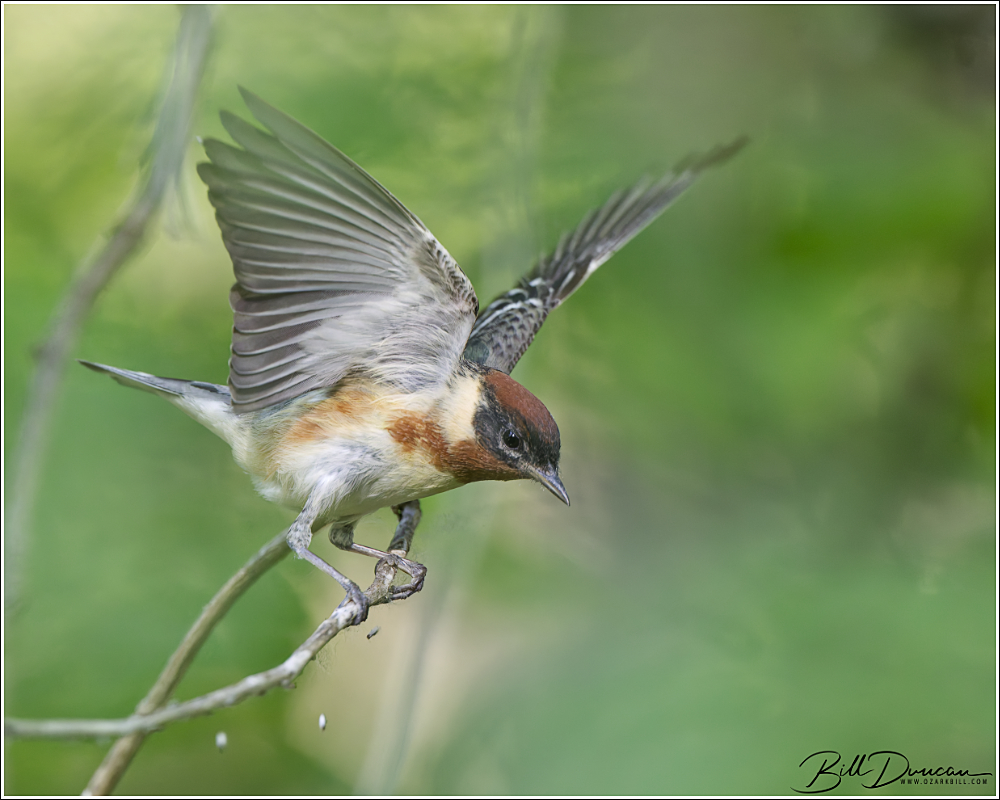
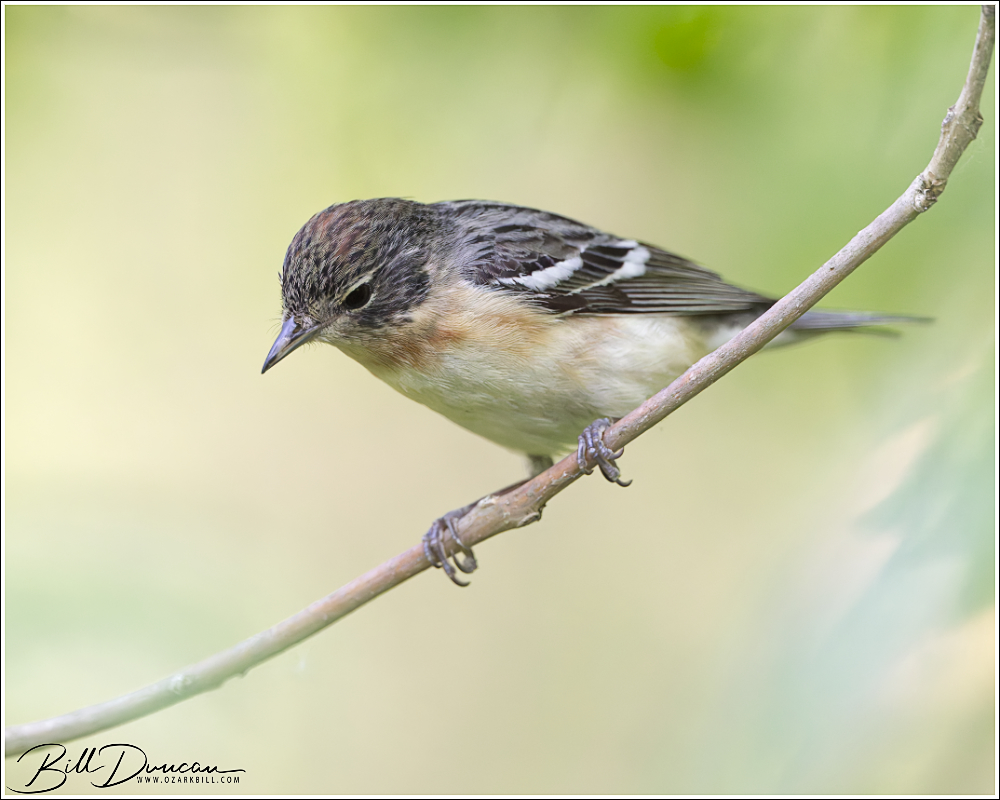
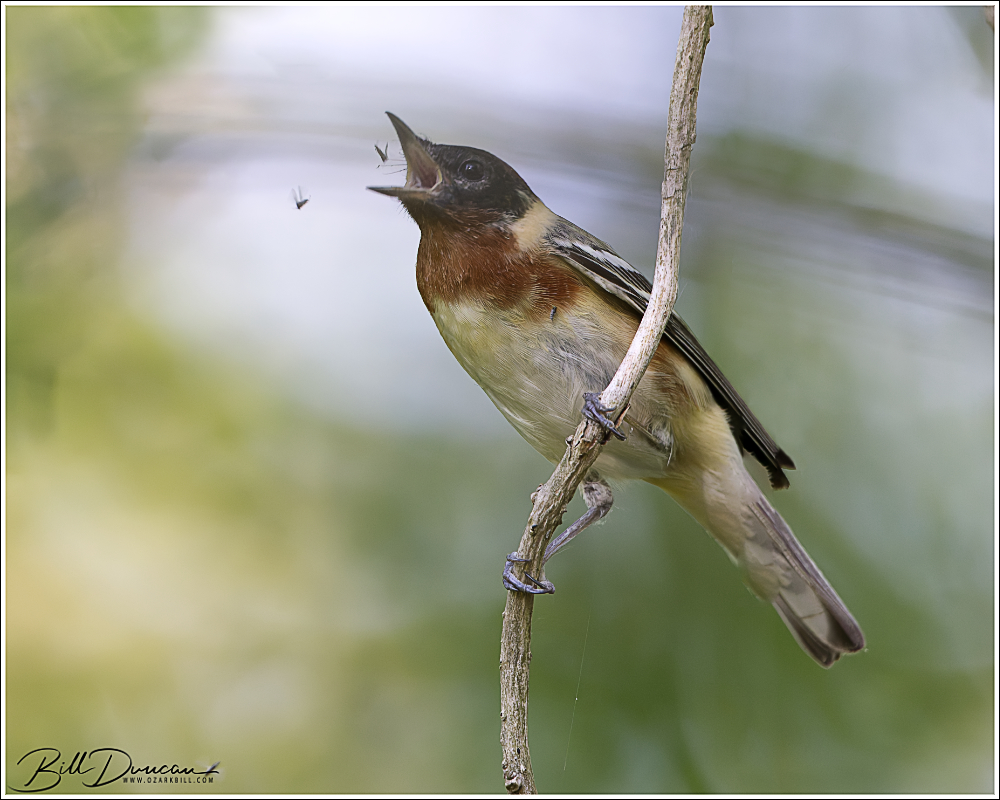
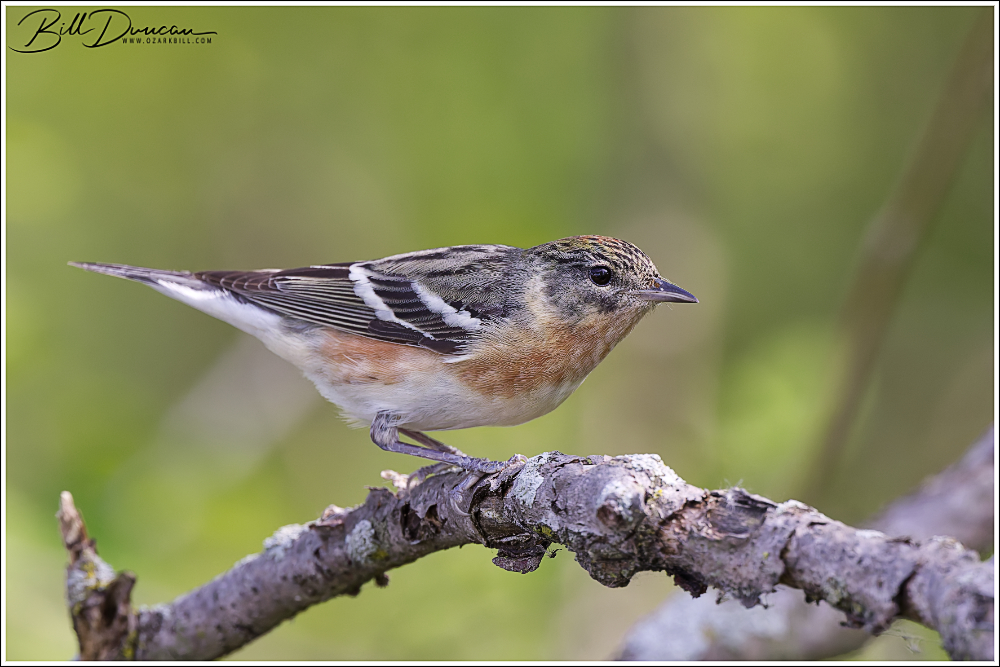
Bay-breasted Warblers were surprisingly abundant and often travelling in groups. In the St. Louis area, these are a relatively uncommon spring find, so seeing them in such numbers was a real treat.
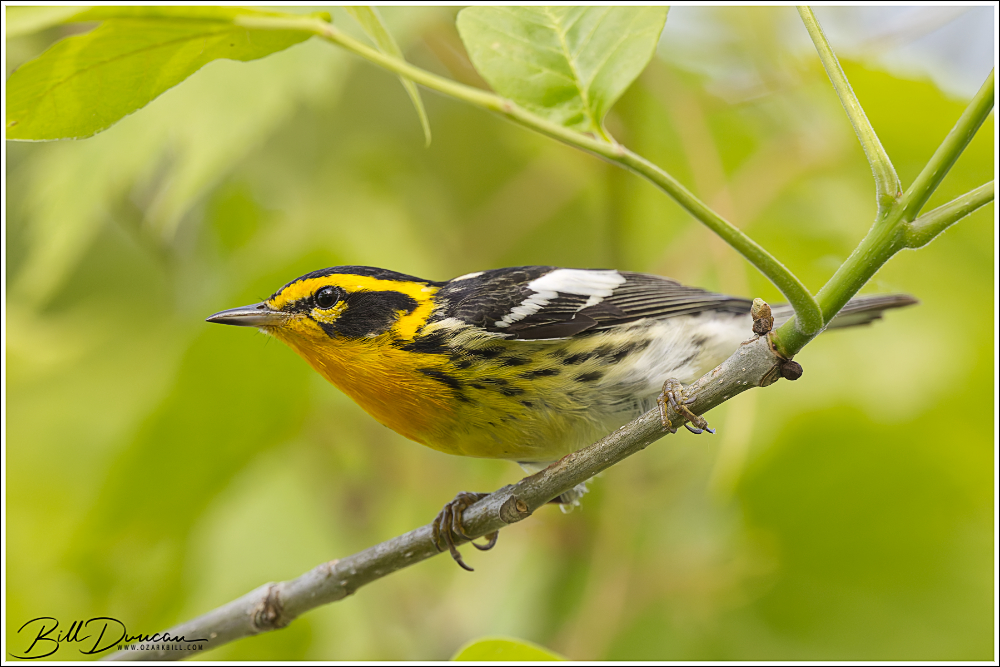
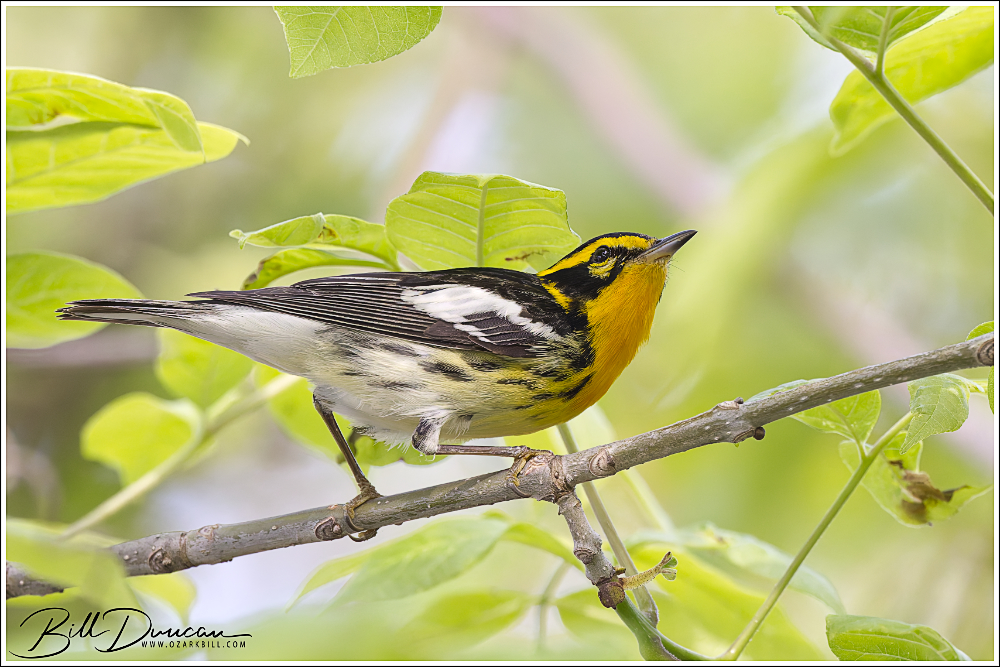
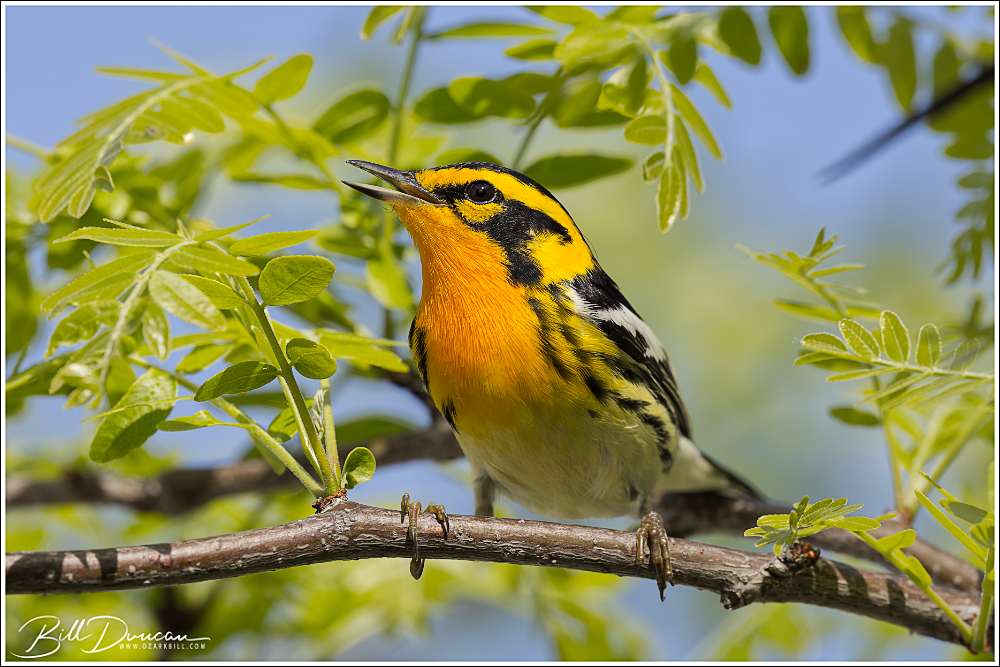
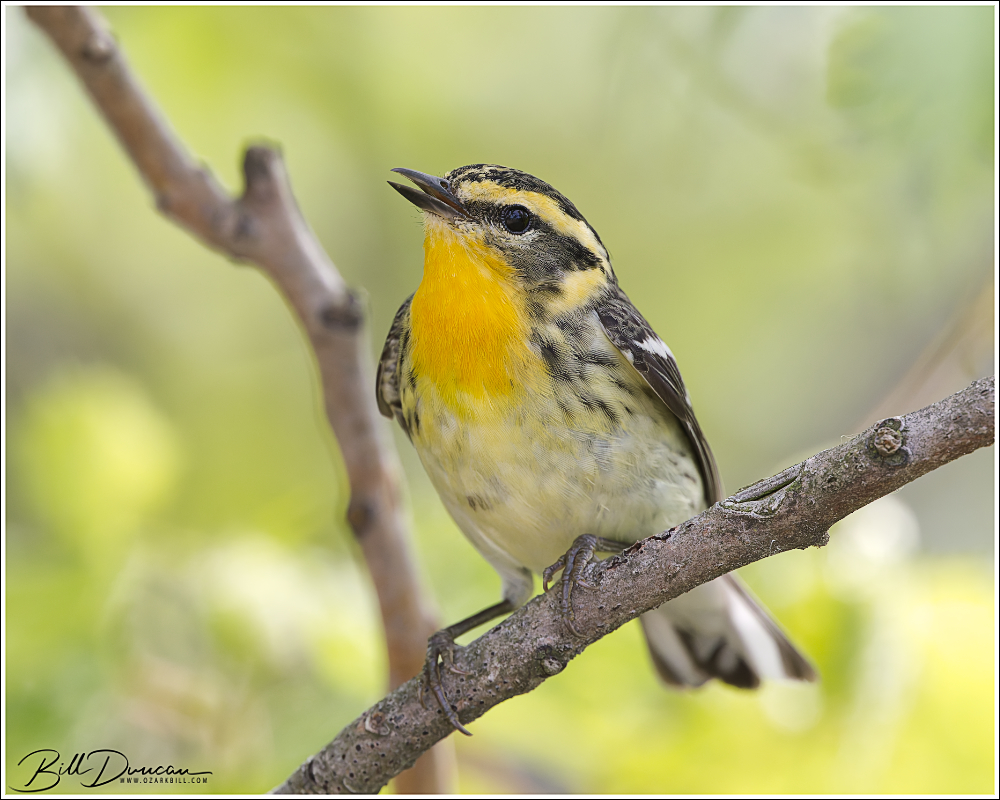
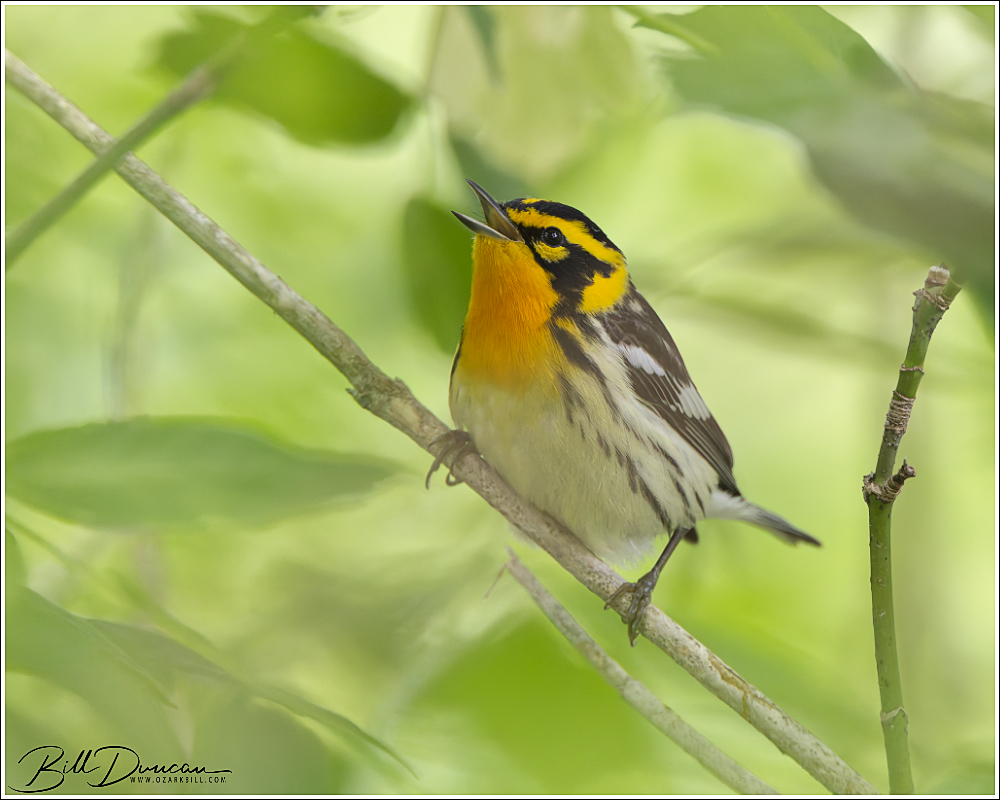
Blackburnian Warblers are in my top ten favorite birds. Being able to see so many at eye-level was simply thrilling.
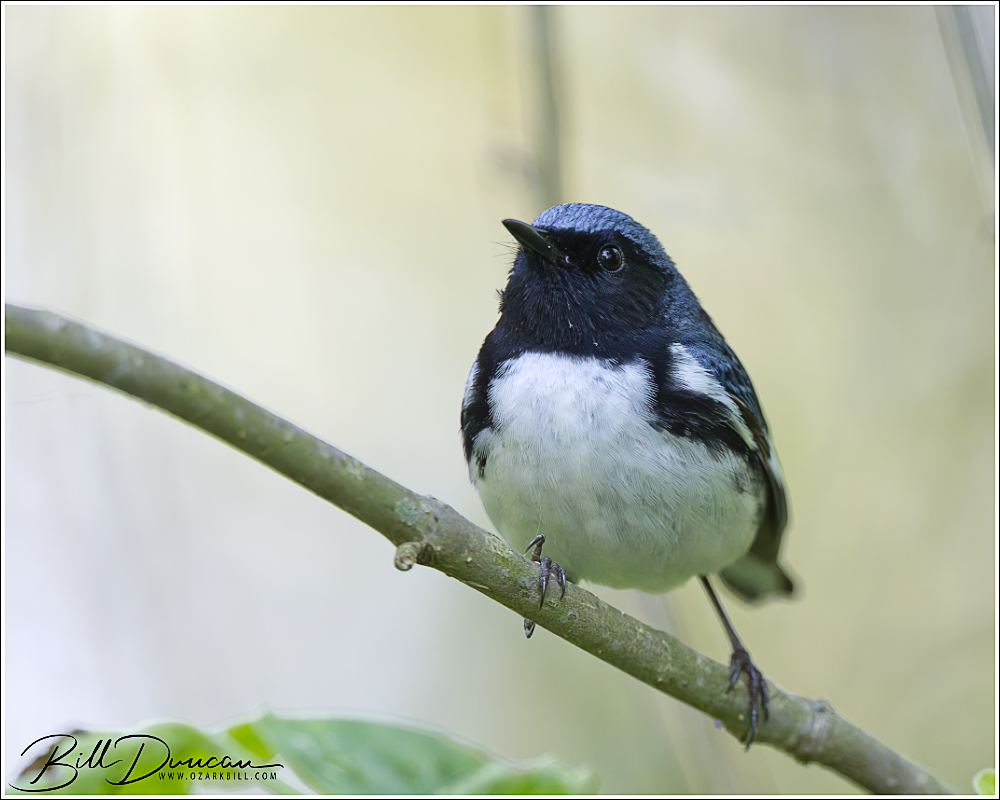
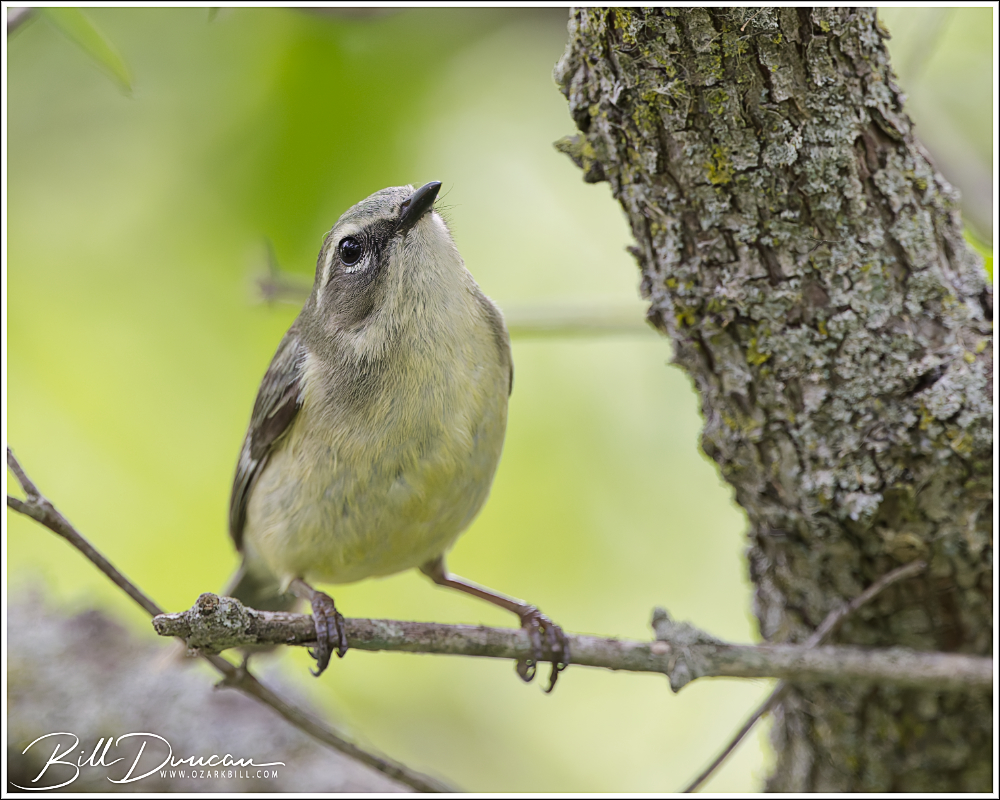
One of my goals of this trip was to finally photograph a male Black-throated Blue Warbler. This is a more eastern bird that rarely makes an appearance in the St. Louis area. At first this goal looked unlikely. We found several females and were about to give up hope until one cooperative male was found.
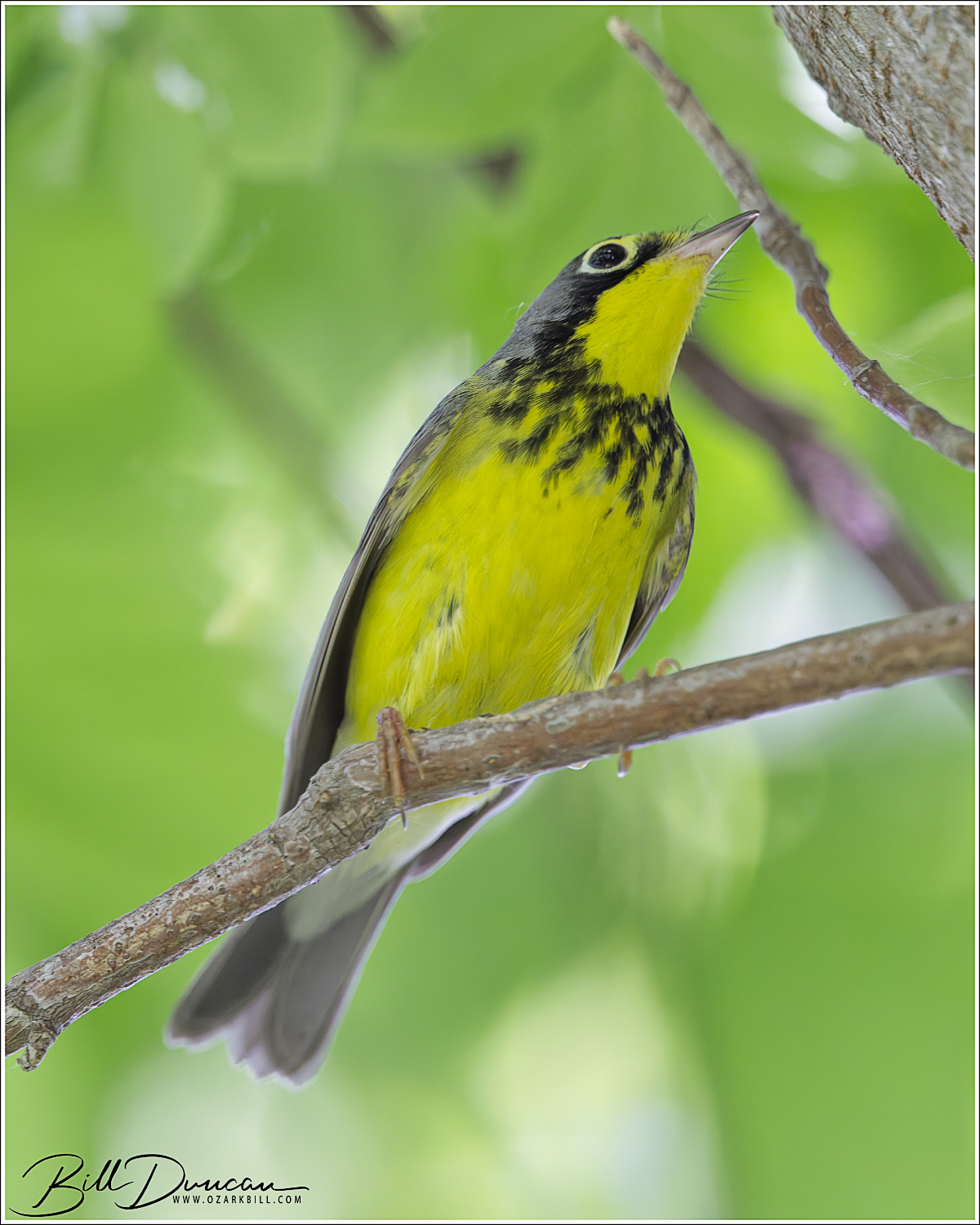
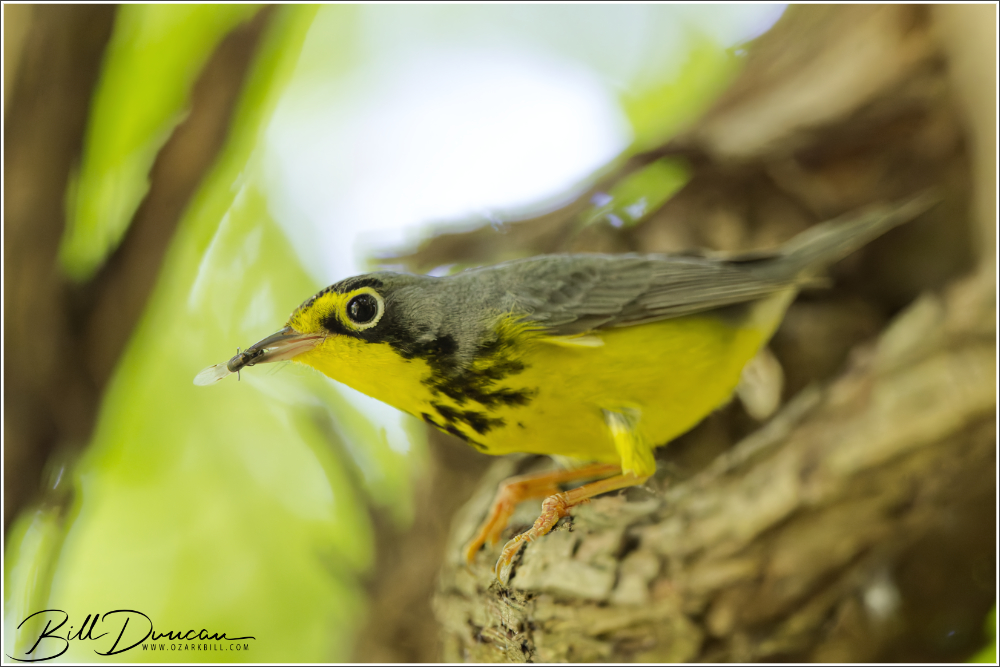
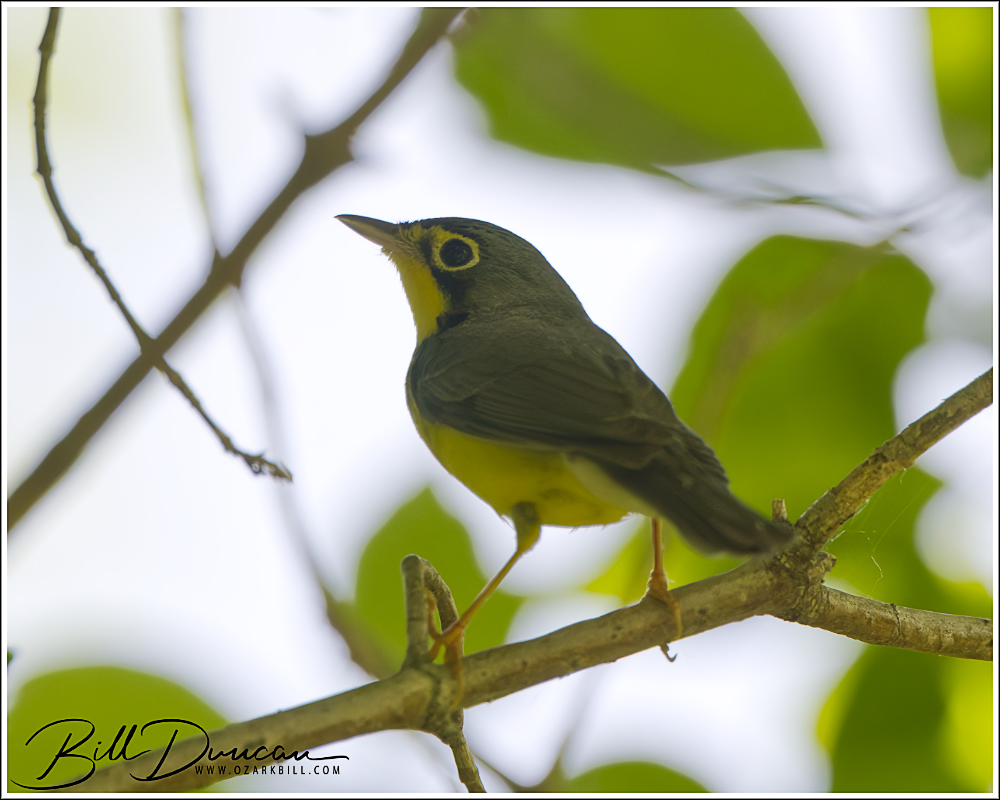
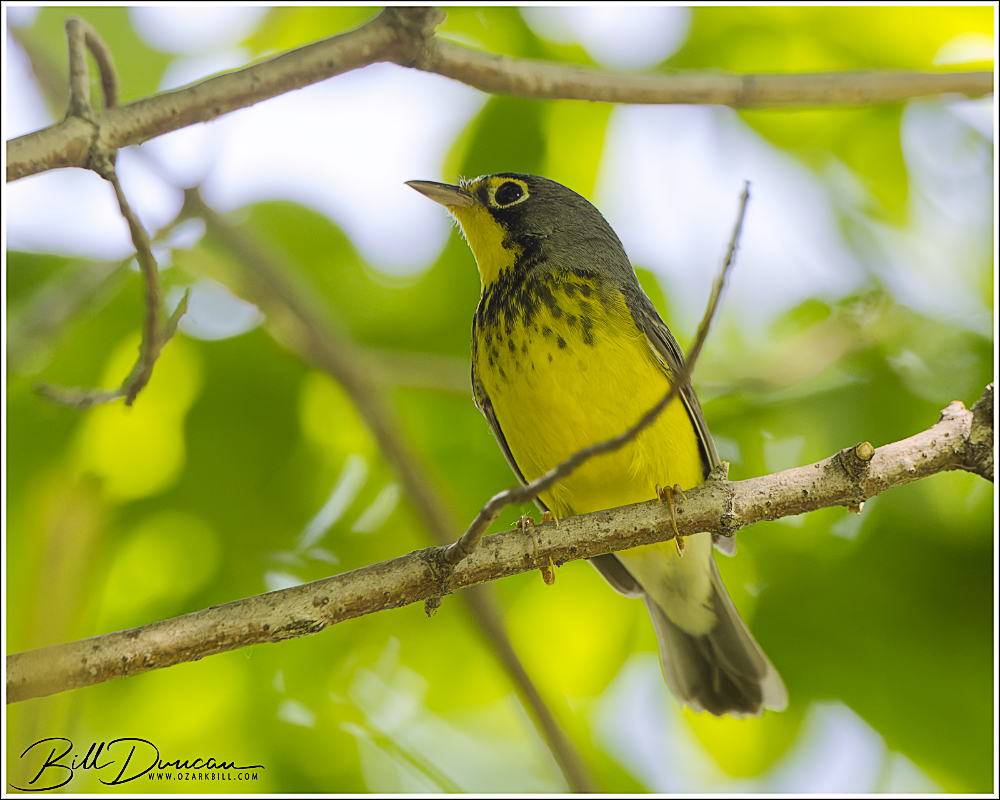
The Canada Warbler was another high on my list. I did have some photos but I was eager to get better ones. We found around six of these and each was as obstinate as the last. It took a lot of time and patience to get the images seen above.
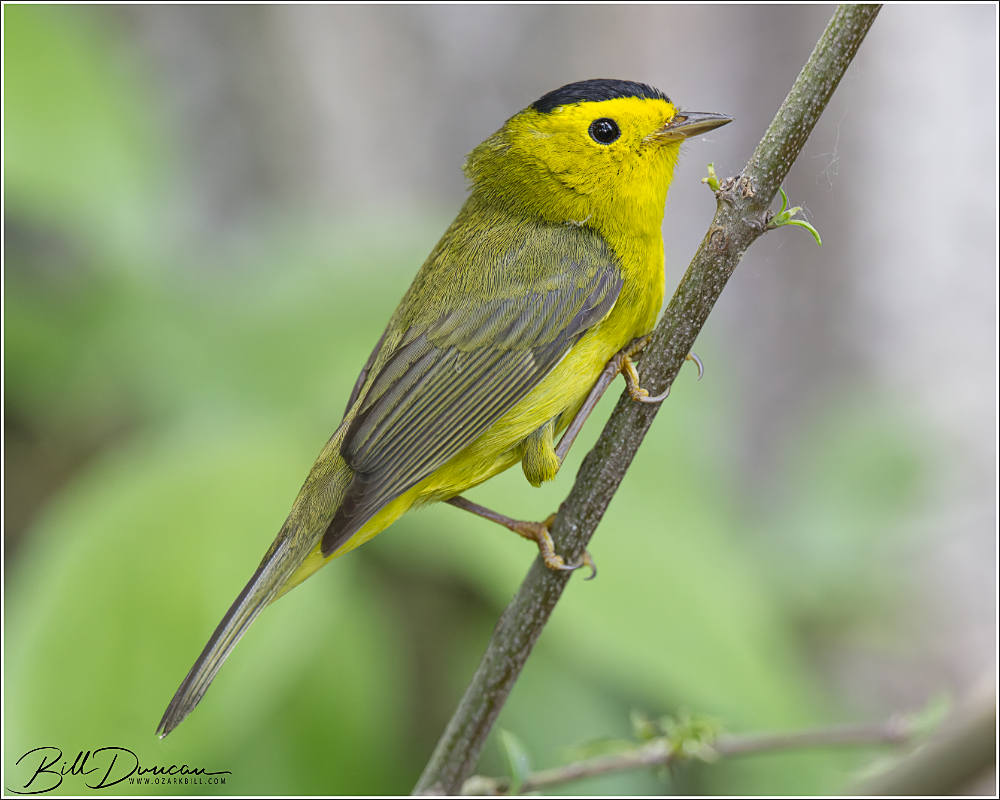
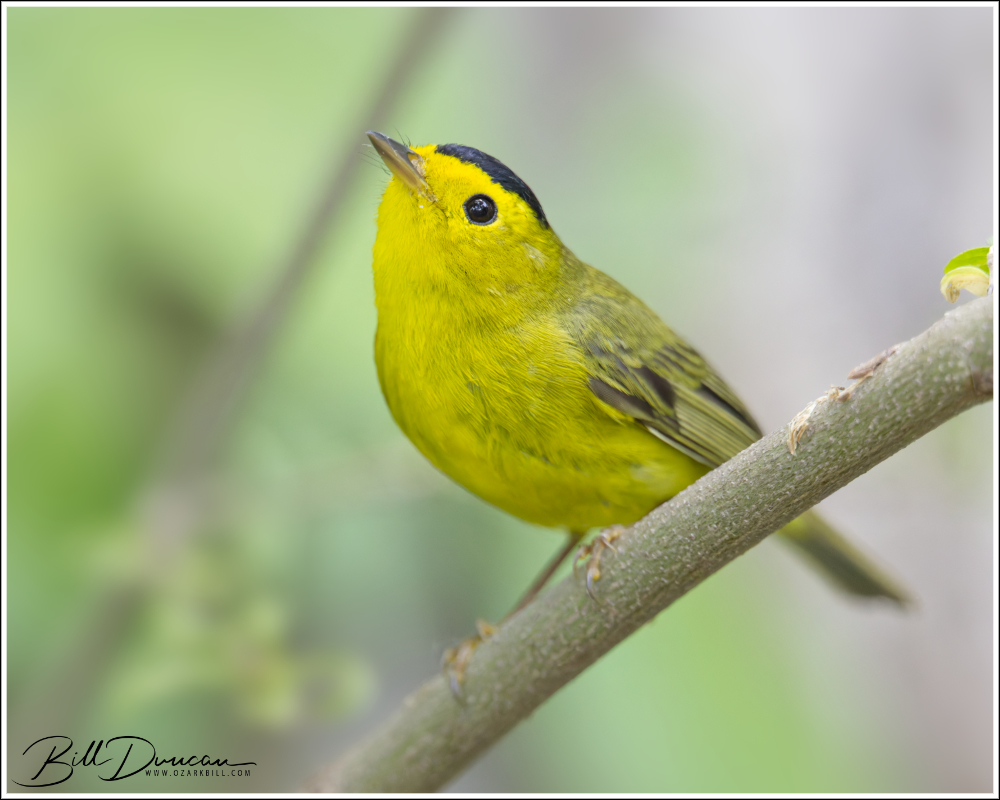
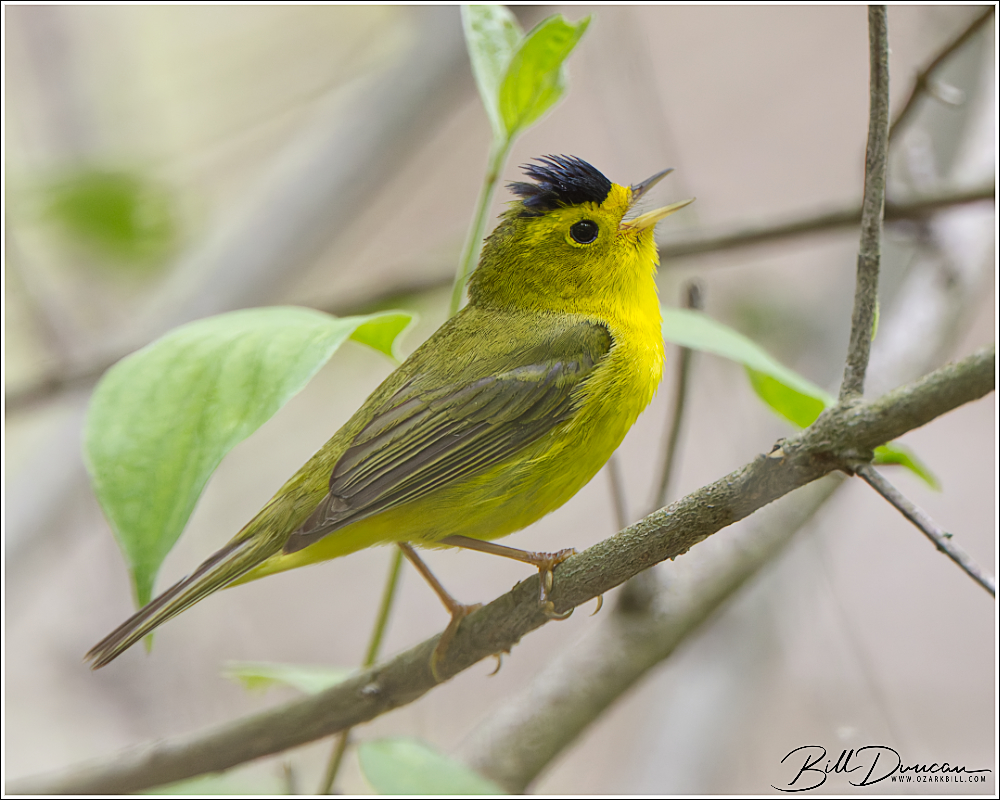
Wilson’s Warblers were scattered and singing lovely, but finding opportunities for photographs was quite tough.
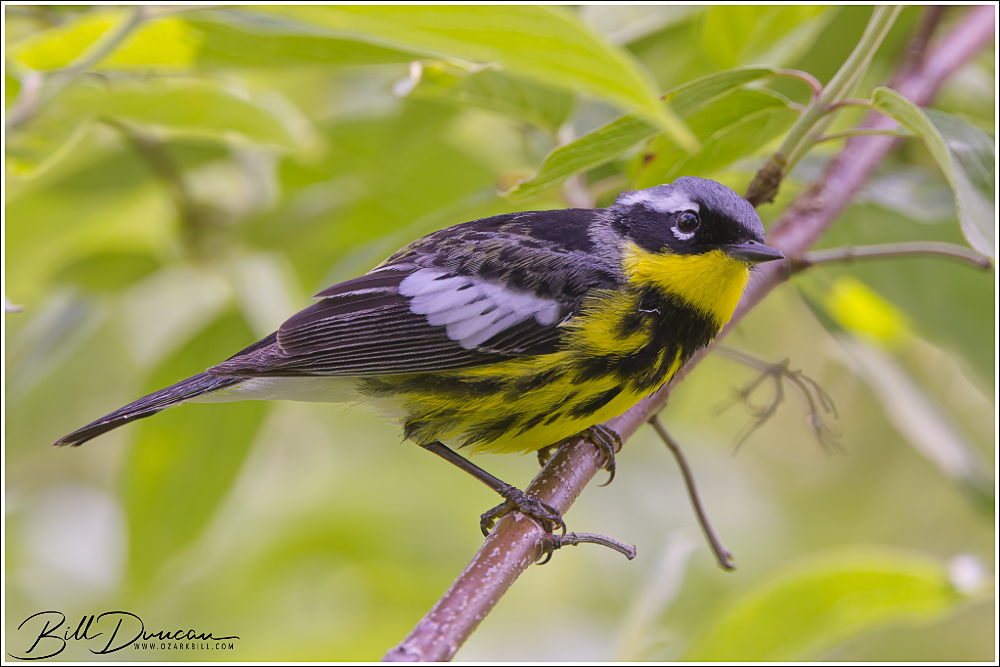
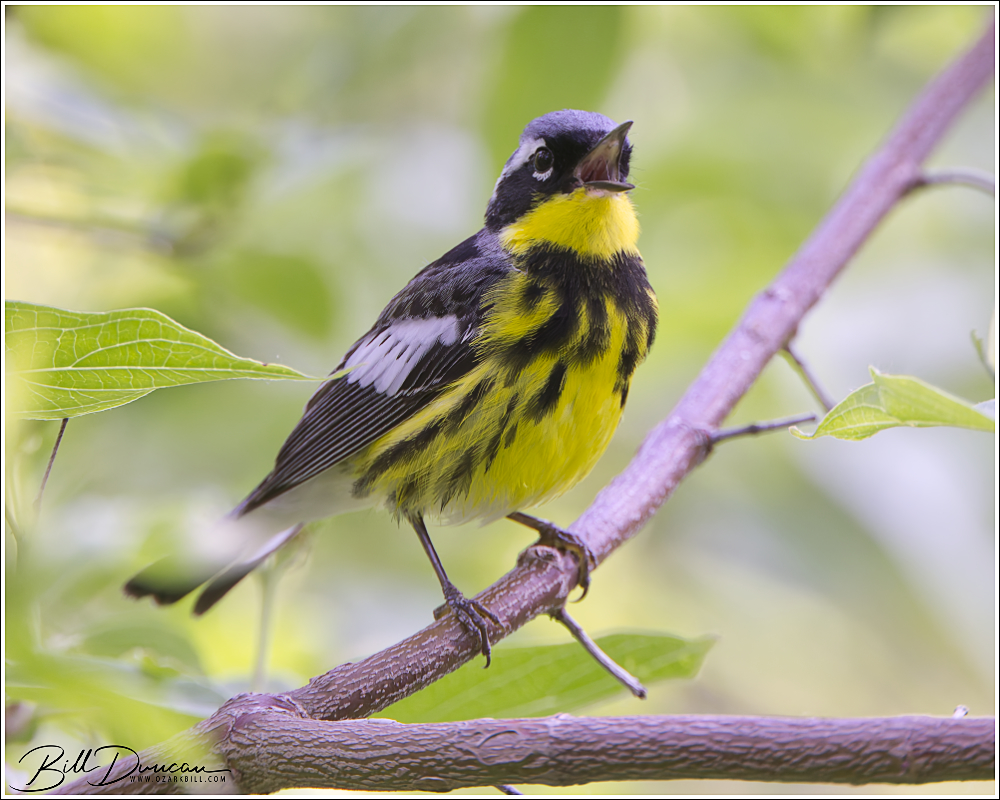
Striking Magnolia Warblers were fairly common.
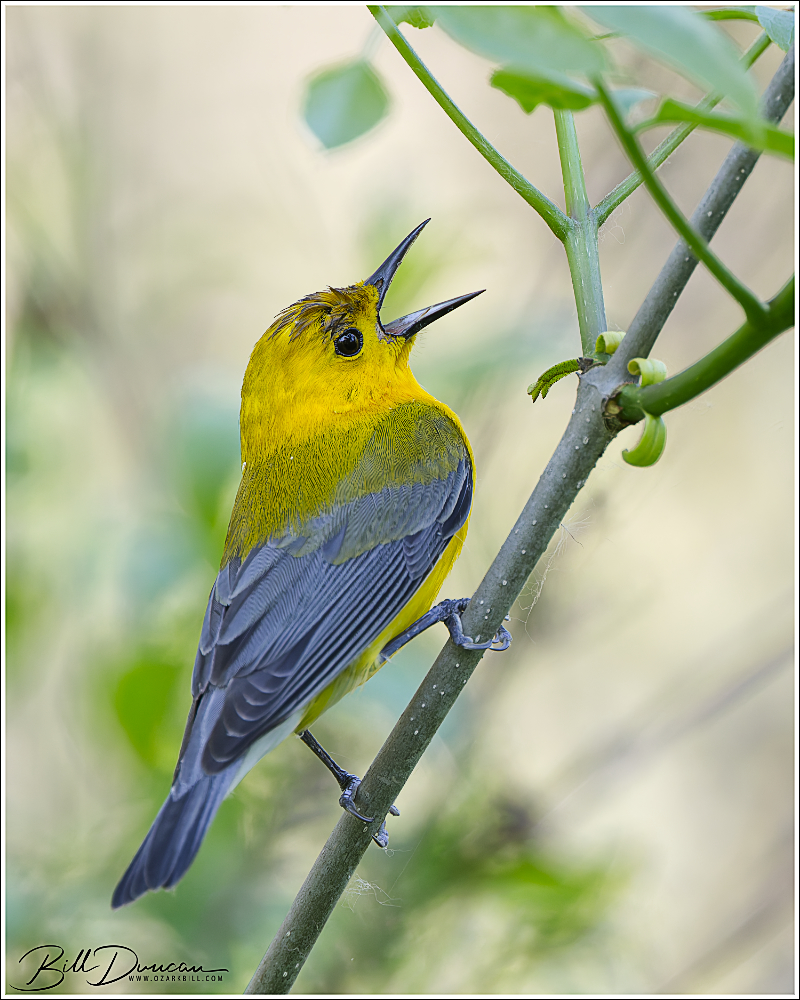
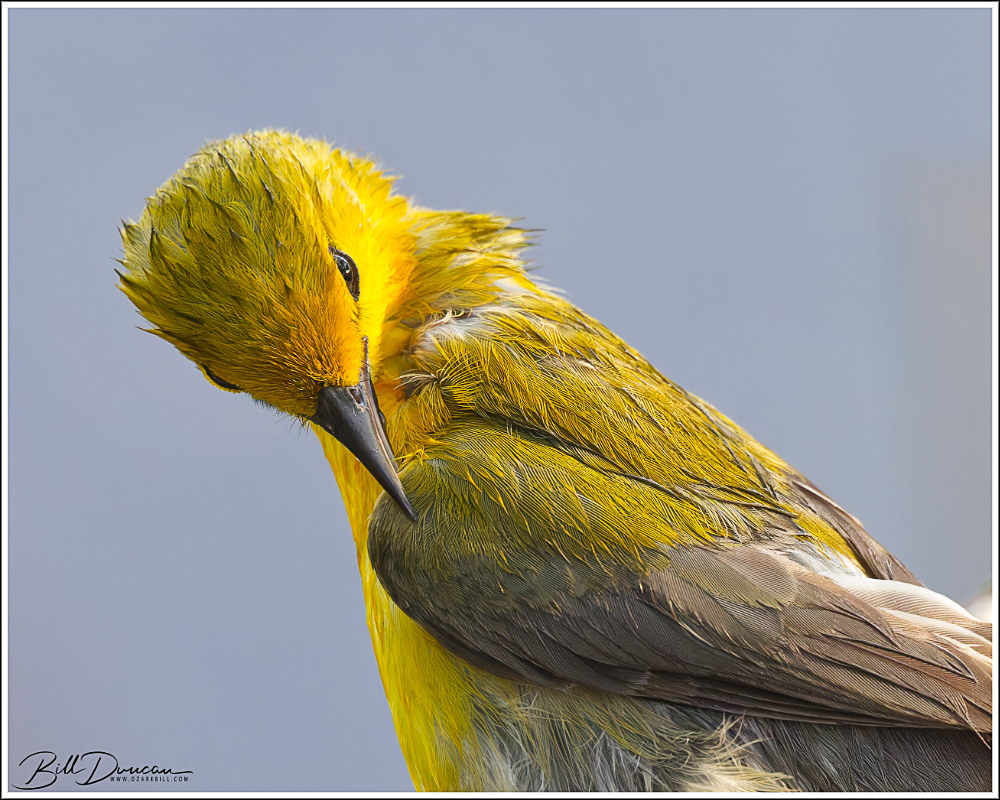
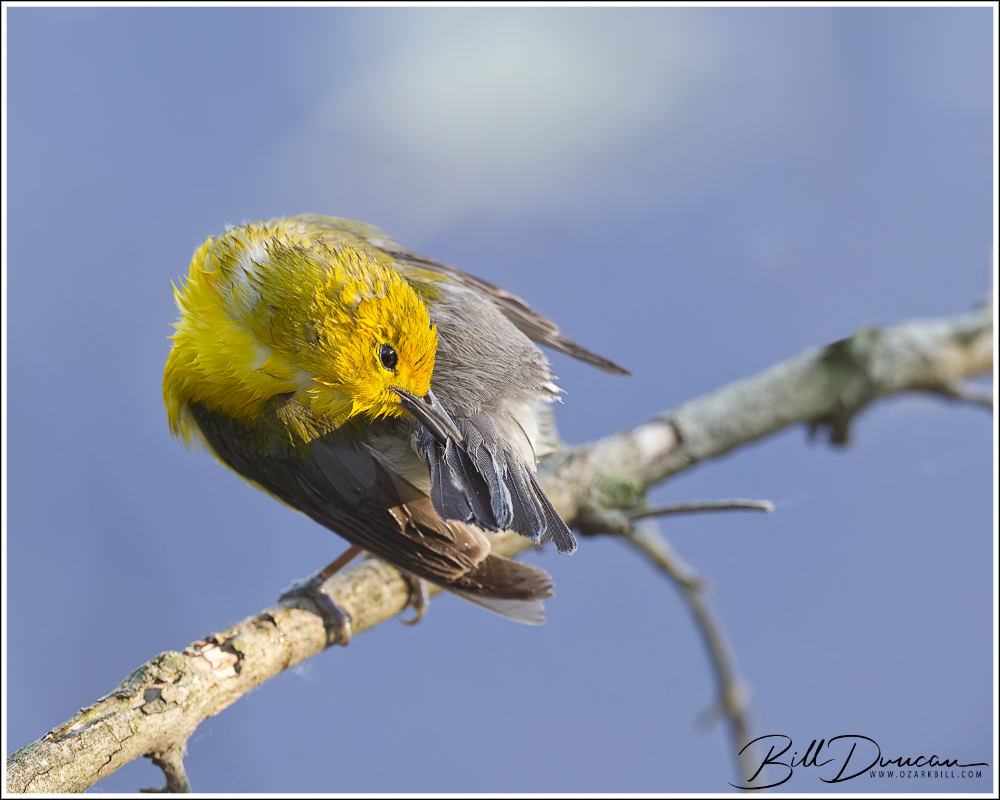
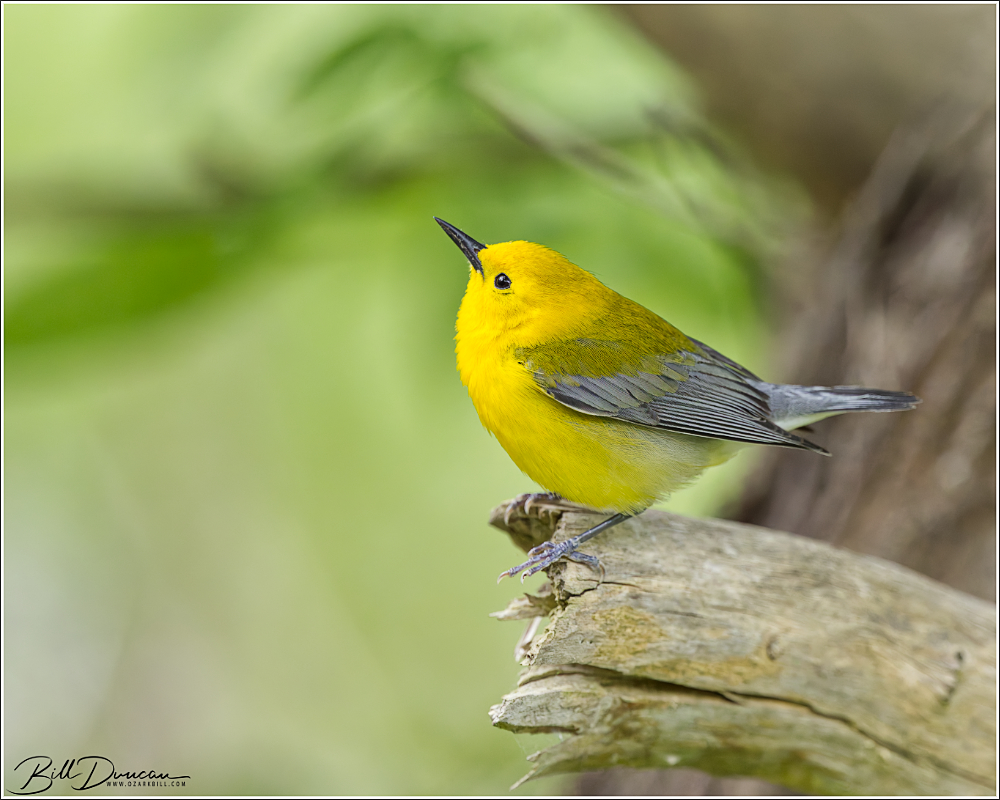
Of course, no good swampy habitat is complete without Prothonotary Warblers, including one that decided to build a nest in a rotten railing along the boardwalk!
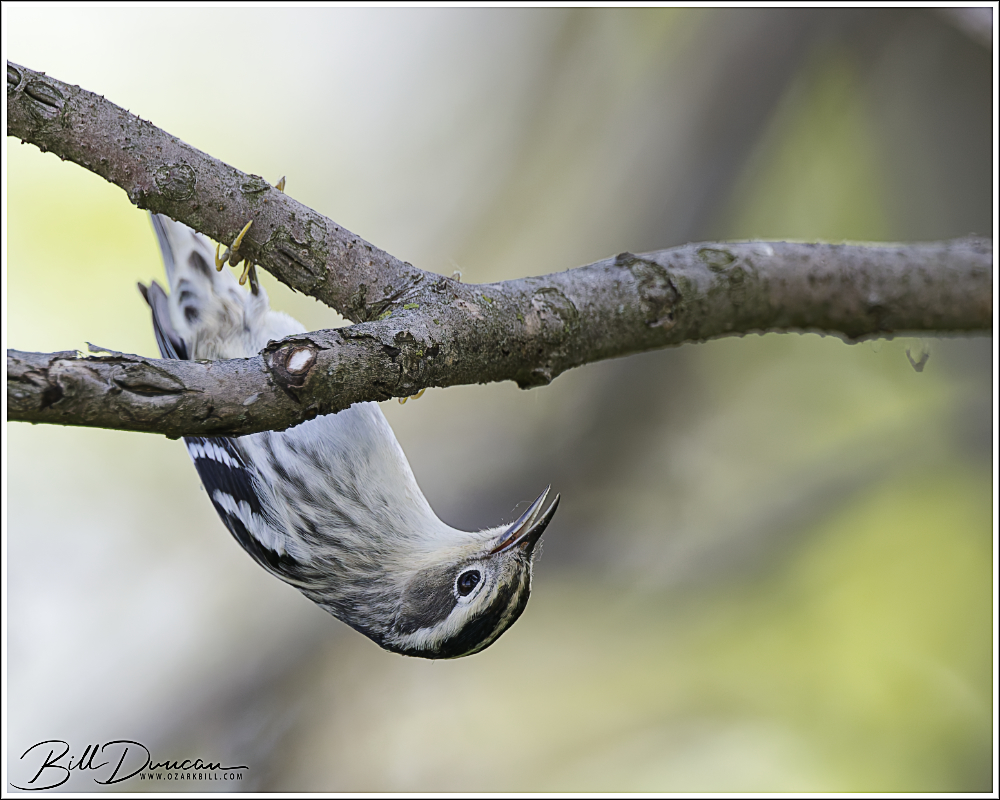
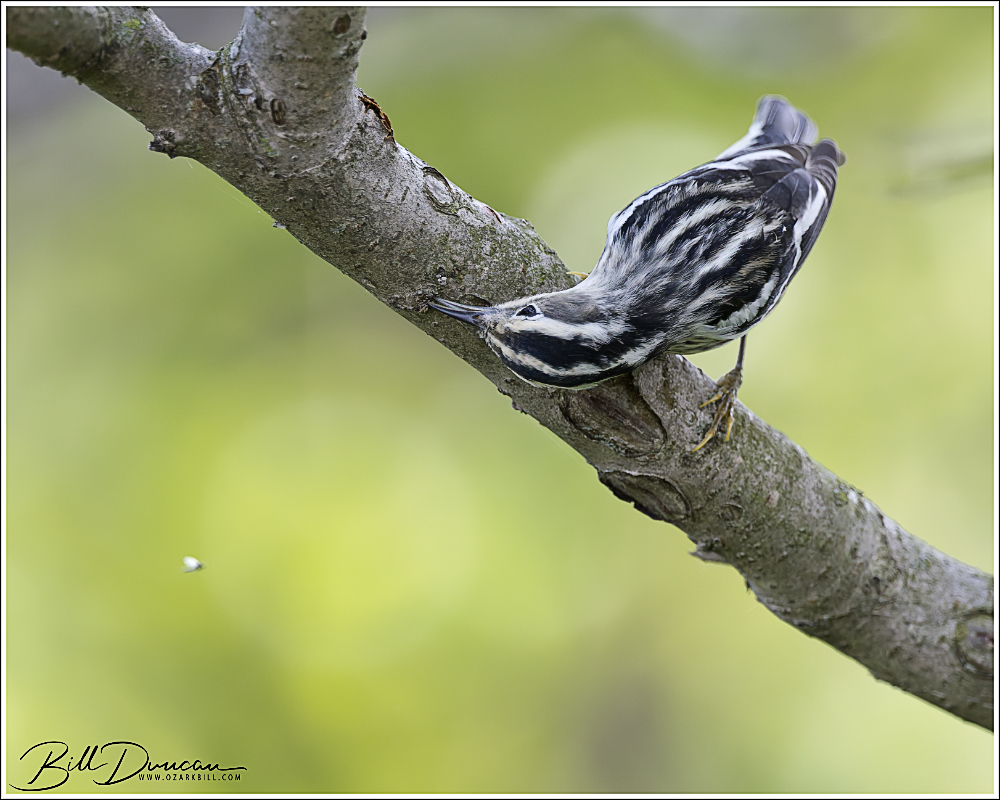
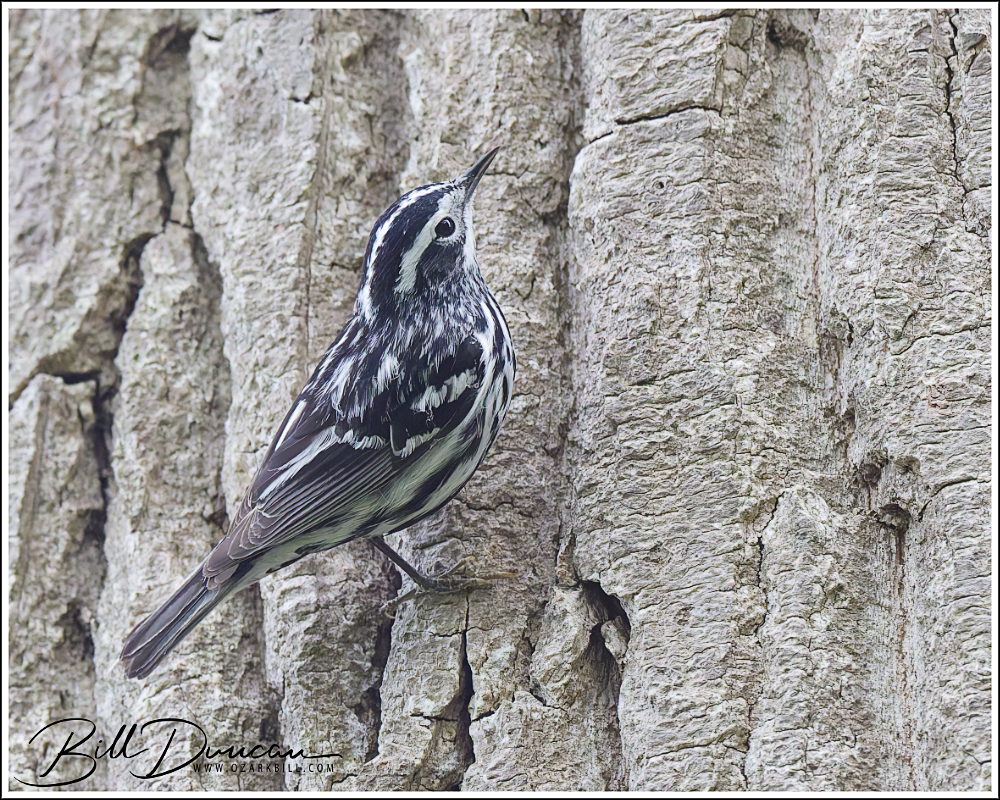
Black and White Warblers doing their typical gymnastics.
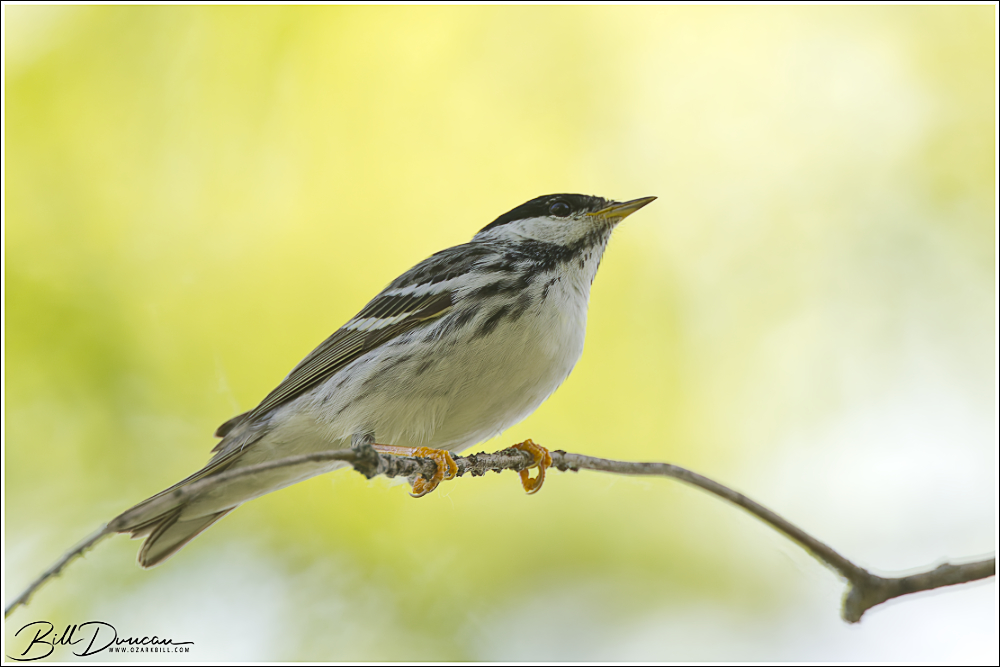
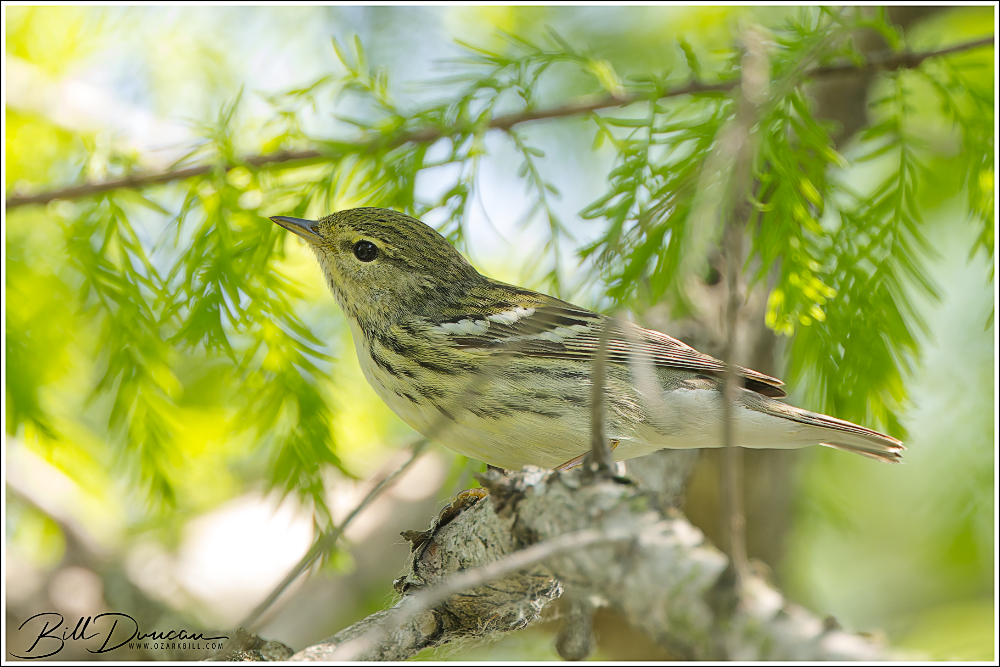
I heard Blackpoll Warblers throughout our time at the marsh, but always in the treetops. We thought we wouldn’t get an opportunity for photos, but during our last hours on our last day, we found a few willing to cooperate.
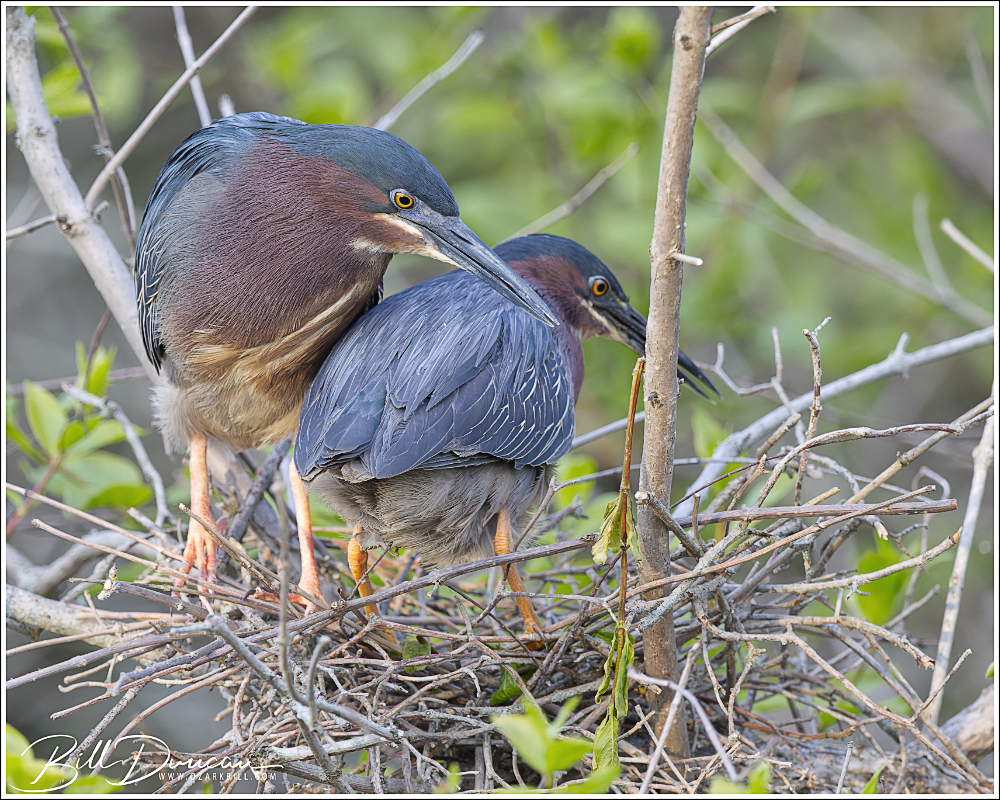
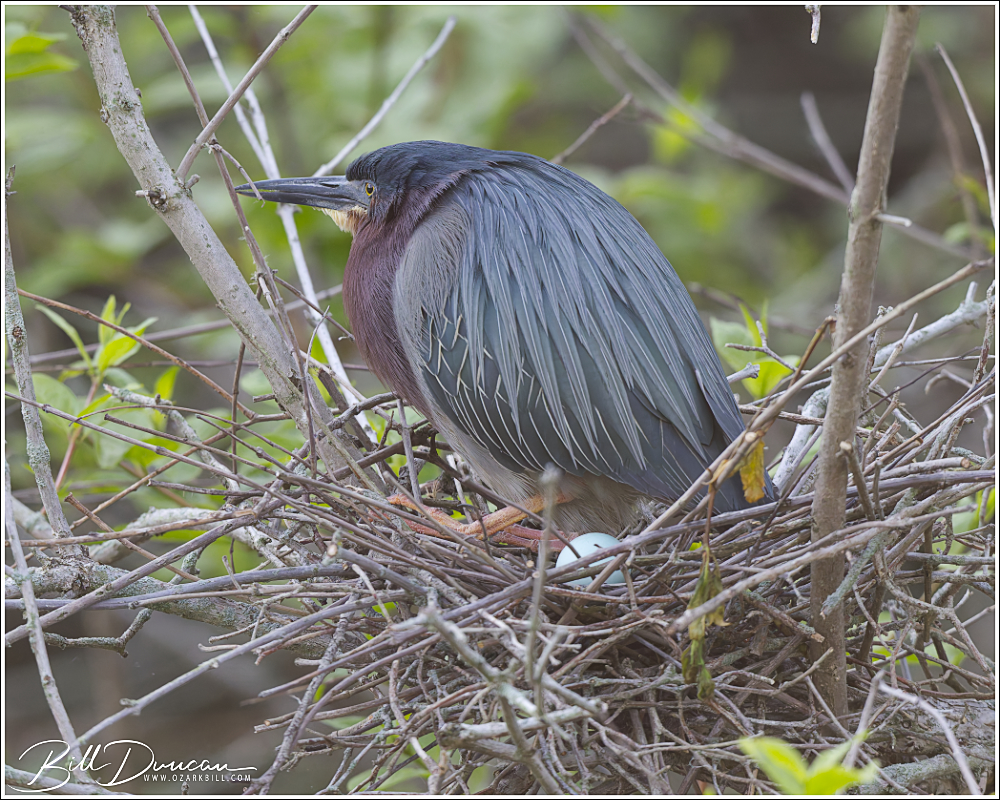
It was nice watching a pair of Green Herons finishing their nest. Over the four days we spent there, two eggs were deposited.
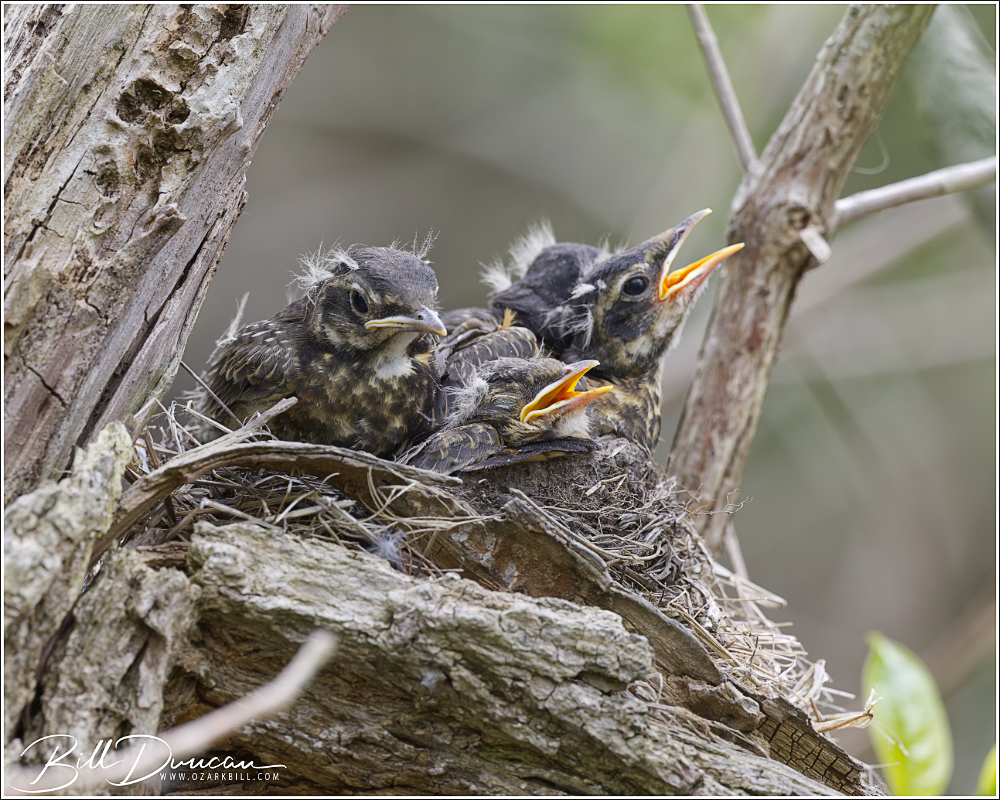
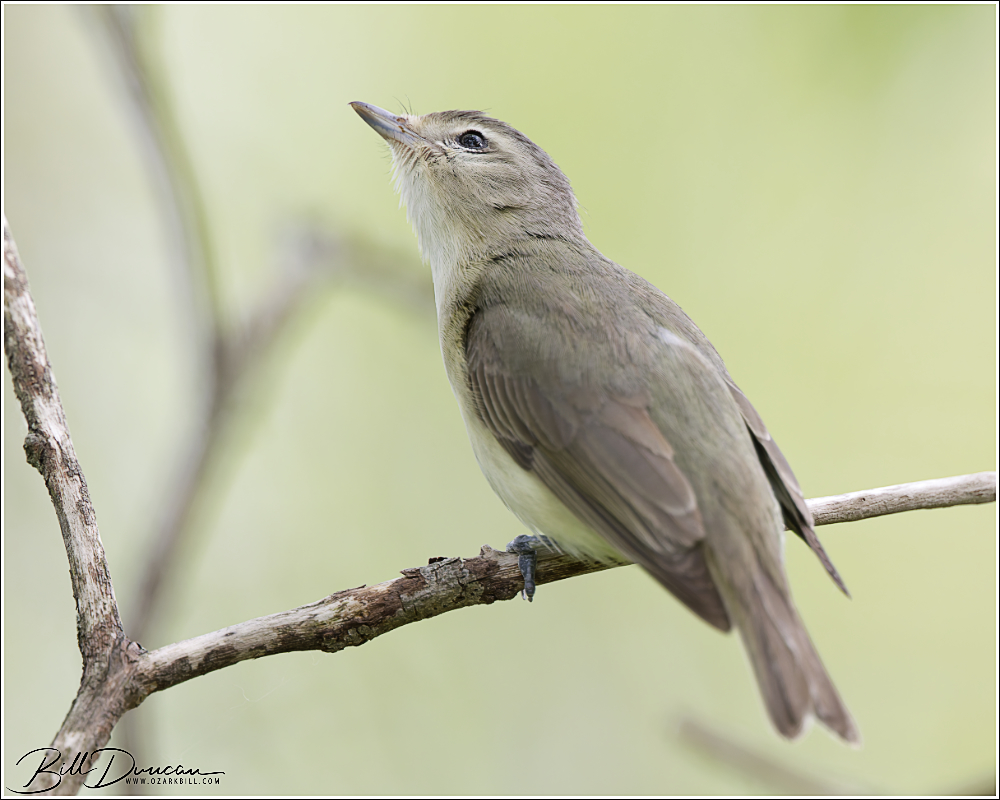
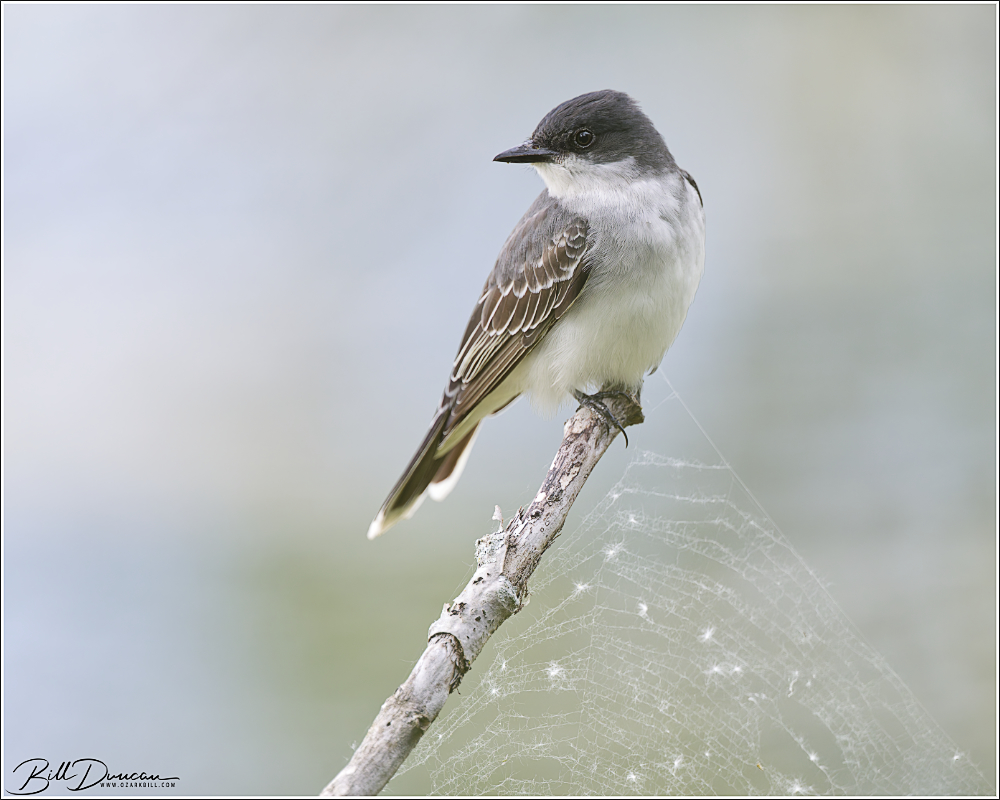
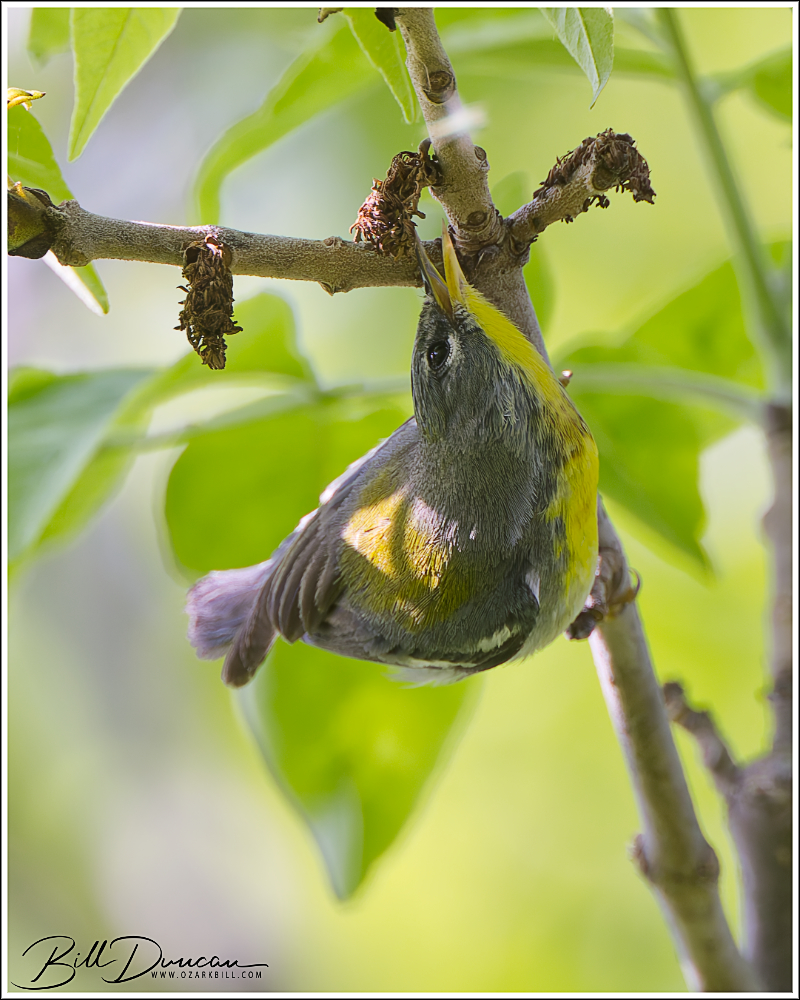
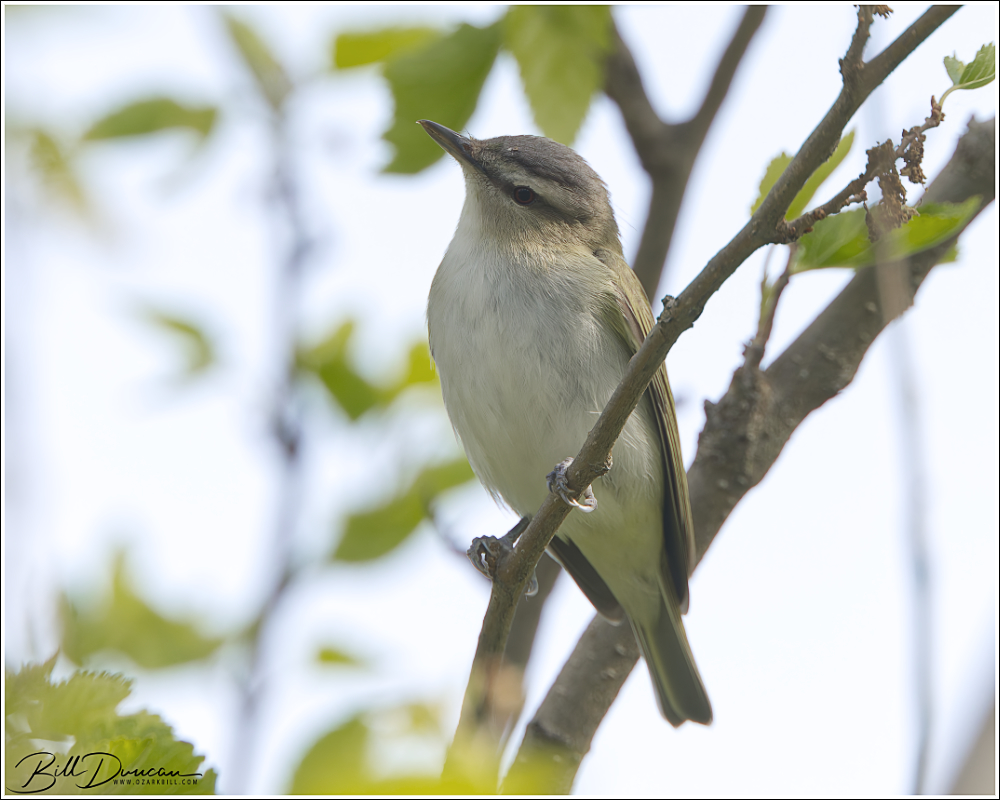
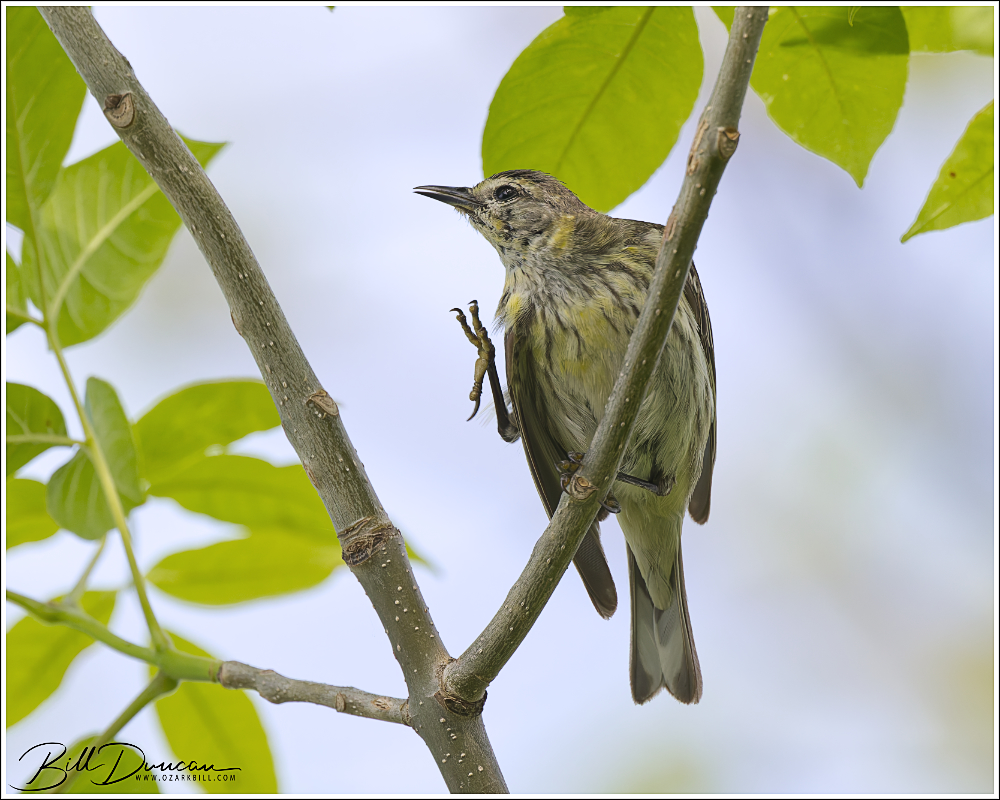
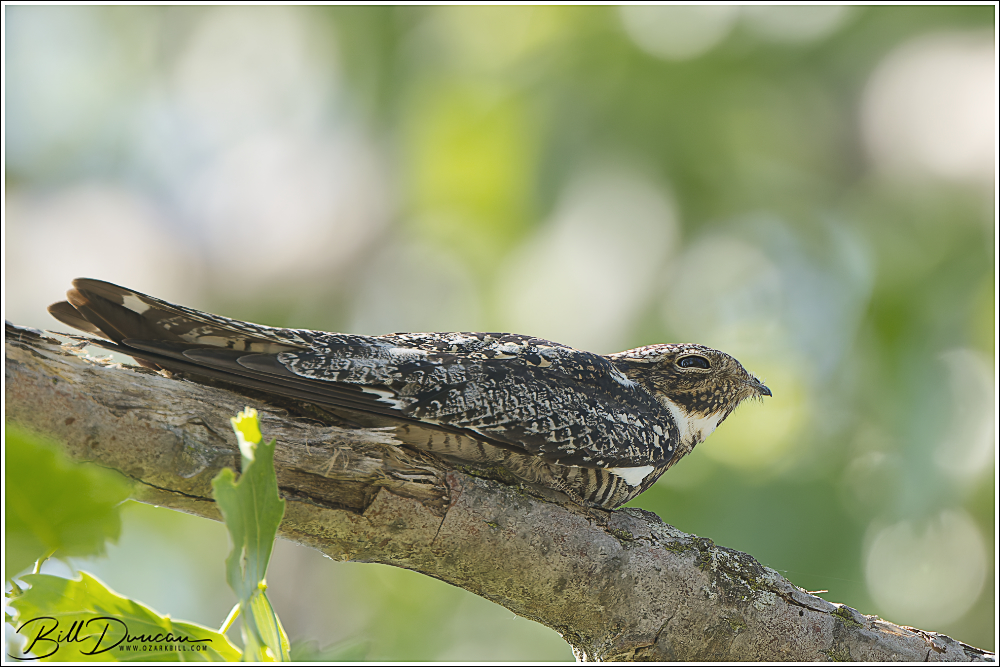
Finally, a few miscellaneous species worth sharing.
 A Thousand Acres of Silphiums