"What a thousand acres of Silphiums looked like when they tickled the bellies of the buffalo is a question never again to be answered, and perhaps not even asked." -Aldo Leopold
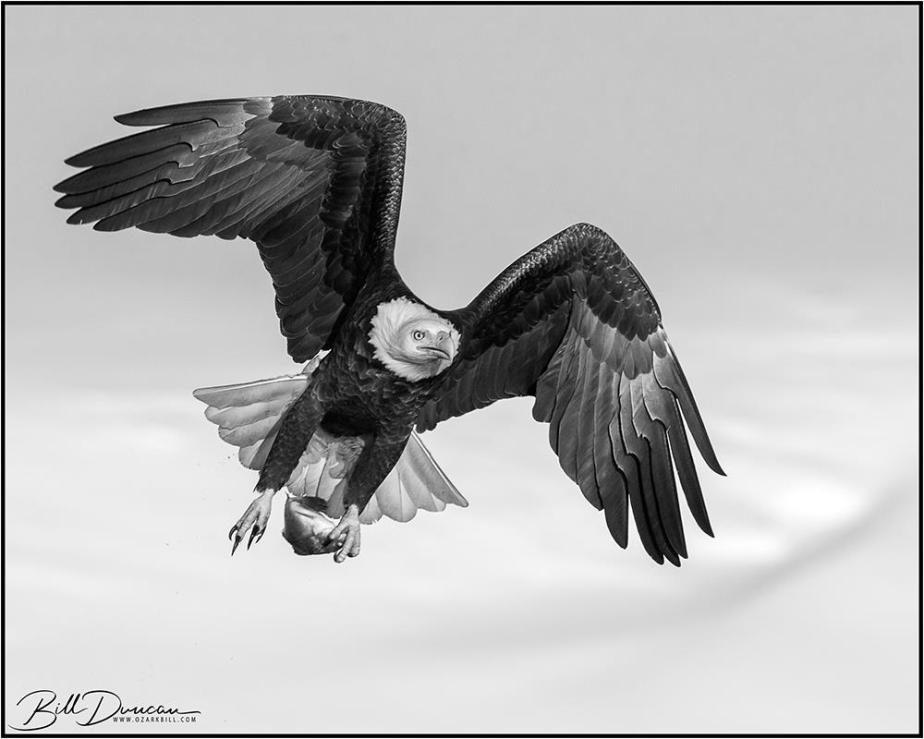
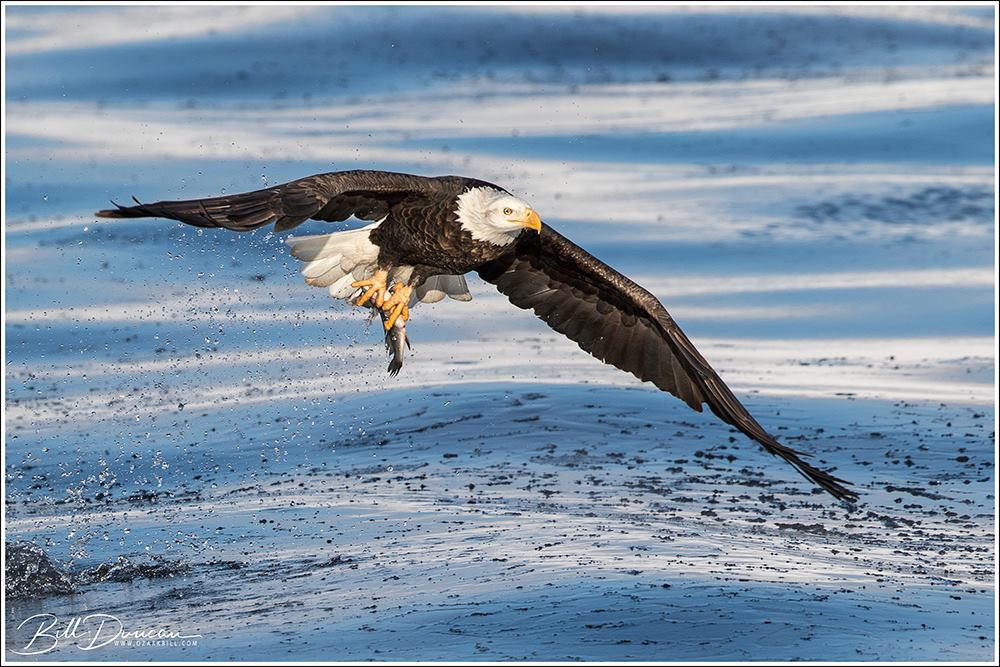
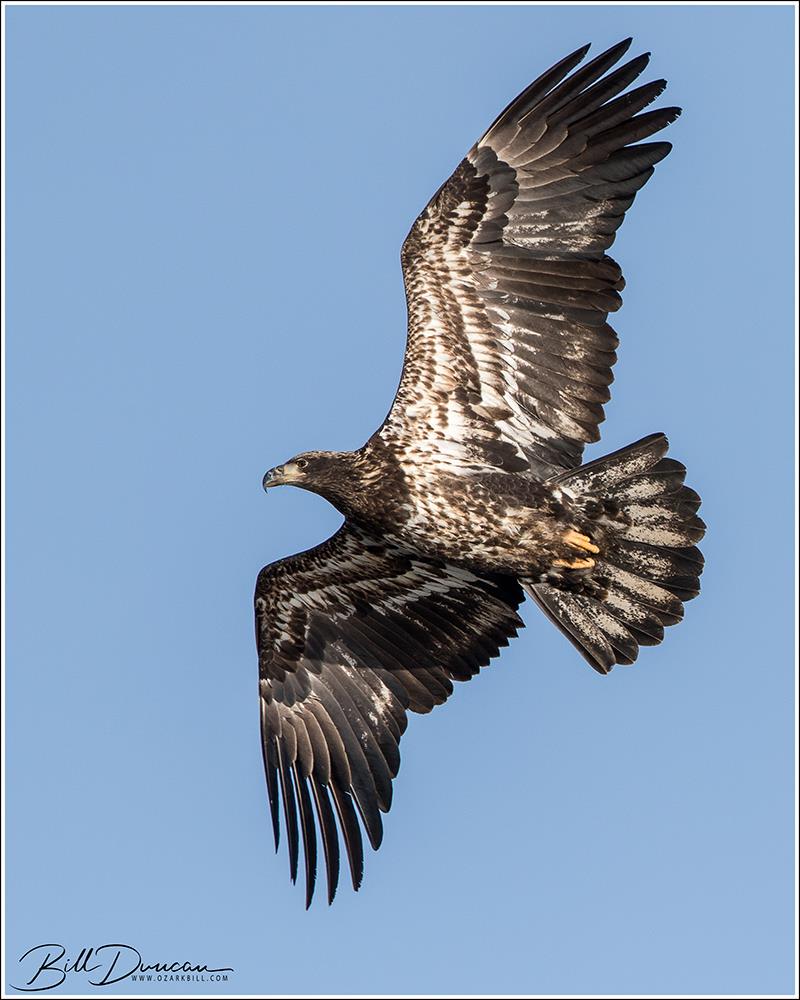
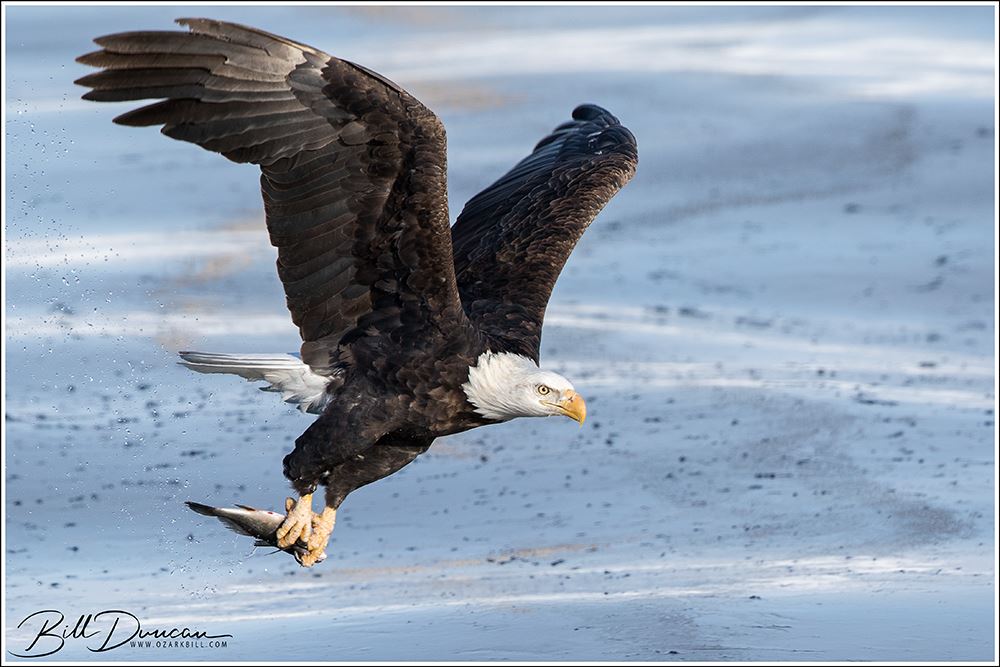
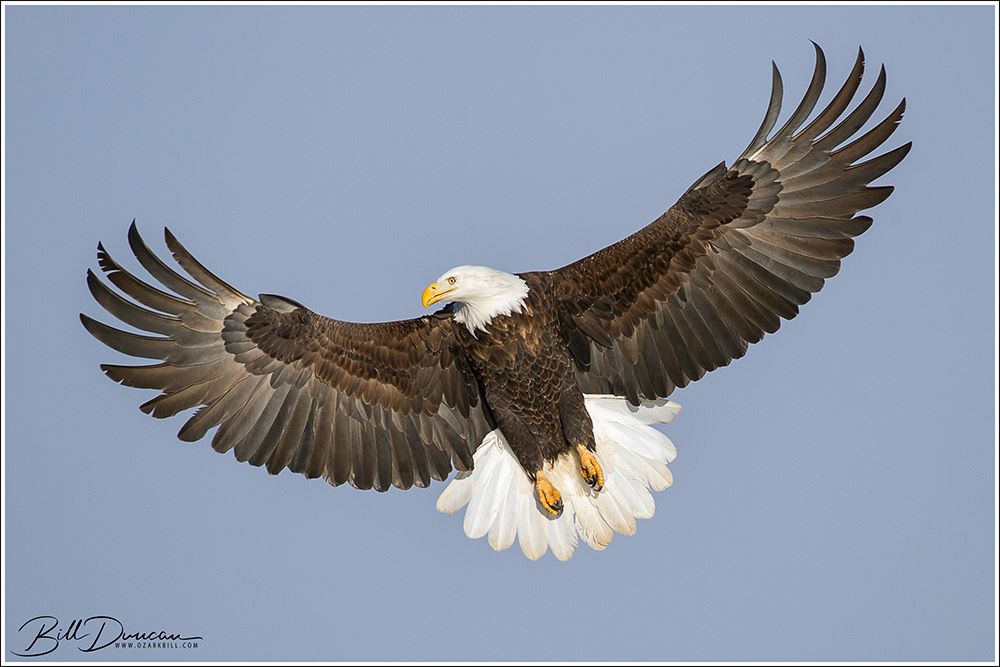
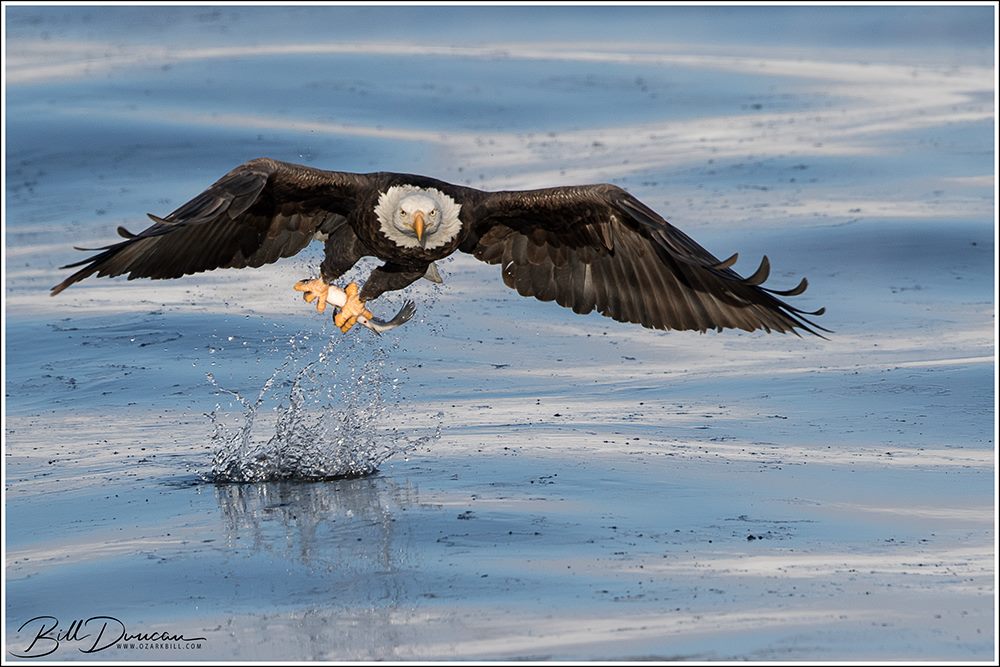
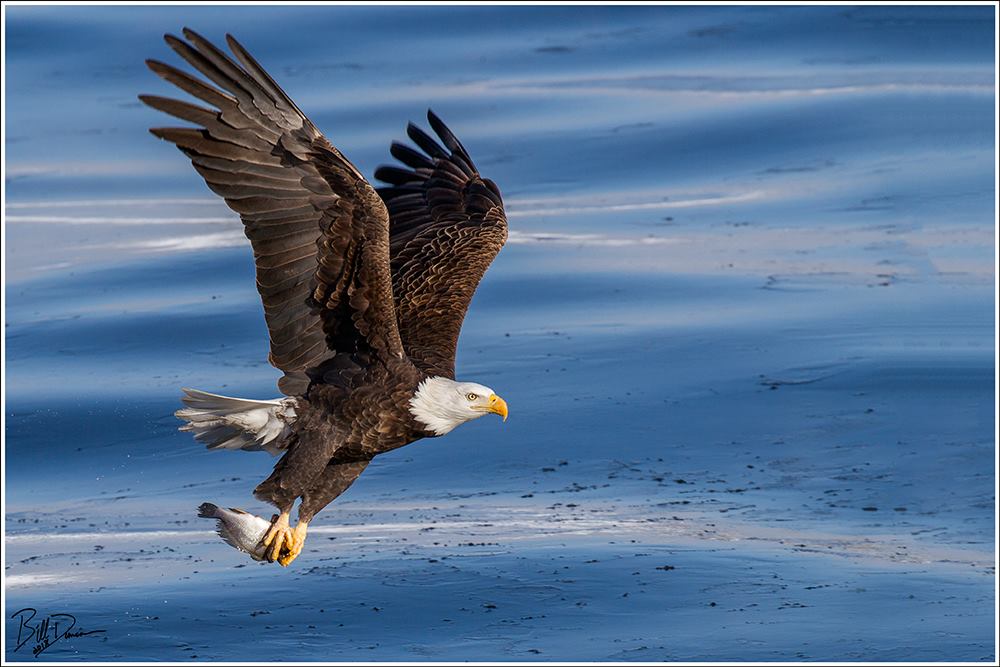
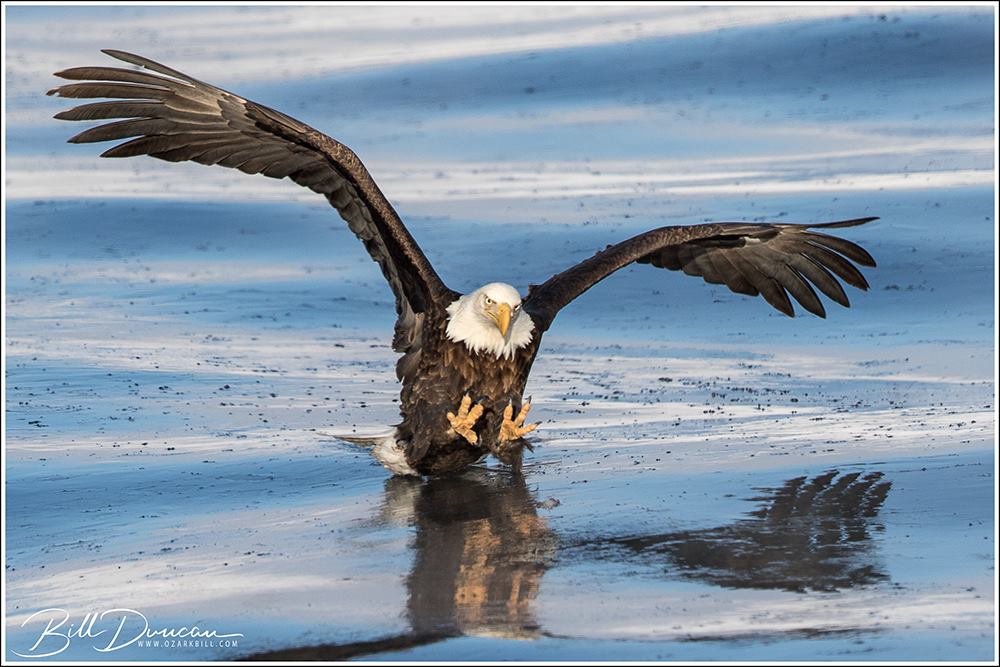
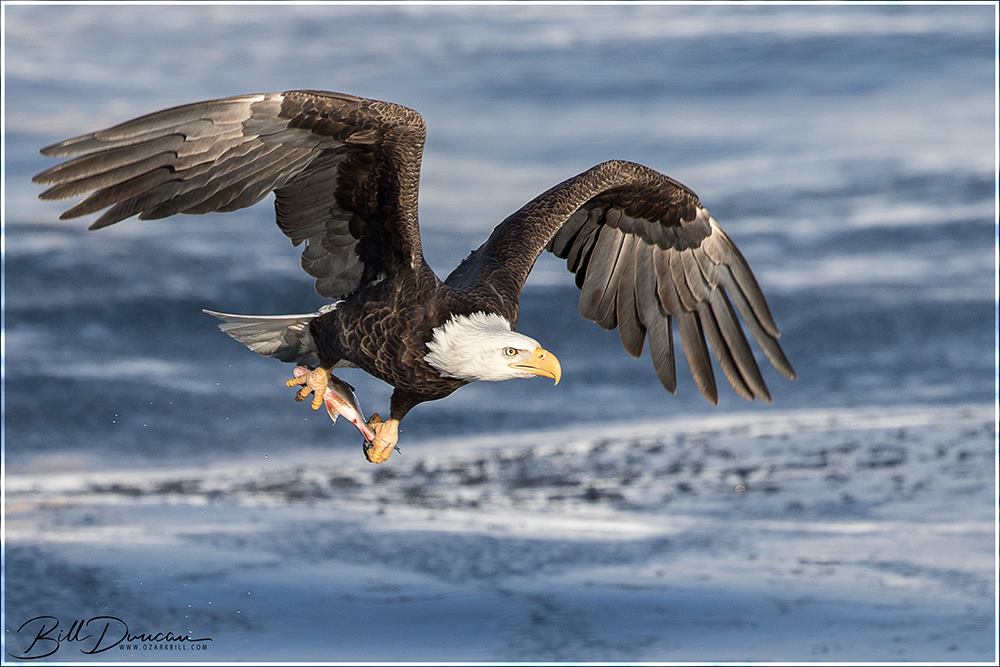
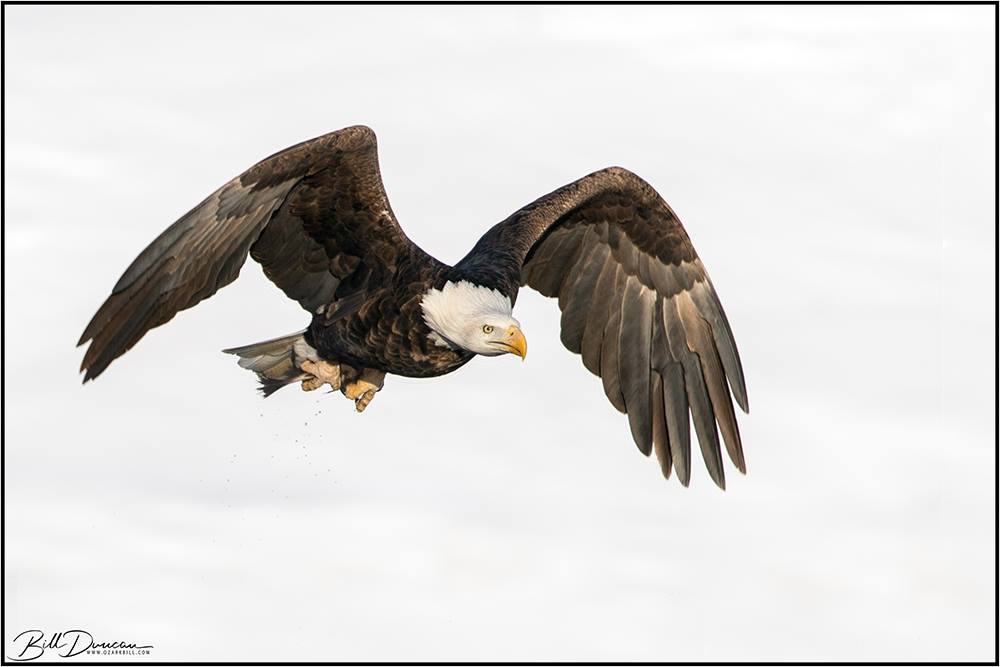
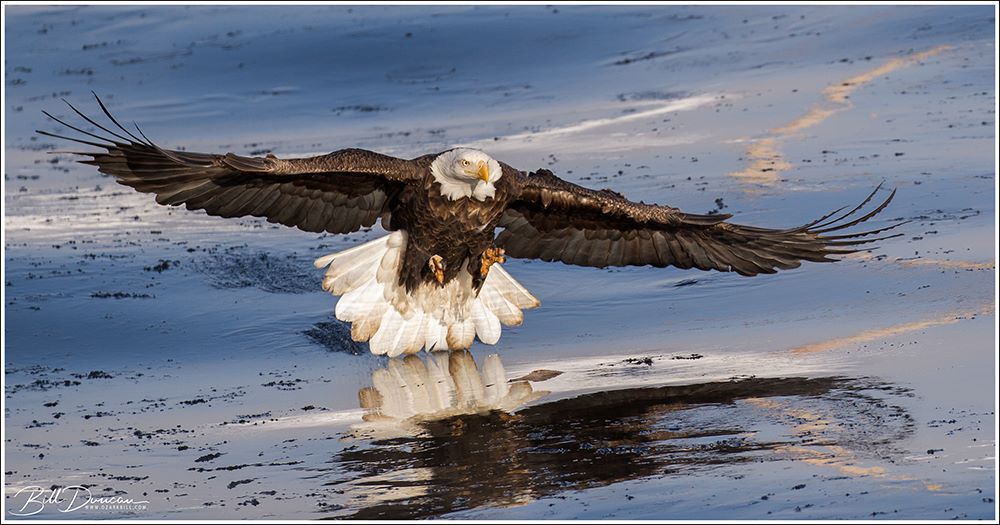
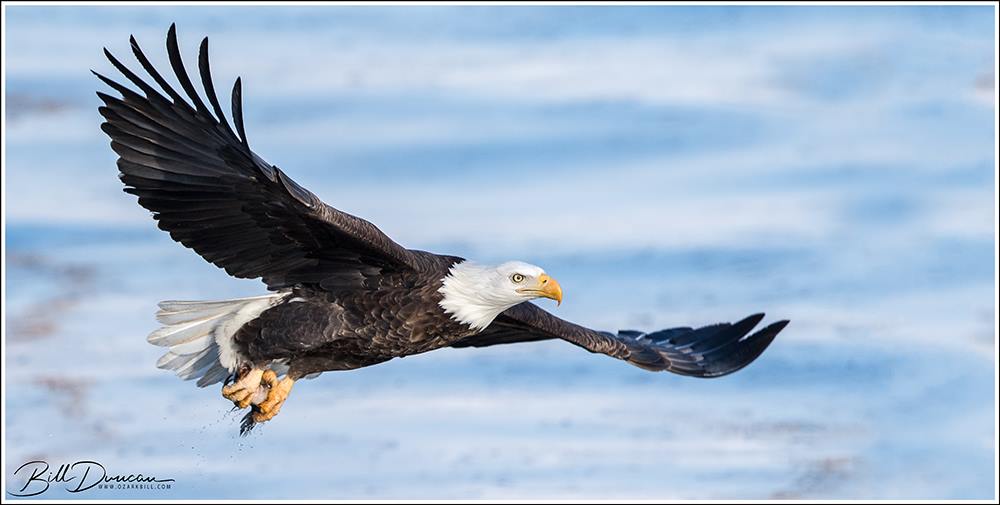
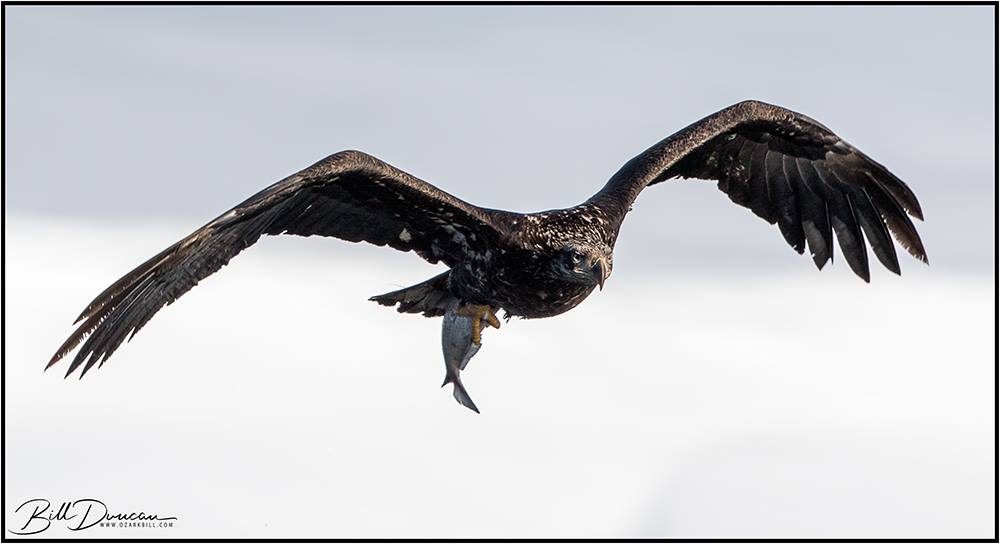
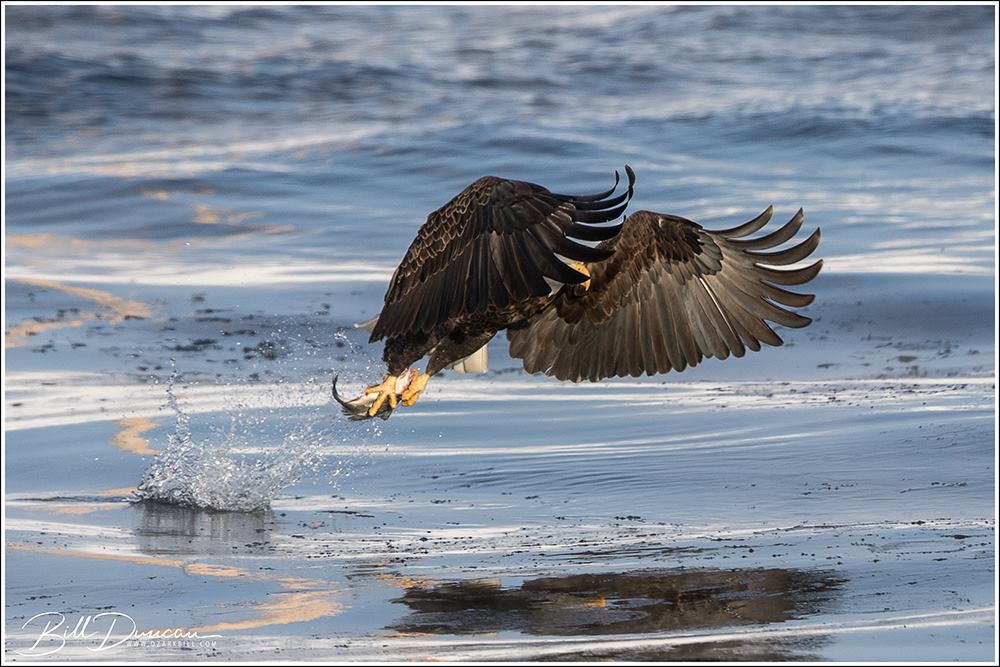
Still plugging away at making sure photos that I only posted to Facebook for a couple of years do get captured here on the blog. These photos were taken in January 2019 on one special and frigid day at Lock and Dam #14 along the Mississippi River near LeClaire, IA. I do mean it was a frigid day. I believe the high for this day might have reached 3 °F.
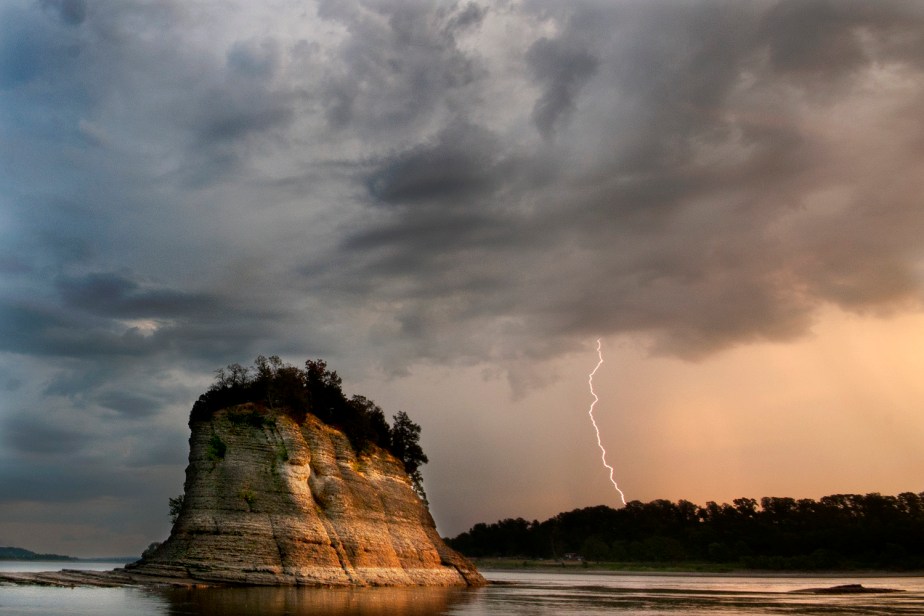
Today I’m happy to provide a platform for renowned nature photographer and friend, Casey Galvin, to share his words and fantastic landscape photography from lesser known areas between the coasts. This article is exactly my philosophy when it comes to landscape photography – what little I do of that these days. I am much more interested in finding hidden gems without a plane trip or a multiday car ride. This is actually much tougher to do than placing your tripod in the holes dugout by the throngs of photographers chasing the iconic landscape subjects. Casey doesn’t usually present his works in an online format, so prepare yourself for a real treat! What follows are the writings and photographs of Casey.
When one thinks of great landscapes, Missouri and the two other Midwest states, Iowa and Illinois, do not come to mind. With the great American West along with coastal states available to most landscape photographers it is easy to fly over or drive through these three states without a thought of stopping. What makes this area special, most landscape photographers have never taken the time to be here in the Midwest. You make images no one else has, unlike in the western USA. However, because of this anyone who does stop and take the time to explore will find something that most people do not think of photographing. These three states have unique and special geological sites and plenty of water resources (rivers, creek, lakes, world class springs and seepage areas) and open landscapes.
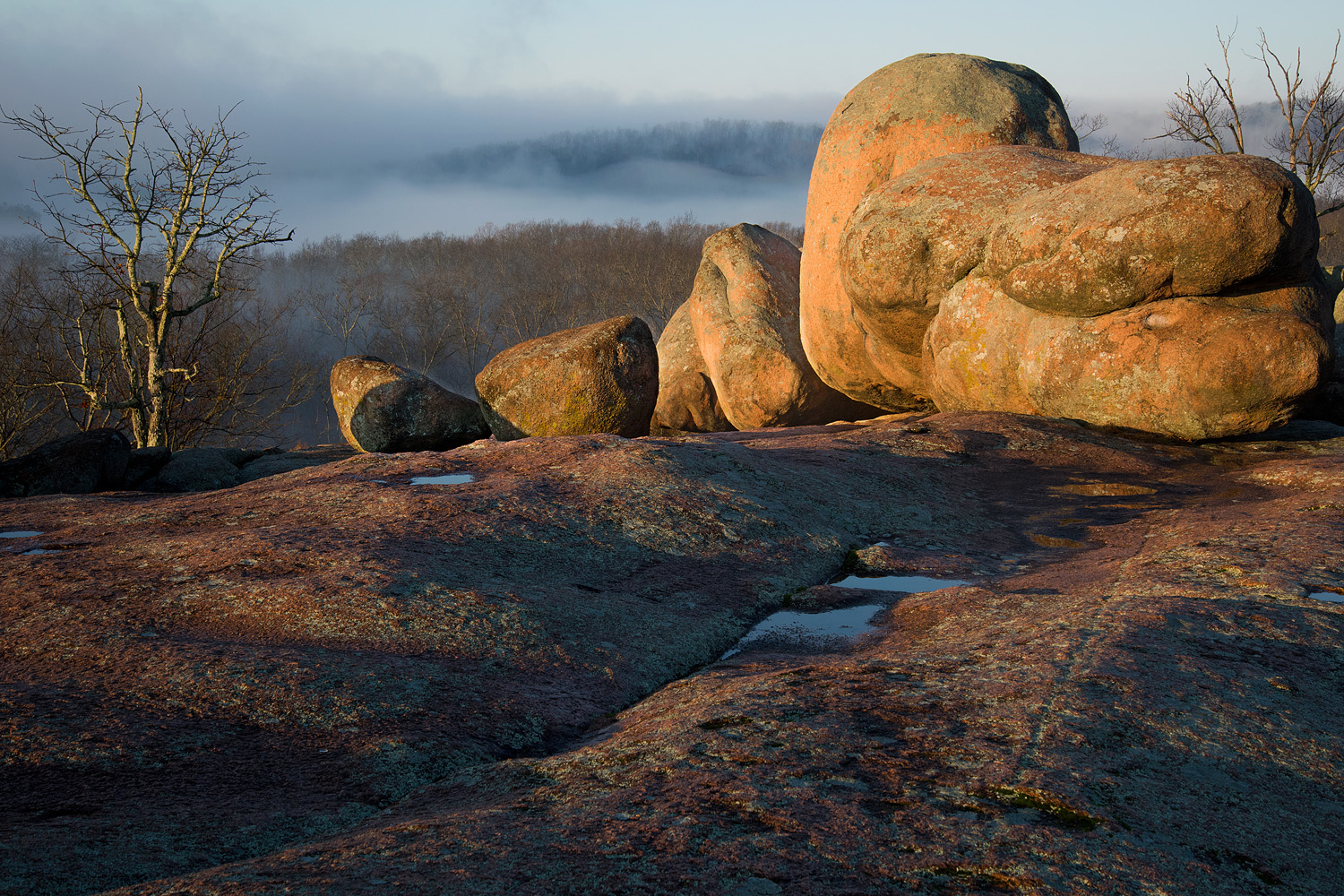
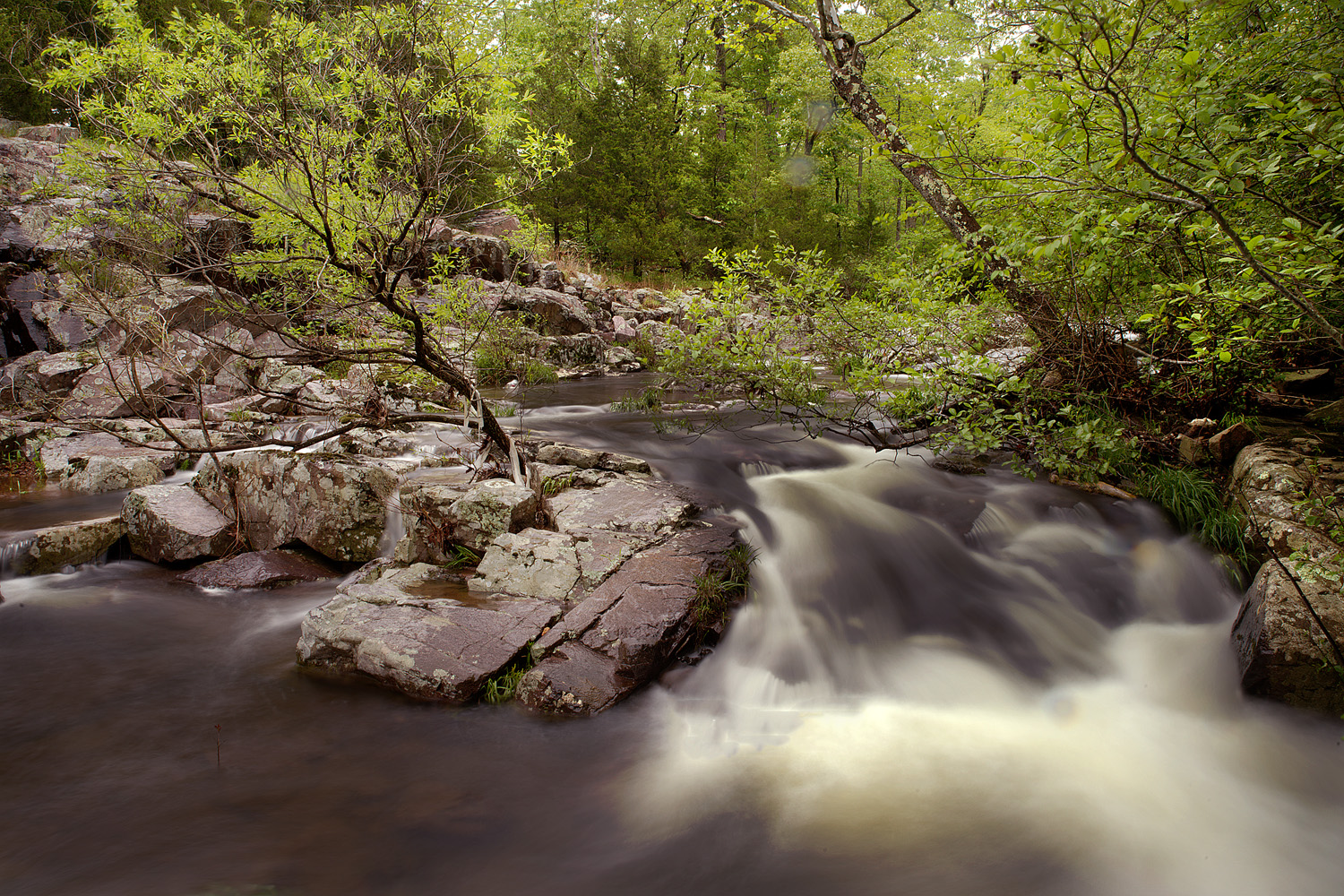
Elephant Rocks State Park Iron County, Missouri
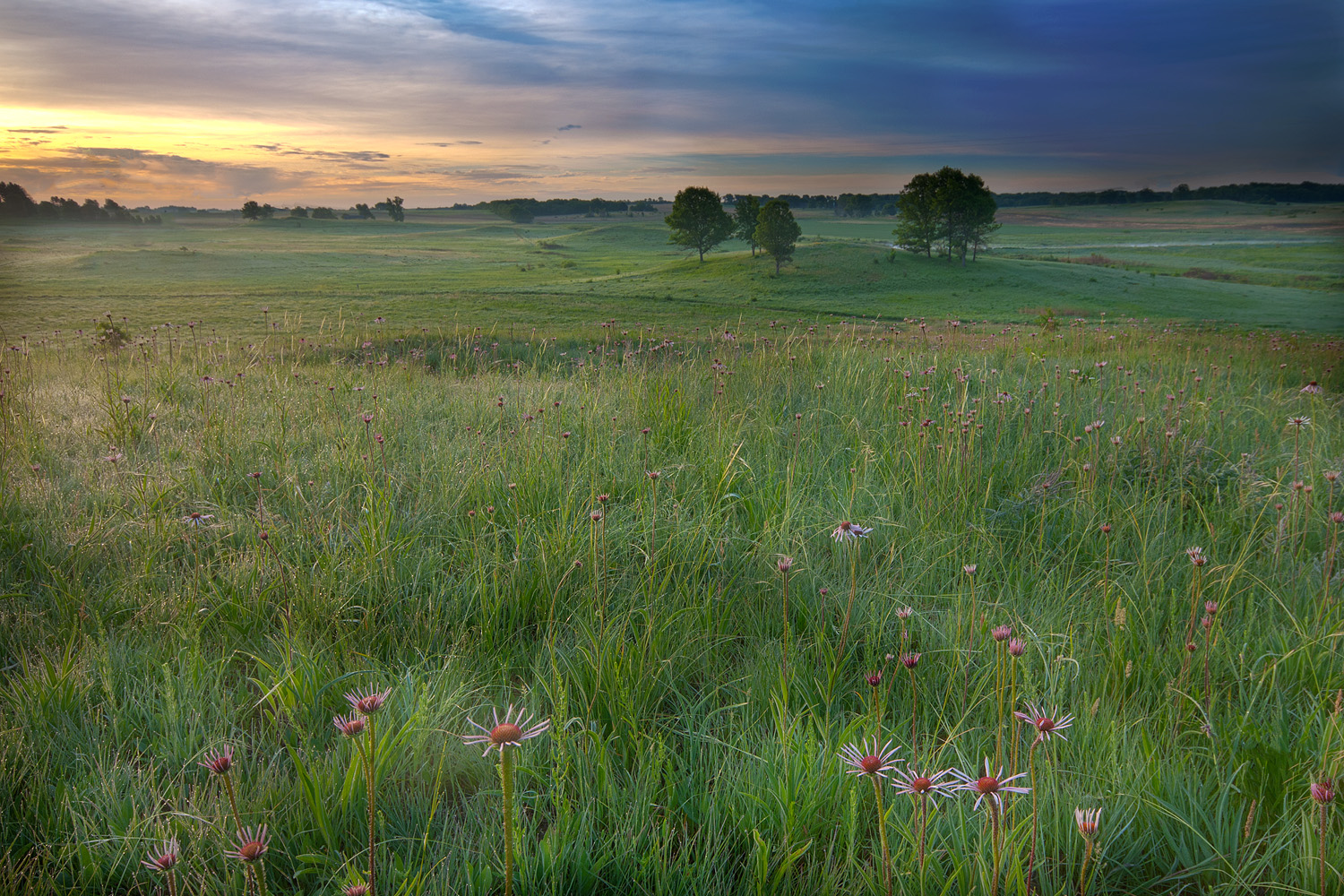
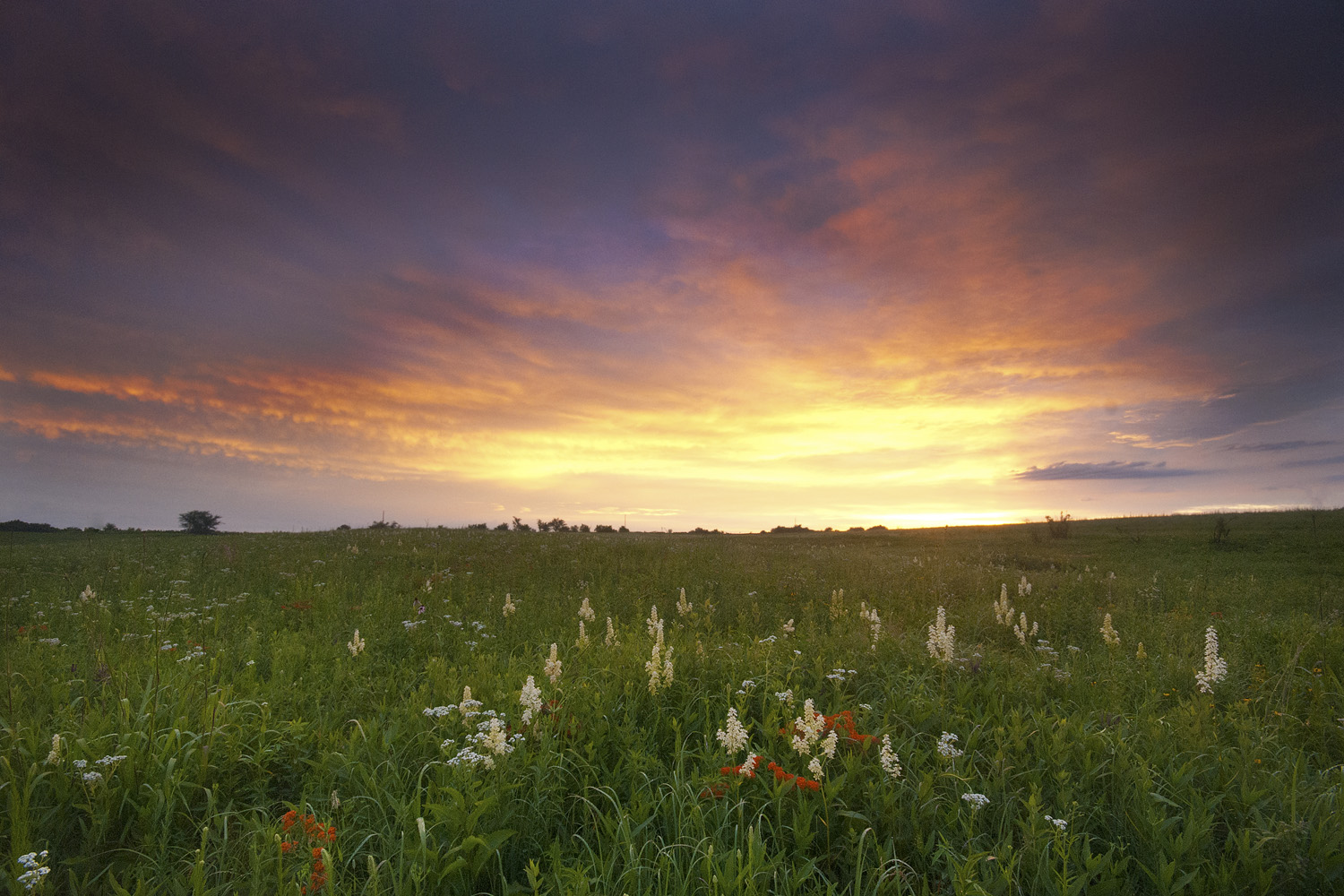
This being the heart of Tallgrass Prairie, there are still remnants left of this rarest of North American biomes. These systems were lost because it is some of the most productive farmland in the world, sand and gravel mining took others and conversion to urban development took the rest. Most people do not understand these grasslands probably because they have never experienced a true prairie. Unfortunately, there are not many large areas that are left untouched, but one can still find several remnants that are 1000 acres or even larger. This is where the buffalo roamed in large herds and in some locations, one can still find these animals ranging freely. The other nice feature for a photographer when visiting these sites is that you will most likely be the only one at that location. I have been on many a prairie for hours and have never seen anyone else.
Nachusa Grasslands Franklin Grove, Illinois
Like the West, where they get super blooms with the heavy winter rains, as long as the rains are steady, Tallgrass Prairies get super blooms at least once a month in the growing season. These systems are made for hot, dry weather. May brings profusions of paintbrush (Orabanche coccina), in June coneflowers rule (Echinacea pallida or if you are lucky in prairies near the Ozarks, E. paradoxa), in July blazing star (Liatris pycnostachia) takes over. Autumn is dominated by yellow composites, gentians and late Liatris species.
Helton Prairie Natural Area Harrison County, Missouri
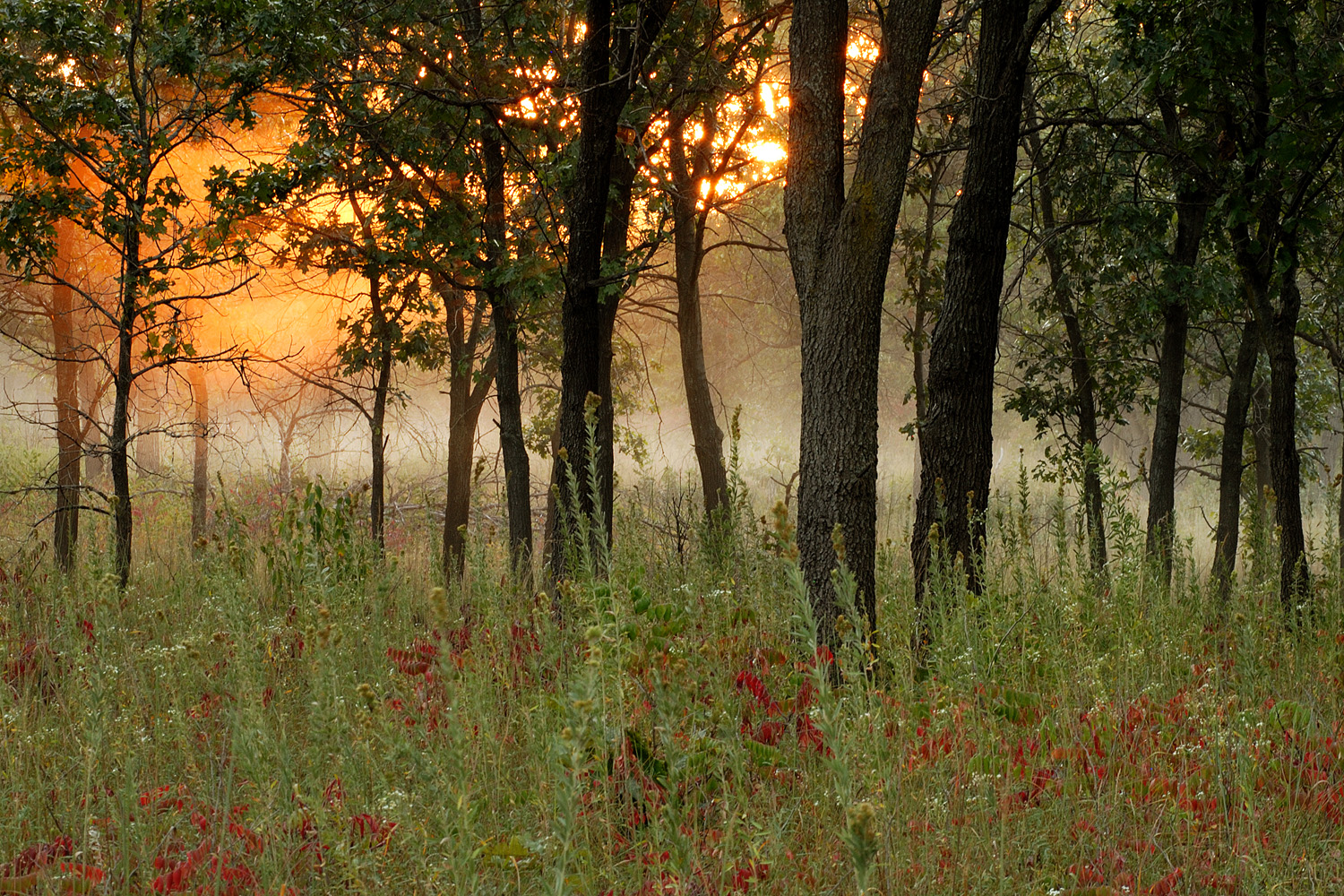
Savanna, another biome type, is usually tied to the prairie. This is the transitional biome between prairie and forest, and here you will find a mix of species from both. I have found that you can get good to great photographs on these lands, but because it does take work, you can develop photographic skills you can use elsewhere in the world. These can be difficult landscapes because of the open space
Kankakee Sands Kankakee County, Illinois
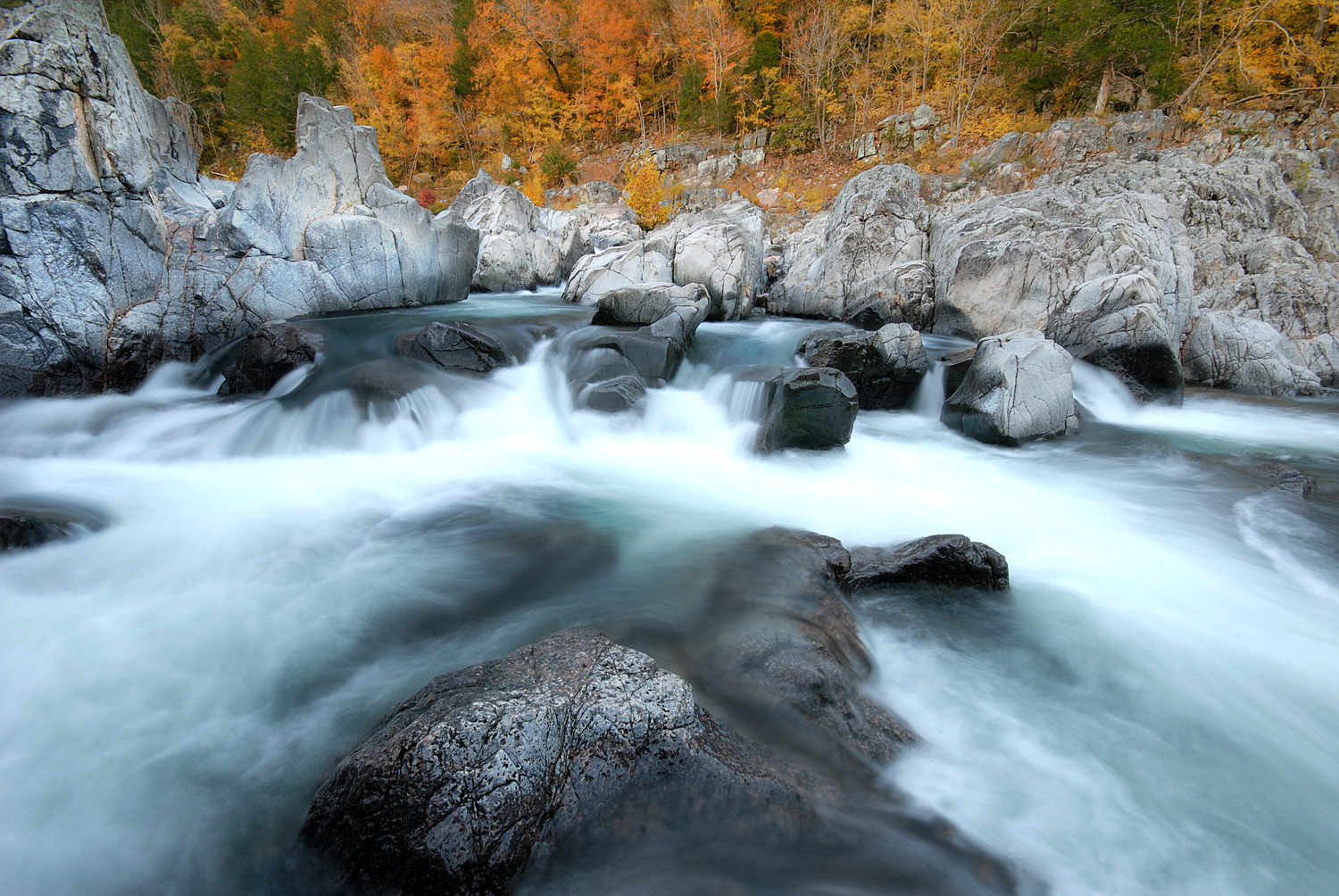
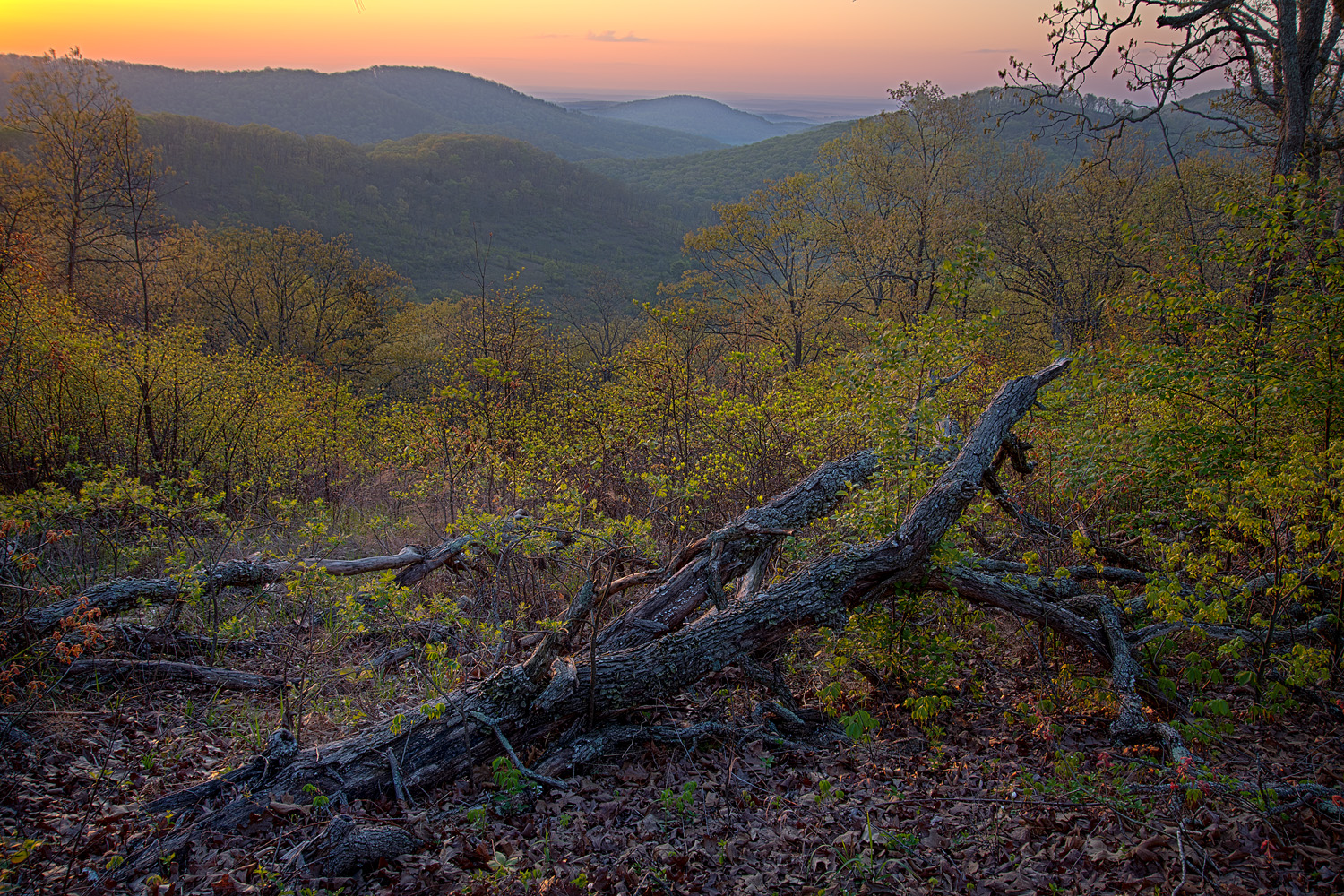
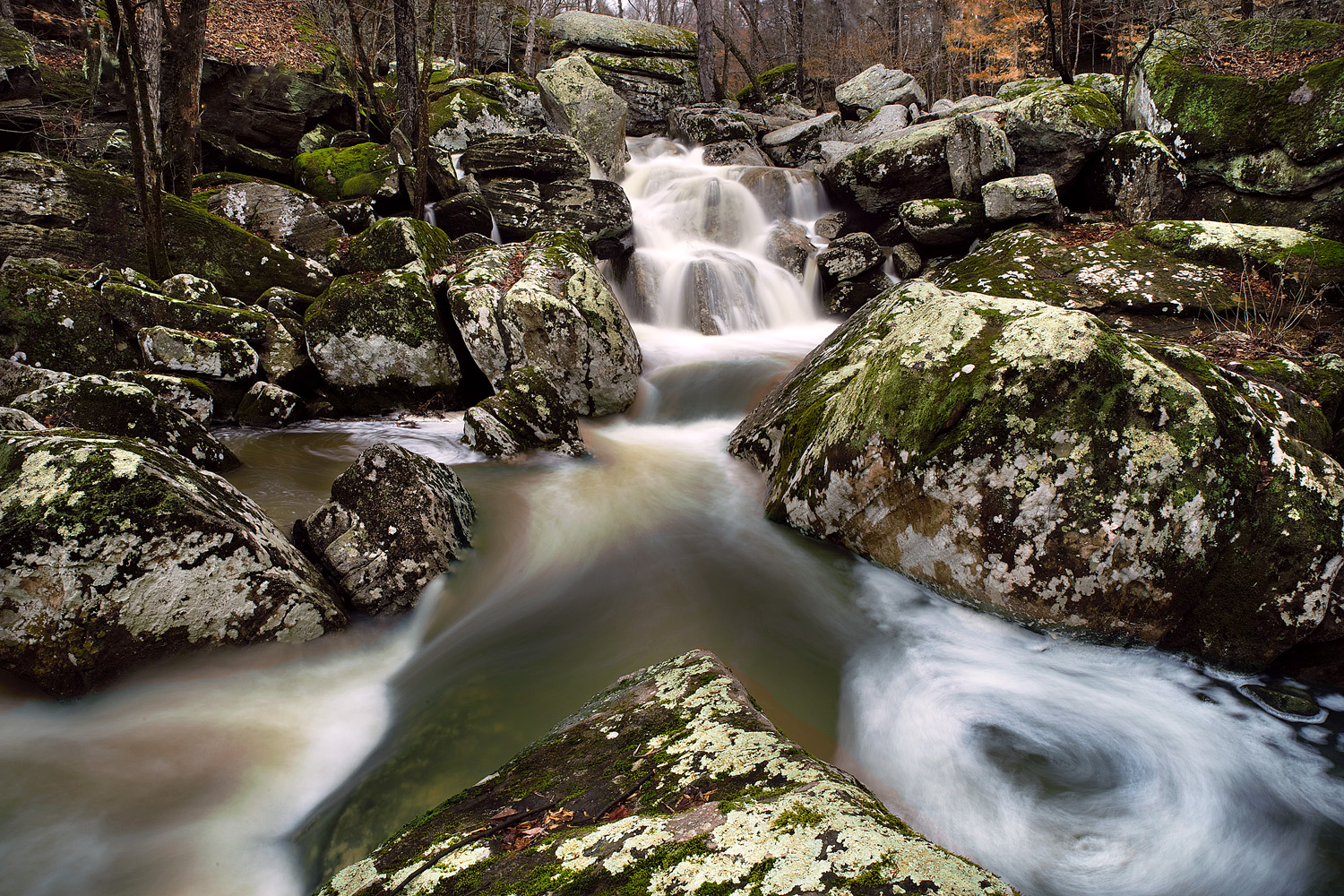
There are also unique geological features found in this region. The Saint Francois Mountains in SE Missouri are extinct volcanoes and ancient lava flows. Most have been exposed for over one billion years. With its acid soils it make for great plant diversity. When a river or creek flows through one of the lava flows you have what Missouri calls a shut-in (water is restricted or shut-in to a narrower passage due to the slow-to-erode nature of the underlying granite). These are extremely attractive to photograph in all seasons. Unfortunately, some of the more attractive ones are well visited. So unless you’re early or late in the day you may find yourself in large crowds. These are not tall mountains, being eroded for eons, but this is still mountainous country.
Johnson’s Shut-Ins State Park Reynold’s County, Missouri
In southern Missouri there is also a unique set of monadnocks, an example being Caney Mountain Conservation Area – a remote area was once one of the last bastions for deer and turkey in the eastern USA.
Caney Mountain Conservation Area Ozark County, Missouri
In southern Illinois the Shawnee National Forest with its limestone and sandstone escarpments (Greater and Lesser Shawnee Hills and Ozarks) can make for nice areas to explore photographically. Garden of the Gods is very scenic. Wet weather waterfalls are abundant (yes, Illinois is not flat here). La Rue Pine Hills ecological area not only has tall limestone bluffs. Below them is one of the most floristically rich areas in the Midwest with over 1200+ plant species. According to Robert Mohlenbrock, an authority on the flora of Illinois, the Shawnee NF is more diverse than the Great Smokey Mountains National Park. The area south of the Shawnee Hills also has some of the best southern swamps remaining in North America.
Ghost Dance Falls Shawnee National Forest, Illinois
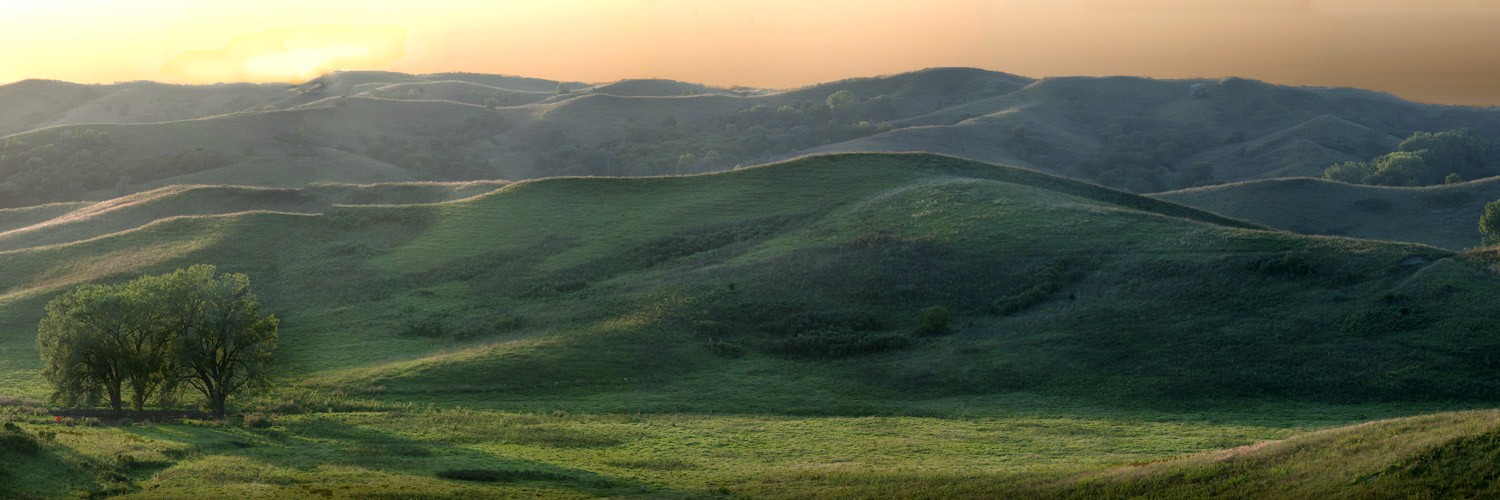
Along the west coast of Iowa and NW Missouri is another unique landform. The Loess Hills made up of windblown dust (loess soil) from the last glaciation. These type of hills are found only in three locations in the world and this being the only one in North America. The plants and animals found here are similar to those found nearly 100 miles west in Kansas and Nebraska. This is another type of tallgrass prairie with disjunct populations of mixed grass prairie species.
Broken Kettle Grasslands Preserve Plymouth County, Iowa
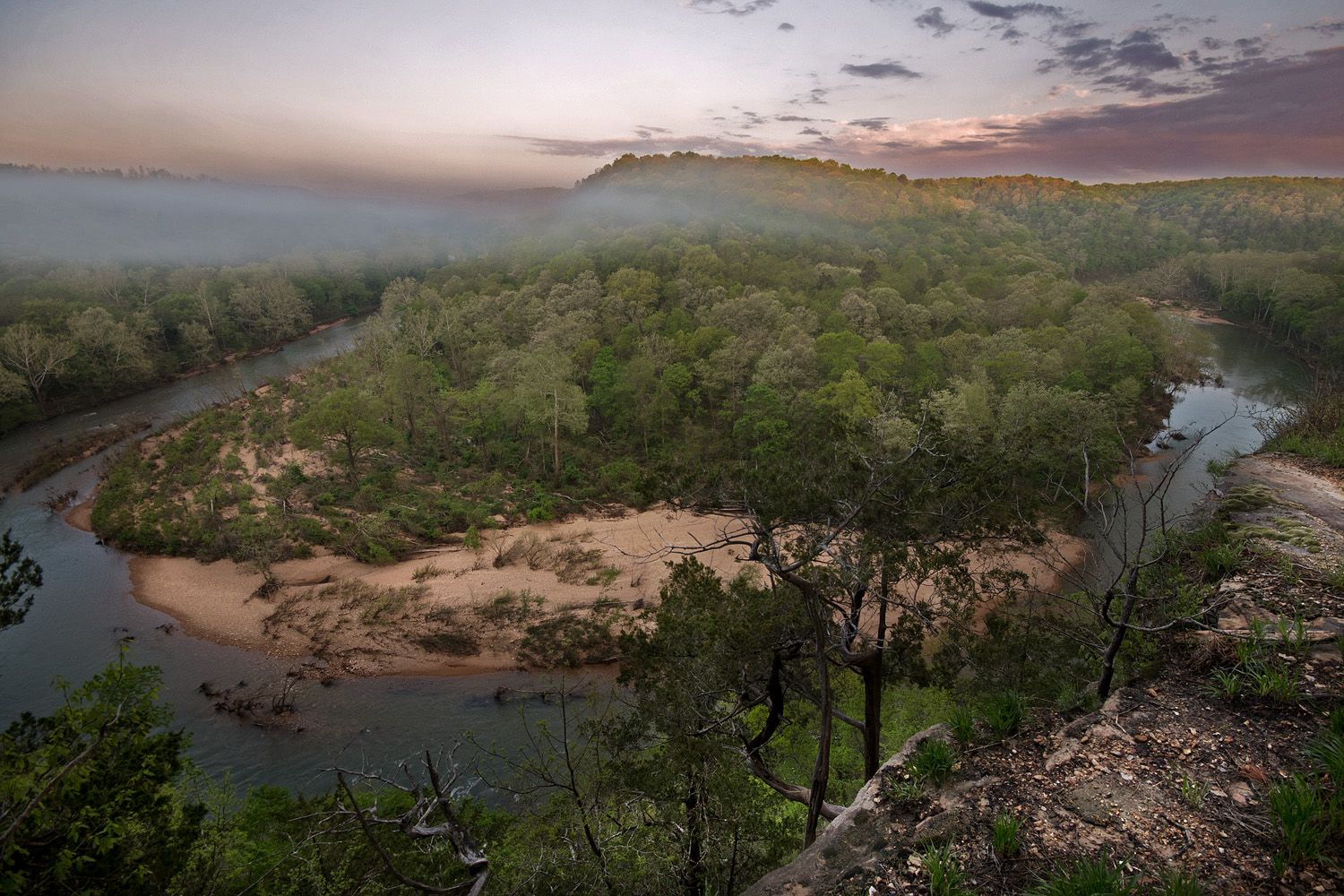
Forest covers the southern one-third of Missouri and the Shawnee NF in Illinois. Spring and autumn bring many landscape opportunities especially along the rivers and other water features. Wildflowers abound here through the growing seasons in the forest and in the spring and on rocky glades (opening between the woodlands) throughout the growing season. These are some of the more diverse forests in the country, with several species restricted to the Ozark Plateau. This is also a world class birding area.
Chalk Bluff, Ozark Scenic Riverways Shannon County, Missouri
Water features are abundant as stated prior. This is one feature that many areas in the country lack. Even in deep droughts, the larger springs still have plenty of output keeping many rivers flowing well deep into the autumn. Every 10 to 20 years there comes a drought where the biggest of rivers have levels that fall enough to be able to walk to some of the islands that are within them, allowing us to get images that might be harder to access without a boat.
Carver Creek Shut-ins Iron County, Missouri
I have spent many years studying and exploring these areas, through all four seasons. It is well worth the time to visit and explore.
It was a pleasant surprise to be able to add two new owl species to my bird species photographed list over my long holiday break. The second owl species and subject of this specific post is the Northern Saw-whet Owl. Although this species can be found in the Show-me State during winter, I heard of a location along with a Radagast like wizard who could conjure up this species upon request within a mere eight-hour drive from our front door. Having waited longer to do this than we should have, Sarah and I loaded up the Subaru and headed for the wilds of west-central Iowa.
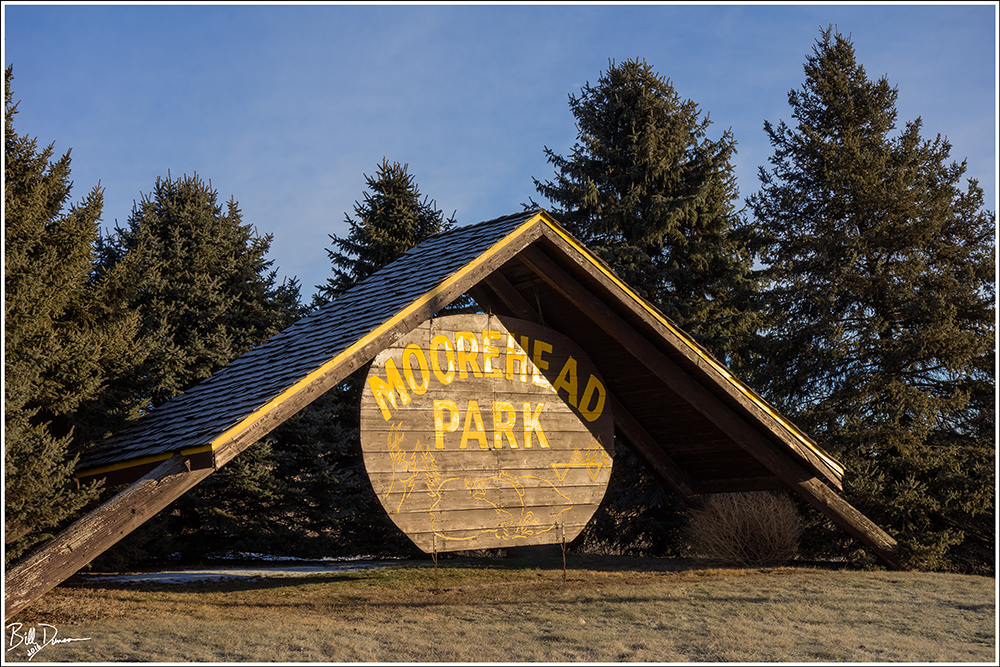
Moorehead Park – Ida Grove, IA
Don Poggensee is no mere wizard, but an accomplished photographer, pilot and naturalist who loves spending time during his retirement monitoring the park’s owls and showing them to anyone interested in getting exceptional looks and knowledge about these visitors from the north. Don has been monitoring, helping in banding projects and showing folks (in the hundreds, if not thousands by now) the owls since 1989. Sarah and I met up with Don one morning along with a couple of other birders, including The Birding Project’s Christian Hagenlocher. We grabbed our cameras and binoculars – not that we would be needing these and followed Don to the specific roost tree that he knew the owl would be found.
In the right habitat. Left to right – Don, Sulli, Christian.
Winter weather in this part of the Midwest can be brutal and unpredictable. In the days preceding our visit, temps bottomed out at ~ -25 F. As Don explained to us, colder temperatures and heavy snowfalls often force the owls to find more suitable roost sites that he is typically not able to find. We lucked out and had rather comfortable conditions for the short hike to the owl’s roost tree.
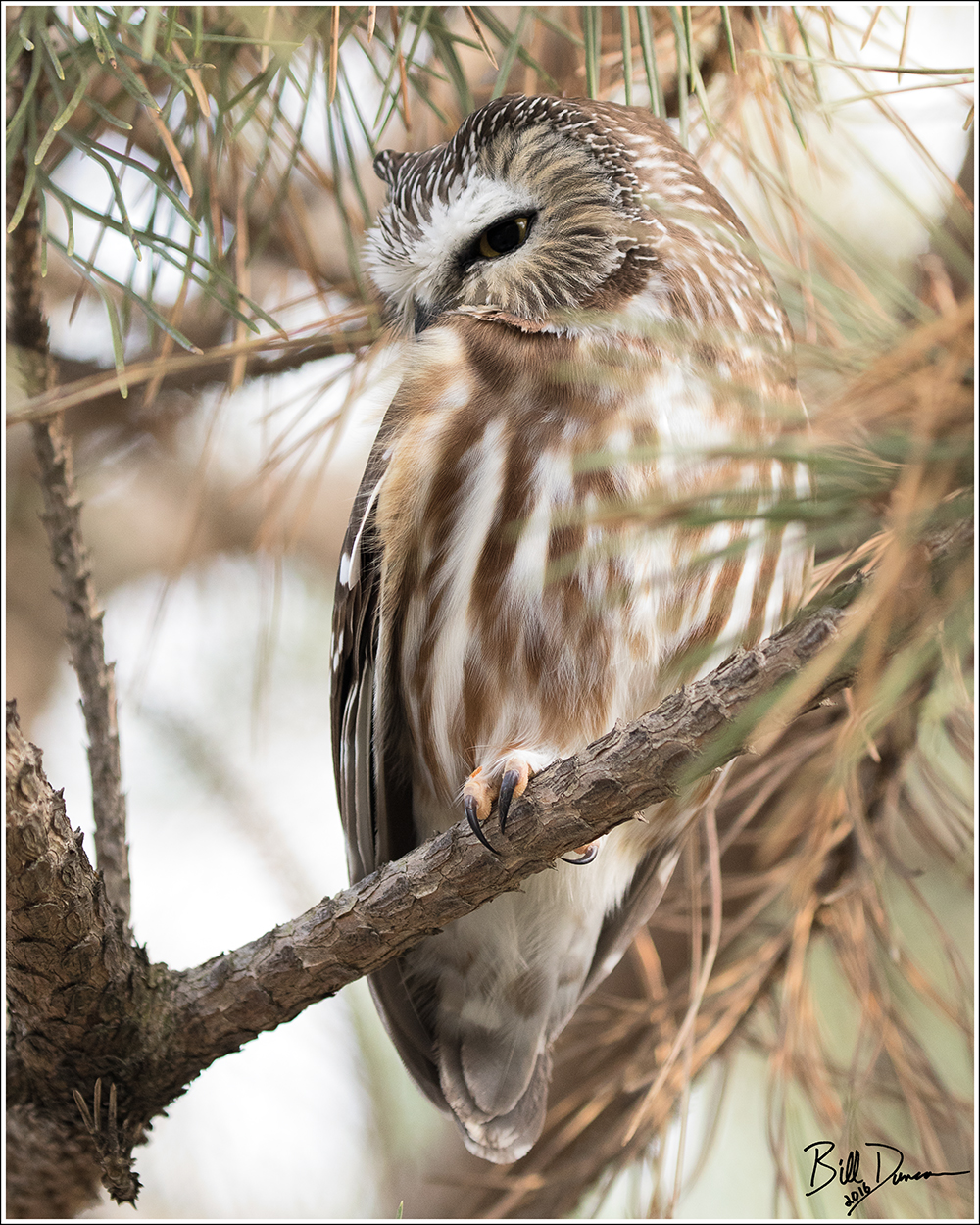
Northern Saw-whet Owl, Moorehead Park, IA
Saw-whets are year-round residents across southern Canada and the northern U.S. but winters across most of the continental U.S. They typically can be found roosting 3 – 12′ in conifers but can also be found in honeysuckle tangles in winter locations where their preferred conifers may not be abundant. Banding programs, made up of mostly citizen scientists have only recently begun to shed light on the seasonal migratory movements of this species. Along with locations and dates, these banding programs have shown that most migrants are females or immature males. Adult males stay on breeding grounds during winter, presumably to hold onto prey-rich territories.
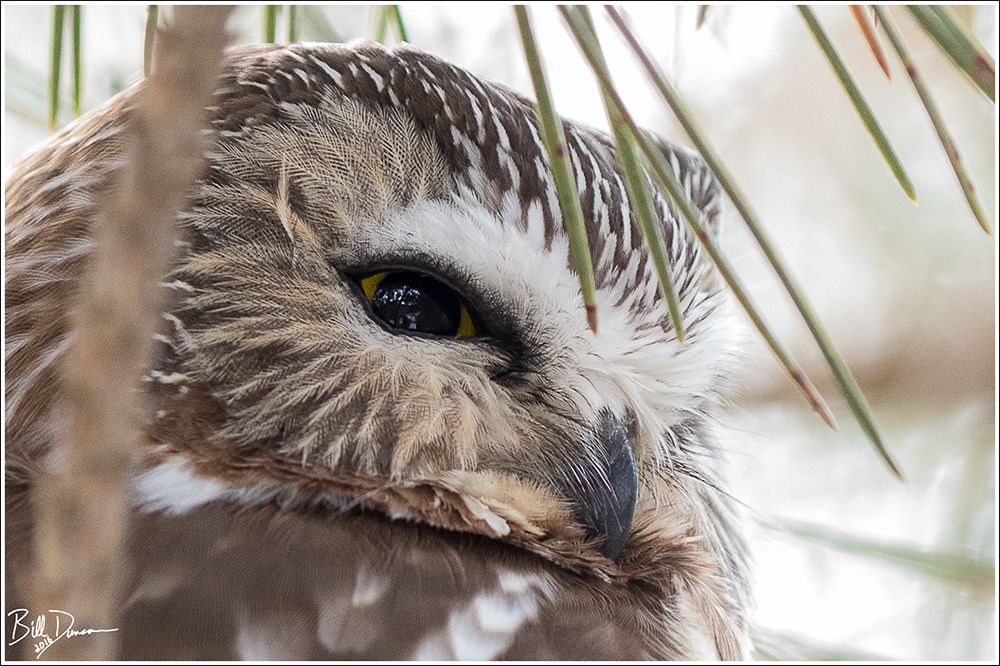
Northern Saw-whet Owl, Moorehead Park, IA
In case you are wondering, Saw-whets got their name from the apparent similarities that one of their common vocalizations has to the sounds made by the sharpening, or whetting of a saw’s blade. They actually make at least nine distinct vocalizations, including an ascending wail that is reminiscent of an Eastern Screech Owl.
Vole Cleavers – Northern Saw-whet Owl, Moorehead Park, IA
At six to nine inches high, our typical response is to wish to put one in our pocket to take home. They are quite cute. However, to nearly anything that is their size or smaller, these guys must be regarded as horrifying. While checking roost trees we found a number of their tiny pellets, each with surfaces studded by the stained bones of their rodent prey.
Northern Saw-whet Owl, Moorehead Park, IA
Works used and recommended readings:
Weidensaul, Scott. Peterson Reference Guide to Owls of North America and the Caribbean. Houghton Mifflin Harcourt, 2015.
Dunne, Pete. Pete Dunne’s Essential Field Guide Companion. Houghton Mifflin Harcourt, 2006.














 A Thousand Acres of Silphiums